Article

Integrated Downstream Analysis and Epidemiological Modelling of Hantavirus Infection: From Host Transcriptomics to Transmission Dynamics


by
Pietro Hiram Guzzi
1,†,
Francesco Branda
2,*,†,
Fabio Scarpa
3,
Giancarlo Ceccarelli
4,
Massimo Ciccozzi
2,
Federico Manuel Giorgi
5,‡ and
Pierangelo Veltri
6,‡
1
Department of Surgical and Medical Sciences, University “Magna Graecia” of Catanzaro, 88100 Catanzaro, Italy
2
Unit of Medical Statistics and Molecular Epidemiology, Università Campus Bio-Medico di Roma, Via Álvaro del Portillo 21, 00128 Rome, Italy
3
Department of Biomedical Sciences, University of Sassari, Viale San Pietro 43, 07100 Sassari, Italy
4
Department of Public Health and Infectious Diseases, University Hospital Policlinico Umberto I, Sapienza University of Rome, 00185 Rome, Italy
5
Department of Pharmacy and Biotechnology, University of Bologna, 40126 Bologna, Italy
6
DIMES, University of Calabria, 88100 Rende, Italy
*
Author to whom correspondence should be addressed.
These authors contributed equally to this work.
These authors share the last authorship.
Pathogens 2026, 15(6), 601; https://doi.org/10.3390/pathogens15060601

Submission received: 11 May 2026 / Revised: 31 May 2026 / Accepted: 2 June 2026 / Published: 3 June 2026

Abstract

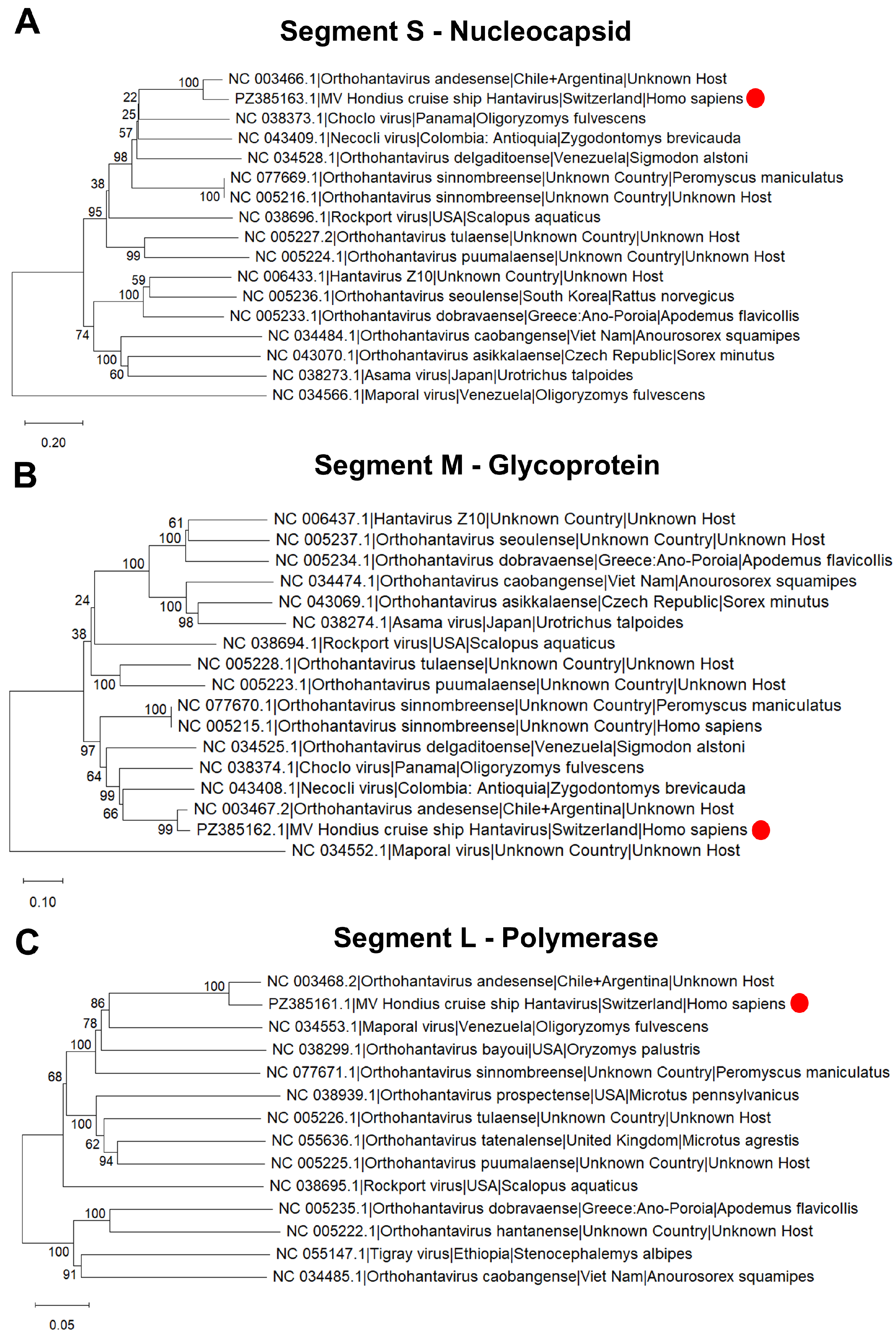
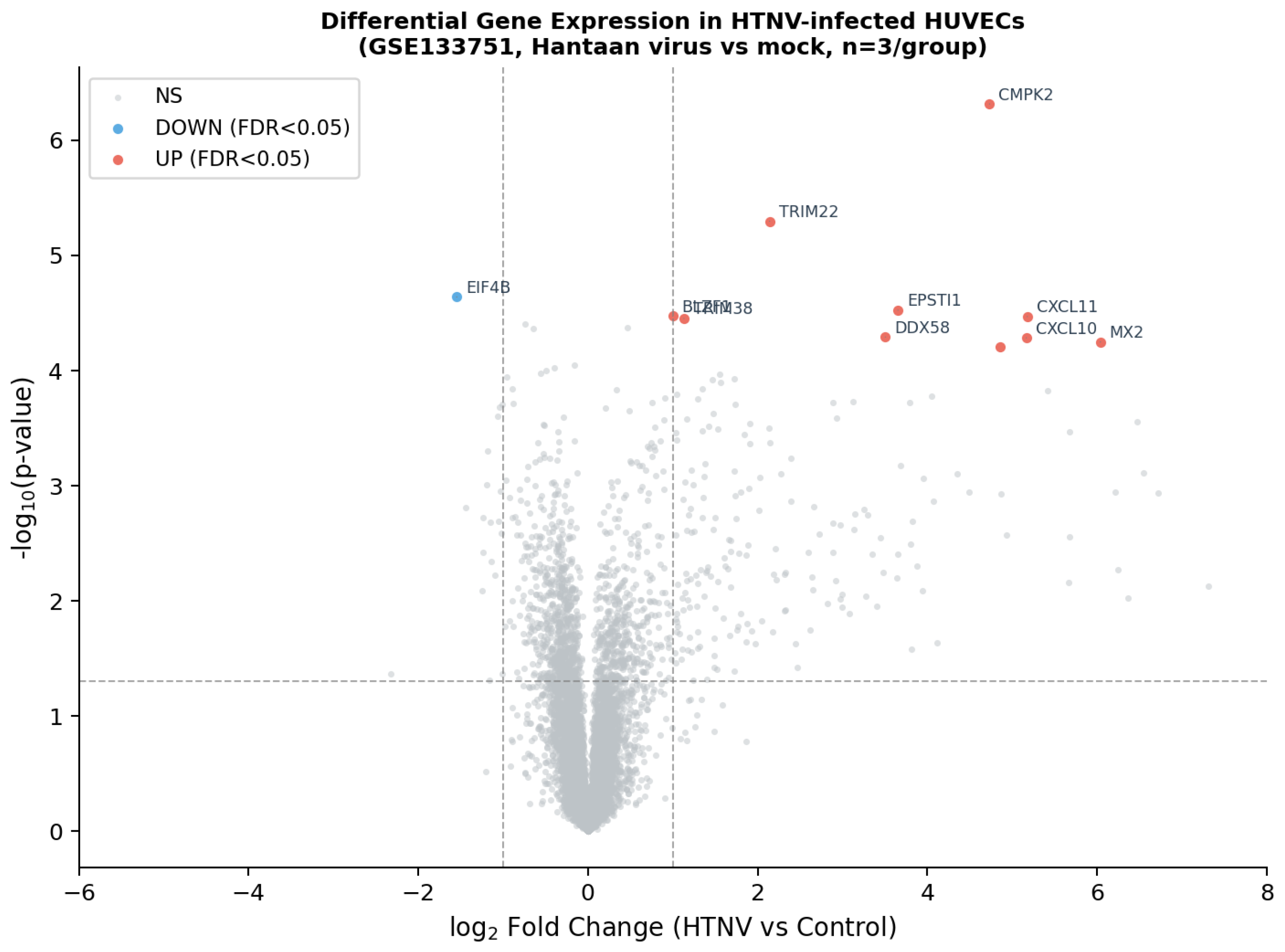
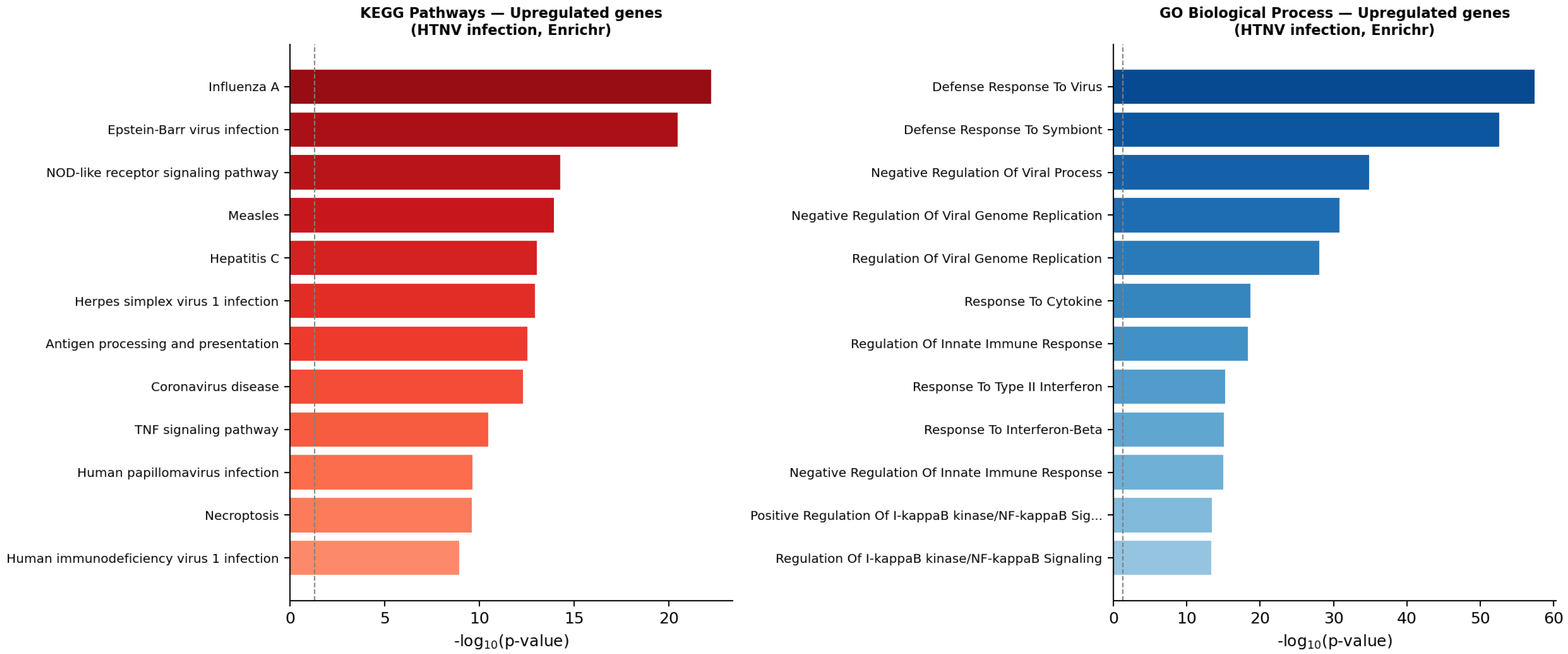
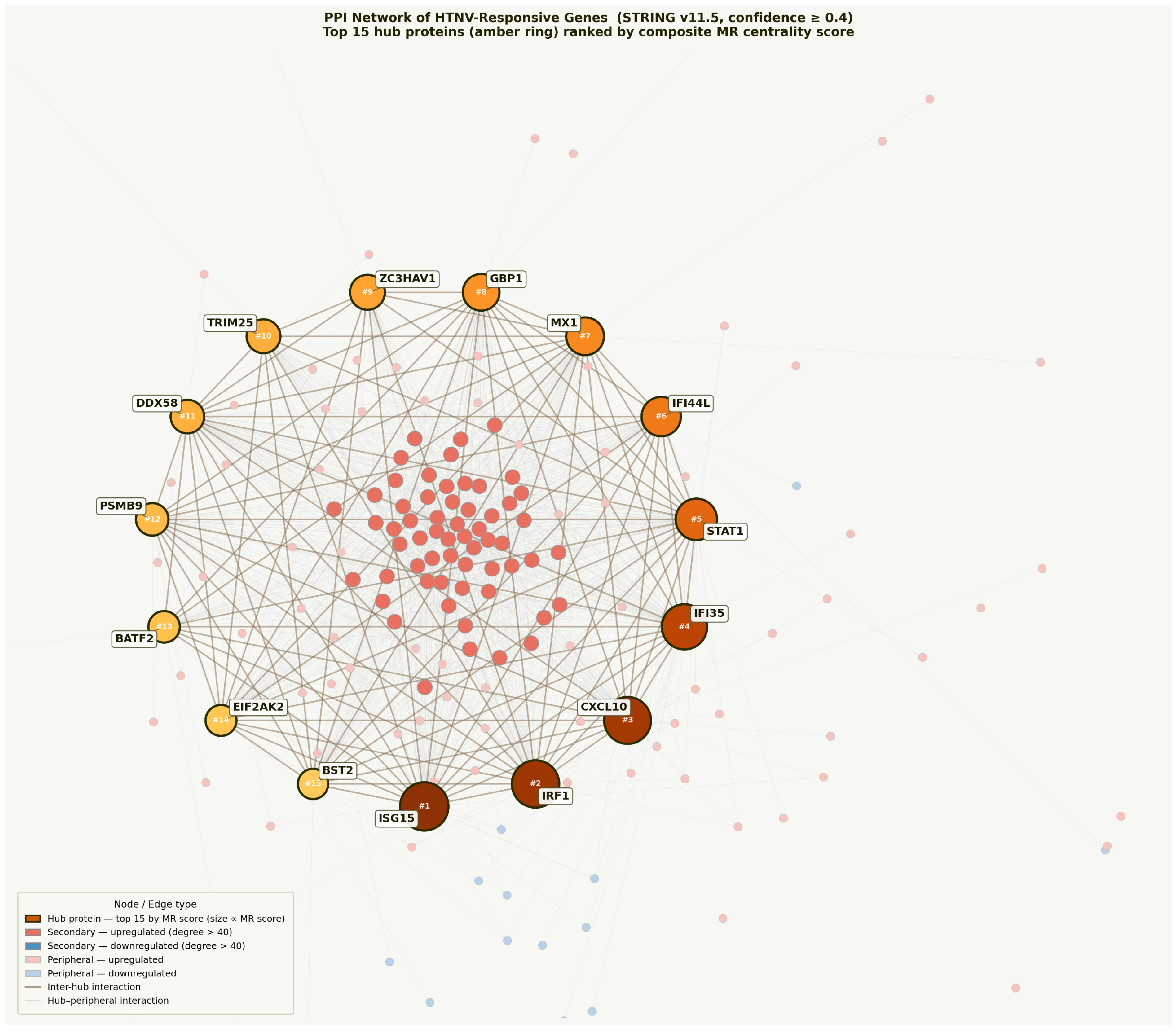
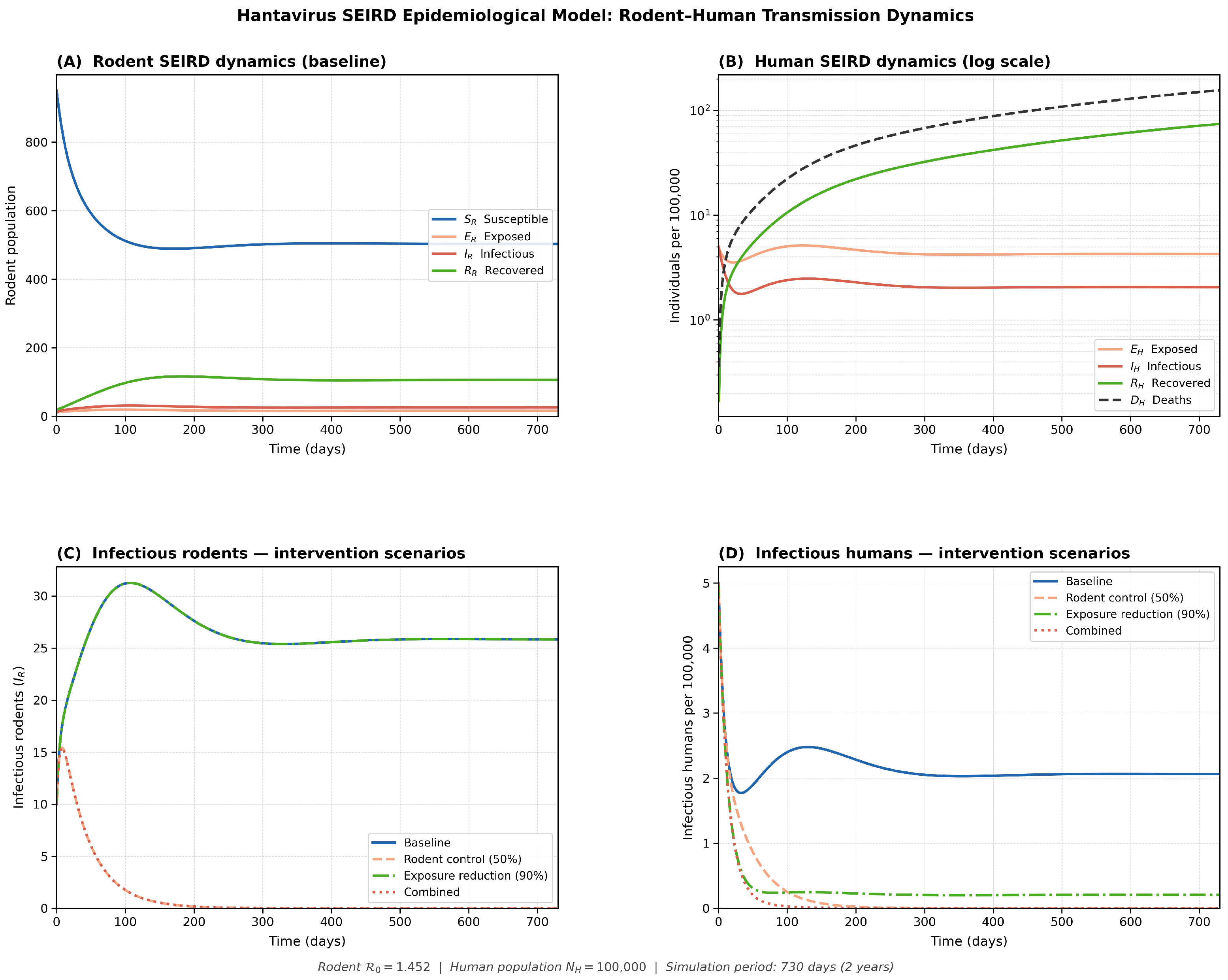
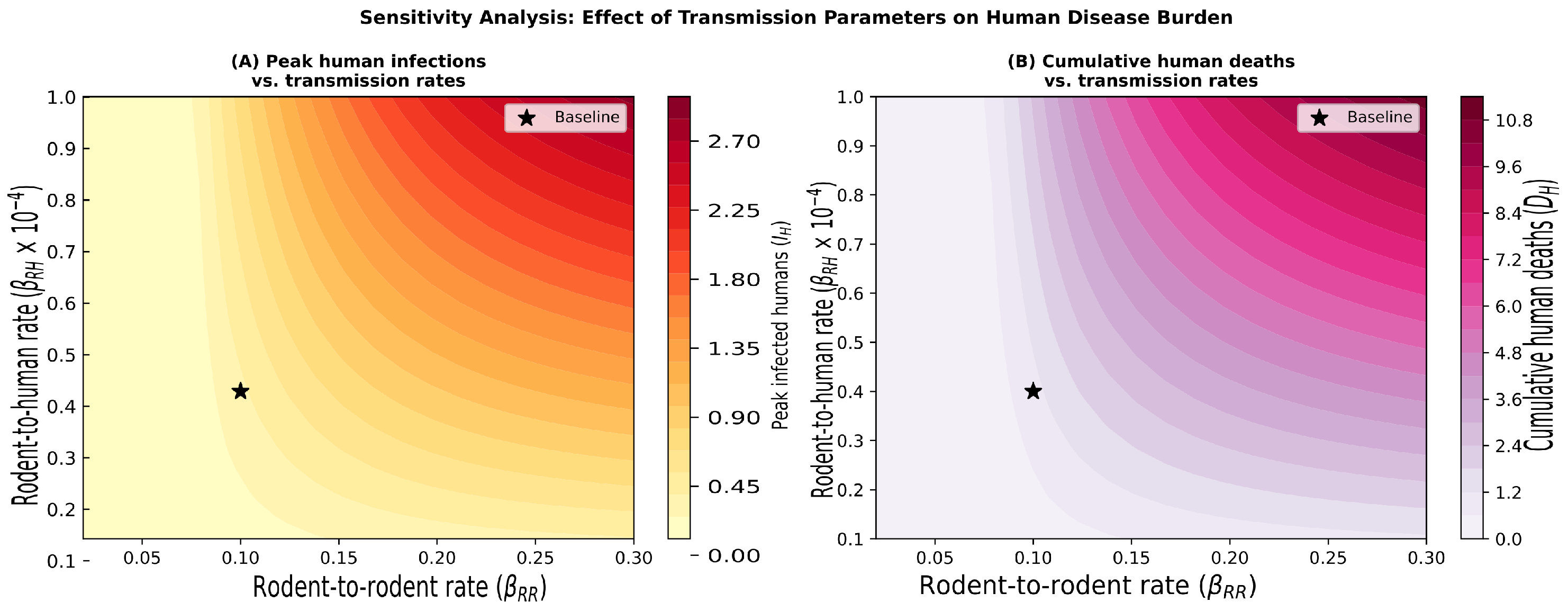
Hantaviruses are emerging zoonotic pathogens responsible for two severe clinical syndromes: (i) haemorrhagic fever with renal syndrome (HFRS) and (ii) hantavirus cardiopulmonary syndrome (HCPS), collectively causing more than 200,000 human cases annually worldwide. Despite their public-health importance, the molecular mechanisms governing the host response and the population-level dynamics of rodent-to-human spillover remain incompletely characterised. The timeliness of this framework is underscored by the April–May 2026 outbreak of Andes orthohantavirus aboard the MV Hondius cruise ship, the first such cluster in a maritime setting, with three deaths reported across multiple countries. This event revealed critical gaps in existing models that treat humans solely as dead-end spillover hosts. Our coupled Susceptible-Exposed-Infectious-Recovered-Dead (SEIRD) model assumes no human-to-human transmission and is therefore designed for hantavirus strains where spillover does not lead to secondary human cases, specifically Hantaan virus (HTNV), Puumala virus (PUUV), Sin Nombre virus (SNV), and Dobrava-Belgrade virus (DOBV). The Andes virus (ANDV) outbreak aboard the MV Hondius is used as a real-world case study to assess the boundaries of our model and to motivate future extensions, not as a direct validation target for its quantitative predictions. Here, we present an integrated computational study combining three complementary analyses. First, we performed a preliminary phylogenetic analysis of the viral sequence, identifying Orthohantavirus andesense as the likely etiological agent responsible for the vessel-associated outbreak. Second, we carried out a downstream transcriptomic analysis of Hantaan virus (HTNV)-infected human umbilical vein endothelial cells (HUVECs), using publicly available RNA-seq data (GEO accession GSE133751, n=3 per group). This analysis identified 184 upregulated and 19 downregulated genes, highlighting a transcriptional response dominated by interferon-stimulated genes (ISGs), including CXCL10, CXCL11, MX2, DDX58, IRF7, STAT1, OASL, and CMPK2. We then constructed a protein–protein interaction (PPI) network using STRING, comprising 176 nodes and 3210 edges, and applied a composite network centrality score to rank putative regulatory hubs. This analysis identified ISG15, IRF1, CXCL10, STAT1, and DDX58 as the most central nodes. Pathway enrichment analysis confirmed a strong activation of interferon signalling (Reactome, p=1.3×1063), antiviral defence mechanisms (Gene Ontology, p=3.8×1058), and NF-κB-related pathways, together with a concurrent suppression of ribosomal translation. Finally, we developed a coupled SEIRD epidemiological model that explicitly represents rodent-to-rodent and rodent-to-human transmission with logistic rodent population growth. Preliminary simulation analysis demonstrates that reducing human exposure to rodent excreta is substantially more effective than rodent population control alone for reducing human disease burden, and that rodent control in isolation can paradoxically increase human cases through a dilution-like effect. The integrated framework provides molecular and epidemiological insights relevant to hantavirus surveillance, therapeutic target identification, and public-health intervention design.
Keywords: hantavirus; HFRS; HCPS; transcriptomics; interferon signalling; protein–protein interaction network; regulatory hubs; SEIRD model; zoonosis; rodent-to-human transmission hantavirus; HFRS; HCPS; transcriptomics; interferon signalling; protein–protein interaction network; regulatory hubs; SEIRD model; zoonosis; rodent-to-human transmission