Article

Living with the Volcano: Perception of Tsunami and Volcanic Risk Among Residents of Stromboli Island, Italy


by
Massimo Crescimbene
1,*,
Lorenzo Cugliari
1,
Federica La Longa
1 and
Iacopo Moreschini
2
1
Istituto Nazionale di Geofisica e Vulcanologia, 00143 Rome, Italy
2
Dipartimento di Sociologia e Ricerca Sociale, Università degli Studi di Milano-Bicocca, 20126 Milan, Italy
*
Author to whom correspondence should be addressed.
Soc. Sci. 2026, 15(3), 157; https://doi.org/10.3390/socsci15030157
Submission received: 12 December 2025 / Revised: 21 February 2026 / Accepted: 25 February 2026 / Published: 2 March 2026

Abstract

Living in the shadow of ‘Iddu’, the Stromboli volcano, requires a unique cultural adaptation. This study explores the risk perception of the permanent residents of Stromboli Island (Italy), a complex multi-hazard environment where persistent volcanic activity coexists with tsunami threats. Adopting a qualitative design based on 17 semi-structured interviews and focus groups (May 2024), we analysed residents’ narratives through the Cultural Theory of Risk. The findings reveal a hybrid risk culture: a dominant individualistic orientation (37%), driven by self-reliance, is balanced by a strong egalitarian ethos (33%) rooted in community solidarity. The analysis highlights three critical dynamics: (1) the normalization of volcanic risk versus the fear of rare tsunami events; (2) a ‘Trust Gap’ between the community’s horizontal preparedness strategies and the institutions’ vertical communication protocols; and (3) an ‘Economic Filter’ imposed by tourism, which creates a cognitive dissonance where risk is privately acknowledged but publicly downplayed. The study concludes that effective Disaster Risk Reduction (DRR) cannot rely solely on top-down technology but must integrate local knowledge and participatory approaches to bridge the distance between scientific monitoring and community experience.

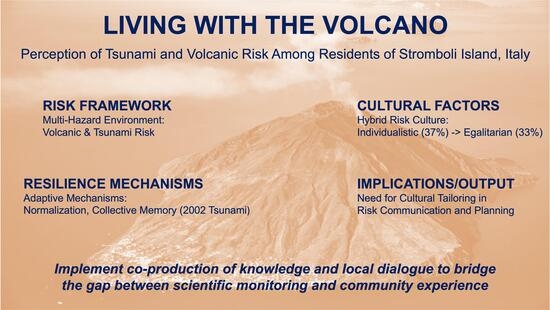
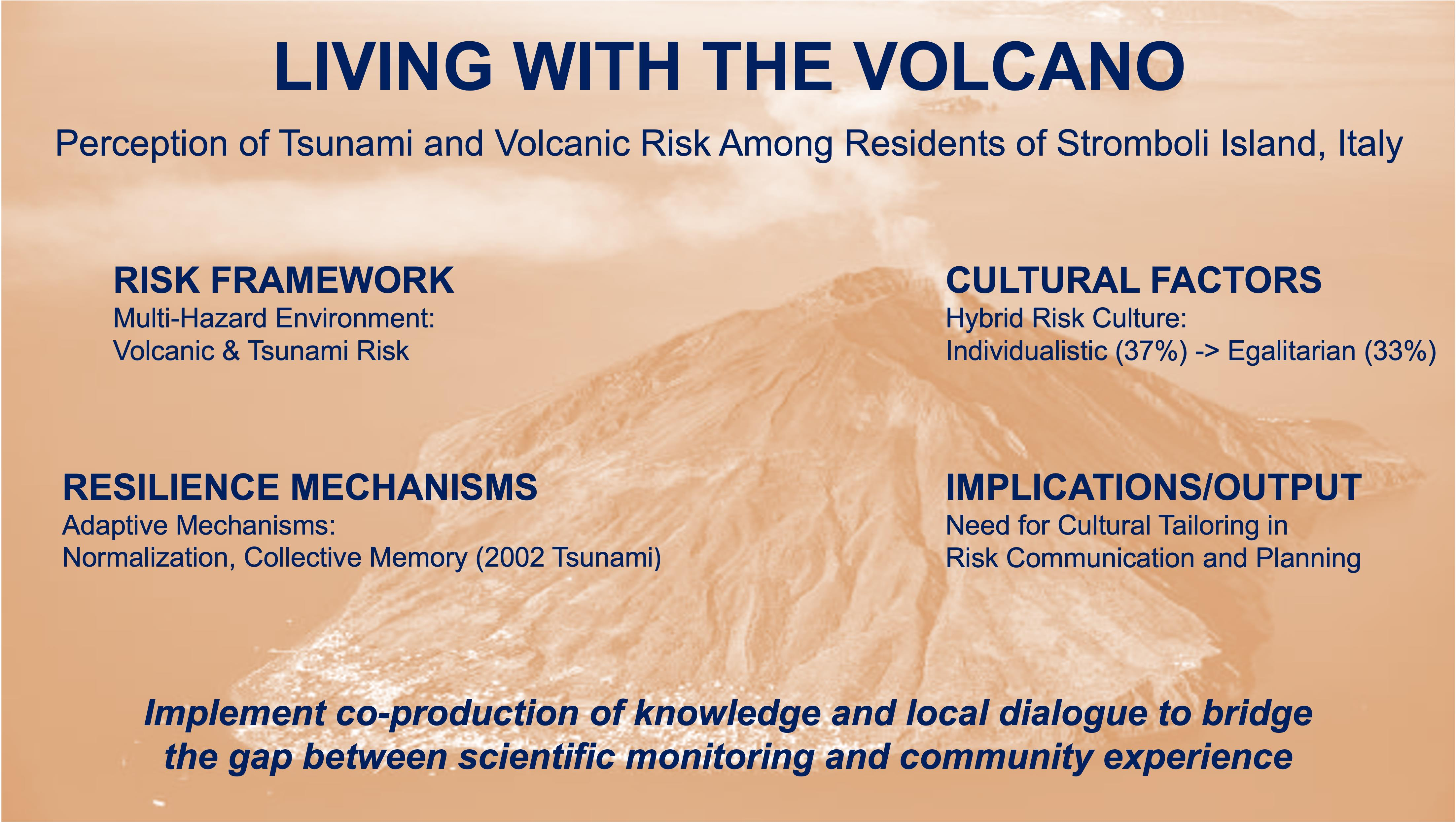
Graphical Abstract

1. Introduction

Communities settled in high-risk volcanic and coastal environments worldwide face the perpetual challenge of balancing daily livelihoods with the looming threat of natural disasters. From the Philippines to Japan, and across the Caribbean, populations have historically developed complex adaptive strategies to inhabit hazardous territories, often driven by strong place attachment, economic dependence on fertile lands, and tourism (Gaillard 2007; Kelman et al. 2015). In this context, Stromboli Island, part of the Aeolian Archipelago in southern Italy, represents an emblematic case of human–environment coexistence. Known as the “Lighthouse of the Mediterranean” for its persistent volcanic activity, Stromboli exposes its inhabitants to a multi-hazard scenario where continuous eruptions coexist with the potential for landslides and tsunamis, most notably the destructive event generated on 30 December 2002 following a sector collapse of the Sciara del Fuoco slope. Despite this recurrent exposure, the permanent residents have developed unique cultural and behavioural adaptations that allow them to normalize danger and maintain social functionality.
Understanding how these communities perceive risk is fundamental for effective disaster risk reduction (DRR). Extensive research has demonstrated that risk perception is not merely a cognitive assessment of probability but a social construct influenced by personal experience, cultural worldviews, and trust in authorities (Slovic 1987; Renn 2008; Wachinger et al. 2013). While scientific assessments rely on quantitative hazards, local populations often interpret threats through the lens of social norms and collective memory (Douglas and Wildavsky 1982). Trust plays a pivotal role in this dynamic: when institutional communication is perceived as distant or bureaucratic, communities tend to rely on local knowledge and informal networks to make safety decisions (Earle 2007; Paton 2008). Consequently, the alignment—or misalignment—between expert knowledge and lay perception becomes a critical factor in the success of early warning systems and evacuation plans. Risk perception is widely recognized not merely as a calculation of probabilities, but as a process influenced by qualitative factors, dread, and affect (Slovic 1987, 2010). Within this framework, the perception of tsunami risk presents a specific challenge compared to volcanic hazards. While volcanic activity on Stromboli is visible, audible, and constant, tsunamis are low-frequency, high-impact events that risk fading from collective memory if not reinforced by direct experience or continuous education. International studies, particularly those following the 2011 Great East Japan Earthquake, have highlighted that “tsunami tendenko”, the custom of self-preservation and intergenerational storytelling are vital for survival (Esteban et al. 2013; Yamori 2014). Conversely, in the Mediterranean context, where significant tsunamis are historically less frequent than in the Pacific, the lack of a pervasive “tsunami culture” can lead to underestimation (Gravina et al. 2019; Cerase et al. 2019; Cugliari et al. 2022; Douvinet et al. 2024). For island communities like Stromboli, where the sea is central to local identity, understanding how this specific risk is remembered and transmitted is essential to prevent the “optimistic bias” that often characterizes long periods of quiescence.
Since 2018, the INGV Tsunami Alert Centre (CAT-INGV) has promoted studies on perception among Italian coastal populations to bridge these gaps. The B2 Stromboli Project, conducted under the national agreement between the Department of Civil Protection (DPC) and the National Institute of Geophysics and Volcanology (INGV), extends this effort. While recent research has investigated the perception of tourists on the island (Moreschini et al. 2025), a significant gap remains regarding the permanent residents. Residents possess a distinct “risk culture” compared to transient visitors, rooted in deep historical ties to the territory and a different tolerance for danger. This study aims to fill this gap by exploring how Stromboli’s residents perceive and interpret volcanic and tsunami risks in their daily lives, identifying the cultural, experiential, and social factors that influence these views. By applying the Cultural Theory of Risk framework (Douglas and Wildavsky 1982) to qualitative data, the research seeks to elucidate how hierarchical, egalitarian, individualistic, and fatalistic orientations shape attitudes toward natural hazards. Ultimately, analyzing the narratives of those who live permanently under the shadow of the volcano provides necessary empirical evidence for designing context-sensitive communication and preparedness strategies that respect the local cultural ecology (Bankoff 2003; Esteban et al. 2013; Becker et al. 2013).

2. Methods

2.1. Study Area

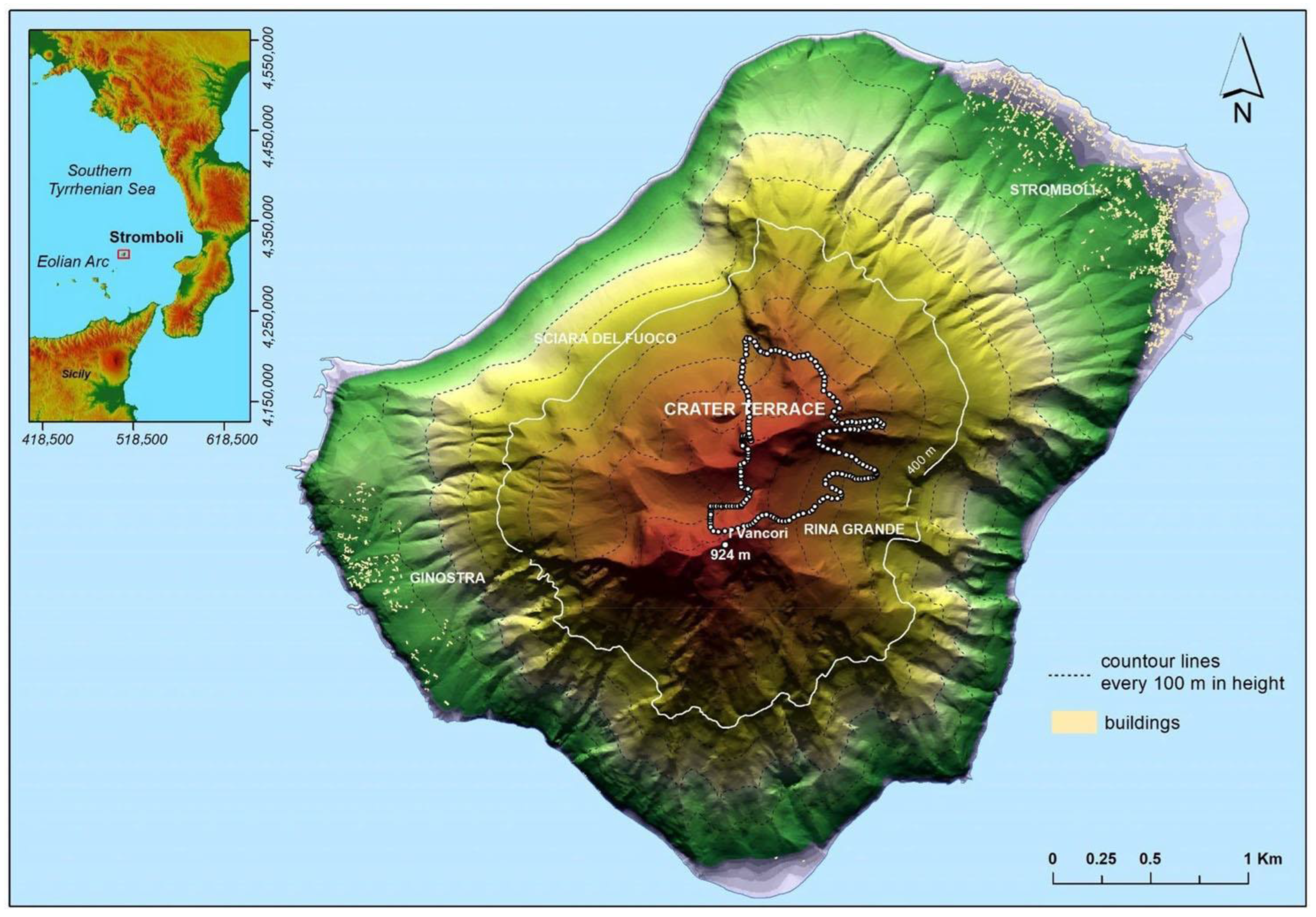
Stromboli, locally called ‘Iddu’, (Aeolian Archipelago, Southern Tyrrhenian Sea) is an active stratovolcano rising 924 m above sea level (approx. 2000 m from the sea floor) with a surface area of 12.6 km2 (Rosi et al. 2013). The island hosts two settlements, Stromboli (in the North-East) and Ginostra (in the South-West), inhabited by about 500 permanent residents. This number fluctuates drastically, exceeding 5000 people during the summer tourist season (see Figure 1).
The volcano is characterised by persistent mild explosive activity (“Strombolian activity”) occasionally punctuated by high-energy paroxysms that pose a severe threat to the inhabited areas. Historical records highlight the destructive potential of these events. The eruption of 1930, the most violent in the last century, caused six fatalities and significant destruction to housing and agriculture due to pyroclastic flows and a subsequent tsunami. More recently, the crisis of December 2002 triggered two landslides along the Sciara del Fuoco (SdF), generating tsunami waves with a run-up of over 10 metres (Tinti et al. 2005). Although no fatalities occurred, the event caused injuries to six people, damaged coastal infrastructure, and resulted in economic losses estimated at €600,000, marking a turning point in the island’s civil protection planning. In July 2019, a paroxysmal explosion resulted in one fatality (a hiker) and renewed fears regarding the interaction between volcanic activity and tourist fruition.
This complex history of multi-hazard exposure makes Stromboli a unique laboratory for studying the interplay between physical risk and social adaptation.
Figure 1. Map of Stromboli Island showing the main settlements (Stromboli and Ginostra), the crater area, and the Sciara del Fuoco. Source: Bisson et al. (2023), used under CC BY 4.0 license.
Socsci 15 00157 g001

2.2. Research Design

Given the exploratory nature of the research and the relatively small population, a qualitative design was adopted. The goal was not to achieve statistical representativeness but to capture the depth, complexity, and cultural meaning of residents’ perceptions and experiences.
The study is conducted within the framework of the DPC–INGV Convention 2022–2025, specifically under Work Package 4 (WP4) titled “Elements for risk estimation, perception analysis, and communication strategies”. This project funds applied research aimed at integrating social science methodologies into geophysical monitoring to improve the Italian Civil Protection system’s capacity to manage multi-hazard scenarios.
The methodological framework combined semi-structured interviews and focus groups, following the logic of thematic inquiry (Patton 2002; Braun and Clarke 2006). This approach allowed the researchers to explore how individuals and groups articulate beliefs, attitudes, and behavioural intentions regarding tsunami and volcanic risks.

2.3. Participants and Sampling

Participants were selected using a purposive sampling strategy aimed at covering the diverse “risk cultures” coexisting on the island. Rather than seeking statistical representativeness, which is less relevant in a small, close-knit community, we sought to capture the perspectives of key social actors who mediate the relationship between the hazard and the community.
The total sample consisted of 17 participants (13 males and 4 females), aged between 28 and 76. The gender distribution reflects the purposive sampling strategy, which prioritized specific functional roles and historical memory over statistical representation, targeting operational sectors traditionally dominated by men on the island (e.g., maritime transport, fishing, mountain guiding). Specifically, the sample ensured coverage of three critical clusters: (1) economic stakeholders, such as hotel owners and restaurateurs whose livelihoods depend on the balance between safety and tourism attractiveness; (2) operational experts, including volcanic guides and skippers who interact daily with the physical hazard; and (3) institutional and social memory keepers, such as local administrators and long-term residents who hold the historical memory of past disasters.
Eleven participants were engaged through individual semi-structured interviews to deeply explore their unique personal and professional perspectives. The remaining six participants were involved in two Focus Group Discussions (FGDs). FGDs were specifically chosen for participants with shared professional or familial environments (such as the Magmatrek volcanological guides or family-run businesses) to observe collective meaning-making and shared operational narratives. This stratification allowed us to explore how risk perception varies not just by age or gender, but by the functional role individuals play in the island’s socio-economic fabric.

2.4. Data Collection

Data were collected between 19 and 24 May 2024 by Massimo Crescimbene and Iacopo Moreschini. Each interview lasted between 45 and 90 min, while focus groups lasted approximately 90 min. A semi-structured interview guide was used for both formats. The guiding principle was to start from general, everyday experiences and move progressively toward specific questions about volcanic and tsunami risk (see Table 1).
The interviews were conducted in residents’ homes, workplaces, or communal spaces. Focus groups were held in neutral, quiet environments to facilitate open discussion. The guiding principle was to start from general, everyday experiences and move progressively toward specific questions about volcanic and tsunami risk, encouraging participants to elaborate through narratives and examples.

2.5. Data Analysis and Coding

All interviews were transcribed verbatim and manually coded by the research team. The analysis followed a hybrid approach, combining inductive thematic analysis with a deductive categorization based on the Cultural Theory of Risk (CTR) (Douglas and Wildavsky 1982).
From the transcripts, 551 text segments were identified and coded into ten main thematic categories (Vaismoradi et al. 2016). The analysis covered themes such as risk perception, knowledge regarding volcanic and tsunami phenomena, and the role of collective memory. Further categories addressed critical issues, warning systems, behaviours and preparedness, and institutional roles. Finally, specific attention was given to volunteering activities, tourism management, and future perspectives.
Each excerpt was further assigned to one of four cultural orientations according to CTR: Hierarchical: references to norms, rules, and authorities (vertical power); Egalitarian: references to peer-based norms or community solidarity (horizontal power); Individualistic: references to self-reliance, autonomy, and personal experience; Fatalistic: expressions of powerlessness or inevitability toward risk.
This process allowed the researchers to analyse both the content and the cultural framing of the narratives. Coding was cross-checked among researchers to ensure consistency and inter-coder reliability.
Table 2 reports an example of the analytical framework used for classifying excerpts by theme and cultural orientation. Percentages were calculated for each category to visualize the distribution of themes and attitudes (see Section 3).

2.6. Ethical Considerations

The study adhered to the ethical standards of qualitative research. Participants were informed of the study’s aims, methods, and confidentiality measures, and all provided informed consent before participation. The research was conducted within the framework of the DPC–INGV collaboration agreement (2022–2025).

3. Results

A total of 551 excerpts, comprising approximately 22,800 words, were identified and coded from the 11 interviews and two focus groups, involving a total of 17 participants. Overall, 73% of the transcribed material was directly relevant to the study topics, indicating a high level of participant engagement and thematic consistency.

3.1. Overview of Coded Data

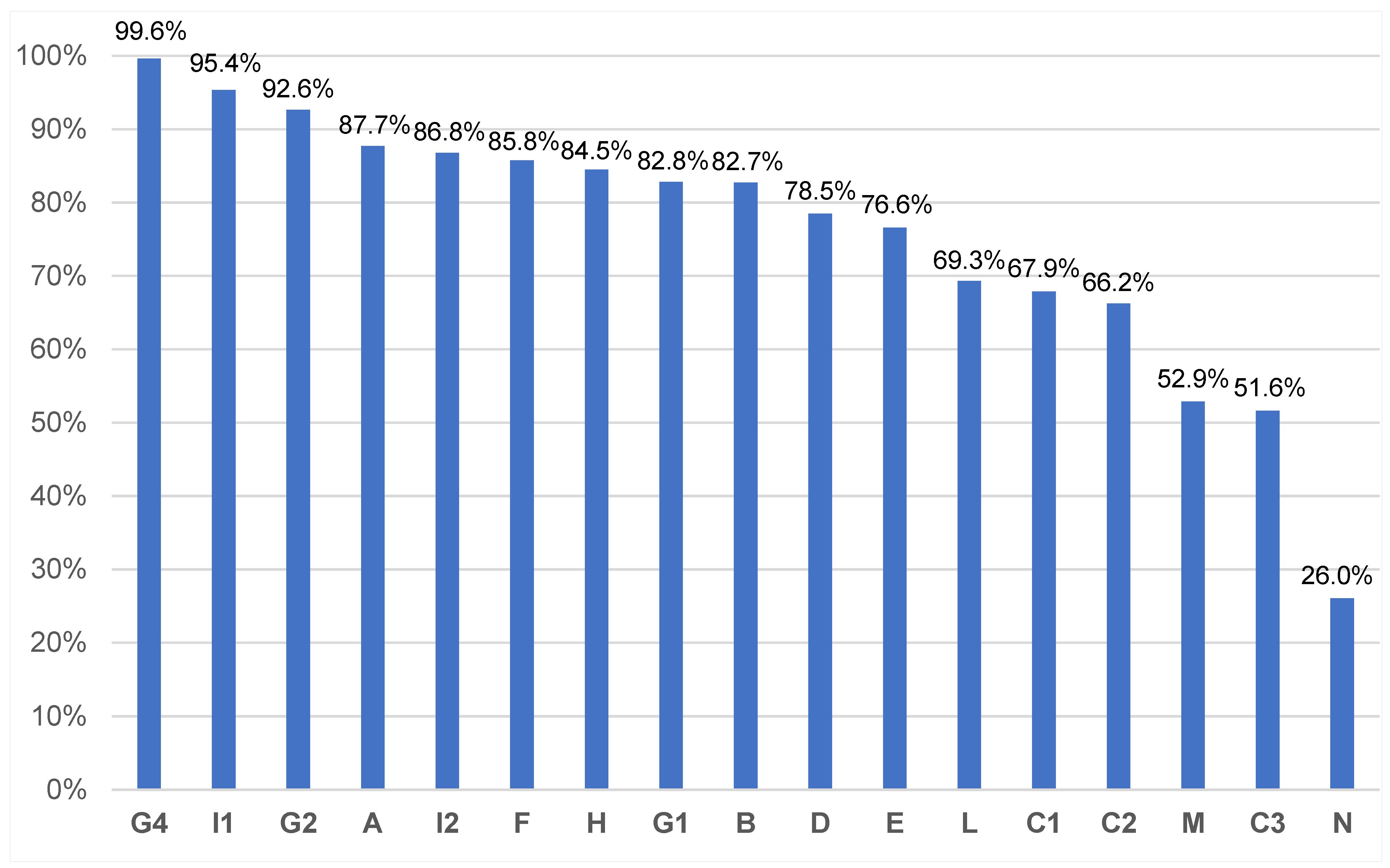
Figure 2 provides a visual overview of the thematic relevance across all coded contributions. The chart illustrates the percentage of transcribed text from each of the data units (corresponding to the 17 residents involved) that was directly coded as relevant to the central research themes. The data show a strong thematic focus, with the majority of participants (14 out of 17) yielding a relevance percentage between 66.2% and 99.6%. This high concentration in the upper range demonstrates the effectiveness of the purposive sampling strategy in selecting highly informed participants. Only a few units (identified by codes M, C3, and N in Figure 2 provided a significantly smaller proportion of theme-relevant content, suggesting that these participants focused more on broader contextual discussions. Overall, the visual evidence confirms the robust nature of the qualitative data corpus used for the analysis.
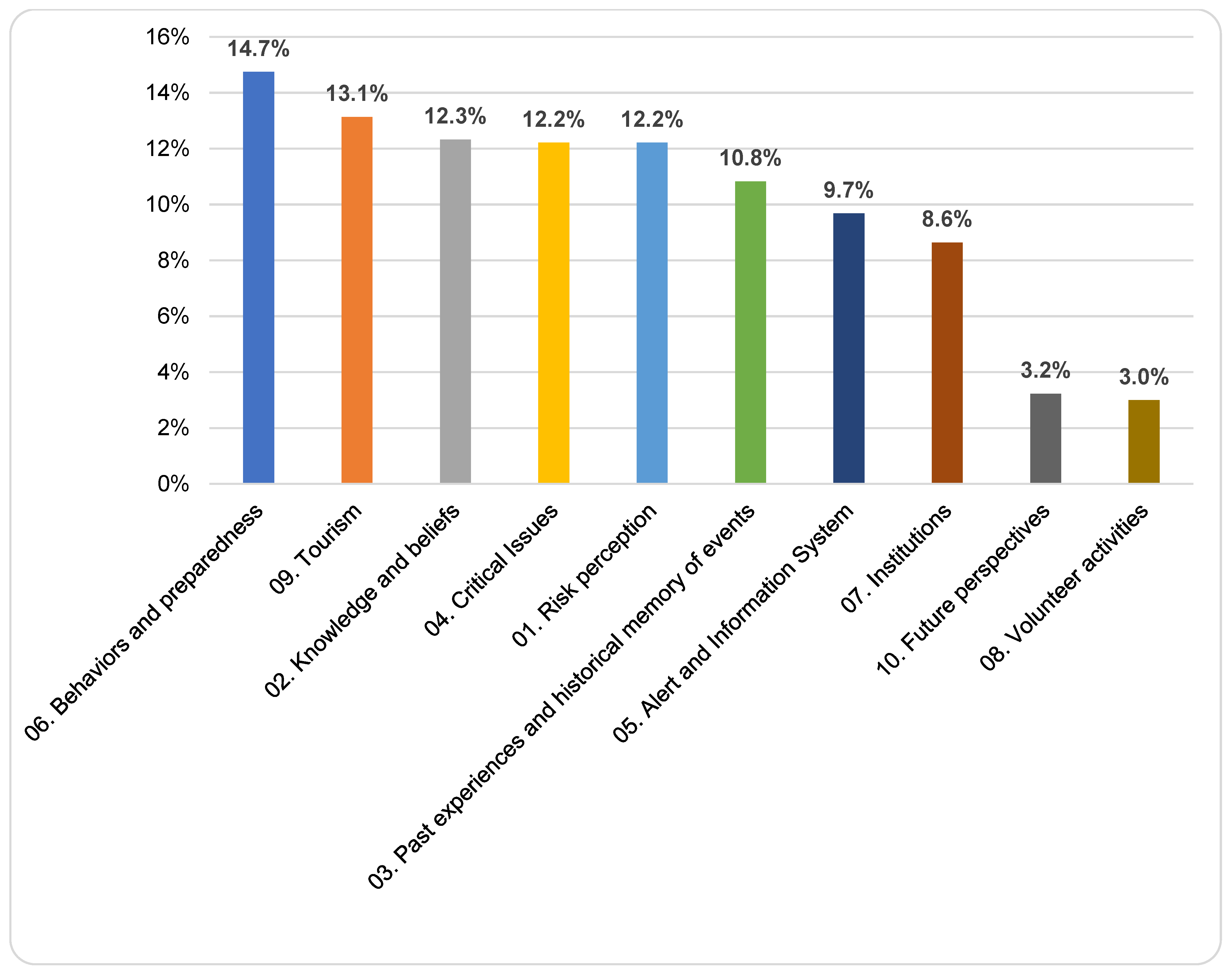
Figure 3 illustrates the distribution of excerpts across the ten thematic categories. The most frequently discussed themes were: Behaviours and preparedness (14.7%); Tourism (13.1%); Knowledge and beliefs (12.3%); Critical Issues (12.2%); and Risk perception (12.2%). These were followed by Past experiences and historical memory of events (10.8%) and Alert and information systems (9.7%). The least represented themes were Institutions (8.6%), Future perspectives (3.2%), and Volunteer activities (3.0%). These results indicate that residents’ narratives primarily revolve around practical experiences and coexistence with hazards.

3.2. Cultural Orientations

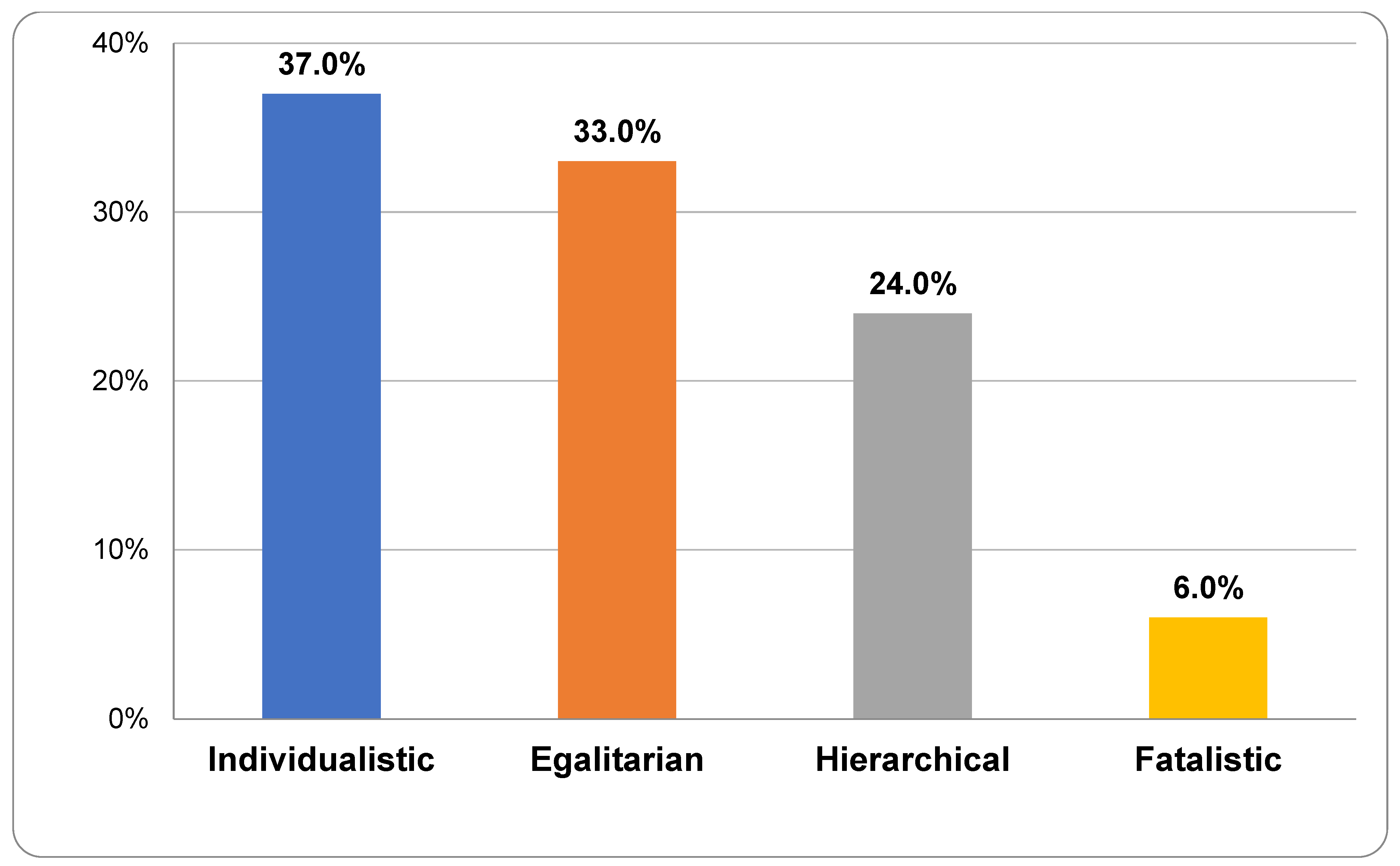
The classification of excerpts according to the Cultural Theory of Risk (CTR) is illustrated in Figure 4.
Figure 3. Percentage of text coded for each theme.
Socsci 15 00157 g003
Figure 4. Distribution of cultural orientations (CTR) across the entire corpus.
Socsci 15 00157 g004
Based on the analysis of the excerpts from the entire corpus, the study revealed a hybrid cultural fabric where individualistic orientations dominated (37%), reflecting a strong reliance on personal experience and self-sufficiency. This attitude was particularly evident among economic stakeholders, whose narratives often prioritized autonomy in managing business risks. The egalitarian ethos (33%) followed closely, deeply rooted in the island’s tradition of mutual aid and solidarity; this orientation emerged vividly in the narratives of long-term residents and families, who emphasized community cohesion during emergencies. Hierarchical references (24%) were frequent but ambivalent, often highlighting a tension between the recognition of institutional authority and frustration with perceived bureaucratic inefficiency. Finally, fatalistic attitudes were marginal (6%), mostly confined to older participants or specific discussions on the unpredictability of paroxysms, epitomised by expressions such as “When it happens, it happens” (Participant F, Interview).

3.3. Living with “Iddu”: Risk Perception, Knowledge, and Memory

The relationship between the residents and the volcano is not one of conflict but of coexistence. Most inhabitants perceive living near the crater as a normal condition, integrated into their identity. The volcano is rarely viewed as an enemy; rather, it is anthropomorphised as a member of the community, epitomised by the local name “Iddu” (Him). As one interviewee explained: “We see him like a father, or a grandfather. He feeds us, he gives us life, and every now and then he gets angry and puts us back in our place” (Participant C, Focus Group). This normalisation shapes the perception of hazard: volcanic phenomena like explosions and pyroclastic flows are accepted as the “character” of the island. In contrast, risks from the sea (tsunamis) are viewed with greater awe and concern, partly because they are less frequent and rooted in the traumatic collective memory of the 1930 and 2002 events.
However, this general acceptance of risk is not uniform; the analysis reveals distinct differences among social groups. Economic stakeholders (e.g., hotel owners, restaurateurs) tend to downplay the risk in their narratives to preserve the island’s tourist appeal, often employing strategies of cognitive dissonance (Festinger 1957) reduction (“You can’t live if you think about it all the time”, Participant A, Interview) to manage the anxiety of potential economic loss. Conversely, older residents and “memory keepers” express a deeper, more reverential fear. Their perception is grounded in intergenerational warnings rather than economic logic, epitomised by maxims such as: “If you hear the explosion, don’t worry, because it means you are still alive; worry about the silence or the sea” (Participant C, Focus Group). Finally, operational experts (fishermen, boatmen) display a pragmatic awareness, acknowledging specific physical dangers—such as landslides on the Sciara del Fuoco—while relying on daily observation rather than official bulletins.
To navigate this complex environment, residents have developed a hybrid epistemology that blends scientific data with empirical local knowledge. They distinguish routine activity from dangerous paroxysms by reading popular precursors, such as the “colour of the volcanic plume” (Participants C, D), “the intensity of tremors” (Participants C, G), or “the shape of the smoke rings” (Participants C, M). While volcanic knowledge is direct and experiential, tsunami awareness relies heavily on collective memory. Since tsunamis are rare, residents depend on the narratives of the elderly—the “grandmother’s tales” (Participants C, H, M)—to identify warning signs like the withdrawal of the sea.
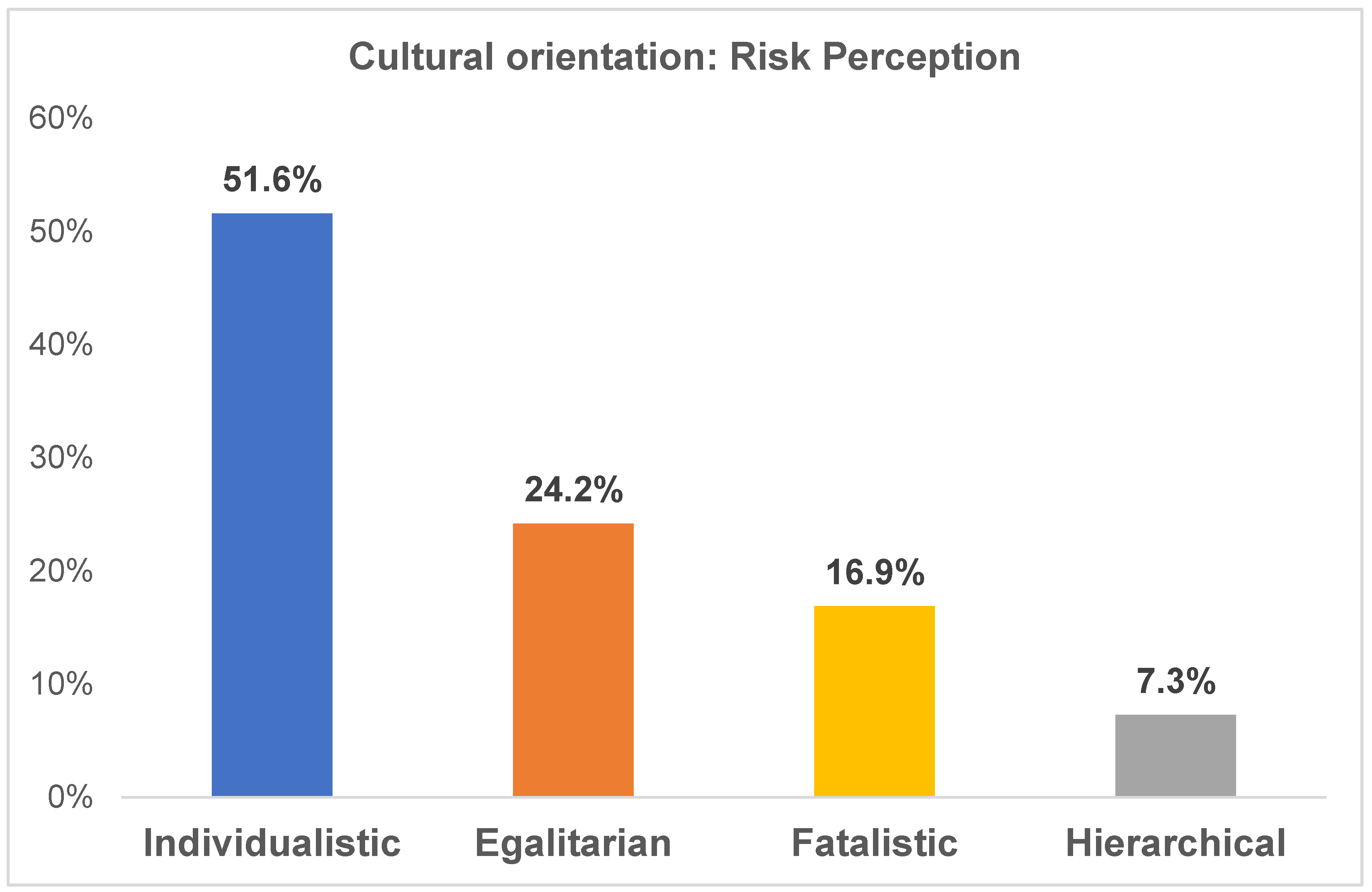
This reliance on personal experience and self-sufficiency is reflected in the cultural data. While the overall corpus showed a 37% individualistic orientation (see Figure 4), within the specific domain of Risk Perception, (Theme 1) this attitude was markedly more pronounced (51.6%), accompanied by fatalistic views (16.9%) (see Figure 5). This specific distribution suggests that for Strombolians, safety is often interpreted as a matter of individual capability and “respect” for the mountain, rather than solely a product of systemic protection.
Figure 5. Distribution of cultural orientations within the specific theme of Risk Perception.
Socsci 15 00157 g005

3.4. Preparedness in Action: Behaviours, Warnings, and Institutions

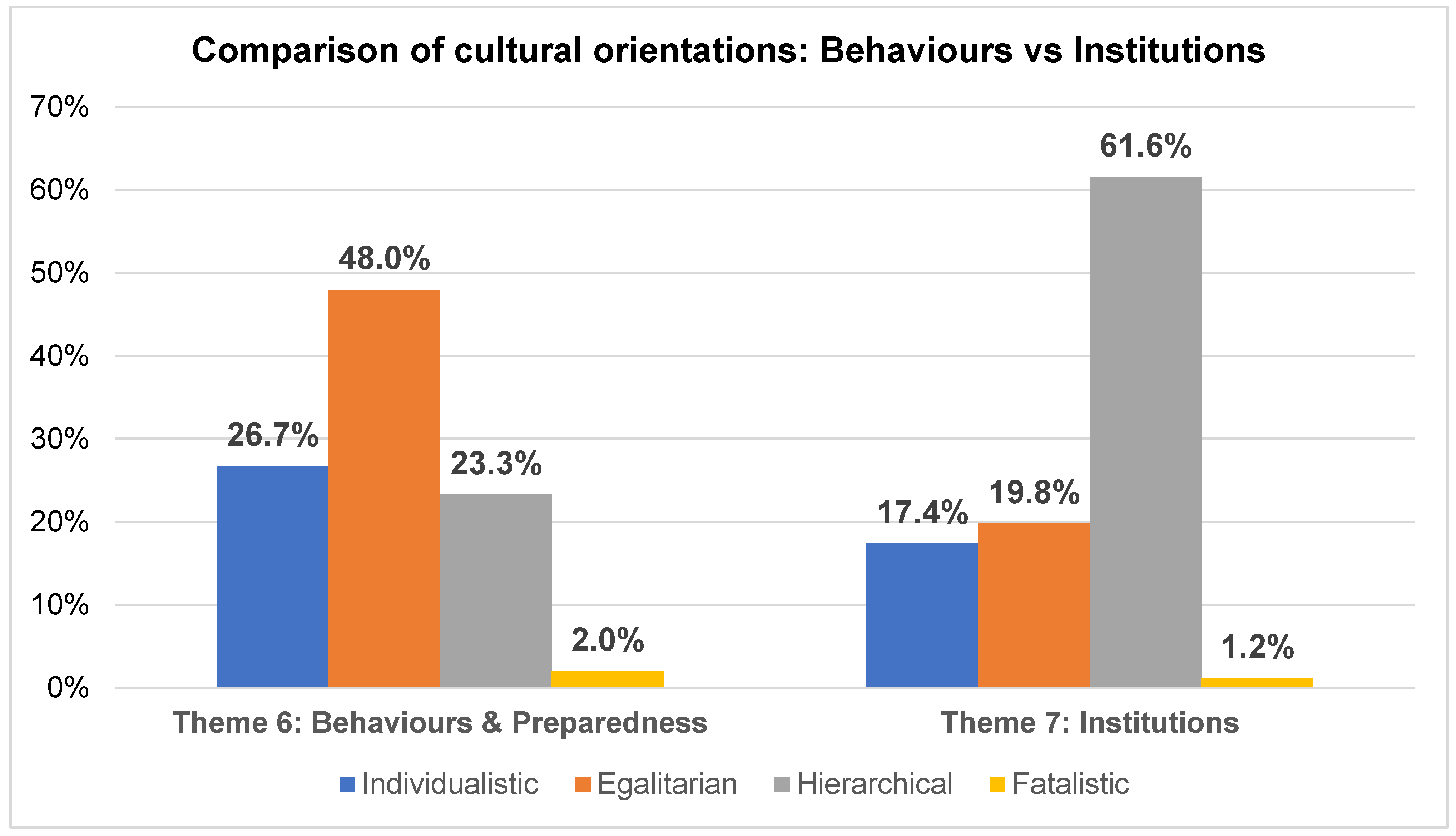
When transitioning from perception to operational response, the community demonstrates a strong preference for pragmatic action rooted in solidarity. As shown in Figure 6, the analysis of Behaviours & Preparedness (Theme 6) reveals a predominant egalitarian orientation (48%), significantly higher than the individualistic one (26.7%). This indicates that preparedness is not merely a matter of self-preservation, but a collective practice: residents rely on mutual aid and shared knowledge rather than waiting for top-down instructions. In the event of a crisis, the instinctive reaction is to mobilize the local network—family, neighbours, and colleagues—to reach safety.
This community-based approach clashes with the profile of Institutions (Theme 7), which is overwhelmingly hierarchical (61.6%) (see Figure 6). This stark contrast explains the “trust gap”: while residents operate horizontally, authorities operate vertically. Consequently, official Alert and Information Systems (Theme 5) are often viewed with skepticism. A recurring concern is the “fear of creating fear”: economic stakeholders worry that sirens might trigger panic among tourists, damaging the island’s image. Thus, the siren is often perceived as an external imposition rather than a shared safety tool.
In this space between the egalitarian community and the hierarchical state, Volunteer Activities (Theme 8) emerges as a critical bridge. Local volunteers act as cultural mediators: they translate official directives into local language and leverage personal relationships to ensure compliance. During emergencies, internal rivalries tend to dissolve, replaced by a strong network of that functions more effectively than formal chains of command.
Figure 6. Comparison of cultural orientations: Behaviours & Preparedness vs. Institutions.
Socsci 15 00157 g006

3.5. The Tourist Dilemma and Future Challenges

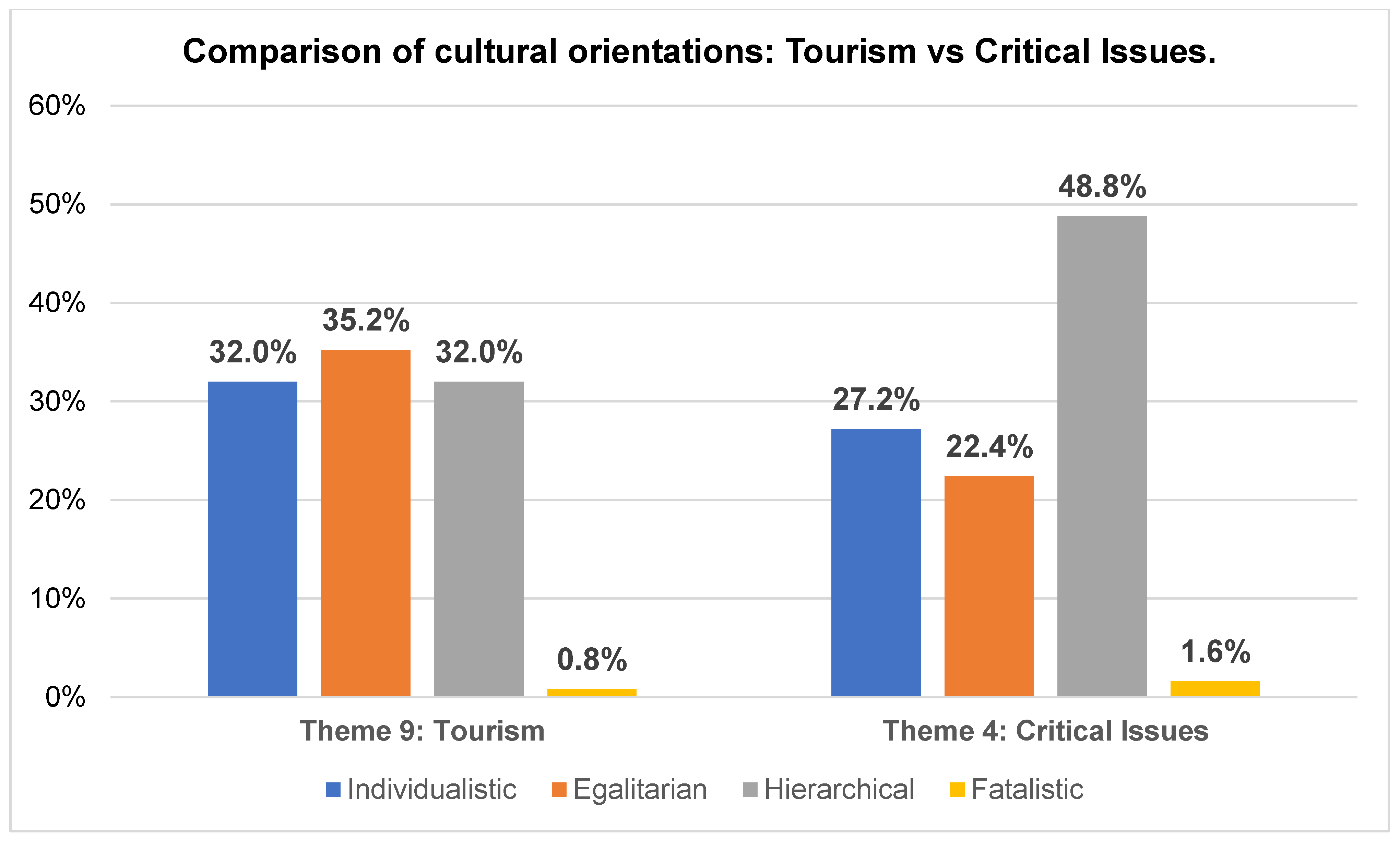
Tourism represents the central paradox of Stromboli: it is simultaneously the island’s economic lifeline and its most significant vulnerability factor. This dual nature is reflected in the cultural data shown in Figure 7: regarding Tourism (Theme 9), the dominant orientation is individualistic (46.5%), highlighting how economic survival is perceived as a matter of personal enterprise and competition. Residents describe a seasonal influx that radically alters the social landscape, forcing them into an informal role of “safety guardians” (Participant H, Interview) to protect unwary visitors.
However, when discussing Critical Issues (Theme 4)—such as the poor maintenance of paths or inadequate signage—the orientation shifts dramatically towards the hierarchical (48.8%) (see Figure 7). This indicates that while profits are individual, problems are viewed as systemic failures that require top-down intervention. These logistical gaps are sources of frustration, as they are seen as solvable issues that remain unaddressed due to bureaucratic inertia.
Looking ahead to Future Perspectives (Theme 10), the prevailing sentiment is a mix of concern and pragmatic hope. Residents do not envision abandoning the island; instead, they call for a strategic shift towards “quality tourism” that respects the volcanic environment. The desire is for structural investments that ensure the island remains habitable and safe for future generations.
Figure 7. Comparison of cultural orientations: Tourism vs. Critical Issues.
Socsci 15 00157 g007

4. Discussion

4.1. Beyond Fatalism: A Hybrid Cultural Model

The findings of this study challenge the traditional narrative that often portrays communities living in high-risk volcanic areas as predominantly fatalistic or passive (Douglas 1985). On Stromboli, the Cultural Theory of Risk (CTR) analysis reveals a hybrid cultural orientation, characterized by a dynamic balance between Individualism (37%) and Egalitarianism (33%). This specific configuration suggests that residents are proactive agents who manage risk through a combination of self-reliance (“I trust my own eyes”, Participants A, E) and community solidarity (“we help each other”, Participants B, C) (Paton and Johnston 2017).
Contrary to the assumption that familiarity breeds complacency, the dominance of the individualistic attitude in risk perception (51.6%, see Figure 5) indicates a high level of alertness. Residents do not ignore the volcano; they “negotiate” with it, treating safety as a personal skill to be honed rather than a guarantee provided by the state. This aligns with recent literature on “cultures of disaster”, which argues that resilience is often locally constructed through daily interaction with the environment rather than imported through external policies (Oliver-Smith 1996; Bankoff 2003).

4.2. The “Trust Gap”: Why Top-Down Safety Fails

A critical insight emerging from the comparison between Behaviours & Preparedness versus institutions (Figure 6) is the existence of a significant “trust gap” (Slovic 1993). While the community’s preparedness strategies are deeply egalitarian (48%), relying on horizontal networks and shared local knowledge, the institutional response remains rigidly hierarchical (61.6%). This misalignment explains the limited effectiveness of the official Alert and Information System and the skepticism toward civil protection measures.
When authorities impose restrictions or install sirens without engaging the local cultural fabric, these measures are perceived as external interferences that threaten the island’s autonomy. The study highlights that technical solutions (like sirens) are insufficient if they clash with local values. To bridge this gap, disaster risk reduction (DRR) strategies on Stromboli must shift from a purely top-down approach to a participatory model (Cadag and Gaillard 2011). Integrating the residents’ “popular precursors” (e.g., observing the smoke) with scientific monitoring could validate local knowledge, fostering trust and compliance (Mercer et al. 2010).

4.3. The Economic Filter: Tourism as a Double-Edged Sword

Finally, the analysis elucidates how economic dependence on tourism acts as a powerful cognitive filter, shaping the normalization of risk. The results show a stark contrast: residents are individualistic about tourism (seeing it as a competitive business opportunity) but become hierarchical when facing infrastructure problems, expecting the state to solve them. This duality creates a paradox: to preserve the island’s appeal, stakeholders are compelled to downplay hazards, leading to a “cognitive dissonance” where risk is acknowledged privately but minimized publicly (Festinger 1957).
This economic imperative complicates safety management, as “alarmist” communication is seen as a threat to livelihood (Rittichainuwat 2013). The challenge for future governance is to decouple safety from economic loss. Promoting a model of “aware tourism”—where the risk is not hidden but narrated as part of the unique experience of the island—could transform the volcano from a hidden threat into a shared responsibility, aligning economic interests with safety protocols.

5. Limitations of the Study

This study presents some limitations inherent to its qualitative design. First, the sample size (17 participants), while sufficient to reach data saturation in a small community like Stromboli, does not allow for statistical generalization to the entire residents (about 500 inhabitants, see Section 2.1). However, the purpose was to explore deep cultural meanings rather than to measure frequencies.
Second, the fieldwork was conducted in May, just before the peak tourist season. Exploring risk perception during the height of summer or immediately after a volcanic crisis might yield different emotional responses.
Finally, a selection bias cannot be ruled out: residents who voluntarily agreed to be interviewed might possess a higher degree of risk awareness or civic engagement compared to those who declined. Despite these limitations, the “hybrid cultural model” identified offers a valuable analytical framework for understanding human–environment interactions in volcanic settings.

6. Conclusions

This research has challenged the stereotype of the “fatalistic islander,” revealing a complex risk culture on Stromboli where individualistic self-reliance and egalitarian solidarity coexist. The study highlights three key findings: (1) Normalization: Volcanic risk is integrated into daily life through anthropomorphisation (“Iddu”), while tsunami risk remains a source of greater anxiety due to its unpredictability and traumatic history. (2) The Trust Gap: Effective preparedness is hindered by a misalignment between the community’s horizontal strategies (mutual aid, local knowledge) and the institutions’ vertical protocols (top-down restrictions, sirens). (3) The Tourist Dilemma: Economic dependence on tourism creates a cognitive filter that compels residents to downplay hazards publicly, even while acknowledging them privately.
These findings suggest that Disaster Risk Reduction strategies on Stromboli cannot rely solely on technological solutions. To bridge the trust gap, institutions must move towards a participatory approach that validates local knowledge (e.g., “popular precursors”) and involves residents as active partners rather than passive recipients of safety directives. Only by aligning scientific monitoring with the community’s cultural values can safety policies become truly effective and sustainable.

Author Contributions

Conceptualization, M.C. and F.L.L.; methodology, M.C. and F.L.L.; validation, M.C., L.C., F.L.L. and I.M.; formal analysis, I.M. and M.C.; investigation, I.M., L.C. and F.L.L.; resources, M.C.; data curation, I.M.; writing—original draft preparation, M.C.; writing—review and editing, L.C., F.L.L. and I.M.; visualization, I.M.; supervision, M.C.; project administration, M.C.; funding acquisition, M.C. All authors have read and agreed to the published version of the manuscript.

Funding

Open access funding provided by the Istituto Nazionale di Geofisica e Vulcanologia (INGV) within the CRUI-CARE Agreement. This research was developed as part of the agreement between the Dipartimento della Protezione Civile (DPC) and the Istituto Nazionale di Geofisica e Vulcanologia (INGV), which provides for the strengthening of service activities under the provisions of Art. 6 of the DPC-INGV Framework Agreement (period 2022–2025). The study also benefited from the financial contribution of the Presidenza del Consiglio dei Ministri—Dipartimento della Protezione Civile. The publication does not necessarily reflect the position and policies of the Presidenza del Consiglio dei Ministri or the Dipartimento della Protezione Civile.

Institutional Review Board Statement

Ethical review and approval were waived for this study due to the nature of the research. This non-interventional study consisted exclusively of anonymous interviews with healthy adult participants. It did not involve any clinical or medical intervention, did not target vulnerable groups, and carried no risk to the participants’ physical or psychological integrity. According to the regulations of the Istituto Nazionale di Geofisica e Vulcanologia (INGV) and Italian national legislation, formal ethical committee approval was not required. However, the study was conducted in strict accordance with the Declaration of Helsinki. All personal data collected were treated as strictly confidential and processed in full compliance with the General Data Protection Regulation (Regulation UE 2016/679).

Informed Consent Statement

Informed consent was obtained from all subjects involved in the study.

Data Availability Statement

The qualitative data that support the findings of this study (interview transcripts and coded materials) are available from the corresponding author, upon reasonable request, in accordance with ethical and privacy regulations.

Acknowledgments

The authors would like to thank the residents of Stromboli for their generosity, trust, and participation in this research. Special thanks are due to the Dipartimento della Protezione Civile (DPC), Salvatore Zaia (DPC representative on Stromboli Island), and the Istituto Nazionale di Geofisica e Vulcanologia (INGV) for their institutional support within the framework of the DPC–INGV Convention 2022–2025. The authors are also grateful to local volunteers, guides, and community representatives who facilitated the interviews and shared their insights on living with the volcano.

Conflicts of Interest

The authors declare no conflicts of interest.

References

  1. Bankoff, Greg. 2003. Cultures of Disaster: Society and Natural Hazard in the Philippines, 1st ed. London: Routledge. [Google Scholar] [CrossRef]
  2. Becker, Julia S., Douglas Paton, David M. Johnston, and Kevin R. Ronan. 2013. Salient beliefs about earthquake hazards and household preparedness. Risk Analysis 33: 1710–27. [Google Scholar] [CrossRef]
  3. Bisson, Marina, Claudia Spinetti, Roberto Gianardi, Karen Strehlow, Emanuela de Beni, and Patrizia Landi. 2023. High-resolution mapping and dispersion analyses of volcanic ballistics emitted during the 3rd July 2019 paroxysm at Stromboli. Scientific Reports 13: 13465. [Google Scholar] [CrossRef]
  4. Braun, Virginia, and Victoria Clarke. 2006. Using thematic analysis in psychology. Qualitative Research in Psychology 3: 77–101. [Google Scholar] [CrossRef]
  5. Cadag, Jake R. D., and Jean-Christophe Gaillard. 2011. Integrating knowledge and actions in disaster risk reduction: The contribution of participatory mapping. Area 44: 100–9. [Google Scholar] [CrossRef]
  6. Cerase, Andrea, Massimo Crescimbene, Federica La Longa, and Alessandro Amato. 2019. Tsunami risk perception in southern Italy: First evidence from a sample survey. Natural Hazards and Earth System Sciences 19: 2887–904. [Google Scholar] [CrossRef]
  7. Cugliari, Lorenzo, Massimo Crescimbene, Federica La Longa, Andrea Cerase, Alessandro Amato, and Loredana Cerbara. 2022. Tsunami risk perception in central and southern Italy. Natural Hazards and Earth System Sciences 22: 4119–38. [Google Scholar] [CrossRef]
  8. Douglas, Mary. 1985. Risk Acceptability According to the Social Sciences. New York: Russell Sage Foundation. Available online: http://www.jstor.org/stable/10.7758/9781610441582 (accessed on 12 February 2026).
  9. Douglas, Mary, and Aaron Wildavsky. 1982. Risk and Culture: An Essay on the Selection of Technological and Environmental Dangers, 1st ed. Oakland: University of California Press. Available online: http://www.jstor.org/stable/10.1525/j.ctt7zw3mr (accessed on 12 February 2026).
  10. Douvinet, Johnny, Noé Carles, Pierre Foulquier, and Matthieu Peroche. 2024. Tsunami hazard perception and knowledge of alert: Early findings in five municipalities along the French Mediterranean coastlines. Natural Hazards Earth System Sciences 24: 715–35. [Google Scholar] [CrossRef]
  11. Earle, Timothy C. 2007. Trust in Cooperative Risk Management: Uncertainty and Scepticism in the Public Mind, 1st ed. Edited by Michael Siegrist and Heinz Gutscher. London: Routledge. [Google Scholar] [CrossRef]
  12. Esteban, Miguel, Vana Tsimopoulou, Takahito Mikami, Nam Y. Yun, Anawat Suppasri, and Tomoya Shibayama. 2013. Recent tsunamis events and preparedness: Development of tsunami awareness in Indonesia, Chile and Japan. International Journal of Disaster Risk Reduction 5: 84–97. [Google Scholar] [CrossRef]
  13. Festinger, Leon. 1957. A Theory of Cognitive Dissonance. Redwood City: Stanford University Press. [Google Scholar] [CrossRef]
  14. Gaillard, Jean-Christophe. 2007. Resilience of traditional societies in facing natural hazards. Disaster Prevention and Management: An International Journal 16: 522–44. [Google Scholar] [CrossRef]
  15. Gravina, Teresita, Nicola Mari, Luca Farina, and Pierfrancesco Calabria. 2019. Tsunami risk perception along the Tyrrhenian coasts of Southern Italy: The case of Marsili volcano. Natural Hazards 97: 437–54. [Google Scholar] [CrossRef]
  16. Kelman, Ilan, Jean-Christophe Gaillard, and Jessica Mercer. 2015. Culture’s role in disaster risk reduction: Combining knowledge systems on small island developing states (SIDS). In Cultures and Disasters: Understanding Cultural Framings in Disaster Risk Reduction. Edited by Fred Krüger, Greg Bankoff, Terry Cannon, Benedikt Orlowski and E. Lisa F. Schipper. London: Routledge, pp. 208–21. [Google Scholar] [CrossRef]
  17. Mercer, Jessica, Ilan Kelman, Lorin Taranis, and Sandie Suchet-Pearson. 2010. Framework for integrating indigenous and scientific knowledge for disaster risk reduction. Disasters 34: 214–39. [Google Scholar] [CrossRef] [PubMed]
  18. Moreschini, Iacopo, Lorenzo Cugliari, Loredana Cerbara, Federica La Longa, Massimo Crescimbene, and Alessandro Amato. 2025. Tsunami risk perception of the touristic population of Stromboli Island: Towards effective risk communication strategies. Natural Hazards 121: 519–42. [Google Scholar] [CrossRef]
  19. Oliver-Smith, Anthony. 1996. Anthropological Research on Hazards and Disasters. Annual Review of Anthropology 25: 303–28. [Google Scholar] [CrossRef]
  20. Paton, Douglas. 2008. Risk communication and natural hazard mitigation: How trust influences its effectiveness. International Journal of Global Environmental Issues 8: 2–16. [Google Scholar] [CrossRef]
  21. Paton, Douglas, and David Johnston, eds. 2017. Disaster Resilience: An Integrated Approach, 2nd ed. Springfield: Charles C. Thomas Publisher Ltd. [Google Scholar]
  22. Patton, Michael Q. 2002. Qualitative Research and Evaluation Methods, 3rd ed. Thousand Oaks: Sage Publications. ISBN 0-7619-1971-6. [Google Scholar]
  23. Renn, Ortwin. 2008. Risk Governance: Coping with Uncertainty in a Complex World, 1st ed. London: Routledge. [Google Scholar] [CrossRef]
  24. Rittichainuwat, Bongkosh N. 2013. Tourists’ and tourism suppliers’ perceptions of crisis management. Tourism Management 34: 112–21. [Google Scholar] [CrossRef]
  25. Rosi, Mauro, Marco Pistolesi, Antonella Bertagnini, Patrizia Landi, Massimo Pompilio, and Alessio Di Roberto. 2013. Stromboli volcano, Aeolian Islands (Italy): Present eruptive activity and hazards. Geological Society, London, Memoirs 37: 473–90. [Google Scholar] [CrossRef]
  26. Slovic, Paul. 1987. Perception of risk. Science 236: 280–85. [Google Scholar] [CrossRef]
  27. Slovic, Paul. 1993. Perceived risk, trust, and democracy. Risk Analysis 13: 675–82. [Google Scholar] [CrossRef]
  28. Slovic, Paul. 2010. The Feeling of Risk: New Perspectives on Risk Perception, 1st ed. London: Routledge. [Google Scholar] [CrossRef]
  29. Tinti, Stefano, Anna Manucci, Gianluca Pagnoni, Alberto Armigliato, and Filippo Zaniboni. 2005. The 30 December 2002 landslide-induced tsunamis in Stromboli: Sequence of the events reconstructed from the eyewitness accounts. Natural Hazards and Earth System Sciences 5: 763–75. [Google Scholar] [CrossRef]
  30. Vaismoradi, Mojtaba, Jacqueline Jones, Hannele Turunen, and Sherrill Snelgrove. 2016. Theme development in qualitative content analysis and thematic analysis. Journal of Nursing and Practice 6: 100–10. [Google Scholar] [CrossRef]
  31. Wachinger, Gisela, Ortwin Renn, Chloe Begg, and Chistian Kuhlicke. 2013. The Risk Perception Paradox—Implications for Governance and Communication of Natural Hazards. Risk Analysis 33: 1049–65. [Google Scholar] [CrossRef] [PubMed]
  32. Yamori, Katsuya. 2014. Revisiting the Concept of Tsunami Tendenko: Tsunami Evacuation Behavior in the Great East Japan Earthquake. In Studies on the 2011 Off the Pacific Coast of Tohoku Earthquake. Edited by Hiroshi Kawase. Natural Disaster Science and Mitigation Engineering: DPRI Reports. Tokyo: Springer. [Google Scholar] [CrossRef]
Figure 2. Percentage of transcribed text coded as relevant for each participant. Letters on the X-axis represent anonymized ID codes.
Socsci 15 00157 g002
Table 1. Questions used as a guide in individual interviews and focus groups, commented on with respect to the motivations and information to be collected.
#QuestionMotivation, Information
1.Do you usually live on the island of Stromboli, or do you only come during certain periods of the year? How many generations has your family lived on Stromboli?Information about the family unit, with particular reference to the number of generations residing on the island. Number of months per year spent on the island.
2.In your personal experience, what is risk? If necessary, the interviewer invited you to share some personal experiences related to risk. Further information: Have you ever heard of tsunami risk? Particularly in Stromboli? Were you on the island when the tsunami struck in 2002? Where were you at the time, with whom, and what were you doing?Risk perception. Attitudes toward risk in the interviewee’s daily life.
3.Are you familiar with the warning system on Stromboli? Are you aware of how it works and what it signals? In your opinion, is the warning system useful or not? Are other islanders aware of it? Do the elderly and children know about it? Do you think the tourist population is informed?Knowledge of the warning system and behaviours in the event of tsunamis or other dangerous phenomena.
4.The signs on the island that advise what to do in the event of a tsunami… In your opinion, are they visible? Are they adequate? Are they useful? Are they well-made? What should be changed or integrated?Knowledge of escape routes and information panels.
5.Trying to imagine situations in your everyday life. What would you do if the tsunami warning sounded now? The interviewer proposed different scenarios. If you were on a boat… If you were on the coast… If you were at home or at work…Behaviours and attitudes towards a possible tsunami phenomenon or other types of dangers.
6.Given the inherent risks of an island like Stromboli, do you feel you have a special role and responsibility for the safety of your loved ones and the community? And for the tourists who visit the island?Social role played in the resident community. Sense of responsibility towards tourists and people who visit Stromboli.
Table 2. Grid used to classify interview excerpts. The rows report the interview’s themes, the columns the attitude attributed to the excerpt according to Cultural Theory.
TopicHierarchical
[referring to external expectations and norms, originating from entities in positions of authority—vertical power]
Egalitarian
[referring to external expectations and norms originating from entities in positions of equality or from one’s peers—horizontal power]
Fatalistic
[attitude that considers any activity or knowledge about risk to be useless because it is independent of human influence]
Individualistic
[referring to individual expectations and norms and behaviours and knowledge learned through self-study]
01—Risk perception[D71_74]; [D_92_95];
[D_234_240];
[G1_110_111]; [G1_281_293]
[H_76_79];
[I1_26_28];
[L165_169]; [M_201_202];
[B28_33]; [B74_80]
[B99_105];
[C1_41_42]; [C1_50_52]; [C1_151_155]; [C1_160_162];
[C1_165_170];
[C1_C2_904_910]
[D103_118];
[E_215_221]
[G1_298_312];
[G4_535_544];
[G1_594_598];
[H_16_20]; [H_40];
[H_68_69];
[I1_13_19]; [I1_26_28]; [I1_57_70]; [I1_72_78];
[L_31_43]; [L_43_51];
[L_135_137];
[M_209_214];
[A_11_19]; [A_48_50]; [A18_19];
[A38]; [A42];
[B50_52]; [B61_73];
[C1_53_58];
[C1_357_362]; [C2_593_596]; [C3_791];
[C1_2_837_886];
[D26_32];
[E7_17];
[E_83_93];
[F_40_56];
[F_60_70];
[F_72_82];
[F153];
[I1_55_67];
[N_542_546];
[A11];
[B_15_24];
[B26];
[B41_48]; [B_112_114];
[B330_342];
[C1_37_39];
[C2_613_633];
[C3_893_901];
[D26_32];
[D34_41];
[D45_46];
[D_50_52]
[D65_69];
[E7_17];
[E27_34];
[E_57_58];
[E_83_93];
[E_154_164];
[E_273_283];
[F_60_64];
[F_60_70];
[F_72_82];
[F_102_104]; [F_123_130];
[F153];
[H11_14];
[H_45_50];
[H_53];
[H_110_111];
[G1_41_55]; [G1_57_62];
[G1_65_81];
[G1_83_84];
[G1_86_92];
[G2_256_267];
[G3_272_279];
[G1_594_598];
[L_58_66];
[I1_13_19];
[I1_27_29];
[I1_47_54];
[I1_57_70];
[I1_70_76];
[I1_72_78];
[I1_84_90];
[I1_115_118];
[I1_191_202];
[I2_240];
[M_16];
[M_209_214];
[M_239_240];
[M_242_254];
[M_256_258];
[N_160_165] [N_332_342] [N_346_348] [N_495_501] [N_460_468]
02-; 03—all topicsomissisomissisomissisomissis
Note: Letters and numbers in brackets (e.g., [A_11_19], [G1_110_111]) represent the anonymized participant ID codes and the specific lines of the transcribed text.
Disclaimer/Publisher’s Note: The statements, opinions and data contained in all publications are solely those of the individual author(s) and contributor(s) and not of MDPI and/or the editor(s). MDPI and/or the editor(s) disclaim responsibility for any injury to people or property resulting from any ideas, methods, instructions or products referred to in the content.