

Article

Perpetrators of the Criminal Victimisation of Children: A Longitudinal Study

by
Jake Najman
1,*,
Gail M. Williams
1,
Alexandra M. Clavarino
1,
James G. Scott
2,3 and
Tara R. McGee
4
1
School of Public Health, University of Queensland, Herston, QLD 4006, Australia
2
Child Health Research Centre, The University of Queensland, South Brisbane, QLD 4101, Australia
3
Child and Youth Mental Health Service, Children’s Health Queensland, South Brisbane, QLD 4101, Australia
4
School of Criminology and Criminal Justice, Griffith University, Mt Gravatt, QLD 4122, Australia
*
Author to whom correspondence should be addressed.
Soc. Sci. 2026, 15(2), 98; https://doi.org/10.3390/socsci15020098
Submission received: 28 October 2025 / Revised: 29 January 2026 / Accepted: 3 February 2026 / Published: 6 February 2026
(This article belongs to the Section Crime and Justice)

Abstract

Excluding child abuse and neglect, children may experience violence in their day-to-day lives, but little is known about the frequency of such experiences or the characteristics of those who perpetrate this violence. Some characteristics of the environment in which the child is reared, e.g., family economic disadvantage, or of the perpetrator, e.g., mental illness, may contribute to the level of violence children may routinely experience. This study examines children’s and adolescent’s experiences of criminal victimisation and identifies the perpetrators of these behaviours. Data are taken from a birth cohort study of pregnant women and the children to whom they gave birth. At 21 years of age, a sample of prospective parents (children born 1981–1984) were interviewed. Some 19 years later, the children of the children were interviewed about their recent experiences of criminal victimisation (N = 742 parent–children pairs). Predictors of perpetration are taken from the child’s parent before the birth of the child. Experiences of victimisation are reported by the child/adolescent. The perpetrators of child criminal victimisation are most frequently the friends/neighbours/teachers, siblings, strangers and the father of the child. Parents who have symptoms of mental illness at 21 years of age more often have children who, 19 years later, experience recent criminal victimisation. Children 16 to 17 years of age are disproportionately likely to experience criminal victimisation (OR = 2.01(1.18,3.40)) while fathers are more frequent perpetrators of violence experienced by older (18+) children (OR = 4.80(2.70,8.51)).

1. Introduction

The maltreatment of children is common, diverse in its forms, and has many long-term consequences (Trickett and McBride-Chang 1995; Strathearn et al. 2020; Baldwin et al. 2024). While there is extensive literature on the prevalence and consequences of child abuse and neglect, children may experience other forms of violence that have not been as systematically addressed. The criminal victimisation of children is a form of childhood victimisation that has not been the subject of a body of research. Little is known about those who perpetrate criminal behaviour towards children and the extent to which preexisting characteristics of the perpetrator may be associated with the criminal victimisation of children/adolescents. Children are generally in the care of their parents and have contact with other family, friends and peers. If these children are the victims of criminal behaviour, then there is a need to know more about those in the child’s social networks who perpetrate criminal behaviours experienced by children.

1.1. The Criminal Victimisation of Children

Criminal victimisation is defined here as acts which are legislatively prohibited and for which there exist legal sanctions. Criminal victimisation primarily involves assaults, threats of assault, or theft or destruction of property belonging to the victim. In the current study we exclude child abuse and neglect, though many forms of child abuse and neglect would also meet the above criteria for the criminal victimisation of children.
Criminal victimisation differs from some other forms of victimisation insofar as it involves both violent/aggressive as well as criminal behaviour (Felson 2009). Violence or aggression towards others may not necessarily involve criminal behaviour. Theft and the destruction of property are subject to legal sanctions. Some behaviours which would otherwise meet the criteria for criminal victimisation, for example a sibling assault leading to injury, might be informally sanctioned rather than involve agencies outside the family.

1.2. Prevalence of Criminal Victimisation of Children

Criminal victimisation of children is surprisingly common (Finkelhor and Dziuba-Leatherman 1994b; Krienert and Walsh 2011). Estimates of the extent to which children are exposed to violence depend on the types of violence being assessed, the time period being considered (past six months, past year, lifetime ever), and the individual providing the data (ABS 2004). One systematic review, based on data from 171 countries, reports that for children aged 8 to 11 years, 40% of girls and 50% of boys had experienced physical violence perpetrated by another student in the past year (Devries et al. 2018).
Despite evidence of high prevalence of children’s experiences of violence, there are relatively few population-based studies which are on children themselves, and none which provide a prospective longitudinal perspective of children’s experiences of victimisation. In contrast to the data on childhood victimisation generally, and the criminal victimisation of children, relatively little attention has been paid to the perpetrators of victimisation. Studying perpetrators before they perpetrate their criminal victimisation behaviour provides a perspective on children’s experiences that is generally limited in the available literature.
We test the hypotheses that:
  • The criminal victimisation of children is common;
  • The criminal victimisation of children is largely perpetrated by persons with whom the child has the most frequent contact;
  • As children grow and develop, their experiences of criminal victimisation are increasingly associated with the mental health of their parents as well as the social and ecological context in which children are reared.

1.3. Perpetrators of Child Victimisation

1.3.1. Understanding Aggression and Violent Behaviour

While a good deal is now known about children’s risks of being victims of crime, knowledge of who perpetrates these crimes is much more limited. Strangers may have a major role in criminal assaults (ABS 2023), intimate partners for violence against girls (Devries et al. 2018), and caregivers and peers may be involved in perpetrating behaviour experienced by children and adolescents (Devries et al. 2018; Devries et al. 2019). As children become older and become more involved with peers and out-of-home activities, it is to be expected that patterns of victimisation and perpetration will change, though this possibility has not been explicitly tested.

1.3.2. Characteristics of Perpetrators

Little is also known about the characteristics of perpetrators who commit their acts against children. Perpetrators may have preexisting mental health or behavioural problems. We have not been able to find any previous studies that have tested these possibilities and studies which assess the characteristics of perpetrators which precede the birth of the child who is affected.
There are different views derived from studies suggesting alternatively that violent and aggressive behaviour may be manifested in a specific or a more generic manner. The general theory of aggression provides a context within which specific forms of aggressive behaviour are interpreted (Allen et al. 2018; DeWall et al. 2011). This theory encompasses both the broad context within which aggressive and/or violent behaviour is observed (the social ecology of violence, see DeWall et al. 2011), as well as individual and interactional factors that contribute to aggressive and/or violent behaviour.
Societal violence can be attributed, on the one hand, to biological factors which may have conferred evolutionary advantages and, on the other, cultural values and beliefs which are learned from childhood onwards (Bushman and Anderson 2020; DeWall et al. 2011). There is also a need to consider situational factors that may precipitate aggressive behaviour, for example, whether there is competition for scarce resources or whether there is a pattern of contact between the perpetrator and victim that contributes to violent behaviours.
In the context of understanding the behaviour of the perpetrator, there is a need to consider whether the offending behaviour is predatory or reflects a conflict/dispute between the perpetrator and the victim (Felson 2009). Violence by the perpetrator may be a form of social control, and might simply represent instrumental behaviour (Felson 2009). Arguably, much criminal behaviour is instrumental but may simultaneously reflect the frequency and type of contact the perpetrator has with the victim. From this perspective, the perpetrator may be making a rational choice which provides the perpetrator a benefit and which involves little risk of an adverse outcome. If this analysis is correct, then the criminal victimisation of children may be embedded in a social and cultural context which facilitates perpetrator behaviours.
The current paper takes data from a cohort study of children 11 to 21 years of age. Data from the parents of these children was obtained before the birth of the child. We also present data from the parent at the time the child responded to the criminal victimisation questionnaire. We examine rates of specific and overall criminal victimisation of children with adjustment for the child’s sociodemographic circumstances. We consider the parent’s mental health and behaviour before the child was born as predictors of the child’s experiences of criminal victimisation. The primary focus of the current paper is on the perpetrators of violence experienced by children.

1.4. Sample Selection

The sample selected for the current study is from the Mater-University of Queensland Study of Pregnancy (MUSP) cohort recruited between 1981 and 1983 (Najman et al. 2005; Najman et al. 2015). Briefly, pregnant women were recruited at the obstetrical “booking-in” visit. Both mother (hereafter G1) and child (hereafter G2) have been periodically followed up on since recruitment. The sample was of consecutive pregnant women recruited from a major obstetrical service over the period between 1981 and 1983. The sample was of 8556 women of whom 8458 agreed to participate and gave birth to 7223 children. The current study is of the victimisation experiences of children of the children (hereafter G3). Data are taken from the 21-year follow-up of G2 respondents (N = 3805, 2001–2004) as well as the 40-year follow-up of G2 respondents (N = 1674, 2021–2023). Data on children’s (G3) experiences of victimisation as well as the details of the perpetrators are self-reported from the 40-year follow-up (see Figure 1). Only children of the children (G3) aged 11 years and older were asked to complete the Juvenile Victims Questionnaire (JVQ) with the oldest child generally selected as the respondent for the JVQ. Matching parents (G2) and children (G3) left N = 742 parent–child pairs for whom data were available (see Figure 1). While the sample cannot be characterised as random (female parents are more likely to remain in the study, as are parents who are more socioeconomically advantaged and who have better mental health), it remains a broad cross section of parents and children. Some 74.9% of the G3 children were aged 11–15.9 years, 12.4% were aged 16–17 years, while 12.7% were in the oldest age group (18+ years). Male children (G3) comprised 50.4% of the sample.

2. Materials and Methods

2.1. Sociodemographic Characteristics

We have selected six sociodemographic variables, based on past research (Nivette 2011). These variables have been reported to be associated with criminal victimisation experiences and/or perpetration behaviours. They are treated as independent predictors of victimisation and perpetration. The gender of the G3 child is taken from the self-report questionnaire. The respondents’ age is taken from the child/adolescent self-report. The G2 MUSP parent, at the 40-year follow-up, provided details of their marital status, number of previous intimate partners and their family income. We also accessed the G2 parent’s reports of family income at the 21-year follow-up, as well as at the 40-year follow-up. Poverty status was based on a cut-off (about 20%) reflecting the proportion of the Australian population living in poverty.

2.2. Mental Illness Experienced by G2 Parent

The present study addresses the possibility that the environmental/ecological context into which a child is born may impact the experiences of victimisation of the child over the course of their early life.
We administered the 21-item form of the Peters Delusions Inventory (PDI) (Peters et al. 2004). Respondents (G2) completed the PDI (Peters et al. 2004) when they were about 21 years of age. The PDI measures the presence of delusional/psychotic thoughts such as a belief of being chosen by God in some way, or that one can communicate telepathically (Peters et al. 1999; Peters et al. 2004). PDI has good test–retest reliability, good internal consistency, good criterion validity and discriminates between population and clinical samples (Peters et al. 2004; Peters et al. 1999). Its strong psychometric properties have been confirmed when administered to samples in Taiwan (Kao et al. 2012) and Iran (Hosseini et al. 2023).
At the 21-year follow-up we administered the Composite International Diagnostic Interview (CIDI) using a computer-based format (CIDI-Auto) to the G2 parent. The CIDI is a structured clinical interview developed using criteria detailed in the Diagnosis and Statistical Manual (DSM-IV) of the American Psychiatric Association (APA 1994). The CIDI has acceptable to good validity and reliability (Wittchen 1994; Andrews and Peters 1998; Reed et al. 1998). Once a diagnosis has been obtained, respondents are asked when the symptoms/conditions were first observed. For the current study we used a lifetime ever diagnosis which is recorded at the 21-year follow-up. We selected four diagnostic categories: major depression, any anxiety disorder, and whether the respondent had ever had any drug abuse or drug dependency disorder.
Respondents (G2 at 21 years) were also asked to complete the Achenbach Young Adult Self-Report (YASR), an inventory of behaviours associated with various forms of psychopathology (Wiznitzer et al. 1992; Ferdinand and Verhulst 1994). The YASR comprises a “symptom” checklist, originally derived from the Child Behaviour Checklist (CBCL) (Achenbach 1991). The CBCL/YASR subscales have been the subject of repeated tests of validity and reliability and are arguably the most used population-based measures of child and adolescent psychopathology (Genzlinger 2020). For the current study we have selected two subscales of the YASR, those measuring aggression (current study, 12 items, alpha = 0.81) and delinquency (current study, 9 items, alpha = 0.72).

2.3. Measurement of Criminal Victimisation

The criminal victimisation of children refers specifically to acts which are intended to physically hurt a child or involve property theft or damage that is potentially subject to legal sanctions (Finkelhor and Dziuba-Leatherman 1994a). We selected items from the Juvenile Victimisation Questionnaire—JVQ (Finkelhor et al. 2005), a measure of child victimisation that has been widely used in studies of children living in a community (Cyr et al. 2013; Pinto Cortez et al. 2018; Méndez-López and Pereda 2019). The JVQ has a moderate level of construct validity and test–retest reliability with good internal consistency (Finkelhor et al. 2005; Mathews et al. 2023).
For the current study of perpetrators of childhood victimisation, we used the 9-item criminal victimisation screening module of the JVQ. This module asks questions about lifetime ever and past year experiences of theft (e.g., did anyone use force to take something away from you?), vandalism (e.g., Did anyone break or ruin any of your things on purpose?), and assault (e.g., Did anyone hit or attack you on purpose?). Table A1 has a list of the items in the criminal victimisation module with the exception of item 8 (kidnapping). The latter item was excluded because of very low frequencies. The Cronbach alpha reliability coefficient for the eight items in the criminal victimisation scale was 0.75 (N = 716).
Respondents were presented with a list of eight possible perpetrators. We provide the percents experiencing each form of criminal victimisation in Table A1, and patterns of perpetration in Table A2. For each form of victimisation there may be multiple perpetrators, as victimisation may be repeated or ongoing. The most common forms of victimisation were ever being hit or attacked without a weapon (41.2%), having property vandalised (32.6%), being threatened by someone who might hurt them (30.8%) or experiencing theft of property (30.0%). As indicated in Table A2, friends/neighbours/ teachers were the most common perpetrators, with siblings being the next most common. Siblings were the most likely to be responsible for repeated victimisations (table not presented). Strangers were only occasionally identified as the perpetrator. Most victims attributed their victimisations to persons known to them and with whom they likely interact on a repeated basis. The distribution of patterns of victimisation and perpetration are similar. This is to be expected given the format of the questions presented to respondents (for each form of victimisation there was a contingent question about possible perpetrators).

2.4. Analytic Strategy

We first present descriptive data for experiences of victimisation in our sample. For the calculation of mean times victimised and experiences of perpetration, we derived counts of all victimisations and perpetrations. We then present means for perpetration disaggregated by the age of the respondent. These variables were then recoded into a dichotomous format for subsequent categorical analyses (no victimisation, one or more victimisations; no perpetrations, one or more perpetrations). For these analyses we use multinomial logistic regression. The reference category for these analyses is selected to be the lower risk group (e.g., for marital status, the married category is the reference category). The odds ratios should be treated as estimated relative risks with an estimate of 2.5 interpreted as two and a half times greater risk of victimisation. This use of odds ratios enables a direct assessment of the level of increased risk of perpetration associated with demographic, mental health, and behavioural factors. All analyses are presented in the same format—first for the sociodemographic characteristics of G2 respondents, then for measures of the mental health of the parent of the respondent at 21 years, and then for the measures of parent behavioural problems at 21 years. For these analyses there is no adjustment for other variables or adjustment for possible confounding.
For all the above we then provide a multivariate model of the mean number of times a respondent was victimised by a particular perpetrator. We use ordinary least squares regression in this multivariate model to test the association of each predictor with perpetration experiences controlling for the other predictors in the table. All variables are entered simultaneously into the model in the order they appear in Tables 3 and 4. For these latter analyses we present standardised regression coefficients (beta weights), adjusted for all other variables in the table, to enable comparisons across all variables in the table.

3. Results

Details of the sample and mean number of times the respondent has been criminally victimised are in Table 1. Children in the 16–17-year age group experience the highest rates of victimisation, as do children whose parent is not currently married, had more than one partner, and has an income categorised as living in poverty. Parents who had a mental illness at the 21-year follow-up (delusional thoughts, depression, anxiety) also have children who subsequently report higher rates of lifetime ever criminal victimisation. Similarly, parents whose behaviour at 21 years met the criteria for delinquency have children who subsequently more often report they have experienced criminal victimisation.
Perpetrators of criminal victimisation vary by the age of the respondent. Respondents aged 18 years and over reported the highest lifetime ever mean number of perpetrations (Table 2). This likely reflects the longer exposure of older youth to the risk of perpetration of criminal victimisation. Friends, neighbours, and teachers (single category) account for about half of all perpetrations in all age groups. Next most common are siblings, with levels of perpetration similar across all age groups. Fathers and mothers are also reported to be perpetrators, but more frequently of older children (18 years+). Strangers perpetrate criminal victimisation but much less frequently than persons known to the victim. Other relatives make little contribution to the level of criminal victimisation of children.
While respondents provide details of eight possible perpetrators of the violence, only some of these perpetrators are nominated with sufficient frequency to permit more detailed analyses of predictors of their level of perpetration (these are siblings, fathers, friends/neighbours/teachers and strangers). In Table 3 we examine the predictors of victimisation/perpetration with additional consideration of the predictors of the four most frequently identified perpetrators.
The findings in Table 3 provide a measure of the strength of the associations identified in Table 2. Young persons 16 to 17 years of age are twice as likely to be victims and to experience perpetrator behaviour. Older youth (18 years+) are almost five times, 4.80(2.70,8.51), more likely to have a father as the perpetrator of the violence they experience. None of the gender differences in victimisation or perpetration are statistically significant. Those respondents living in a family where the MUSP parent is currently not married more often experience perpetrator criminal violence with the father twice as likely to be a perpetrator, 2.12(1.30,3.46). Living in a household where the MUSP parent has had multiple partners is associated with increased levels of perpetration by a wide range of different perpetrators. Parents who have a mental illness at the 21-year follow-up (delusional thoughts, depression or anxiety) is associated with a wide range of perpetrators including the father, e.g., for PDI and father perpetrator, OR = 2.75(1.33,5.70), and friends/neighbours/teachers. Parent aggressive behaviour at the 21-year follow-up is also associated with twice the rate of victimisation and perpetration when the child is interviewed in the most recent follow-up.
To address the independent effects of sociodemographic and parent factors on perpetration, we use an OLS regression model of predictors of victimisation and perpetration—all variables entered simultaneously in the order they appear (Table 4). The specific direction of associations in Table 4 follows the patterns observed in Table 3. Overall perpetration is best predicted by having a depressed (at 21 years) parent, as well as a parent who has delusional thoughts and who is not married to their partner at the 40-year follow-up. No variables predict whether a sibling is a perpetrator; however, fathers are much more often the perpetrators when the child is older, when there has been, in the past, a low family income, and when the parent of the child has delusional thoughts. Friends/neighbours/teachers are more frequently perpetrators when the child is male or the parent of the child has a history of depression. Strangers are more often perpetrators of older children and children whose parents are not currently married.
Table 3. Predictors of Perpetration of Criminal Victimisation of Children at 35-Year Follow-up (Multinomial Logistic Regression).
PredictorsAny VictimisationAny PerpetratorSibling PerpetratorFather PerpetratorFriend/Neighbour/Teacher PerpStranger Perpetrator
Sociodemographics
Age (G3)18 years1.53(0.94,2.51)1.56(0.95,2.55)1.13(0.69,1.84)4.80(2.70,8.51)1.21(0.77,1.90)1.98(1.12,3.50)
16–17 years2.01(1.18,3.40)2.04(1.20,3.46)0.67(0.39,1.17)2.28(1.16,4.48)2.04(1.28,3.27)1.64(0.90,3.00)
11–15.9 years111111
Respondent Gender (G3)Male1.61(1.18,2.20)1.58(1.16,2.17)0.89(0.64,1.24)0.82(0.50,1.32)1.66(1.23,2.24)1.44(0.94,2.21)
Female111111
Marital Status (G2) at 40 YearsNot Married1.47(1.05,2.06)1.50(1.07,2.11)1.10(0.77,1.56)2.12(1.30,3.46)1.31(0.96,1.80)1.56(1.01,2.41)
Married 111111
Number of Past Partners (G2) at 40 YearsMore than one1.68(1.21,2.32)1.60(1.16,2.22)1.18(0.84,1.66)2.42(1.42,4.11)1.63(1.20,2.22)1.68(1.08,2.62)
One—Current111111
Family Income at 21 Years (G1)Poor1.45(0.98,2.16)1.52(1.02,2.26)1.15(0.78,1.71)1.82(1.08,3.07)1.12(0.78,1.60)1.25(0.76,2.04)
Not Poor111111
Family Income at 40 Years (G2)Poor0.89(0.58,1.37)0.87(0.56,1.36)1.12(0.70,1.78)0.58(0.26,1.32)0.71(0.46,1.09)1.01(0.54,1.88)
Not Poor111111
Parent (G2) Mental Illness at 21 Years
Delusional Thoughts (PDI)High2.43(1.16,5.11)2.44(1.16,5.14)1.45(0.77,2.73)2.75(1.33,5.70)1.83(1.00,3.38)2.88(1.47,5.63)
Normal/Mild111111
DSM-IV Major DepressionYes2.32(1.30,4.12)2.24(1.25,3.97)1.66(0.99,2.77)2.42(1.25,4.69)1.85(1.13,3.03)1.57(0.82,3.01)
No111111
DSM-IV Any Anxiety DisorderYes1.76(1.09,2.85)1.76(1.09,2.85)1.10(0.68,1.76)2.39(1.28,4.46)1.54(1.00,2.37)1.13(0.61,2.09)
No111111
DSM-IV Drug Abuse DisorderYes1.82(1.03,3.21)1.84(1.04,3.26)1.12(0.65,1.93)1.85(0.92,3.72)1.61(0.98,2.67)1.38(0.70,2.71)
No111111
DSM-IV Drug Dependence DisorderYes1.67(0.84,3.29)1.65(0.83,3.27)0.92(0.47,1.81)1.66(0.73,3.81)1.52(0.83,2.78)1.07(0.45,2.50)
No111111
Parent (G2) Behaviour at 21 Years
Aggression (YASR)Yes2.54(1.21,5.32)2.34(1.11,4.95)0.83(0.41,1.67)1.47(0.63,3.43)1.30(0.71,2.37)2.01(0.98,4.13)
No111111
Delinquency (YASR)Yes1.72(0.90,3.28)1.69(0.88,3.23)1.21(0.65,2.23)1.26(0.54,2.91)1.79(1.00,3.21)1.70(0.84,3.44)
No111111
Table 4. Predictors of Perpetration of Criminal Victimisation of Children at 35-Year Follow-up (Standardised Simultaneous Regression Coefficients, Beta Weight with 95% CI—all variables are simultaneously in the model).
PredictorsAny VictimisationAny PerpetratorSibling as PerpetratorFather as PerpetratorFriend, Neighbour, TeacherStranger as Perpetrator
Sociodemographics
Age (G3)0.00(−0.11,011)−0.07(−0.17,0.04)0.08(−0.03,0.19)−0.23(−0.33,−0.12) +0.06(−0.07,0.19)−0.14(−0.27,−0.01) +
Gender (G3)−0.07(−0.17,0.03)−0.04(−0.15,0.06)−0.03(−0.13,0.08)0.07(−0.03,0.17)−0.13(−0.23,−0.03) *−0.01(−0.13,0.09)
Marital Status (G2) at 40 Years−0.14(−0.27,−0.01) *−0.14(−0.27,−0.00) *0.02(−0.12,0.15)−0.03(−0.06,0.13)−0.07(−0.20,0.14)−0.14(−0.27,0.00) *
Number of Past Partners (G2) at 40 Years−0.06(−0.18,0.06)−0.03(−0.15,0.10)−0.02(−0.15,0.13)0.02(−0.10,0.14)−0.10(−0.23,0.03)0.01(−0.12,0.14)
Family Income at 21 Years (G1)0.00(−0.12,0.12)−0.03(−0.15,0.12)−0.06(−0.19,0.07)−0.13(−0.25,−0.01) *0.07(−0.05,0.19)0.11(−0.02,0.12)
Family Income at 40 Years (G2)0.02(−0.08,0.12)0.05(−0.06,0.10)−0.07(−0.18,0.04)0.09(−0.01,0.19)0.04(−0.07,0.14)0.00(−0.11,0.11)
Parent (G2) Mental Illness at 21 Years
Delusional Thoughts (PDI)−0.10(−0.21,0.01)−0.12(−0.23,−0.01) *−0.06(−0.17,0.06)−0.13(−0.23,−0.02) *−0.05(−0.16,0.06)−0.04(−0.015,0.07)
DSM-IV Major Depression−0.17(−0.28,−0.05) +−0.17(−0.28,−0.06) +−0.07(−0.19,0.05)−0.06(−0.17,0.05)−0.14(−0.26,−0.03) *−0.09(−0.21,0.12)
DSM-IV Any Anxiety Disorder−0.04(−0.15,0.07)0.03(−0.08,0.13)−0.02(−0.13,0.09)−0.09(−0.20,0.01)−0.04(−0.15,0.08)0.06(−0.05,0.18)
DSM-IV Drug Abuse Disorder−0.03(−1.41,1.34)−0.03(−0.11,0.16)−0.09(−0.23,0.06)−0.05(−0.18,0.09)−0.08(−0.22,0.06)−0.03(−0.17,0.11)
DSM-IV Drug Dependence Disorder−0.00(−0.14,0.13)0.01(−0.12,0.15)0.08(−0.07,0.22)0.04(−0.09,0.17)0.03(−0.11,0.16)0.02(−0.12,0.16)
Parent (G2) Behaviour at 21 Years
Aggression (YASR)−0.08(−0.04,0.19)0.09(−0.02,0.11)0.01(−0.11,0.13)0.02(−0.09,0.13)0.08(−0.03,0.12)0.02(−0.10,0.13)
Delinquency (YASR)−0.03(−0.15,0.08)−0.08(−0.20,0.12)0.05(−0.07,0.18)0.01(−0.11,0.12)−0.05(−0.17,0.07)0.02(−0.11,0.12)
r2 = 0.11r2 = 0.11r2 = 0.04r2 = 0.15r2 = 0.09r2 = 0.05
* p < 0.05. + p < 0.01.

4. Discussion

Two types of factors appear to be associated with children’s experiences of criminal victimisation. The first are individual or interpersonal and include mental illness experienced by parents. Second are structural factors reflecting, arguably, a societal culture which accepts conflict and where there are disputes over goods that characterise the interactions of children and adolescents. Perpetrators of children’s experiences of criminal victimisation are often persons already known to the victim and with whom the victim has an ongoing relationship. Friends (likely peers) are the most frequent perpetrators, followed by siblings or other close family members. These are persons with whom the child may have daily contact which both precedes and extends beyond the experience of victimisation. Older children who have more independence experience higher levels of victimisation by out-of-home perpetrators. There is a need to consider alternative explanations of the high rates of perpetration attributed to friends and family in the child’s social network. These are persons with whom the child is likely to have more frequent interactions. Such interactions may include disagreements about property (hence the thefts/robbery) or about access to other resources (for example, sibling disagreements about household goods or the attention/affection of parents). Conflicts between peers and siblings have been well documented (Relva et al. 2021; Tucker et al. 2013), and sometimes these conflicts may involve violence (Relva et al. 2021). These conflicts are generally persistent over time (Cooley et al. 2018) and may be bidirectional (Fite et al. 2022; Cooley et al. 2018). These conflicts may involve not only direct physical violence but also the use of weapons (Wiehe 1998). Experiences of violent behaviour are not discrete events but are likely to involve multiple consequences and pathways. The fact that much of the violence occurs in the context of common family interactions may involve a reluctance on the part of family members to involve formal legal responses. This does not alter the possibility that many of these interactions may meet the criteria for criminal victimisation. This violence is likely a component of the context in which children live: their families, schools and neighbourhoods. The finding that the criminal victimisation of children is generally perpetrated by those who have an ongoing relationship with the victim could be seen in a broader context of the multiple factors contributing to the criminal victimisation of children.
Some other characteristics of the parent of the child also predict whether the child will subsequently be victimised. Fathers are perpetrators of criminal victimisation, particularly for older children or where the father may not be currently married to the mother. Non-intact marital relationships involve higher levels of father-perpetrated child criminal victimisation. Parents who have poor mental health (major depression/delusional thoughts), assessed in this study prior to the birth of the child, have children who are more likely to be victimised when they grow up. Parents who have a mental illness have been found to more often have children with a wide range of mental health and behaviour problems (Connell and Goodman 2002).
A range of explanations have been advanced to explain these findings, including both an increased risk of genetic transmission as well as an increased risk associated with the social context in which the child is reared. There may also be different parental interactions with the child, and monitoring and surveillance of the child. A parent with a mental illness may not closely monitor a child in part because their mental illness may be both distracting and disabling (Chilcoat et al. 1996; Connell and Goodman 2002). Reduced levels of parental surveillance may directly affect the child’s emotional and behavioural development. We have not been able to address the possibility that parental mental illness may involve harsher parental punishment of the child. We find that fathers are more likely to be perpetrators if there are parental delusional thoughts, and also that parental depression is associated with higher levels of perpetration by peers/friends/neighbours. It has been extensively documented that children of parents who have a mental illness have a wide range of adverse outcomes including poorer school readiness (Bell et al. 2019), higher levels of high school dropout (Farahati et al. 2003), as well as poorer mental health, behavioural and developmental problems, and higher rates of substance misuse (Reupert and Maybery 2016; Leijdesdorff et al. 2017). The finding that children of parents who have a mental illness are more likely to experience criminal victimisation adds to the list of adverse outcomes associated with poor parental mental health. If the father is affected by a mental illness, he is more likely to subsequently perpetrate criminal victimisation. It is interesting that we do not find that parental aggression or delinquency at 21 years is independently associated with the affected parents’ perpetration of criminal victimisation of their child.

5. Limitations

There are three caveats to be considered when interpreting our findings: they involve, firstly, the measurement of criminal victimisation; secondly, the extent to which the findings may be generalised to the population; and thirdly, considering the possible causal association between the characteristics of the family preceding the birth of the child and subsequent experiences of criminal victimisation.
It is relevant to consider whether there may be some ambiguity in the measurement of criminal victimisation using the JVQ. While comparisons of the operationalisation of measures of conflict and violence are rare, one such analysis of multiple measures of similar underlying concepts (Backhaus et al. 2023) notes overlaps and ambiguity when different but possibly related underlying concepts (e.g., child maltreatment vs. harsh parenting) are measured. At issue is not the reliability of the scales used, but the extent to which similar items are used to measure different constructs. Taking an example from the current study, some 21% of G3 respondents reported that someone had used force to take something away from them. While such behaviour is consistent with the experience of criminal victimisation, if this behaviour involves a sibling taking a toy, then the threshold for an experience of criminal victimisation is less clearly met. Other items in the criminal victimisation scale are subject to the same concerns. How then is it possible to distinguish criminal victimisation involving peers from sibling conflicts or disagreements. In the current study such a distinction may not be possible, with the consequence that the finding that a majority of children may experience criminal victimisation should be qualified to note that some “normal” interactions counted as criminal victimisation may involve what may be interpreted as normal family interactions with high levels of aggression or conflict.
It is also not possible to know the extent to which the sample might be considered representative of the broader population of children. This is a third-generation sample, with the initial sample of pregnant women, the children of these women, and the third generation. Certainly, the sample remains population-based, and with estimates of criminal victimisation that are similar to those reported in previous studies (Finkelhor et al. 2005, 2015). In any event, all samples, even those which are arguably representative, are only representative of a particular time and place (Rothman et al. 2013). The validity of findings is more dependent upon replication of findings using different samples and different approaches to conceptualising and operationalising a research problem than it is on the findings from a single study.

6. Conclusions

Many children and adolescents experience a range of forms of criminal victimisation, but these experiences have received little attention compared to other forms of youth victimisation such as child abuse and neglect. Developing policies which address these sources of child and adolescent victimisation would involve developing social policy and public health responses. The perpetration of criminal victimisation likely reflects the cultural context within which children are born (violence in the broader society), as well as specific precipitating events in the respondent’s immediate context. Some limited programmes to address the violence experienced by children have been developed, but with relatively little evidence of effective outcomes (DuBois and Keller 2017; Ettinger et al. 2022). The challenges here are substantial and suggest a need to not only change patterns of family interaction, but widely prevalent values in society. Parenting and similar programmes have been tested with some limited evidence of success (Fagan and Catalano 2013). Indeed a systematic review of reviews of the prevention of violence experienced by youth reports that few effective policies have been identified (Kovalenko et al. 2022). Conflict within families, particularly those involving siblings, should be routinely identified for possible intervention programmes. Enabling children to be more resilient to the many traumas they will experience as they grow up is a challenge that does not yet appear to be accepted.
Arguably, a society which routinely accepts violent behaviour perpetrated by children, adolescents, and adults will expose its youth to widespread experiences of violence. This is a challenge that has not yet been effectively addressed.

Author Contributions

Conceptualization, J.N., G.M.W., A.M.C., J.G.S., T.R.M.; Methodology, J.N., G.M.W., J.G.S.; Formal Analysis, J.N., G.M.W.; Investigation, J.N., G.M.W., A.M.C., J.G.S., T.R.M.; Writing—Original Draft Preparation, J.N.; Writing—Review and Editing, J.N., G.M.W., A.M.C., J.G.S., T.R.M.; Project Administration, J.N.; Funding Acquisition, J.N., G.M.W., A.M.C., J.G.S., T.R.M. All authors have read and agreed to the published version of the manuscript.

Funding

This study has been funded by the Australian Research Council [DP200102159] and National Health and Medical Research Council [2001001343].

Institutional Review Board Statement

The study was conducted in accordance with the Declaration of Helsinki and approved by the University of Queensland Research Ethics Committee, 2020001589 on 2 September 2020.

Informed Consent Statement

Informed consent has been obtained from all participants included in the study.

Data Availability Statement

Data is available on request to corresponding author.

Conflicts of Interest

The authors have no competing interests or financial or non-financial interests to declare.

Appendix A

Table A1. Respondents’ Experiences of Criminal Victimisation—Children of MUSP G2 Parents.
Item from JVQLifetime Ever (N = 738 *)
% Yes
C1At any time in your life, did anyone use force to take something away from you that you were carrying or wearing?21.0
C2At any time in our life, did anyone steal something from you and never give it back?29.4
C3At any time in your life, did anyone break or ruin any of your things on purpose?30.7
C4At any time in your life, did anyone hit or attack you on purpose with an object or weapon?20.9
C5At any time in your life, did anyone hit or attack you without using an object or weapon?41.4
C6At any time in your life, did someone start to attack you but, for some reason, it didn’t happen?17.9
C7At any time in your life, did someone threaten to hurt you when you thought they might really do it?31.2
C9At any time in your life, have you been hit or attacked because of your skin colour, religion, or where your family comes from? Because of a physical problem you have? Or because someone said you were gay?3.4
* Numbers may vary slightly due to missing values.
Table A2. Perpetrators by Frequency of Lifetime Ever Criminal Victimisations (Analysis of Variance).
PerpetratorMean Victimisation Experiences
Mean (SD)
Sibling/cousin/foster sibling0.54 (1.08)
Father, inc Stepfather, Foster Father0.18 (0.63)
Mother, inc Stepmother, Foster Mother0.12 (0.48)
Another Relative Living at Home0.01 (0.12)
A Relative not Living at Home0.04 (0.23)
Boyfriend/Girlfriend etc.0.04 (0.30)
Friend, Neighbour, Teacher, at school1.10 (1.56)
Stranger0.21 (0.64)
All Perpetrators2.24 (2.79)

References

  1. ABS. 2004. Measuring Crime Victimisation: The Impact of Different Collection Methodologies, 2004th ed. Canberra: Australian Government, February 5. [Google Scholar]
  2. ABS. 2023. Crime Victimisation, Australia (2021–22). Edited by Australian Bureau of Statistics. Canberra: Australian Bureau of Statistics. [Google Scholar]
  3. Achenbach, Thomas M. 1991. Manual for the Youth Self-Report and 1991 Profile. Burlington: University of Vermont. [Google Scholar]
  4. Allen, Johnie J., Craig A. Anderson, and Brad J. Bushman. 2018. The General Aggression Model. Current Opinion in Psychology 19: 75–80. [Google Scholar] [CrossRef] [PubMed]
  5. Andrews, Glavin, and L. Peters. 1998. The psychometric properties of the Composite International Diagnostic Interview. Social Psychiatry and Psychiatric Epidemiology 33: 80–88. [Google Scholar] [CrossRef]
  6. APA. 1994. Diagnostic and Statistical Manual of Mental Disorders, 4th ed. Arlington: American Psychiatric Publishing, Inc. [Google Scholar]
  7. Backhaus, Sophia, Patty Leijten, Franziska Meinck, and Frances Gardner. 2023. Different Instruments, Same Content? A Systematic Comparison of Child Maltreatment and Harsh Parenting Instruments. Trauma, Violence, & Abuse 24: 3546–63. [Google Scholar]
  8. Baldwin, Jessie R., Oonagh Coleman, Emma R. Francis, and Andrea Danese. 2024. Prospective and Retrospective Measures of Child Maltreatment and Their Association with Psychopathology: A Systematic Review and Meta-Analysis. JAMA Psychiatry 81: 769–81. [Google Scholar] [CrossRef]
  9. Bell, M. F., D. M. Bayliss, R. Glauert, A. Harrison, and J. L. Ohan. 2019. Children of parents who have been hospitalised with psychiatric disorders are at risk of poor school readiness. Epidemiology and Psychiatric Sciences 28: 508–20. [Google Scholar] [CrossRef] [PubMed]
  10. Bushman, B. J., and C. A. Anderson. 2020. General Aggression Model. The International Encyclopedia of Media Psychology 19: 75–80. [Google Scholar]
  11. Chilcoat, Howard D., Naomi Breslau, and James C. Anthony. 1996. Potential Barriers to Parent Monitoring: Social Disadvantage, Marital Status, and Maternal Psychiatric Disorder. Journal of the American Academy of Child & Adolescent Psychiatry 35: 1673–82. [Google Scholar] [CrossRef]
  12. Connell, Arin M., and Sherryl H. Goodman. 2002. The association between psychopathology in fathers versus mothers and children’s internalizing and externalizing behavior problems: A meta-analysis. Psychological Bulletin 128: 746–73. [Google Scholar] [CrossRef]
  13. Cooley, John L., Paula J. Fite, and Casey A. Pederson. 2018. Bidirectional Associations between Peer Victimization and Functions of Aggression in Middle Childhood: Further Evaluation across Informants and Academic Years. Journal of Abnormal Child Psychology 46: 99–111. [Google Scholar] [CrossRef]
  14. Cyr, K., C. Chamberland, M. Clément, G. Lessard, J. A. Wemmers, D. Collin-Vézina, Marie-helene Gagne, and D. Damant. 2013. Polyvictimization and victimization of children and youth: Results from a populational survey. Child Abuse & Neglect 37: 814–20. [Google Scholar] [CrossRef]
  15. Devries, Karen, Katherine G. Merrill, Louise Knight, Sarah Bott, Alessandra Guedes, Betzabe Butron-Riveros, Constanza Hege, Max Petzold, Amber Peterman, Claudia Cappa, and et al. 2019. Violence against children in Latin America and the Caribbean: What do available data reveal about prevalence and perpetrators? Revista Panamericana de Salud Pública 43: E66. [Google Scholar] [CrossRef]
  16. Devries, Karen, Louise Knight, Max Petzold, Katherine G. Merrill, Lauren Maxwell, Abigail Williams, Claudia Cappa, Ko Ling Chan, Claudia Garcia-Moreno, NaTasha Hollis, and et al. 2018. Who perpetrates violence against children? A systematic analysis of age-specific and sex-specific data. BMJ Paediatrics Open 2: E000180. [Google Scholar] [CrossRef] [PubMed]
  17. DeWall, C. Nathan, Craig A. Anderson, and Brad J. Bushman. 2011. The general aggression model: Theoretical extensions to violence. Psychology of Violence 1: 245–58. [Google Scholar] [CrossRef]
  18. DuBois, David L., and Thomas E. Keller. 2017. Investigation of the Integration of Supports for Youth Thriving into a Community-Based Mentoring Program. Child Development 88: 1480–91. [Google Scholar] [CrossRef]
  19. Ettinger, Anna K., Lauren Risser, Shiva Rahman, David Rigas, Rebecca Abromitis, Lynissa R. Stokes, Val Chavis, and Elizabeth Miller. 2022. Defining and Measuring Child and Youth Thriving: A Scoping Review. Pediatrics 150: e2022056902. [Google Scholar] [CrossRef]
  20. Fagan, Abigail A., and Richard F. Catalano. 2013. What Works in Youth Violence Prevention: A review of the literature. Research on Social Work Practice 23: 141–56. [Google Scholar] [CrossRef]
  21. Farahati, Farah, Dave E. Marcotte, and Virginia Wilcox-Gök. 2003. The effects of parents’ psychiatric disorders on children’s high school dropout. Economics of Education Review 22: 167–78. [Google Scholar] [CrossRef]
  22. Felson, Richard. 2009. Violence, Crime, and Violent Crime. International Journal of Conflict and Violence 3: 23–39. [Google Scholar]
  23. Ferdinand, Robert F., and Frank C. Verhulst. 1994. The prediction of poor outcome in young adults: Comparison of the Young Adult Self-Report, the General Health Questionnaire and the Symptom Checklist. Acta Psychiatrica Scandinavica 89: 405–10. [Google Scholar] [CrossRef] [PubMed]
  24. Finkelhor, David, and Jennifer Dziuba-Leatherman. 1994a. Children as victims of violence: A national survey. Pediatrics 94: 413–20. [Google Scholar] [CrossRef]
  25. Finkelhor, David, and Jennifer Dzuiba-Leatherman. 1994b. Victimization of Children. The American Psychologist 49: 173–83. [Google Scholar] [CrossRef] [PubMed]
  26. Finkelhor, David, Heather A. Turner, Anne Shattuck, and Sherry L. Hamby. 2015. Prevalence of Childhood Exposure to Violence, Crime, and Abuse: Results from the National Survey of Children’s Exposure to Violence. JAMA Pediatrics 169: 746–54. [Google Scholar] [CrossRef] [PubMed]
  27. Finkelhor, David, Richard Ormrod, Heather Turner, and Sherry L. Hamby. 2005. The Victimization of Children and Youth: A Comprehensive, National Survey. Child Maltreatment 10: 5–25. [Google Scholar] [CrossRef] [PubMed]
  28. Fite, Paula J., Elizabeth Tampke, Kathleen I. Díaz, Alexandra Zax, and Selena Baca. 2022. Bidirectional Links Between Sibling Aggression and Victimization. Journal of Aggression, Maltreatment & Trauma 31: 962–80. [Google Scholar] [CrossRef]
  29. Genzlinger, Jacquelynne. 2020. Meta-Analysis of the Diagnostic Accuracy of the School-Age Achenbach System of Empirically Based Assessment (ASEBA). Master’s thesis, The University of North Carolina at Chapel Hill, Chapel Hill, NC, USA. [Google Scholar]
  30. Hosseini, Seyed Ruhollah, Roghieh Nooripour, Nikzad Ghanbari, Abbas Firoozabadi, and Emmanuelle Peters. 2023. Evaluation of reliability and validity of the Persian version of Peters et al. delusions inventory (PDI-40) in Iranian non-clinical and clinical samples. BMC Psychology 11: 294. [Google Scholar] [CrossRef]
  31. Kao, Yu-Chen, Tzong-Shi Wang, Chien-Wen Lu, Tsung-Hsing Cheng, and Yia-Ping Liu. 2012. The psychometric properties of the Peters et al. delusions inventory (PDI) in Taiwan: Reliability, validity, and utility. Social Psychiatry and Psychiatric Epidemiology 47: 1221–34. [Google Scholar] [CrossRef]
  32. Kovalenko, Anastasiia G., Charles Abraham, Ella Graham-Rowe, Mark Levine, and Siobhan O’Dwyer. 2022. What Works in Violence Prevention Among Young People?: A Systematic Review of Reviews. Trauma, Violence, & Abuse 23: 1388–404. [Google Scholar]
  33. Krienert, Jessie L., and Jeffrey A. Walsh. 2011. My Brother’s Keeper: A Contemporary Examination of Reported Sibling Violence Using National Level Data, 2000–2005. Journal of Family Violence 26: 331–42. [Google Scholar] [CrossRef]
  34. Leijdesdorff, Sophie, Karin van Doesum, Arne Popma, Rianne Klaassen, and Therese van Amelsvoort. 2017. Prevalence of psychopathology in children of parents with mental illness and/or addiction: An up to date narrative review. Current Opinion in Psychiatry 30: 312–17. [Google Scholar] [CrossRef]
  35. Mathews, Ben, Franziska Meinck, Holly E. Erskine, Nam Tran, Ha Lee, Karen Kellard, Rosana Pacella, James G. Scott, David Finkelhor, Daryl J. Higgins, and et al. 2023. Adaptation and validation of the Juvenile Victimization Questionnaire-R2 for a national study of child maltreatment in Australia. Child Abuse & Neglect 139: 106093. [Google Scholar] [CrossRef]
  36. Méndez-López, Claudia, and Noemí Pereda. 2019. Victimization and poly-victimization in a community sample of Mexican adolescents. Child Abuse & Neglect 96: 104100. [Google Scholar] [CrossRef]
  37. Najman, Jake M., Rosa Alati, William Bor, Alexandra Clavarino, Abdullah Mamun, John J. McGrath, David McIntyre, Michael O’Callaghan, James Scott, Greg Shuttlewood, and et al. 2015. Cohort Profile Update: The Mater-University of Queensland Study of Pregnancy (MUSP). International Journal of Epidemiology 44: 78–78f. [Google Scholar] [CrossRef] [PubMed]
  38. Najman, Jake M., William Bor, Michael O’Callaghan, Gail M. Williams, Rosemary Aird, and Greg Shuttlewood. 2005. Cohort Profile: The Mater-University of Queensland Study of Pregnancy (MUSP). International Journal of Epidemiology 34: 992–97. [Google Scholar] [CrossRef]
  39. Nivette, Amy E. 2011. Cross-National Predictors of Crime: A Meta-Analysis. Homicide Studies 15: 103–31. [Google Scholar] [CrossRef]
  40. Peters, Emmanuelle R., Stephen A. Joseph, and Philippa A. Garety. 1999. Measurement of Delusional Ideation in the Normal Population: Introducing the PDI (Peters et al. Delusions Inventory). Schizophrenia Bulletin 25: 553–76. [Google Scholar] [CrossRef] [PubMed]
  41. Peters, Emmanuelle R., Stephen A. Joseph, Samantha Day, and Philippa A. Garety. 2004. Measuring delusional ideation: The 21-item Peters et al. Delusions Inventory (PDI). Schizophrenia Bulletin 30: 1005–22. [Google Scholar] [CrossRef]
  42. Pinto-Cortez, Cristián, Noemí Pereda, and María Soledad Álvarez-Lister. 2018. Child Victimization and Poly-Victimization in a Community Sample of Adolescents in Northern Chile. Journal of Aggression Maltreatment & Trauma 27: 983–1002. [Google Scholar]
  43. Reed, Victoria, Franz Gander, Hildegard Pfister, Axel Steiger, Holger Sonntag, Claudia Trenkwalder, Annette Sonntag, Wolfgang Hundt, and Hans-Ulrich Wittchen. 1998. To what degree does the Composite International Diagnostic Interview (CIDI) correctly identify DSM-IV disorders? Testing validity issues in a clinical sample. International Journal of Methods in Psychiatric Research 7: 142–55. [Google Scholar] [CrossRef]
  44. Relva, Inês Carvalho, Madalena Alarcão, Natalie Harrison, and Otília Monteiro Fernandes. 2021. Non-lethal physical abuse of siblings. In The SAGE Handbook of Domestic Violence. Edited by Todd Shackelford. London: SAGE Publications Ltd. [Google Scholar]
  45. Reupert, Andrea, and Darryl Maybery. 2016. What do we know about families where parents have a mental illness? A systematic review. Child & Youth Services 37: 98–111. [Google Scholar] [CrossRef]
  46. Rothman, Kenneth J., John E. J. Gallacher, and Elizabeth E. Hatch. 2013. Why representativeness should be avoided. International Journal of Epidemiology 42: 1012–14. [Google Scholar] [CrossRef]
  47. Strathearn, Lane, Michele Giannotti, Ryan Mills, Steve Kisely, Jake Najman, and Amanuel Abajobir. 2020. Long-term Cognitive, Psychological, and Health Outcomes Associated with Child Abuse and Neglect. Pediatrics 146: e20200438. [Google Scholar] [CrossRef]
  48. Trickett, Penelope K., and Catherine McBride-Chang. 1995. The Developmental Impact of Different Forms of Child Abuse and Neglect. Developmental Review 15: 311–37. [Google Scholar] [CrossRef]
  49. Tucker, Corinna Jenkins, David Finkelhor, Anne M. Shattuck, and Heather Turner. 2013. Prevalence and correlates of sibling victimization types. Child Abuse & Neglect 37: 213–23. [Google Scholar] [CrossRef]
  50. Wiehe, Vernon. 1998. Understanding Family Violence: Treating and Preventing Partner, Child, Sibling, and Elder Abuse. Thousand Oaks: Sage Publications. [Google Scholar]
  51. Wittchen, Hans-Ulrich. 1994. Reliability and validity studies of the WHO-Composite International Diagnostic Interview (CIDI): A critical review. Journal of Psychiatric Research 28: 57–84. [Google Scholar] [CrossRef] [PubMed]
  52. Wiznitzer, M., F. C. Verhulst, W. Van den Brink, M. Koeter, J. Van der Ende, R. Giel, and H. M. Koot. 1992. Detecting psychopathology in young adults: The Young Adult Self Report, the General Health Questionnaire and the Symptom Checklist as screening instruments. Acta Psychiatrica Scandinavica 86: 32–37. [Google Scholar] [CrossRef] [PubMed]
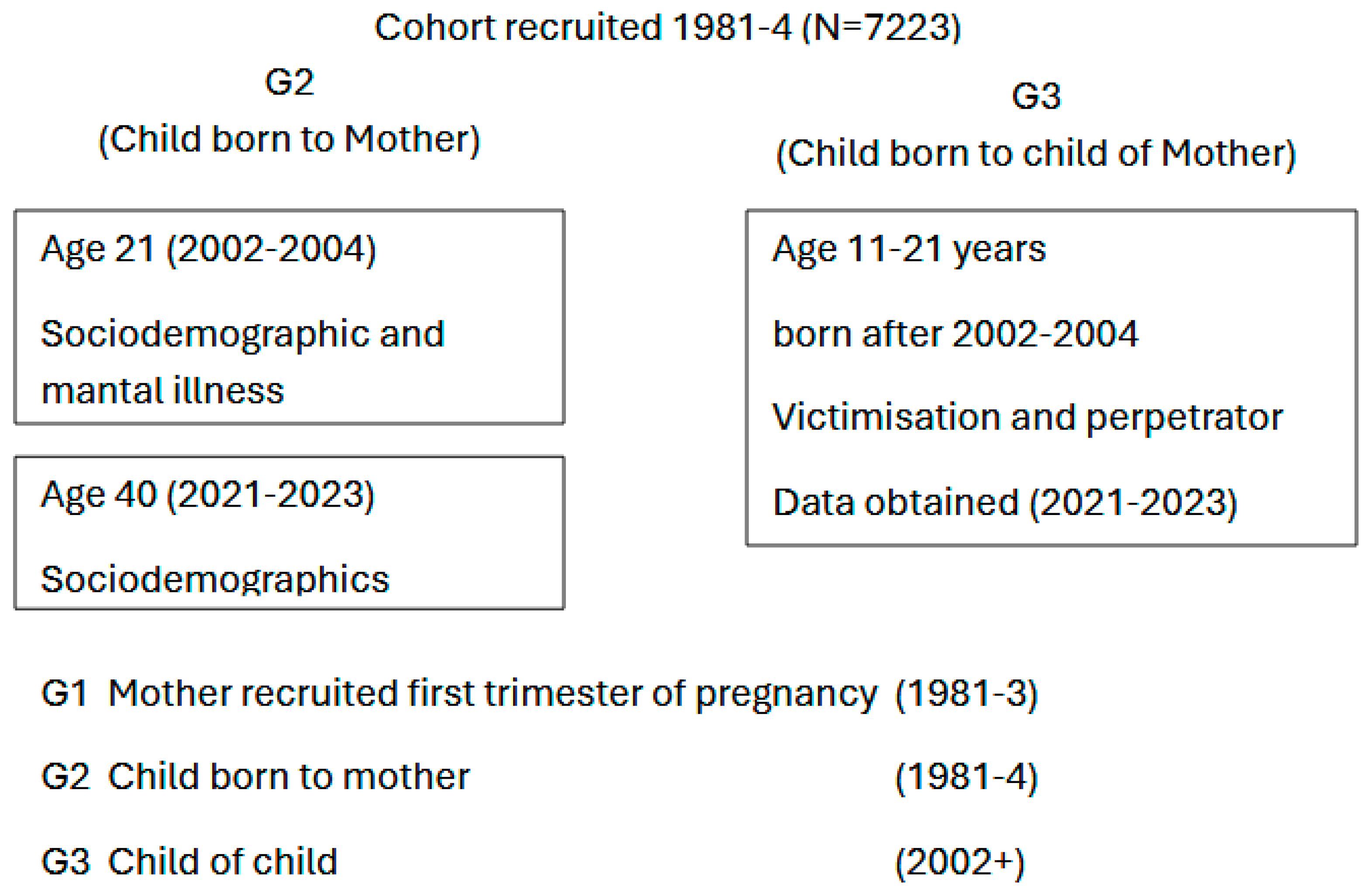
Figure 1. DATES/STAGES of data collection.
Socsci 15 00098 g001
Table 1. Mean Number of Criminal Victimisations of G3 Child by Sociodemographic Characteristics of Family (Analysis of Variance).
Sociodemographic Characteristics Times G3 Victimised (Mean)
Respondent Age (G3)18+ years(N = 91)2.29F = 6.9, p < 0.001
16–17 years(N = 89)2.52
11–15.9 years(N = 536)1.79
Respondent Gender (G2)Male(N = 361)2.07F = 3.5, p = 0.06
Female(N = 355)1.79
Marital Status (G2) Not Currently Married(N = 249)2.31F = 12.6, p < 0.001
Married(N = 441)1.76
Number of Previous Partners (G2)More than one(N = 339)2.27F = 17.2, p < 0.001
One—Current(N = 335)1.63
Family Income at 21 years (G1)Poor(N = 162)2.31F = 7.2, p < 0.01
Not Poor(N = 508)1.84
Family Income at 40 years (G2)Poor(N = 106)1.78F = 0.05, p = ns
Not Poor(N = 513)1.93
Parent (G2) Mental Illness at 21 Years
Delusional Thoughts (PDI)High(N = 49)2.96F = 14.6, p < 0.001
Normal/Mild(N = 574)1.83
DSM-IV Major DepressionYes(N = 87)2.64F = 18.0, p < 0.001
No(N = 336)1.68
DSM-IV Any Anxiety DisorderYes(N = 120)2.28F = 7.2, p < 0.01
No(N = 303)1.72
DSM-IV Drug Abuse DisorderYes(N = 79)2.25F = 3.7, p = 0.05
No(N = 344)1.79
bDSM-IV Drug Dependence DisorderYes(N = 51)2.35F = 3.6, p = 0.06
No(N = 372)1.81
Parent (G2) Behaviour at 21 Years
YASR AggressionCase(N = 51)2.43F = 3.39, p = 0.07
Normal(N = 582)1.89
YASR DelinquencyCase(N = 55)2.53F = 5.3, p = 0.02
Normal(N = 578)1.88
Table 2. Perpetrators of Victimisation (Lifetime Ever), Generalised Linear Model Mean Perpetrations.
Perpetrators of VictimisationAge of RespondentF Ratio, p-Value
11–15 Years16–17 Years18+ Years
(N = 524)(N = 86)(N = 88)
Any perpetrator1.962.913.28F = 11.7, p < 0.001
Sibling perpetrator0.530.500.61F = 0.3, p = ns
Father perpetrator0.120.220.48F = 12.4, p < 0.001
Mother perpetrator0.080.220.28F = 9.2, p < 0.001
Other relative at home0.000.060.01F = 6.6, p = 0.001
Other relative0.030.000.09F = 3.73, p = 0.02
Boyfriend/girlfriend0.010.090.16F = 10.9, p < 0.001
Friend, neighbour, teacher0.991.511.34F = 5.36, p < 0.01
Stranger0.180.300.31F = 2.41, p = ns
Disclaimer/Publisher’s Note: The statements, opinions and data contained in all publications are solely those of the individual author(s) and contributor(s) and not of MDPI and/or the editor(s). MDPI and/or the editor(s) disclaim responsibility for any injury to people or property resulting from any ideas, methods, instructions or products referred to in the content.



