


Abstract
With the growing demand for sustainable and high-performance construction materials, alkali-activated materials (AAM) have attracted significant interest as eco-friendly al-ternatives to cement-based systems. Nevertheless, the tensile ductility and AAM–concrete interfacial bonding of polyethylene fiber-reinforced AAM remain insufficiently understood, and systematic knowledge on how activator modulus governs these multi-scale properties is still limited. This study aims to clarify how activator modulus (Ms = 0, 0.5, 0.8, 1.1, 1.4) influences the mechanical, interfacial, and microstructural behavior of an engineered AAM reinforced with polyethylene fibers. The effects are investigated through uniaxial tensile tests, single-fiber pull-out experiments, bond tests with concrete, and microstructural analyses (SEM, XRD, CT). Results show that an activator modulus of 1.1 yields the best overall performance, achieving a 28-day tensile strength of 3.77 MPa and ultimate tensile strain of 3.68%, representing increases of 231% and 64.6% compared with a modulus of 0. Microstructural observations confirmed that the optimized modulus promotes extensive gel formation, improves fiber–matrix interfacial bonding, and enhances strain-hardening with multiple microcracks. Interfacial tests further demonstrated that Ms strongly affects bond performance between AAM and concrete, with 1.0–1.1 providing balanced adhesion and matrix ductility, while excessive activation (Ms = 1.4) caused interfacial defects and bond deterioration. These findings deepen the understanding of the micromechanical role of activator modulus and provide guidance for the mix design of durable, high-ductility AAM suitable for sustainable infrastructure.
1. Introduction
Engineering Cementitious Composites (ECC) constitute a class of advanced fiber-reinforced cement-based materials distinguished by remarkable strain-hardening behavior, tensile ductility, and the emergence of various closely spaced microcracks under uniaxial tension [1,2,3]. These composites typically exhibit ultimate tensile strains in the range of 1% to 7%, significantly surpassing those of conventional cement-based materials [4,5,6]. Owing to these superior mechanical properties, ECC has been increasingly employed in critical infrastructure applications, including bridge decks, tunnel linings, and earthquake-resistant structures [7]. However, the widespread utilization of ECC is hindered by its reliance on Ordinary Portland cement (OPC), the production of which is highly energy-intensive and responsible for roughly 5–7% of global human-induced carbon dioxide emissions [8,9,10]. This environmental burden underscores the urgent need to develop sustainable, low-carbon alternatives that align with the objectives of green construction [11].
With the accelerating push toward low-carbon construction, alkali-activated materials have emerged as a promising alternative to OPC-based materials by leveraging aluminosilicate by-products while delivering competitive mechanical performance and durability [12,13,14,15]. AAM make use of industrial by-products rich in aluminosilicates, notably fly ash [16,17], metakaolin [18], and volcanic ash, as precursor materials. For field application, two attributes are pivotal: workability at early age (to ensure placement/finishing and sound interfaces) and tensile ductility in service (to enable multiple microcracking and strain-hardening).
Workability remains a central challenge for alkali-activated systems because the high alkalinity and fast reaction kinetics can cause rapid setting and rheological instability, while conventional superplasticizers often show limited compatibility [19]. Prior studies [19,20,21] have mitigated these issues through: (i) tuning activator chemistry (Na2O content and the SiO2/Na2O ratio, i.e., modulus Ms) to regulate dissolution and polycondensation kinetics [20,21]; (ii) introducing borate-based retarders (e.g., borax) to extend setting time by temporarily binding alkalis and slowing silicate condensation; and (iii) optimizing the solid component gradation to enhance packing density and reduce water demand [22,23].
Ductility in AAM is governed by micromechanics. The principal drivers of strain-hardening are fiber geometry (diameter and aspect ratio), surface characteristics, dispersion, and orientation, which collectively define the fiber-bridging law across cracks [24,25,26,27]. Satisfying the stress and energy criteria requires that the maximum bridging stress exceeds the first-cracking strength and that the complementary energy surpasses crack-tip toughness [18]. While fibers are the primary enablers of strain-hardening, matrix chemistry indirectly affects fiber pull-out by controlling the interfacial transition zone (ITZ) properties, including roughness, chemical bonding, and pore structure.
In the broader context of high-performance cementitious composites and strengthening technologies, several established material systems provide useful benchmarks for positioning polyethylene fiber-reinforced alkali-activated composites. Engineered Cementitious Composites (ECC) are representative strain-hardening materials designed through micromechanics to achieve multiple cracking and high ductility. In parallel, UHPFRCC/UHPFRC has been widely investigated and applied for rehabilitation of corrosion-damaged RC members in aggressive environments; for example, corrosion-damaged RC beams retrofitted with UHPFRCC under marine exposure exhibited improved flexural response and damage tolerance [28], and simulated corrosion-damaged RC columns retrofitted with UHPFRC jackets showed enhanced axial compressive performance even after dry–wet cycling [29]. Meanwhile, FRCM/CFRCM systems represent a mature externally bonded strengthening route; recent developments such as polarized CFRCM-strengthened corroded RC continuous beams demonstrated improved tensile and flexural behavior [30], and dual-functional C-FRCM jackets were shown effective in improving the compressive behavior of seawater sea sand concrete composite columns under eccentric loading [31]. Compared with these cement-based systems, alkali-activated binders offer a potentially lower-carbon matrix; however, achieving robust strain-hardening with hydrophobic polymer fibers (e.g., PE) and ensuring stable interfacial performance still require careful control of matrix chemistry and microstructure.
In parallel, a number of studies have demonstrated that polymer and synthetic fibers such as polypropylene and polyethylene can effectively tailor crack patterns and ductility in both cement-based and alkali-activated matrices [32,33]. In particular, recent research on high-ductility cementitious composites and ultra-high performance fiber-reinforced systems for the strengthening of corrosion-damaged beams and columns under marine and cyclic environmental actions has shown that finely controlled fiber bridging and matrix toughness are crucial for durable repair and retrofit applications [28]. Moreover, mechanochemical activation of fly ash and slag has been reported as an efficient approach to accelerate dissolution, enhance gel formation, and improve the mechanical properties of alkali-activated binders, which further highlights the importance of properly designing the activator composition and modulus [29,34,35]. Despite extensive work on individual aspects of workability control via admixtures or activator tuning, and tensile performance enhancement through micromechanics-informed fiber design [36,37], few studies have systematically examined the direct influence of activator modulus (Ms) on alkali-activated materials (AAM) while maintaining constant fiber type/volume and Na2O content [38,39]. In particular, there is limited research that simultaneously quantifies interfacial behavior (e.g., single-fiber pull-out), evaluates tensile strain-hardening capacity, and links AAM–concrete bonding performance to interface pore structure [34]. Moreover, the mechanistic explanation for how variations in ITZ friction and microstructural evolution contribute to enhanced ductility—by enabling more uniform fiber engagement and delaying fiber rupture—remains insufficiently addressed [38].
Despite extensive work on individual aspects of workability control via admixtures or activator tuning, and tensile performance enhancement through micromechanics-informed fiber design [36,37], few studies have systematically examined the direct influence of activator modulus (Ms) on alkali-activated materials (AAM) while maintaining constant fiber type/volume and Na2O content. In particular, there is limited research that simultaneously quantifies interfacial behavior (e.g., single-fiber pull-out), evaluates tensile strain-hardening capacity, and links AAM–concrete bonding performance to interface pore structure. Moreover, the mechanistic explanation for how variations in ITZ friction and microstructural evolution contribute to enhanced ductility—by enabling more uniform fiber engagement and delaying fiber rupture—remains insufficiently addressed.
Accordingly, this study employs a fixed fiber system (PE fiber, 2.0 vol%, with constant length and diameter), a precursor blend (FA:GBFS:SS = 3:5:2), while varying the activator modulus (Ms) across a broad range (0, 0.5, 0.8, 1.1, 1.4). This approach enables the investigation of matrix-chemistry effects beyond the commonly reported optimum (Ms ≈ 1.0–1.2) and captures both under- and over-modulated regimes. The study systematically evaluates fresh-state behavior, tensile and interfacial properties, and microstructural characteristics, aiming to clarify the mechanistic role of Ms in governing the performance of engineered alkali-activated materials.
However, most previous studies on alkali-activated systems did not simultaneously optimize tensile strain-hardening behavior and AAM–concrete bonding within a single, well-defined PE fiber-reinforced matrix. As a result, the scientific question of how variations in activator modulus within one precursor–fiber system jointly regulate workability, tensile ductility, and interfacial bond performance remains insufficiently answered. The investigation is structured in two sequential stages. In the first stage, the effect of varying activator modulus on the reaction kinetics, microstructural evolution, and mechanical performance of AAM is examined, with the objective of identifying an optimal mix design that promotes strain-hardening behavior. In the second stage, bond formation between highly ductile AAM matrices (with different Ms) and existing concrete is studied through bond tests and microstructural analyses. This allows assessment of how Ms variation influences setting characteristics, workability, and composite strength when borax-induced retardation is present. The results are expected to enhance the scientific understanding of AAM design and support its broader application in sustainable infrastructure development.
2. Materials and Methods
2.1. Raw Materials
The precursors used to prepare AAM in this study consist of fly ash (FA), granulated blast furnace slag (GBFS), and steel slag (SS). Among them, the FA and GBFS were obtained from Hebei Jintaicheng Company, while the SS was sourced from Lingshou Yiteng New Material Technology Co., Ltd. (Wuxi, China). The chemical compositions of the precursor materials were analyzed by X-ray fluorescence spectroscopy (Rigaku ZSX Primus 2), as summarized in Table 1. The particle sizes of the precursors and the particle size distribution of river sand were measured using laser diffraction (Malvern Mastersizer 2000), and the corresponding results are shown in Table 2.
Table 1.
Chemical composition of raw materials (w.t.%) [40].
Table 2.
Granulometric characterization of solid precursors [40].
The raw materials and fiber reinforcements used in this study are presented in Figure 1a, which presents the morphologies of the precursors (FA, GBFS, SS) and river sand, as well as the PE fiber added to the mixes. Scanning electron microscopy (SEM) was utilized to investigate the microstructures of the precursors, and their phase compositions were determined through X-ray diffraction (XRD), as depicted in Figure 1b. The XRD results indicate that FA is mainly composed of crystallized phases, for example, mullite (M) and quartz (Q), whereas GBFS exhibits a non-crystalline structure, and SS contains various crystalline components such as C2S and RO phases. The granulometric profiles of the precursors and river sand are depicted in Figure 1c, showing that FA has the finest particles, followed by GBFS and SS, while sand has the coarsest distribution.
Figure 1.
(a) The image of FA, GBFS, SS, Sand, PE; (b) XRD analysis of precursor (M: Mullite; Q: Quartz; C2: C2S; C3: C3S; R: RO phase); (c) Particle size distribution of precursors and sand [40].
An alkaline activator system comprising anhydrous sodium silicate and sodium hydroxide was employed. The sodium silicate (modulus = 1.4, SiO2: Na2O = 1.4) was purchased from Youso Samples, and the sodium hydroxide was provided by Wuxi Yatai United Chemical Co., Ltd. (Wuxi, China). Polyethylene fibers were used for reinforcement as shown in Figure 1a, and their detailed physical properties are given in Table 3. Water used in all mix designs was laboratory tap water.
Table 3.
Properties of fibers [40].
According to the chemical constituent makeup of the raw materials in Table 1, the main components of FA are SiO2 and Al2O3, and the CaO content is only 5.55% (<10%), which classifies it as Class F fly ash, providing a large amount of silicon and aluminum sources for the preparation of AAM. GBFS is mainly composed of calcium, silicon, aluminum and other oxides, such as CaO, SiO2, Al2O3, etc., among which the CaO content is as high as 50.36%. Steel slag contains abundant calcium, iron, silicon and other oxides, among which the CaO content is also relatively high and contains a certain amount of Fe2O3, etc. Both raw materials provide a large amount of calcium source for the alkali activation reaction, thereby improving the early strength of the material.
According to Table 2 and Figure 1c, among the three precursors, fly ash has the largest particle size, with a median particle size D50 of 99.49 and a gentle particle size distribution curve. The cumulative content increases slowly in the fine particle size fraction and rises rapidly in the coarse particle size fraction, indicating a wide particle size distribution, a large proportion of coarse particles, and significant variation in particle size. Steel slag has the smallest size at cumulative volume fraction of 50% D50 of 10.81, and the distribution curve rises rapidly at smaller particle sizes, suggesting a higher proportion of fine particles and a small initial particle size. Blast furnace slag has a median grain size D50 of 11.91, and the distribution curve rises rapidly and is concentrated in a narrow, small particle size range, indicating that the particles are generally fine and evenly distributed.
Figure 1a,b are XRD and SEM images of the precursor materials. Analysis shows that fly ash particles are mostly spherical. These spherical particles vary in size and have a smooth surface. The main crystalline phase is mullite. The morphology of slag is complex, presenting irregular angular shapes including block, granular, and flake forms. The surface is rough, and the particle sizes show significant variation. The material is predominantly made up of amorphous structures, as shown by the diffuse peaks of 5°~36°. The microscopic appearance of steel slag is irregular, and its main crystalline peaks include C2S, C3S, Ca2Fe2O5 and RO phases. C2S and C3S are the main mineral components in cement clinker and have certain cementitious properties, which makes steel slag a cementitious material under certain conditions [41].
For the study of interfacial bonding properties of highly ductile AAM, the concrete material used was P.O. 42.5 cement produced by Tangshan Jidong Cement Co. (Tangshan, China). The sand used for concrete was river sand. To guarantee the rigor of the test, the ratio of coarse aggregate size is as follows: 5–10 mm:10–16 mm:16–20 mm = 0.42:0.28:0.3. The mix design parameters and associated mechanical performance of the concrete are summarized in Table 4:
Table 4.
Concrete mix proportions and their mechanical properties.
2.2. Mix Design and Sample Preparation
According to the existing conclusions, when the ratio of FA:GBFS:SS in the precursor is fixed at 3:5:2 and the alkali content of the activator is kept at 5%, modulus 1.4 anhydrous sodium silicate (SiO2: Na2O = 1.4) and flaky sodium hydroxide are compounded to obtain activators with different moduli. The specific mix ratios are displayed in Table 5. Figure 2a summarizes the compressive strength development of alkali-activated materials prepared with different precursor proportions, which was used as a screening step to identify the optimum precursor ratio adopted in this study (FA:GBFS:SS = 3:5:2). In addition, the workability of the optimum mixture was quantified by a flowability (spread) test under different activator moduli, as shown in Figure 2b. The measured flow diameters for Ms = 0.5, 0.8, 1.1 and 1.4 were 313, 316, 316 and 316 mm, respectively, indicating that the selected mixtures maintained adequate and comparable workability within the investigated modulus range. No superplasticizer was used in this study to avoid potential incompatibility in the highly alkaline activator environment and to isolate the effect of activator modulus on the fresh and hardened performance; borax was the only admixture used as a retarder. The investigated activator moduli in the present study were Ms = 0, 0.5, 0.8, 1.1, and 1.4 (Ms = 1.4 is the highest level). Moduli above 1.4 were not considered because increasing Ms (SiO2/Na2O) increases the silicate content and can significantly influence fresh-state properties such as flowability/workability and setting behavior [42]. Moreover, sodium silicate-activated slag systems are known to exhibit rapid structural build-up and fast loss of fluidity, which may lead to rheological instability and a shortened workable time window, particularly at higher silicate contents/moduli [43]. For PE fiber-reinforced mixtures, excessive viscosity and reduced workable time can further hinder uniform fiber dispersion and consistent casting, thereby introducing additional variables unrelated to the targeted modulus effect. Therefore, Ms = 1.4 was selected as a practical upper bound to represent the high-modulus regime while maintaining reproducible mixing and specimen preparation across all mixtures [44]. “M” represents the modulus, and the number indicates the modulus associated with each mix proportion. For example, M1.1 means that the modulus of the activator in this mix ratio is 1.1.
Table 5.
The mix proportions of AAM with different moduli [40].
Figure 2.
(a) Compressive strength of alkali-activated materials with different precursor proportions at 3, 7 and 28 days; (b) Flowability (spread diameter) of the optimum mixture under varying activator moduli.
Rationale for Ms selection. The five Ms levels (0, 0.5, 0.8, 1.1, and 1.4) were selected to span the practically achievable range of the present activator formulation. Specifically, Ms = 0 represents a hydroxide-only activator without dissolved silicate, whereas Ms = 1.4 corresponds to the upper bound set by the adopted sodium silicate source. The intermediate Ms values (0.5–1.1) fall within the realistic mixed hydroxide–silicate activator range commonly used in alkali-activated binders and were chosen to cover under-modulated to highly modulated regimes in the SiO2/Na2O balance [44,45].
During the test, the “one-step method” was used to prepare the AAM specimens. A planetary mixer was used to dry-mix fly ash, slag, steel slag and activator in a mixing pot for 2 min. After the dry mixing was completed, water was slowly added at a uniform speed and quickly mixed for 2 min. Finally, the fiber prepared in advance was slowly added and continued to be quickly mixed for 2 min until the fiber was evenly distributed in the AAM mortar. To further confirm the homogeneity of fiber distribution along the specimen length (casting direction), a wash-out (water washing) check was conducted on fresh mixtures sampled from different positions (front/middle/end). The sampled mortar was washed through a sieve to remove the matrix, and the recovered fibers were counted/weighed to verify that no noticeable gradient existed along the length direction. After the mixing was completed, the prepared mixture was poured into the mold and placed on a vibration table for 2 min until the bubbles disappeared completely. To minimize water loss, the cast molds were sealed with a plastic film and subsequently cured under ambient conditions (23 ± 4 °C, 90 ± 10% RH). Demoulding was performed after 24 h, followed by curing of the demoulded specimens in sealed bags at ambient temperature for 72 h. Finally, the sample was taken out of the sealed bag and directly cured at laboratory temperature to the ages of 7 days and 28 days for testing.
2.3. Methods
The overall workflow of specimen preparation and testing is schematically summarized in Figure 3, including matrix mixing, specimen fabrication, and subsequent mechanical/microstructural characterization. For the fiber pull-out specimens, the 2 mm embedment depth was controlled through a two-step procedure: (i) each PE fiber was measured using a vernier caliper and marked at 2 mm from the fiber end before casting; (ii) during layered casting, the fiber was inserted into the fresh mortar until the marked line was flush with the mortar surface, ensuring a consistent embedment depth. After demoulding, the exposed fiber length was measured again to verify the embedment depth; specimens that did not meet the target embedment were re-made or excluded. After demoulding, the exposed fiber length was measured again to verify the embedment depth; specimens that did not meet the target embedment were re-made or excluded. Accordingly, a dedicated two-layer mould was designed to enable accurate placement and stabilization of the short embedment during casting, while the loading configuration was arranged to maintain a strictly vertical alignment among the fiber, matrix, and grips during testing.
Figure 3.
Schematic illustration of the experimental program and specimen preparation for mechanical and microstructural tests.
2.3.1. Uniaxial Tension Test
According to the Japan Society of Civil Engineers (JSCE) recommendations for high-performance fiber-reinforced cement composites (HPFRCC) [46], uniaxial tensile tests were performed using dog-bone-shaped specimens aged 7 days and 28 days, using displacement loading at a loading rate of 0.5 mm/min. Figure 4a shows the geometric parameters of the tensile specimen. The specimen is 330 mm long, 60 mm wide, and 13 mm thick, with a test area of 30 mm × 80 mm. Considering the relatively thin specimen (13 mm) and the PE fiber length (18 mm), fibers tend to orient predominantly within the specimen plane during casting, which is representative of thin repair overlays. In addition, the gauge-section width (30 mm) is larger than the fiber length, and the boundary effect of the gauge geometry on fiber dispersion can be considered limited, as commonly assumed in dog-bone tensile testing of fiber-reinforced AAM/HPFRCC systems. During the test, displacement sensors (LVDT) were set on both sides of the specimen, as shown in Figure 4b, to collect the deformation of the specimen during loading. The [47] sensor employed in this study features a measurement range of 0–50 mm, an output voltage span of 0–5 V, and a resolution of 0.05 mm.
Figure 4.
(a) Dimensions of tensile specimens; (b) Layout Diagram of LVDT.
For clarity, the experimental matrix is summarized as follows. The only prescription factor varied in this study was the activator modulus Ms, investigated at Ms = 0, 0.5, 0.8, 1.1, and 1.4, while the precursor composition, Na2O dosage, fiber volume fraction, and key proportioning parameters (e.g., sand-to-binder and water-to-binder ratios) were kept constant. The technological factors (mixing sequence and duration, vibration time, mould sealing, demoulding schedule, and curing conditions) were also kept identical for all mixtures to minimize processing-induced variability. The following parameters were determined for the finished composites: uniaxial tensile response (tensile strength and ultimate tensile strain) and cracking behavior; single-fiber pull-out behavior (peak load and load–slip response); and interfacial performance at the AAM–concrete interface evaluated by slant shear and splitting tensile tests, together with microstructural observations reported in Section 3.
2.3.2. Fiber Pull-Out Test
The adhesion characteristics at the fiber–matrix interface have an important influence on AAM. This study uses the fiber pull-out test to explore it. The interfacial bond strength was calculated from the peak pull-out load divided by the embedded surface area of the fiber. While this metric reflects the apparent mechanical bond, no direct measurements of surface roughness or surface energy were performed. The test was carried out using a cube-shaped specimen with a size of 50 mm × 50 mm × 50 mm. Figure 5a is a geometric configuration of the fiber pull-out specimen. In view of the large randomness of the test, we set 8 specimens for each mix ratio to reduce the error. In this test, a special mold was designed as shown in Figure 5b. The mold is divided into two layers, upper and lower, to achieve the purpose of layered casting. When casting the pull-out specimen, first fill the first layer with the prepared AAM mortar and tamp it with a spatula, then place the mold on a vibration table and vibrate for about 40 s to ensure that the mortar fills the first layer. Then scrape the surface and clean the mold wall and overflow. After the first layer is poured, use a vernier caliper to measure and mark the PE fiber 2 mm away from the end, and bury 6 marked PE fibers in clusters in the AAM mortar to ensure that the burying depth is 2 mm. After embedding, let it stand for 1 h, then continue pouring to complete a 50 mm × 50 mm × 50 mm cubic specimen, and then cover the specimen. After curing for 1 day, demould, and then use a vernier caliper to measure whether the length of the exposed fiber is 16 mm to determine whether the embedding depth meets the requirements.
Figure 5.
(a) Schematic diagram of fiber pull-out specimen; (b) Mould for fiber pull-out specimen; (c) Specimen clamp; (d) Fiber clamp; (e) Fiber pull-out experiment.
A microcomputer-controlled universal testing machine was employed to conduct the fiber pull-out test (UTM2501), with a maximum range of 50 N and an accuracy of 0.5%. The test fixture includes two types: specimen clamp and fiber clamp, as observed in Figure 5d,e. However, since the fiber in this experiment is too thin for the fiber clamp to clamp, we use glue to fix the fiber end. Displacement loading is used during the experiment, and the loading rate is 0.5 mm/min. At the beginning of the experiment, the specimen is placed flat on the specimen clamp and the position of the specimen is calibrated to ensure that the fiber can be vertically fixed on the fiber clamp, and then the specimen is fixed; the upper and lower distances of the fiber clamp are adjusted to reserve a distance of about 5 mm between the fiber clamp and the matrix, and the remaining part is completely glued to the fiber clamp with glue. In this process, the fiber, matrix, and fiber clamp are always kept in a vertical state. Figure 5c is a fiber pull-out test diagram.
2.3.3. Strain-Hardening Stress Criterion and Energy Criterion
Fracture beam test (matrix crack-tip toughness): The fracture beam test was used to evaluate the fracture performance of the matrix. In this study, a three-point bending test was conducted following ASTM E399 under displacement control at a loading rate of 0.5 mm/min. Fiber-free geopolymer mortar specimens were prepared as rectangular beams with dimensions of 280 mm × 60 mm × 60 mm. During casting, a steel plate (30 mm in width and 2 mm in thickness) was placed at the mid-depth of the beam to form a notch with a depth of 30 mm and a width of 2 mm Figure 6.
Figure 6.
Dimensions of rectangular notched beam.
The matrix crack-tip toughness was calculated as:
where is the elastic modulus obtained from the tensile test of the geopolymer mortar, and is calculated by:
where is the peak load in the three-point bending test; is the specimen mass; is the gravitational acceleration; is the span; is the notch depth; and are the specimen width and thickness; and is the geometry factor:
Single-notch tensile test: A notch with a width of 0.6 mm was cut around the midsection of the dumbbell-shaped tensile specimen using a saw blade. The notch depth was 6.5 mm along the width direction and 2.0 mm along the thickness direction. The notched specimen was tested under uniaxial tension using displacement control at a loading rate of 0.5 mm/min. LVDTs were installed on both sides of the specimen to record the crack opening displacement, and the stress–crack opening displacement curve was obtained (Figure 7).
Figure 7.
(a) Notch dimensions; (b) Diagram of single-edge notched tensile experiment.
The fiber bridging complementary energy was calculated as:
where is the maximum fiber-bridging stress and is the corresponding crack opening displacement.
Notation consistency. The peak bridging stress and its corresponding crack opening from the measured curve are denoted as and , respectively:
Thus, and in (6) and (7) correspond to and in the main text.
2.3.4. Shear and Splitting Tensile Tests
To evaluate the bonding performance between engineered AAM composites (AAM) and ordinary concrete, both slant shear and splitting tensile tests were performed. For the splitting tensile test, cubes of dimensions 100 mm × 100 mm × 100 mm were fabricated as test samples, as observed in Figure 8a. A two-stage casting method was adopted: during the casting of concrete, a 100 mm × 100 mm × 1 mm thin separator was placed at the center of each cubic mold, resulting in two half-size concrete blocks per mold. After standard curing for 28 days, no grinding or intentional mechanical roughening was applied to the concrete substrates. The bonding surface corresponded to the as-cast surface formed during the two-stage casting procedure, which ensured a consistent surface texture among specimens. Prior to casting the AAM layer, the concrete surface was cleaned to remove debris, loose particles and dust (e.g., by brushing and/or air blowing). The substrate was then brought to a saturated surface-dry (SSD) condition before placing the AAM layer. These procedures were applied identically to all specimens to maintain a consistent and reproducible interface condition for the slant shear and splitting tensile tests.
Figure 8.
(a) Schematic diagram of the split tensile specimen; (b) Schematic diagram of the shear specimen.
For the slant shear test, prismatic specimens with dimensions of 100 mm × 100 mm × 300 mm were used, with the bonding interface inclined at 30° to the vertical axis, as illustrated in Figure 8b. The same two-stage casting method was applied. During the initial casting of concrete, a 100 mm × 200 mm × 1 mm separator was embedded in the appropriate position within the mold to form two concrete halves. After 28 days of standard curing, the bonding surfaces were treated in the same manner as in the splitting tensile test. The AAM layer was then cast onto the interface, and the demolded specimens were subsequently cured under standard conditions up to 28 days.
2.3.5. Phase Composition Analysis
The type and content of elements in the raw materials were analyzed using the ZSX Primus 2 X-ray fluorescence spectrometer of Rigaku Corporation of Japan. Elements ranging from fluorine (F) to uranium (U) in the periodic table can be detected. The particle size of the raw materials under investigation was controlled to be below 100 mesh.
The phase composition of the samples was analyzed using the Smartlab 9 KW X-ray diffraction instrument of Rigaku Corporation. The tested samples were ground to more than 200 mesh. The working target was Cu-K-, the voltage was 40 kV, the current of 100 mA, the scanning increment of 0.02°, the scanning speed was 5°/min, and the scanning range was 10°~90°.
CT images were reconstructed into 3D volumes with an isotropic voxel size determined by the scanning and reconstruction settings. The voxel size was selected such that pores in the reported size ranges (<100 μm, 100–500 μm, and >500 μm) are above the effective resolution limit; therefore, the pore statistics are interpreted as reliable trends for these bins rather than as a full characterization of sub-voxel micro-porosity. Pore segmentation was performed by applying a global grayscale threshold selected from the histogram of the reconstructed volume and verified by a threshold-sensitivity check (small variations in the threshold did not change the observed ranking trends among different Ms). The region of interest (ROI) for quantification was defined as a 3D slab centered at the AAM–concrete interface (constant thickness for all specimens), excluding outer surfaces to minimize boundary artifacts and ensuring consistent comparison across mixtures.
2.3.6. Porosity Determination
YXLON FF35 CT computed tomography technology was adopted. The sample size used was cubic specimens of 40 mm × 40 mm × 40 mm. The specimens were prepared by the secondary pouring method in this experiment. When pouring concrete, a 40 mm × 40 mm × 1 mm partition is fixed at the center of the 40 mm cube test mold, and each test mold forms two and a half pieces of old concrete at one time. After the standard curing period of 28 days, the interface of half a piece of concrete is treated and the surface floating slurry is ground off with sandpaper. Then it is placed in the mold and the casting of highly ductile polymer is carried out on its side. After the mold was removed, the specimen was maintained under a standard curing environment until it reached the age of 28 days before the CT test could be conducted.
2.3.7. SEM Analysis
Hitachi S-4800 high-resolution SEM was used to study the microstructure of the fiber-matrix interface transition zone. Samples of about 1 cm3 were selected from the fractured cross-section for SEM imaging. All specimens were immersed in anhydrous alcohol for 24 h to halt hydration, subsequently vacuum-dried and sprayed with gold for SEM characterization.
3. Results and Discussion
3.1. Mechanical Properties
3.1.1. Uniaxial Tensile Strength
The uniaxial tensile strength can directly reflect the ductility of the material. As shown in Figure 9a, the tensile strength of matrices with different moduli at various curing ages. The tensile strength of AAM exhibits a progressive increase with extended curing time. This is attributed to the ongoing strength development of the matrix via alkali activation, which simultaneously improves the interfacial bonding with the embedded fibers.
Figure 9.
(a) Tensile strength of different matrix moduli at 7 d and 28 d; (b) Ultimate tensile strain of different matrix moduli at 7 d and 28 d; (c) Tensile stress–strain curves of matrices with different moduli at 7 days; (d) Failure conditions at 7 days for different matrix moduli; (e) Tensile stress–strain curves of matrices with different moduli at 28 days; (f) Failure conditions at 28 days for different matrix moduli.
At a fixed Na2O content, a consistent trend is observed across all curing periods, wherein the tensile strength of the AAM increases to an optimum point and then declines with further increases in activator modulus. When the modulus is 1.1, the tensile strength reaches its maximum, with values of 2.87 MPa at 7 days and 3.77 MPa at 28 days. Compared to the modulus of 0, these represent increases of 62.15% and 64.63%, respectively. However, as the activator modulus further increases to 1.4, the tensile strength decreases to 2.51 MPa at 7 days and 3.55 MPa at 28 days, representing reductions of 14.79% and 12.34% compared to the modulus of 1.1.
These results indicate that the peak around Ms ≈ 1.1 represents a relatively broad optimum region; moving to a lower modulus (e.g., 0.8) causes a pronounced drop, whereas shifting slightly higher leads to only a moderate reduction, implying that our main conclusion is robust to small Ms shifts near the optimum but becomes sensitive when Ms crosses the under- or over-modulated regimes.
3.1.2. Stress–Strain Behavior
During the data processing stage, the tensile force obtained from the universal testing machine was synchronized with the displacement data recorded by the displacement gauge to generate stress–strain curves for further analysis. As shown in Figure 9c,e, the stress–strain behavior of AAM with different activator moduli at various curing ages is illustrated. Overall, the curves exhibit three distinct stages. In the initial stage, known as the linear elastic phase, stress increases proportionally with strain until the onset of the first crack, at which point the corresponding stress is defined as the first cracking strength. The second stage is the strain-hardening phase, where the stress continues to rise with increasing strain, accompanied by the formation of multiple microcracks. The maximum stress attained during this phase is referred to as the ultimate tensile strength, while the corresponding strain is defined as the ultimate tensile strain. The third stage is the softening phase, characterized by a gradual decrease in tensile stress due to the exhaustion of fiber crack-bridging ability and the propagation of a dominant crack. Despite the stress reduction, the descending branch of the curve exhibits a relatively gentle slope, indicating sustained ductility before final failure.
This study focuses on the comparative investigation of AAM incorporating activators with varying moduli. Figure 9b illustrates the variation of ultimate tensile strain with activator modulus at distinct stages of curing. The results indicate that while the tensile strain of the material shows a slight increase with curing time, the overall growth remains limited. When the Na2O content is kept constant, both the tensile strength and the corresponding ultimate tensile strain of AAM show a non-monotonic trend, initially increasing and subsequently decreasing as the activator modulus increases. Specifically, at a modulus of 0, the ultimate tensile strain of AAM at 7 and 28 days is only 1.02% and 1.11%, respectively. When the modulus increases to 0.8, the ultimate tensile strains rise to 1.61% and 1.77% at 7 and 28 days. Further increasing the modulus to 1.1 results in peak ultimate tensile strain values of 3.65% and 3.68% at 7 and 28 days, respectively, representing increases of 2.04% and 1.91% compared to the values at a modulus of 0.8. These increases are significantly higher than those observed for other modulus increments. However, when the modulus continues to increase to 1.4, a slight decline in ultimate tensile strain is observed, with values of 3.11% and 3.34% at 7 and 28 days, respectively. Despite this decrease, the strain levels remain significantly higher than those at a modulus of 0.8.
Figure 9d,f depicts the tensile failure patterns of AAM with different matrix moduli. It is evident that specimens with moduli of 1.1 and 1.4 exhibit a significantly higher number of fine cracks compared to other moduli. This phenomenon can be attributed to the initial formation of microcracks in the matrix under tensile loading. Due to the presence of PE fibers, crack propagation is effectively restrained, allowing the material to continue bearing load. The PE fibers bridge the cracks and carry part of the tensile force, preventing the rapid expansion and coalescence of microcracks into a dominant macrocrack. Instead, with increasing load, stress redistribution near the fiber–matrix interface leads to the generation of additional microcracks, resulting in a multiple-cracking pattern. This behavior is reflected in the stress–strain curve as a notable reduction in slope, while the stress continues to rise, indicating the onset of the strain-hardening phase. In this phase, the slope of the stress–strain curve remains positive, and its magnitude reflects the degree of strain hardening; the steeper the slope, the more pronounced the hardening behavior. Although the strain increases more rapidly than in the elastic stage, the material can still sustain increasing stress due to the distributed load-bearing effect of the numerous fine cracks, highlighting the excellent toughness of AAM with moduli of 1.1 and 1.4. In contrast, in brittle materials, once a crack penetrates the entire section, the stress drops sharply. However, in materials exhibiting multiple cracking, the stress decline is significantly more gradual, indicating superior ductility.
To further benchmark the tensile performance, the present composite (Ms = 1.1) achieved a 28-day UTS of 3.77 MPa and an ultimate tensile strain of 3.68%. Choi et al. reported an ultra-high-ductile PE-fiber-reinforced alkali-activated slag composite reaching tensile strength and tensile strain capacity of up to 13.06 MPa and 7.50%, respectively [48]. In contrast, Zhang et al. reported a ternary-blended alkali-activated composite with PE fiber (in a hybrid system) showing a UTS of 3.91 MPa and an ultimate elongation of 5.25% [49]. These differences can be attributed to variations in mixture design and rheology control: for example, Choi et al. excluded aggregates and used chemical rheology control (HRWRA/VMA) to ensure uniform fiber dispersion, while the present study intentionally incorporates sand and targets both tensile ductility and bond performance to existing concrete substrates, which can reduce strain capacity relative to ultra-ductile, aggregate-free systems. Meanwhile, the higher strain reported by Yang et al. [47] is associated with a different binder–fiber combination (hybrid reinforcement), which changes crack-bridging and slip-hardening behavior compared with the single-PE-fiber system adopted here.
3.2. Interfacial Bonding Behavior
This section investigates the effect of different matrix moduli on the pull-out behavior between PE fibers and the AAM matrix. For each mix design, eight PE fiber pull-out specimens were prepared. From each group, three representative sets of test data with similar and consistent results were selected to analyze the fiber pull-out behavior. Pull-out curves were plotted accordingly. Based on the experimental data, the chemical debonding energy and interfacial frictional bond strength were calculated using established equations. By comparing the calculated parameters that characterize bonding performance, the influence of matrix modulus on the interfacial bond behavior between PE fibers and the AAM matrix was determined.
Figure 10a,b shows the single-fiber pull-out load–displacement curves for different activator moduli. At both curing ages, the load–displacement curves exhibit similar trends across all moduli. These curves clearly reflect the interfacial bonding performance and pull-out characteristics of fibers embedded in the AAM matrix. In all tested groups, the fibers were successfully pulled out without rupture, and the pull-out displacement was approximately equal to the embedded length. Two distinct stages can be identified in the curves: the linear elastic stage (before the peak) and the pull-out stage (after the peak). During the linear elastic stage, the applied load increases as the embedded fiber resists the tensile force transmitted through the surrounding matrix. Upon reaching the peak load, corresponding to the maximum pull-out force, the load drops abruptly. This is followed by the pull-out stage, during which the fiber is progressively extracted from the matrix while resisting interfacial friction as the embedded length decreases. During the test, the applied load gradually decreases and ultimately drops to zero upon complete fiber pull-out. All specimens with different moduli exhibited a slip-softening behavior, which aligns with commonly reported pull-out behavior of PE fibers [50,51,52]. On the load–displacement curve, slip-softening is typically characterized by a gradual decline after the peak load followed by a plateau, indicating that interfacial resistance is primarily governed by friction. This behavior suggests that, unlike commonly used PVA fibers, PE fibers form no significant chemical bonds with the AAM matrix. This behavior is primarily due to the smooth surface and hydrophobic nature of PE fibers [53]. Additionally, the relatively weak physical adsorption between the fiber and matrix can be easily overcome once the pull-out force reaches a certain threshold, leading to a reduction in interfacial resistance and resulting in the observed slip-softening phenomenon.
Figure 10.
(a) Single PE fiber pull-out curve at 7 days for different matrix moduli; (b) Single PE fiber pull-out curve at 28 days for different matrix moduli; (c) Single PE fiber pull-out force at 7 days (a) and 28 days (b) for different matrix moduli.
Figure 10c presents the pull-out force of PE fibers under different activator moduli at various curing ages. As the curing time of the AAM increases, the fiber pull-out force also increases, which is attributed to the increased fiber–matrix interface strength between the matrix and the fibers due to continued alkali activation. When the Na2O content remains constant, the fiber pull-out force initially increases and then decreases with increasing activator modulus across all curing ages, which is consistent with the observed variation in tensile strength. With increasing modulus, the pull-out force steadily rises, reaching 0.436 N and 0.505 N at a modulus of 0.8 for 7 and 28 days, respectively. When the modulus is further increased to 1.1, the pull-out force significantly improves, reaching peak values of 0.612 N and 0.742 N at 7 and 28 days, respectively. These values represent increases of 40.37% and 46.93% compared to those at a modulus of 0.8. However, upon further increasing the modulus to 1.4, a moderate decline in pull-out force is observed, decreasing to 0.579 N and 0.666 N at 7 and 28 days, respectively, representing reductions of 5.39% and 10.24% compared to the peak values at a modulus of 1.1.
Figure 11 shows microscopic observations of the fiber surface before and after extraction, providing visual evidence of interfacial interactions. Prior to pull-out, the PE fiber surface appears smooth and defect-free (Figure 11a). After pull-out, varying degrees of matrix adhesion are observed. At low modulus (e.g., 0, Figure 11b), only sparse and unevenly distributed particles adhere to the fiber surface. As the modulus increases, both the quantity and coverage of adhered matrix particles grow (Figure 11d). At a modulus of 1.1 (Figure 11e), extensive matrix residues are observed, with significant surface roughness, suggesting stronger mechanical interlocking and interfacial friction. At higher moduli (1.4, Figure 11f), adhesion appears to decrease slightly, aligning with the reduction in pull-out force.
Figure 11.
(a) Microscopic image of a PE fiber before pull-out (pre-emergence); (b–f) Microscopic images of PE fibers after pull-out for matrix moduli of M0, M0.5, M0.8, M1.1 and M1.4.
3.3. Microstructure Analysis
3.3.1. Interface Morphology and Phases
Figure 12a presents the effect of activator modulus on the XRD profiles of ternary AAM matrices. It can be observed that the diffraction patterns are generally similar across all moduli. The main crystalline phases identified in all samples are mullite and quartz, indicating that these phases originate from the precursor materials and remain stable during the alkali activation process, unaffected by OH− ion corrosion. No new crystalline phases were detected, suggesting that the polymerization primarily results in amorphous gel products rather than crystalline rearrangements. In addition, small amounts of calcite were observed, which may have formed from components in the precursors undergoing secondary chemical reactions under specific conditions.
Figure 12.
(a) XRD of different matrix moduli: M-mullite, Q-quartz, C-calcite; (b,c) Damage conditions on the surface of pulled-out fibers at a modulus of 1.1.
Figure 12b,c further illustrates the surface damage of PE fibers pulled out from a matrix with a modulus of 1.1. The images reveal fine scratches, abrasion marks, and localized deformation on the fiber surface, which are likely caused by frictional forces and tensile resistance during the pull-out process. This observation aligns with the pull-out test results, which indicate that at a modulus of 1.1, the interfacial frictional bond strength is higher and the fiber–matrix interface performance is significantly improved. These findings confirm that increasing the activator modulus effectively enhances the interface bonding characteristics of PE fibers embedded in the AAM matrix.
A comparison with the XRD patterns of the raw precursors reveals the disappearance of characteristic crystalline peaks of anhydrite and lime in fly ash, as well as calcium silicate in steel slag, indicating their dissolution during the alkali activation reaction. Across all samples, broad diffuse peaks appear in the 2θ range of 25–34°, which are attributed to the amorphous gel phase formed during alkali activation [54]. Given the high CaO content in SS and GBFS, the dominant gel products are likely C-(A)-S-H and N-A-S-H gels. Notably, the sample with a modulus of 1.1 shows a relatively larger area under the diffuse peak, suggesting a greater amount of gel formation. This increased gel production may contribute significantly to enhanced fiber–matrix bonding and overall mechanical strength of the composite [55,56,57,58].
3.3.2. Fiber-Matrix Interface
Figure 13a shows the microscopic image of the interfacial transition zone between the matrix and the PE fiber, along with the corresponding elemental mapping used to identify the distribution of various components in both the matrix and the fiber–matrix interface. The mapping results reveal distinct distribution characteristics of different elements within the matrix and the ITZ. Key elements identified include Al, Na, Si, O, and Ca, which are typical constituents of AAM precursors. Carbon (C), the primary element of PE fibers, was used to locate the fibers within the matrix. Oxygen (O), widely present in the material, forms the basis of various oxides and compounds, playing a vital role in the connectivity and stability of the matrix structure. Silicon (Si) and aluminum (Al), as major components of the AAM gel phase, exhibit localized enrichment but overall uniform distribution, suggesting that the aluminosilicate components from fly ash and slag were effectively dissolved and participated in the reaction, forming a continuous and compact gel network beneficial to matrix strength. Moreover, the partial overlap of Ca with Si and Al suggests the potential coexistence of C-(A)-S-H and N-A-S-H gels. Sodium (Na) is also evenly distributed, indicating that the activator with a modulus of 1.1 provides an appropriate level of alkalinity. This promotes precursor dissolution without generating excessive free Na+ ions, which would otherwise increase porosity and potentially weaken the material. Such control over alkalinity is likely a key factor contributing to the high mechanical strength observed at this modulus.
Figure 13.
(a) The fiber-matrix interfacial transition zone and mapping images at M1.1; (b,c) The microscopic morphology of the matrix at M1.1.
Figure 13b,c displays the microscopic morphology of the AAM matrix at a modulus of 1.1. The microstructure appears uniform and dense, with very few pores, small pore sizes, and only minor microcracks. The small pores effectively restrict fiber movement and enhance mechanical interlocking, thereby significantly improving the bonding performance. Furthermore, a dense and continuous interfacial transition layer was observed between the matrix and the fiber, forming a well-integrated interface that facilitates efficient stress transfer and reinforces the interfacial bond. Additionally, the large contact area between the PE fibers and the matrix promotes strong fiber anchorage within the matrix, contributing to excellent interfacial bonding strength.
3.4. Strain-Hardening Criteria
This study employed mix proportions with modulus values of 0.8, 1.1, and 1.4 for single-notch tensile tests. The stress-crack opening width curves were plotted according to the experimental results, as observed in Figure 14a. The results demonstrate that at a modulus of 1.1, the peak stress of the single-notch tensile specimen reached 3.15 MPa, corresponding to a crack opening width of 0.73 mm. In contrast, at a modulus of 0.8, the peak stress decreased to 2.38 MPa with a corresponding crack opening width of 0.39 mm, representing reductions of 24.44% in peak stress and 46.58% in crack opening width compared to the modulus of 1.1. As the modulus increased, both parameters showed a notable improvement. However, with a further increase in modulus to 1.4, the peak stress decreased to 2.87 MPa, accompanied by a crack opening width of 0.58 mm, corresponding to reductions of 8.89% in peak stress and 20.55% in crack opening width relative to the modulus of 1.1.
Figure 14.
(a) Stress-crack opening width curves; (b) Interfacial bonding properties between PE fibers and the AAM matrix with different moduli at 28-day curing age; (c) Interfacial bond strength between PE fibers and AAM matrix with different moduli at 7-day curing age.
Chemical debonding energy is a critical parameter describing the energy required to break the chemical bonds at the fiber–matrix interface [59]. However, attributable to the hydrophobic nature of PE fibers, no chemical debonding energy exists between the fibers and the matrix. In contrast, frictional bond strength characterizes the maximum frictional resistance at the fiber-matrix interface during slip [59]. Notably, the frictional bond strength follows a similar trend to chemical debonding energy, increasing with the modulus of the activator. Figure 14b,c illustrates the interfacial bond strength between PE fibers and the AAM matrix at different moduli for 7-day and 28-day curing ages. At a modulus of 1.1, the frictional bond strengths at 7 and 28 days were 2.15 MPa and 2.43 MPa, respectively, representing increases of 57% and 35% compared to a modulus of 0.8. However, when the modulus further increased to 1.4, the 7-day and 28-day frictional bond strengths decreased to 1.97 MPa and 2.01 MPa, corresponding to reductions of 8.37% and 17.28% relative to the modulus of 1.1. The interfacial performance parameters obtained from fiber pull-out tests indicate that the modulus of 1.1 provides the optimal bonding performance between PE fibers and the matrix among the tested mixtures. A strong interfacial bond facilitates efficient stress transfer, enabling a mutual reinforcement effect between PE fibers and the AAM matrix. During tensile loading, PE fibers effectively restrain matrix deformation, allowing the composite to sustain higher stresses without sudden failure. This mechanism enhances both strength and ductility, which aligns with the results obtained from tensile tests.
ECC exhibits two fundamental characteristics: strain-hardening behavior and multiple cracking, which are governed by micro-mechanical design criteria, including stress and energy conditions [60]. The stress criterion requires that the first cracking tensile strength () must not exceed the maximum fiber bridging strength () [39], with a stress performance index ( ≥ 1.25–1.35) ≥ 1.25–1.35 being essential for strain-hardening behavior [61]. Experimental results demonstrate that all tested moduli (0.8, 1.1, and 1.4) satisfy this condition, ensuring effective stress transfer through fiber bridging after matrix cracking and promoting distributed microcrack formation. Furthermore, the energy criterion necessitates that the fiber bridging complementary energy () sufficiently exceeds the crack tip toughness (), with an energy performance index () ≥ 2.7–3.0 [61]. The modulus of 1.1 exhibited optimal performance, achieving peak fiber bridging energy (903.379 J) and the highest energy index (8.86), while moduli 1.4 (793.875 J, index = 8.73) and 0.8 (281.961 J, index = 3.75) also met the requirements. These findings confirm that fiber bridging dominates energy dissipation, significantly enhancing composite toughness and crack resistance, which explains the observed superior tensile performance and validates the effectiveness of the micro-mechanical design approach for ECC development.
3.5. Interfacial Behavior of Alkali-Activated Materials
The performance of alkali-activated materials (AAM) is strongly influenced by the fiber–matrix interfacial behavior, which governs load transfer, crack-bridging capacity, and overall ductility [62,63]. To further investigate these mechanisms, interfacial bonding was evaluated through splitting tensile and slant shear tests between AAM and ordinary concrete, supplemented by microscopic analysis of the interfacial transition zone (ITZ).
3.5.1. Bonding Behavior
The bonding behavior between alkali-activated materials (AAMs) and ordinary concrete was systematically evaluated through splitting tensile and slant shear tests, as shown in Figure 15. The results demonstrate that the interfacial performance is strongly dependent on activator modulus (Ms).
Figure 15.
(a) Setting time with varying amounts of borax; (b) Split tensile strength of different modulus AAM bonded to concrete; The oblique shear load-slip curves for AAM-concrete interfaces with varying activator moduli of 0.5 (c), 0.8 (d), 1.1 (e), and 1.4 (f) are presented [34].
In this study, borax was added at 5% by mass of the binder components as a setting-time regulator in AAM mixtures [64,65], effectively delaying the setting process to ensure suitable workability and rheological properties for practical application and testing. The bonding performance between AAM and concrete substrates was systematically evaluated through oblique shear tests, complemented by macroscopic examination of the bonded interfaces to analyze failure modes and their correlation with the activator modulus. The interfacial conditions serve as direct evidence of bonding strength, providing critical insights into the bonding mechanisms. The following sections detail the interfacial characteristics and underlying mechanisms for different activator moduli (0.5, 0.8, 1.1, and 1.4), establishing a comprehensive understanding of the bonding behavior.
Figure 15c presents the load-slip curve for an activator modulus (Ms) of 0.5, demonstrating relatively high initial bond strength with a maximum load exceeding 70 kN. The slower reaction kinetics and stable hardened microstructure (e.g., dense N-A-S-H or C-A-S-H gels) contributed to this enhanced initial bonding performance, while PE fibers effectively improved interfacial bond capacity and shear resistance through bridging effects. However, the curve exhibited rapid post-peak degradation, with the load dropping nearly to zero upon further slip. Macroscopic examination of the failed specimens revealed substantial AAM residue at the interface, indicating that failure primarily occurred within the AAM and at the bonding interface. The presence of fibers on the concrete substrate confirmed their effective bridging role, suggesting minimal interfacial defects and robust bonding between AAM and concrete at this modulus. When Ms increased to 0.8 (Figure 15d), the peak load decreased to approximately 30 kN, with a more gradual load-slip response compared to C-E 0.8. The initial load increase was slower, and the post-peak decline more progressive, but the overall bond strength was significantly reduced. This behavior likely resulted from accelerated reaction rates and shortened setting time at higher modulus, which limited AAM penetration into concrete surface pores and increased interfacial defects. The failure surface showed pronounced interfacial delamination with no residual fibers, demonstrating compromised bonding and diminished fiber bridging effectiveness due to modulus elevation. Further modulus increases to 1.1 and 1.4 (Figure 15e,f) resulted in additional peak load reduction (9 kN) and more pronounced slip-dominated behavior. The curves featured gentler initial slopes and rapid post-peak degradation, though with extended slip ranges. These characteristics reflected substantially weakened interfacial shear capacity, consistent with the observed severe delamination and slip marks on failure surfaces. Excessive modulus caused dramatically accelerated reactions and setting, severely restricting AAM penetration and preventing effective mechanical interlock and chemical bonding. Moreover, the interfacial zone exhibited increased porosity, loose microstructure, and extensive microcracking, further degrading bond performance. The fiber bridging mechanism failed due to insufficient setting time and accumulated microstructural defects, leading to catastrophic interfacial failure.
To systematically investigate the modulus-dependent interfacial adhesion behavior between AAM and concrete substrates, splitting tensile tests were performed on composite specimens with varying activator moduli (0.5, 0.8, 1.1, and 1.4), using plain concrete (PC) as the control group. The results (Figure 15b) revealed a non-monotonic strength evolution: the minimum strength of 2.38 MPa at Ms = 0.8 (38.3% lower than PC) increased to 3.02 MPa at Ms = 1.0 (26.9% improvement), peaked at 3.28 MPa for Ms = 1.2 (8.6% increase from Ms = 1.0, though still 15% below PC), then slightly decreased to 3.01 MPa at Ms = 1.4 (8.2% reduction). This complex trend reflects competing mechanisms involving setting time-dependent interfacial penetration, evolving porosity, chemical bonding capacity, and PE fiber bridging effectiveness. Notably, the splitting tensile behavior exhibited greater complexity than oblique shear tests, demonstrating the significant influence of loading configuration and AAM microstructure on interfacial performance. The recommended modulus range of 1.0–1.2 provides balanced performance, while excessive activation (Ms = 1.4) leads to strength reduction, highlighting the need for careful modulus selection in AAM-concrete composite design.
3.5.2. Pore Structure
From the perspective of pore volume fraction, the interfacial pore characteristics of AAM–concrete systems with different silica moduli are illustrated in Figure 16a–c. As shown in Figure 16a, the volume fraction of small pores (<100 μm) increases monotonically with increasing modulus. At Ms = 0.5, the volume fraction is only 0.08%, which rises slightly to 0.10% at Ms = 0.8, then increases markedly to 0.31% at Ms = 1.1, and reaches the maximum value of 0.56% at Ms = 1.4. This trend indicates that although small pores remain limited in absolute volume, their contribution to the total pore volume becomes increasingly significant at higher modulus levels. Figure 16b shows the volume fraction of medium pores (100–500 μm). The medium-pore volume fraction increases progressively from 27% at Ms = 0.5 to 31% at Ms = 0.8 and 35% at Ms = 1.1, reaching the highest value of 37% at Ms = 1.4. This continuous growth suggests that medium-sized pores increasingly participate in the interfacial pore structure as the silica modulus increases. In contrast, the volume fraction of large pores (>500 μm), presented in Figure 16c, exhibits a decreasing trend with increasing modulus. At Ms = 0.5, large pores dominate the pore volume, accounting for 72%, followed by a gradual reduction to 69% at Ms = 0.8, 65% at Ms = 1.1, and finally 62% at Ms = 1.4. This reduction indicates that the interfacial pore structure shifts from being governed by large pores at low modulus toward a more refined pore system at higher modulus.
Figure 16.
(a) small-pore (<100 μm) volume fraction, (b) medium-pore (100–500 μm) volume fraction, and (c) large-pore (>500 μm) volume fraction; (d) small-pore number fraction, (e) medium-pore number fraction, and (f) large-pore number fraction; along with CT scan images of interfacial pore distribution in AAM-concrete bonding specimens with modulus values of (g) 0.5, (h) 0.8, (i) 1.1, and (j) 1.4. The colors are solely used to visually differentiate and label individual pores.
Figure 16d–f further illustrates the pore number fraction distribution, which provides complementary insight into pore morphology evolution. As shown in Figure 11d, the number fraction of small pores (<100 μm) increases significantly with increasing modulus, rising from 12% at Ms = 0.5 to 15% at Ms = 0.8, 27% at Ms = 1.1, and reaching 51% at Ms = 1.4. This substantial increase confirms that high-modulus systems promote the formation of numerous fine pores at the bonding interface.
Figure 16e shows that the number fraction of medium pores (100–500 μm) de-creases steadily as the modulus increases, dropping from 73% at Ms = 0.5 to 71% at Ms = 0.8, 66% at Ms = 1.1, and further to 43% at Ms = 1.4. Although medium pores dominate the interfacial pore population at low modulus, their relative importance diminishes as the pore structure becomes increasingly refined.
As illustrated in Figure 16f, the number fraction of large pores (>500 μm) also de-creases with increasing modulus, from 15% at Ms = 0.5 to 14% at Ms = 0.8, 7% at Ms = 1.1, and only 6% at Ms = 1.4. This decline indicates effective suppression of large, potentially harmful pores under high-modulus cond.
To strengthen the link between pore structure and mechanical response, we relate the CT-derived pore metrics in Figure 16 to the interfacial strengths measured by the slant shear and splitting tensile tests. Among the reported metrics, the large-pore (>500 μm) volume fraction (Figure 16c) is a direct indicator of void-dominated interfacial discontinuities that reduce effective load-transfer area and promote stress concentrations. As Ms increases, the interface exhibits a higher contribution of large pores by volume (62% → 72%), while the fraction of fine pores by number decreases markedly (51% → 12%) (Figure 16d), indicating a shift toward fewer but more detrimental voids governing interfacial integrity. This pore-structure evolution is consistent with the observed degradation in interfacial shear and splitting tensile performance at higher Ms, supporting a mechanistic interpretation that large voids dominate crack initiation and facilitate interfacial slip/delamination under loading.
4. Conclusions
Based on experimental results and multiscale analysis, this study systematically evaluated the influence of activator modulus on the mechanical properties, interfacial bonding characteristics, and microstructural features of highly ductile alkali-activated materials. The following key conclusions were drawn, providing important insights for future mix design optimization and engineering applications of highly ductile thermosetting polymer systems:
- The activator modulus significantly affects the tensile properties of AAM. At Ms = 1.1, the composite achieved the maximum tensile strength (3.77 MPa) and ultimate tensile strain (3.68%) at 28 days, corresponding to increases of 231% and 64.6% compared with Ms = 0.
- AAM with Ms around 1.1 exhibited stable strain-hardening behavior and multiple fine cracks, confirming effective fiber bridging and stress redistribution. This ductility makes the material suitable for applications requiring crack and seismic resistance.
- Single-fiber pull-out tests revealed that Ms = 1.1 provided optimal interfacial frictional bond strength, facilitating controlled fiber pull-out rather than premature rupture. This mechanism enables fibers to bridge more cracks and sustain tensile loading.
- Slant shear and splitting tensile tests showed that Ms strongly influences interfacial bonding with concrete. Moderate moduli (1.0–1.1) ensured strong adhesion and balanced composite strength, while excessive modulus (1.4) led to porous ITZ and degraded bond performance.
- Future studies should explore long-term durability and volume stability under service conditions, investigate the comprehensive effects of various fibers and additives, and conduct large-scale and field studies to further validate and broaden engineering applications. In addition, quantitative or semi-quantitative characterization beyond qualitative XRD is needed to better substantiate amorphous gel formation and phase assemblage in alkali-activated systems. In addition, field-relevant curing conditions, including temperature fluctuations, early-age drying, and wetting–drying cycles, should be systematically considered, because moisture and thermal variations may affect shrinkage-induced microcracking and the AAM–concrete interfacial bond, potentially shifting the optimum Ms window identified under controlled laboratory curing.
Author Contributions
Conceptualization, H.Y.; Methodology, H.Y.; Formal analysis, D.L.; Resources, D.L., M.J.; Data curation, D.L., M.J.; Writing—original draft, H.Y.; Writing—review & editing, Y.G. and J.Z.; Supervision, Y.Z.; Funding acquisition, J.Z. All authors have read and agreed to the published version of the manuscript.
Funding
The authors gratefully acknowledge the financial support from the National Key R&D Program of China (2024YFB3714803-1), National Natural Science Foundation of China (52208240), S&T Program of Hebei (E2022202051, 236Z3809G, and E2024202247), and the Education Department of Hebei Province (C20220311).
Data Availability Statement
The data presented in this study are available on request from the corresponding author. The data are not publicly available due to privacy restrictions.
Conflicts of Interest
Authors Heng Yang and Mingkui Jia were employed by the company Henan Energy Group Co., Ltd. (Zhengzhou, China). Authors Dong Liu and Yu Guo were employed by the company Henan Energy Group Co., Ltd. (Zhengzhou, China) and Henan Energy Group Research Institute Co., Ltd. (Zhengzhou, China). Author Yingcan Zhu was employed by the company Shanghai Geopoly New Materials Co., Ltd. (Shanghai, China). The remaining author declares that the research was conducted in the absence of any commercial or financial relationships that could be construed as a potential conflict of interest.
References
- Li, V.C. On engineered cementitious composites (ECC): A review of the material and its applications. J. Adv. Concr. Technol. 2003, 1, 215–230. [Google Scholar] [CrossRef] [Scilit]
- Kewalramani, M.A.; Mohamed, O.A.; Syed, Z.I. Engineered Cementitious Composites for Modern Civil Engineering Structures in Hot Arid Coastal Climatic Conditions. Procedia Eng. 2017, 180, 767–774. [Google Scholar] [CrossRef] [Scilit]
- Shanmugasundaram, N.; Praveenkumar, S. Influence of supplementary cementitious materials, curing conditions and mixing ratios on fresh and mechanical properties of engineered cementitious composites—A review. Constr. Build. Mater. 2021, 309, 125038. [Google Scholar] [CrossRef] [Scilit]
- Balea, A.; Fuente, E.; Blanco, A.; Negro, C. Nanocelluloses: Natural-based materials for fiber-reinforced cement composites. A critical review. Polymers 2019, 11, 518. [Google Scholar] [CrossRef] [Scilit] [PubMed]
- Zhou, Y.; Xi, B.; Sui, L.; Zheng, S.; Xing, F.; Li, L. Development of high strain-hardening lightweight engineered cementitious composites: Design and performance. Cem. Concr. Compos. 2019, 104, 103370. [Google Scholar] [CrossRef] [Scilit]
- Sun, Y.; Cai, J.; Xu, L.; Ma, X.; Pan, J. Mechanical and environmental performance of engineered geopolymer composites incorporating ternary solid waste. J. Clean. Prod. 2024, 441, 141065. [Google Scholar] [CrossRef] [Scilit]
- Zhou, J.; Pan, J.; Leung, C.K.Y. Mechanical Behavior of Fiber-Reinforced Engineered Cementitious Composites in Uniaxial Compression. J. Mater. Civ. Eng. 2015, 27, 04014111. [Google Scholar] [CrossRef] [Scilit]
- Sha, W.; O’Neill, E.; Guo, Z. Differential scanning calorimetry study of ordinary Portland cement. Cem. Concr. Res. 1999, 29, 1487–1489. [Google Scholar] [CrossRef] [Scilit]
- Kulasuriya, C.; Vimonsatit, V.; Dias, W.P.S. Performance based energy, ecological and financial costs of a sustainable alternative cement. J. Clean. Prod. 2021, 287, 125035. [Google Scholar] [CrossRef] [Scilit]
- Chen, M.; Zhong, H.; Chen, L.; Zhang, Y.; Zhang, M. Engineering properties and sustainability assessment of recycled fibre reinforced rubberised cementitious composite. J. Clean. Prod. 2021, 278, 123996. [Google Scholar] [CrossRef] [Scilit]
- Barbhuiya, S.; Das, B.B.; Adak, D.; Kapoor, K.; Tabish, M. Low carbon concrete: Advancements, challenges and future directions in sustainable construction. Discov. Concr. Cem. 2025, 1, 3. [Google Scholar] [CrossRef] [Scilit]
- Zhang, Y.; Li, H.; Gamil, Y.; Iftikhar, B.; Murtaza, H. Towards modern sustainable construction materials: A bibliographic analysis of engineered geopolymer composites. Front. Mater. 2023, 10, 1277567. [Google Scholar] [CrossRef] [Scilit]
- Zhang, D.; Wang, Y.; Zhang, T.; Yang, Q. Engineering and microstructural properties of carbon-fiber-reinforced fly-ash-based geopolymer composites. J. Build. Eng. 2023, 79, 107883. [Google Scholar] [CrossRef] [Scilit]
- Zhang, P.; Mao, Y.; Yuan, W.; Zheng, J.; Hu, S.; Wang, K. A critical review on modeling and prediction on properties of fresh and hardened geopolymer composites. J. Build. Eng. 2024, 88, 109184. [Google Scholar] [CrossRef] [Scilit]
- Cascardi, A.; Verre, S.; Micelli, F.; Aiello, M.A. Durability-aimed performance of glass FRCM-confined concrete cylinders: Experimental insights into alkali environmental effects. Mater. Struct. 2025, 58, 329. [Google Scholar] [CrossRef] [Scilit]
- Wang, B.; Feng, H.; Huang, H.; Guo, A.; Zheng, Y.; Wang, Y. Bonding Properties between Fly Ash/Slag-Based Engineering Geopolymer Composites and Concrete. Materials 2023, 16, 4232. [Google Scholar] [CrossRef] [Scilit] [PubMed]
- Ling, Y.; Wang, K.; Li, W.; Shi, G.; Lu, P. Effect of slag on the mechanical properties and bond strength of fly ash-based engineered geopolymer composites. Compos. Part B Eng. 2019, 164, 747–757. [Google Scholar] [CrossRef] [Scilit]
- Cheng, Z.; Lu, Y.; An, J.; Zhang, H.; Li, S. Multi-scale reinforcement of multi-walled carbon nanotubes/polyvinyl alcohol fibers on lightweight engineered geopolymer composites. J. Build. Eng. 2022, 57, 104889. [Google Scholar] [CrossRef] [Scilit]
- Wang, Y.; Wang, Y.; Zhang, M. Effect of sand content on engineering properties of fly ash-slag based strain hardening geopolymer composites. J. Build. Eng. 2021, 34, 101951. [Google Scholar] [CrossRef] [Scilit]
- Ohno, M.; Li, V.C. An integrated design method of Engineered Geopolymer Composite. Cem. Concr. Compos. 2018, 88, 73–85. [Google Scholar] [CrossRef] [Scilit]
- Hao, Y.; Shi, C.; Yao, W.; Liang, G.; Song, J.; She, A. Electro-thermal actuation in recycled aggregate concrete with rapid self-reinforcement via smart cement-based composites. Constr. Build. Mater. 2024, 439, 137392. [Google Scholar] [CrossRef] [Scilit]
- Lao, J.-C.; Ma, R.-Y.; Xu, L.-Y.; Li, Y.; Shen, Y.-N.; Yao, J.; Wang, Y.-S.; Xie, T.-Y.; Huang, B.-T. Fly ash-dominated high-strength engineered/strain-hardening geopolymer composites (HS-EGC/SHGC): Influence of alkalinity and environmental assessment. J. Clean. Prod. 2024, 447, 141182. [Google Scholar] [CrossRef] [Scilit]
- Yaswanth, K.; Revathy, J.; Gajalakshmi, P. Strength, durability and micro-structural assessment of slag-agro blended based alkali activated engineered geopolymer composites. Case Stud. Constr. Mater. 2022, 16, e00920. [Google Scholar] [CrossRef] [Scilit]
- Farhan, K.Z.; Johari, M.A.M.; Demirboğa, R. Impact of fiber reinforcements on properties of geopolymer composites: A review. J. Build. Eng. 2021, 44, 102628. [Google Scholar] [CrossRef] [Scilit]
- Lin, J.-X.; Chen, G.; Pan, H.-s.; Wang, Y.-c.; Guo, Y.-c.; Jiang, Z.-x. Analysis of stress-strain behavior in engineered geopolymer composites reinforced with hybrid PE-PP fibers: A focus on cracking characteristics. Compos. Struct. 2023, 323, 117437. [Google Scholar] [CrossRef] [Scilit]
- Rashad, A.M. Effect of steel fibers on geopolymer properties—The best synopsis for civil engineer. Constr. Build. Mater. 2020, 246, 118534. [Google Scholar] [CrossRef] [Scilit]
- Alrefaei, Y.; Dai, J.-G. Tensile behavior and microstructure of hybrid fiber ambient cured one-part engineered geopolymer composites. Constr. Build. Mater. 2018, 184, 419–431. [Google Scholar] [CrossRef] [Scilit]
- Tang, J.-P.; Feng, R.; Quach, W.-M.; Zeng, J.-J. Evaluation of flexural performance on corrosion-damaged RC beams retrofitted with UHPFRCC under marine exposure. Eng. Struct. 2025, 333, 120193. [Google Scholar] [CrossRef] [Scilit]
- Tang, J.-P.; Feng, R.; Quach, W.-M.; Zeng, J.-J. Axial compressive behaviour of simulated corrosion-damaged RC columns retrofitted with UHPFRC jackets subjected to dry-wet cycling condition. Constr. Build. Mater. 2024, 424, 135956. [Google Scholar] [CrossRef] [Scilit]
- Liu, P.; Tang, J.-P.; Feng, R.; Fan, Y.; Zhu, J.-H. Tensile behavior and flexural performance of polarized CFRCM-strengthened corroded RC continuous beams. Structures 2025, 76, 109022. [Google Scholar] [CrossRef] [Scilit]
- Hou, L.; Feng, R.; Huang, Y.; Xu, Y.; Zhu, J.-H. Compressive behavior of seawater sea sand concrete (SSC) composite columns with dual-functional C-FRCM jacket under eccentric loading. Constr. Build. Mater. 2025, 502, 144450. [Google Scholar] [CrossRef] [Scilit]
- Riaz, M.H.; Zhou, Y.; Guo, M.; Kazmi, S.M.S.; Zhu, Z.; Shamim, A. Mechanical properties and durability of ECC incorporating LC3 and RFA in chloride environment. Case Stud. Constr. Mater. 2025, 23, e05520. [Google Scholar] [CrossRef] [Scilit]
- Chen, R.; Zhou, J.; Zhang, Z.; Yu, J.; Wang, Z.; Yang, J.; Zou, Y. Flexural performance of damaged RC beams strengthened with UHPC: Coupling effect of load-induced cracking and chloride corrosion. J. Build. Eng. 2025, 115, 114627. [Google Scholar] [CrossRef] [Scilit]
- Wang, L.; Gao, Z.; Zhang, W.; Zhang, L.; Zhang, S.; Kong, D.; Zhang, J. Effect of activator modulus on the interfacial bonding behavior between high ductility geopolymer composites and concrete substrate. Constr. Build. Mater. 2025, 487, 142149. [Google Scholar] [CrossRef] [Scilit]
- Zaoui, A.; Ben Rejeb, Z.; Park, C.B. Surface-engineered in-situ fibrillated thermoplastic polyurethane as toughening reinforcement for geopolymer-based mortar. Compos. Part B Eng. 2024, 283, 111623. [Google Scholar] [CrossRef] [Scilit]
- Li, X.; Yang, Z.; Yang, S.; Zhang, K.; Chang, J. Synthesis process-based mechanical property optimization of alkali-activated materials from red mud: A review. J. Environ. Manag. 2023, 344, 118616. [Google Scholar] [CrossRef] [Scilit]
- Gan, R.-Y.; Li, H.-B.; Sui, Z.-Q.; Corke, H. Absorption, metabolism, anti-cancer effect and molecular targets of epigallocatechin gallate (EGCG): An updated review. Crit. Rev. Food Sci. Nutr. 2018, 58, 924–941. [Google Scholar] [CrossRef] [Scilit] [PubMed]
- Jiang, D.; Zhang, Z.; Li, G.; Shi, C. Elucidating the effect of modulus of sodium silicate on microstructural and mechanical properties of alkali activated slag pastes. Cem. Concr. Compos. 2026, 166, 106415. [Google Scholar] [CrossRef] [Scilit]
- Zhong, H.; Zhang, M. Engineered geopolymer composites: A state-of-the-art review. Cem. Concr. Compos. 2023, 135, 104850. [Google Scholar] [CrossRef] [Scilit]
- Zhang, Y.; Zhang, W.; Zhang, J.; Cao, W.; Zhang, L.; Wang, D. Thermo-mechanical optimization of alkali activated materials: Synergistic fiber strategy for high-temperature toughness retention. J. Build. Eng. 2025, 113, 114050. [Google Scholar] [CrossRef] [Scilit]
- Duan, S.; Liao, H.; Cheng, F.; Song, H.; Yang, H. Investigation into the synergistic effects in hydrated gelling systems containing fly ash, desulfurization gypsum and steel slag. Constr. Build. Mater. 2018, 187, 1113–1120. [Google Scholar] [CrossRef] [Scilit]
- Choi, S.; Lee, K.-M. Influence of Na2O content and Ms (SiO2/Na2O) of alkaline activator on workability and setting of alkali-activated slag paste. Materials 2019, 12, 2072. [Google Scholar] [CrossRef] [Scilit]
- Palacios, M.; Gismera, S.; Alonso, M.d.M.; De Lacaillerie, J.d.E.; Lothenbach, B.; Favier, A.; Brumaud, C.; Puertas, F. Early reactivity of sodium silicate-activated slag pastes and its impact on rheological properties. Cem. Concr. Res. 2021, 140, 106302. [Google Scholar] [CrossRef] [Scilit]
- Ouyang, X.; Ma, Y.; Liu, Z.; Liang, J.; Ye, G. Effect of the sodium silicate modulus and slag content on fresh and hardened properties of alkali-activated fly ash/slag. Minerals 2020, 10, 15. [Google Scholar] [CrossRef] [Scilit]
- Luukkonen, T.; Sreenivasan, H.; Abdollahnejad, Z.; Yliniemi, J.; Kantola, A.; Telkki, V.-V.; Kinnunen, P.; Illikainen, M. Influence of sodium silicate powder silica modulus for mechanical and chemical properties of dry-mix alkali-activated slag mortar. Constr. Build. Mater. 2020, 233, 117354. [Google Scholar] [CrossRef] [Scilit]
- GB/T 50081-2019; Standard for Test Methods of Mechanical Properties of Ordinary Concrete. China Standards Press: Beijing, China, 2019.
- Yang, D.; Yan, C.; Zhang, J.; Liu, S.; Li, J. Chloride threshold value and initial corrosion time of steel bars in concrete exposed to saline soil environments. Constr. Build. Mater. 2021, 267, 120979. [Google Scholar] [CrossRef] [Scilit]
- Choi, J.-I.; Lee, B.Y.; Ranade, R.; Li, V.C.; Lee, Y. Ultra-high-ductile behavior of a polyethylene fiber-reinforced alkali-activated slag-based composite. Cem. Concr. Compos. 2016, 70, 153–158. [Google Scholar] [CrossRef] [Scilit]
- Zhang, M.; Yao, Y.; Zhang, J.; Wang, L.; Wang, F.; Ma, Z.; Wang, B. Mechanical properties of hybrid fiber reinforced ternary-blended alkali-activated materials. Constr. Build. Mater. 2023, 366, 129841. [Google Scholar] [CrossRef] [Scilit]
- Kan, L.; Shi, R.; Zhao, Y.; Duan, X.; Wu, M. Feasibility study on using incineration fly ash from municipal solid waste to develop high ductile alkali-activated composites. J. Clean. Prod. 2020, 254, 120168. [Google Scholar] [CrossRef] [Scilit]
- Choi, J.-I.; Kim, H.-K.; Lee, B.Y. Mechanical and fiber-bridging behavior of slag-based composite with high tensile ductility. Appl. Sci. 2020, 10, 4300. [Google Scholar] [CrossRef] [Scilit]
- Choi, J.-I.; Nguyễn, H.H.; Cha, S.L.; Li, M.; Lee, B.Y. Composite properties of calcium-based alkali-activated slag composites reinforced by different types of polyethylene fibers and micromechanical analysis. Constr. Build. Mater. 2021, 273, 121760. [Google Scholar] [CrossRef] [Scilit]
- Zhu, J.-X.; Xu, L.-Y.; Huang, B.-T.; Weng, K.-F.; Dai, J.-G. Recent developments in Engineered/Strain-Hardening Cementitious Composites (ECC/SHCC) with high and ultra-high strength. Constr. Build. Mater. 2022, 342, 127956. [Google Scholar] [CrossRef] [Scilit]
- Celik, T.; Marar, K. Effects of crushed stone dust on some properties of concrete. Cem. Concr. Res. 1996, 26, 1121–1130. [Google Scholar] [CrossRef] [Scilit]
- Lecomte, I.; Henrist, C.; Liégeois, M.; Maseri, F.; Rulmont, A.; Cloots, R. (Micro)-structural comparison between geopolymers, alkali-activated slag cement and Portland cement. J. Eur. Ceram. Soc. 2006, 26, 3789–3797. [Google Scholar] [CrossRef] [Scilit]
- De Silva, P.; Sagoe-Crenstil, K.; Sirivivatnanon, V. Kinetics of geopolymerization: Role of Al2O3 and SiO2. Cem. Concr. Res. 2007, 37, 512–518. [Google Scholar] [CrossRef] [Scilit]
- De Vargas, A.S.; Dal Molin, D.C.; Vilela, A.C.; Da Silva, F.J.; Pavao, B.; Veit, H. The effects of Na2O/SiO2 molar ratio, curing temperature and age on compressive strength, morphology and microstructure of alkali-activated fly ash-based geopolymers. Cem. Concr. Compos. 2011, 33, 653–660. [Google Scholar] [CrossRef] [Scilit]
- Zhang, B.; MacKenzie, K.J.; Brown, I.W. Crystalline phase formation in metakaolinite geopolymers activated with NaOH and sodium silicate. J. Mater. Sci. 2009, 44, 4668–4676. [Google Scholar] [CrossRef] [Scilit]
- Kanda, T.; Li Victor, C. Interface Property and Apparent Strength of High-Strength Hydrophilic Fiber in Cement Matrix. J. Mater. Civ. Eng. 1998, 10, 5–13. [Google Scholar] [CrossRef] [Scilit]
- Li, V.C.; Wu, C.; Wang, S.; Ogawa, A.; Saito, T. Interface tailoring for strain-hardening polyvinyl alcohol-engineered cementitious composite (PVA-ECC). Mater. J. 2002, 99, 463–472. [Google Scholar]
- Kanda, T.; Li, V.C. Practical Design Criteria for Saturated Pseudo Strain Hardening Behavior in ECC. J. Adv. Concr. Technol. 2006, 4, 59–72. [Google Scholar] [CrossRef] [Scilit]
- Ranjithkumar, M.G.; Chandrasekaran, P.; Rajeshkumar, G. Characterization of sustainable natural fiber reinforced geopolymer composites. Polym. Compos. 2022, 43, 3691–3698. [Google Scholar] [CrossRef] [Scilit]
- Raza, A.; Ahmed, B.; El Ouni, M.H.; Ghazouani, N.; Chen, W. Microstructural and thermal characterization of polyethylene fiber-reinforced geopolymer composites. J. Build. Eng. 2024, 94, 109904. [Google Scholar] [CrossRef] [Scilit]
- Osman, A.Y.; Irshidat, M.R. Development of sustainable geopolymer composites for repair application: Workability and setting time evaluation. Mater. Today: Proc. 2023, in press. [Google Scholar] [CrossRef] [Scilit]
- Zhang, Y.; Liu, W.-h.; Liu, M.-h. Setting time and mechanical properties of chemical admixtures modified FA/GGBS-based engineered geopolymer composites. Constr. Build. Mater. 2024, 431, 136473. [Google Scholar] [CrossRef] [Scilit]
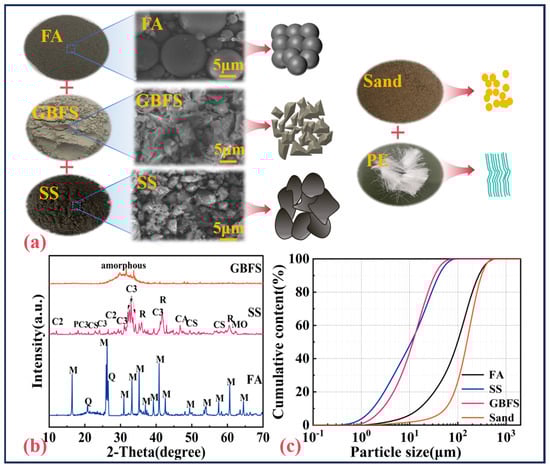
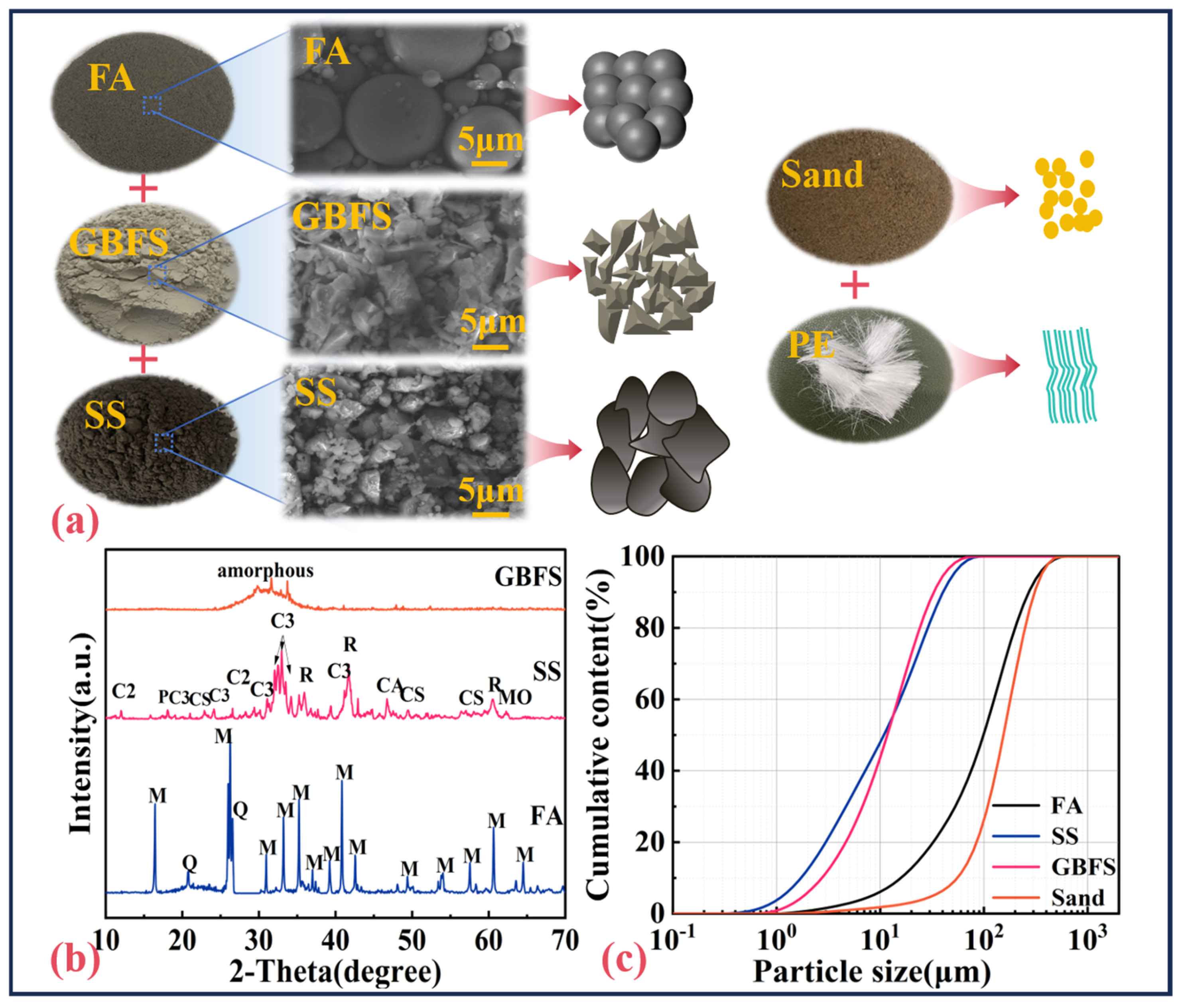
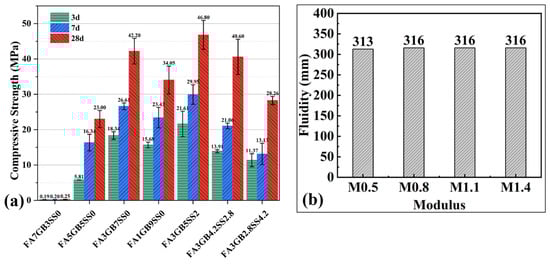
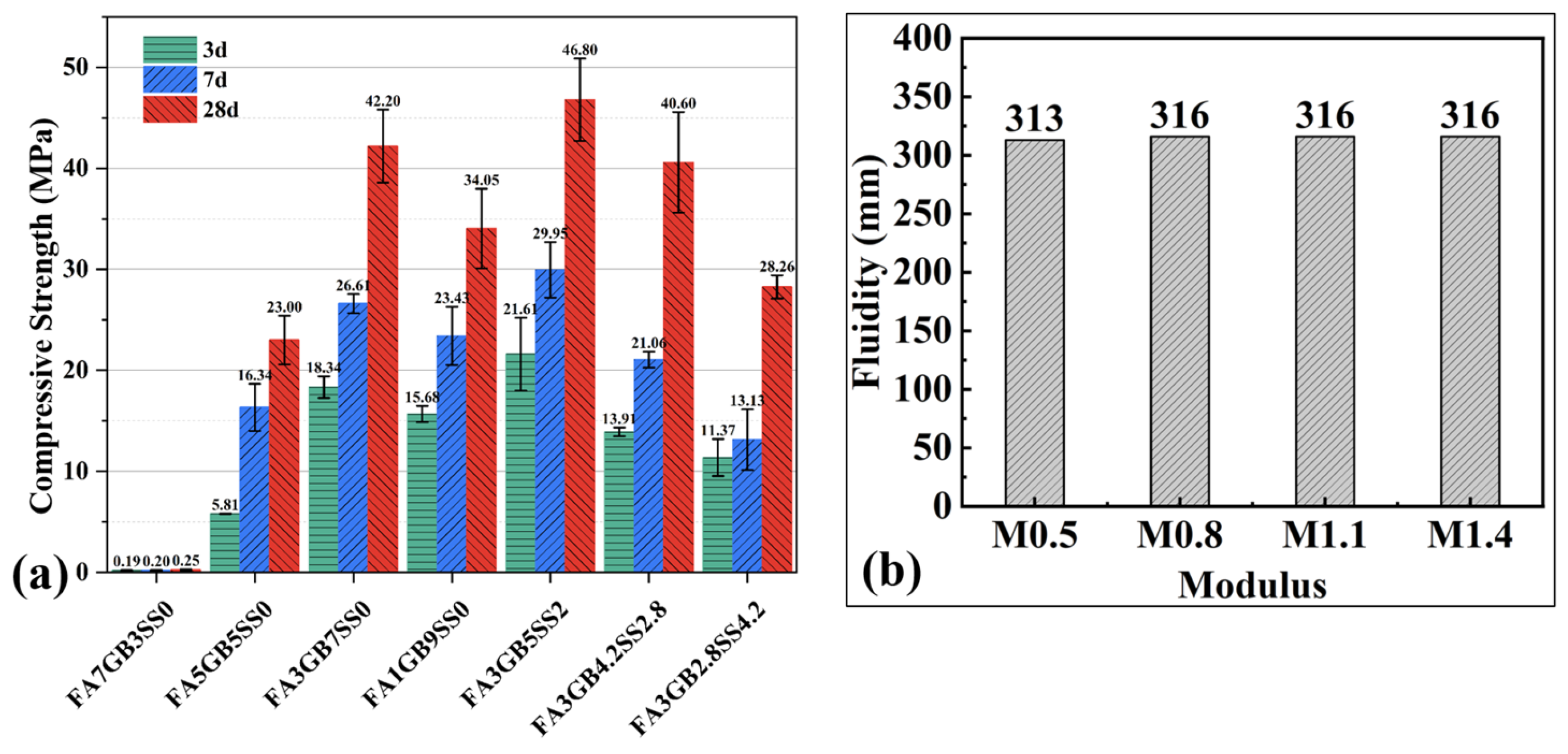
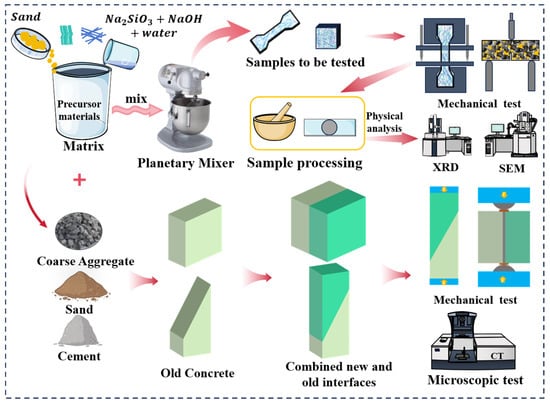
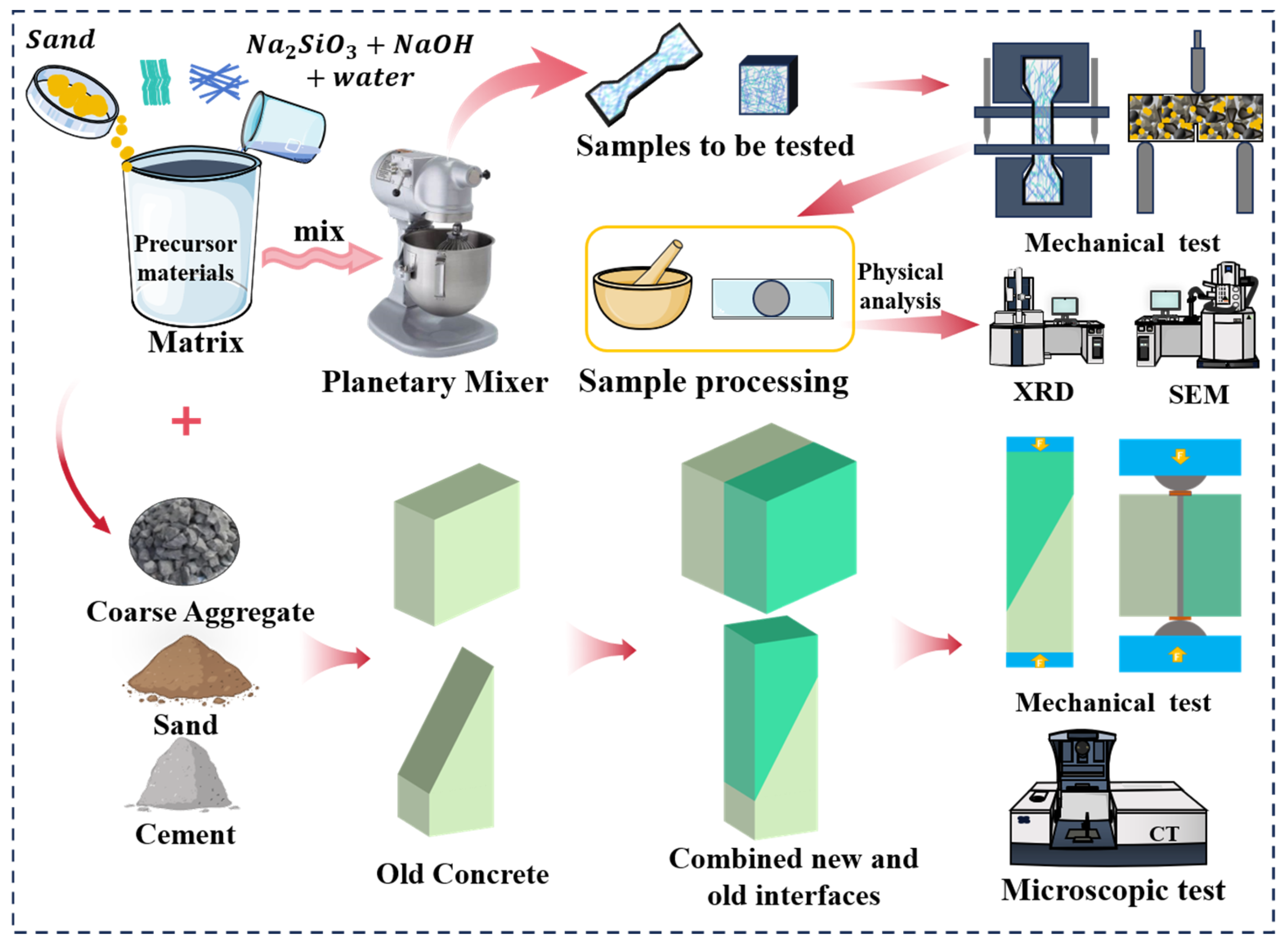
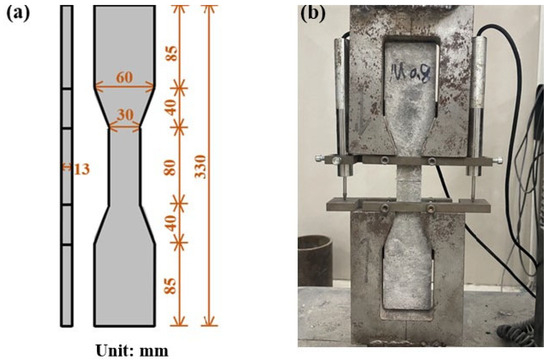
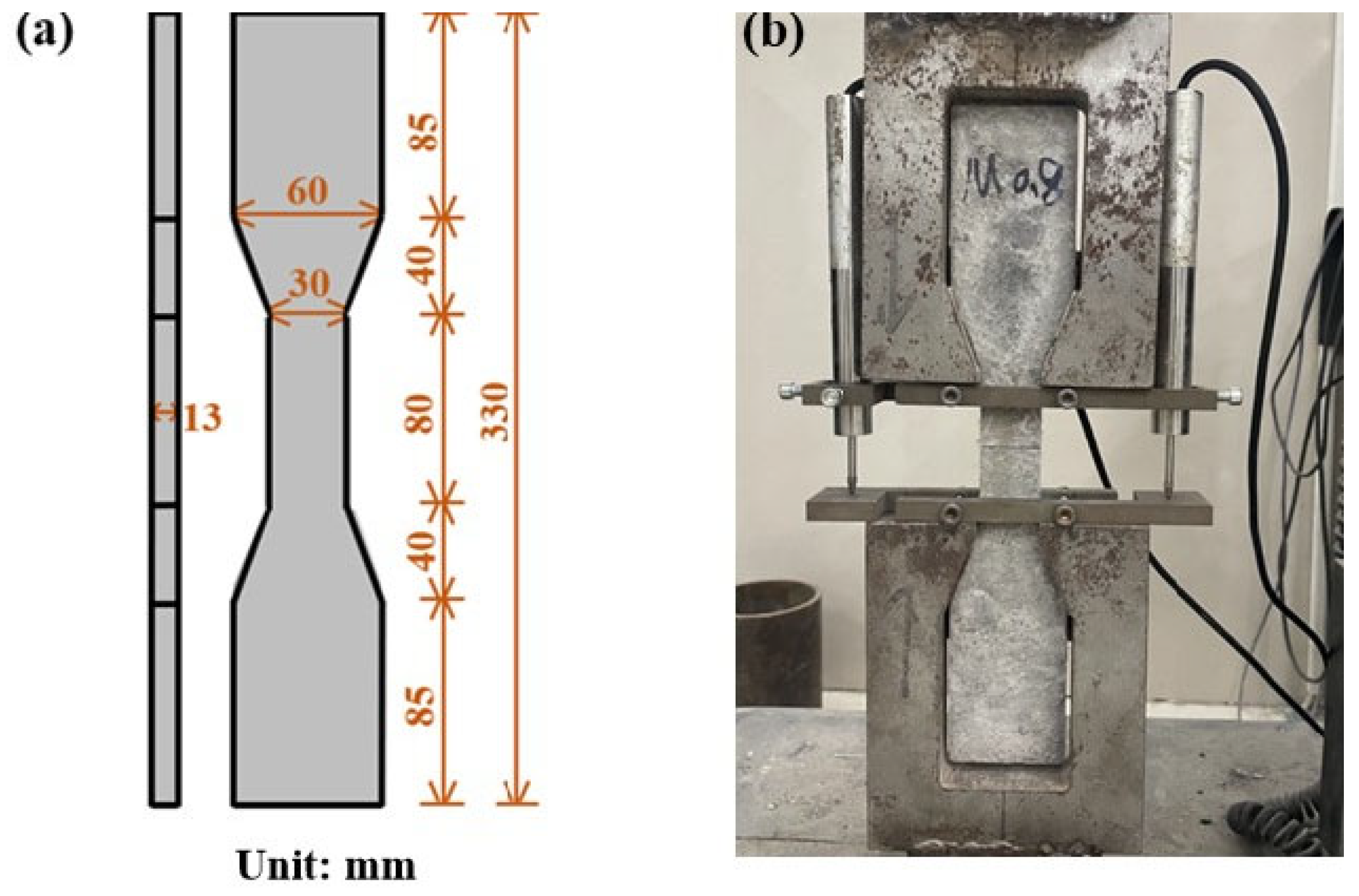
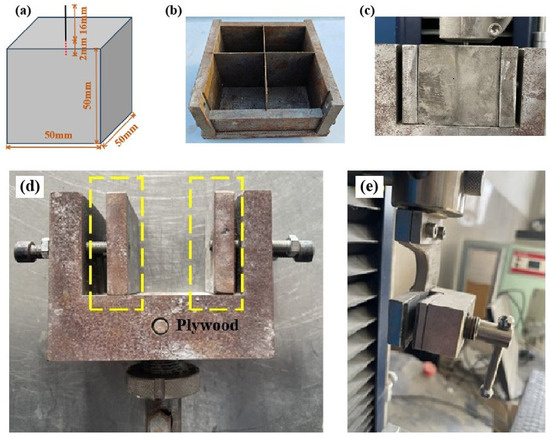
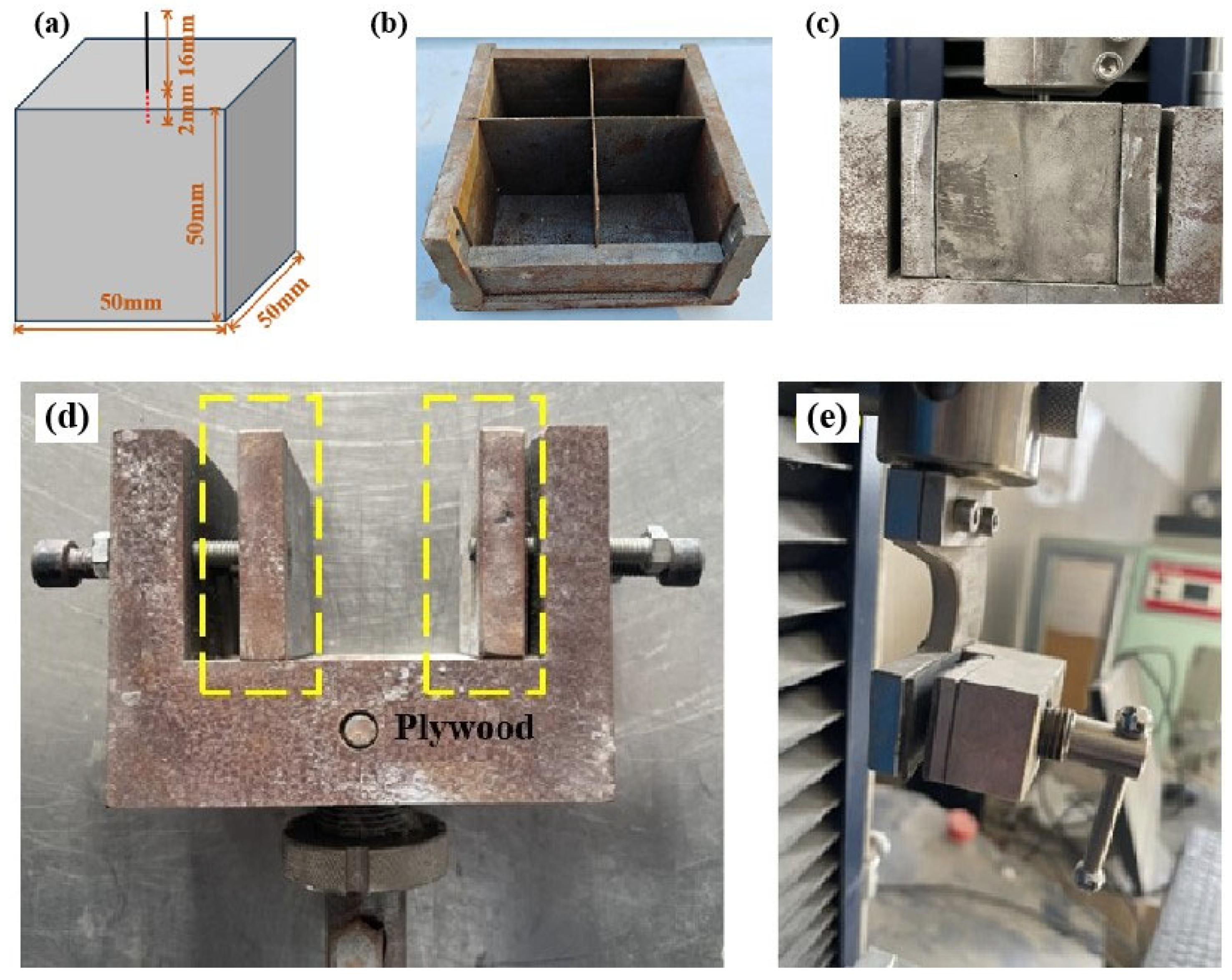
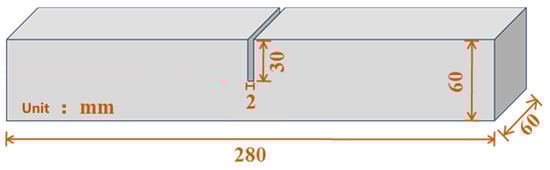
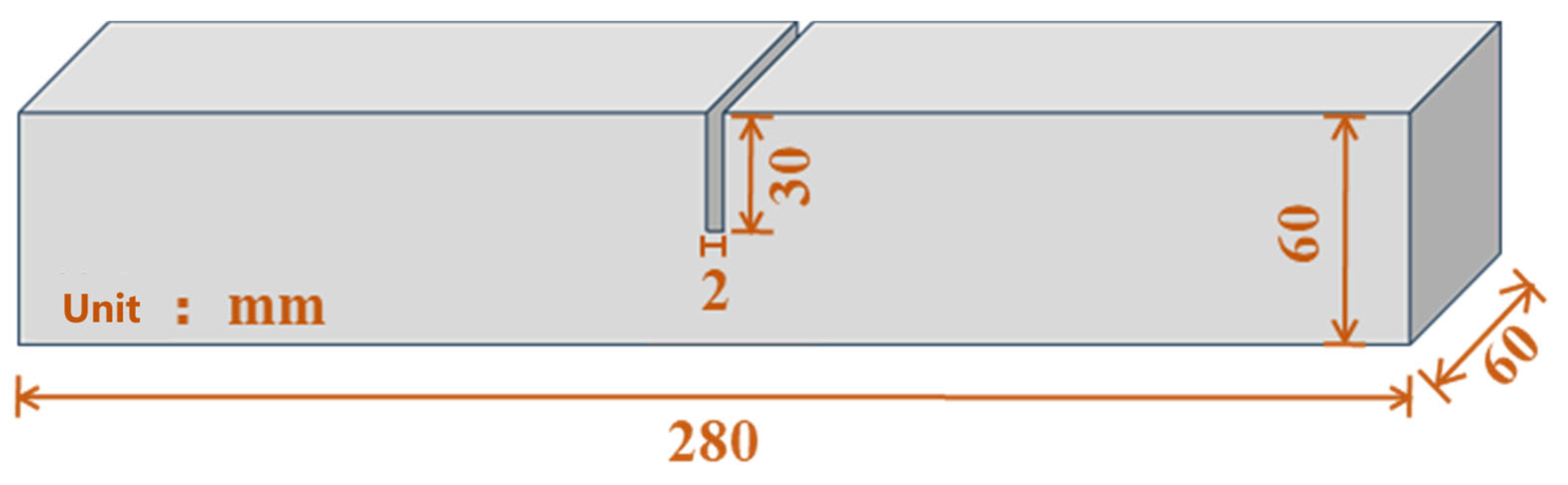
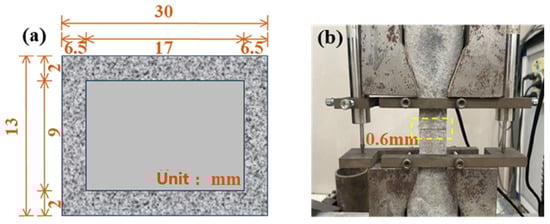
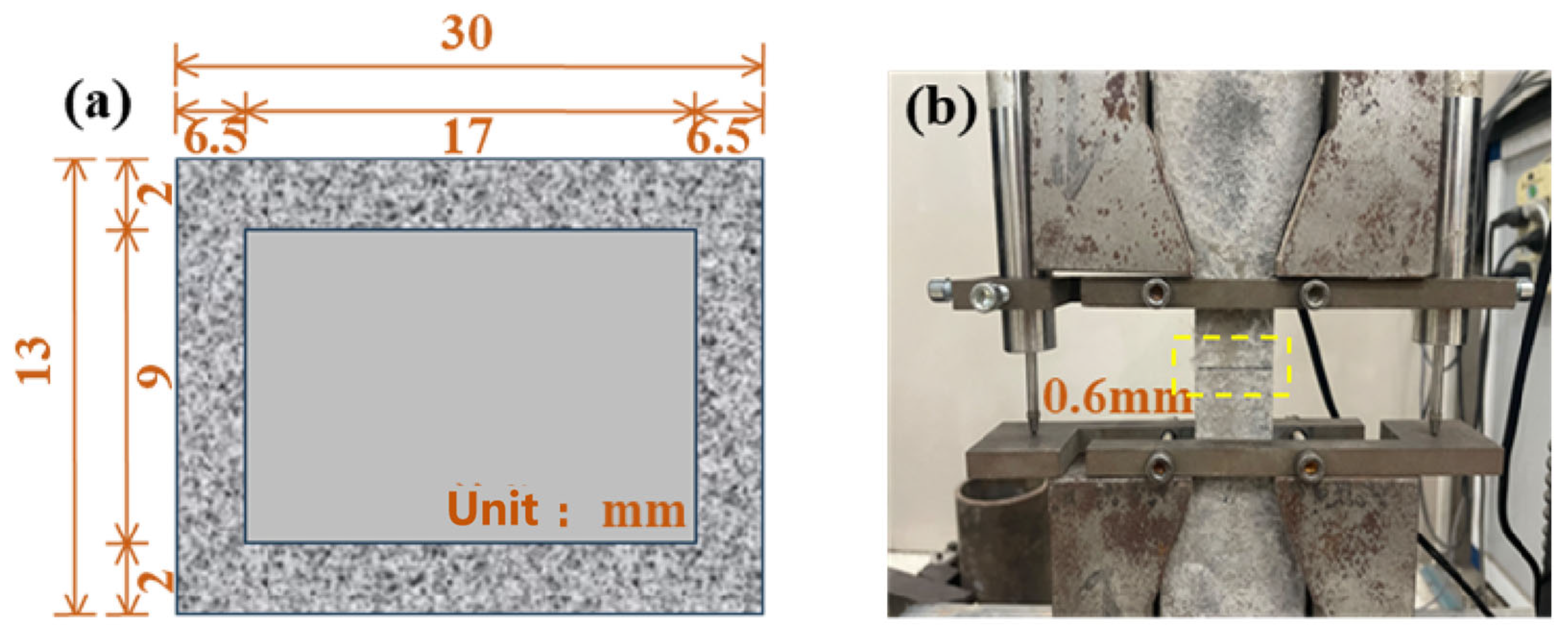
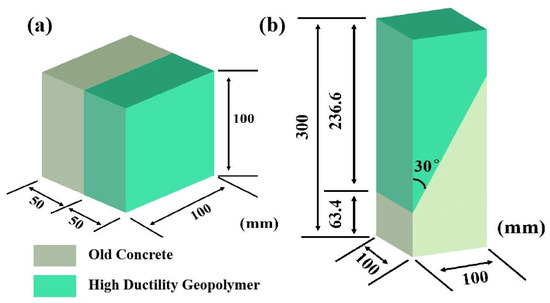
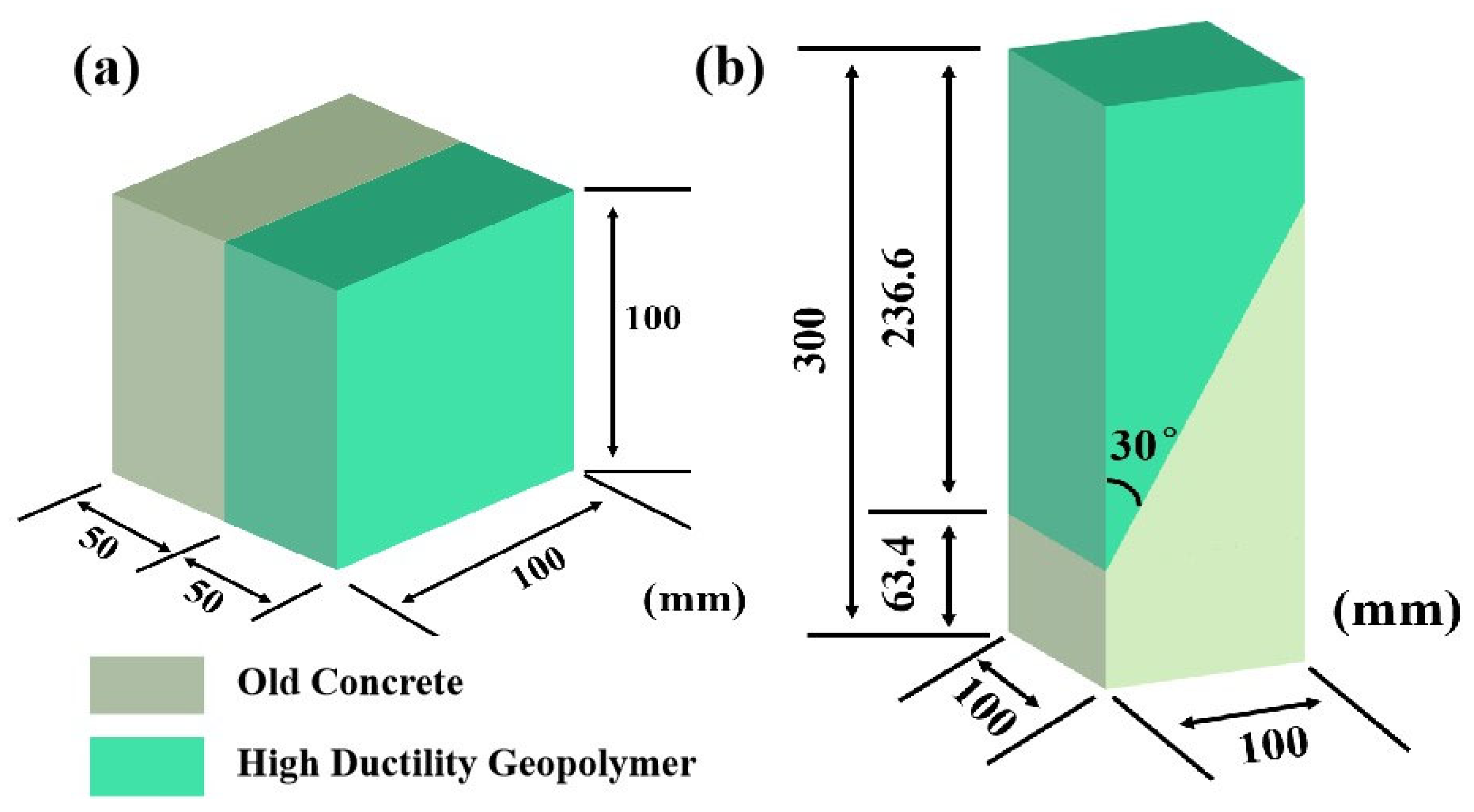
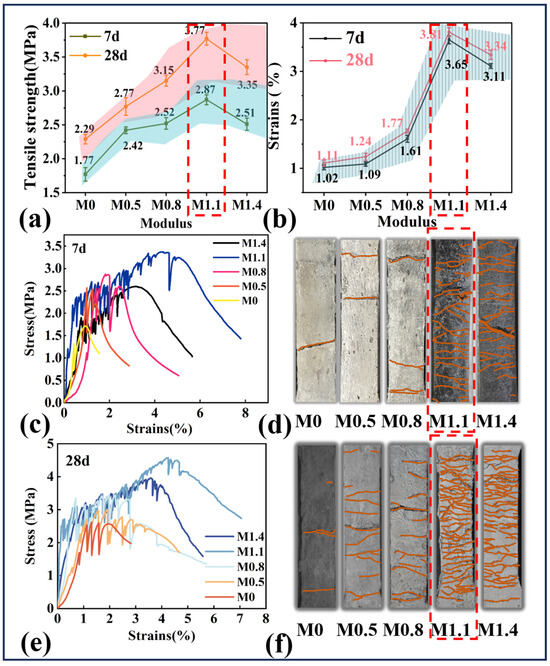
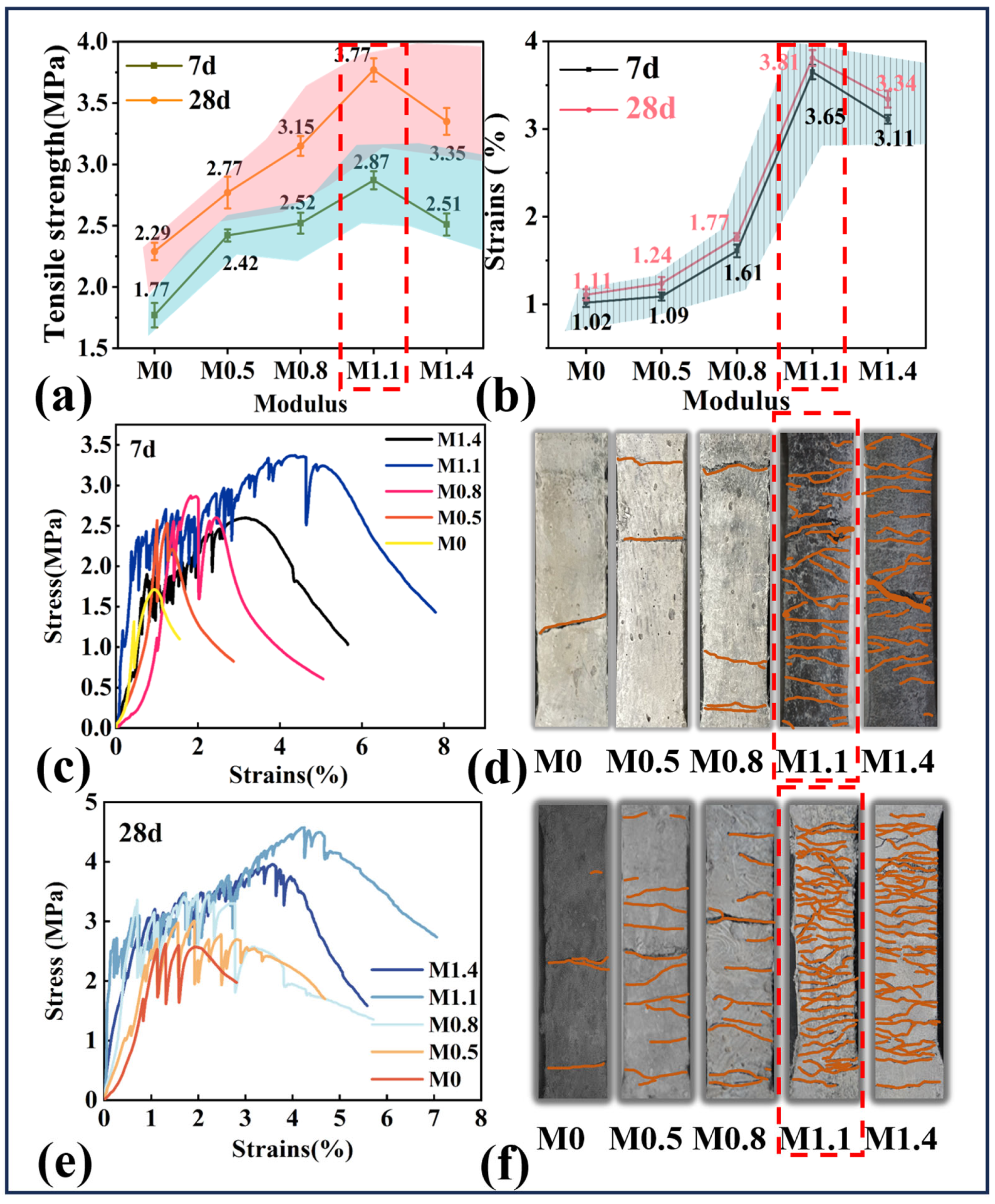
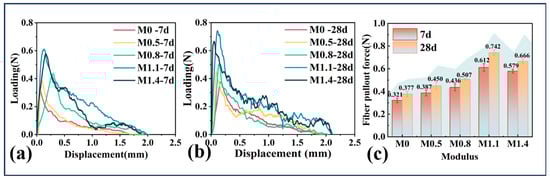
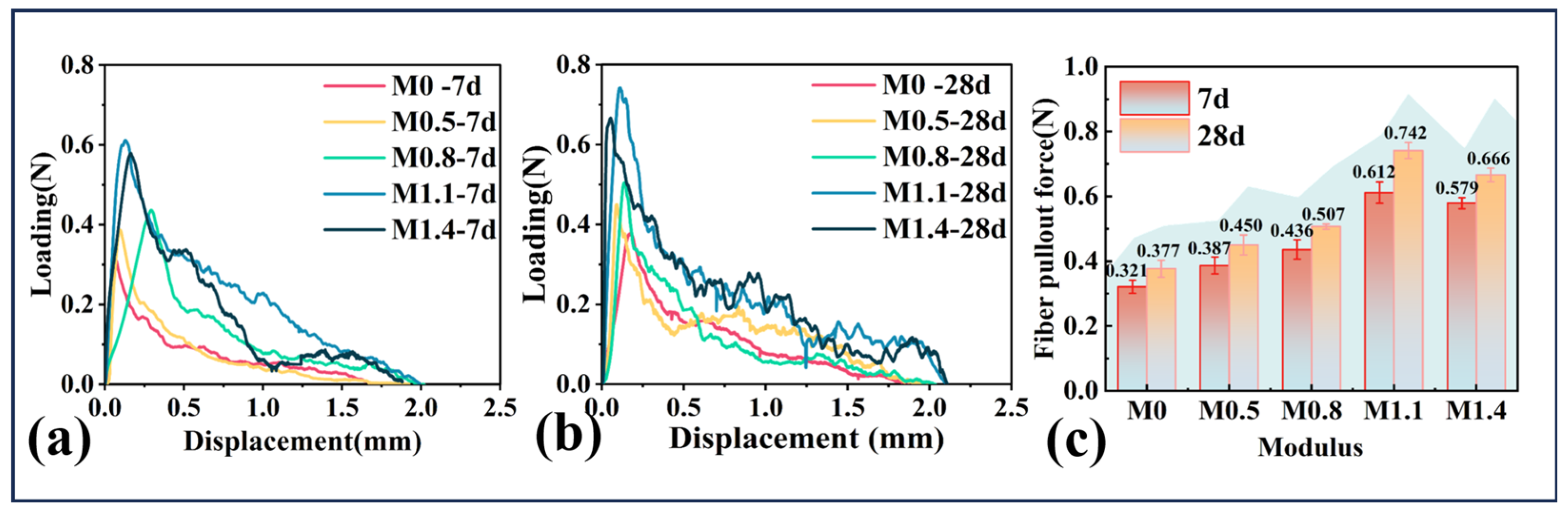
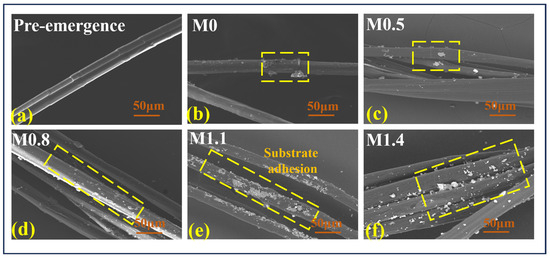
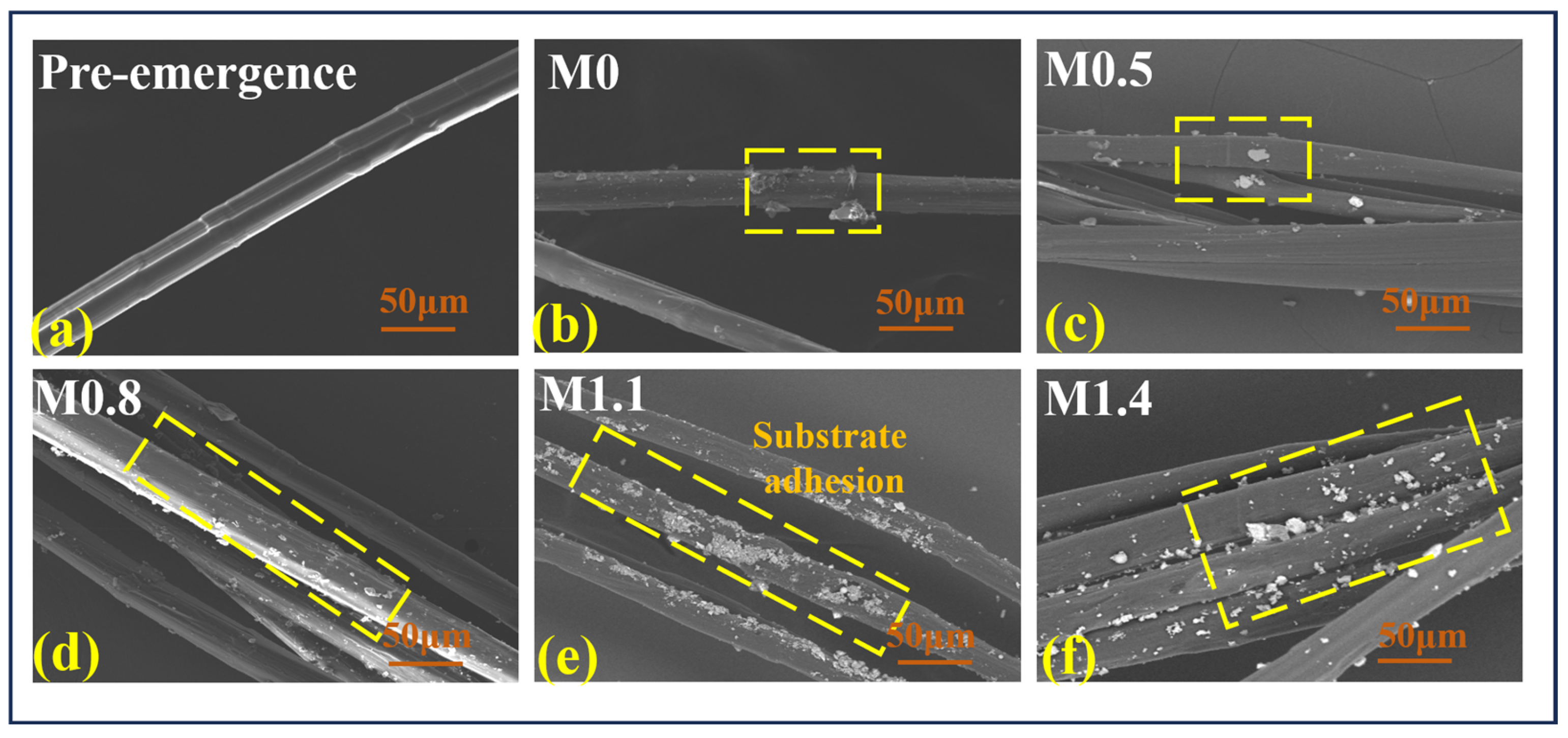
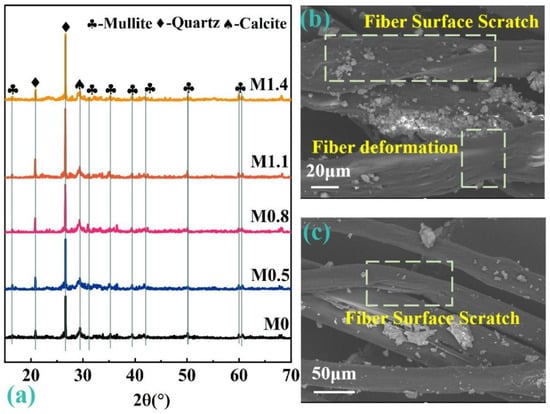
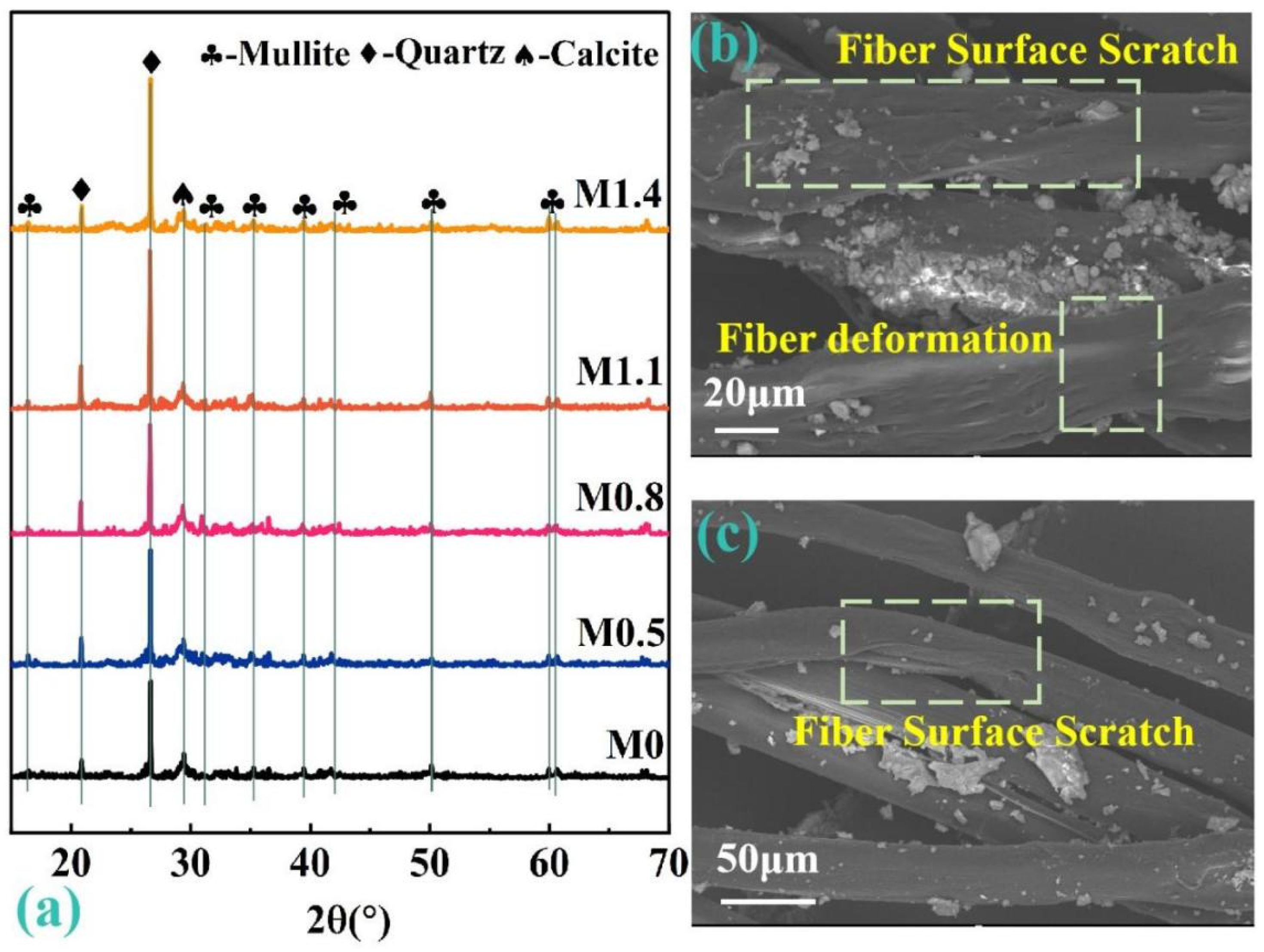
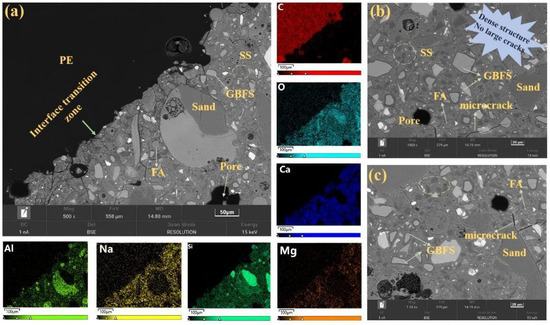
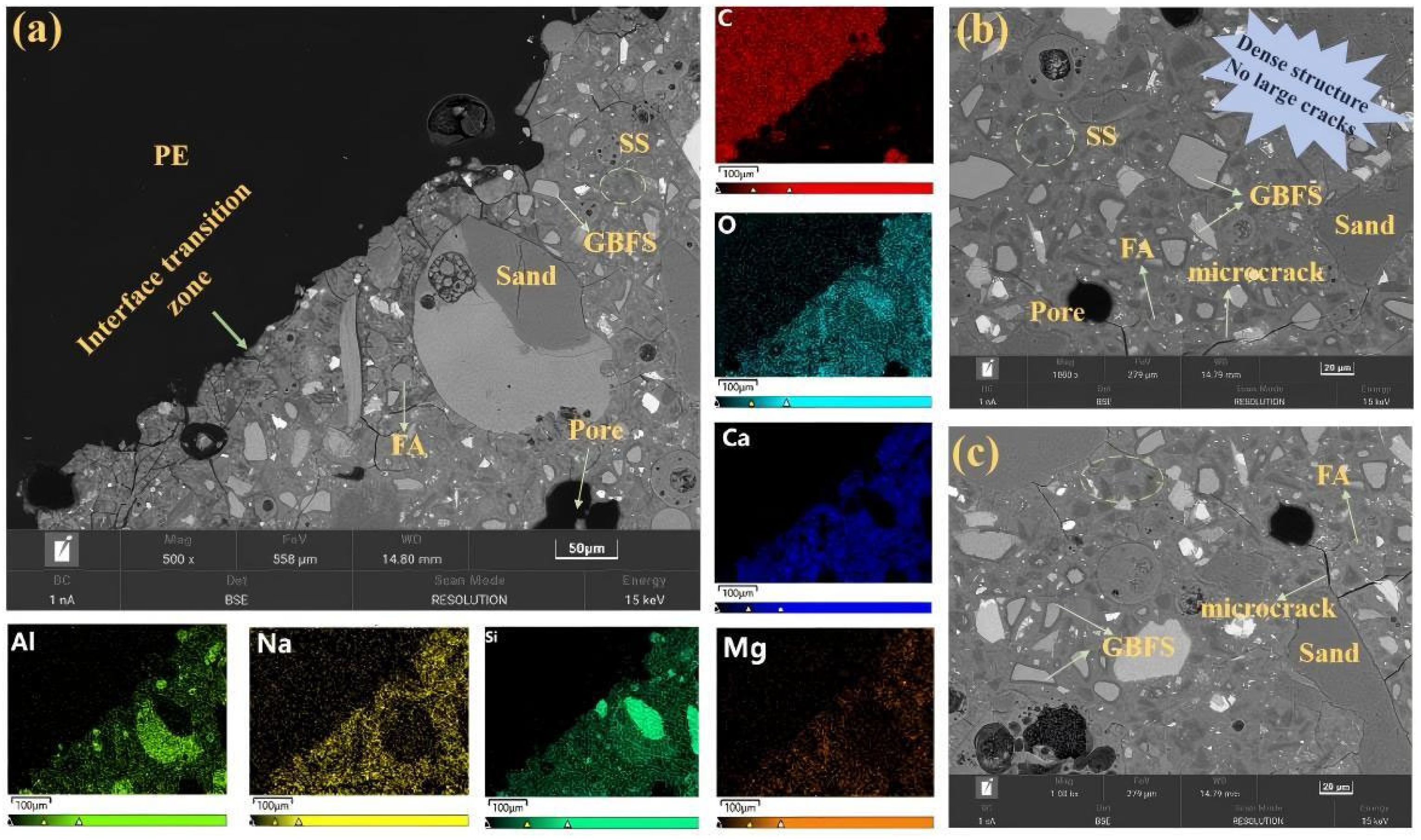
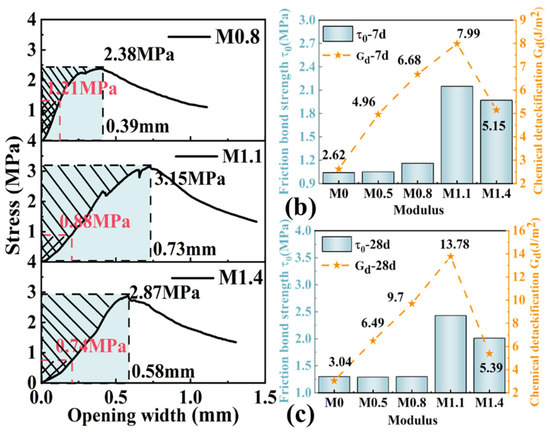
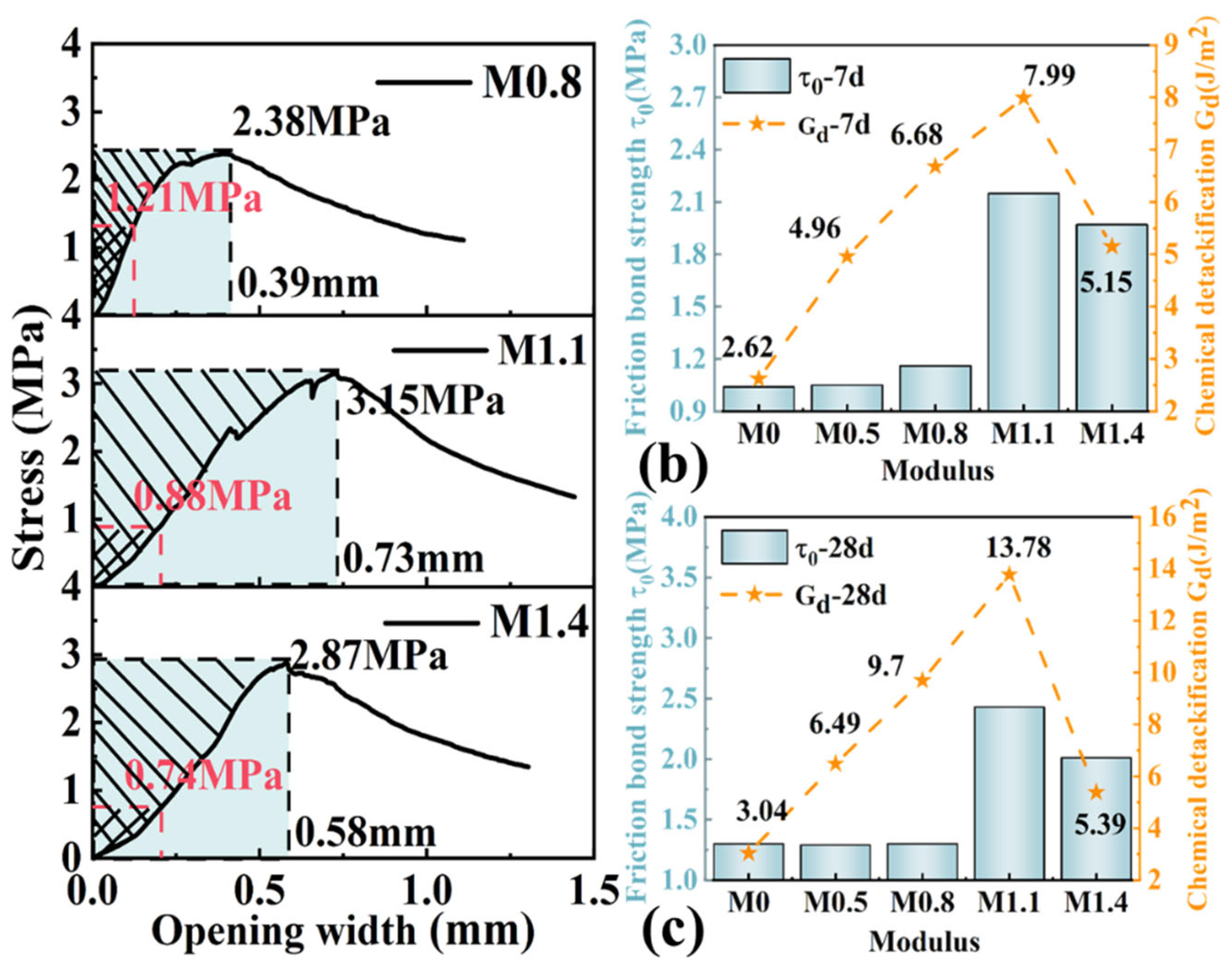
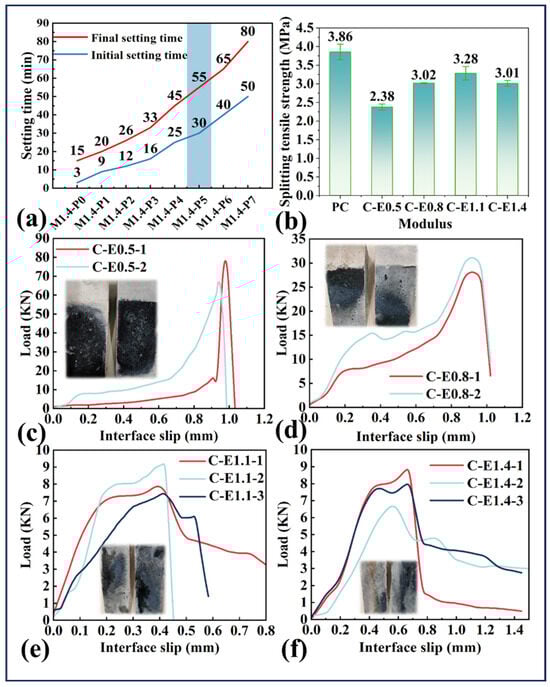
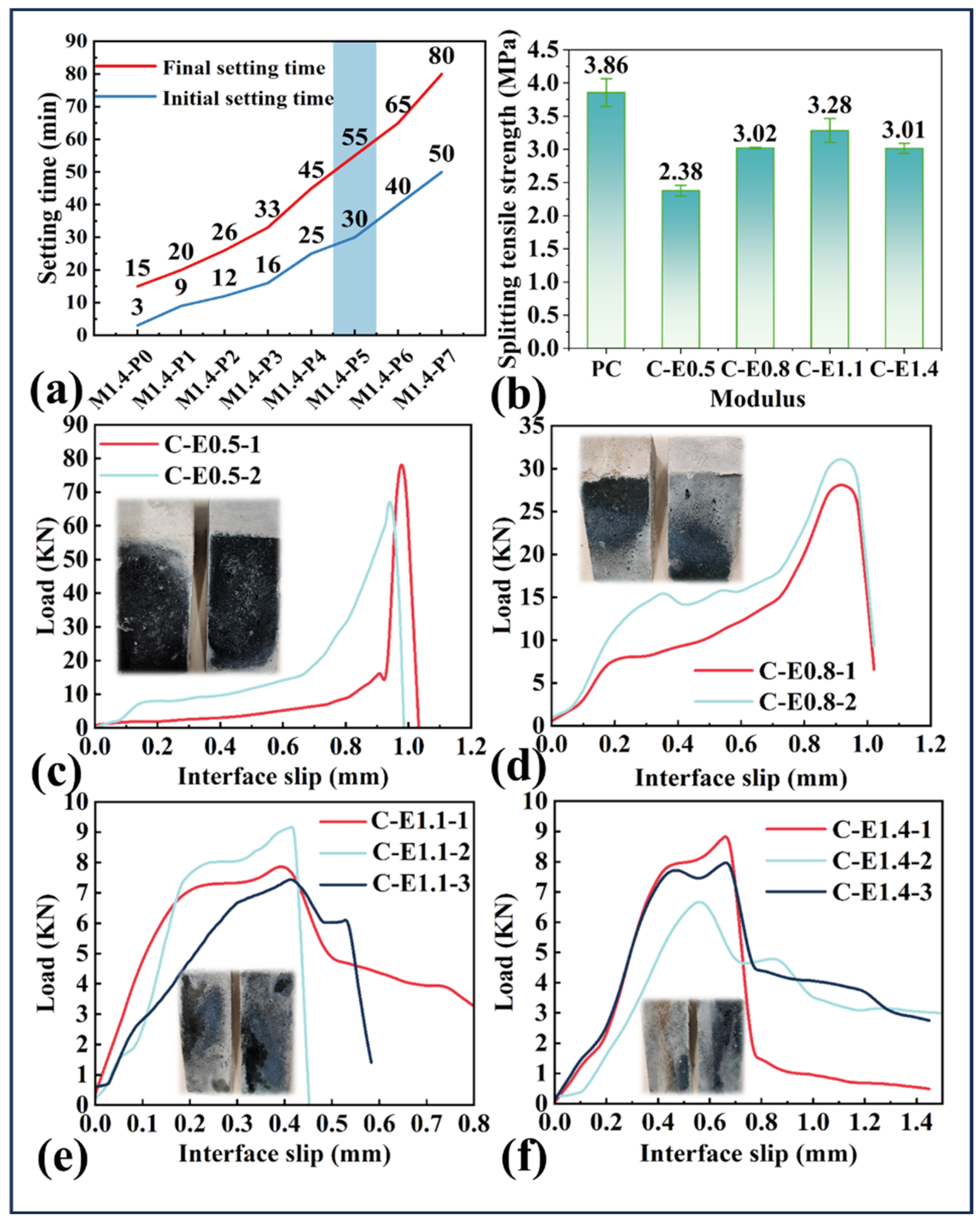
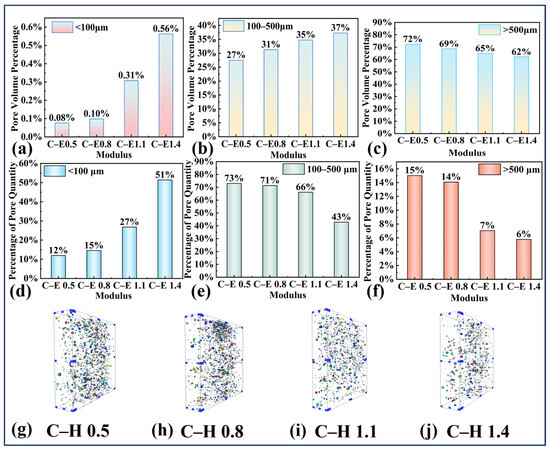
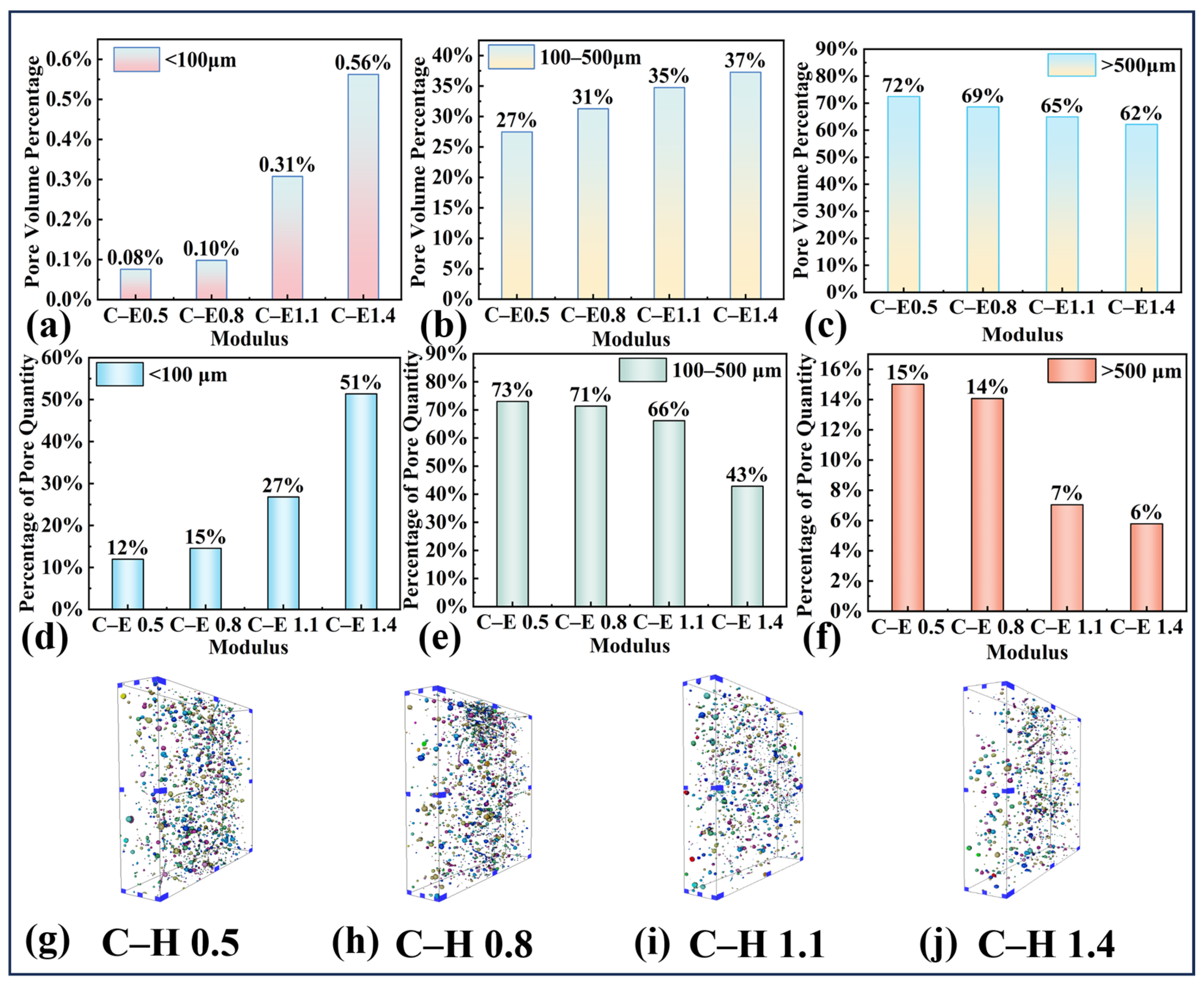

Disclaimer/Publisher’s Note: The statements, opinions and data contained in all publications are solely those of the individual author(s) and contributor(s) and not of MDPI and/or the editor(s). MDPI and/or the editor(s) disclaim responsibility for any injury to people or property resulting from any ideas, methods, instructions or products referred to in the content. |
© 2025 by the authors. Licensee MDPI, Basel, Switzerland. This article is an open access article distributed under the terms and conditions of the Creative Commons Attribution (CC BY) license.