


Abstract
As urban architecture continues to emphasize integration with natural environments, the concept of waterfront buildings and blue–green spaces has been widely applied in the site selection of large urban structures. While existing research has extensively explored architectural types such as waterfront landscapes and sports venues, systematic studies on waterfront concert halls, as an important category of cultural architecture, remain limited. Specifically, the interaction mechanisms between such halls and their aquatic environments, as well as their impact on users’ psychological satisfaction, have not been thoroughly investigated. This study takes waterfront concert halls as representative cultural buildings and examines 1267 users from 12 typical waterfront concert halls across eight cities in China. A theoretical model was constructed with water visibility, water accessibility, water interactivity, and water integration as independent variables, biophilia and a sense of nature’s presence as parallel mediators, and user satisfaction as the dependent variable. Data were analyzed using covariance based structural equation modeling CB-SEM. The findings reveal that (1) water visibility, water accessibility, and water integration positively influence user satisfaction; (2) biophilia mediates the relationship between water visibility, water accessibility, water interactivity, water integration, and user satisfaction; (3) a sense of nature’s presence also mediates the relationship between these water-related variables and user satisfaction. This study empirically demonstrates the dual pathway psychological mechanism through which water elements influence user satisfaction, providing a new perspective for the design of waterfront cultural architecture. The research suggests that architects can enhance users’ biophilic instincts and sense of nature’s presence through specific design strategies, such as strengthening water visibility, optimizing waterfront circulation, and enriching water interaction experiences. These findings offer theoretical support for shifting contemporary architectural practice from physical space creation to environmental well-being promotion, while also establishing a practical foundation for developing human-centered evaluation systems for built environments.
1. Introduction
With the rise of the concept of sustainable cities, the renewal of contemporary cities is gradually shifting towards people-centered spatial governance [1,2]. In this shift, large public buildings are also gradually transforming into vehicles for enhancing users’ sense of well-being [3,4]. In order to improve the comfort and quality of urban spaces, integrating natural elements into urban planning and construction has gradually become a consensus [5,6]. As a typical manifestation of this paradigm, waterfront buildings rely on the city’s natural or artificial water systems and occupy an important position among public buildings [7,8,9]. Globally, urban renewal and the construction of public cultural infrastructure show a clear tendency to be located near water and green spaces [10,11]. Blue–green spaces bring well-being to users by providing ecological services and performing out recreational functions, and have also reshaped the site selection approach for large public building [12]. Unlike the traditional site selection model that relies on main roads and transportation hubs, more and more cultural landmarks are being placed near river and lake shorelines and parks and green spaces, relying on natural landscape resources to create a brand-new urban landscape that is different from the “concrete jungle” [13,14].
The site selection and design of large-scale cultural buildings increasingly emphasize dialog with the natural environment, striving to provide citizens with public spaces that combine cultural value and natural experience [15,16]. Several studies have focused on waterfront landscapes, parks, and sports venues, demonstrating that natural contact with these locations has a positive impact on users’ psychology and behavior [17,18]. However, waterfront concert halls, as typical representatives of large-scale cultural buildings, have been relatively neglected and are far fewer than other cultural venues, resulting in a significant research gap. For users, concert halls serve cultural functions such as watching performances, as well as daily social participation [19]. However, research on the impact of water elements in waterfront concert halls on users’ satisfaction is even more lacking. Currently, few studies have used waterfront concert halls as research sites to investigate their influence on individual satisfaction.
To fill some research gaps, this study constructs a framework encompassing four elements: water visibility, accessibility, harmony, and the interactivity of architecture with water-based public spaces. The aim is to explore how these elements, through the parallel mediating effects of “biophilia” and “sense of nature’s presence” ultimately influence users’ overall satisfaction with the waterfront concert hall. This study addresses three core questions:
- Do water feature visibility, accessibility, interactivity, and harmony have a positive correlation with user satisfaction?
- Does biophilia play a mediating role between the four water elements and satisfaction?
- Does the sense of nature’s presence constitute another mediating path?
In terms of research design, twelve typical waterfront concert halls in eight Chinese cities were selected, and self-reported data from 1267 frequent users were obtained. Covariance-based structural equation modeling (CB-SEM) was used for validation. This study aims to fill the gaps in the subject and mechanism of waterfront cultural architecture, and promote the interdisciplinary integration of nature and culture. The practical goal of this paper is to provide architects and urban planners with a clear path to enhance water visibility, optimize waterfront circulation, improve interactive experiences, and perfect the integration of architecture with waterfront open spaces, thereby stimulating positive psychological responses and immersive experiences, and ultimately improving user satisfaction and place cohesion.
The remaining structure of this paper is as follows: Part 2 reviews the relevant theories of blue–green space, biophilia, and sense of nature’s presence, as well as the research progress on waterfront architecture, and proposes research hypotheses and a proposed model diagram; Part 3 introduces the study area and sample, variable measurement and data analysis methods, and the modeling and verification process of CB-SEM; Part 4 presents the results of the data analysis; Part 5 discusses the direct and mediating effects and engages in dialog with previous studies; Part 6 gives the conclusions; and Part 7 points out the limitations and shortcomings of this study and indicates future research directions.
2. Literature Review and Research Hypotheses
2.1. Water Visibility, Accessibility, Interactivity, Harmony, and User Satisfaction at the Waterfront Concert Hall
In urban waterfront public spaces, water features serve as core landscape elements, forming one of the site’s visual focal points while also playing a vital role in daily life and social interaction. Integrating waterfront concert halls with urban water systems can foster a strong, distinctive sense of place identity. For instance, the Sydney Opera House’s union with the harbor has created an irreplicable world-class landmark, where water imbues the architecture with spirit and poetry. Research by White et al. and Volker & Kistemann further indicates that blue spaces play a more prominent role in positive benefits. People generally express higher preference for water features, demonstrating stronger restorative experiences and perceptions of well-being [20,21]. Existing studies widely agree that the water visibility, water accessibility, water interactivity, and water harmony are key dimensions influencing users’ environmental perceptions and overall satisfaction. Whether water surfaces are “visible”, “accessible”, “playable”, and “integrated” largely determines the usage intensity and place quality of waterfront spaces. In exploring the relationship between the built environment and users’ psychological experiences, Haws & Yamim confirmed that introducing natural elements significantly impacts people’s emotions and decision-making [22]. Research indicates that integrating natural elements, whether physical or virtual, into spaces effectively evokes positive emotions like relaxation and belonging, thereby encouraging more rational and sustainable behavioral choices. This theory offers a crucial perspective for understanding the value of the waterfront concert hall. The subject of this thesis, the waterfront concert hall, embodies a core design philosophy that integrates water, which is a powerful natural element as an organic component of architecture. This is not a coincidental landscape preference but aligns with the aforementioned psychological mechanisms. It can be inferred that the concert hall’s waterside setting not only visually creates a tranquil atmosphere but may also subconsciously activate emotional resonance among users. This enhances their sense of identification with and belonging to this cultural venue, ultimately elevating overall satisfaction.
When exploring how natural elements shape the deep psychological connections between people and their environments, existing research provides crucial dimensional references. Zhang et al.’s empirical study on waterfront sports venues demonstrates that natural visibility, integration, and interactivity are the core dimensions through which natural design features influence users’ place attachment [23]. This finding reveals that people can effectively establish emotional bonds with a place by seeing nature, perceiving its integration in design, and interacting with natural elements. However, for public buildings such as concert halls, which carry specific cultural functions and a sense of ritual, the relationship with water environments may require consideration of a more fundamental behavioral dimension. Another study by Zhang et al., while exploring satisfaction with waterfront sports architecture, explicitly highlights the key role of accessibility as a social-functional dimension. It directly influences whether people are willing and able to conveniently access and utilize the waterfront space, serving as the prerequisite for all subsequent psychological experiences [24]. Based on the above theoretical framework, a set of interrelated elements influencing the experience of waterfront environments can be identified: visual contact (visibility), behavioral access (accessibility), experiential participation (interactivity), and design integration (harmony). These four dimensions together form a complete experiential continuum that progresses from viewing at a distance to engaging up close, and from physical contact to psychological identification. Therefore, to systematically analyze the multifaceted value of water features in waterside concert halls as a specific architectural type, this study integrates and expands upon the aforementioned perspectives, and will conduct an in-depth exploration through the four dimensions of visibility, accessibility, interactivity, and harmony.
First, regarding water visibility, this typically refers to how easily the water body can be seen and the breadth of its visual contact. Good water visibility makes spaces feel more open and inviting, enhancing users’ sense of security and comfort. Research shows that when water features are clearly visible from multiple vantage points, they effectively draw people’s attention and increase the site’s appeal [25]. Raswol proposed that in residential areas, water visibility significantly increases users’ social interaction frequency and satisfaction. Through studies on outdoor space design, it was discovered that water visibility is closely related to users’ environmental identity, quality of life, and the overall attractiveness of the community [26]. This demonstrates that the enhanced community appeal and user satisfaction derived from water visibility also apply to public cultural spaces like waterfront concert halls, which possess strong social attributes. Concurrently, Zhang et al.’s research indicates that locations with waterfront views possess higher economic and health value. They highlight that blue spaces contribute to improving residents’ psychological and physiological states while alleviating stress, thereby increasing satisfaction with these spaces [27].
Second, regarding water accessibility, this refers to whether people can conveniently reach the water body or easily interact with the water surface. This involves the rational design of walking paths, as well as the availability of accessible pathways and connecting facilities [28]. Trudeau et al. found that in public spaces, water accessibility significantly promotes psychological relaxation and social interaction among users. When water features are seamlessly integrated with surrounding public spaces, they effectively foster a sense of belonging and satisfaction with the environment. For waterfront concert halls, water accessibility encompasses both the water feature’s design and the fluidity and approachability of surrounding spaces. Such design encourages visitors to interact more frequently with the environment, enhancing their satisfaction with the venue. Concurrently, a UK study indicates that when users can conveniently access and interact with water features, the attractiveness of the water body and its usage frequency significantly increase [29]. Conversely, if water bodies are physically separated by walls or barriers, users’ willingness to use them declines substantially. In the context of a waterfront concert hall, reducing physical barriers and ensuring seamless connectivity between water features and surrounding spaces can encourage more people to approach the water’s edge, thereby enhancing the venue’s sense of intimacy and identity. Concurrently, existing research consistently indicates that exposure to natural environments promotes emotional regulation, psychological recovery, and behavioral engagement. Rim and Berman’s studies highlight that contact with nature, whether through direct outdoor presence or viewing of natural landscapes, yields three categories of psychological benefits. Emotionally, nature exposure helps reduce stress, boost positive moods, and alleviate anxiety. Cognitively, it enhances focus and improves working memory capacity. Socially, it promotes prosocial behavior and increases environmental awareness. These findings further support the broad positive effects of nature exposure on individual psychological and social functioning [30].
Third, regarding water interactivity, this refers to the degree of engagement between water features and people, including whether touchable water surfaces exist or if facilities for rest and activity near water are designed [31]. For instance, water features surrounded by seating steps, splash zones, or small water activity installations (such as fountains commonly found at concert hall entrances) encourage greater user participation. Numerous studies indicate that highly interactive water features encourage longer stays and greater engagement. Such features hold particular appeal for children and families. In the design of waterfront concert halls, beyond visual enjoyment, water interactivity also provides users with rich social and recreational experiences, enhancing the space’s vitality and appeal. Research by Renswouw et al. demonstrates that interactive water features foster social interaction and encourage visitors to engage in more activities, thereby enhancing their satisfaction with public spaces. The Fontana project exemplifies this approach: by designing an interactive water installation, it encourages physical activity and social engagement, further strengthening connections among users [32]. This design approach indicates that incorporating interactive elements such as fountains and touchable water features into the water design of the Waterfront Concert Hall would significantly enhance visitor engagement and overall satisfaction. Similarly, research by Bozkurt et al. examined how urban water features influence children’s interactions, finding that designs allowing free access and interaction directly encourage physical activity and strengthen children’s sense of belonging to public spaces [33]. Incorporating interactive water features at waterfront concert halls would attract more visitors to engage, thereby elevating their overall satisfaction. Whether to enjoy the water features themselves or use them as a catalyst for social activities, this interactivity significantly boosts the venue’s appeal and spatial vitality.
Fourth, from the perspective of water harmony. Water harmony refers to the harmony between the water body and its surroundings, encompassing the relationship between the water feature and the architecture, green spaces, and plazas, as well as the cultural and local expression in the design of the water feature. If the water feature can blend seamlessly with the surrounding environment and architectural style, forming an organic whole, users are often more likely to accept and appreciate this environment, thereby increasing their satisfaction with the place. Conversely, if water features appear disjointed from their surroundings, lacking natural transitions and visual harmony, they struggle to foster strong place identity, even when esthetically compelling. Consider the Sydney Opera House, where expansive water surfaces seamlessly integrate with architecture, creating a globally renowned design success [34]. As noted by Tsanaeva et al., water feature design should effectively blend with the surrounding environment and architectural style to achieve optimal visual impact and functionality. Integrating water features naturally with buildings and green spaces in design provides users with a more harmonious spatial experience, thereby enhancing their satisfaction [35]. For waterfront concert halls, high water feature harmony enhances environmental esthetics, boosts site functionality, and enriches cultural ambiance, allowing visitors to enjoy music while experiencing intimate connection with nature. Based on this literature review and inference, this paper proposes the following four direct effect hypotheses:
H1.
The water visibility at waterfront concert halls positively influences user satisfaction.
H2.
The water accessibility of waterfront concert halls positively influences user satisfaction.
H3.
The interactivity of the water features at the waterfront concert hall positively influences user satisfaction.
H4.
The water harmony in waterfront concert halls positively influences user satisfaction.
2.2. Mediating Role of Biophilia
Biophilia is commonly understood as an evolutionary psychological predisposition toward nature, enabling humans to develop affinity and a desire for proximity when encountering living organisms and their ecological environments. Building on the biophilia hypothesis, Wilson posits that human attraction to forests, plants, water bodies, or sunlight is not accidental but rather a preference and sensitivity to favorable habitats developed over evolutionary time [36]. Thus, when encountering green vegetation, flowing water, or bright natural light, people often experience rapid emotional and physiological responses, such as mood relaxation and reduced alertness, that are largely unconscious and require no complex cognitive reasoning [37]. Within the spatial context of waterfront concert halls, biophilia manifests primarily as people’s spontaneous inclination toward waterfront landscapes and natural elements. The biophilic hypothesis posits that humans have evolved a psychological attachment to environments conducive to survival. This attachment extends beyond primitive forest or grassland settings, being reactivated in contemporary cities through elements like water bodies, vegetation, and natural light [38]. For waterfront concert halls, the external reflections and ripples of the water surface, the shoreline greenery, and the open sky interface all contribute to enhancing users’ satisfaction. When entering or lingering in such spaces, users often experience subjective sensations like emotional relaxation, reduced tension, or heightened security within a short timeframe. This process typically occurs automatically, independent of explicit rational judgment.
“Water features” represent a complex concept. To better understand their mechanisms, we must deconstruct them into more specific, designable dimensions. Drawing from urban design and environmental psychology research, water visibility constitutes the most fundamental form of human-nature interaction. Extensive environmental psychology research confirms that merely viewing natural landscapes produces significant restorative effects. For instance, Ulrich’s renowned study demonstrated that patients with views of natural landscapes from their hospital windows recovered significantly faster post-surgery than those facing brick walls. This powerfully illustrates that even without physical contact, the visual presence of water features effectively alleviates stress, improves emotional states, and lays a preliminary psychological foundation for satisfaction [39]. Li et al.’s research found that participants able to see at least three trees from their windows exhibited significantly enhanced levels of nature connection. This indicates that simple visual contact itself holds value as an effective initial stimulus capable of awakening individuals’ innate biophilia emotional responses [40]. It is important to note that the necessity of a visual view to the outside is already embedded in building codes for residential dwellings internationally. Therefore, the salient finding from these studies is not merely the presence of a view, but the quality of that view. The evidence suggests that when the mandated outward view consists of natural elements (such as trees or water features), as opposed to built structures or blank walls, it delivers significantly enhanced psychological and restorative benefits. This distinction underscores the value of integrating specific natural components into the visual corridors mandated by building standards. For a waterfront concert hall, whether gazing inward through its grand glass facade or encountering water elements in public lobbies, the visual accessibility of water features provides continuous natural cues. According to Attention Restoration Theory, this visual contact effortlessly captures attention. Its deeper value lies in aligning with humans’ innate preference for natural vistas, thereby first stimulating an intrinsic biophilia, a driving force behind heightened user satisfaction with the concert hall environment [41]. When visual contact escalates to physical proximity, it enters the dimension of water accessibility. Accessibility emphasizes the conditions enabling users of the waterfront concert hall to easily and safely enter and linger within the water feature spaces. Seamless integration of the hall’s waterfront walkways or water-access platforms into users’ activity routes facilitates a transition from visual perception to physical immersion. Physical accessibility enables richer multisensory experiences, whose core value lies in fully engaging users’ innate biophilia and deepening their connection to the natural environment [42]. Volker and Kistemann note in their review on blue spaces and health that accessibility is a key prerequisite for water bodies to exert their salutogenic effects. Physical accessibility enables richer multisensory experiences: individuals can feel the breeze by the water, hear the sound of flowing water, and smell the moist air. This immersive experience provides deeper relaxation and a sense of escape than mere visual contact, while also creating conditions for social interaction and light physical activity. This enriches sources of satisfaction on both social and physical levels [21]. The depth of experience may be equally important. Research by Pals et al. indicates that when individuals can interact with environmental elements and receive direct, perceptible feedback (e.g., causing water to ripple, flow, or sound), their perceived restorativeness and sense of place attachment significantly increase. This sense of control and pleasure derived from interaction can be understood as a stronger fulfillment of biophilia instincts. It follows that the water interactivity may more powerfully awaken biophilic emotions by offering a more participatory experience [43]. Finally, holistic environmental design must not be overlooked. Kellert emphasizes that biophilia design extends beyond incorporating natural elements to pursuing an organic fusion of architecture and nature [44]. Joye and van den Berg propose from an evolutionary psychology perspective that humans possess an innate preference for environments exhibiting natural complexity and patterns (such as fractal structures). A design where water features, architecture, and site are highly integrated can directly evoke positive emotional responses through its harmony and ecological beauty [45]. This suggests that harmony may continuously nurture individuals’ biophilia tendencies by creating a structurally more naturally appealing environment, thereby influencing satisfaction. Based on this, the following hypothesis is proposed:
H5.
Biophilia mediates the relationship between water visibility in the waterfront concert hall and user satisfaction.
H6.
Biophilia mediates the relationship between water accessibility at the waterfront concert hall and user satisfaction.
H7.
Biophilia mediates the relationship between the interactivity of water features at the Waterfront Concert Hall and user satisfaction.
H8.
Biophilia mediates the positive relationship between the integration of water features at the waterfront concert hall and user satisfaction.
2.3. Mediating Role of Sense of Nature’s Presence
The sense of nature’s presence is a key concept, gaining attention in the psychology, environmental philosophy, and virtual reality fields in recent years. It refers to the subjective experience of nature’s “presence” or “co-existence” felt by individuals when interacting with natural environments [46]. The sense of nature’s presence transcends mere sensory perception, encompassing an integrated experience of emotional resonance, bodily immersion, and existential connection [47]. James noted that sense of nature’s presence embodies humanity’s mode of existence within the natural world, in which individuals perceive nature while simultaneously being perceived by it, fostering mutual awareness of existence. This experience typically evokes profound tranquility, intimacy, and a sense of meaning, forming the core psychological foundation of humanity’s relationship with the natural world [48]. The theoretical origins of sense of nature’s presence trace back to the Sense of Presence theory. This concept was first proposed in virtual reality research to describe the psychological state where people feel “truly present” within virtual spaces. Schubert posited that presence encompasses three dimensions, spatial presence, involvement, and realism, which determine an individual’s immersion level in virtual environments [49]. When this theory was applied to nature experiences, researchers discovered that humans similarly develop a profound sense of presence in real natural settings, often characterized by greater depth and emotional resonance. Holdrege posits this as a “thinking–perceiving” process, whereby a sense of nature’s presence manifests in human consciousness through active perceptual engagement [50]. From phenomenological and ecological philosophical perspectives, a sense of nature’s presence is viewed as an experience of human-nature coexistence. As Spagnolli & Gamberini note, the core of presence lies not in “where I am”, but in “my relationship with that place”. Within natural environments, an individual’s body, consciousness, and surroundings coalesce into a dynamic unity, enabling nature’s presence to be perceived as “here and now” [51].
So, within the specific context of the waterfront concert hall, what factors can effectively evoke this crucial sense of nature’s presence? Existing research suggests that the design characteristics of the physical environment may play a fundamental driving role. Taking Browning et al.’s biophilia design patterns as an example, principles such as dynamic light and shadow changes and deep connection with local ecosystems operate largely by enhancing individuals’ depth of perception and immersion in natural forces [52]. Water, as a vibrant natural element, is undoubtedly an ideal medium for stimulating this sense of nature’s presence. Thus, we can develop the following logical progression: In the design of a waterfront concert hall, water visibility constitutes the initial visual signal of nature’s presence, providing the spatial cognitive foundation for the formation of presence. Its accessibility enables the body to physically enter and wander within the water environment, establishing the physical conditions for multisensory engagement and the establishment of authenticity; the water interactivity, through dynamic feedback via tactile and auditory channels, significantly enhances the user’s sense of participation and environmental authenticity. This aligns with Rickard and White’s research findings that tactile experiences are crucial for deepening our connection to nature; Finally, the water harmony fundamentally ensures that water, architecture, and site coalesce as a harmonious whole. This ecological and coherent spatial organization most profoundly underpins the awareness of nature’s authentic presence within the space [53].
Within the context of architecture and urban design, the intensity and quality of nature encounters profoundly depend on specific spatial design. Wang et al.’s thematic research on nature encounters and positive emotions provides a detailed emotional map for understanding this benefit. Their findings reveal that nature encounters systematically evoke six typical positive emotions: relaxation, calmness, contentment, happiness, interest, and awe. This indicates that within the Waterfront Concert Hall, once users experience a strong sense of nature’s presence, they do not merely feel a vague sense of pleasure. Instead, they may experience a spectrum of differentiated positive emotions, ranging from low-arousal relaxation and calmness to high-arousal interest and awe. These diverse emotional experiences collectively form the affective foundation of user satisfaction [54]. For waterfront concert halls, water visibility ensures visual contact with nature, water accessibility facilitates physical contact with the natural environment, water interactivity enables deep multisensory engagement, and water harmony creates a continuous state of being enveloped by the natural setting. Thus, these four key design dimensions of water features essentially form the structural precursors that determine users’ level of nature contact and subsequently stimulate their sense of nature’s presence. A reasonable inference follows: Visibility, accessibility, interactivity, and harmony enhance users’ natural contact levels, thereby effectively amplifying their sense of nature’s presence within the space. This profound experience of “nature’s presence” ultimately translates into heightened satisfaction with the concert hall. Wang et al.’s specialized research on natural contact and positive emotions provides a detailed emotional map for understanding this benefit. Their findings reveal that natural contact systematically elicits six typical positive emotions: relaxation, calmness, contentment, happiness, interest, and awe. This indicates that within waterfront concert halls, once users perceive a strong sense of nature’s presence, they experience not merely a generalized sense of pleasure, but a spectrum of differentiated positive emotions, ranging from low-arousal relaxation and calmness to high-arousal interest and awe. These diverse emotional experiences collectively form the affective foundation of user satisfaction [55]. Based on this, the following hypotheses are proposed (the theoretical model is illustrated in Figure 1):
Figure 1.
Proposed Model Diagram.
H9.
Sense of nature’s presence mediates the relationship between water visibility at the waterfront concert hall and user satisfaction.
H10.
Sense of nature’s presence mediates the relationship between water accessibility at the waterfront concert hall and user satisfaction.
H11.
Sense of nature’s presence mediates the relationship between water interactivity at the waterfront concert hall and user satisfaction.
H12.
Sense of nature’s presence mediates the positive effect of water harmony at the waterfront concert hall on user satisfaction.
3. Research Design
3.1. Survey Sites, Participants, and Questionnaire Distribution Process
This study selected representative waterfront concert halls and theaters across China as research sites, including 12 venues from 8 cities such as the Shenzhen Performing Arts Center, Suzhou Jinji Lake Concert Hall, and Shanghai Zhujiajiao Water Music Hall. These venues are situated along urban lakeshores, river bends, wetlands, or coastal areas. Their architectural designs are highly connected to natural water environments, authentically presenting the environmental experience characteristics of waterfront architectural spaces. Therefore, they were selected as research sites to examine the impact of waterfront concert hall architectural experiences on user satisfaction.
The study’s survey participants comprised members of the public who had physically visited the aforementioned concert halls or waterfront theaters, including audience members attending performances, visitors, and citizens utilizing the waterfront public spaces. All participants voluntarily completed the questionnaire, and each provided informed consent. Pseudonyms were permitted in the consent signature field, fully adhering to anonymity principles. All questionnaires were uniformly sealed by the corresponding author after processing. This study received approval from the Ethics Committee of Guangdong Ocean University, with approval number IRBGOU20250224 granted on 24 February 2025. The survey was conducted entirely offline. Researchers conducted random on-site interviews at the entrance halls of concert halls, plazas, waterfront promenades, and related public spaces. After explaining the research objectives to visitors, they invited them to complete paper questionnaires. The survey was designed to comprehensively cover different time periods, including weekends from Friday evening through Sunday, as well as weekdays from Monday to Thursday. Within each day, sampling was evenly distributed across daytime hours from 10:00 AM to 5:00 PM and evening hours from 6:00 PM to 10:00 PM. This approach aimed to capture a representative range of visiting publics with diverse daily routines and habits. To ensure data quality, the research team provided necessary guidance during the completion process but did not interfere with respondents’ answers.
Questionnaires were distributed from March to July 2025, with 1355 paper surveys distributed during this period. Ultimately, 1267 valid responses were obtained, yielding a valid response rate of 93.49%. All invalid questionnaires were excluded due to insufficient response time, excessive missing content, or abnormal response patterns. The retained data exhibit high reliability. The overall sample size is adequate to meet the requirements for subsequent structural equation modeling analysis, providing a robust statistical foundation for the research findings. Demographic variables for this study are presented in Table 1.
Table 1.
Descriptive Analysis of Basic Information.
3.2. Variable Measurement
All variables in this study were measured using a 5-point Likert scale (1 = Strongly Disagree, 5 = Strongly Agree).
Regarding the measurement of Water Visibility, Water Accessibility, Water Harmony, and Water Interactivity: Academic circles currently lack systematic scales for evaluating waterfront concert halls. Therefore, we selected the mature paper scale by Zhang et al. [23,24], which was validated with a large sample in China and focuses exclusively on waterside settings. Due to differences in research contexts, we only modified the scale to align with our specific scenario. For instance, the original statement “While at the Waterside Concert Hall, I can easily enjoy the water views around the venue”. was modified to “While at the Waterside Concert Hall, I can easily enjoy the water views around it”. with the original author’s consent. Regarding the sense of nature’s presence, this study measured sense of nature’s presence by referencing dimensions related to this concept from Witmer and Singer’s Presence Questionnaire [56], Pasini et al.’s Perceived Restorativeness Scale (PRS-11) [57], and Mayer and Frantz’s Connectedness to Nature Scale [58]. These were adapted for the local context. The scale comprises 4 items, such as: “In this space, I can clearly sense the presence of natural elements.” and “This environment makes me feel as if I am immersed in nature”. For measuring biophilia, we similarly employed a scale validated by established scholars in China. This scale originates from Letourneau’s Biophilic Attitudes Inventory (BAI) [59] and Hung and Chang’s Perceived Biophilic Affinity Scale (PBAS) [60]. The scale comprises five items, such as: “In natural settings, I feel deep inner peace and tranquility.” “When feeling stressed or tired, I tend to seek relaxation in places with natural scenery”.
Prior to the main survey, we conducted a small-sample pretest (N = 40). Preliminary results indicated that all Chinese scales demonstrated good reliability, clear wording, and strong feasibility. Only minor adjustments were made to areas with potential language ambiguities. Pretest results were excluded from formal analysis. Prior to finalization, all scales were reviewed by three experts in architectural design and two experts in music to ensure contextual appropriateness for subsequent research.
3.3. Research Procedures
To systematically test research hypotheses and the theoretical model, data analysis will follow these steps after collection: First, SPSS 26.0 will perform descriptive statistics, reliability and validity tests (including Cronbach’s α, composite reliability, and average variance extracted), and exploratory/confirmatory factor analysis to ensure scale quality and structural validity. Second, correlation analysis will preliminarily explore variable relationships. Subsequently, AMOS will be used to construct structural equation models, testing direct influence paths between variables and overall model fit. Finally, the Bootstrap method will perform 5000 repeated samples to conduct significance tests for mediating effects. Details are provided in the data analysis section of Part four.
4. Data
4.1. Common Method Bias Test
To examine potential common method bias resulting from self-report questionnaires, this study employed the single-factor test approach within confirmatory factor analysis [61]. First, a single-factor model was constructed by loading all measurement items onto one latent factor. This model was then compared with the hypothesized multi-factor measurement model in terms of model fit. The results, presented in Figure 2, indicate poor fit for the single-factor model: χ2(324) = 8633.448, χ2/df = 26.646, RMSEA = 0.142, GFI = 0.581, TLI = 0.382, CFI = 0.429, NFI = 0.421, SRMR = 0.128. In contrast, all fit indices for the multi-factor model met recommended thresholds: χ2(303) = 535.527, χ2/df = 1.767, RMSEA = 0.025, GFI = 0.970, TLI = 0.982, CFI = 0.984, NFI = 0.964, SRMR = 0.026. Taken together, these findings suggest that common method bias is not a serious concern in this study and does not pose a substantial threat to the subsequent structural model analysis.
Figure 2.
Common Method Bias Test Diagram.
4.2. Descriptive Statistics
The primary variables in this study included Water Visibility (WV), Water Accessibility (WA), Water Harmony/Integration (WH), Water Interactivity (WI), Biophilia (BI), Sense of nature’s presence (SNP), and user satisfaction (US), all measured using a 5-point Likert scale.
Descriptive statistics (see Table 2) indicate mean values ranging from 3.32 to 3.67, reflecting respondents’ moderately positive attitudes toward each variable. Standard deviations between 0.73 and 0.88 demonstrate moderate data dispersion and reasonable sample distribution.
Table 2.
Descriptive Statistics of Key Variables.
4.3. Correlation Analysis
Correlation analysis is a crucial statistical method for examining relationships between variables, using Pearson’s correlation coefficient to assess the strength and direction of linear relationships. This study conducted correlation analyses on core variables including WV, WA, WH, WI, BI, SNP, and US. As shown in Table 3, all primary variables exhibited significant positive correlations (p < 0.001), with correlation coefficients ranging from 0.11 to 0.38 (p < 0.001). This indicates moderate inter-variable correlations, providing a foundation for structural equation modeling analysis.
Table 3.
Correlation Matrix Among Variables.
4.4. Reliability and Convergent Validity Tests
To examine the internal consistency and convergent validity of the measurement instruments, this study calculated Cronbach’s α, composite reliability (CR), and average variance extracted (AVE) for each latent variable (see Table 4). All Cronbach’s α values ranged from 0.772 to 0.890, exceeding the criterion of 0.70, indicating good internal consistency of the scales. CR values ranged from 0.772 to 0.891, all exceeding the recommended threshold of 0.70. AVE values ranged from 0.522 to 0.622, all surpassing the 0.50 threshold, indicating that each latent variable possesses good convergent validity. Therefore, the measurement model in this study demonstrated good reliability and convergent validity.
Table 4.
Reliability and Convergent Validity Test Results for Each Latent Variable.
4.5. Exploratory Factor Analysis (EFA)
Exploratory Factor Analysis (EFA) is a multivariate statistical method that reveals the latent structure among variables by extracting common factors. This study employed Principal Component Analysis (PCA) to extract factors and applied Varimax rotation to obtain a clear factor structure. Prior to conducting factor analysis, the KMO and Bartlett’s Sphericity Test must be performed to assess data suitability for factor analysis.
- (1)
- KMO and Bartlett’s Sphericity Test
The Kaiser-Meyer-Olkin (KMO) measure of sampling adequacy assesses partial correlations among variables. Its formula is: KMO = Σ_(i≠j)Σr2_(ij)/[Σ_(i≠j)Σr2_(ij) + Σ_(i≠j)Σa2_(ij)], where r_(ij) denotes the simple correlation coefficient between variables i and j, and a_(ij) represents the partial correlation coefficient between variables i and j. According to established criteria, a KMO value above 0.9 is excellent, 0.8–0.9 is good, 0.7–0.8 is moderate, 0.6–0.7 is barely acceptable, and below 0.6 is unacceptable. Based on the KMO and Bartlett’s sphericity test results (see Table 5), the data’s suitability for factor analysis is fully validated. The KMO sampling adequacy measure was 0.886, indicating minimal partial correlations among variables and high suitability for factor analysis. Bartlett’s sphericity test yielded a chi-square value of 14,786.172 with 351 degrees of freedom and a significance level of p = 0.000. This rejected the null hypothesis that the correlation matrix was the identity matrix, confirming significant inter-variable correlations and fulfilling the fundamental prerequisite for factor analysis. Combining the results of both tests, the data in this study fully satisfy the prerequisites for factor analysis.
Table 5.
KMO and Bartlett’s Sphericity Test Results.
- (2)
- Factor Extraction and Loadings Results
Subsequently, seven principal components were extracted in this study. Principal component analysis was employed to identify factors, with eigenvalues, variance explained, and cumulative variance explained calculated for each factor. Results are presented in Table 6.
Table 6.
Variance Extraction Rates.
Subsequently, we applied the maximum variance method for factor rotation, yielding the rotated factor loading matrix as shown in Table 7. Factor loadings reflect the degree of correlation between observed variables and latent factors; higher loading values indicate that the observed variable better represents the corresponding latent factor. According to the academic consensus, factor loadings exceeding 0.5 are considered practically meaningful, while values above 0.7 indicate high loadings.
Table 7.
Rotated Factor Loadings Matrix and Commonality.
Based on the rotated factor loading matrix, all observed variables exhibit high loadings on their theoretical factor of origin, with loadings on other factors being small or insignificant (<0.4). This indicates a clear factor structure consistent with Thurstone’s principle of simple structure. All item loadings reached acceptable levels, indicating good convergent validity. Regarding commonality indices, all items exceeded the minimum threshold of 0.5, confirming that each observed variable is adequately explained by the extracted factors.
4.6. Confirmatory Factor Analysis (CFA)
Confirmatory Factor Analysis (CFA) is a measurement model within structural equation modeling, aiming to test whether relationships between observed and latent variables align with theoretical expectations. Unlike exploratory factor analysis, CFA requires pre-specifying the factor structure, then evaluating the fit between the theoretical model and actual data using goodness-of-fit indices. This study employed CFA to examine the convergent and discriminant validity of the measurement model.
Convergent validity reflects the degree of consistency among different items measuring the same construct. This study assessed convergent validity using two indicators: composite reliability (CR) and average variance extracted (AVE), as shown in Table 4. Generally, a CR value greater than 0.7 indicates good composite reliability, while an AVE value greater than 0.5 indicates good convergent validity.
Distinguish validity refers to the extent to which constructs differ from one another, meaning that items measuring different constructs should show low correlations with each other. In this study, discriminant validity was assessed using the Fornell-Larcker criterion, which requires that the square root of the average variance extracted (AVE) for each construct be greater than its correlations with any other construct. Additionally, the heterotrait–monotrait (HTMT) ratio was used as a supplementary test, with an HTMT value below 0.85 indicating adequate discriminant validity. See Table 8, the square roots of the AVEs for all latent variables (diagonal elements) exceeded their respective correlations with other variables (non-diagonal elements), indicating good discriminant validity for the model. The square root of AVE for WA was 0.730, exceeding its correlations with other dimensions (0.191–0.191); the square root of AVE for WH was 0.745, exceeding its correlations with other dimensions (0.032–0.204). All dimensions satisfied the Fornell–Larcker criterion, validating the discriminant validity of the measurement model.
Table 8.
Distinctiveness Validity Test: Fornell-Larcker Criteria.
Simultaneously, the results of the discriminant validity assessment based on the heterotrait–monotrait (HTMT) ratio are presented in Table 9. All HTMT values between dimensions are below the recommended threshold of 0.85, thereby providing further verification of the measurement model’s discriminant validity. The highest HTMT value observed is 0.431 (between BI and US), which remains well below the 0.85 benchmark. Considering the evidence from both the Fornell-Larcker criterion and the HTMT ratio, it is confirmed that the measurement model in this study possesses adequate discriminant validity, indicating that the constructs are empirically distinct.
Table 9.
Discriminant Validity Assessment: The Heterotrait–Monotrait (HTMT) Ratio.
4.7. Structural Equation Model
After the measurement model was fully validated through CFA, this study further constructed a structural equation model to test the theoretical path assumptions among latent variables. The analysis of both the measurement and structural models was conducted using covariance-based structural equation modeling (CB-SEM). The overall fit of the structural model was first evaluated. As shown in Table 10, all fit indices met recommended standards: χ2/df = 2.247, below the 3 threshold; GFI = 0.943, CFI = 0.967, and TLI = 0.961, all exceeding 0.90; RMSEA = 0.063 and SRMR = 0.052, both below the commonly accepted threshold of 0.08. These findings indicate a strong fit between the structural model and the sample data, providing a reliable foundation for examining causal pathways among latent variables.
Table 10.
Fit Index Results.
As shown in Figure 3, path analysis reveals that the four water-related spatial elements exert differential effects on user satisfaction. Table 11 indicates that Water Visibility (WV), Water Harmony (WH), and Water Interactivity (WI) all exert significant positive direct effects on User Satisfaction (US) (β = 0.199, 0.175, 0.179, p < 0.001), while Water Accessibility (WA) exhibits an insignificant direct path to US (β = 0.009, p = 0.772). Furthermore, all four water environment characteristics significantly and positively influenced Biophilia (BI) and Sense of nature’s presence (SNP). Among these, WH exerted the strongest effect on BI (β = 0.333), while WV had the greatest impact on SNP (β = 0.210). Simultaneously, both BI (β = 0.220, p < 0.001) and SNP (β = 0.167, p < 0.001) significantly enhanced user satisfaction, indicating their crucial explanatory roles within the structural model.
Figure 3.
Revised Structural Equation Model. Note: *** p < 0.001, ** p < 0.01.
Table 11.
Path Coefficient Table.
4.8. Mediating Effect Analysis
Mediation effect analysis aims to reveal the indirect influence mechanisms of WV, WA, WH, and WI on US through BI and SNP. This study employed the Bootstrap method (5000 repeated samples) for mediation effect testing. A mediation effect is considered significant when the 95% confidence interval does not include zero. Particular attention was given to parallel mediation effects, where multiple mediating variables simultaneously mediate between the independent and dependent variables.
As shown in Table 12, all indirect effects of mediating paths were significant (confidence intervals did not include zero). Both BI and SNP exerted effective mediating effects on the relationships between WV, WA, WH, WI, and US, with varying effect magnitudes. Among paths mediated by BI, effect strength ranked as follows: WH (0.092/0.073) > WA (0.057/0.046) > WV (0.051/0.041) > WI (0.027/0.022). WH exhibited the strongest indirect influence through BI, while WI showed the weakest. In paths mediated by SNP, the order was WV (0.044/0.035) > WA (0.042/0.033) > WI (0.033/0.026) > WH (0.023/0.019), with WV and WA being stronger and WH the weakest. The total indirect effects (BI + SNP) ranked as follows: WH (0.116/0.092) > WA (0.099/0.078) > WV (0.096/0.076) > WI (0.060/0.048). WH exhibited the strongest overall mediating effect, while WI was the weakest. The WH-dependent BI pathway exhibits “single-mediation dominance”, while WV’s BI and SNP pathways show more balanced “dual-mediation equilibrium contributions”. WA’s two mediation pathways demonstrate moderate effects, and WI’s two pathways exhibit the weakest effects.
Table 12.
Parallel Mediation Effect Analysis Table.
5. Discussion
5.1. Direct Effects of Water Environment Characteristics on User Satisfaction
The findings reveal that water visibility, water harmony, and water interactivity significantly influence user satisfaction. This indicates that water elements in waterfront concert halls transcend mere landscape backdrops to become integral components of the user experience. When engaging with the concert hall and its surrounding spaces, users are continuously influenced by the combined effects of water feature sightlines, interface treatments, and opportunities for behavioral participation. Intense water exposure frequently delivers expansive, tranquil, and pleasurable visual experiences, directly elevating overall place evaluations. Similarly, when architectural continuity with the waterfront is maintained, users perceive the water as an integral part of the building experience rather than an external landscape, fostering a more cohesive and immersive sense of place. Furthermore, spaces enabling behavioral interaction with water typically offer more participatory experiences, providing users with heightened emotional regulation and pleasure during use. These emotional experiences ultimately translate into increased satisfaction.
However, this study found that water accessibility did not exert a significant direct effect on user satisfaction. This outcome, which runs counter to our initial hypothesis, reveals the complex relationship between physical functional attributes and comprehensive psychological experience within specific cultural buildings such as waterfront concert halls. Considering the particular usage scenarios of waterfront concert halls, the paper offers several possible explanations. From the perspective of users’ core behavioral intent, the primary purpose of visiting a concert hall is to participate in cultural activities rather than engage in waterfront recreation. Therefore, ensuring accessibility from other urban areas to the performance hall itself likely holds far greater importance than the accessibility from within the building to the water’s edge—termed here as “waterfront accessibility”. For the vast majority of users, whose central task is attending a performance, the ease of reaching the waterfront remains merely a secondary or background environmental feature, unlikely to become a key factor dominating their overall evaluation of the experience. Further analysis suggests that water accessibility, water visibility, water interactivity, and water harmony play distinct hierarchical roles in experience construction. Accessibility functions more as a fundamental enabling factor. It establishes the substantive spatial connection between the architecture and the water body, fulfilling users’ basic cognitive premise that “this is a waterfront environment”. However, once this foundational condition is met, its marginal contribution to satisfaction tends to plateau. In contrast, water visibility provides sustained esthetic dominance, interactivity creates unique participatory memories, and harmony elevates the overall artistic conception of the architecture. These three constitute experience-enhancing factors capable of continuously driving positive emotions and directly elevating evaluation scores.
Moreover, the core value of water accessibility does not disappear but transforms into a more implicit pathway of influence. The model in this study confirms that accessibility exerts a significant indirect effect on satisfaction by effectively stimulating users’ biophilia and sense of nature’s presence. This indicates that while convenient access to the waterfront does not directly equate to higher satisfaction, it creates the possibility for users to engage with the water body during fragmented intervals such as intermissions, thereby triggering positive psychological responses. Its mechanism of action is thus supportive and mediational. In summary, the non-significant direct effect of water accessibility precisely clarifies the differential contributions of various design dimensions in waterfront cultural architecture.
5.2. Parallel Mediating Effects of Biophilia and Natural Sense of Nature’s Presence
This study reveals the dual-path mediation of biophilia and sense of nature’s presence between water environment characteristics and user satisfaction. From the perspective of biophilia, this psychological mechanism stems from humanity’s innate evolutionary preference for natural environments. Biophilia theory posits that humans inherently seek emotional connections with nature. This tendency, when encountering natural elements like water bodies and vegetation, evokes emotional resonance, thereby enhancing psychological comfort and well-being. Within the waterfront concert hall environment, the water visibility, water interactivity, and architectural harmony activate users’ latent biophilia, thereby increasing spatial identification and satisfaction.
The sense of nature’s presence, another crucial mediating mechanism, emphasizes immediacy and contextual experience. It describes the “immersive” sense of being experienced when individuals interact with natural environments. This sensation stems not only from visual natural elements but more profoundly from multidimensional sensory engagement with nature. For instance, water visibility provides clear visual cues that create an immersive experience that makes users feel ‘as if they are in nature,’ thereby enhancing psychological resonance and comfort. Thus, the formation of a sense of nature’s presence primarily relies on the visual exposure of water features, while biophilia operates at a deeper level, depending on spatial design and the long-term presence of natural elements to influence individuals’ sustained psychological tendencies.
In summary, biophilia and sense of nature’s presence influence user satisfaction through distinct psychological pathways. Biophilia, as an intrinsic motivation, emphasizes deeper emotional connections, whereas sense of nature’s presence is an immediate psychological response more readily triggered by environmental cues like water visibility. Design-wise, this finding reminds us that when creating waterfront architecture, attention must be paid not only to the visual presentation of water features but also to stimulating users’ deep emotional identification through spatial layout and the integration of natural elements.
5.3. Comparative Analysis
The findings of this study engage in dialog with previous scholarly research. Numerous studies have demonstrated that water feature design and biophilia design positively impact users’ mental health and satisfaction. Eid et al., analyzing the Nile River waterfront, found that the visual accessibility of water features significantly enhanced users’ biophilia experiences, thereby increasing their overall satisfaction. This finding aligns with current research on waterfront architectural design, which consistently indicates that water feature visibility significantly influences users’ psychological responses and satisfaction [62]. Additionally, Alashwah et al. emphasized in their study of waterfront heritage cities that incorporating biophilia design elements enhances users’ well-being [63]. Similarly, Contreras et al. found that biophilia not only improves work environments but also significantly boosts employee health and satisfaction [64]. These studies collectively underscore the importance of integrating natural elements into architectural and urban design for enhancing the mental health of users, particularly in waterfront areas and cultural buildings.
However, some studies present differing perspectives. Lee and Park propose that biophilia design should not rely solely on visual contact but also enhance users’ overall experience through physical and digital interactions. Their hybrid framework theory emphasizes that the design of water features and natural elements should integrate physical environments with digital experiences, rather than merely influencing user satisfaction through the visual presentation of natural landscapes [65]. This contrasts with the finding in this study that water accessibility did not significantly and directly impact satisfaction. This paper argues that while water accessibility does not directly affect user satisfaction, it indirectly enhances satisfaction through the mediating effects of spatial design and psychological perception. This differs from the present study, which focuses on the impact of water feature design and biophilia on user satisfaction in a specific cultural building. The present study concentrates more on the role of water feature design within a particular built environment, without fully exploring how to adapt it according to the differences between various cities or regions. Xiao et al.’s study, however, treats perceived natural connection as a dimension of perceived wooden design in stadiums, emphasizing that perceived natural connection influences spectator satisfaction through the mediating effect of biophilia. This represents a fundamental difference from the present study, which treats natural connection and biophilia as parallel mediating variables [66].
5.4. Design Implications
The findings of this study offer an evidence-based framework for the design of waterfront concert halls. The central premise is that design should systematically translate the physical attributes of water into perceptible psychological experiences for users, with a focus on strengthening the key dimensions that directly enhance satisfaction. For instance, design must establish a dominant visual presence for the water body. Rather than offering fragmented or secondary viewing opportunities, architects should actively integrate waterscapes as a central sequence within the interior spatial experience. In primary public areas such as lobbies and lounge halls, expansive transparent interfaces oriented toward optimal views can extend the external water body into the interior, making it a visual anchor [67,68]. This approach, exemplified by the Oslo Opera House’s incorporation of fjord views into its core experience, essentially maximizes the visual permeability of water, effectively engaging users’ biophilic tendencies.
Furthermore, design should encourage a transition from passive viewing to light bodily engagement. This requires creating edge spaces at the interface between architecture and water that invite natural interaction. Elements such as shallow pools or flowing water features integrated into outdoor terraces or entrance plazas allow users to briefly engage with water through touch, sight, and sound during intermissions. Such designs provide multisensory environmental experiences during natural pauses in cultural activities, deepening the user’s sense of nature’s presence in the immediate context. The interactive logic of public engagement seen in Chicago’s Crown Fountain, though different in scale, illustrates how participatory elements can strengthen a place’s appeal. Additionally, design should pursue an integrated fusion of architecture and water in both form and perception. The building’s morphology, materials, and detailing should reflect the characteristics of the water body and the context of the shoreline. Using façade materials that mirror sky and water, or adopting forms that harmonize with the waterfront topography, helps soften the visual separation between architecture and the natural setting [69]. The Helsinki Music Centre, for example, employs a simple volume and partially reflective cladding to blend gently into its urban and bay surroundings. This overall harmony gives users the impression that the building emerges naturally from the site, satisfying both a deep affinity for nature and an appreciation for the uniqueness of the place. In summary, an effective waterfront concert hall design should proceed systematically from shaping the internal visual experience, to enabling interaction at the edge, and finally toward achieving holistic integration in form and perception. This study offers a psychological basis for such an approach and establishes a clear priority among different design dimensions.
6. Conclusions
Based on survey data from 1267 users of 12 waterfront concert halls across eight cities in China, this study systematically analyzed the influence pathways of water environmental characteristics on user satisfaction through structural equation modeling. The results indicate that water visibility, interactivity, and harmony have significant positive direct effects on user satisfaction, whereas water accessibility primarily exerts indirect effects through the dual mediating pathways of “biophilia” and the “sense of nature’s presence”. This finding reveals that, in the experience of waterfront cultural buildings, the integration of water environments at the visual, behavioral, and esthetic levels more directly enhances users’ psychological satisfaction than mere physical proximity. At the theoretical level, this study constructed and validated an integrated model in which water environmental characteristics influence user satisfaction through the dual pathways of “biophilia” and a “sense of nature’s presence”. This clarifies that the psychological mechanisms through which natural elements function in architectural environments encompass both cognitive and affective dimensions. This model not only enriches the application of environmental psychology in the field of architecture but also provides an operational analytical framework for understanding the interactions among people, water, and architecture. At the practical level, this study offers clear guidance for the design of waterfront concert halls and other cultural buildings: priority should be given to strengthening the visual permeability of water through transparent interfaces and framed views, promoting multisensory engagement between people and water via shallow interactive installations, and achieving overall harmony between architecture and water through form, materials, and detailing. Future research could further explore the influence of regional, seasonal, and user group differences on these mechanisms to enhance the applicability and explanatory depth of the theoretical model.
7. Limitations and Future Directions
Although this study offers a novel theoretical perspective on how water environment characteristics, biophilia, and a sense of nature’s presence affect user satisfaction, several limitations remain. First, the sample primarily originates from eight Chinese cities. While these cities exhibit some representativeness in cultural architecture, users across different regions may differ in natural environment preferences, cultural backgrounds, and lifestyles. The study’s inability to cover a broader geographic scope and cultural contexts limits the generalizability of its findings. Future research could expand the sample size to include waterfront spaces across different countries and cultural environments, exploring variations in how water environment characteristics influence user satisfaction across diverse cultural backgrounds. Furthermore, this study employed questionnaire surveys for data collection. Although the questionnaire design carefully considered the connotations of each variable, self-reported data may still contain certain biases. For instance, subjective factors such as participants’ emotional states and cognitive preferences may influence their evaluations of water views and spatial characteristics. Therefore, future research could integrate more diversified data collection methods, such as detailed field observations, comprehensive interviews, and behavioral tracking, to further validate the reliability and validity of the findings. Second, while this study examined how water environment characteristics, such as water visibility, water accessibility, water interactivity, and water harmony, influence user satisfaction, it remains limited in considering other environmental factors. Furthermore, this study primarily focused on the spatial and esthetic attributes of water environments, such as visibility, accessibility, interactivity, and harmony, and did not incorporate the critical physical environmental variable of water quality into the analytical framework. In practice, perceptible physical properties of water, such as its clarity, odor, and cleanliness, are likely to directly influence users’ willingness to engage with the water and their overall experiential evaluation. The omission of water quality considerations represents another limitation of this research. Future studies should treat it as a core environmental variable and systematically investigate its specific pathways of influence on users’ psychological and behavioral assessments. For instance, environmental elements like temperature, air quality, and sound may significantly impact overall satisfaction, yet these variables were excluded from the analytical framework. Future research could broaden the scope of environmental characteristics by incorporating additional sensory dimensions, thereby providing a more comprehensive assessment of the combined effects of natural elements on human psychology and behavior. Additionally, while this study emphasizes the dual mediating role of biophilia and sense of nature’s presence, it does not delve into their interrelationship and underlying mechanisms. Future investigations could explore this direction in greater detail to clarify their interactions and hierarchical relationships.
Author Contributions
Conceptualization, C.Z. and X.C.; Methodology, C.Z., H.Z., C.U.I.W. and L.Y.; Software, H.Z.; Validation, C.Z., X.C. and C.U.I.W.; Formal analysis, X.C. and H.Z.; Investigation, C.Z., X.C. and H.Z.; Resources, H.Z.; Data curation, C.Z., H.Z., C.U.I.W. and L.Y.; Writing—original draft, C.Z., X.C. and L.Y.; Writing—review & editing, C.Z.; Visualization, C.U.I.W. and L.Y.; Supervision, C.U.I.W. and L.Y.; Project administration, C.U.I.W. and L.Y.; Funding acquisition, L.Y. All authors have read and agreed to the published version of the manuscript.
Funding
This research was funded by Zhanjiang Philosophy and Social Science Planning Project in 2025 grant number ZJ25YB141.
Data Availability Statement
The original contributions presented in this study are included in the article. Further inquiries can be directed to the corresponding author.
Conflicts of Interest
The authors declare no conflict of interest.
References
- Girard, L.F. The evolutionary circular and human centered city: Towards an ecological and humanistic “re-generation” of the current city governance. Hum. Syst. Manag. 2021, 40, 753–775. [Google Scholar] [CrossRef] [Scilit]
- Wang, M.; Zhang, F.; Wu, F. Governing urban redevelopment: A case study of Yongqingfang in Guangzhou, China. Cities 2022, 120, 103420. [Google Scholar] [CrossRef] [Scilit]
- Andalib, E.; Temeljotov-Salaj, A.; Steinert, M.; Johansen, A.; Aalto, P.; Lohne, J. The interplay between the built environment, health, and well-being—A scoping review. Urban Sci. 2024, 8, 184. [Google Scholar] [CrossRef] [Scilit]
- Makaremi, N.; Morgan, G.T.; Yildirim, S.; Jakubiec, J.A.; Robinson, J.; Touchie, M.F. A framework for evaluating the impact of buildings on inhabitant well-being. Build. Environ. 2025, 280, 113117. [Google Scholar] [CrossRef] [Scilit]
- Aboufazeli, S.; Jahani, A.; Farahpour, M. Aesthetic quality modeling of the form of natural elements in the environment of urban parks. Evol. Intell. 2024, 17, 327–338. [Google Scholar] [CrossRef] [Scilit]
- Iwuanyanwu, O.; Gil-Ozoudeh, I.; Okwandu, A.C.; Ike, C.S. Cultural and social dimensions of green architecture: Designing for sustainability and community well-being. Int. J. Appl. Res. Soc. Sci. 2024, 6, 1951–1968. [Google Scholar] [CrossRef] [Scilit]
- Sun, D.; Zhou, F.; Lin, J.; Yang, Q.; Lyu, M. A study on landscape feature and emotional perception evaluation of waterfront greenway. Environ. Res. Commun. 2024, 6, 095023. [Google Scholar] [CrossRef] [Scilit]
- Zhao, Y.; Gong, P. Optimal site selection strategies for urban parks green spaces under the joint perspective of spatial equity and social equity. Front. Public Health 2024, 12, 1310340. [Google Scholar] [CrossRef] [Scilit]
- Petrtýlová, R.; Matej, J. Waterfront character areas as the key elements in building the city-river relationship Bratislava, Slovakia case study. Int. Rev. Spat. Plan. Sustain. Dev. 2022, 10, 19–37. [Google Scholar]
- Xie, C. The symbiotic development of urban waterfront spaces and regional culture: Unleashing Potentials, innovative design, and sustainable development. J. Innov. Dev. 2023, 3, 26–30. [Google Scholar] [CrossRef] [Scilit]
- Hailemariam, B.A. Suitable site selection for urban green space development using geographic information system and remote sensing based on multi criterion analysis. Int. J. Hum. Cap. Urban Manag. 2021, 6, 97–110. [Google Scholar]
- Wang, K.; Sun, Z.; Cai, M.; Liu, L.; Wu, H.; Peng, Z. Impacts of urban blue-green space on residents’ health: A bibliometric review. Int. J. Environ. Res. Public Health 2022, 19, 16192. [Google Scholar] [CrossRef] [Scilit]
- Couper, P.R. The embodied spatialities of being in nature: Encountering the nature/culture binary in green/blue space. Cult. Geogr. 2018, 25, 285–299. [Google Scholar] [CrossRef] [Scilit]
- Kati, V.; Jari, N. Bottom-up thinking—Identifying socio-cultural values of ecosystem services in local blue–green infrastructure planning in Helsinki, Finland. Land Use Policy 2016, 50, 537–547. [Google Scholar] [CrossRef] [Scilit]
- Kaczmarska, E.; Kaczmarska, M. New developments in the Liverpool Waterfront. Tech. Trans. 2018, 115, 21–39. [Google Scholar]
- Campo, D. Brooklyn’s vernacular waterfront. J. Urban Des. 2002, 7, 171–199. [Google Scholar] [CrossRef] [Scilit]
- Zare, G.; Faizi, M.; Baharvand, M.; Masnavi, M. A review of biophilic design conception implementation in architecture. J. Des. Built Environ. 2021, 21, 16–36. [Google Scholar] [CrossRef] [Scilit]
- Abdelaal, M.S.; Soebarto, V. History matters: The origins of biophilic design of innovative learning spaces in traditional architecture. Arch.-IJAR Int. J. Archit. Res. 2018, 12, 108. [Google Scholar] [CrossRef] [Scilit]
- Roose, H.; Vander Stichele, A. Living room vs. concert hall: Patterns of music consumption in Flanders. Soc. Forces 2010, 89, 185–207. [Google Scholar] [CrossRef] [Scilit]
- White, M.; Smith, A.; Humphryes, K.; Pahl, S.; Snelling, D.; Depledge, M. Blue space: The importance of water for preference, affect, and restorativeness ratings of natural and built scenes. J. Environ. Psychol. 2010, 30, 482–493. [Google Scholar] [CrossRef] [Scilit]
- Völker, S.; Kistemann, T. The impact of blue space on human health and well-being–Salutogenic health effects of inland surface waters: A review. Int. J. Hyg. Environ. Health 2011, 214, 449–460. [Google Scholar] [CrossRef] [Scilit] [PubMed]
- Haws, K.L.; Yamim, A.P. Seeing the forest through the trees and on tees: Nature and consumer decision-making. J. Consum. Psychol. 2025, 35, 511–521. [Google Scholar] [CrossRef] [Scilit]
- Zhang, Z.; Liu, W.; Du, L.; Ding, L. Enhancing Place Attachment Through Natural Design in Sports Venues: The Roles of Nature Connectedness and Biophilia. Buildings 2025, 15, 4575. [Google Scholar] [CrossRef] [Scilit]
- Zhang, Z.; Liu, W.; Zhang, J.; Du, L.; Pan, J. Mechanisms of Resident Satisfaction Enhancement Through Waterfront Sports Buildings: A Synergistic Perspective of Blue Space and Built Environment—Empirical Evidence from Nine Chinese Cases. Buildings 2025, 15, 2233. [Google Scholar] [CrossRef] [Scilit]
- Warzecha, C.A.; Lime, D.W. Place attachment in Canyonlands National Park: Visitors’ assessment of setting attributes on the Colorado and Green Rivers. J. Park Recreat. Adm. 2001, 19, 59. [Google Scholar]
- Raswol, L.M. Promoting outdoor spaces design features to increase user satisfaction in residential areas. Duhok city as case study. Acad. J. Nawroz Univ. 2018, 7, 185–194. [Google Scholar] [CrossRef] [Scilit]
- Zhang, H.; Nijhuis, S.; Newton, C. Uncovering the Visibility of Blue Spaces: Design-oriented Methods for Analysing Water Elements and Maximizing Their Potential. J. Digit. Landsc. Archit. 2023, 8, 628–638. [Google Scholar]
- Trudeau, C.; Steele, D.; Guastavino, C. A tale of three misters: The effect of water features on soundscape assessments in a Montreal public space. Front. Psychol. 2020, 11, 570797. [Google Scholar] [CrossRef] [Scilit]
- Afentou, N.; Moore, P.; Hull, K.; Shepherd, J.; Elliott, S.; Frew, E. Inland Waterways and Population Health and Wellbeing: A Cross-Sectional Study of Waterway Users in the UK. Int. J. Environ. Res. Public Health 2022, 19, 13809. [Google Scholar] [CrossRef] [Scilit]
- Rim, N.; Schertz, K.E.; Berman, M.G. The affective, cognitive, and social benefits of interacting with nature. J. Consum. Psychol. 2025, 35, 495–510. [Google Scholar] [CrossRef] [Scilit]
- Zaijun, W.; Siping, Y. Blue-water and water-human harmony. In Proceedings of the 2010 International Conference on Mechanic Automation and Control Engineering, Wuhan, China, 26–28 June 2010; IEEE: Piscataway, NJ, USA, 2010; pp. 915–918. [Google Scholar]
- Van Renswouw, L.; Van Hamersveld, Y.; Huibers, H.; Vos, S.; Lallemand, C. Fontana: Triggering physical activity and social connectedness through an interactive water installation. In Proceedings of the CHI Conference on Human Factors in Computing Systems Extended Abstracts, New Orleans, LA, USA, 29 April–5 May 2022; pp. 1–7. [Google Scholar]
- Bozkurt, M.; Woolley, H.; Dempsey, N. Children’s interactions with water in city centers: A case study from Sheffield, UK. Landsc. Res. 2019, 44, 671–687. [Google Scholar] [CrossRef] [Scilit]
- Rey-Rey, J. Nature as a Source of Inspiration for the Structure of the Sydney Opera House. Biomimetics 2022, 7, 24. [Google Scholar] [CrossRef] [Scilit] [PubMed]
- Tsanaeva, E.A.; Molchanova, K.E.; Irmanova, E.V. Architectural and artistic features of the concert halls’ construction. IOP Conf. Ser. Mater. Sci. Eng. 2020, 913, 032001. [Google Scholar] [CrossRef] [Scilit]
- Wilson, E.O. Biophilia; Harvard University Press: Cambridge, MA, USA, 1986. [Google Scholar]
- Heerwagen, J. Biophilia, health, and well-being. In Restorative Commons: Creating Health and Well-Being Through Urban Landscapes; USDA Forest Service: Newton Square, PA, USA, 2009; pp. 39–57. [Google Scholar]
- Grinde, B.; Patil, G.G. Biophilia: Does visual contact with nature impact on health and well-being? Int. J. Environ. Res. Public Health 2009, 6, 2332–2343. [Google Scholar] [CrossRef] [Scilit] [PubMed]
- Ulrich, R.S. View through a window may influence recovery from surgery. Science 1984, 224, 420–421. [Google Scholar] [CrossRef] [Scilit]
- Li, H.; Browning, M.H.; Bardhan, M.; Ying, M.; Zhang, X.; Cao, Y.; Zhang, G. Nature connectedness links window views of trees to mental wellbeing: A study on the “3 visible trees” component of the 3-30-300 rule. Int. J. Environ. Health Res. 2024, 34, 3919–3931. [Google Scholar] [CrossRef]
- Heerwagen, J.; Hase, B. Building biophilia: Connecting people to nature in building design. Environ. Des. Constr. 2001, 3, 30–36. [Google Scholar]
- Xue, F.; Lau, S.S.; Gou, Z.; Song, Y.; Jiang, B. Incorporating biophilia into green building rating tools for promoting health and wellbeing. Environ. Impact Assess. Rev. 2019, 76, 98–112. [Google Scholar] [CrossRef] [Scilit]
- Pals, R.; Steg, L.; Dontje, J.; Siero, F.W.; van Der Zee, K.I. Physical features, coherence, and positive outcomes of person–environment interactions: A virtual reality study. J. Environ. Psychol. 2014, 40, 108–116. [Google Scholar] [CrossRef] [Scilit]
- Kellert, S.R. Building for Life: Designing and Understanding the Human-Nature Connection; Island Press: Washington, DC, USA, 2012. [Google Scholar]
- Joye, Y.; Van den Berg, A. Is love for green in our genes? A critical analysis of evolutionary assumptions in restorative environments research. Urban For. Urban Green. 2011, 10, 261–268. [Google Scholar] [CrossRef] [Scilit]
- Feld, S. Places sensed, senses placed: Toward a sensuous epistemology of environments. In Empire of the Senses; Routledge: London, UK, 2021; pp. 179–191. [Google Scholar]
- Chen, S.; Chen, X.; Bao, Q.; Zhang, H.; Wong, C.U.I. Adaptive Multi-Agent Reinforcement Learning with Graph Neural Networks for Dynamic Optimization in Sports Buildings. Buildings 2025, 15, 2554. [Google Scholar] [CrossRef] [Scilit]
- James, S. The Presence of Nature: A Study in Phenomenology and Environmental Philosophy; Springer: Berlin/Heidelberg, Germany, 2009. [Google Scholar]
- Schubert, T.W. The sense of presence in virtual environments: A three-component scale measuring spatial presence, involvement, and realness. Z. Medien. 2003, 15, 69–71. [Google Scholar] [CrossRef] [Scilit]
- Holdrege, C. Meeting Nature-as-Presence: Aldo Leopold and the Deeper Nature of Nature. Elem. Naturwissenschaft 2016, 104, 13–20. [Google Scholar]
- Spagnolli, A.; Gamberini, L. The sense of being ‘There’: A model for the space of presence. In Exploring the Sense of Presence; UPV: Valencia, Spain, 2004; p. 48. [Google Scholar]
- Browning, W.; Ryan, C.; Clancy, J. 14 Patterns of Biophilic Design: Improving Health and Well-Being in the Built Environment. Terrapin Bright Green, LLC. 2014. Available online: https://www.terrapinbrightgreen.com/wp-content/uploads/2020/05/14-Patterns-of-Biophilic-Design-Terrapin-2014e.pdf (accessed on 9 September 2025).
- Rickard, S.C.; White, M.P. Barefoot walking, nature connectedness and psychological restoration: The importance of stimulating the sense of touch for feeling closer to the natural world. Landsc. Res. 2021, 46, 975–991. [Google Scholar] [CrossRef] [Scilit]
- Wang, S.; Gong, J.; Li, X.; Peng, Y.; Du, C.; Nah, K. Integrated Office Applications Promote the Sustainable Development of E-Commerce Enterprises: A Study Based on the TPB-TAM-IS Success Model. J. Theor. Appl. Electron. Commer. Res. 2025, 20, 324. [Google Scholar] [CrossRef] [Scilit]
- Wang, S.; Yu, J.; Yang, W.; Yan, W.; Nah, K. The Impact of Role-Playing Game Experience on the Sustainable Development of Ancient Architectural Cultural Heritage Tourism: A Mediation Modeling Study Based on S-O-R Theory. Buildings 2025, 15, 2032. [Google Scholar] [CrossRef] [Scilit]
- Witmer, B.G.; Singer, M.J. Measuring presence in virtual environments: A presence questionnaire. Presence 1998, 7, 225–240. [Google Scholar] [CrossRef] [Scilit]
- Pasini, M.; Berto, R.; Brondino, M.; Hall, R.; Ortner, C. How to measure the restorative quality of environments: The PRS-11. Procedia-Soc. Behav. Sci. 2014, 159, 293–297. [Google Scholar] [CrossRef] [Scilit]
- Mayer, F.S.; Frantz, C.M. The connectedness to nature scale: A measure of individuals’ feeling in community with nature. J. Environ. Psychol. 2004, 24, 503–515. [Google Scholar] [CrossRef] [Scilit]
- Letourneau, L. Development and validation of the Biophilic Attitudes Inventory (BAI). Ph.D. Thesis, University of Nevada, Las Vegas, NV, USA, 2013. [Google Scholar]
- Hung, S.H.; Chang, C.Y. How do humans value urban nature? Developing the perceived biophilic design scale (PBDs) for preference and emotion. Urban For. Urban Green. 2022, 76, 127730. [Google Scholar] [CrossRef] [Scilit]
- Podsakoff, P.M.; MacKenzie, S.B.; Lee, J.Y.; Podsakoff, N.P. Common method biases in behavioral research: A critical review of the literature and recommended remedies. J. Appl. Psychol. 2003, 88, 879. [Google Scholar] [CrossRef] [Scilit] [PubMed]
- Eid, S.; Khalifa, M.; Abd Elrahman, A.S. Biophilic perceptions in the urban waterfront: Analytical study of the Nile waterfront in central Cairo. HBRC J. 2021, 17, 19–39. [Google Scholar] [CrossRef] [Scilit]
- Alashwah, F.; AbdelTawab, A.; Eldarwish, I.; Mehanna, W. Exploring Biophilic Urbanism Indicators Along Urban Waterfronts of Submerged Heritage Cities. IOP Conf. Ser. Earth Environ. Sci. 2024, 1283, 012002. [Google Scholar] [CrossRef] [Scilit]
- Contreras, G.S.; Lezcano, R.A.; Fernández, E.J.; Gutiérrez, M.C. Architecture learns from Nature. The influence of biomimicry and biophilic design in building. Mod. Appl. Sci. 2023, 17, 1–58. [Google Scholar] [CrossRef] [Scilit]
- Lee, E.J.; Park, S.J. Biophilic experience-based residential hybrid framework. Int. J. Environ. Res. Public Health 2022, 19, 8512. [Google Scholar] [CrossRef] [Scilit]
- Xiao, X.; Chen, X.; Zhang, H.; Wong, C.U.I.; Sun, B. Impact of Wooden Stadium Design on Spectators’ Perception and Satisfaction: A Multidimensional Analysis of Audience Experience. Buildings 2025, 15, 1204. [Google Scholar] [CrossRef] [Scilit]
- Prasandya, K.D.E.; Satria, M.W.; Adiartha, M.A. The Concept of Healing Waterscapes in Public Open Spaces to Construct the Positive Psychology of Visitors. J. Koridor 2024, 15, 72–84. [Google Scholar] [CrossRef] [Scilit]
- Church, K. Convergence, transition, and variability in a coproduced waterscape. Interstices J. Archit. Relat. Arts 2025, 24, 40–54. [Google Scholar] [CrossRef] [Scilit]
- Zhao, J.; Hu, X.; Huang, Y. Mental restoration, preference and safety of waterscapes: The effects of viewing distance, type and movement of water. Landsc. Ecol. Eng. 2024, 20, 559–569. [Google Scholar] [CrossRef] [Scilit]
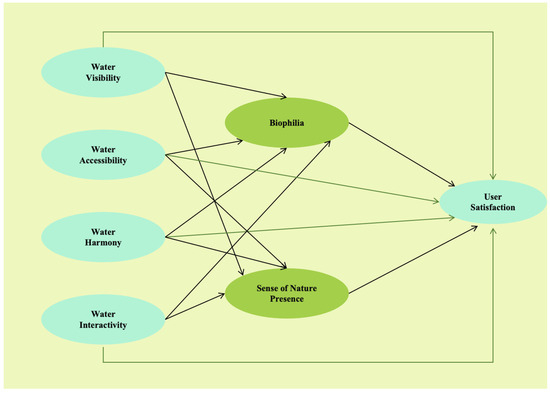
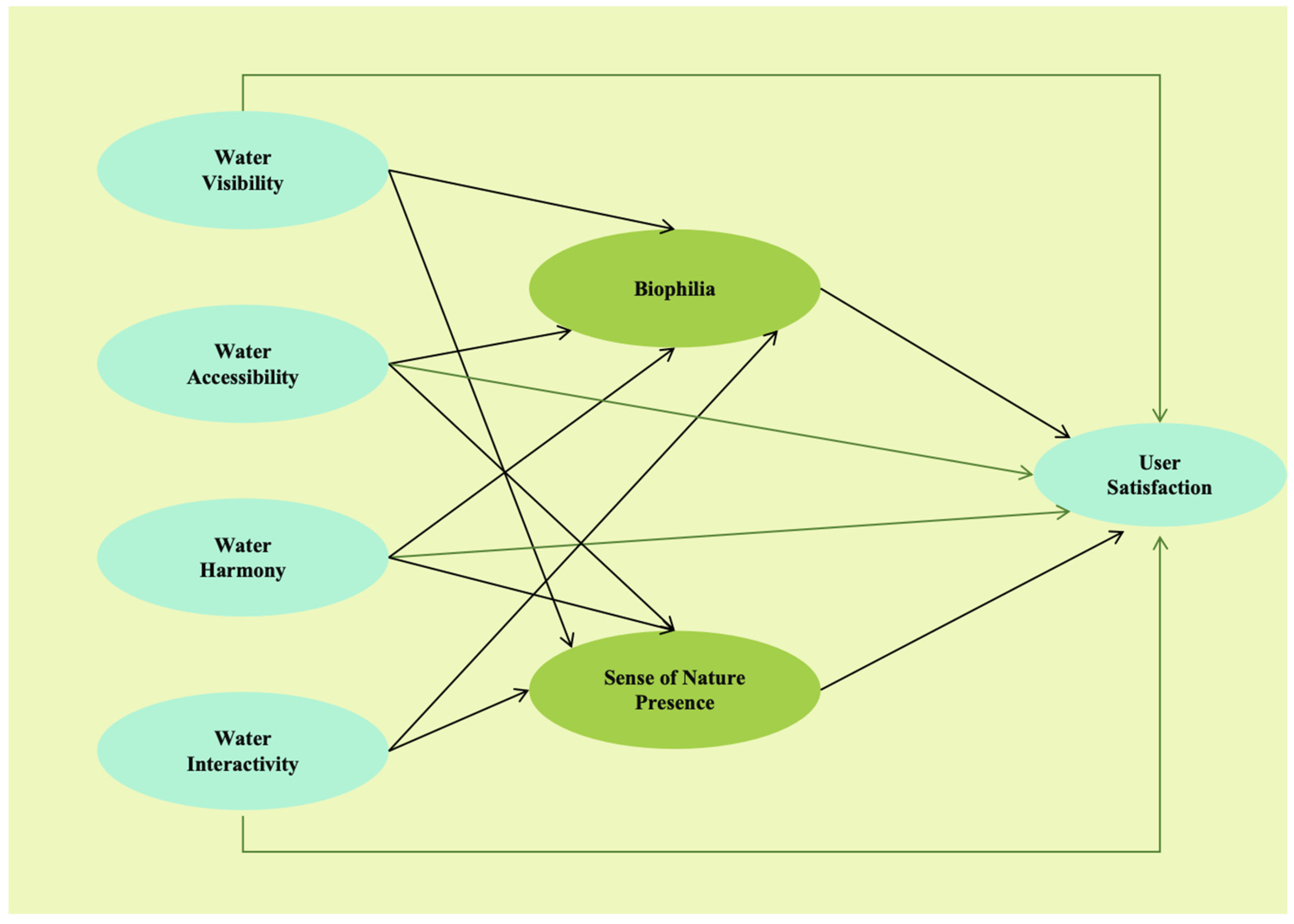
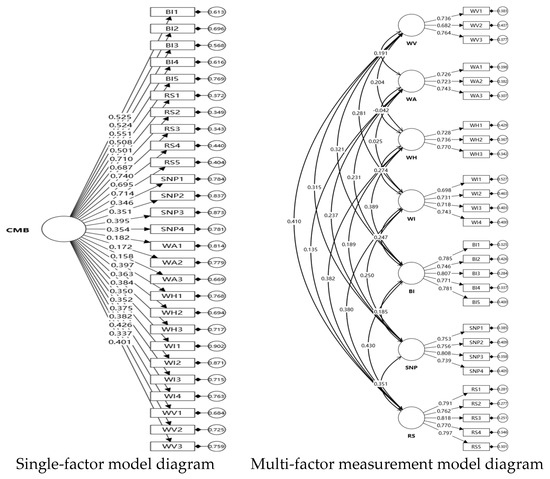
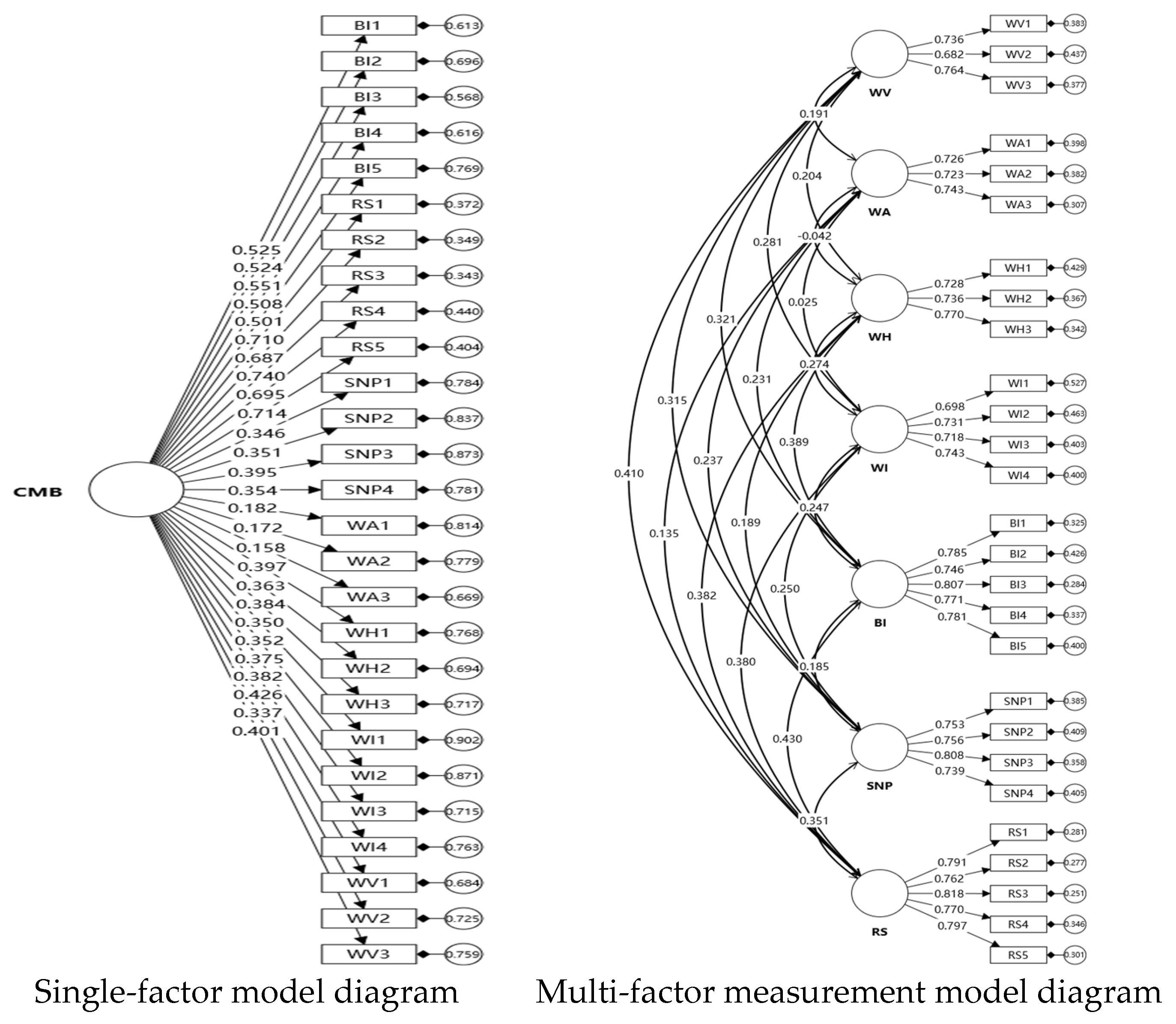
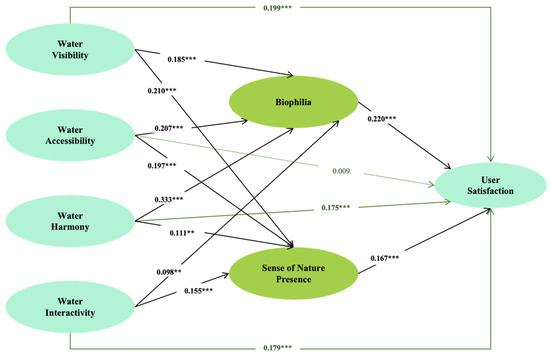
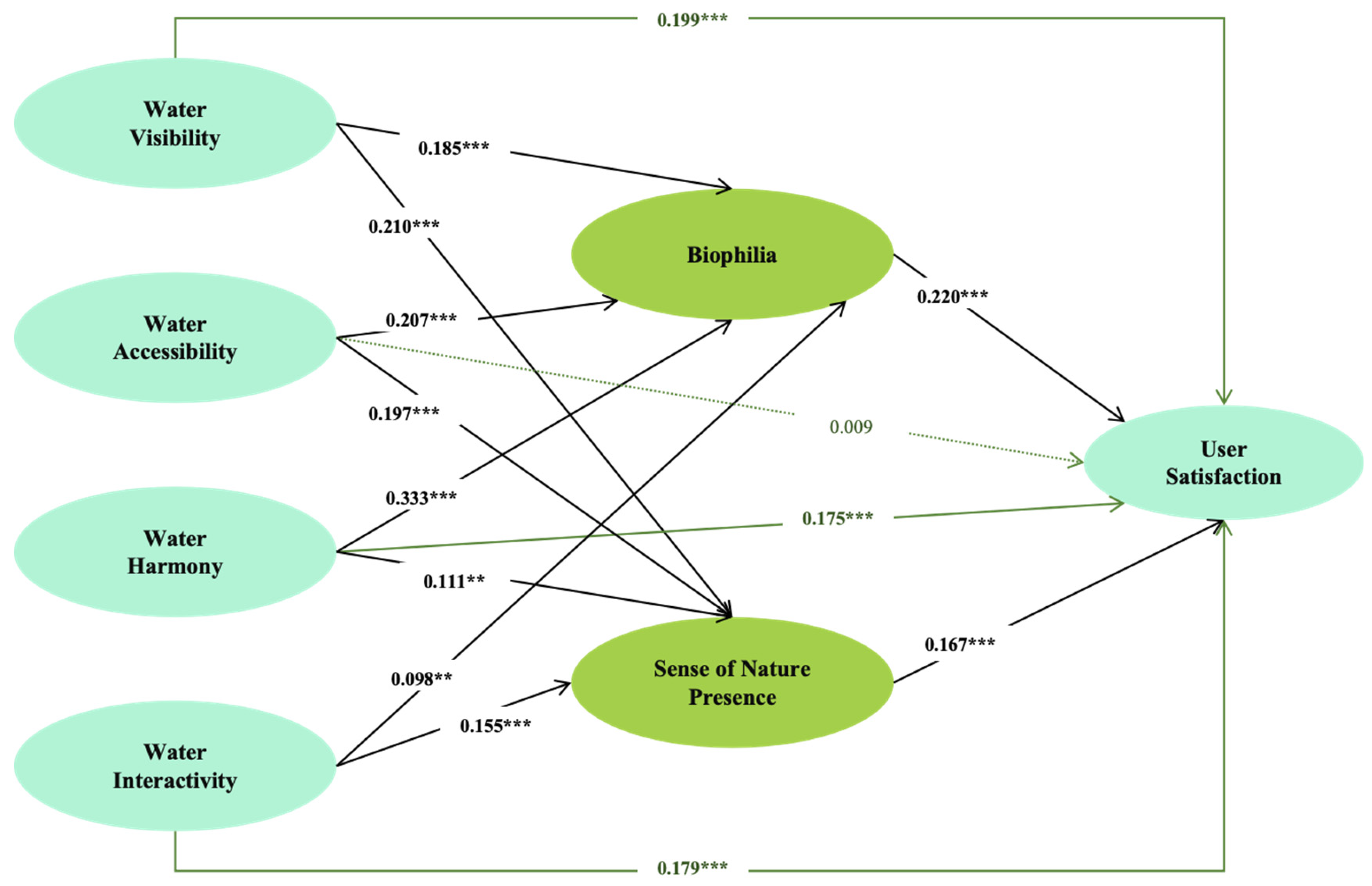

Disclaimer/Publisher’s Note: The statements, opinions and data contained in all publications are solely those of the individual author(s) and contributor(s) and not of MDPI and/or the editor(s). MDPI and/or the editor(s) disclaim responsibility for any injury to people or property resulting from any ideas, methods, instructions or products referred to in the content. |
© 2025 by the authors. Licensee MDPI, Basel, Switzerland. This article is an open access article distributed under the terms and conditions of the Creative Commons Attribution (CC BY) license (https://creativecommons.org/licenses/by/4.0/).