1. Introduction
The European Green Deal (EGD) [
1] sets challenging actions against climate change, including the energy sector’s decarbonization. In this perspective, energy systems are undergoing significant transformations, such as increasing the share of renewable energy sources (RESs), leading to a more distributed and fluctuating power generation. Looking at the residential sector, households are responsible for 26% of the EU’s final energy consumption in 2018 [
2]. RESs and electricity account for 45% in this share (natural gas for 32% and petroleum products for 12%), taking part in power generation through photovoltaic (PV) and micro-CHP (combined heat and power) technologies [
3,
4]. Thus, households play an essential role in future and smart electricity systems as they are relevant electricity consumers, and at the same time, they can contribute to increasing the share of power generation capacity. In this context, a precise knowledge of households’ load profiles is needed, as they strongly influence electricity systems [
5]; moreover, knowledge of households’ load profiles supports further investigations and actions in a broader level perspective, such as the supply capacity or the energy market and economy.
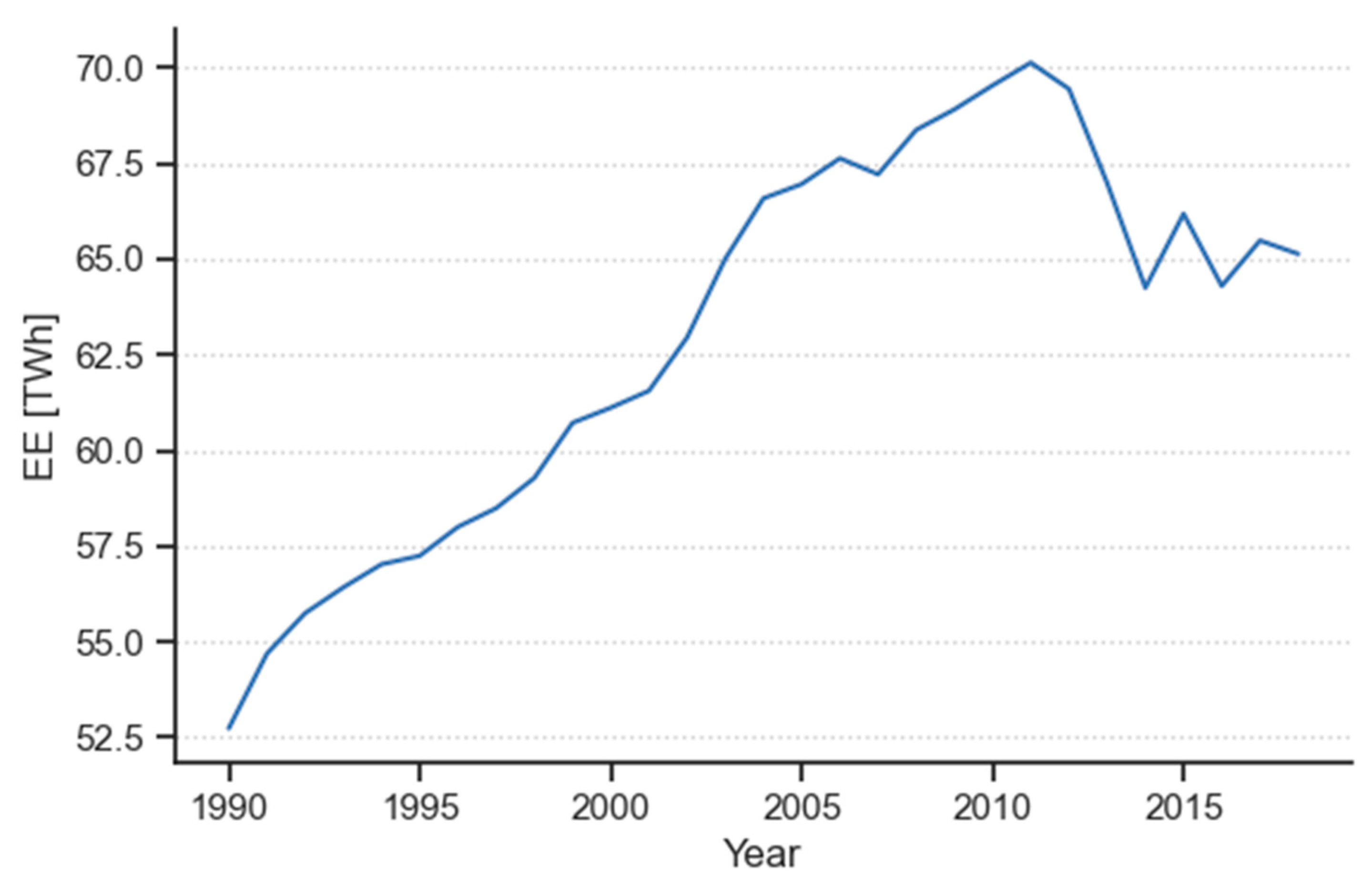
In particular, in Italy, the residential sector has been experiencing an increase of electricity consumption in the last few decades (
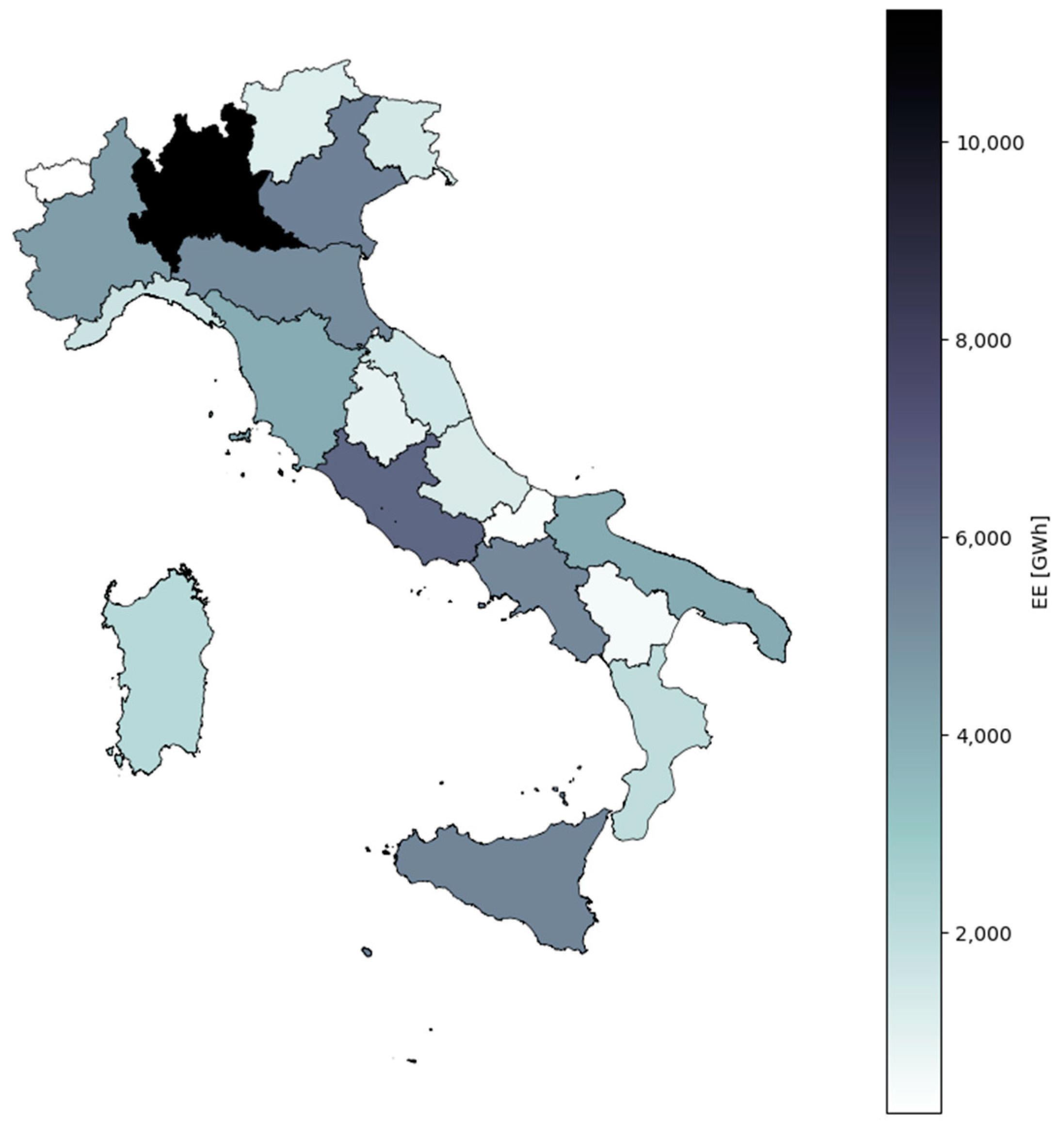
Figure 1), with roughly constant values from 2013. In this context, the share of electricity consumption of the residential sector by different Italian regions, with a major contribution from the Lombardy region, is indicated in
Figure 2. In Italy, mitigation actions related to the EGD are defined by the PNIEC, i.e., the Integrated National Plan for Energy and Climate, which determines the energy transition in the residential sector, and is mainly based on RES. Overall, the energy transition towards RES technologies, which are mainly based on electricity production, requires a significant investment in the energy infrastructure, namely the electricity grid, in order to ensure that the demand side defines the required transport capacity. In addition, the increase of flexibility of RES systems is the main focus in the ongoing research [
6,
7] as a critical factor for capacity in the demand response mechanism, as well as the possibility to modulate and decrease the peak load of the system, meaning a reduced need on traditional power generation [
8].
Nonetheless, in the residential sector, mitigation measures are strictly dependent on sociodemographic spectra; thus, market segmentation is an effective way to identify consumers with similar needs and behaviors [
10,
11,
12]. Moreover, the residential sector segmentation allows us to better characterize the households in energy poverty conditions, and thus to better address economic and technical support aiming at reducing this status [
13]. It should be remarked that the identification of energy poverty key parameters is of extreme importance to policymakers when planning investments aimed at reducing the residential sector energy consumption. However, in energy systems modelling, households are often represented by a standard load profile, as in Foteinaki et al. [
14], based on historical data, not entirely reflecting ongoing changes. A more detailed segmentation of the residential sector, such as Yilmaz et al. [
15], allows us to achieve representative electricity demand profiles and to improve existing models concerning using standard patterns that fit all households. The definition of user engagement actions for energy consumption reduction in the residential sector is critical due to the difficulty in assigning energy consumption changes caused by behavioral measures rather than other uncontrolled external factors. Some changes within observed and quantified variations in the energy consumption could occur even without implemented actions [
8]; thus, it is crucial to investigate and replicate physical experiences that can be implemented in more extended cases. The investigation on energy consumption changes, concerning the “baseline” case, often relies on surveys [
16], e.g., written questionnaires, phone interviews, ICT (information and communication technology) guided; these take the end user’s self-certification of their performances, which requires their perception on their own behaviors and habits, done in a subjective analysis that could be biased against reality [
17]. To exclude the subjective bias, a significant measure of energy savings should be carried into the investigation regarding the overall energy consumption and the energy absorbed by a single appliance [
18]. In addition, the choice of users involved in the user engagement project is essential: Studies based only on voluntary participation increase the risk of a bias in end-user typology, making it challenging to obtain generalizable results. Thus, it is essential to choose a representative sample and adapt the methodology to the different socioeconomic groups.
This paper contributes to the existing discussion by proposing a sociodemographic analysis of the Italian households’ load profiles from a smart metering experimental study, while also considering the households in energy poverty conditions. In particular, to measure the changes in energy consumption, a monitoring campaign is defined within the project, referred to as “Energia Su Misura” (a phrase meaning “customized energy”, with
misura referring also to measurement and thus the wordplay). This project aims at increasing consumer awareness, providing accurate information on the best consumption-saving behaviors, and reducing bill costs. However, the physical testing can be carried out for only a limited number of cases because of management costs and operational difficulties; thus, the choice of families involved is undoubtedly essential. Hence, the Italian households’ segmentation proposed by Besagni G. and Borgarello M. [
19] is used as a reference to identify which clusters of families to involve in the project, based on characteristics such as the family unit, the purchasing power, the seniority, and the level of education; in addition, elaborations and estimates from the Italian National Institute of Statistics (ISTAT) data and market research are used to define the types and quality of domestic appliances available in the households, with the objective to further improve households’ segmentation and cluster family choice. The defined clusters are thereby representative of the Italian households consumptions and behaviors, with accurate approximations; thus, by conducting measurements within the representative clusters, the results can be generalized and exploited to characterize the possible energy savings of the different types of households at a national level (e.g., waste reduction, appliances replacement) in the perspectives of awareness raising, training, and information campaigns. Moreover, the results regarding the load profiles of both total and single-appliance energy consumptions can be applied to validate load profile simulation models [
14,
15,
20,
21,
22] or to decrease the time steps of more general energy consumption estimation models, in particular in exploiting a bottom-up approach such as MOIRAE [
23].
The paper is structured as follows. In
Section 2, a comprehensive literature review is carried out. In
Section 3, the monitoring campaign is defined, the representative sample is characterized, and the Italian residential sector segmentation is introduced. The results regarding single-appliance usage and total electricity load profiles with a sociodemographic differentiation are then presented in
Section 4; in particular, households in energy poverty conditions are characterized. Thus, the results are discussed in
Section 5, and
Section 6 includes the paper conclusions.
2. Literature Review
To better fit the proposed contribution within the present body of knowledge, a brief literature discussion is proposed here. The pathways towards a decarbonized economy combine different strategies, including the increasing penetration of renewable energies, the development of electric vehicles, and the electrification of the energy systems. To achieve greater flexibility to manage the different energy flows that are needed for energy transitions, the data from the electrical system and its associated services (e.g., electricity grid) must be gathered to improve the efficiency, reliability, and security of the system [
24].
In this context, smart meters (SMs) provides large temporal datasets for household electricity consumption, allowing for a high resolution at the level of individual households and thus representing a powerful tool for time-series analyses [
25,
26]. The number of research activities related to the analytics of smart meter data is overgrowing with a wide variety of potential applications. Moreover, demand-side management measures for residential consumers have a great potential in providing flexibility to the grid, thereby reducing investment needs; this leads to higher investment in the grid infrastructure and an economic inefficiency, compared to increasing the supply-side capacity in order to balance peak demands [
27,
28]. Based on smart meter data, households may switch electrical devices on and off, within comfort boundaries, in order to handle demand peaks; sophisticated technical solutions in this matter include an automatic system within a smart home [
29,
30,
31]. Further insight into household flexibility potentials is provided by Weber et al. [
32], showing how an economic incentive (a contest with different prices) can motivate households’ electricity consumption shift from peak times to higher RES production hours, through a monthly information provision. Indeed, load management can be exploited to better characterize individual end users in order to implement demand-response programs [
8,
33]. However, smart meter application raises challenges related to privacy and security aspects of energy data analytics, as discussed by Hu and Vasilakos [
34]. Smart meter data can be further exploited to forecast energy consumption. Their application within the residential sector is widely spread [
35], and thus their employment for demand forecasting methods [
36].
Indeed, state-of-the-art models for residential demand forecasting are based on either survey methods [
14,
22,
37] or high time-resolution data [
38] (e.g., provided by SMs). For instance, Ge et al. [
20] modelled daily load profiles through a generative network, setting a training dataset of real load profiles and mapping such profiles’ probability distribution. Similarly, Sousa et al. [
39] highlighted how high-resolution load profiling data are fundamental for neural-network-based forecasting models, and they proposed a day-ahead load profile prediction exploiting such data; moreover, the segmentation of consumers was carried out through clustering algorithms, although sociodemographic variables were not taken into account. Indeed, consumer viewpoints should be investigated in such models, thus taking into account the effects of different types of households’ behaviors and characteristics on the load profiles [
19,
40,
41]. In this regard, Fischer et al. [
21] developed a bottom-up method to generate a stochastic high resolution of households’ electric load profiles by including socioeconomic features to better estimate behaviors regarding different types of families; moreover, seasonal effects on load profile were taken into account, using a statistical survey as input database. Conversely, time-use data were exploited by Widén et al. [
22] to compute the domestic energy demand for household electricity and hot water, and their work showed a significant correspondence of the output with measurement surveys.
In more recent years, smart building development and spread raised the need to model efficient energy management tools, as addressed by Dadashi-Rad et al. [
42], to optimize responsive/nonresponsive devices and distributed RES exploitation. Moreover, the smart meter as a monitoring system allows for the integration with the transport sector, representing an additional challenge for electrification at the household level, as discussed by Liu et al. [
43]. However, energy system models often assume a standard load profile of the households, as in Foteinaki et al. [
14], not entirely reflecting ongoing changes. As discussed by Hayn et al. [
12] a more detailed segmentation of the household sector, through sociodemographic factors, is essential to assess the future development of residential load profiles, thus investigating its impacts on a wider scale. Moreover, the comparison of clustering approaches carried out by Yilmaz et al. [
15] pointed out that representative electricity demand profiles derived from household segmentation significantly differ from the average profiles. Thus, household segmentation can improve existing models through specific load patterns.
To further investigate households’ characteristic load profiles, monitoring campaigns are needed. For instance, Craig et al. [
44] studied the relationships between household occupants and energy usage through a monitoring campaign in Northeastern Scotland to study how socio-demographic characteristics relate to load patterns, and they found a strict relation with households’ carbon footprint. De Almeida et al. [
45] showed energy saving opportunities through an European monitoring campaign, stating that high quality data availability allowed them to define energy efficiency strategies and policy recommendations, along with market transformations. As stated above, a promising method to obtain high-quality resolution data is represented by smart metering. However, a wider spread and installation of smart meters should take into account technical assessments as well as social issues, as discussed by Sovacool et al. [
46]. Nonetheless, smart metering has a significant potential in a variety of applications, including energy modelling implementation [
20,
21,
22,
36,
38,
39], households’ behavior characterization [
12,
15,
44], grid infrastructure technical assessments [
24,
25,
26,
27,
28], and an end user’s awareness raising [
8,
32,
33].
5. Discussion
In general, the Italian residential sector presents three peaks:
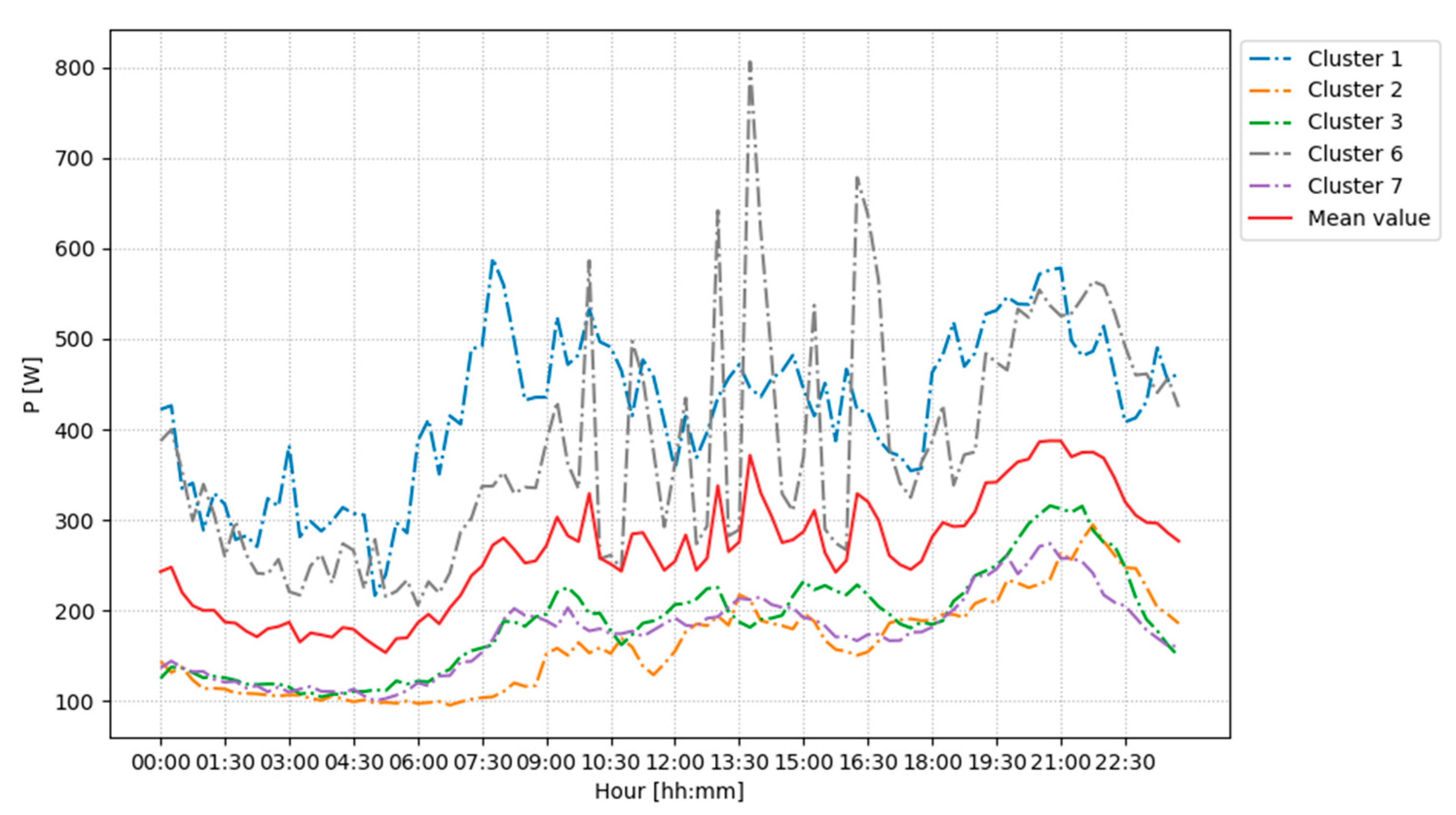
The most empathized one being in the evening hours between 19:30 and 22:30, reaching 580 W of absorbed power for Cluster 1 and 6, and 250–310 W for Clusters 2, 3, and 7;
In the early morning from 7:30 to 9:30, reaching 600 W of absorbed power for Cluster 1, 410 W for Cluster 6, and 180–210 W for Clusters 2, 3, and 7;
One at lunchtime between 11:30 and 13:30, reaching 480 W of absorbed power for Cluster 1, 500 W for Cluster 6, and 210 W for Clusters 2, 3 and 7.
The power system minimum is reached at night-time hours, at around 2:30–5:30. These results—with the load curve having its maximum in the evening, two relative maximums in the morning, and a plateau in the night—is typical for an Italian working day and agrees with many previous related research [
51,
52]. The baseload is due to the fridge, standby modes, and electric boilers: they characterize a constant energy consumption all day. The variation in load profiles is mainly due to the other appliances having an uneven distribution in the energy consumption during the day.
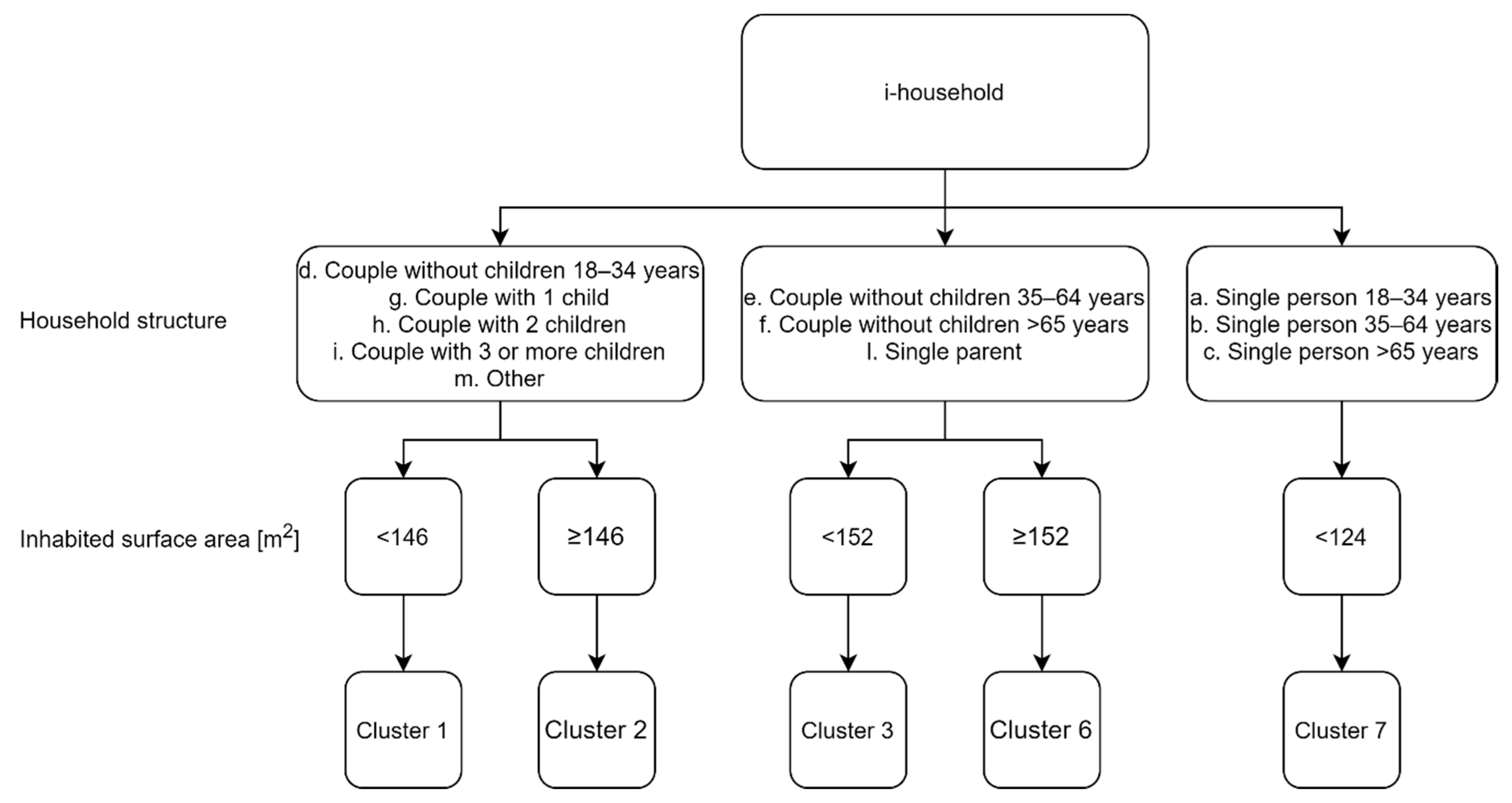
The sociodemographic characterization of the Clusters is displayed in
Figure 5 and
Table 4, and it is noted that Cluster 7 is mainly representative of ERP households, thus reflecting behaviors of households in energy poverty, while Cluster 1 and 2 both refer to households with children, with the only difference in inhabited surface area; these definitions are relevant in the interpretation of the results. For instance, dishwashers load profiles are shown in
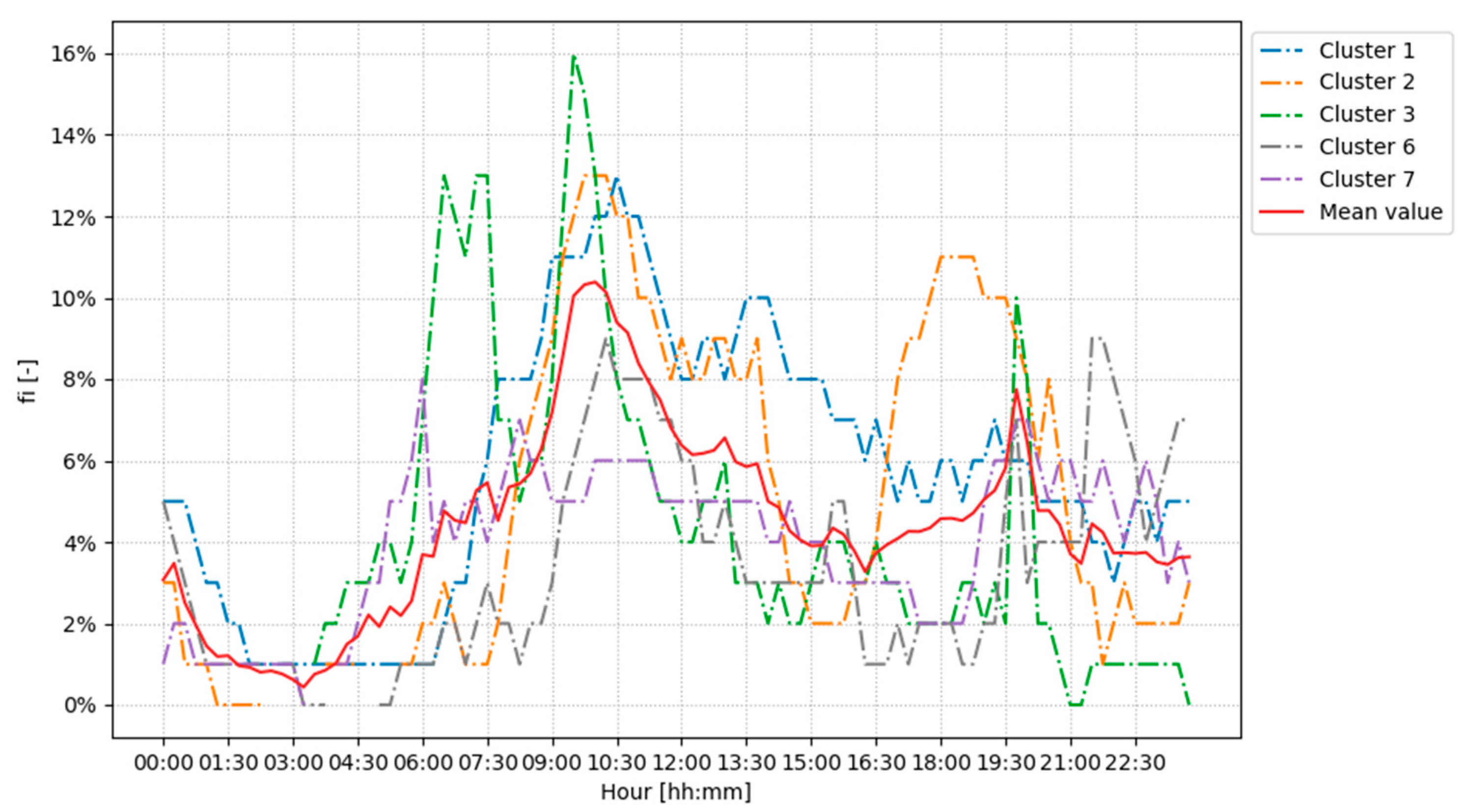
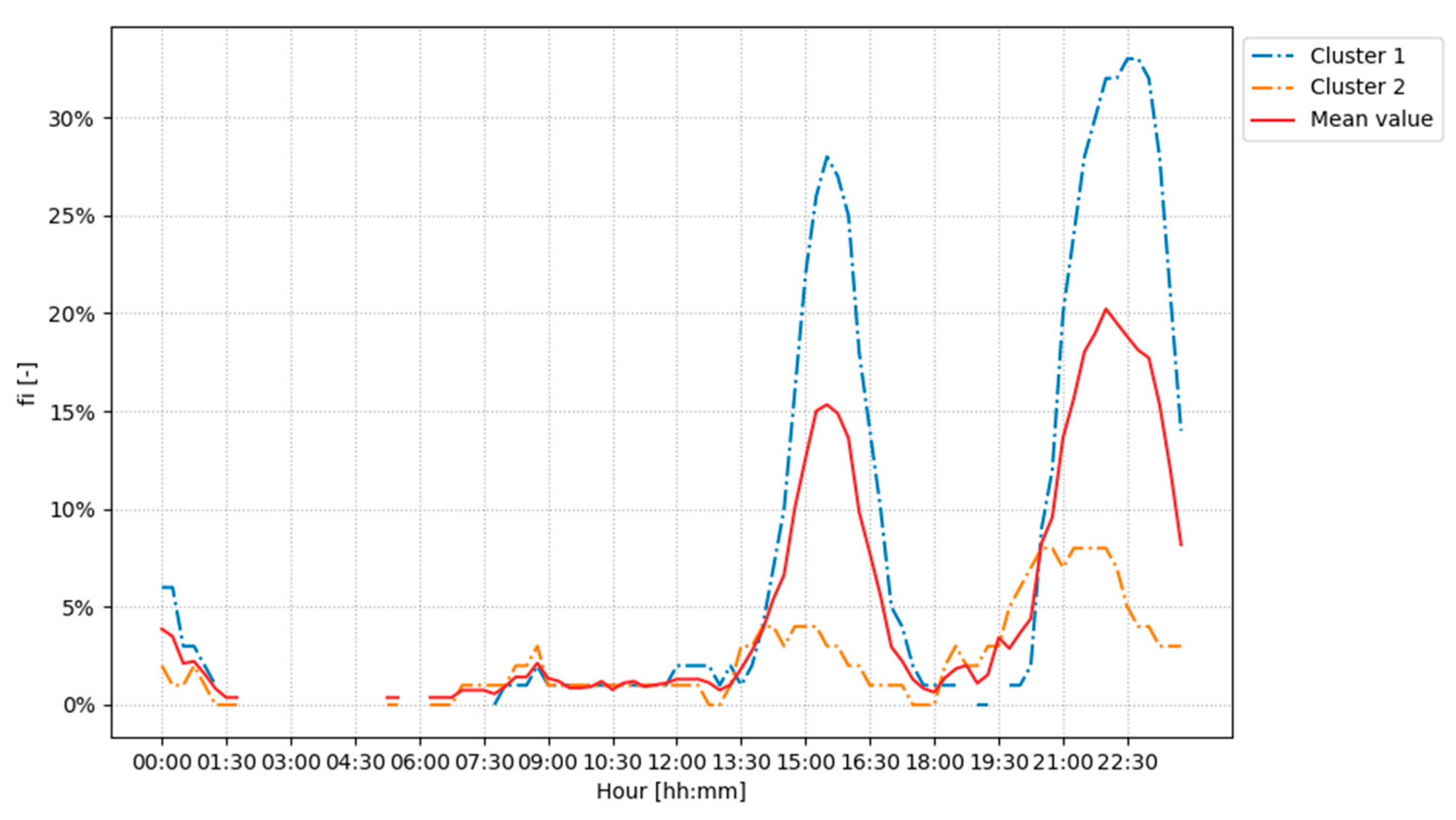
Figure 9 and for which Clusters 1 and 2 are considered, whereas values for Clusters 3, 6, and 7 are not provided. Indeed, as displayed in
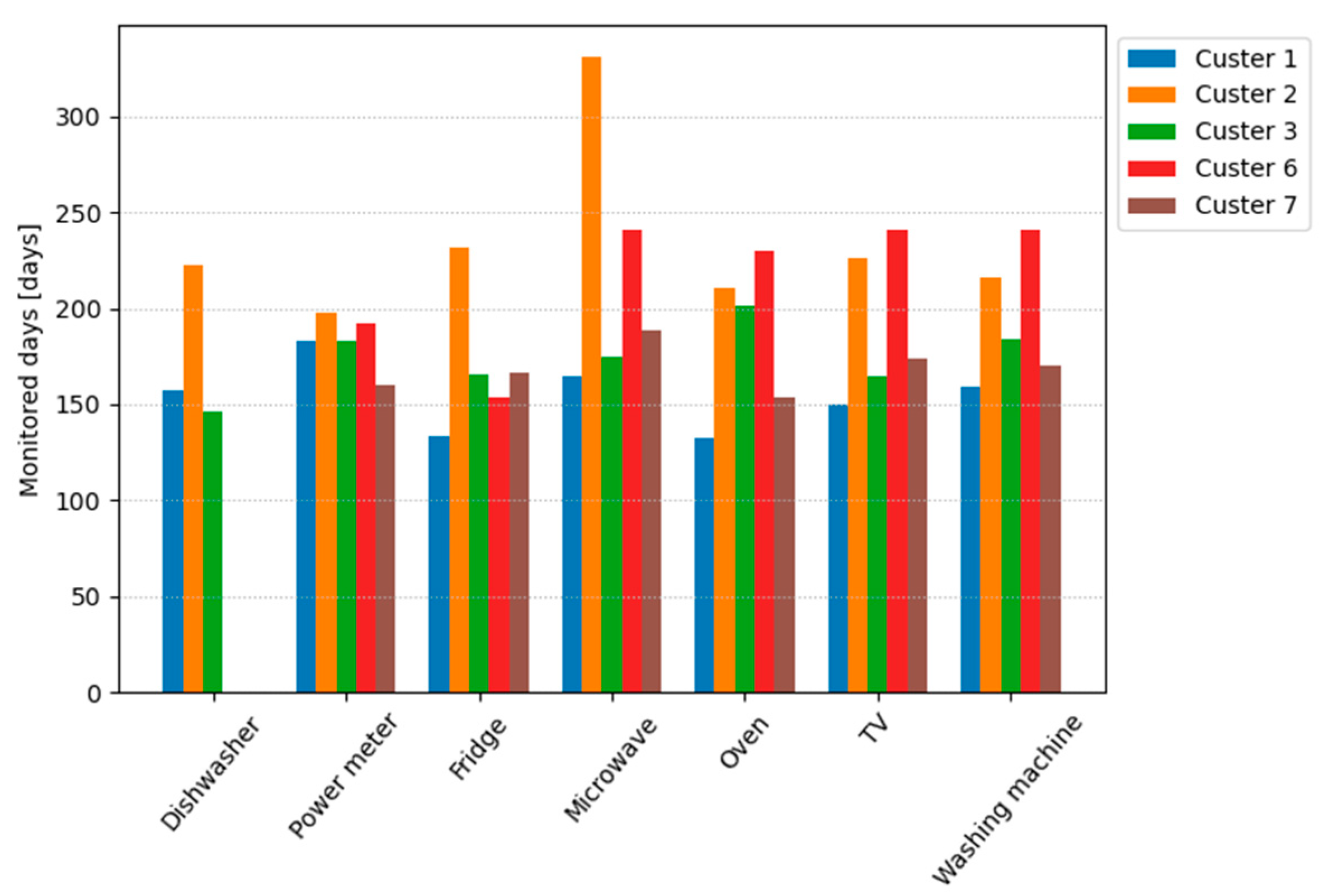
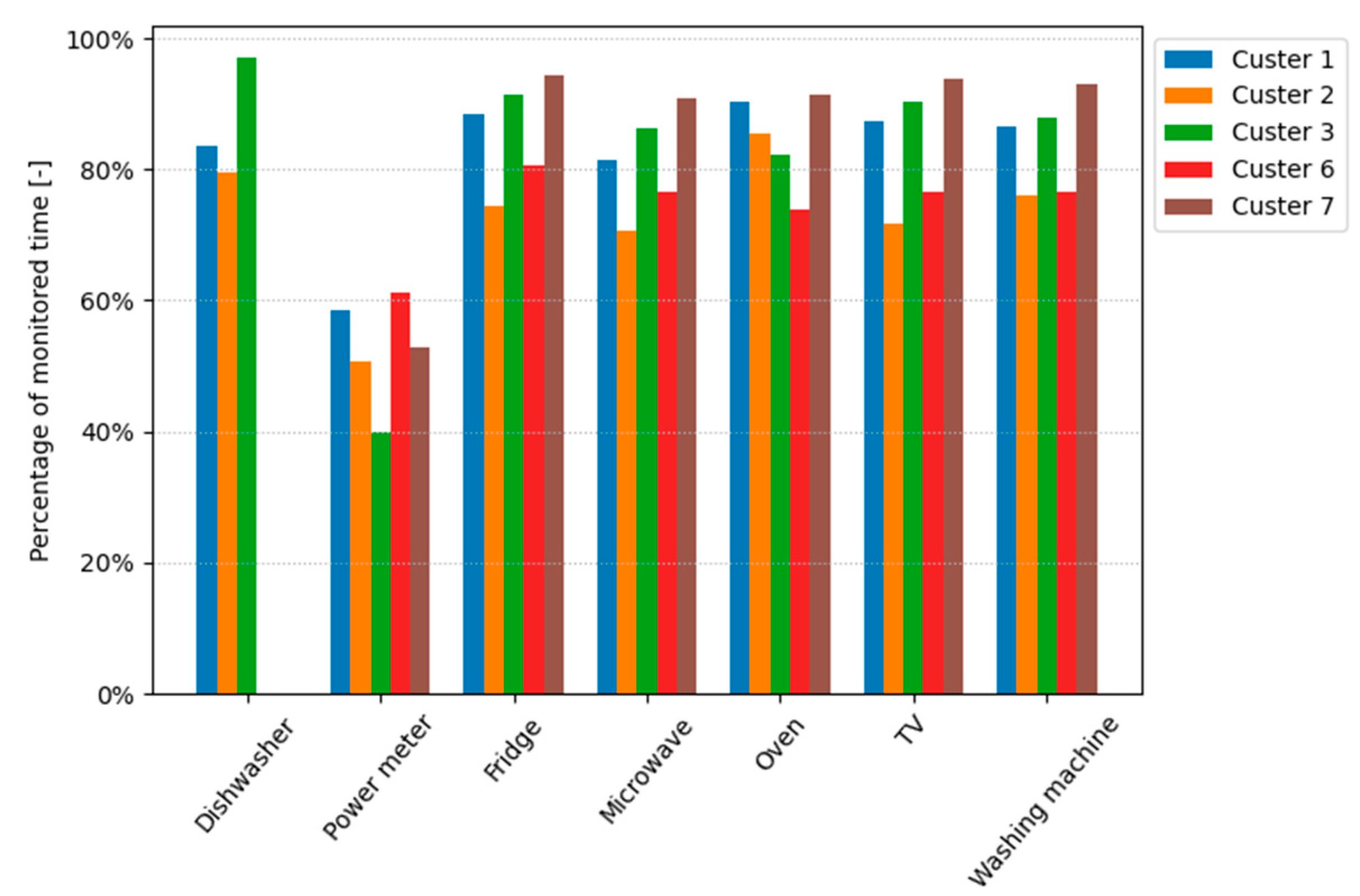
Table 8, Cluster 7 (representing mostly ERP households and single-person household structure) are most likely to not possess a dishwasher for economic purposes. Moreover, the result between Cluster 1 and 2 reveal a significant difference in its usage, reaching a probability of around 28% at 15:15 and 33% at 22:30 for Cluster 1. In contrast, Cluster 2 reaches its maximum probability peak of 8% at 21:30, much lower compared to Cluster 1, considering that they only differ in terms of the inhabited surface area. The overall load profile results are extracted from the power meter monitoring and without the distinction between weekdays or holidays. Moreover, the energy consumption is also related to seasons; thus, an extension of the monitoring days and a broader monitoring sample should be considered to exclude punctual measurement failures, such as power meters and appliances data leakages. An estimate on the power absorbed by appliances was necessary due to the absence of this information; thus, greater knowledge on this matter for future campaigns could be relevant for identifying the load’s profiles of each appliance with accuracy. Nevertheless, the results presented can be analyzed from a sociodemographic point of view as a way to better address energy efficiency actions; for instance, in
Figure 13, we noted a massive difference in both absolute value and variation of absorbed power shown in the total load profile of Cluster 1 compared to Clusters 2, 3, and 7. In particular, the final few clusters are somewhat similar, and show a minimum of around 110 W of absorbed power in night times (0:00–5:00). Thus, this value can be assumed as the baseload only due to the fridge, standby modes, and electric boilers, as discussed before, as it is reasonable to assume that Cluster 7 (ERP houses) is unlikely to have heating or cooling systems working at these hours. The higher values at night times of Cluster 1, ranging from 220 to 420 W of absorbed power, suggests that more significant economic and technical efforts have to be carried by the households represented by Cluster 1 to significantly reduce energy consumptions, in a more general perspective, considering the European decarbonization objectives and electrification tendencies on the residential sector.
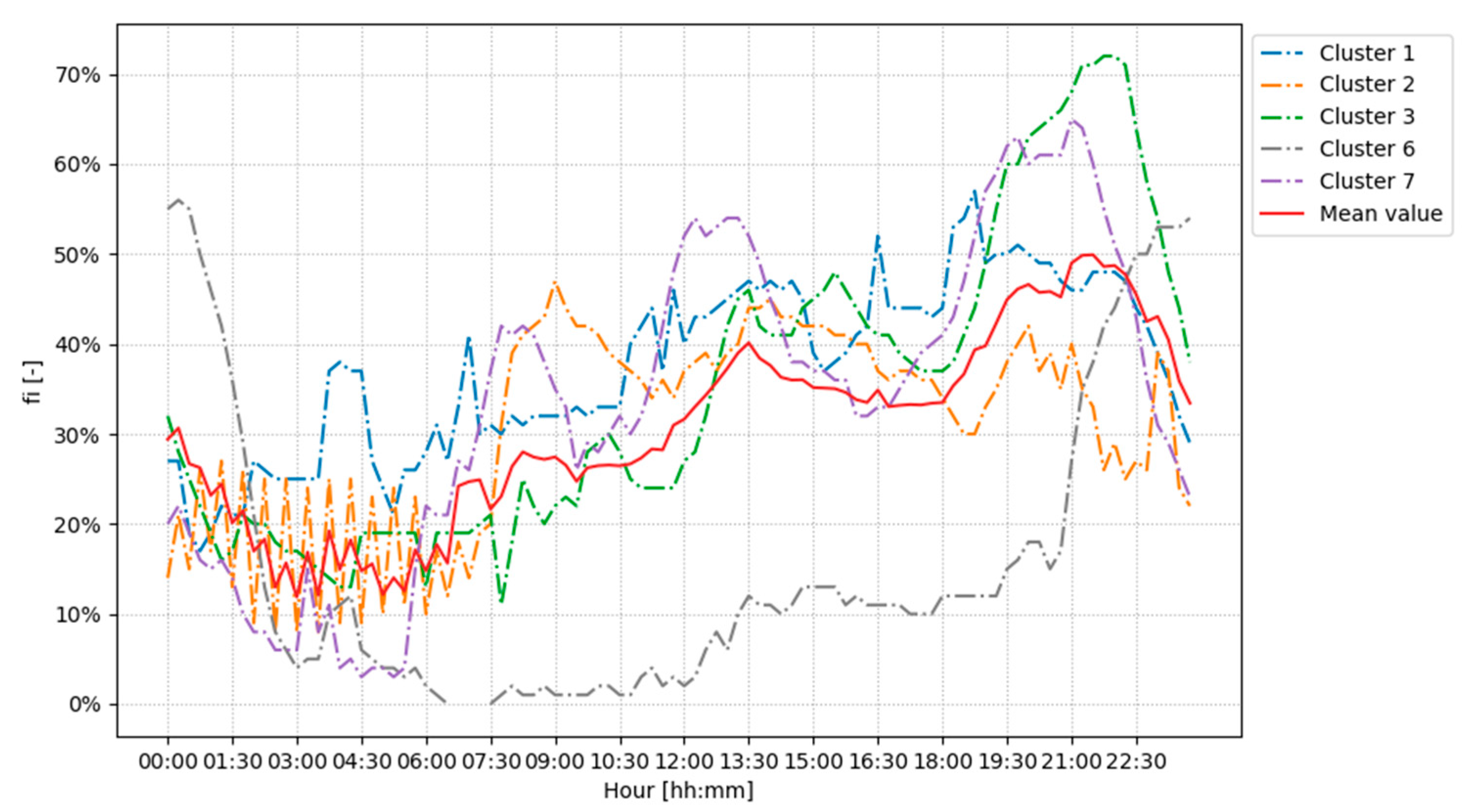
Moreover, it is noted that the TV load profiles (
Figure 10) are comparable within all clusters, so the difference in the total load at night times can be related to heating/cooling and water heating electric systems (which suggests that the absorbed power of TVs is much lower and comparable to the baseload power), thus the difference in absorbed power in night hours between Cluster 1 and other clusters gives an estimate on these systems, accounting for about 210 W. In addition, it is noted how Cluster 7, which represents ERP households in energy poverty conditions, display a TVs’ load profiles comparable to other clusters (
Figure 10), as opposed to the other appliances, and its total load profile tendencies to be lower, indicating such appliance to be almost the only form of entertainment used during all day. Conversely, results of Cluster 6 show a high variance in TVs load profiles, mostly due to data leakages and to the number of monitored samples, which were too few to be considered meaningful.
It should be noted how the described approach allows the data analysis to be disaggregated by the end users’ viewpoint. Pattern recognition studies, such as Kwak et al. [
53], often rely only on a technical approach through appliances and building characterization, neglecting behavioral aspects generalizable by parameters such as family structure as proposed by this paper.
6. Conclusions
This paper proposed a sociodemographic analysis of the Italian households’ load profiles from a smart metering experimental study, while also considering households in energy poverty conditions. The outcomes can be exploited for further research activities, including the validation or the calibration of existing models [
14,
15,
20,
21,
22], or they can be used to improve the time step of broader energy consumption estimation models, such as MOIRAE [
23], which is still under development. Indeed, simulation models based on the consumption behaviors, as developed by Gao et al. [
54], require data acquisition either at the calculation procedure phase or at validation phase. Similarly, bottom-up models with a hourly time-step resolution may rely on such data, either as input or for validation and calibration procedures [
55,
56,
57,
58], as described by Raftery et al. [
59]. Moreover, the proposed clustering may be beneficial in identifying demand-response strategies [
60], or in determining the impacts of smart monitoring with feedbacks systems given directly to the households [
61]; indeed, the information on households’ structure integrated with economic parameters may further improve the definition of precisely addressed incentives [
62,
63]. For instance, Cluster 1 with higher peaks in power load have a children-based household structure, and thus an incentive addressed particularly to this parameter may be taken into account. In contrast, energy efficiency improvement in Cluster 7 have to be addressed for the appliances influencing baseload absorbed power. The proposed approach, which disaggregates the results through a sociodemographic clustering, allowed us to analyze and identify different load profiles depending on behavioral aspects that are generalized by parameters such as family structure and inhabited surface, as described in
Figure 5 and
Table 4. Thus, single-appliance usage was characterized as well, enabling a structured analysis even from an energy community viewpoint, such as clustering the community to better predict energy flows in determined hours. However, some limitations in the described monitoring campaign should be taken into account: The limited number of sample households impacts the quality of the measurements, and data leakages cannot be excluded, as no “back-up” households are available. Further research activity should include a larger sample to avoid outlier data that influence results, as well as other appliances and systems such as cooling and heating load profiles. Moreover, broadening the monitoring sample could allow us to further investigate the north–south diversity in Italy, with an insight in energy poverty distribution. The proposed project and feedback system can be exploited outside the Italian country; for instance, the “Assist2gether” project [
64], within which RSE is involved, is based on the same methodology and aims at identifying energy consumption improvements related to household behavior, in particular focusing on households in energy poverty.