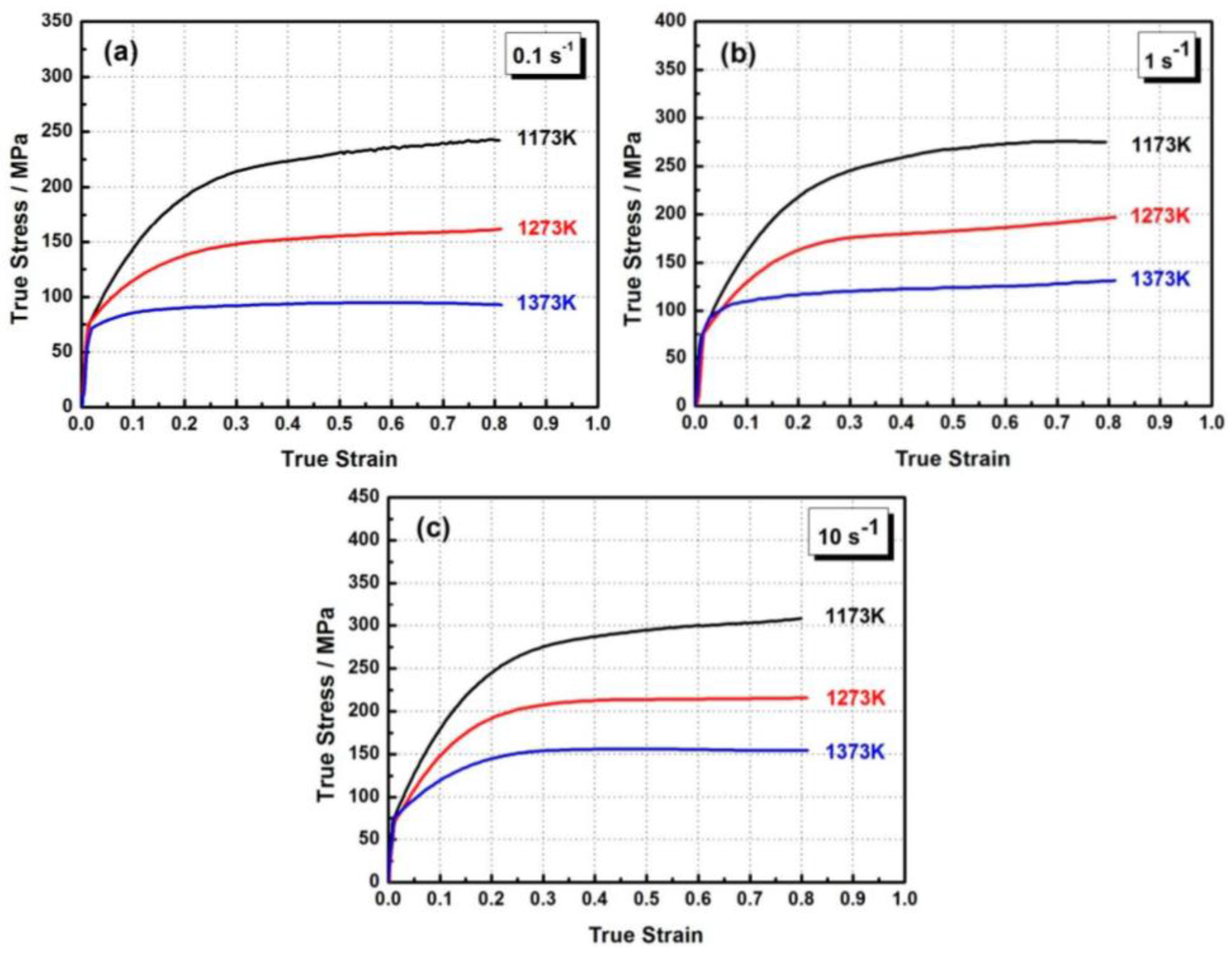
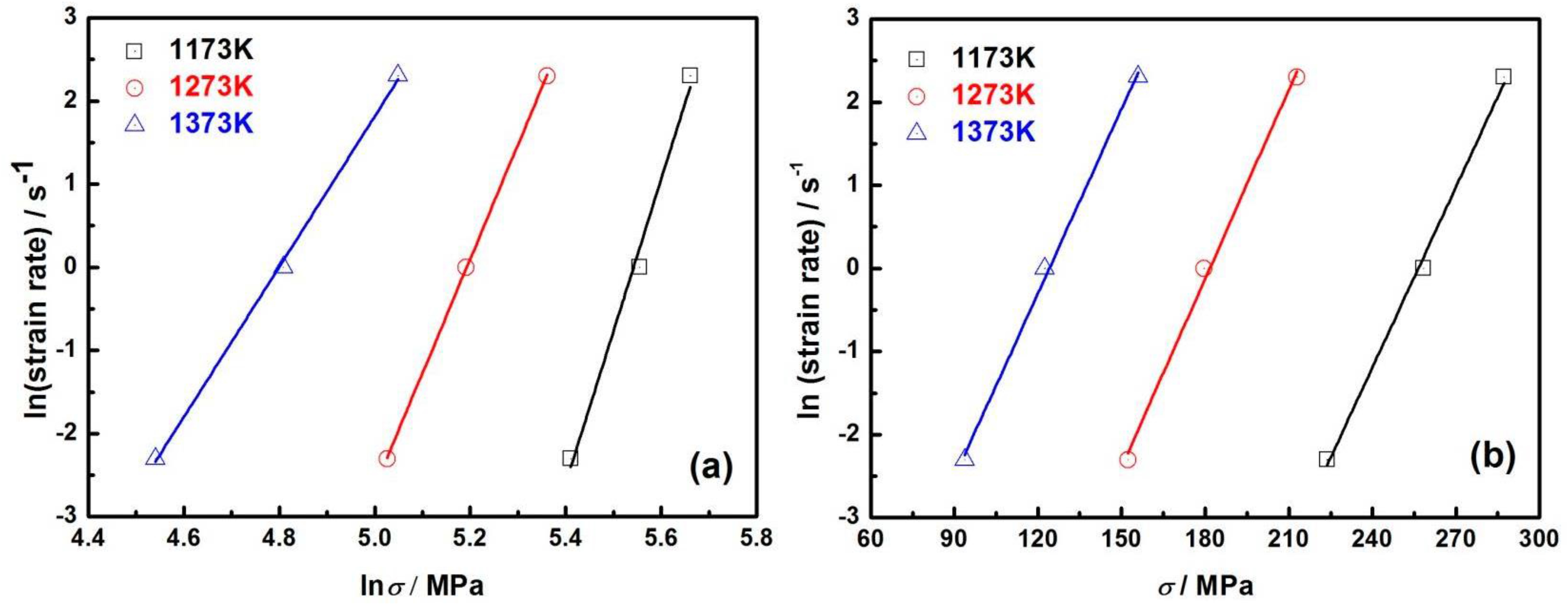
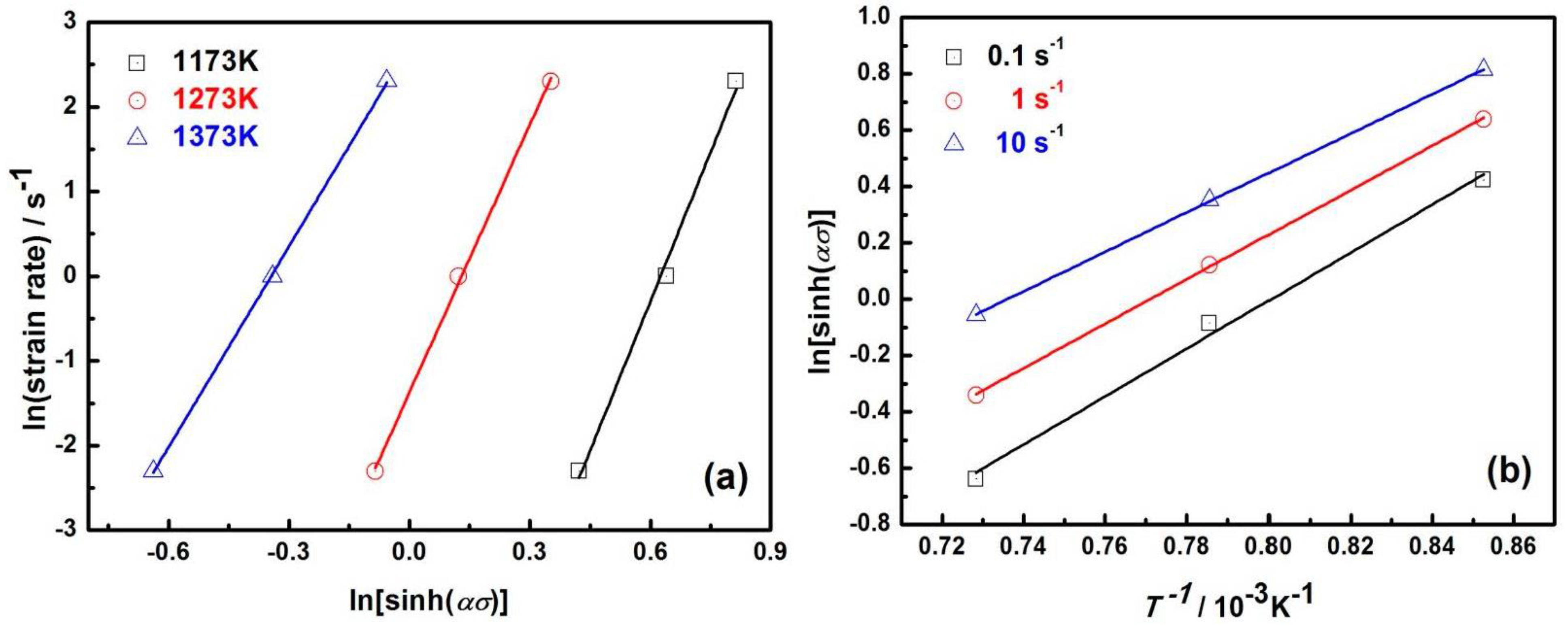
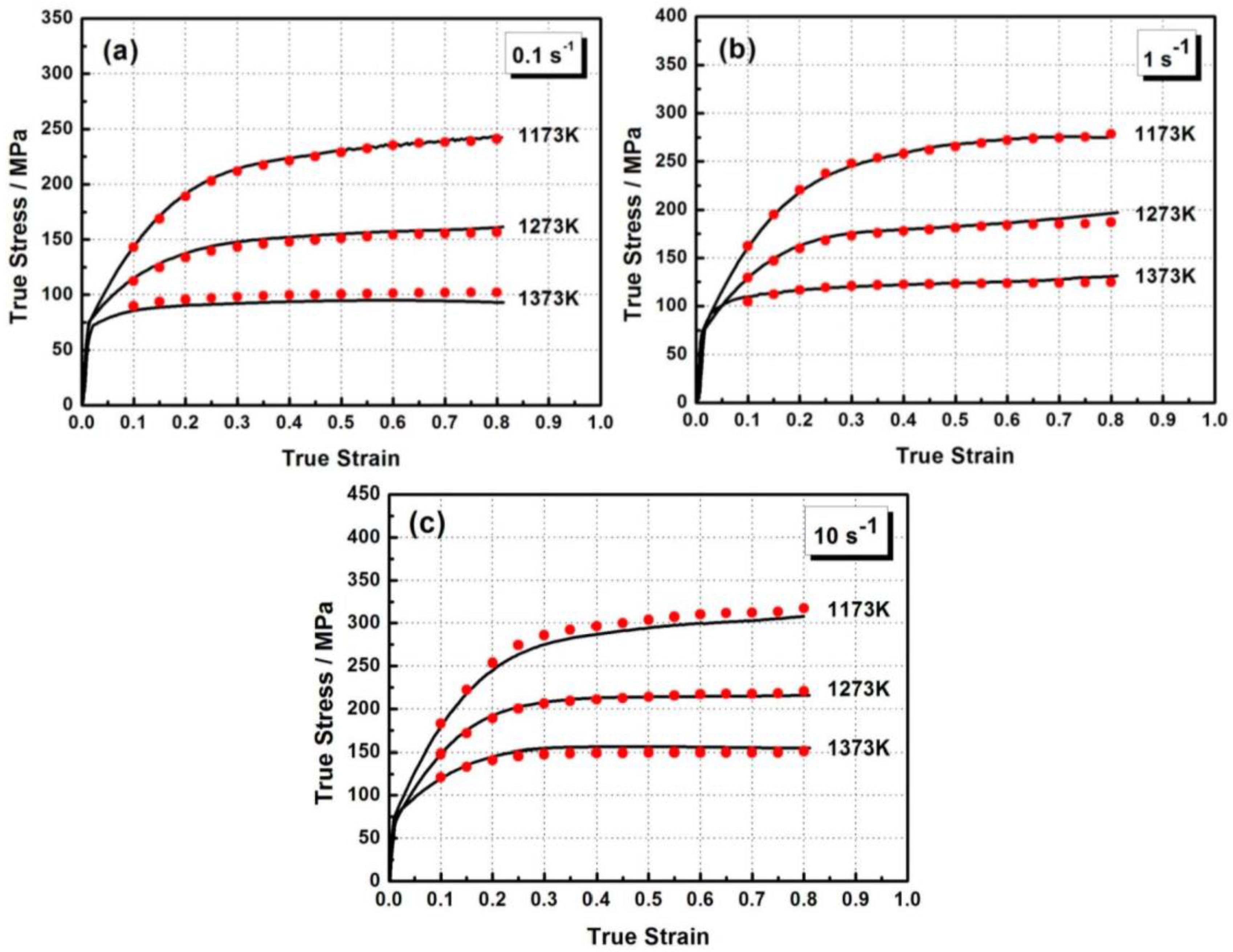
Constitutive Relationship Modeling and Characterization of Flow Behavior under Hot Working for Fe–Cr–Ni–W–Cu–Co Super-Austenitic Stainless Steel
Abstract
Share and Cite
Yang, L.-C.; Pan, Y.-T.; Chen, I.-G.; Lin, D.-Y. Constitutive Relationship Modeling and Characterization of Flow Behavior under Hot Working for Fe–Cr–Ni–W–Cu–Co Super-Austenitic Stainless Steel. Metals 2015, 5, 1717-1731. https://doi.org/10.3390/met5031717
Yang L-C, Pan Y-T, Chen I-G, Lin D-Y. Constitutive Relationship Modeling and Characterization of Flow Behavior under Hot Working for Fe–Cr–Ni–W–Cu–Co Super-Austenitic Stainless Steel. Metals. 2015; 5(3):1717-1731. https://doi.org/10.3390/met5031717
Chicago/Turabian StyleYang, Li-Chih, Yeong-Tsuen Pan, In-Gann Chen, and Dong-Yih Lin. 2015. "Constitutive Relationship Modeling and Characterization of Flow Behavior under Hot Working for Fe–Cr–Ni–W–Cu–Co Super-Austenitic Stainless Steel" Metals 5, no. 3: 1717-1731. https://doi.org/10.3390/met5031717
APA StyleYang, L.-C., Pan, Y.-T., Chen, I.-G., & Lin, D.-Y. (2015). Constitutive Relationship Modeling and Characterization of Flow Behavior under Hot Working for Fe–Cr–Ni–W–Cu–Co Super-Austenitic Stainless Steel. Metals, 5(3), 1717-1731. https://doi.org/10.3390/met5031717