Article

Surface Nanocrystallization and Strengthening Mechanisms of SLM 316L Stainless Steel Induced by Shot Peening


College of Mechanical and Electrical Engineering, Hainan University, Haikou 570228, China
*
Author to whom correspondence should be addressed.
Metals 2026, 16(2), 186; https://doi.org/10.3390/met16020186
Submission received: 4 January 2026 / Revised: 30 January 2026 / Accepted: 30 January 2026 / Published: 4 February 2026

Abstract

To address surface defects and enhance the wear resistance of 316L stainless steel parts fabricated by Selective Laser Melting (SLM), this study applied shot peening (SP) surface treatment to the SLM-processed samples. Ball-on-disk tribological tests were systematically conducted under water-lubricated conditions to investigate the evolution of surface morphology, microstructure, microhardness, and tribological performance before and after SP. The results indicate that SP induced severe plastic deformation in the surface layer, effectively refining the coarse columnar crystals and melt pool structures characteristic of SLM, and forming a crystalline hardened layer with a depth of 70–80 μm. Consequently, the surface microhardness increased by 21.97% compared to the un-peened samples. Under loads of 20 N and 30 N, the coefficient of friction (COF) of the SP-treated samples decreased by 16.36% and 12.4%, while the wear rate was reduced by 17.09% and 14.9%, respectively. In this load range, the samples primarily exhibited uniform plowing and localized adhesive wear, demonstrating significantly improved resistance to plastic deformation and crack initiation. However, when the load increased to 40 N, intense stress and thermal effects diminished the strengthening benefits of SP, resulting in no significant difference in tribological performance between the SP-treated and untreated samples. At this stage, the dominant wear mechanism transitioned to severe plastic deformation, extensive delamination, and thermally induced adhesion.

1. Introduction

316L stainless steel exhibits significant application potential in aerospace, marine engineering, and biomedical fields owing to its superior mechanical properties, corrosion resistance, and biocompatibility [1]. Selective Laser Melting (SLM) has circumvented the geometric constraints of conventional manufacturing, enabling the efficient fabrication of high-performance 316L stainless steel components [2,3,4,5]. However, the unique additive manufacturing process is characterized by complex thermo-mechanical coupling effects, which tend to induce substantial tensile residual stresses within the material. Furthermore, inherent defects, such as unmelted powder particles and gas porosity, frequently lead to increased surface roughness and internal porosity. These deficiencies collectively exacerbate the performance degradation of the material under severe service conditions—including friction, fatigue, and corrosion—thereby restricting the broader engineering implementation of SLM-fabricated parts [6].
To mitigate these issues, various post-processing techniques, such as hot isostatic pressing (HIP) [7,8], heat treatment [9,10], and laser polishing [11,12], have been employed. Recently, surface engineering strategies based on severe plastic deformation (SPD), notably ultrasonic nanocrystal surface modification (UNSM) [13] and surface mechanical attrition treatment (SMAT) [14], have emerged as promising approaches. These techniques enhance the hardness and wear resistance of SLM 316L stainless steel by inducing a surface nanocrystalline layer.
Shot peening (SP), a widely established SPD method, is effective in inducing grain refinement and generating beneficial compressive residual stress fields [15,16]. While its efficacy on wrought alloys is well-documented [17], its application to SLM-fabricated 316L warrants distinct investigation due to the material’s hierarchical, non-equilibrium microstructure. Crucially, SP holds particular promise for addressing the tribological challenges inherent to water-lubricated environments—a critical requirement for marine and hydraulic systems [18,19,20]. Unlike viscous mineral oils, the extremely low viscosity of water hinders the formation of a stable hydrodynamic film, frequently forcing the tribo-system into a boundary lubrication regime where severe asperity contact is unavoidable. In this context, SP imparts a vital subsurface strengthening mechanism. Although the surface roughness is normalized by polishing prior to testing, the severe plastic deformation induced by SP generates a gradient nanostructure characterized by significant work hardening and high-magnitude compressive residual stresses. This enhanced surface integrity is pivotal in resisting the severe micro-cutting and delamination wear typically encountered when the protective water film breaks down. Furthermore, the compressive stress field effectively inhibits the propagation of micro-cracks accelerated by the corrosive aqueous environment, thereby extending the fatigue life of the tribo-pair.
Despite these potential benefits, the interplay between the SP-induced microstructural evolution and the tribological response of SLM components in aqueous environments remains underexplored. Consequently, this work investigates the influence of SP on the wear behavior of SLM 316L stainless steel through ball-on-disk tests under water lubrication. By systematically evaluating surface morphology evolution, microhardness gradients, and phase transformations, this study elucidates the strengthening mechanisms governing the tribological performance of peened samples. The findings provide a theoretical basis and technical guidance for the application of SLM components in demanding water-lubricated conditions.

2. Materials and Methods

2.1. Materials and Specimen Preparation

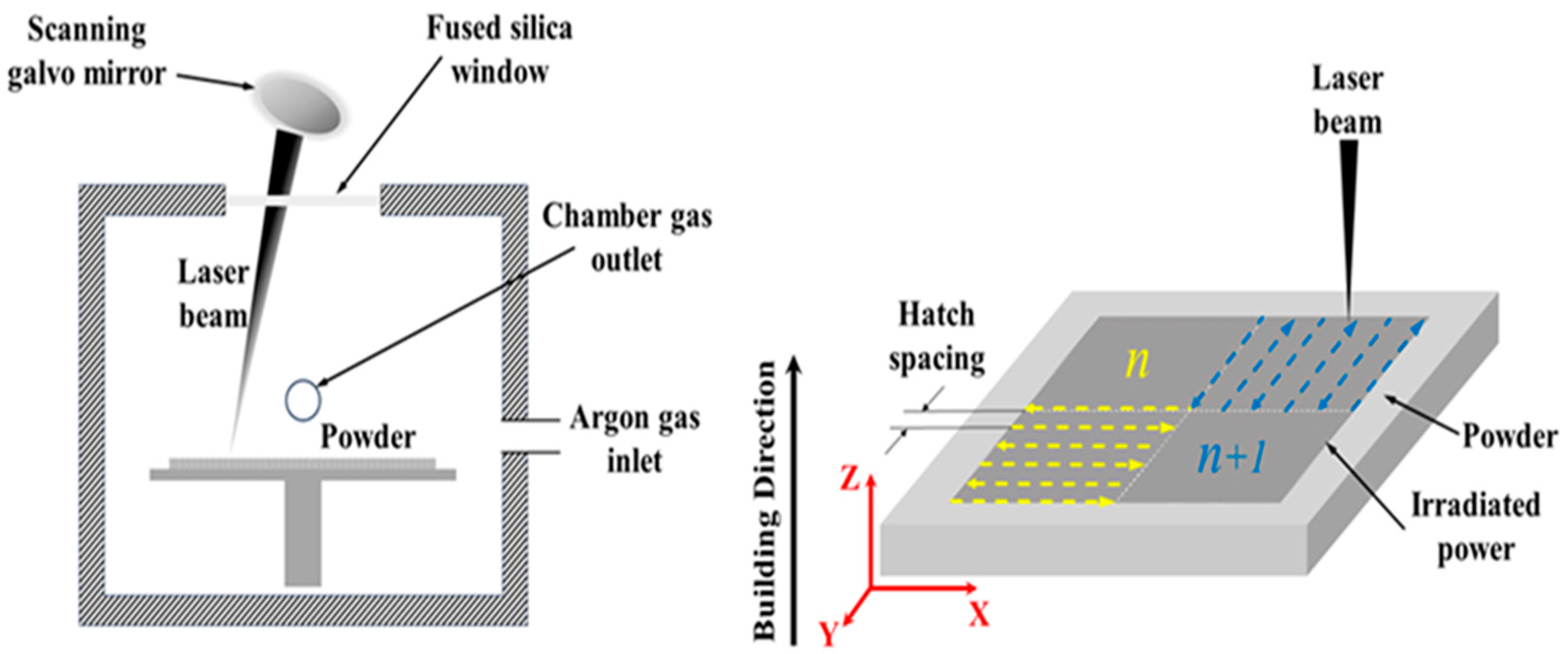
The feedstock material used in this study was 316L stainless steel powder with an average particle size of 34 μm. The detailed chemical composition is presented in Table 1. The 316L stainless steel specimens were fabricated using a selective laser melting system DiMetal-280 (Guangzhou Leijia Additive Technology, Guangzhou, China). The printing process employed an “island” scanning strategy, where the scanning vectors were alternated between adjacent layers (layers n and n 1 ) to build the samples layer-by-layer. The schematic diagram of the SLM printing process is illustrated in Figure 1. The optimized processing parameters were set as follows: laser power ( P ) of 170 W, scanning speed ( v ) of 1000 mm/s, hatch spacing ( D ) of 80 μm, and layer thickness ( L ) of 30 μm. Based on these parameters, the volumetric energy density ( E ) was calculated to be 70.83 J/mm3, and eighteen SLM samples were prepared for the subsequent experiments.
Among the 18 fabricated specimens, a subset of nine samples was subjected to shot peening (SP) treatment using an MP6000PT pneumatic blasting system (Clemco Industries Corp., St. Louis, MO, USA), while the remaining nine served as the as-built (SLM) reference group. The SP process was executed with the following optimized parameters: 304 stainless steel shots (size range: 300–500 μm) were utilized under an air pressure of 0.7 MPa. The impact angle was maintained at 90° with a standoff distance of 100 mm. To ensure 100% surface coverage, a mass flow rate of 4.4 kg/min and a peening intensity of 0.2 mmA were employed.
Rectangular specimens with dimensions of 4 × 8 × 3 mm3 were extracted from as-built and shot-peened (SP) SLM 316L stainless steel blocks via wire electrical discharge machining (WEDM). The samples were mounted in conductive resin and ground using SiC papers from 120 to 2000 grit. Mechanical polishing was performed with a 3 um diamond suspension to achieve a mirror finish. To observe the melt pool morphology and grain boundaries, the polished surfaces were etched with aqua regia (HCl:HNO3 = 3:1 in volume) for 15 s. Surface 3D morphology and roughness were characterized using the integrated online 3D optical profilometer of an MFT-5000 tribometer (Rtec-instruments, San Jose, CA, USA). Surface residual stresses were measured using a u-360s portable X-ray residual stress analyzer (Pulstec, Shizuoka, Japan).

2.2. Microstructural Characterization and Hardness Measurements

Microstructural observations were conducted using an Olympus CX41 optical microscope (Olympus, Tokyo, Japan) and a Gemini 300 scanning electron microscope (SEM, ZEISS, Oberkochen, Germany). For electron backscatter diffraction (EBSD) analysis, additional surface refinement was performed to remove the surface deformation layer induced by mechanical grinding. The specimens were first polished with a 0.05 μm colloidal silica suspension for 30 min, followed by electropolishing in an electrolyte of 10% perchloric acid and 90% ethanol at 20 V for 15 s. EBSD mapping was performed on the Gemini 300 SEM equipped with an Oxford Symmetry S detector (Oxford Instruments plc, Abingdon, UK) to analyze the grain size, misorientation distribution, and crystallographic texture.
The cross-sectional microhardness of both SLM-fabricated and SP-treated specimens was characterized using a Buehler RB2000 Vickers hardness tester (Buehler, Lake Bluff, IL, USA). To evaluate the depth-dependent influence of shot peening, measurements were performed on the polished cross-sections using a 136° diamond pyramid indenter under a load of 1.96 N (200 gf) with a 15 s dwell time.
A gradient indentation strategy was employed, starting from the treated surface and extending vertically toward the substrate. Indentations were spaced at 20 μm intervals to a cumulative depth of 80 μm, ensuring comprehensive coverage of the plastic deformation zone and the matrix. For statistical reliability, three independent series of measurements were conducted at different locations for each specimen. The hardness values are reported as the mean standard deviation.

2.3. Friction and Wear Testing

The tribological performance of the specimens was evaluated using an MMW-1 universal friction and wear tester (Jinan Chenda Testing Machine Manufacturing Co., Ltd., Jinan, China) in a ball-on-disk configuration. A Si3N4 ceramic ball (diameter: 12.7 mm, hardness: 1700 HV) was selected as the counterface due to its superior mechanical stability and chemical inertness. To elucidate the wear resistance and structural stability of the SP-induced strengthening layer under varying contact pressures, normal loads of 20 N, 30 N, and 40 N were strategically applied. This load gradient was designed to capture the transition of wear mechanisms and the mechanical integrity of the gradient-hardened layer. All tests were performed at a rotational speed of 200 r/min for a sliding duration of 60 min. The tribological assessments were conducted under distilled water-lubricated conditions at ambient temperature to simulate the service environment of high-end components (e.g., marine spray nozzles). The presence of distilled water provides both lubrication and cooling effects, which significantly influence the interfacial friction and the stability of the sub-surface microstructures. Prior to the tests, both SLM and SP specimens underwent a rigorous preparation sequence—including sequential grinding, fine polishing, and ultrasonic degreasing—to ensure a pristine and standardized initial surface state. To ensure statistical reliability and reproducibility, each experimental condition was repeated three times, with the final wear loss reported as the arithmetic average of the measurements.

3. Results

3.1. Microstructural Analysis

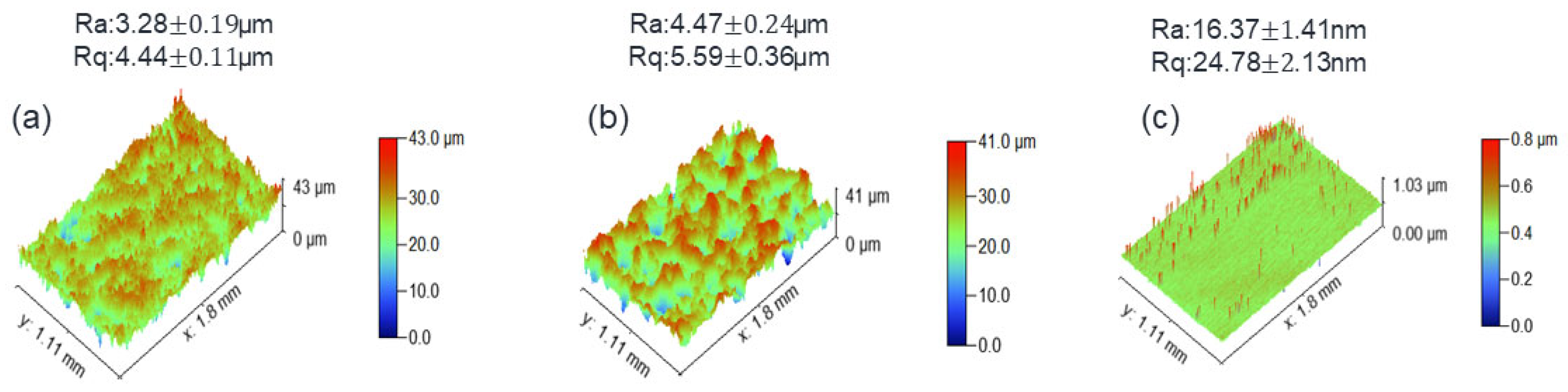
The impact of shot peening on the three-dimensional (3D) surface morphology of the specimens is illustrated in Figure 2. As shown in Figure 2a, the as-built specimen surface exhibits regular traces of laser powder bed fusion, characterized by significant balling effects and powder adhesion. These features result in a pronounced topographic fluctuation, with a maximum peak-to-valley height difference of approximately 43.0 μm. Following the shot peening treatment (Figure 2b), the original morphological traces are largely eradicated and replaced by a high density of stochastically distributed plastic deformation dimples caused by the high-energy media impact. This intense surface reshaping further exacerbates the topographic irregularities, leading to an increase in the arithmetic mean roughness (Ra) from 3.28 ± 0.19 μm in the as-built state to 4.47 ± 0.24 um.
The effect of the subsequent precision polishing process on the surface morphology is presented in Figure 2c. It is evident that polishing completely eliminates the structural defects from the initial printing stage and the impact craters induced by shot peening, resulting in an exceptionally smooth surface topography where the previous drastic fluctuations are entirely neutralized. The height scale indicates that the surface variations are reduced to within 0.8 μm. Consequently, the arithmetic mean roughness (Ra) undergoes a magnitude-level reduction from the micrometer scale to the nanometer scale, reaching a value of 15.88 ± 1.41 nm, with a corresponding root-mean-square roughness ( R q ) of 24.03 ± 2.13 nm. This processing step was specifically implemented to eliminate initial topographic discrepancies, thereby ensuring consistent surface boundary conditions for the subsequent tribological experiments.
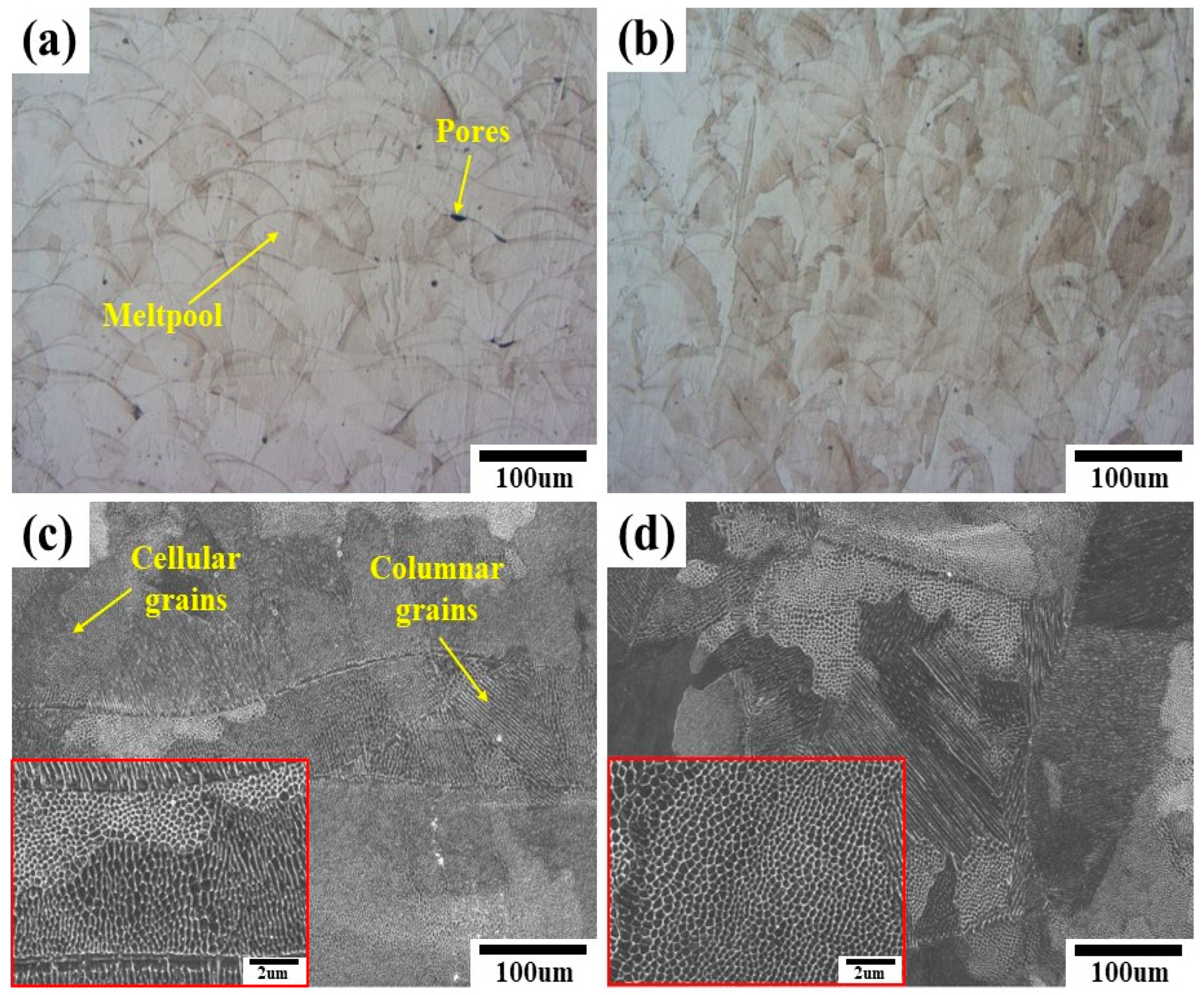
Figure 3 presents the microstructural characteristics of the Selective Laser Melting (SLM) specimens (labeled “SLM”) and the shot-peened (SP) specimens (labeled “SP”).
As shown in Figure 3a, the SLM specimen exhibits a layered structure typical of the SLM process. The 316L stainless steel powder within the fusion zone was almost completely melted, and the overlapping laser tracks formed semi-circular arc-shaped melt pools with relatively uniform sizes and distinct boundaries. Adjacent melt pools maintained a certain overlap ratio in both vertical and horizontal directions, ensuring the high density of the specimen. Since the laser heat source was primarily concentrated within the melt pool, a large temperature gradient existed at the pool edges. Consequently, pores or lack-of-fusion defects with sizes of approximately 10–30 μm were observed at the melt pool boundaries (as shown in Figure 3a,c). The high-magnification SEM image (Figure 3c) reveals that grains within the melt pool grew along the building direction, exhibiting typical cellular and columnar structural characteristics. Distinct columnar grains were observed along the melt pool track boundaries, growing parallel to the thermal gradient direction. This structural feature primarily originated from the non-equilibrium solidification conditions induced by the extremely high heating and cooling rates of the SLM process [21,22].
After shot peening (Figure 3b), the induced plastic deformation led to grain refinement and blurred the melt pool boundaries in the near-surface region. Although the layered structure was not completely eliminated, the exposure of local defects was effectively reduced, resulting in a more uniform surface microstructure. The high-magnification image (Figure 3d) further reveals large parallel columnar grains with different orientations in the SP specimen. Fine dendritic sub-structures are visible within these grains, which are parallel to the heat flow direction and point toward the center of the melt pool.
Comparing Figure 3c (SLM) and Figure 3d (SP), it is evident that the original microstructure of the SLM specimen was composed of coarse cellular and columnar grains. Although the outlines of cellular and columnar crystals were still discernible after SP treatment (Figure 3d), combined with Figure 4a,b, it can be inferred that the high-strain plastic deformation fragmented the originally coarse cellular/columnar grains of the SLM specimen into finer grains, thereby achieving grain refinement.
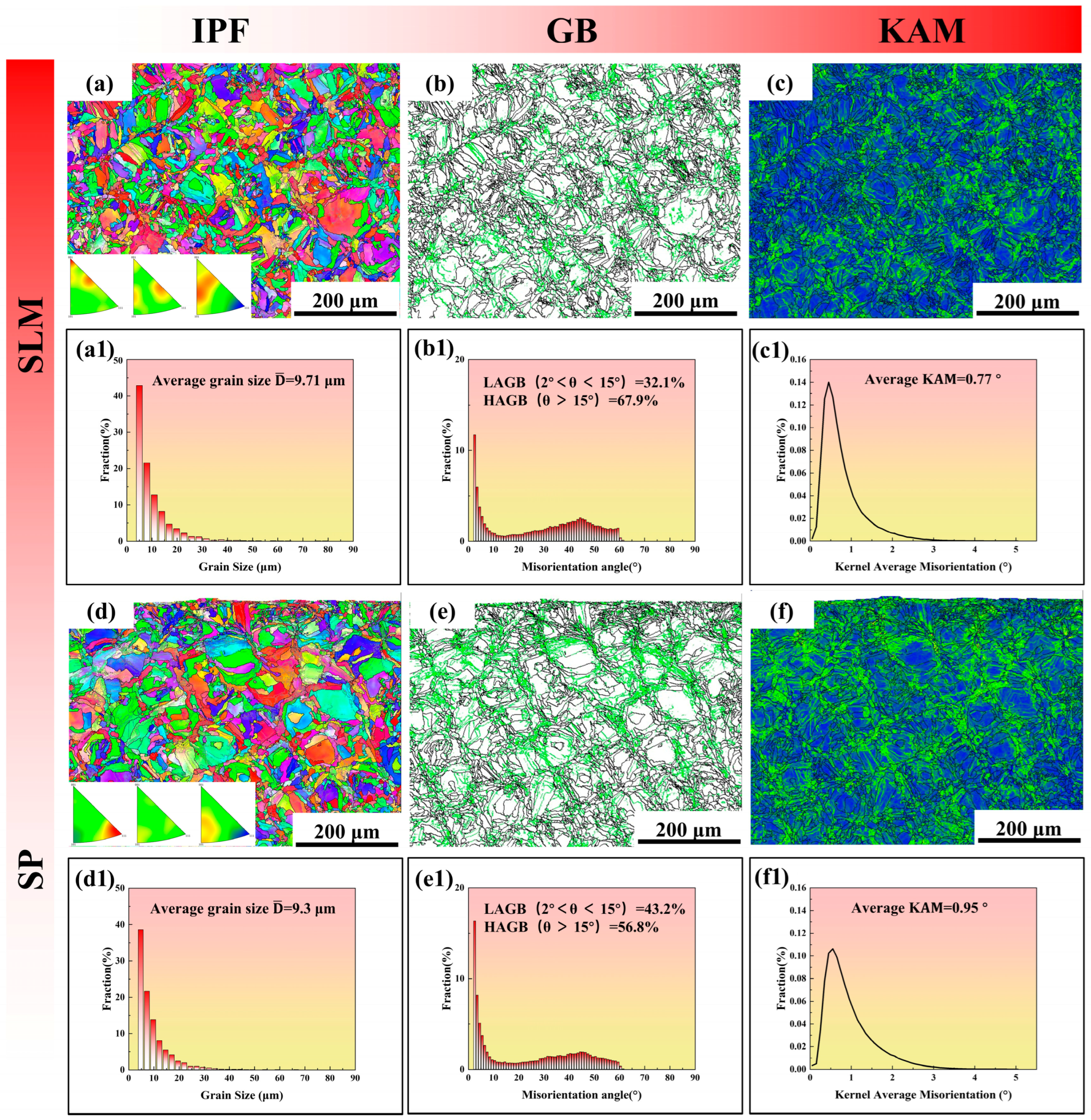
Figure 4 illustrates the inverse pole figure (IPF), grain boundary (GB), and kernel average misorientation (KAM) maps of the SLM 316L stainless steel before and after shot peening (SP). The IPF maps (Figure 4a,d) demonstrate a distinct surface grain refinement induced by the SP process; quantitative analysis shows that the average grain size decreased from 9.71 μm in the as-built state to 9.3 μm post-treatment (Figure 4(a1,d1)). This refinement is primarily ascribed to severe surface plastic deformation under high-strain-rate mechanical impact, which drives lattice rotation and grain fragmentation. Simultaneously, the grain boundary characteristics underwent significant restructuring (Figure 4b,e). The fraction of low-angle grain boundaries (LAGBs, 2 < θ < 15 ) rose from 32.1% in the as-built specimen to 42.3% after SP (Figure 4(b1,e1)). This transition is governed by dislocation dynamics, where high-density dislocations slip and pile up into walls, eventually evolving into sub-grain boundaries under intense plastic strain.
Furthermore, the KAM maps (Figure 4c,f) and the corresponding quantitative distributions (Figure 4(c1,f1)) characterize the local lattice distortion and the density of geometrically necessary dislocations (GNDs). The average KAM value increased from 0.77° for the SLM specimen to 0.95° for the SP specimen. This increase objectively reflects the intensified lattice distortion and elevated local strain within the peened surface layer. In the deformation zone, the rapid multiplication and entanglement of dislocations lead to pronounced micro-stress concentration and increased lattice curvature. This observation is consistent with the general laws of SP-induced plastic deformation [23,24].

3.2. Residual Stress and Microhardness Analysis

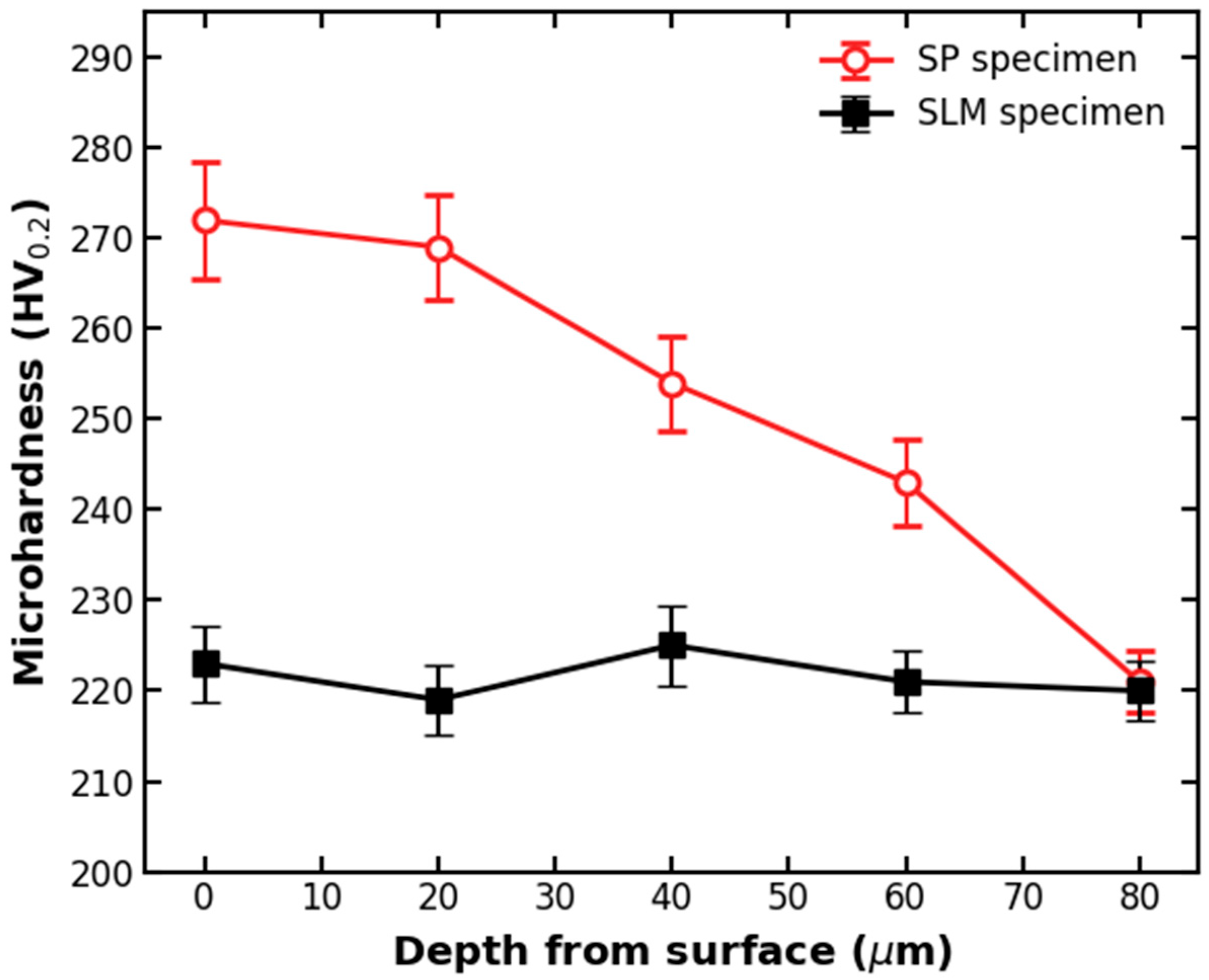
Figure 5 illustrates the depth-dependent microhardness (HV0.2) profiles for both SLM and SP specimens. The as-printed SLM specimen exhibits a remarkably stable hardness distribution, fluctuating minimally between 215 and 225 HV0.2. In contrast, SP treatment induces a pronounced hardness gradient that attenuates from the surface toward the interior. The surface hardness reaches a peak of 272 HV0.2, representing a 21.97% enhancement relative to the matrix. This distribution pattern aligns with the “surface nanocrystalline layer hardness peak effect” reported by Liverani et al. [25,26], where the maximum hardening is localized within the ultra-fine grained surface layer and subsequently diminishes as the microstructure transitions back to the matrix. The increased standard deviation observed near the surface further reflects the localized strain heterogeneity and topographic fluctuations characteristic of high-energy impact zones. Hardness values decrease monotonically with depth, eventually converging to the matrix baseline (~223 HV0.2) at 80 μm. This effective hardening depth closely correlates with the thickness of the fine-grained layer identified via EBSD, confirming that the hardness increment is a direct macroscopic manifestation of grain refinement and high-density dislocation networks.
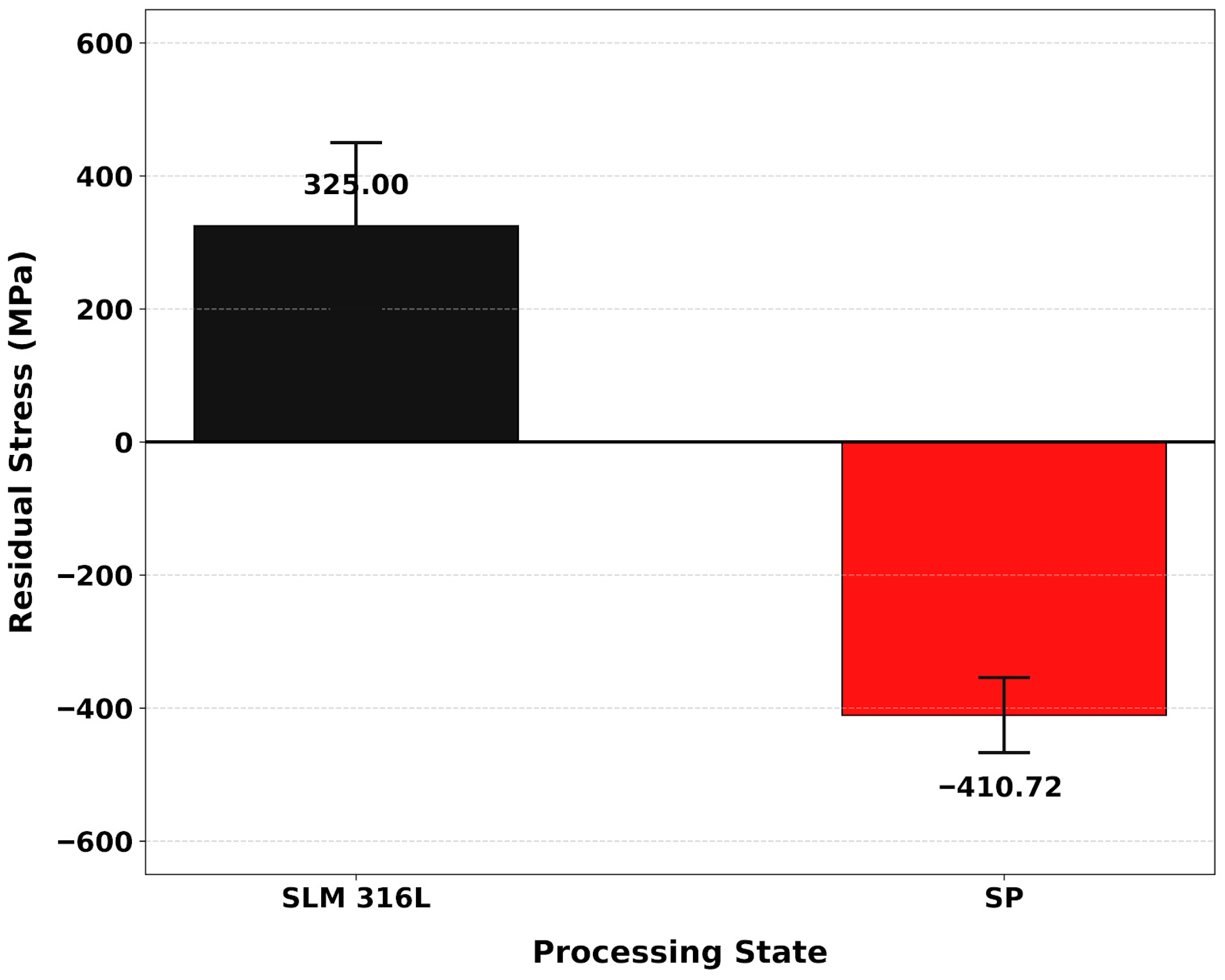
The impact of shot peening on surface residual stress is depicted in Figure 6. SLM 316L specimens exhibit pronounced residual tensile stress ( 325.0 ± 125.0 MPa) due to the constrained thermal shrinkage during rapid solidification cycles. Following shot peening, a fundamental reversal in the stress state is observed, with the surface reaching a high-magnitude compressive residual stress of −410.72 ± 56.45 MPa. This transition is attributed to the severe plastic deformation induced by high-velocity media impact, where the mismatched constraints between the refined surface layer and the underlying bulk material facilitate the reconstruction of a stable compressive stress field. Such a shift from tensile to compressive stress is critical for offsetting external loading and suppressing crack initiation.

3.3. Analysis of Friction and Wear Performance

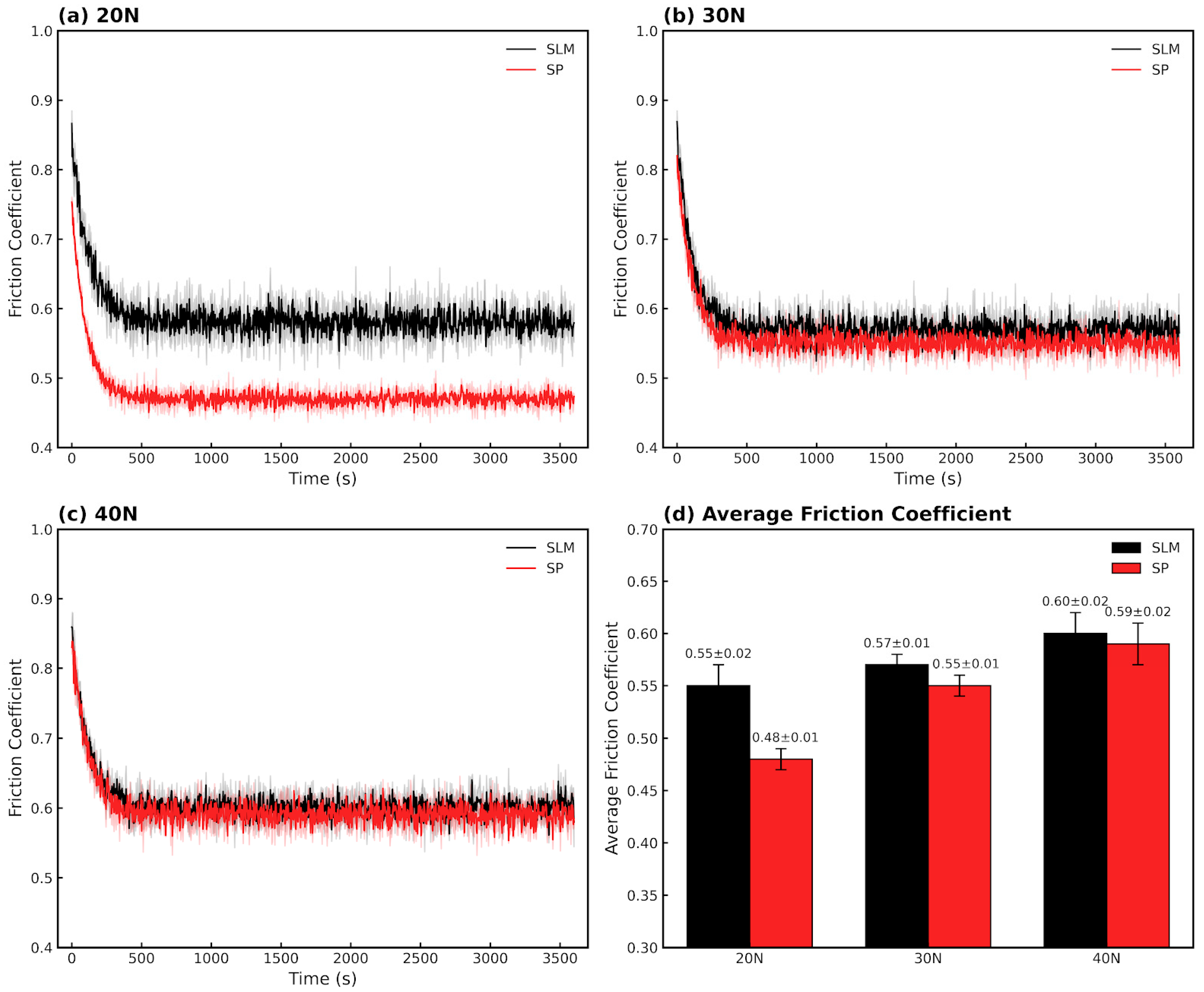
Figure 7 presents the evolution of the coefficient of friction (COF) for SLM and SP specimens under varying normal loads (20, 30, and 40 N). Each curve and data point represents the mean value derived from three independent tribological tests, with error bars indicating the standard deviation to ensure statistical reproducibility.
Figure 7 illustrates the tribological response of the SLM and SP specimens under varying normal loads (20 N, 30 N, and 40 N). All tests were performed in triplicate to ensure statistical reproducibility, with the dynamic curves and summary data points representing the mean ± standard deviation. At a low load of 20 N (Figure 7a), the SP specimen exhibits a markedly lower coefficient of friction (COF) and superior oscillation stability compared to its SLM counterpart. During the initial running-in period (0–100 s), the COF of the SLM specimen drops sharply from 0.8 to 0.6, a transition driven by the rapid shearing of surface asperities and the dynamic evolution of the real contact area. In the subsequent steady-state phase (100–3500 s), the SLM curve fluctuates significantly between 0.63 and 0.7, reflecting the uneven interfacial interactions caused by the inherent microstructural heterogeneity of the as-printed surface. In contrast, the SP specimen demonstrates a smoother running-in transition and a stable, steady-state COF of approximately 0.5. This enhancement is primarily attributed to the synergistic effect of the SP-induced hardened layer (~272 HV0.2) and residual compressive stresses, which collectively enhance the deformation resistance and effectively inhibit micro-crack initiation and propagation. However, as the normal load increases to 30 N and 40 N (Figure 7b,c), the COF profiles of the two specimens tend to converge. The elevated contact stresses at these higher loads likely promote the relaxation of residual compressive stresses within the SP layer, diminishing its capacity to retard crack evolution. Simultaneously, severe mechanical wear accelerates the removal of the fine-grained hardened microstructure, while the accompanying frictional heat induces localized thermal softening, further negating the benefits of surface strengthening. Consequently, the tribological advantages provided by the SP treatment are significantly diminished under high-load conditions. The average COF values across all conditions are summarized in Figure 7d, ranging primarily between 0.46 and 0.59. Statistical analysis confirms that the friction-reducing effect of SP is only significant at the 20 N load level (p < 0.05). At 30 N and 40 N, no statistically significant difference is observed between the two groups. This suggests that the ability of the SP-induced hardened layer to inhibit macro-plastic deformation is constrained by an external load threshold; under high-load conditions, the overall tribological behavior is dominated by the shear strength of the bulk material rather than the surface modification state.

3.4. Analysis of Wear Morphology and Profiles

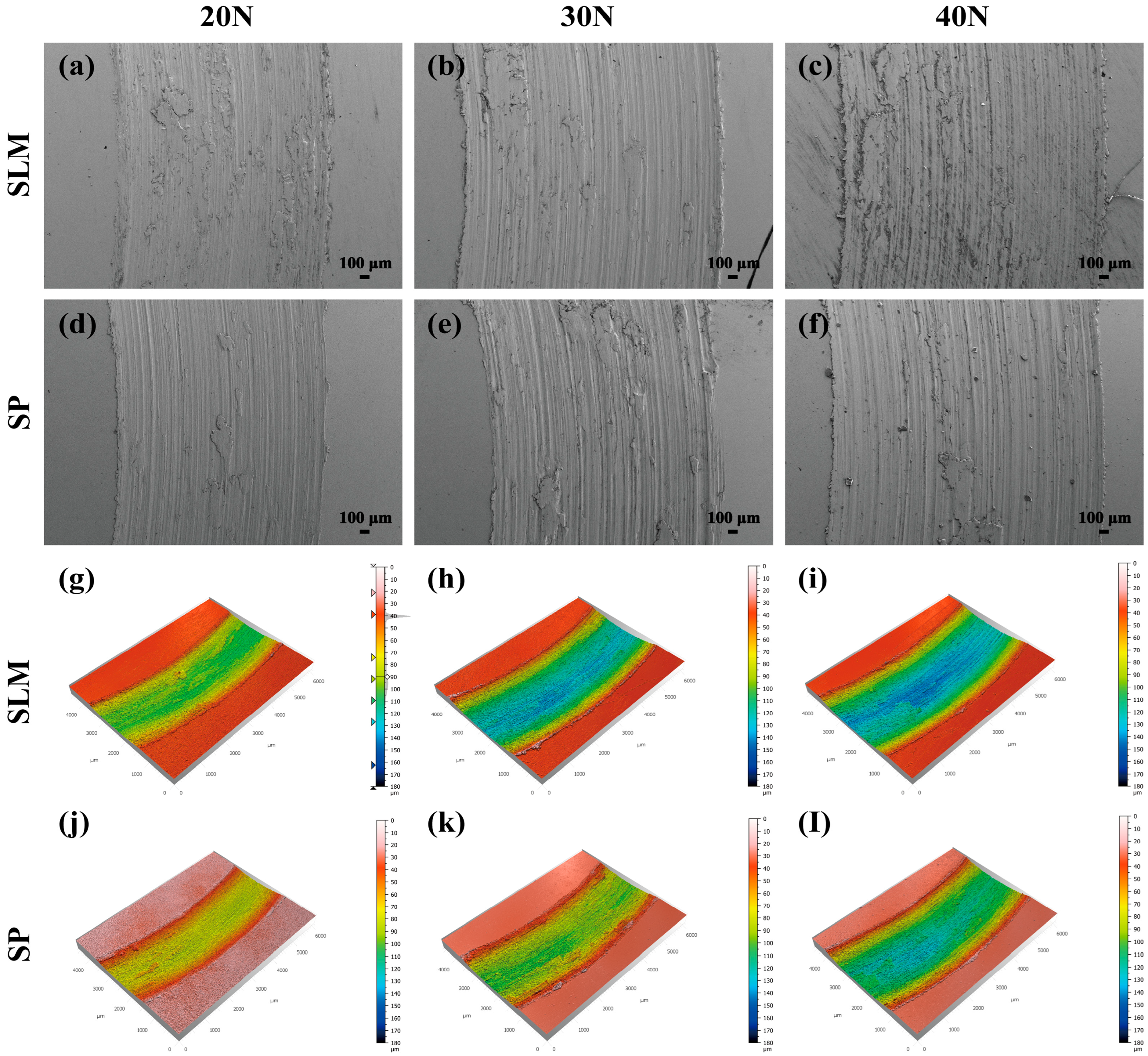
Figure 8 illustrates the worn surface morphologies (Figure 8a,f) and three-dimensional (3D) wear profiles (Figure 8g,l) of the SLM and SP specimens. As depicted in the 3D profiles, the wear tracks for both specimens exhibit a characteristic “U”-shaped cross-section, accompanied by distinct material pile-up at the track edges. This phenomenon is a direct consequence of plastic extrusion, where the normal load exceeds the yield strength of the local material, forcing it to migrate laterally from the contact center.
The tribological behavior is significantly governed by the interplay between the applied load and the surface state. As the normal load increases from 20 N to 40 N, the wear severity intensifies for both groups. Morphologically, the shallow and narrow scratches observed at 20 N evolve into significantly deeper and wider plowing grooves at 40 N. Correspondingly, the 3D profiles reveal a continuous increase in wear depth for both SLM (Figure 8g,i) and SP (Figure 8j,l). This trend is attributed to the elevated contact stress under higher loads, which intensifies abrasive cutting and plastic deformation, thereby accelerating surface damage and material delamination.
Under identical loading conditions, the SP specimens demonstrate superior wear resistance and stability compared to the SLM specimens. While the SLM surfaces exhibit extensive and continuous plowing grooves (Figure 8a,c), the SP surfaces maintain a relatively smoother topography with shallower scratches (Figure 8d,f). This improvement is primarily attributed to the SP-induced grain refinement and high dislocation density (as evidenced by the KAM maps in Figure 4), which effectively enhances the surface hardness (Figure 5) and resistance to abrasive cutting.
The 3D profiles further highlight a critical difference in wear stability. The wear depth of the SP specimens follows a regular gradient change (Figure 8j,l), indicating a uniform material removal process facilitated by the refined microstructure. In contrast, the SLM specimens display greater dispersion in wear depth, notably characterized by localized deep pits and irregular fluctuations at 30 N (Figure 8h). This suggests that the gradient-hardened layer of the SP specimen effectively distributes the contact load and inhibits uneven wear. Conversely, the inherent microstructural heterogeneity and potential sub-surface defects in the as-printed SLM specimens induce stress concentration, leading to abnormal localized damage when the load threshold is exceeded.
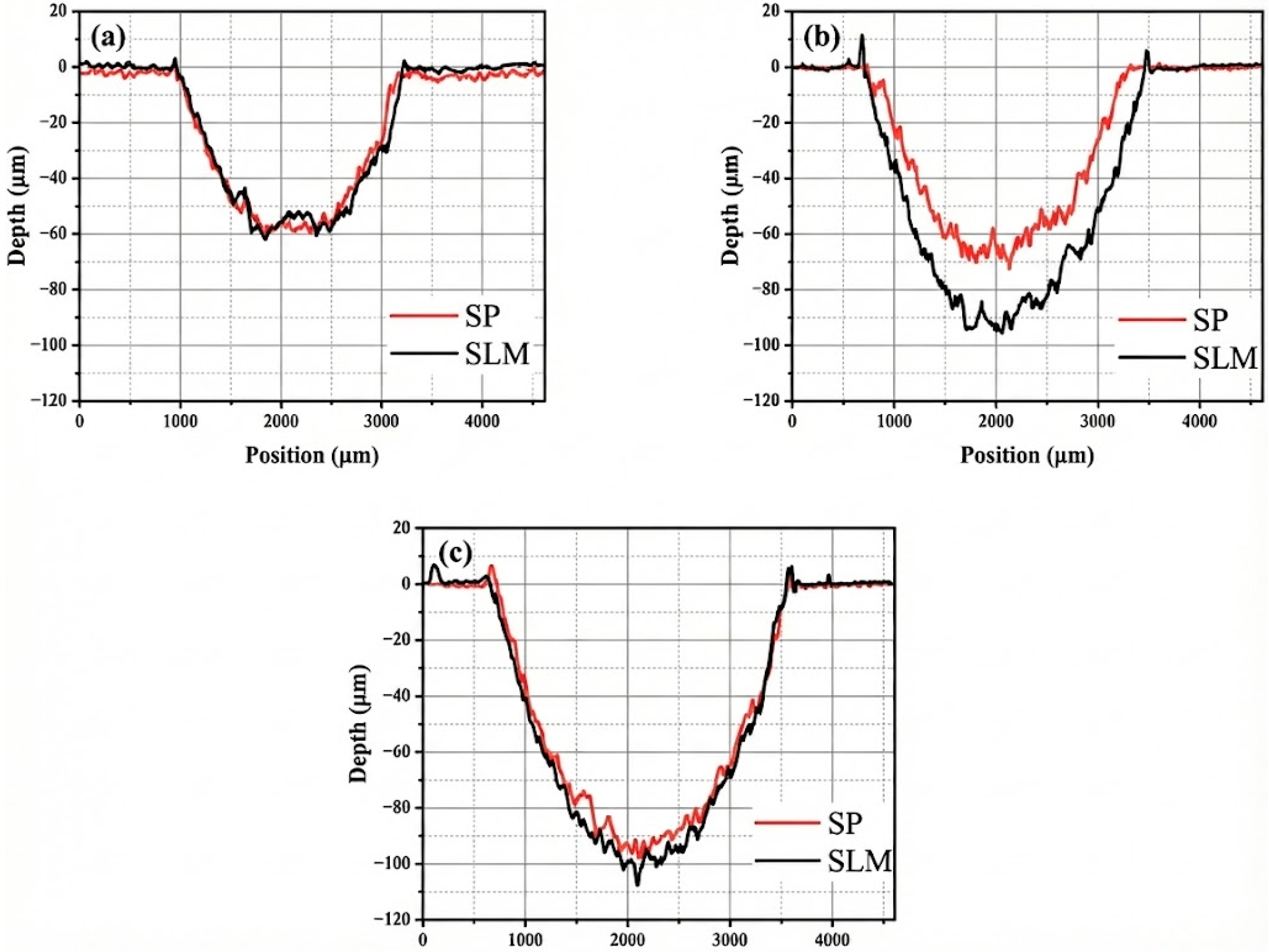
Cross-sectional profiles were extracted from the 3D wear topographies. As shown in Figure 9, the maximum wear scar depths of the SLM samples under different loads were 62.60 μm, 97.05 μm, and 110.08 μm, respectively. In contrast, the depths for the shot-peened (SP) samples were 58.67 μm, 73.83 μm, and 100.53 μm. These results indicate that the wear depth of the SP samples was significantly reduced.
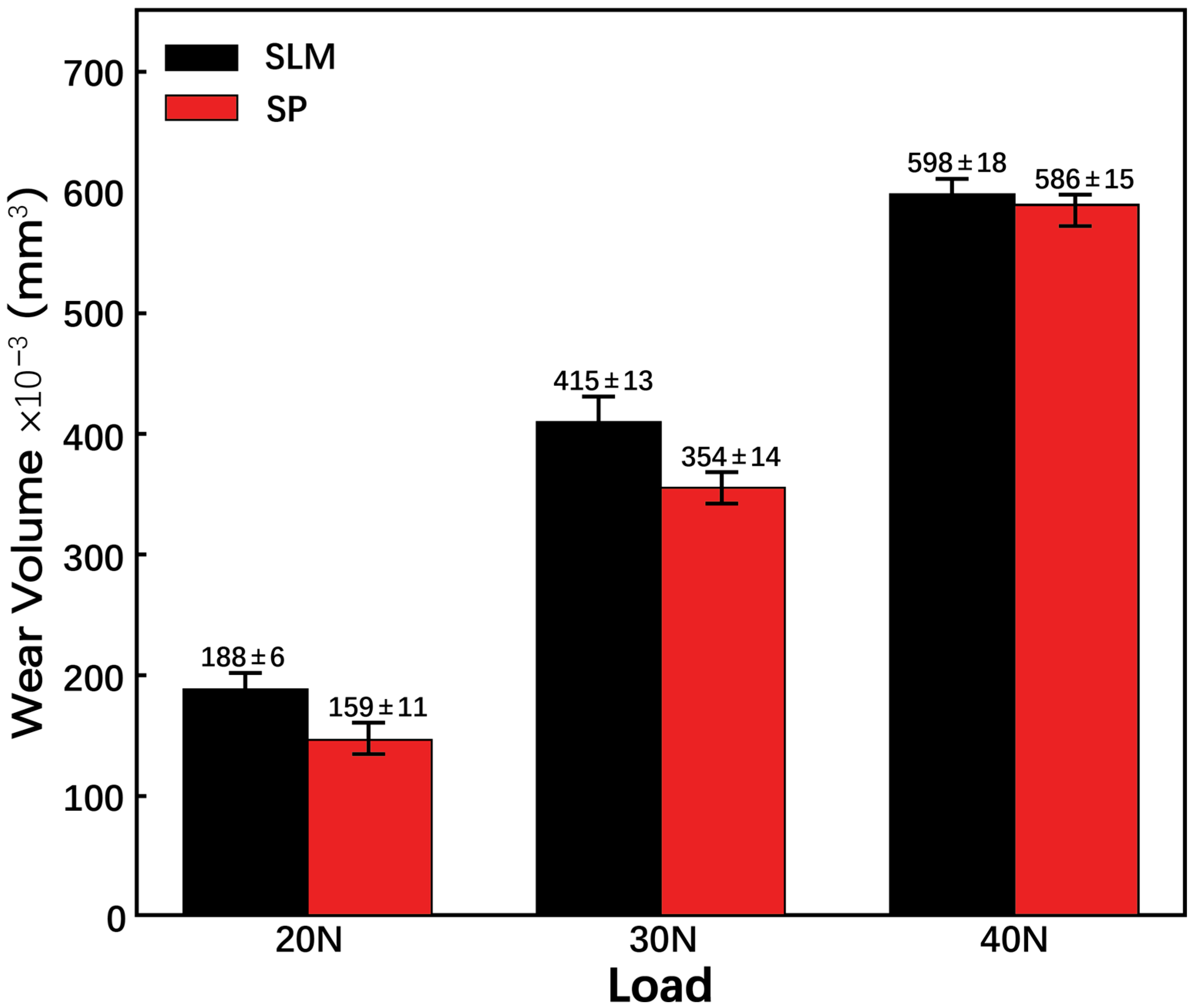
Figure 10 illustrates the wear volumes of the SLM and SP specimens under various loads, calculated based on their 3D wear morphologies. The results indicate that the wear volume for both specimen types increases significantly with increasing load, exhibiting a positive correlation.
Under loads of 20 N and 30 N, the wear volume of the SP specimens was reduced by 15.3% and 14.9%, respectively, compared to the SLM specimens. This significant reduction demonstrates that shot peening effectively improves the wear resistance of the specimens.
However, when the load increased to 40 N, the difference in wear volume between the two specimens became insignificant. This is attributed to the fact that at high loads, the dominant wear mechanisms (severe plastic deformation, delamination, and adhesive wear) depend more on the properties of the material matrix, thereby diminishing the surface modification effects induced by shot peening.

4. Discussion

4.1. Strengthening Mechanisms and Low-Load Stability

The superior tribological stability of the SP specimens under a low load of 20 N is primarily attributed to the gradient microstructural reinforcement. The shot peening process induces intense plastic deformation, leading to significant grain refinement and a high density of low-angle grain boundaries (LAGBs, 43.2%) and geometrically necessary dislocations (GNDs), as evidenced by the elevated KAM values. This microstructural evolution directly results in a surface hardness of 272 ± HV0.2, representing an approximately 22% increase compared to the as-printed SLM matrix (223 ± HV0.2) [27,28].
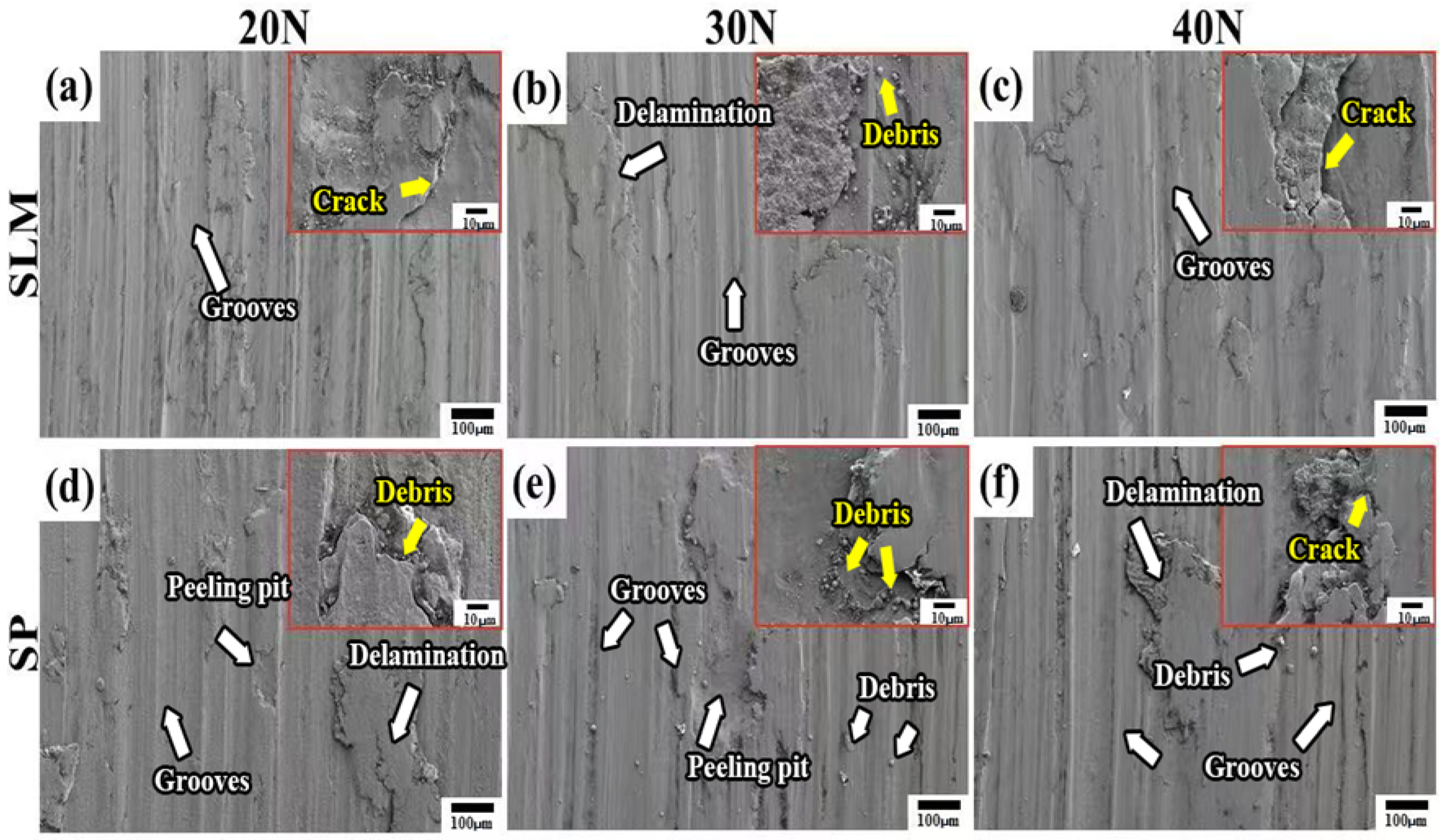
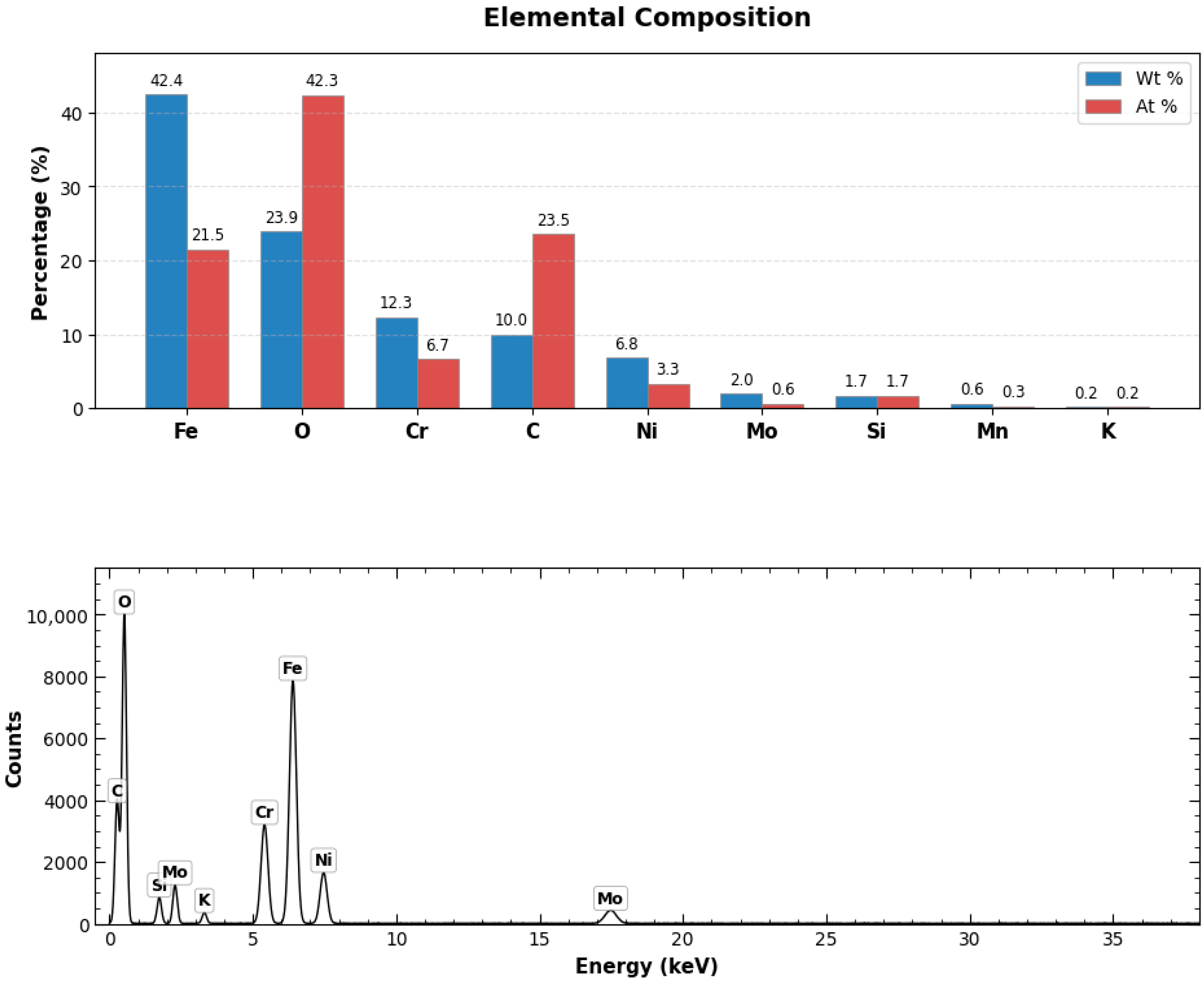
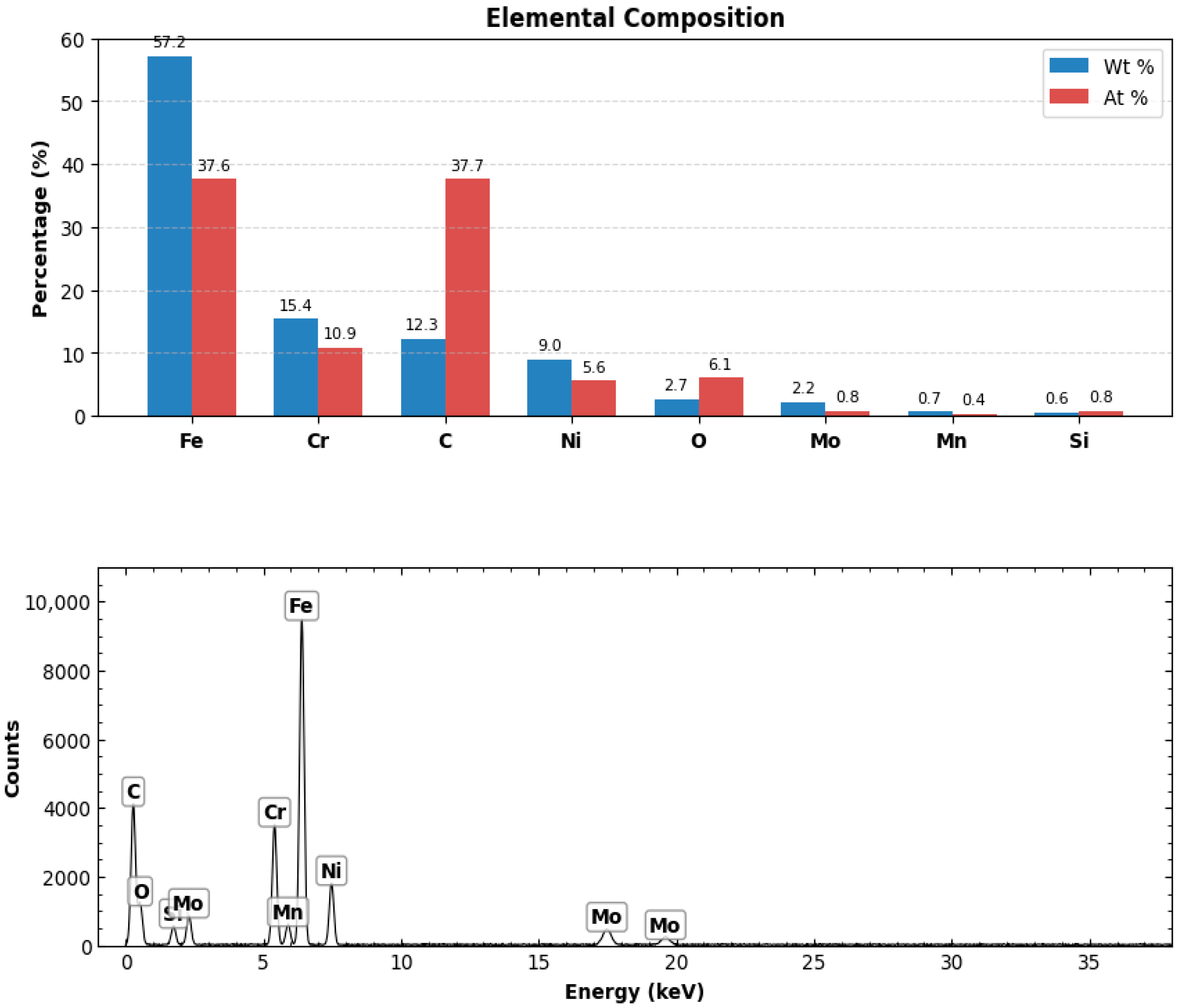
Under the 20 N load (Figure 11a,d), this enhanced hardness effectively reduces the real contact area and limits the penetration depth of the Si3N4 counterface. Such high deformation resistance suppresses the severe plastic flow and frictional heat accumulation observed in the SLM specimens, thereby maintaining a minimal oxidation level (2.7% O) compared to the severe oxidative wear (24.01% O) characteristic of the un-peened surface (Figure 12). Furthermore, the SP-induced residual compressive stresses act as a beneficial stress field that offsets the tensile components generated during sliding, effectively retarding micro-crack initiation.

4.2. Quantitative Analysis of the Mechanical Performance Threshold

As the normal load increases, the mechanical integrity of the SP layer faces a critical challenge. To determine the physical origin of the performance convergence at 40 N, a quantitative analysis based on the Hertzian contact model was conducted. For the Si3N4 ball-on-disk configuration, the equivalent elastic modulus is determined as E* 130 GPa. The maximum contact stress (Pmax) and the subsurface maximum shear stress ( τ max) are calculated as follows:
1 E * = 1 ν 1 2 E 1 + 1 ν 2 2 E 2   τ m a x 0.31 P m a x = 0.31 3 F 2 π a 2
At 40 N (Figure 11c,f), the calculated τ max reaches 458 MPa. Based on the Tresca yield criterion
τ c r i t i c a l σ y / 2 H 6
The shear yield threshold for the SP hardened layer (272 HV) is estimated at 444 MPa, while the SLM matrix (223 HV) is significantly lower at approximately 364 MPa. The fact that the induced shear stress at 40 N (458 MPa) exceeds the mechanical capacity of even the SP-strengthened layer (444 MPa) explains the observed mechanical instability. At this threshold, the subsurface material undergoes widespread plastic flow, and the gradient hardened layer can no longer be effectively supported by the bulk matrix, leading to the convergence of the friction coefficient values between the two groups.

4.3. Transition of Wear Mechanisms and Topographic Failure

The transition from 20 N to 40 N marks a fundamental shift in the failure mode. While SP successfully inhibits large-scale delamination at lower loads, the high contact pressure at 40 N induces a specific “topographic failure mechanism”.
Despite initial polishing, the severe subsurface plastic deformation at 40 N causes localized micro-ridges or fluctuations on the SP surface. These plastic-flow-induced asperities become sites of intense stress concentration where the local Hertzian stress surpasses the material’s fracture toughness. This results in the preferential fracture and detachment of material “peaks,” as observed in the 3D wear profiles (Figure 8). Furthermore, the extreme pressure at 40 N likely accelerates stress relaxation, where the beneficial residual compressive stresses are dissipated by the cumulative plastic strain. Consequently, the tribological behavior at high loads is dominated by the shear strength of the bulk 316L material and the localized fatigue of the hardened layer, rather than the initial surface modification state [29].

5. Conclusions

This study systematically investigated the effects of shot peening (SP) on the microstructure, microhardness, and tribological properties of 316L stainless steel fabricated by selective laser melting (SLM). Based on comprehensive microstructural characterization and tribological testing, the following conclusions can be drawn:
Microstructural Evolution: Shot peening induced severe plastic deformation (SPD) in the surface layer, effectively refining the inherent coarse columnar grains and melt pool structures of the SLM parts. This process resulted in the formation of a gradient nanocrystalline layer with a depth of approximately 70–80 μm. Furthermore, SP introduced high-magnitude residual compressive stresses, homogenized the distribution of crystal defects, and induced a transition in grain orientation from a random distribution to local crystallographic texturing.
Strengthening Effect under Low-to-Medium Loads: Attributed to the surface microstructural optimization, the microhardness of the SP specimens increased by 17.18% compared to the as-built SLM specimens. Under low-to-medium loads (20 N and 30 N), the SP specimens exhibited superior wear resistance. Specifically, at 20 N, the coefficient of friction (COF) and wear rate decreased by 16.36% and 17.09%, respectively; at 30 N, they decreased by 12.4% and 14.9%, respectively. These results indicate that SP significantly enhances resistance to plastic deformation and crack initiation. The dominant wear mechanisms in this regime were identified as mild abrasive wear (plowing) and local adhesive wear.
Failure Mechanism under High Loads: When the load increased to 40 N, the tribological benefits of SP were negated by excessive contact stresses and frictional heat. Notably, the surface roughness induced by SP became a detrimental factor; stress concentrations at the ridges of peening dimples triggered localized fracturing and detachment. Consequently, the failure mode shifted to a combination of thermally induced adhesive wear and severe delamination driven by both topographic stress risers and substrate yielding.
Engineering Significance: This work confirms that shot peening is an effective strategy for enhancing the wear resistance of SLM 316L stainless steel under low-to-medium load conditions, providing a theoretical basis for surface performance tailoring of additively manufactured components. Future research could focus on optimizing SP parameters or developing composite surface modification techniques to further expand the application of SLM technology in high-performance wear-resistant components.

Author Contributions

Conceptualization, H.L.; methodology, H.L.; validation, Y.W. formal analysis, Y.W.; investigation, H.L.; resources, Y.W.; data curation, Y.W.; writing—original draft preparation, Y.W.; writing—review and editing, Y.W.; visualization, H.L.; supervision, H.L.; project administration, H.L.; funding acquisition, H.L. All authors have read and agreed to the published version of the manuscript.

Funding

This research was funded by the Hainan Provincial Natural Science Foundation (RZ2100006231).

Data Availability Statement

The original contributions presented in this study are included in the article. Further inquiries can be directed to the corresponding author.

Acknowledgments

During the preparation of this manuscript, the authors used Origin 2023 for creating scientific graphics. The authors have reviewed and edited the output and take full responsibility for the content of this publication.

Conflicts of Interest

The authors declare no conflict of interest.

References

  1. Wei, Y.; Chen, G.; Li, W.; Zhou, Y.; Nie, Z.; Xu, J.; Zhou, W. Micro selective laser melting of SS316L: Single tracks, defects, microstructures and thermal/mechanical properties. Opt. Laser Technol. 2022, 145, 107469. [Google Scholar] [CrossRef]
  2. Xiong, W.; Hao, L.; Li, Y.; Tang, D.; Cui, Q.; Feng, Z.; Yan, C. Effect of selective laser melting parameters on morphology, microstructure, densification and mechanical properties of supersaturated silver alloy. Mater. Des. 2019, 170, 107697. [Google Scholar] [CrossRef]
  3. Jafari, D.; van Alphen, K.J.H.; Geurts, B.J.; Wits, W.W.; Gonzalez, L.C.; Vaneker, T.H.; Rahman, N.U.; Römer, G.W.; Gibson, I. Porous materials additively manufactured at low energy: Single-layer manufacturing and characterization. Mater. Des. 2020, 191, 108654. [Google Scholar] [CrossRef]
  4. Shin, W.S.; Son, B.; Song, W.; Sohn, H.; Jang, H.; Kim, Y.-J.; Park, C. Heat treatment effect on the microstructure, mechanical properties, and wear behaviors of stainless steel 316L prepared via selective laser melting. Mater. Sci. Eng. A 2021, 806, 140805. [Google Scholar] [CrossRef]
  5. Chang, C.; Yue, S.; Li, W.; Lu, L.; Yan, X. Study on microstructure and tribological behavior of the selective laser melted MgZnCa alloy. Mater. Lett. 2022, 309, 2–5. [Google Scholar] [CrossRef]
  6. Stopyra, W.; Gruber, K.; Smolina, I.; Kurzynowski, T.; Kuźnicka, B. Laser powder bed fusion of AA7075 alloy: Influence of process parameters on porosity and hot cracking. Addit. Manuf. 2020, 35, 101373. [Google Scholar] [CrossRef]
  7. Altmann, M.L.; Knoop, D.; Hantzsche, K.; Toenjes, A. Impact of in-situ heat treatment during additive manufacturing of Ti-6Al-4V on the microstructure and mechanical properties after hot-isostatic pressing. Mater. Today Commun. 2025, 46, 112734. [Google Scholar] [CrossRef]
  8. Teng, X.Y.; Pang, J.C.; Peng, X.H.; Zhang, H.; Li, S.X.; Zhang, Z.F. High-cycle fatigue properties of near-defect-free titanium alloy treated by additive manufacturing and hot-isostatic pressing at different temperatures. Int. J. Fatigue 2026, 203, 109311. [Google Scholar] [CrossRef]
  9. Suárez Ocaño, P.; Ávila Calderón, L.A.; Agudo Jácome, L.; Rehmer, B.; Mohr, G.; Evans, A.; Skrotzki, B. Effect of 700–900 °C heat treatments and room and high temperature tensile deformation on the microstructure of laser powder bed fused 316L stainless steel. Mater. Sci. Eng. A 2025, 939, 148469. [Google Scholar] [CrossRef]
  10. Duval-Chaneac, M.S.; Gao, N.; Khan, R.H.U.; Giles, M.; Georgilas, K. Effect of heat treatment on fatigue crack growth in IN718/316L multiple-materials layered structures fabricated by laser powder bed fusion. Int. J. Fatigue 2022, 160, 106852. [Google Scholar] [CrossRef]
  11. Li, C.; Liu, D.; Liu, G.; Liu, S.; Jin, X.; Bai, Y. Surface characteristics enhancement and morphology evolution of selective-laser-melting (SLM) fabricated stainless steel 316L by laser polishing. Opt. Laser Technol. 2023, 162, 109246. [Google Scholar] [CrossRef]
  12. Zhang, S.; Jiang, R.; Qin, X.; Ouyang, W.; Wang, Z.; Wang, R. Investigations of the hybrid laser polishing and high-temperature tribological properties of the 316L stainless steel formed by selective laser melting. Tribol. Int. 2024, 200, 110152. [Google Scholar] [CrossRef]
  13. Zhang, Y.; Peng, L.; Wang, Y.; Ye, C. Improving surface integrity and wear resistance of selective laser melted 316L stainless steel using ultrasonic nanocrystal surface modification. In Procedia CIRP, Proceedings of the 7th CIRP Conference on Surface Integrity, Bremen, Germany, 15–17 May 2024; Elsevier: Amsterdam, The Netherlands, 2024; Volume 123, pp. 481–486. [Google Scholar] [CrossRef]
  14. Portella, Q.; Chemkhi, M.; Retraint, D. Influence of Surface Mechanical Attrition Treatment (SMAT) post-treatment on microstructural, mechanical and tensile behaviour of additive manufactured AISI 316L. Mater. Charact. 2020, 167, 110463. [Google Scholar] [CrossRef]
  15. Pour-Ali, S.; Mahdavi, S.; Moradi, S.; Tavangar, R. Effect of high-energy shot peening on the corrosion behavior and chloride threshold concentration of AISI 316L stainless steel rebar in simulated concrete pore solution. J. Mater. Res. Technol. 2024, 30, 2051–2063. [Google Scholar] [CrossRef]
  16. Wu, J.; Wei, P.; Liu, H.; Zhang, X.; He, Z.; Deng, G. Evaluation of pre-shot peening on improvement of carburizing heat treatment of AISI 9310 gear steel. J. Mater. Res. Technol. 2022, 18, 2784–2796. [Google Scholar] [CrossRef]
  17. Zhao, W.; Li, C.; Lin, T.; Gao, J.; Si, X.; Qi, J.; Dai, X.; Cao, J. Low-temperature diffusion bonding of Ti6Al4V alloy via nanocrystallization and hydrogenation surface treatment. J. Mater. Res. Technol. 2023, 24, 7599–7613. [Google Scholar] [CrossRef]
  18. Shen, M.-X.; Rong, K.-J.; Liu, D.-J.; Zhu, Y.-Y.; Yan, X.-L.; Chen, C. Anti-Corrosion and Corrosive Wear Properties of AISI 316L Stainless Steel with Surface Nanocrystallization by Surface Mechanical Rolling Treatment. Surf. Topogr. Metrol. Prop. 2020, 8, 035009. [Google Scholar] [CrossRef]
  19. Zhang, Z.-M.; Meng, F.-Y.; Hou, J.-Y.; Zhang, Y.-Y. Research on Friction and Wear Properties of 316L Stainless Steel and PEEK under Water Lubrication. Lubr. Seal. 2017, 42, 20–23+134. (In Chinese) [Google Scholar]
  20. Anand, A.; Nayak, C.; Mäkilä, E.; Que, Z.; Piili, H.; Goel, S.; Salminen, A.; Ganvir, A. Tribocorrosion Behavior of Nickel-Free Duplex and 316L Stainless Steels Fabricated by Laser Powder Bed Fusion in Artificial Seawater. J. Mater. Res. Technol. 2025, 38, 2197–2211. [Google Scholar] [CrossRef]
  21. Bakhtiarian, M.; Omidvar, H.; Mashhuriazar, A.; Sajuri, Z.; Gur, C.H. The effects of SLM process parameters on the relative density and hardness of austenitic stainless steel 316L. J. Mater. Res. Technol. 2024, 29, 1616–1629. [Google Scholar] [CrossRef]
  22. Azar, V.; Hashemi, B.; Yazdi, M.R. The effect of shot peening on fatigue and corrosion behavior of 316L stainless steel in Ringer’s solution. Surf. Coat. Technol. 2010, 204, 3546–3551. [Google Scholar] [CrossRef]
  23. Liu, J.; Song, Y.; Chen, C.; Wang, X.; Li, H.; Zhou, C.; Wang, J.; Guo, K.; Sun, J. Effect of scanning speed on the microstructure and mechanical behavior of 316L stainless steel fabricated by selective laser melting. Mater. Des. 2020, 186, 108355. [Google Scholar] [CrossRef]
  24. Liu, Y.; Zhang, M.; Shi, W.; Ma, Y.; Yang, J. Study on performance optimization of 316L stainless steel parts by High-Efficiency Selective Laser Melting. Opt. Laser Technol. 2021, 138, 106872. [Google Scholar] [CrossRef]
  25. Liverani, E.; Toschi, S.; Ceschini, L.; Fortunato, A. Effect of selective laser melting (SLM) process parameters on microstructure and mechanical properties of 316L austenitic stainless steel. J. Mater. Process. Technol. 2017, 249, 255–263. [Google Scholar] [CrossRef]
  26. Han, X.; Zhang, Z.; Wang, B.; Thrush, S.J.; Barber, G.C.; Qiu, F. Microstructures, Compressive Residual Stress, Friction Behavior, and Wear Mechanism of Quenched and Tempered Shot Peened Medium Carbon Steel. Wear 2022, 488–489, 204131. [Google Scholar] [CrossRef]
  27. Basha, M.M.; Sankar, M.R.; Murthy, T.S.R.C.; Majumdar, S. High-Temperature Tribology of Selective Laser-Melted Titanium Alloys: Role of Adhesive. Wear. J. Tribol. 2024, 146, 061704. [Google Scholar] [CrossRef]
  28. Zhang, H.; Cao, S.; Li, C.; Ma, Z.; Yan, Z.; Wang, X.; Lu, H.; Deng, X.; Liu, T.; Wang, G. Laser Powder Bed Fused 304L Steel Shot-Peened with Various Ceramic Shot Sizes: Surface/Subsurface Characteristics, Tensile Behavior, and Fatigue Behavior. Int. J. Plast. 2023, 171, 103784. [Google Scholar] [CrossRef]
  29. MariyaDas, G.; Naidu, B.V.V. Shot Peening Effects on the Surface and Structural Characterization, Fatigue Performance and Tribological Behavior of Additive Manufactured Stainless Steel 316L Features. J. Mater. Eng. Perform. 2025. [Google Scholar] [CrossRef]
Figure 1. SLM scanning strategy diagram.
Metals 16 00186 g001
Figure 2. Three-dimensional surface morphologies and roughness of specimens under different surface treatment conditions: (a) SLM 316L, (b) SP treatment, (c) polished samples.
Metals 16 00186 g002
Figure 3. Cross-sectional OM and SEM micrographs showing the microstructural evolution of 316L stainless steel samples: (a,c) SLM 316L, (b,d) shot peening (SP) treatment.
Metals 16 00186 g003
Figure 4. EBSD analysis of SLM and SP specimens: (a) Inverse pole figure (IPF) map of the SLM specimen; (a1) Grain size distribution histogram of the SLM specimen; (b) Grain boundary (GB) map of the SLM specimen (green lines: LAGBs; black lines: HAGBs); (b1) Misorientation angle distribution histogram of the SLM specimen; (c) Kernel Average Misorientation (KAM) map of the SLM specimen; (c1) KAM distribution curve of the SLM specimen; (d) Inverse pole figure (IPF) map of the SP specimen; (d1) Grain size distribution histogram of the SP specimen; (e) Grain boundary (GB) map of the SP specimen (green lines: LAGBs; black lines: HAGBs); (e1) Misorientation angle distribution histogram of the SP specimen; (f) Kernel Average Misorientation (KAM) map of the SP specimen; (f1) KAM distribution curve of the SP specimen.
Metals 16 00186 g004
Figure 5. Microhardness profiles of SP and SLM specimens as a function of depth from the surface.
Metals 16 00186 g005
Figure 6. Comparison of surface residual stresses of the SLM 316L stainless steel before and after shot peening (SP) treatment.
Metals 16 00186 g006
Figure 7. (a) COF curve under 20 N load, (b) COF curve under 30 N load, (c) COF curve under 40 N load, (d) average COF values of SLM and SP samples.
Metals 16 00186 g007
Figure 8. Wear morphologies and 3D profiles of SLM and SP specimens: (a) SEM image of SLM (20N); (b) SEM image of SLM (30N); (c) SEM image of SLM (40N); (d) SEM image of SP (20N); (e) SEM image of SP (30N); (f) SEM image of SP (40N); (g) 3D profile of SLM (20N); (h) 3D profile of SLM (30N); (i) 3D profile of SLM (40N); (j) 3D profile of SP (20N); (k) 3D profile of SP (30N); (l) 3D profile of SP (40N).
Metals 16 00186 g008
Figure 9. Wear depth profiles of SLM and SP samples under different loads: (a) 20 N; (b) 30 N; (c) 40 N.
Metals 16 00186 g009
Figure 10. Wear volume of SLM and SP specimens under different loading conditions.
Metals 16 00186 g010
Figure 11. Surface morphology of SLM (a) 20 N, (b) 30 N, (c) 40 N and SP samples under varying load conditions (d) 20 N, (e) 30 N, (f) 40 N.
Metals 16 00186 g011
Figure 12. EDS of SLM samples after SP wear.
Metals 16 00186 g012aMetals 16 00186 g012b
Table 1. Chemical composition of powder (w).
ElementSiCrNiMnMoSPCOFe
%0.5616.5210.360.932.470.0070.0110.0150.055Bal.
Disclaimer/Publisher’s Note: The statements, opinions and data contained in all publications are solely those of the individual author(s) and contributor(s) and not of MDPI and/or the editor(s). MDPI and/or the editor(s) disclaim responsibility for any injury to people or property resulting from any ideas, methods, instructions or products referred to in the content.