


Abstract
The removal of copper–cyanide complexes from cyanide gold leaching tail water poses a significant challenge, as they are difficult to eliminate and risk causing secondary pollution. This study developed a synergistic flocculation–flotation process using the bio-collector sodium cocoyl glycinate (SCG) and the coagulant polyferric sulfate (PFS) for purification. Simulated wastewater, prepared based on actual gold mine effluent, was treated under optimized conditions of reagent dosage, a solution pH of 6–10, and a flotation time of 1–5 min, achieving high removal efficiencies of 96.48% for copper and 94.68% for total cyanide. Mechanistic studies via FT-IR, Zeta potential, and XPS revealed that Fe3+ from PFS formed Fe-CN complexes with both free and copper-complexed cyanide. Simultaneously, copper ions coordinated with SCG to generate a hydrophobic Fe-CN-Cu-SCG ternary complex, which was subsequently removed by adsorption onto air bubbles via the hydrophobic chains of SCG. This work provides a novel, efficient, and mechanistically clear strategy for the advanced treatment of cyanide-containing tailing water with a gold content of 0.021 mg/L.
1. Introduction
Cyanide leaching, which leverages the ability of cyanide ions (CN−) to form stable complexes with gold and other precious metal ions, has become the core process for treating low-grade gold ores [1]. As gold is commonly associated with copper minerals, the tailwater from the cyanide leaching process contains not only free cyanide but also highly stable copper–cyanide complexes, such as Cu(CN)2−, Cu(CN)32−, and Cu(CN)43− [2]. These highly persistent complexes do not readily degrade in nature. Upon environmental release, they can accumulate in the food chain, ultimately endangering both ecological systems and human health. If the tailwater is directly reused in the gold leaching process, it can conserve water. However, it leads to the accumulation of copper and other harmful ions in the system. This not only significantly increases cyanide consumption and production costs but also inhibits gold leaching efficiency [3].
Currently, the commonly used treatment technologies for cyanide-containing tailwater include alkaline chlorination, acidification recovery, chemical precipitation, ion exchange, and flotation, but all have limitations (such as insufficient removal efficiency for copper–cyanide complexes, secondary pollution risks, high operational costs, or narrow applicability to specific wastewater concentrations). Although alkaline chlorination can oxidize free cyanide, it requires diluting high-concentration wastewater (highly toxic cyanogen chloride gas is prone to generate when the cyanide concentration exceeds 1000 mg/L), and its removal rate of copper–cyanide complex ions is less than 70% [4,5]. The acidification recovery method achieves resource recovery by releasing hydrocyanic acid through sulfuric acid acidification. However, the stripping stage requires strict temperature control, and the cost is too high when treating low-concentration wastewater, which still needs advanced treatment afterward [6,7]. The chemical precipitation method generates ferrocyanide precipitates using iron salts, but it produces a large amount of sludge containing heavy metals, leading to secondary pollution [8,9,10]. Ion exchange and activated carbon adsorption methods are difficult to apply to high-concentration copper–cyanide tailwater due to issues such as resin pore blockage and the high regeneration costs of activated carbon [11,12,13].
Flotation, leveraging the advantages of high removal efficiency and the combined use of various surfactants, is now widely applied in multiple fields such as wastewater treatment, precious metal recovery, and rare earth element pre-enrichment. Therefore, flotation was adopted as the experimental method in this study [14,15,16,17]. However, traditional collectors (such as sodium dodecyl sulfate), while effective for collecting certain metal ions, suffer from poor biodegradability and tend to persist in the environment. This persistence can potentially lead to ecological contamination [18]. In contrast, biosurfactants are biological metabolites or natural extracts, featuring low toxicity, biodegradability, and strong selective adsorption capacity. For instance, Yin Wanzhong et al. discovered that when sodium cocoyl glycinate (SCG) and sodium oleate (NaOL) are used in combination, they can significantly enhance the selectivity of flotation separation between siderite and hematite [19]. Sodium cocoyl glycinate, as a typical amino acid-type biosurfactant, contains both hydrophilic carboxyl groups (-COO-) and amino groups (-NH-) as well as hydrophobic long-chain alkyl groups in its molecular structure. It can bind to copper–cyanide complex ions through coordination, and promote the adhesion between the complexes and bubbles via hydrophobic modification [20].
This study investigated the removal efficiency of copper–cyanide complexes from synthetic wastewater using a composite reagent system of polyferric sulfate (PFS) and sodium cocoyl glycinate (SCG) through flocculation–flotation technology. By investigating the effects of the dosage of the agent, solution pH, and flotation time on the removal of copper–cyanide complex ions under room temperature, the optimal experimental conditions were determined. Furthermore, analytical techniques such as FTIR, XPS, and SEM were employed to elucidate the interaction mechanisms between the reagents and copper–cyanide complexes. This study aims to provide a theoretical foundation and technical support for the efficient and environmentally friendly treatment of cyanide-containing gold leaching tailing wastewater.
2. Materials and Methods
2.1. Experimental Apparatus and Reagents
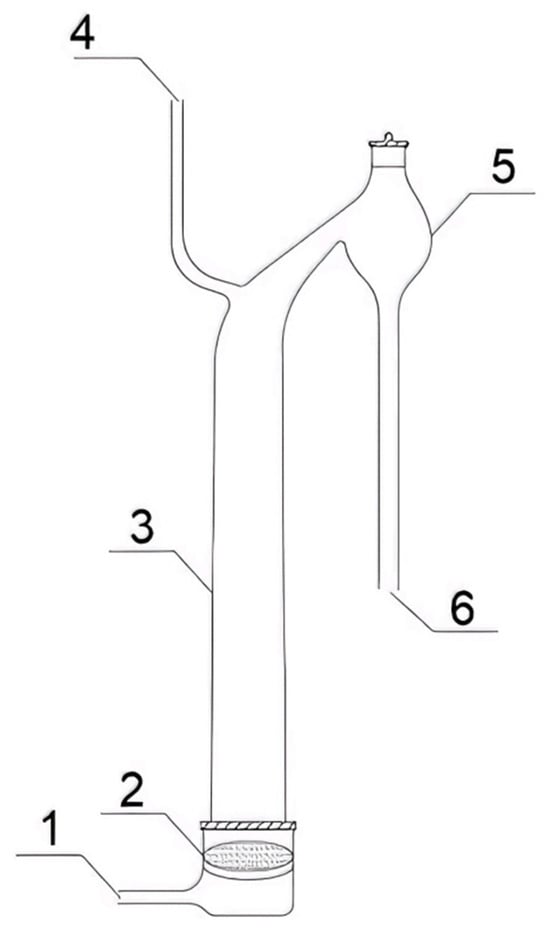
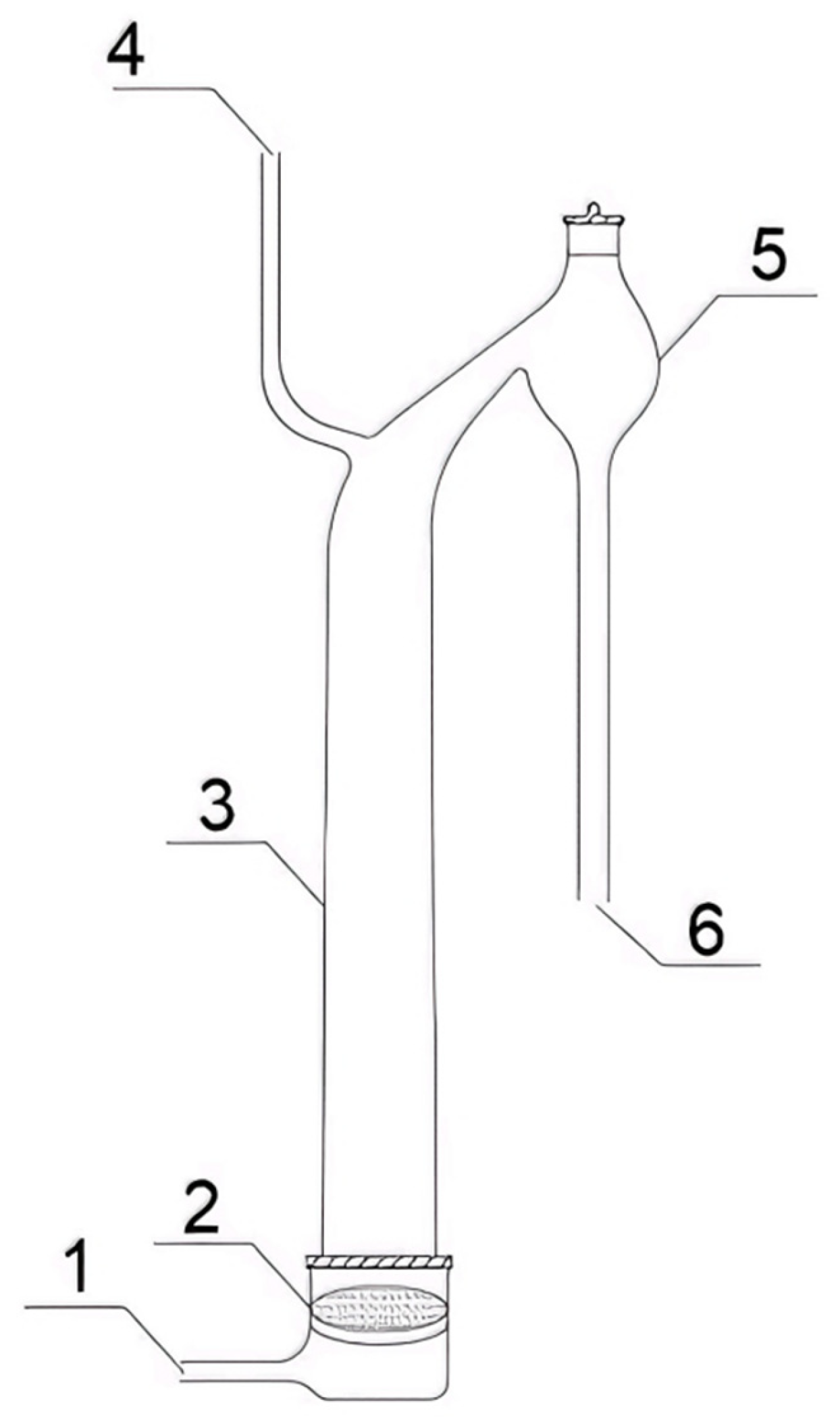
The experimental apparatus employed a modified glass Harlemon tube (structure as shown in Figure 1). The device has a column height of 50 cm and a bottom diameter of 5.5 cm. During the experiments, gas was introduced from the bottom of the column. After passing through a glass frit, it formed uniform microbubbles, with the flow rate controlled by a flow meter.
Figure 1.
Diagram of the experimental apparatus. 1—Air Inlet; 2—Glass; 3—Frit Flotation Tube; 4—Injection Port; 5—Defoaming Chamber; and 6—Sampling Port.
The experiment employed polymeric ferric sulfate (PFS, [Fe2(OH)n(SO4)3−n/2]m, analytical grade) which served as the flocculant, and sodium cocoyl glycinate (SCG, C14H26NNaO3, analytical grade) as the collector, forming a combined reagent. Sodium cyanide (NaCN, analytical grade) and anhydrous copper sulfate (CuSO4, analytical grade) were used to prepare simulated copper cyanide wastewater. Dilute sodium hydroxide (NaOH, 0.04 mol/L) solution and dilute hydrochloric acid (HCl, 0.04 mol/L) solution were employed to adjust the pH of the solution.
2.2. Simulation Copper Cyanide Wastewater Flotation Experiment
The preparation steps of simulated copper cyanide wastewater (SCCW) were as follows: (1) Measure 500 mL of previously prepared sodium cyanide solution (CN− concentration 150 mg/L) into a beaker, add a measured amount of anhydrous copper sulfate (150 mg/L), and mix thoroughly. (2) Place the beaker on a magnetic stirrer and stir at 800 rpm for 3 min, then store it away from light. The initial pH value of the prepared SCCW is 10.0 ± 0.2, which is alkaline due to the hydrolysis of cyanide ions (CN−) in the solution.
The flotation test procedure was as follows: (1) Measure 250.00 mL of simulated wastewater into a beaker. Add a specified amount of polyferric sulfate (PFS). Place the beaker on a magnetic stirrer and stir at 600 rpm for 3 min. (2) Adjust the pH to a specified value, add a measured amount of sodium cocoyl glycinate (SCG), and continue stirring for 3 min. (3) Transfer the reacted solution into an improved glass Harlemon tube. After 1–5 min of reaction, separate the foam product from the solution. (4) Determine the residual copper content and total cyanide concentration in the flotation solution samples using ICP analysis under varying composite reagent concentrations, pH, and flotation durations.
2.3. Characterization of Flocculation-Floating Mechanisms
2.3.1. Fourier Transform Infrared Spectroscopy (FT-IR) Testing
Under optimal experimental conditions, prepared simulated wastewater, simulated wastewater with added PFS, and simulated wastewater with added PFS and SCG solutions were dried in a vacuum drying oven (30 °C) for sample preparation. The sample was analyzed using Fourier Transform Infrared Spectroscopy (FT-IR) (Qingdao Juchuang Environmental Protection Group Co., Ltd., Qingdao, China). The specific procedure was as follows: (1) Take three dried samples and grind them separately with KBr powder in an agate mortar at a mass ratio of 1:100 until the particle size is less than 2 μm. (2) Press the powdered samples into transparent test pellets with a thickness of 0.3–0.5 mm under 10 MPa pressure. (3) Perform scanning analysis using an infrared spectrometer within the wavelength range of 4000–400 cm−1.
2.3.2. Zeta Potential Measurement
The clarified supernatants from three mixtures were collected as test solutions for Zeta potential analysis. These mixtures were simulated wastewater, simulated wastewater with PFS, and simulated wastewater with both PFS and SCG. All samples were prepared under identical optimal conditions. Measurements were performed using a Malvern Zetasizer Nano ZS90 (Malvern Panalytical, Malvern (Worcestershire), UK) instrument. The experimental procedure consisted of the following steps: (1) Used a 1 × 10⁻³ mol/L KCl solution as the background electrolyte. For each test solution, 50 mL was mixed with 35 mL of the KCl solution in a beaker, and the mixture was then stirred to achieve homogeneity. (2) Using a pipette, the mixed solution was transferred into a specialized Malvern electrolytic cell. Zeta potential measurements were performed at room temperature. Each sample was tested in triplicate, and the arithmetic mean was taken to ensure data reliability.
2.3.3. X-Ray Photoelectron Spectroscopy (XPS)
Three types of samples were dried in a vacuum oven at 30 °C for further analysis. These included the simulated wastewater solution under optimal experimental conditions, the simulated wastewater with PFS added, and the flotation-separated foam product obtained from the simulated wastewater containing both PFS and SCG. After drying, each sample was ground into a fine powder and then pressed into thin sheets measuring approximately 1 cm2. The surface chemical states of the prepared samples were examined using an X-ray photoelectron spectrometer (PHI VersaProbe, ULVAC-PHI, Inc., Chigasaki, Japan). The measurements were performed under the following conditions: an accelerating voltage of 15 kV, a power of 25 W, and an X-ray source energy of hν = 1486.6 eV. Finally, the obtained spectra were processed and subjected to peak fitting using the Multipak 9.3.0 software package.
2.3.4. Scanning Electron Microscopy Analysis
Three samples were prepared under identical optimal experimental conditions. These included SCG solution, simulated wastewater with PFS solution, and the flotation-separated foam product from simulated wastewater containing both PFS and SCG. All samples were dried in a vacuum oven at 30 °C. Before testing, each sample was sputter-coated with gold for 30 s. This coating step was performed to enhance surface conductivity. Subsequently, the dried powder samples were placed onto a sample holder. Imaging was then carried out using a scanning electron microscope (Thermo Apreo 2s, Thermo Fisher Scientific, Waltham, MA, USA).
3. Results and Analysis
3.1. Flotation Test Results
3.1.1. Reagent Dosage Tests
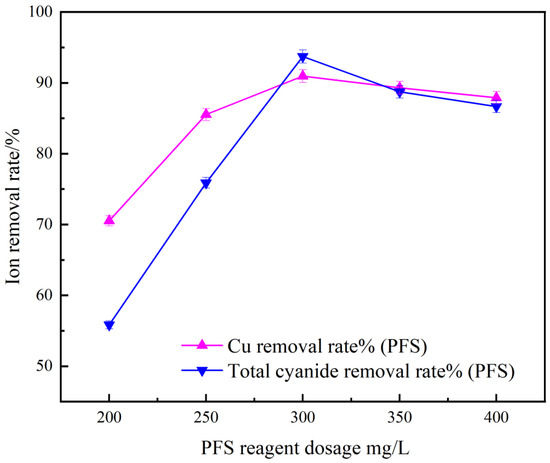
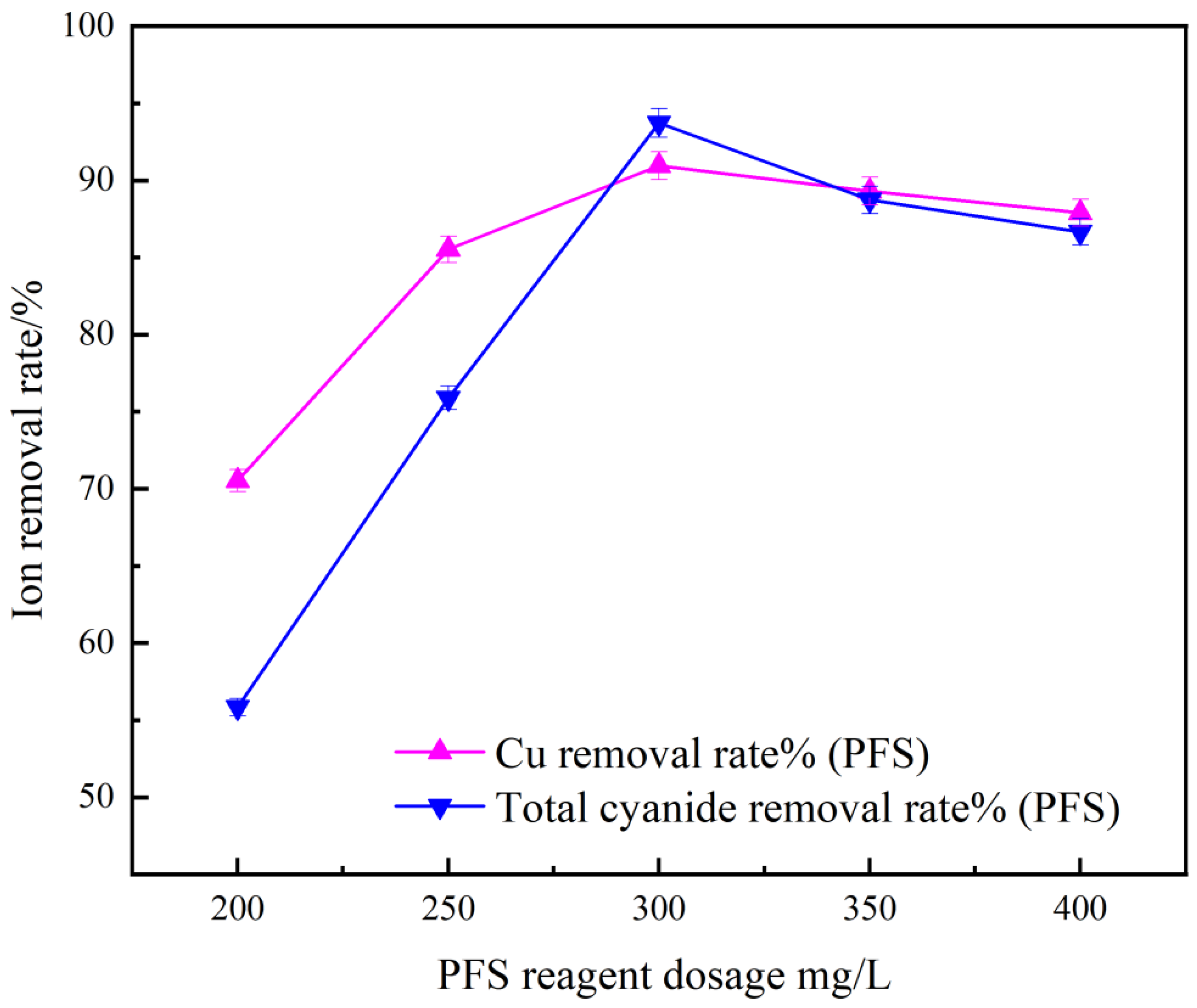
Tests were performed to investigate the impact of reagent dosage on the removal efficiency of copper and total cyanide when employing the flocculant PFS in combination with the biocollector SCG. As shown in Figure 2, under the conditions of pH 8, flotation time 3 min, and SCG dosage 300 mg/L, the copper removal rate by PFS first increased and then decreased with increasing PFS dosage. The total cyanide removal rate also first increased and then decreased as PFS concentration rose. At a PFS dosage of 300 mg/L, the removal rates of Cu and total CN− by PFS reached the maximum. These values were 93.73% and 90.95%, respectively. When the PFS dosage was low, copper–cyanide complexes could not be fully flocculated. A large amount of free copper–cyanide complexes remained. Thus, the removal rates were low. In contrast, when the PFS dosage was high, copper–cyanide complexes were fully encapsulated. They lost the active sites for binding with SCG. Therefore, the optimal removal effect was achieved at a PFS dosage of 300 mg/L.
Figure 2.
Effect of PFS reagent dosage on removal efficiency of Cu and total cyanide.
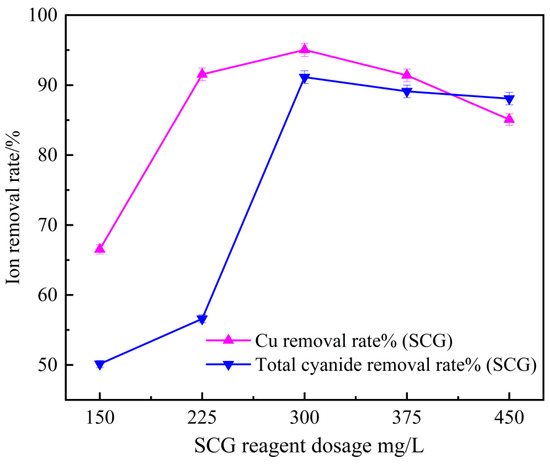
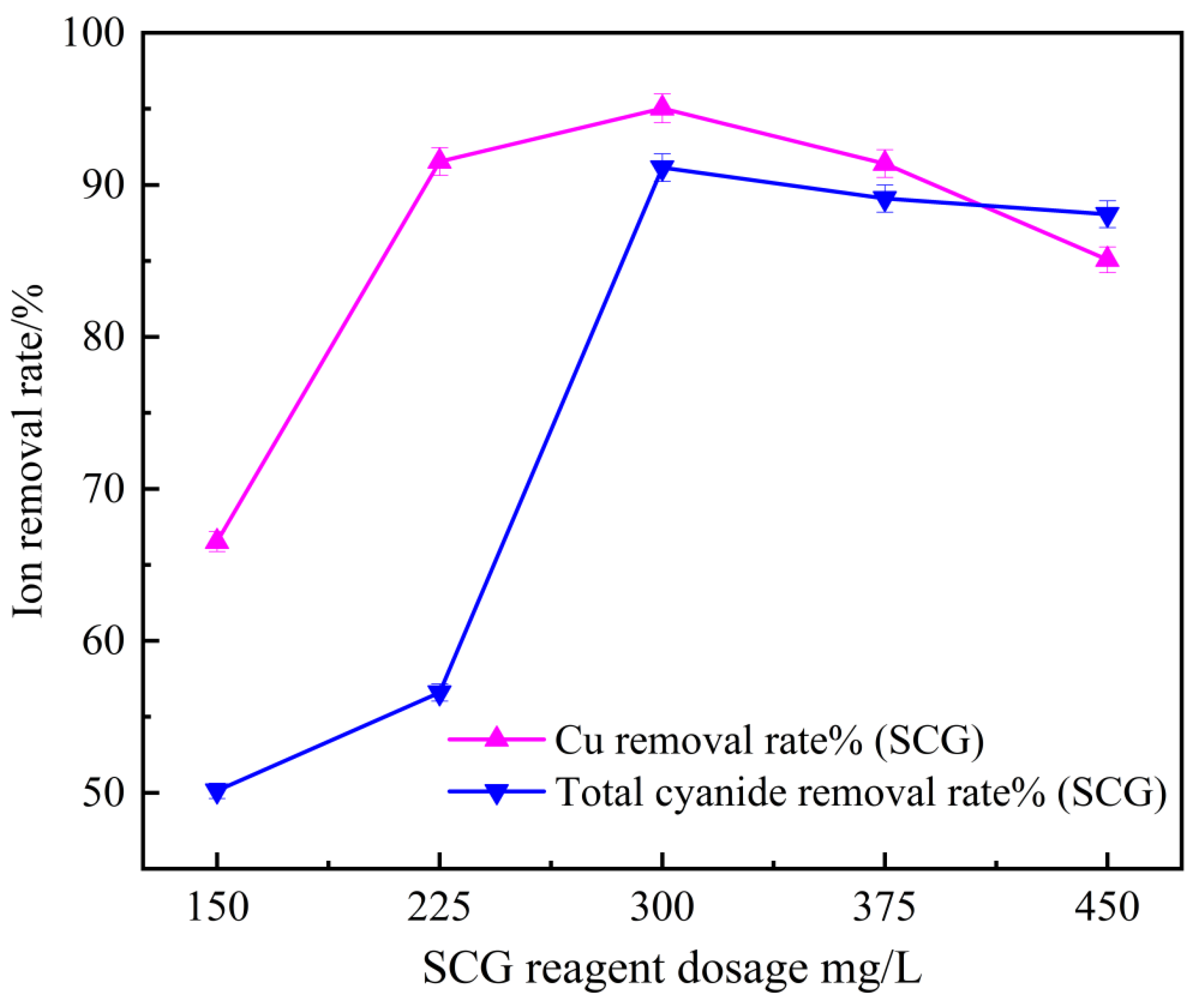
As shown in Figure 3, under the conditions of pH 8, flotation time 3 min, and PFS dosage 300 mg/L, the copper removal rate by SCG first increased and then decreased with increasing SCG dosage. And the total cyanide removal rate first rose, leveled off, and then decreased as SCG concentration increased. When the SCG dosage was 300 mg/L, the removal rates of copper and total cyanide were the highest. They reached 95.03% and 91.13%, respectively. Insufficient SCG led to incomplete binding with copper–cyanide complexes, resulting in partial complexes not being collected and thus decreasing the removal rate. On the other hand, excessive SCG forms double or even multi-layer adsorption on the particle surface, with its hydrophilic ends facing outward. This renders the particle surface hydrophilic, which is unfavorable for adhesion to bubbles, ultimately reducing the flotation efficiency.
Figure 3.
Effect of SCG reagent dosage on removal efficiency of Cu and total cyanide.
3.1.2. Flotation pH Tests
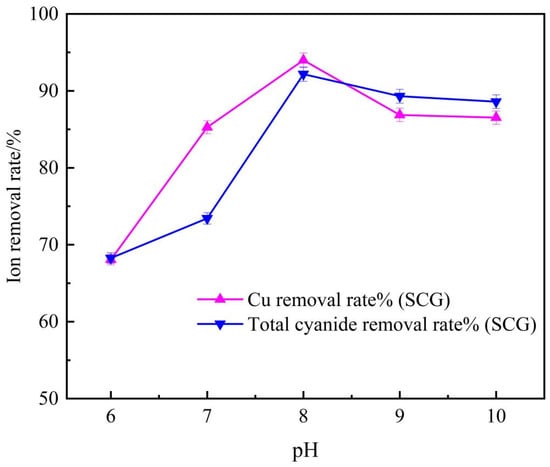
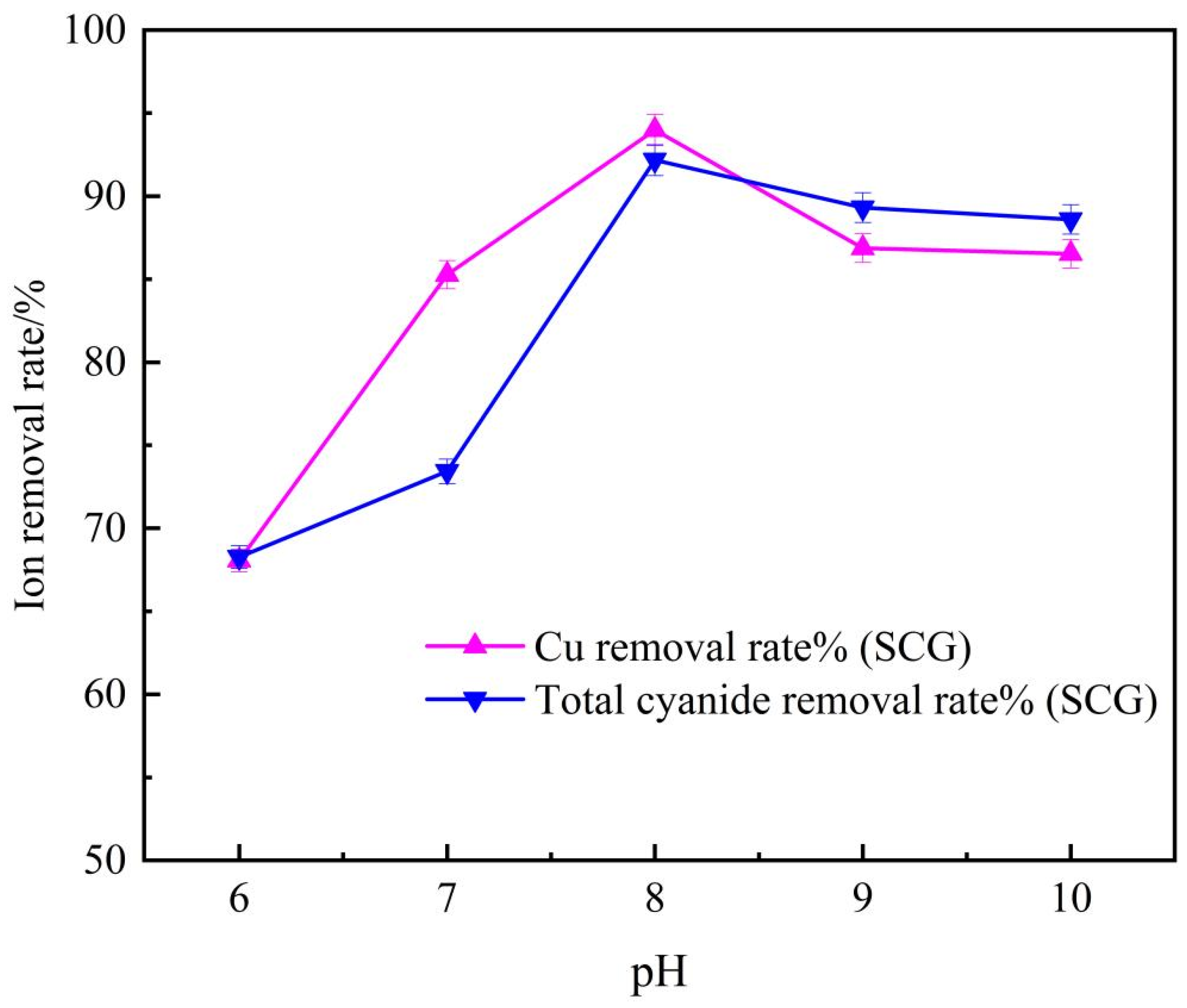
Based on the results of the reagent dosage experiments, the effect of different pH values on the removal of copper and total cyanide was investigated, with both PFS and SCG dosages set at 300 mg/L and a flotation time of 3 min. As shown in Figure 4, the removal efficiency of PFS-SCG for copper first increased rapidly as pH increased, then reached its peak at pH 8, and then decreased. Similarly, the removal efficiency of total cyanide also increased with rising pH. The optimal removal effect was achieved at pH 8. At this pH, both copper and total cyanide reached their highest removal rates, specifically 93.99% for copper and 92.17% for total cyanide. When the pH was low (pH < 6), the solution contained a significant amount of HCN(aq), which cannot effectively bind with SCG, resulting in lower removal efficiency. Conversely, when the pH was high (pH > 9), the flocculation effect of PFS was poor. Therefore, the optimal performance was achieved at pH = 8.
Figure 4.
Effect of pH on removal efficiency of copper–cyanide complexes.
3.1.3. Flotation Time Tests
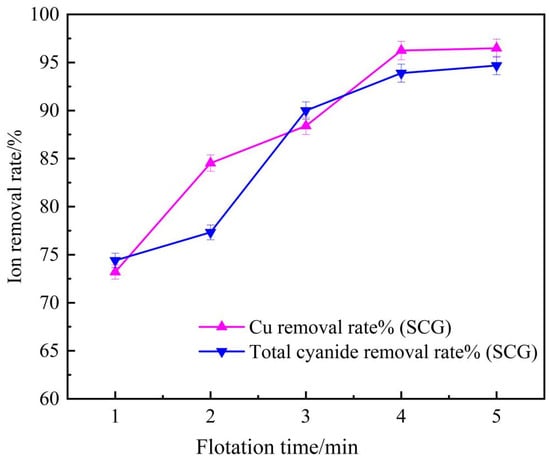
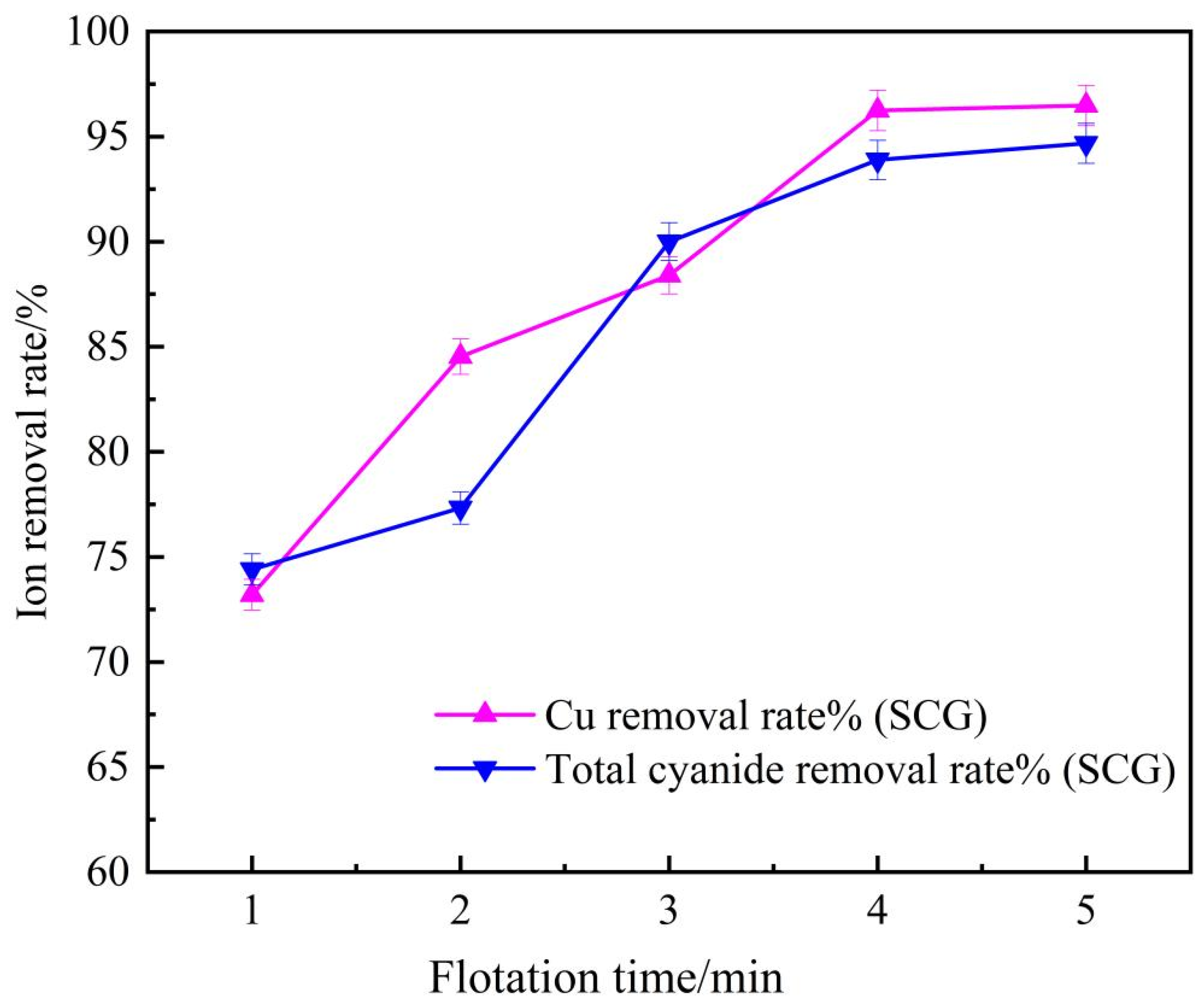
Based on the results of the aforementioned tests, PFS and SCG dosages were both set at 300 mg/L. The pH was adjusted to 8. This study investigated the variation trend of removal rates. The rates were for Cu and total CN− by PFS-SCG. They changed with flotation time. As shown in Figure 5, when the flotation time is short, the collision probability between bubbles and complexes is low. Consequently, the complexes cannot be effectively removed. This results in lower removal efficiency. The removal rates of copper and total cyanide by PFS-SCG stabilized between 4 and 5 min. When the flotation time reached 5 min, SCG achieved its highest removal rates for copper and total cyanide, reaching 96.48% and 94.68%, respectively.
Figure 5.
Flotation time dependence of copper–cyanide complex removal efficiency.
3.2. Chemical Calculation of Copper–Cyanide Complex Ion Solution
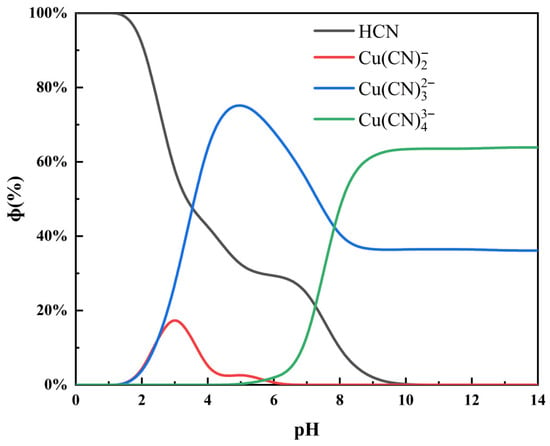
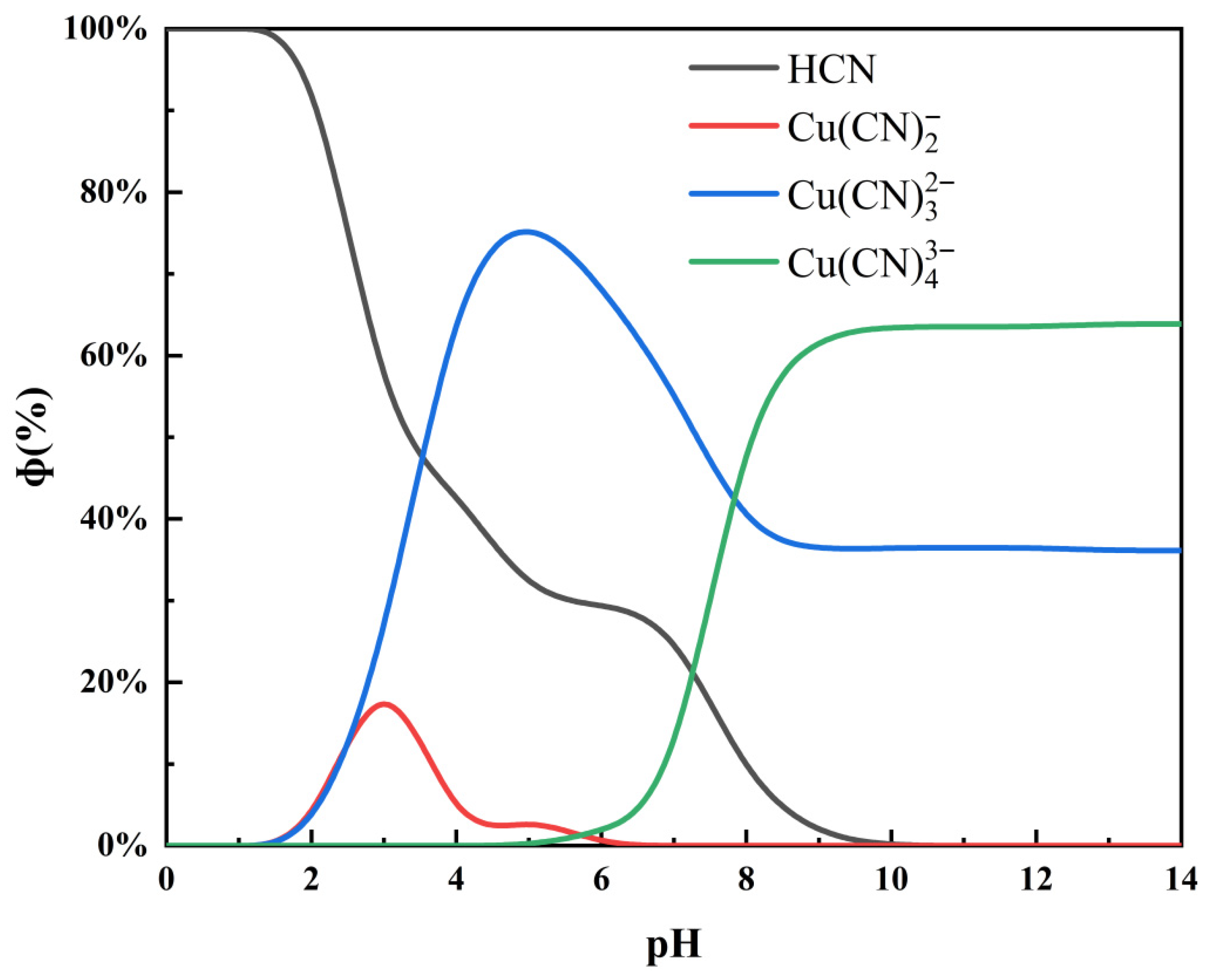
In solutions containing CN−, copper typically exists in the monovalent state (Cu+), forming three different types of cuprous cyanide complex ions in the solution-Cu(CN)2−, Cu(CN)32−, and Cu(CN)43−. Visual MINTEQ 3.1 software was utilized to calculate and simulate variations in the content of four components, (HCN(aq), Cu(CN)2−, Cu(CN)32−, and Cu(CN)43−), in simulated copper–cyanide wastewater under different pH conditions. The corresponding results are presented in Figure 6. At pH < 4, the solution is dominated by HCN(aq). A small amount of Cu(CN)2− is present as the secondary component. Within the pH range of 4–8, the solution is primarily dominated by Cu(CN)32−. When pH > 8, the proportion of Cu(CN)43− continues to increase. Among them, at pH = 8, the simulated solution is mainly composed of Cu(CN)32− and Cu(CN)43−. It also contains a small amount of HCN(aq). It contains almost no Cu(CN)2−.
Figure 6.
pH-dependent speciation of copper–cyanide complexes.
3.3. Zeta Potential Tests
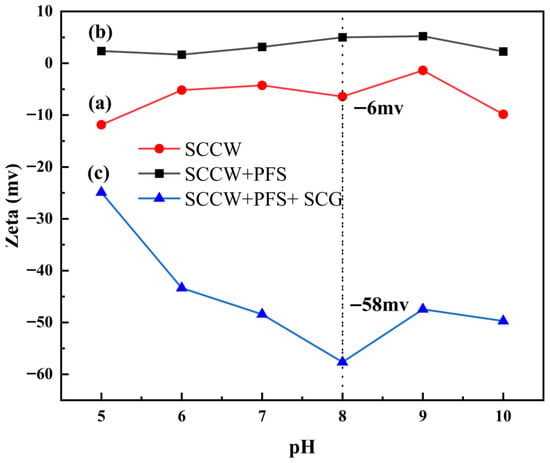
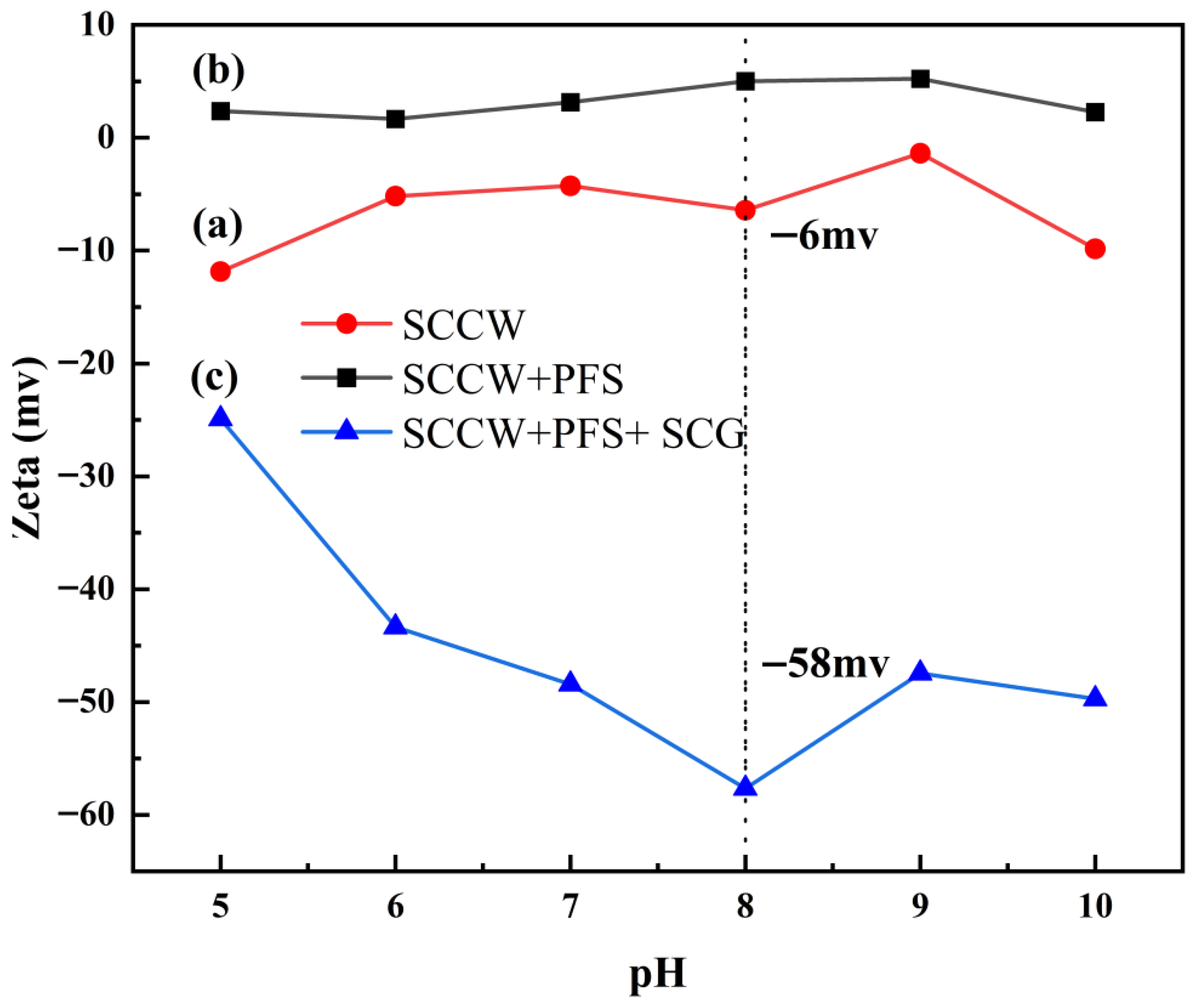
Figure 7 presents the test results of the supernatant solutions. Figure 7a corresponds to the simulated wastewater under optimal experimental conditions. Figure 7b shows the results for the simulated wastewater treated with PFS. Figure 7c displays the results for the simulated wastewater treated with both PFS and SCG. The simulated wastewater exhibits negative electricity due to the presence of abundant cyanide ions (CN−). Upon the addition of PFS, the Zeta potential shifts toward positive values. This indicates that polynuclear hydroxyl complexes (such as Fe2(OH)33+ and Fe3(OH)45+), formed by the hydrolysis of Fe3+ ions, adsorb onto the surface of Cu-CN species through electrostatic interactions. This process promotes particle aggregation and demonstrates effective charge-neutralization capability. After adding SCG, the functional groups of SCG dissociate. This increases the negative charge density on the colloidal surface. The Zeta potential shifts significantly towards the negative direction.
Figure 7.
Zeta potential of (a) SCCW, (b) SCCW + PFS system, and (c) SCCW + PFS + SCG system.
As shown in Figure 6, in the pH range of 5 to 7, the concentration of Cu(CN)32− reached its peak. However, a substantial amount of HCN(aq) remains present in the solution during this stage. Thus, the overall negative ion concentration does not reach its maximum value. Meanwhile, HCN(aq) does not bind to SCG. Thus, within the pH range of 5–7, SCG exhibits poor removal efficiency for copper cyanide complexes. As pH increases, HCN(aq) continues to convert into Cu(CN)32− and Cu(CN)43−. Consequently, SCG binds more copper–cyanide complex ions. The Zeta potential continues to decrease. At pH 8, the Zeta potential difference reaches its maximum, indicating that under this pH condition, the binding capacity of SCG to copper cyanide complexes achieves its optimal state. After pH > 8, Cu(CN)32− in the solution gradually converts into the more stable Cu(CN)43−. Subsequently, the Zeta potential shifts upward. This indicates that the binding capacity between SCG and Cu(CN)43− is weaker than that between SCG and Cu(CN)32−.
3.4. X-Ray Photoelectron Spectroscopy (XPS) Tests
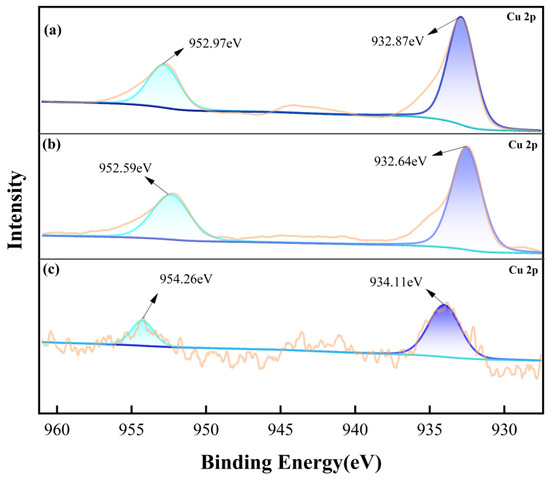
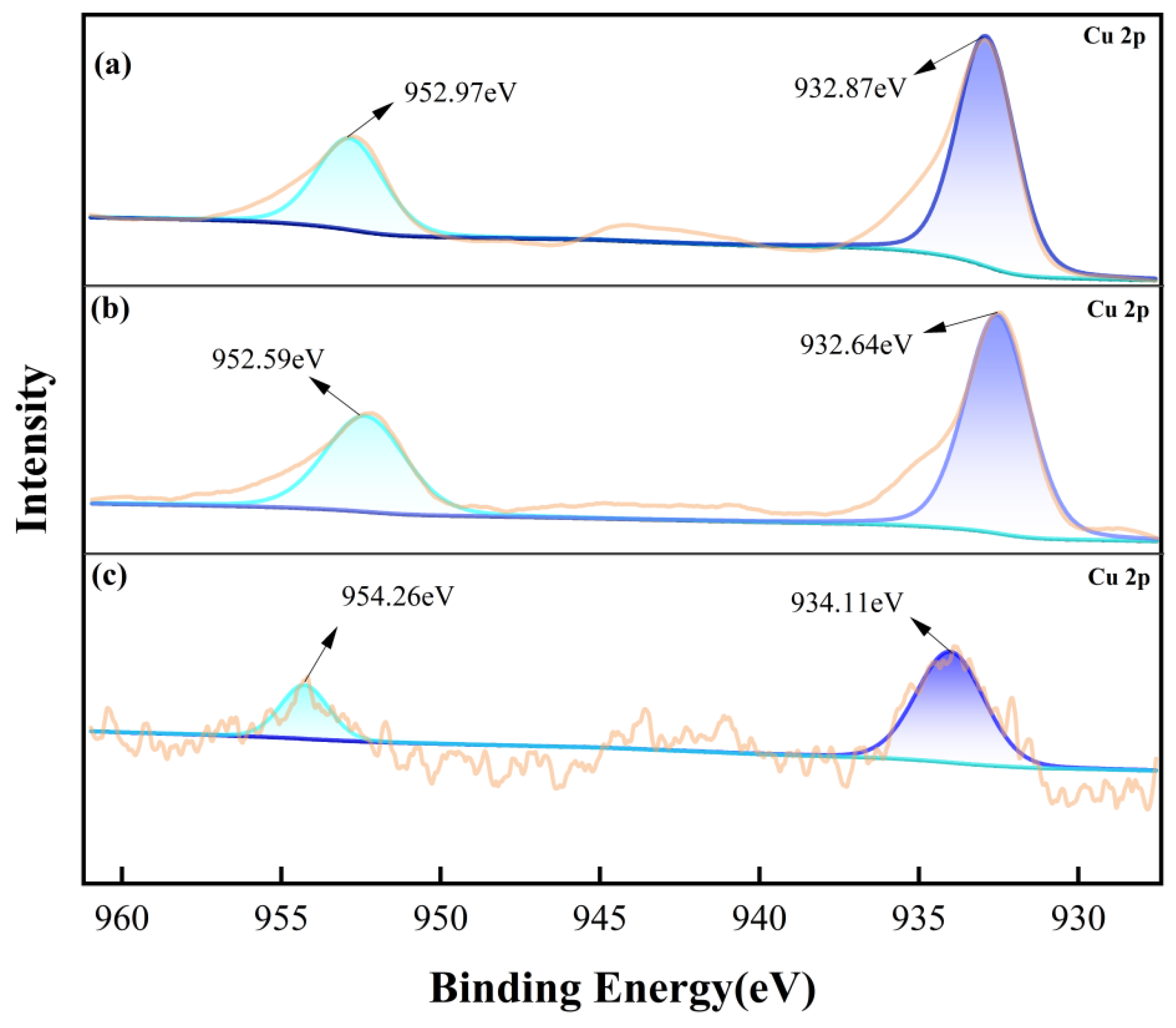
Multipak software was used to fit the Cu 2p spectral data. The fitting was performed on three dried samples: simulated wastewater, simulated wastewater with PFS, and simulated wastewater with PFS and SCG. The results are shown in Figure 8a and Figure 8b, and Figure 8c, respectively. In Figure 8a, the peaks at binding energies of 932.87 eV and 952.97 eV correspond to the characteristic peaks of the Cu-CN species. After the addition of PFS, the characteristic peaks at 932.64 eV and 952.59 eV in Figure 8b show no significant shift compared to those in Figure 8a. This indicates that PFS does not interact with the copper in the simulated wastewater, and the copper remains in the form of complexes. In Figure 8c, however, the characteristic peaks at 934.11 eV and 954.26 eV exhibit a distinct positive shift compared to those in Figure 8a,b. This suggests that a strong interaction occurs between SCG and the copper ions in the solution. Specifically, SCG undergoes specific adsorption within the system, leading to the formation of new chemical bonds or stronger coordination effects.
Figure 8.
XPS spectra of Cu 2p for (a) dried sample of SCCW, (b) dried sample of SCCW + PFS system, and (c) dried sample of SCCW + PFS + SCG system.
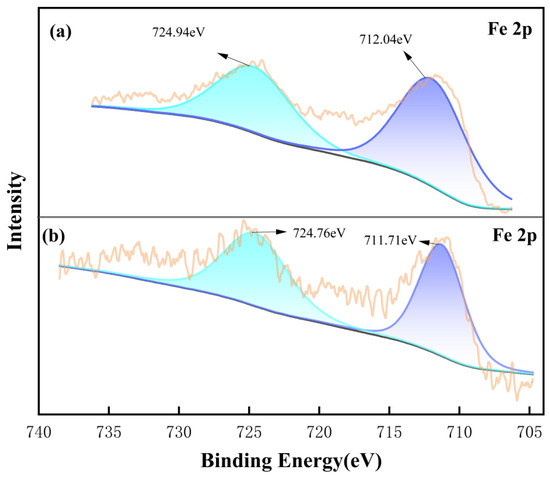
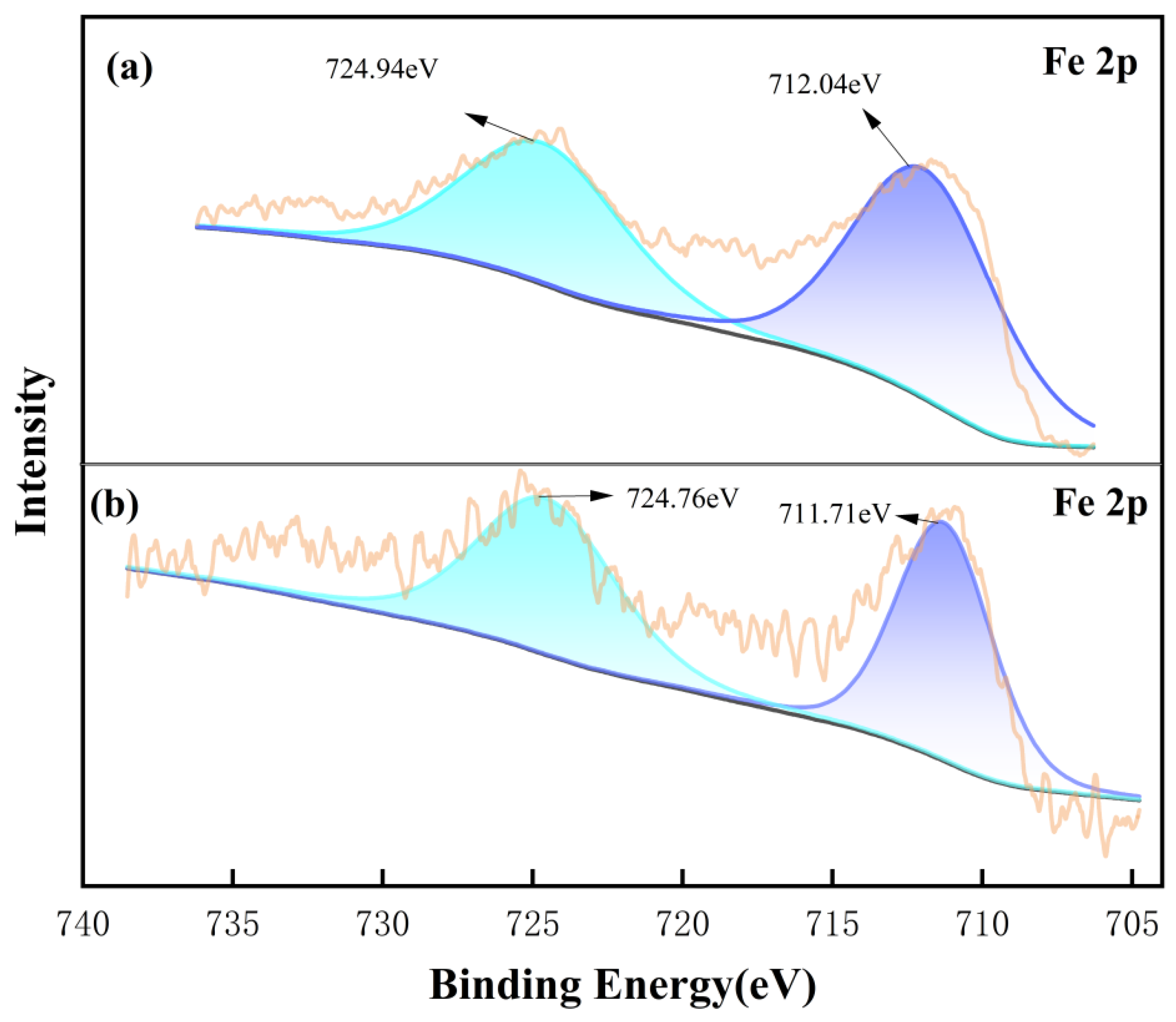
Figure 9 presents the Fe 2p3/2 spectra. The characteristic peaks at 712.04 eV and 711.71 eV in Figure 9b correspond to Fe(CN)63− [21]. This observation indicates that during the flocculation process, the added PFS reacts with free CN− ions, leading to the formation of Prussian blue (Fe4[Fe(CN)6]3·xH2O). However, no Prussian blue color was observed in the solution after the reaction. This is because the substance aggregates into larger flocs via adsorption bridging or entrapment, resulting in a colorless solution [22]. The characteristic peaks at 724.94 eV in Figure 9a and 724.76 eV in Figure 9b correspond to Fe2[Cu(CN)3]3 [23]. This indicates that the Fe3+ ions generated from the ionization of PFS not only react with free CN− ions but also interact with the copper–cyanide complex ions present in the simulated wastewater.
Figure 9.
Fe 2p3/2 XPS spectra of (a) dried sample of SCCW + PFS system, and (b) dried sample of SCCW + PFS + SCG system.
XPS results indicate that when PFS and SCG were added, PFS mainly reacted with cyanide in copper cyanide complexes and free cyanide ions. SCG primarily interacts with copper in copper–cyanide complexes. Thereby, copper and cyanide are removed from the solution.
3.5. Fourier Transform Infrared Spectroscopy (FT-IR) Tests
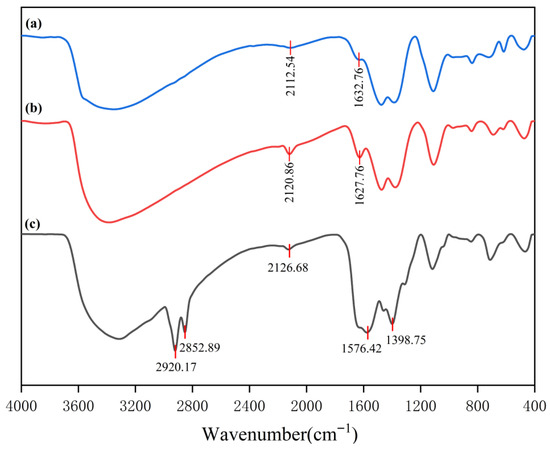
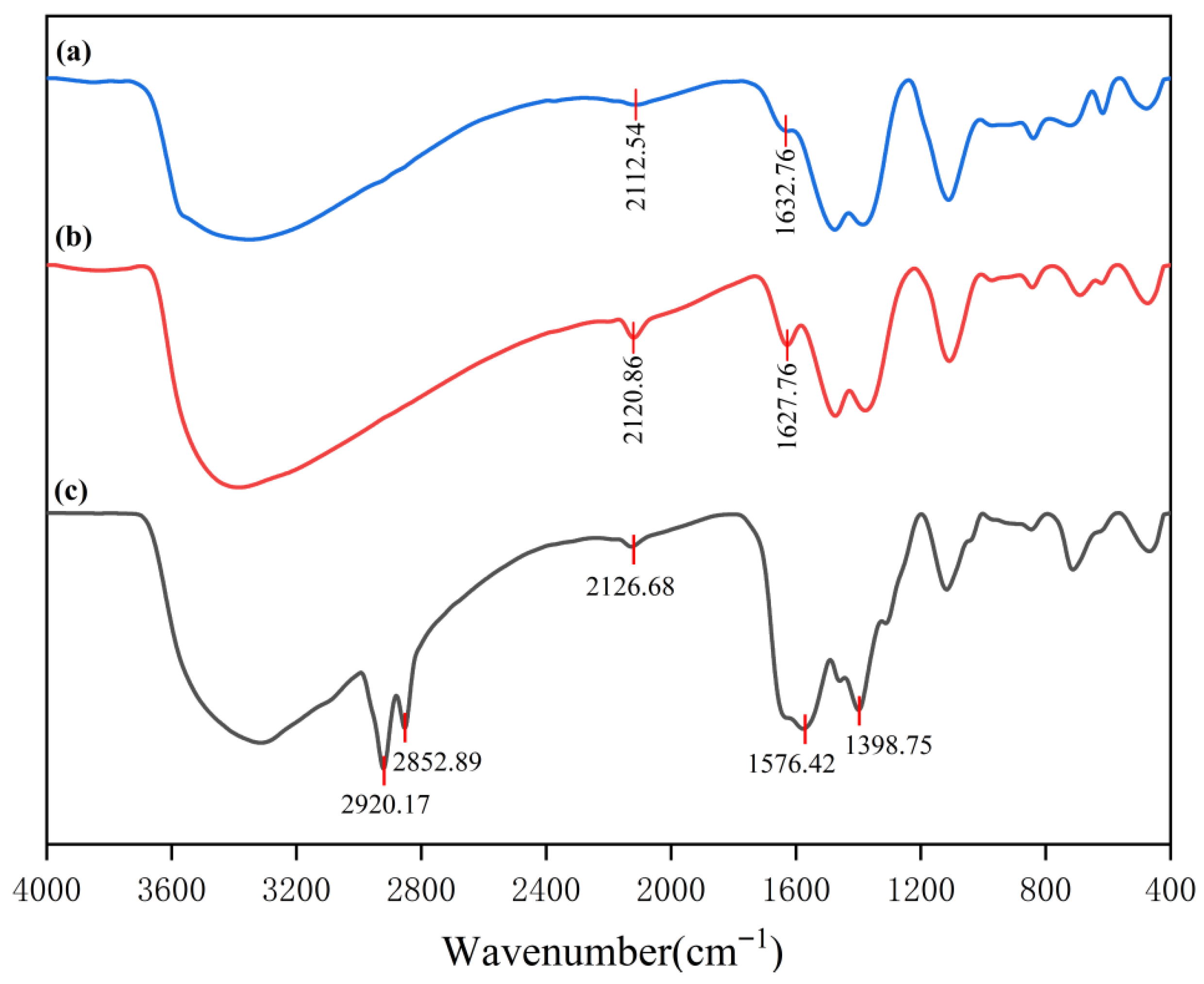
The characteristic peak positions and intensity changes in the three dried samples were analyzed via infrared spectroscopy. Figure 10 shows the FT-IR spectra of (a) the dried simulated wastewater sample, (b) the dried simulated wastewater + PFS sample, and (c) the dried simulated wastewater + PFS + SCG sample, respectively. The figure shows that in Figure 10a, the peak at 2112.54 cm−1 corresponds to the C≡N stretching vibration. In Figure 10b, this peak shifts positively to 2120.86 cm−1, indicating the formation of new chemical bonds [24]. This suggests that Fe3+ complexes with CN− to form Fe–CN coordination compounds. In Figure 10c, this peak continues to shift positively to 2126.68 cm−1. This indicates that SCG reacts with copper cyanide complex ions via its carboxylic acid groups, resulting in the shift in the C≡N peak.
Figure 10.
FTIR spectra of (a) dried sample of SCCW, (b) dried sample of SCCW + PFS system, and (c) dried sample of SCCW + PFS + SCG system.
In Figure 10a, the peak at 1632.76 cm−1 corresponds to the O-H bending vibration. In Figure 10b, this peak shifts negatively to 1627.76 cm−1, indicating that after the addition of PFS, the hydrolysis of Fe3+ generates polyhydroxy complexes (e.g., Fe2(OH)33+, Fe3(OH)45+), leading to a slight shift in the peak position. In contrast, in Figure 10c, the water-related O-H peak disappears, suggesting that the hydrophobic alkyl chains of SCG bind to the flocs, causing this peak to vanish.
In Figure 10c, the peak at 1576.42 cm−1 corresponds to the symmetric stretching vibration of the carboxylate ion (-COO−) [25]. The peak at 1398.75 cm−1 is attributed to the symmetric bending vibration of the terminal -CH3 group in the alkyl chain [26]. The peaks at 2920.17 cm−1 and 2852.89 cm−1 correspond to vibrations of C-H bonds. These findings collectively demonstrate that the hydrophobic alkyl chains bind to the polyhydroxy complexes through physical adsorption or hydrophobic interactions, forming stable flocs.
3.6. Scanning Electron Microscopy (SEM) Analysis
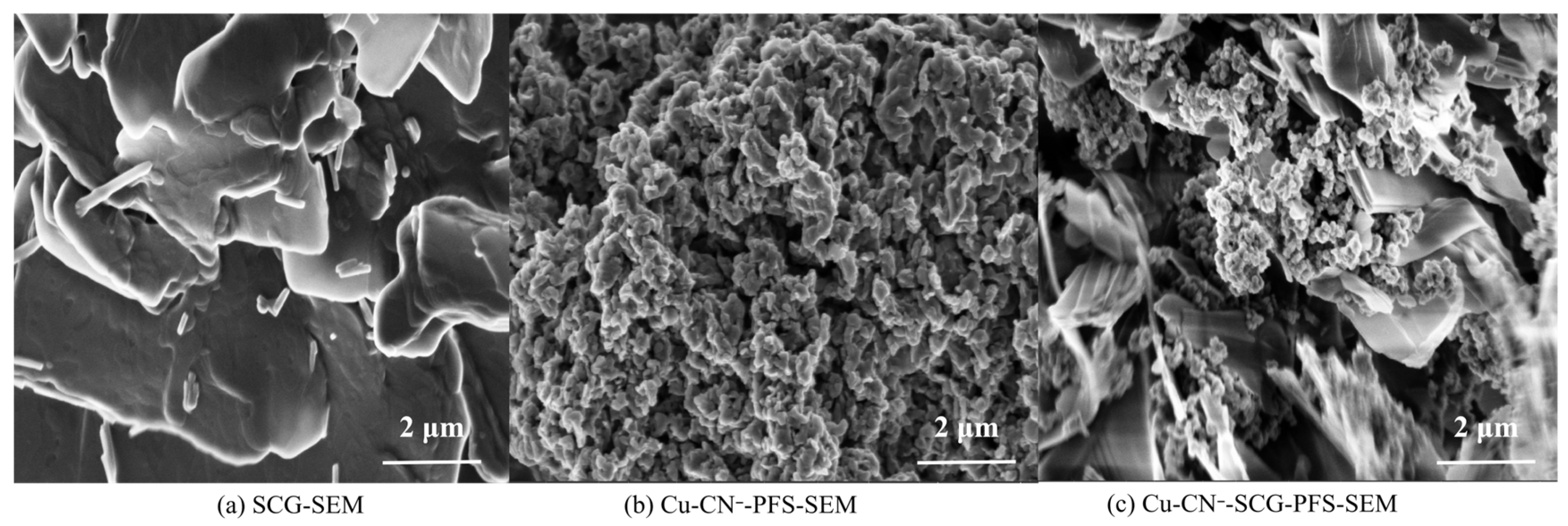
Figure 11a–c show the dried samples of SCG solution, simulated wastewater + PFS solution, and foam products separated from the simulated wastewater + PFS + SCG. As shown in Figure 11a, the SCG collector exhibits a loose layered structure. It was not dense and tended to float in water. In Figure 11b, the flocculants of simulated wastewater + PFS were flocculent. They were closely arranged and compact. For simulated wastewater + PFS + SCG (Figure 11c), it can be clearly observed that the floc structure was composed of sheet-like SCG and flocculent PFS intertwined. The structure was loose with large gaps. This facilitates the adsorption of bubbles and subsequent floating.
Figure 11.
SEM images of (a) SCG, (b) dried sample of SCCW + PFS system, and (c) dried sample of SCCW + PFS + SCG system.
4. Conclusions
Flocculation–flotation experiments were conducted to treat simulated copper cyanide wastewater (NaCN and CuSO4, 150 mg/L). Polyferric sulfate (PFS) and sodium cocoyl glycinate (SCG) were used as the flocculant and biological collector. By investigating different reagent dosages, pH values, and flotation times, the optimal conditions for removing copper and total cyanide were determined. The best treatment efficiency was achieved when both PFS and SCG were dosed at 300 mg/L, the pH was 8, and the flotation time was 5 min, with removal rates of copper and total cyanide reaching 96.48% and 94.68%, respectively. Using techniques including Zeta potential, XPS, FT-IR, and SEM analyses, the mechanism of copper cyanide removal by PFS and SCG was investigated. The Zeta potential results indicated that the potential difference was greatest at pH 8, demonstrating a strong binding affinity between SCG and Cu(CN)32−, which corresponded to the optimal removal efficiency under these conditions. XPS analysis indicated that chemisorption occurs between copper and SCG, while PFS can interact with both free cyanide ions and copper–cyanide complexes in the solution. FT-IR analysis revealed that the shift in the C≡N peak confirms the formation of Fe-CN complexes by Fe3+ and CN−. The added SCG reacted with copper ions through its carboxyl groups, and the hydrophobic alkyl chains of SCG bound to the flocs, thereby enhancing the removal efficiency. This study provides a theoretical reference and technical approach for the removal of refractory copper cyanide complexes from cyanide leaching gold tailing wastewater.
Author Contributions
Conceptualization, M.D. and C.Z.; methodology, D.F. and M.D.; validation, X.W., C.Z., and W.C.; formal analysis, H.Z., X.W., and Y.L.; investigation, C.Z. and W.C.; resources, D.F.; data curation, D.F. and M.D.; writing—original draft preparation, C.Z.; writing—review and editing, D.F.; visualization, H.Z., X.W., and C.Z.; supervision, H.Z., Y.L., and W.C.; project administration, D.F.; and funding acquisition, D.F. All authors have read and agreed to the published version of the manuscript.
Funding
This research was funded by the National Natural Science Foundation of China, grant number No. 52264025, and the Young Talent Special Project of Yunnan Province’s Xingdian Elite Support Program, grant number No. KKRD202221056. The APC was funded by the National Natural Science Foundation of China.
Data Availability Statement
The original contributions presented in this study are included in the article. Further inquiries can be directed to the corresponding author.
Conflicts of Interest
Author Meng Dong was employed by the company Guangdong Metallurgical Architectural Design and Research Institute Co, Ltd. The remaining authors declare that the research was conducted in the absence of any commercial or financial relationships that could be construed as a potential conflict of interest.
References
- Che, X. Research Progress on the Three Major Mechanisms and Strengthening Processes of Cyanide Leaching of Gold. China Resour. Compr. Util. 2024, 42, 174–180. [Google Scholar]
- Tran, T. The chemistry of gold extraction. Int. Mater. Rev. 2013, 37, 292. [Google Scholar] [CrossRef] [Scilit]
- Zhang, J.T.; Cai, M.M.; Qin, X.W.; Xu, C.; Gao, Y.T.; Xu, Q. Experimental study on leaching factors of copper from copper bearing gold minerals. World Nonferrous Met. 2023, 13, 139–141. [Google Scholar]
- Wang, Y.; Wang, B.S.; Gao, H.J.; Zhang, Z.X. Treatment of cyanide-containing wastewater from a gold mine by alkaline chlorination process. China Nonferrous Metall. 2020, 49, 69–72. [Google Scholar]
- Alonso-González, O.; Nava-Alonso, F.; Uribe-Salas, A. Copper removal from cyanide solutions by acidification. Miner. Eng. A 2009, 22, 324–329. [Google Scholar] [CrossRef] [Scilit]
- Kitis, M.; Karakaya, E.; Yigit, N.O.; Civelekoglu, G.; Akcil, A. Heterogeneous catalytic degradation of cyanide using copper-impregnated pumice and hydrogen peroxide. Water Res. 2005, 39, 1652–1662. [Google Scholar] [CrossRef] [Scilit]
- Sheng, H.M. Treatment of cyanide-containing wastewater by acidification method. Xinjiang Nonferrous Met. 2010, 2, 108–109. [Google Scholar] [CrossRef]
- Chen, H.J.; Shen, F.Z. High concentration cyanide-containing wastewater treatment by ferrous sulfate and chlorine dioxide. Gold 2009, 30, 46–49. [Google Scholar]
- Li, Z.F.; Meng, Q.J.; Meng, L. A Two-Stage Process for Treating Hospital Wastewater Containing High Content of Cyanide. Shanghai Environ. Sci. 2005, 3, 104–106+121. [Google Scholar] [CrossRef]
- Arellano, C.; Martínez, S. Indirect electrochemical oxidation of cyanide by hydrogen peroxide generated at a carbon cathode. Int. J. Hydrogen Energy 2006, 32, 3163–3169. [Google Scholar] [CrossRef] [Scilit]
- Fedyukevich, A.V.; Kubyshkin, A.S.; Blokhin, A.A.; Sukharzhevskii, S.M.; Vorob’ev-Desyatovskii, N.V. Use of ion-exchange resins to deal with the effect of preg-robbing of gold in the course of cyanide leaching. Russ. J. Appl. Chem. 2015, 88, 250–258. [Google Scholar] [CrossRef] [Scilit]
- Dai, X.; Breuer, P.L.; Jeffrey, M.I. Comparison of activated carbon and ion-exchange resins in recovering copper from cyanide leach solutions. Hydrometallurgy 2010, 101, 48–57. [Google Scholar] [CrossRef] [Scilit]
- Guo, Z.; Huang, L.; Yan, J.; Liu, Y.; Guo, Y.; Wang, Z.; Li, Q.; Li, M.; Xing, X.; Li, L.; et al. Machine learning simulating and predicting the adsorption performance of activated carbons for removing methylene blue from wastewater. MetaResource 2025, 2, 243–256. [Google Scholar] [CrossRef] [Scilit]
- Rice, N.W.; Sebba, F. Concentration of the fluorozirconate ion by ion flotation. J. Chem. Technol. Biotechnol. 1965, 15, 105–109. [Google Scholar] [CrossRef] [Scilit]
- Hoseinian, F.S.; Irannajad, M.; Nooshabadi, A.J. Ion flotation for removal of Ni(II) and Zn(II) ions from wastewaters. Int. J. Miner. Process. 2015, 143, 131–137. [Google Scholar] [CrossRef] [Scilit]
- Zouboulis, A.I. Silver recovery from aqueous streams using ion flotation. Miner. Eng. 1995, 8, 1477–1488. [Google Scholar] [CrossRef] [Scilit]
- Lobacheva, O.L.; Berlinskii, I.V.; Cheremisina, O.V. Solvent sublation and ion flotation in aqueous salt solutions containing Ce(III) and Y(III) in the presence of a surfactant. Russ. J. Appl. Chem. 2014, 87, 1863–1867. [Google Scholar] [CrossRef] [Scilit]
- Li, C.; Xu, P.Y.; Wang, Y.L.; Su, D.S.; Yuan, Z.G.; Jiang, B.Z.; Yu, J.W. Effect of different grinding methods on floatability of quartz in dodecylamine system. Min. Metall. 2023, 32, 58–64. [Google Scholar]
- Yin, W.Z.; Zhang, X.S.; Ma, Y.Q.; Wu, C.H.; Zhang, R. Study on the effect of sodium cocoyl glycinate on flotation separation of siderite and hematite. Met. Mine 2025, 7, 66–72. [Google Scholar] [CrossRef]
- Jia, K.; Yi, X.Y.; Ma, J.W.; Cao, Y.; Li, G.; Liu, S.; Wang, T.; An, N. Ion flotation of heavy metal ions by using biodegradable biosurfactant as collector: Application and removal mechanism. Miner. Eng. 2022, 176, 107338. [Google Scholar] [CrossRef] [Scilit]
- Yu, W. Experimental Study on Treatment of Copper-Cyanide-Containing Wastewater from Gold Mines by Co-Flocculation Method; China University of Mining and Technology: Suzhou, China, 2019. [Google Scholar]
- Zawawi, D.; Halizah, A.; Latif, A.; Nasir, N.; Ridzuan, M.B.; Ahmad, Z. Suspended Solid, Color, COD and Oil and Grease Removal from Biodiesel Wastewater by Coagulation and Flocculation Processes. Procedia Soc. Behav. Sci. 2015, 195, 2407–2411. [Google Scholar] [CrossRef] [Scilit]
- Elisabeth, T.; Belleville, P.; Jolivet, J.P.; Livage, J. Transformation of ferric hydroxide into spinel by iron(II) adsorption. Langmuir 1992, 8, 313–319. [Google Scholar] [CrossRef] [Scilit]
- Li, W.; Liu, W.; Liu, W.; Zhou, S.; Gao, S.; Shen, Y. Capture of copper cyanide complex ions based on self-assembly of ionic liquids actuation and application to cyanide wastewater. Hydrometallurgy 2023, 218, 106043. [Google Scholar] [CrossRef] [Scilit]
- Cai, R. Synthesis and Characterization of Amino Acid Surfactants; Changchun University of Technology: Changchun, China, 2010. [Google Scholar]
- Yea, D.N.; Lee, S.M.; Jo, S.H.; Yu, H.P.; Lim, J.C.; Zhang, Y.M. Preparation of Environmentally Friendly Amino Acid Surfactants and Evaluation of Washing Related Interfacial Properties. China Clean. Ind. 2019, 5, 43–53. [Google Scholar] [CrossRef]
Disclaimer/Publisher’s Note: The statements, opinions and data contained in all publications are solely those of the individual author(s) and contributor(s) and not of MDPI and/or the editor(s). MDPI and/or the editor(s) disclaim responsibility for any injury to people or property resulting from any ideas, methods, instructions or products referred to in the content. |
© 2026 by the authors. Licensee MDPI, Basel, Switzerland. This article is an open access article distributed under the terms and conditions of the Creative Commons Attribution (CC BY) license.