Article

Intermetallic Reaction of the Bonding Interface of TA2/Q235 Explosive Welding Composite

1
State Key Laboratory of Explosion Science and Technology, Beijing Institute of Technology, Beijing 100081, China
2
Chongqing Innovation Center, Beijing Institute of Technology, Chongqing 401120, China
3
Huanghe Science and Technology University, Zhengzhou 450000, China
4
Xi’an Tianli Metal Composite Materials Co., Ltd., Xi’an 710201, China
*
Authors to whom correspondence should be addressed.
Metals 2023, 13(3), 571; https://doi.org/10.3390/met13030571
Submission received: 2 February 2023 / Revised: 3 March 2023 / Accepted: 10 March 2023 / Published: 12 March 2023
(This article belongs to the Special Issue Explosive Welding and Impact Mechanics of Metal and Alloys)

Abstract

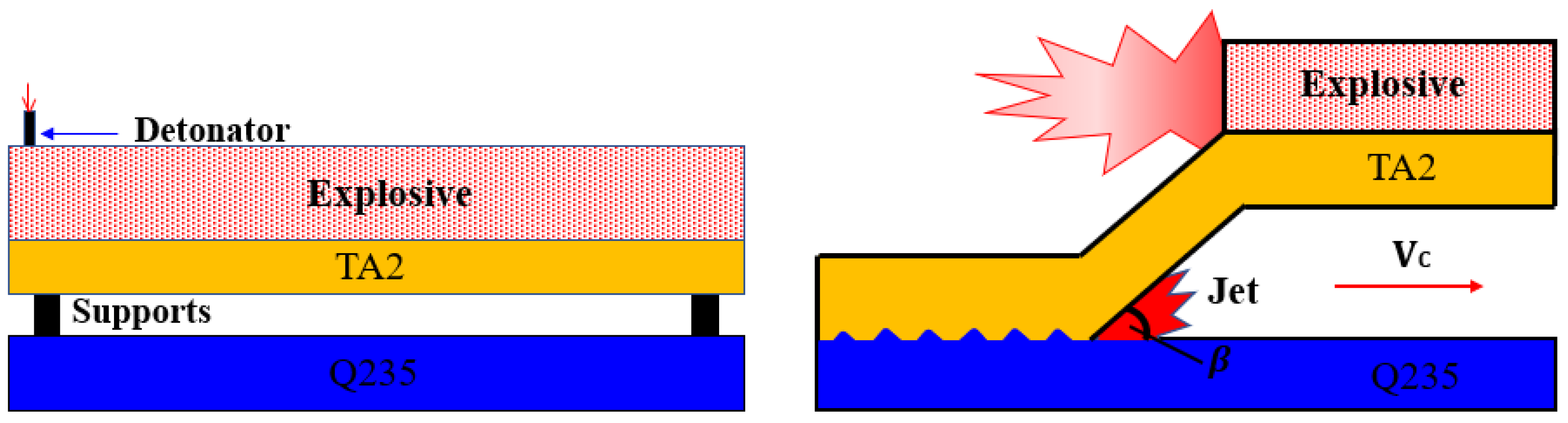
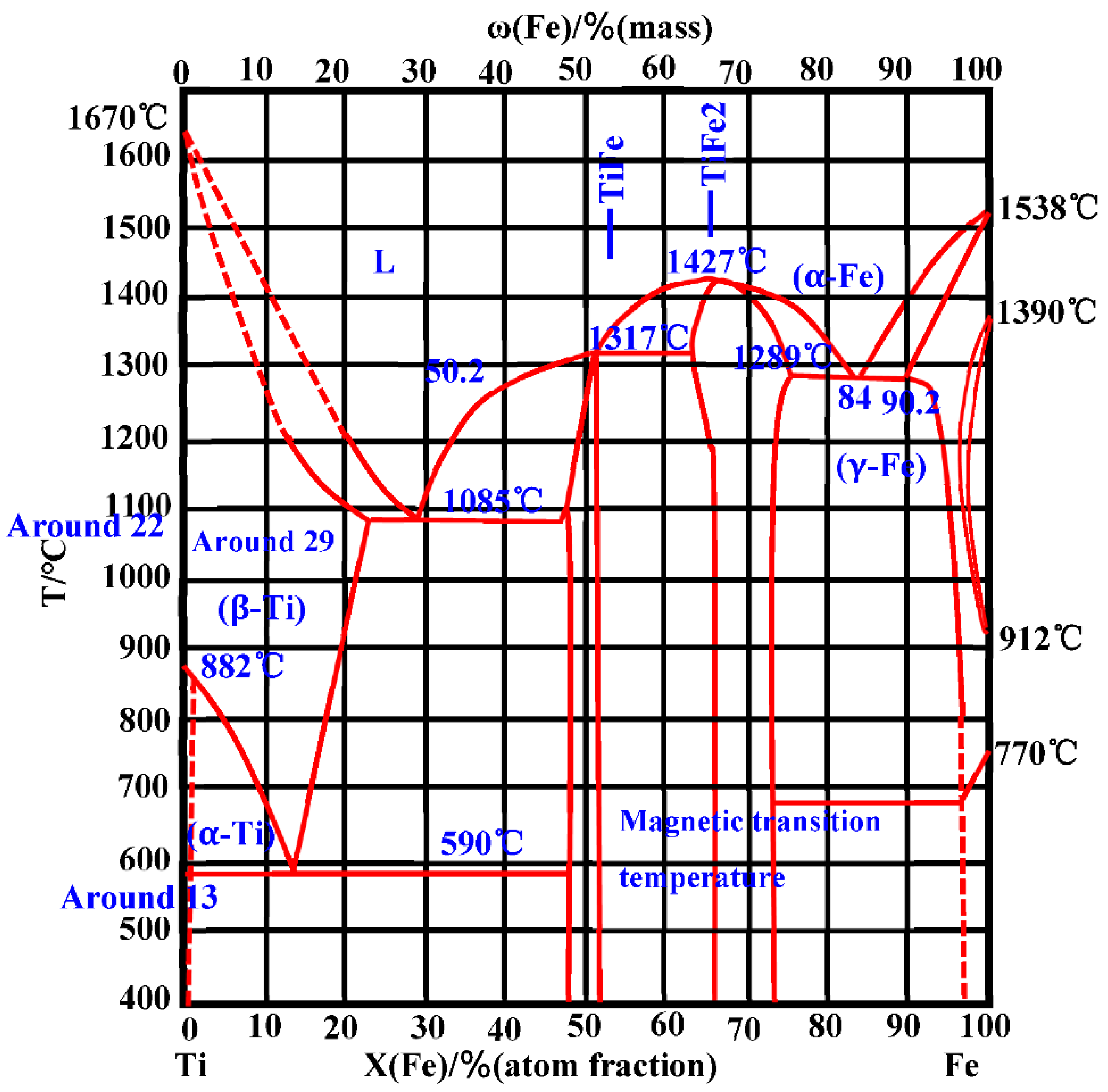
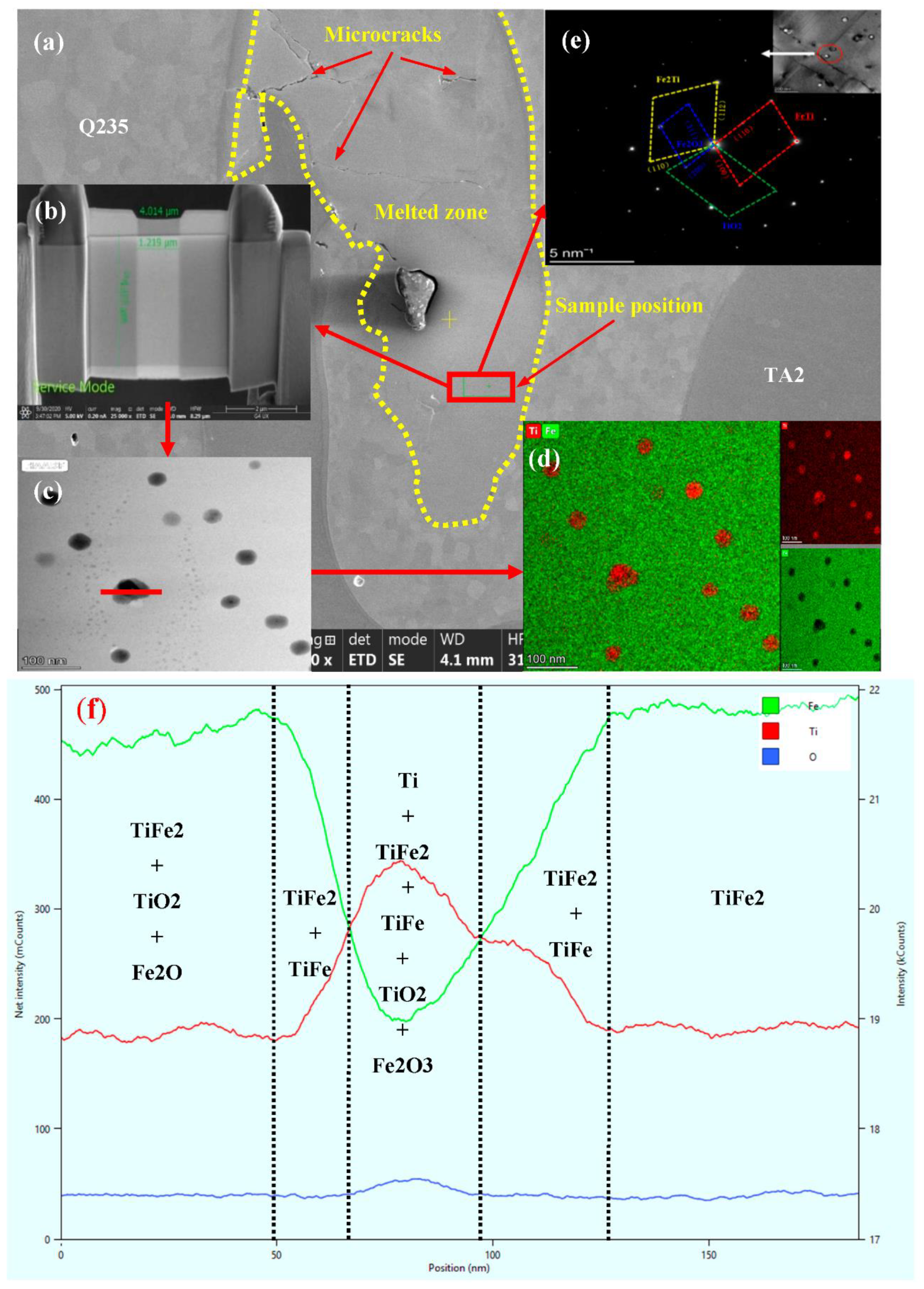
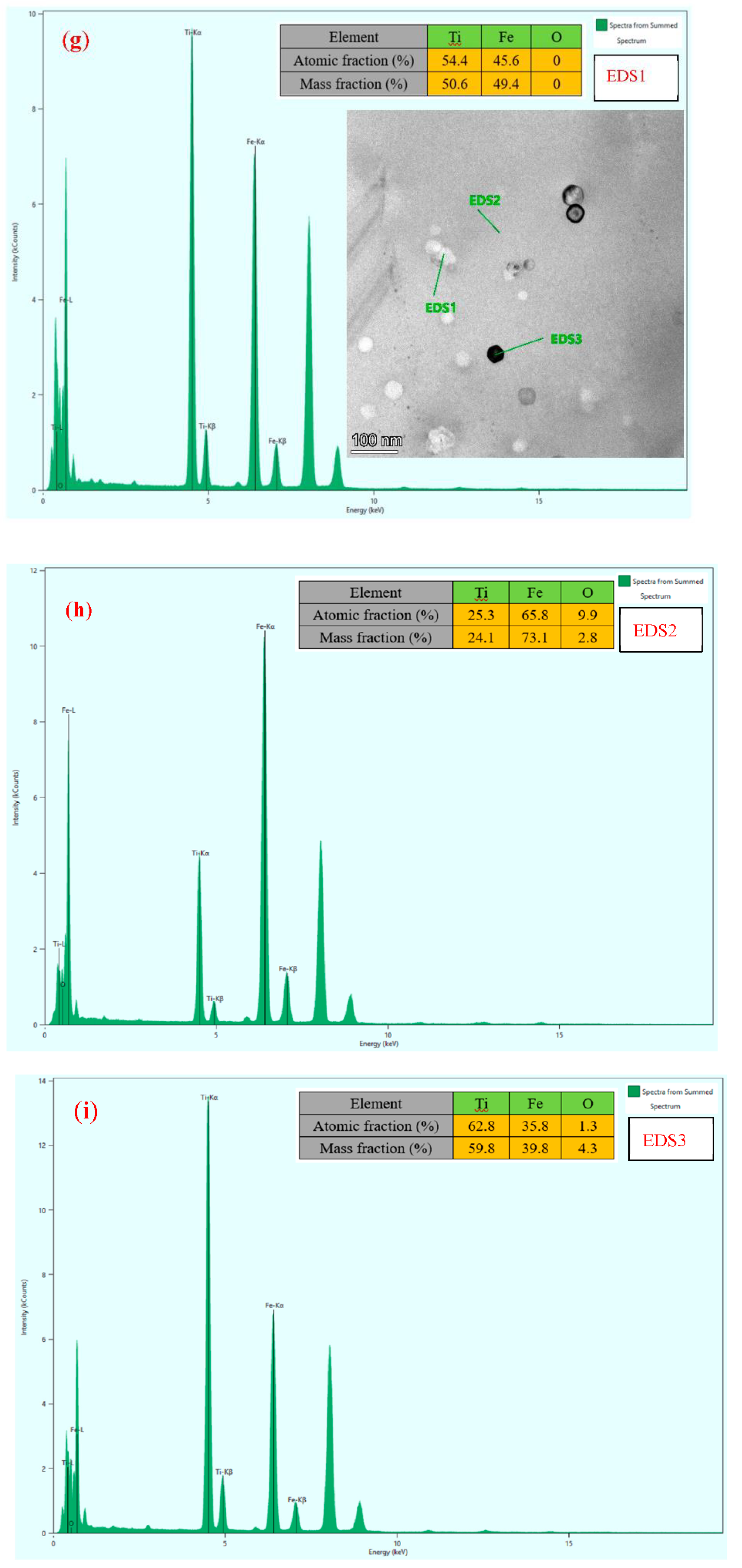
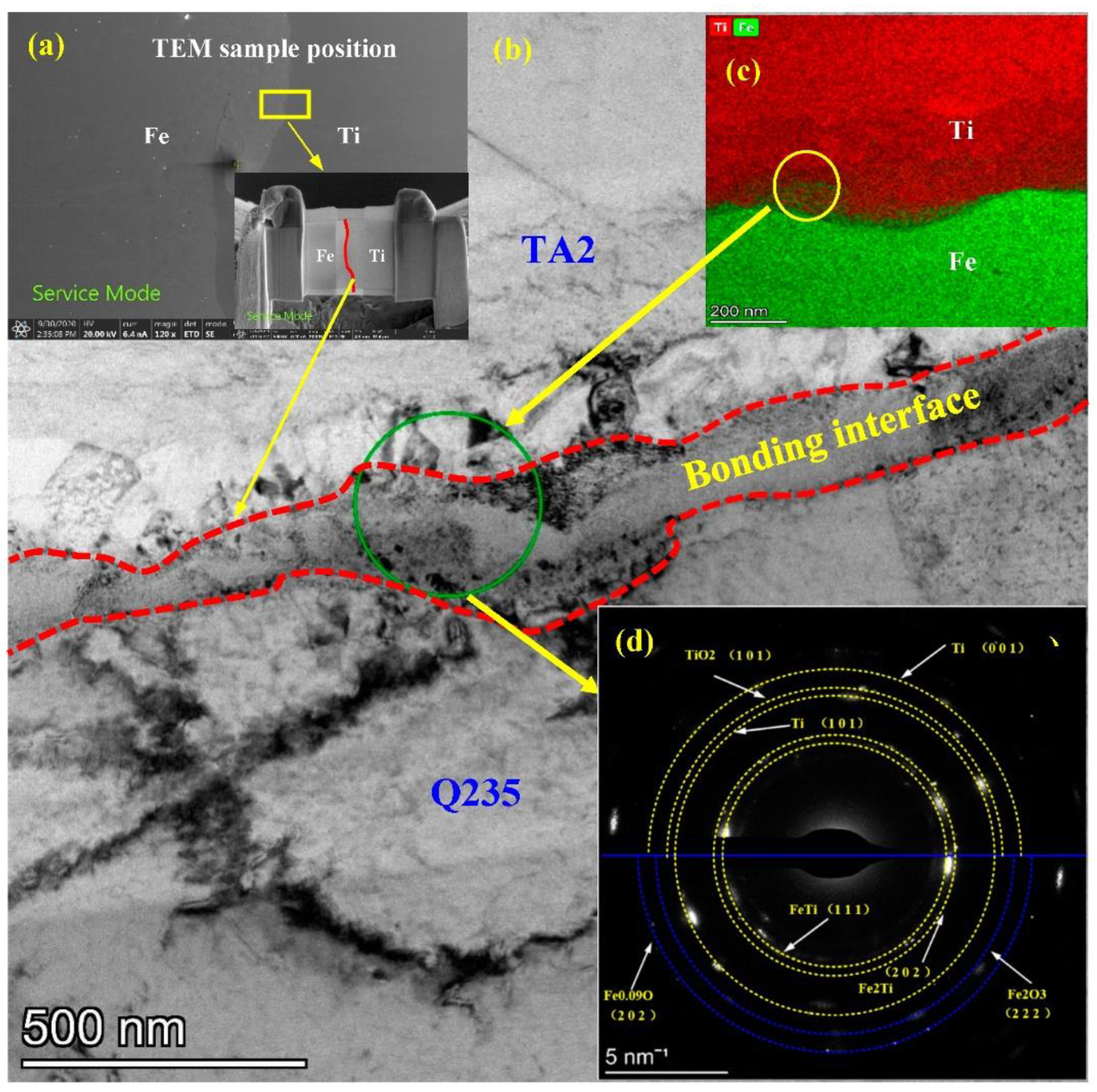
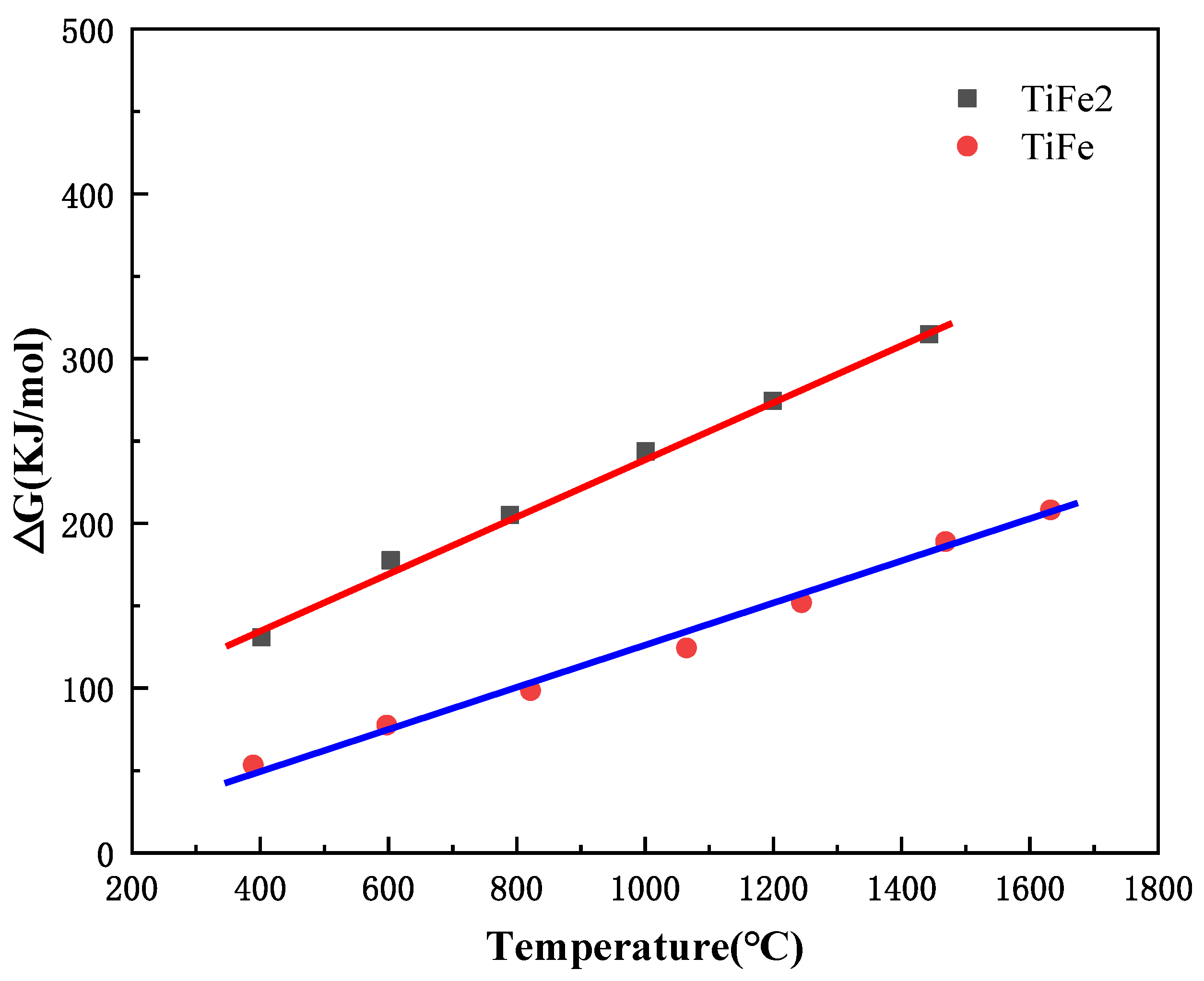
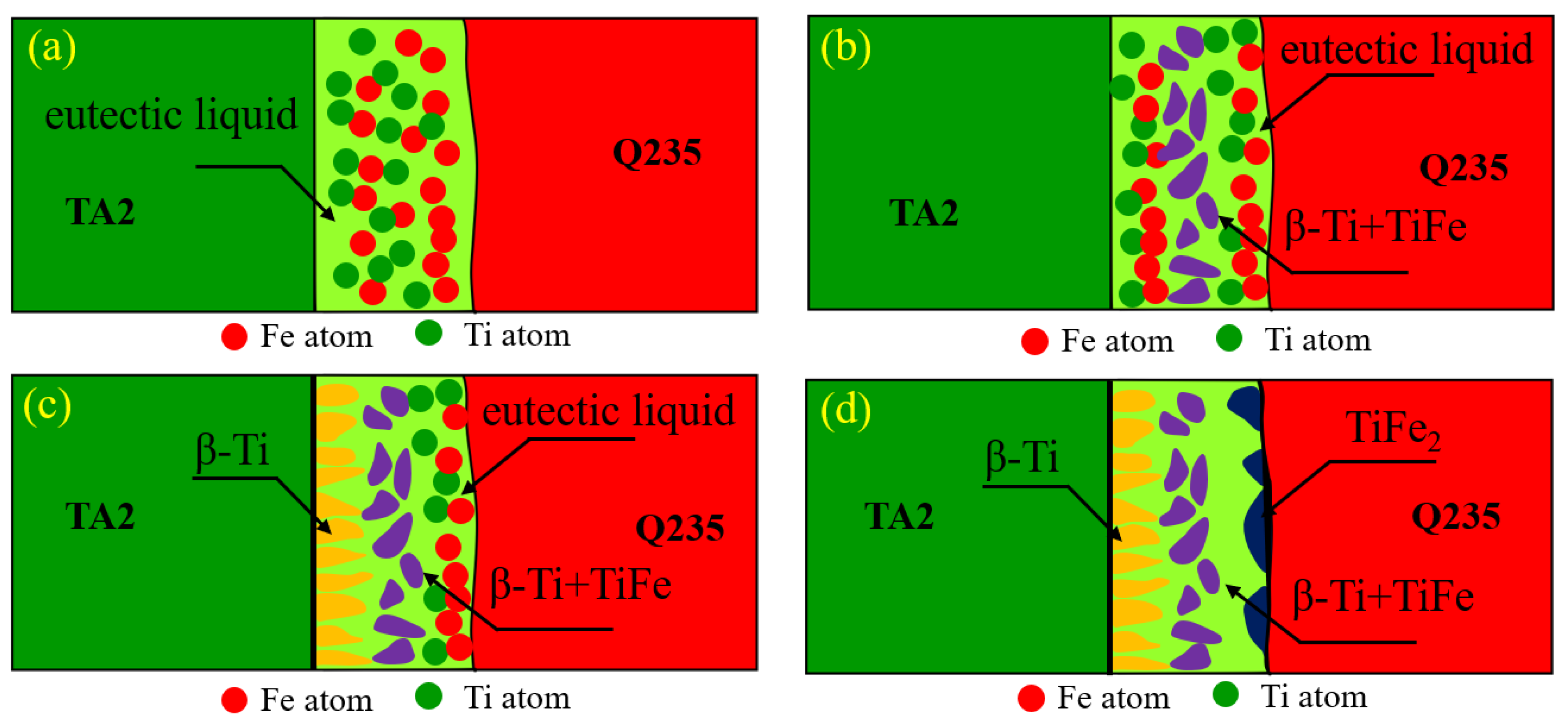
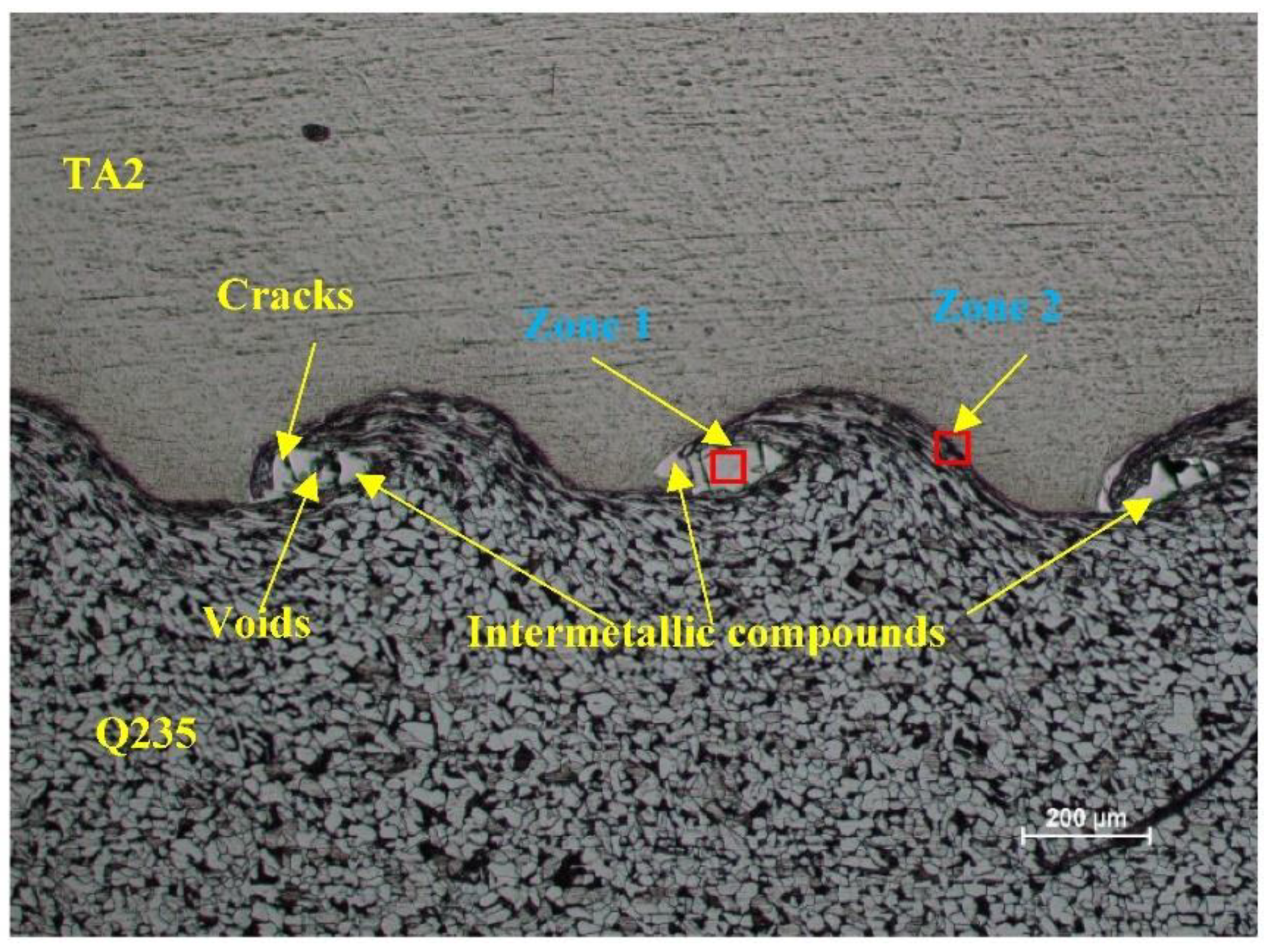
During the explosive welding, the bonding interface of welded materials was fast heated due to high strain rate and drastic plastic deformation. The periodical wave interface, with an amplitude of ~300 μm and a period wavelength of ~800 μm, was identifiable as a uniform wave interface formed in the bonding interface. The details of the formation of melting zone and mixing zone of welding materials at the interface were observed. Combined with the Ti-Fe binary phase diagram and the principle of diffusion welding, the phase composition and evolution process of the melting and mixing zone of the bonding interface were investigated by transmission electron microscopy (TEM) and energy dispersive spectrometer (EDS). Significance of the intermetallic compound was found in the mixing zone and melting zone, which was mainly TiFe, TiFe2, TiO2, Fe2O3 and some other intermetallic oxides. Meanwhile, the phenomenon of the titanium agglomeration and oxygen precipitation was observed in the melting zone. The bonding interface could be determined as a mixing welding of mechanical mixing, melting, diffusion and solidification that occurred in the mixing zone, and melting welding and diffusion welding mainly occurred in the melting region.
Keywords: explosive welding; bonding interface; melting area; intermetallic reaction; microstructure evolution explosive welding; bonding interface; melting area; intermetallic reaction; microstructure evolution