Article

Microstructure and Mechanical Properties of Laser-Welded Joint of Tantalum and Stainless Steel

School of Advanced Manufacturing, Nanchang University, Nanchang 330031, China
*
Author to whom correspondence should be addressed.
Metals 2022, 12(10), 1638; https://doi.org/10.3390/met12101638
Submission received: 22 August 2022 / Revised: 20 September 2022 / Accepted: 23 September 2022 / Published: 29 September 2022
(This article belongs to the Special Issue Advanced Technology in Microalloyed Steels)

Abstract

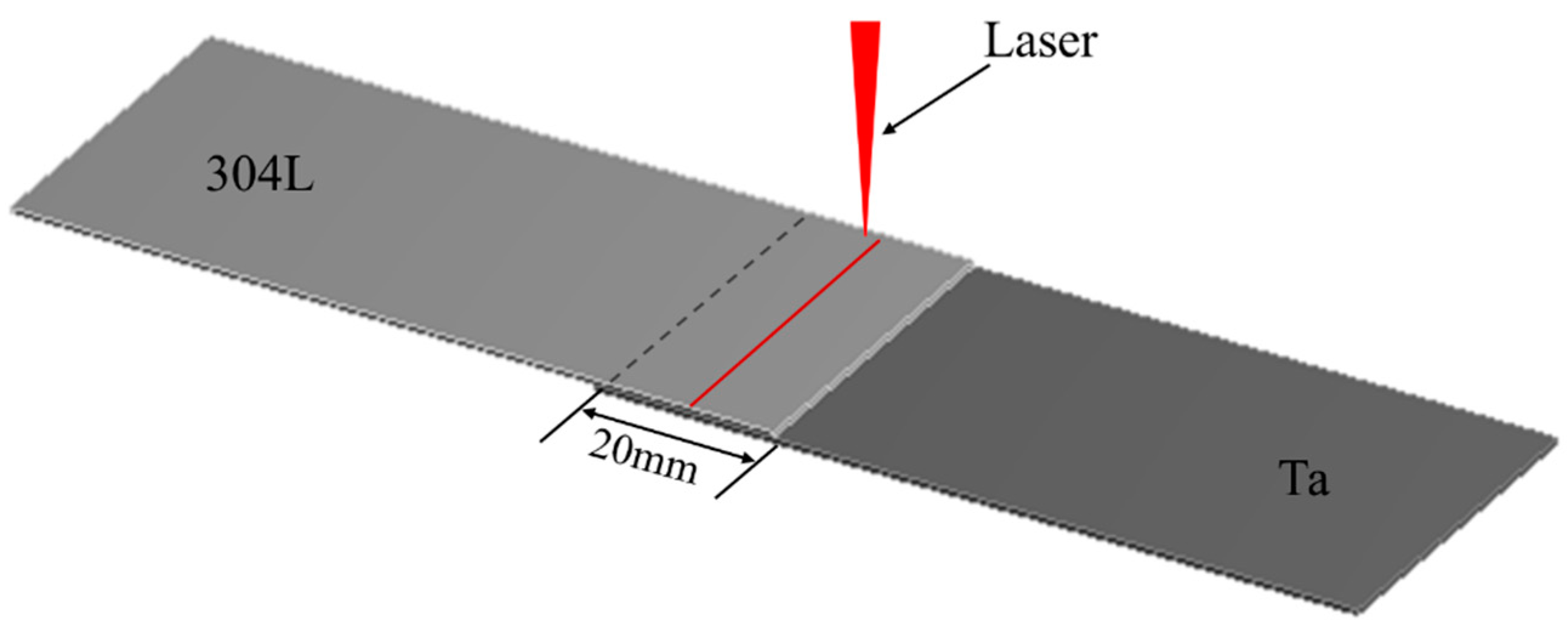
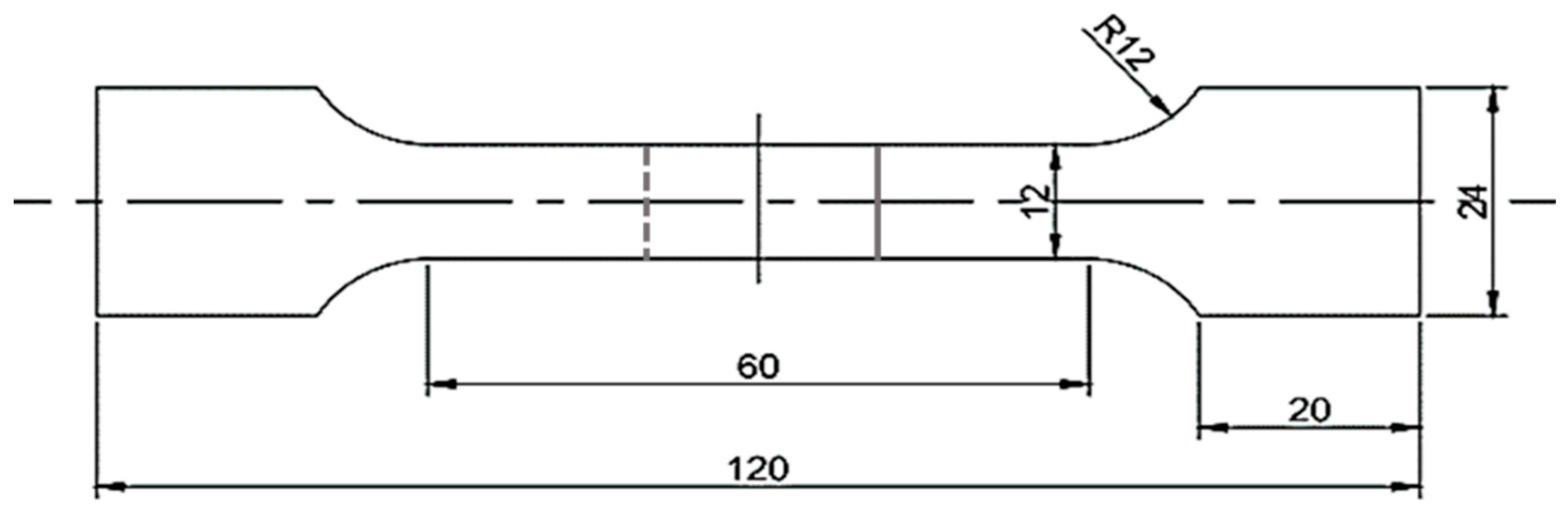
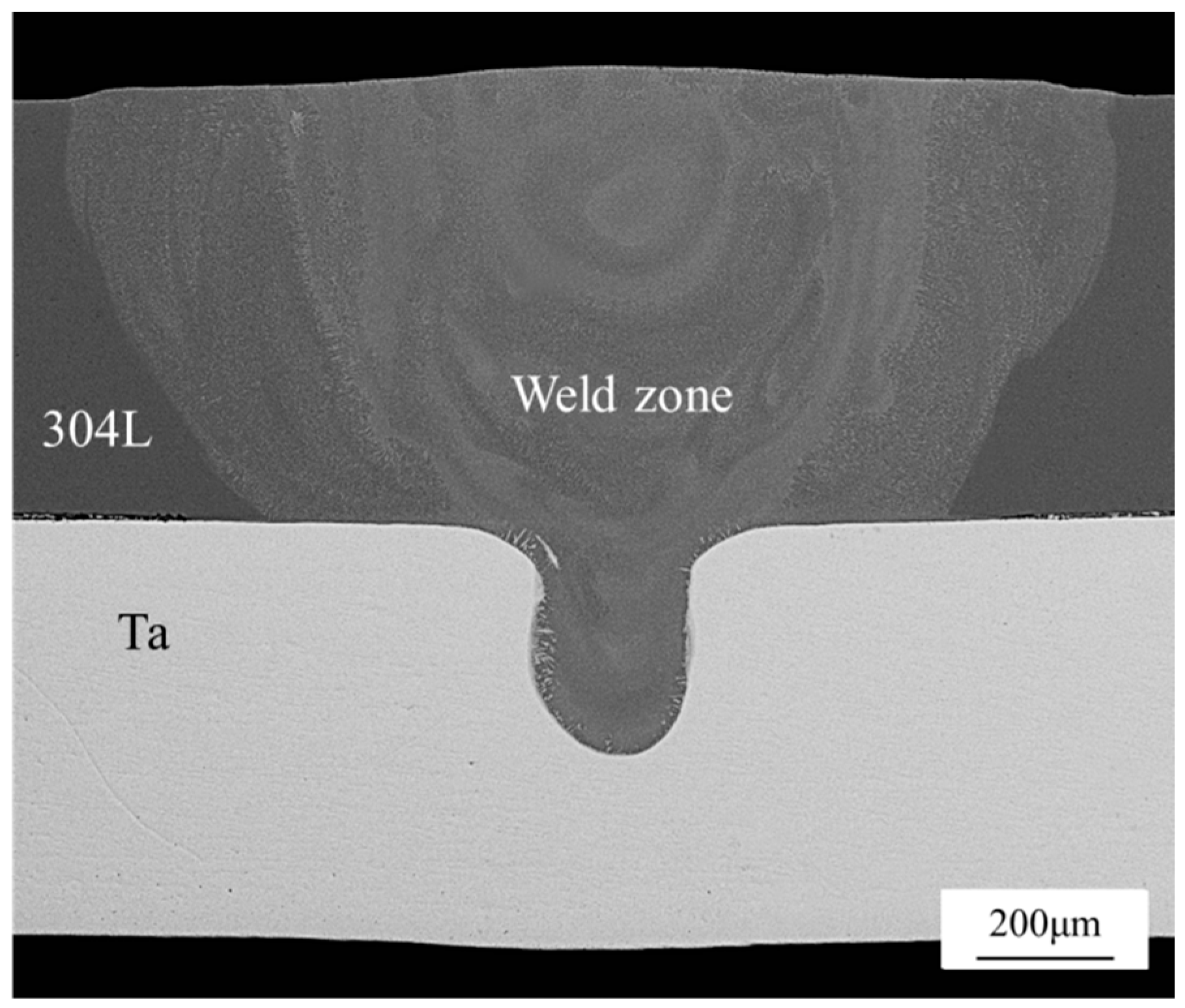
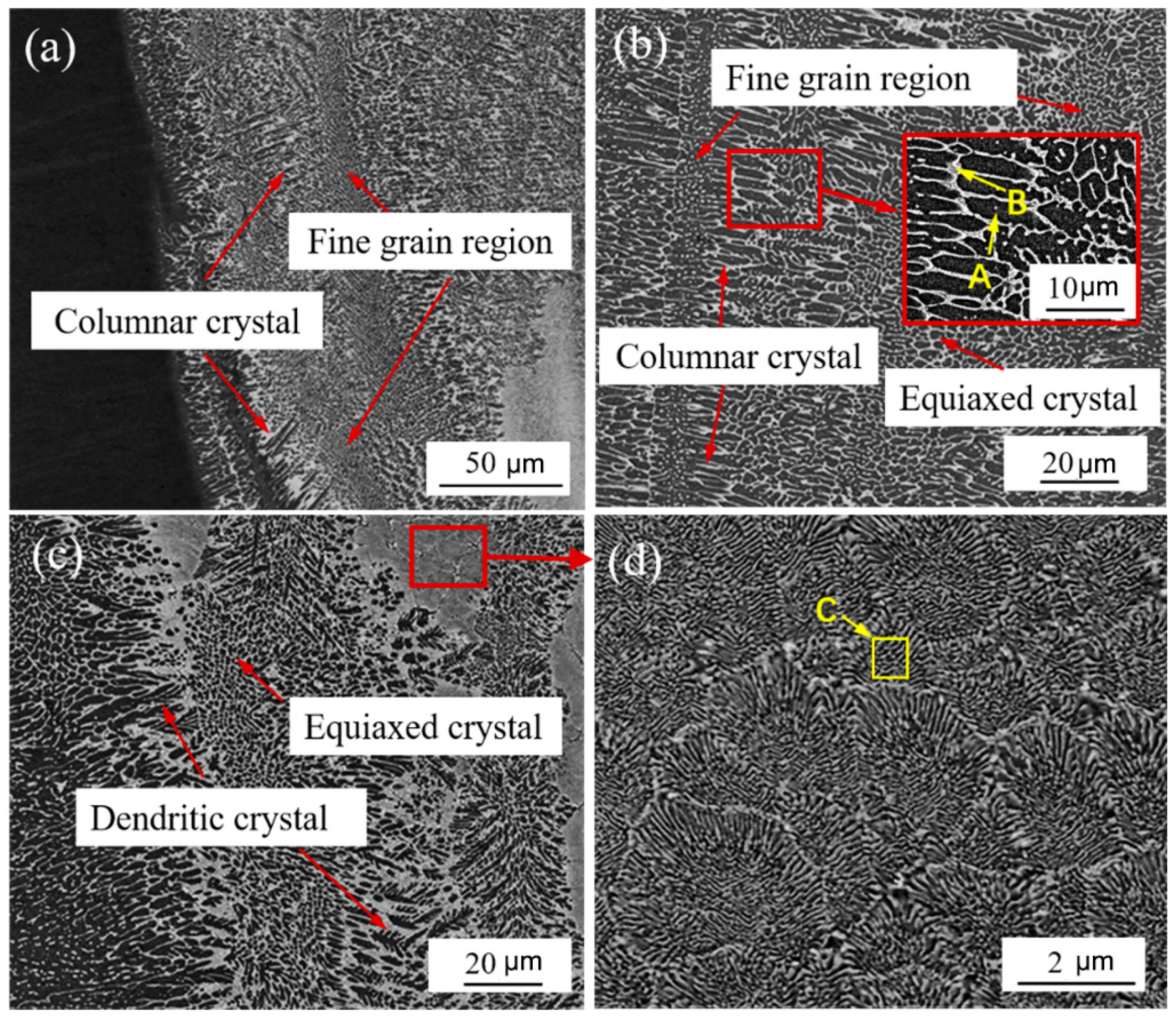
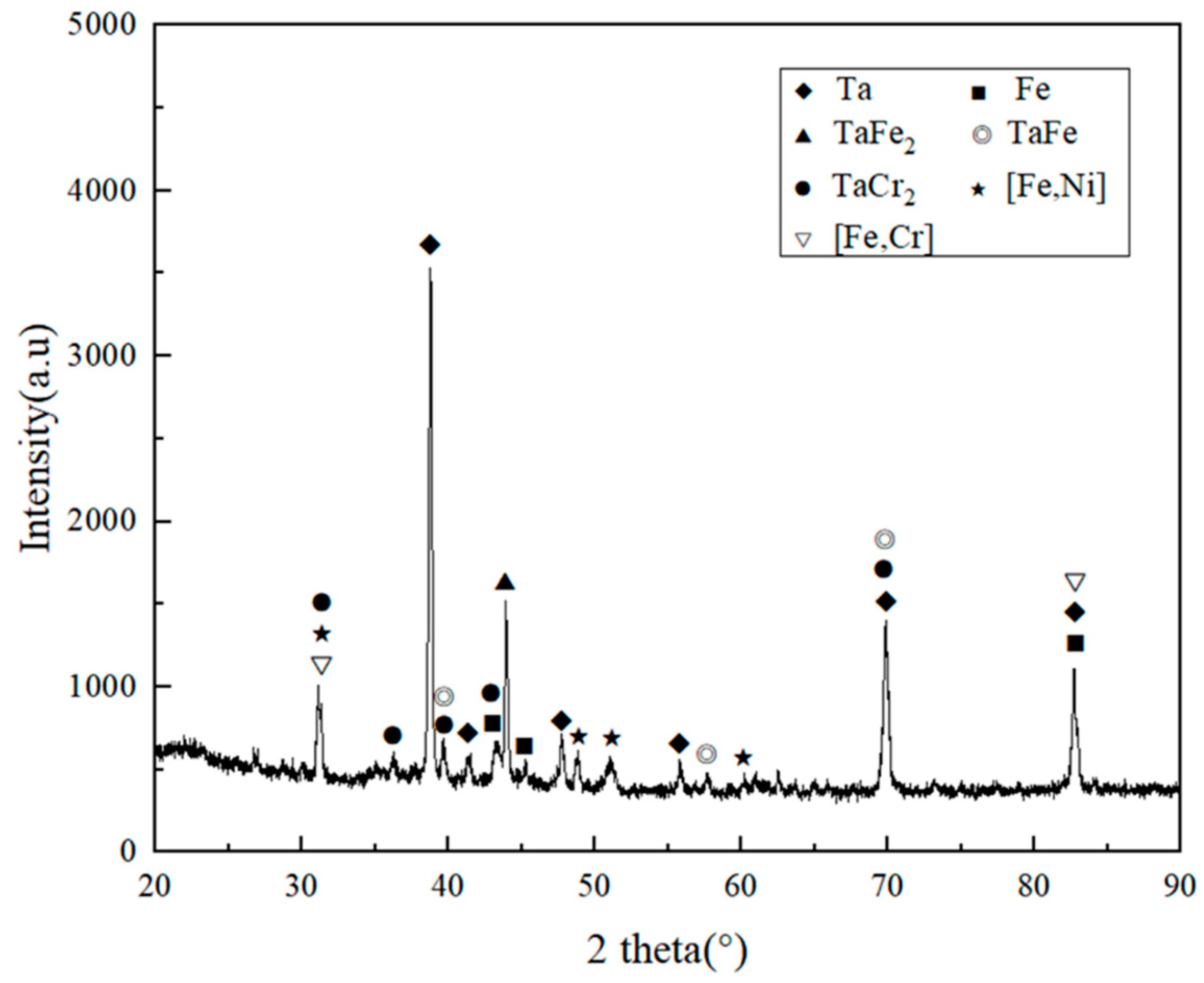
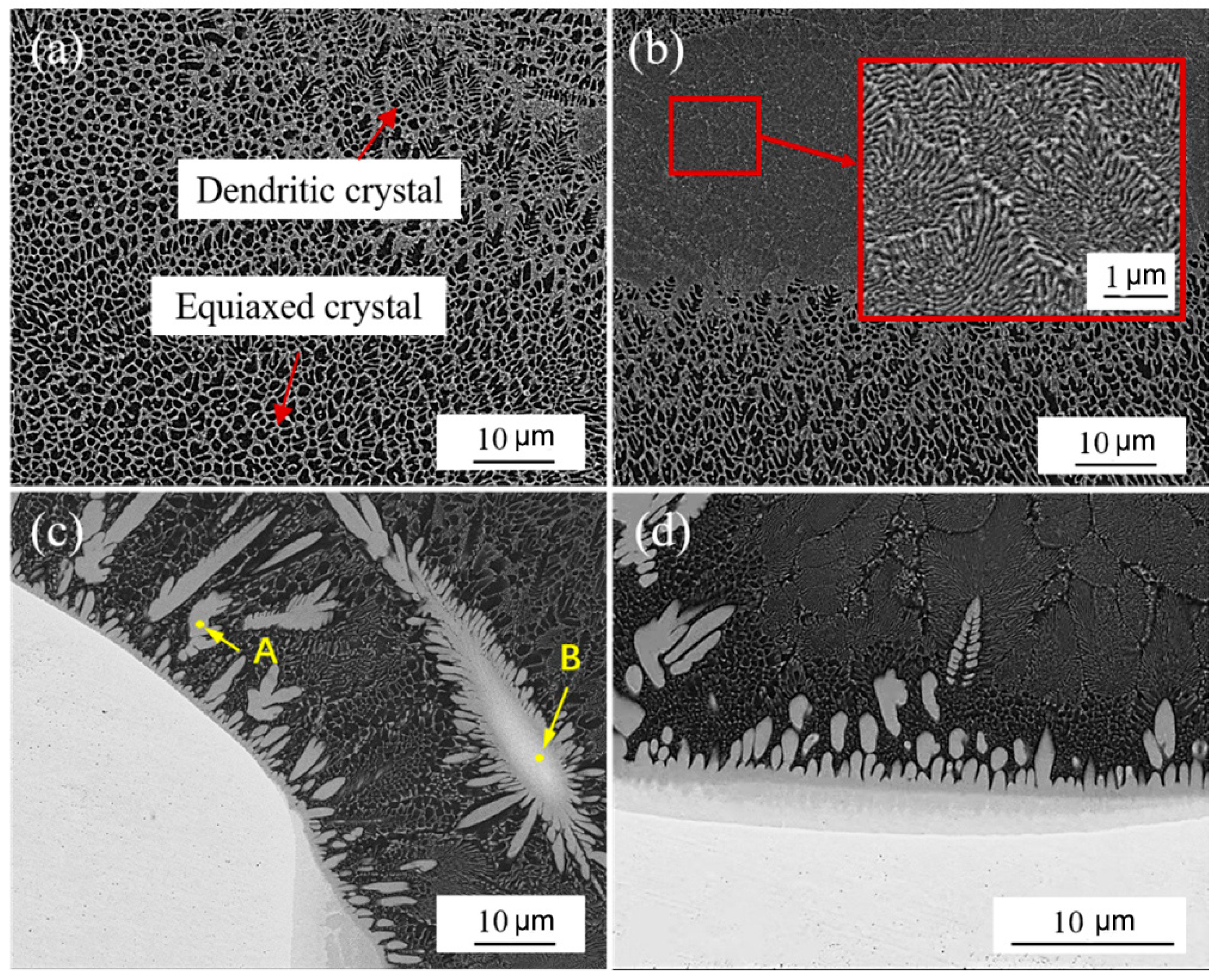
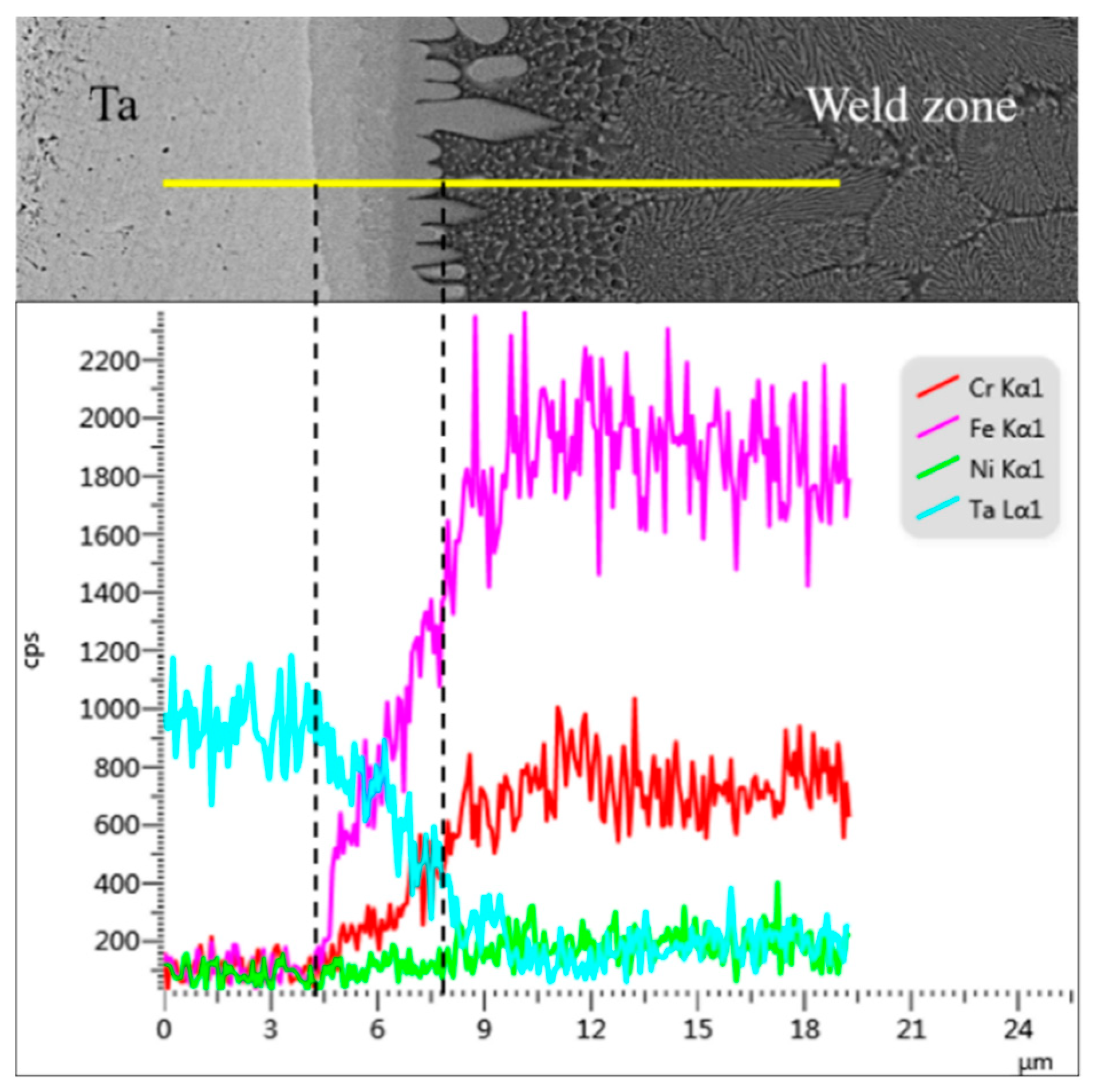
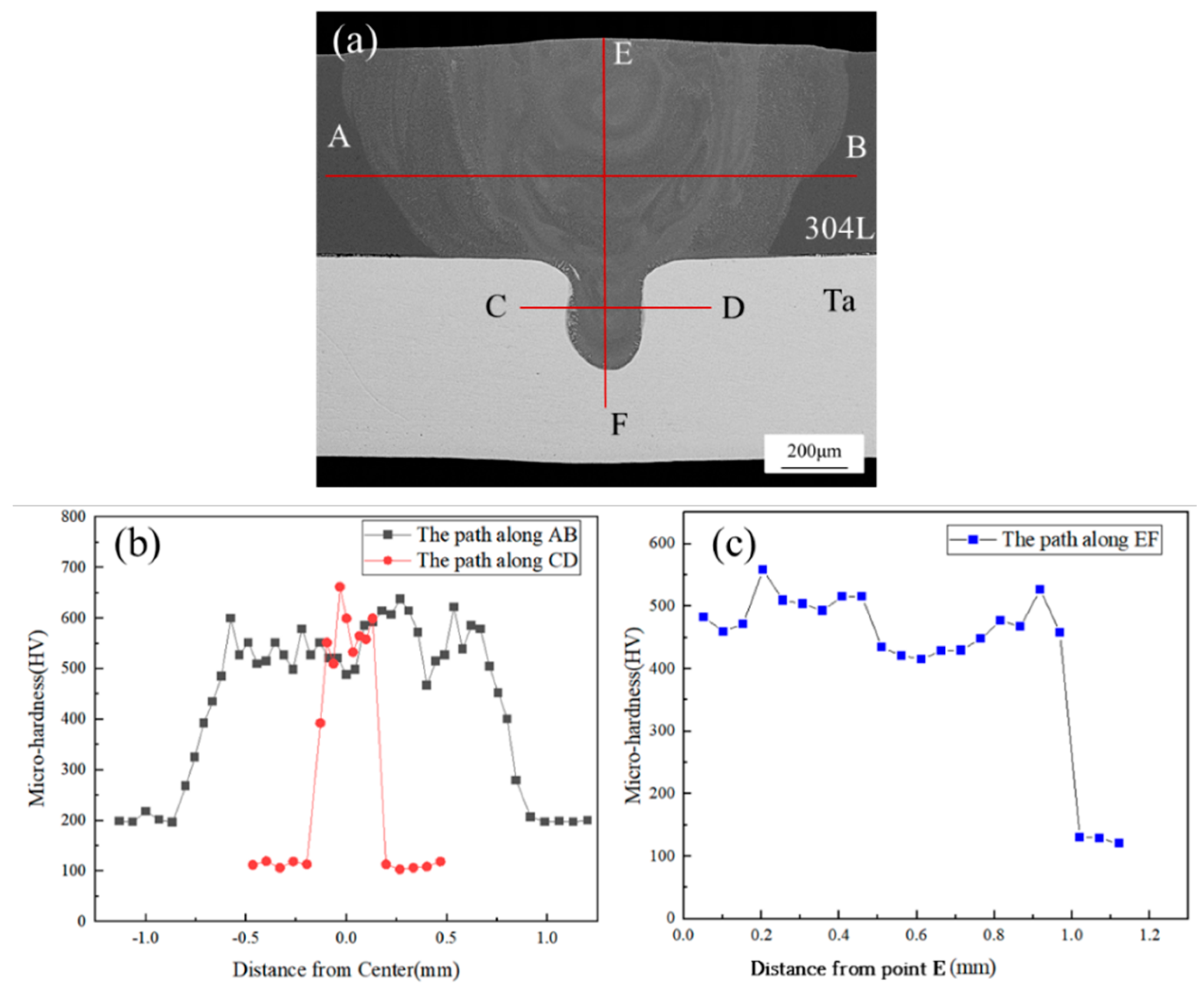
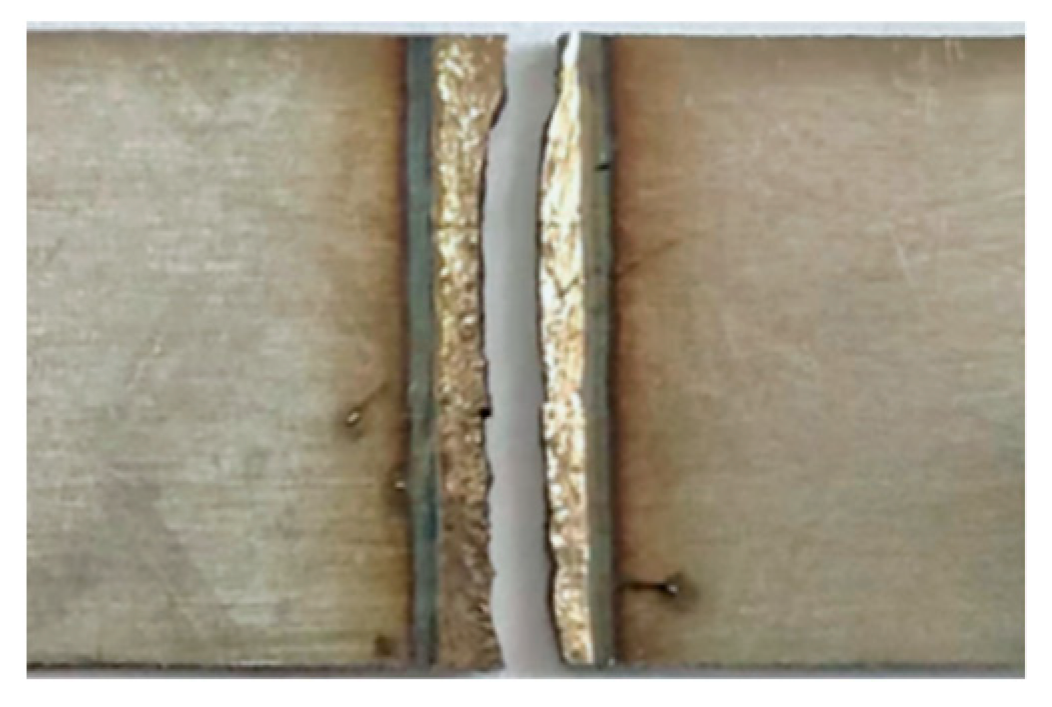
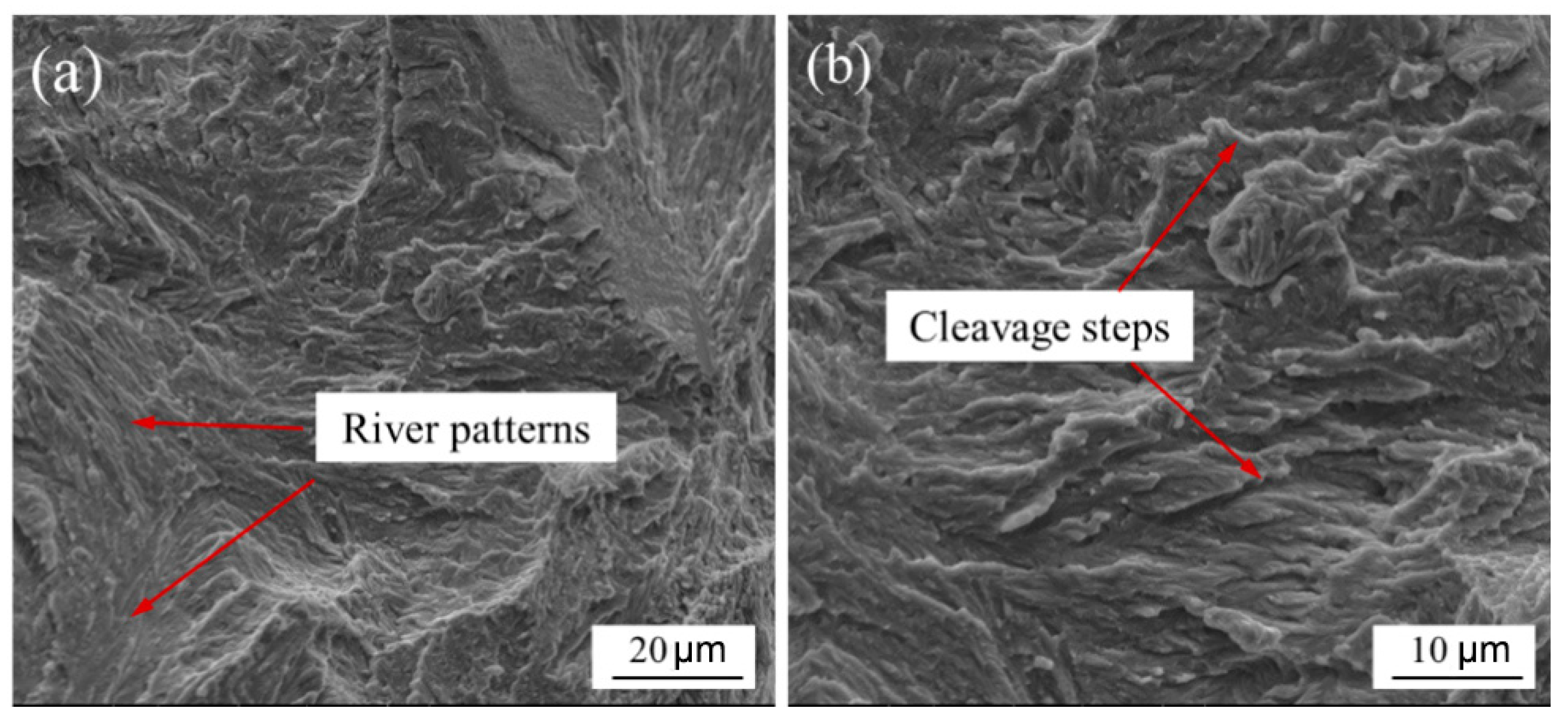
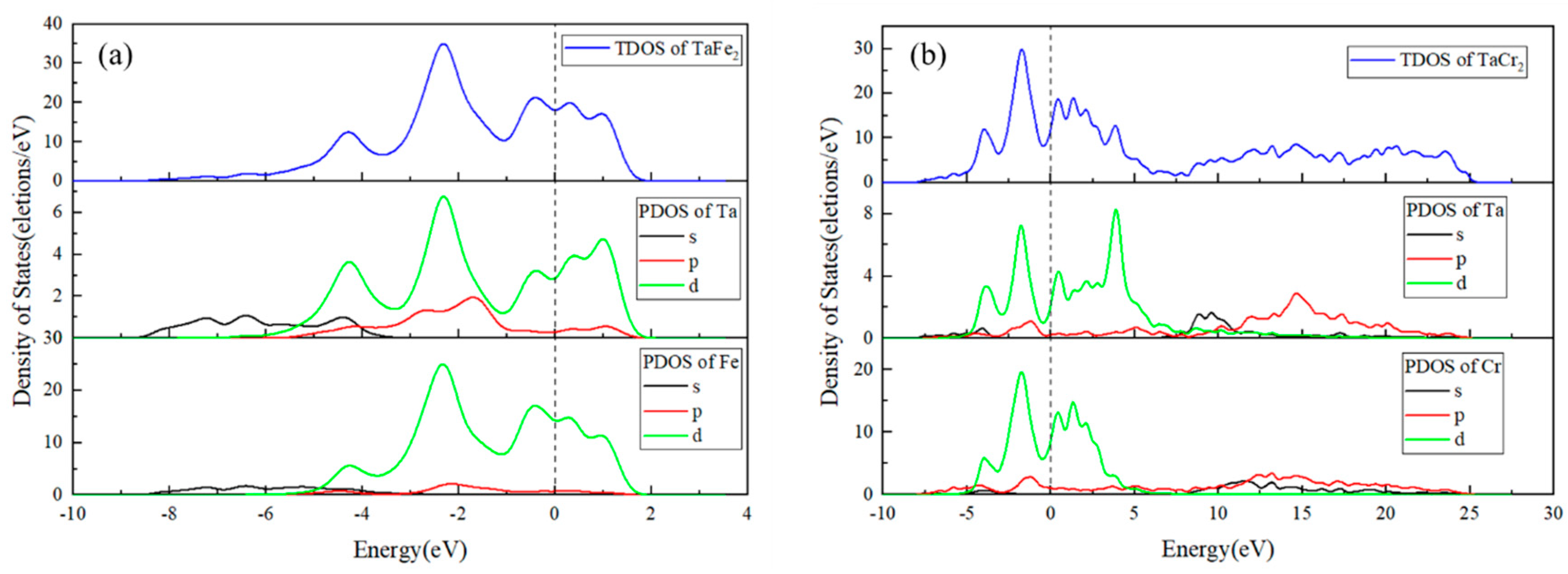
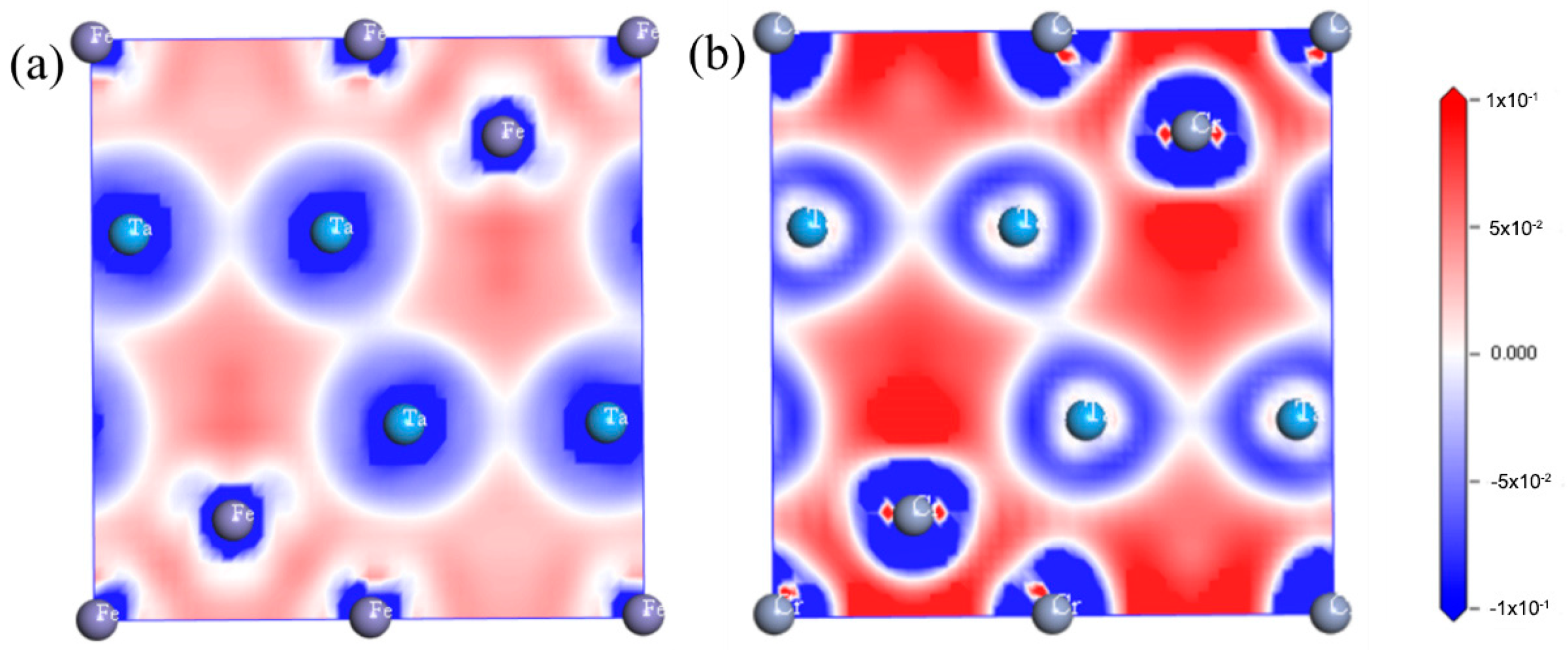
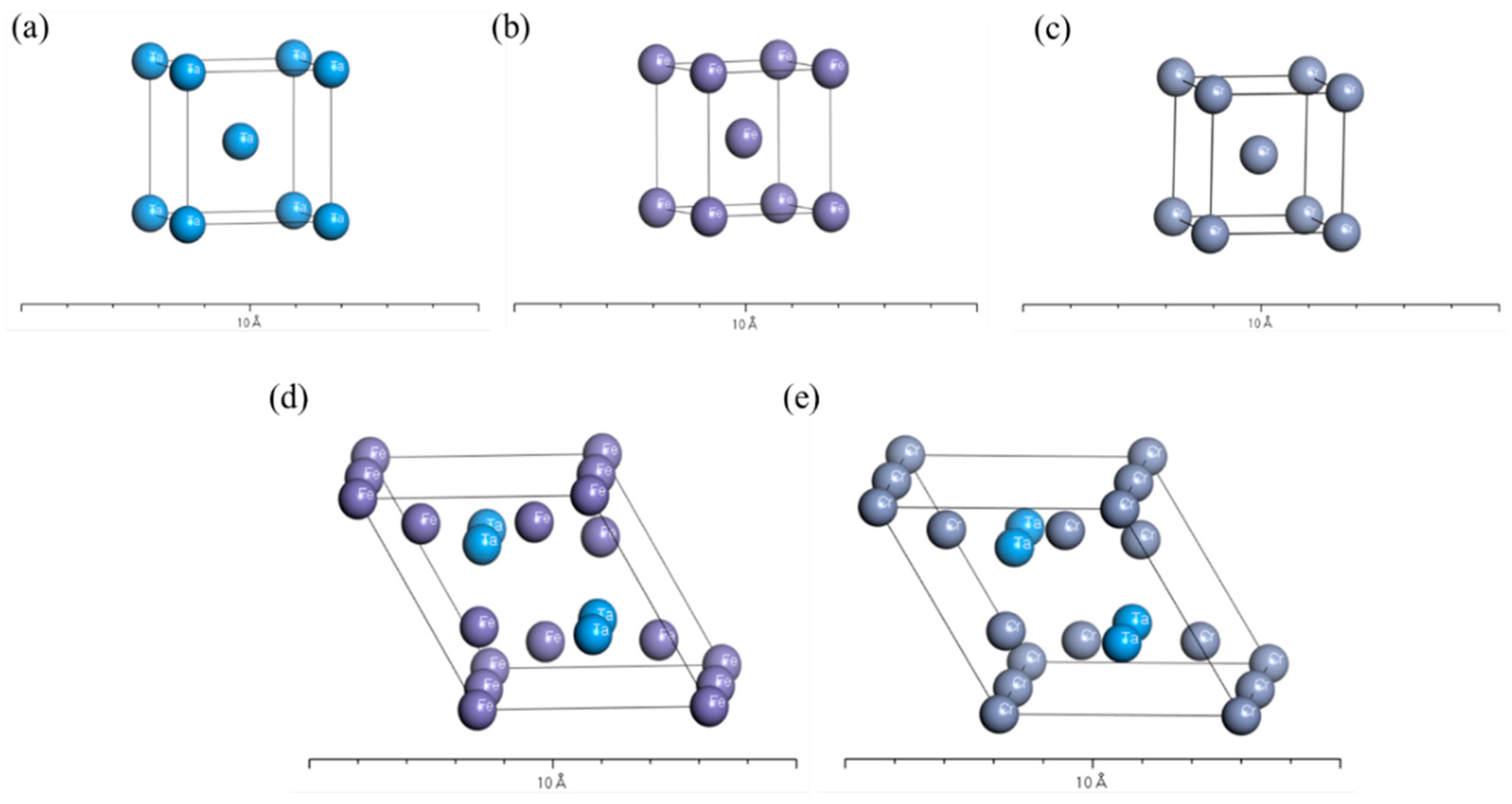
Bimetallic components welded by Ta and stainless steel have great promise for engineering applications, but there is relatively little relevant research. In this study, 0.6 mm-thick Ta and 304L stainless steel plates were laser welded, and the forming characteristics, microstructure, and mechanical properties of the welded joints were analyzed. First-principles calculations were also performed to explore the structural stabilization mechanisms of the two intermetallic compounds, TaFe2 and TaCr2, in terms of mechanical properties as well as electronic structure. The results showed that the weld surface was smooth and free from any defects. Fe-based solid solutions formed grains, while TaFe2, TaCr2, and some Fe-based solid solutions formed intergranular and eutectic structures. In addition, due to the presence of the brittle phases of TaFe2 and TaFe, the microhardness of the weld area can reach 650HV, with an average hardness of 530HV, which is much higher than that of the base material. The tensile shear of the joint at room temperature was 154.77 N/mm, and the fracture occurred in the weld zone on the steel side, showing brittle fracture. TaFe2 is a brittle intermetallic compound, while TaCr2 is ductile. Both TaFe2 and TaCr2 systems have dual properties of metallic and covalent bonding within them, and metallic bonding dominates.
Keywords: Ta; 304L; laser welding; microstructure; mechanical property; first-principles calculations Ta; 304L; laser welding; microstructure; mechanical property; first-principles calculations