
Article

Selective Leaching Trace Elements from Bauxite Residue (Red Mud) without and with Adding Solid NH4Cl Using Microwave Heating

1
Radioactive Waste Disposal Research Division, Korea Atomic Energy Research Institute, Daejeon 34057, Korea
2
Department of Rural Systems Engineering, Research Institute of Agriculture and Life Sciences, Seoul National University, Seoul 08826, Korea
3
Department of Earth and Environmental Sciences, College of Science, Korea University, Seoul 02841, Korea
*
Author to whom correspondence should be addressed.
Metals 2021, 11(8), 1281; https://doi.org/10.3390/met11081281
Submission received: 5 July 2021 / Revised: 7 August 2021 / Accepted: 9 August 2021 / Published: 13 August 2021
(This article belongs to the Section Extractive Metallurgy)

Abstract

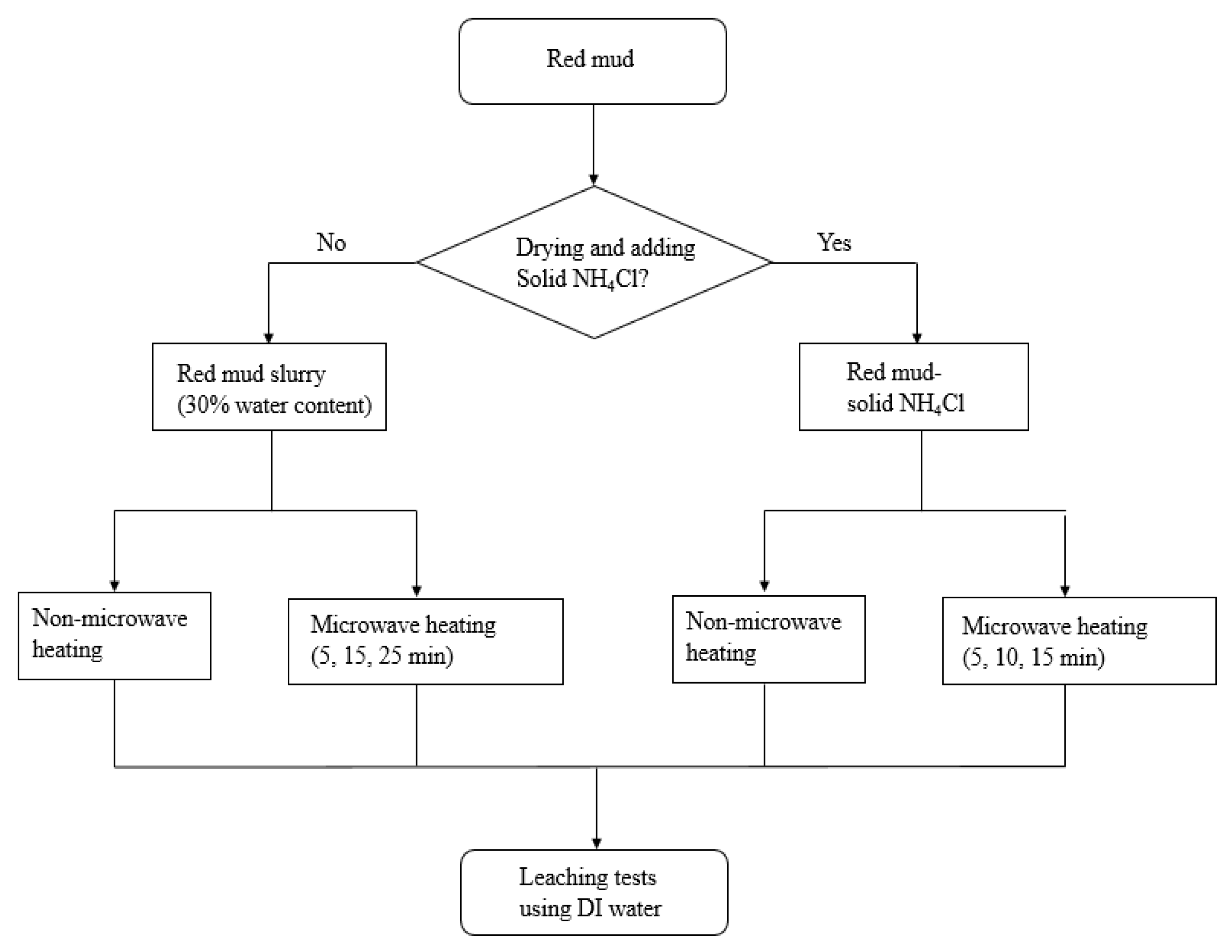
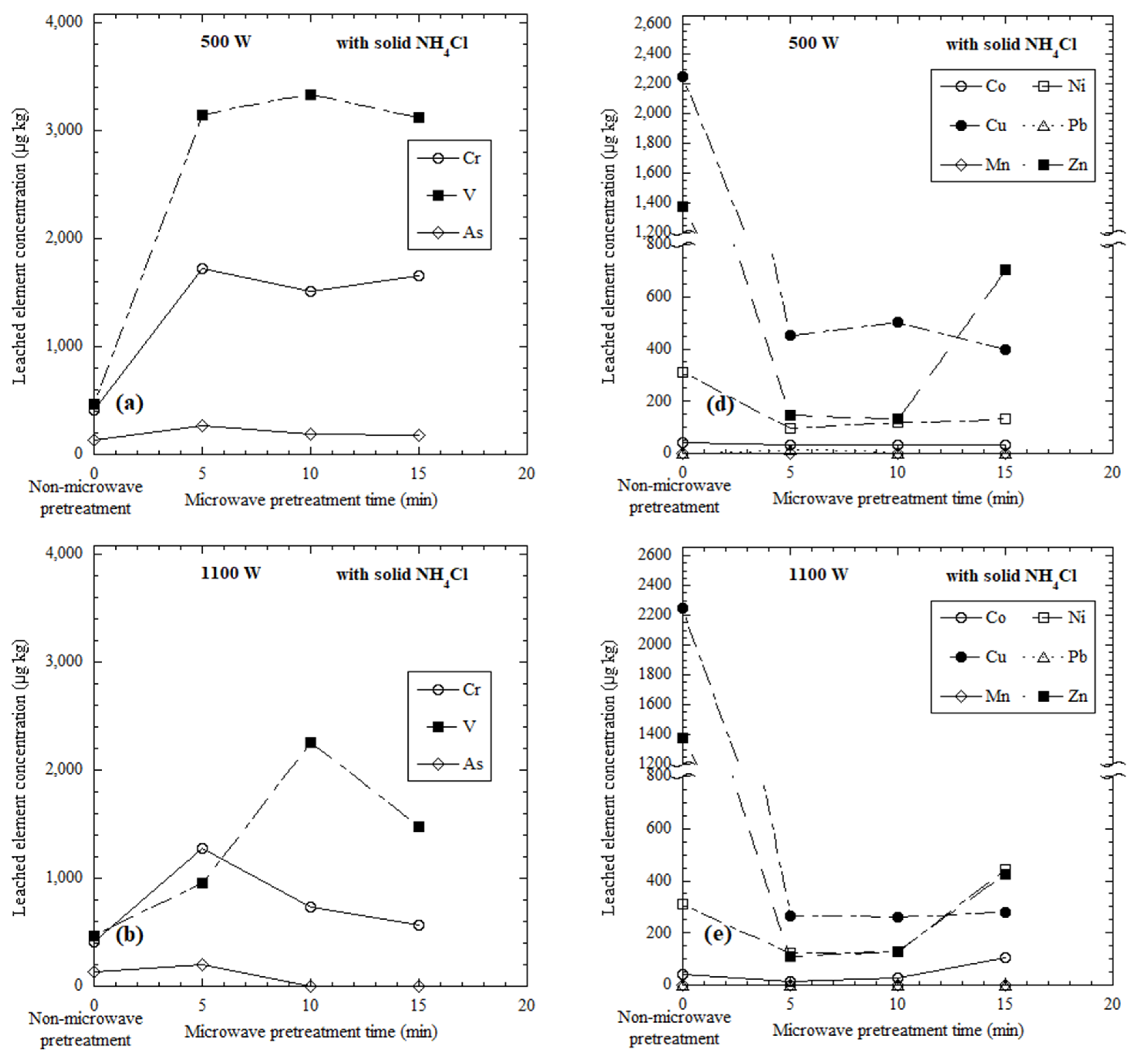
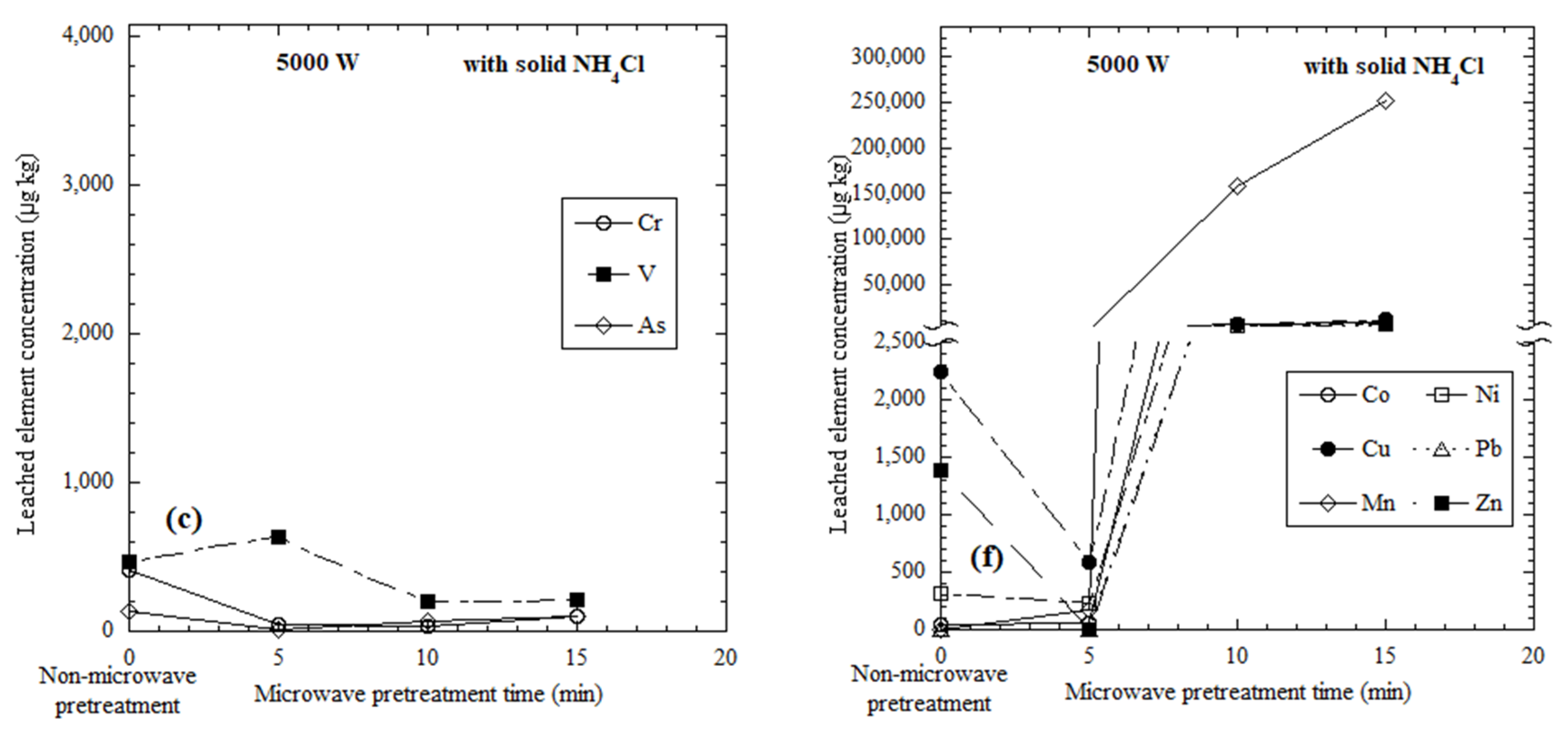
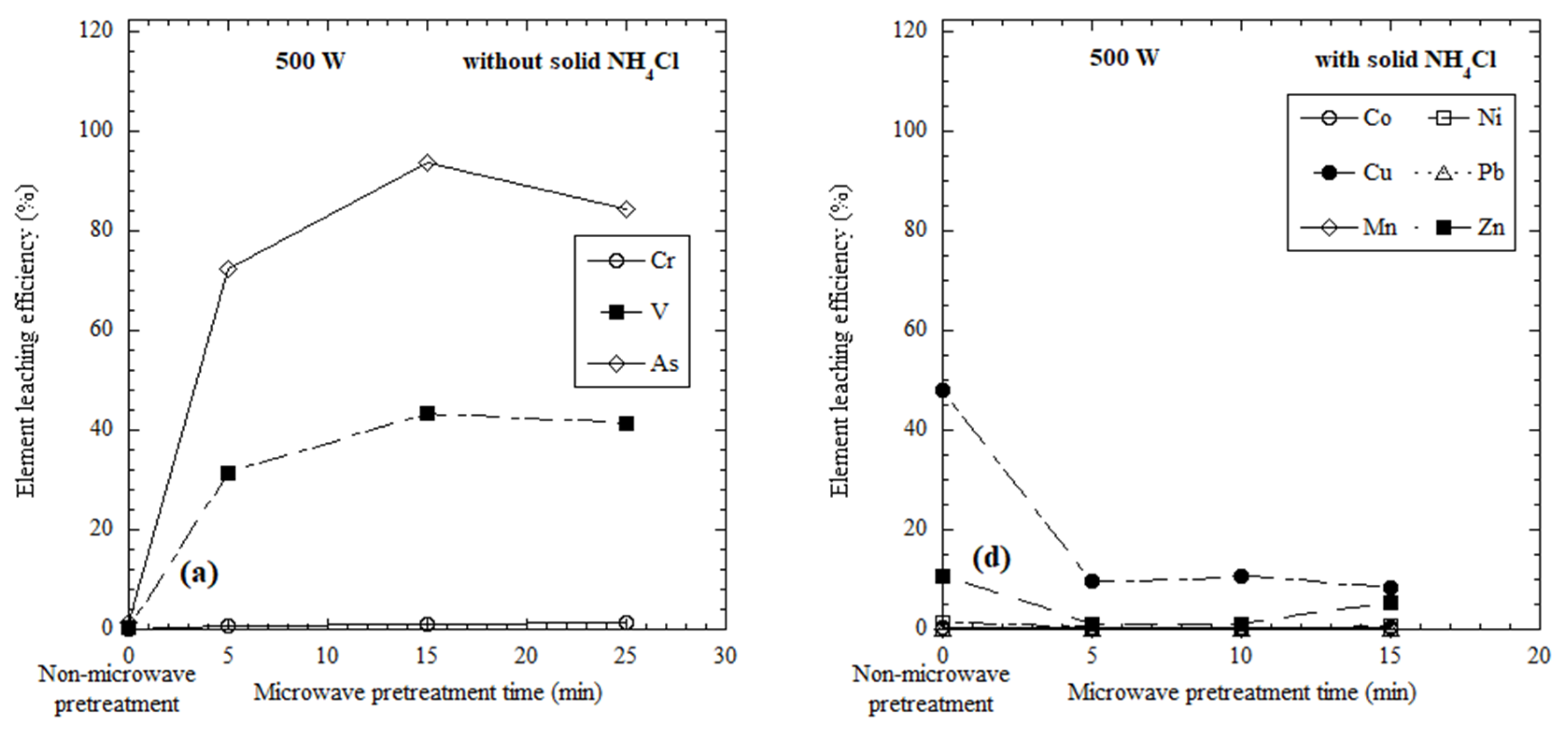
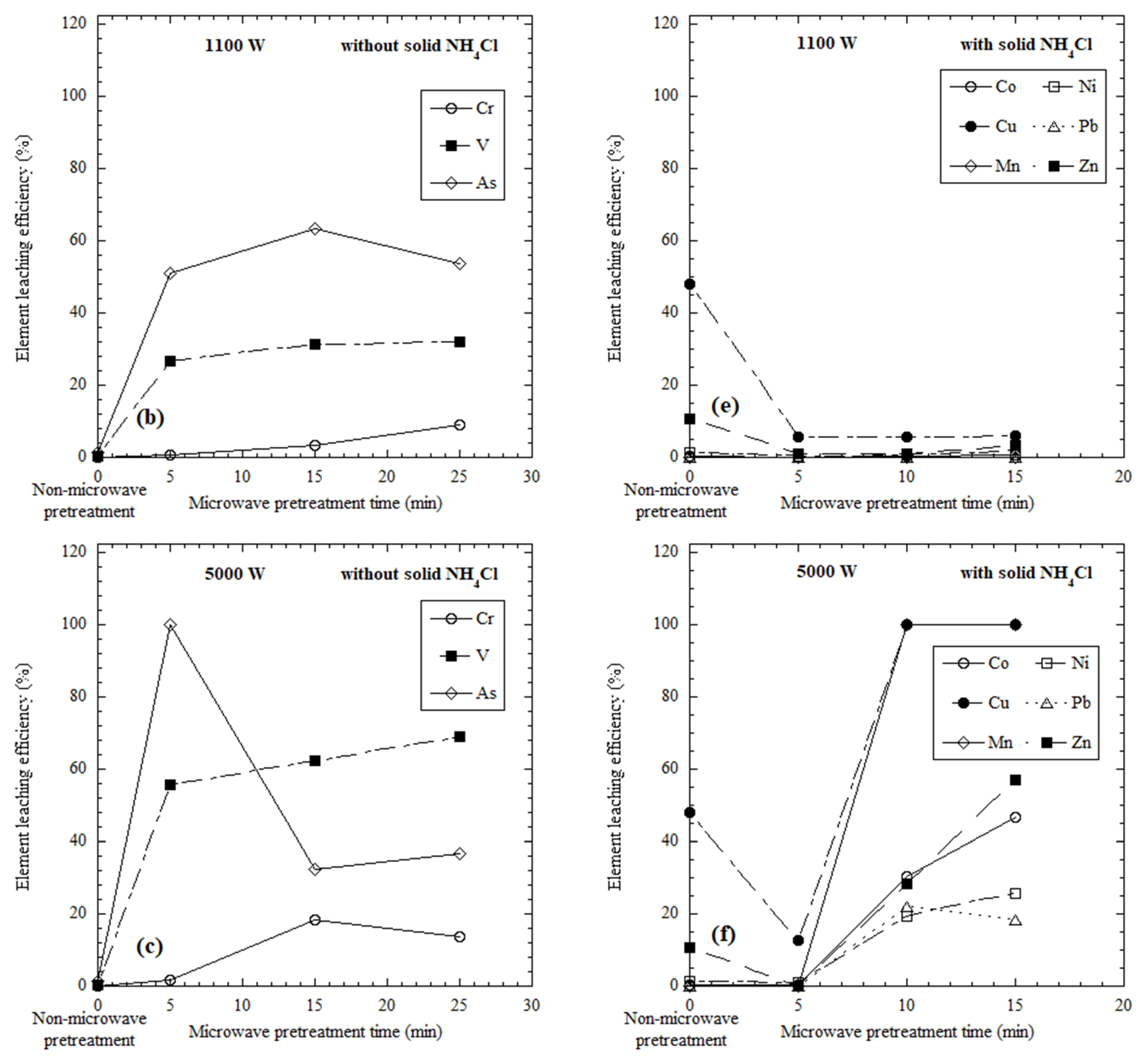
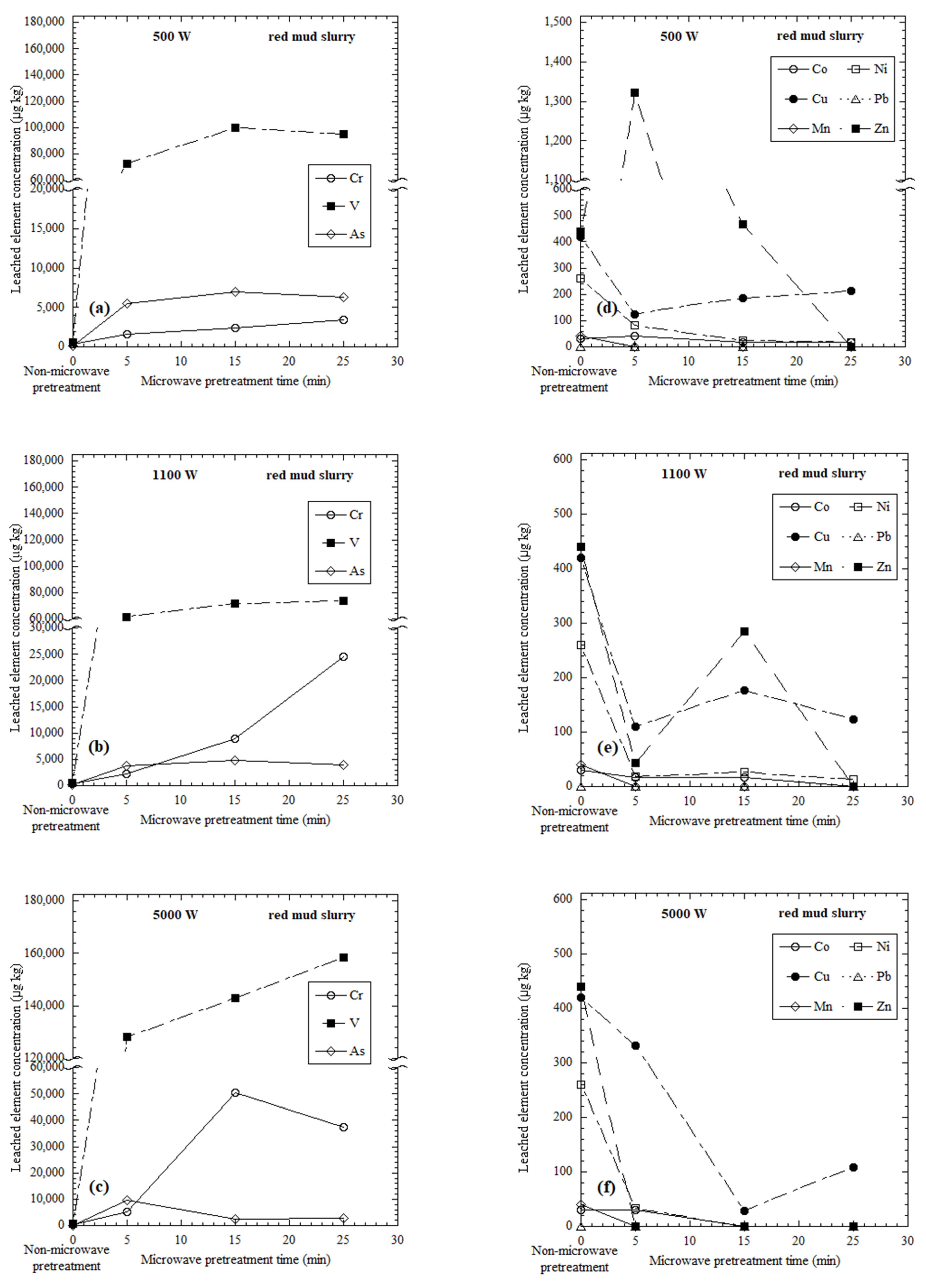
Bauxite residue (red mud), which is an industrial byproduct, contains valuable trace elements. Solid NH4Cl was used as a chlorinating agent during the microwave heating of red mud to convert trace elements into soluble metal chloride. Red mud was heated using microwave ovens under various conditions (i.e., with the addition of solid NH4Cl and with a range of microwave output powers and microwave heating times). Leaching tests were then conducted using deionized (DI) water on the microwave-heated red mud to leach trace elements from red mud. V, Cr, and As were selectively leached from the microwave heated red mud slurry (30% water content), whereas Mn, Cu, Co, Ni, Zn, and Pb were selectively leached from the microwave-heated red mud with the addition of solid NH4Cl. The oxides of V, Cr, and As in red mud could be transformed into metal chlorides by chlorination, which are insoluble in water, or could be easily volatilized when red mud was microwave-heated in the presence of solid NH4Cl. On the other hand, the oxides of Mn, Cu, Co, Zn, Ni, and Pb in red mud could be heated rapidly by microwave irradiating, resulting in metal chlorides in the presence of solid NH4Cl. Those metal chlorides are relatively soluble in water, leading to higher leaching efficiency for microwave-heated red mud with the addition of solid NH4Cl. Experimental results suggest that trace elements from red mud can be selectively leached by microwave heating of red mud without or with the addition of solid NH4Cl.
Keywords: red mud; trace elements; microwave heating; ammonium chloride; leaching red mud; trace elements; microwave heating; ammonium chloride; leaching