Article

Microstructures and Tensile Fracture Behavior of 2219 Wrought Al–Cu Alloys with Different Impurity of Fe

1
National Key Laboratory of Science and Technology for National Defence on High-Strength Structural Materials, Central South University, Changsha 410083, China
2
Department of Mechanical Engineering, Guilin University of Aerospace Technology, Guilin 541004, China
3
Light Alloy Research Institute, Central South University, Changsha 410083, China
4
State Key Laboratory of Powder Metallurgy, Central South University, Changsha 410083, China
*
Author to whom correspondence should be addressed.
Metals 2021, 11(1), 174; https://doi.org/10.3390/met11010174
Submission received: 28 December 2020 / Revised: 14 January 2021 / Accepted: 15 January 2021 / Published: 19 January 2021

Abstract

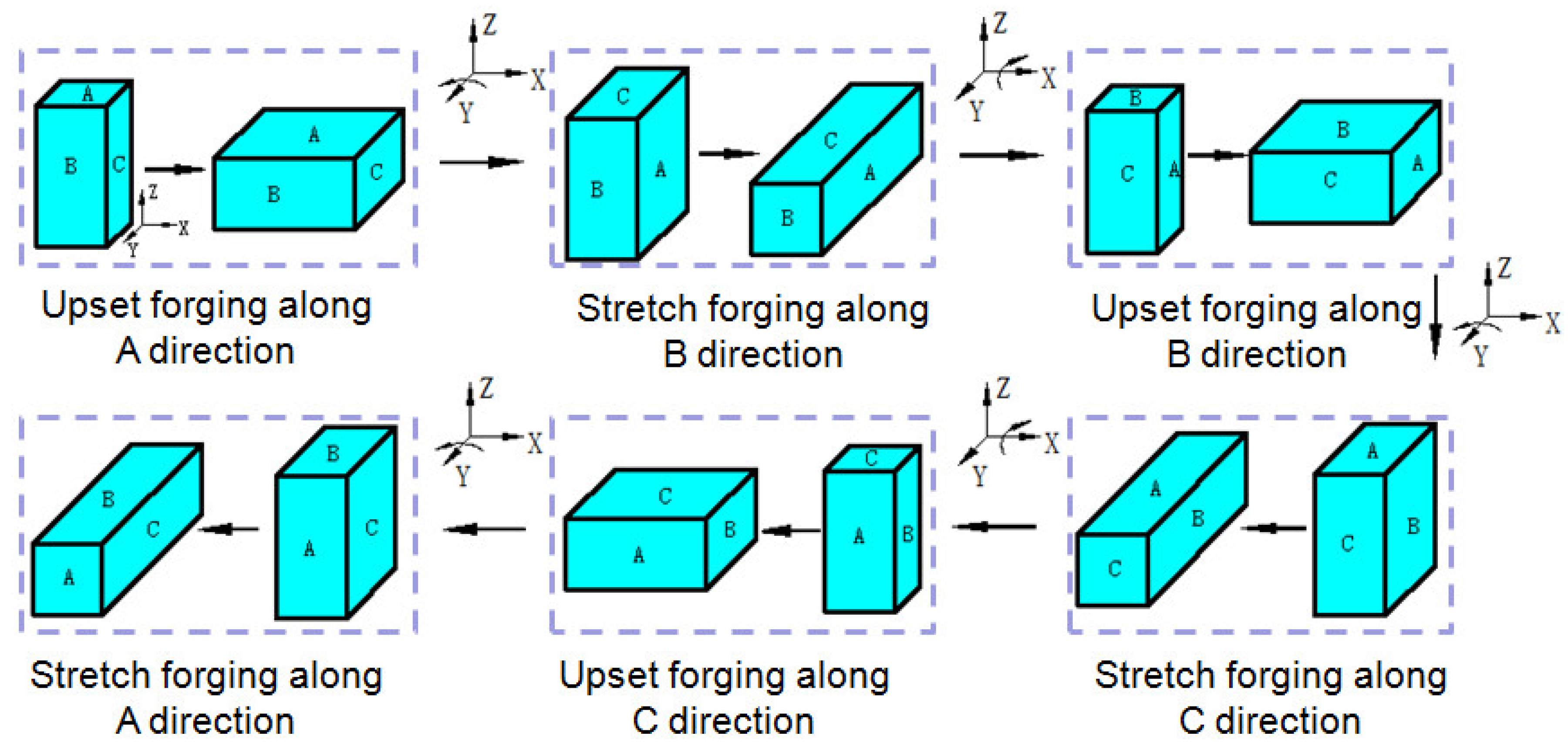
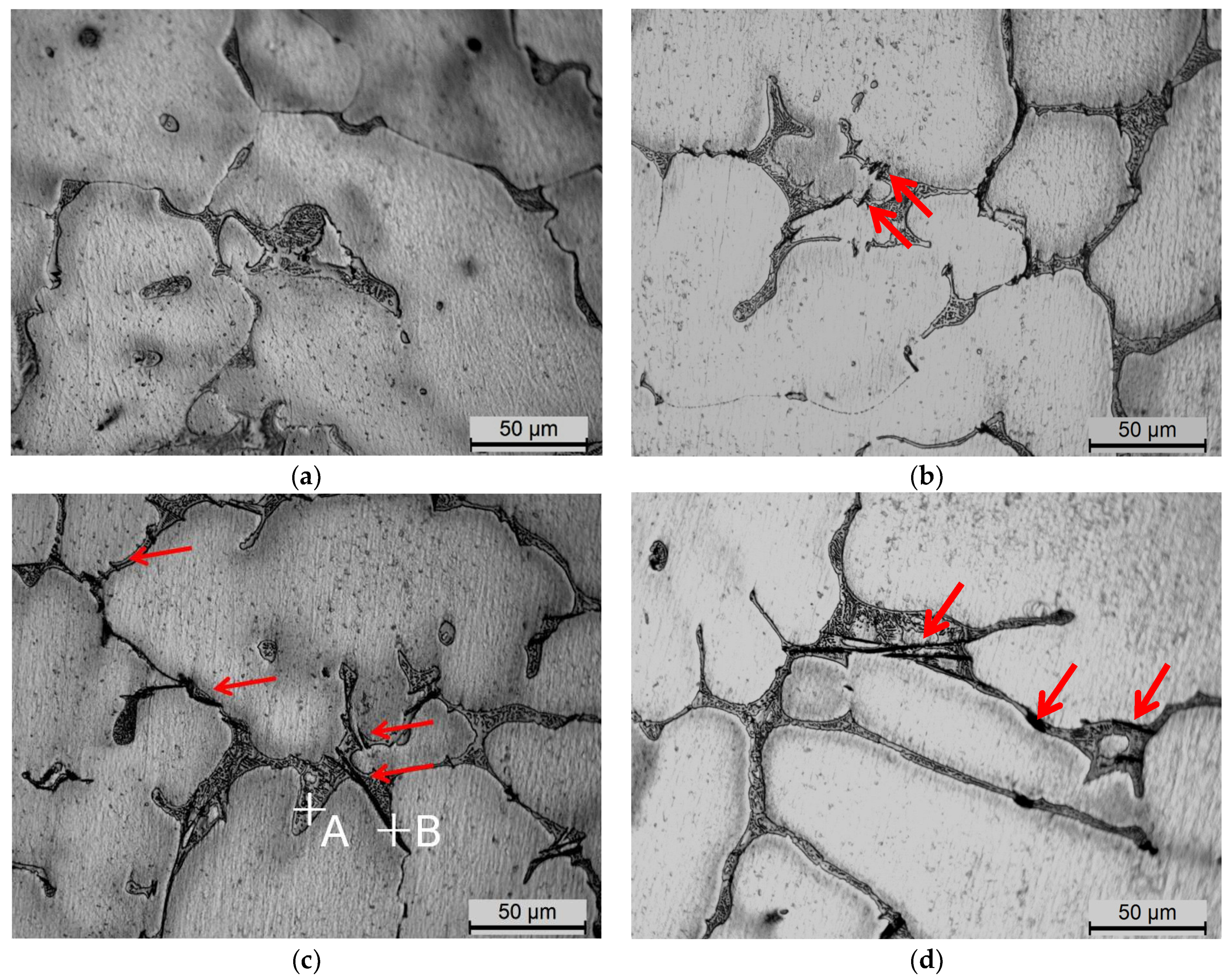
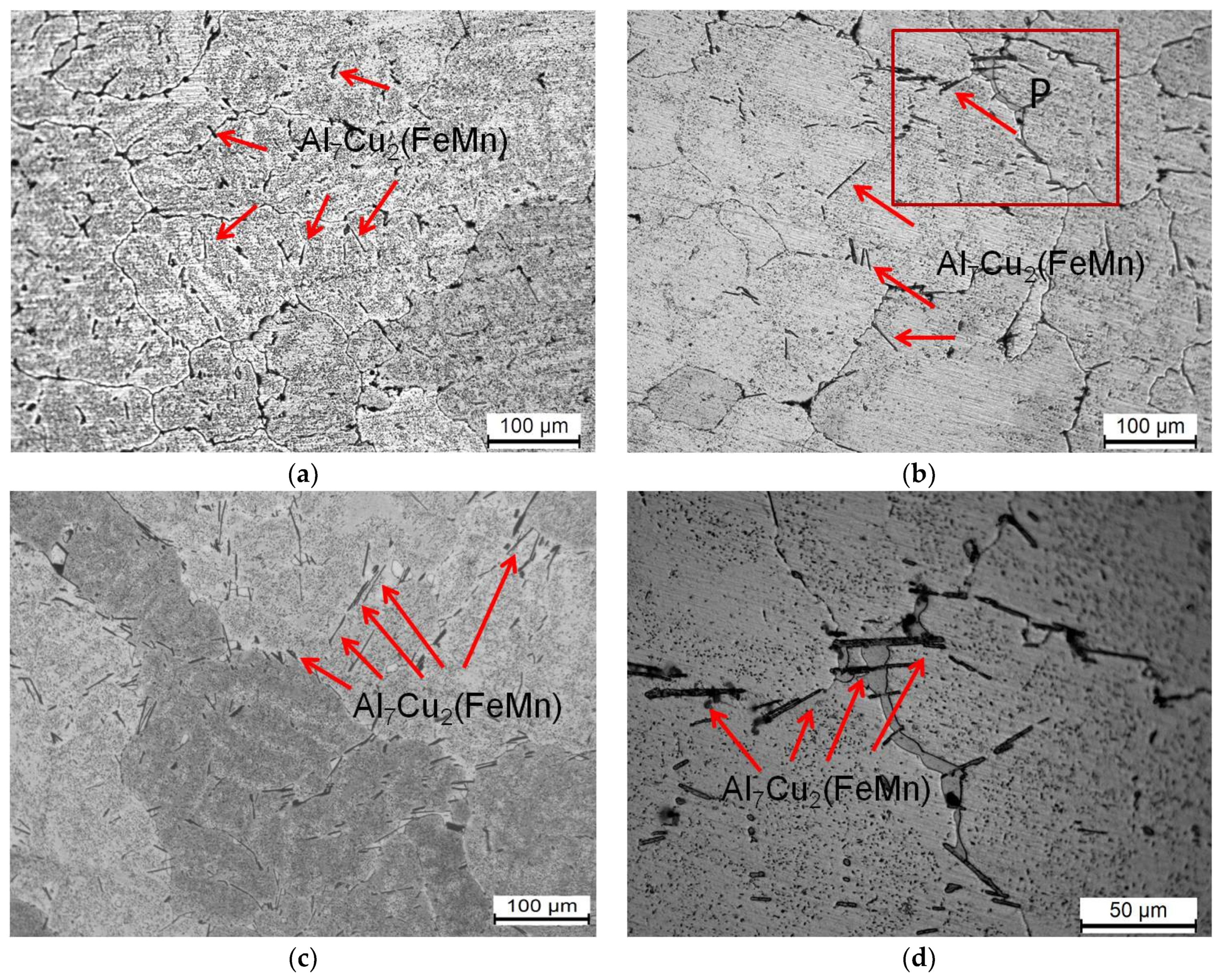
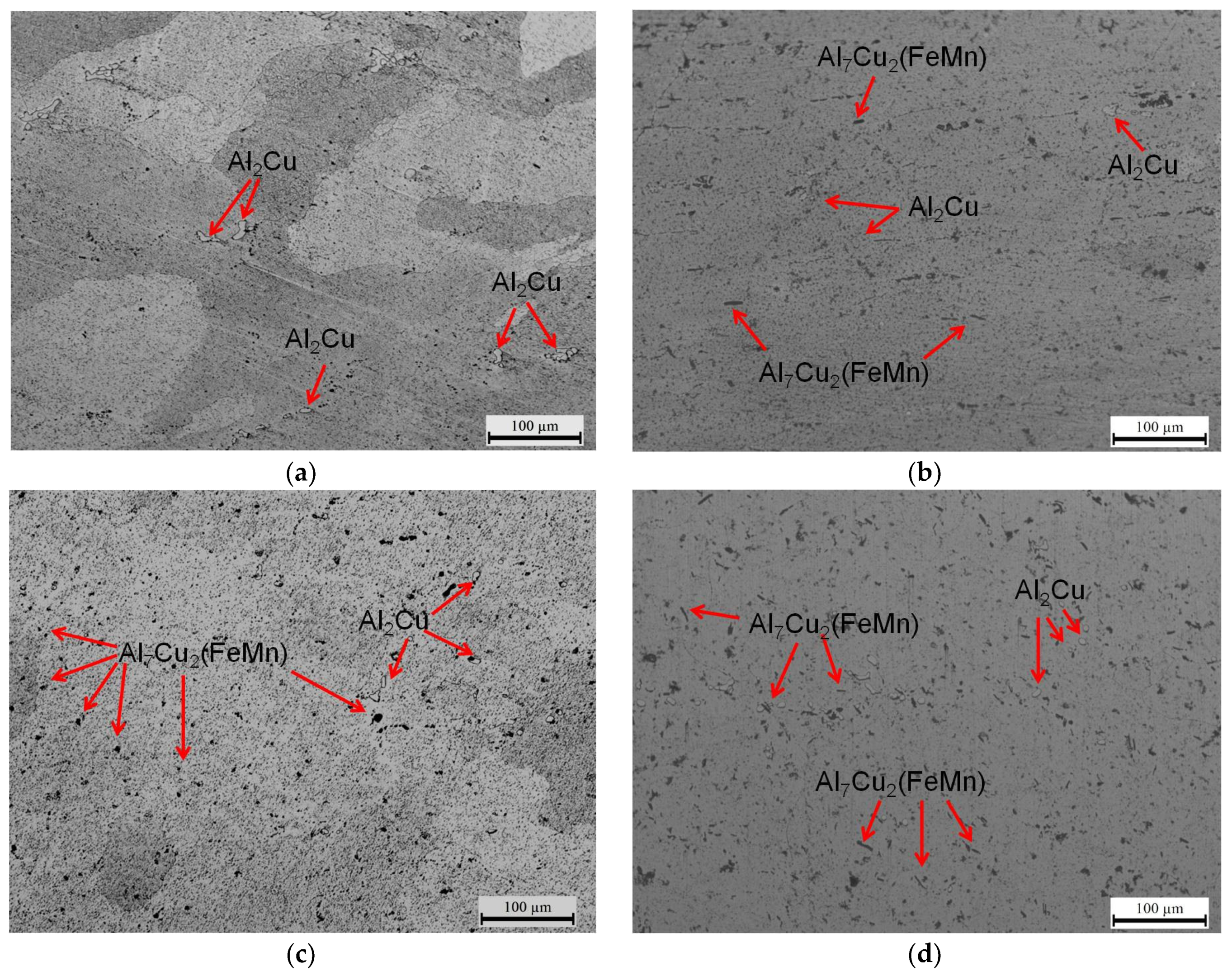
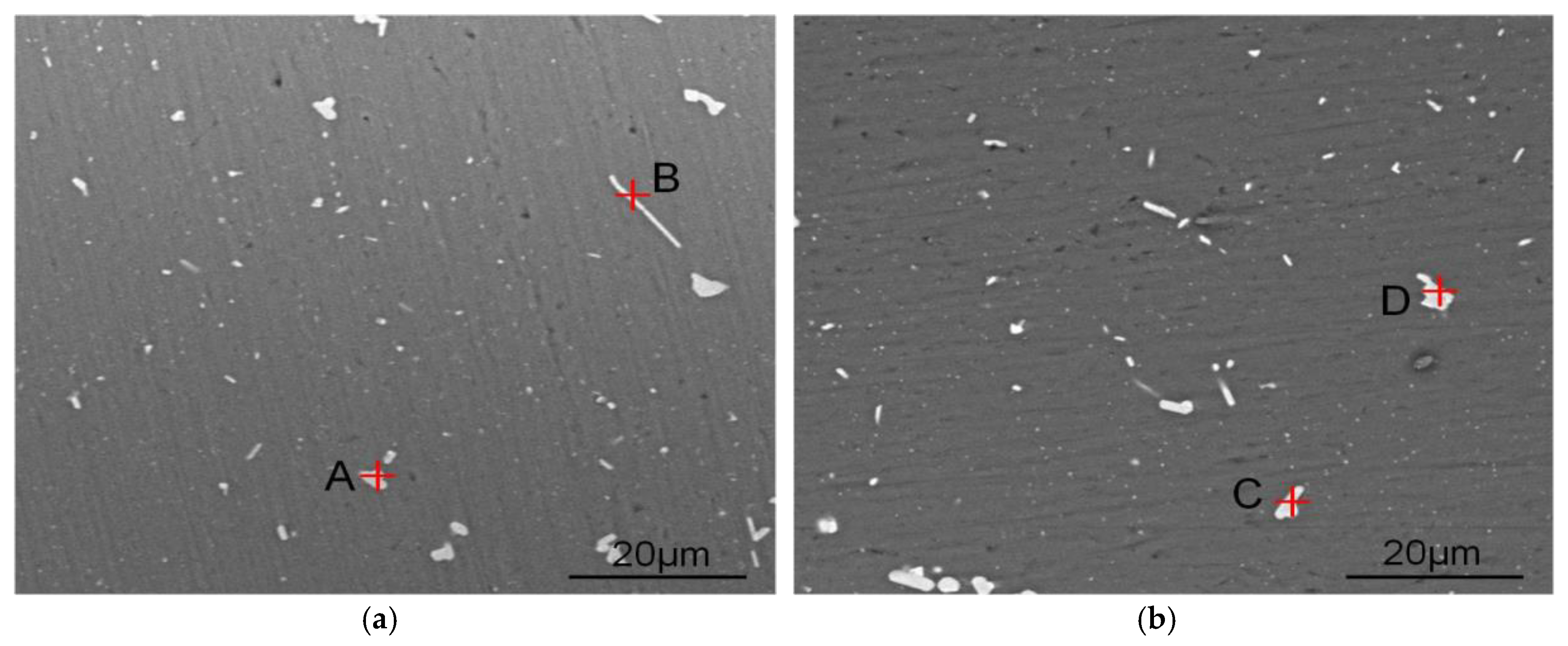
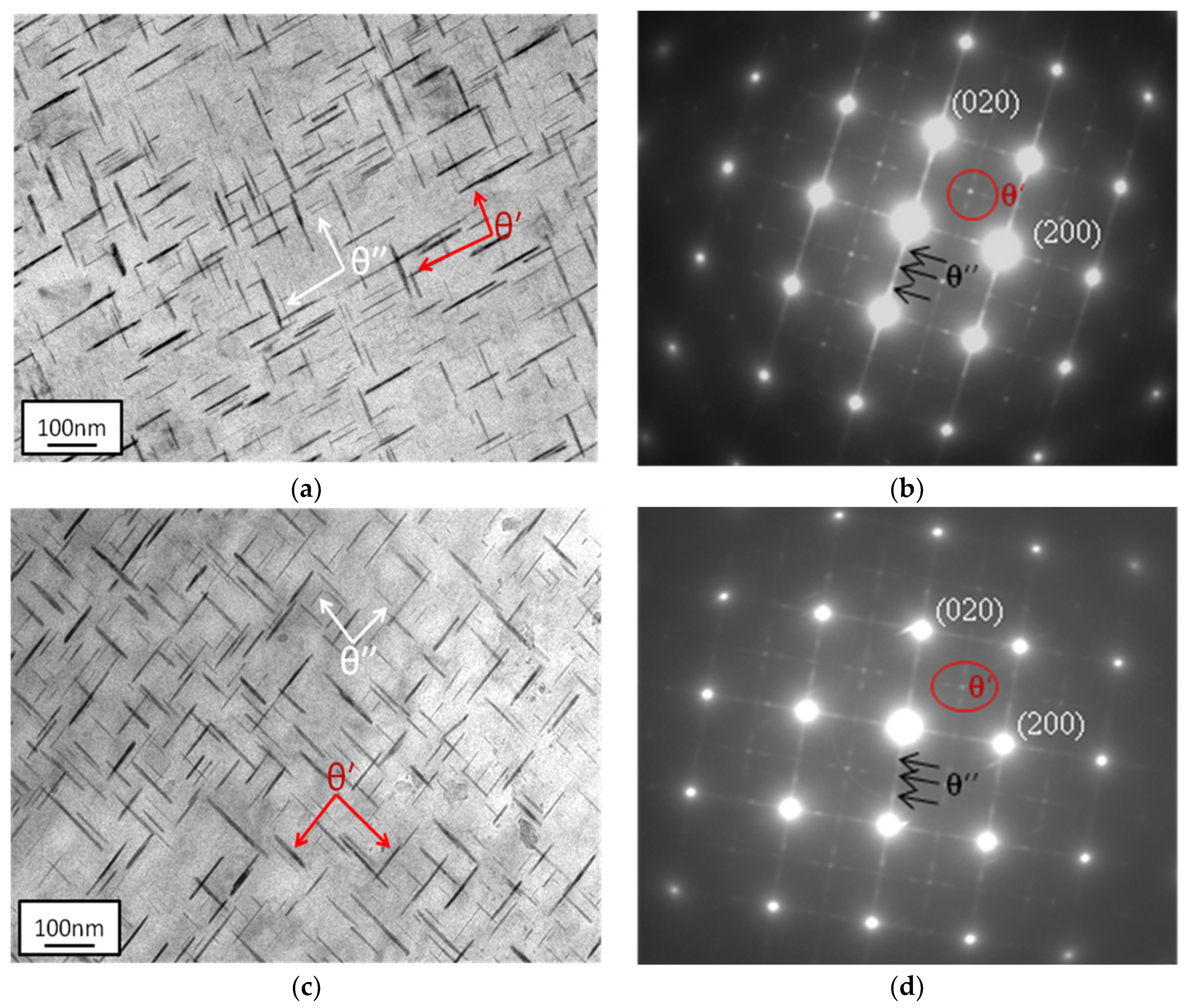
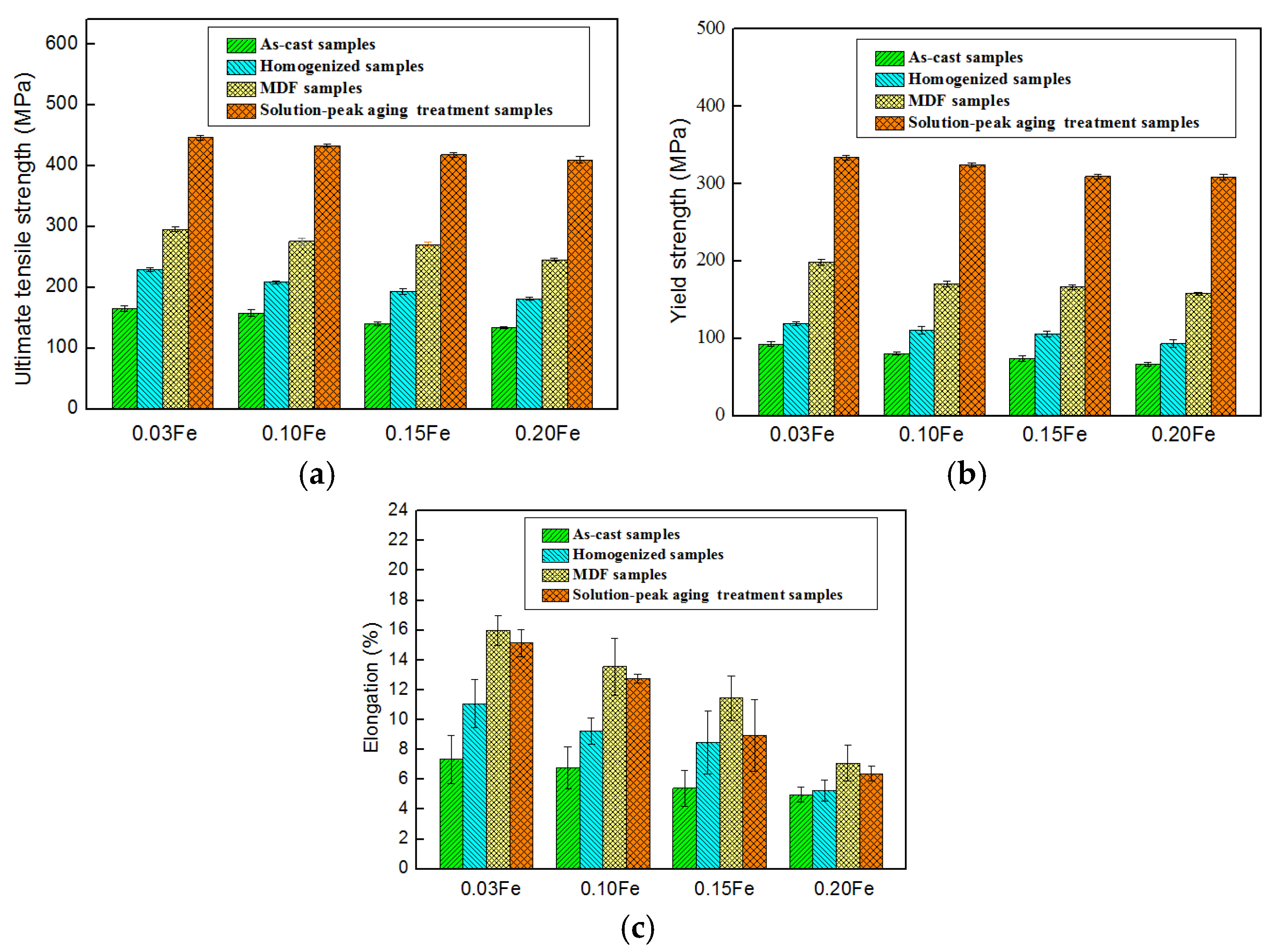
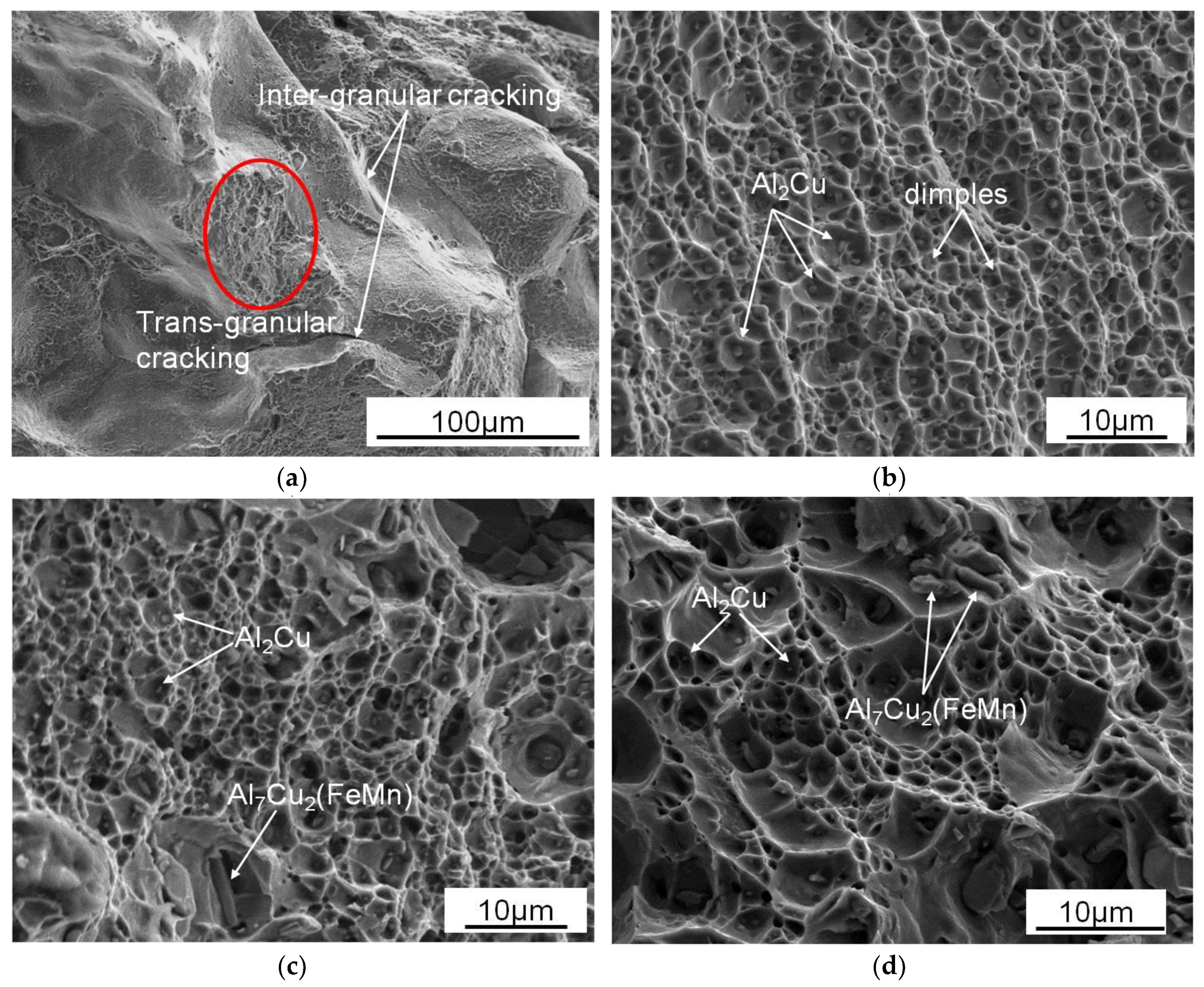
The Fe-rich intermetallic phases have a broadly detrimental effect on the mechanical properties of Al–Cu alloy. In this paper, the continuous evolution of Fe-rich intermetallics and their effects on mechanical properties, especially the tensile fracture behavior of 2219 wrought Al–Cu alloys as a function of Fe content against different processing approaches (i.e., as-cast, homogenization, multidirectional forging, and solution-peak aging treatment) were investigated using optical microscopy, scanning electron microscopy, and tensile tests. The results indicated that needle-like Al7Cu2Fe or Al7Cu2(Fe, Mn) intermetallics mainly presented in the final microstructures of all alloys with various Fe contents. The size and number of Al7Cu2Fe/Al7Cu2(Fe, Mn) intermetallics increased with the increase of Fe content. The increase of Fe content had little influence on the ultimate tensile strength and yield strength, while obvious deterioration in the elongation, because fracture initiators mainly occurred at the Al7Cu2Fe/Al7Cu2(Fe, Mn) particles or particles–matrix interface. Therefore, the 2219 Al–Cu alloy with 0.2 wt.% Fe content presented relatively low tensile ductility. The tensile fracture mechanism has been discussed in detail.
Keywords: 2219 wrought Al–Cu alloys; Fe content; Al7Cu2Fe/Al7Cu2(Fe, Mn); tensile fracture behavior 2219 wrought Al–Cu alloys; Fe content; Al7Cu2Fe/Al7Cu2(Fe, Mn); tensile fracture behavior