Hypomagnetic Field Exposure Alters Iron–Sulfur Homeostasis and Oxidative Balance in a Frataxin-Deficient Insect System
by
 , and
, and
Hui-Ming Kang
1,2, 
Bing Li
1,2,
Shuai Yan
3,
Li-Li Zhang
3,
Gui-Jun Wan
4 ,
,
Jun-Zheng Zhang
5 and
Wei-Dong Pan
1,* 1
Beijing Key Laboratory of Bioelectromagnetics, Institute of Electrical Engineering, Chinese Academy of Sciences, Beijing 100190, China
2
School of Electronic, Electrical and Communication Engineering, University of Chinese Academy of Sciences, Beijing 101408, China
3
Shanghai Synchrotron Radiation Facility, Shanghai Advanced Research Institute, Chinese Academy of Sciences, Shanghai 201204, China
4
Department of Entomology, College of Plant Protection, Nanjing Agricultural University, Nanjing 210095, China
5
Department of Plant Biosecurity and MOA Key Laboratory of Surveillance and Management for Plant Quarantine Pests, College of Plant Protection, China Agricultural University, Beijing 100193, China
*
Author to whom correspondence should be addressed.
Insects 2026, 17(4), 373; https://doi.org/10.3390/insects17040373
Submission received: 25 January 2026
/
Revised: 23 March 2026
/
Accepted: 24 March 2026
/
Published: 1 April 2026
(This article belongs to the Section Insect Molecular Biology and Genomics)
Simple Summary
This study explored whether a hypomagnetic field, an environmental condition found in some places like deep space or shielded rooms, could worsen the problems associated with a genetic disease called Friedreich’s ataxia. This disease is caused by a lack of the vital protein frataxin, which is essential for cellular iron–sulfur cluster biogenesis and oxidative balance. Using fruit flies as a model, researchers aimed to see if this hypomagnetic field would further disturb these elements and increase stress. They found that the hypomagnetic field changed iron and sulfur levels in very specific ways in different tissues, like the brain and eyes, and significantly increased harmful molecules in the brains of affected flies. It also altered the activity of genes related to iron and stress. The conclusion is that this environmental factor can indeed intensify the core cellular damage in this condition. This is valuable to society because it highlights how certain environmental conditions could potentially worsen symptoms for patients with similar metabolic diseases, informing future protective strategies.
Abstract
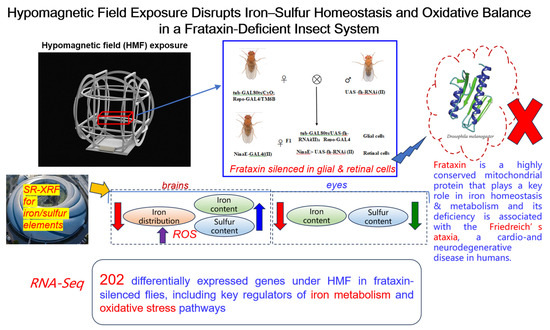
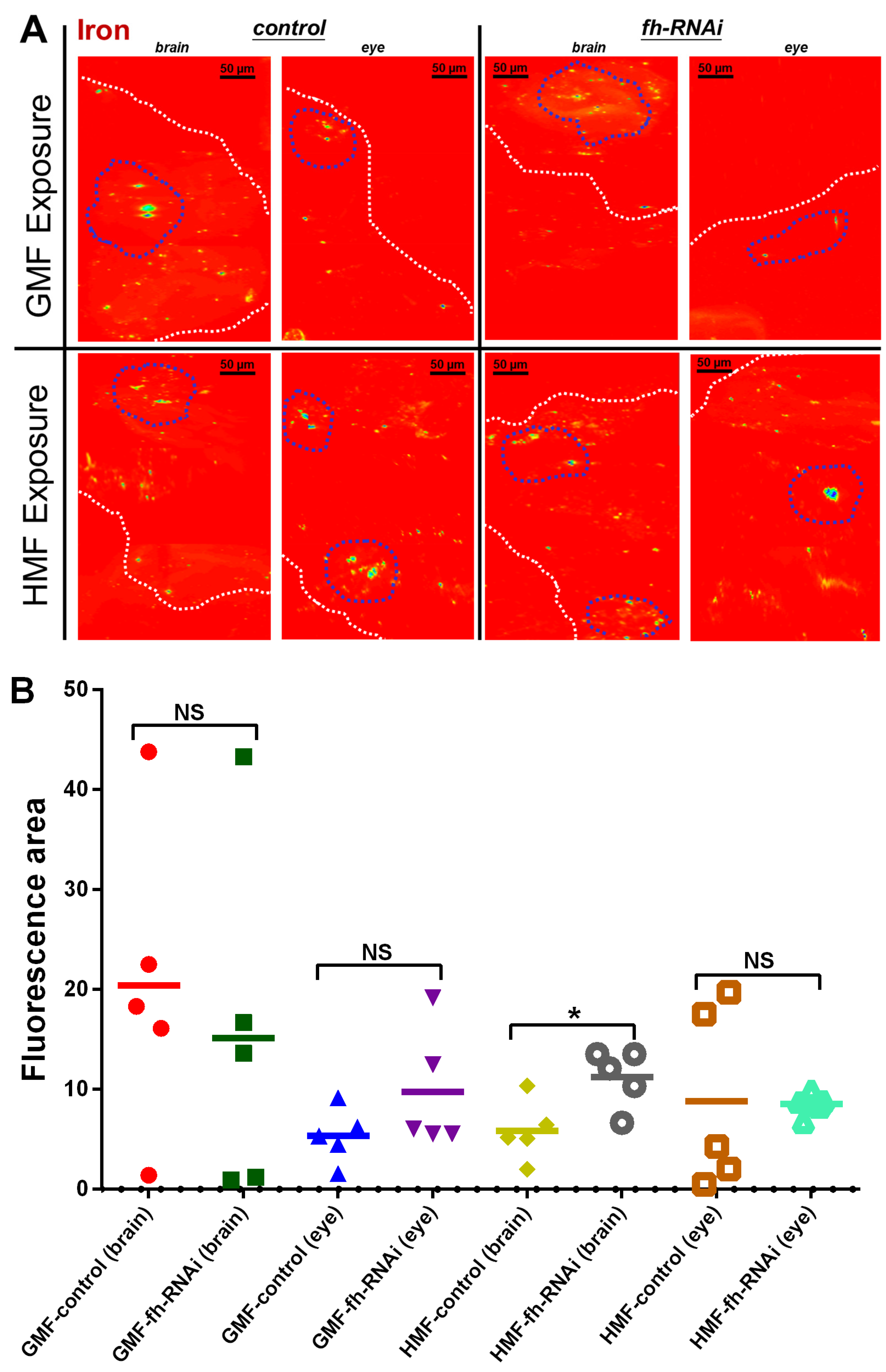
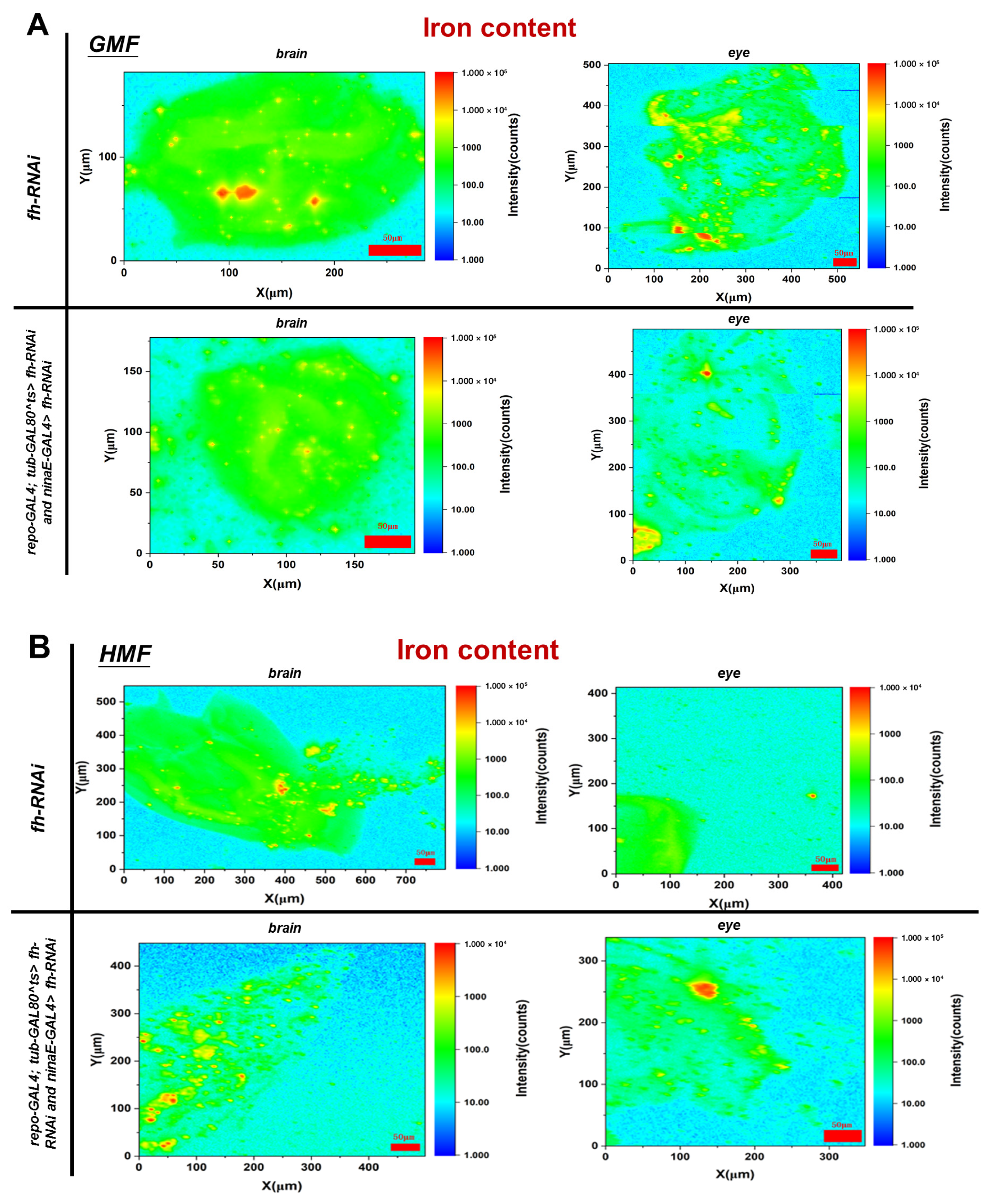
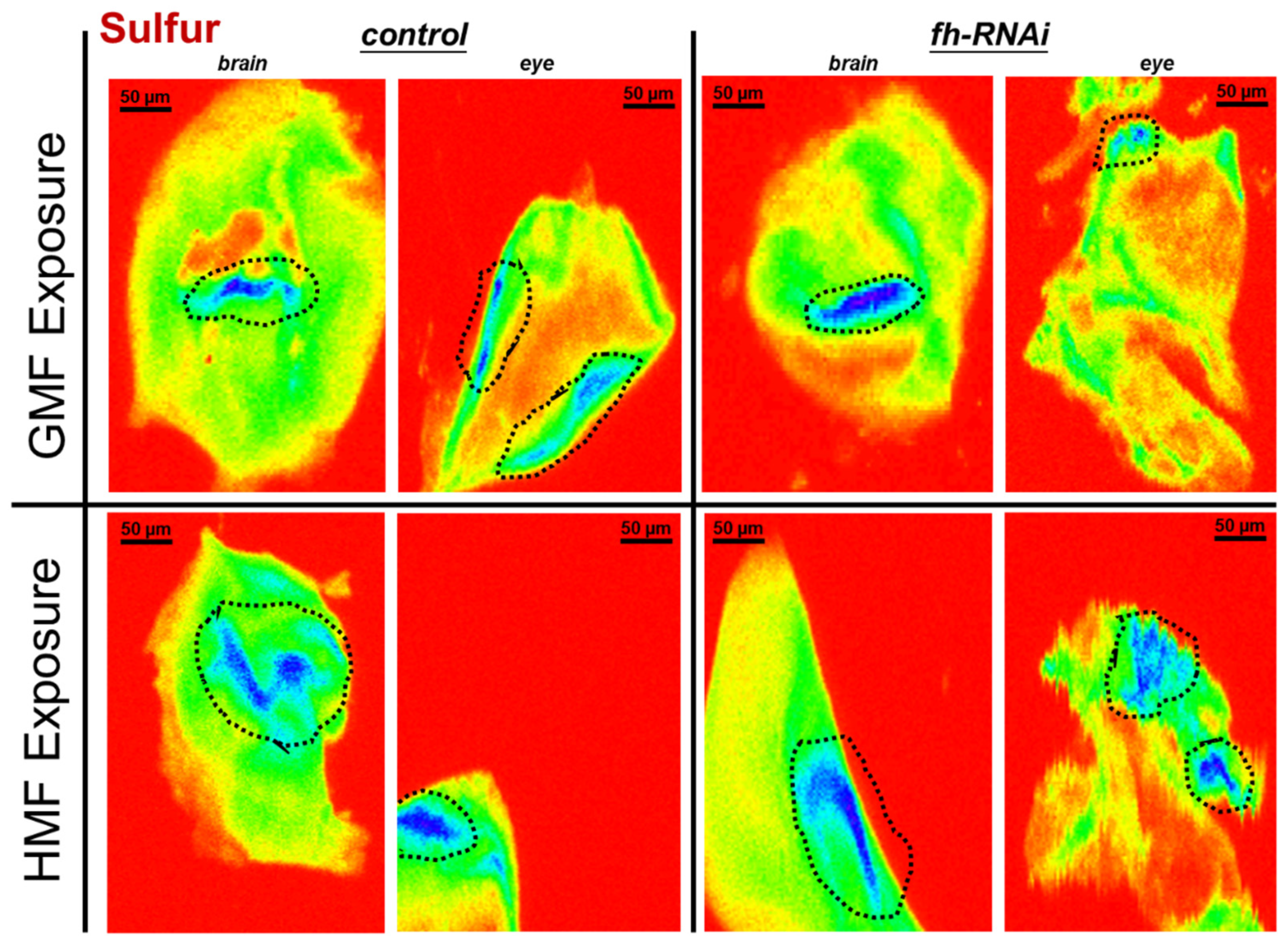
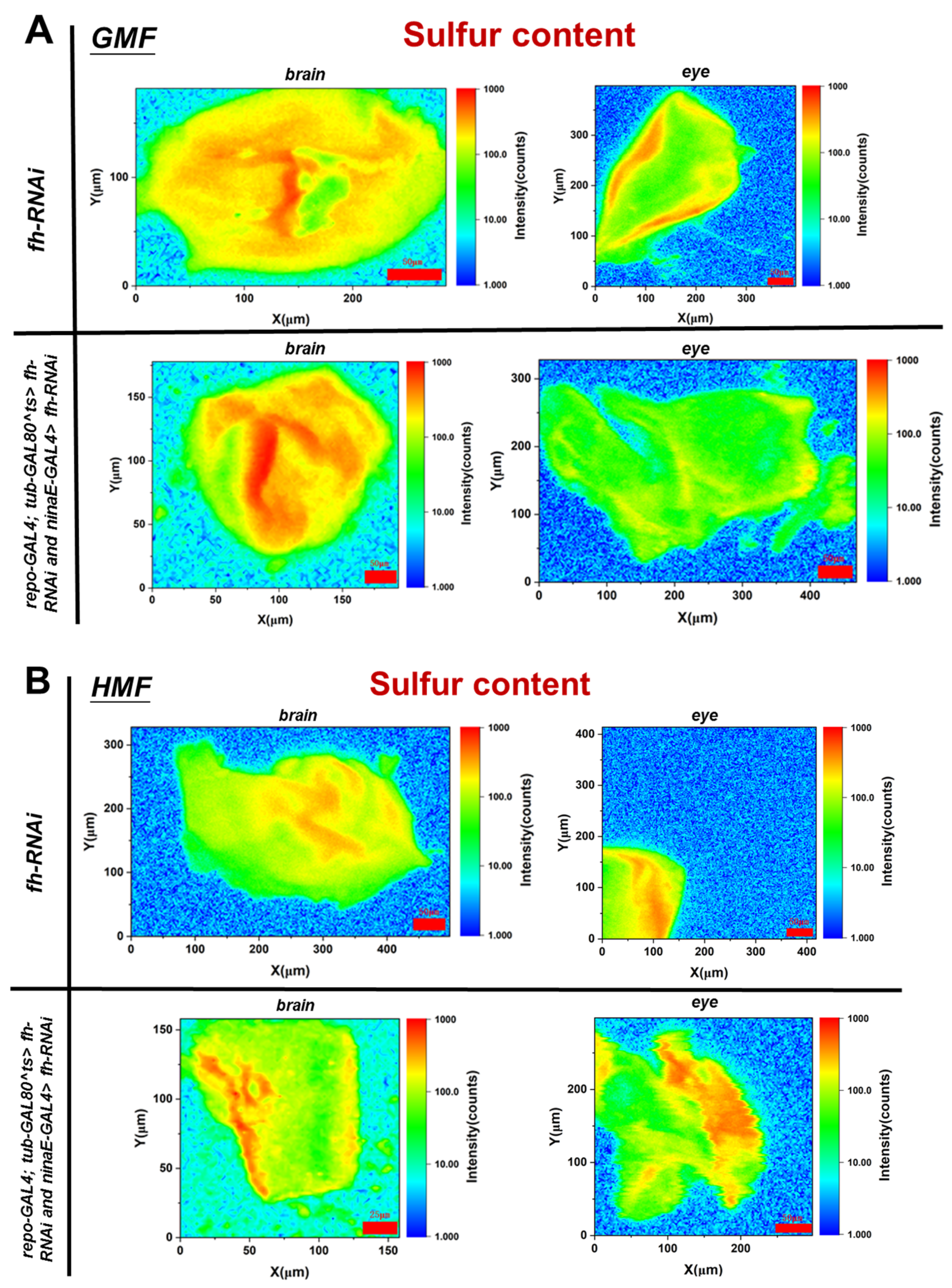
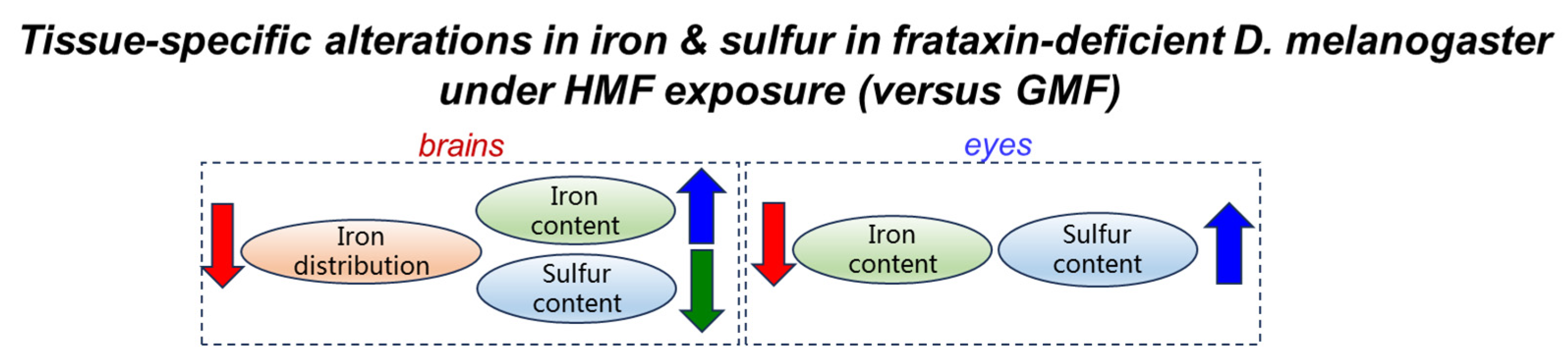
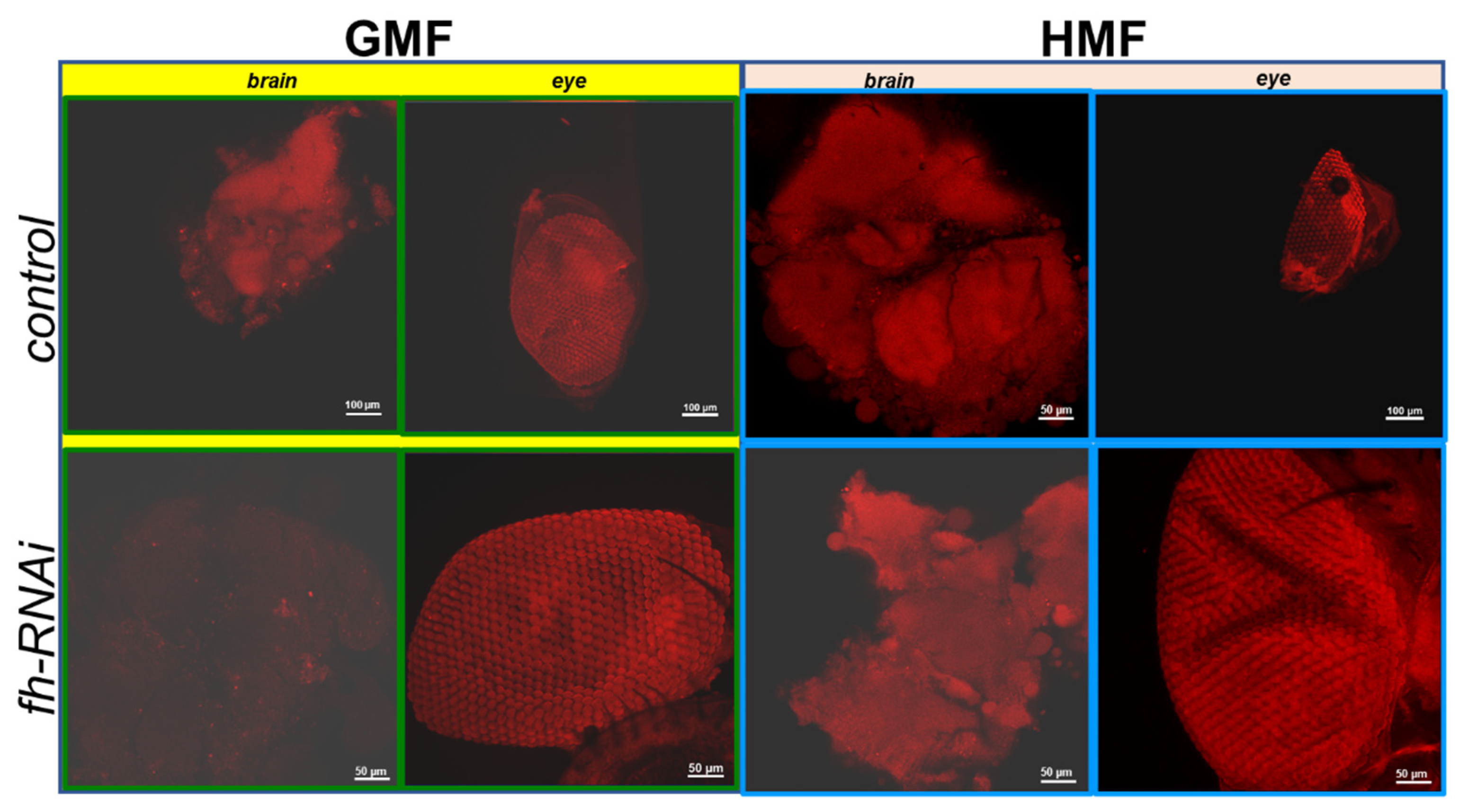
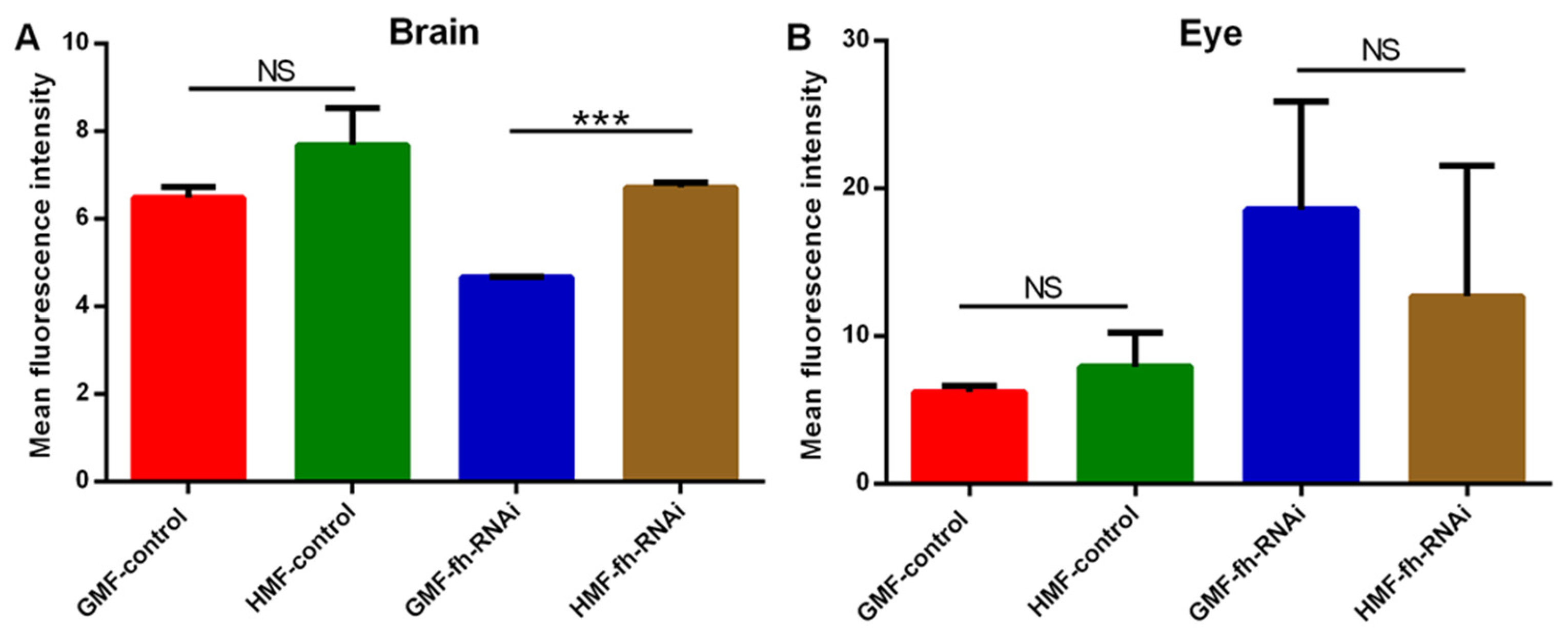
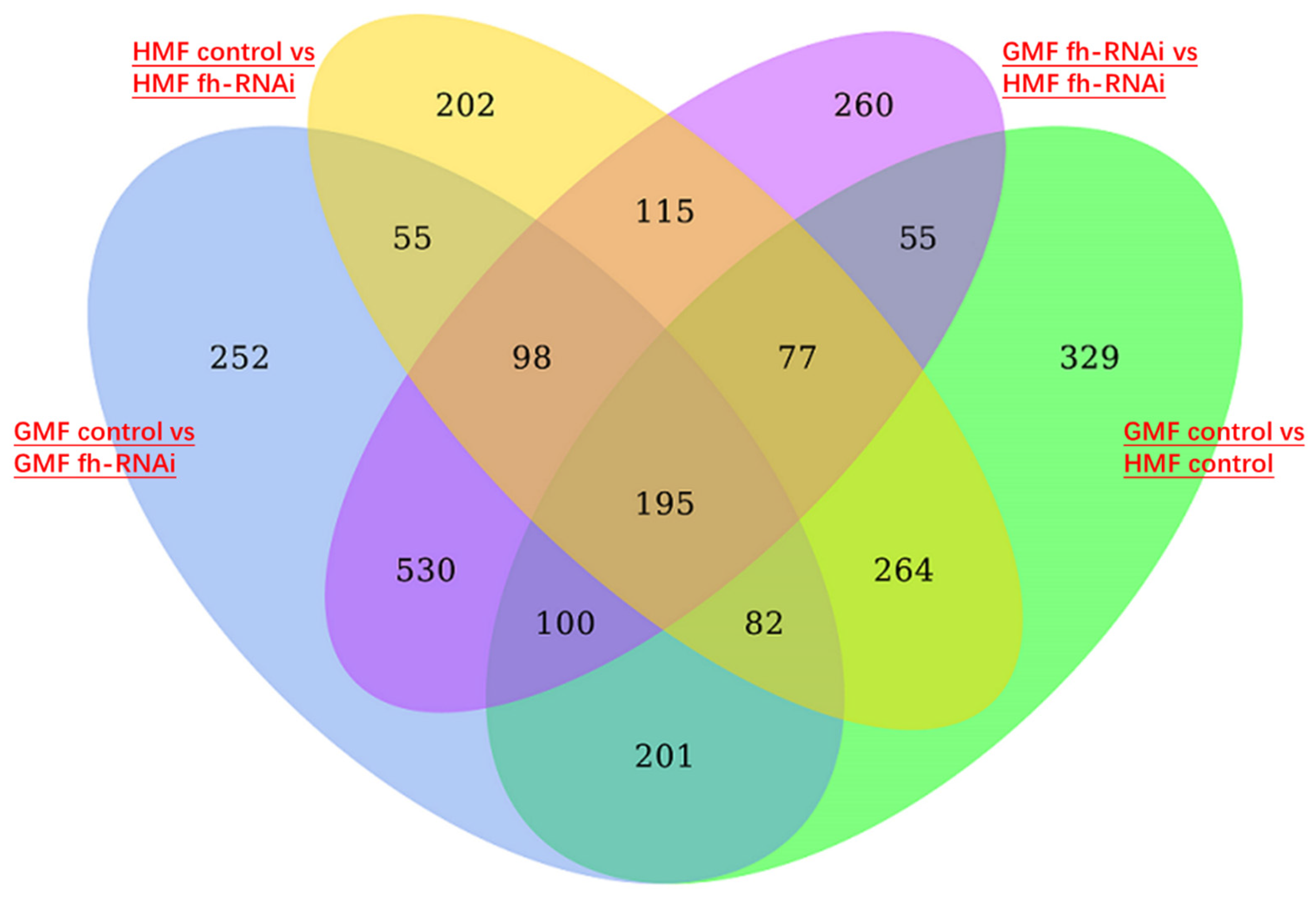
Frataxin is a conserved mitochondrial protein essential for cellular iron–sulfur (Fe–S) cluster biogenesis and oxidative balance, with its deficiency causing Friedreich’s ataxia in humans. The hypomagnetic field (HMF), an environmental stressor known to influence oxidative stress and neurodevelopment, may interact with such inherent metabolic vulnerabilities. This study investigated whether HMF exposure exacerbates Fe–S homeostasis and oxidative disruption in a Drosophila melanogaster model of frataxin deficiency. Using synchrotron radiation-based X-ray fluorescence (SR-XRF) spectroscopy for in situ elemental analysis in live tissues, we found that HMF significantly altered iron distribution and content in a tissue-specific manner. In frataxin-silenced brains, HMF decreased iron distribution but increased total iron content, whereas in eyes it reduced iron content. Sulfur content decreased in frataxin-deficient eyes but increased in brains under HMF, though its spatial distribution was unchanged. Critically, HMF elevated reactive oxygen species (ROS) in frataxin-deficient brains. Transcriptomic analysis identified 202 differentially expressed genes under HMF in frataxin-silenced flies, including key regulators of iron metabolism and oxidative stress pathways. These findings demonstrate that HMF disrupts tissue-specific iron and sulfur homeostasis and intensifies oxidative stress in a frataxin-deficient insect system, underscoring its role as an environmental factor capable of aggravating metabolic fragility.
Keywords:
hypomagnetic field; frataxin; SR-XRF; iron/sulfur; oxidative stress