Article

Mechanisms Responsible for Larval Diapause in Anastatus japonicus Ashmead, Shown by Integrated Transcriptomic and Proteomic Analyses


1
Plant Protection Research Institute, Guangdong Academy of Agricultural Sciences, Key Laboratory of Green Prevention and Control on Fruits and Vegetables in South China Ministry of Agriculture and Rural Affairs, Guangdong Provincial Key Laboratory of High Technology for Plant Protection, Guangzhou 510640, China
2
National Key Laboratory of Green Pesticide, College of Plant Protection, South China Agricultural University, Guangzhou 510642, China
*
Author to whom correspondence should be addressed.
These authors contributed equally to this work.
Insects 2026, 17(3), 306; https://doi.org/10.3390/insects17030306
Submission received: 2 February 2026 / Revised: 28 February 2026 / Accepted: 8 March 2026 / Published: 11 March 2026
(This article belongs to the Special Issue Recent Studies on Resource Insects)

Simple Summary

Diapause is a developmental arrest induced by unfavorable environmental conditions and involves coordinated physiological and biochemical adjustments, governed by multiple interacting regulatory pathways. In parasitoid wasps, which serve as important natural enemies of agricultural pests, diapause functions as an adaptive strategy to extend the storage period of biological control products. However, despite its applied relevance, the molecular mechanisms controlling larval diapause in Anastatus japonicus remain poorly understood. In the present study, integrated transcriptomic and proteomic analyses were performed to compare diapausal and non-diapausal mature larvae. Five candidate genes were identified as potential regulators of the diapause process. The results offer insight into the molecular foundation of diapause in A. japonicus.

Abstract

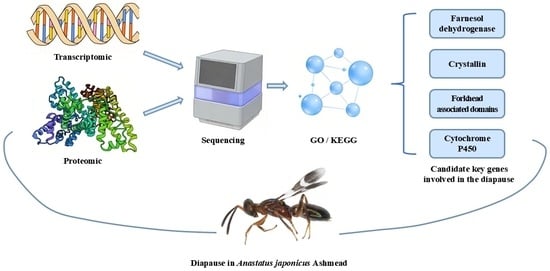
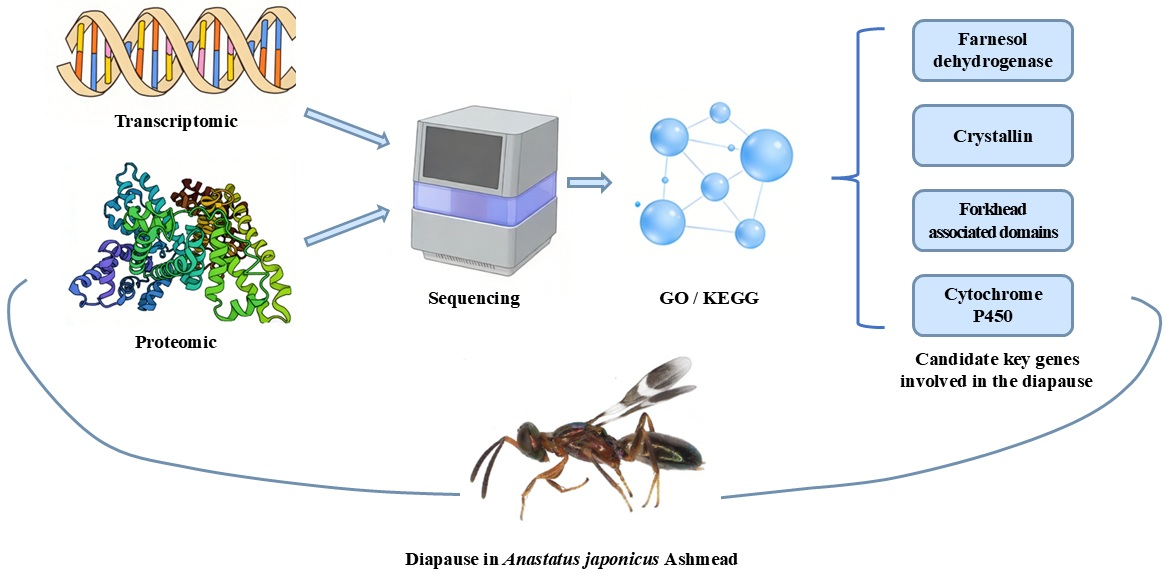
Diapause enables insect survival in unfavorable environments. The parasitic wasp A. japonicus, a natural enemy of several fruit-tree pests, undergoes larval diapause. Previous work has shown that larval diapause in A. japonicus can be induced by medium temperatures in combination with short-day photoperiods; however, the molecular functions associated with this response remain poorly understood. Here, integrated transcriptomic and proteomic approaches were employed to investigate the molecular signatures associated with larval diapause in A. japonicus. The identification of 3399 differentially expressed genes and 3112 differentially expressed proteins was carried out between diapause and non-diapause larvae. Among these, five gene–protein pairs showed consistent differential expression, including farnesol dehydrogenase, crystallin (associated with longevity-related pathways), forkhead-associated (FHA) domain-containing proteins, and the detoxification enzyme cytochrome P450. These findings show that larval diapause in A. japonicus is accompanied by extensive physiological and biochemical remodeling, and juvenile hormone-related signaling is likely involved in this process. In summary, these results provide insights into future gene function research, especially with regard to the mechanism of larval diapause in A. japonicus.

Graphical Abstract

1. Introduction

Diapause is a developmentally arrested state triggered by adverse environmental conditions and characterized by complex physiological and biochemical changes regulated by multiple interacting mechanisms [1,2,3]. Moreover, diapause may be divided into two categories, namely, facultative, which is triggered by environmental factors, particularly temperature and photoperiod, and is frequently seen in multivoltine species where both diapausing and non-diapausing individuals coexist, and obligatory, which happens consistently in every generation as a fixed overwintering strategy independent of environmental cues [4,5,6]. In nature, species such as Lymantria dispar and Leguminivora glycinivorella undergo obligatory diapause at the egg and larval stages to survive winter conditions. Conversely, Helicoverpa armigera shows facultative diapause, with short photoperiods significantly enhancing diapause intensity [7,8,9]. Similarly, in the parasitoid wasp Anastatus japonicus, a photoperiod of 10L:14D at 17 °C has been shown to induce the highest diapause incidence at the larval stage [10].
As important natural enemies, parasitoid wasps can utilize diapause as a special strategy to prolong the shelf life of biocontrol products [11]. Tessaratoma papillosa, Halyomorpha halys, and Riptortus pedestris are just a few of the agricultural pests that A. japonicus parasitizes as an essential egg parasitoid [12,13,14,15]. Currently, diapause induction is successfully used for the long-term storage and mass rearing of A. japonicus using eggs of the factitious host Antheraea pernyi [10,16].
The molecular regulatory mechanisms underlying larval diapause in A. japonicus remain largely unknown, despite its practical significance. Understanding these mechanisms is essential for optimizing mass production and improving the efficacy of biocontrol applications. High-throughput transcriptomic and proteomic technologies have proven effective in revealing the molecular basis of diapause across various insect species [17,18,19]. In Laodelphax striatellus, for example, RNA-seq (Ribonucleic acid sequencing) and proteomic analyses identified key genes and proteins involved in nymphal diapause, including the regulatory transcription factor LsFoxO [20,21]. Similar analyses in Chrysoperla nipponensis uncovered candidate genes and ten proteins potentially regulating adult reproductive diapause [4,22].
Here, mature diapausing and non-diapausing A. japonicus larvae were subjected to integrated transcriptome and proteomic analysis. Five important genes were identified as possibly involved in diapause control. The results obtained provide important new insights into the molecular mechanisms underlying A. japonicus diapause, setting the stage for further gene function research and the development of long-term biocontrol methods.

2. Materials and Methods

2.1. A. japonicus Rearing and Sample Preparation

A. japonicus was supplied by the Institute of Plant Protection of the Chinese Academy of Agricultural Sciences, Ministry of Agriculture and Rural Affairs, CABI Biosafety Joint Laboratory (CABI, Beijing, China). Eggs from the brown marmorated stink bug (Halyomorpha halys) with parasitic A. japonicus were acquired from a field setting in the suburbs of Beijing, China, and were used to create the first A. japonicus colony. Using unfertilized Antheraea pernyi eggs as a substitute host, A. japonicus colonies were kept in 32 × 25 × 9 cm plastic boxes under controlled conditions (24 °C, 70% relative humidity, 16 L: 8D cycle). Adult A. japonicus were fed honey.
After parasitic invasion for two days in a laboratory setting, Antheraea pernyi eggs were either placed in an environment conducive to normal development (24 °C, 16L:8D) for twelve days (non-diapause mature larvae) or in an environment favoring diapause (17 °C, 10L:14D) for forty-five days (diapause mature larvae).

2.2. Protein Extraction and Quantification

After grinding in liquid nitrogen, samples were lysed in 100 mM NH4HCO3 (pH 8) with 8 M urea, and 0.2% SDS, ultrasonicated (5 min, on ice), and centrifuged (12,000× g, 15 min, 4 °C). Proteins in the supernatant underwent reduction with 10 mM dithiothreitol (1 h, 56 °C) and subsequently alkylation with iodoacetamide (1 h, ambient temperature, away from light). Proteins were precipitated by vortexing in 4 times the volume of the pre-cooled acetone, followed by incubation at −20 °C for a minimum of 2 h and centrifugation. The pelleted proteins were rinsed twice with chilled acetone and then redissolved in a buffer with 6 M urea and 0.1 M triethylammonium bicarbonate (TEAB, pH 8.5).

2.3. TMT Labeling and LC-MS/MS

For each sample, 120 μg of protein was made up to 100 μL with dissolution buffer. Following the inclusion of trypsin (1.5 μg) and 100 mM TEAB buffer (500 µL), the mixture was maintained at 37 °C for 4 h for initial digestion. After adding an extra 1.5 μg of trypsin and CaCl2, the samples were digested overnight. After digestion, the mixture was subjected to centrifugation (12,000× g, 5 min, ambient temperature) after formic acid was included to acidify the solution to pH < 3. After loading the resultant supernatant onto a C18 column for desalting, three rinses with washing buffer including 0.1% formic acid and 3% acetonitrile, the material was eluted using 70% acetonitrile and 0.1% formic acid, followed by lyophilization of the eluates. After reconstituting the dried peptides in 100 μL of 0.1 M TEAB buffer, 41 μL of TMT in acetonitrile was introduced with gentle shaking at ambient temperature for 2 h and the addition of 8% ammonia for quenching. Equal amounts of samples were then mixed, desalted, and lyophilized.
An EASY-nLCTM 1200 UHPLC system (Thermo Fisher Scientific, Waltham, MA, USA) connected to a Q Exactive HF-X mass spectrometer (Thermo Fisher Scientific) running in data-dependent acquisition (DDA) mode was used to build the transition library for shotgun proteomics investigations. A self-packed C18 nano-trap column (2 cm × 75 μm, 3 μm particle size) was filled with around 1 μg of each sample. As shown in Table 1, peptide separation was accomplished using a linear gradient on a self-packed analytical C18 column (15 cm × 150 μm, 1.9 μm particle size). The Q Exactive HF-X mass spectrometer (Thermo Fisher Scientific, Waltham, MA, USA), equipped with a Nanospray FlexTM electrospray ionization source and operating at a spray voltage of 2.3 kV and a capillary temperature of 320 °C, was used to analyze the eluted peptides. Complete MS scans were obtained at a 60,000 (at m/z 200) resolution over a range of 350–1500 m/z, with a maximum injection duration of 20 ms and an automated gain control (AGC) target of 3 × 10². Higher-energy collisional dissociation (HCD) and MS/MS analysis were conducted on the 40 most energetic precursor ions from each complete scan. For 6-plex TMT studies, fragment ion spectra were captured at 30,000 resolution (at m/z 200), with a 5 × 10⁴ AGC target, 54 ms maximum injection duration, 32% normalized collision energy,1.2 × 105 intensity threshold, and 20 s dynamic exclusion duration.

2.4. Data Analysis

Proteome Discoverer version 2.2 (PD 2.2; Thermo Fisher Scientific) was utilized to independently search the LC-MS/MS (Liquid Chromatography-Tandem Mass Spectrometry, Thermo Fisher Scientific, Waltham, MA, USA) spectra generated by individual runs against the A. japonicus protein database using a 10 ppm mass tolerance of precursor ions and a fragment ion mass tolerance of 0.02 Da. Methionine oxidation and TMT labeling were designated as variable modifications, while carbamidomethylation was designated as a permanent modification. Furthermore, in PD 2.2, acetylation and TMT labeling were considered N-terminal changes. Tryptic cleavage sites could be missed up to twice.
To ensure high-confidence identification, the data were also filtered within PD 2.2. Only peptide spectrum matches (PSMs) with confidence levels > 99% were accepted, with at least one unique peptide required per protein. Both PSMs and proteins were retained only at false discovery rates (FDRs) ≤ 1.0%. Protein data were analyzed using t-tests. Differentially expressed proteins (DEPs) between the groups were determined using the criteria of fold change (FC) ≥ 2.0 and p ≤ 0.05 for upregulation and FC ≤ 0.50 and p ≤ 0.05 for downregulation.

2.5. RNA Isolation, Quality Qualification, and RNA Sequencing

Total RNA was isolated using TRIzol (TIANGEN, Beijing, China) as directed, and was assessed using a 2100 Bioanalyzer (Agilent Technologies, Santa Clara, CA, USA) and an RNA Nano 6000 Assay Kit, before use for library construction.
Poly (T) oligo-conjugated magnetic beads were utilized to separate mRNA from total RNA to prepare an RNA-seq library. The purified mRNA was fragmented in First Strand Synthesis Reaction Buffer (5×) under elevated temperature in the presence of divalent cations. Random hexamer primers and M-MuLV reverse transcriptase (RNase H–) were employed to generate first-strand cDNA, and DNA polymerase I and RNase H were used for second-strand cDNA. A single adenine was then added to the 3′ ends of the double-stranded cDNA fragments that had been end-repaired using exonuclease and polymerase activities to produce blunt ends. Adapters containing hairpin loop structures were then ligated to facilitate subsequent hybridization.
Libraries were purified using an AMPure XP system (Beckman Coulter, Brea, CA, USA), enabling enrichment of cDNA fragments with insert sizes of approximately 370–420 bp. Phusion High-Fidelity DNA polymerase, universal PCR primers, and index (X) primers were used for PCR amplification. The AMPure XP system was used to purify the amplified products again, and the Agilent 2100 Bioanalyzer was used to assess library quality. Lastly, the TruSeq PE Cluster Kit v3-cBot-HS (Illumina, San Diego, CA, USA) was used to cluster index-coded libraries on a cBot Cluster Generation System as directed.

2.6. Bioinformatics Analysis

Sequencing data were processed and converted to sequence reads using the CASAVA (v1.8.4) software. Raw reads were cleaned through the elimination of adapter-contaminated reads, reads containing poly-N sequences, and low-quality reads (represented by >50% of bases having Qphred scores ≤ 20. For the obtained clean data, quality metrics such as Q20, Q30, and GC contents were computed. These very clean readings were used for all ensuing analyses.
DEGs between the diapause (D) and non-diapause (ND) A. japonicus samples were identified using DESeq in R (version 1.10.1) based on negative binomial distributions and control of the FDR by adjusting the P-values using the Benjamini–Hochberg approach and applying the criterion of adj p ≤ 0.05 for differential expression.

2.7. RT-qPCR

Primer sequences are given in Table 2. β-Actin represented the reference gene, as previously reported [23]. RT-qPCR was undertaken on a CFX-96 Real-Time PCR System (Bio-Rad, Hercules, CA, USA) while employing TB Green Premix Ex Taq (TaKaRa, Tokyo, Japan). Three separate biological replicates were utilized, and expression was determined with the 2−ΔΔCT technique [24].

3. Results

3.1. Transcriptomics

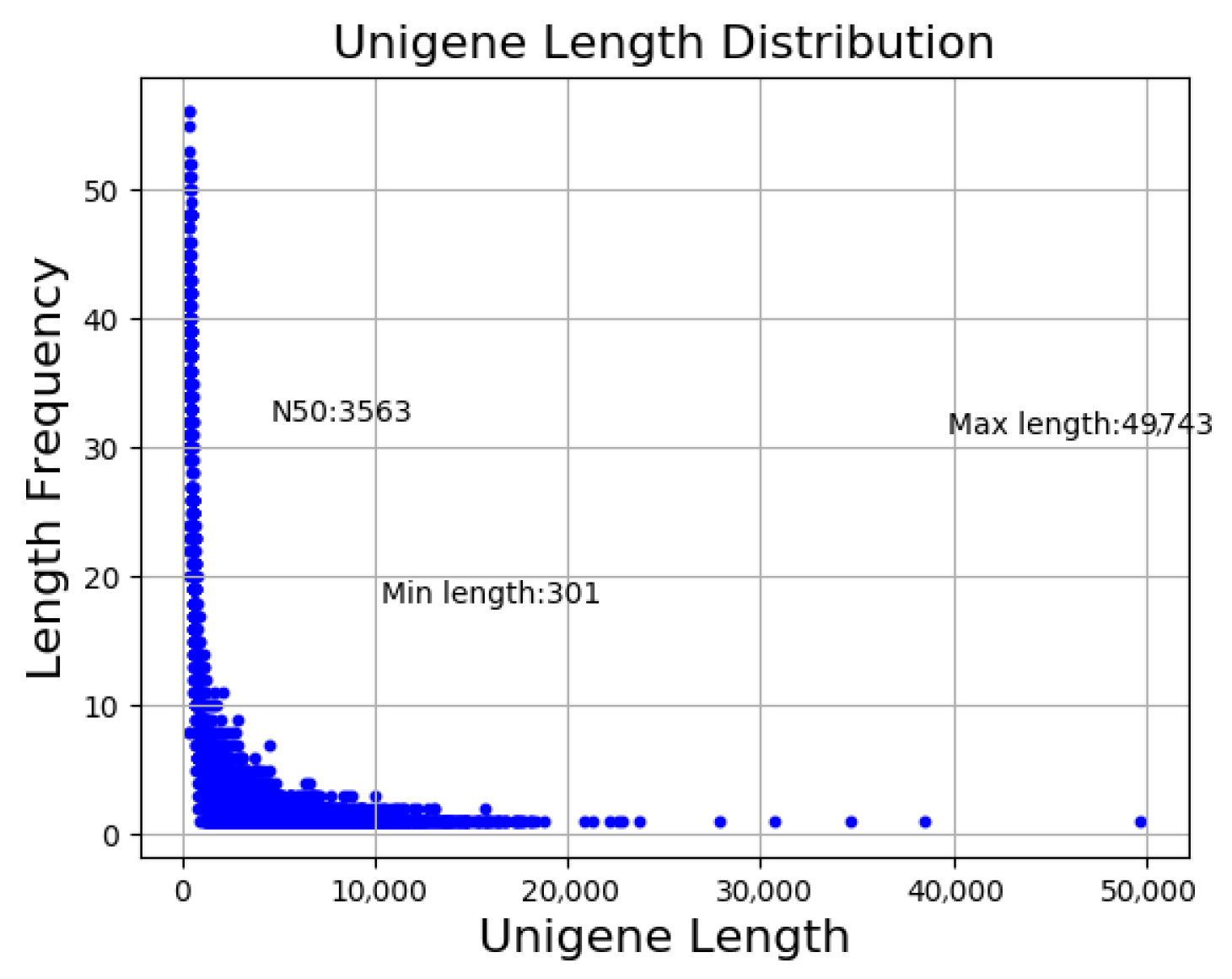
Illumina sequencing of diapause and non-diapause A. japonicus yielded an average of 82,748,981.33 and 94,858,824 clean reads, respectively (Figure 1). A total of 52,698 transcripts were assembled from high-quality, clean reads using Trinity. A high degree of transcriptome completeness and assembly integrity was demonstrated by the assembled transcripts’ average length of 2427 bp, N50 of 4610 bp, and 30,286 transcripts longer than 1000 bp (Table 3 and Table 4).
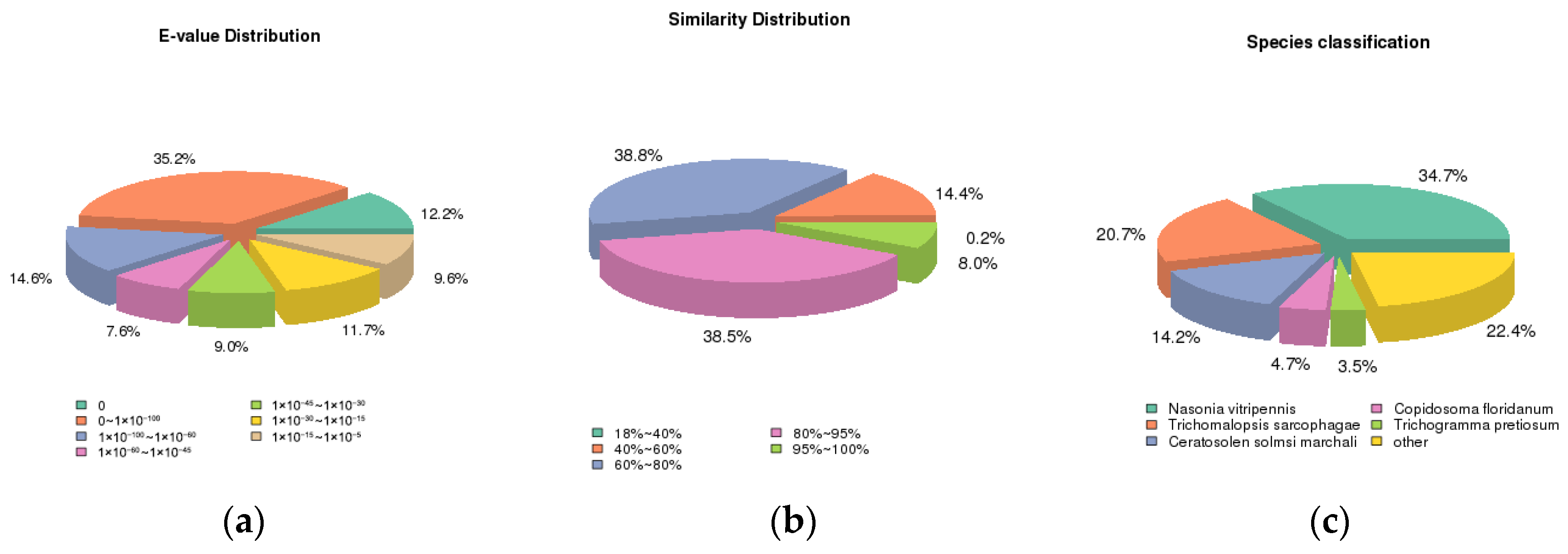
Functional annotation of the assembled transcripts revealed that 15,105 transcripts were successfully annotated across various databases: NR (13,205), NT (7847), KO (5149), Swiss-Prot (9980), PFAM (11,144), GO (11,144), and KOG (5734) (Table 5). Notably, 34.7% of the annotated genes showed similarity to Nasonia vitripennis based on NR database results (Figure 2), a species recognized as a critical parasitoid wasp [25,26].
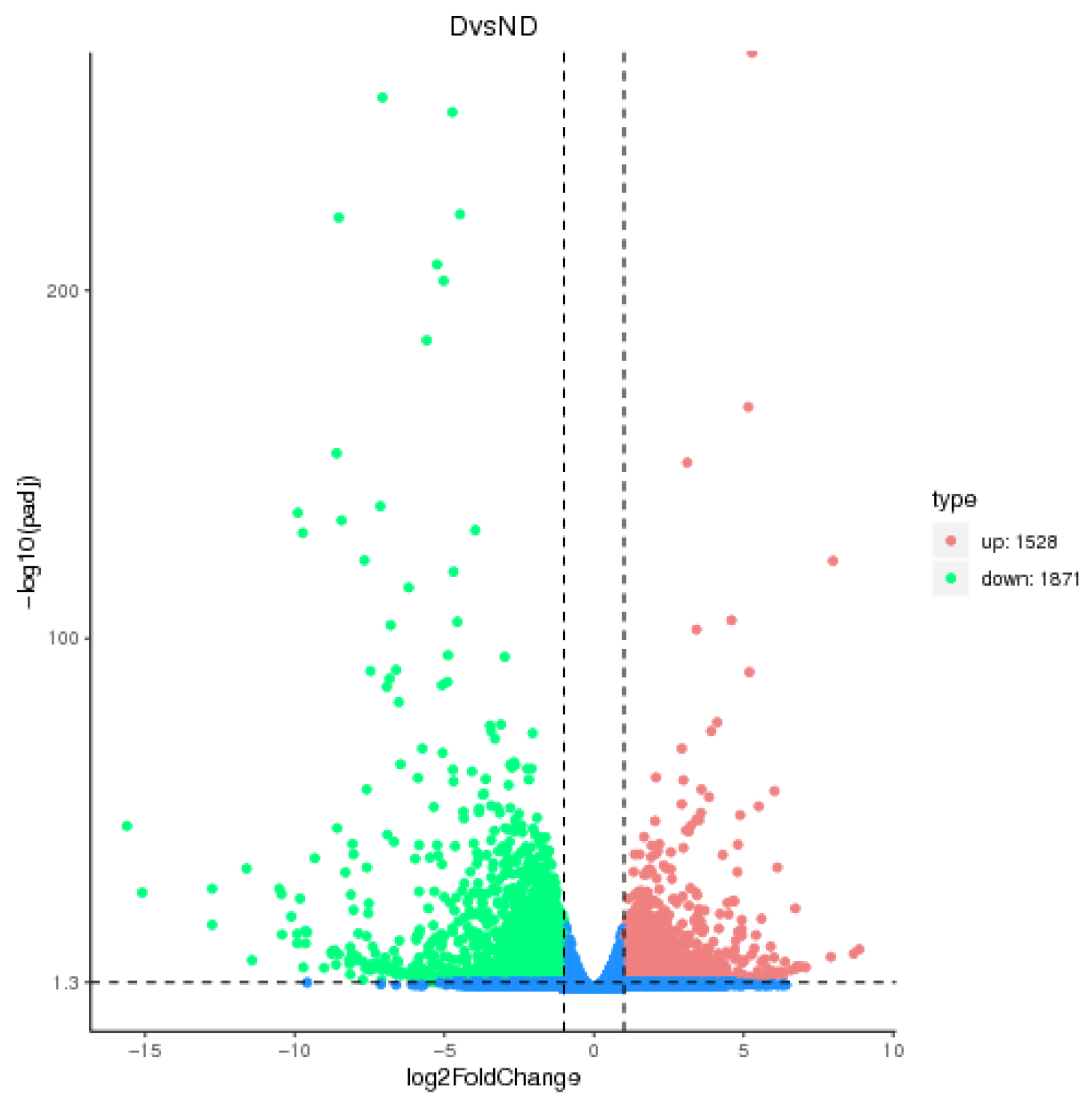
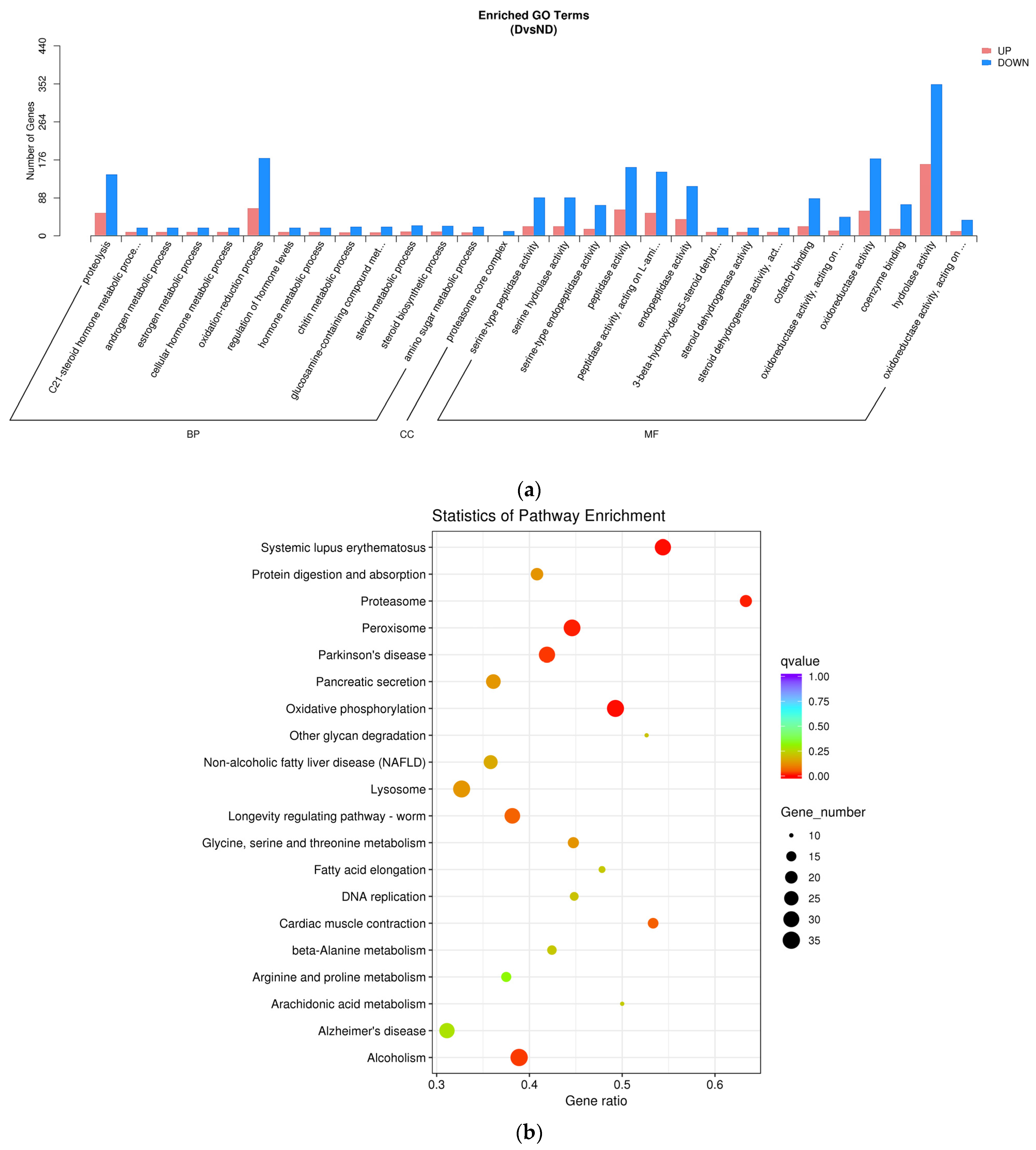
Overall, 3399 annotated DEGs were found, comprising 1528 upregulated and 1871 downregulated genes (Figure 3). The diapause regulator JH was linked to 10 DEGs in this dataset, including 2 upregulated and 8 downregulated genes associated with JH metabolic pathways [21,27,28]. GO and KEGG analyses were conducted to assess the DEGs’ functions. GO analysis identified five upregulated and four downregulated genes involved in hormone metabolism. KEGG pathway analysis showed that four upregulated and four downregulated DEGs were significantly enriched in the longevity-regulating pathway (Table 6; Figure 4)

3.2. DEG Verification

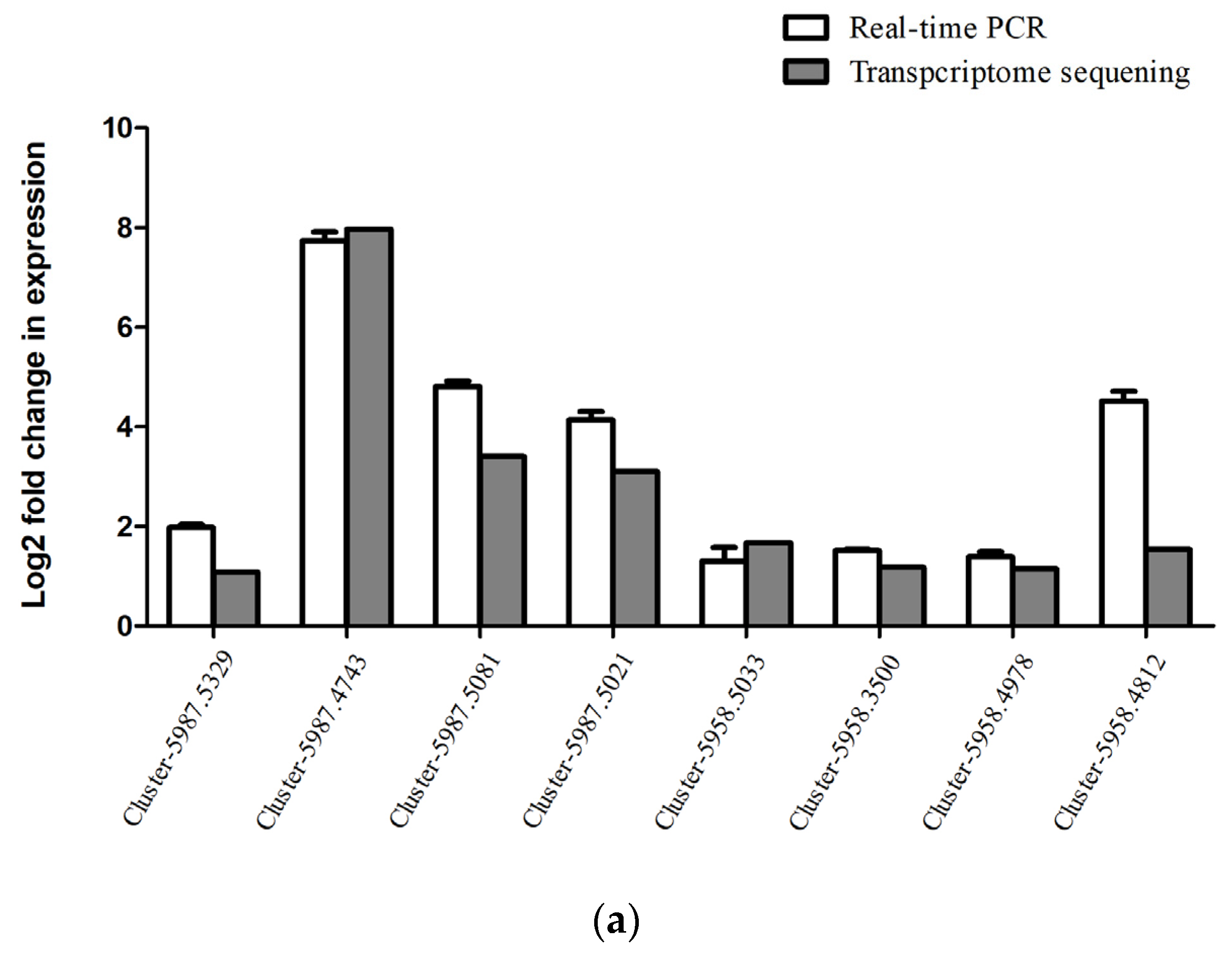
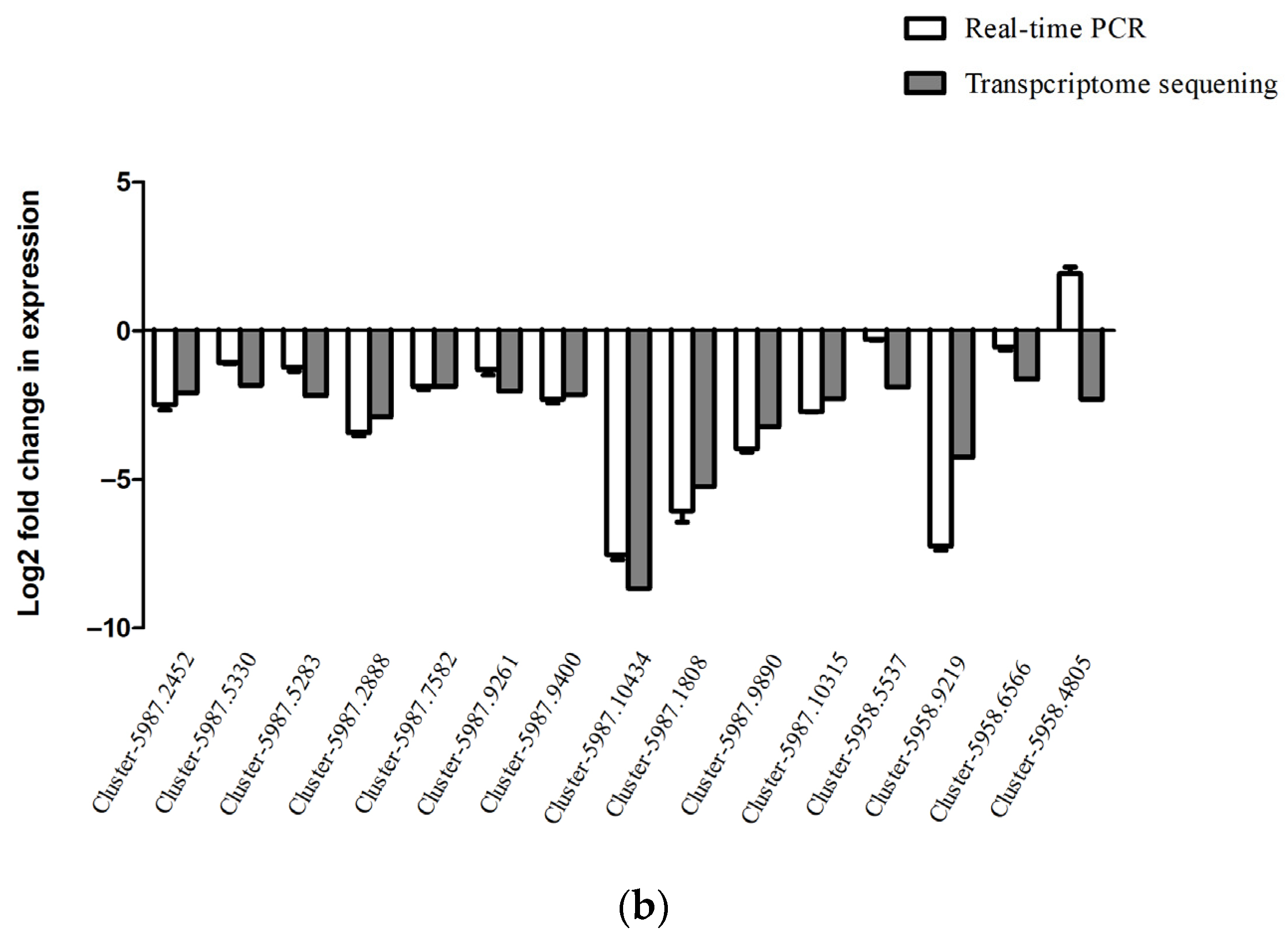
The levels of 23 DEGs (eight upregulated and fifteen down-regulated) with notable expression changes were verified using RT-qPCR. Except for cluster-5958.4805 (Figure 5), the levels of 22 of the 23 DEGs aligned with the RNA-seq results.

3.3. Global Changes in Protein Levels

After TMT labeling and HPLC separation of A. japonicus proteins, high-resolution LC-MS/MS analysis produced a total of 364,335 spectra. Overall, 19,099 peptides and 3112 proteins were found from 31,433 spectra that matched known entries (Table 7).
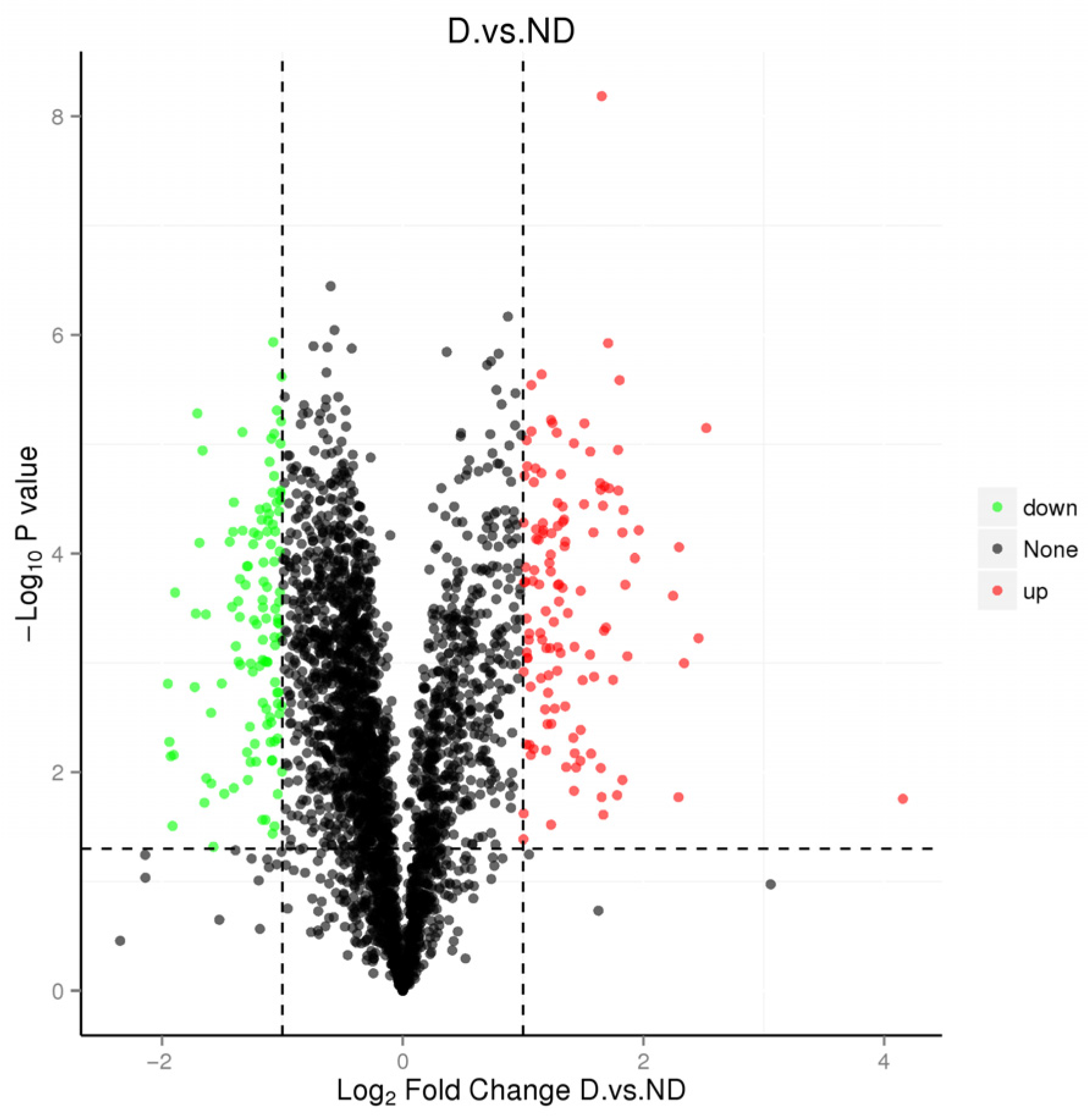
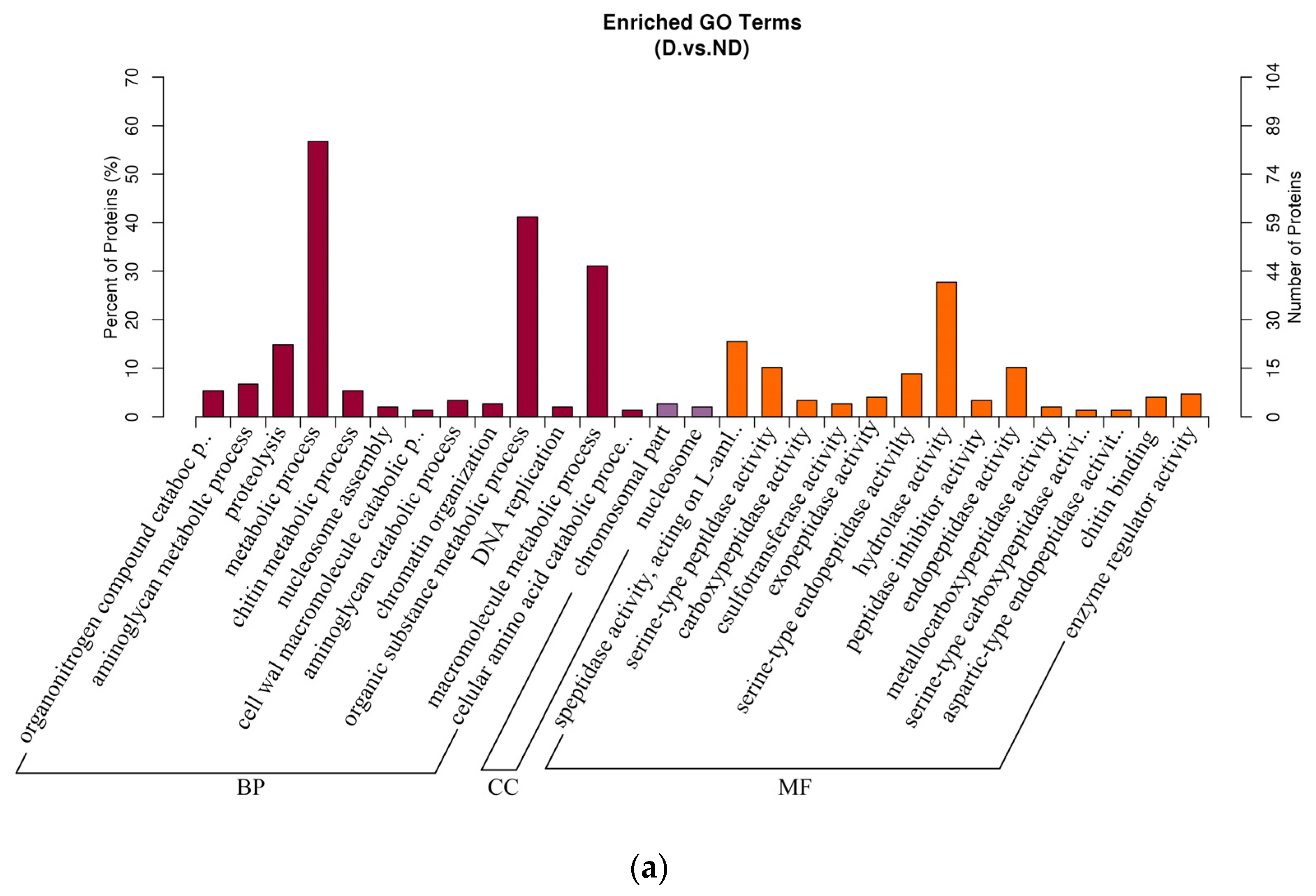
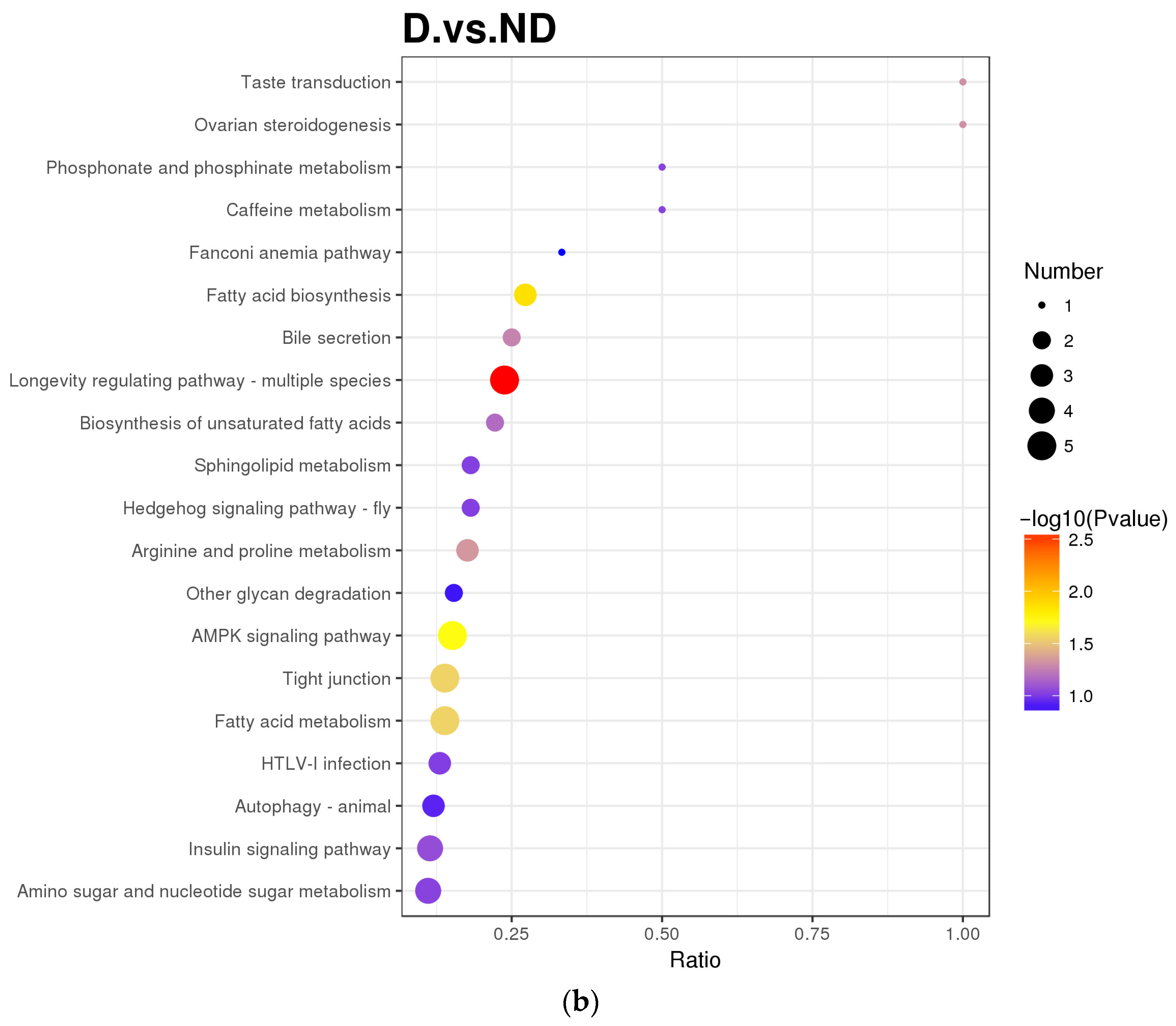
A volcano plot was utilized for statistical screening to find proteins with significant differential expression during diapause, with a fold-change threshold of FC > 1.9 and p < 0.05 (Figure 6, Table 8). A total of 12 diapause-related proteins were identified as key regulatory genes using GO and KEGG analyses (Figure 7). Among these, eight proteins were upregulated, including hemocyanin, peptidoglycan recognition protein, serine proteases, cytochrome P450 family 4, and a chitin-binding domain protein. Four proteins were down-regulated, including cell division cycle protein 123, a sulfotransferase domain-containing protein, a tudor domain protein, and major royal jelly protein (Table 8).

3.4. Integrative Analysis of the Proteome and Transcriptome

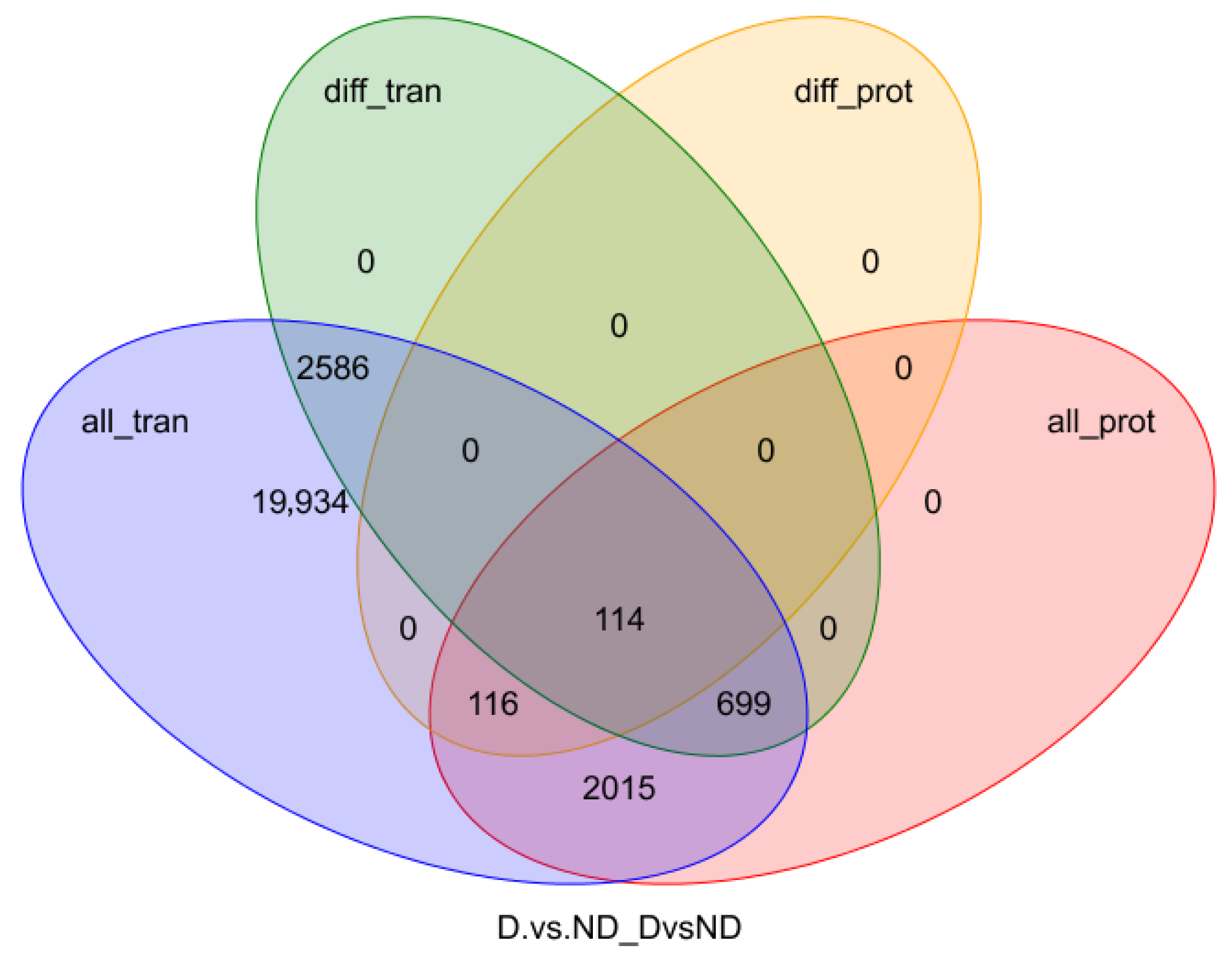
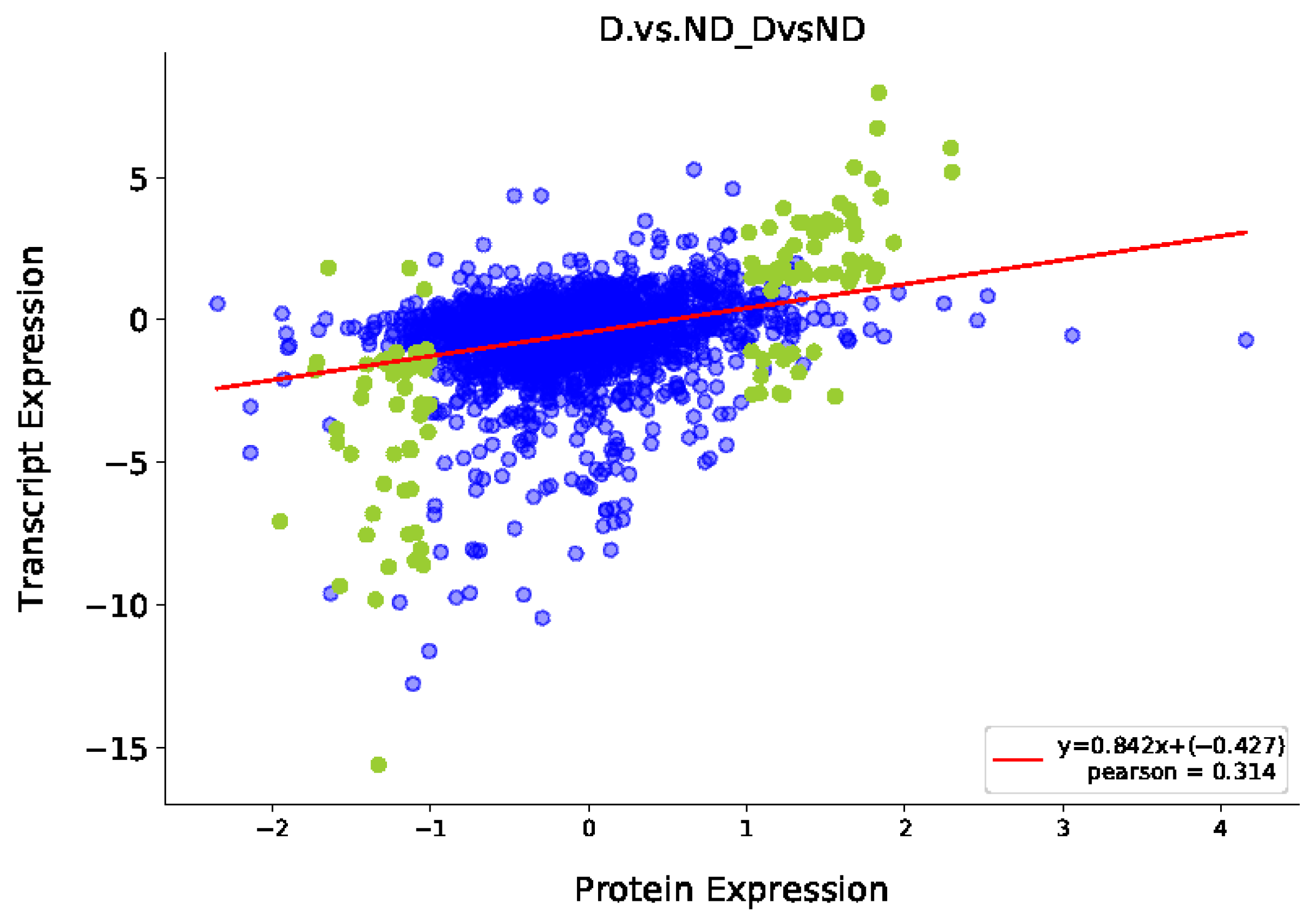
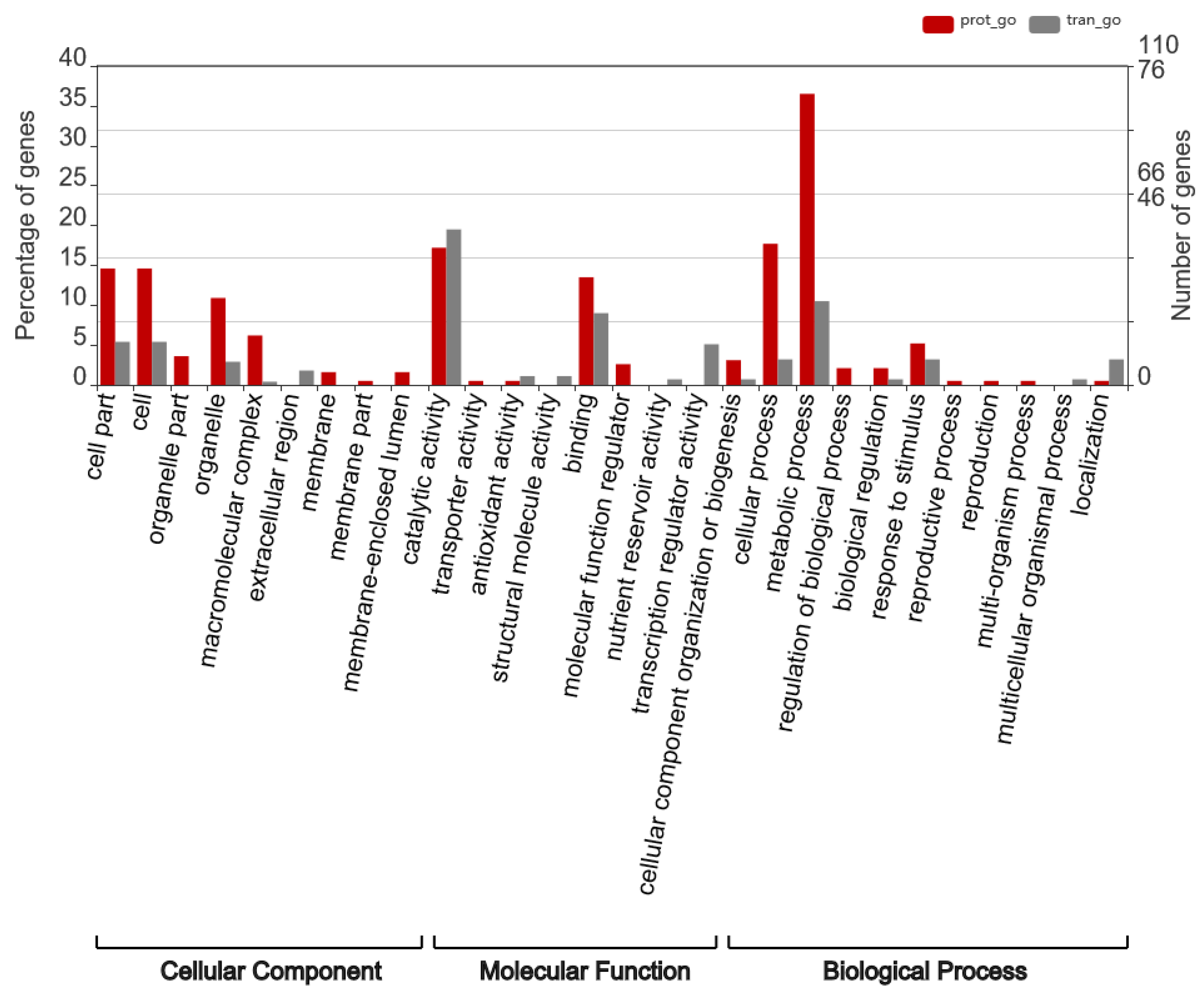
Overall, 114 DEGs and DEPs were identified between the diapause and non-diapause stages of A. japonicus (Figure 8). To assess the concordance between transcriptional and translational changes, correlations between these DEGs and DEPs were determined, demonstrating an overall strong positive association (r = 0.842, p ≤ 0.05) (Figure 9). To further elucidate functional distinctions between the transcriptomic and proteomic profiles, GO enrichment analysis was conducted. The terms “cell,” “cell part,” “organelle,” and “macromolecular complex” were highly enriched cellular component terms. Enriched molecular function terms comprised “catalytic activity,” “antioxidant activity,” “binding,” and “cellular component organization or biogenesis.” Prominent biological processes were “cellular process,” “metabolic process,” “biological regulation,” “response to stimulus,” and “localization” (Figure 10).
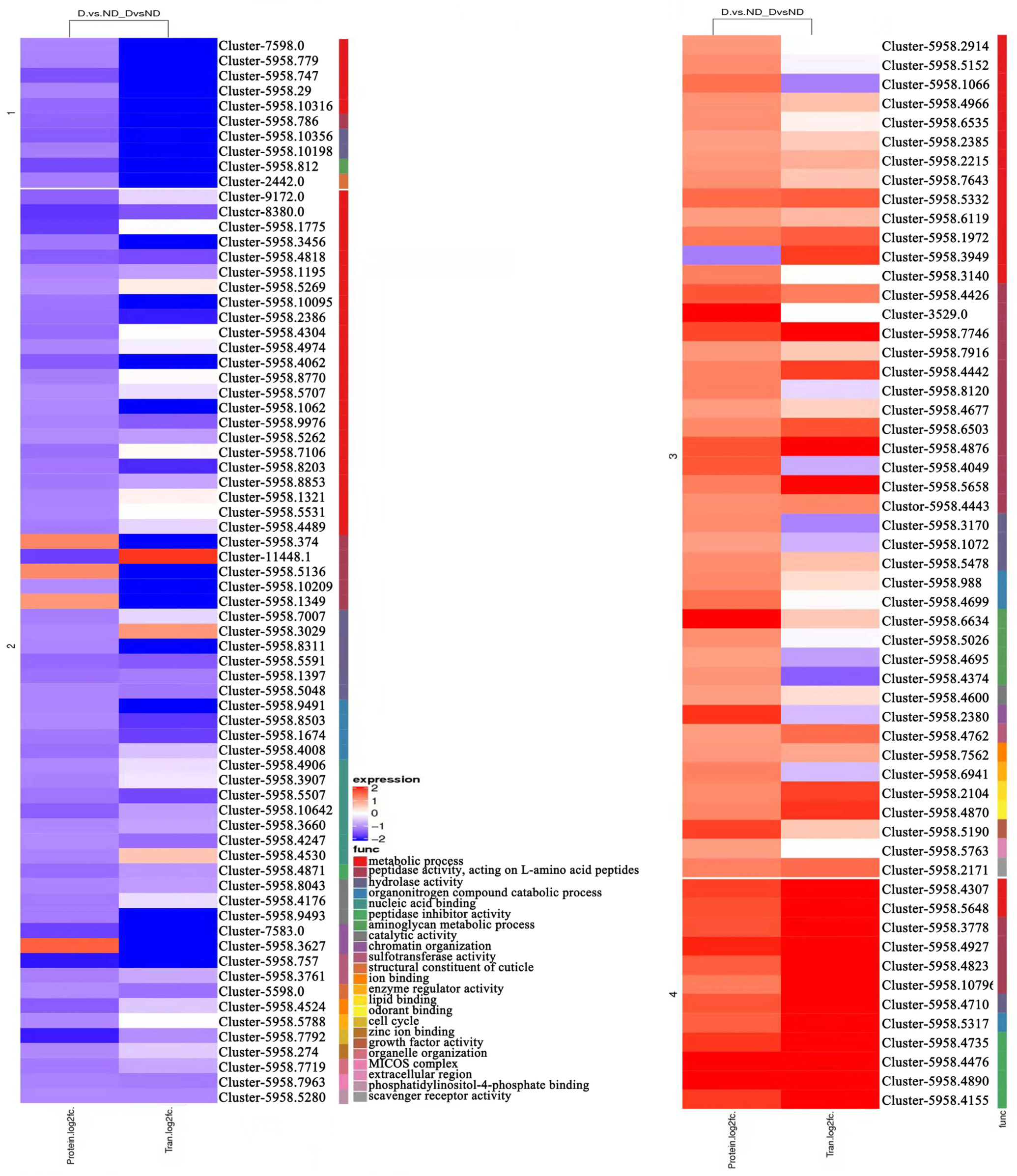
Furthermore, GO-based pathway clustering of combined transcriptomic and proteomic data indicated that upregulated DEGs and DEPs were predominantly associated with “peptidase activity,” “peptidase inhibitor activity,” “hydrolase activity,” and “lipid binding.” In comparison, downregulated genes and proteins were mainly enriched in pathways related to “aminoglycan metabolic process,” “nucleic acid binding,” “structural constituent of cuticle,” and “scavenger receptor activity” (Figure 11).
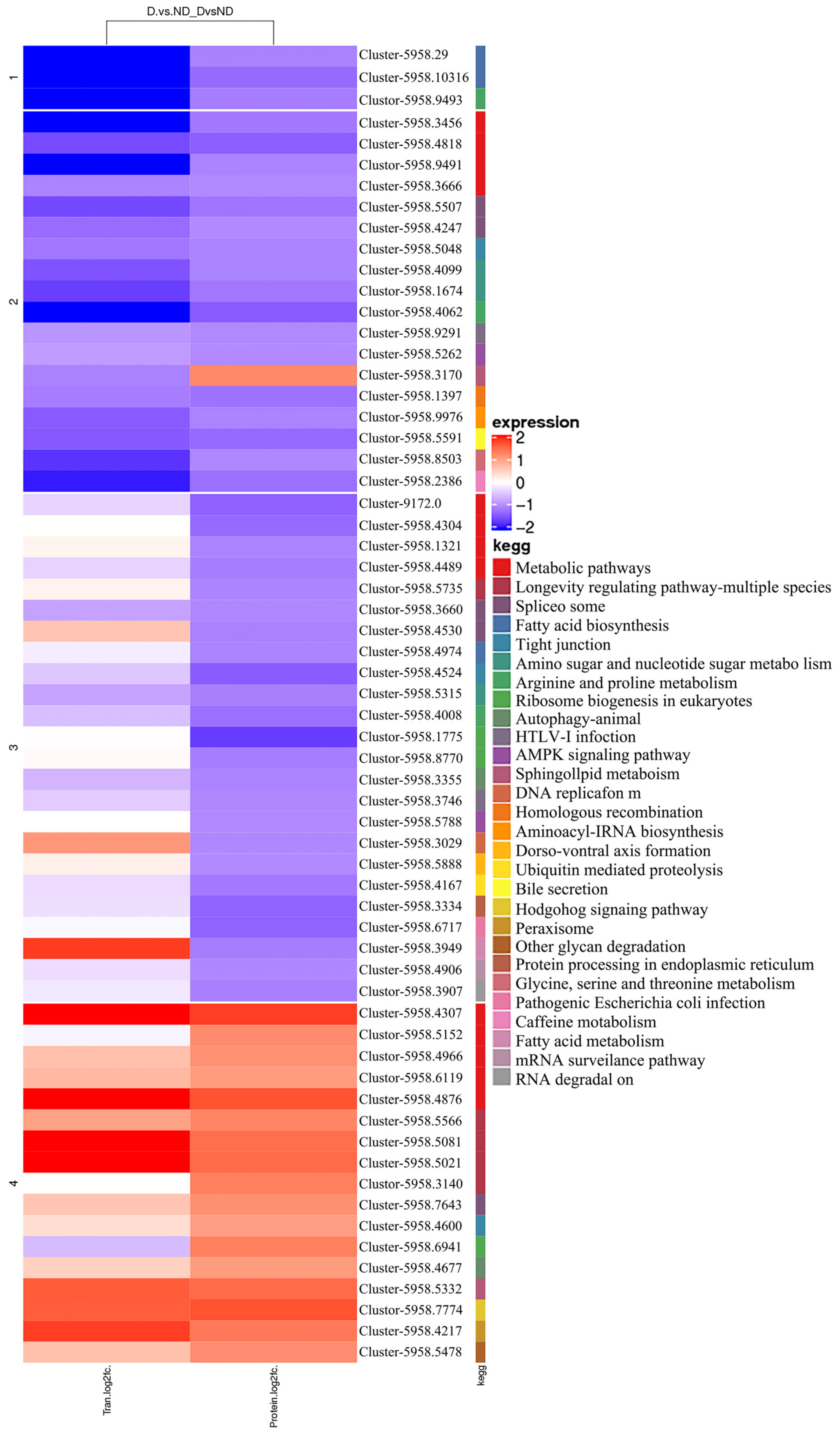
KEGG analysis showed that upregulated pathways involved “sphingolipid metabolism,” “fatty acid metabolism,” “ubiquitin-mediated proteolysis,” and the “hedgehog signaling pathway.” In comparison, downregulated pathways involved “fatty acid biosynthesis,” “arginine and proline metabolism,” “spliceosome,” “fatty acid metabolism,” and “nucleotide sugar and amino sugar metabolism” (Figure 12).
To further explore key pathways regulated during diapause, we identified several candidate genes based on GO and KEGG enrichment and transcriptomic and proteomic expression levels. They are farnesol dehydrogenase, crystallin (in the longevity regulating pathway), cytochrome P450, and genes containing a forkhead-associated domain (Table 9).

4. Discussion

The biochemical mechanism of diapause is intricate. Diapause-related genes are expressed in response to environmental conditions. For instance, the clock gene period contributes to the regulation of final-instar larval diapause, which is regulated by short photoperiod and low temperature in female Nasonia vitripennis [29,30,31]. According to earlier research, A. japonicus displays facultative diapause of mature larvae induced by brief photoperiods (10L:14D) and a temperature of 17 °C [10]. However, the molecular pathways responsible for diapause in A. japonicus larvae are not known. Thus, we conducted integrated transcriptomic and proteomic analyses on A. japonicus samples at diapause and non-diapause stages. The four gene/protein pairs were found to be highly elevated by KEGG pathway categorization based on combined TMT proteomic and RNA-Seq transcriptomic data: Farnesol dehydrogenase (ID: 5958.4743), Crystallin alpha B (IDs: 5958.5021 and 5958.5081), and Cytochrome P450 (ID: 5958.3611). One gene/protein pair was significantly downregulated: a forkhead-associated domain-containing protein (ID: 5958.10434). These molecules are involved in juvenile hormone (JH) biosynthesis, neuropeptide hormone activation, oxidative phosphorylation, and longevity regulation pathways.
Only found in insects, JH is produced by the corpus allatum (CA) [32]. By opposing the molting hormone 20-hydroxyecdysone (20E) in larvae, JH is essential for inhibiting metamorphosis. Furthermore, it regulates key physiological processes, including oogenesis, vitellogenesis, ovulation, pheromone biosynthesis, and organ remodeling, ultimately enhancing female reproductive fitness. Consequently, JH controls developmental changes, such as diapause and reproduction [33,34,35]. For instance, low ecdysteroid titers and high JH levels induced diapause in the larvae of Psacothea hilaris [36]. RNA interference-mediated knockdown of LsFoxO in diapausing nymphs of Laodelphax striatellus markedly reduced JH III levels and shortened the nymphal period [21]. The CA levels of JH-synthesizing enzymes primarily determine biosynthetic activity, which in turn controls the titer of JH through a balance between its biosynthesis and breakdown [37]. A crucial enzyme in the synthesis of JH, farnesol dehydrogenase (FOLD), catalyzes the conversion of farnesyl diphosphate (FPP) to farnesoic acid, a precursor of JH synthesis. It has been proposed that FOLD limits JH production rate [38]. In our investigation, FOLD expression was significantly elevated in A. japonicus during diapause, suggesting its possible involvement in the diapause process.
The three primary categories of detoxification enzymes found in insects are COEs, GSTs, and P450s. Among approximately 150 detoxification-related genes identified in insects, P450s account for the largest number, roughly twice as many as GSTs or COEs [39,40]. In insect growth, development, and defense, the cytochrome P450 (CYP450) enzyme system is essential. It contributes to hormone production and to the removal of foreign substances from the body [41]. In Trichogramma dendrolimi, 16 CYP450 genes were differentially expressed across developmental stages, highlighting their role in maintaining cellular homeostasis under stress conditions [39]. The cytochrome P450 monooxygenase (CYP314A1) and JH acid methyltransferase (JHAMT) genes in Laodelphax striatellus can govern the nymphal diapause state by regulating JH titers during III and 20E in the hemolymph [20]. In our study, CYP450 expression was upregulated during diapause stages in A. japonicus, suggesting enhanced detoxification capacity. This upregulation likely contributes to increased stress resistance during diapause, underscoring the close relationship among CYP450s in enhancing physiological toler-ance to adverse conditions.

5. Conclusions

The results of the present study provide a comprehensive transcriptomic and proteomic comparison between the diapause and non-diapause stages of A. japonicus. We identified significant differences in the levels of genes and proteins involved in JH pathways, detoxifying enzymes, crystallins, and forkhead-associated domains during diapause, using an integrated analysis. In summary, the findings of this study provide fundamental information for understanding larval diapause and insights for future gene function research, thereby facilitating the mass rearing and preservation of A. japonicus.

Author Contributions

Conceptualization, C.Z. and D.L.; methodology, C.Z.; software, Y.G.; formal analysis, Z.L. and J.X.; investigation, B.Z. and J.X.; resources, C.Z.; data curation, Z.L., J.X. and Y.G.; writing—original draft preparation, J.X.; writing—review and editing, C.Z. and J.X.; supervision, D.L.; project administration, and X.X. All authors have read and agreed to the published version of the manuscript.

Funding

This research was funded by the National Natural Science Foundation of China (32001968), the China Agriculture Research System of MOF and MARA (CARS-32-09), the Special Fund for Scientific Innovation Strategy Construction of the High-Level Academy of Agriculture Science (R2023PY-QY007), and the Youth S&T Talent Support Programme of Guangdong Provincial Association for Science and Technology (SKXRC2025099).

Data Availability Statement

The data that support the findings of this study are available from the corresponding author upon reasonable request.

Acknowledgments

We thank the MARA CHINA-CABI Joint Laboratory for Bio-Safety for providing the Anastatus japonicus used in these experiments.

Conflicts of Interest

The authors declare no conflicts of interest.

References

  1. Anduaga, A.M.; Nagy, D.; Costa, R.; Kyriacou, C.P. Diapause in Drosophila melanogaster—Photoperiodicity, cold tolerance and metabolites. J. Insect Physiol. 2018, 105, 46–53. [Google Scholar] [CrossRef]
  2. Tauber, M.J.; Tauber, C.A. Insect Seasonality: Diapause Maintenance, Termination, and Postdiapause Development. Annu. Rev. Entomol. 1976, 21, 81–107. [Google Scholar] [CrossRef]
  3. Denlinger, D.L. Regulation of diapause. Annu. Rev. Entomol. 2002, 47, 93–122. [Google Scholar] [CrossRef]
  4. Chen, Z.; Wang, X.; Kong, X.; Zhao, Y.; Xu, M.; Gao, Y.; Huang, H.; Liu, F.; Wang, S.; Xu, Y.; et al. Quantitative transcriptomic and proteomic analyses reveal the potential maintenance mechanism of female adult reproductive diapause in Chrysoperla nipponensis. Pest Manag. Sci. 2023, 79, 1897–1911. [Google Scholar] [CrossRef]
  5. Hahn, D.A.; Denlinger, D.L. Energetics of Insect Diapause. Annu. Rev. Entomol. 2011, 56, 103–121. [Google Scholar] [CrossRef] [PubMed]
  6. Kostal, V. Eco-physiological phases of insect diapause. J. Insect Physiol. 2006, 52, 113–127. [Google Scholar] [CrossRef] [PubMed]
  7. Gray, D.; Ravlin, F.W.; Braine, J.A. Diapause in the gypsy moth. J. Econ. Entomol. 2001, 61, 596–598. [Google Scholar] [CrossRef]
  8. Yoshimura, H.; Tabuchi, K.; Uesugi, R.; Takhashi, A. Effect of photoperiod on winter and summer diapause of the soybean pod borer Leguminivora glycinivorella (Lepidoptera: Tortricidae). J. Asia-Pac. Entomol. 2021, 24, 246–253. [Google Scholar] [CrossRef]
  9. Jin, M.; Peng, Y.; Peng, J.; Yu, S.; Wu, C.; Yang, X.; Zhu, J.; Infante, O.; Xu, Q.; Wang, H.; et al. A supergene controls facultative diapause in the crop pest Helicoverpa armigera. Cell Rep. 2024, 43, 114939. [Google Scholar] [CrossRef]
  10. Zhao, C.; Guo, Y.; Liu, Z.; Xia, Y.; Li, Y.; Song, Z.; Zhang, B.; Li, D. Temperature and Photoperiodic Response of Diapause Induction in Anastatus japonicus, an Egg Parasitoid of Stink Bugs. Insects 2021, 12, 872. [Google Scholar] [CrossRef]
  11. Shen, Z.; Tang, L.-D.; Desneux, N.; Zang, L.-S. Diapause in parasitoids: A systematic review. J. Pest Sci. 2025, 98, 621–632. [Google Scholar] [CrossRef]
  12. Wang, C.; Jin, F.; De Mandal, S.; Zeng, L.; Zhang, Y.; Hua, Y.; Hong, Y.; Zhao, C.; Li, J.; Li, D.; et al. Insights into the venom protein components of the egg parasitoid Anastatus japonicus (Hymenoptera: Eupelmidae). Pest Manag. Sci. 2020, 76, 2113–2126. [Google Scholar] [CrossRef] [PubMed]
  13. Chen, Y.-M.; Gibson, G.A.P.; Peng, L.-F.; Iqbal, A.; Zang, L.-S. Anastatus Motschulsky (Hymenoptera, Eupelmidae): Egg parasitoids of Caligula japonica Moore (Lepidoptera, Saturniidae) in China. Zookeys 2019, 881, 109–134. [Google Scholar] [CrossRef]
  14. Li, D.-S.; Liao, C.; Zhang, B.-X.; Song, Z.-W. Biological control of insect pests in litchi orchards in China. Biol. Control 2014, 68, 23–36. [Google Scholar] [CrossRef]
  15. Mi, Q.; Zhang, J.; Haye, T.; Zhang, B.; Zhao, C.; Lei, Y.; Li, D.; Zhang, F. Fitness and Interspecific Competition of Trissolcus japonicus and Anastatus japonicus, Egg Parasitoids of Halyomorpha halys. Biol. Control 2021, 152, 104461. [Google Scholar] [CrossRef]
  16. Zhao, C.; Xia, Y.; Xiao, J.-J.; Liu, Z.-X.; Zhang, B.-X.; Li, D.-S. Advantages of diapause in Anastatus japonicus Ashmead mass production on eggs of the Chinese oak silkworm, Antheraea pernyi. Pest Manag. Sci. 2024, 80, 756–762. [Google Scholar] [CrossRef]
  17. Godana, E.A.; Zhang, X.; Hu, W.; Zhao, L.; Gu, X.; Zhang, H. Transcriptome analysis of asparagus in response to postharvest treatment with Yarrowia lipolytica. Biol. Control 2022, 169, 104906. [Google Scholar] [CrossRef]
  18. Yang, M.; Wang, Z.; Wang, R.; Zhang, X.; Li, M.; Xin, J.; Qin, Y.; Zhang, C.; Meng, F. Transcriptomic and proteomic analyses of the mechanisms of overwintering diapause in soybean pod borer (Leguminivora glycinivorella). Pest Manag. Sci. 2020, 76, 4248–4257. [Google Scholar] [CrossRef]
  19. Hao, K.; Wang, J.; Tu, X.-b.; Whitman, D.W.; Zhang, Z.-h. Transcriptomic and proteomic analysis of Locusta migratoria eggs at different embryonic stages: Comparison for diapause and nondiapause regimes. J. Integr. Agric. 2017, 16, 1777–1788. [Google Scholar] [CrossRef]
  20. Zhai, Y.; Zhang, Z.; Gao, H.; Chen, H.; Sun, M.; Zhang, W.; Yu, Y.; Zheng, L. Hormone Signaling Regulates Nymphal Diapause in Laodelphax striatellus (Hemiptera: Delphacidae). Sci. Rep. 2017, 7, 13370–13379. [Google Scholar] [CrossRef] [PubMed]
  21. Yin, Z.-J.; Dong, X.-L.; Kang, K.; Chen, H.; Dai, X.-Y.; Wu, G.-A.; Zheng, L.; Yu, Y.; Zhai, Y.-F. FoxO Transcription Factor Regulate Hormone Mediated Signaling on Nymphal Diapause. Front. Physiol. 2018, 9, 1654. [Google Scholar] [CrossRef]
  22. Zhai, Y.; Dong, X.; Gao, H.; Chen, H.; Yang, P.; Li, P.; Yin, Z.; Zheng, L.; Yu, Y. Quantitative Proteomic and Transcriptomic Analyses of Metabolic Regulation of Adult Reproductive Diapause in Drosophila suzukii (Diptera: Drosophilidae) Females. Front. Physiol. 2019, 10, 344. [Google Scholar] [CrossRef]
  23. Liu, Z.; Xiao, J.; Xia, Y.; Wu, Q.; Zhao, C.; Li, D. Selection and validation of reference genes for RT-qPCR-based analyses of Anastatus japonicus Ashmead (Hymenoptera: Helicopteridae). Front. Physiol. 2022, 13, 1046204. [Google Scholar] [CrossRef]
  24. Zhang, X.; Wu, F.; Gu, N.; Yan, X.; Wang, K.; Dhanasekaran, S.; Gu, X.; Zhao, L.; Zhang, H. Postharvest biological control of Rhizopus rot and the mechanisms involved in induced disease resistance of peaches by Pichia membranefaciens. Postharvest Biol. Technol. 2020, 163, 111146. [Google Scholar] [CrossRef]
  25. Shuker, D.; Lynch, J.; Peire, M.A. Moving from model to non-model organisms? Lessons from Nasonia wasps. Bioessays 2003, 25, 1247–1248. [Google Scholar] [CrossRef] [PubMed]
  26. Werren, J.H.; Richards, S.; Desjardins, C.A.; Niehuis, O.; Gadau, J.; Colbourne, J.K. The Nasonia Genome Working Group. Functional and evolutionary insights from the genomes of three parasitoid Nasonia species. Science 2010, 327, 343–348. [Google Scholar] [CrossRef]
  27. Guo, S.; Sun, D.; Tian, Z.; Liu, W.; Zhu, F.; Wang, X.-P. The limited regulatory roles of juvenile hormone degradation pathways in reproductive diapause preparation of the cabbage beetle, Colaphellus bowringi. J. Insect Physiol. 2019, 119, 103967. [Google Scholar] [CrossRef]
  28. Mukai, A.; Mano, G.; Marteaux, L.D.; Shinada, T.; Goto, S.G. Juvenile hormone as a causal factor for maternal regulation of diapause in a wasp. Insect Biochem. Mol. Biol. 2022, 144, 103758. [Google Scholar] [CrossRef]
  29. Ikeno, T.; Tanaka, S.I.; Numata, H.; Goto, S.G. Photoperiodic diapause under the control of circadian clock genes in an insect. BMC Biol. 2010, 8, 116. [Google Scholar] [CrossRef] [PubMed]
  30. Mukai, A.; Goto, S.G. Clock gene period is essential for the photoperiodic response in the jewel wasp Nasonia vitripennis (Hymenoptera: Pteromalidae). Appl. Entomol. Zool. 2016, 51, 185–194. [Google Scholar] [CrossRef]
  31. Saunders, D.S. Larval Diapause of Maternal Origin: Induction of Diapause in Nasonia vitripennis (Walk.) (Hymenoptera: Pteromalidae). J. Exp. Biol. 1965, 42, 495–508. [Google Scholar] [CrossRef]
  32. Gilbert, L.I.; Granger, N.A.; RoeR, M. The juvenile hormones: Historical facts and speculations on future research directions. Insect Biochem. Mol. Biol. 2000, 30, 617–644. [Google Scholar] [CrossRef]
  33. Santos, C.G.; Humann, F.C.; Hartfelder, K. Juvenile hormone signaling in insect oogenesis. Curr. Opin. Insect Sci. 2019, 31, 43–48. [Google Scholar] [CrossRef]
  34. Kurogi, Y.; Mizuno, Y.; Imura, E.; Niwa, R. Neuroendocrine Regulation of Reproductive Dormancy in the Fruit Fly Drosophila melanogaster: A Review of Juvenile Hormone-Dependent Regulation. Front. Ecol. Evol. 2021, 9, 715029. [Google Scholar] [CrossRef]
  35. Jindra, M.; Palli, S.R.; Riddiford, L.M. The Juvenile Hormone Signaling Pathway in Insect Development. Annu. Rev. Entomol. 2013, 58, 181–204. [Google Scholar] [CrossRef]
  36. Munyiri, F.N.; Ishikawa, Y. Endocrine changes associated with metamorphosis and diapause induction in the yellow-spotted longicorn beetle, Psacothea hilaris. J. Insect Physiol. 2004, 50, 1075–1081. [Google Scholar] [CrossRef]
  37. Kinjoh, T.; Kaneko, Y.; Itoyama, K.; Mita, K.; Hiruma, K.; Shinoda, T. Control of juvenile hormone biosynthesis in Bombyx mori: Cloning of the enzymes in the mevalonate pathway and assessment of their developmental expression in the corpora allata. Insect Biochem. Mol. Biol. 2007, 37, 808–818. [Google Scholar] [CrossRef]
  38. Mayoral, J.G.; Nouzova, M.; Navare, A.; Noriega, F.G. NADP+-dependent farnesol dehydrogenase, a corpora allata enzyme involved in juvenile hormone synthesis. Proc. Natl. Acad. Sci. USA 2009, 106, 21091–21096. [Google Scholar] [CrossRef] [PubMed]
  39. Yuan, Y.; Li, L.; Zhao, J.; Chen, M. Effect of Tannic Acid on Nutrition and Activities of Detoxification Enzymes and Acetylcholinesterase of the Fall Webworm (Lepidoptera: Arctiidae). J. Insect Sci. 2020, 20, 8. [Google Scholar] [CrossRef] [PubMed]
  40. Zhao, M.; Lin, X.; Guo, X. The Role of Insect Symbiotic Bacteria in Metabolizing Phytochemicals and Agrochemicals. Insects 2022, 13, 583. [Google Scholar] [CrossRef]
  41. Hannemann, F.; Bichet, A.; Ewen, K.M.; Bernhardt, R. Cytochrome P450 systems--biological variations of electron transport chains. Biochim. Biophys. Acta 2007, 1770, 330–344. [Google Scholar] [CrossRef] [PubMed]
Figure 1. The distribution map of transcript length.
Insects 17 00306 g001
Figure 2. Transcript alignment results in the NR database. (a) Distribution of E-values after alignment in the NR database; (b) distribution of sequence similarities after alignment in the NR database. (c) Species classification plot.
Insects 17 00306 g002
Figure 3. The volcano map for DEGs.
Insects 17 00306 g003
Figure 4. GO and KEGG analyses of DEGs between the diapause (D) and non-diapause N(D) groups. (a) GO enrichment bar chart; (b) pathway enrichment analysis bubble plot.
Insects 17 00306 g004
Figure 5. Verification of DEG expression by means of RT-qPCR. (a) Upregulated gene; (b) downregulated gene.
Insects 17 00306 g005aInsects 17 00306 g005b
Figure 6. The volcano map of differential proteins.
Insects 17 00306 g006
Figure 7. GO and KEGG analyses of DEPs between the diapause (D) and non-diapause (ND) groups. (a) GO enrichment bar chart; (b) pathway enrichment analysis bubble plot.
Insects 17 00306 g007aInsects 17 00306 g007b
Figure 8. Venn diagram of the DEGs and DEPs derived from transcriptome and proteome analysis. In this context, all_tran denotes all genes identified by means of transcriptomic analysis, while diff_tran denotes the differentially expressed genes detected by means of RNA-seq. Similarly, all_prot represents the complete set of proteins identified in the proteomic analysis, and diff_prot indicates the differentially expressed proteins identified from the proteome.
Insects 17 00306 g008
Figure 9. Correlation plots obtained from the transcriptome and proteome expression analyses.
Insects 17 00306 g009
Figure 10. GO pathway enrichment analysis of transcriptomic and proteomic data.
Insects 17 00306 g010
Figure 11. Cluster heat map of GO function enrichment. Red indicates upregulated expression, whereas blue denotes downregulated expression. Horizontal clustering reflects similarities in expression patterns at both the proteomic and transcriptomic levels, with proteins or genes within the same cluster demonstrating comparable expression trends. The individual entries shown in the figure are protein-based.
Insects 17 00306 g011
Figure 12. Cluster heat map of KEGG function enrichment.
Insects 17 00306 g012
Table 1. UHPLC gradient elution program.
Time (min)Flow Rate (nL/min)Mobile Phase A (%)Mobile Phase B (%)
2600946
26008317
526006040
546004555
556000100
606000100
Table 2. RT-qCR primers.
Primer NameSequence (5′ to 3′)
Cluster-5958.5329-FTTAAATTCCCGCGCTCTC
Cluster-5958.5329-RGGTCCCATCTTGGTCTTTC
Cluster-5958.4743-FGTGCGACTTGAGCAATGA
Cluster-5958.4743-RTTTCGCCATTCGTCCATAC
Cluster-5958.5081-FGCTATGCGTCATCCAGAATC
Cluster-5958.5081-RTGCTCGTCTTCCCTCATAA
Cluster-5958.5021-FAAATCGCTCCATGGTCTATAAT
Cluster-5958.5021-RGGACTTCGGTGTTGGTTT
Cluster-5958.5033-FAGCCACTGTCTCTTCTTCT
Cluster-5958.5033-RGGTCCAGTGAAACCCTTAAC
Cluster-5958.3500-FCTTCACGTAGCAGTGGAATC
Cluster-5958.3500-RCGCATCTGACTTCACGTATC
Cluster-5958.4978-FCAAGCCCAACAACAACAAC
Cluster-5958.4978-RGAGTCGAGAACGACATTGAC
Cluster-5958.4812-FAGCACCACATCCATGTTTAT
Cluster-5958.4812-RATCTGCACCAGCAAGAAC
Cluster-5958.2452-FGTCCCTTTGAATGTGGATTT
Cluster-5958.2452-RGGGAGAATAATAGCAATCTCAA
Cluster-5958.5330-FAGCCACTGTCTCTTCTTCT
Cluster-5958.5330-RGGTCCAGTGAAACCCTTAAC
Cluster-5958.5283-FATTTCAGCAGCAGTCCTATG
Cluster-5958.5283-RCTGCTGATGTACTGGCTATG
Cluster-5958.2888-FTCAGTCCAGGTGCTGTAA
Cluster-5958.2888-RGTGGTGTACCGAGAACATATAC
Cluster-5958.7582-FCTACACCGGCGCAATTTA
Cluster-5958.7582-RTTGTCAGAGCAAGATCCAAG
Cluster-5958.9261-FACCTGCTCCCACTATCAA
Cluster-5958.9261-RGTCATTGCACGACCATCA
Cluster-5958.9400-FTTCTGCTACTTGGGCTTATG
Cluster-5958.9400-RTTGACGACCACCATGATTAG
Cluster-5958.10434-FTTCGTCCCAGGTCTTCTT
Cluster-5958.10434-RATGCTGTCGAAATCGGTAAA
Cluster-5958.1808-FCCTCGTGTTCGTGCTTAC
Cluster-5958.1808-RGAATTGGCATGGTGAGTTTG
Cluster-5958.9890-FCGAATTGAGCGTCCAAAGA
Cluster-5958.9890-RCCAGCGTAAACGTCTTCAA
Cluster-5958.10315-FCCCAAGAACAAGACGAAGA
Cluster-5958.10315-RGGTTTCTGCTGTTTGACTTC
Table 3. Statistics of clean reads.
SampleClean ReadsData Size (Gb)Q30 Content (%)GC Content (%)
D82,748,981.336.2193.7937.08
ND94,858,8247.1192.9838.18
Table 4. Statistics tables of sequential assembly.
Length Range
(nt)
Transcripts
NumberPercentage (%)
300–500 bp750329.47
500–1 kbp673526.45
1 k–2 kbp437217.17
>2 kbp685426.92
Total transcript25,464
N50 length of transcripts (nt)3563
Max length (nt)49,743
Min length (nt)301
Average length (nt)1779
Table 5. Statistics tables of gene annotations.
DatabaseNumber of TranscriptsPercentage (%)
NR13,20551.85
NT784730.81
KO514920.22
Swiss-Prot998039.19
PFAM11,14443.76
GO11,14443.76
KOG573422.51
Annotated in all databases277010.87
Annotated in a minimum of one database15,10559.31
Total Transcripts25,464
Table 6. Statistics tables of differential genes.
Gene
ID
Gene
Name
log2FC
(D. vs. ND)
up, down
(D. vs. ND)
entry 1Datadata
Cluster-5958.4743Farnesol dehydrogenase7.9696up
Cluster-5958.5987Fatty acyl-CoA reductase2.4011up
Cluster-5958.3500steroid hormone receptor1.1793up
Cluster-5958.4978steroid hormone receptor1.1402up
Cluster-5958.4812neuropeptide hormone1.5377up
Cluster-5958.4932essential for life-like1.2535up
Cluster-5958.5021essential for life-like3.1042up
Cluster-5958.5081essential for life-like3.4098up
Cluster-5958.4626essential for life-like1.5268up
Cluster-5958.5329heat shock 70 kDa protein1.0837up
Cluster-5958.5670essential for life-like1.1048up
Cluster-5958.5494transcription elongation 1.3494up
Cluster-5958.5033acetyl-CoA1.6706up
Cluster-5958.5446Farnesol dehydrogenase2.2548up
Cluster-5314.0Allatostatin1.6238up
Cluster-5958.3376Lipophorin1.0842up
Cluster-5958.5047Lipophorin1.4912up
Cluster-5958.6889Cytochrome P450 314A11.0569up
Cluster-5958.2888Farnesol dehydrogenase−2.8979down
Cluster-5958.7582L-xylulose reductase−1.8766down
Cluster-5958.5330Malate dehydrogenase−1.8331down
Cluster-5958.5283ubiquinol-cytochrome c reductase−2.1812down
Cluster-5958.10315ubiquinol-cytochrome c reductase−2.2849down
Cluster-5958.2452NADH dehydrogenase−2.0877down
Cluster-5958.9400hydroxyacid oxidase 1-like−2.1483down
Cluster-5958.10434Lipophorin−8.6652down
Cluster-5958.5537Lipophorin−1.8916down
Cluster-5958.9219Lipophorin−4.2541down
Cluster-5958.9890Lipophorin−3.2205down
Cluster-5958.1808NPC−5.2372down
Cluster-5958.6566JH epoxide hydrolase−1.6307down
Cluster-5958.4805Basic JH-suppressible protein−2.2999down
Table 7. Statistics tables of clean reads.
Total SpectraMatched SpectrumPeptideProteinAll
364,33531,43319,09931123112
Table 8. Statistics tables of differential protein.
Protein
Number
Protein
Identification
D. vs. ND
p-Value
D. vs. ND log2FC *D. vs. ND up, down
orf-5958.4651Hemocyanin0.0175314.155729up
orf-5958.5231Peptidoglycan recognition protein0.0000212.521953up
orf-3529.0Serine proteases0.0005942.457674up
orf-5958.3611Cytochrome P450 family 40.0010052.337397up
orf-5958.4476Pacifastin0.0000872.296085up
orf-5958.4890Pacifastin0.0169522.291289up
orf-5958.6634Chitin binding0.0002432.246311up
orf-5958.4927Serine proteases0.000111.929038up
orf-5958.7792Cell division cycle protein 1230.006963−1.90315down
orf-5958.757Sulfotransferase0.007156−1.92721down
orf-5958.1333Tudor domain0.005277−1.93852down
orf-5958.7647Major royal jelly protein0.001551−1.95145down
* log2FC: Convert the fold change by taking its log2.
Table 9. Information on diapause-related differentially expressed genes.
Gene/Protein
Number (Cluster/orf)
IdentificationGene
p-Value
Gene
log2FC
Protein
p-Value
Protein
log2FC
D. vs. ND up, down
5958.4743Farnesol dehydrogenase2.9507 × 10−1267.96960.00004011.834548up
5958.5021Crystallin, alpha B1.3421 × 10−1543.10420.0002191.478312up
5958.5081Crystallin, alpha B2.1821 × 10−1063.40980.0090651.440745up
5958.3611Cytochrome P4504.7981 × 10−773.91160.000005991.232454885up
5958.10434Forkhead-associated domain1.34 × 10−12−8.66520.00807−1.26483down
|log2(FoldChange)| > 1 and padj < 0.05.
Disclaimer/Publisher’s Note: The statements, opinions and data contained in all publications are solely those of the individual author(s) and contributor(s) and not of MDPI and/or the editor(s). MDPI and/or the editor(s) disclaim responsibility for any injury to people or property resulting from any ideas, methods, instructions or products referred to in the content.