Revealing a Novel Potential Pest of Plum Trees in the Caucasus: A Species Resembling the European Leaf-Mining Stigmella plagicolella, Nepticulidae #

1
State Research Institute Nature Research Centre, Akademijos g. 2, 08412 Vilnius, Lithuania
2
Education Academy, Vytautas Magnus University, K. Donelaičio g. 58, 44248 Kaunas, Lithuania
*
Author to whom correspondence should be addressed.
#
urn:lsid:zoobank.org:pub:D0C3B2AD-AB16-48D1-BDB5-1641CF82E336.
Insects 2024, 15(3), 198; https://doi.org/10.3390/insects15030198
Submission received: 21 February 2024
/
Revised: 9 March 2024
/
Accepted: 12 March 2024
/
Published: 15 March 2024
(This article belongs to the Section Insect Systematics, Phylogeny and Evolution)
Simple Summary
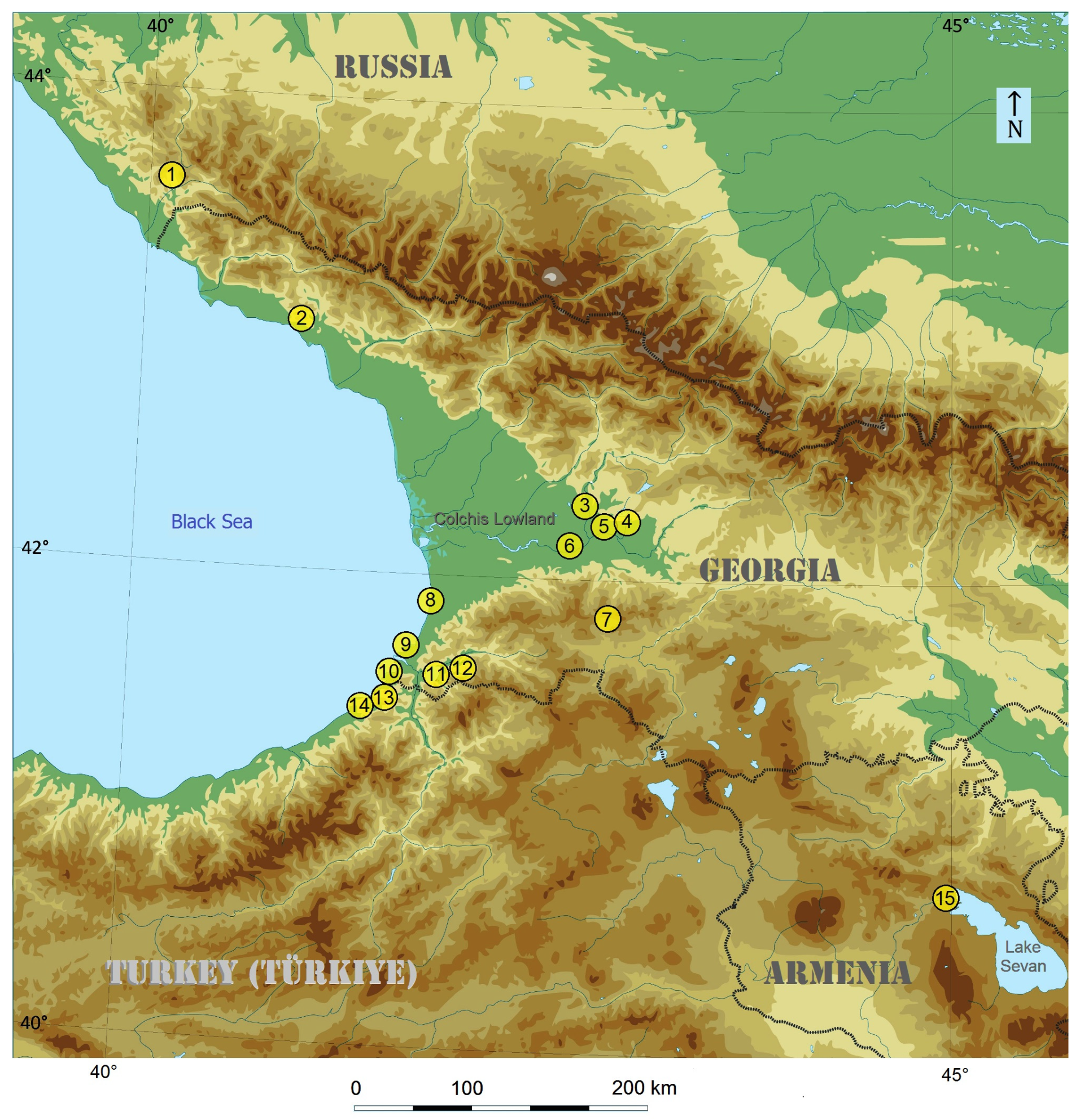
While feeding, the larvae of pygmy moths (Nepticulidae) consume part of a leaf’s photosynthetic tissue, thus causing damage to the host plant. Although these insects play a natural role in terrestrial ecosystems, they are perceived as pests in horticulture. This study investigates the identity of a potential Nepticulidae pest infesting plum trees in the Caucasus, initially presumed to be the widespread European Stigmella plagicolella (Stainton). Contrary to expectations, our detailed taxonomic analysis revealed a new species of pygmy moth with distinct male genitalia morphology and molecular differences from its European counterpart. This discovery challenges previous records and highlights the need for accurate pest identification. We hypothesize that the proximity of the Caucasus to Europe emphasizes the importance of monitoring and preventing unintentional pest spread, particularly given potential climate change impacts on the distribution and behavior of pests. Our findings contribute to both practical pest management and scientific understanding of evolutionary processes shaping the Caucasian and European biota.
Abstract
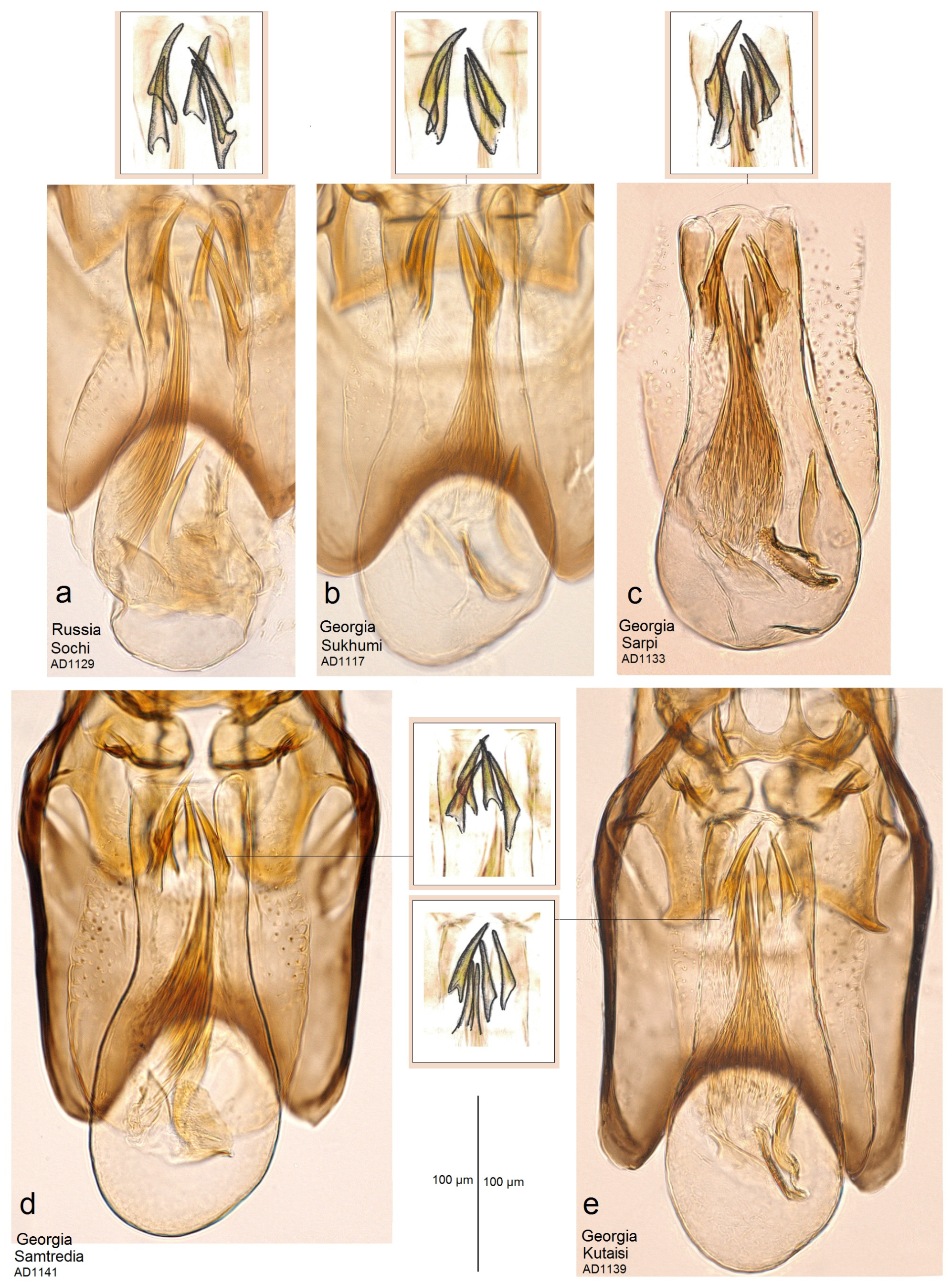
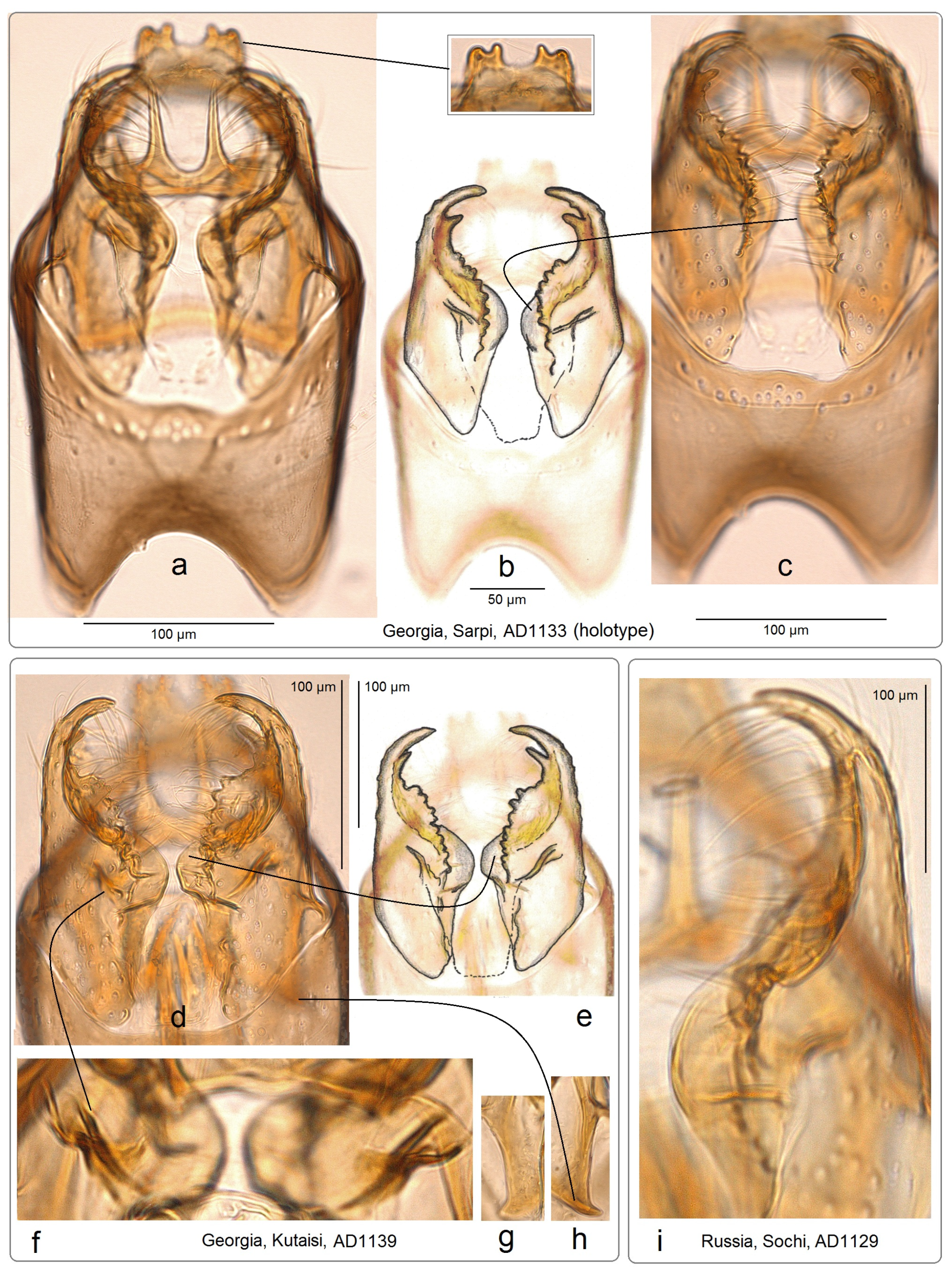
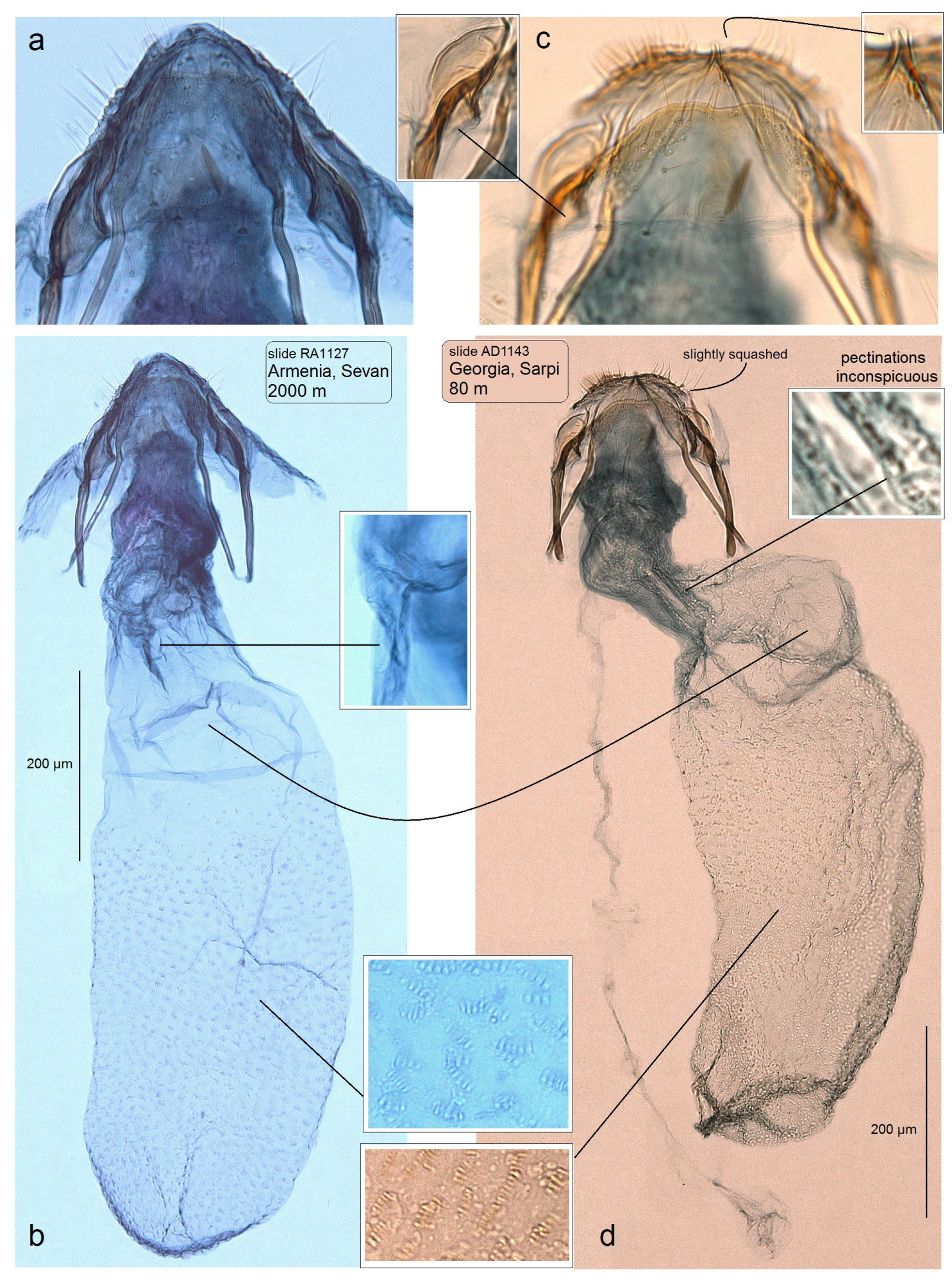
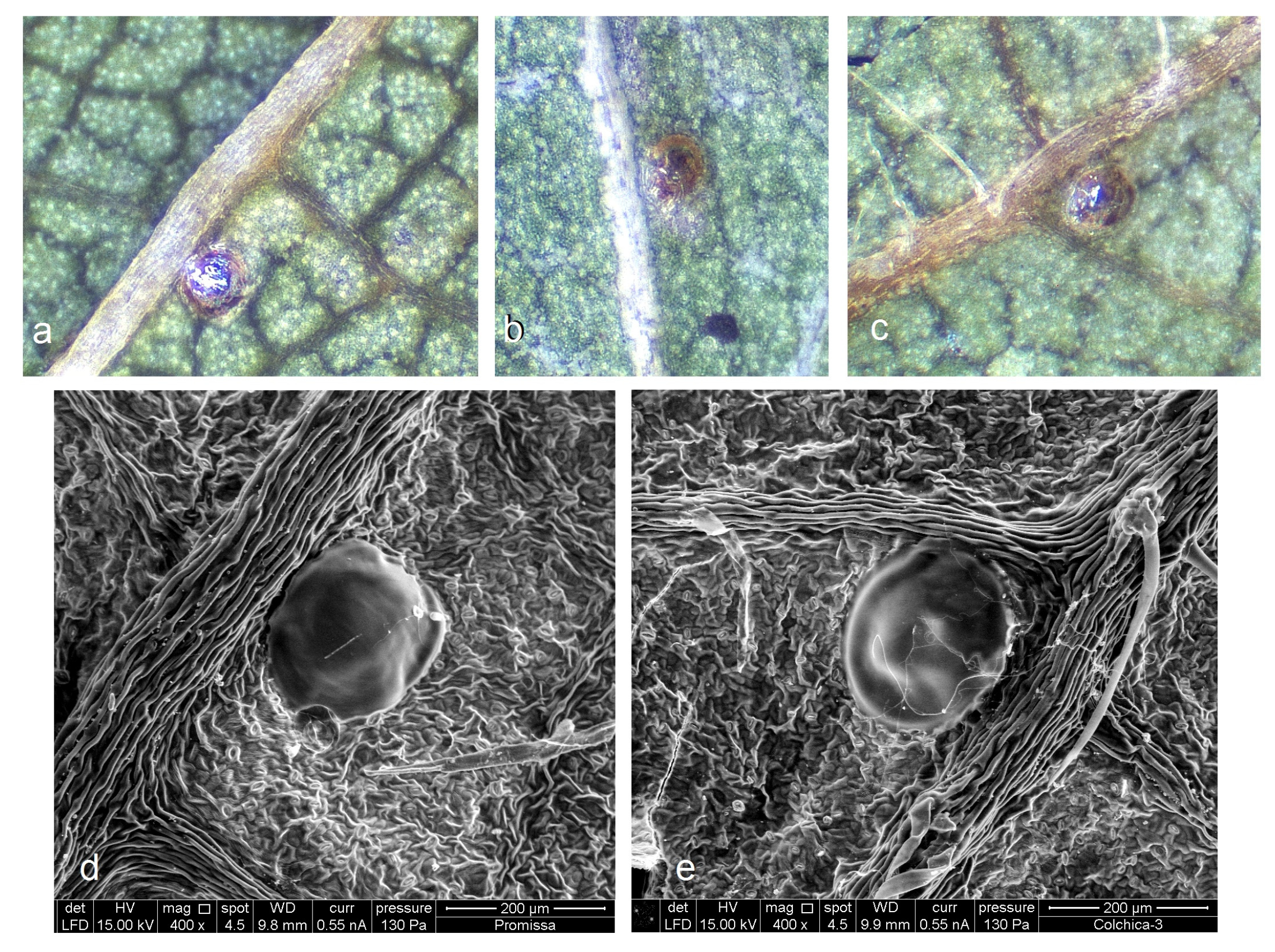
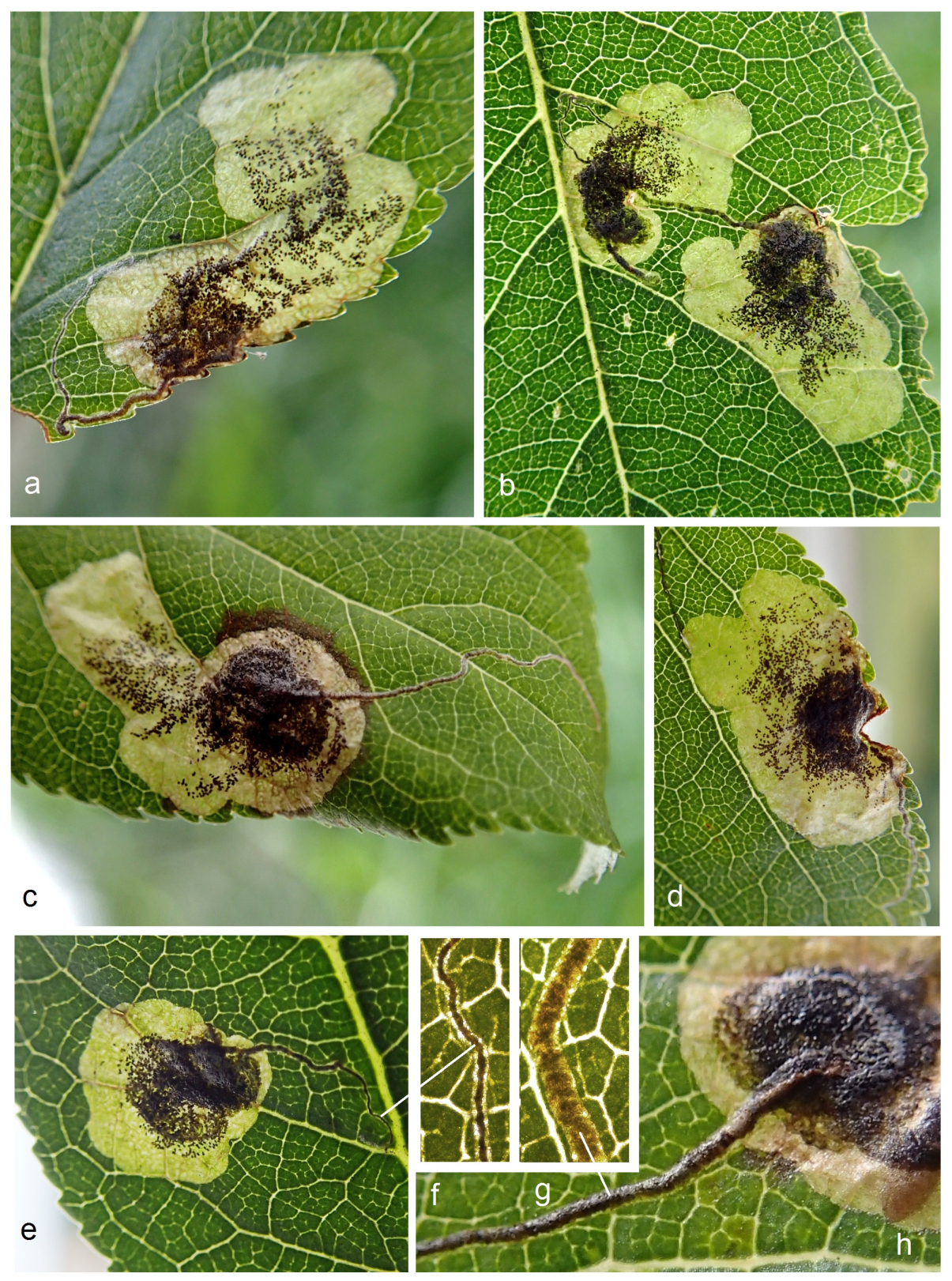
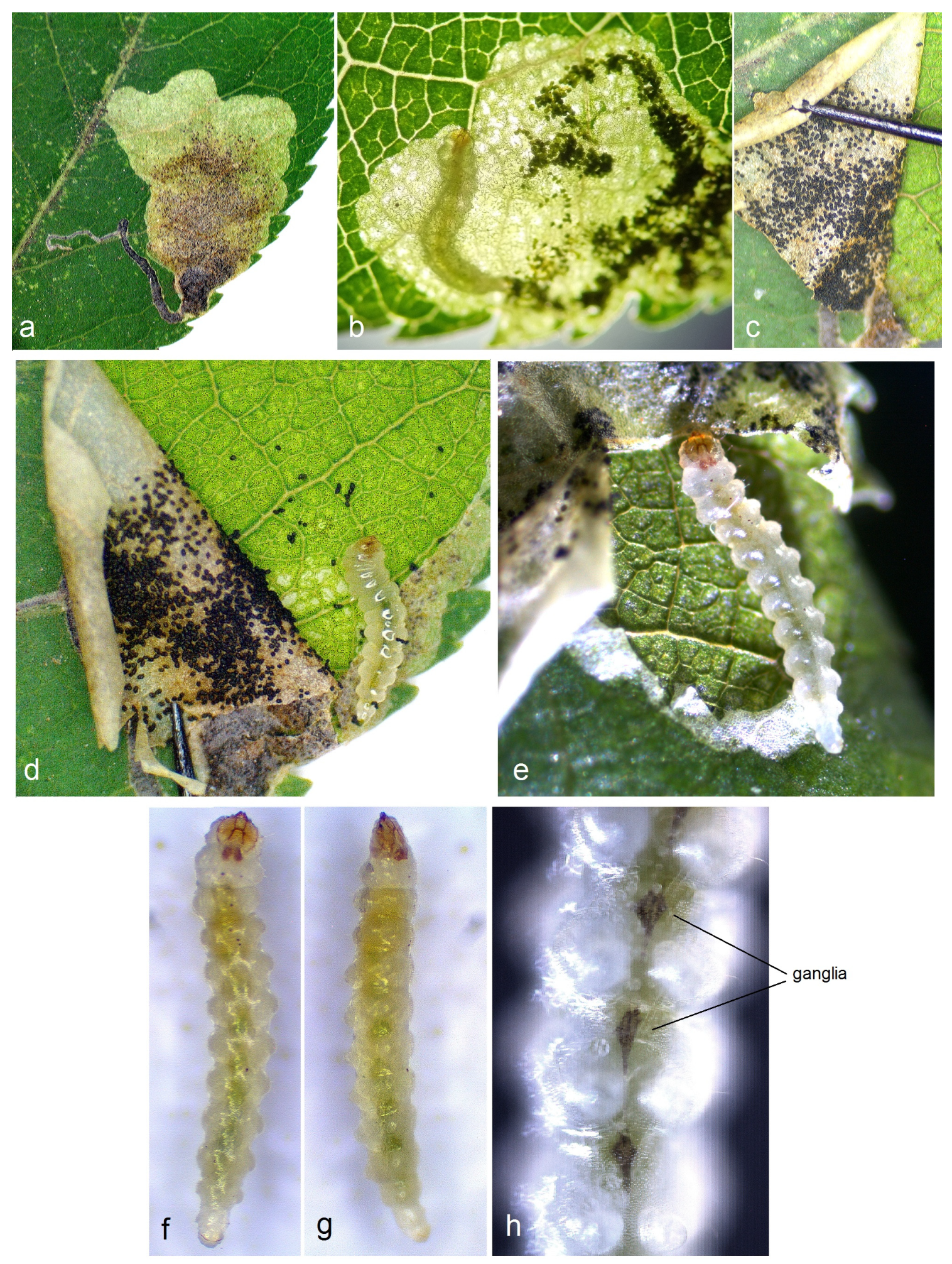
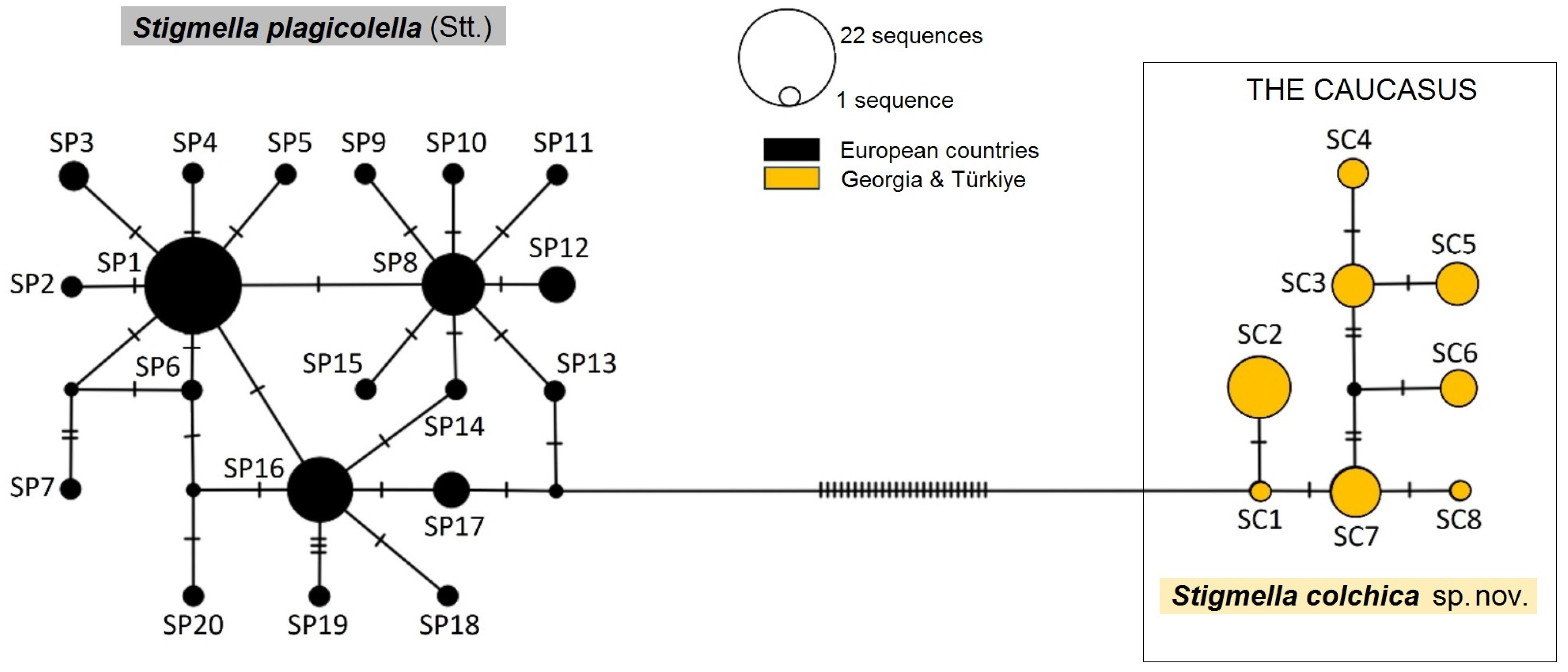
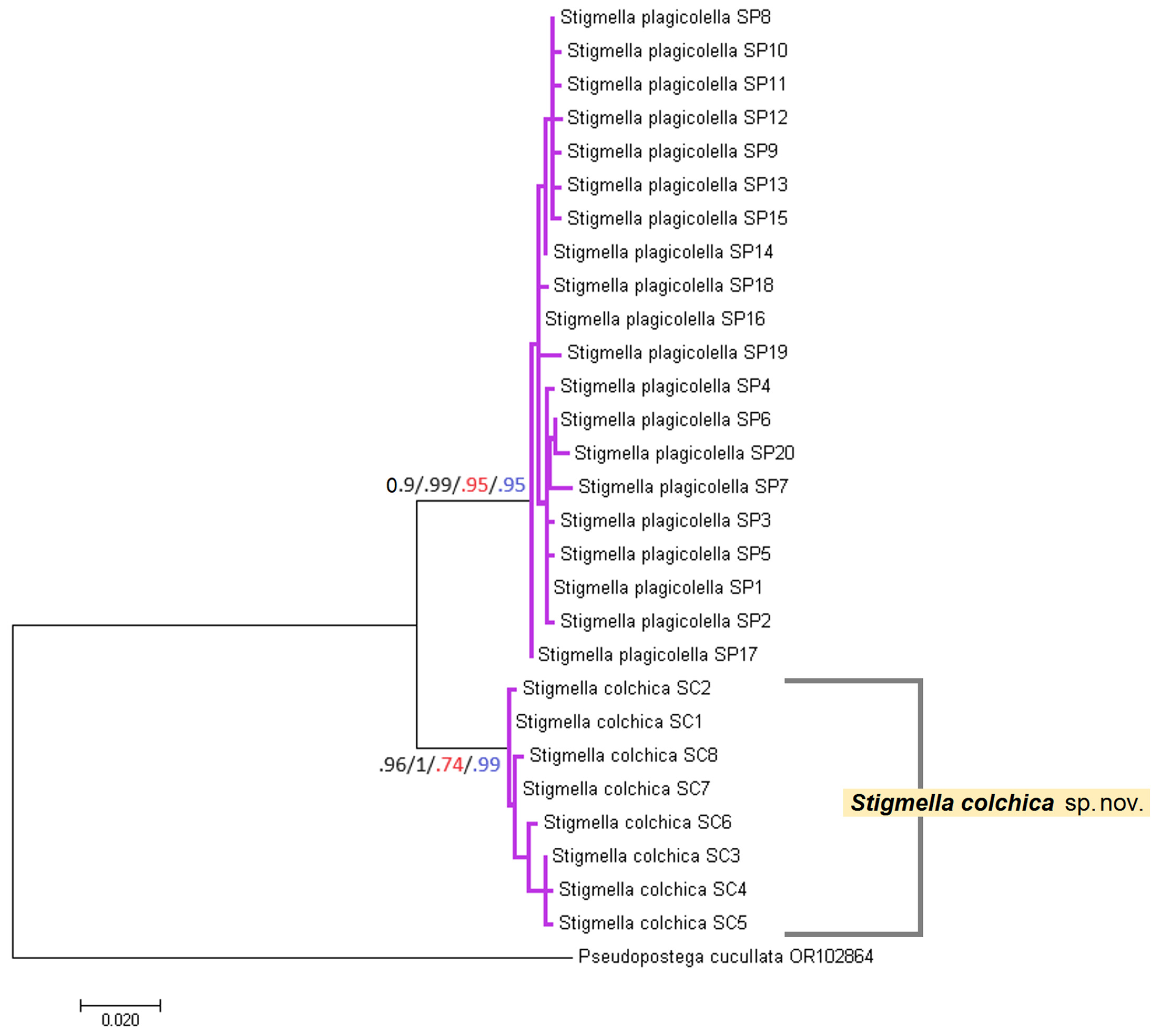
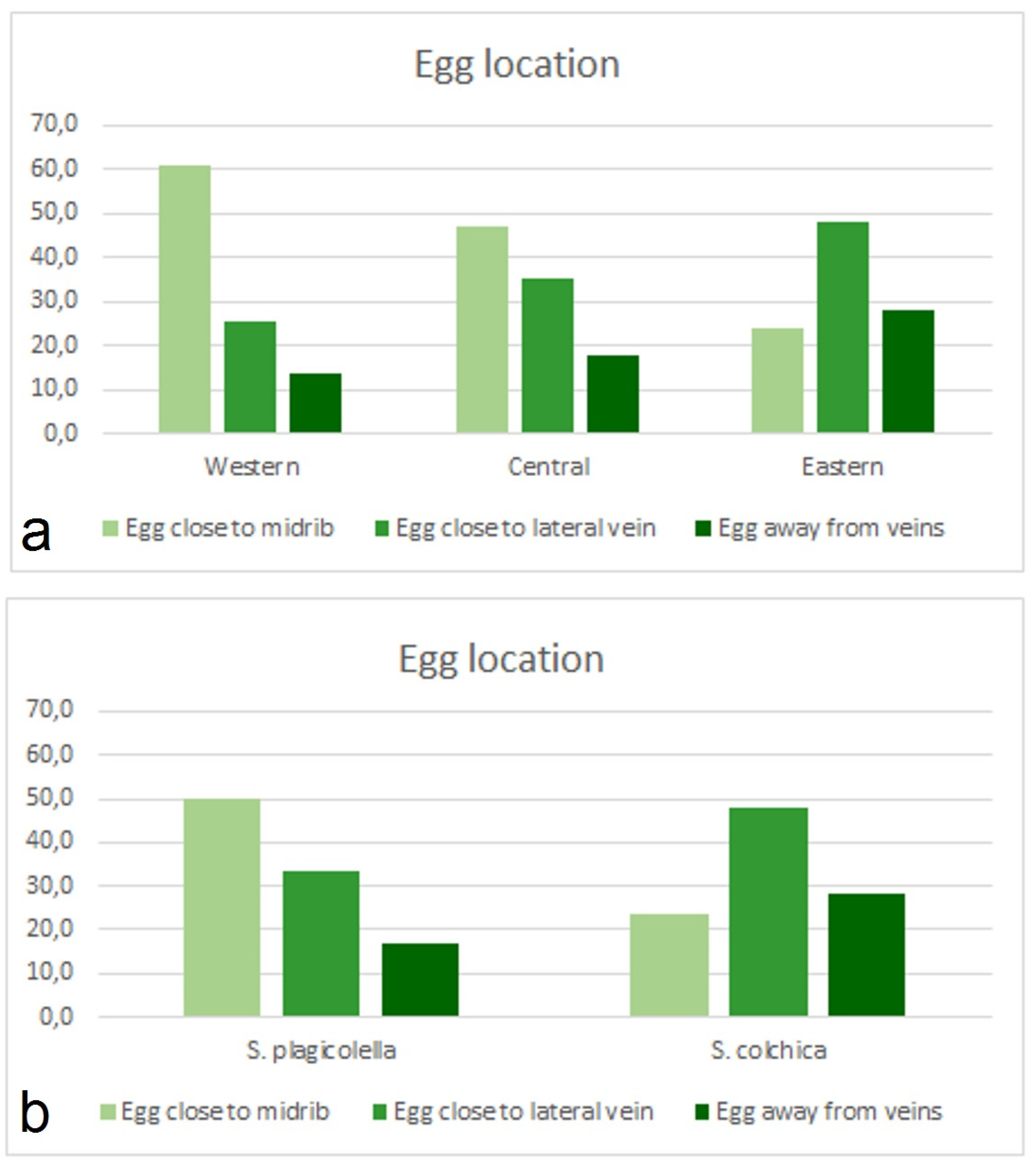
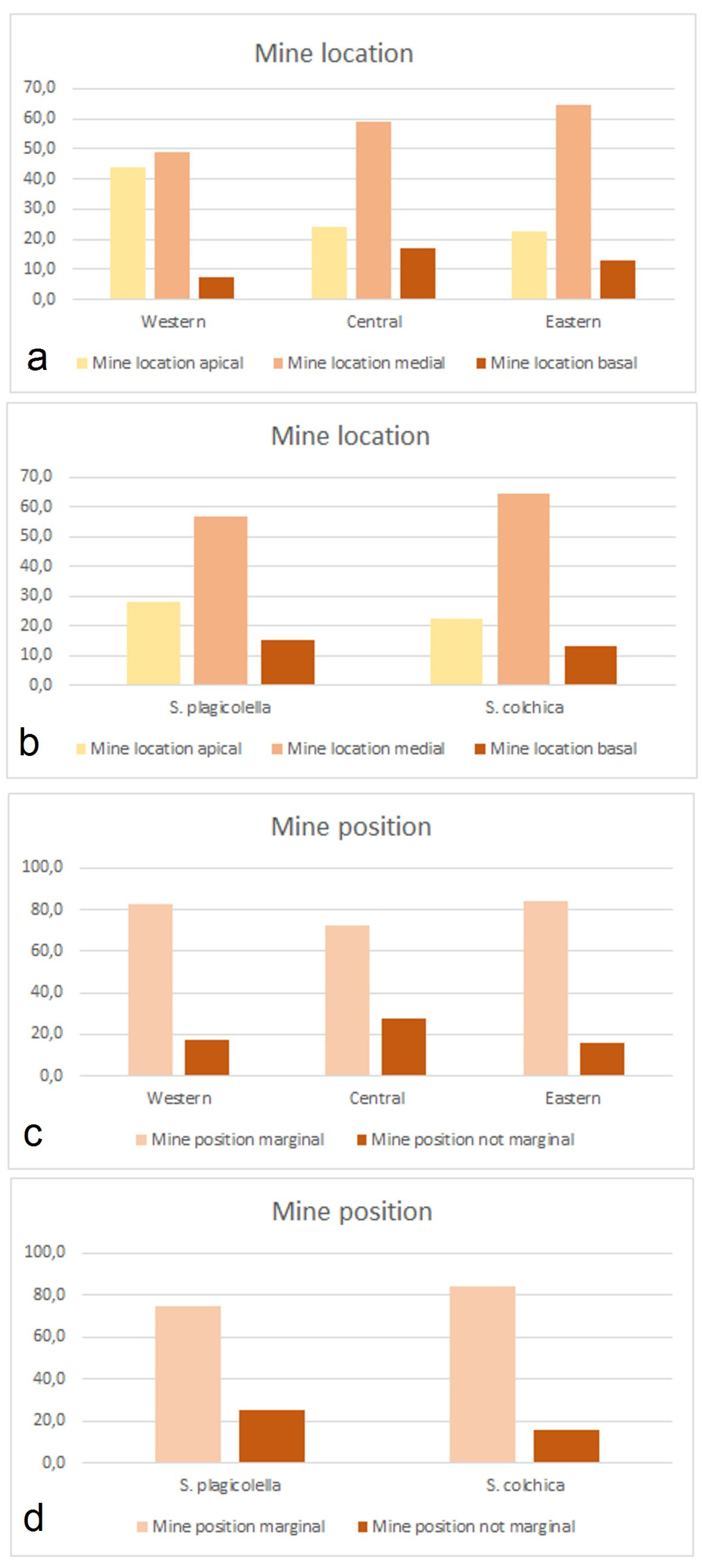
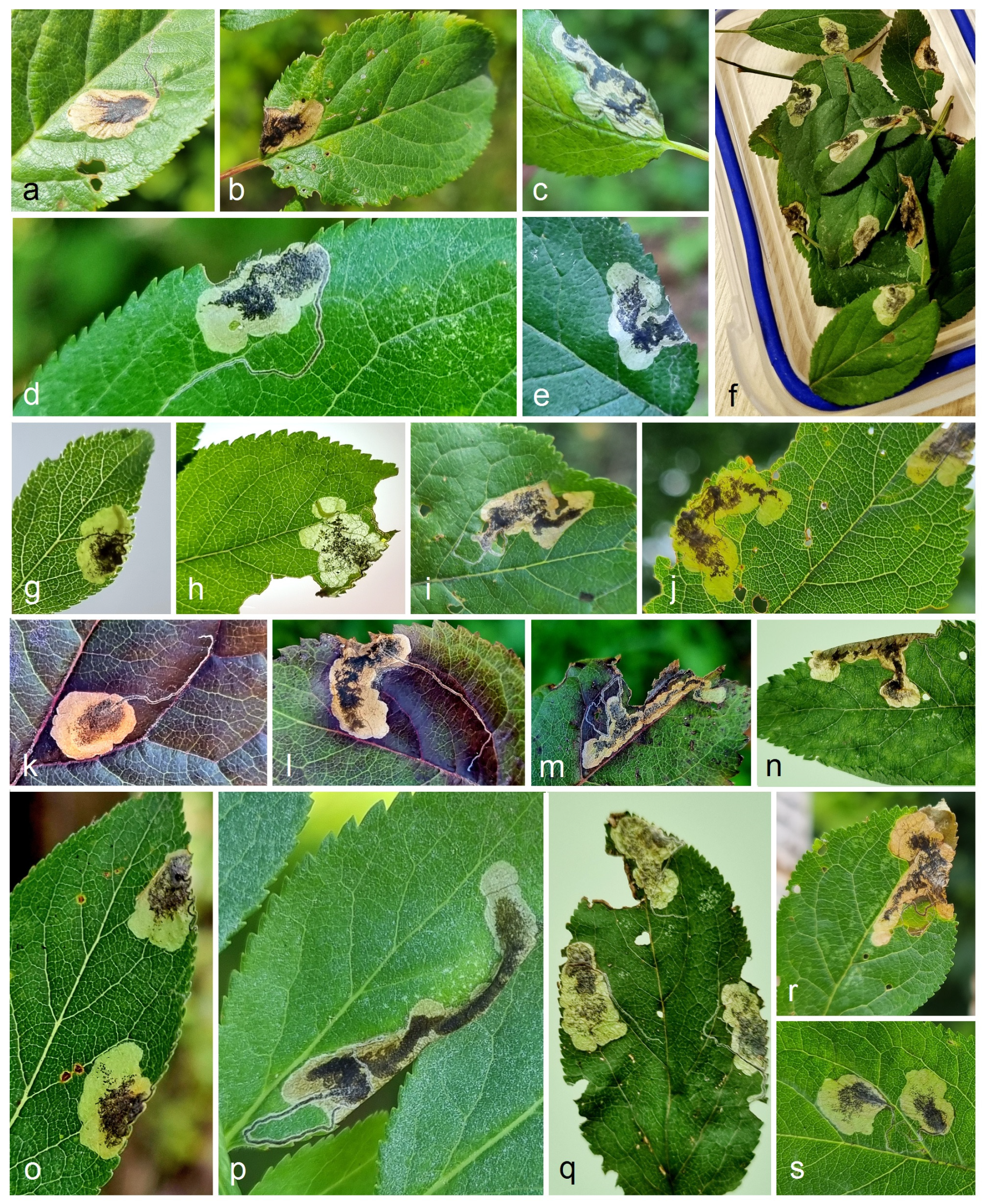
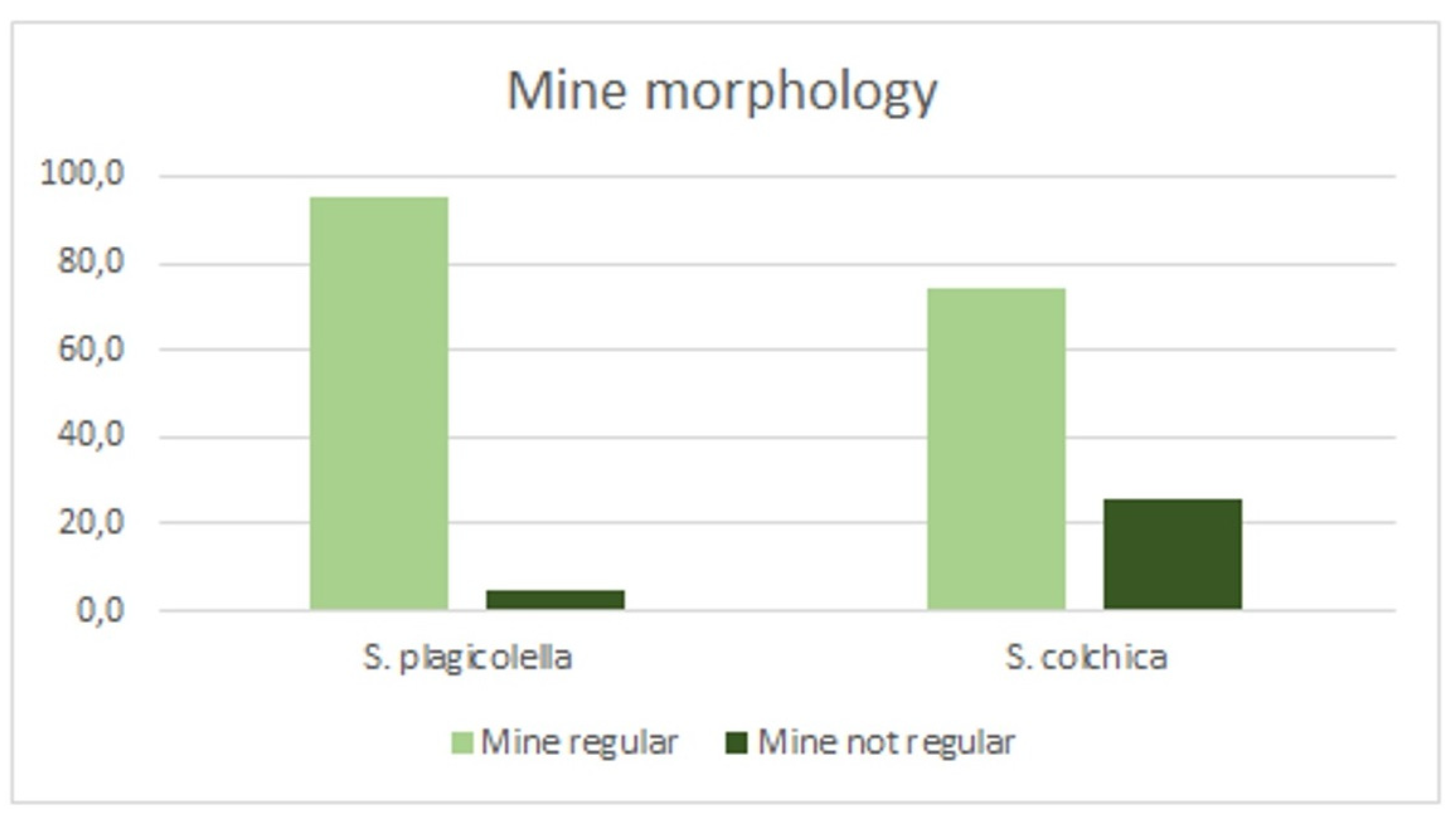
In instances of severe infestations, Nepticulidae larvae can inflict damage on cultivated plants. Previously, it was assumed that the Prunus-feeding Nepticulidae have continuous distribution from Europe to the neighboring Caucasus. During recent fieldwork in the Caucasus, leaf mines were found on plum trees that initially resembled those of Stigmella plagicolella (Stainton) in Europe. However, upon rearing the adults, significant differences emerged, leading to the hypothesis that a different Prunus-feeding species exists in the Caucasus; this challenges previous records in Western Asia. This paper presents the outcomes of our morphological, molecular, and statistical investigations, unveiling S. colchica sp. nov., a previously unknown potential plum-tree pest. Distinguished by male genitalia characteristics, the new species differs from S. plagicolella. The inter- and intraspecific divergences between S. colchica sp. nov. and S. plagicolella range from 3.5% to 6.02%. Moreover, the utilized delimitation algorithms reliably clustered two species separately, as does our mitotype network. A statistical analysis also shows a discernible trend between the leaf mines of S. colchica sp. nov. and S. plagicolella. This unexpected discovery not only documents a new potential pest, enhancing our understanding of the Caucasian fauna, but also contributes to the broader biological inventory.
Keywords:
Insecta; leaf mines; Lepidoptera; mitotype network; Nepticulidae; new species; pests; potential pests; plum tree; Stigmella; taxonomy