New Mitochondrial Genomes of Ithonidae (Neuroptera) and Higher Phylogenetic Implications



1
College of Plant Protection, Hebei Agricultural University, Baoding 071001, China
2
Forest Pest Control and Quarantine Station of Xining City, Xining 810008, China
*
Author to whom correspondence should be addressed.
Insects 2024, 15(12), 933; https://doi.org/10.3390/insects15120933
Submission received: 24 September 2024
/
Revised: 19 November 2024
/
Accepted: 25 November 2024
/
Published: 27 November 2024
(This article belongs to the Section Insect Molecular Biology and Genomics)
Simple Summary
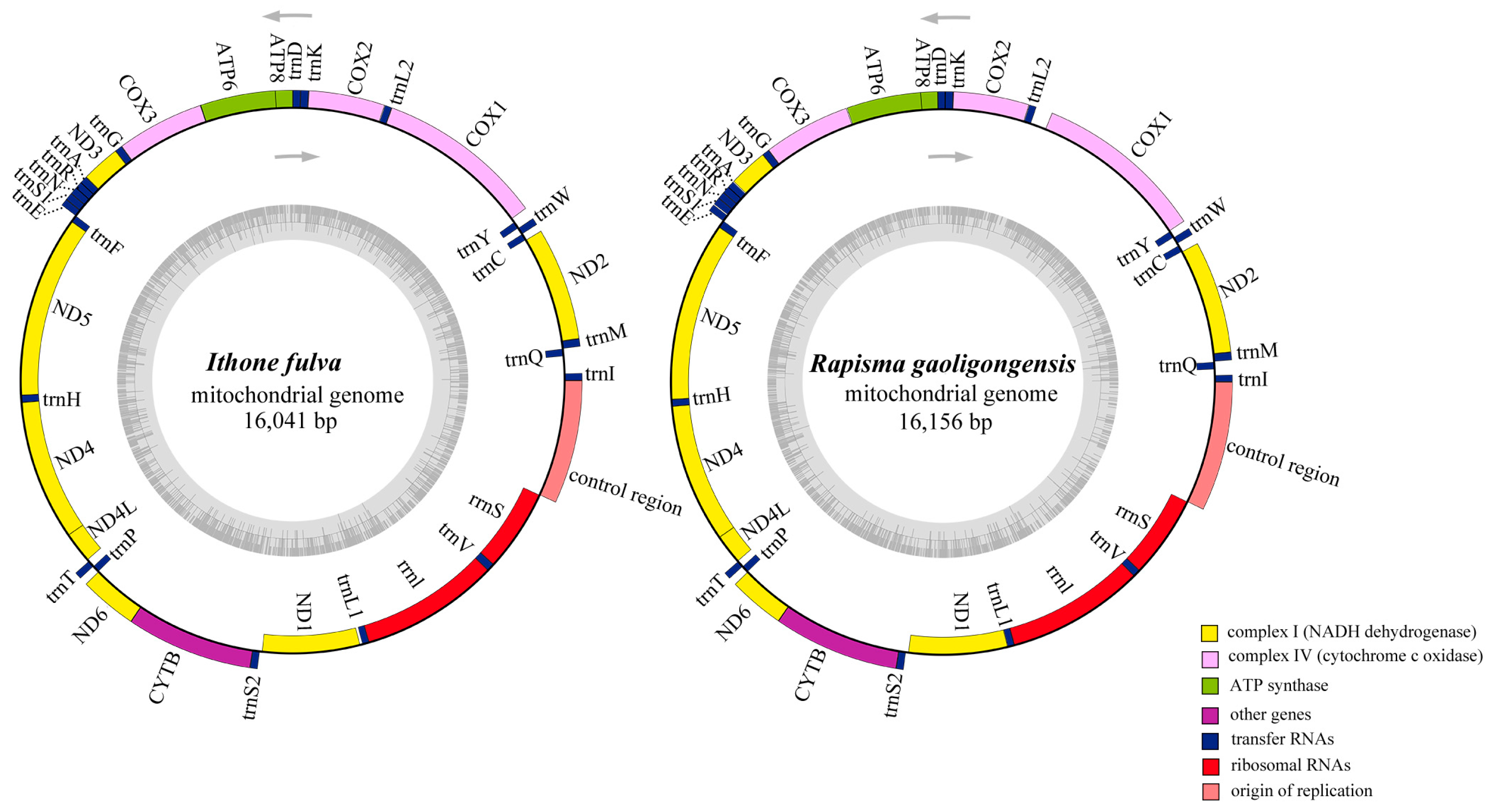
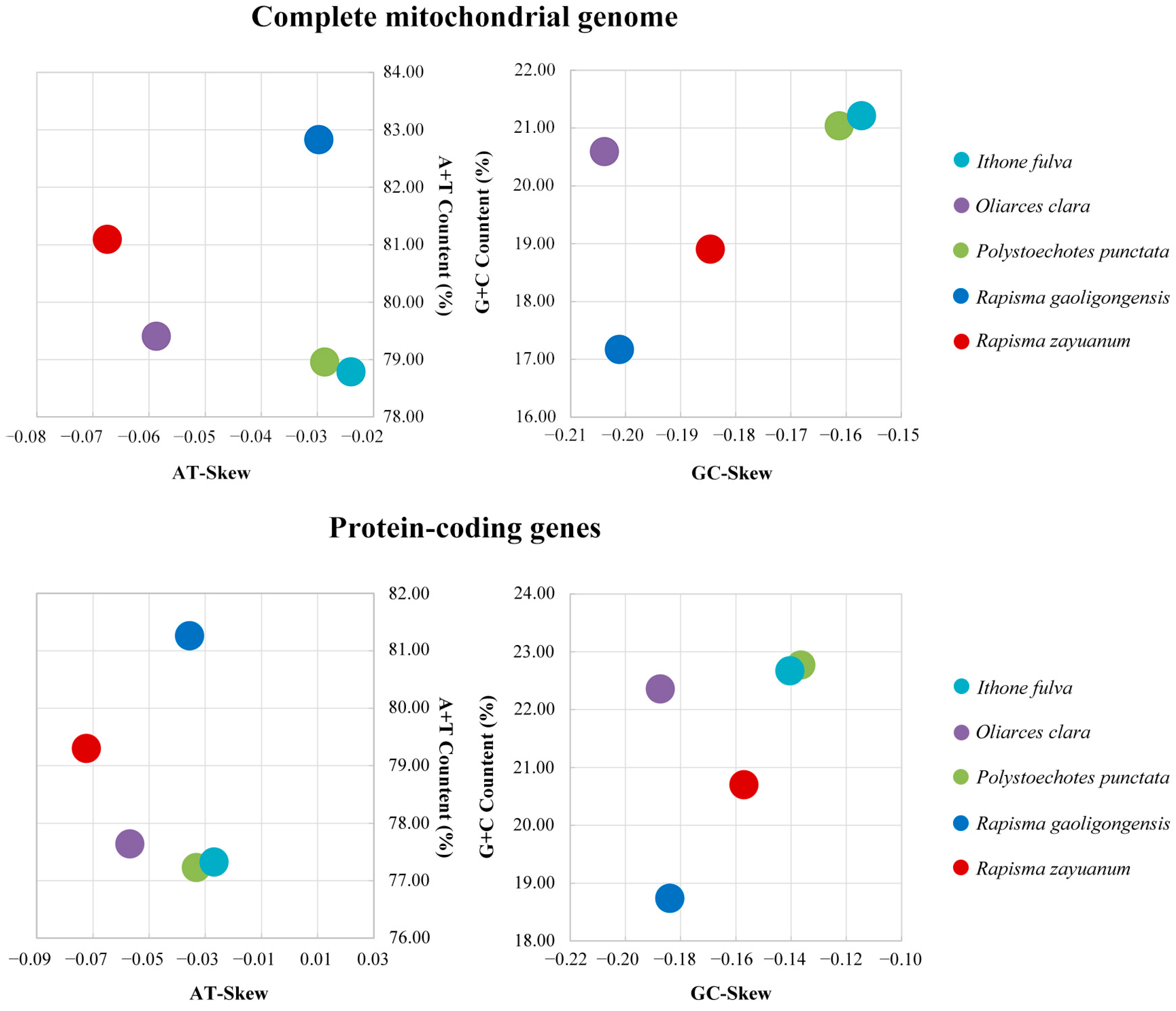
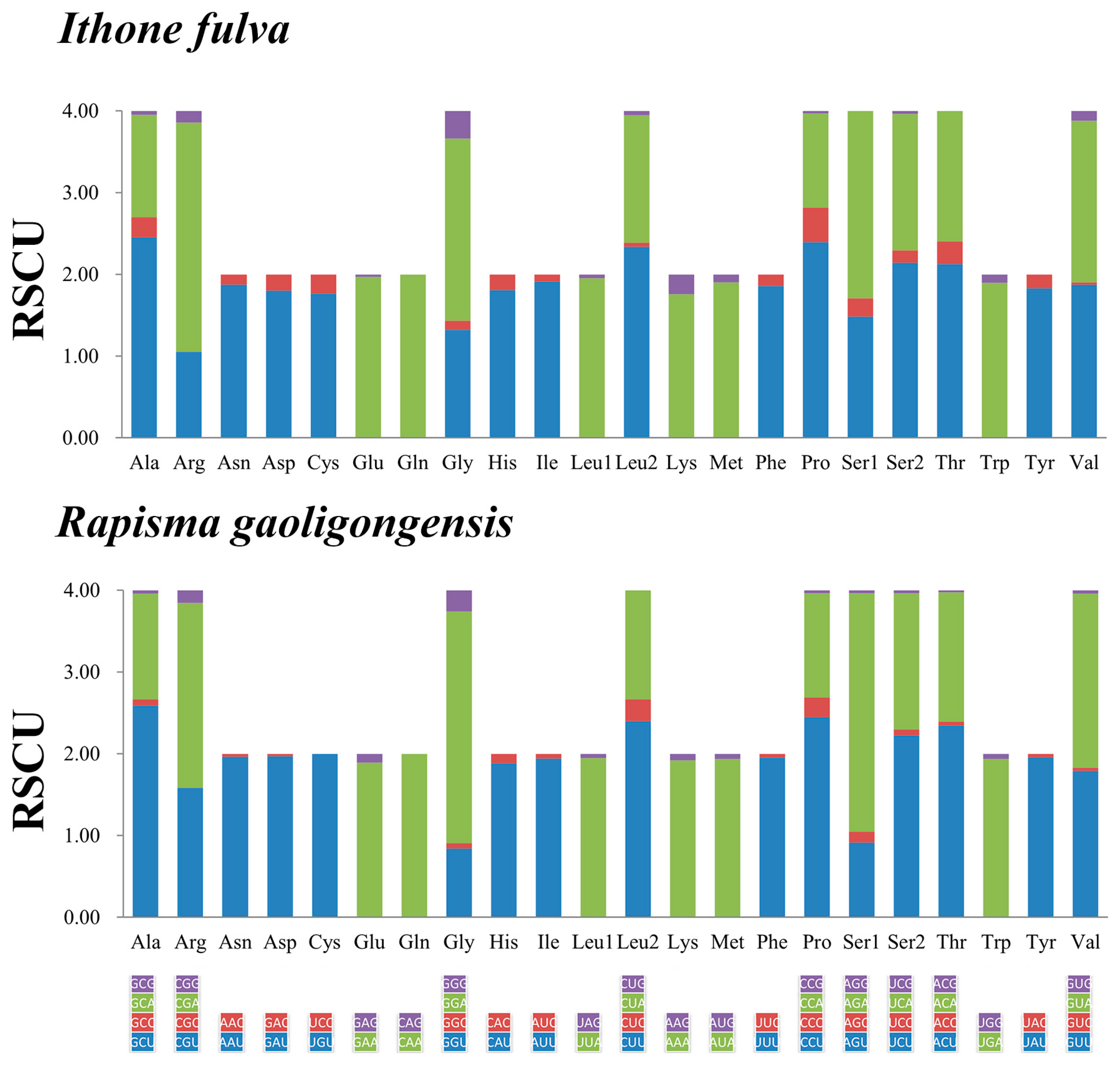
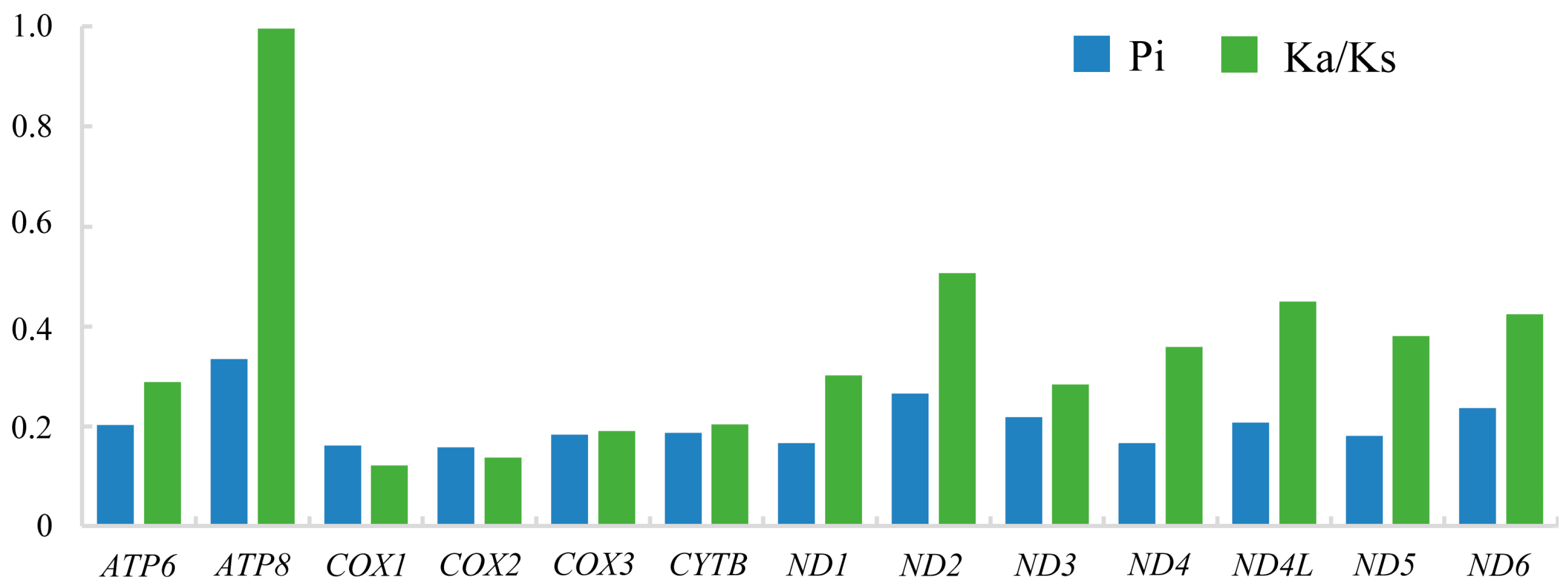
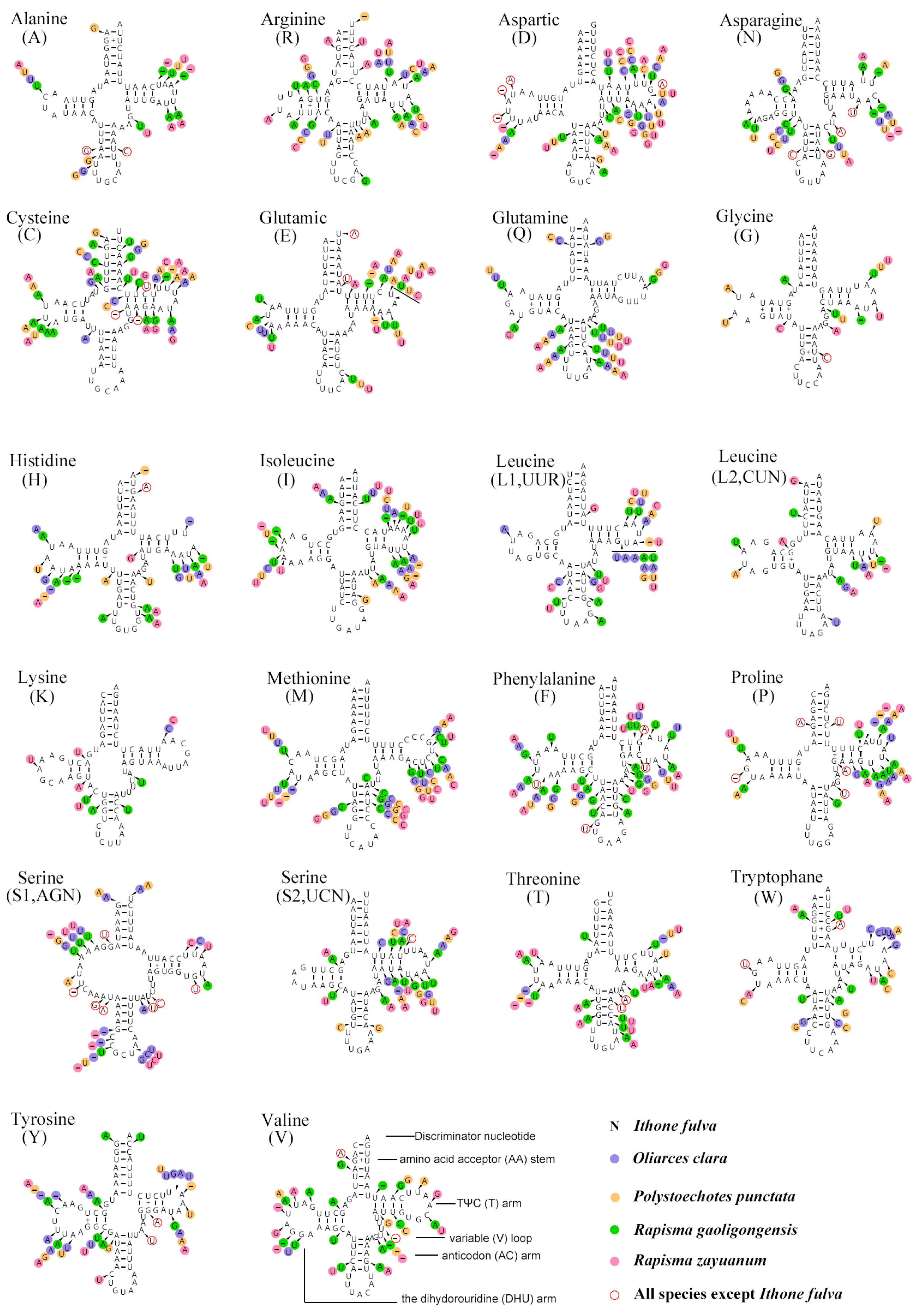
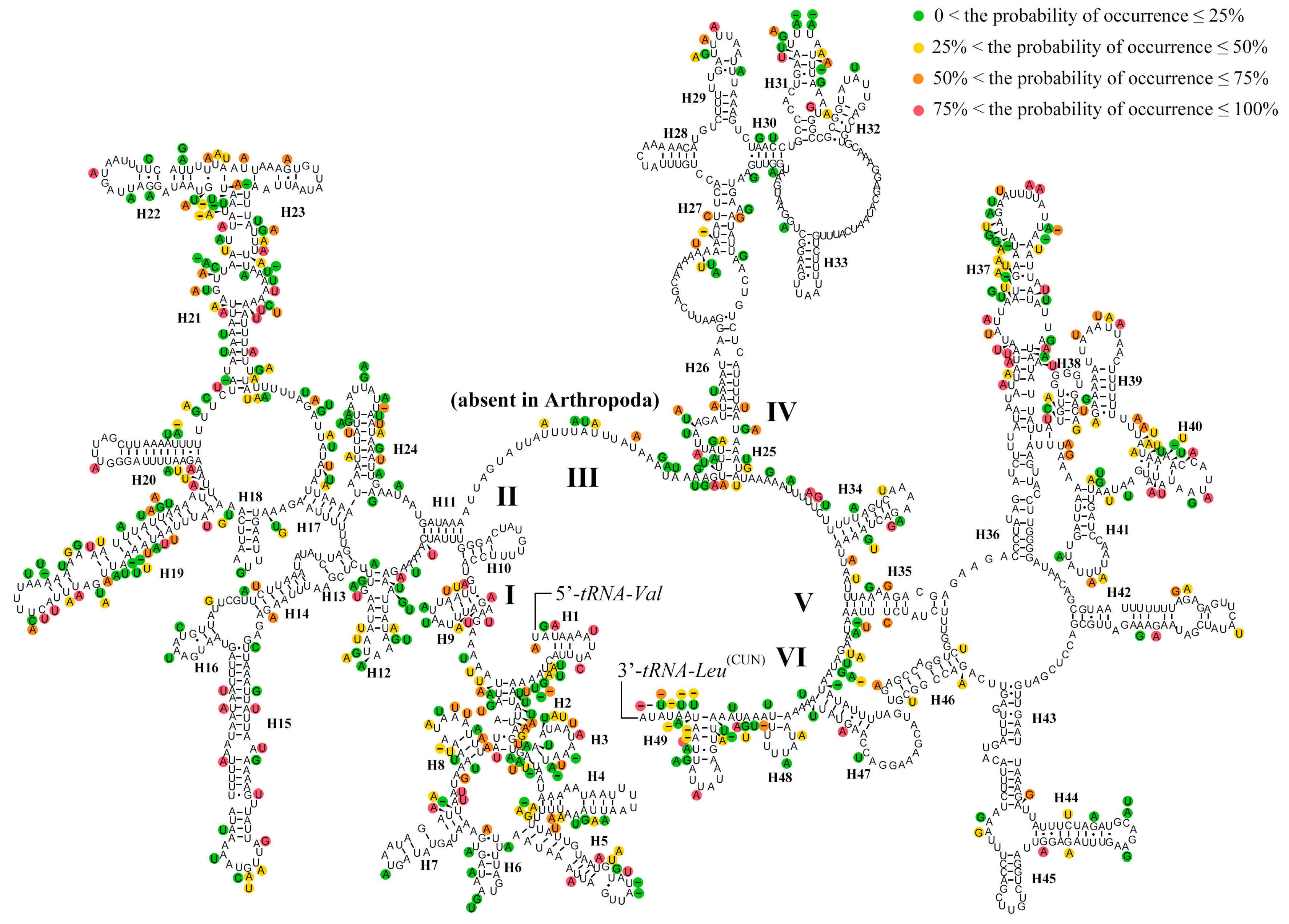
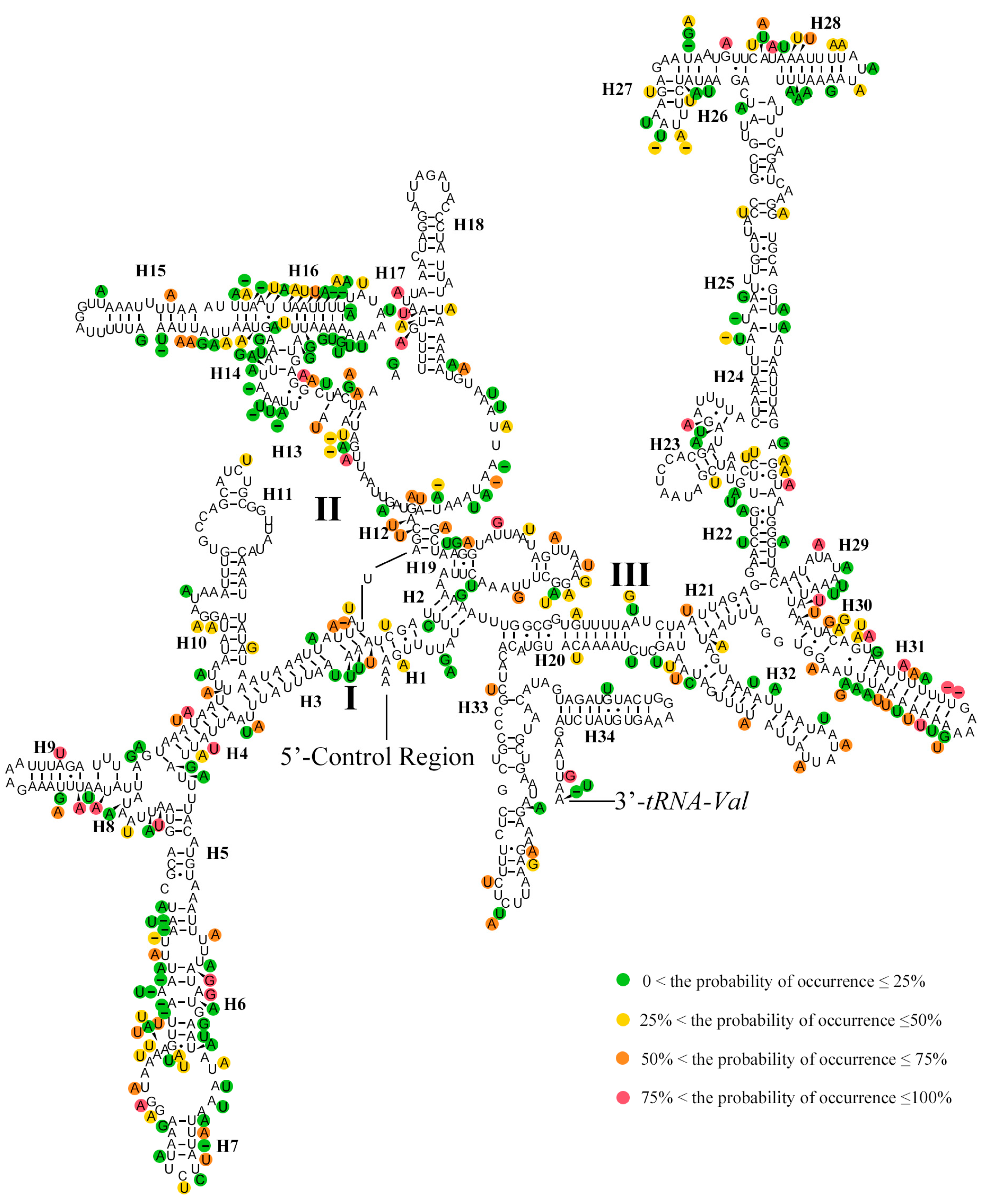
Ithonidae (moth lacewings) are an enigmatic, small family belonging to Neuroptera (lacewings). In this study, two complete mitochondrial genomes (mitogenomes) of moth lacewings were sequenced and analyzed for the first time. Comparative analyses of the mitogenomes of Ithonidae were conducted, such as codon usage, nucleotide substitution rates and secondary structure predictions of RNAs. Molecular phylogenetic trees recovered that Ithonidae was a monophyletic group, and is the sister-group to the clade of Chrysopidae + Hemerobiidae. Ithoninae was recovered as the sister group to Polystoechotinae + Rapismatinae. In addition, divergence time estimation indicated that Ithonidae started to diversify in the Late Triassic. Polystoechotinae diverged from Rapismatinae in the Middle Jurassic.
Abstract
Ithonidae (moth lacewings) are an enigmatic, small family of the insect order Neuroptera (lacewings). Its phylogenetic position within Neuroptera and internal subfamily relationships remain unresolved. In this study, the complete mitochondrial genome (mitogenome) of Ithone fulva Tillyard, 1916 representing the first mitogenome of Ithoninae, as well as the complete mitogenome of Rapisma gaoligongensis Liu, Li and Yang, 2018, were newly reported. Molecular phylogenetic trees recovered Ithonidae as the sister group to Chrysopidae + Hemerobiidae. Ithoninae was demonstrated to be the sister group to Polystoechotinae + Rapismatinae across all topologies. Divergence time estimation revealed that Ithonidae originated during the Mid-Triassic. Ithoninae diverged from Polystoechotinae and Rapismatinae in the Late Triassic, while Polystoechotinae diverged from Rapismatinae in the Middle Jurassic. Moreover, more comprehensive samplings, as well as whole genome data, are needed to reconstruct a comprehensive framework of the phylogeny of Ithonidae, as well as Neuropteida.
Keywords:
mitochondrial genome; Ithonidae; phylogenetic relationships