Transcriptomic Analysis Reveals the Impact of the Biopesticide Metarhizium anisopliae on the Immune System of Major Workers in Solenopsis invicta
by
 ,
,
Hongxin Wu
,
Yating Xu
,
Junaid Zafar
,
Surajit De Mandal
,
Liangjie Lin
,
Yongyue Lu
,
Fengliang Jin
, 
Rui Pang
* and
Xiaoxia Xu
* National Key Laboratory of Green Pesticide, “Belt and Road” Technology Industry and Innovation Institute for Green and Biological Control of Agricultural Pests, College of Plant Protection, South China Agricultural University, Guangzhou 510642, China
*
Authors to whom correspondence should be addressed.
Insects 2023, 14(8), 701; https://doi.org/10.3390/insects14080701
Submission received: 6 July 2023
/
Revised: 6 August 2023
/
Accepted: 8 August 2023
/
Published: 11 August 2023
(This article belongs to the Special Issue Biology, Chemical Ecology and Control of Ants)
Simple Summary
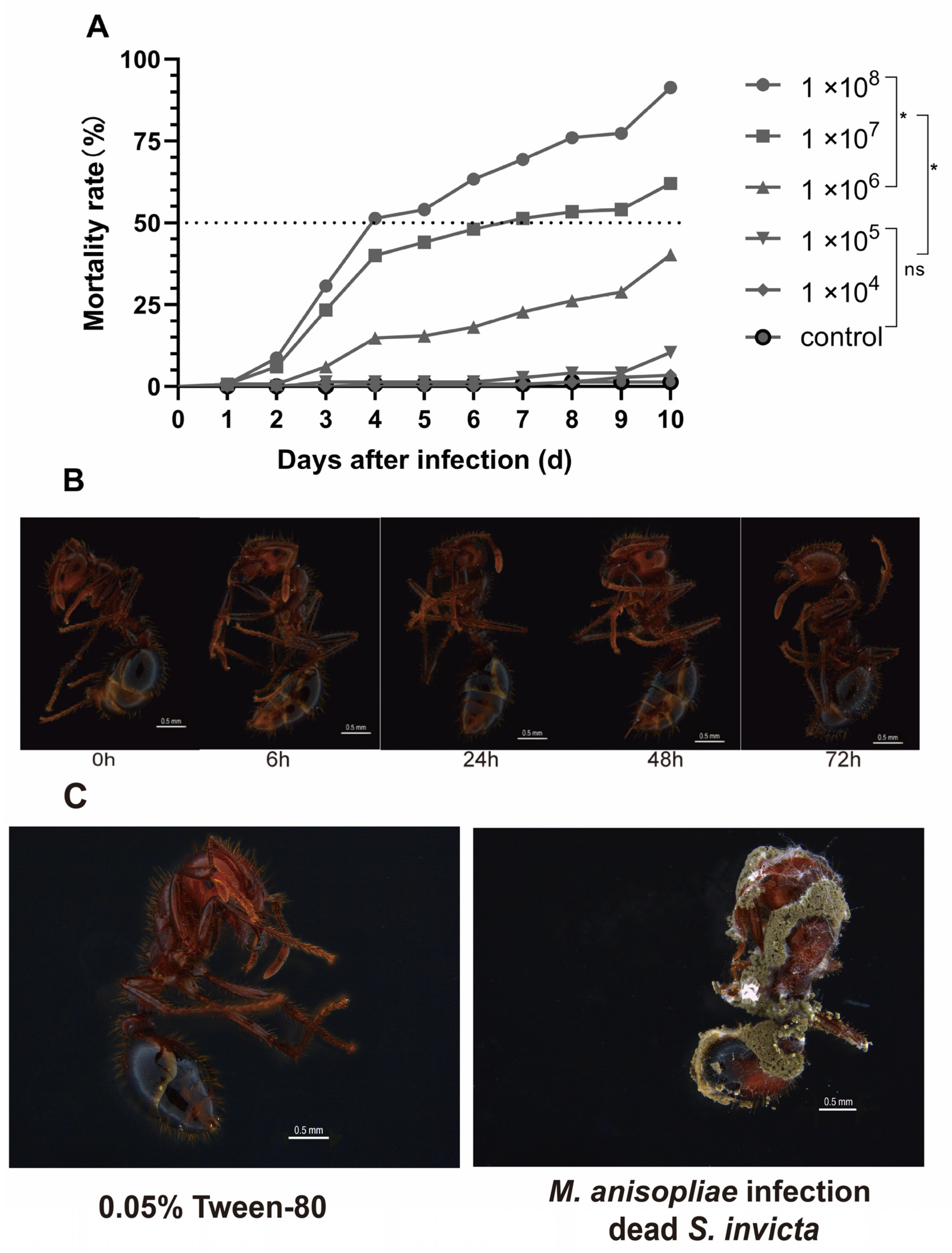
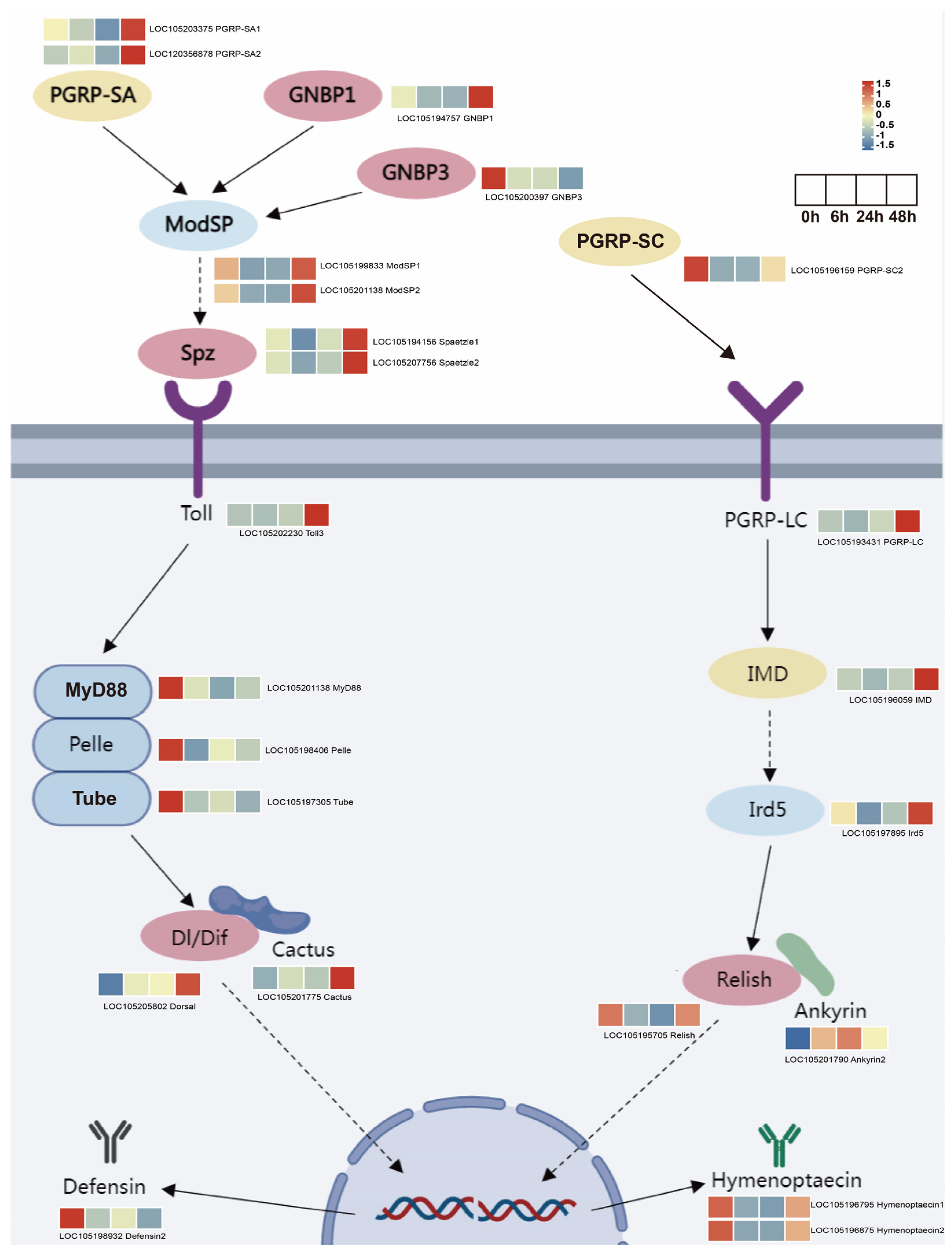
The red imported fire ant (Solenopsis invicta) is a highly invasive pest that causes significant damage to human health, agriculture, and biodiversity. Microbial insecticides have been identified as effective and promising alternatives for pest control. However, their efficacy is limited by the host’s immune system. In this study, we utilized RNA sequencing technology and bioinformatics methods to investigate gene expression changes in S. invicta infected with Metarhizium anisopliae at different time points (0, 6, 24, and 48 h). We identified 33 differentially expressed immune-related genes and constructed illustrative Toll and Imd signaling pathways diagrams. Our findings revealed that M. anisopliae suppresses the immune gene expression of S. invicta during the early stages of infection while inducing upregulation in the later stages. This suggests the potential of M. anisopliae as a potent biopesticide for controlling S. invicta populations. Overall, these findings provide a foundation for further understanding the immune mechanisms of S. invicta and its molecular response to M. anisopliae.
Abstract
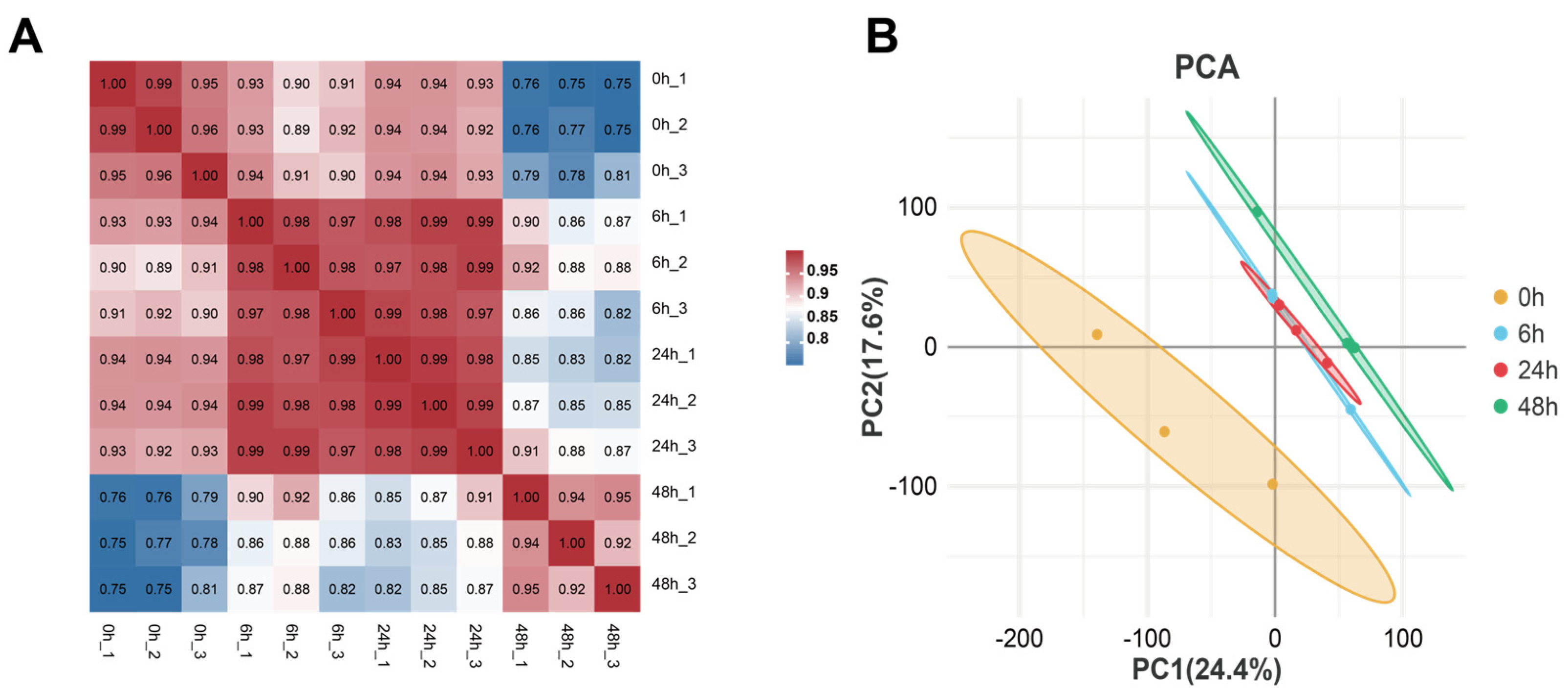
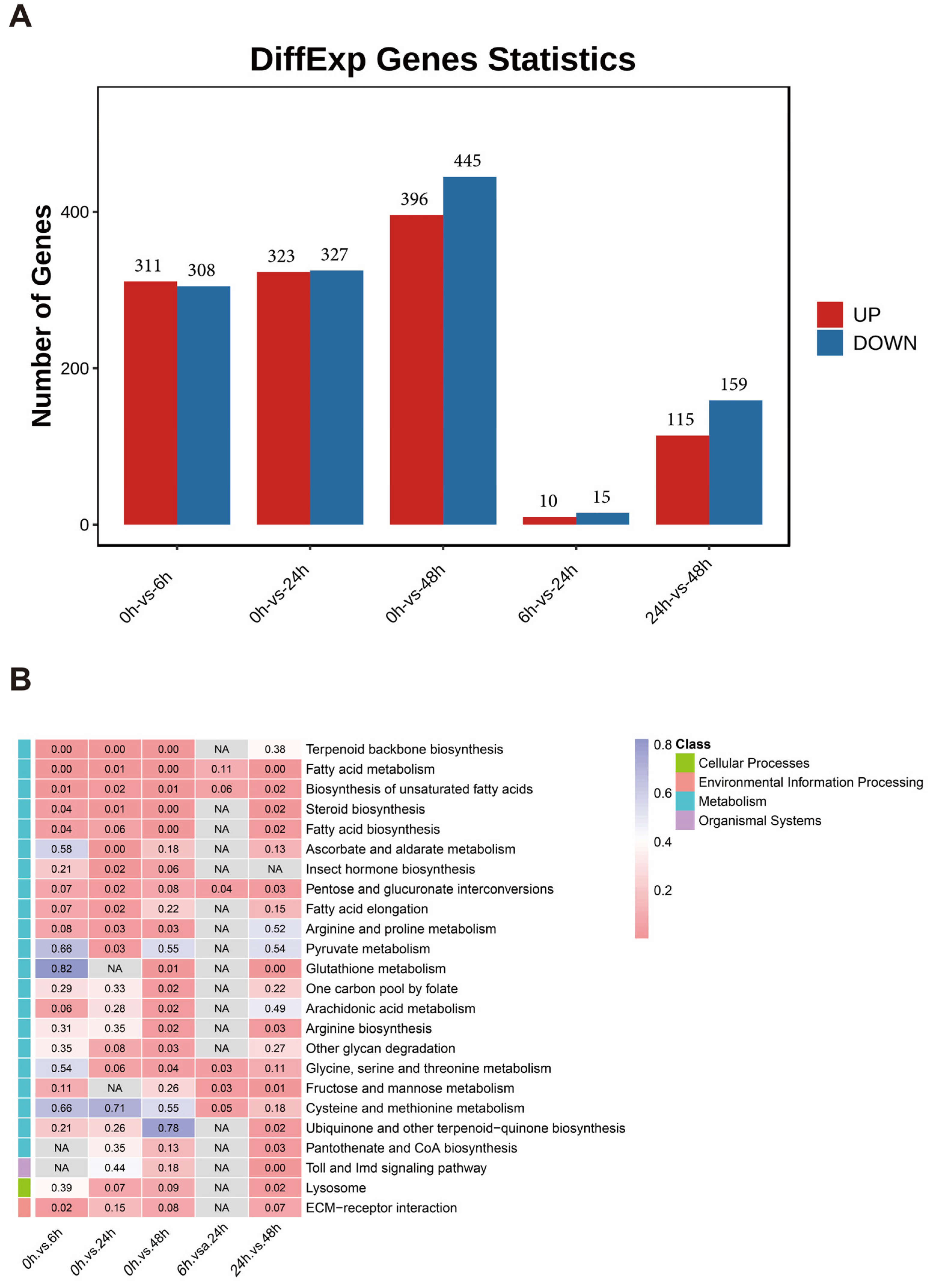
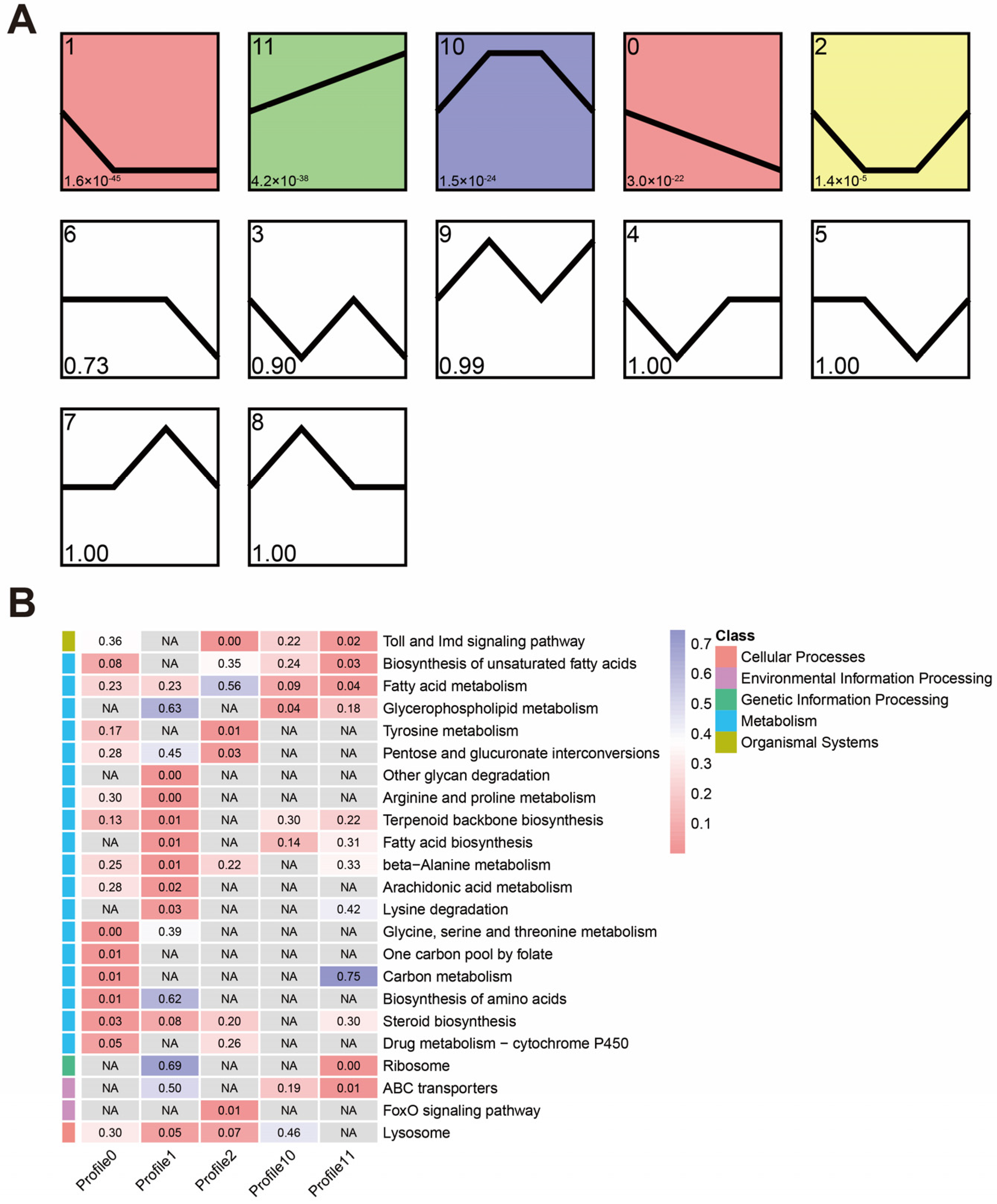
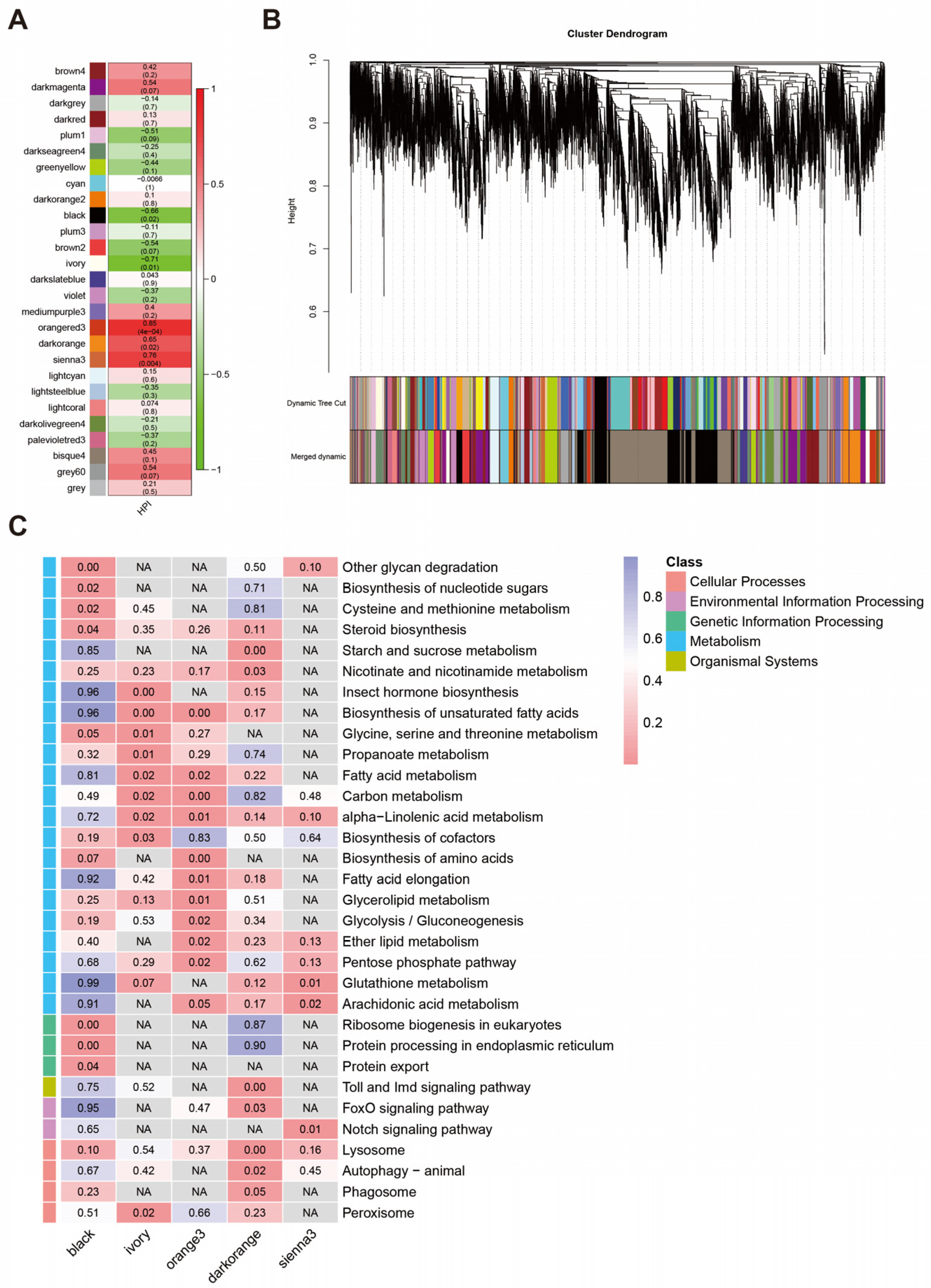
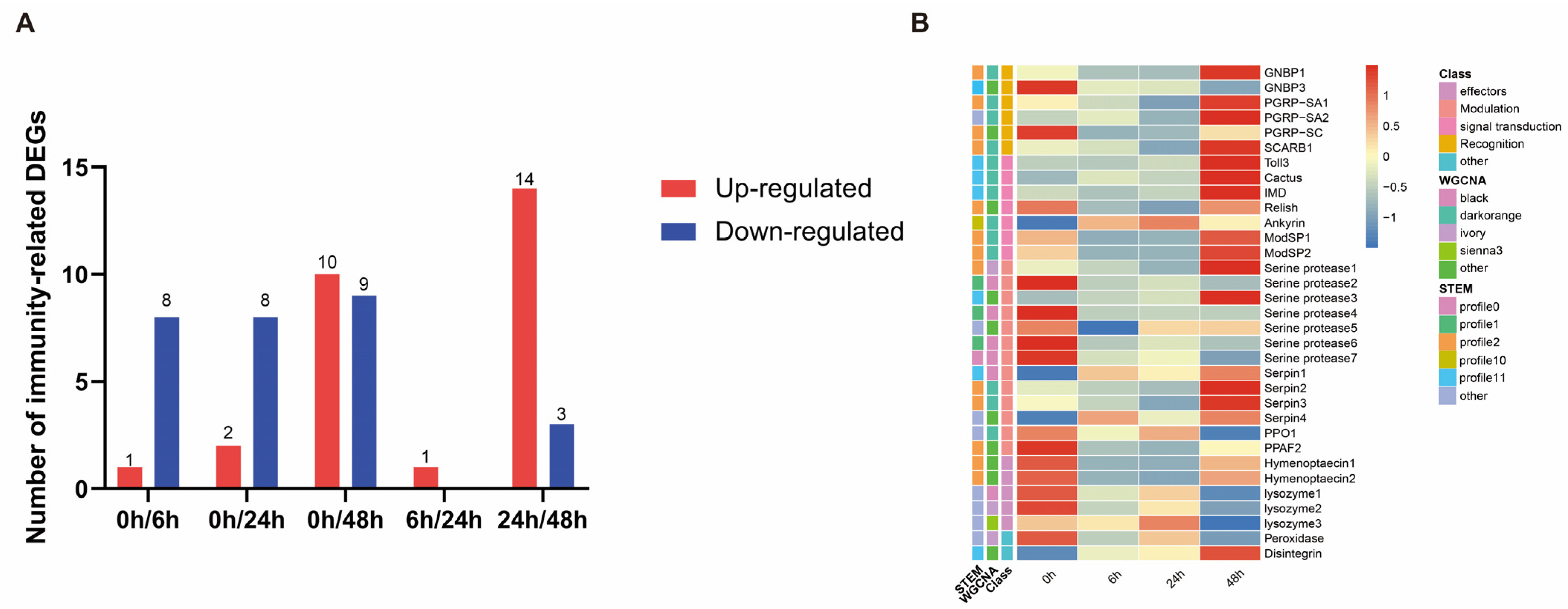
The red imported fire ant (Solenopsis invicta Buren, 1972) is a globally significant invasive species, causing extensive agricultural, human health, and biodiversity damage amounting to billions of dollars worldwide. The pathogenic fungus Metarhizium anisopliae (Metchnikoff) Sorokin (1883), widely distributed in natural environments, has been used to control S. invicta populations. However, the interaction between M. anisopliae and the immune system of the social insect S. invicta remains poorly understood. In this study, we employed RNA-seq to investigate the effects of M. anisopliae on the immune systems of S. invicta at different time points (0, 6, 24, and 48 h). A total of 1313 differentially expressed genes (DEGs) were identified and classified into 12 expression profiles using short time-series expression miner (STEM) for analysis. Weighted gene co-expression network analysis (WGCNA) was employed to partition all genes into 21 gene modules. Upon analyzing the statistically significant WGCNA model and conducting Kyoto Encyclopedia of Genes and Genomes (KEGG) pathway enrichment analysis on the modules, we identified key immune pathways, including the Toll and Imd signaling pathways, lysosomes, autophagy, and phagosomes, which may collectively contribute to S. invicta defense against M. anisopliae infection. Subsequently, we conducted a comprehensive scan of all differentially expressed genes and identified 33 immune-related genes, encompassing various aspects such as recognition, signal transduction, and effector gene expression. Furthermore, by integrating the significant gene modules derived from the WGCNA analysis, we constructed illustrative pathway diagrams depicting the Toll and Imd signaling pathways. Overall, our research findings demonstrated that M. anisopliae suppressed the immune response of S. invicta during the early stages while stimulating its immune response at later stages, making it a potential biopesticide for controlling S. invicta populations. These discoveries lay the foundation for further understanding the immune mechanisms of S. invicta and the molecular mechanisms underlying its response to M. anisopliae.