Deletion of the Serotonin Receptor 7 Gene Changed the Development and Behavior of the Mosquito, Aedes aegypti
by

Miaozhen Li
1,2, 
Lei Zhang
1,2,
Yuchen Wu
1,2,
Yixun Li
1,2,
Xin Chen
1,2,
Jing Chen
1,2,
Qiuhui Wang
1,2,
Chenghong Liao
1,2,* and
Qian Han
1,2,*
1
Laboratory of Tropical Veterinary Medicine and Vector Biology, School of Life Sciences, Hainan University, Haikou 570228, China
2
One Health Institute, Hainan University, Haikou 570228, China
*
Authors to whom correspondence should be addressed.
Insects 2022, 13(8), 671; https://doi.org/10.3390/insects13080671
Submission received: 14 June 2022
/
Revised: 16 July 2022
/
Accepted: 20 July 2022
/
Published: 25 July 2022
(This article belongs to the Section Insect Molecular Biology and Genomics)
Simple Summary
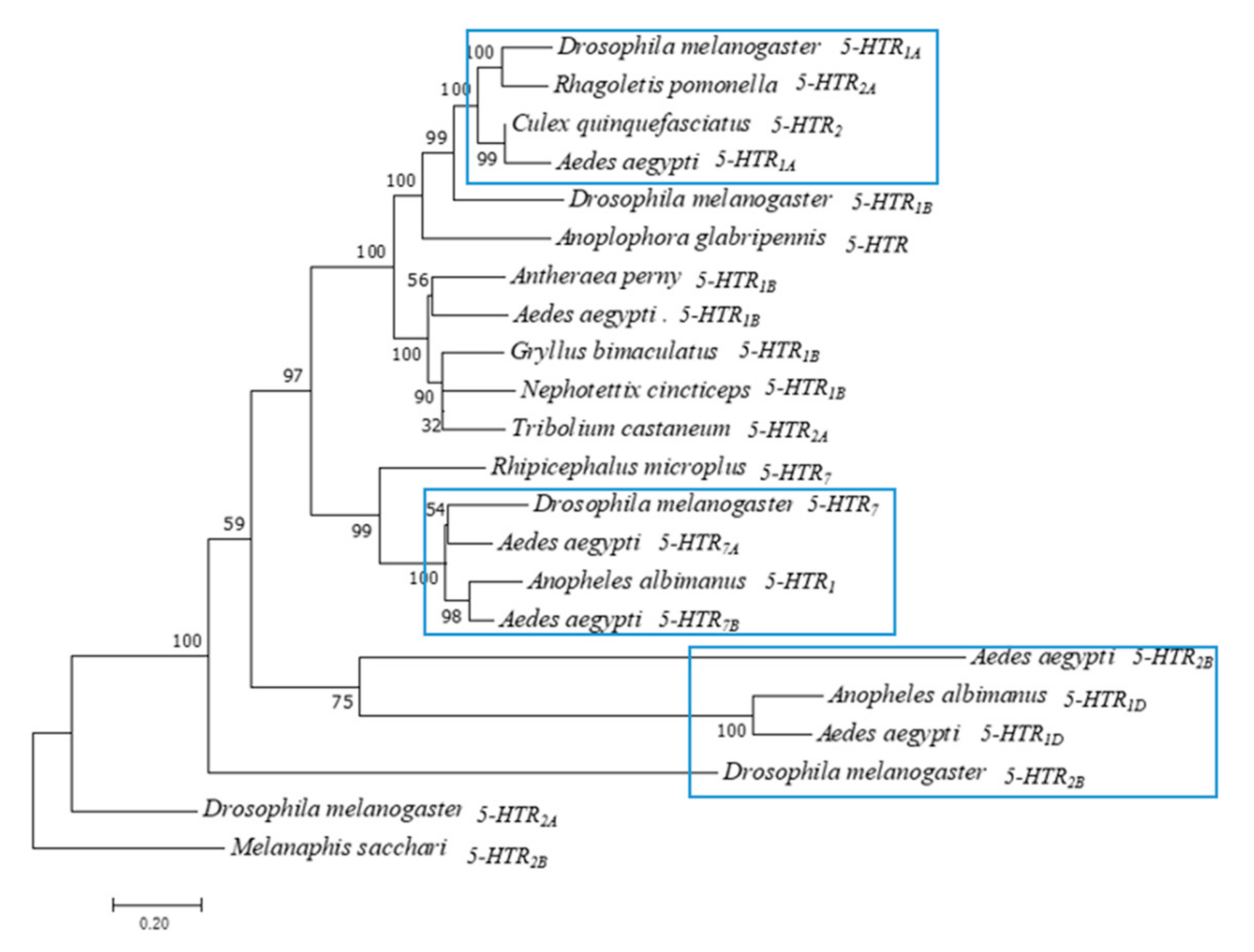
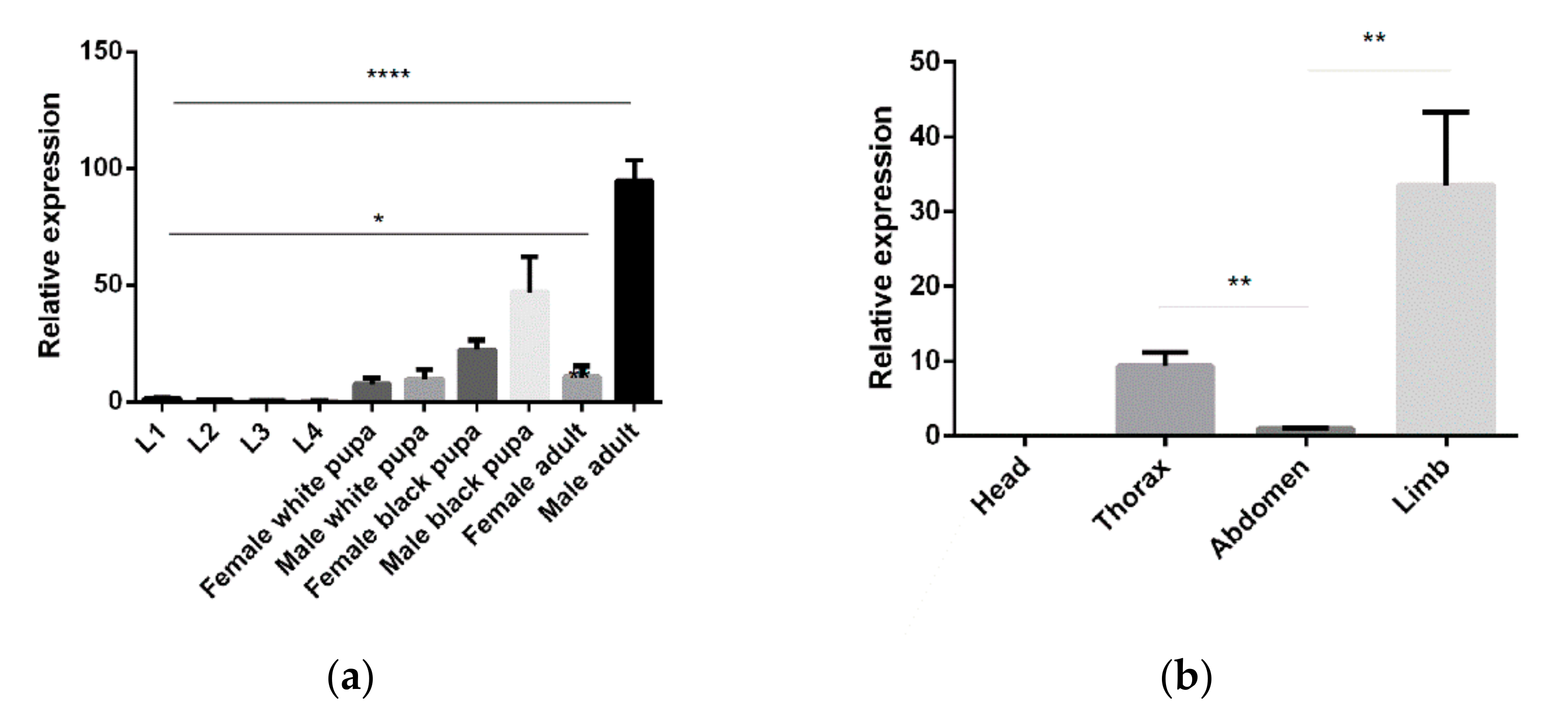
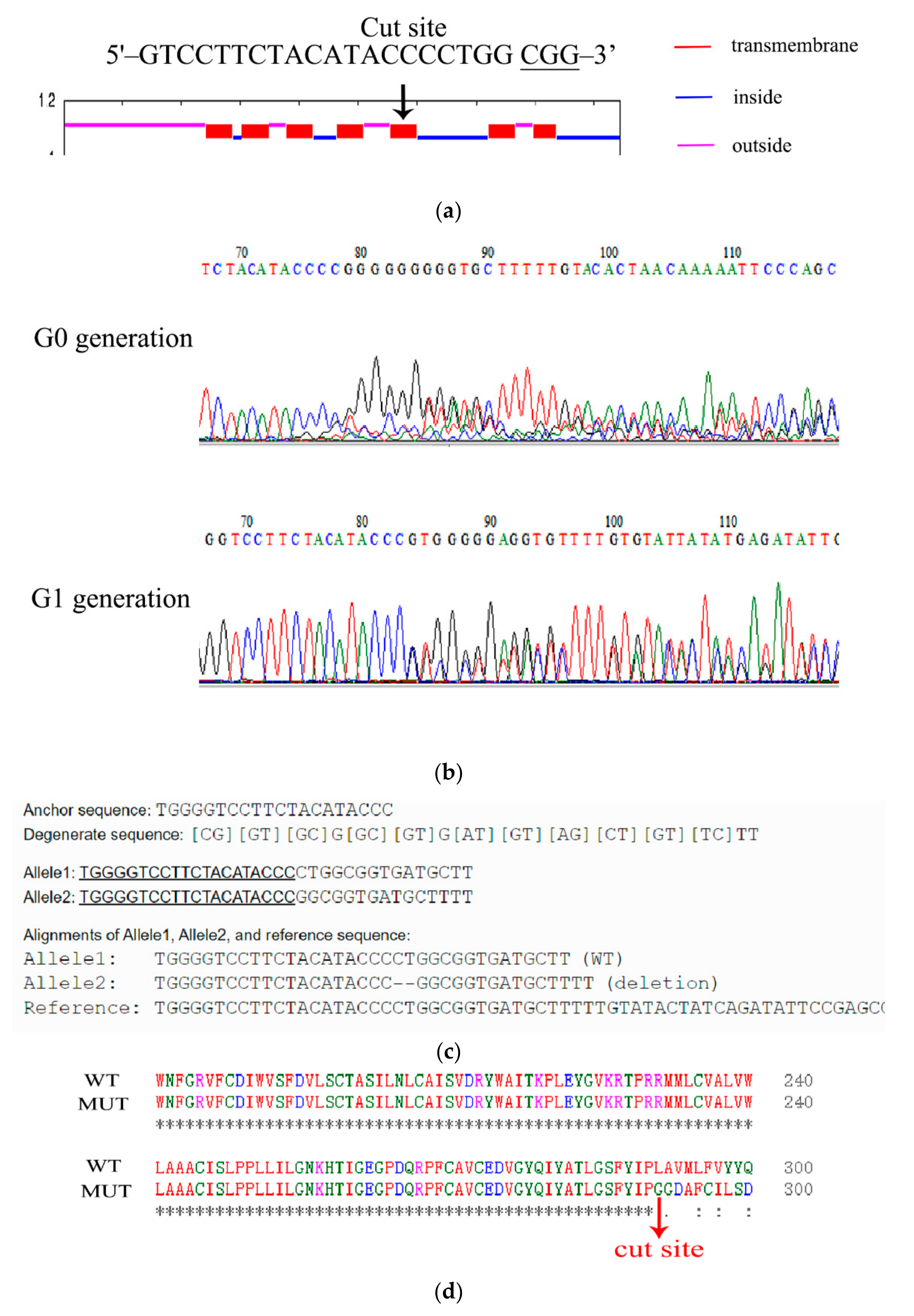
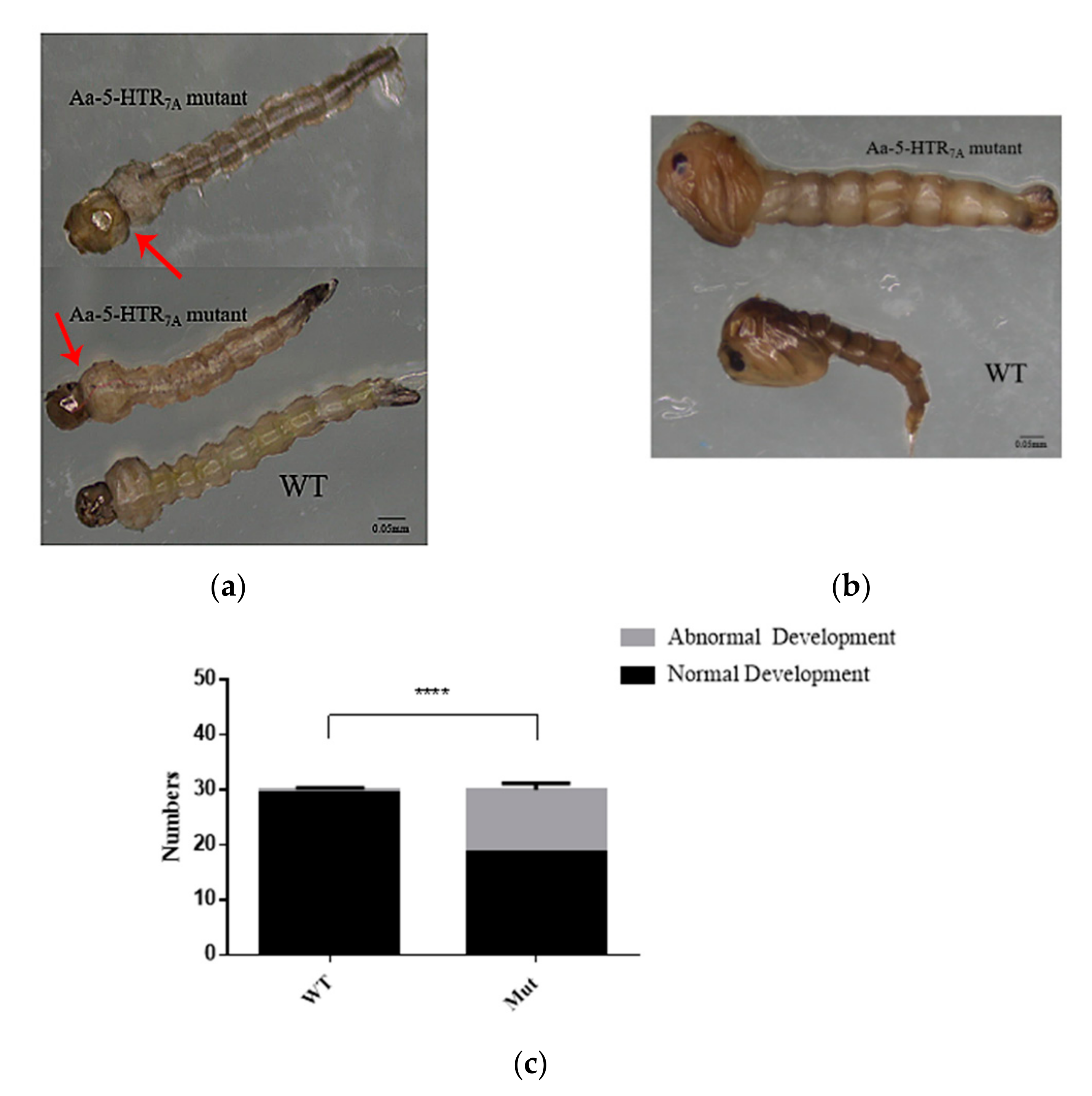
Aedes aegypti can transmit various diseases and is a serious public health risk to humans. Due to the abuse of insecticides, pesticide resistance has become a new challenge in mosquito management. The 5-HT receptor is a potential target for novel insecticides. However, in Ae. aegypti, the function of the 5-HT receptor is not fully understood. There are three types of 5-HT receptors in insects, namely 5-HT1, 5-HT2, and 5-HT7. In this study, we used real-time PCR to find that male mosquitoes express higher levels of the 5-HT7A receptor than females and all larvae, and that expression was higher in the appendages but not in the head. We obtained 5-HT7A mutants using CRISPR-Cas9 technology. The mutant larvae showed changes in growth and development such as body contraction, reduced motility, and reduced stress response to external stimuli.
Abstract
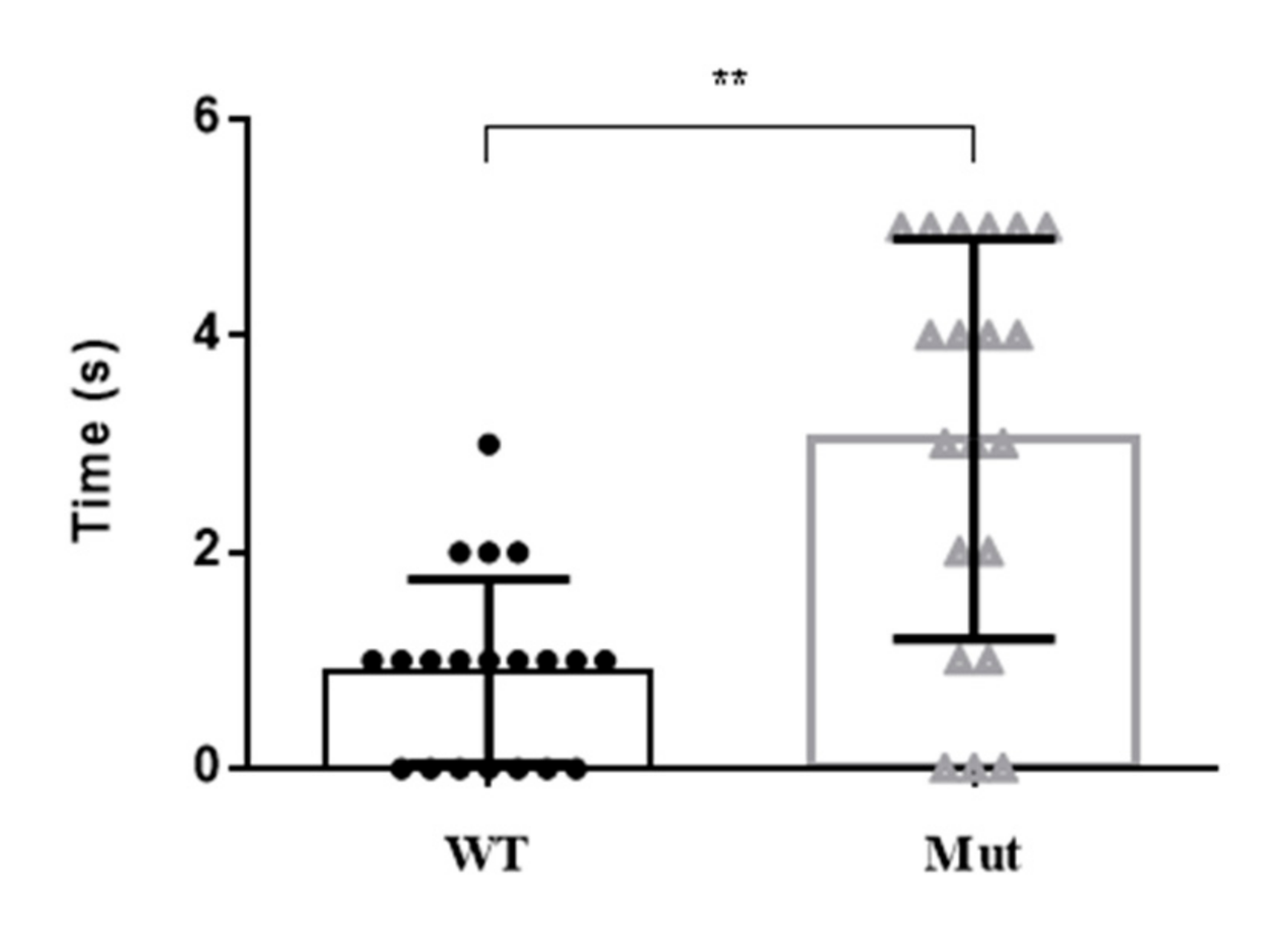
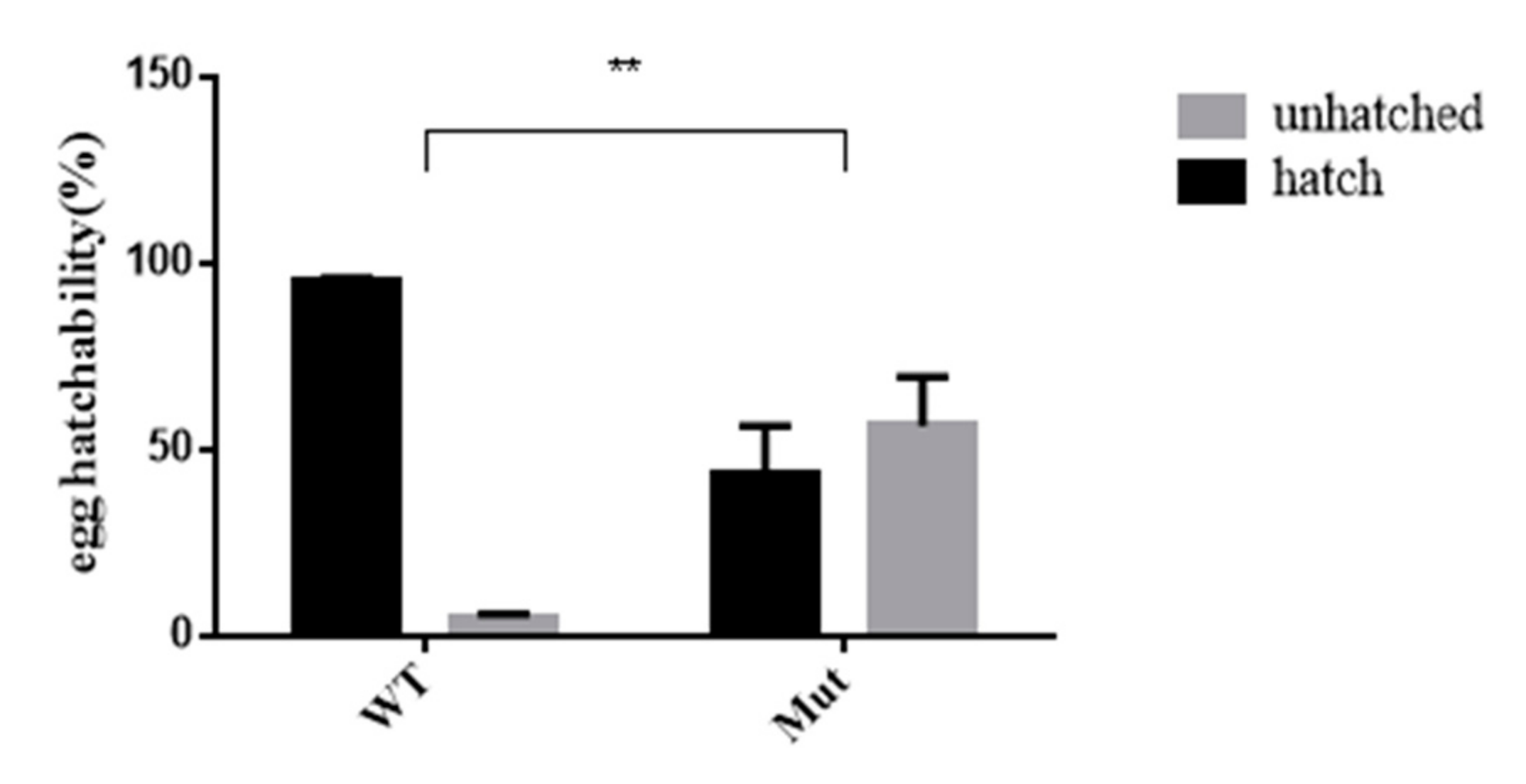
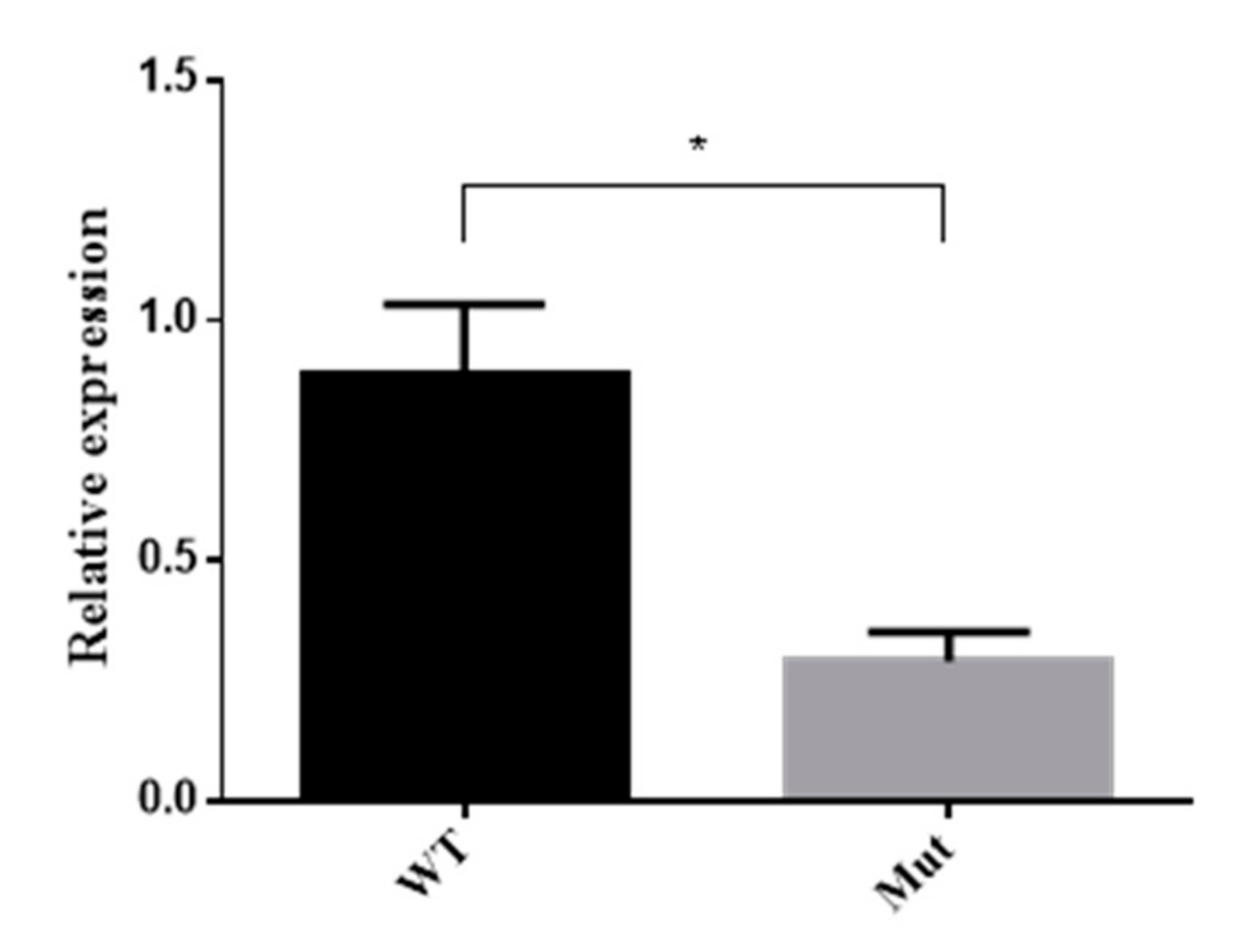
Serotonin (5-HT) plays a vital role in many physiological processes in insects, regulating physiological activities such as growth and movement through multiple 5-HT receptors (5-HTRs), which were potential targets for some new insecticides. However, the specific function of individual 5-HTRs in Ae. aegypti is still unclear. In this study, we investigated the function of the 5-HT7A receptor during Ae. aegypti development. 5-HTR7A transcripts were detected at all stages of development by real-time PCR. The results indicated that the gene expression was highest in the limbs (p < 0.01). We also generated 5-HTR7A mutant mosquitoes using CRISPR-mediated gene editing. The mutants had an abnormal phenotype at the larval stage, including an aberrant head-to-chest ratio and decreased motor activity. The mutant pupae developed abnormally, and most died (56.67%) (p < 0.0001). Using external stimuli to larvae and pupae with abnormal phenotypes, we found the mutant G1 and G2 generations responded to external stimuli in a longer time than the wild-type (WT) mosquitoes, and most of the mutants were 2 to 3 s slower than the WTs to respond to external stimuli (p < 0.01). Due to higher mortality, mutant larvae and pupae had fewer numbers than the WTs. The egg hatching rate of mutant G1 and G2 generations was lower than that of the WTs (p < 0.01). The expression level of 5-HTR7A in the mutants decreased by about 65% compared with the control group using real-time PCR (p < 0.05). In all, the 5-HT7A receptor plays an important role in the metamorphosis, development and motor function of Aedes aegypti.
Keywords:
5-HT; 5-HT receptors; Aedes aegypti; CRISPR-Cas9; behavior