Biochemical and Morphological Mechanisms Underlying the Performance and Preference of Fall Armyworm (Spodoptera frugiperda) on Wheat and Faba Bean Plants
by
 , ,
, ,
Huan Liu
1,† ,
,
Yumeng Cheng
1,†,
Xiaoqing Wang
2,
Frédéric Francis
3, 
Qian Wang
1,4,
Xiaobei Liu
1,
Yong Zhang
1,* and 
Julian Chen
1,*
1
State Key Laboratory for Biology of Plant Diseases and Insect Pests, Institute of Plant Protection, Chinese Academy of Agricultural Sciences, Beijing 100193, China
2
College of Advanced Agricultural Sciences, Zhejiang Agriculture and Forest University, Hangzhou 311300, China
3
Functional and Evolutionary Entomology, Gembloux Agro-BioTech, University of Liège, B-5030 Gembloux, Belgium
4
Department of Entomology, College of Plant Protection, China Agricultural University, Beijing 100193, China
*
Authors to whom correspondence should be addressed.
†
These authors contributed equally to this work.
Insects 2022, 13(4), 317; https://doi.org/10.3390/insects13040317
Submission received: 21 February 2022
/
Revised: 19 March 2022
/
Accepted: 22 March 2022
/
Published: 23 March 2022
(This article belongs to the Section Insect Physiology, Reproduction and Development)
Simple Summary
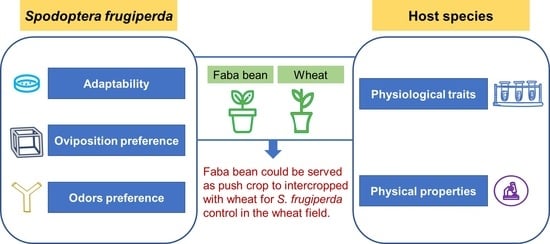
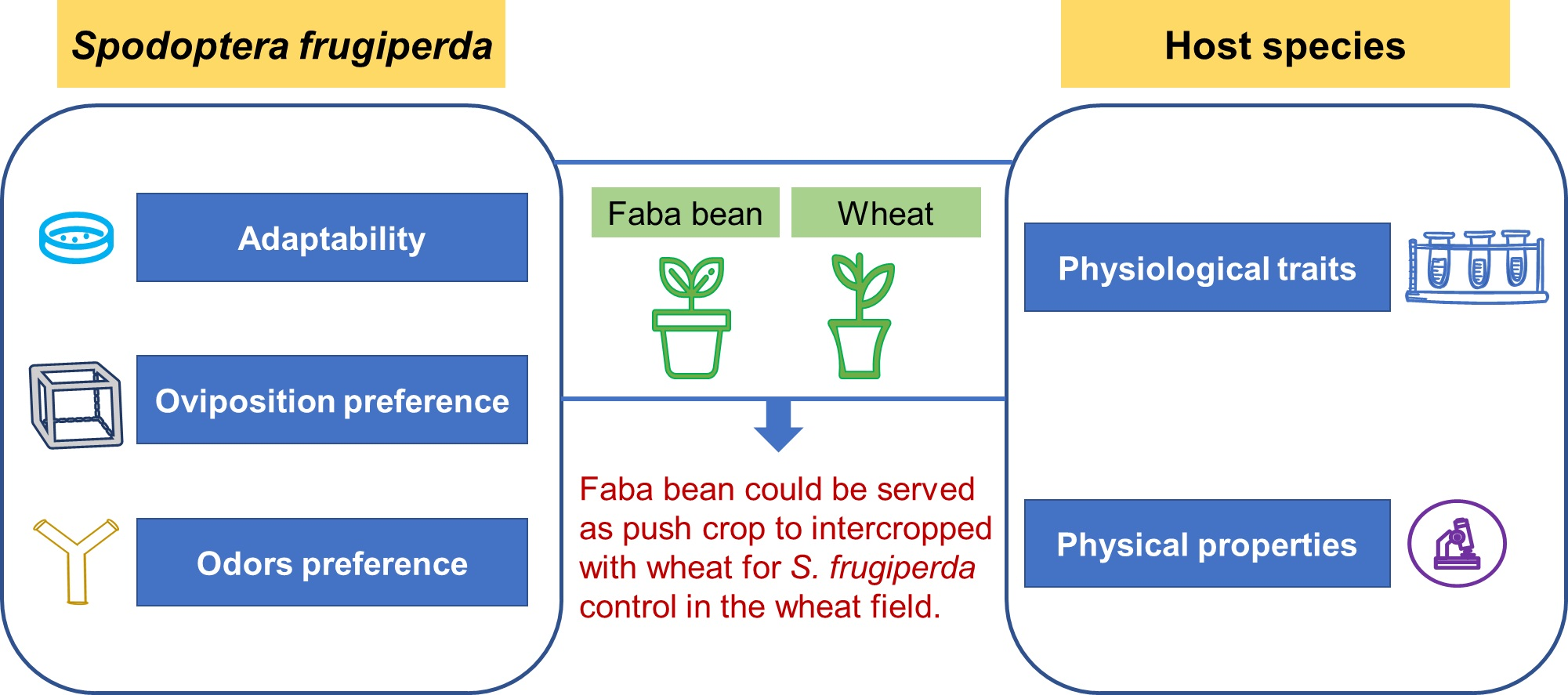
Spodoptera frugiperda (J. E. Smith) has been recently identified as a notorious global crop pest that affects wheat production in China. Therefore, exploring preventive solutions based on agricultural strategies is a cost effective and eco-friendly approach in realizing sustainable pest management. The wheat–faba bean intercropping model mitigates the damage caused by wheat aphids, while the possible benefit of this pattern in the control of S. frugiperda remains unevaluated. To provide a fundamental basis for implementing this strategy in a wheat field for S. frugiperda management, this novel study attempted to extensively evaluate the effects of feeding wheat and faba bean plants on S. frugiperda performance and preference and to reveal the underlying mechanisms associated with the biochemical and morphological traits of the two host species. Our results suggested that the faba bean plants exhibited significant antibiosis on larvae and repellency to the females of S. frugiperda compared with wheat plants. Therefore, we concluded the potential usefulness of the faba bean plants as a push crop. These findings will facilitate the adoption of wheat and faba bean intercropping systems against S. frugiperda in the wheat-growing regions of China.
Abstract
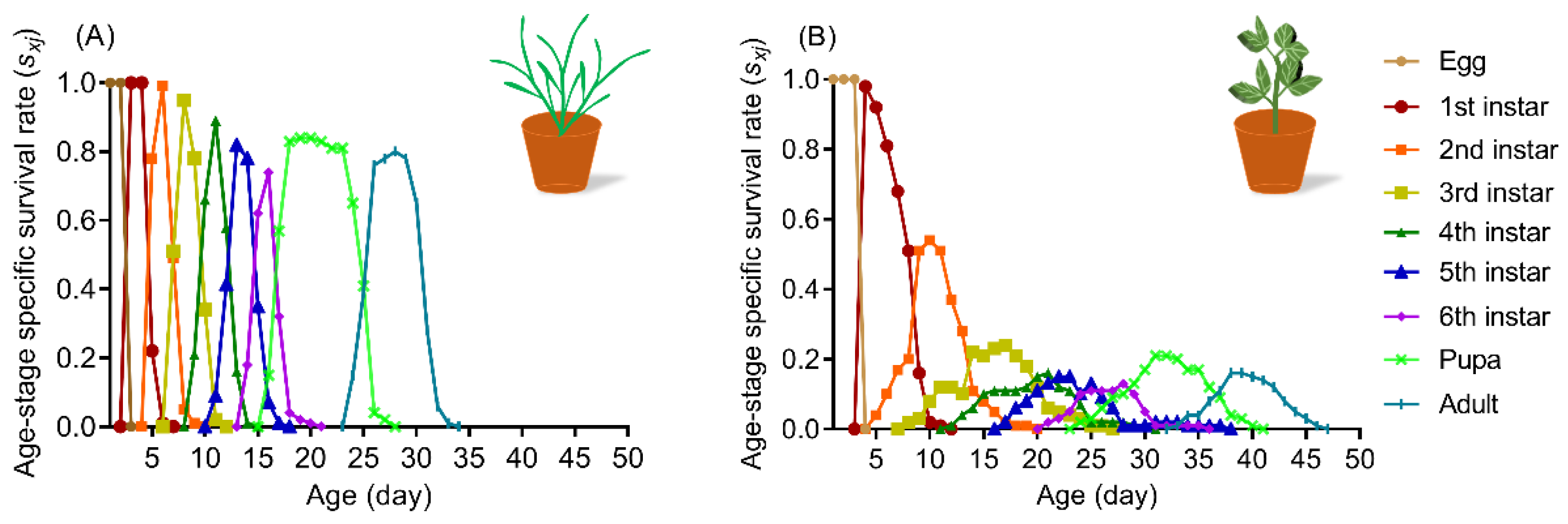
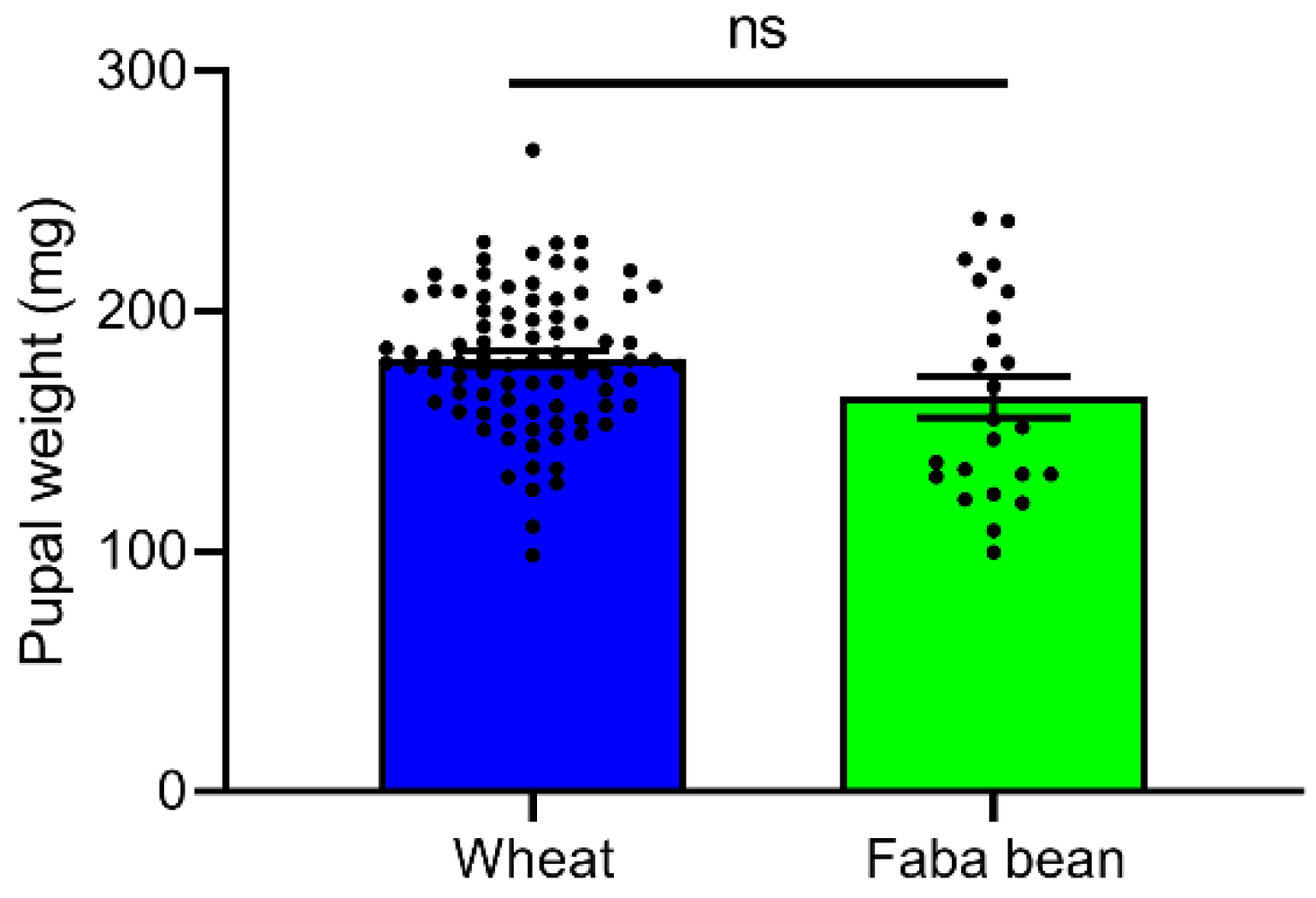
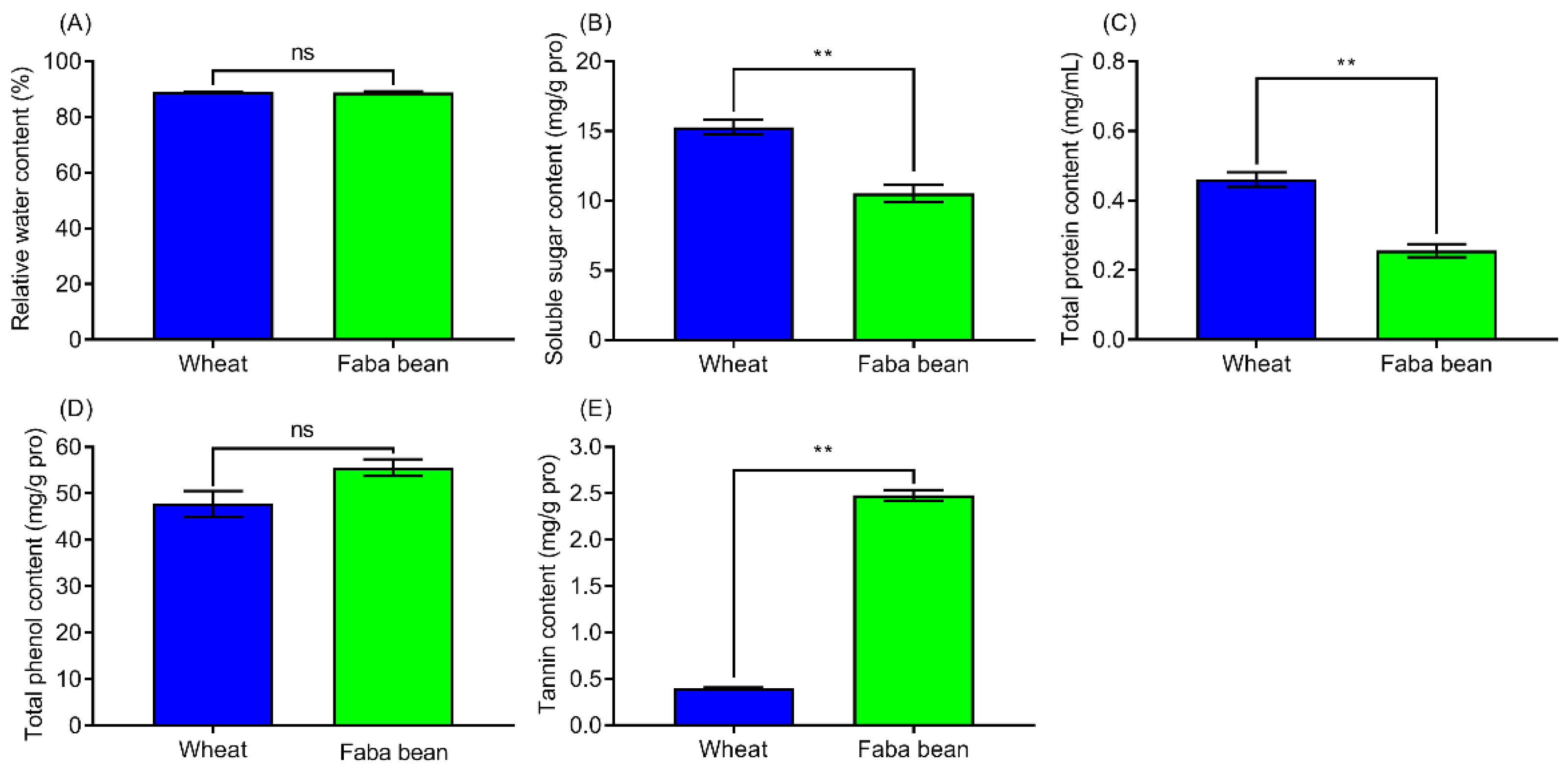
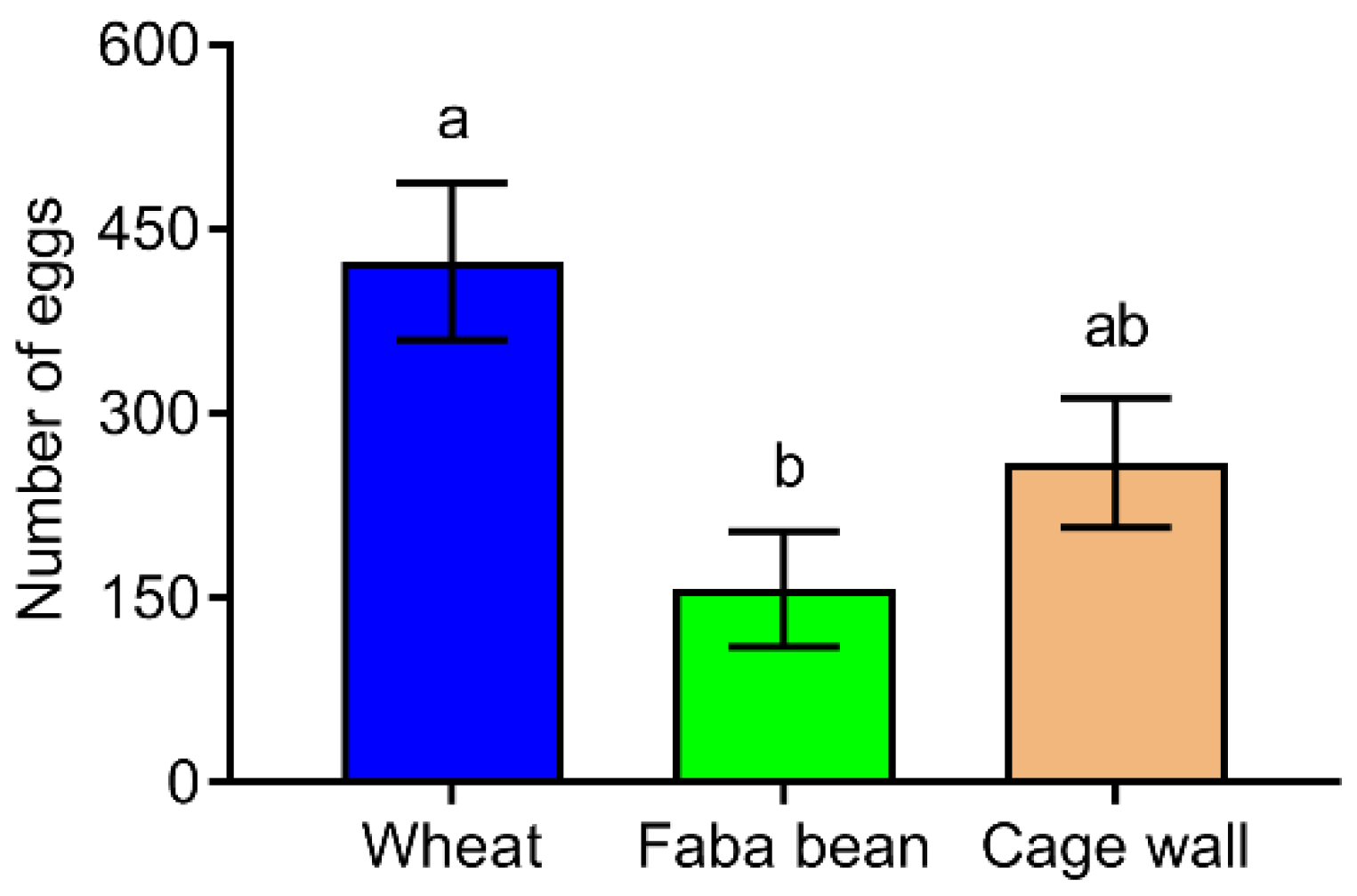
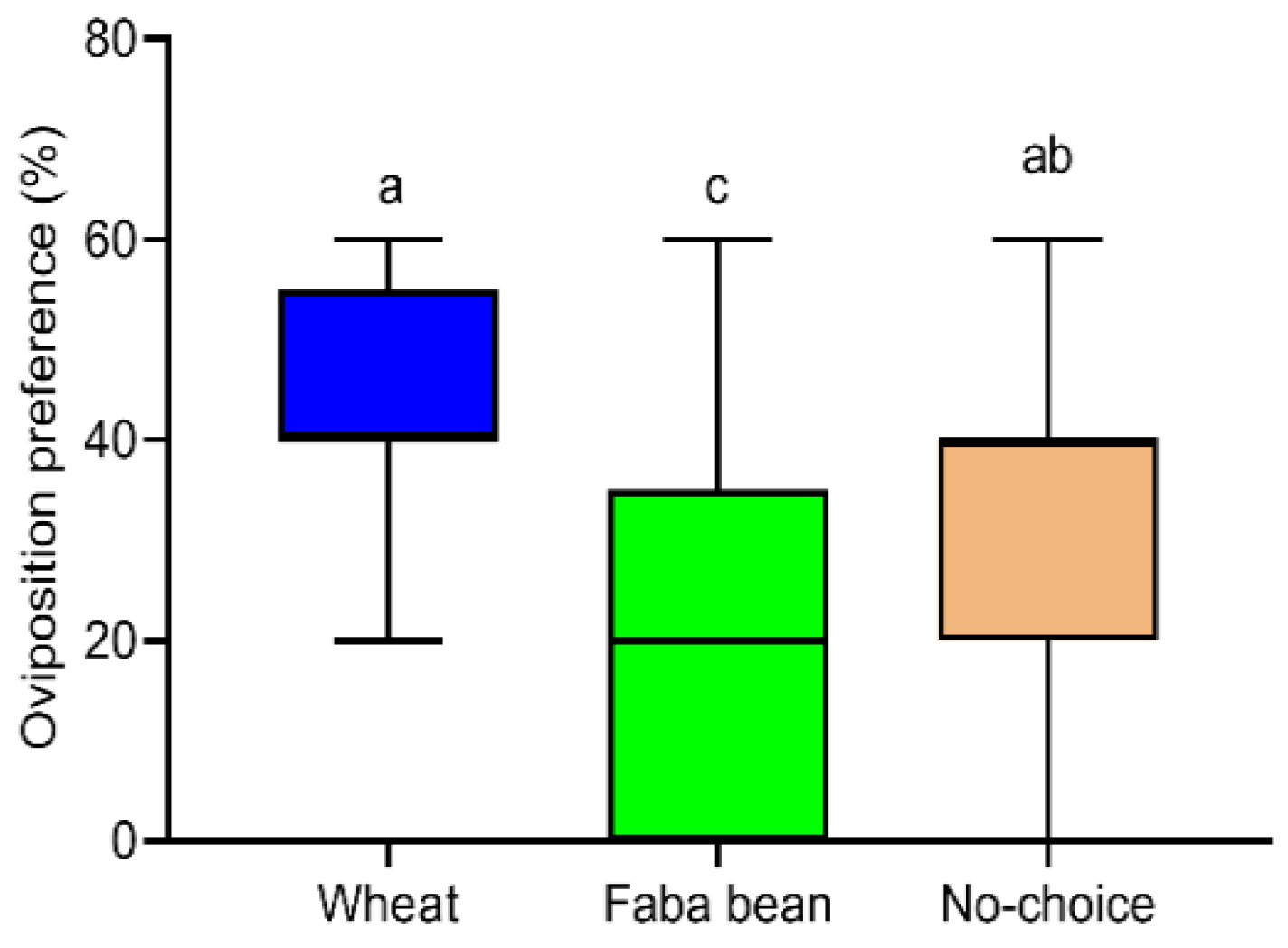
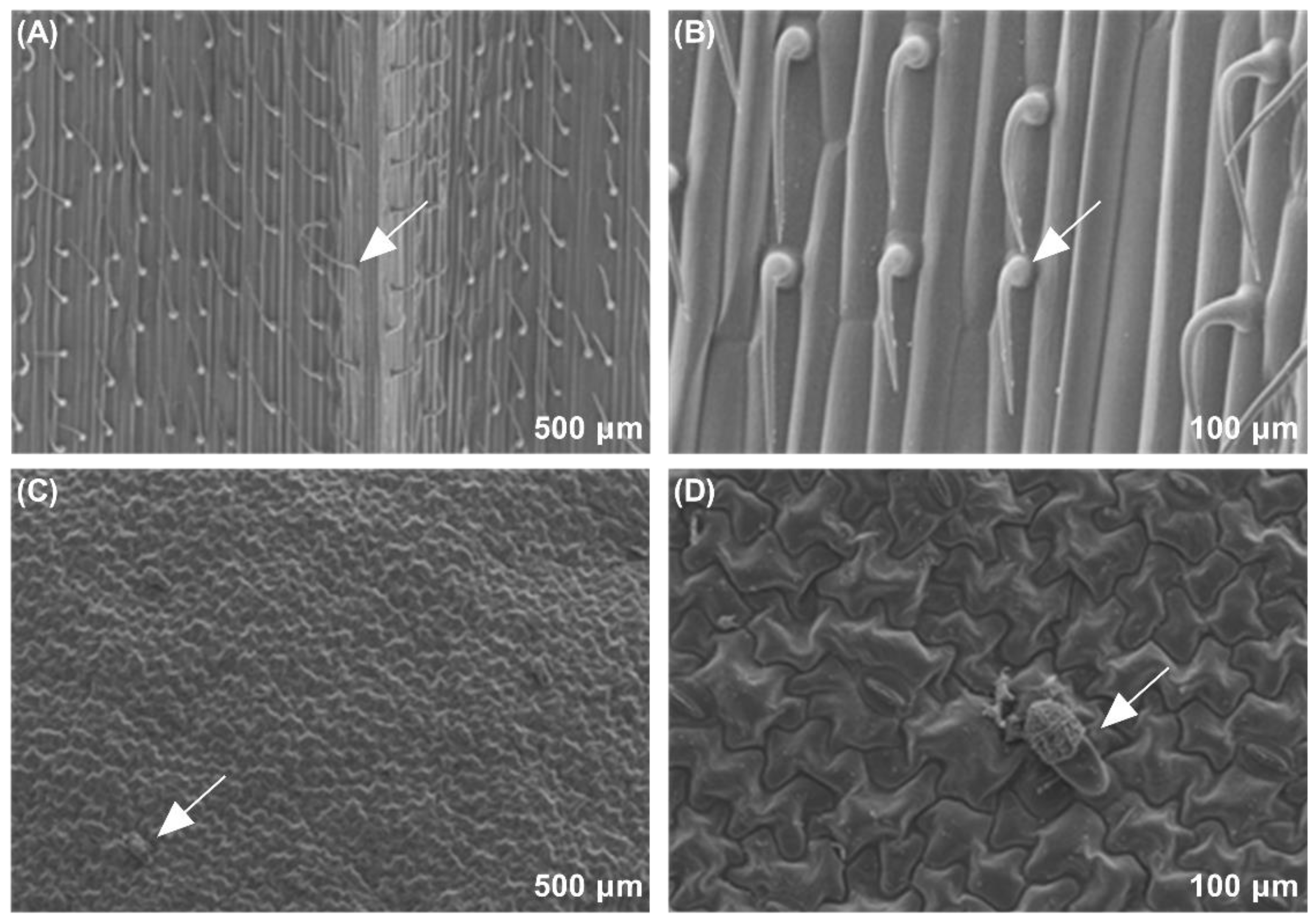
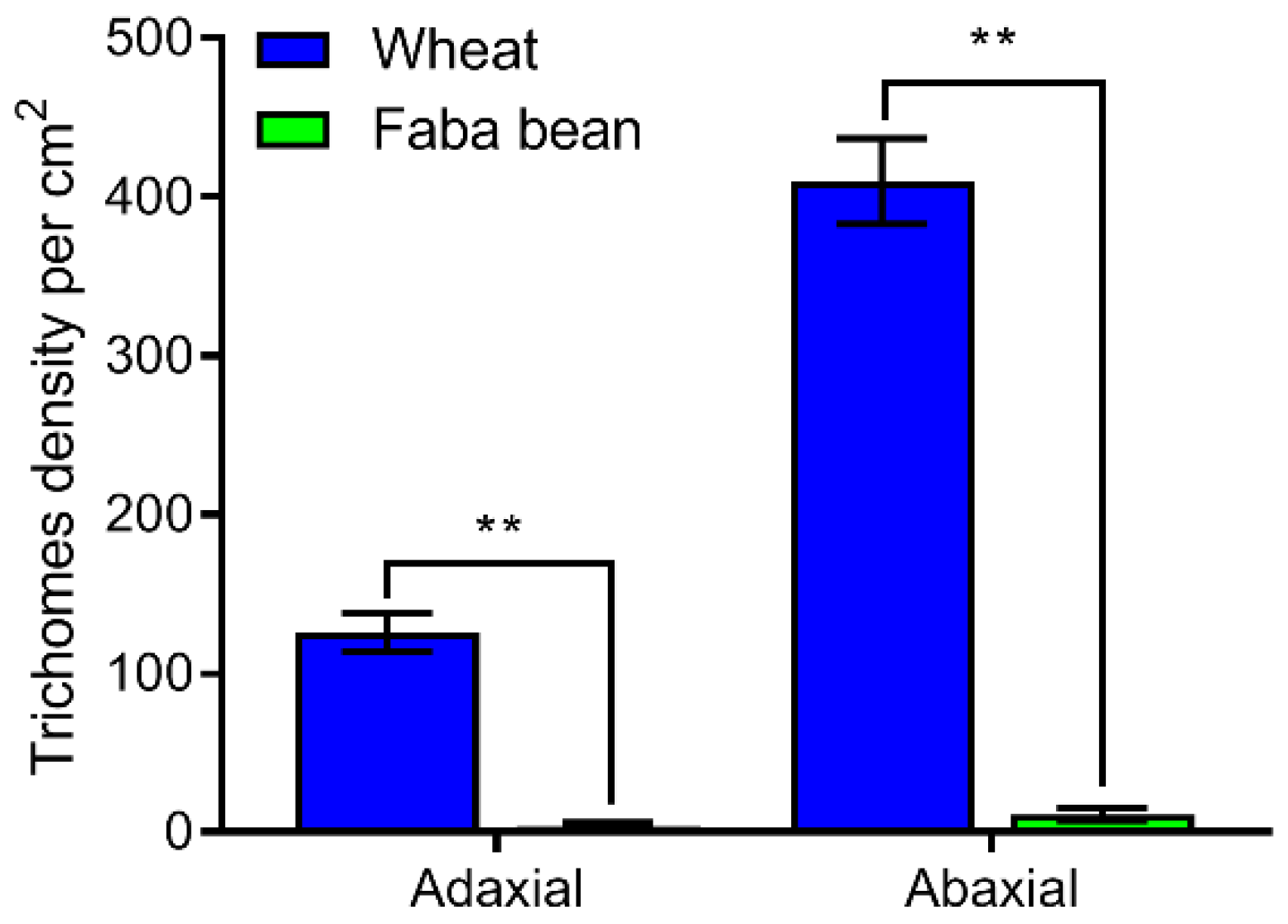
Spodoptera frugiperda (J. E. Smith), which attacked China in 2019, remains a significant threat to wheat production. Wheat–faba bean intercropping systems prevent damage caused by wheat aphids; however, the potential role in S. frugiperda control remains unclear. Here, the adaptability and preferences of S. frugiperda to wheat and its common intercropped plant, faba bean, were evaluated to implement an eco-friendly approach for S. frugiperda management. Their adaptability showed that both hosts could support S. frugiperda to complete their life cycle; however, the larvae performed worse on faba bean compared with on wheat. The biochemical analysis revealed that faba bean plants had lower contents of soluble sugars and total proteins but higher levels of phenolics and tannins than in wheat leaves. The gravid S. frugiperda preferred (during the preference assays) to oviposit on wheat rather than on faba bean plants in cage tests. The wheat odor was preferred over the faba bean odor in the Y-tube olfactometer bioassays. The morphological scanning electron microscopy (SEM) showed increased trichome density on wheat leaves. Therefore, the faba bean plants displayed antibiosis on larvae and were repellent to female moths, thus, suggesting that faba bean plants could serve as a push crop to be intercropped with wheat for S. frugiperda control for wheat fields.