Potential of Marava arachidis, a Newly Recorded Earwig Species in Egypt as a Biological Control Agent of Rhipicephalus annulatus Tick in Laboratory
by
 , and
, and
Shawky M. Aboelhadid
1,* ,
,
Abdel-Azeem S. Abdel-Baki
2,
Sahar M. Gadelhaq
3,
Walid H. Hassan
4,
Lamjed Mansour
4,
Saleh Al-Quraishy
5,
Yoshitaka Kamimura
6,
Chow-Yang Lee
7 and
and
Asmaa A. Kamel
1 1
Parasitology Department, Faculty of Veterinary Medicine, Beni-Suef University, Beni-Suef 62511, Egypt
2
Zoology Department, Faculty of Science, Beni-Suef University, Beni-Suef 62521, Egypt
3
Parasitology Department, Faculty of Veterinary Medicine, Minia University, Minia 61519, Egypt
4
Departments of Bacteriology, Mycology and Immunology, Faculty of Veterinary Medicine, Beni-Suef University, Beni-Suef 62511, Egypt
5
Zoology Department, College of Science, King Saud University, Riyadh 11451, Saudi Arabia
6
Department of Biology, Keio University, 4-1-1 Hiyoshi, Yokohama 223-8521, Japan
7
Department of Entomology, University of California, Riverside, CA 92521, USA
*
Author to whom correspondence should be addressed.
Insects 2022, 13(10), 934; https://doi.org/10.3390/insects13100934
Submission received: 11 September 2022
/
Revised: 8 October 2022
/
Accepted: 11 October 2022
/
Published: 15 October 2022
(This article belongs to the Special Issue Natural Enemies Interactions in Pest Control)
Simple Summary
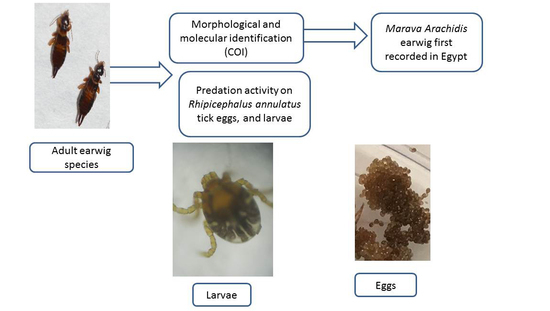
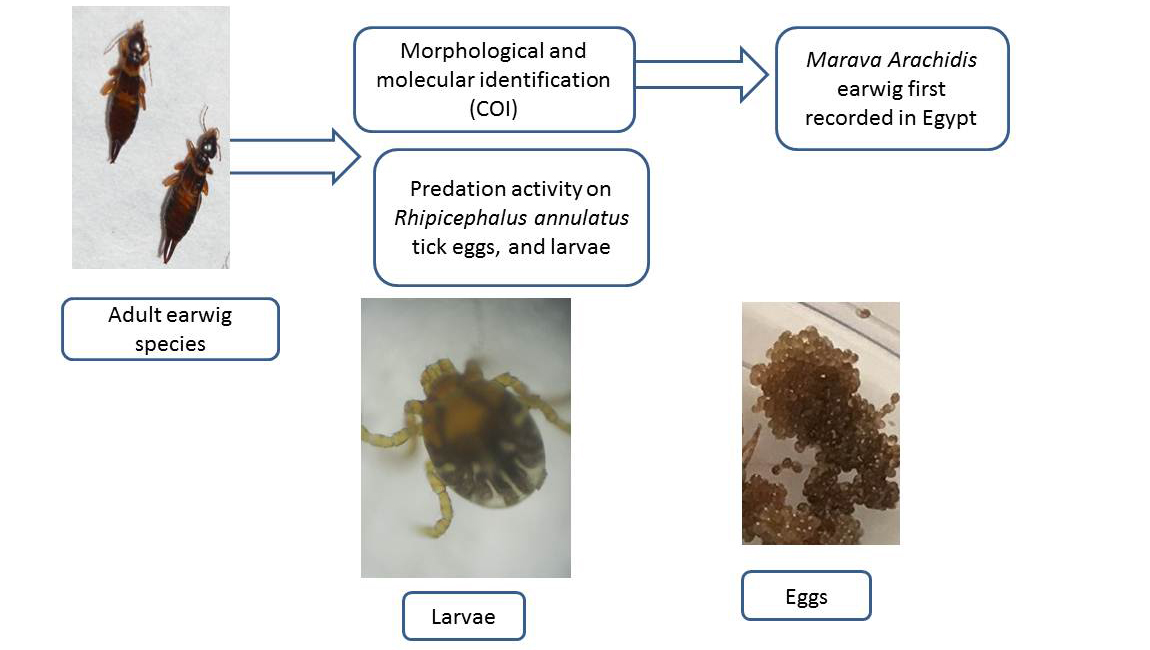
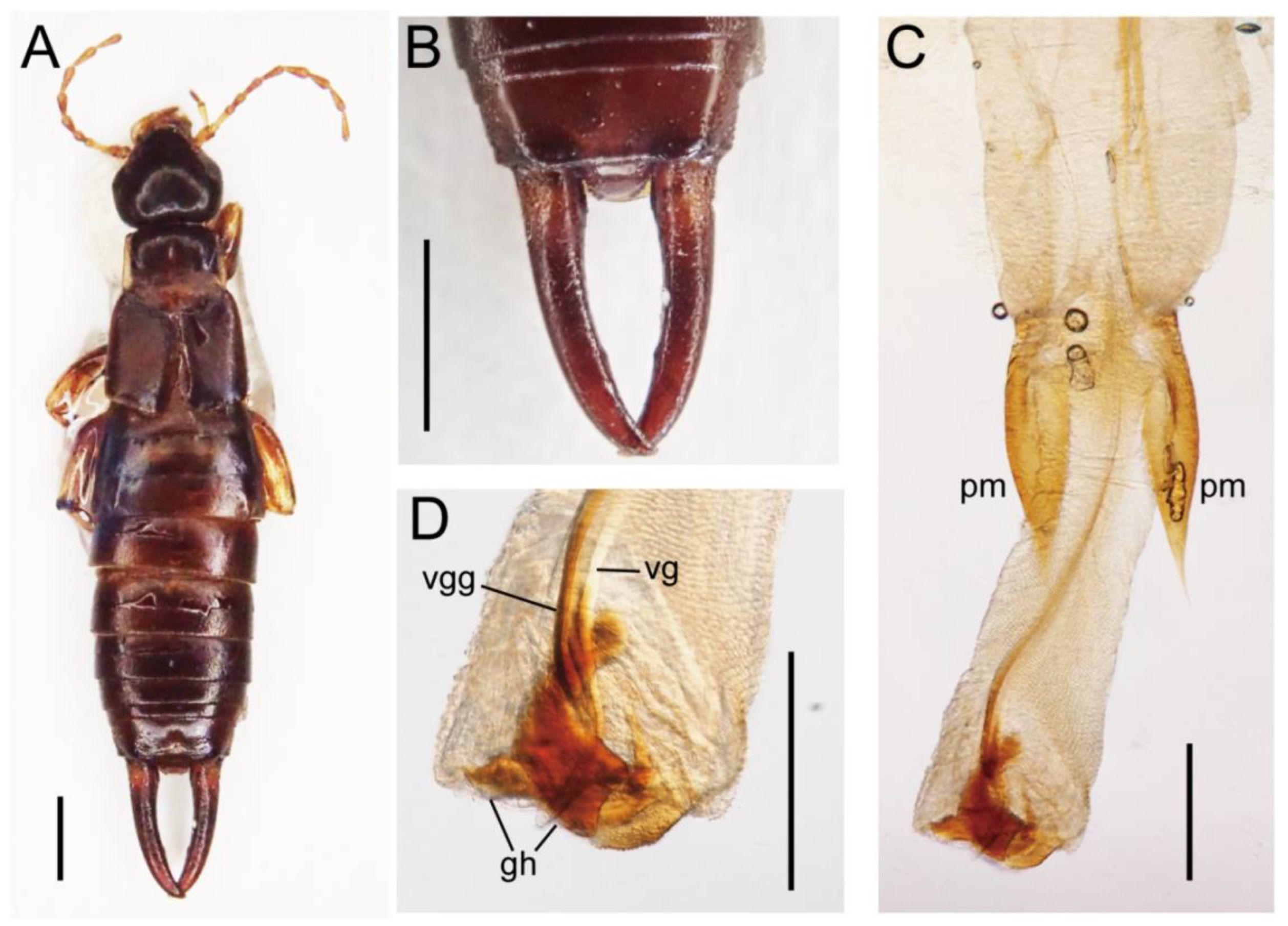
Based on both the morphological and molecular data of the earwig samples collected from a bakery in Beni-Suef, Egypt, we identified the species as Marava arachidis (Spongiphoridae). The predation capability of M. arachidis against the eggs and larvae (in-ground stages) of the Rhipicephalusannulatus tick under laboratory conditions was assessed. Laboratory findings revealed that this species has predation capability on R. annulatus tick eggs and larvae.
Abstract
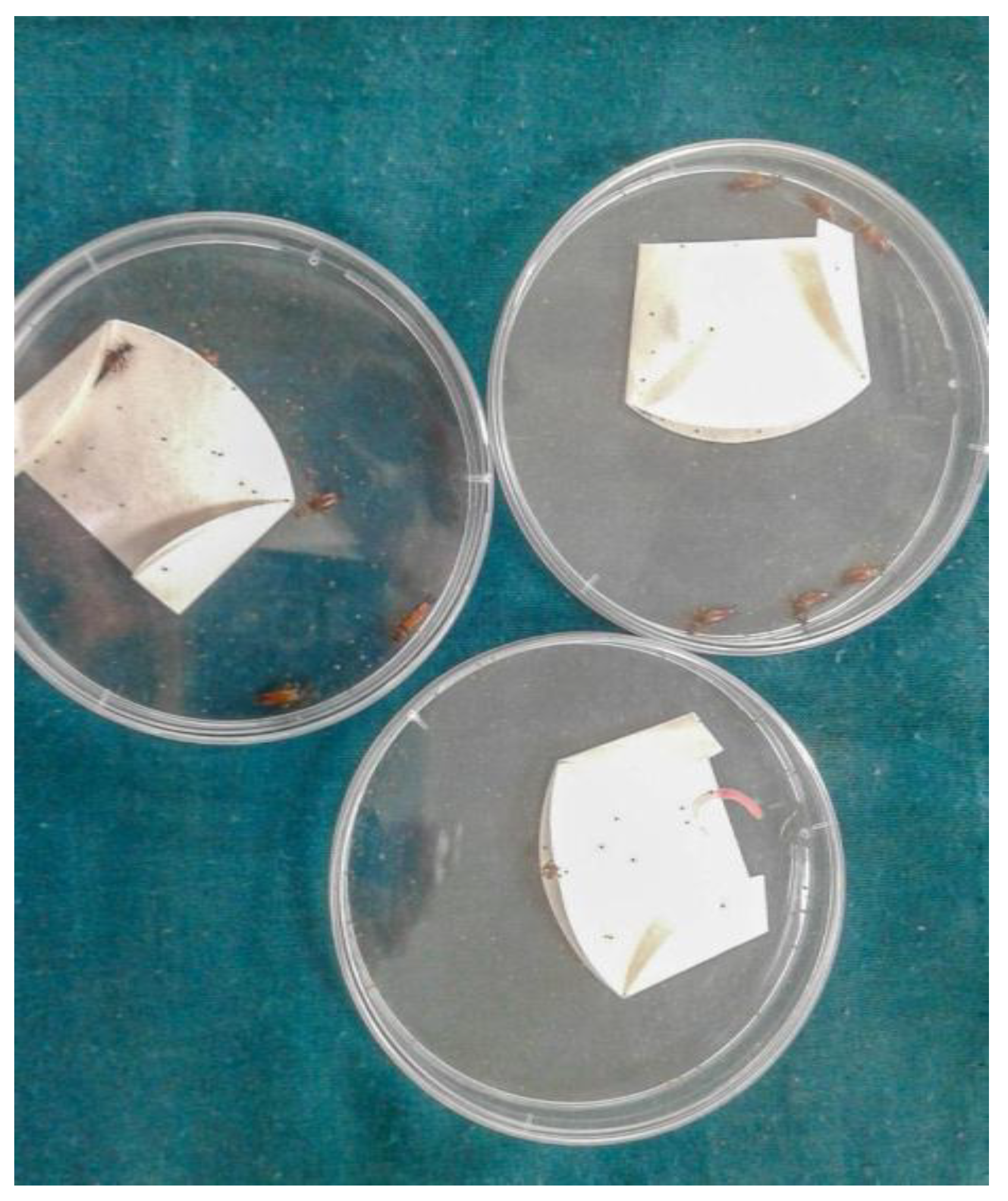
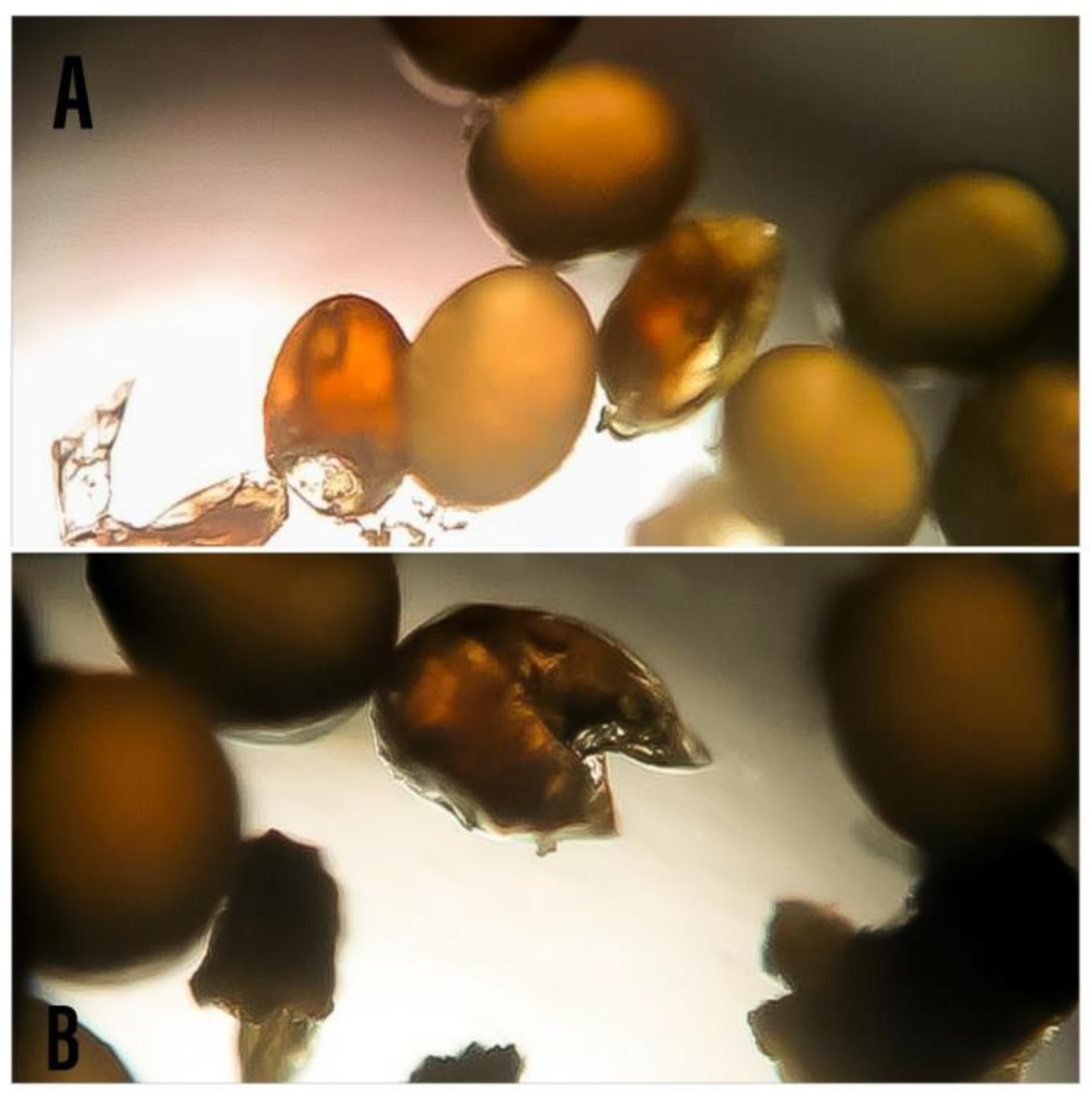
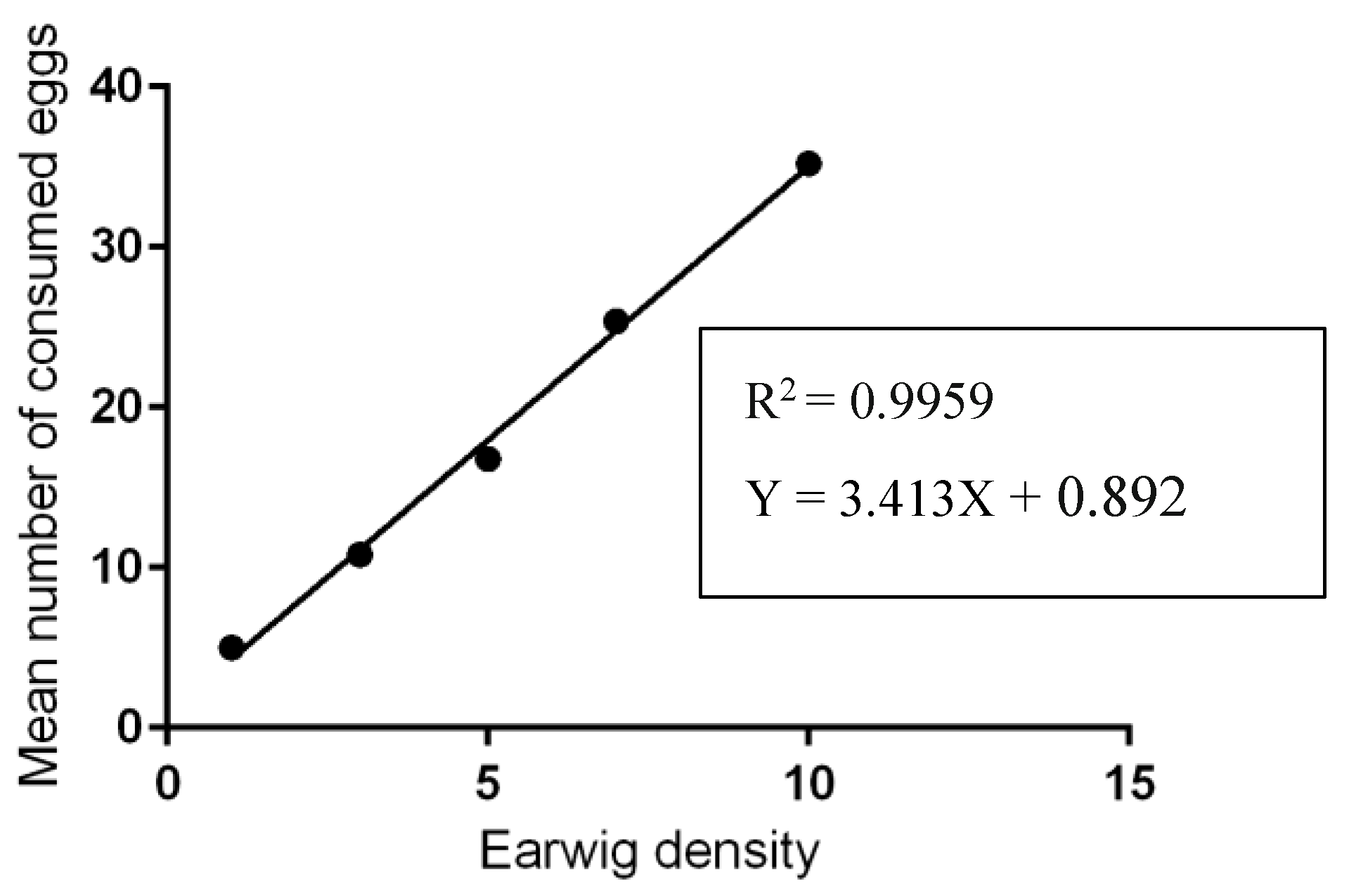
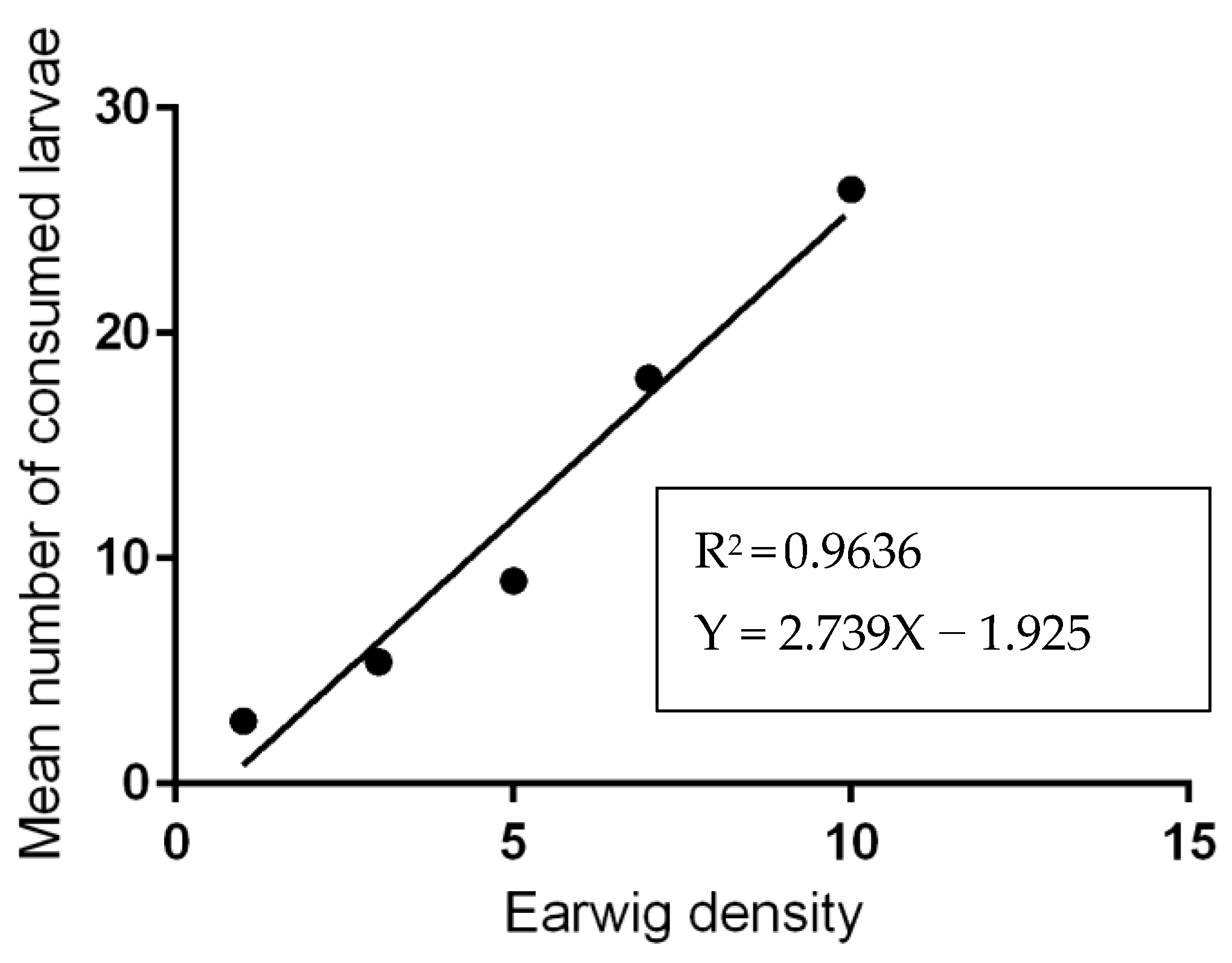
In Egypt, only five species of Dermaptera (earwigs) have been reported. Based on both the morphological and molecular data of the earwig samples collected from a bakery in Beni-Suef, Egypt, we identified the species as Marava arachidis (Spongiphoridae), a cosmopolitan species with no prior records in Egypt. The current study was designed to analyze its predation capability on newly emerged eggs and larvae of the Rhipicephalus annulatus tick. A laboratory functional response study was set up by applying a predation test with various predator-prey ratios as treatments. This experiment was applied using the undefined mix of collected earwigs and the laboratory-collected eggs and the larvae of R. annulatus. The laboratory results showed that the mean number of predated tick eggs was 18.64 ± 11.18 in 24 h under the highest predator-prey ratio (1:10) examined, accompanied by 12.04 ± 4.38 broken but unconsumed eggs. Moreover, M. arachidis predated an average of 12.32 ± 9.07 tick larvae per day. In contrast, the mean dead larvae increased to 38.4 ± 2.30 per day with the highest predator density (1:10). The number of eggs and larvae consumed increased with the predator density. A linear relationship was detected between earwig density and the consumption rates of tick eggs (R2 = 0.99; p = 0.0001) and larvae (R2 = 0.96; p = 0.003). In conclusion, M. arachidis was first recorded in Egypt. This earwig has predation capability on R. annulatus tick eggs and larvae.
Keywords:
earwig; Marava arachidis; identification; predation; Rhipicephalus annulatus