1. Introduction
Currently, as the Made in China 2025 process continues to accelerate, China is emerging as a manufacturing powerhouse. Rolling bearings, as an essential basic component, are widely used in various mechanical devices in the manufacturing industry. During long-term operation of the equipment, rolling bearings are susceptible to various external factors, which can cause faults in the inner ring, rolling elements, or outer ring, thereby affecting the normal operation of the equipment. Therefore, in-depth exploration of intelligent diagnostic methods for rolling bearing faults is crucial for improving the operational efficiency of mechanical equipment and ensuring production safety [
1].
In the field of mechanical operation monitoring, vibration signals contain rich and comprehensive information about the operating status of equipment [
2]. However, such signals often exhibit complex nonlinear and non-stationary characteristics, which pose significant challenges for signal analysis and fault diagnosis. Especially in the early stages of bearing operation, due to the extremely small defects on the bearing raceway or rolling element surface, the fault characteristic signals generated are often weak. Based on case studies of CWRU and XJTU bearings, Zhou et al. [
3] found that diagnostic accuracy dropped significantly and prediction uncertainty surged by more than 10% under strong noise interference, confirming that noise is a key factor leading to performance gaps. Under the interference of a strong noise environment, these key fault features are easily masked by noise, making it difficult to effectively extract fault features with diagnostic value from vibration signals [
4]. From the perspective of time-domain analysis, typical time-domain statistical features provide an intuitive and effective way to describe the dynamic characteristics of vibration signals [
5,
6]. Sahu P K et al. [
7] Improved denoising techniques based on Complete Ensemble Empirical Mode Decomposition (CEEMD) to enhance the early fault detection performance of bearings under strong noise. Wavelet analysis method, as the most commonly used tool in the field of signal processing, is widely applied in the data processing stages of various fields [
8,
9]. Although EMD is widely used for adaptive decomposition of vibration signals, it was not adopted in the final framework due to the problems of mode mixing and reconstruction instability under strong noise conditions. However, it has an important reference value as a background technology.
In recent years, Convolutional Neural Networks (CNNs) have been widely used in the field of deep learning due to their powerful feature learning ability and ability to process complex data, which has greatly promoted the research and development of fault diagnosis methods for rolling bearings. However, the application of this method in the field of fault diagnosis presents challenges in terms of computational efficiency, effectiveness of initial feature extraction, and difficulty in capturing time-domain features. In terms of innovative fault diagnosis methods based on convolutional neural networks, numerous scholars have conducted in-depth research and achieved a series of results. Yu et al. [
10] proposed a Convolutional Neural Network (CNN-GAM) equipped with a global attention module, which enhances feature representation, improves computational efficiency, and optimizes attention mechanisms. Sabyasachi et al. [
11] proposed an ensemble parameter learning method and applied it as a structured function of a filter bank to a CNN architecture, solving the problem of “insufficient initial feature extraction or dependence on manual design” in model limitations. Dai et al. [
12] introduced the fast Fourier transform method into neural networks to capture specific fault information accurately. Li et al. [
13] used wide kernel convolutional layers to preprocess the original signal, achieving the goal of data dimensionality reduction and feature channel expansion. He [
14] proposed a CNN-LSTM diagnostic method driven by fused wavelet time-frequency graph features, which solves the problems of “insufficient information in a single domain” and “ignoring signal temporal dynamics” in complex and variable operating conditions challenges. Chen et al. [
15] proposed a wind turbine bearing fault diagnosis model based on efficient cross space multi-scale CNN transformer parallel connection, which solves the problem of multi-scale feature extraction in model limitations.
Significant progress has also been made in the application of graph models in the field of fault diagnosis in recent years. The graph model can effectively extract spatiotemporal features from one-dimensional time-domain signals by converting them into the spectral domain [
16,
17]. However, the application of this method in the field of fault diagnosis presents challenges in effectively joint extraction of spatiotemporal features, coupling and hiding of fault information in the spatiotemporal dimension, and feature extraction of non-stationary signals. Specifically, Sun et al. [
18] adopted a two-stage framework for bearing fault diagnosis, using a graph model to identify the operating state of the bearing during the detection stage, improving the robustness of diagnosis under complex and variable operating conditions. Wang et al. [
19] proposed a bearing fault detection and diagnosis method based on spatiotemporal graphs, which deeply explored the ability of graph models to extract fault information hidden in spatial form and temporal dynamics, and solved the problem of coupling and hiding fault information in the spatiotemporal dimension under complex and variable operating conditions. To extract the time-frequency distribution of the original signal, Tao et al. [
20] used the short-time Fourier transform to transform the original signal from the time domain to the time-frequency domain, solving the problem of feature extraction of non-stationary signals under noise interference.
However, in practical applications, fault diagnosis of rolling bearings poses many challenges. External factors such as changes in operating conditions and environmental fluctuations may cause significant nonlinear fluctuations in the characteristic curve. This fluctuation leads to unclear, weak, and even complete disappearance of initial symptoms of the fault, thereby increasing the risk of misjudgment and missed detection in the fault detection process. Entropy, as an indicator for measuring the uncertainty or complexity of data sequences [
21], can effectively describe nonlinear dynamic characteristics and has important application value in fault diagnosis. For example, sample entropy [
22], fuzzy entropy [
23], etc., distinguish the fault state of bearings by estimating the complexity of time-domain signals. However, there are challenges in applying this method to the field of fault diagnosis in terms of feature evaluation indicators and model structure design. Wang et al. [
24] considered frequency distribution and its amplitude changes in the entropy calculation process, and proposed a cumulative spectral distribution entropy for rotating machinery fault diagnosis. The entropy measure was extended to the frequency domain to solve the problem of difficult quantification and identification of fault features in the presence of noise interference and weak background features. Wang et al. [
25] proposed a multi-branch convolutional network, where each branch focuses on a different feature subspace and is fused to obtain diverse feature representations. Chen et al. [
26] proposed a multi-scale convolutional neural network with feature alignment to address the issue of data distribution differences in fault diagnosis of rolling bearings, such as changes in working conditions and equipment. The network extracts features of different scales from each branch and fuses them into a global feature representation. He et al. [
27] proposed a Multi-scale Mixed Convolutional Neural Network (MSMCNN) for fault diagnosis of industrial robot harmonic reducers under complex working conditions, aiming to improve the model’s ability to extract fault features and diagnostic performance of harmonic reducers. Choudhary et al. [
28] used a multi-input convolutional neural network to fuse vibration and acoustic signals, achieving fault diagnosis under different operating conditions and solving the problem of limited fault diagnosis under a single data source.; Li et al. [
29] proposed a Transformer based on variational attention to establish causal relationships between signal patterns and fault types, improving the ability to focus on key features; Wu et al. [
30] combined GAF-MAT with Transformer to reduce the influence of inter-sample time shift and improve the diagnostic accuracy of the model; Yao et al. [
31] studied the acoustic signals of planetary gearboxes and combined Fourier decomposition with energy, time-frequency kurtosis, and random forest to achieve a balance between high-precision diagnosis and computational efficiency under limited sample conditions.
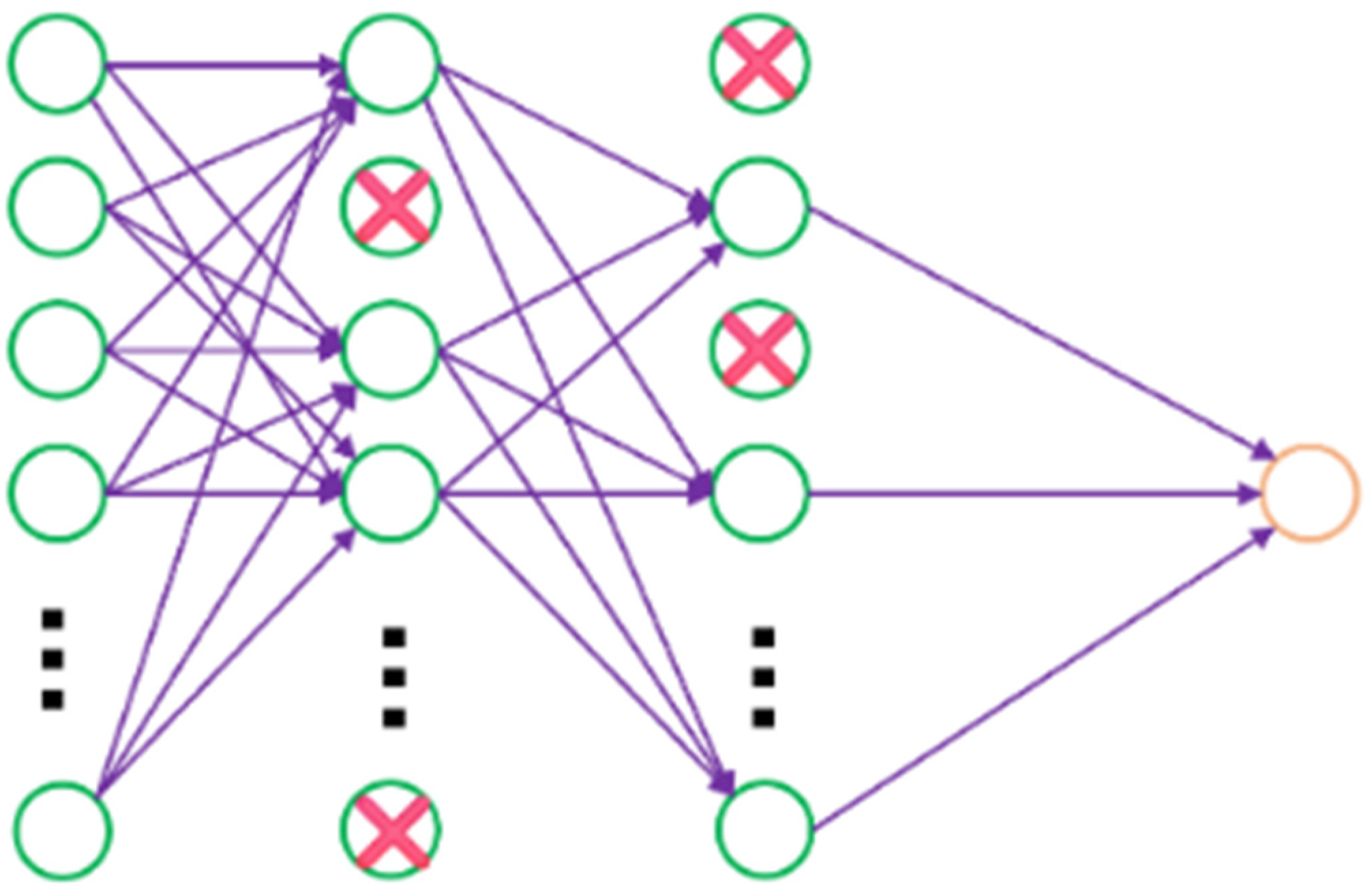
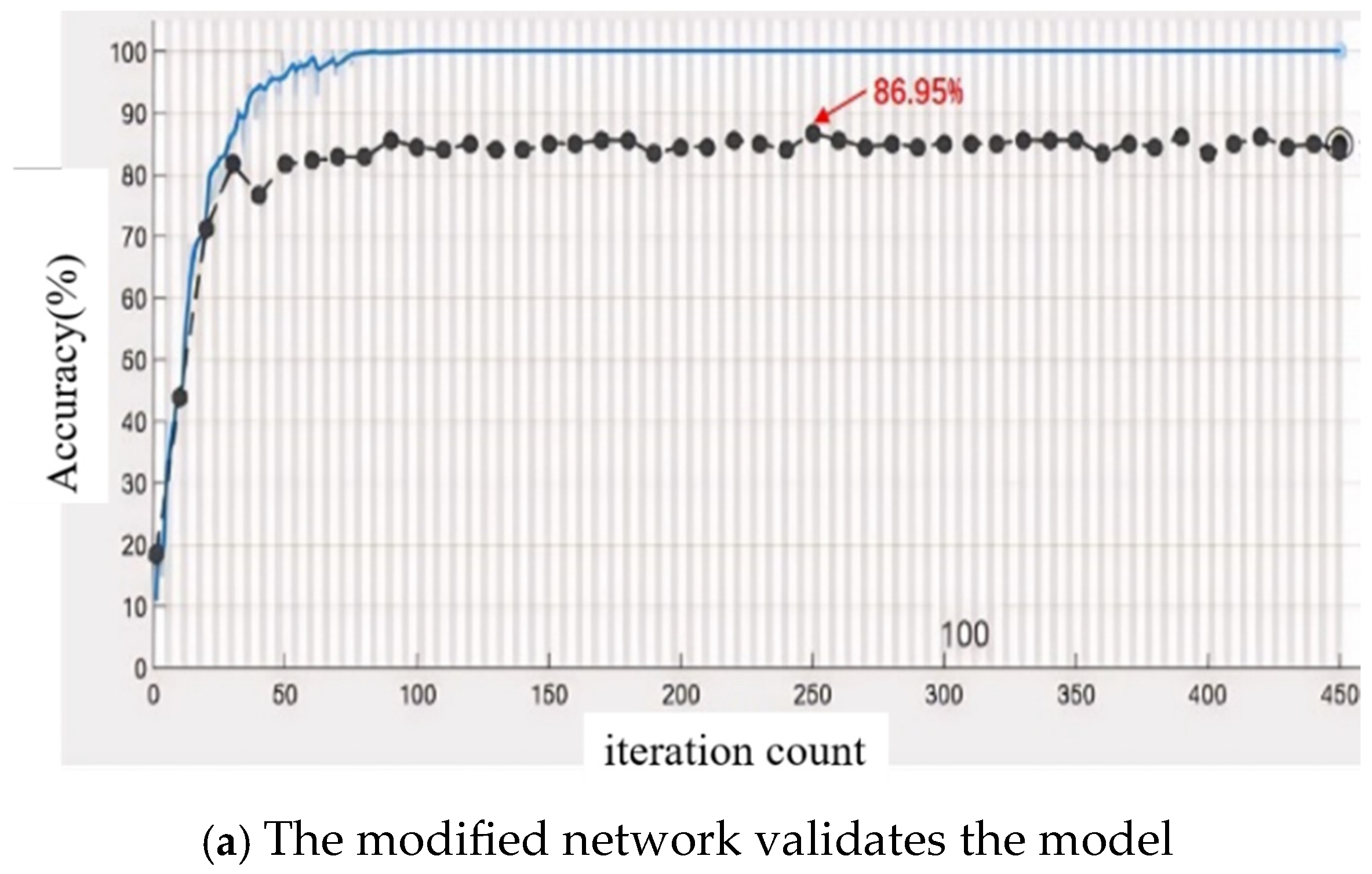
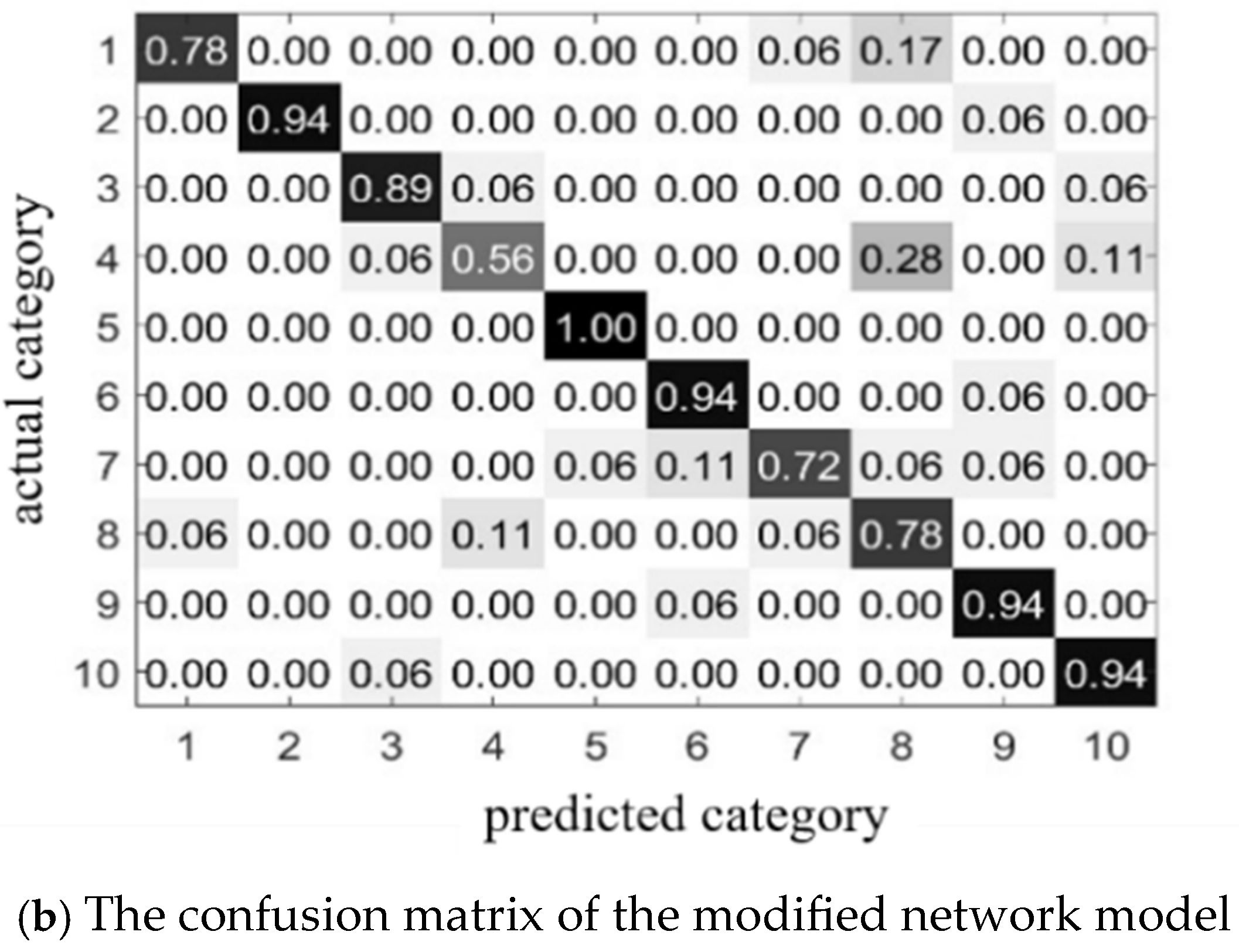
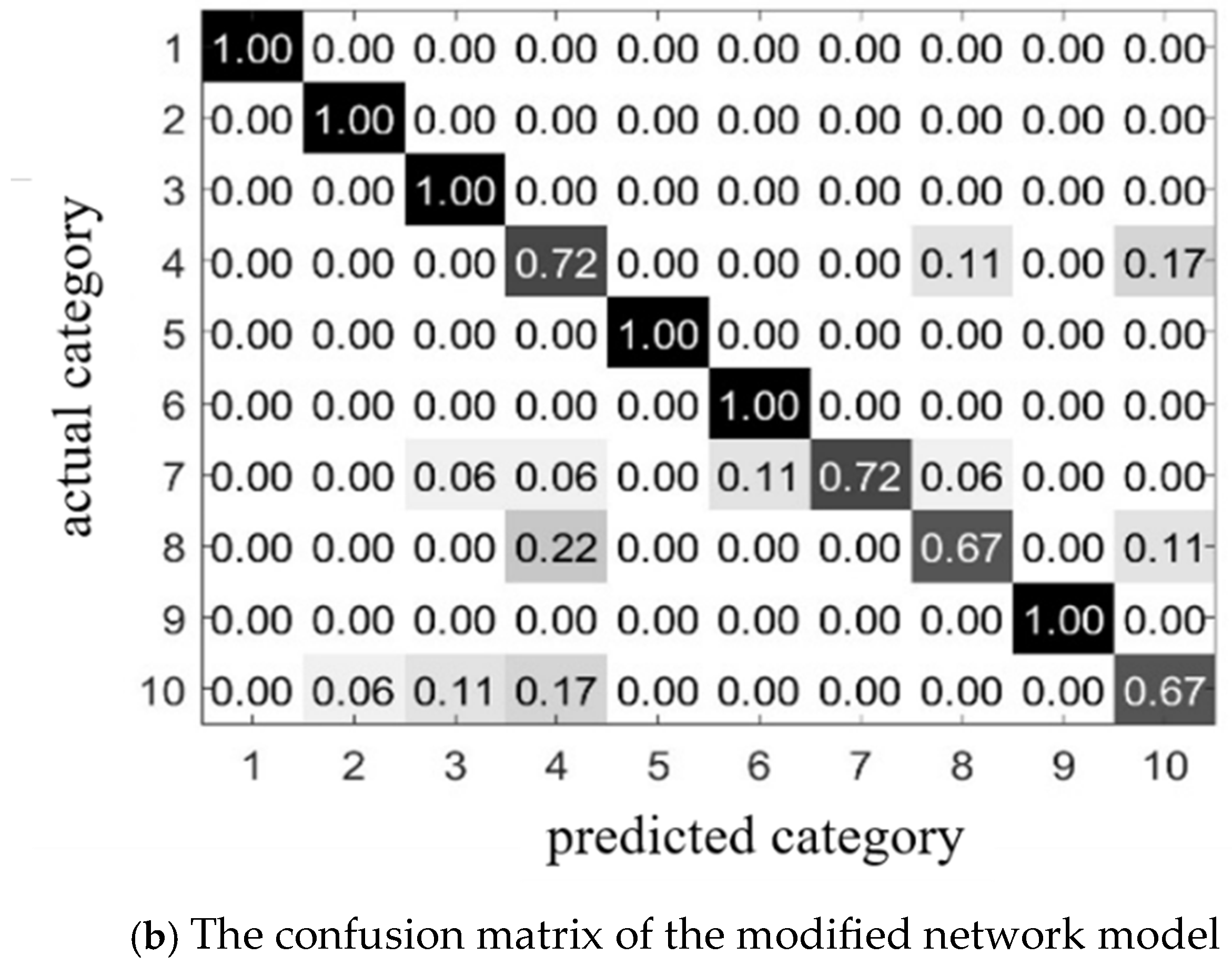
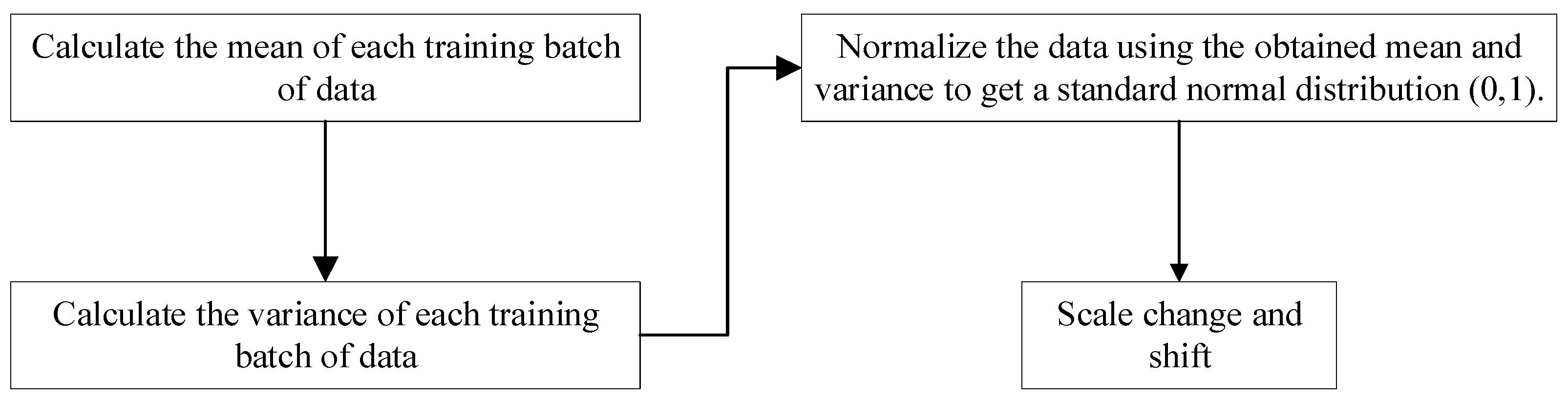
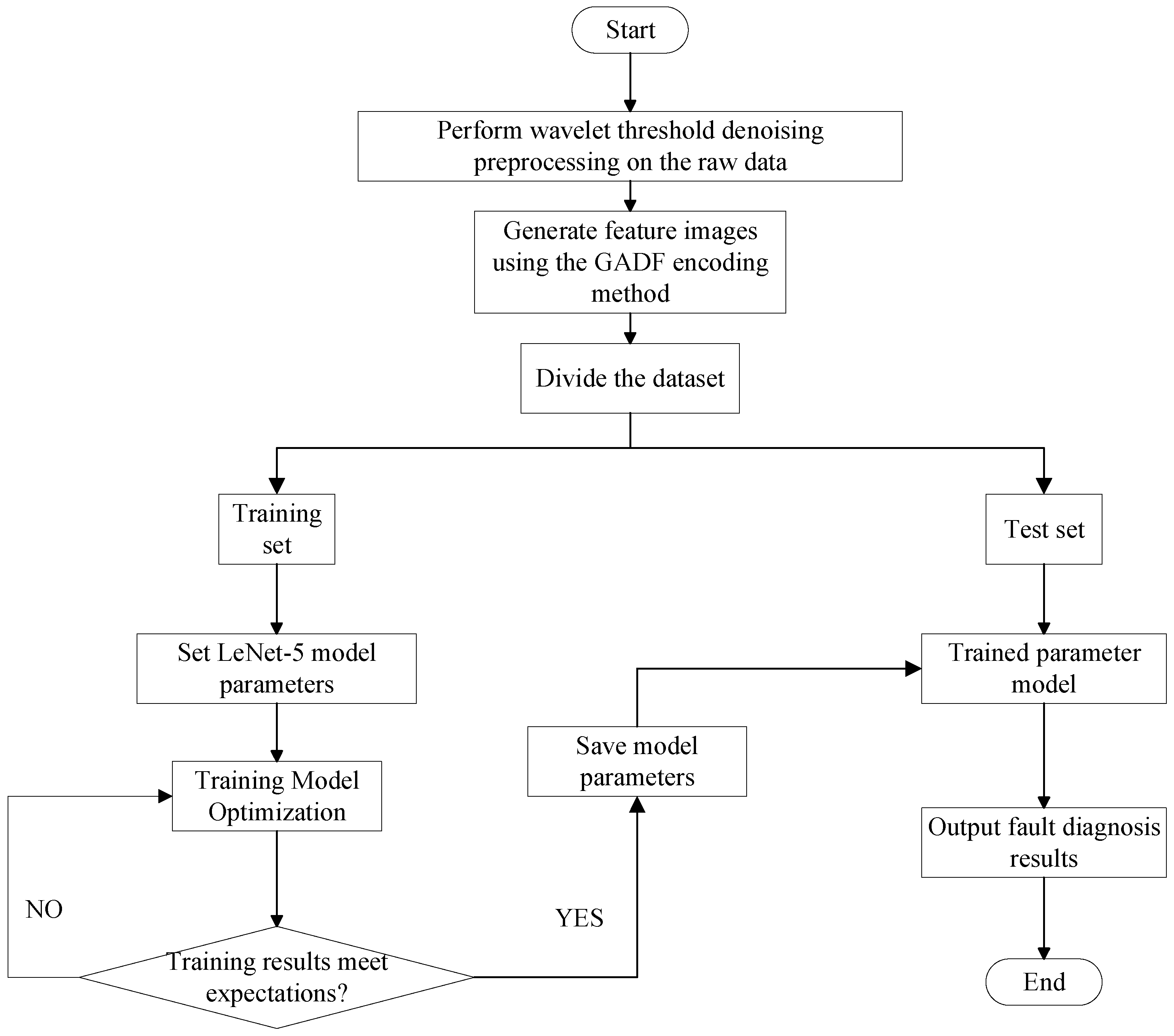
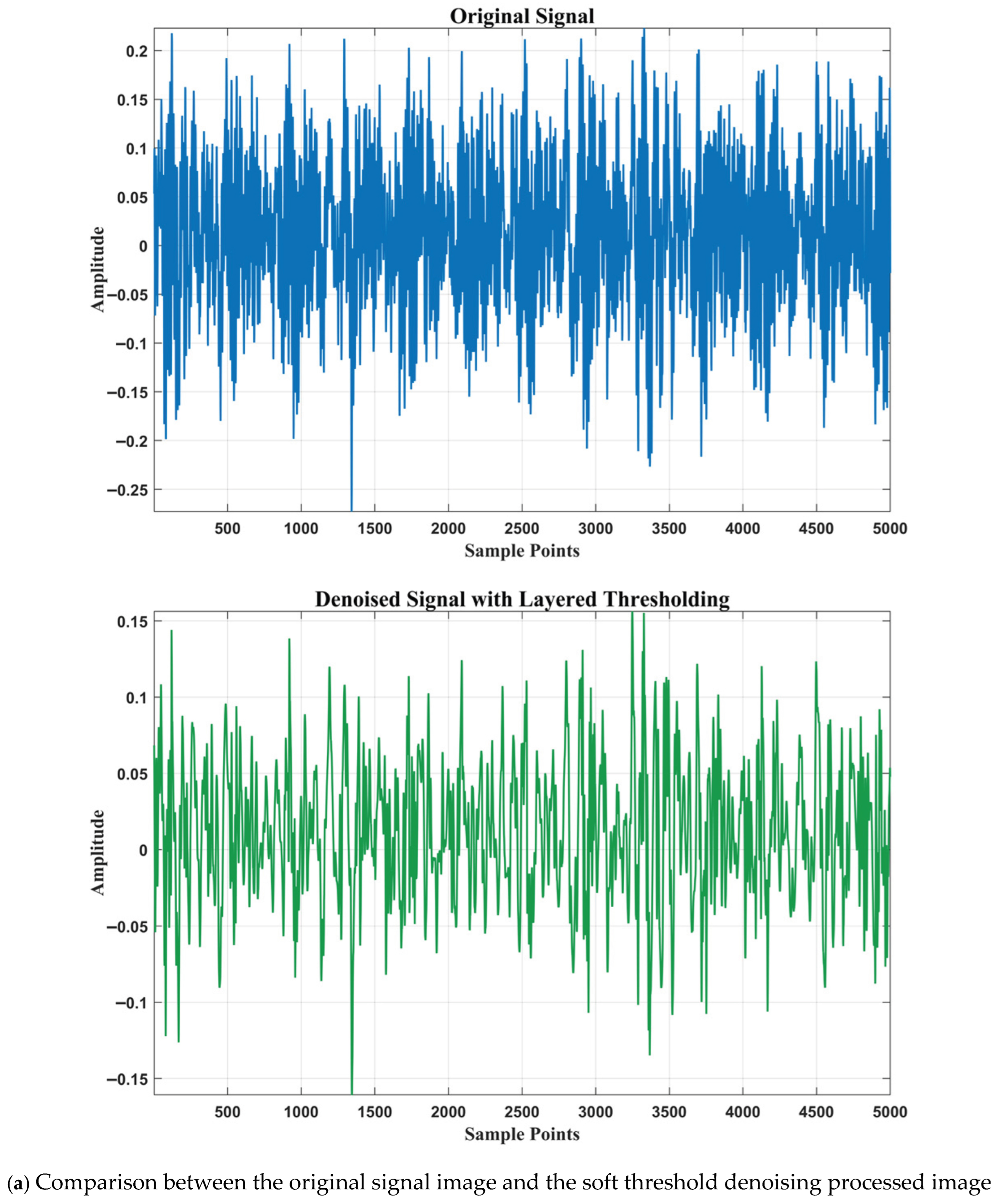
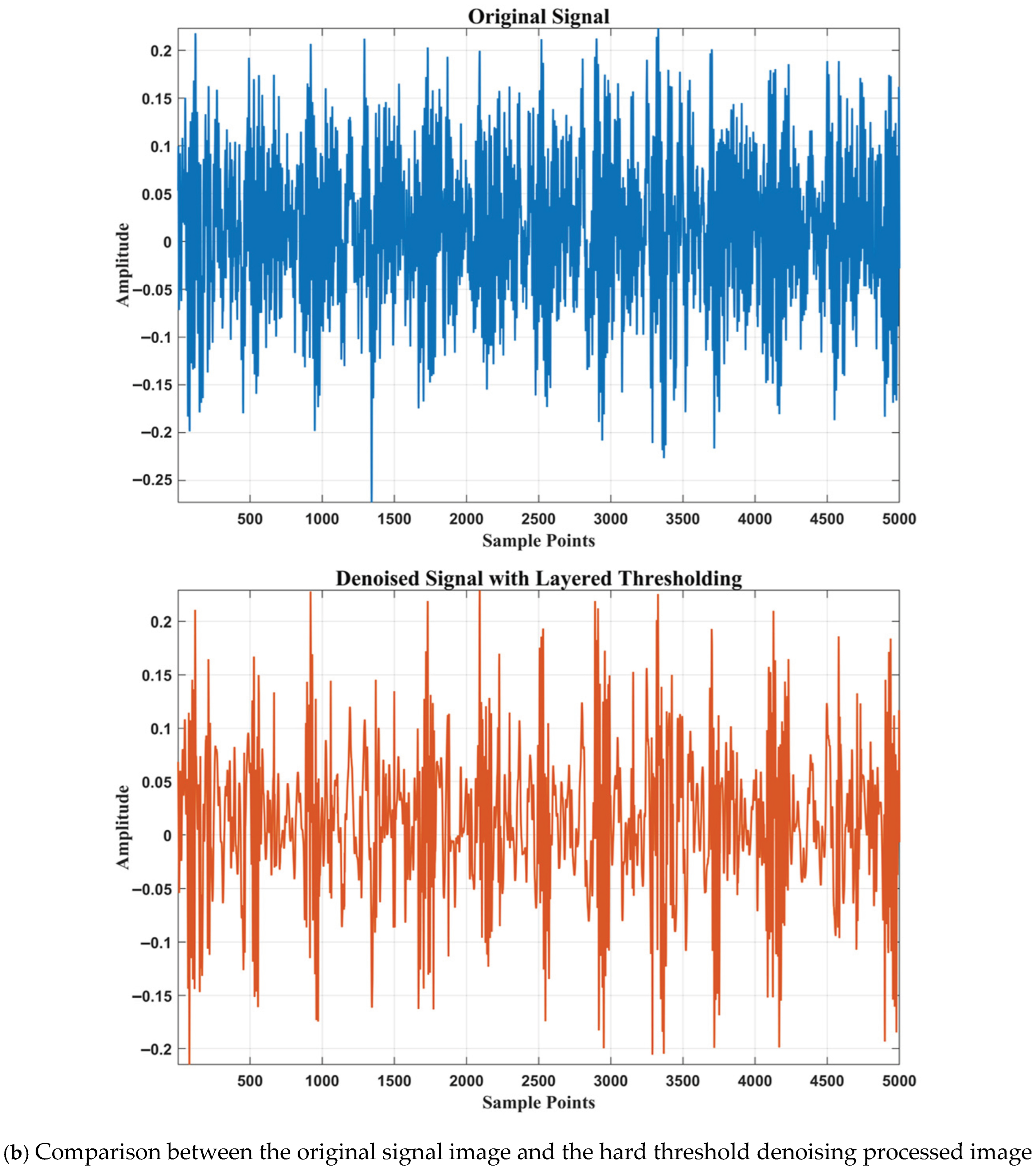
This article focuses on the significant demand for intelligent operation and maintenance of rotating machinery in the context of Industry 4.0. Taking rolling bearing fault diagnosis as the starting point, a bearing intelligent fault diagnosis method based on an improved convolutional neural network is proposed. Three aspects of research are systematically carried out: firstly, in the data preprocessing stage, a nonlinear mapping relationship between time-frequency domain features and fault modes is established through the joint optimization of wavelet threshold denoising and empirical mode decomposition; Secondly, at the level of model optimization, an innovative multi-dimensional regularization collaborative mechanism is proposed, which includes batch normalization, Dropout random deactivation, and L2 weight decay; Thirdly, in the verification stage, data preprocessing experiments were designed for analysis, network structure modification impact analysis, and different load experiments were conducted to verify the generalization ability of the experimental model, providing theoretical support for rotating machinery fault prediction and health management. The relevant methodology can be extended to intelligent diagnosis scenarios for complex equipment such as gearboxes and turbines.