Article

Screening Signals of Reference-Defined Metabolic Syndrome Using HbA1c and LDL Cholesterol: An Explainable Machine Learning Study

Department of Biostatistics, Faculty of Medicine, Tokat Gaziosmanpaşa University, Tokat 60100, Türkiye
Diagnostics 2026, 16(18), 3048; https://doi.org/10.3390/diagnostics16183048 (registering DOI)

Submission received: 19 August 2026 / Revised: 14 September 2026 / Accepted: 17 September 2026 / Published: 20 September 2026

Abstract

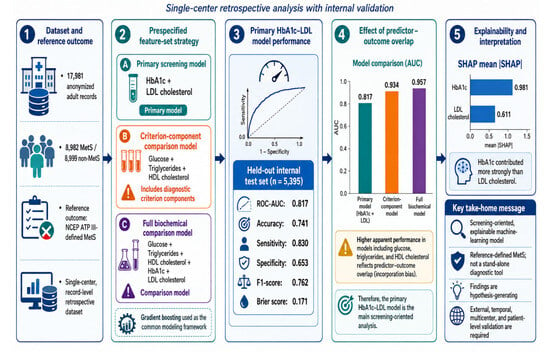
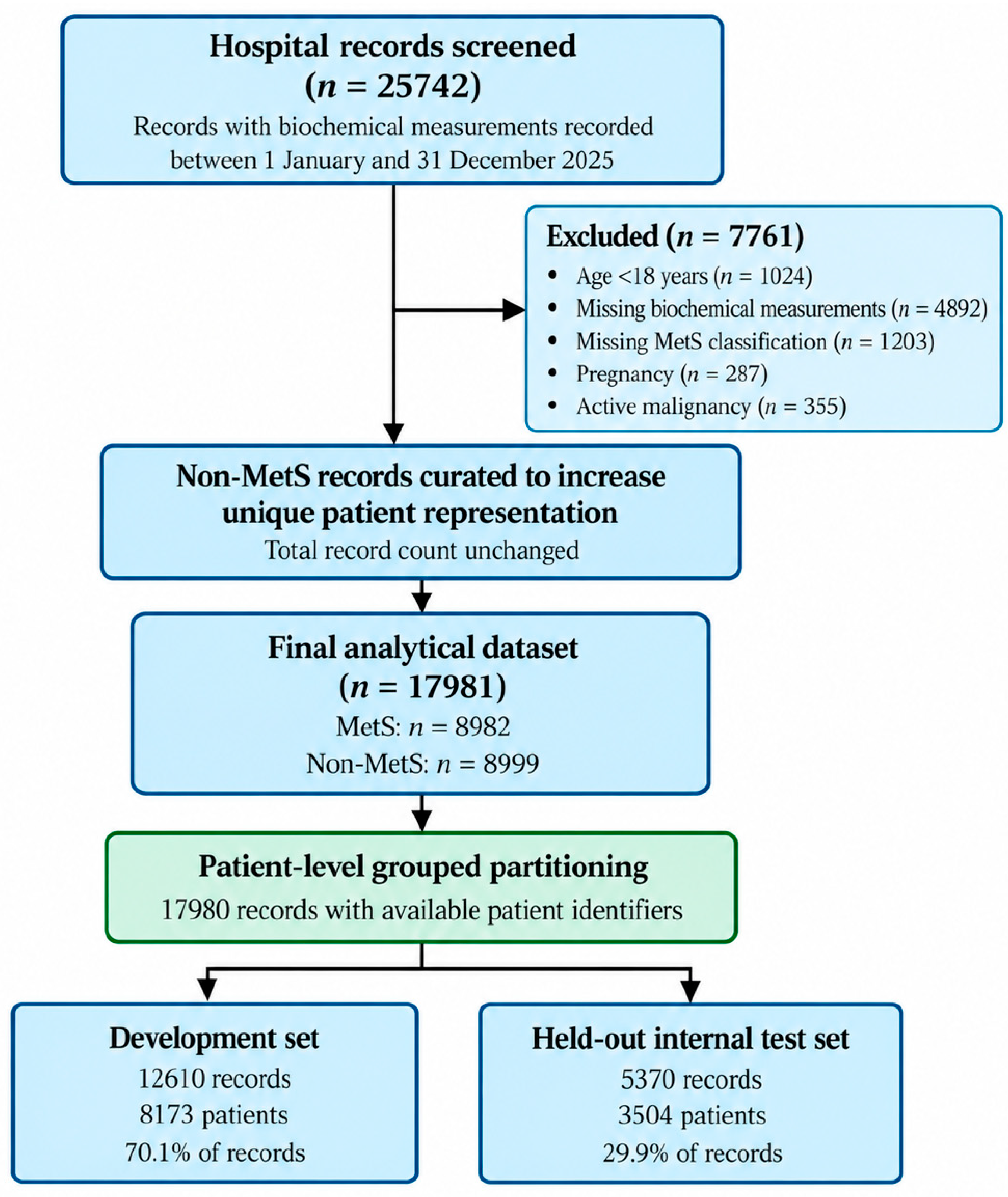
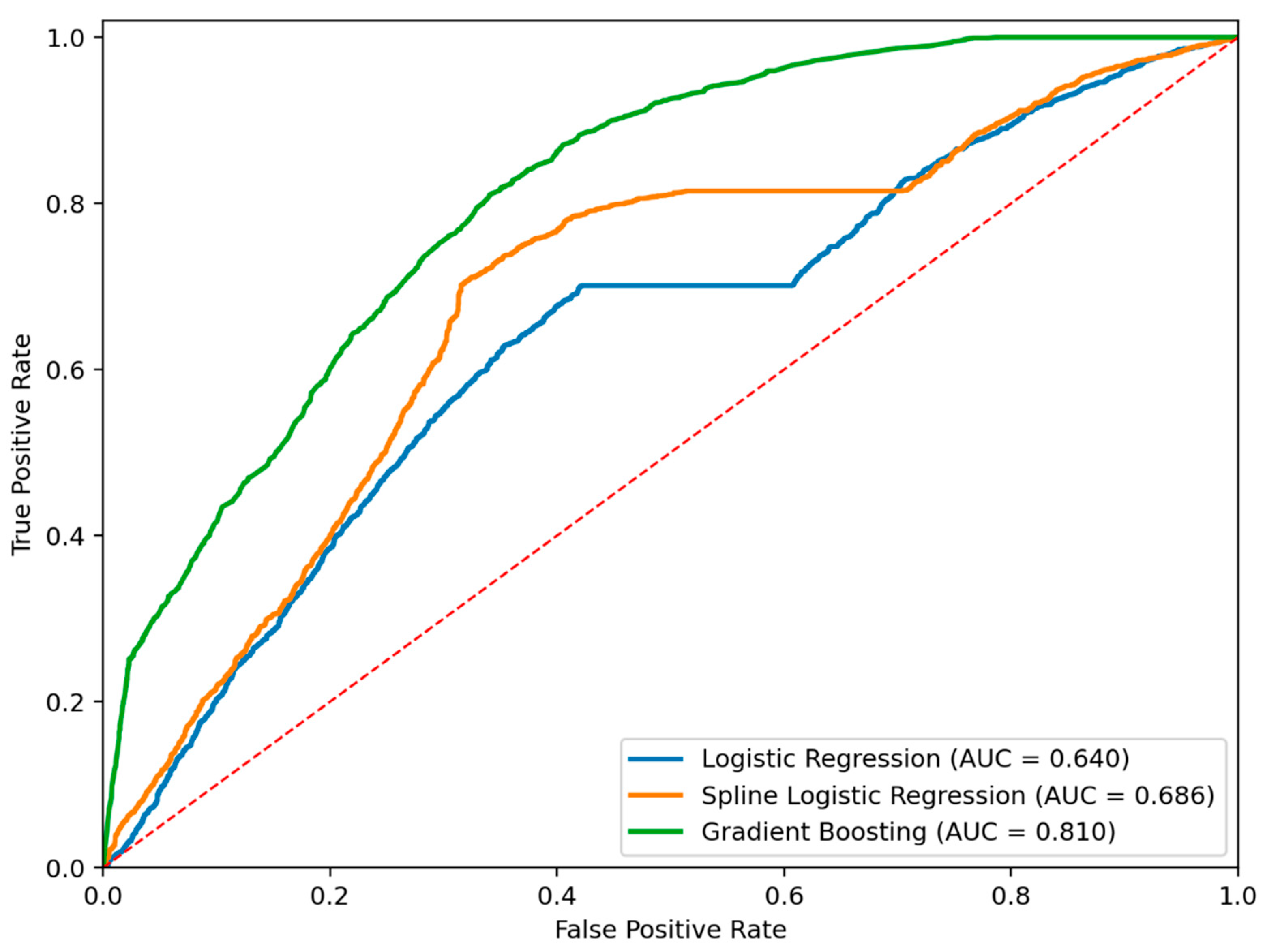
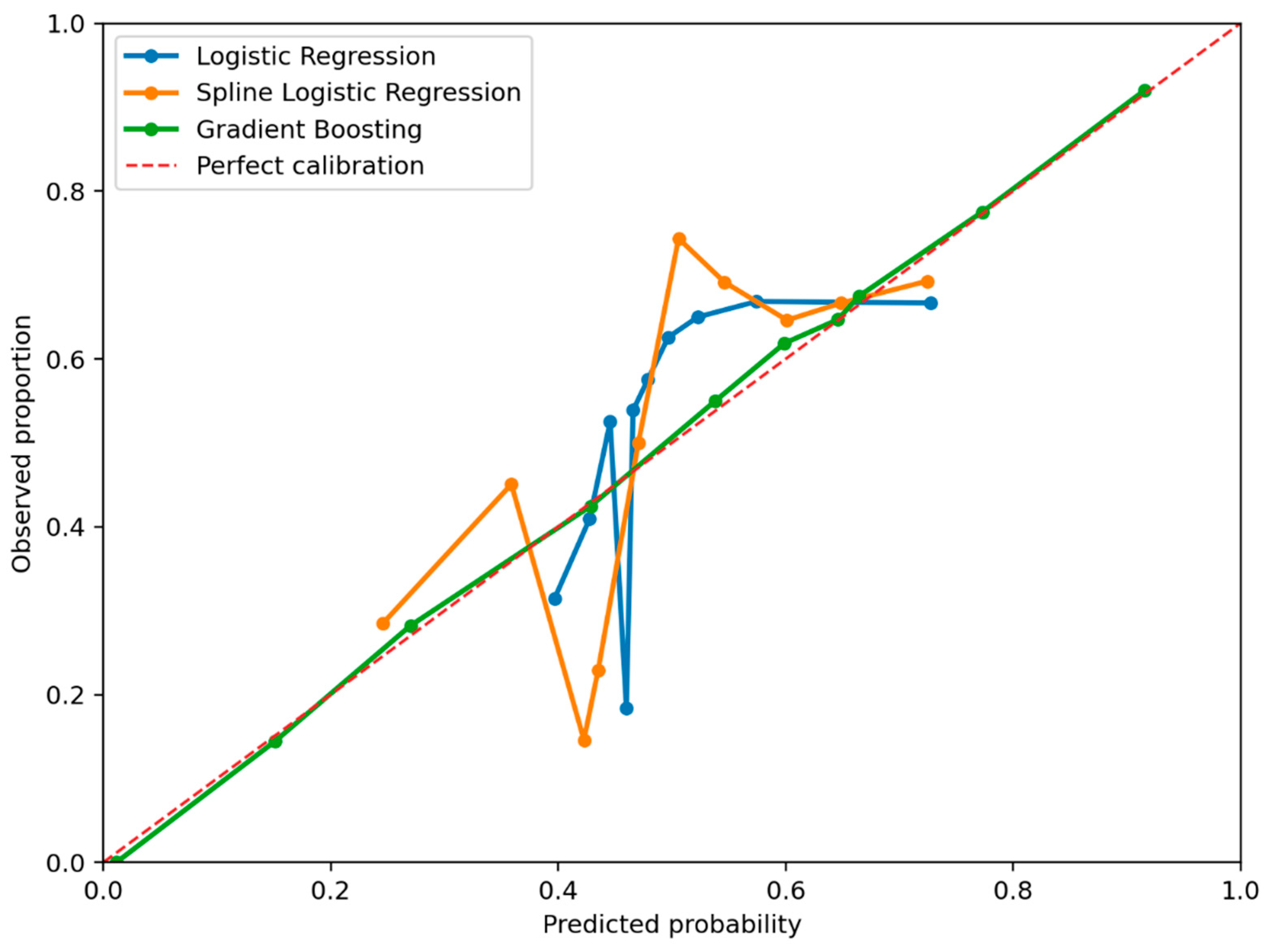
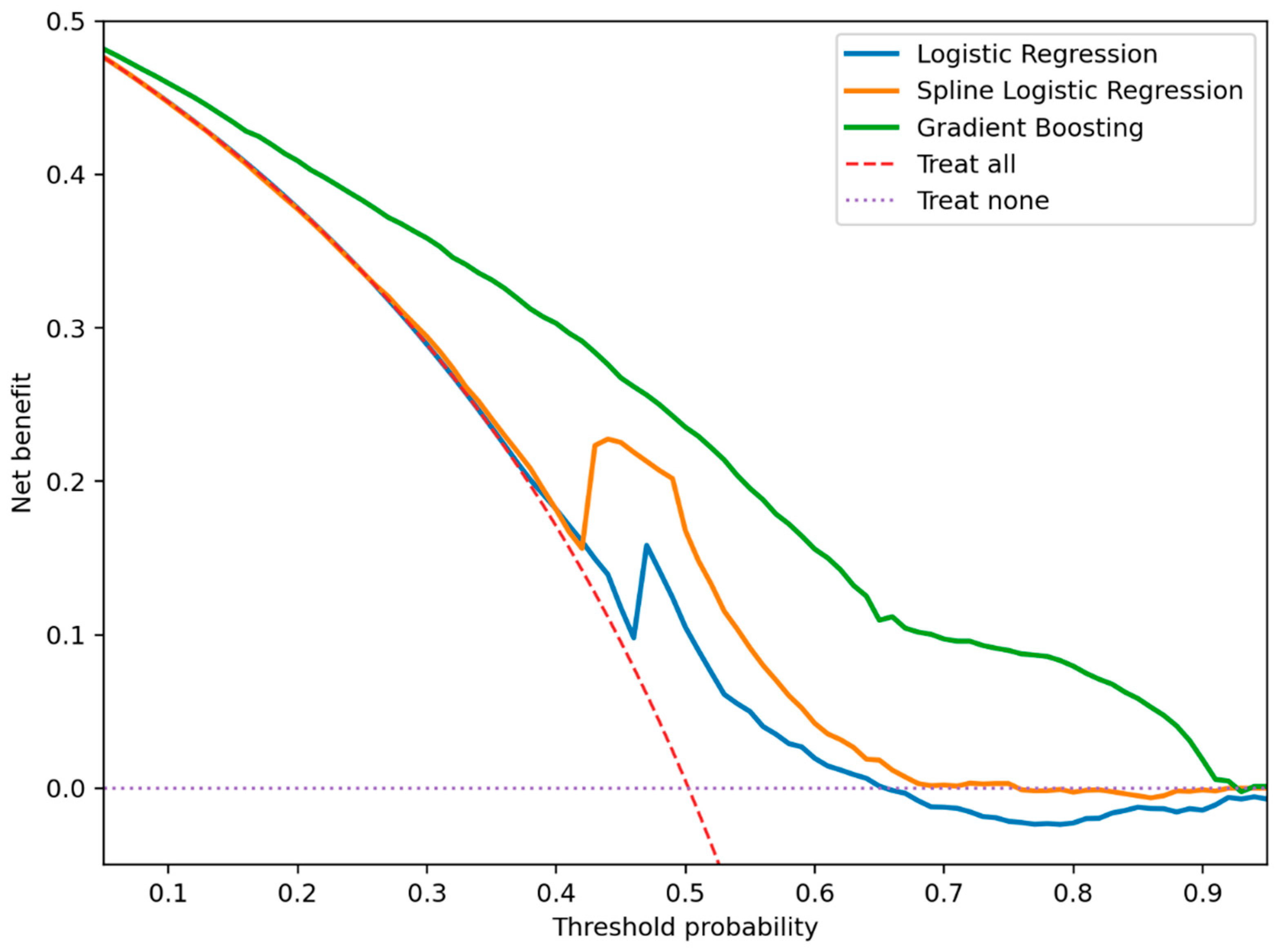
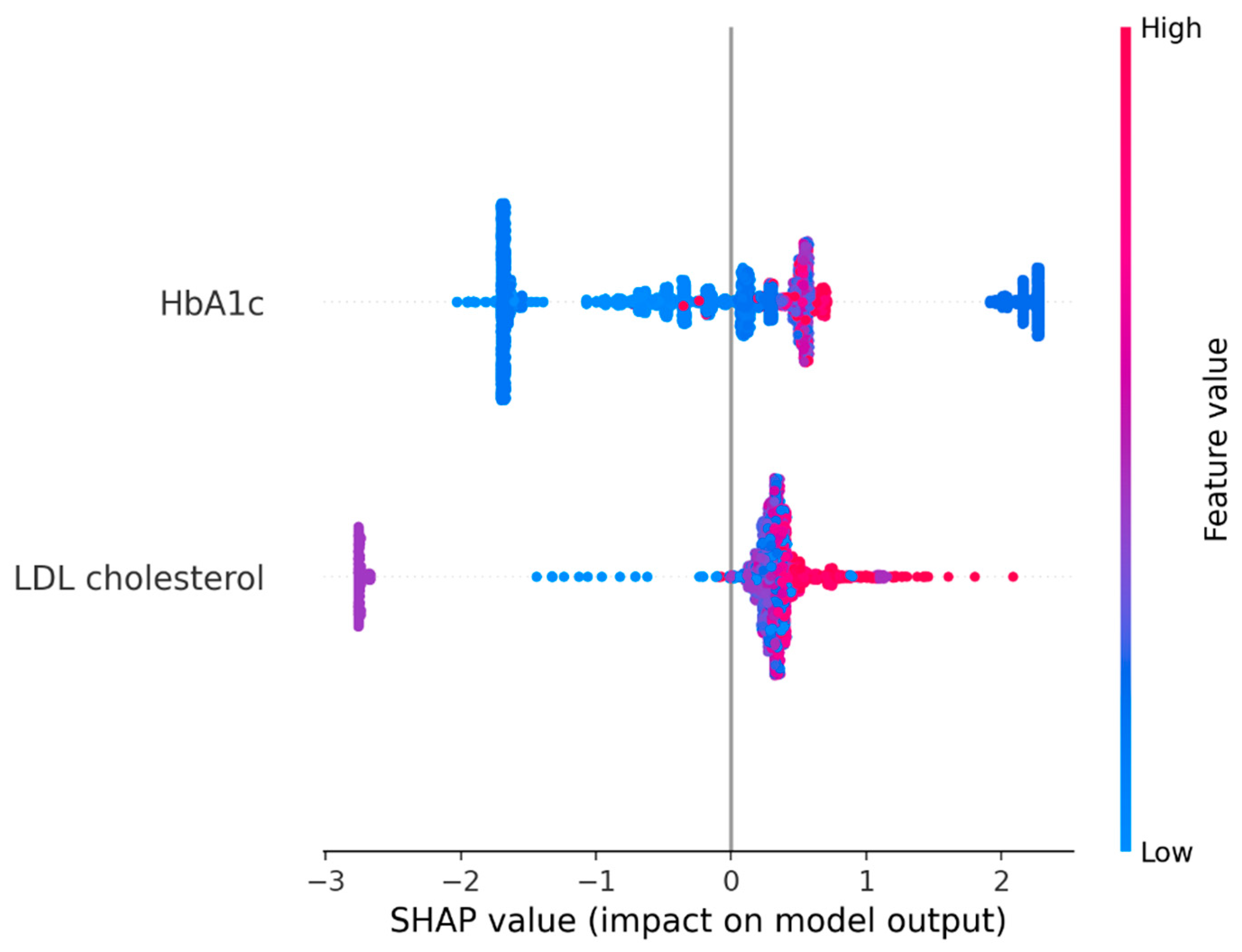
Background: Metabolic syndrome (MetS) is characterized by the clustering of central adiposity, elevated blood pressure, dysglycemia, and atherogenic dyslipidemia. Machine learning models for metabolic syndrome may show inflated performance when predictors overlap with the diagnostic criteria used to define the reference outcome. Glucose, triglycerides, and high-density lipoprotein (HDL) cholesterol are components of the National Cholesterol Education Program Adult Treatment Panel III (NCEP ATP III) definition of MetS; therefore, their use as predictors may introduce incorporation bias. This study aimed to evaluate whether glycated hemoglobin A1c (HbA1c) and low-density lipoprotein (LDL) cholesterol provide screening information for reference-defined MetS and to quantify the effect of predictor–outcome overlap. Methods: This retrospective cross-sectional analysis used de-identified routine-care data comprising 17,981 laboratory records, including 8982 records with MetS and 8999 without MetS. MetS was defined according to the updated NCEP ATP III criteria, with all five components available for reference classification from the same clinical encounter. The primary model used HbA1c and LDL cholesterol. For comparison, two additional models were evaluated: a criterion-component model using glucose, triglycerides, and HDL cholesterol, and a full biochemical model using all five variables. Gradient boosting was evaluated within a patient-level development and held-out internal test framework, with no patient shared between partitions. Model performance was assessed using ROC-AUC, threshold-based classification metrics, Brier score, calibration, decision curve analysis, and SHAP-based explainability. Results: The primary HbA1c–LDL cholesterol model showed moderate-to-strong discrimination for reference-defined MetS, with an ROC-AUC of 0.810, accuracy of 0.733, sensitivity of 0.824, specificity of 0.641, F1-score of 0.756, and Brier score of 0.174. The criterion-component model using glucose, triglycerides, and HDL cholesterol achieved a higher ROC-AUC of 0.935, consistent with a strong influence of predictor–outcome overlap. The full biochemical model achieved the highest ROC-AUC of 0.956 and Brier score of 0.084; however, this performance should be interpreted as an upper-bound estimate influenced by incorporation bias. SHAP analysis of the primary HbA1c–LDL cholesterol model indicated that HbA1c contributed more strongly than LDL cholesterol to the model output. Conclusions: HbA1c and LDL cholesterol provided measurable biochemical screening information for reference-defined MetS, although their discriminatory performance was lower than models including diagnostic criterion components. The substantially higher performance of models containing glucose, triglycerides, and HDL cholesterol is consistent with a substantial influence of incorporation bias when diagnostic criteria components are used as predictors. These findings should be interpreted as hypothesis-generating and limited to single-center internal validation. External, temporal, multicenter, and prospective validation is required before any clinical application can be considered.
Keywords: metabolic syndrome; screening; HbA1c; LDL cholesterol; machine learning; gradient boosting; calibration; decision curve analysis; SHAP; incorporation bias metabolic syndrome; screening; HbA1c; LDL cholesterol; machine learning; gradient boosting; calibration; decision curve analysis; SHAP; incorporation bias
Graphical Abstract