Review

SARS-CoV-2 Point-of-Care Testing Modalities: Integrating Molecular, Immunological, Biosensor, and AI Approaches

1
Division of Microbiology, Immunology and Biotechnology, Department of Natural Products and Alternative Medicine, Faculty of Pharmacy, University of Tabuk, Tabuk 71491, Saudi Arabia
2
Department of Pharmacy Practice, Faculty of Pharmacy, University of Tabuk, Tabuk 71491, Saudi Arabia
3
Department of Diagnostic Radiology, Faculty of Medicine, University of Tabuk, Tabuk 71491, Saudi Arabia
4
Department of Family and Community Medicine, Faculty of Medicine, University of Tabuk, Tabuk 47512, Saudi Arabia
5
Department of Pharmaceutical Practices, College of Pharmacy, Umm Al-Qura University, Makkah 21955, Saudi Arabia
6
College of Medicine, Al Qunfudah Umm Al-Qura University, Al Qunfudhah 28821, Saudi Arabia
7
Faculty of Allied Medical Sciences, Hourani Center for Applied Scientific Research, Al-Ahliyya Amman University, Amman 19111, Jordan
8
Department of Microbiology and Immunology, Faculty of Pharmacy, Assiut University, Assiut 71515, Egypt
*
Author to whom correspondence should be addressed.
Diagnostics 2026, 16(15), 2402; https://doi.org/10.3390/diagnostics16152402

Submission received: 28 April 2026 / Revised: 15 June 2026 / Accepted: 13 July 2026 / Published: 30 July 2026
(This article belongs to the Special Issue Point-of-Care Testing (POCT) for Infectious Diseases)

Abstract

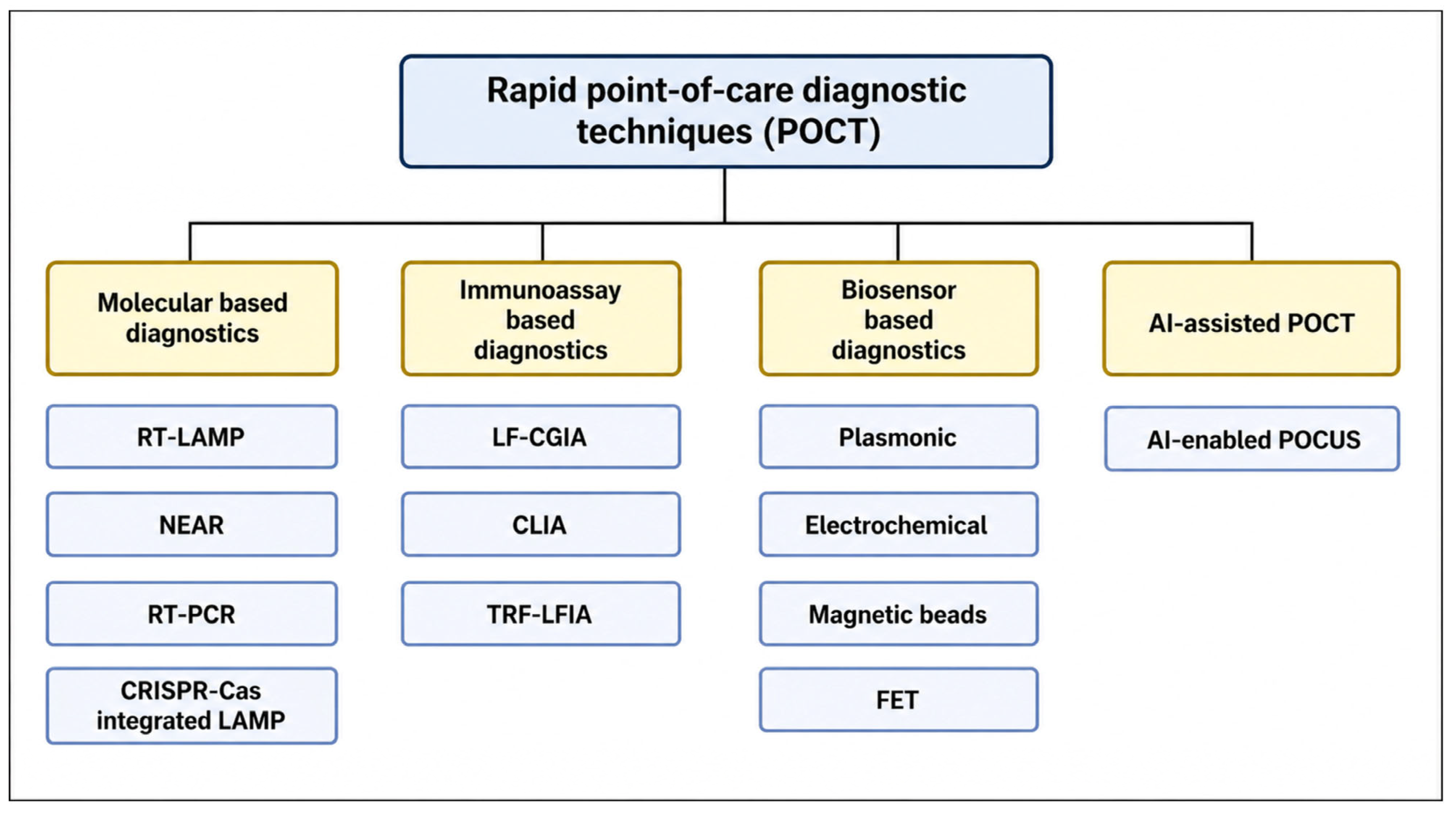
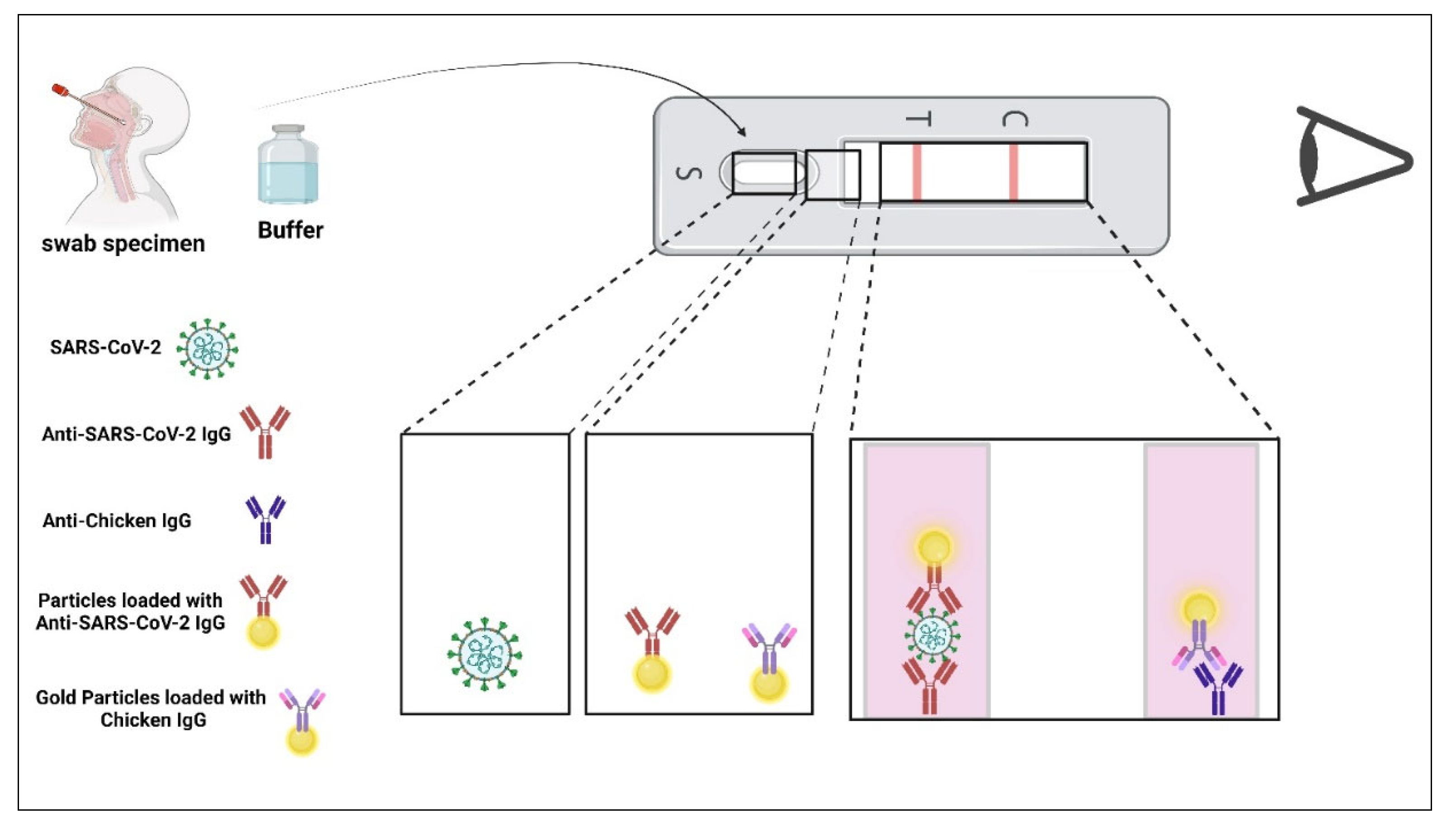
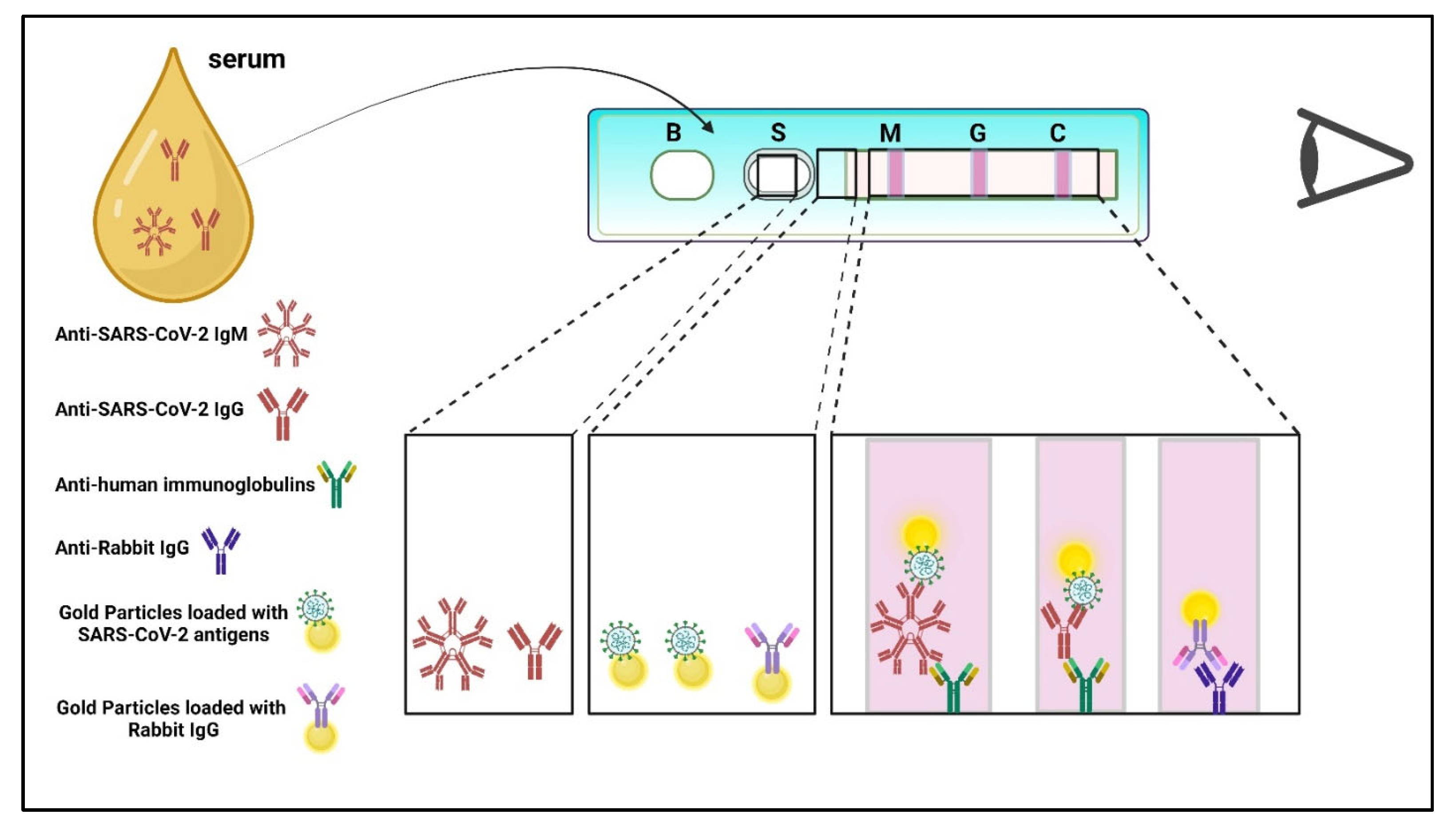
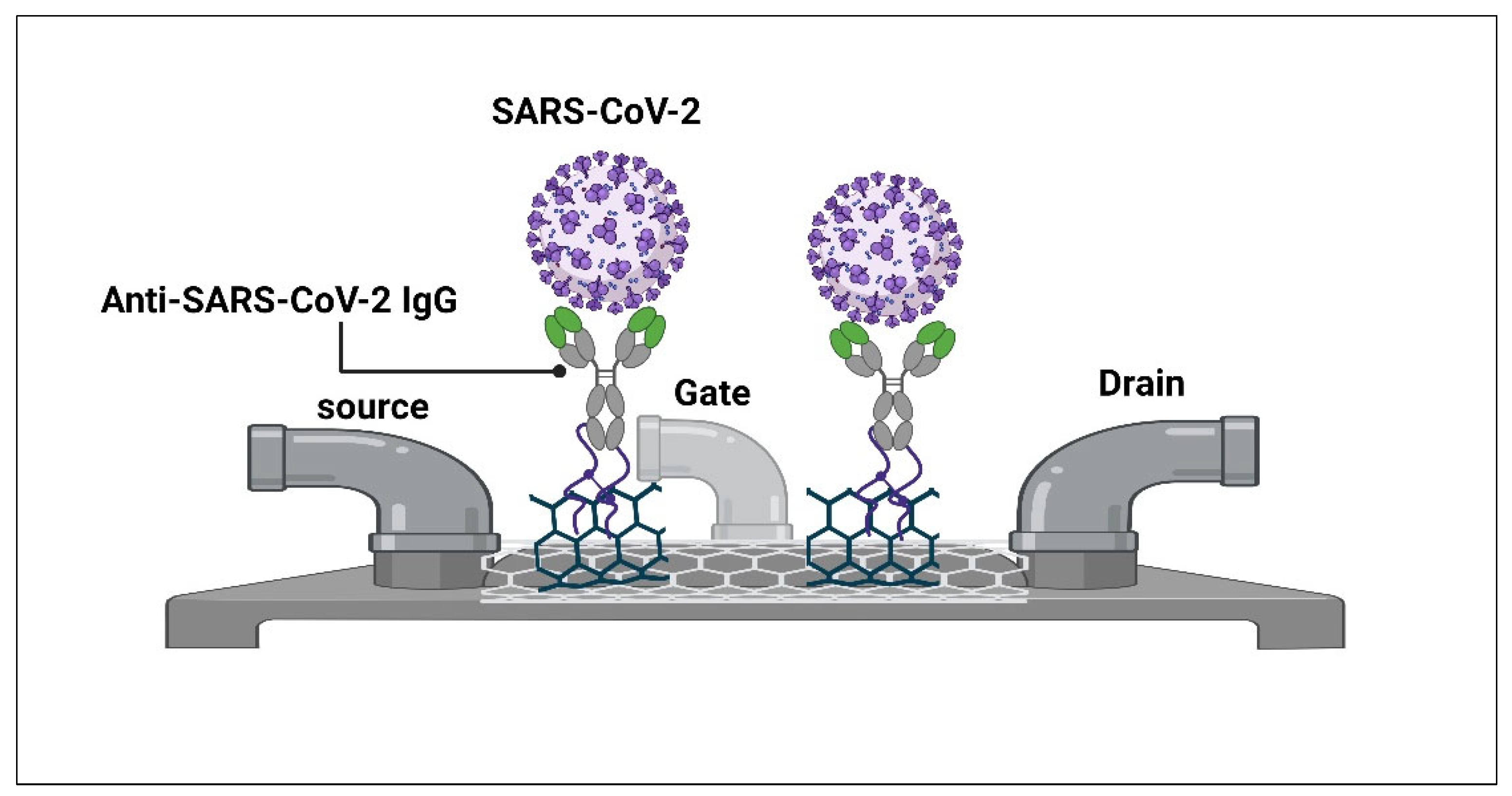
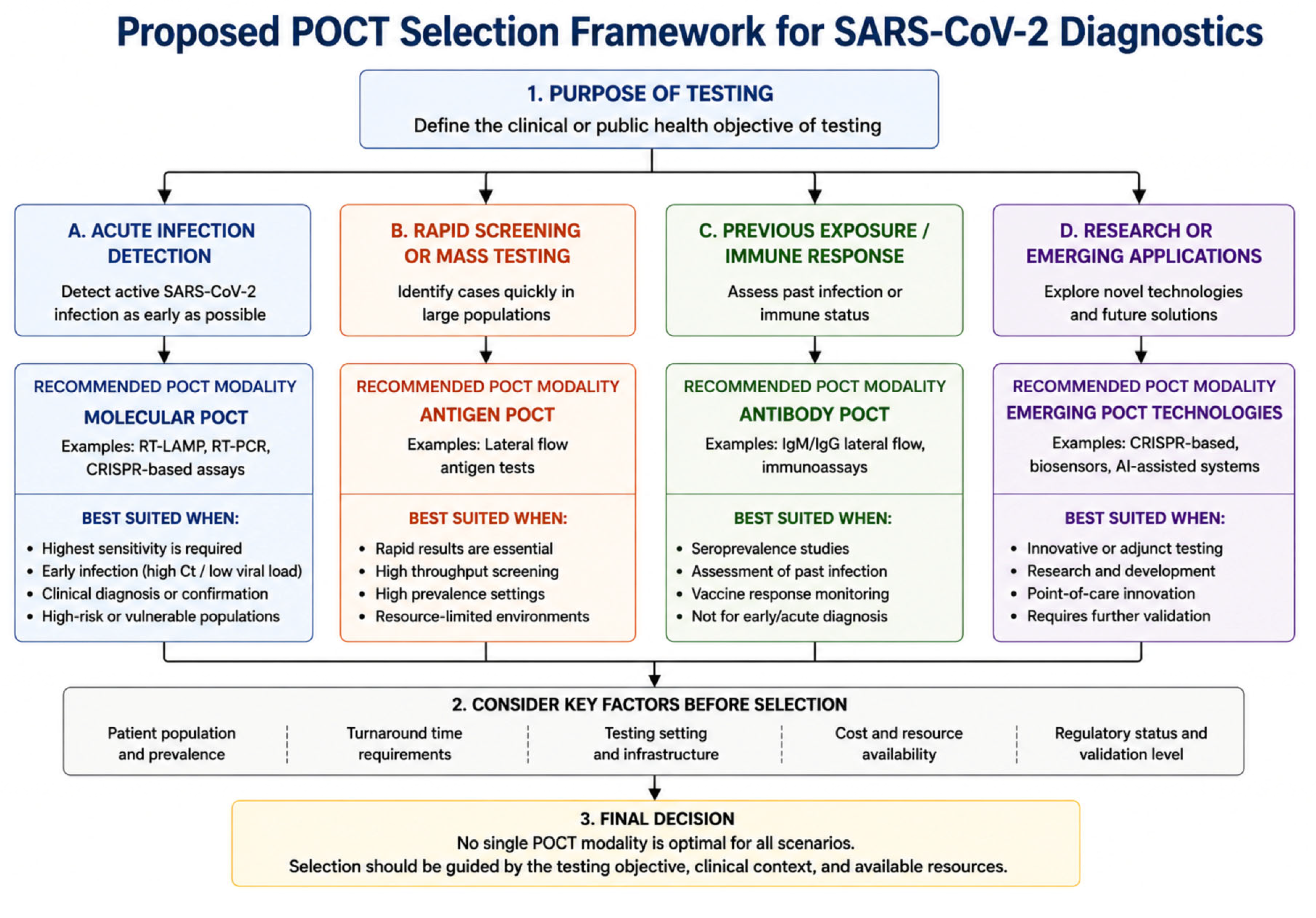
The coronavirus disease 2019 (COVID-19) pandemic highlighted the critical need for rapid, accessible, and accurate diagnostic tools to support timely clinical decision-making, outbreak control, and public health surveillance. Point-of-care testing (POCT) has emerged as an essential component of decentralized healthcare by enabling diagnostic testing outside conventional laboratory settings. This review was based on a structured literature search of PubMed, Scopus, and Web of Science databases covering studies published between January 2020 and January 2026. The review evaluates current advances in COVID-19 POCT technologies, including molecular assays, antigen-based tests, antibody-based assays, biosensor platforms, and artificial intelligence (AI)-assisted diagnostic approaches. Molecular POCT methods, including rapid reverse transcription polymerase chain reaction (RT-PCR), loop-mediated isothermal amplification (LAMP), and CRISPR-based technologies, provide high analytical sensitivity and specificity and are increasingly suitable for decentralized diagnostic applications. Antigen-based assays offer rapid and cost-effective screening solutions, although diagnostic performance may vary depending on viral load, symptom onset, and circulating variants. Antibody-based POCT remains valuable for seroprevalence studies, retrospective diagnosis, and immune-response monitoring rather than acute infection detection. Emerging biosensor technologies and AI-enabled diagnostic systems demonstrate promising analytical capabilities and operational advantages; however, many remain at the prototype or early-validation stage and require further clinical evaluation before widespread implementation. The findings indicate that no single POCT modality is optimal for all clinical scenarios. Instead, molecular, antigen, antibody, biosensor, and AI-assisted approaches provide complementary strengths that support different diagnostic and public health objectives. Continued advances in assay design, digital connectivity, multiplex testing, and variant-resilient detection strategies are expected to further enhance the role of POCT in COVID-19 management and future infectious disease preparedness.
Keywords: COVID-19; SARS-CoV-2; point-of-care testing; molecular diagnostics; antigen testing; biosensors; artificial intelligence; CRISPR; LAMP; infectious disease surveillance COVID-19; SARS-CoV-2; point-of-care testing; molecular diagnostics; antigen testing; biosensors; artificial intelligence; CRISPR; LAMP; infectious disease surveillance