Review

Detection, Diagnosis, and Monitoring of Early Caries: The Future of Individualized Dental Care

Division of Cariology and Endodontology, Department of Preventive Dental Medicine and Primary Care, University Clinics of Dental Medicine, University of Geneva, Rue Michel-Servet 1, 1211 Geneva, Switzerland
Diagnostics 2023, 13(24), 3649; https://doi.org/10.3390/diagnostics13243649

Submission received: 13 October 2023 / Revised: 29 November 2023 / Accepted: 4 December 2023 / Published: 12 December 2023
(This article belongs to the Special Issue Advances in Dental Imaging)

Abstract

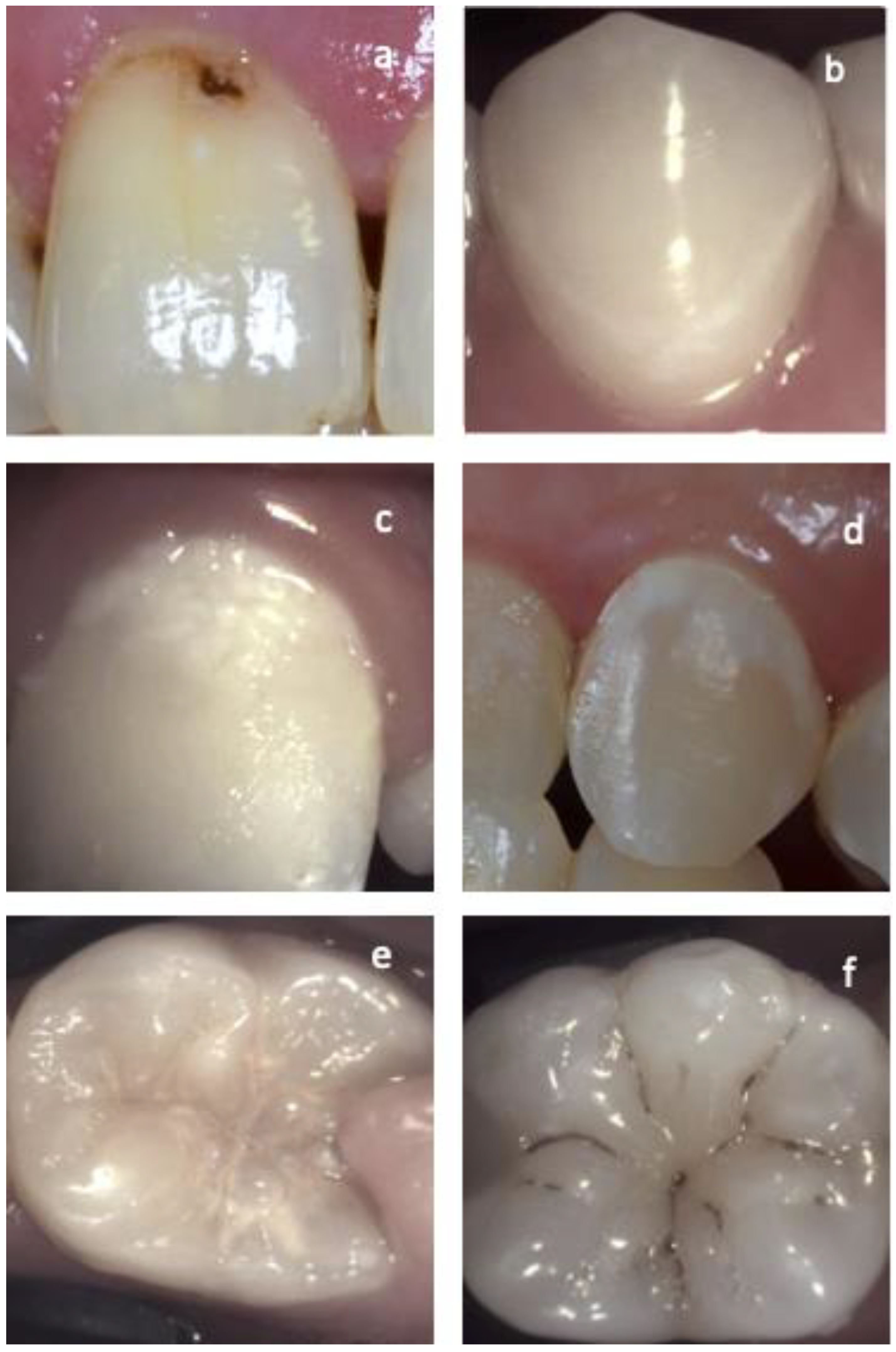
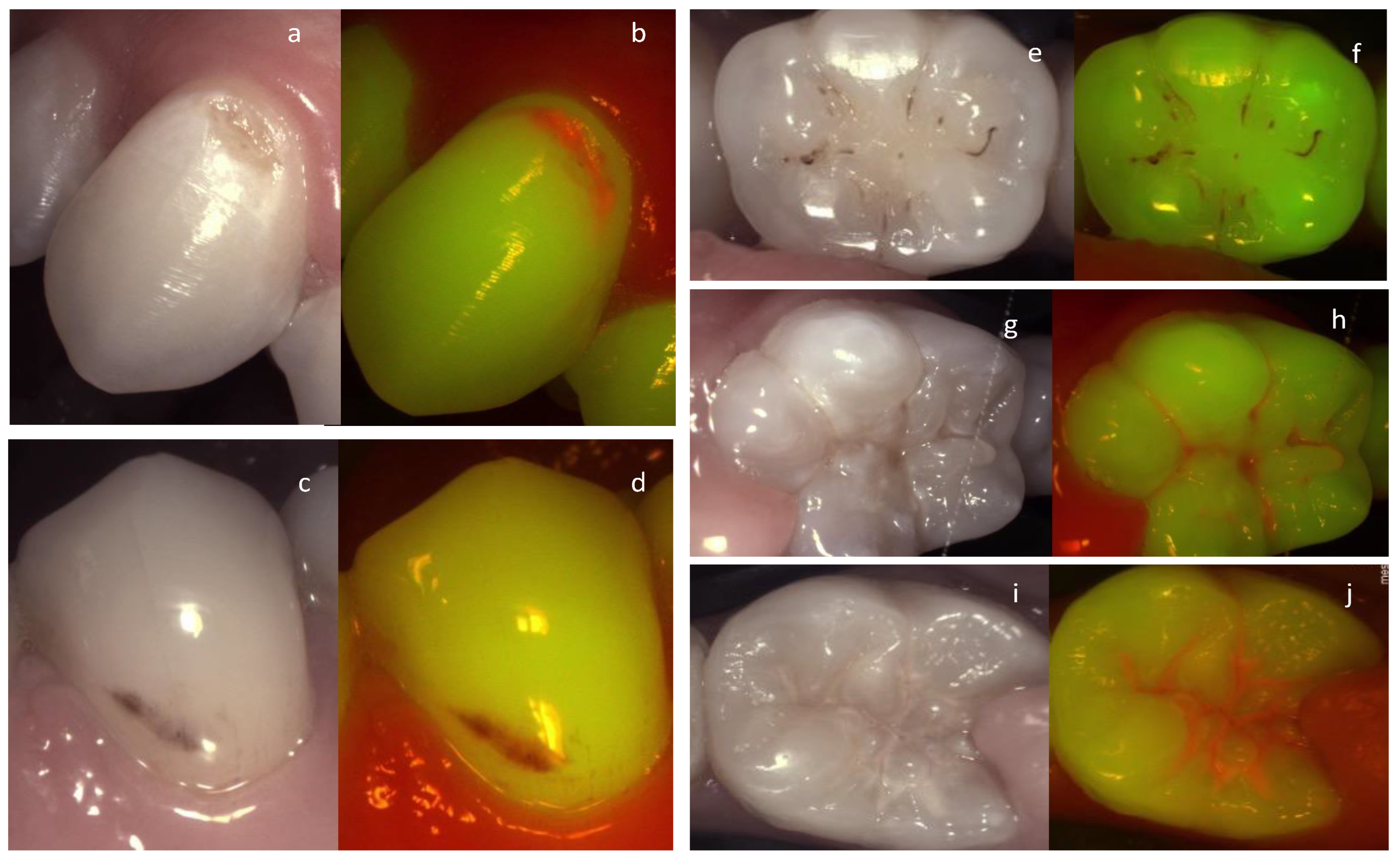
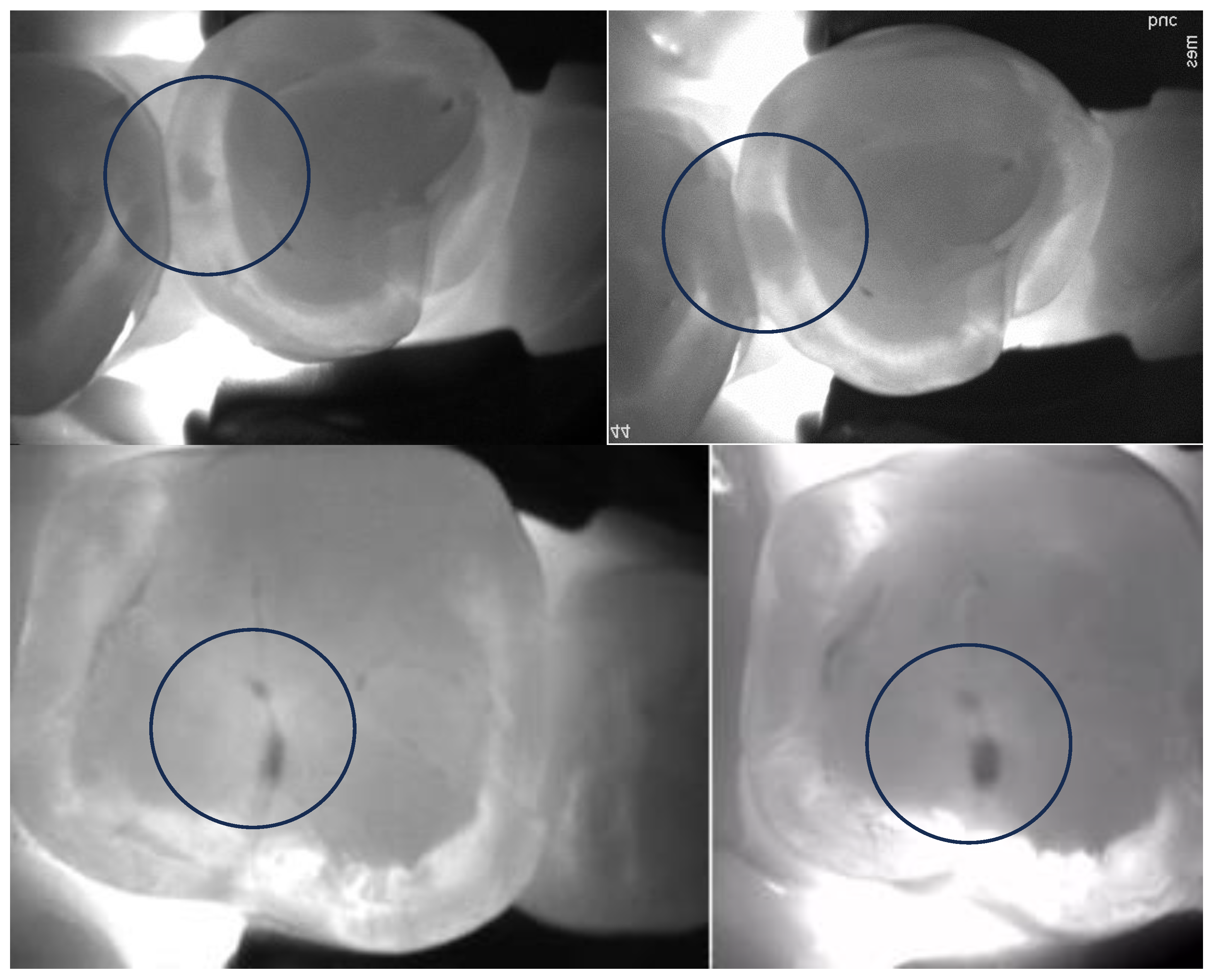
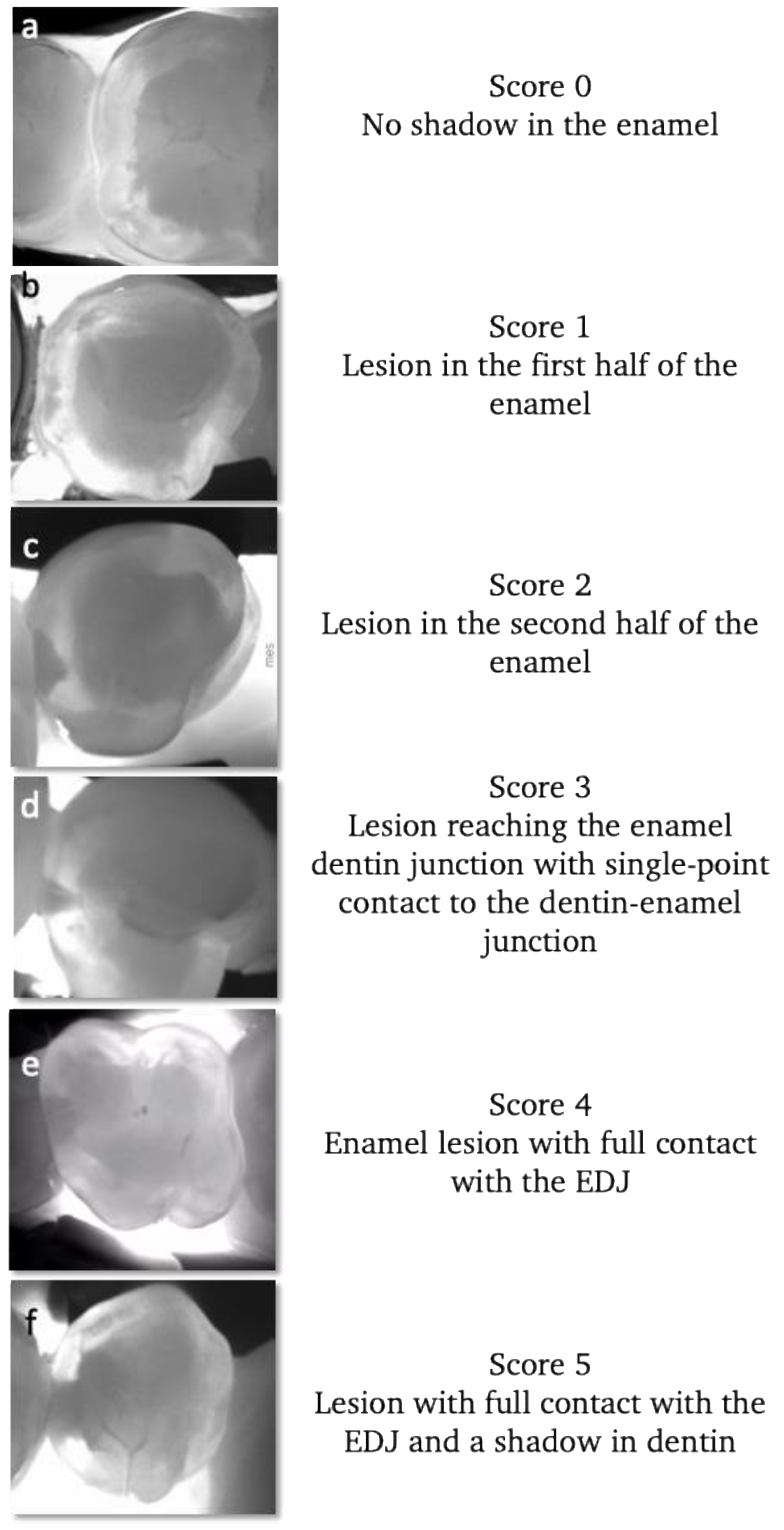
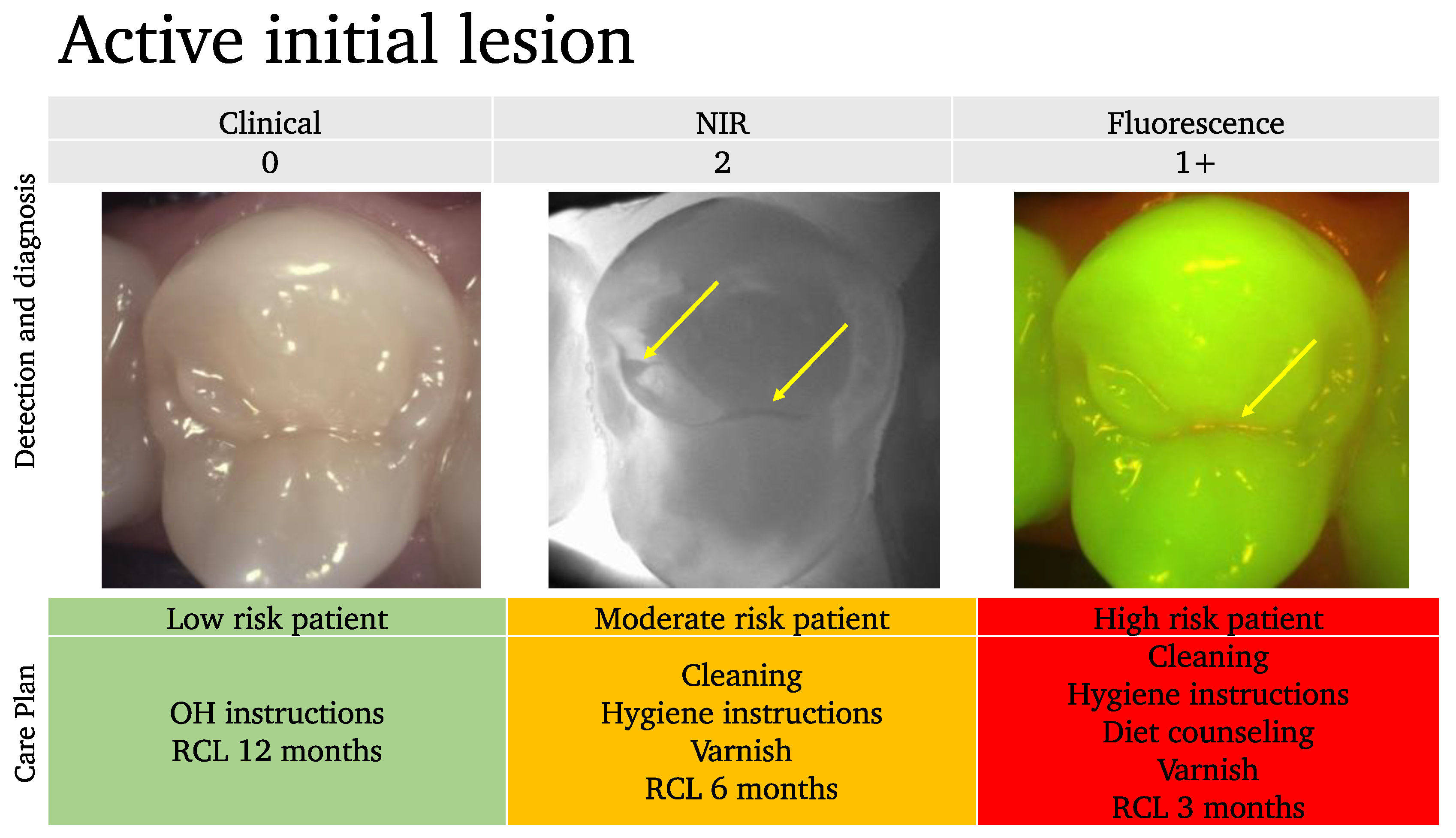
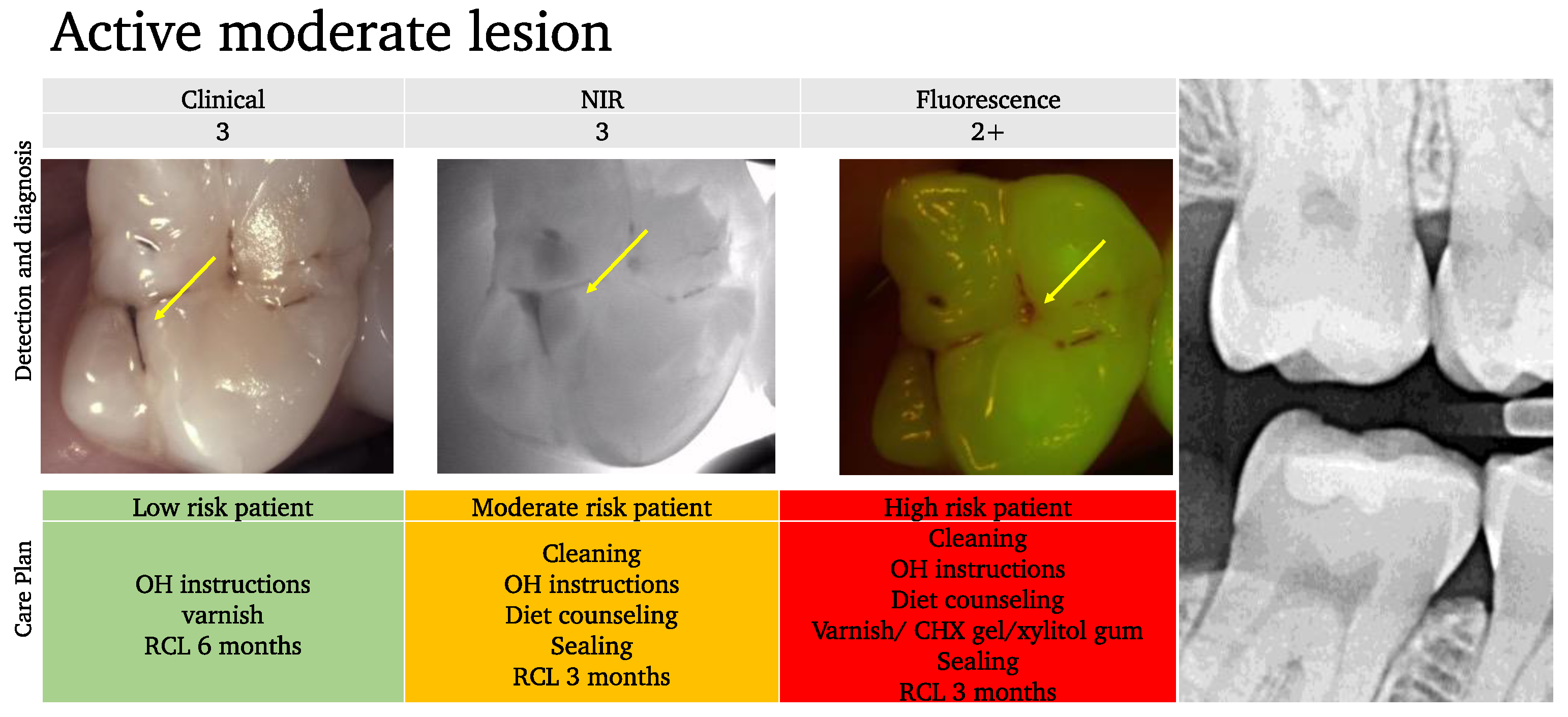
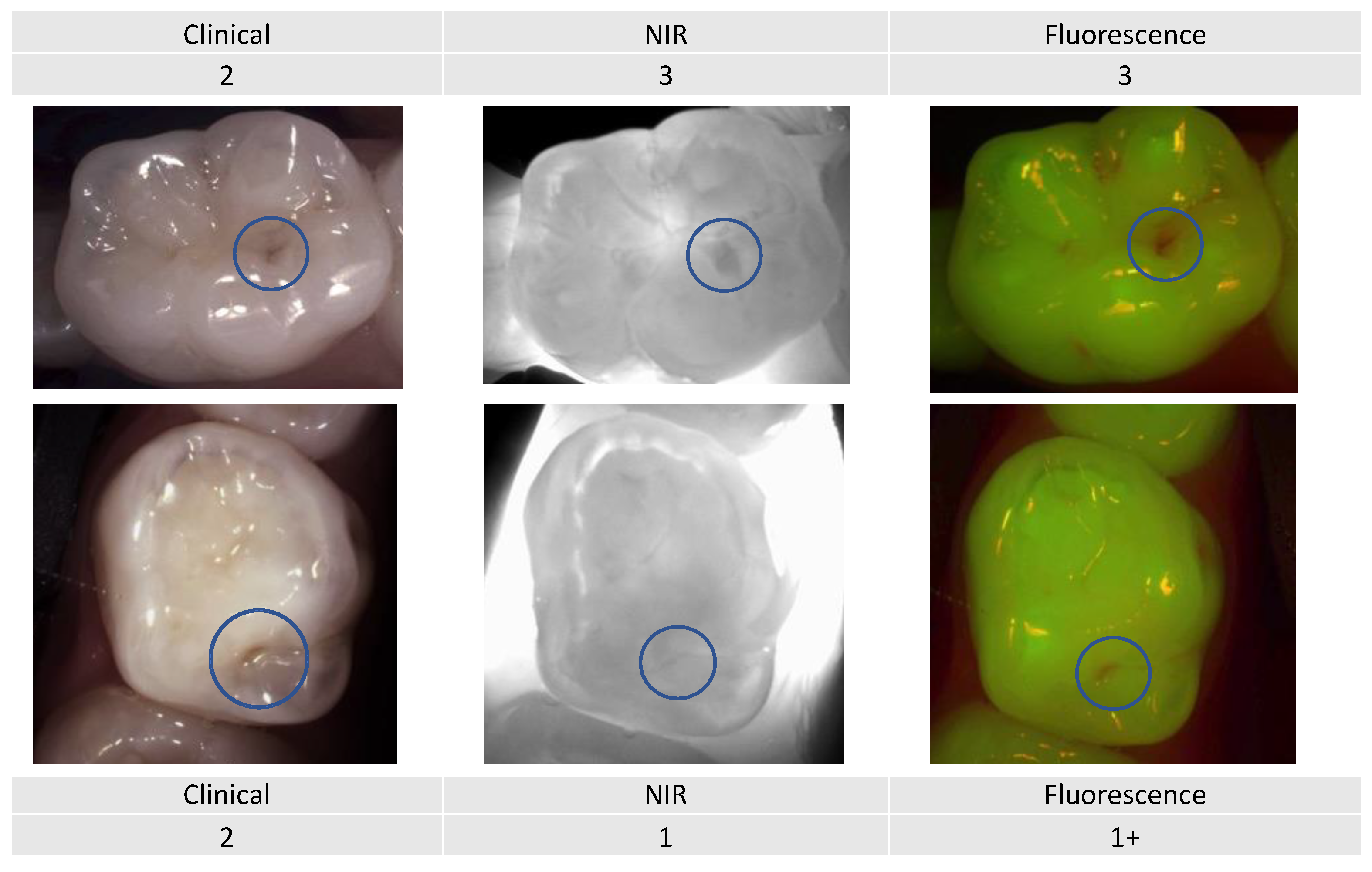
Dental caries remains a significant global health issue. It was highlighted by the World Health Organization’s 2022 reports that despite the efforts and scientific advancements in caries detection and management, the situation has only marginally improved over the past three decades. The persistence of this problem may be linked to outdated concepts developed almost a century ago but are still guiding dentists’ approach to caries management today. There is a need to reconsider professional strategies for preventing and managing the disease. Contemporary dentistry could benefit from embracing new concepts and technologies for caries detection and management. Dentists should explore, among others, alternative methods for caries detection such as optical-based caries detection. These tools have been established for over a decade and they align with current disease understanding and international recommendations, emphasizing early detection and minimally invasive management. This narrative review presents the current state of knowledge and recent trends in caries detection, diagnosis, monitoring, and management, offering insights into future perspectives for clinical applications and research topics.
Keywords: caries; diagnosis; detection; near infrared transillumination; fluorescence caries; diagnosis; detection; near infrared transillumination; fluorescence