Genetic Profiling of Primary Versus Metastatic Ewing Sarcoma for Therapeutic Target Identification

 , , , and
Abstract
1. Introduction
2. Materials and Methods
3. Results
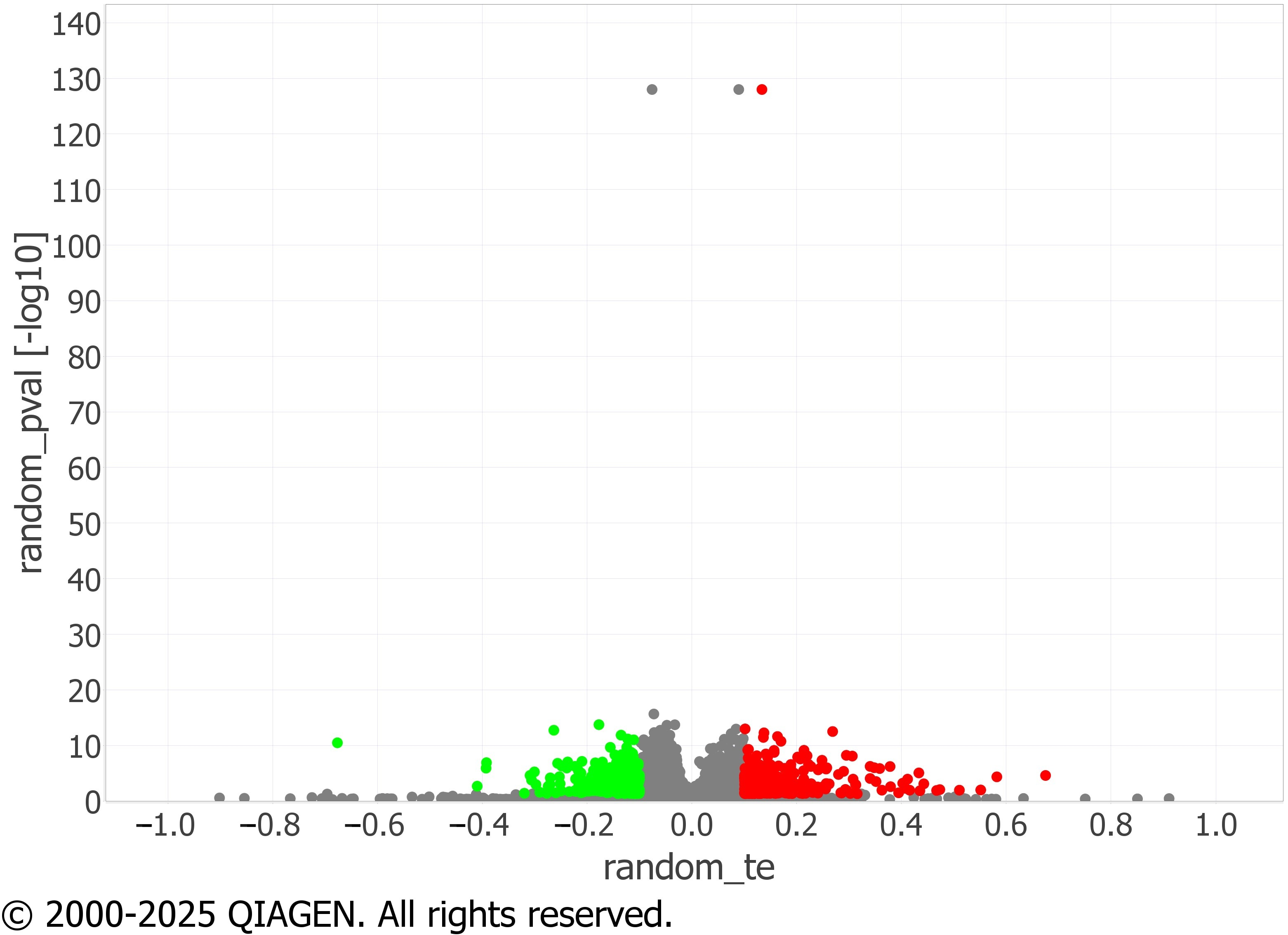
3.1. Gene Candidates
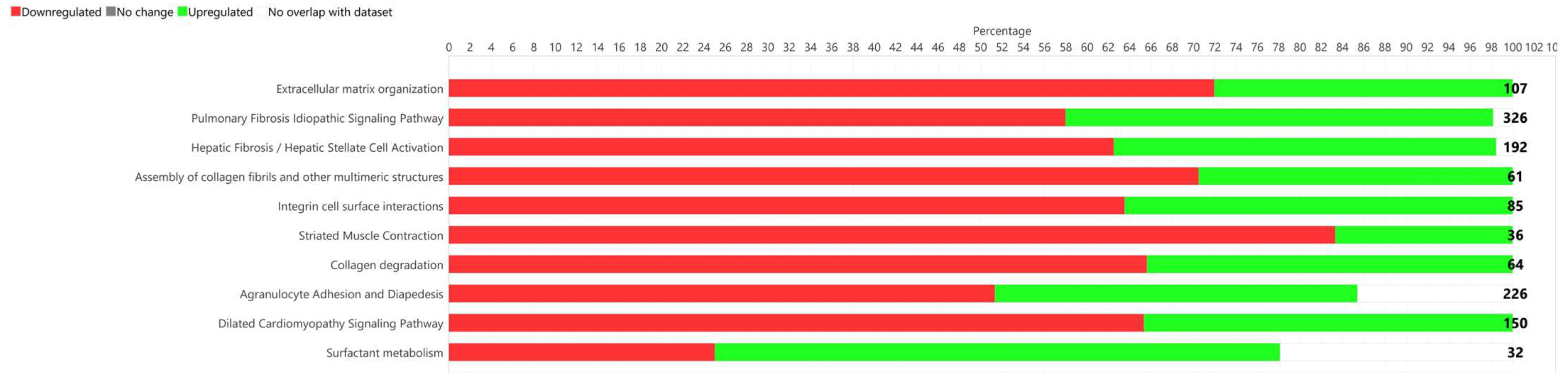
3.2. Top Canonical Pathways
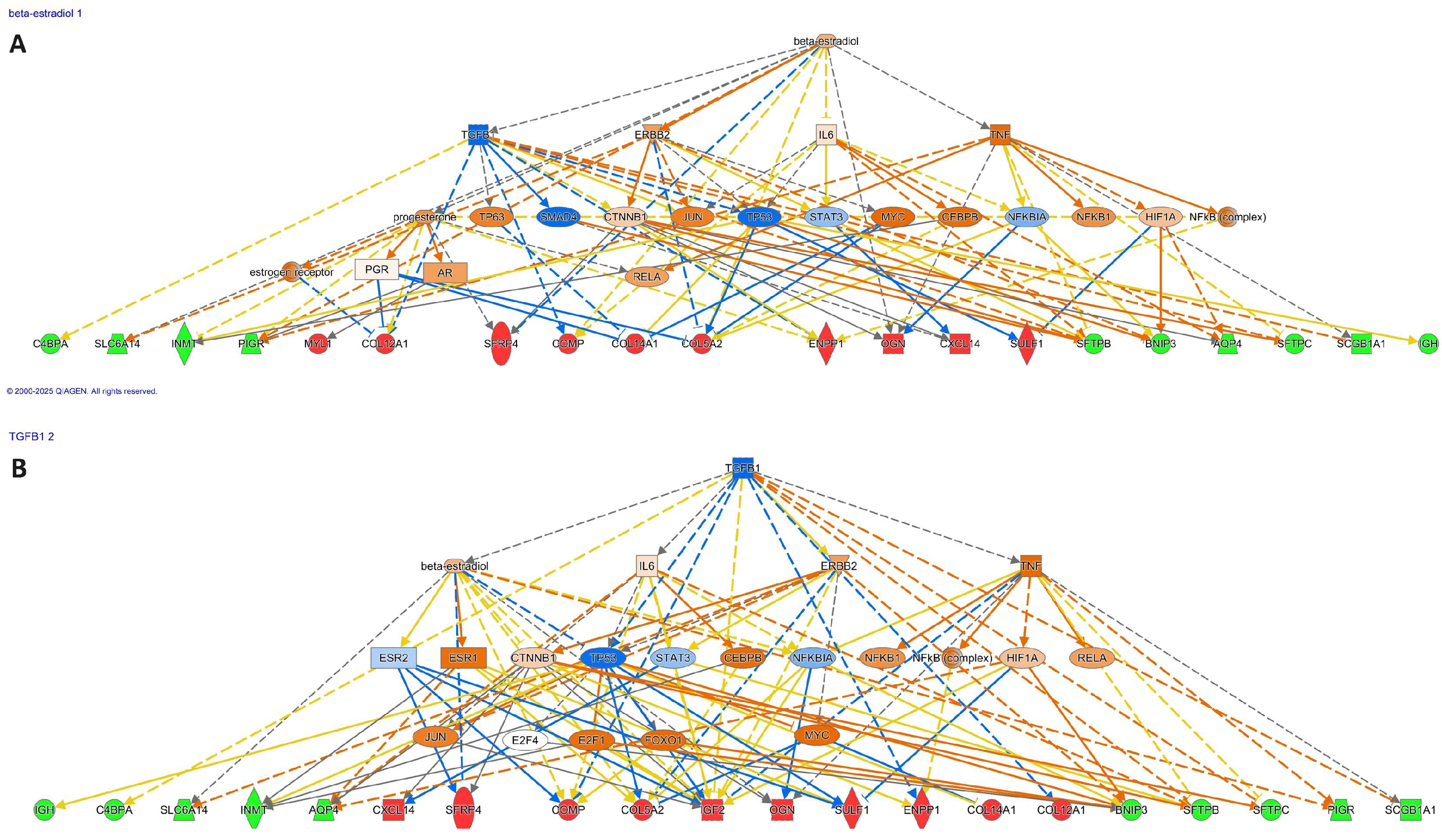
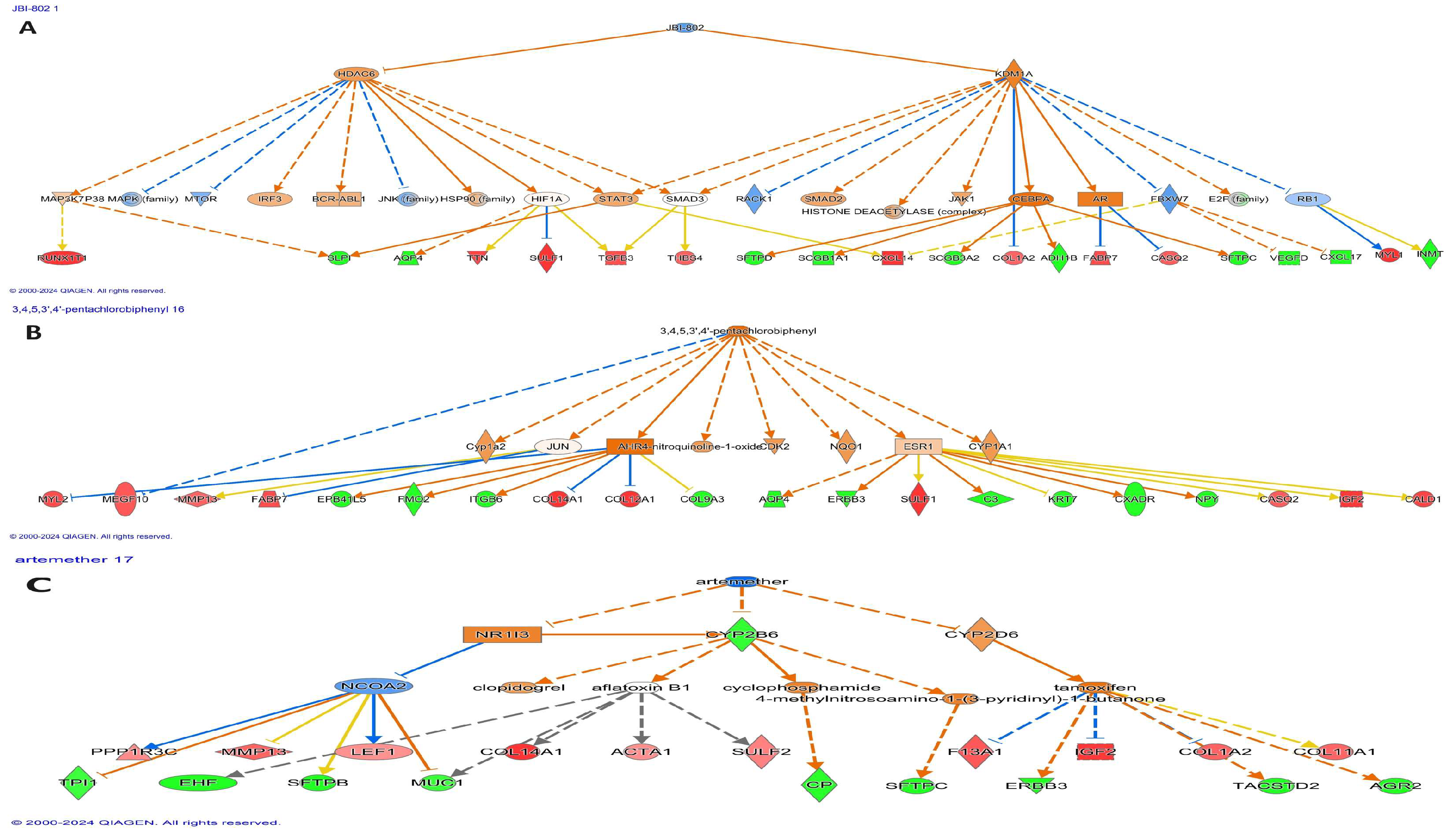
3.3. Upstream Regulators and Causal Networks
3.4. Diseases and Biological Functions
4. Discussion
4.1. Upregulated Genes
4.1.1. Zn-Regulated GTPase Metalloprotein Activator 1E (ZNG1E)
4.1.2. Lung Surfactant Proteins: Surfactant-Associated Protein 3 (SFTA3), Surfactant Protein C (SFTPC), Surfactant Protein B (SFTPB)
4.1.3. Solute Carrier Family 6 Member (SLC6A14)
4.1.4. Secretoglobin Family 3A Member 2 (SCGB3A2)
4.2. Downregulated Genes
4.2.1. Chemokine (C-X-C) Ligand 14 (CXCL14)
4.2.2. Cartilage Oligomeric Matrix Protein (COMP)
4.2.3. Collagen Type XIV Alpha 1 Chain Protein (COL14A1), Collagen Type XII Alpha 1 Chain (COL12A1)
4.3. Upstream Regulators
4.4. Top Causal Networks
4.4.1. JBI-802
4.4.2. T-Box Transcription Factor 3 (TBX3)
4.4.3. Cytochrome P450 Family 2 Subfamily B Member 6 (CYP2B6)
4.5. Limitations
5. Conclusions
Supplementary Materials
Author Contributions
Funding
Institutional Review Board Statement
Informed Consent Statement
Data Availability Statement
Acknowledgments
Conflicts of Interest
Abbreviations
| ES | Ewing sarcoma |
| EWS | Ewing sarcoma break point region 1 |
| FLI1 | Friend leukemia virus integration 1 |
| ERG | ETS transcription factor ERG |
| EWSR1 | Ewing sarcoma breakpoint region 1 |
| NCBI | National Center Biotechnology Information |
| GEO | Gene Expression Omnibus |
| STAR | Search Tag Analyze Resource |
| IPA | Ingenuity Pathway Analysis |
| COL12A1 | Collagen type XII alpha 1 chain |
| COMP | Cartilage oligomeric matrix protein |
| ECM | Extracellular Matri |
| TGFB1 | Transforming growth factor beta 1 |
| TBX3 | T-box transcription factor 3 |
| ERBB2 | Erb-b2 receptor tyrosine kinase |
| CYP2B6 | Cytochrome P450 family 2 subfamily B member 6 |
| JARID2 | Jumonji and AT-rich interaction domain containing 2 |
| KDM1A | Lysine demethylase 1A |
| DNA | Deoxyribonucleic acid |
| RNA | Ribonucleic acid |
| IGF-1R | Insulin like growth factor 1 receptor |
| CXCR4 | C-X-C motif chemokine receptor 4 |
| SCGB | Secretoglobin |
| ZNG1E | Zn-Regulated GTPase Metalloprotein Activator 1E |
| NERS | Non-ETS-fused round cell sarcomas |
| SFTA3 | Surfactant-associated protein 3 |
| SFTPC | Surfactant protein C |
| SFTPB | Surfactant protein B |
| IL-1B | Interleukin 1 B |
| IL-23 | Interleukin 23 |
| SLC6A14 | Solute carrier family 6 member 14 |
| SCGB3A2 | Secretoglobin family 3A member 2 |
| TTF-1 | Thyroid transcription factor 1 |
| NKX2-1 | NK2 homeobox 1 |
| mRNA | Messenger RNA |
| C-X-C | Chemokine |
| CXCL14 | C-X-C motif chemokine ligand 14 |
| COL14A1 | Collagen type XIV alpha 1 chain |
| COL12A1 | Collagen type II alpha 1 chain |
| TNF-α | Tumor necrosis factor alpha |
| IL-6 | Interleukin 6 |
| USP32P1 | Ubiquitin specific peptidase 32 pseudogene 1 |
| SPDYE15 | Speedy/RINGO cell cycle regulator family member E15 |
| TP53 | Tumor protein 53 |
| MYC | MYC proto-oncogene, bHLH transcription factor |
| LSD1 | Lysine-specific demethylase 1 |
| HDAC6 | Histone deacetylase 6 |
| CDKN1A | Cyclin dependent kinase 1A |
| CDKN2A | Cyclin dependent kinase 2A |
| AKT | AKT serine/threonine kinase 1 |
References
- Grünewald, T.G.P.; Cidre-Aranaz, F.; Surdez, D.; Tomazou, E.M.; de Álava, E.; Kovar, H.; Sorensen, P.H.; Delattre, O.; Dirksen, U. Ewing sarcoma. Nat. Rev. Dis. Primers 2018, 4, 5. [Google Scholar] [CrossRef]
- Jawad, M.U.; Cheung, M.C.; Min, E.S.; Schneiderbauer, M.M.; Koniaris, L.G.; Scully, S.P. Ewing sarcoma demonstrates racial disparities in incidence-related and sex-related differences in outcome: An analysis of 1631 cases from the SEER database, 1973–2005. Cancer 2009, 115, 3526–3536. [Google Scholar] [CrossRef]
- Stiller, C.A.; Parkin, D.M. Geographic and ethnic variations in the incidence of childhood cancer. Br. Med. Bull. 1996, 52, 682–703. [Google Scholar] [CrossRef] [PubMed]
- Eaton, B.R.; Claude, L.; Indelicato, D.J.; Vatner, R.; Yeh, B.; Schwarz, R.; Laack, N. Ewing sarcoma. Pediatr. Blood Cancer 2021, 68, e28355. [Google Scholar] [CrossRef] [PubMed]
- Zöllner, S.K.; Amatruda, J.F.; Bauer, S.; Collaud, S.; de Álava, E.; DuBois, S.G.; Hardes, J.; Hartmann, W.; Kovar, H.; Metzler, M.; et al. Ewing Sarcoma-Diagnosis, Treatment, Clinical Challenges and Future Perspectives. J. Clin. Med. 2021, 10, 1685. [Google Scholar] [CrossRef]
- Grohs, J.G.; Zoubek, A.; Jugovic, D.; Kovar, H.; Windhager, R. Intraoperative dissemination of tumour cells in patients with Ewing tumours detected by RT-PCR. Int. Orthop. 2004, 28, 222–225. [Google Scholar] [CrossRef][Green Version]
- Wexler, L.H.; DeLaney, T.F.; Tsokos, M.; Avila, N.; Steinberg, S.M.; Weaver-McClure, L.; Jacobson, J.; Jarosinski, P.; Hijazi, Y.M.; Balis, F.M.; et al. Ifosfamide and etoposide plus vincristine, doxorubicin, and cyclophosphamide for newly diagnosed Ewing’s sarcoma family of tumors. Cancer 1996, 78, 901–911. [Google Scholar] [CrossRef]
- Riggi, N.; Suvà, M.L.; Stamenkovic, I. Ewing’s Sarcoma. N. Engl. J. Med. 2021, 384, 154–164. [Google Scholar] [CrossRef]
- Gorthi, A.; Romero, J.C.; Loranc, E.; Cao, L.; Lawrence, L.A.; Goodale, E.; Iniguez, A.B.; Bernard, X.; Masamsetti, V.P.; Roston, S.; et al. EWS-FLI1 increases transcription to cause R-loops and block BRCA1 repair in Ewing sarcoma. Nature 2018, 555, 387–391. [Google Scholar] [CrossRef]
- Zöllner, S.K.; Selvanathan, S.P.; Graham, G.T.; Commins, R.M.T.; Hong, S.H.; Moseley, E.; Parks, S.; Haladyna, J.N.; Erkizan, H.V.; Dirksen, U.; et al. Inhibition of the oncogenic fusion protein EWS-FLI1 causes G2-M cell cycle arrest and enhanced vincristine sensitivity in Ewing’s sarcoma. Sci. Signal 2017, 10, eaam8429. [Google Scholar] [CrossRef]
- Scotlandi, K.; Remondini, D.; Castellani, G.; Manara, M.C.; Nardi, F.; Cantiani, L.; Francesconi, M.; Mercuri, M.; Caccuri, A.M.; Serra, M.; et al. Overcoming resistance to conventional drugs in Ewing sarcoma and identification of molecular predictors of outcome. J. Clin. Oncol. 2009, 27, 2209–2216. [Google Scholar] [CrossRef]
- Savola, S.; Klami, A.; Myllykangas, S.; Manara, C.; Scotlandi, K.; Picci, P.; Knuutila, S.; Vakkila, J. High Expression of Complement Component 5 (C5) at Tumor Site Associates with Superior Survival in Ewing’s Sarcoma Family of Tumour Patients. ISRN Oncol. 2011, 2011, 168712. [Google Scholar] [CrossRef]
- Ferreira, B.I.; Alonso, J.; Carrillo, J.; Acquadro, F.; Largo, C.; Suela, J.; Teixeira, M.R.; Cerveira, N.; Molares, A.; Goméz-López, G.; et al. Array CGH and gene-expression profiling reveals distinct genomic instability patterns associated with DNA repair and cell-cycle checkpoint pathways in Ewing’s sarcoma. Oncogene 2008, 27, 2084–2090. [Google Scholar] [CrossRef] [PubMed]
- Specht, K.; Sung, Y.S.; Zhang, L.; Richter, G.H.; Fletcher, C.D.; Antonescu, C.R. Distinct transcriptional signature and immunoprofile of CIC-DUX4 fusion-positive round cell tumors compared to EWSR1-rearranged Ewing sarcomas: Further evidence toward distinct pathologic entities. Genes Chromosomes Cancer 2014, 53, 622–633. [Google Scholar] [CrossRef] [PubMed]
- Prexler, C.; Knape, M.S.; Erlewein-Schweizer, J.; Roll, W.; Specht, K.; Woertler, K.; Weichert, W.; von Luettichau, I.; Rossig, C.; Hauer, J.; et al. Correlation of Transcriptomics and FDG-PET SUVmax Indicates Reciprocal Expression of Stemness-Related Transcription Factor and Neuropeptide Signaling Pathways in Glucose Metabolism of Ewing Sarcoma. Cancers 2022, 14, 5999. [Google Scholar] [CrossRef]
- Choi, J.K.; Yu, U.; Kim, S.; Yoo, O.J. Combining multiple microarray studies and modeling interstudy variation. Bioinformatics 2003, 19, i84–i90. [Google Scholar] [CrossRef]
- Hadley, D.; Pan, J.; El-Sayed, O.; Aljabban, J.; Aljabban, I.; Azad, T.D.; Hadied, M.O.; Raza, S.; Rayikanti, B.A.; Chen, B.; et al. Precision annotation of digital samples in NCBI’s gene expression omnibus. Sci. Data 2017, 4, 170125. [Google Scholar] [CrossRef]
- Krämer, A.; Green, J.; Pollard, J., Jr.; Tugendreich, S. Causal analysis approaches in Ingenuity Pathway Analysis. Bioinformatics 2014, 30, 523–530. [Google Scholar] [CrossRef]
- Amin, H.M.; Morani, A.C.; Daw, N.C.; Lamhamedi-Cherradi, S.E.; Subbiah, V.; Menegaz, B.A.; Vishwamitra, D.; Eskandari, G.; George, B.; Benjamin, R.S.; et al. IGF-1R/mTOR Targeted Therapy for Ewing Sarcoma: A Meta-Analysis of Five IGF-1R-Related Trials Matched to Proteomic and Radiologic Predictive Biomarkers. Cancers 2020, 12, 1768. [Google Scholar] [CrossRef]
- Honoki, K.; Stojanovski, E.; McEvoy, M.; Fujii, H.; Tsujiuchi, T.; Kido, A.; Takakura, Y.; Attia, J. Prognostic significance of p16INK4a alteration for Ewing sarcoma: A meta-analysis. Cancer 2007, 110, 1351–1360. [Google Scholar] [CrossRef] [PubMed]
- Li, Y.J.; Dai, Y.L.; Zhang, W.B.; Li, S.J.; Tu, C.Q. Clinicopathological and prognostic significance of chemokine receptor CXCR4 in patients with bone and soft tissue sarcoma: A meta-analysis. Clin. Exp. Med. 2017, 17, 59–69. [Google Scholar] [CrossRef]
- Riley, R.D.; Burchill, S.A.; Abrams, K.R.; Heney, D.; Sutton, A.J.; Jones, D.R.; Lambert, P.C.; Young, B.; Wailoo, A.J.; Lewis, I.J. A systematic review of molecular and biological markers in tumours of the Ewing’s sarcoma family. Eur. J. Cancer 2003, 39, 19–30. [Google Scholar] [CrossRef]
- Yin, X.; Sun, J.; Zhang, H.; Wang, S. Comprehensive analysis of multi Ewing sarcoma microarray datasets identifies several prognosis biomarkers. Mol. Med. Rep. 2018, 18, 4229–4238. [Google Scholar] [CrossRef]
- Weiss, A.; Murdoch, C.C.; Edmonds, K.A.; Jordan, M.R.; Monteith, A.J.; Perera, Y.R.; Rodríguez Nassif, A.M.; Petoletti, A.M.; Beavers, W.N.; Munneke, M.J.; et al. Zn-regulated GTPase metalloprotein activator 1 modulates vertebrate zinc homeostasis. Cell 2022, 185, 2148–2163.e27. [Google Scholar] [CrossRef]
- Sbaraglia, M.; Righi, A.; Gambarotti, M.; Dei Tos, A.P. Ewing sarcoma and Ewing-like tumors. Virchows Arch. 2020, 476, 109–119. [Google Scholar] [CrossRef] [PubMed]
- Wang, L.; Bhargava, R.; Zheng, T.; Wexler, L.; Collins, M.H.; Roulston, D.; Ladanyi, M. Undifferentiated small round cell sarcomas with rare EWS gene fusions: Identification of a novel EWS-SP3 fusion and of additional cases with the EWS-ETV1 and EWS-FEV fusions. J. Mol. Diagn. 2007, 9, 498–509. [Google Scholar] [CrossRef] [PubMed]
- Schicht, M.; Rausch, F.; Finotto, S.; Mathews, M.; Mattil, A.; Schubert, M.; Koch, B.; Traxdorf, M.; Bohr, C.; Worlitzsch, D.; et al. SFTA3, a novel protein of the lung: Three-dimensional structure, characterisation and immune activation. Eur. Respir. J. 2014, 44, 447–456. [Google Scholar] [CrossRef]
- Bahrami, R.; Golshan-Tafti, M.; Dastgheib, S.A.; Alijanpour, K.; Yeganegi, M.; Lookzadeh, M.H.; Mirjalili, S.R.; Azizi, S.; Aghasipour, M.; Shiri, A.; et al. A Comprehensive Consolidation of Data on the Relationship Between Surfactant Protein-B (SFTPB) Polymorphisms and Susceptibility to Bronchopulmonary Dysplasia. Fetal Pediatr. Pathol. 2024, 43, 436–454. [Google Scholar] [CrossRef] [PubMed]
- Feng, S.; Fu, D.; Zhang, Y.; Zhang, L.; Ji, Y.; Li, H.; A, L. Serum pro-surfactant protein B is correlated with clinical properties in osteosarcoma patients. Biochem. Cell Biol. 2023, 101, 456–463. [Google Scholar] [CrossRef]
- Sniegowski, T.; Korac, K.; Bhutia, Y.D.; Ganapathy, V. SLC6A14 and SLC38A5 Drive the Glutaminolysis and Serine-Glycine-One-Carbon Pathways in Cancer. Pharmaceuticals 2021, 14, 216. [Google Scholar] [CrossRef]
- Babu, E.; Bhutia, Y.D.; Ramachandran, S.; Gnanaprakasam, J.P.; Prasad, P.D.; Thangaraju, M.; Ganapathy, V. Deletion of the amino acid transporter Slc6a14 suppresses tumour growth in spontaneous mouse models of breast cancer. Biochem. J. 2015, 469, 17–23. [Google Scholar] [CrossRef]
- Kurotani, R.; Kumaki, N.; Naizhen, X.; Ward, J.M.; Linnoila, R.I.; Kimura, S. Secretoglobin 3A2/uteroglobin-related protein 1 is a novel marker for pulmonary carcinoma in mice and humans. Lung Cancer 2011, 71, 42–48. [Google Scholar] [CrossRef]
- Srisodsai, A.; Kurotani, R.; Chiba, Y.; Sheikh, F.; Young, H.A.; Donnelly, R.P.; Kimura, S. Interleukin-10 induces uteroglobin-related protein (UGRP) 1 gene expression in lung epithelial cells through homeodomain transcription factor T/EBP/NKX2.1. J. Biol. Chem. 2004, 279, 54358–54368. [Google Scholar] [CrossRef] [PubMed]
- Yang, X.Y.; Ozawa, S.; Kato, Y.; Maehata, Y.; Izukuri, K.; Ikoma, T.; Kanamori, K.; Akasaka, T.; Suzuki, K.; Iwabuchi, H.; et al. C-X-C Motif Chemokine Ligand 14 is a Unique Multifunctional Regulator of Tumor Progression. Int. J. Mol. Sci. 2019, 20, 1872. [Google Scholar] [CrossRef]
- Wang, C.; Zhao, N.; Sato, F.; Tanimoto, K.; Okada, H.; Liu, Y.; Bhawal, U.K. The roles of Y-box-binding protein (YB)-1 and C-X-C motif chemokine ligand 14 (CXCL14) in the progression of prostate cancer via extracellular-signal-regulated kinase (ERK) signaling. Bioengineered 2021, 12, 9128–9139. [Google Scholar] [CrossRef]
- Cui, J.; Zhang, J. Cartilage Oligomeric Matrix Protein, Diseases, and Therapeutic Opportunities. Int. J. Mol. Sci. 2022, 23, 9253. [Google Scholar] [CrossRef] [PubMed]
- Yu, Y.; Choi, K.; Wu, J.; Andreassen, P.R.; Dexheimer, P.J.; Keddache, M.; Brems, H.; Spinner, R.J.; Cancelas, J.A.; Martin, L.J.; et al. NF1 patient missense variants predict a role for ATM in modifying neurofibroma initiation. Acta Neuropathol. 2020, 139, 157–174. [Google Scholar] [CrossRef]
- Li, J.; Wang, X.; Zheng, K.; Liu, Y.; Li, J.; Wang, S.; Liu, K.; Song, X.; Li, N.; Xie, S.; et al. The clinical significance of collagen family gene expression in esophageal squamous cell carcinoma. PeerJ 2019, 7, e7705. [Google Scholar] [CrossRef] [PubMed]
- Morris, M.R.; Ricketts, C.; Gentle, D.; Abdulrahman, M.; Clarke, N.; Brown, M.; Kishida, T.; Yao, M.; Latif, F.; Maher, E.R. Identification of candidate tumour suppressor genes frequently methylated in renal cell carcinoma. Oncogene 2010, 29, 2104–2117. [Google Scholar] [CrossRef]
- Huang, G.; Feng, H.; Zhou, Y.; Cao, B.; Zan, Z.; He, Z.; Huang, H.; Luo, X.; Wei, Q. Estradiol and Benzo[a]pyrene Co-Exposure Contributes to Lung Cancer Cell A549 Proliferation through AHR/AKT/ERK1/2 Pathway. Ann. Clin. Lab. Sci. 2023, 53, 872–880. [Google Scholar]
- Niu, X.; Wang, J.; Liu, J.; Yu, Q.; Ci, M. 17β-Estradiol promotes metastasis in triple-negative breast cancer through the Calpain/YAP/β-catenin signaling axis. PLoS ONE 2024, 19, e0298184. [Google Scholar] [CrossRef]
- Zhang, J.; Ren, X.; Song, Y.; Yu, B. JBI-802: The first orally available LSD1/HDAC6 dual inhibitor to enter clinical trials. Expert. Opin. Ther. Pat. 2025, 35, 493–501. [Google Scholar] [CrossRef]
- Li, M.; Li, T.; Jin, T.; Chen, Y.; Cheng, L.; Liang, Q.; Yan, S.; Li, T.; Ran, Q.; Chen, W. Abnormal activation of the Wnt3a/β-catenin signaling pathway promotes the expression of T-box transcription factor 3(TBX3) and the epithelial-mesenchymal transition pathway to mediate the occurrence of adenomyosis. Mol. Biol. Rep. 2023, 50, 9935–9950. [Google Scholar] [CrossRef]
- Man, Y.N.; Xu, H.; Chen, P.J.; Sun, Y.; He, M.L. Comprehensive analysis of the clinical significance and molecular mechanism of T-box transcription factor 3 in osteosarcoma. J. Cancer 2024, 15, 4007–4019. [Google Scholar] [CrossRef]
- Willmer, T.; Cooper, A.; Sims, D.; Govender, D.; Prince, S. The T-box transcription factor 3 is a promising biomarker and a key regulator of the oncogenic phenotype of a diverse range of sarcoma subtypes. Oncogenesis 2016, 5, e199. [Google Scholar] [CrossRef]
- Cruz, S.P.; Zhang, Q.; Devarajan, R.; Paia, C.; Luo, B.; Zhang, K.; Koivusalo, S.; Qin, L.; Xia, J.; Ahtikoski, A.; et al. Dampened Regulatory Circuitry of TEAD1/ITGA1/ITGA2 Promotes TGFβ1 Signaling to Orchestrate Prostate Cancer Progression. Adv. Sci. 2024, 11, e2305547. [Google Scholar] [CrossRef]
- Ivanova, N.; Dobrin, R.; Lu, R.; Kotenko, I.; Levorse, J.; DeCoste, C.; Schafer, X.; Lun, Y.; Lemischka, I.R. Dissecting self-renewal in stem cells with RNA interference. Nature 2006, 442, 533–538. [Google Scholar] [CrossRef] [PubMed]
- Willmer, T.; Damerell, V.; Smyly, S.; Sims, D.; Du Toit, M.; Ncube, S.; Sinkala, M.; Govender, D.; Sturrock, E.; Blackburn, J.M.; et al. Targeting the oncogenic TBX3:nucleolin complex to treat multiple sarcoma subtypes. Am. J. Cancer Res. 2021, 11, 5680–5700. [Google Scholar]
- Peres, J.; Mowla, S.; Prince, S. The T-box transcription factor, TBX3, is a key substrate of AKT3 in melanomagenesis. Oncotarget 2015, 6, 1821–1833. [Google Scholar] [CrossRef]
- Sims, D.; Maranyane, H.M.; Damerell, V.; Govender, D.; Isaacs, A.W.; Peres, J.; Prince, S. The c-Myc/AKT1/TBX3 Axis Is Important to Target in the Treatment of Embryonal Rhabdomyosarcoma. Cancers 2020, 12, 501. [Google Scholar] [CrossRef] [PubMed]
- Huang, Z.; Roy, P.; Waxman, D.J. Role of human liver microsomal CYP3A4 and CYP2B6 in catalyzing N-dechloroethylation of cyclophosphamide and ifosfamide. Biochem. Pharmacol. 2000, 59, 961–972. [Google Scholar] [CrossRef] [PubMed]
- van den Berg, H.; Paulussen, M.; Le Teuff, G.; Judson, I.; Gelderblom, H.; Dirksen, U.; Brennan, B.; Whelan, J.; Ladenstein, R.L.; Marec-Berard, P.; et al. Impact of gender on efficacy and acute toxicity of alkylating agent-based chemotherapy in Ewing sarcoma: Secondary analysis of the Euro-Ewing99-R1 trial. Eur. J. Cancer 2015, 51, 2453–2464. [Google Scholar] [CrossRef] [PubMed]



| Series Accession Number | Case Sample Details | Control Sample Details | Excluded | Reference |
|---|---|---|---|---|
| GSE12102 | 7 ES metastasis samples (4 lung, 3 bone) | 13 primary ES tumor samples (unknown location) | ES relapse tumor samples | [11] |
| GSE17618 | 4 ES metastasis samples (unknown location) | 24 primary ES tumor samples | Normal muscle tissue samples, PNET samples, cell lines | [12] |
| GSE17674 | 4 ES metastasis samples (unknown location) | 24 primary ES tumor samples | Normal muscle tissue samples, PNET samples, cell lines | [12] |
| GSE8303 | 2 ES metastatic samples (vertebrae and soft tissue) | 10 primary ES tumor samples (3 femur, 1 soft tissue, 1 vertebrae, 1 rib, 1 clavicle, 1 radius, 1 pelvis) | Recurrent ES samples | [13] |
| GSE45544 | 4 ES metastatic samples (all lung) | 5 primary ES tumor samples (2 rib, 1 perirenal, 1 femur, 1 Os ileum) | ES cell lines, ES relapse | [14] |
| GSE218758 | 14 metastatic ES samples (unknown location) | 3 primary ES tumor samples (unknown location) | Non-primary and non-metastatic samples | [15] |
| GSE73166 | 2 metastatic ES samples (1 lung, 1 unknown location) | 3 primary ES tumor samples (1 mandible, 1 temporal bone, 1 vertebra) | Osteosarcoma samples | Not available |
| Upregulated Genes | Experimental Log Ratio | FDR-Corrected p-Value | Downregulated Genes | Experimental Log Ratio | FDR-Corrected p-Value |
|---|---|---|---|---|---|
| ZNG1E | 0.675 | 2.54 × 10⁻⁵ (7.65 × 10⁻⁴) | SPDYE15 | −0.677 | 3.36 × 10⁻¹¹ (1.88 × 10⁻⁸) |
| SFTA3 | 0.582 | 4.48 × 10⁻⁵ (1.17 × 10⁻³) | OGN | −0.410 | 2.14 × 10⁻³ (2.01 × 10⁻²) |
| SFTPC | 0.551 | 1.03 × 10⁻² (6.06 × 10⁻²) | CXCL14 | −0.393 | 1.22 × 10⁻⁶ (7.71 × 10⁻⁵) |
| SFTPB | 0.511 | 1.12 × 10⁻² (6.43 × 10⁻²) | COMP | −0.392 | 1.26 × 10⁻⁷ (1.34 × 10⁻⁵) |
| SNORD114-2 | 0.473 | 8.90 × 10⁻³ (6.87 × 10⁻¹) | USP32P1 | −0.320 | 4.03 × 10⁻² (1.54 × 10⁻¹) |
| SNORD113-4 | 0.467 | 1.26 × 10⁻² (6.90 × 10⁻²) | ENPP1 | −0.309 | 2.50 × 10⁻⁵ (7.59 × 10⁻⁴) |
| ADH1B | 0.443 | 8.06 × 10⁻⁴ (9.89 × 10⁻³) | COL14A1 | −0.306 | 1.68 × 10⁻⁴ (3.11 × 10⁻³) |
| SNORD113-3 | 0.435 | 1.42 × 10⁻² (7.52 × 10⁻²) | MYL1 | −0.301 | 5.74 × 10⁻⁶ (2.64 × 10⁻⁴) |
| SLC6A14 | 0.433 | 8.82 × 10⁻⁶ (3.62 × 10⁻⁴) | COL12A1 | −0.298 | 1.11 × 10⁻³ (1.25 × 10⁻²) |
| SCGB3A2 | 0.416 | 1.12 × 10⁻² (6.42 × 10⁻²) | SULF1 | −0.290 | 2.72 × 100 (1.18 × 10⁻¹) |
Disclaimer/Publisher’s Note: The statements, opinions and data contained in all publications are solely those of the individual author(s) and contributor(s) and not of MDPI and/or the editor(s). MDPI and/or the editor(s) disclaim responsibility for any injury to people or property resulting from any ideas, methods, instructions or products referred to in the content. |
© 2026 by the authors. Licensee MDPI, Basel, Switzerland. This article is an open access article distributed under the terms and conditions of the Creative Commons Attribution (CC BY) license.
Share and Cite
Mitchell, C.; Voskamp, S.; Geagea, E.; Anand, D.; Nelson, J.; Lovejoy, J. Genetic Profiling of Primary Versus Metastatic Ewing Sarcoma for Therapeutic Target Identification. Life 2026, 16, 901. https://doi.org/10.3390/life16060901
Mitchell C, Voskamp S, Geagea E, Anand D, Nelson J, Lovejoy J. Genetic Profiling of Primary Versus Metastatic Ewing Sarcoma for Therapeutic Target Identification. Life. 2026; 16(6):901. https://doi.org/10.3390/life16060901
Chicago/Turabian StyleMitchell, Carly, Sarah Voskamp, Eddie Geagea, Deepti Anand, Jennifer Nelson, and John Lovejoy. 2026. "Genetic Profiling of Primary Versus Metastatic Ewing Sarcoma for Therapeutic Target Identification" Life 16, no. 6: 901. https://doi.org/10.3390/life16060901
APA StyleMitchell, C., Voskamp, S., Geagea, E., Anand, D., Nelson, J., & Lovejoy, J. (2026). Genetic Profiling of Primary Versus Metastatic Ewing Sarcoma for Therapeutic Target Identification. Life, 16(6), 901. https://doi.org/10.3390/life16060901