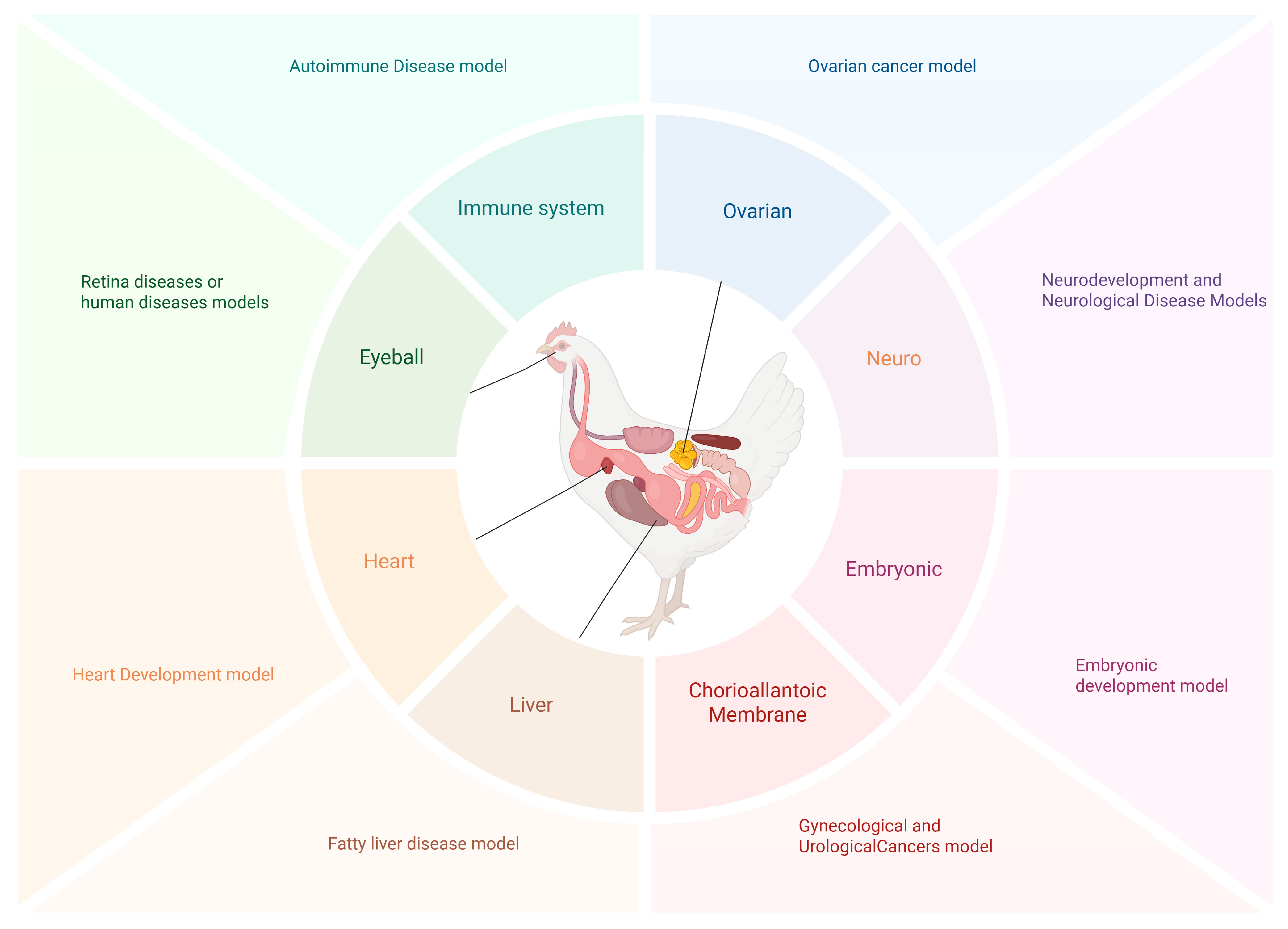
Broiler Ascites Syndrome as a Potential Spontaneous Animal Model for Human Pulmonary Arterial Hypertension: A Narrative Review
 , , , , and
Abstract
1. Introduction
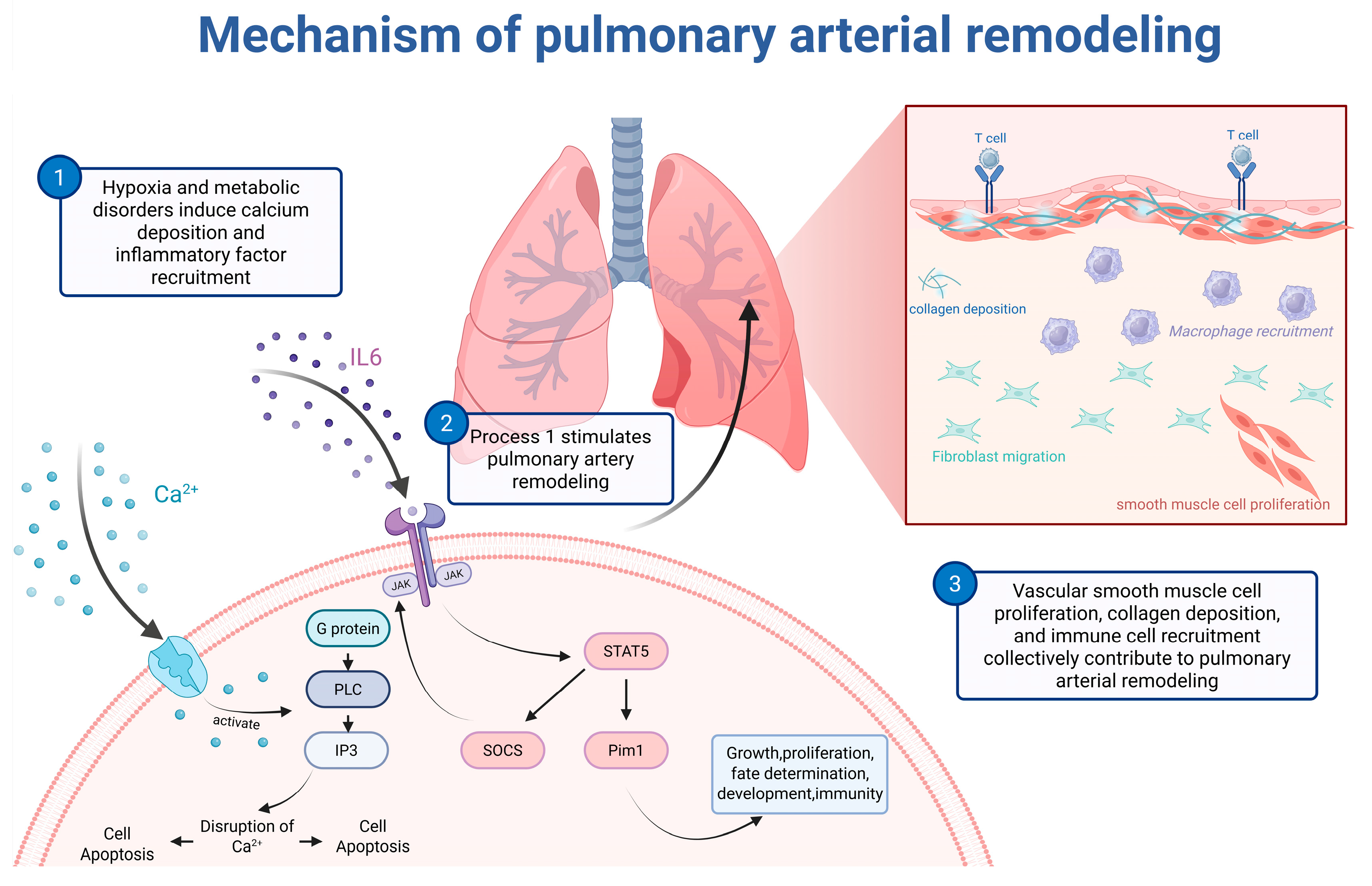
2. Mechanism of Pulmonary Arterial Remodeling
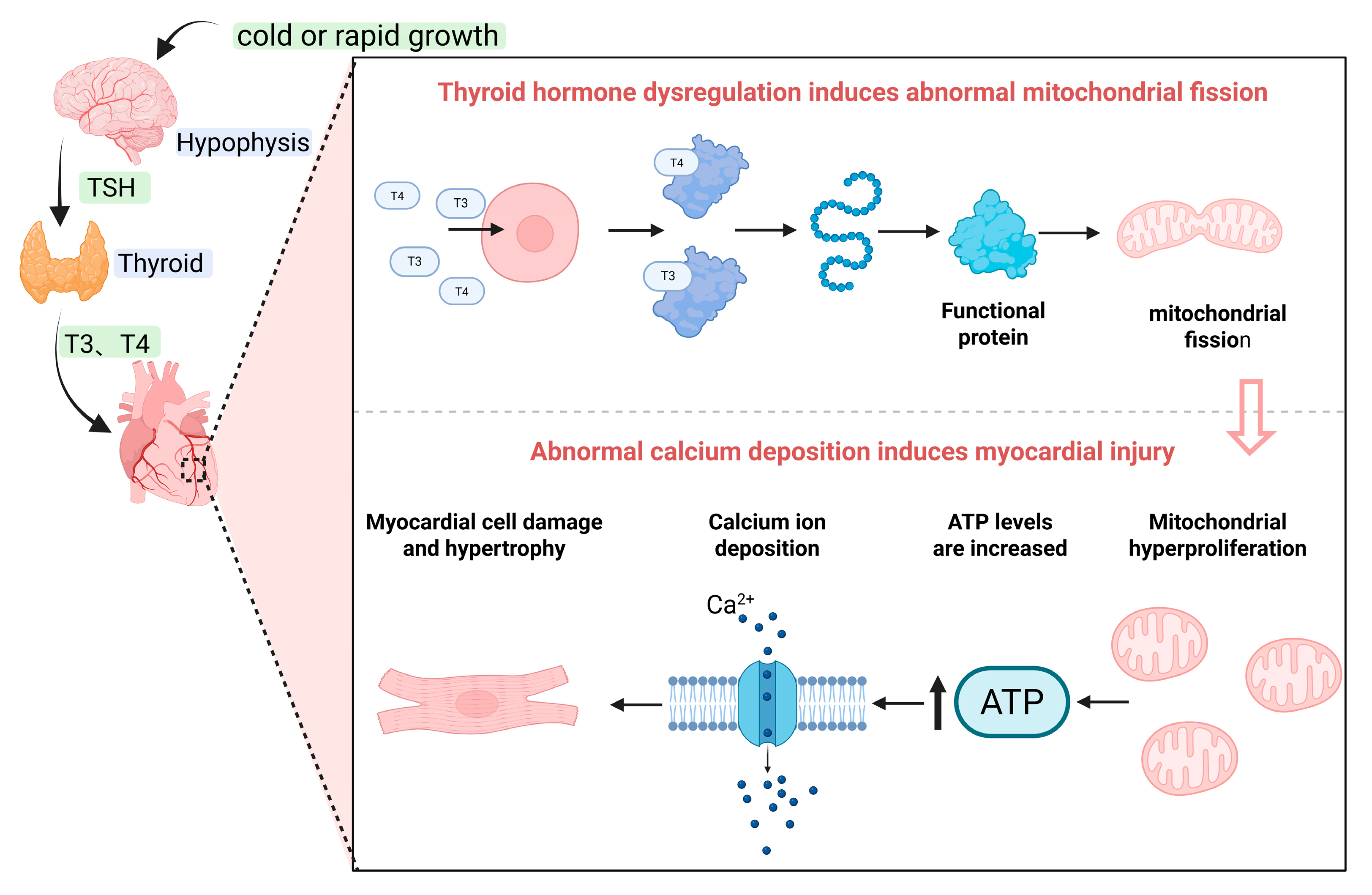
3. Mechanisms of Myocardial Injury
4. Etiology of BAS
4.1. Genetic Factors
4.2. Environmental Factors
4.3. Nutritional Factors
5. Comparability of PAH and BAS
5.1. Pathogenic Mechanism
5.2. Classification of PAH
5.2.1. Idiopathic PAH
5.2.2. Heritable PAH
5.2.3. Drug- and Toxin-Induced PAH
5.2.4. PAH Associated with Specific Conditions
5.2.5. PVOD/PCH and PPHN
6. Limitations of BAS as a Model of Spontaneous PAH
7. Discussion
Author Contributions
Funding
Institutional Review Board Statement
Informed Consent Statement
Data Availability Statement
Acknowledgments
Conflicts of Interest
Abbreviations
| AGTR1 | angiotensin II receptor type 1 |
| ALDH7A1 | aldehyde dehydrogenase 7 family member A1 |
| BAS | Broiler Ascites Syndrome |
| CaSR | calcium-sensing receptor |
| CDH6 | cadherin 6 |
| CPQ | carboxypeptidase Q |
| DHX58 | DExH-box helicase 58 |
| GGT5 | gamma-glutamyl transferase 5 |
| HIF 1α | hypoxia inducible factor 1α |
| IGSF1 | immunoglobulin superfamily member 1 |
| LRRTM4 | leucine-rich repeat transmembrane neuronal 4 |
| MC4R | melanocortin 4 receptor |
| PLEKHA7 | pleckstrin homology domain containing A7 |
| SOCS3 | suppressor of cytokine signaling 3 |
| SPAG1 | sperm associated antigen 1 |
| STAT5 | signal transducer and activator of transcription 5 |
| TGF-β | transforming growth factor-beta |
| THRα | thyroid hormones and their receptor |
| TREML2 | triggering receptor expressed on myeloid cells like 2 |
| TRPC | transient receptor potential cation channels |
| USP36 | ubiquitin specific peptidase 36 |
| UTS2D | urotensin 2 domain containing |
References
- Wideman, R.F.; Rhoads, D.D.; Erf, G.F.; Anthony, N.B. Pulmonary arterial hypertension (ascites syndrome) in broilers: A review. Poult. Sci. 2013, 92, 64–83. [Google Scholar] [CrossRef] [Scilit]
- McGovern, R.; Feddes, J.; Robinson, F.; Hanson, J. Analysis of right ventricular areas to assess the severity of ascites syndrome in broiler chickens. Poult. Sci. 1999, 78, 62–65. [Google Scholar] [CrossRef] [Scilit]
- Su, X.; Sun, Y.; Dai, A. New insights into pulmonary arterial hypertension: Interaction between PANoptosis and perivascular inflammatory responses. Apoptosis 2025, 30, 1097–1116. [Google Scholar] [CrossRef] [Scilit]
- Suen, C.M.; Stewart, D.J.; Montroy, J.; Welsh, C.; Levac, B.; Wesch, N.; Zhai, A.; Fergusson, D.; McIntyre, L.; Lalu, M. Regenerative cell therapy for pulmonary arterial hypertension in animal models: A systematic review. Stem Cell Res. Ther. 2019, 10, 75–89. [Google Scholar] [CrossRef] [Scilit] [PubMed]
- Callejo, M.; Barberá, J.A.; Duarte, J.; Perez-Vizcaino, F. Impact of Nutrition on Pulmonary Arterial Hypertension. Nutrients 2020, 12, 169. [Google Scholar] [CrossRef] [Scilit]
- Goldenberg, N.M.; Steinberg, B.E. Inflammation Drives Pulmonary Arterial Hypertension. Anesthesiology 2019, 130, 820–821. [Google Scholar] [CrossRef] [Scilit] [PubMed]
- Shen, Y.H.; Ding, D.; Lian, T.Y.; Qiu, B.C.; Yan, Y.; Wang, P.W.; Zhang, W.H.; Jing, Z.C. Panorama of artery endothelial cell dysfunction in pulmonary arterial hypertension. J. Mol. Cell. Cardiol. 2024, 197, 61–77. [Google Scholar] [CrossRef] [Scilit] [PubMed]
- Boucherat, O.; Agrawal, V.; Lawrie, A.; Bonnet, S. The Latest in Animal Models of Pulmonary Hypertension and Right Ventricular Failure. Circ. Res. 2022, 130, 1466–1486. [Google Scholar] [CrossRef] [Scilit]
- Wisely, C.E.; Sayed, J.A.; Tamez, H.; Zelinka, C.; Abdel-Rahman, M.H.; Fischer, A.J.; Cebulla, C.M. The chick eye in vision research: An excellent model for the study of ocular disease. Prog. Retin. Eye Res. 2017, 61, 72–97. [Google Scholar] [CrossRef] [Scilit]
- Lan, W.; Feldkaemper, M.; Schaeffel, F. Intermittent Episodes of Bright Light Suppress Myopia in the Chicken More than Continuous Bright Light. PLoS ONE 2014, 9, e110906. [Google Scholar] [CrossRef] [Scilit]
- Bastaki, N.K.; Lobo, V.R.; Gomes, T.; Albarjes, T.A. Retinal Gene Expression of Selective Genes and Histological Stages of Embryonic and Post-Hatch Chickens (Gallus gallus). Genes 2022, 13, 2048. [Google Scholar] [CrossRef] [Scilit]
- Sharrow, A.C.; Ishihara, M.; Hu, J.; Kim, I.H.; Wu, L. Using the Chicken Chorioallantoic Membrane In Vivo Model to Study Gynecological and Urological Cancers. J. Vis. Exp. 2020, 28, 60651. [Google Scholar]
- Niebora, J.; Data, K.; Domagała, D.; Józkowiak, M.; Barrett, S.; Abbariki, T.N.; Bryja, A.; Kulus, M.; Woźniak, S.; Ziemak, H.; et al. Avian Models for Human Carcinogenesis—Recent Findings from Molecular and Clinical Research. Cells 2024, 13, 1797. [Google Scholar] [CrossRef] [Scilit]
- Barua, A.; Bahr, J.M. Ovarian Cancer: Applications of Chickens to Humans. Annu. Rev. Anim. Biosci. 2022, 10, 241–257. [Google Scholar] [CrossRef] [Scilit]
- Rose, N.R. Avian Models of Autoimmune Disease: Lessons from the Birds. Poult. Sci. 1994, 73, 984–990. [Google Scholar] [CrossRef] [Scilit] [PubMed]
- Vašíček, D.; Vašíčková, K.; Kaiser, P.; Drozenová, R.; Cítek, J.; Hala, K. Analysis of genetic regulation of chicken spontaneous autoimmune thyroiditis.; an animal model of human Hashimoto’s thyroiditis. Immunogenetics 2001, 53, 776–785. [Google Scholar] [CrossRef] [Scilit]
- Wick, G.; Andersson, L.; Hala, K.; Gershwin, M.E.; Selmi, C.; Erf, G.F.; Lamont, S.J.; Sgonc, R. Avian Models with Spontaneous Autoimmune Diseases. Adv. Immunol. 2006, 92, 71–117. [Google Scholar]
- Wittig, J.G.; Münsterberg, A. The Chicken as a Model Organism to Study Heart Development. Cold Spring Harb. Perspect. Biol. 2019, 12, a037218. [Google Scholar] [CrossRef] [Scilit] [PubMed]
- Wang, J.; Qiao, J.; Zhao, L.H.; Li, K.; Wang, H.; Xu, T.; Tian, Y.; Gao, M.; Wang, X. Proliferation of Pulmonary Artery Smooth Muscle Cells in the Development of Ascites Syndrome in Broilers Induced by Low Ambient Temperature. J. Vet. Med. A Physiol. Pathol. Clin. Med. 2007, 54, 564–570. [Google Scholar] [CrossRef] [Scilit]
- Zhang, H.; Chang, Z.; Mehmood, K.; Yang, K.; Liu, Z.; Duan, Z.; Yuan, F.; Jiao, Z.; Liu, W.; Gao, T.; et al. Calcium-Sensing Receptor Arbitrates Hypoxia-Induced Proliferation of Pulmonary Artery Smooth Muscle Cells via the G Protein-PLC-IP3 Pathway. Crit. Rev. Eukaryot. Gene Expr. 2019, 29, 69–76. [Google Scholar] [CrossRef] [Scilit] [PubMed]
- Yang, F.; Cao, H.; Xiao, Q.; Guo, X.; Zhuang, Y.; Zhang, C.; Wang, T.; Lin, H.; Song, Y.; Hu, G.; et al. Transcriptome Analysis and Gene Identification in the Pulmonary Artery of Broilers with Ascites Syndrome. PLoS ONE 2016, 11, 11–19. [Google Scholar] [CrossRef] [Scilit] [PubMed]
- Liu, P.; Yang, F.; Zhuang, Y.; Xiao, Q.; Cao, H.; Zhang, C.; Wang, T.; Lin, H.; Guo, X.; Hu, G. Dysregulated expression of microRNAs and mRNAs in pulmonary artery remodeling in ascites syndrome in broiler chickens. Oncotarget 2016, 8, 1993–2007. [Google Scholar] [CrossRef] [Scilit]
- Reheman, A.; Wu, Q.; Xu, J.; He, J.; Qi, M.; Li, K.; Cao, G.; Feng, X. Transcriptomic analysis of the hypoxia-inducible factor 1α impact on the gene expression profile of chicken fibroblasts under hypoxia. Poult. Sci. 2024, 103, 103410–103422. [Google Scholar] [CrossRef] [Scilit] [PubMed]
- Peng, W.; Fang, W.; Gao, X.; Guo, X.; Li, G.; Guo, F.; Hu, G.; Zhuang, Y.; Li, L.; Jiang, C.; et al. Effect of RNA interference with HIF-1α on the growth of pulmonary artery endothelial cells in broiler chickens. Poult. Sci. 2024, 103, 103388–103400. [Google Scholar] [CrossRef] [Scilit]
- Li, L.; Jia, Q.; Chen, L.; Wang, W. Changes in the Expression of MIF and Other Key Enzymes of Energy Metabolism in the Myocardia of Broiler Chickens with Ascites Syndrome. Animals 2022, 12, 2488. [Google Scholar] [CrossRef] [Scilit]
- Scheele, C.W.; Decuypere, E.; Vereijken, P.F.; Schreurs, F.J. Ascites in Broilers. 2. Disturbances in the Hormonal Regulation of Metabolic Rate and Fat Metabolism. Poult. Sci. 1992, 71, 1971–1984. [Google Scholar] [CrossRef] [Scilit]
- Ladmakhi, M.H.; Buys, N.; Vanderpooten, A.; Decuypere, E. Myocardialβ-adrenergic receptor characteristics in T3-induced ascites and in broiler lines differing in ascites susceptibility. Avian Pathol. 1997, 26, 293–303. [Google Scholar] [CrossRef] [Scilit] [PubMed]
- Maxwell, M.H.; Robertson, G.W.; Moseley, D. Potential role of serum troponin t in cardiomyocyte injury in the broiler ascites syndrome. Br. Poult. Sci. 1994, 35, 663–667. [Google Scholar] [CrossRef] [Scilit]
- Li, K.; Qiao, J.; Zhao, L.; Ou, D.; Wang, J.; Wang, H.; Xu, T. Increased Calcium Deposits and Decreased Ca2+-ATPase in Right Ventricular Myocardium of Ascitic Broiler Chickens. J. Vet. Med. A Physiol. Pathol. Clin. Med. 2006, 53, 458–463. [Google Scholar] [CrossRef] [Scilit]
- Qiao, N.; Pan, J.; Kang, Z.; Liu, G.; Tang, Z.; Li, Y. Effect of a background Ca2+ entry pathway mediated by TRPC1 on myocardial damage of broilers with induced ascites syndrome. Avian Pathol. 2019, 48, 429–436. [Google Scholar] [CrossRef] [Scilit]
- Hasanpur, K.; Nassiri, M.; Salekdeh, G.H. The comparative analysis of phenotypic and whole transcriptome gene expression data of ascites susceptible versus ascites resistant chickens. Mol. Biol. Rep. 2018, 46, 793–804. [Google Scholar] [CrossRef] [Scilit]
- Druyan, S.; Shlosberg, A.; Cahaner, A. Evaluation of Growth Rate.; Body Weight.; Heart Rate.; and Blood Parameters as Potential Indicators for Selection Against Susceptibility to the Ascites Syndrome in Young Broilers. Poult. Sci. 2007, 86, 621–629. [Google Scholar] [CrossRef] [Scilit]
- Shlosberg, A.; Bellaiche, M.; Berman, E.; Perk, S.; Deeb, N.; Neumark, E.; Cahaner, A. Relationship between broiler chicken haematocrit-selected parents and their progeny.; with regard to haematocrit.; mortality from ascites and bodyweight. Res. Vet. Sci. 1998, 64, 105–109. [Google Scholar] [CrossRef] [Scilit]
- Pakdel, A.; Bijma, P.; Ducro, B.J.; Bovenhuis, H. Selection strategies for body weight and reduced ascites susceptibility in broilers. Poult. Sci. 2005, 84, 528–535. [Google Scholar] [CrossRef] [Scilit]
- Scheele, C.W. Pathological. changes in metabolism of poultry related to increasing production levels. Vet. Q. 1997, 19, 127–130. [Google Scholar] [CrossRef] [Scilit]
- Rosenzweig, E.B.; Abman, S.H.; Adatia, I.; Beghetti, M.; Bonnet, D.; Haworth, S.; Ivy, D.D.; Berger, R.M.F. Paediatric pulmonary arterial hypertension: Updates on definition.; classification.; diagnostics and management. Eur. Respir. J. 2019, 53, 1801916–1801934. [Google Scholar] [CrossRef] [Scilit]
- Cawthon, D.; Beers, K.; Bottje, W.G. Electron Transport Chain Defect and Inefficient Respiration May Underlie Pulmonary Hypertension Syndrome (Ascites)-Associated Mitochondrial Dysfunction in Broilers. Poult. Sci. 2001, 80, 474–484. [Google Scholar] [CrossRef] [Scilit]
- Cawthon, D.; McNew, R.; Beers, K.; Bottje, W.G. Evidence of mitochondrial dysfunction in broilers with pulmonary hypertension syndrome (ascites): Effect of t-butyl hydroperoxide on hepatic mitochondrial function, glutathione, and related thiols. Poult. Sci. 1999, 78, 114–124. [Google Scholar] [CrossRef] [Scilit] [PubMed]
- Al-Zahrani, K.; Licknack, T.; Watson, D.L.; Anthony, N.B.; Rhoads, D.D. Further investigation of mitochondrial biogenesis and gene expression of key regulators in ascites- susceptible and ascites- resistant broiler research lines. PLoS ONE 2019, 14, e0205480. [Google Scholar] [CrossRef] [Scilit] [PubMed]
- Emami, N.K.; Golian, A.; Mesgaran, M.D.; Anthony, N.B.; Rhoads, D.D. Mitochondrial biogenesis and PGC-1α gene expression in male broilers from ascites-susceptible and -resistant lines. J. Anim. Physiol. Anim. Nutr. 2018, 102, e482–e485. [Google Scholar]
- Tarrant, K.J.; Dey, S.; Kinney, R.; Anthony, N.B.; Rhoads, D.D. Multi-generational genome wide association studies identify chromosomal regions associated with ascites phenotype. Poult. Sci. 2017, 96, 1544–1552. [Google Scholar] [CrossRef] [Scilit] [PubMed]
- Dey, S.; Parveen, A.; Tarrant, K.J.; Licknack, T.; Kong, B.C.; Anthony, N.B.; Rhoads, D.D. Whole genome resequencing identifies the CPQ gene as a determinant of ascites syndrome in broilers. PLoS ONE 2018, 13, e0189544. [Google Scholar] [CrossRef] [Scilit] [PubMed]
- Krishnamoorthy, S.; Smith, C.D.; Al-Rubaye, A.A.; Erf, G.F.; Wideman, R.F.; Anthony, N.B.; Rhoads, D.D. A quantitative trait locus for ascites on chromosome 9 in broiler chicken lines. Poult. Sci. 2014, 93, 307–317. [Google Scholar] [CrossRef] [Scilit]
- Parveen, A.; Jackson, C.D.; Dey, S.; Tarrant, K.; Anthon, N.; Rhoads, D.D. Identification and validation of quantitative trait loci for ascites syndrome in broiler chickens using whole genome resequencing. BMC Genet. 2020, 21, 54–71. [Google Scholar] [CrossRef] [Scilit] [PubMed]
- Lee, K.P.; Anthony, N.B.; Orlowski, S.K.; Rhoads, D.D. SNP-based breeding for broiler resistance to ascites and evaluation of correlated production traits. Hereditas 2022, 159, 9–19. [Google Scholar] [CrossRef] [Scilit]
- Mohammadhasani, K.; Fard, M.V.; Yadegari, M.; Barati, M.; Bahari, H.; Nattagh-Eshtivani, E.; Rashidmayvan, M. A Healthy Dietary Pattern May Have a Protective Effect Against Cardiovascular Disease Through Its Interaction with the MC4R Gene Polymorphism. Clin. Nutr. Res. 2024, 13, 214–225. [Google Scholar] [CrossRef] [Scilit]
- Elrod, J.W.; Park, J.H.; Oshima, T.; Sharp, C.D.; Minagar, A.; Alexander, J.S. Expression of junctional proteins in human platelets. Platelets 2003, 14, 247–251. [Google Scholar] [CrossRef] [Scilit]
- Edwards, R.J.; Moran, N.; Devocelle, M.; Kiernan, A.; Meade, G.; Signac, W.; Foy, M.; Park, S.D.E.; Dunne, E.; Kenny, D.; et al. Bioinformatic discovery of novel bioactive peptides. Nat. Chem. Biol. 2007, 3, 108–112. [Google Scholar] [CrossRef] [Scilit]
- Dunne, E.; Spring, C.M.; Reheman, A.; Jin, W.; Berndt, M.C.; Newman, D.K.; Newman, P.J.; Ni, H.; Kenny, D. Cadherin 6 Has a Functional Role in Platelet Aggregation and Thrombus Formation. Arterioscler. Thromb. Vasc. Biol. 2012, 32, 1724–1731. [Google Scholar] [CrossRef] [Scilit]
- Zheng, Y.X.; Chen, X.B.; Xu, F.; Cui, Y.Z.; Wang, Z.Y.; Zhou, Y.; Fu, N.C.; Yang, X.Y.; Chen, X.Y.; Zheng, M.; et al. Glycyl–tRNA Synthetase Induces Psoriasis-Like Skin by Facilitating Skin Inflammation and Vascular Endothelial Cell Angiogenesis. J. Investig. Dermatol. 2024, 144, 774–785. [Google Scholar] [CrossRef] [Scilit]
- Cheng, S.; Liu, X.; Liu, P.; Li, G.; Guo, X.; Hu, G.; Li, L.; Wu, C.; Xu, Z.; Zhou, Q. Dysregulated expression of mRNA and SNP in pulmonary artery remodeling in ascites syndrome in broilers. Poult. Sci. 2021, 100, 100877–100885. [Google Scholar] [CrossRef] [Scilit] [PubMed]
- Duan, X.; Hu, M.; Yang, L.; Zhang, S.; Wang, B.; Li, T.; Tan, Y.; Li, Y.; Liu, X.; Zhan, Z. IRG1 prevents excessive inflammatory responses and cardiac dysfunction after myocardial injury. Biochem. Pharmacol. 2023, 213, 115614–115629. [Google Scholar] [CrossRef] [Scilit]
- Bozal, F.K.; Cyr, Y.; Duran, J.G.B.; Newman, A.A.C.; Amadori, L.; Smyrnis, P.; Gourvest, M.; Das, D.; Gildea, M.; Kaur, R.; et al. IRG1-Itaconate Axis Protects from Cholesterol-Induced Inflammation and Atherosclerosis. Proc. Natl. Acad. Sci. USA 2024, 15, e2400675121. [Google Scholar] [CrossRef] [Scilit]
- Bernard, D.J.; Smith, C.L.; Brûlé, E. A tale of two proteins: Betaglycan, IGSF1, and the continuing search for the inhibin B receptor. Trends Endocrinol. Metab. 2020, 31, 37–45. [Google Scholar] [CrossRef] [Scilit]
- Fourneaux, R.; Reynaud, R.; Mougel, G.; Castets, S.; Bretones, P.; Dauriat, B.; Edouard, T.; Raverot, G.; Barlier, A.; Brue, T. IGSF1 mutations are the most frequent genetic aetiology of thyrotropin deficiency. Eur. J. Endocrinol. 2022, 187, 787–795. [Google Scholar] [CrossRef] [Scilit]
- Fang, Q.; Fan, H.; Li, Q.; Zhang, M.; Zhou, Z.; Du, J.; Huang, J. Multi-Omic Insight into the Molecular Networks in the Pathogenesis of Coronary Artery Disease. J. Am. Heart Assoc. 2025, 14, e037203–e037217. [Google Scholar] [CrossRef] [Scilit] [PubMed]
- Iyer, K.R.; Clarke, S.L.; Guarischi-Sousa, R.; Gjoni, K.; Heath, A.S.; Young, E.P.; Stitziel, N.O.; Laurie, C.; Broome, J.G.; Khan, A.T.; et al. Unveiling the Genetic Landscape of Coronary Artery Disease Through Common and Rare Structural Variants. J. Am. Heart Assoc. 2025, 14, e036499–e036514. [Google Scholar] [CrossRef] [Scilit]
- Heo, S.G.; Hwang, J.Y.; Uhmn, S.; Go, M.J.; Oh, B.; Lee, J.Y.; Park, J.W. Male-specific genetic effect on hypertension and metabolic disorders. Hum. Genet. 2014, 133, 311–319. [Google Scholar] [CrossRef] [Scilit]
- Xie, J.; Jiang, L.; Wang, J.; Yin, Y.; Wang, R.; Du, L.; Chen, T.; Ni, Z.; Qiao, S.; Gong, H.; et al. Multilineage contribution of CD34+ cells in cardiac remodeling after ischemia/reperfusion injury. Basic Res. Cardiol. 2023, 118, 17. [Google Scholar] [CrossRef] [Scilit]
- Endres, B.T.; Priestley, J.R.C.; Palygin, O.; Flister, M.J.; Hoffman, M.J.; Weinberg, B.D.; Grzybowski, M.; Lombard, J.H.; Staruschenko, A.; Moreno, C.; et al. Mutation of Plekha7 attenuates salt-sensitive hypertension in the rat. Proc. Natl. Acad. Sci. USA 2014, 111, 12817–12822. [Google Scholar] [CrossRef] [Scilit] [PubMed]
- Khajali, F. Managing broiler production challenges at high altitude. Vet. Med. Sci. 2022, 8, 1519–1527. [Google Scholar] [CrossRef] [Scilit] [PubMed]
- Hassanzadeh, M.; Fard, M.H.B.; Buyse, J.; Decuypere, E. Effect of chronic hypoxia during embryonic development on physiological functioning and on hatching and post-hatching parameters related to ascites syndrome in broiler chickens. Avian Pathol. 2004, 33, 558–564. [Google Scholar] [CrossRef] [Scilit] [PubMed]
- Dewil, E.; Buys, N.; Albers, G.A.A.; Decuypere, E. Different characteristics in chick embryos of two broiler lines differing in susceptibility to ascites. Br. Poult. Sci. 1996, 37, 1003–1013. [Google Scholar] [CrossRef] [Scilit]
- Rouwet, E.V.; Tintu, A.N.; Schellings, M.W.M.; Bilsen, M.; Lutgens, E.; Hofstra, L.; Slaaf, D.W.; Ramsay, G.; Noble, F.A.C. Hypoxia Induces Aortic Hypertrophic Growth, Left Ventricular Dysfunction, and Sympathetic Hyperinnervation of Peripheral Arteries in the Chick Embryo. Circulation 2002, 105, 2791–2796. [Google Scholar] [CrossRef] [Scilit]
- Smit, L.D.; Bruggeman, V.; Debonne, M.; Tona, J.K.; Kamers, B.; Everaert, N.; Witters, A.; Onagbesan, O.; Arckens, L.; Baerdemaeker, J.D.; et al. The Effect of Nonventilation During Early Incubation on the Embryonic Development of Chicks of Two Commercial Broiler Strains Differing in Ascites Susceptibility. Poult. Sci. 2008, 87, 551–560. [Google Scholar] [CrossRef] [Scilit] [PubMed]
- Wideman, R.F.; Tackett, C.D. Cardio-pulmonary function in broilers reared at warm or cool temperatures: Effect of acute inhalation of 100% oxygen. Poult. Sci. 2000, 79, 257–264. [Google Scholar] [CrossRef] [Scilit]
- Pakdel, A.; Arendonk, J.A.M.; Vereijken, A.L.J.; Bovenhuis, H. Genetic parameters of ascites-related traits in broilers: Effect of cold and normal temperature conditions. Br. Poult. Sci. 2005, 46, 35–42. [Google Scholar] [CrossRef] [Scilit]
- Deaton, J.W.; Branton, S.L.; Simmons, J.D.; Lott, B.D. The effect of brooding temperature on broiler performance. Poult. Sci. 1996, 75, 1217–1220. [Google Scholar] [CrossRef] [Scilit]
- Shinder, D.; Rusal, M.; Giloh, M.; Yahav, S. Effect of repetitive acute cold exposures during the last phase of broiler embryogenesis on cold resistance through the life span. Poult. Sci. 2009, 88, 636–646. [Google Scholar] [CrossRef] [Scilit]
- Khandwala, H.M. A Case of Congestive Heart Failure Due To Reversible Dilated Cardiomyopathy Caused by Hyperthyroidism. South. Med. J. 2004, 97, 1001–1003. [Google Scholar] [CrossRef] [Scilit]
- Bahadoran, S.; Hassanpour, H.; Arab, S.; Abbasnia, S.; Kiani, A. Changes in the expression of cardiac genes responsive to thyroid hormones in the chickens with cold-induced pulmonary hypertension. Poult. Sci. 2021, 100, 101263–101270. [Google Scholar] [CrossRef] [Scilit] [PubMed]
- Wang, Y.; Guo, Y.; Ning, D.; Peng, Y.; Cai, H.; Tan, J.; Yang, Y.; Liu, D. Changes of hepatic biochemical parameters and proteomics in broilers with cold-induced ascites. J. Anim. Sci. Biotechnol. 2012, 3, 41–50. [Google Scholar] [CrossRef] [Scilit]
- Shi, S.; Shen, Y.; Zhang, S.; Zhao, Z.; Hou, Z.; Zhou, H.; Zou, J.; Guo, Y. Combinatory Evaluation of Transcriptome and Metabolome Profiles of Low Temperature-induced Resistant Ascites Syndrome in Broiler Chickens. Sci. Rep. 2017, 7, 2389–2405. [Google Scholar] [CrossRef] [Scilit]
- Shi, S.; Shen, Y.; Zhao, Z.; Hou, Z.; Yang, Y.; Zhou, H.; Zou, J.; Guo, Y. Integrative analysis of transcriptomic and metabolomic profiling of ascites syndrome in broiler chickens induced by low temperature. Mol. Biosyst. 2014, 10, 2984–2993. [Google Scholar] [CrossRef] [Scilit]
- Wideman, R.F.; Kirby, Y.K.; Ismail, M.; Bottje, W.G.; Moore, R.W.; Vardeman, R.C. Supplemental L-Arginine Attenuates Pulmonary Hypertension Syndrome (Ascites) in Broilers. Poult. Sci. 1995, 74, 323–330. [Google Scholar] [CrossRef] [Scilit]
- Wideman, R.F.; Kirby, Y.K.; Tackett, C.D.; Marson, N.E.; Mcnew, R.W. Cardio-Pulmonary Function During Acute Unilateral Occlusion of the Pulmonary Artery in Broilers Fed Diets Containing Normal or High Levels of Arginine-HCl. Poult. Sci. 1996, 75, 1587–1602. [Google Scholar] [CrossRef] [Scilit]
- Saki, A.; Haghighat, M.; Khajali, F. Supplemental arginine administeredin ovoor in the feed reduces the susceptibility of broilers to pulmonary hypertension syndrome. Br. Poult. Sci. 2013, 54, 575–580. [Google Scholar] [CrossRef] [Scilit]
- Emami, N.K.; Golian, A.; Rhoads, D.D.; Mesgaran, M.D. Interactive effects of temperature and dietary supplementation of arginine or guanidinoacetic acid on nutritional and physiological responses in male broiler chickens. Br. Poult. Sci. 2017, 58, 87–94. [Google Scholar] [CrossRef] [Scilit]
- Lorenzoni, A.G.; Ruiz-Feria, C.A. Effects of Vitamin E and l-Arginine on Cardiopulmonary Function and Ascites Parameters in Broiler Chickens Reared Under Subnormal Temperatures. Poult. Sci. 2006, 85, 2241–2250. [Google Scholar] [CrossRef] [Scilit] [PubMed]
- Bottje, W.; Erf, G.; Bersi, T.; Wang, S.; Barnes, D.; Beers, K. Effect of dietary dl-alpha-tocopherol on tissue alpha- and gamma-tocopherol and pulmonary hypertension syndrome (ascites) in broilers. Poult. Sci. 1997, 76, 1506–1512. [Google Scholar] [CrossRef] [Scilit] [PubMed]
- Shirzadi, H.; Shariatmadari, F.; Karimi-Torshizi, M.A.; Masoudi, A.A.; Rahimi, S.; Saba, F.; Zaboli, G.; Hedayat-Evrigh, N. Diets containing phytobiotics, l-arginine, vitamin E and captopril modulate ascites syndrome-related genes expression in broiler chickens exposed to low ambient temperature. Vet. Med. Sci. 2024, 10, e1542–e1553. [Google Scholar] [CrossRef] [Scilit]
- Bottje, W.; Enkvetchakul, B.; Moore, R.; Mcnew, R. Effect of α-Tocopherol on Antioxidants, Lipid Peroxidation, and the Incidence of Pulmonary Hypertension Syndrome (Ascites) in Broilers. Poult. Sci. 1995, 74, 1356–1369. [Google Scholar] [CrossRef] [Scilit]
- Moghaddam, A.K.Z.; Hamzekolaei, M.H.M.; Khajali, F.; Hassanpour, H. Role of Selenium from Different Sources in Prevention of Pulmonary Arterial Hypertension Syndrome in Broiler Chickens. Biol. Trace Elem. Res. 2017, 180, 164–170. [Google Scholar] [CrossRef] [Scilit]
- Kalmar, I.D.; Cools, A.; Buyse, J.; Roose, P.; Janssens, G.P.J. Dietary N,N-dimethylglycine supplementation improves nutrient digestibility and attenuates pulmonary hypertension syndrome in broilers. J. Anim. Physiol. Anim. Nutr. 2010, 94, e339–e347. [Google Scholar] [CrossRef] [Scilit] [PubMed]
- Díaz-cruz, A.; Serret, M.; Ramírez, G.; Ávila, E.; Guinzberg, R.; Piña, E. Prophylactic action of lipoic acid on oxidative stress and growth performance in broilers at risk of developing ascites syndrome. Avian Pathol. 2003, 32, 645–653. [Google Scholar] [CrossRef] [Scilit] [PubMed]
- Wideman, R.; Hooge, D.; Cummings, K. Dietary sodium bicarbonate, cool temperatures, and feed withdrawal: Impact on arterial and venous blood-gas values in broilers. Poult. Sci. 2003, 82, 560–570. [Google Scholar] [CrossRef] [Scilit]
- Mirsalimi, S.M.; Julian, R.J. Effect of excess sodium bicarbonate on the blood volume and erythrocyte deformability of broiler chickens. Avian Pathol. 1993, 22, 495–507. [Google Scholar] [CrossRef] [Scilit]
- Peng, Y.; Yang, X.; Li, H.; Iqbal, M.; Li, A.; Zhang, J.; Zhang, M.; Li, J.; Zhou, D. Salt-contaminated water inducing pulmonary hypertension and kidney damage by increasing Ang II concentration in broilers. Environ. Sci. Pollut. Res. 2021, 29, 1134–1143. [Google Scholar] [CrossRef] [Scilit]
- Zhang, J.; Feng, X.; Zhao, L.; Wang, W.; Gao, M.; Wu, B.; Qiao, J. Expression of hypoxia-inducible factor 1α mRNA in hearts and lungs of broiler chickens with ascites syndrome induced by excess salt in drinking water. Poult. Sci. 2013, 92, 2044–2052. [Google Scholar] [CrossRef] [Scilit]
- Behrooj, N.; Khajali, F.; Hassanpour, H. Feeding reduced-protein diets to broilers subjected to hypobaric hypoxia is associated with the development of pulmonary hypertension syndrome. Br. Poult. Sci. 2012, 53, 658–664. [Google Scholar] [CrossRef] [Scilit] [PubMed]
- Simonneau, G.; Montani, D.; Celermajer, D.S.; Denton, C.P.; Gatzoulis, M.A.; Krowka, M.; Williams, P.G.; Souza, R. Haemodynamic definitions and updated clinical classification of pulmonary hypertension. Eur. Respir. J. 2019, 53, 1801913–1801926. [Google Scholar] [CrossRef] [Scilit]
- Lau, E.M.T.; Giannoulatou, E.; Celermajer, D.S.; Humbert, M. Epidemiology and treatment of pulmonary arterial hypertension. Nat. Rev. Cardiol. 2017, 14, 603–614. [Google Scholar] [CrossRef] [Scilit]
- Humbert, M.; Kovacs, G.; Hoeper, M.M.; Badagliacca, R.; Berger, R.M.F.; Brida, M.; Carlsen, J.; Coats, A.J.S.; Escribano-Subias, P.; Ferrari, P.; et al. 2022 ESC/ERS Guidelines for the diagnosis and treatment of pulmonary hypertension. Eur. Heart J. 2022, 43, 3618–3731. [Google Scholar] [CrossRef] [Scilit]
- Xiong, J.; Chen, J.; Zhou, J.; Li, C.; Wu, J. Exploring hypoxia driven subtypes of pulmonary arterial hypertension through transcriptomics single cell sequencing and machine learning. Sci. Rep. 2025, 15, 14251. [Google Scholar] [CrossRef] [Scilit]
- Samokhin, A.O.; Stephens, T.; Wertheim, B.M.; Wang, R.S.; Vargas, S.O.; Yung, L.M.; Cao, M.; Brown, M.; Arons, E.; Dieffenbach, P.B.; et al. NEDD9 targets COL3A1 to promote endothelial fibrosis and pulmonary arterial hypertension. Sci. Transl. Med. 2018, 10, 7294. [Google Scholar] [CrossRef] [Scilit]
- Tai, Y.Y.; Yu, Q.; Tang, Y.; Sun, W.; Kelly, N.J.; Okawa, S.; Zhao, J.; Schwantes-An, T.H.; Lacoux, C.; Torrino, S.; et al. Allele-specific control of rodent and human lncRNA KMT2E-AS1 promotes hypoxic endothelial pathology in pulmonary hypertension. Sci. Transl. Med. 2024, 16, 2029. [Google Scholar] [CrossRef] [Scilit]
- Chen, X.; Austin, E.D.; Talati, M.; Fessel, J.P.; Farber-Eger, E.H.; Brittain, E.L.; Hemnes, A.R.; Loyd, J.E.; West, J. Oestrogen inhibition reverses pulmonary arterial hypertension and associated metabolic defects. Eur. Respir. J. 2017, 50, 1602337. [Google Scholar] [CrossRef] [Scilit] [PubMed]
- Dignam, J.P.; Sharma, S.; Stasinopoulos, I.; MacLean, M.R. Pulmonary arterial hypertension: Sex matters. Br. J. Pharmacol. 2024, 181, 938–966. [Google Scholar] [CrossRef] [Scilit] [PubMed]
- Shima, H.; Tsujino, I.; Nakaya, T.; Nakamura, J.; Igarashi-Sugimoto, A.; Sato, T.; Watanabe, T.; Ohira, H.; Hisada, R.; Kato, M.; et al. Right Ventricular Dysfunction in Lung Disease/Hypoxia-Associated Pulmonary Hypertension. J. Am. Heart Assoc. 2025, 14, e042186. [Google Scholar] [CrossRef] [Scilit]
- Vanderpool, R.R.; Hunter, K.S.; Insel, M.; Garcia, J.G.N.; Bedrick, E.J.; Tedford, R.J.; Rischard, F.P. The Right Ventricular-Pulmonary Arterial Coupling and Diastolic Function Response to Therapy in Pulmonary Arterial Hypertension. Chest 2022, 161, 1048–1059. [Google Scholar] [CrossRef] [Scilit] [PubMed]
- Rajagopal, S.; Yu, Y.R.A. The Pathobiology of Pulmonary Arterial Hypertension. Cardiol. Clin. 2022, 40, 1–12. [Google Scholar] [CrossRef] [Scilit]
- Tang, B.; Vadgama, A.; Redmann, B.; Hong, J. Charting the cellular landscape of pulmonary arterial hypertension through single-cell omics. Respir. Res. 2024, 25, 192. [Google Scholar] [CrossRef] [Scilit]
- Antigny, F.; Mercier, O.; Humbert, M.; Sabourin, J. Excitation-contraction coupling and relaxation alteration in right ventricular remodelling caused by pulmonary arterial hypertension. Arch. Cardiovasc. Dis. 2020, 113, 70–84. [Google Scholar] [CrossRef] [Scilit]
- Guo, D.; Zhang, J.; Han, Y.; Cui, L.; Wang, H.; Wang, K.; Li, P.; Deng, R.; Kang, J.; Duan, Z. Transcriptomic Study on the Lungs of Broilers with Ascites Syndrome. Animals 2023, 13, 175. [Google Scholar] [CrossRef] [Scilit] [PubMed]
- Gao, Y.; Shan, S.; Liu, Y.; Cao, S.; Li, L.; Yu, Y.; Liu, J.; Zhao, X.; Zheng, P. A novel traditional Chinese medicine compound alleviates broiler ascites syndrome by modulating the IL-6/STAT3/FOXO3a signaling pathway. Poult. Sci. 2026, 105, 106588. [Google Scholar] [CrossRef] [Scilit] [PubMed]
- Yu, J.; Liu, X.; Wang, K.; Wang, H.; Han, Y.; Kang, J.; Deng, R.; Zhou, H.; Duan, Z. Underlying mechanism of Qiling Jiaogulan Powder in the treatment of broiler ascites syndrome. Poult. Sci. 2023, 102, 102144. [Google Scholar] [CrossRef] [Scilit]
- Zhang, W.; Li, M.; Ye, X.; Jiang, M.; Wu, X.; Tang, Z.; Hu, L.; Zhang, H.; Li, Y.; Pan, J. Disturbance of mitochondrial dynamics in myocardium of broilers with pulmonary hypertension syndrome. Br. Poult. Sci. 2024, 65, 154–164. [Google Scholar] [CrossRef] [Scilit] [PubMed]
- Chen, J.; Jiang, C.; Hu, X.; Zhang, Y.; Gao, X.; Guo, X.; Jin, H.; Zhang, Y.; Wu, Y.; Liang, J.; et al. Mechanism of pulmonary arterial vascular cell dysfunction in pulmonary hypertension in broiler chickens. Avian Pathol. 2025, 54, 548–559. [Google Scholar] [CrossRef] [Scilit]
- Zhang, Q.; Su, M.; Song, D.; Gao, Q.; Liu, S.; Liu, Y.; Wang, J.; Wang, X.; Wang, M.; Zhao, G.; et al. Integrated analysis of DNA methylation and transcriptome profiles in broiler heart and lung tissues reveals epigenetic regulatory mechanisms underlying ascites syndrome. Poult. Sci. 2026, 105, 106034. [Google Scholar] [CrossRef] [Scilit]
- Lian, G.; You, J.; Lin, W.; Gao, G.; Xu, C.; Wang, H.; Luo, L. Bioinformatics analysis of the immune cell infltration characteristics and correlation with crucial diagnostic markers in pulmonary arterial hypertension. BMC Pulm. Med. 2023, 23, 300. [Google Scholar] [CrossRef] [Scilit]
- Mathew, R.; Iacobas, S.; Huang, J.; Iacobas, D.A. Metabolic Deregulation in Pulmonary Hypertension. Curr. Issues Mol. Biol. 2023, 45, 4850–4874. [Google Scholar] [CrossRef] [Scilit]
- Blake, M.J.; Prins, S.E.; Blake, J.C.; Hartweck, L.M.; Mendelson, J.B.; Provencher, S.; Breuils-Bonnet, S.; Bonnet, S.; Prins, K.W. Pulmonary Arterial Hypertension Induces a Metabolic and Inflammatory Hepatopathy. bioRxiv 2026. [Google Scholar] [CrossRef] [Scilit]
- Sánchez-Gloria, J.L.; Carbó, R.; Buelna-Chontal, M.; Osorio-Alonso, H.; Henández-Díazcouder, A.; Fuente-León, R.L.; Sandoval, J.; Sánchez, F.; Rubio-Gayosso, I.; Sánchez-Muñoz, F. Cold exposure aggravates pulmonary arterial hypertension through increased miR-146a-5p, miR-155-5p and cytokines TNF-α, IL-1β, and IL-6. Life Sci. 2021, 287, 120091–120106. [Google Scholar] [CrossRef] [Scilit]
- Crosswhite, P.; Chen, K.; Sun, Z. AAV Delivery of Tumor Necrosis Factor-α Short Hairpin RNA Attenuates Cold-Induced Pulmonary Hypertension and Pulmonary Arterial Remodeling. Hypertension 2014, 64, 1141–1150. [Google Scholar] [CrossRef] [Scilit] [PubMed]
- Niermeyer, S.; Shaffer, E.; Thilo, E.; Corbin, C.; Moore, L. Arterial oxygenation and pulmonary arterial pressure in healthy neonates and infants at high altitude. J. Pediatr. 1993, 123, 767–772. [Google Scholar] [CrossRef] [Scilit]
- Zhang, S.; Li, S.; Gao, L.; Zhao, Q.; Yang, T.; Zeng, Q.; Huang, Z.; Li, X.; Duan, A.; Wang, Y.; et al. Effects of malnutrition on disease severity and adverse outcomes in idiopathic pulmonary arterial hypertension: A retrospective cohort study. Respir. Res. 2024, 25, 292–304. [Google Scholar] [CrossRef] [Scilit] [PubMed]
- Jin, Y.; Ding, L.; Fan, M.; Kong, N. Association of Vitamin Deficiency with Pulmonary Arterial Hypertension: A Review. Nutr. Rev. 2025, 84, 1227–1238. [Google Scholar] [CrossRef] [Scilit] [PubMed]
- Kwant, C.T.; Horst, F.A.L.; Bogaard, H.J.; Man, F.S.; Noordegraaf, A.V. Nutritional status in pulmonary arterial hypertension. Pulm. Circ. 2022, 12, e12173–e12187. [Google Scholar] [CrossRef] [Scilit]
- Vinke, P.; Bowen, T.S.; Boekschoten, M.; Witkamp, R.F.; Adams, V.; Norren, K. Anti-inflammatory nutrition with high protein attenuates cardiac and skeletal muscle alterations in a pulmonary arterial hypertension model. Sci. Rep. 2019, 9, 10160–10171. [Google Scholar] [CrossRef] [Scilit]
- Liang, B.; Lin, W.; Tang, Y.; Li, T.; Chen, Q.; Zhang, W.; Zhou, X.; Ma, J.; Liu, B.; Yu, Z.; et al. Selenium supplementation elevated SELENBP1 to inhibit fibroblast activation in pulmonary arterial hypertension. iScience 2024, 27, 111036. [Google Scholar] [CrossRef] [Scilit]
- Prisco, S.Z.; Eklund, M.; Moutsoglou, D.M.; Prisco, A.R.; Khoruts, A.; Weir, E.K.; Thenappan, T.; Prins, K.W. Intermittent Fasting Enhances Right Ventricular Function in Preclinical Pulmonary Arterial Hypertension. J. Am. Heart Assoc. 2021, 10, e022722–e022732. [Google Scholar] [CrossRef] [Scilit]
- Kao, C.C.; Wedes, S.H.; Hsu, J.W.; Bohren, K.M.; Comhair, S.A.A.; Jahoor, F.; Erzurum, S.C. Arginine Metabolic Endotypes in Pulmonary Arterial Hypertension. Pulm. Circ. 2015, 5, 124–134. [Google Scholar] [CrossRef] [Scilit]
- Southgate, L.; Machado, R.D.; Gräf, S.; Morrell, N.W. Molecular genetic framework underlying pulmonary arterial hypertension. Nat. Rev. Cardiol. 2020, 17, 85–95. [Google Scholar] [CrossRef] [Scilit]
- Cisar, C.; Balog, J.; Anthony, N.; Donoghue, A. Sequence analysis of bone morphogenetic protein receptor type II mRNA from ascitic and nonascitic commercial broilers. Poult. Sci. 2003, 82, 1494–1499. [Google Scholar] [CrossRef] [Scilit] [PubMed]
- Tian, L.; Wu, D.; Dasgupta, A.; Chen, K.H.; Mewburn, J.; Potus, F.; Lima, P.D.A.; Hong, Z.; Zhao, Y.Y.; Hindmarch, C.C.T.; et al. Epigenetic Metabolic Reprogramming of Right Ventricular Fibroblasts in Pulmonary Arterial Hypertension. Circ. Res. 2020, 126, 1723–1745. [Google Scholar] [CrossRef] [Scilit]
- Napoli, C.; Benincasa, G.; Loscalzo, J. Epigenetic Inheritance Underlying Pulmonary Arterial Hypertension. Arterioscler. Thromb. Vasc. Biol. 2019, 39, 653–664. [Google Scholar] [CrossRef] [Scilit]
- Alturaif, N.; Attanasio, U.; Mercurio, V. Pulmonary arterial hypertension: Sex-specific differences and outcomes. Ther. Adv. Respir. Dis. 2025, 19, 17534666251350493. [Google Scholar] [CrossRef] [Scilit]
- McGee, M.; Whitehead, N.; Martin, J.; Collins, N. Drug-associated pulmonary arterial hypertension. Clin. Toxicol. 2018, 56, 801–809. [Google Scholar] [CrossRef] [Scilit]
- MacLean, M.R.; Fanburg, B.; Hill, N.; Lazarus, H.M.; Pack, T.F.; Palacios, M.; Penumatsa, K.C.; Wring, S.A. Serotonin and Pulmonary Hypertension; Sex and Drugs and ROCK and Rho. Compr. Physiol. 2022, 12, 4103–4118. [Google Scholar] [CrossRef] [Scilit] [PubMed]
- Dempsie, Y.; MacLean, M.R. Pulmonary hypertension: Therapeutic targets within the serotonin system. Br. J. Pharmacol. 2008, 155, 455–462. [Google Scholar] [CrossRef] [Scilit] [PubMed]
- Dempsie, Y.; MacRitchie, N.A.; White, K.; Morecroft, I.; Wright, A.F.; Nilsen, M.; Loughlin, L.; Mair, K.M.; MacLean, M.R. Dexfenfluramine and the oestrogen-metabolizing enzyme CYP1B1 in the development of pulmonary arterial hypertension. Cardiovasc. Res. 2013, 99, 24–34. [Google Scholar] [CrossRef] [Scilit]
- Machado, R.D.; Eickelberg, O.; Elliott, C.G.; Geraci, M.W.; Hanaoka, M.; Loyd, J.E.; Newman, J.H.; Phillips, J.A., III; Soubrier, F.; Trembath, R.C.; et al. Genetics and Genomics of Pulmonary Arterial Hypertension. J. Am. Coll. Cardiol. 2009, 54, S32–S42. [Google Scholar] [CrossRef] [Scilit] [PubMed]
- Humbert, M.; Deng, Z.; Simonneau, G.; Barst, R.J.; Sitbon, O.; Wolf, M.; Cuervo, N.; Moore, K.J.; Hodge, S.E.; Knowles, J.A.; et al. BMPR2 germline mutations in pulmonary hypertension associated with fenfluramine derivatives. Eur. Respir. J. 2002, 20, 518–523. [Google Scholar] [CrossRef] [Scilit] [PubMed]
- Wallnau, L.B. The effects of quipazine, fenfluramine and apomorphine on the morphine potentiation of tonic immobility. Pharmacol. Biochem. Behav. 1981, 15, 895–901. [Google Scholar] [CrossRef] [Scilit]
- Kluess, H.A.; Stafford, J.; Evanson, K.W.; Stone, A.J.; Worley, J.; Wideman, R.F. Intrapulmonary arteries respond to serotonin and adenosine triphosphate in broiler chickens susceptible to idiopathic pulmonary arterial hypertension. Poult. Sci. 2012, 91, 1432–1440. [Google Scholar] [CrossRef] [Scilit]
- Savale, L.; Chaumais, M.-C.; Cottin, V.; Bergot, E.; Frachon, I.; Prevot, G.; Pison, C.; Dromer, C.; Poubeau, P.; Lamblin, N.; et al. Pulmonary hypertension associated with benfluorex exposure. Eur. Respir. J. 2012, 40, 1164–1172. [Google Scholar] [CrossRef] [Scilit]
- Shah, N.P.; Wallis, N.; Farber, H.W.; Mauro, M.J.; Wolf, R.A.; Mattei, D.; Guha, M.; Rea, D.; Peacock, A. Clinical features of pulmonary arterial hypertension in patients receiving dasatinib. Am. J. Hematol. 2015, 90, 1060–1064. [Google Scholar] [CrossRef] [Scilit] [PubMed]
- Weatherald, J.; Chaumais, M.C.; Savale, L.; Jaïs, X.; Seferian, A.; Canuet, M.; Bouvaist, H.; Magro, P.; Bergeron, A.; Guignabert, C.; et al. Long-term outcomes of dasatinib-induced pulmonary arterial hypertension: A population-based study. Eur. Respir. J. 2017, 50, 1700217–1700228. [Google Scholar] [CrossRef] [Scilit]
- Orlikow, E.; Weatherald, J.; Hirani, N. Dasatinib-Induced Pulmonary Arterial Hypertension. Can. J. Cardiol. 2019, 35, e1–e3. [Google Scholar] [CrossRef] [Scilit]
- Patterson, H.C.; Gerbeth, C.; Thiru, P.; Vögtle, N.F.; Knoll, M.; Shahsafaei, A.; Samocha, K.E.; Huang, C.X.; Harden, M.M.; Song, R.; et al. A respiratory chain controlled signal transduction cascade in the mitochondrial intermembrane space mediates hydrogen peroxide signaling. Proc. Natl. Acad. Sci. USA 2015, 112, 5679–5688. [Google Scholar] [CrossRef] [Scilit]
- Chen, P.I.; Cao, A.; Miyagawa, K.; Tojais, N.F.; Hennigs, J.K.; Li, C.G.; Sweeney, N.M.; Inglis, A.S.; Wang, L.; Li, D.; et al. Amphetamines promote mitochondrial dysfunction and DNA damage in pulmonary hypertension. JCI Insight 2017, 26, e90427–e90444. [Google Scholar] [CrossRef] [Scilit]
- Dhillon, N.K.; Li, F.; Xue, B.; Tawfik, O.; Morgello, S.; Buch, S.; Ladner, A.O. Effect of Cocaine on Human Immunodeficiency Virus–Mediated Pulmonary Endothelial and Smooth Muscle Dysfunction. Am. J. Respir. Cell Mol. Biol. 2011, 45, 40–52. [Google Scholar] [CrossRef] [Scilit]
- Mendoza-Baumgart, M.I.; Pravetoni, M.; Sparber, S.B. Vasoconstriction Caused by Cocaine is Enhanced by Sodium Salicylate: Is Inducible Nitric Oxide Synthase mRNA Related? Neuropsychopharmacology 2004, 29, 1294–1300. [Google Scholar] [CrossRef] [Scilit]
- Zhang, X.; Schrott, L.M.; Sparber, S.B. Evidence for a serotonin-mediated effect of cocaine causing vasoconstriction and herniated umbilici in chicken embryos. Pharmacol. Biochem. Behav. 1998, 59, 585–593. [Google Scholar] [CrossRef] [Scilit]
- Venturini, L.; Sparber, S.B. Salicylate and cocaine: Interactive toxicity during chicken mid-embryogenesis. Free Radic. Biol. Med. 2001, 30, 198–207. [Google Scholar] [CrossRef] [Scilit]
- Favoino, E.; Prete, M.; Liakouli, V.; Leone, P.; Sisto, A.; Navarini, L.; Vomero, M.; Ciccia, F.; Ruscitti, P.; Racanelli, V.; et al. Idiopathic and connective tissue disease-associated pulmonary arterial hypertension (PAH): Similarities, differences and the role of autoimmunity. Autoimmun. Rev. 2024, 23, 10351–10366. [Google Scholar] [CrossRef] [Scilit]
- Thoreau, B.; Mouthon, L. Pulmonary arterial hypertension associated with connective tissue diseases (CTD-PAH): Recent and advanced data. Autoimmun. Rev. 2024, 23, 103506–103521. [Google Scholar] [CrossRef] [Scilit] [PubMed]
- Li, Y.; Qian, J.; Deng, X.; Ma, L.; Yuan, Q.; Wang, Q.; Tian, Z.; Zeng, X.; Yang, X.; Zhao, J.; et al. Deciphering the transcriptomic landscape of systemic lupus erythematosus-associated pulmonary arterial hypertension. Respir. Res. 2025, 26, 106. [Google Scholar] [CrossRef] [Scilit] [PubMed]
- Shi, X.; Ma, X.; Wang, H.; He, X.; Fan, H.; Mao, Y. Elevated serum levels of HIF-1α and VEGF as potential biomarkers in connective tissue disease-associated pulmonary arterial hypertension. Sci. Rep. 2025, 15, 5410. [Google Scholar] [CrossRef] [Scilit]
- Sgonc, R. The vascular perspective of systemic sclerosis: Of chickens, mice and men. Int. Arch. Allergy Immunol. 1999, 120, 169–176. [Google Scholar] [CrossRef] [Scilit] [PubMed]
- Gomez, A.P.; Moreno, M.J.; Hernández, A. Adventitial growth and lung connective tissue growth factor expression in pulmonary arterioles due to hypobaric hypoxia in broilers. Poult. Sci. 2020, 99, 1832–1837. [Google Scholar] [CrossRef] [Scilit]
- DuBrock, H.M. Portopulmonary Hypertension: Management and Liver Transplantation Evaluation. Chest 2023, 164, 206–214. [Google Scholar] [CrossRef] [Scilit] [PubMed]
- Téllez, L.; Donate, J.; Guerrero, A.; Agulleiro Beraza, I.; San Martín, D.; Alvarado, E.; Echevarría, V.; Puente, Á.; Zamora, J.; del Prado, S.; et al. Early portopulmonary hypertension predicts mortality in patients with cirrhosis: Insights from the PORTO-DETECT cohort. J. Hepatol. 2025, 84, 284–292. [Google Scholar]
- AbuHalimeh, B.; Krowka, M.J.; Tonelli, A.R. Treatment Barriers in Portopulmonary Hypertension. Hepatology 2019, 69, 431–443. [Google Scholar] [CrossRef] [Scilit]
- Thomas, C.; Glinskii, V.; de Jesus Perez, V.; Sahay, S. Portopulmonary Hypertension: From Bench to Bedside. Front. Med. 2020, 7, 569413–569425. [Google Scholar] [CrossRef] [Scilit] [PubMed]
- Jasso-Baltazar, E.A.; Peña-Arellano, G.A.; Aguirre-Valadez, J.; Ruiz, I.; Papacristofilou-Riebeling, B.; Jimenez, J.V.; García-Carrera, C.J.; Rivera-López, F.E.; Rodriguez-Andoney, J.; Lima-Lopez, F.C.; et al. Portopulmonary Hypertension: An Updated Review. Transplant. Direct 2023, 9, e1517–e1528. [Google Scholar] [CrossRef] [Scilit]
- Julian, R.J.; Goryo, M. Pulmonary aspergillosis causing right ventricular failure and ascites in meat-type chickens. Avian Pathol. 1990, 19, 643–654. [Google Scholar] [CrossRef] [Scilit]
- Dimopoulos, K.; Wort, S.; Gatzoulis, M. Pulmonary hypertension related to congenital heart disease: A call for action. Eur. Heart J. 2014, 35, 691–700. [Google Scholar] [CrossRef] [Scilit]
- Zhu, N.; Welch, C.L.; Wang, J.; Allen, P.M.; Gonzaga-Jauregui, C.; Ma, L.; King, A.K.; Krishnan, U.; Rosenzweig, E.B.; Ivy, D.D.; et al. Rare variants in SOX17 are associated with pulmonary arterial hypertension with congenital heart disease. Genome Med. 2018, 10, 56–67. [Google Scholar] [CrossRef] [Scilit] [PubMed]
- Löffler, F.; Garlichs, J.C.; Linhorst, K.; Silber-Peest, A.S.; Uehlein, S.; Leitolf, H.; Terkamp, C.; Deterding, K.; Bauersachs, J.; Westhoff-Bleck, M. Secondary hyperparathyroidism in adult congenital heart disease: The CHD-HYPER-study. Eur. Heart J. Open 2025, 5, 141–155. [Google Scholar] [CrossRef] [Scilit]
- Siregar, F.M.; Hartopo, A.B.; Mubarika, S. Recent progress in the roles of microRNAs in pulmonary arterial hypertension associated with congenital heart disease. Narra J. 2024, 4, e579–e589. [Google Scholar] [CrossRef] [Scilit]
- Zhou, J.J.; Qiao, E.; He, Z.Y.; Yang, Y.C.; Qian, Y.L. Fibulin 5 mediates pulmonary artery smooth muscle cell dysfunction and vascular remodelling in congenital heart disease associated pulmonary arterial hypertension via TGF-β1/PI3K/AKT signalling. Respir. Res. 2025, 26, 276–290. [Google Scholar] [CrossRef] [Scilit] [PubMed]
- Salinas, C.E.; Blanco, C.E.; Villena, M.; Camm, E.J.; Tuckett, J.D.; Weerakkody, R.A.; Kane, A.D.; Shelley, A.M.; Wooding, F.B.P.; Quy, M.; et al. Cardiac and vascular disease prior to hatching in chick embryos incubated at high altitude. J. Dev. Orig. Health Dis. 2010, 1, 60–66. [Google Scholar] [CrossRef] [Scilit]
- Mauad, T.; Pozzan, G.; Lanças, T.; Overbeek, M.J.; Souza, R.; Jardim, C.; Dolhnikoff, M.; Mello, G.; Pires-Neto, R.C.; Bernardi, F.C.; et al. Immunopathological aspects of schistosomiasis-associated pulmonary arterial hypertension. J. Infect. 2014, 68, 90–98. [Google Scholar] [CrossRef] [Scilit] [PubMed]
- Sibomana, J.P.; Campeche, A.; Carvalho-Filho, R.J.; Correa, R.A.; Duani, H.; Pacheco Guimaraes, V.; Hilton, J.F.; Kassa, B.; Kumar, R.; Lee, M.H.; et al. Schistosomiasis Pulmonary Arterial Hypertension. Front. Immunol. 2020, 11, 608883–608901. [Google Scholar] [CrossRef] [Scilit]
- Pata, R.; Kosuru, B.; Kristeva, J. Schistosomiasis-associated pulmonary arterial hypertension (Sch-PAH): A comprehensive review of diagnosis and management. Respir. Med. 2025, 240, 108026–108037. [Google Scholar] [CrossRef] [Scilit] [PubMed]
- Fernandes, C.J.C.S.; Dias, B.A.; Jardim, C.V.P.; Hovnanian, A.; Hoette, S.; Morinaga, L.K.; Souza, S.; Suesada, M.; Breda, A.P.; Souza, R. The Role of Target Therapies in Schistosomiasis-Associated Pulmonary Arterial Hypertension. Chest 2012, 141, 923–928. [Google Scholar] [CrossRef] [Scilit]
- Montani, D.; Lau, E.M.; Dorfmüller, P.; Girerd, B.; Jaïs, X.; Savale, L.; Perros, F.; Nossent, E.; Garcia, G.; Parent, F.; et al. Pulmonary veno-occlusive disease. Eur. Respir. J. 2016, 47, 1518–1534. [Google Scholar] [CrossRef] [Scilit]
- Montani, D.; Price, L.C.; Dorfmuller, P.; Achouh, L.; Jaïs, X.; Yaïci, A.; Sitbon, O.; Musset, D.; Simonneau, G.; Humbert, M. Pulmonary veno-occlusive disease. Eur. Respir. J. 2009, 33, 189–200. [Google Scholar] [CrossRef] [Scilit]
- Lechartier, B.; Boucly, A.; Solinas, S.; Gopalan, D.; Dorfmüller, P.; Radonic, T.; Sitbon, O.; Montani, D. Pulmonary veno-occlusive disease: Illustrative cases and literature review. Eur. Respir. Rev. 2024, 33, 230156–230165. [Google Scholar] [CrossRef] [Scilit]
- Ejaz, S.; Ejaz, A.; Sohail, A.; Lim, C. Vascular and morphogenetic abnormalities associated with exposure of cigarette smoke condensate during chicken and murine embryogenesis. Biomed. Environ. Sci. 2010, 23, 305–311. [Google Scholar] [CrossRef] [Scilit]
- Penn, A.; Chen, L.C.; Snyder, C.A. Inhalation of steady-state sidestream smoke from one cigarette promotes arteriosclerotic plaque development. Circulation 1994, 90, 1363–1367. [Google Scholar] [CrossRef] [Scilit]
- Thérèse, P. Persistent pulmonary hypertension of the newborn. Paediatr. Respir. Rev. 2006, 7, S175–S176. [Google Scholar] [CrossRef] [Scilit] [PubMed]
- Tsoi, S.M.; Steurer, M.; Nawaytou, H.; Cheung, S.; Keller, R.L.; Fineman, J.R. Defining the Typical Course of Persistent Pulmonary Hypertension of the Newborn: When to Think Beyond Reversible Causes. J. Pediatr. 2024, 273, 114131–114143. [Google Scholar] [CrossRef] [Scilit]
- Siefkes, H.M.; Lakshminrusimha, S. Management of systemic hypotension in term infants with persistent pulmonary hypertension of the newborn: An illustrated review. Arch. Dis. Child. Fetal Neonatal Ed. 2021, 106, 446–455. [Google Scholar] [CrossRef] [Scilit]
- Babooa, N.; Shi, W.J.; Chen, C. Factors relating caesarean section to persistent pulmonary hypertension of the newborn. World J. Pediatr. 2017, 13, 517–527. [Google Scholar] [CrossRef] [Scilit]
- Ostrea, E.M.; Villanueva-Uy, E.T.; Natarajan, G.; Uy, H.G. Persistent pulmonary hypertension of the newborn: Pathogenesis.; etiology.; and management. Pediatr. Drugs 2006, 8, 179–188. [Google Scholar] [CrossRef] [Scilit] [PubMed]
- Bearer, C.; Emerson, R.K.; O’Riordan, M.A.; Roitman, E.; Shackleton, C. Maternal Tobacco Smoke Exposure and Persistent Pulmonary Hypertension of the Newborn. Environ. Health Perspect. 1997, 105, 202–207. [Google Scholar] [CrossRef]
- Carlo, W.F.; Villamor, E.; Ambalavanan, N.; DeMey, J.G.; Blanco, C.E. Chronic exposure to cigarette smoke extract impairs endothelium-dependent relaxation of chicken embryo pulmonary arteries. Biol. Neonate 2001, 80, 247–250. [Google Scholar] [CrossRef] [Scilit] [PubMed]
- Makanya, A.N.; Djonov, V. Development and spatial organization of the air conduits in the lung of the domestic fowl, Gallus gallus variant domesticus. Microsc. Res. Tech. 2008, 71, 689–702. [Google Scholar] [CrossRef] [Scilit]
- Li, Y.; Hu, M.; Zhang, Z.; Wu, B.; Zheng, J.; Zhang, F.; Hao, J.; Xue, T.; Li, Z.; Zhu, C.; et al. Origin and stepwise evolution of vertebrate lungs. Nat. Ecol. Evol. 2025, 9, 672–691. [Google Scholar] [CrossRef] [Scilit] [PubMed]
- Maina, J.N. Comparative molecular developmental aspects of the mammalian- and the avian lungs, and the insectan tracheal system by branching morphogenesis: Recent advances and future directions. Front. Zool. 2016, 9, 16. [Google Scholar] [CrossRef] [Scilit]
- Maina, J.N. Structure and function of the avian respiratory system. Philos. Trans. R. Soc. B Biol. Sci. 2025, 380, 20230435. [Google Scholar] [CrossRef] [Scilit]
- Ajloo, D.; Moosavi-Movahedi, A.A.; Sadeghi, M.; Gharibi, H. Comparative structural and functional studies of avian and mammalian hemoglobins. Acta Biochim. Pol. 2002, 49, 459–470. [Google Scholar] [CrossRef] [Scilit]
- Maina, J.N. A critical assessment of the cellular defences of the avian respiratory system: Are birds in general and poultry in particular relatively more susceptible to pulmonary infections/afflictions? Biol. Rev. Camb. Philos. Soc. 2023, 98, 2152–2187. [Google Scholar] [CrossRef] [Scilit]
- Kiama, S.G.; Adekunle, J.S.; Maina, J.N. Comparative in vitro study of interactions between particles and respiratory surface macrophages, erythrocytes, and epithelial cells of the chicken and the rat. J. Anat. 2008, 213, 452–463. [Google Scholar] [CrossRef] [Scilit] [PubMed]
- Moura, R.S.; Carvalho-Correia, E.; daMota, P.; Correia-Pinto, J. Canonical Wnt signaling activity in early stages of chick lung development. PLoS ONE 2014, 9, e112388. [Google Scholar] [CrossRef] [Scilit] [PubMed]
- Cao, S.; Feng, H.; Yi, H.; Pan, M.; Lin, L.; Zhang, Y.S.; Feng, Z.; Liang, W.; Cai, B.; Li, Q.; et al. Single-cell RNA sequencing reveals the developmental program underlying proximal-distal patterning of the human lung at the embryonic stage. Cell Res. 2023, 33, 421–433. [Google Scholar] [CrossRef] [Scilit]
- Sakiyama, J.; Yamagishi, A.; Kuroiwa, A. Tbx4-Fgf10 system controls lung bud formation during chicken embryonic development. Development 2003, 130, 1225–1234. [Google Scholar] [CrossRef] [Scilit]
- Reese, S.; Dalamani, G.; Kaspers, B. The avian lung-associated immune system: A review. Vet. Res. 2006, 37, 311–324. [Google Scholar] [CrossRef] [Scilit]
- Casteleyn, C.; Cornillie, P.; Van Cruchten, S.; Van den Broeck, W.; Van Ginneken, C.; Simoens, P. Anatomy of the lower respiratory tract in domestic birds, with emphasis on respiration. Anat. Histol. Embryol. 2018, 47, 89–99. [Google Scholar] [CrossRef] [Scilit] [PubMed]
- Wu, X.H.; Ma, J.L.; Ding, D.; Ma, Y.J.; Wei, Y.P.; Jing, Z.C. Experimental animal models of pulmonary hypertension: Development and challenges. Anim. Model. Exp. Med. 2022, 5, 207–216. [Google Scholar] [CrossRef] [Scilit]
- Bonnet, S.; Michelakis, E.D.; Porter, C.J.; Andrade-Navarro, M.A.; Thébaud, B.; Bonnet, S.; Haromy, A.; Harry, G.; Moudgil, R.; McMurtry, M.S.; et al. An abnormal mitochondrial-hypoxia inducible factor-1alpha-Kv channel pathway disrupts oxygen sensing and triggers pulmonary arterial hypertension in fawn hooded rats: Similarities to human pulmonary arterial hypertension. Circulation 2006, 113, 2630–2641. [Google Scholar] [CrossRef] [Scilit]
- Nagaoka, T.; Muramatsu, M.; Sato, K.; McMurtry, I.; Oka, M.; Fukuchi, Y. Mild hypoxia causes severe pulmonary hypertension in fawn-hooded but not in Tester Moriyama rats. Respir. Physiol. 2001, 127, 53–60. [Google Scholar] [CrossRef] [Scilit] [PubMed]
- Kentera, D.; Susić, D.; Veljković, V.; Tucaković, G.; Koko, V. Pulmonary artery pressure in rats with hereditary platelet function defect. Respir. Int. Rev. Thorac. Dis. 1988, 54, 110–114. [Google Scholar] [CrossRef] [Scilit]
- Nagaoka, T.; Gebb, S.A.; Karoor, V.; Homma, N.; Morris, K.G.; McMurtry, I.F.; Oka, M. Involvement of RhoA/Rho kinase signaling in pulmonary hypertension of the fawn-hooded rat. J. Appl. Physiol. 2006, 100, 996–1002. [Google Scholar] [CrossRef] [Scilit] [PubMed]



| Comparison Dimension | Broiler Ascites Syndrome (AS) | Human Idiopathic PAH | Human Heritable PAH | Human Drug/Toxin-Induced PAH | Human Comorbidity-Associated PAH |
|---|---|---|---|---|---|
| Immune Infiltrating Cells | Macrophages and neutrophils predominate, with a small number of lymphocytes | CD4+ T cells, CD8+ T cells, γδ T cells, M1 macrophage recruitment, monocytes, and B cells | No specific immune cell subsets identified (primarily interstitial inflammation) | Macrophages and T cells predominate | T/B cells, mast cells, and monocytes |
| Key Inflammatory Mediators | IL-6, TNF-α, ET-1, ROS, IL-8, IL-1β, IL-18, IL-7 | Elevated LTBP1, abnormal TGF-β signaling, and increased IL-1β | Mild inflammation, with TGF-β/BMP pathway imbalance | Elevated serum serotonin, IL-6, and TNF-α | Increased IFN-γ, TNF-α, and endothelial adhesion molecules |
| Core Regulatory Pathways | HIF-1α/VEGF, IL-6/STAT3, TGF-β, PGC-1α, mitochondrial dysfunction, NO/cGMP imbalance, DNA repair, G protein-PLC-IP3, Jak-STAT | Abnormal Cav1, sustained HIF-1α activation, Piezo1-HIF-1α-IL-6 axis, glycolysis, and activin-Smad2/3 pathway | BMPR2/Smad defects, mitochondrial fission, Warburg effect, NF-κB/STAT3/HIF-2α, and activin-Smad2/3 pathway | Serotonin pathway, CYP1B1, JNK/ERK, Syk, and activin-Smad2/3 pathway | HIF-1α/VEGF, TGF-β, adhesion molecule signaling, and activin-Smad2/3 pathway |
| Key Effector Cells | Endothelial cells, smooth muscle cells, fibroblasts, and right ventricular cardiomyocytes | Endothelial metabolic reprogramming, smooth muscle proliferation, and right ventricular cardiomyocytes | Fibroblasts, smooth muscle cells, endothelial cells, and right ventricular cardiomyocytes | Smooth muscle cells, fibroblasts, endothelial cells, and right ventricular cardiomyocytes | Endothelial cells, smooth muscle cells, and right ventricular cardiomyocytes |
| Metabolic and Ionic Features | Glycolysis, oxidative phosphorylation, ion channel abnormalities, thyroid hormone dysfunction | Metabolic dysregulation, glycolysis ↑, oxidative phosphorylation ↓ | Mitochondrial impairment and energy metabolism disorders | Mitochondrial ROS ↑ and oxidative stress | Hypoxic metabolism and VEGF upregulation |
| Nutritional/Environmental Triggers | Low temperature, hypoxia, high-nutrition diets, selenium/vitamin deficiencies | Low temperature, hypoxia, vitamin D/iron/selenium deficiencies | Genetically driven, with nutritional factors as modifiers | Drug/toxin exposure | Underlying comorbidities, hypoxia, and nutritional imbalance |
| Nutritional/Additive Interventions | Arginine, selenium, vitamin E, vitamin C, and high-protein diets show significant efficacy | Vitamin supplementation, high-protein diets, and intermittent fasting may improve outcomes | Adjunctive only; cannot correct genetic defects | Nutritional interventions are ineffective | Control of underlying diseases, nutritional support |
| Major Pathogenic Drivers | Rapid growth, cold stress, hypoxia, and high-energy diets | Multifactorial; no clear single trigger | BMPR2 gene mutations | Fenfluramine, dasatinib, cocaine, etc. | Connective tissue diseases, portal hypertension, congenital heart disease, schistosomiasis |
| Sex Differences | No significant sex disparity | Higher incidence in females | Higher penetrance in females | No significant difference | Predominantly female |
| Ref. | [24,25,104,105,106,107,108,109] | [110,111,112,113,114,115,116,117,118,119,120,121,122] | [123,124,125,126,127] | [128,129,130,131,132,133,134,135,136,137,138,139,140,141,142,143,144,145] | [146,147,148,149,150,151,152,153,154,155,156,157,158,159,160,161,162,163,164,165,166,167] |
| Category | Feature | Gallus domesticus | Human | Ref. |
|---|---|---|---|---|
| Lung structure and respiratory physiology | Lung tissue color | pink | Dark red | [180,181] |
| Anatomical location | Dorsal thorax | Within the thoracic cavity, flanking the mediastinum | [180,181] | |
| Lobation | Non-lobated | Left lung: 2 lobes; right lung: 3 lobes | [180,181] | |
| Volume and elasticity | Small volume, low elasticity, fixed lung parenchyma with no significant respiratory expansion/contraction | Large volume, soft and spongy, capable of active expansion and contraction during respiration | [180,181,182] | |
| Basic functional unit | Lack alveoli; air sacs as core structures | Possess alveoli | [180,181] | |
| Bronchial architecture | Interconnected tubular network forming a circular bronchial circuit with penetrating capillaries | Arborizing branching pattern terminating in alveoli | [180,181,182] | |
| Respiratory mode | Air sac-driven unidirectional continuous airflow | Pleural negative pressure-driven reciprocating tidal flow | [180,181] | |
| Gas exchange site | Capillaries | Alveoli | [180,181] | |
| Adaptive significance | Efficient gas exchange adapted for flight | Typical mammalian respiratory pattern | [180,181] | |
| Red blood cell characteristics | Nucleus | Nucleated | Anucleated | [183,184] |
| Cell morphology | Larger, nucleated | Biconcave disk shape | [183,184] | |
| Cellular deformability | Poor; adapted for flow in large-diameter vessels | High; capable of traversing microcapillaries | [183,184] | |
| Mitochondria | Present | Absent | [183,184] | |
| Energy metabolism | Aerobic respiration | Anaerobic glycolysis | [183,184] | |
| Hemoglobin type | HbA (αA2β2), HbD (αD2β2) | HbA (α2β2) | [183,184] | |
| Major regulatory molecule | Inositol pentaphosphate | 2,3-Bisphosphoglycerate | [183,184] | |
| Thermal stability | Higher | Lower | [183,184] | |
| Oxygen affinity | Lower than humans | Higher than chickens | [183,184] | |
| Lung development | Developmental origin | Foregut endoderm | Foregut endoderm | [185,186,187] |
| Core regulatory conservation | Highly conserved with mammals (mouse/human): 273, 344, and 385 sequentially expressed genes shared by epithelium, mesenchyme, and endothelium, respectively; conservation depends on NKX2-1, FGFR2, TBX4/5, WNT2/2b, and Wnt, BMP, TGF-β, FGF signaling pathways | Identical to chicken (all above genes are conserved based on mouse single-cell and adult human lung atlases) | [185,186] | |
| Alveolar cell types | Only a single AT2-like respiratory epithelium; no functional AT1 cells | Mature AT1/AT2 alveolar cells, specifically expressing SFTA2, AGER, etc. | [186,187] | |
| Lung bud emergence | Embryonic day 3 of incubation | Gestational week 4 | [188,189] | |
| Main branch formation | Approximately embryonic day 4 of incubation | Embryonic weeks 4–7 | [182,188,190] | |
| Basic structural maturation | Approximately embryonic day 4 of incubation | Pseudoglandular stage (gestational weeks 5–17) | [182,188,191] | |
| Gas exchange zone formation | Late incubation to post-hatching (parabronchi mostly formed by post-hatching day 15) | Canalicular stage and beyond | [188,191] | |
| Maturation/alveolar (parabronchial) development | Parabronchial network formed embryonically (present at hatching) | Alveolar development mainly occurs from gestational week 36 to 3 years postnatally | [182,188] |
Disclaimer/Publisher’s Note: The statements, opinions and data contained in all publications are solely those of the individual author(s) and contributor(s) and not of MDPI and/or the editor(s). MDPI and/or the editor(s) disclaim responsibility for any injury to people or property resulting from any ideas, methods, instructions or products referred to in the content. |
© 2026 by the authors. Licensee MDPI, Basel, Switzerland. This article is an open access article distributed under the terms and conditions of the Creative Commons Attribution (CC BY) license.
Share and Cite
Zhang, J.; Guan, F.; Tian, Y.; Song, Y.; Zhang, M.; Yang, X.; Zhang, B.; Guo, S.; Ji, P.; Yang, C.; et al. Broiler Ascites Syndrome as a Potential Spontaneous Animal Model for Human Pulmonary Arterial Hypertension: A Narrative Review. Life 2026, 16, 818. https://doi.org/10.3390/life16050818
Zhang J, Guan F, Tian Y, Song Y, Zhang M, Yang X, Zhang B, Guo S, Ji P, Yang C, et al. Broiler Ascites Syndrome as a Potential Spontaneous Animal Model for Human Pulmonary Arterial Hypertension: A Narrative Review. Life. 2026; 16(5):818. https://doi.org/10.3390/life16050818
Chicago/Turabian StyleZhang, Jie, Feihu Guan, Ye Tian, Yafen Song, Min Zhang, Xiaoyue Yang, Bing Zhang, Sifan Guo, Peng Ji, Chenghuai Yang, and et al. 2026. "Broiler Ascites Syndrome as a Potential Spontaneous Animal Model for Human Pulmonary Arterial Hypertension: A Narrative Review" Life 16, no. 5: 818. https://doi.org/10.3390/life16050818
APA StyleZhang, J., Guan, F., Tian, Y., Song, Y., Zhang, M., Yang, X., Zhang, B., Guo, S., Ji, P., Yang, C., Yang, M., & Zhang, Q. (2026). Broiler Ascites Syndrome as a Potential Spontaneous Animal Model for Human Pulmonary Arterial Hypertension: A Narrative Review. Life, 16(5), 818. https://doi.org/10.3390/life16050818