Article

Effects of L-Citrulline Supplementation on Rumen Microbiota and Reproductive Performance of Ewes


1
College of Animal Science, Xinjiang Agricultural University, Urumqi 830052, China
2
Huishang Ecological Animal Husbandry Co., Ltd., Toksun County, Turpan 838100, China
*
Authors to whom correspondence should be addressed.
These authors contributed equally to this work.
Life 2026, 16(5), 766; https://doi.org/10.3390/life16050766
Submission received: 7 April 2026 / Revised: 23 April 2026 / Accepted: 30 April 2026 / Published: 2 May 2026
(This article belongs to the Special Issue Gut Health and Nutritional Strategies in Animals)

Abstract

This study aimed to investigate the effects of L-Citrulline (L-Cit) supplementation on the rumen microbiota and reproductive performance of Turpan black ewes (each ewe was supplemented with 12 g of L-Cit daily). A total of 120 multiparous Turpan black ewes aged 1.5–2.5 years, with an average body weight of (52.35 ± 5.16) kg, were randomly divided into two groups: a control group (Con group) and an experimental group (L-Cit group), with 60 ewes in each group, for a 90-day supplementation trial. The results demonstrated that L-Cit supplementation regulated the rumen microbiota of ewes, increased the abundance of Clostridia vadin BB60 in the rumen, and stimulated the synthesis and release of reproductive hormones. Blood samples for hormone analysis and rumen fluid for microbiota profiling were collected from a subset of six ewes per group (n = 6). Compared with the Con group, L-Cit supplementation numerically increased oestrus rate (93.33% vs. 77.55%, p = 0.32) but did not significantly affect reproductive hormone concentrations (p > 0.05 for all). Conception rate was 100% in both groups among bred ewes. No significant changes in rumen microbiota alpha diversity or community structure were observed.

1. Introduction

The reproductive capacity of ewes is determined by the success of oocyte development, fertilization, and embryo survival. Oocyte quality is of great importance for early embryonic development. L-Citrulline (L-Cit), a non-essential amino acid, is endogenously turned into L-arginine. So, it acts as an effective precursor for the creation of nitric oxide (NO) and polyamines, important signaling molecules involved in follicular growth, vascular function, and embryonic survival [1]. These metabolic pathways show that L-Cit supplementation may produce a positive effect on reproductive outcomes by adjusting systemic and local tissue physiological circumstances. Earlier work has found that including 10–15 g of L-Cit in the daily diet of each ewe can improve the plasma reproductive hormone levels, antioxidant status, and reproductive performance in Hu sheep [2,3]. Alike positive outcomes have been seen in rams, for example, better hormone profiles and antioxidant capacity [4,5].
As well as having systemic effects, L-Cit may modify the gastrointestinal microbiota. Although there is little direct evidence from ruminants, non-ruminant studies have shown that L-Cit and its metabolite L-arginine can modify gut microbiota composition, barrier function, and immune responses [6,7]. As the rumen has a complex microbial ecosystem strongly associated with host metabolism and health, it is reasonable to believe that L-Cit supplementation might affect rumen microbial communities in ewes, perhaps leading to better reproductive performance. In ruminants, emerging evidence suggests a direct link between rumen microbiota and host reproduction. For example, in dairy cows, alterations in rumen bacterial composition have been associated with changes in circulating steroid hormones and fertility outcomes [8]. Similarly, in sheep, dietary manipulations that shift rumen fermentation patterns have been shown to affect plasma LH and estradiol levels [9]. These ruminant-specific studies provide a stronger foundation for our hypothesis than earlier cross-species work.
Actually, the specific effects of L-Cit on the rumen microbiota and reproductive performance of female Turpan black sheep have not been investigated in a comprehensive and well-organized manner. Hence, this study was planned to evaluate the result of dietary L-Cit supplementation on the rumen microbial composition and reproductive traits of Turpan black sheep ewes, providing a scientific basis for its application in ruminant production.
In spite of the increasing interest in L-Cit as a nutritional modulator, the biochemical and molecular mechanisms that this non-essential amino acid uses to upgrade microbial ecology and reproductive function are not well-known. L-Cit supplementation would modulate the rumen microbiota composition and its metabolites, thereby influencing the hypothalamic–pituitary–gonadal (HPG) axis and reproductive hormone secretion in ewes. More research has to be carried out to determine the routes by which L-Cit impacts rumen microflora and reproductive processes, specifically at the molecular level.

2. Materials and Methods

2.1. Ethic Statement

All animal care and handling procedures in this study were conducted under the guidance of the Care and Use of Laboratory Animals in China and were approved by (protocol number: 2020032 and 2020024) the Animal Care Committee of Xinjiang Agricultural University (Urumqi, Xinjiang, China).

2.2. Experimental Materials

L-Citrulline (L-Cit) was purchased from Shandong Pingju Biotechnology Co., Ltd. (China, Jining), with a purity of 99.1%, ash content of 0.05%, and nitrogen content of 24%. A centrifuge (Model 5424) was obtained from Eppendorf AG (Germany, Hamburg). Enzyme-linked immunosorbent assay (ELISA) kits for the determination of gonadotropin-releasing hormone (GnRH; Cat. No. ml410381), follicle-stimulating hormone (FSH; Cat. No. ml497803), luteinizing hormone (LH; Cat. No. ml440758), progesterone (P4; Cat. No. ml036688), and estradiol (E2; Cat. No. ml450381) in ewe plasma were all purchased from Shanghai Enzyme-linked Biotechnology Co., Ltd. (China, Shanghai).

2.3. Experimental Design and Grouping

The trial was conducted from June 2025 to September 2025 at Huishang Ecological Animal Husbandry Co., Ltd. (Coordinates 87°14′05″–89°11′08″ E, 41°21′14″–43°18′11″ N), with average outdoor and indoor temperatures of 35.5 °C and 38.8 °C, respectively, 90-day supplementary feeding trial.
A total of 120 multiparous Turpan black ewes aged 1.5~2.5 years, with an average body weight of (52.35 ± 5.16) kg. All ewes were healthy, non-pregnant, and free from reproductive system diseases. They underwent unified deworming and immunization, with similar body weights and consistent condition scores, were randomly divided into 2 groups: a control group (Con group) and a treatment group (L-Cit group), with 60 ewes per group, for a 90-day supplementation trial. All experimental ewes received the same diet composition and nutritional levels, housed in separate pens. All ewes were fed a basal diet with energy and protein levels meeting NRC standards. The Con group was fed the basal diet, while the L-Cit group received the basal diet supplemented with 12 g/d·head of L-Cit. All ewes were injected with 2 mg of PGF2α two days before the trial (to synchronize the oestrous cycle across all ewes, allowing a uniform starting point for the dietary treatment and subsequent hormone sampling). The formal feeding period was designated as trial day 0. On days 7 and 14, blood was collected from the jugular vein of 6 fixed 18-month-old ewes per group into heparin sodium anticoagulant tubes (plasma samples collected should be stored for no more than 3 months, green-capped tubes with lithium heparin are used to obtain plasma). Plasma was prepared by centrifugation at 2000× g for 15 min and stored at −20 °C for the determination of estradiol (E2), progesterone (P4), gonadotropin-releasing hormone (GnRH), follicle-stimulating hormone (FSH), and luteinizing hormone (LH) levels. Rumen fluid was collected 2 h after L-Cit supplementation on day 8 and preserved in liquid nitrogen for microbial analysis. All ewes stopped receiving L-Cit supplementation on day 15 and underwent a 7-day oestrus detection period. Before detection, 12 healthy, robust, disease-free Turpan black rams with strong libido were selected and fitted with marking harnesses. Six detection rams were introduced into each pen. Detection sessions were held daily from 09:30 to 10:30 and 19:30–20:30, continuing until day 21. Patience was maintained during detection, avoiding unnecessary movement, providing ample space for the rams, and preventing fights. Ewes accepting mounting were considered in oestrus. After detection, ewes in oestrus were identified by ear tag and transferred to an empty pen. Two breeding rams were used for natural mating with artificial assistance, and mating dates were recorded. Oestrus rate was calculated during this period. Pregnancy diagnosis was performed using B-ultrasound on day 66, and conception rate was calculated (abdominal examination using a portable B-mode ultrasound machine (probe frequency 5.0 MHz)).
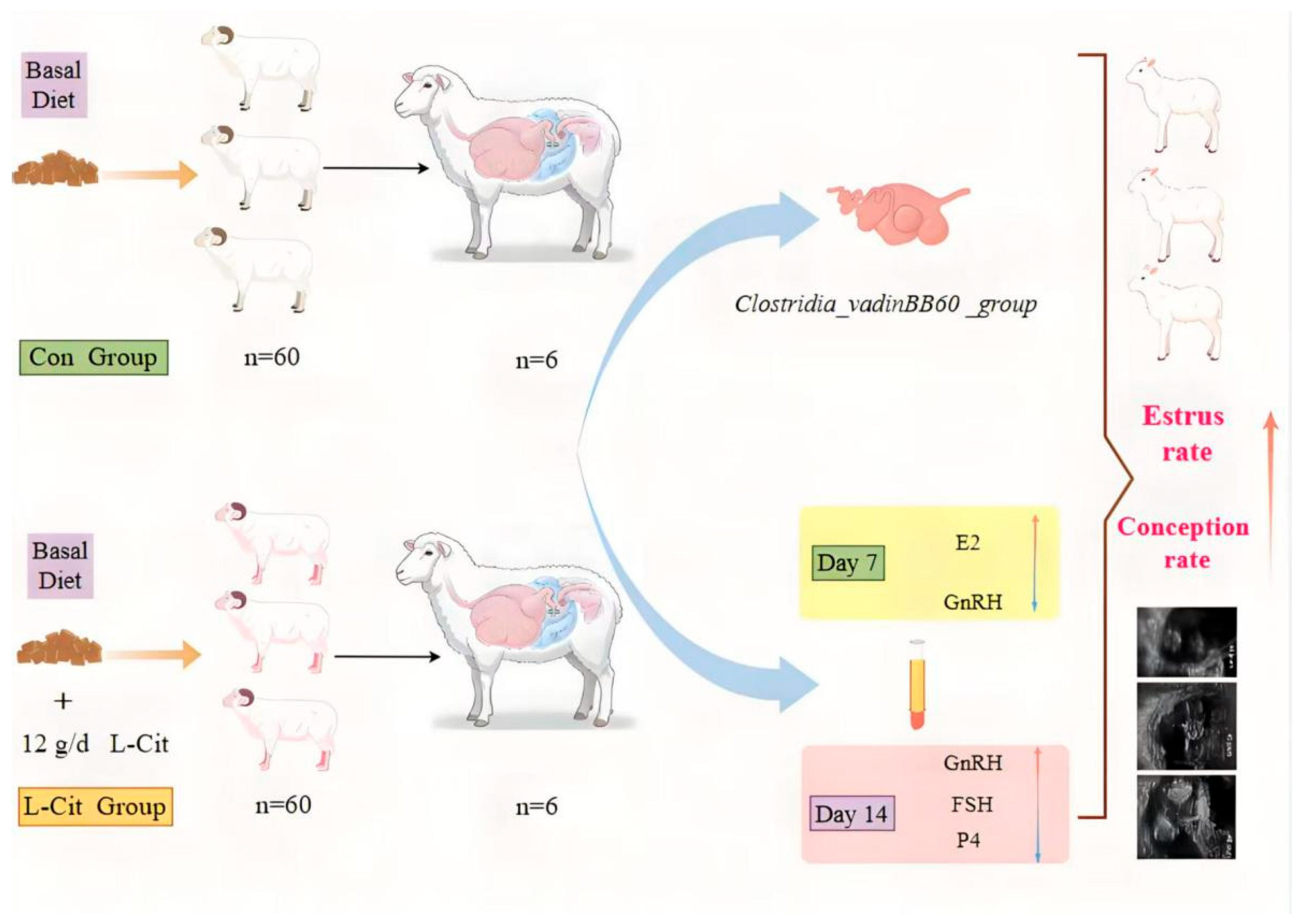
The L-Cit infusion and supplementation doses in this trial were based on studies by Gilbreath [10], Zhao [11], Ma [4], and An [12], who supplemented sheep with 10~12 g/d L-Cit. Based on the previous research by the scientific team, a daily dose of 12 g/d L-Cit was determined as the appropriate dosage under these experimental conditions. The specific experimental design flowchart is shown in Figure 1.

2.4. Animal Husbandry and Management

During the L-Cit supplementation trial, all multiparous Turpan black ewes were housed in groups in pens. There was feeding twice a day at 10:00 and 18:00. All of the sheep were allowed ad libitum access to feed and water.
Ewes were housed in a total of 4 pens, with 2 pens per treatment group and 30 ewes per pen (60 ewes per group; 120 ewes overall). The individual ewe served as the experimental unit for all measured variables. Feed intake was measured individually using Calan gates. Reproductive outcomes—including oestrus rate (proportion of ewes detected in oestrus), conception rate (proportion of bred ewes that became pregnant), and litter size—were recorded per ewe. Hormone concentrations and rumen microbiota composition were also analyzed at the individual ewe level (n = 6 per group for these subsets).
The daily dry matter intake was sort of 1.45 kg/d per ewe. Huishang Ecological Animal Husbandry Co., Ltd (Turpan, China) gave out the TMR mixed feed. Its composition and nutritional levels are shown in Table 1.

2.5. Sample Collection

2.5.1. Plasma Sample Collection and Processing

On trial days 0, 7, and 14, before morning feed time, jugular venous blood of Turpan black ewes getting dietary L-Cit was collected. Blood was obtained and put into heparinized tubes. To get plasma, it was immediately spun at 2000× g for 15 min at 4 °C. Then, it was aliquoted into 2 mL cryovials and stored at −20 °C for the analysis of reproductive hormones later.

2.5.2. Rumen Fluid Collection

2 h post-supplementation on day 8 of L-Cit feeding, rumen fluid (approximately 100 mL per ewes) was collected using a stomach tube-type rumen sampler, filtered through four layers of gauze, aliquoted into 5 mL cryovials, the rumen fluid was aliquoted into sterile cryogenic vials and immediately flash-frozen in liquid nitrogen to quench microbial metabolism and preserve nucleic acid integrity [13].
The particular way of collecting rumen fluid in this trial was:
(1)
To reduce the effect of dietary rhythms on rumen microbial communities, rumen fluid was collected before morning feeding, making sure the experimental ewes were in a fasting state.
(2)
For the purpose of collecting rumen fluid, a gastric tube-type sampler was used. It was made of a gastric tube, a vacuum bulb or pump, and a collection flask.
(3)
Before it is used, the sampler should be fully assembled and have strict cleaning and disinfection done. One should rinse it with hot sterile distilled water and then purge it with anhydrous CO2 to expel air from the tubing, so as to set up an anaerobic environment.
(4)
The gastric tube, lubricated beforehand, was slowly put through the mouth of the experimental ewe. Once the tube tip got to the dorsal or ventral part of the rumen, the vacuum bulb was linked.
(5)
Dispose of the first 50 mL of rumen fluid and gather the subsequent rumen fluid into pre-warmed, sterile, anaerobic collection bottles. These bottles should have CO2 pre-filled and be maintained in a 39 °C water bath to keep the activity of rumen microorganisms.
(6)
Move the rumen fluid that has been freshly collected to the laboratory at the earliest. With CO2 flowing continuously, pass the fluid through four layers of medical gauze to remove feed-related particles, protozoa, and impurities, getting a relatively pure rumen fluid filtrate.
(7)
Hastily aliquot the filtered rumen fluid into pre-sterilized, 2 mL numbered cryovials. In order to prevent vial rupture due to volume expansion during freezing, fill the container to 80% of its capacity. This process should be carried out as speedily as it is possible under a continuous CO2 flow to keep anaerobic and low-temperature circumstances.
(8)
Once aliquoting was done, the vials containing rumen fluid were put into liquid nitrogen to freeze rapidly. This makes sure the sample crosses the ice crystal formation zone within a very short period, maximizing the conservation of microbial RNA integrity or enzyme activity.
(9)
After quick freezing of the samples, transfer them to an −80 °C ultra-low-temperature freezer for long-term storage until subsequent rumen microbial analysis.
The full collection and aliquoting process has to be strictly completed within 30 min to lessen oxygen exposure and its negative effects on anaerobic microorganisms.

2.6. Measurement Indicators

2.6.1. Plasma Reproductive Hormones

Plasma levels of GnRH, FSH, LH, P4, and E2 were determined using enzyme-linked immunosorbent assay (ELISA) kits purchased from Shanghai Enzyme-linked Biotechnology Co., Ltd. (Shanghai, China) The specific methods can be referred to [14].

2.6.2. Determination of Microorganisms in Rumen Fluid

DNA was purified from rumen fluid using the cetyltrimethylammonium bromide (CTAB) method (DNA extraction was performed exclusively from rumen fluid samples; fecal samples were not collected for microbial analysis) and used as a template for PCR amplification with specific primers. PCR products were quantified by fluorescence (Qubit 3.0). Total genomic DNA was extracted from rumen fluid samples using the QIAamp PowerFecal Pro DNA Kit. (Urumqi, China) The V3–V4 hypervariable region of the 16S rRNA gene was amplified using primers 338F (5′-ACTCCTACGGGAGGCAGCA-3′) and 806R (5′-GGACTACHVGGGTWTCTAAT-3′). Amplicon sequencing was performed on an Illumina MiSeq platform (2 × 300 bp paired-end). Raw reads were quality-filtered using Trimmomatic (v0.39), and chimeras were removed with VSEARCH (v2.15.0). Operational taxonomic units (OTUs) were clustered at 97% similarity using QIIME2 (v2021.8). Samples were sent to Shanghai Majorbio Bio-pharm Technology Co., Ltd. (Shanghai, China) for analysis. Specific methods can be referred to [15].

2.7. Statistical Analysis

Excel was used for preliminary organization of crude protein content, nitrogen metabolism indicators, and reproductive hormone data. For hormone concentrations measured repeatedly (days 0, 7, 14), used a linear mixed-effects model (SPSS 26.0) with treatment, time, and treatment × time as fixed effects, and ewes as a random effect. Pairwise comparisons were corrected using Bonferroni. Independent t-tests were retained for oestrus rate and conception rate comparisons. Oestrus detection began on day 15, designated as day 0 for oestrus rate statistics. Oestrus rate data were recorded at 0, 24, 48, 72, 96, 120, and 144 h over the 7-day detection period. oestrus rate and conception rate were analyzed using the Chi-square test in SPSS 26.0. The data underwent normality testing, and the differences between the two groups were compared using the independent samples t-test. The statistical power was set at 0.8, and the sample size was calculated based on the pre-test effect size.
Raw plasma metabolite data were processed using the metabolomics software Progenesis QI v3.0 (Waters Corporation, Milford, CT, USA) for peak extraction, alignment, identification, etc., resulting in a data matrix containing retention time, peak area, mass-to-charge ratio, and identification information for subsequent bioinformatics analysis, performed by Shanghai Majorbio Bio-pharm Technology Co., Ltd. (Shanghai, China).
Alpha diversity (Shannon, Chao1) was compared between groups using independent t-tests. Beta diversity (Bray–Curtis distances) was visualized by PCoA and tested by PERMANOVA (999 permutations). Differential abundant genera were identified using LEfSe (LDA threshold > 2.0) and DESeq2 (P-adjusted < 0.05). For both LEfSe and Spearman correlation analyses between genera and hormones, false discovery rate (FDR) correction was applied, with q < 0.05 considered significant.
Origin software (2025) was used to analyze correlations between reproductive hormones, gastrointestinal microbiota, and plasma metabolites, use Spearman correlation analysis and generate a heat map. Data visualization was performed using GraphPad Prism 9.0 and Adobe Illustrator 2025. Results are presented as mean ± standard error. p < 0.05 was considered statistically significant, and p < 0.01 was considered highly significant.

3. Results

3.1. Effects of L-Cit Supplementation on Ewes Reproductive Performance

The results in Table 2 showed that the oestrus rate of Con group was 61.67%, and that of L-Cit group was 73.33%. The conception rate in both groups was 100.00%. The oestrus rate of L-Cit group was 15.78% (p > 0.05) higher than that of Con group.
As the results show, a 7-day oestrus detection period began on day 15. In the Con group, oestrus rates were 5.00%, 11.67%, 23.33%, 33.33%, 46.67%, 56.67%, and 61.67% at 0, 24, 48, 72, 96, 120, and 144 h post-detection start, respectively, with the main oestrus period concentrated at 0~24 h, showing a significant increase of 133.40% (p < 0.05). In the L-Cit group, oestrus rates were 8.33%, 13.33%, 28.33%, 46.67%, 58.33%, 66.67%, and 73.33%, respectively, with the main oestrus period concentrated at 24~48 h, showing a significant increase of 240.10% (p < 0.05).

3.2. Effects of L-Cit Supplementation on Plasma Reproductive Hormone Levels in Ewes

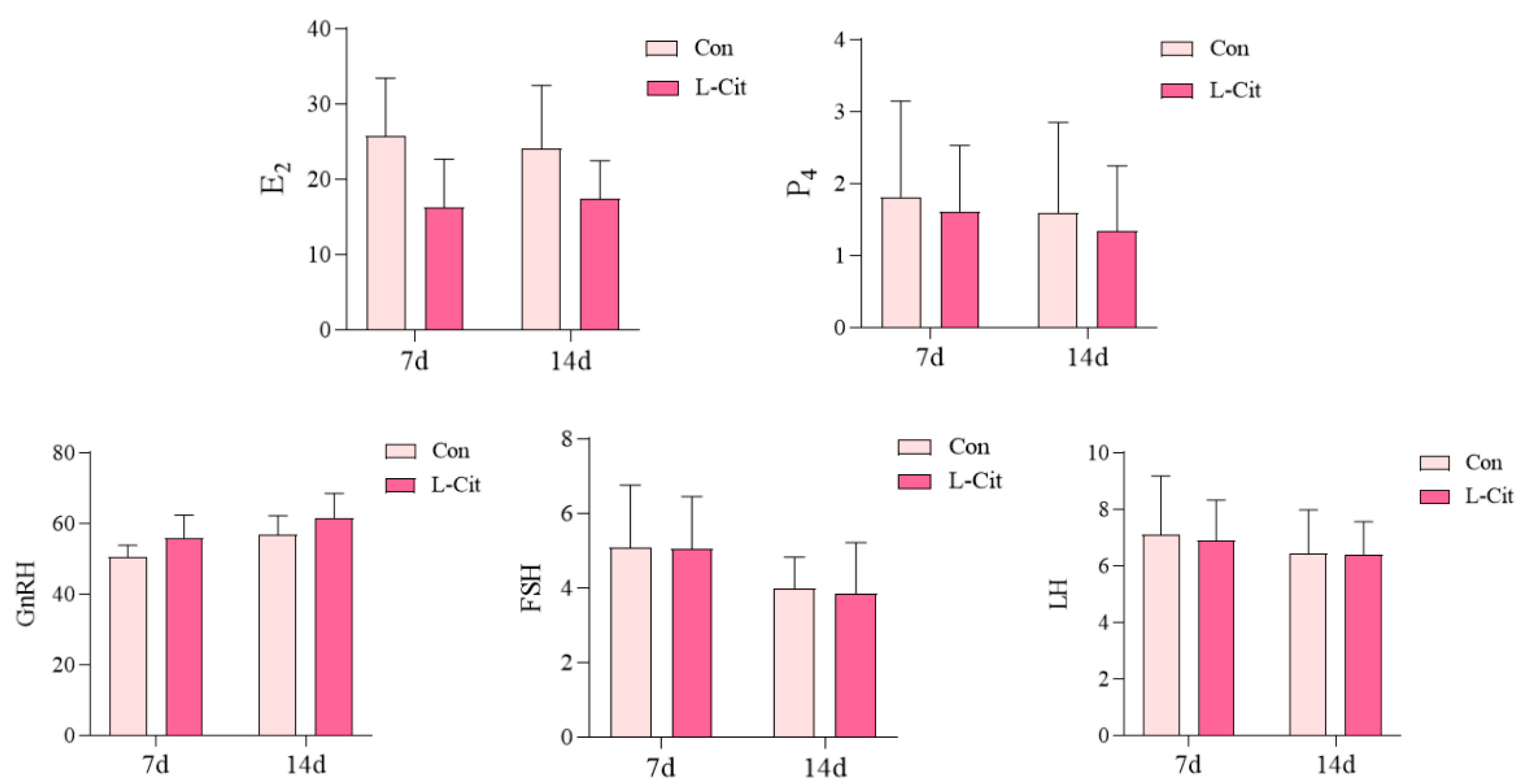
As shown in Figure 2, on day 7 of the trial, the plasma GnRH levels in the L-Cit group increased by 11.17% compared to the Con group (p > 0.05), while the E2 levels decreased by 37.05% (p > 0.05), P4 levels decreased by 11.02% (p > 0.05), FSH levels decreased by 0.39% (p > 0.05), and LH levels decreased by 2.82% (p > 0.05). No significant differences were observed in hormone levels between the two groups. On day 14 of the trial, the plasma GnRH levels in the L-Cit group increased by 8.26% compared to the Con group (p > 0.05), while the E2 levels decreased by 27.56% (p > 0.05), P4 levels decreased by 15.14% (p > 0.05), FSH levels decreased by 3.76% (p > 0.05), and LH levels decreased by 0.08% (p > 0.05). No significant differences were observed in hormone levels between the two groups, with FSH and LH showing relatively small changes at all time points.

3.3. Effects of L-Cit Supplementation on Rumen Microbiota in Ewes

3.3.1. Rumen Microbial Community Composition

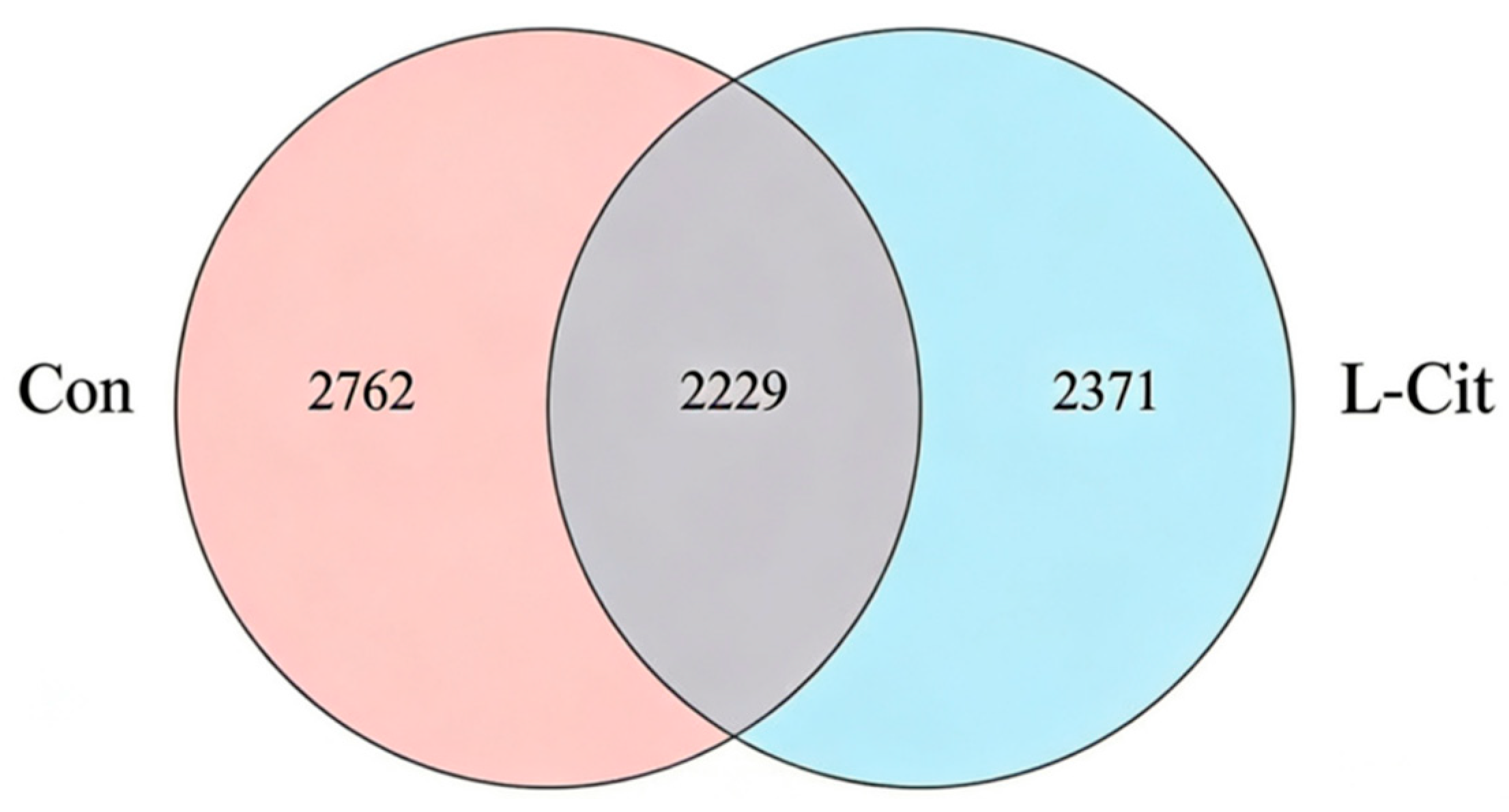
After processing the sequencing data and clustering sequences at 97% similarity into OTUs, the results are shown in Figure 3. A total of 5133 different OTUs were identified between Con and L-Cit groups. Unique OTUs within Con and L-Cit groups were 2762 and 2371, respectively. The Con group had a total of 4991 OTUs, the L-Cit group had 4600 OTUs, and 2229 OTUs were shared.

3.3.2. Alpha Diversity Analysis

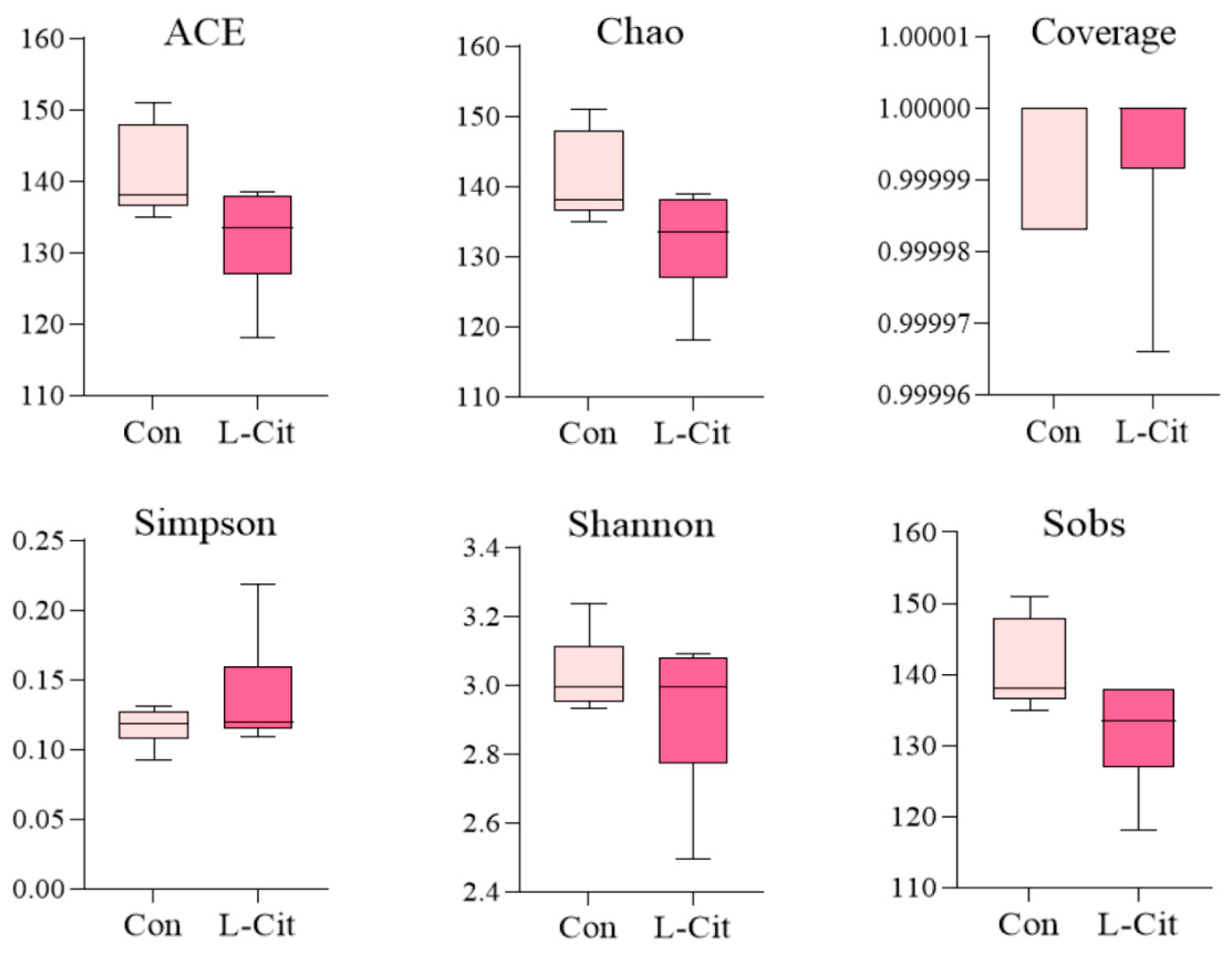
As shown in Figure 4, no significant differences were observed in the various indices between the Con group and the L-Cit group. Dietary supplementation of L-Cit did not significantly alter the diversity of the rumen microbial community in ewes. Furthermore, the species coverage for all samples reached 99.9%, indicating that the sequencing depth was sufficient to reliably represent the actual composition of the microbial community in the rumen samples.

3.3.3. Principal Coordinates Analysis (PCoA)

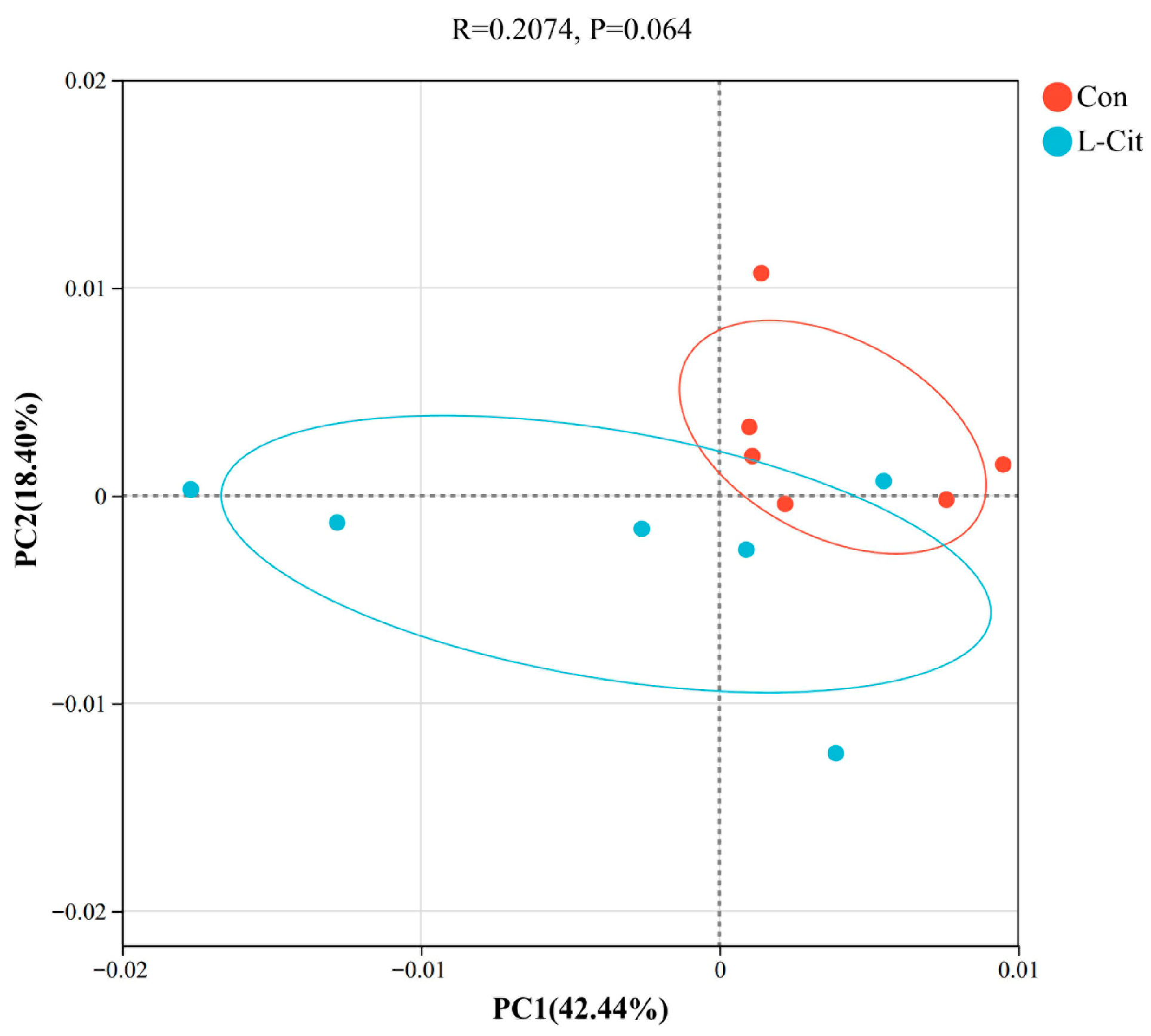
As shown in Figure 5, the first principal coordinate explained 42.44% of sample variation, and the second explained 18.40%. Con and L-Cit groups were separated into two clusters. The Con group’s microbial composition was more compact with smaller community differences, while the L-Cit group’s composition was more dispersed with larger community differences.

3.3.4. Effects of L-Cit Supplementation on Rumen Microbial Species Composition and Differential Impact

Effects at the Phylum Level
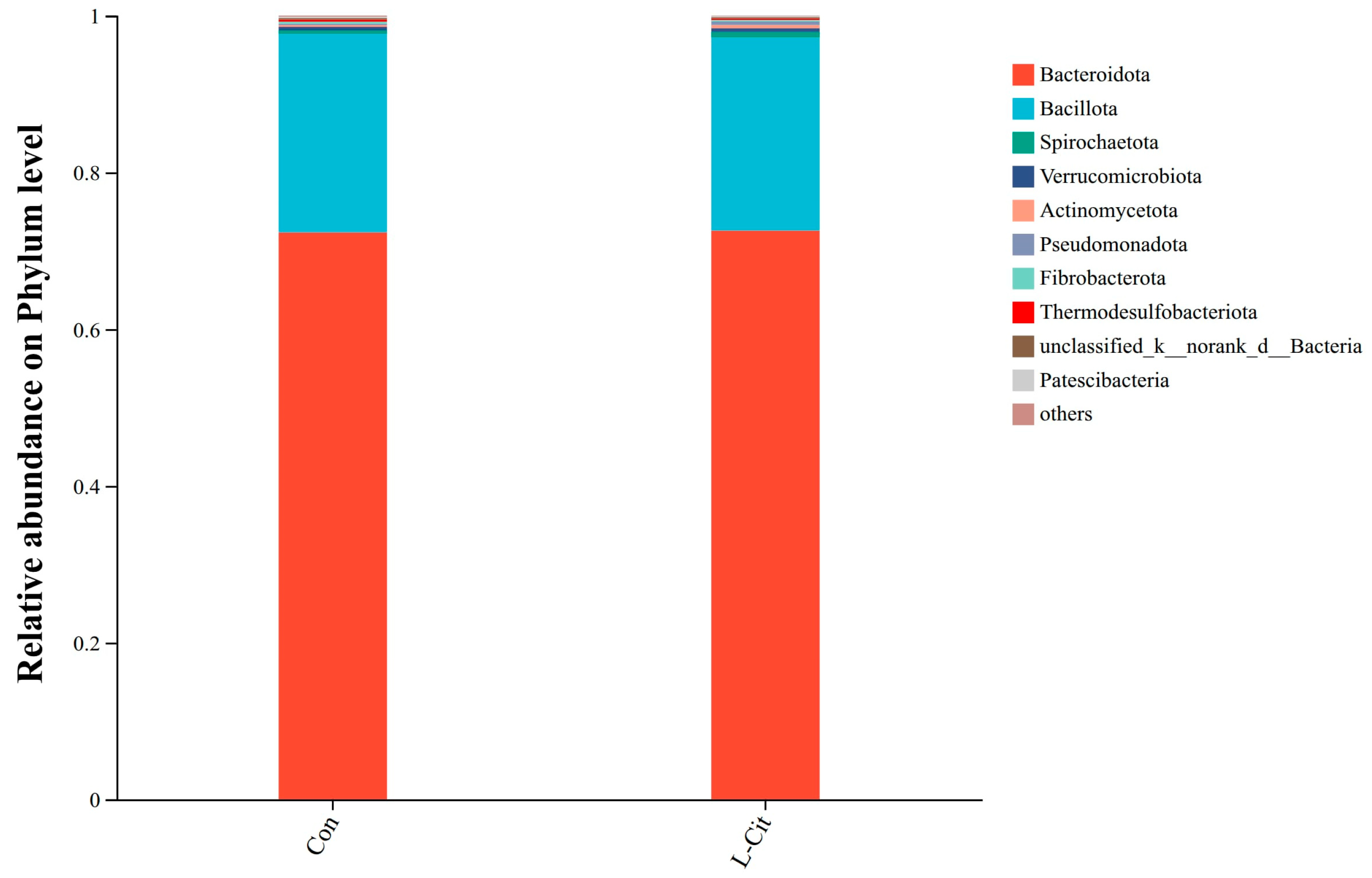
The composition of rumen microbiota in Con and L-Cit groups after L-Cit supplementation is shown in Figure 6. At the phylum level, major phyla included Bacteroidota (72.33%; 72.57%), Bacillota (25.33%; 24.62%), Spirochaetota (0.45%; 0.73%), Verrucomicrobiota (0.43%; 0.47%), and Actinomycetota (0.22%; 0.41%).
Effects at the Family Level
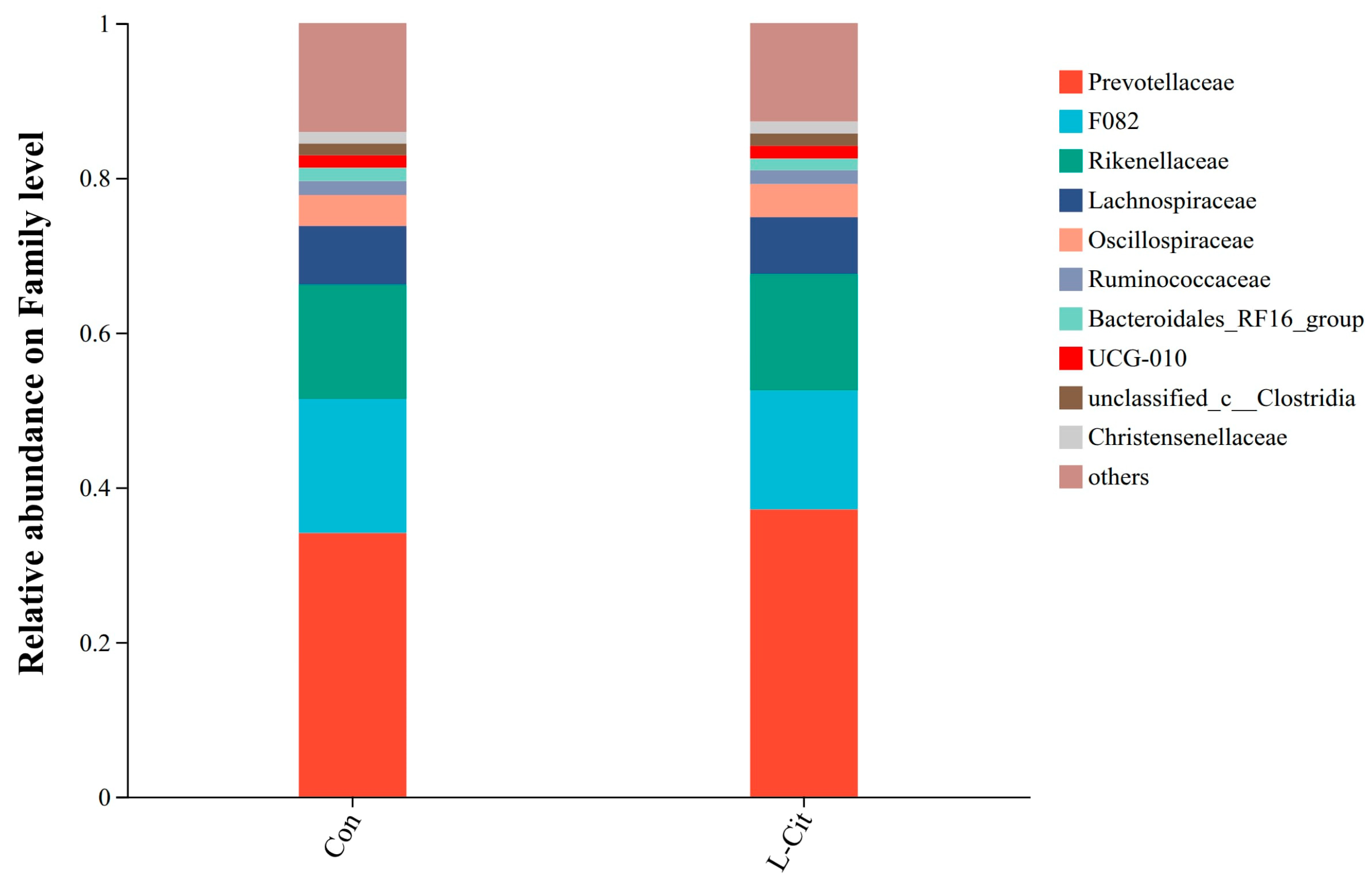
As shown in Figure 7, at the family level, major families included Prevotellaceae (34.08%; 37.14%), F082 (17.33%; 15.36%), Rikenellaceae (14.79%; 15.07%), Lachnospiraceae (7.59%; 7.34%), Oscillospiraceae (3.97%; 4.27%), Ruminococcaceae (1.83%; 1.78%), Bacteroidales_RF16_group (1.73%; 1.53%), UCG-010, unclassified_c_Clostridia (1.51%; 1.58%), and Christensenellaceae (1.52%; 1.57%).
Effects at the Genus Level
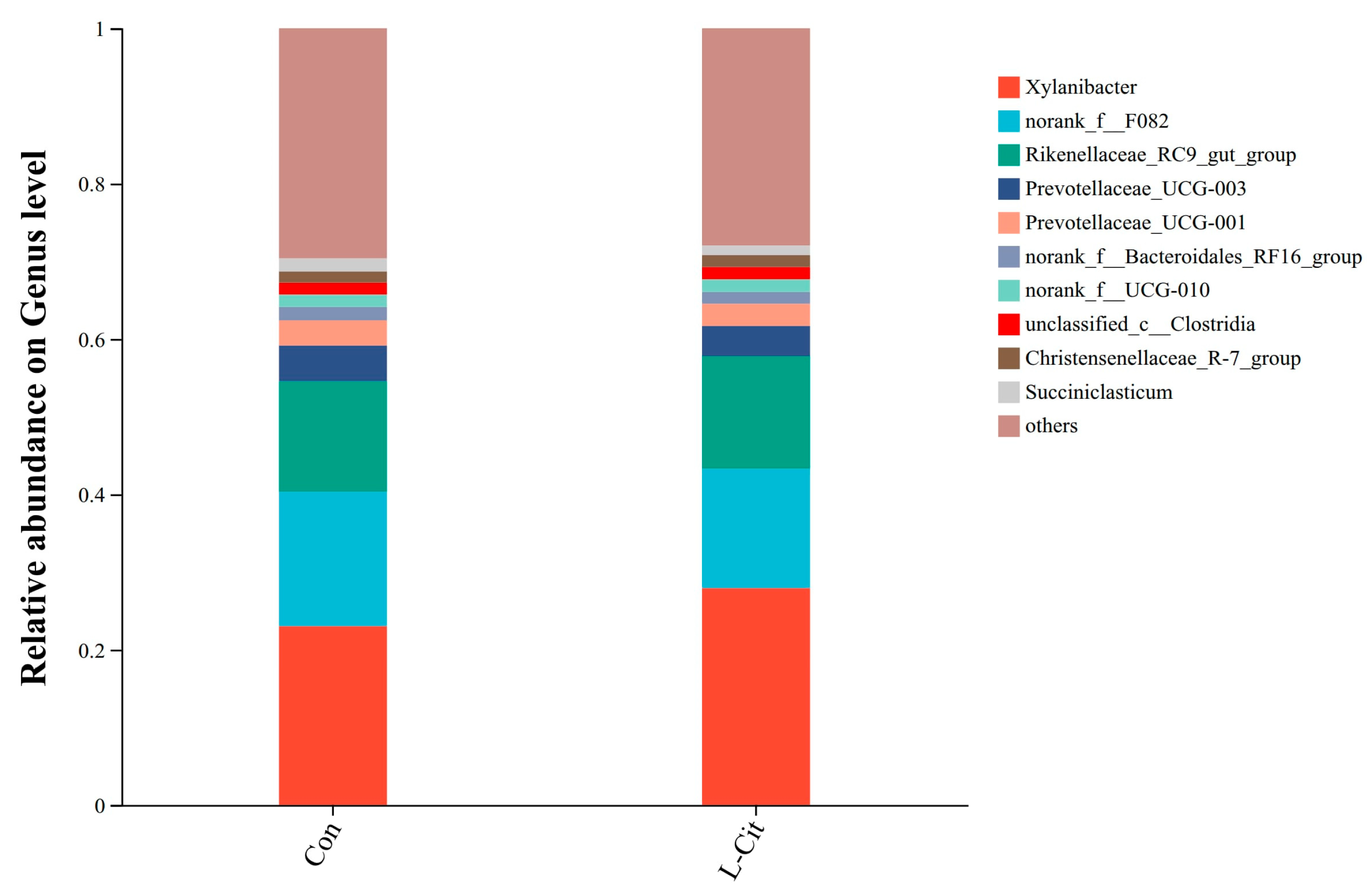
As shown in Figure 8, at the genus level, major genera included Xylanibacter (23.02%; 27.93%), norank_f_F082 (17.33%; 15.36%), Rikenellaceae_RC9_gut_group (14.22%; 14.50%), Prevotellaceae_UCG-003 (4.61%; 3.89%), Prevotellaceae_UCG-001 (3.23%; 2.84%), norank_f_Bacteroidales_RF16_group (1.73%; 1.53%), norank_f_UCG-010 (1.59%; 1.53%), unclassified_c_Clostridia (1.51%; 1.58%), Christensenellaceae_R-7_group (1.45%; 1.52%), and Succiniclasticum (1.68%; 1.24%).

3.3.5. Differential Analysis of Rumen Microbial Species Composition

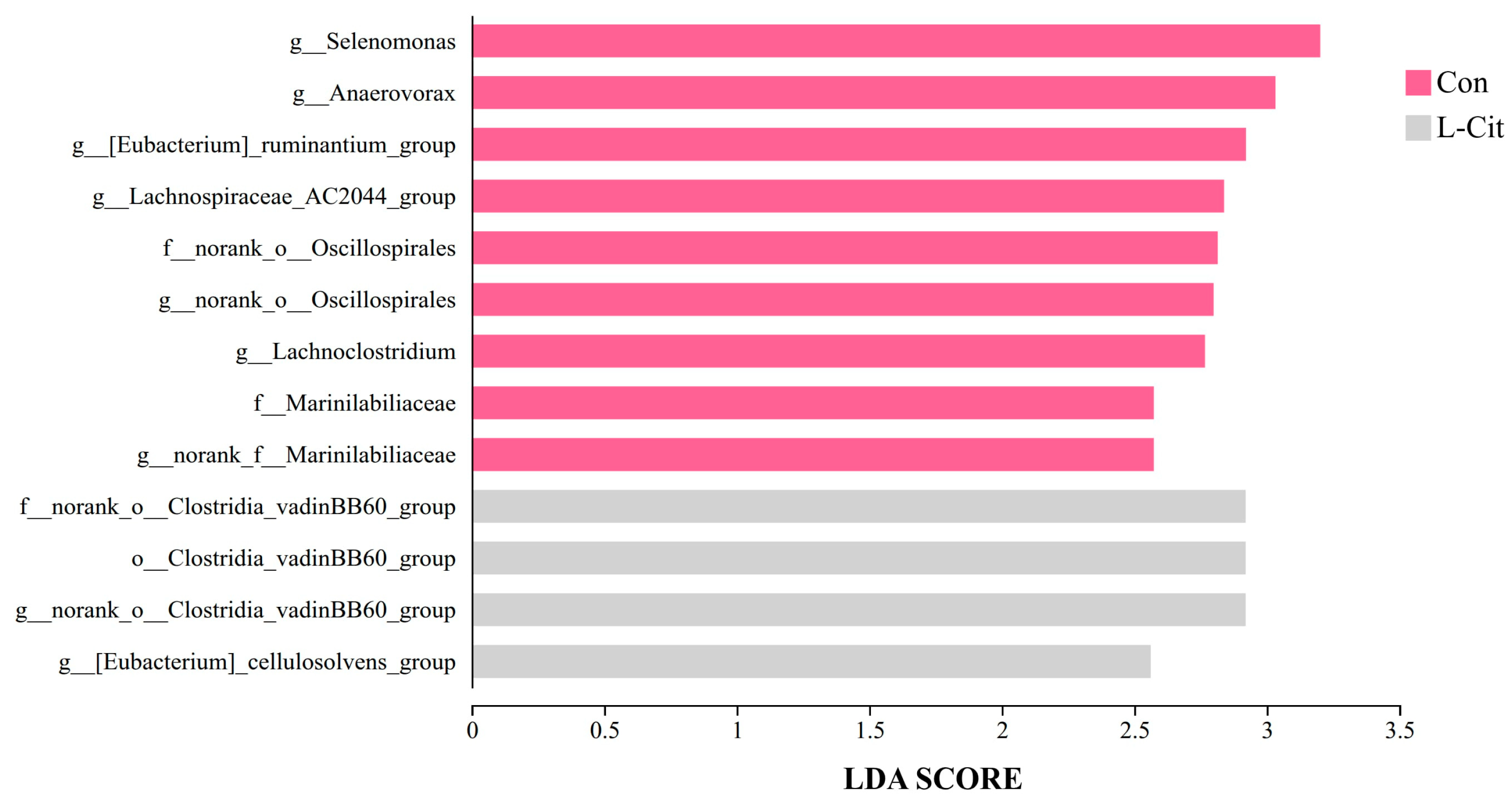
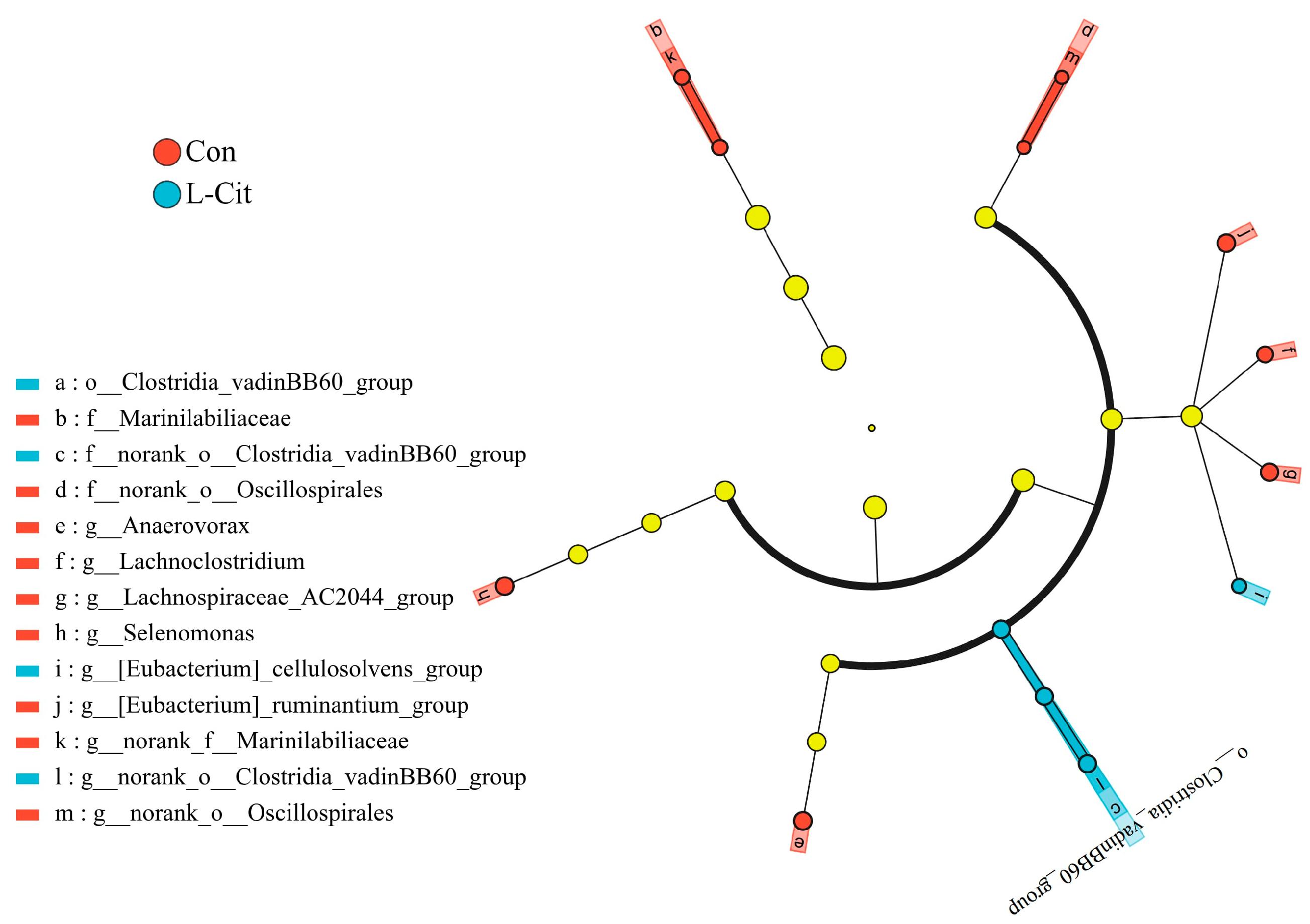
Based on the aforementioned analysis of community structure and species composition, which indicated that dietary L-Cit supplementation induced certain alterations in the rumen microbiota of ewes, we further performed LEfSe (Linear Discriminant Analysis Effect Size) analysis. Using a threshold of LDA score > 2 and a significance level of p < 0.05, microbial taxa with significantly differential relative abundance between the two groups were identified. The results of this analysis are presented in Figure 9.
As shown in Figure 10, at the order level, the relative abundance of Clostridia_vadinBB60_group was significantly higher in the L-Cit group (LDA = 2.92, p = 0.025). At the family level, relative abundances of norank_o_Oscillospirales (LDA = 2.82, p = 0.016) and Marinilabiliaceae (LDA = 2.57, p = 0.045) were significantly higher in the Con group, while the norank_o_Clostridia_vadinBB60_group was significantly higher in the L-Cit group (LDA = 2.92, p = 0.025).
At the genus level, relative abundances of Selenomonas (LDA = 3.20, p = 0.025), Anaerovorax (LDA = 3.03, p = 0.025), [Eubacterium]_ruminantium_group (LDA = 2.92, p = 0.025), Lachnospiraceae_AC2044_group (LDA = 2.84, p = 0.025), norank_o_Oscillospirales (LDA = 2.80, p = 0.016), Lachnoclostridium (LDA = 2.77, p = 0.006), and norank_f_Marinilabiliaceae (LDA = 2.57, p = 0.045) were significantly higher in the Con group. In the L-Cit group, relative abundances of the norank_o_Clostridia_vadinBB60_group (LDA = 2.92, p = 0.025) and the [Eubacterium]_cellulosolvens_group (LDA = 2.56, p = 0.014) were significantly higher.

3.3.6. Rumen Microbiota Correlation Analysis

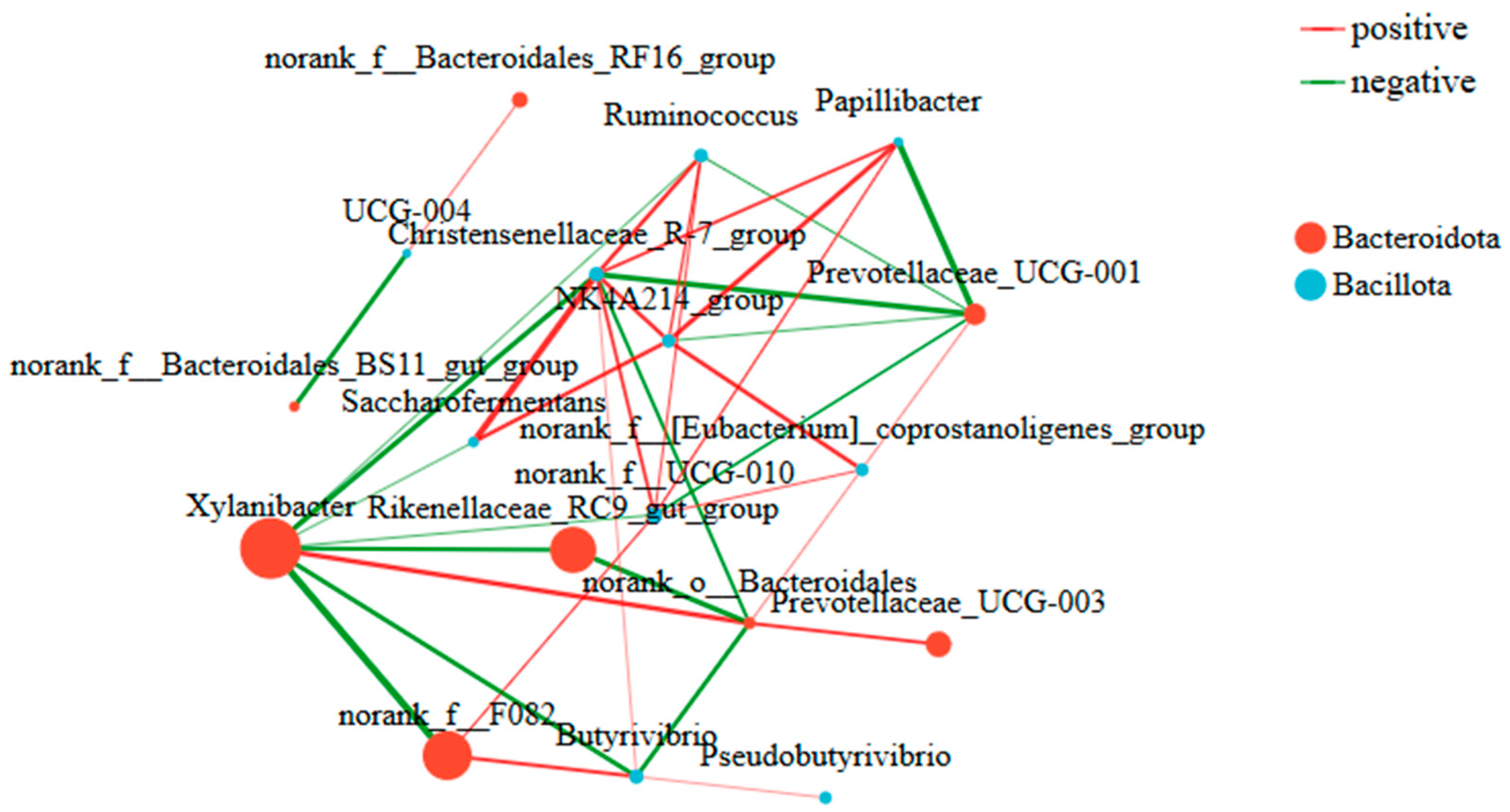
As shown in Figure 11, Spearman correlation analysis indicated that Xylanibacter was negatively correlated with the Christensenellaceae_R-7_group, Ruminococcus, Saccharofermentans, norank_f_UCG-010, Rikenellaceae_RC9_gut_group, Butyrivibrio, and norank_f_F082, and positively correlated with norank_o_Bacteroidales. Rikenellaceae_RC9_gut_group was negatively correlated with Xylanibacter and norank_o_Bacteroidales. norank_f_F082 was negatively correlated with Xylanibacter and positively correlated with norank_f_UCG-010 and Butyrivibrio. UCG-004 was negatively correlated with the norank_f_Bacteroidales_BS11_gut_group and positively correlated with the norank_f_Bacteroidales_RF16_group.

3.4. Correlation Analysis Between Rumen Microbiota and Plasma Reproductive Hormones in Ewes After L-Cit Supplementation

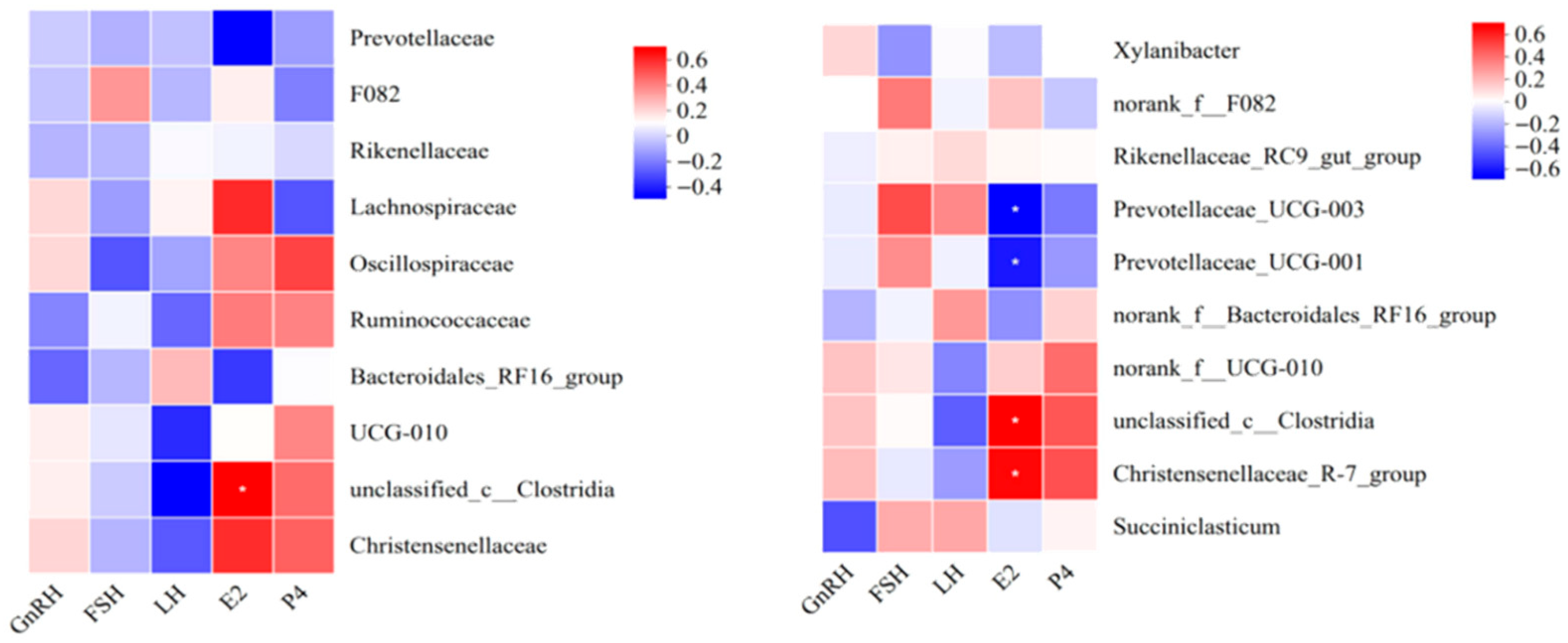
As shown in Figure 12, correlation analysis between rumen microbiota and plasma reproductive hormones at the family level revealed that E2 content was significantly positively correlated (0.01 < p ≤ 0.05) with unclassified_c_Clostridia abundance.
As shown in Figure 12, correlation analysis between rumen microbiota and plasma reproductive hormones at the genus level revealed that E2 content was significantly positively correlated (0.01 < p ≤ 0.05) with unclassified_c_Clostridia and Christensenellaceae_R-7_group abundances, and significantly negatively correlated (0.01 < p ≤ 0.05) with Prevotellaceae_UCG-003 and Prevotellaceae_UCG-001 abundances.

4. Discussion

4.1. Effects of L-Cit Supplementation on Rumen Microbiota in Ewes

A dynamically balanced community structure and relative abundance, which are essential factors that regulate the rumen microbiota in ruminants, play a key role on rumen environmental homeostasis, fiber degradation and nutrient metabolism [16]. Consecutive changes in the rumen ecosystem provide a realistic microbiological explanation on why there was an increased efficiency in the utilization of nitrogen in the initial trial of using L-Cit supplement with ewes [17]. Based on the results of this experiment, it was also found that the alpha diversity indices had no significant differences; this literature suggests that dietary L-Cit supplementation did not produce a significant effect on the total number, and evenness of microbial species in the rumen. This discovery agrees with the idea of rumen microbiome functional redundancy and resilience, where the function of the organization can be modified due to significant diversity changes [18]. The clear separation of the L-Cit and the Con groups in the Principal Coordinates Analysis plot gives credence to the remodeling effect of L-Cit supplementation in the bacterial community. The rise in the dispersion of the L-Cit group could be indicative of increased dynamics and individual difference in rumen microbial response to L-Cit. This inconsistency may show the difference in the ability of individual ruminants to process L-Cit.
On the phylum level, both Bacteroidota and Bacillota were usual and essential elements of the rumen microbiota that were not affected by the L-Cit supplementation as it was found in other studies [19,20], The results showed that supplementation of L-Cit significantly changed the ruminal nitrogen metabolism and abundance of specific genera in sheep, but the relative abundance of Bacteroidota and Bacillota at phylum level was not significantly changed, which was consistent with the results of this experiment [7]. Bacteria using hemicellulose, including Xylanibacter, had a predilection towards an increased range of abundances in the L-Cit-treated sample. LEfSe analysis showed additional changes that were more definite which showed a significant enhancement of the Clostridia_vadinBB60 group and [Eubacterium]_cellulosolvens group in L-Cit group. Clostridia_vadinBB60_group can be generally identified to be anaerobic and complex carbohydrate metabolism responding and [Eubacterium]_cellulosolvens is a classic fibrolytic bacterium that can degrade cellulose [21,22,23]. The enhanced richness of the groups implies that L-Cit can result in a more favorable rumen microenvironment that encourages fibrolytic activity. At the same time, the decrease in prevalence of such genera as Selenomonas and Anaerovorax in the L-Cit group can mean that rumen fermentation changed and no longer serves the proteolytic pathway, or there can be more effective microbial cross-framing processes [24,25].
L-Cit as an antecedent of L-Arg could, when taken up or by direct contact with rumen microbes, have an impact on the rumen pool of L-Arg and polyamines, which act as sources of nitrogen or as growth factors to particular populations of bacteria [7]. Also, conversion of L-Arg to NO can be an important factor, since NO was shown to have selective antimicrobial and signaling functions that can also regulate microbial communities [26]. Indirectly, an increase in fibrolytic bacteria enrichment might be a result of improved host nitrogen metabolism as well as increased availability of nitrogen required to synthesize microbial proteins, thus providing a more reasonable environment to the bacteria [27]. Results of correlation analysis of rumen microbiota indicated that there was a negative relationship between Xylanibacter and members of the F082 family, which highlights the complex co-occurrence network between rumen microbiota. L-Cit dietary supplementation can potentially modify the rumen microbial association network, and thus form a new type of ecological equilibrium, which in turn accumulate better functions of the ecosystem, including fiber digestion [23]. By increasing the ability to digest fibers better, the energy supply of the Turpan black ewes can increase hence saving amino acids used in energy production. This conservation improves the efficacy of synthesizing dietary nitrogen to host tissue and microbial protein [19].

4.2. Effects of L-Cit Supplementation on Plasma Reproductive Hormone Levels in Ewes

Effects of L-Cit supplementation on reproductive hormone levels in ewes. The study primarily found that, compared to the Con group, L-Cit supplementation did not significantly alter the concentrations of GnRH, E2, P4, FSH, or LH in plasma on days 7 and 14 (p > 0.05). The modest variation in percentages, though statistically not significant, has shown that L-Cit might not be a strong hypothalamic–pituitary–gonadal (HPG) axis regulator in the present experiment conditions.
This minor, non-significant change in the level of GnRH is in line with the established purpose of L-Cit as a precursor of L-arginine that is used to synthesize the nitric NO [28]. Nitric oxide is also alleged to stimulate GnRH secretion of hypothalamus [29]. However, the fact that this marginal increase occurred, indicates that the dosage or time period that L-Cit was taken was perhaps not enough to produce an intense neuroendocrine signal. This latter negative result of no substantial attenuation in downstream pituitary gonadotropins also confirms the proposition that the weak GnRH stimulus was not adequate to balance out the tonic inhibitory feedback mechanisms controlling the HPG axis [30].
Surprisingly, even though GnRH increased insignificantly, both E2 and P4 scaled levels exhibited a steady, but insignificant, tendency towards decreasing. L-Cit has been found to affect the steroidogenesis in peripheral tissues. As an example, it has been discovered that NO can regulate the activity of aromatase and steroidogenic enzymes in the granulosa cells [31,32]. L-Cit could have had a small indirect action on the level, by the direct effect of increased production of NO, resulting in a minor diminution of sex steroid production [33]. This peripheral effect may be independent of significant variations in gonadotropins of the pituitary gland which may be the reason why E2 and P4 decreased but the FSH/LH did not vary significantly compared to the control arm [34].
The dietary intervention was specifically sensitive to the hypothalamic–pituitary axis as the changes in FSH and LH remained to be the lowest possible. This is a property of healthy, reproductively fit subjects in non-stressful states, in which homeostatic processes have a great control over gonadotropin secretion [35,36]. The absence of substantial change may also be because of the physiological condition of the animals used in this trial which was specific or maybe that the control group had an optimal level of basal hormones [37].
Contrary to our hypothesis, L-Cit supplementation did not significantly alter plasma concentrations of estradiol, progesterone, FSH, or LH at day 7 or day 14 compared to control. This indicates that, under the current study conditions, dietary L-Cit did not demonstrably activate the HPG axis or stimulate reproductive hormone synthesis. The numerical differences in oestrus rate are not supported by hormonal evidence.

4.3. Impact of L-Cit Supplementation on the Association Between Rumen Microbiota and Reproductive Hormones in Ewes

The correlation analysis data indicates Fibrobacterota is one of the disintegrating microorganisms that perform crucial functions in the rumen by decomposing cellulose [38]. Negative relationships among groups of microbes suggest that there is competition or ecological niche divergence within communities that decompose cellulose. These complex correlation networks of rumen microorganisms indicate that the change in microbial communities in one location, brought about by L-Cit, can be cascaded even on the microbial ecosystem across the digestive tract [19]. The exchange of nutrient microbe-microbe interactions or competition usually achieves such interactions because of the exchange of microbial metabolites or the direct interactions between microbes. Ruminants that live on the rumen have clostridia which have been traditionally known to ferment carbohydrates to generate SCFAs [39]. SCFAs, at least acetate, propionate and butyrate, are important sources of energy to ruminants, and have been shown to have an effect on host metabolism and endocrine activity [40]. The positive correlation that was observed between E2 and some Clostridia bacteria suggests that these microbes can indirectly increase the functioning of the ovaries. This may be by the synthesis of metabolites that promote E2 production or action or by modulating the energy levels of the host. A proper energy supply is required in follicular growth and production of steroid hormones [41]. Conversely, the correlation between E2 and Prevotellaceae UCG-003 and Prevotellaceae UCG-001 is negative, so these groups might suppress the level of E2. The most common genus in the rumen is Prevotella which is mostly engaged in breaking down non-fibrous food materials and proteins [42]. Some species of Prevotella could affect steroid production in the ovary indirectly by producing metabolites that could immobilize this process, or indirectly by altering the host metabolic pathways to influence E2 levels. The spirochaetota, which are mostly involved in degradation of cellulose in the rumen of ruminants [43], has a complicated trend of positive and negative associations. This implies that Spirochaetota are largely involved in the ecological stability of rumen microbial communities and their changes in abundance can affect the development and activity of other important functional microbes.
While we observed several significant correlations between rumen bacterial genera and hormone concentrations, it is important to emphasize that correlation does not establish causality. Whether changes in rumen microbiota directly influence circulating hormone levels, or whether hormonal variations alter the rumen environment, cannot be determined from our data. Mechanistic studies (e.g., microbiota transplantation or gene knockouts) are required to test causal relationships.

4.4. Effects of L-Cit Supplementation on Reproductive Performance of Ewes

The critical measures of reproductive performance in sheep are oestrus and conception rate. Exogeneous nutrient supplementation has been found to increase conception and lambing rates in ewes through the inversion of the uterine environment and endometrial status. Characterized studies have shown that arginine is a conditionally necessary amino acid and a dietary supplement, which can be used to boost reproductive performance in sheep and improve uterine environment, thus promoting pregnancy [44]. There is empirical evidence that supplementation with arginine in embryos at an early age has the potential to improve embryo survival rates in sheep. Investigations that were conducted on injecting ewes with arginine have shown that the arginine-treated group had a greater number of oestrus compared to the control group. It was also characterized by significantly enhanced fertility, whereas pregnancy and birth rate were significantly higher than in the control group, and the rate of infertility was also lower. NO produced by means of nitric oxide synthase of arginine, is a cellular relaxing factor and an important signaling molecule in a wide range of reproductive processes, including ovarian follicular growth, ovulation, luteal activity, and uterine receptivity [30]. Studies have shown that NO is critical in the increase in blood circulation to the reproductive organs, which is fundamental in the supply of nutrients and hormones to the developing follicles and the corpus luteum [29]. In addition, L-Cit nutrition has also been said to enhance the uterine circulation and fetal development in sheep [45]. The results of the research reveal that L-Cit supplementation increases oestrus and conception rates in ewes, probably because of better NO production, which consequently does not only improve the functioning of reproductive organs but also affects the reproductive axis on the multi-levels of regulation. The estrus rate in the L-Citrulline group was numerically higher by 15.78% (93.33% vs. 77.55%), but this difference was not statistically significant (p = 0.32). This non-significant difference may be attributed to the high variability inherent in ewes’ estrus responses. Therefore, under the current experimental conditions, we cannot conclude that L-Citrulline exerts a genuine biological effect on estrus induction (Figure 13).

5. Conclusions

In conclusion, dietary L-Cit supplementation at 12 g/d did not significantly alter plasma reproductive hormone concentrations, oestrus rate, or rumen microbiota composition in ewes under the conditions of this study. Although oestrus rate was numerically higher in the L-Cit group, the difference was not statistically significant, and conception rate was 100% in both groups. Correlation analyses suggested some associations between rumen bacteria and hormone levels, but these do not imply causation. Further research with larger sample sizes and direct mechanistic approaches is warranted to evaluate potential effects of L-Cit in small ruminant reproduction.

Author Contributions

Conceptualization, G.Z., K.Y. and T.L. (Tingting Lu); Data curation, G.Z., K.Y. and T.L. (Tingting Lu); Formal analysis, G.Z., K.Y., T.L. (Tingting Lu), H.C., J.L., T.L. (Tingting Li) and H.L. (Hao Lu); Funding acquisition, G.Z. and K.Y.; Investigation, G.Z., K.Y. and T.L. (Tingting Lu); Methodology, G.Z., K.Y. and T.L. (Tingting Lu); Project administration, G.Z., K.Y., H.C., J.L., R.R. and H.L. (Haibo Lv); Resources, G.Z., K.Y., R.R. and H.L. (Haibo Lv); Software, G.Z., and K.Y.; Supervision, G.Z., K.Y., T.L. (Tingting Lu), H.C., J.L., T.L. (Tingting Li), H.L. (Hao Lu) and C.G.; Validation, G.Z., K.Y., T.L. (Tingting Lu), H.C., J.L., T.L. (Tingting Li), H.L. (Hao Lu) and C.G.; Visualization, G.Z., K.Y., T.L. (Tingting Lu) and C.G.; Writing—original draft, G.Z., K.Y., T.L. (Tingting Lu) and H.C.; Writing -review & Editing, G.Z., K.Y., T.L. (Tingting Lu), H.C. and J.L. All authors have read and agreed to the published version of the manuscript.

Funding

This research was supported by the 2024 Tianchi Talent Introduction Program—Young Doctor (L), Project No. 2224ZZQRCXM, and the 2025 Annual University-Level Undergraduate Innovation Training Program. The APC was funded by the aforementioned programs.

Institutional Review Board Statement

The animal study protocol was approved by the Animal Experiment Ethics Committee of Xinjiang Agricultural University (Protocol Permit Numbers: 2020032, 7 May 2020; 2020024, 20 March 2020). The study was conducted in accordance with the local legislation and institutional requirements.

Informed Consent Statement

Written informed consent was obtained from the owners for the participation of their animals in this study.

Data Availability Statement

The datasets presented in this study can be found in the NCBI repository under BioProject accession number PRJNA1438583, available at: http://www.ncbi.nlm.nih.gov/bioproject/PRJNA1438583 (accessed on 17 March 2026).

Acknowledgments

We acknowledge the support provided—test site and laboratory animals by Xinjiang Huishang Ecological Animal Husbandry Co., Ltd.

Conflicts of Interest

R.R. and H.L. are employed by Huishang Ecological Animal Husbandry Co., Ltd. The remaining authors declare that the research was conducted in the absence of any commercial or financial relationships that could be construed as a potential conflict of interest. The funders had no role in the design of the study; in the collection, analyses, or interpretation of data; in the writing of the manuscript; or in the decision to publish the results.

Abbreviations

The following abbreviations are used in this manuscript:
ADFAcid Detergent Fiber
BWBody Weight
CPCrude Protein
DMDry Matter
E2Estradiol
EEEther Extract
FSHFollicle-Stimulating Hormone
GnRHGonadotropin-Releasing Hormone
L-CitL-Citrulline
LHLuteinizing Hormone
NONitric Oxide
P4Progesterone
RNARibonucleic Acid
TMRTotal Mixed Ration

References

  1. Ma, Y.; Zeng, Z.; Kong, L.; Chen, Y.; He, P. Determination of N-carbamylglutamate in feeds and animal products by high performance liquid chromatography tandem mass spectrometry. Molecules 2019, 24, 3172–3176. [Google Scholar] [CrossRef] [PubMed]
  2. Li, J. Mechanism of Arginine Supplementation in Diets at Different Stages of Early Pregnancy on Reproductive Performance in Sows. Master’s Thesis, China Agricultural University, Beijing, China, 2015. [Google Scholar]
  3. An, M. Effects of Dietary L-Citrulline Supplementation on Reproductive Performance, Lactation Performance, and Lamb Growth in Hu Ewes. Master’s Thesis, Xinjiang Agricultural University, Urumqi, China, 2022. [Google Scholar]
  4. Ma, Y.; Zhao, G.; Wang, C.; An, M.; Ma, C.; Liu, Z. Effects of supplementation with different concentrations of L-citrulline on the plasma amino acid concentration, reproductive hormone concentrations, antioxidant capacity, and reproductive performance of Hu ewes. Anim. Prod. Sci. 2023, 63, 853–861. [Google Scholar] [CrossRef]
  5. Liu, Z.Q. Effects of Different Dosages of L-Citrulline on Reproductive Hormones and Antioxidant Capacity in Turpan Black Rams. Ph.D. Thesis, Xinjiang Agricultural University, Urumqi, China, 2021. [Google Scholar]
  6. Zhao, G.; Zhao, X.; Song, Y.; Haire, A.; Dilixiati, A.; Liu, Z. Effect of L-citrulline supplementation on sperm characteristics and hormonal and antioxidant levels in blood and seminal plasma of rams. Reprod. Domest. Anim. 2022, 57, 722–733. [Google Scholar] [CrossRef]
  7. Liu, R.; Li, P.; Fan, C. Effect of supplementation with L-Citrulline on rumen microbiota structure, plasma metabolites, reproductive hormones, and antioxidant capacity of Hu ewes. Front. Microbiol. 2025, 16, 1606437. [Google Scholar] [CrossRef]
  8. Yang, J.; Li, Y.; Sun, M.; Zhang, Y.; Guo, S.; Zhou, D.; Lin, P.; Wang, A.; Jin, Y. Associations of rumen and rectum bacteria with the sustained productive performance of dairy cows. Front. Microbiol. 2025, 16, 1565034. [Google Scholar] [CrossRef]
  9. Scaramuzzi, R.J.; Brown, H.M.; Dupont, J. Nutritional and metabolic mechanisms in the ovary and their role in mediating the effects of diet on folliculogenesis: A perspective. Reprod. Domest. Anim. 2010, 45, 32–41. [Google Scholar] [CrossRef]
  10. Gilbreath, K.R.; Bazer, F.W.; Carey, S.M.; Cleere, J.J.; Wu, G. Ruminal microbes of adult sheep do not degrade extracellular L-citrulline. J. Anim. Sci. 2020, 98, skaa164. [Google Scholar] [CrossRef]
  11. Zhao, D.; Gao, Y.; Chen, Y.; Zhang, Y.; Deng, Y.; Niu, S.; Dai, H. L-Citrulline Ameliorates Iron Metabolism and Mitochondrial Quality Control via Activating AMPK Pathway in Intestine and Improves Microbiota in Mice with Iron Overload. Mol. Nutr. Food Res. 2024, 68, e2300723. [Google Scholar] [CrossRef]
  12. An, M.; Ma, Y.; Liu, Z. Effects of supplementation with arginine on reproductive and lactation performance in 90-day pregnant Hu sheep. China Feed 2022, 19, 82–86. [Google Scholar] [CrossRef]
  13. Wang, Y.; McAllister, T.A. Rumen microbes, enzymes and feed digestion-a review. Asian-Australas. J. Anim. Sci. 2002, 15, 1659–1676. [Google Scholar] [CrossRef]
  14. Klepacki, J.; Klawitter, J.; Klawitter, J.; Karimpour-Fard, A.; Thurman, J.; Ingle, G.; Patel, D.; Christians, U. Amino acids in a targeted versus a non-targeted metabolomics LC-MS/MS assay. Are the results Consistent? Clin. Biochem. 2016, 49, 955–961. [Google Scholar] [CrossRef]
  15. Di Segni, A.; Braun, T.; BenShoshan, M.; Farage Barhom, S.; Glick Saar, E.; Cesarkas, K.; Squires, J.E.; Keller, N.; Haberman, Y. Guided Protocol for Fecal Microbial Characterization by 16S rRNA-AmpliCon Sequencing. J. Vis. Exp. 2018, 133, e56845. [Google Scholar] [CrossRef]
  16. Mizrahi, I.; Wallace, R.J.; Morais, S. The rumen microbiome: Balancing food security and environmental impacts. Nat. Rev. Microbiol. 2021, 19, 553–566. [Google Scholar] [CrossRef]
  17. Li, C.; Chen, H.; Liu, J.; Zao, W.; Fan, C.; Lv, W.; Xu, G.; Lu, Z.; Wang, X.; Liu, X.; et al. Effects of L-Citrulline supplementation in the basal diet on reproductive performance, serum metabolites, and microbial community structure in Simmental cows. Front. Microbiol. 2026, 17, 1742321. [Google Scholar] [CrossRef] [PubMed]
  18. Huws, S.A.; Creevey, C.J.; Oyama, L.B.; Mizrahi, I.; Denman, S.E.; Popova, M.; Muñoz-Tamayo, R.; Forano, E.; Waters, S.M.; Hess, M.; et al. Addressing global ruminant agricultural challenges through understanding the rumen microbiome: Past, present, and future. Front. Microbiol. 2018, 9, 2161. [Google Scholar] [CrossRef]
  19. Xue, M.Y.; Xie, Y.Y.; Zang, X.W.; Zhong, Y.F.; Ma, X.J.; Sun, H.Z.; Liu, J.X. Deciphering functional groups of rumen microbiome and their underlying potentially causal relationships in shaping host traits. iMeta 2024, 3, e225. [Google Scholar] [CrossRef]
  20. Abdelmegeid, M.; Zeineldin, M.; Seboussi, R.; Mohamadin, M.; Alharthi, A.S.; Mansour, N.; Okasha, L.A.; Elolimy, A.A.; Saliu, E.-M. Metagenomic analysis of the camel rumen archaeome and its functional potential. Front. Vet. Sci. 2025, 12, 1738018. [Google Scholar] [CrossRef] [PubMed]
  21. Zhang, X.; Zhong, R.; Wu, J.; Tan, Z.; Jiao, J. Dietary selection of distinct gastrointestinal microorganisms drives fiber utilization dynamics in goats. Microbiome 2025, 13, 118. [Google Scholar] [CrossRef]
  22. Xie, F.; Jin, W.; Si, H.; Yuan, Y.; Tao, Y.; Liu, J.; Wang, X.; Yang, C.; Li, Q.; Yan, X.; et al. An integrated gene catalog and over 10,000 metagenome-assembled genomes from the gastrointestinal microbiome of ruminants. Microbiome 2021, 9, 137. [Google Scholar] [CrossRef] [PubMed]
  23. Wang, C.; Li, Q.; Qi, X.; Wang, H.; Wu, Y.; Ma, K.; Song, J.; Liu, Z.; Ma, Y. Integrated multi-omics to elucidate the interplay between rumen microorganisms and host metabolism in Hu sheep supplemented with herbal preparations. mSphere 2025, 10, e0002425. [Google Scholar] [CrossRef]
  24. Marounek, M.; Fliegrova, K. Metabolic diversity and roles of Selenomonas species in the rumen. Anaerobe 2021, 71, 102421. [Google Scholar] [CrossRef]
  25. Ozbayram, E.G.; Ince, O.; Kleinsteuber, S.; Ince, B. Anaerobic digestion and Anaerovorax: Current knowledge and perspectives. Rev. Environ. Sci. Bio/Technol. 2020, 19, 701–721. [Google Scholar] [CrossRef]
  26. Wu, G.; Bazer, F.W.; Satterfield, M.C.; Gilbreath, K.R.; Posey, E.A.; Sun, Y. L-Arginine nutrition and metabolism in ruminants. In Recent Advances in Animal Nutrition and Metabolism; Springer International Publishing: Cham, Switzerland, 2021; pp. 177–206. [Google Scholar] [CrossRef]
  27. de Oliveira, M.; Costa, C.; Fernandes, T. Graduate Student Literature Review: Concepts and challenges of amino acid supply and nitrogen metabolism in dairy cattle. J. Dairy Sci. 2025, 108, 6906–6916. [Google Scholar] [CrossRef]
  28. Allerton, T.D.; Proctor, D.N.; Stephens, J.M.; Dugas, T.R.; Spielmann, G.; Irving, B.A. l-Citrulline supplementation: Impact on cardiometabolic health. Nutrients 2018, 10, 921. [Google Scholar] [CrossRef]
  29. Luo, Y.; Zhu, Y.; Basang, W.; Wang, X.; Li, C.; Zhou, X. Roles of nitric oxide in the regulation of reproduction: A review. Front. Endocrinol. 2021, 12, 752410. [Google Scholar] [CrossRef]
  30. Mateo, R.D.; Wu, G.; Bazer, F.W.; Park, J.C.; Shinzato, I.; Kim, S.W. Dietary L-arginine supplementation enhances the reproductive performance of gilts. J. Nutr. 2007, 137, 652–656. [Google Scholar] [CrossRef]
  31. Zhang, W.; Chen, S.J.; Guo, L.Y.; Zhang, Z.; bin Zhang, J.; Wang, X.M.; Meng, X.B.; Zhang, M.Y.; Zhang, K.K.; Chen, L.L.; et al. Nitric oxide synthase and its function in animal reproduction: An update. Front. Physiol. 2023, 14, 1288669. [Google Scholar] [CrossRef] [PubMed]
  32. Basini, G.; Grasselli, F. Nitric oxide in follicle development and oocyte competence. Reproduction 2015, 150, R1–R9. [Google Scholar] [CrossRef]
  33. Gao, K.; Jiang, Z.; Lin, Y.; Zheng, C.; Zhou, G.; Chen, F.; Yang, L.; Wu, G. Dietary L-arginine supplementation enhances placental growth and reproductive performance in sows. Amino Acids 2012, 42, 2207–2214. [Google Scholar] [CrossRef]
  34. Richards, J.S.; Pangas, S.A. The ovary: Basic biology and clinical implications. J. Clin. Investig. 2010, 120, 963–972. [Google Scholar] [CrossRef] [PubMed]
  35. Uenoyama, Y.; Tsukamura, H. KNDy neurones and GnRH/LH pulse generation: Current understanding and future aspects. J. Neuroendocrinol. 2023, 35, e13285. [Google Scholar] [CrossRef]
  36. Clarke, I.J.; Arbabi, L. New concepts of the central control of reproduction, integrating influence of stress, metabolic state, and season. Domest. Anim. Endocrinol. 2016, 56, S165–S179. [Google Scholar] [CrossRef] [PubMed]
  37. Juengel, J.L.; Cushman, R.A.; Dupont, J.; Fabre, S.; Lea, R.G.; Martin, G.B.; Mossa, F.; Pitman, J.L.; Price, C.A.; Smith, P. The ovarian follicle of ruminants: The path from conceptus to adult. Reprod. Fertil. Dev. 2021, 33, 621–642. [Google Scholar] [CrossRef]
  38. Flint, H.J.; Bayer, E.A.; Rincon, M.T.; Lamed, R.; White, B.A. Polysaccharide utilization by gut bacteria: Potential for new insights from genomic analysis. Nat. Rev. Microbiol. 2008, 6, 121–131. [Google Scholar] [CrossRef]
  39. Wang, X.; Lin, Y.; Wang, R.; Sun, M.; Wang, Y.; Lin, Y.; Yang, F.; Ni, K. Microbiome dynamics and metabolic regulation in rumen fibre degradation: Insights into lignocellulose breakdown and rumen fermentation strategies. Chem. Eng. J. 2025, 518, 164830. [Google Scholar] [CrossRef]
  40. Dieho, K.; Dijkstra, J.; Schonewille, J.; Bannink, A. Changes in ruminal volatile fatty acid production and absorption rate during the dry period and early lactation as affected by rate of increase of concentrate allowance. J. Dairy Sci. 2016, 99, 5370–5384. [Google Scholar] [CrossRef] [PubMed]
  41. Xu, B.; Qin, W.; Chen, Y.; Yan, Z.; Tang, Y.; Zhou, S.; Huang, J.; Ma, L.; Yan, X. Gut microbiota-derived short-chain fatty acids promote follicular maturation via gWAT-ovary axis in mammals. Microbiome 2025, 13, 220. [Google Scholar] [CrossRef]
  42. Liang, J.; Zheng, W.; Zhang, H.; Zhang, P.; Cai, Y.; Wang, Q.; Zhou, Z.; Ding, Y. Transformation of bacterial community structure in rumen liquid anaerobic digestion of rice straw. Environ. Pollut. 2021, 269, 116130. [Google Scholar] [CrossRef]
  43. Tan, P.; Liu, H.; Zhao, J.; Gu, X.; Wei, X.; Zhang, X.; Ma, N.; Johnston, L.J.; Bai, Y.; Zhang, W.; et al. Amino acids metabolism by rumen microorganisms: Nutrition and ecology strategies to reduce nitrogen emissions from the inside to the outside. Sci. Total Environ. 2021, 800, 149596. [Google Scholar] [CrossRef]
  44. Wu, G. Amino Acids: Biochemistry and Nutrition, 2nd ed.; CRC Press: Boca Raton, FL, USA, 2021. [Google Scholar] [CrossRef]
  45. Yıldırır, M.; Ülker Çakır, D.; Yurtman, I.Y. Effects of restricted nutrition and flushing on reproductive performance and metabolic profiles in sheep. Livest. Sci. 2022, 258, 104870. [Google Scholar] [CrossRef]
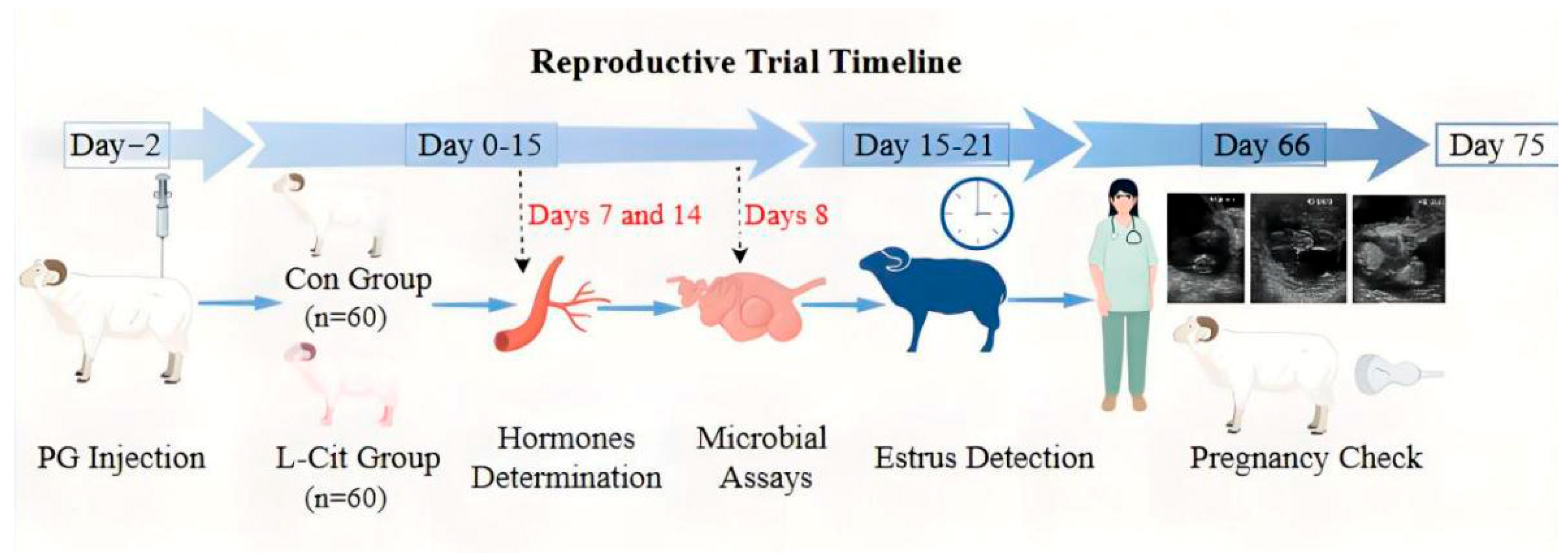
Figure 1. Experimental design diagram.
Life 16 00766 g001
Figure 2. Effects of L-Cit supplementation on plasma reproductive hormone levels in ewes (n = 6). Note: Plasma concentrations of E2 (pg/mL), P4 (ng/mL), FSH (mIU/mL), and LH (mIU/mL) on days 0, 7, and 14.
Life 16 00766 g002
Figure 3. Venn diagram of species/operational taxonomic unit (OTU) analysis (n = 6).
Life 16 00766 g003
Figure 4. Box plots of alpha diversity indices (n = 6).
Life 16 00766 g004
Figure 5. Principal Coordinates Analysis (PCoA) plot (n = 6). Note: The x-axis represents the first principal coordinate, and the y-axis represents the second principal coordinate. Scatter point shapes and colors denote different experimental groups.
Life 16 00766 g005
Figure 6. Relative abundance of rumen microbiota at the phylum level in ewes following dietary L-Cit supplementation (n = 6). Note: The x-axis represents the two treatment groups (Con = control; L-Cit = L-Citrulline supplemented). The y-axis shows the relative abundance (%) of each phylum. Different colored bars represent different phyla, and the bar length corresponds to the mean proportional abundance within each group. Error bars indicate standard deviation. Same below.
Life 16 00766 g006
Figure 7. Relative abundance of rumen microbiota at the family levels in ewes following dietary L-Cit supplementation (n = 6).
Life 16 00766 g007
Figure 8. Relative abundance of rumen microbiota at the genus levels in ewes following dietary L-Cit supplementation (n = 6).
Life 16 00766 g008
Figure 9. Linear Discriminant Analysis (LDA) of rumen microbiota composition in ewes after dietary L-Cit supplementation (n = 6). Note: The letters o, f, and g denote the taxonomic ranks of phylum, class, order, family, and genus, respectively.
Life 16 00766 g009
Figure 10. LEfSe (Linear Discriminant Analysis Effect Size) cladogram depicting the taxonomic hierarchy of rumen microbiota composition in ewes after dietary L-Cit supplementation (n = 6). Note: The LDA discriminant bar chart identifies microbial taxa with significant differential abundance among multiple groups, based on Linear Discriminant Analysis.
Life 16 00766 g010
Figure 11. Correlation network analysis of rumen microbiota composition after dietary L-Cit supplementation in ewes (n = 6). Note: Node size represents species abundance. Species belonging to the same higher taxonomic level (e.g., genus) are uniformly colored, with different colors representing distinct higher taxonomic levels. Line color indicates positive (red) or negative (green) correlation. Line thickness corresponds to the magnitude of the correlation coefficient, with thicker lines indicating stronger correlations. A higher number of connecting lines signifies that a species is more closely associated with other species in the network.
Life 16 00766 g011
Figure 12. Heatmap of correlation analysis results between rumen microbiota (Family, Genus levels) and plasma reproductive hormones (n = 6). Note: Spearman correlation between relative abundances of top 15 rumen bacterial genera (x-axis) and plasma hormone concentrations (y-axis). R values are displayed in different colors in the figure, and p values less than 0.05 are marked with an asterisk (*). The legend on the right shows the color ranges for different R values, where * 0.01 < p ≤ 0.05.
Life 16 00766 g012
Figure 13. Effects of L-Cit supplementation on rumen microbiota and reproductive performance of ewes.
Life 16 00766 g013
Table 1. Composition and nutritional levels of the basal diet (dry matter basis) %.
IngredientsContentNutrient LevelsContent
Whole corn silage35.15DM59.26
Corn husk35.15CP12.87
Premix (1)15.07EE3.08
Sorghum stalks7.54Ash5.54
30-peptide6.21NDF26.54
NaHCO30.51ADF14.03
NaCl0.31Ca0.43
Vitamin D30.03P0.36
Sodium selenite0.03ME (MJ/kg) (2)10.85
Note: (1) The premix provided the following per kg of the concentrate supplement. Fe (as ferrous sulfate) 20.5 mg, Zn (as zinc sulfate) 23.2 mg, Cu (as copper sulfate) 5.7 mg, Se (as sodium selenite) 0.7 mg, Ca (as calcium iodate) 1.3 mg, Mg (as magnesium oxide) 0.4 mg, Co (as cobalt chloride) 3.6 mg, VA 6000.0 IU, VD 30.7 mg, VE 8.0 mg. (2) Metabolic energy is calculated, other nutrient levels were measured values.
Table 2. Effects of L-Cit supplementation on ewe reproductive performance (n = 60).
ItemCon GroupL-Cit Group
NumberOestrus Rate %NumberOestrus Rate %
Oestrus rate statistics37/6061.6744/6073.33
X20.99
p-value0.32
Conception rate37/37100.0044/44100.00
X2
p-value
Post-trial period (h):
035.00 (3/60)58.33 (5/60)
24411.67 (7/60)313.33 (8/60)
48723.33 (14/60)928.33 (17/60)
72633.33 (20/60)1146.67 (28/60)
96846.67 (28/60)758.33 (35/60)
120656.67 (34/60)566.67 (40/60)
144361.67 (37/60)473.33 (44/60)
Note: Oestrus rate = (number of oestrus ewes/total ewes) × 100%; conception rate = number of conception ewes/number of breeding ewes × 100%.
Disclaimer/Publisher’s Note: The statements, opinions and data contained in all publications are solely those of the individual author(s) and contributor(s) and not of MDPI and/or the editor(s). MDPI and/or the editor(s) disclaim responsibility for any injury to people or property resulting from any ideas, methods, instructions or products referred to in the content.