Article

Impact of PD-L1 Status on the Development of Cutaneous Immune-Related Adverse Events in Non-Small-Cell Lung Cancer Patients Receiving Immunotherapy
by
Alexander Yakobson
1,2,
Fahed Abu Salamah
2,3,
Ibrahim Alatawneh
2,3,
Ahron Yehonatan Cohen
1,2,
Yuliya Valdman-Grinshpoun
2,3,
Yotam Malek
2,
Itamar Gothelf
4,
Ashraf Abu Jama
1,2,
Nashat Abu Yasin
1,2,
Mhammad Abu Juda
1,2,
Arina Soklakova
2,
Amichay Meirovitz
1,2 and
Walid Shalata
1,2,*
1
The Legacy Heritage Center and Dr Larry Norton Institute, Soroka Medical Center, Beer Sheva 84105, Israel
2
Faculty of Health Sciences, Ben Gurion University of the Negev, Beer Sheva 84105, Israel
3
Department of Dermatology and Venereology, Soroka Medical Center, Beer Sheva 84105, Israel
4
Goldman Medical School, Faculty of Health Sciences, Ben Gurion University of the Negev, Beer Sheva 84105, Israel
*
Author to whom correspondence should be addressed.
Life 2026, 16(4), 636; https://doi.org/10.3390/life16040636
Submission received: 2 March 2026 / Revised: 1 April 2026 / Accepted: 4 April 2026 / Published: 9 April 2026

Abstract

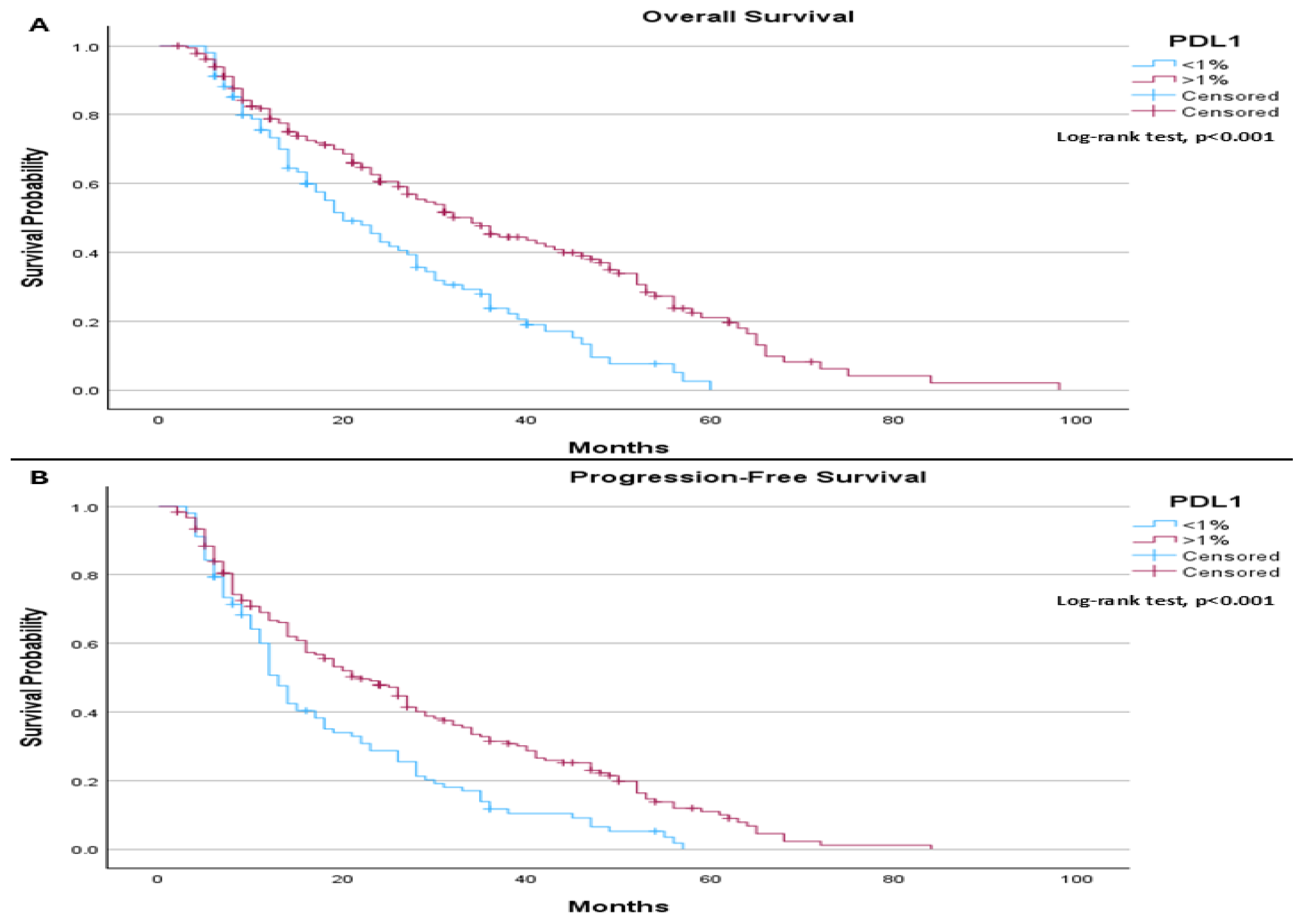
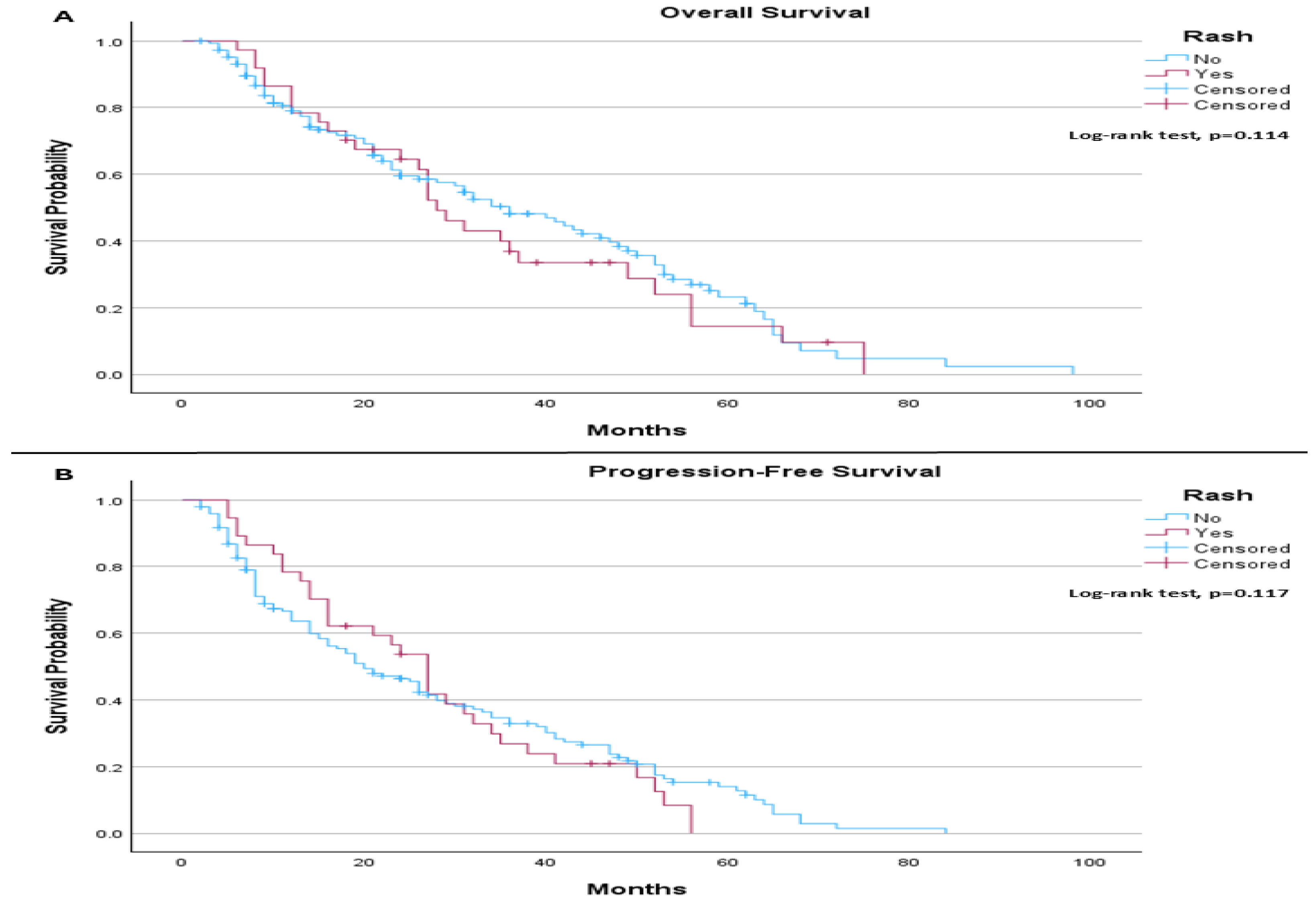
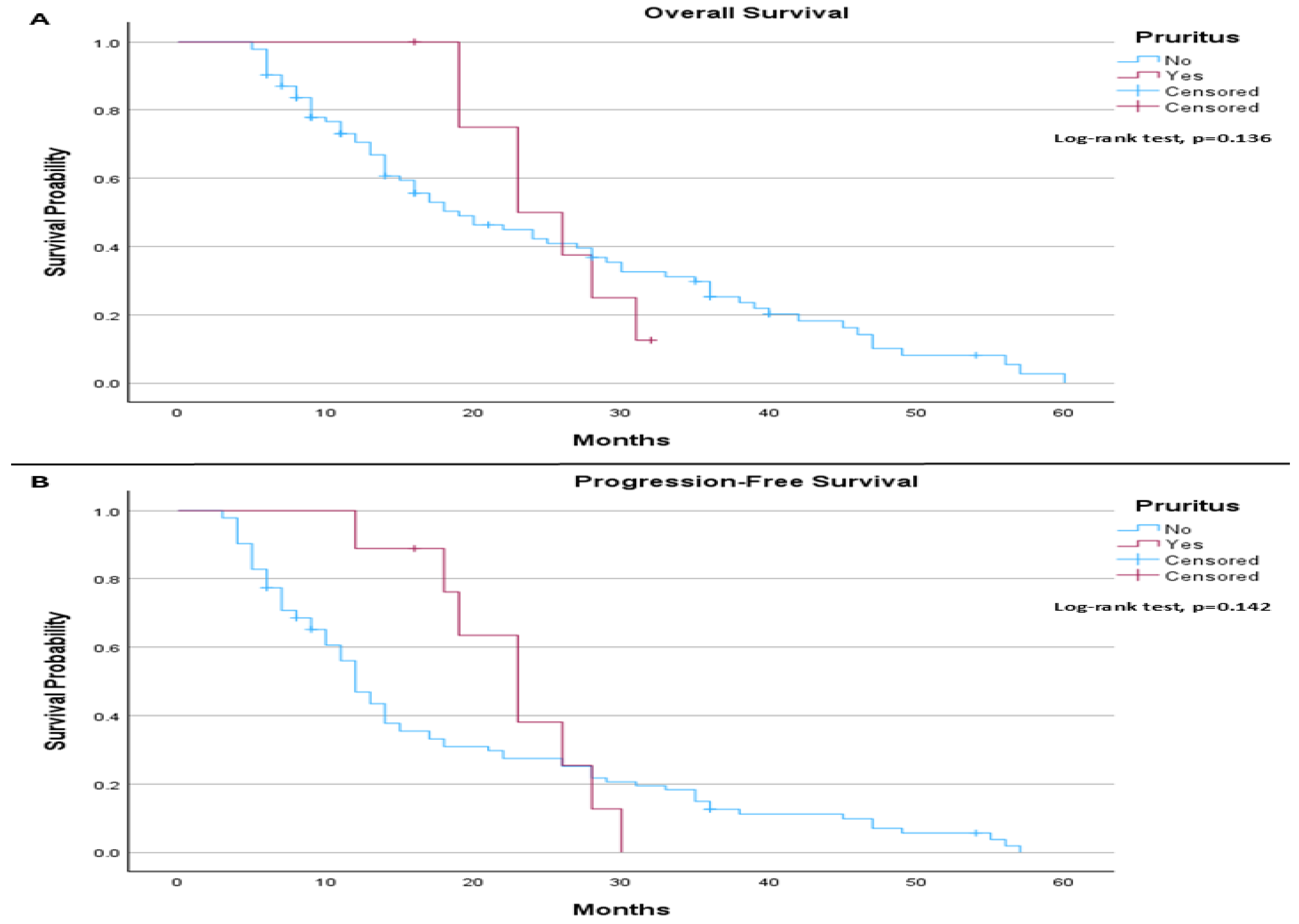
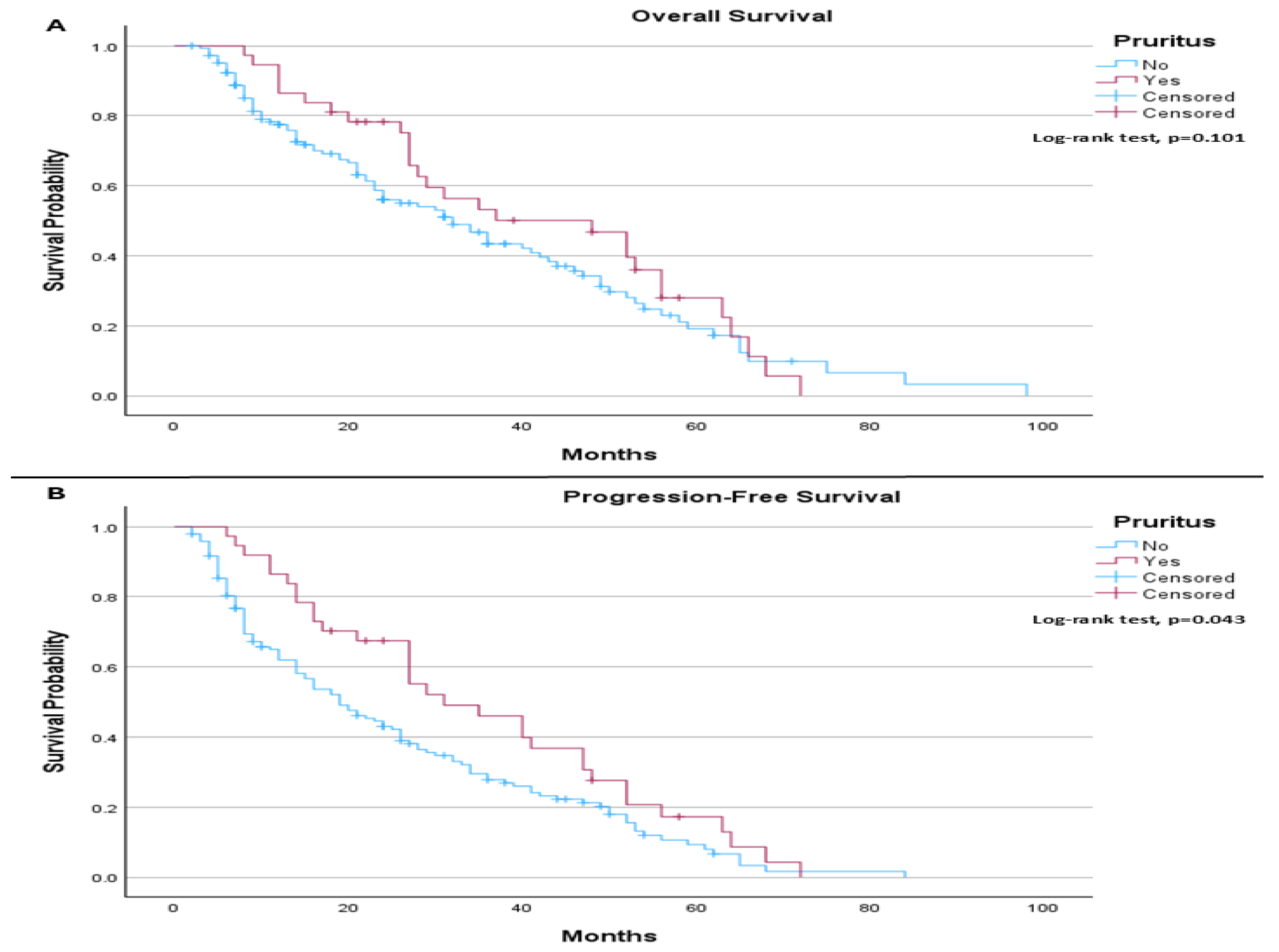
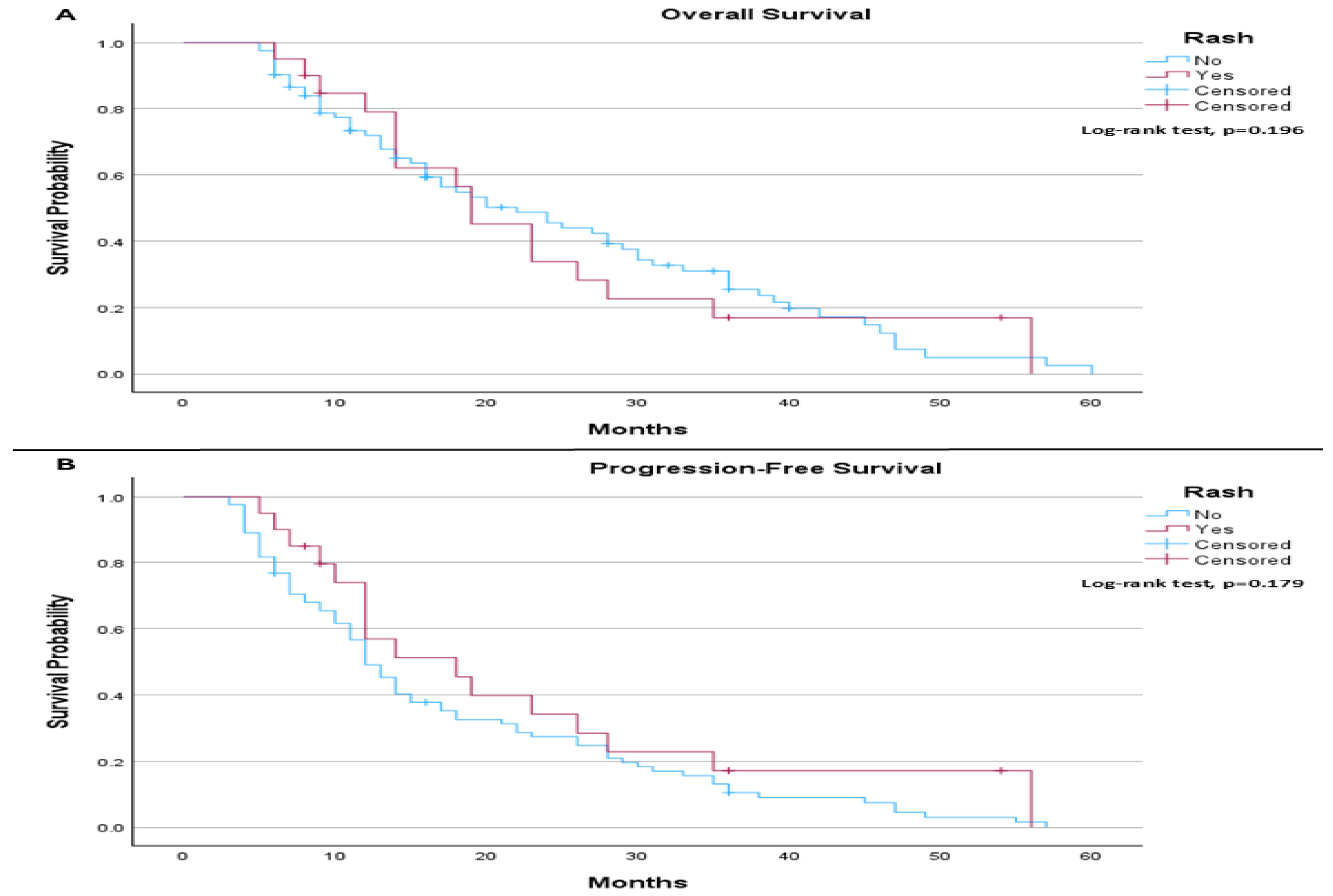
Background: Cutaneous adverse events (cAEs) are among the most frequent immune-related toxicities associated with immune checkpoint inhibitors (ICIs). Previous clinical trials have reported higher rates of dermatologic toxicity with anti-CTLA-4 agents compared to Programmed Cell Death (PD-1)/Programmed Cell Death-1 Ligand (PD-L1) inhibitors. However, real-world data may differ due to evolving clinical experience and improved AE management strategies. Methods: We conducted a retrospective analysis of patients treated with ICIs to assess the incidence and severity of cAEs—specifically rash and pruritus—across different treatment regimens and PD-L1 expression subgroups, 285 patients treated with ICIs at Soroka Medical center during the years August 2018–November 2025. Results: Regarding dermatologic toxicity, 57 out of 285 patients (20%) experienced a rash. Among them, 46 patients (16% of total; 81% of those with rash) had grade 1, 7 patients (2% of total; 12% of those with rash) had grade 2, and 4 patients (1% of total; 7% of those with rash) had grade 3 reactions. No grade 4 or life-threatening cases were observed. Additionally, 47 patients (16.5%) developed pruritus, all grade 1–2. When stratified by treatment type, PD-L1 expression and the occurrence of immune-related adverse events, specifically rash and pruritus, were significantly associated with survival outcomes (p < 0.001). Patients with expressions of PD-L1 ≥ 1% had longer median overall survival (34.0 months) compared to those with expressions of PD-L1 < 1% (20.0 months), and longer progression-free survival (22.0 vs. 13.0 months). When considering rash, overall survival ranged from 19.0 months (PD-L1 < 1% with rash) to 36.0 months (PD-L1 ≥ 1% without rash), and progression-free survival ranged from 12.0 to 27.0 months. The presence of pruritus was associated with the most favorable outcomes, with median overall survival reaching 48.0 months and progression-free survival 31.0 months in patients with PD-L1 ≥ 1% and pruritus. All comparisons showed statistically significant differences (p < 0.001). Conclusions: These findings highlight that higher PD-L1 expression and the presence of immune-related adverse events—particularly pruritus—may serve as important prognostic indicators and could help inform personalized treatment strategies. The incidence and severity of cAEs in our study were consistent with prior clinical trials. The low frequency of grade ≥ 3 events may reflect increased familiarity with ICIs, leading to earlier recognition of adverse events, better patient education, and more effective management of skin toxicities.
Keywords: non-small-cell lung cancer; immunotherapy; immune checkpoint inhibitors; overall survival; progression-free survival; real-world data; programmed cell death protein 1 non-small-cell lung cancer; immunotherapy; immune checkpoint inhibitors; overall survival; progression-free survival; real-world data; programmed cell death protein 1