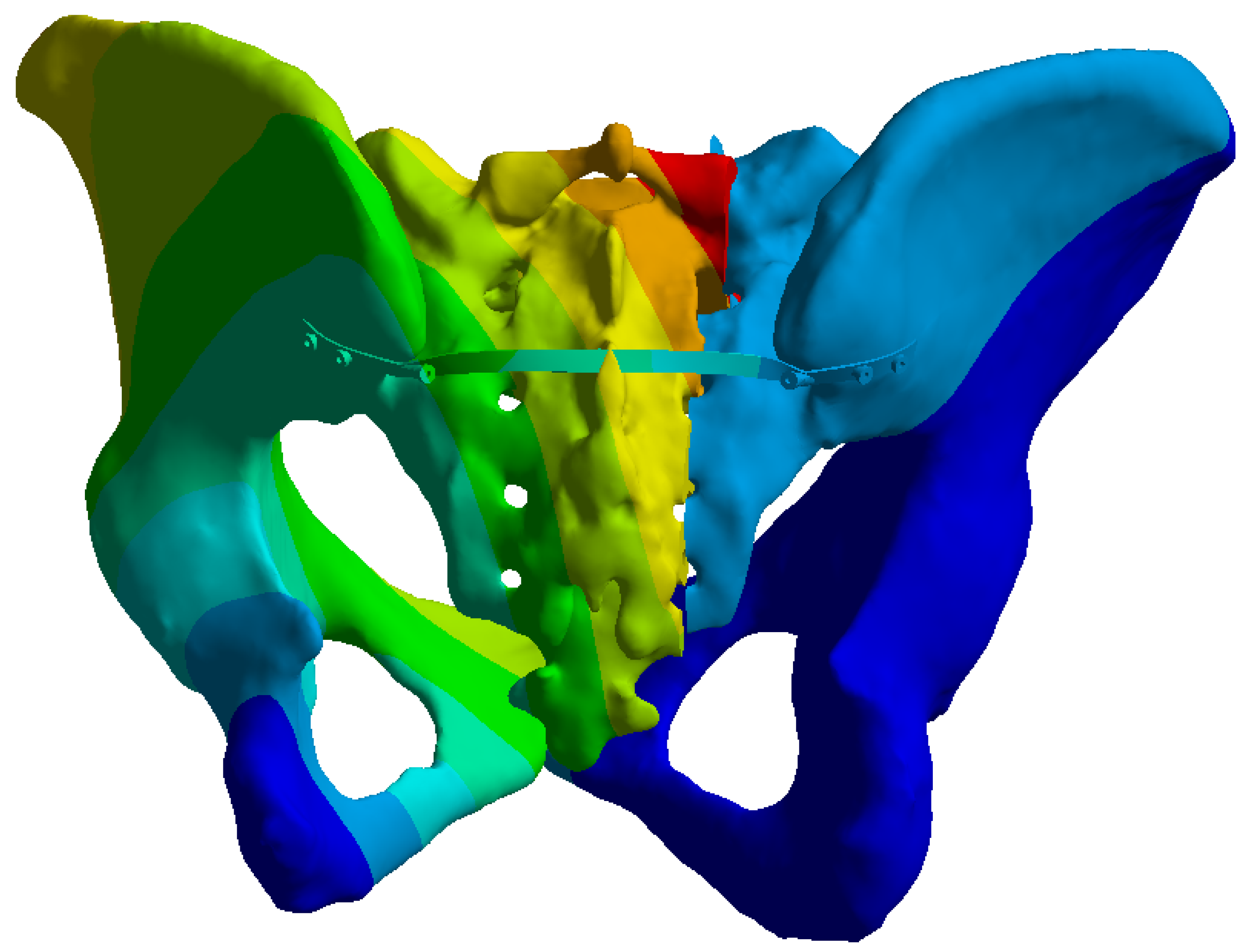


Biomechanical Comparison of Three Fixation Constructs for Tile Type C1.2 Pelvic Ring Fractures: A Finite Element Analysis

 , , , , , , , and
Abstract
1. Introduction
2. Materials and Methods
2.1. Geometry Reconstruction
2.2. Material Properties and Mesh Creation
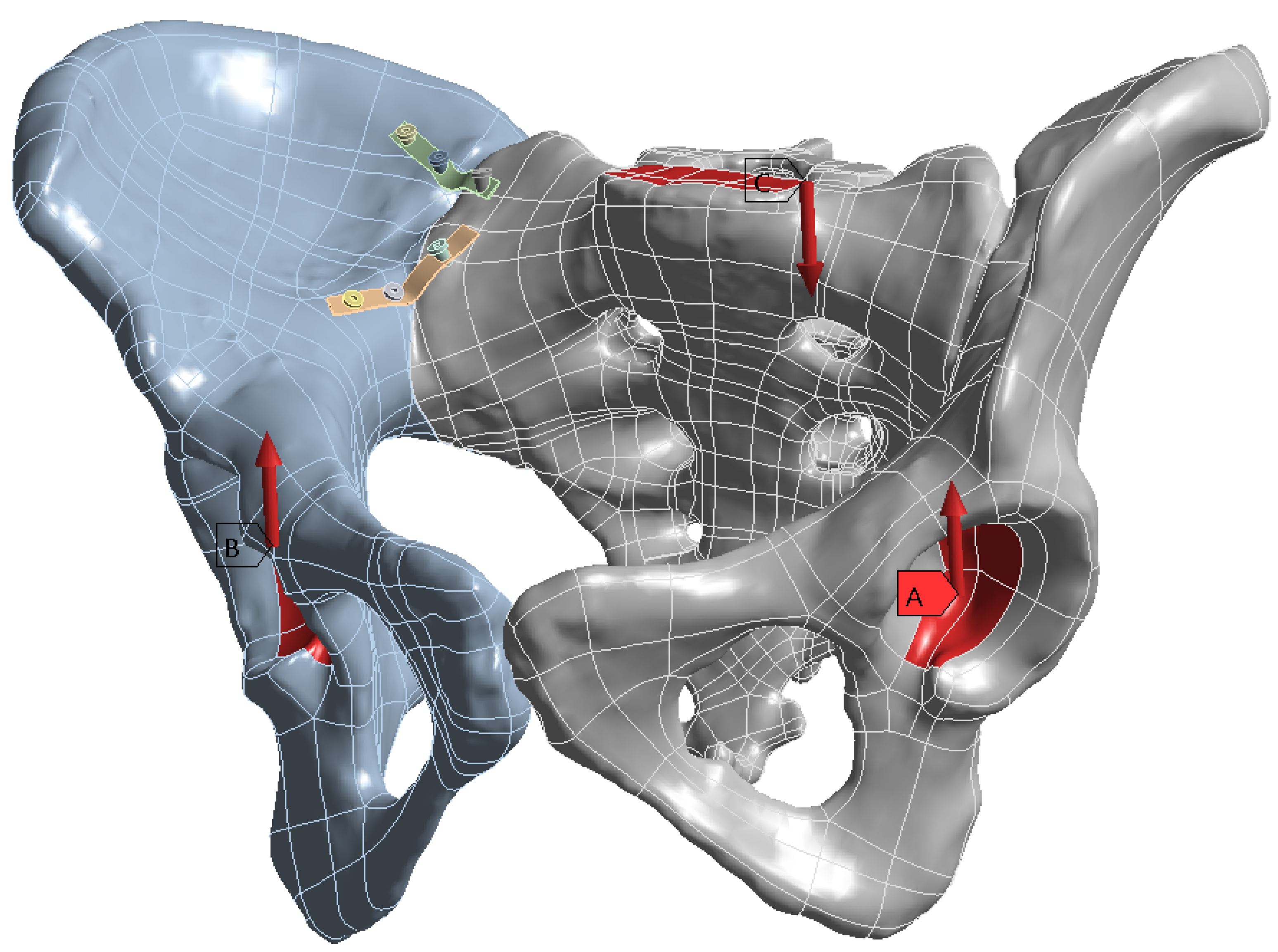
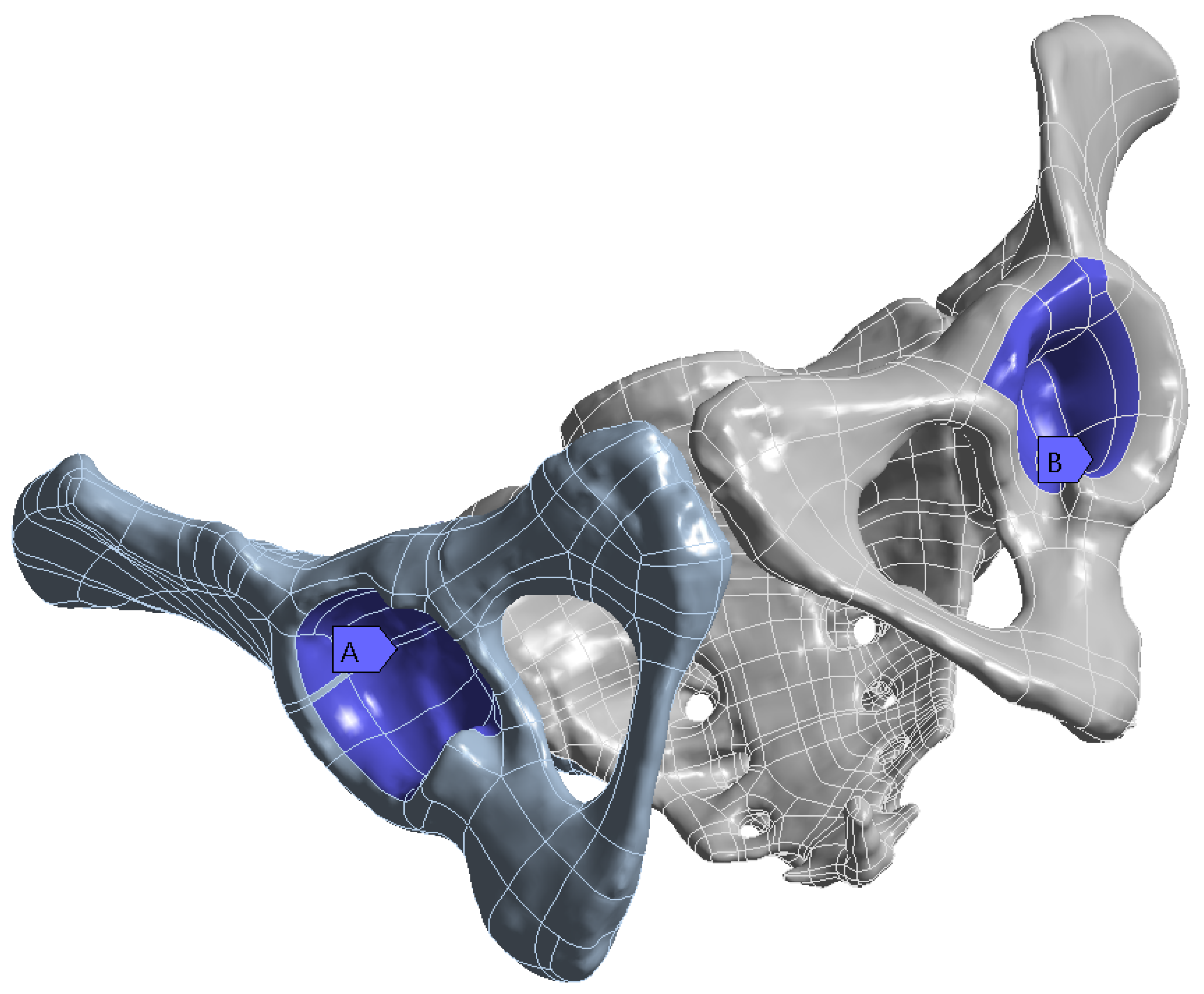
2.3. Boundary and Loading Conditions
3. Results
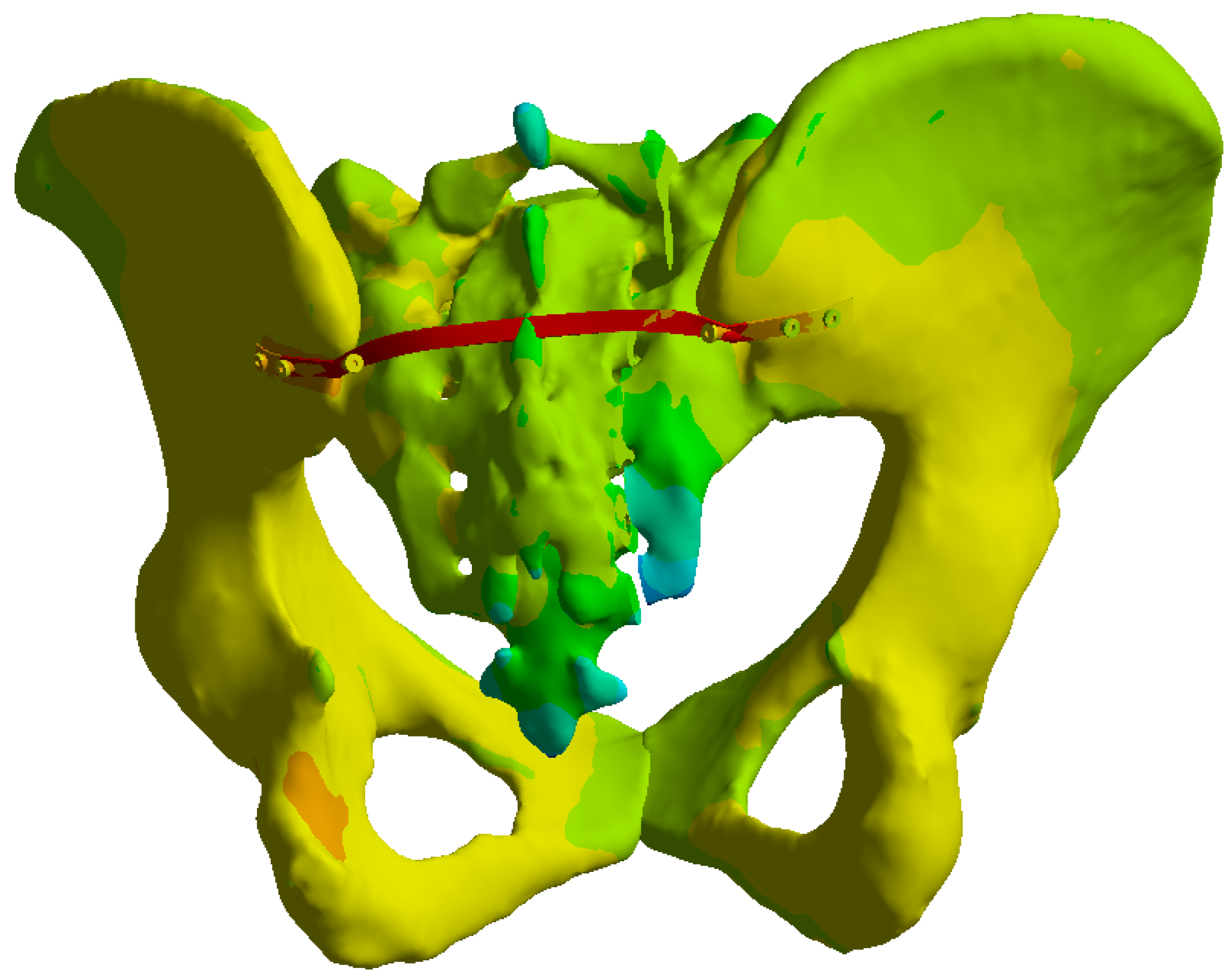
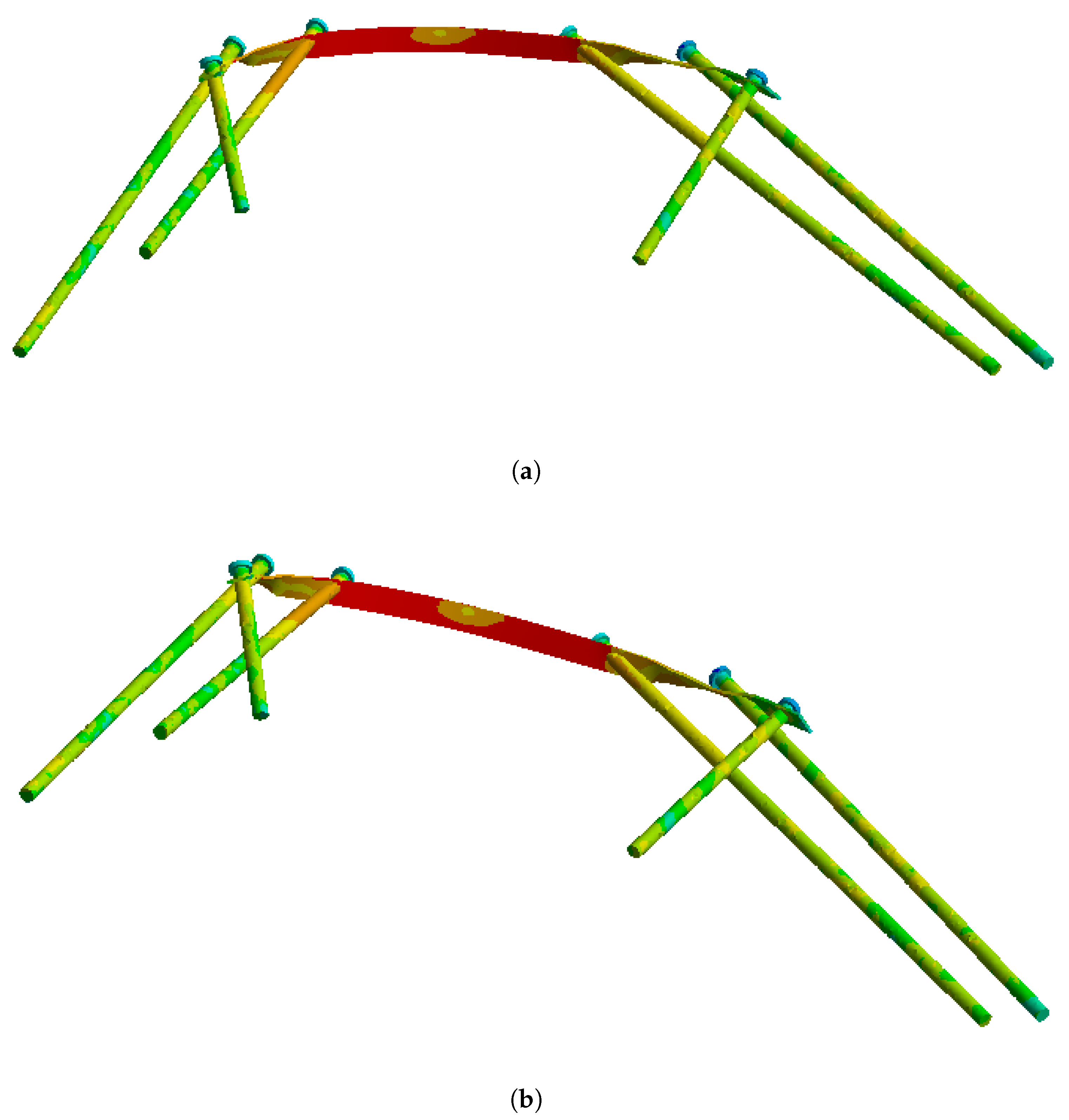
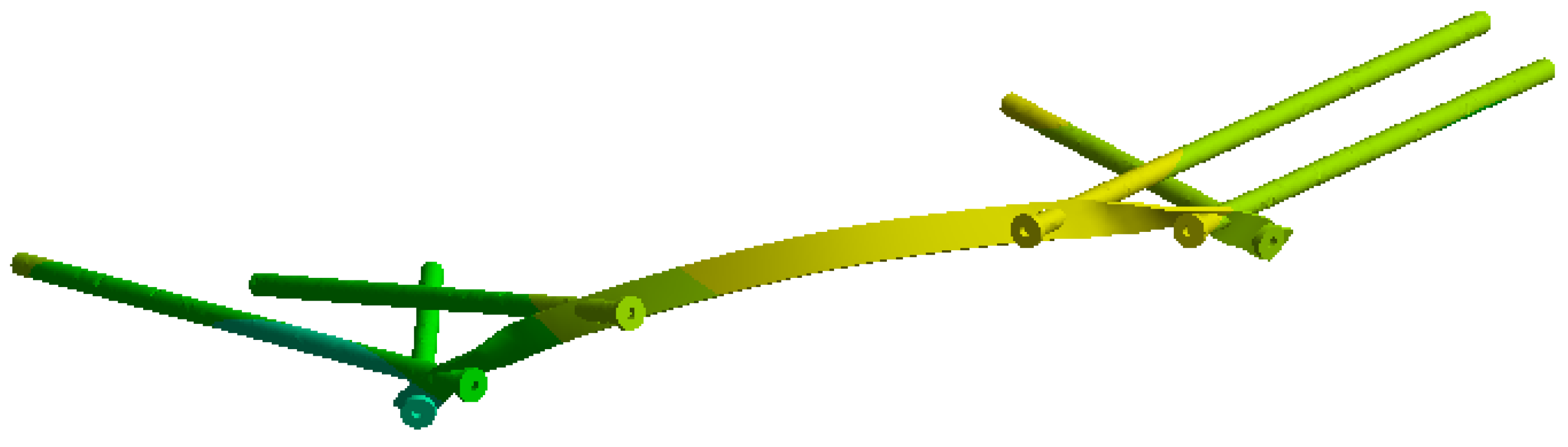
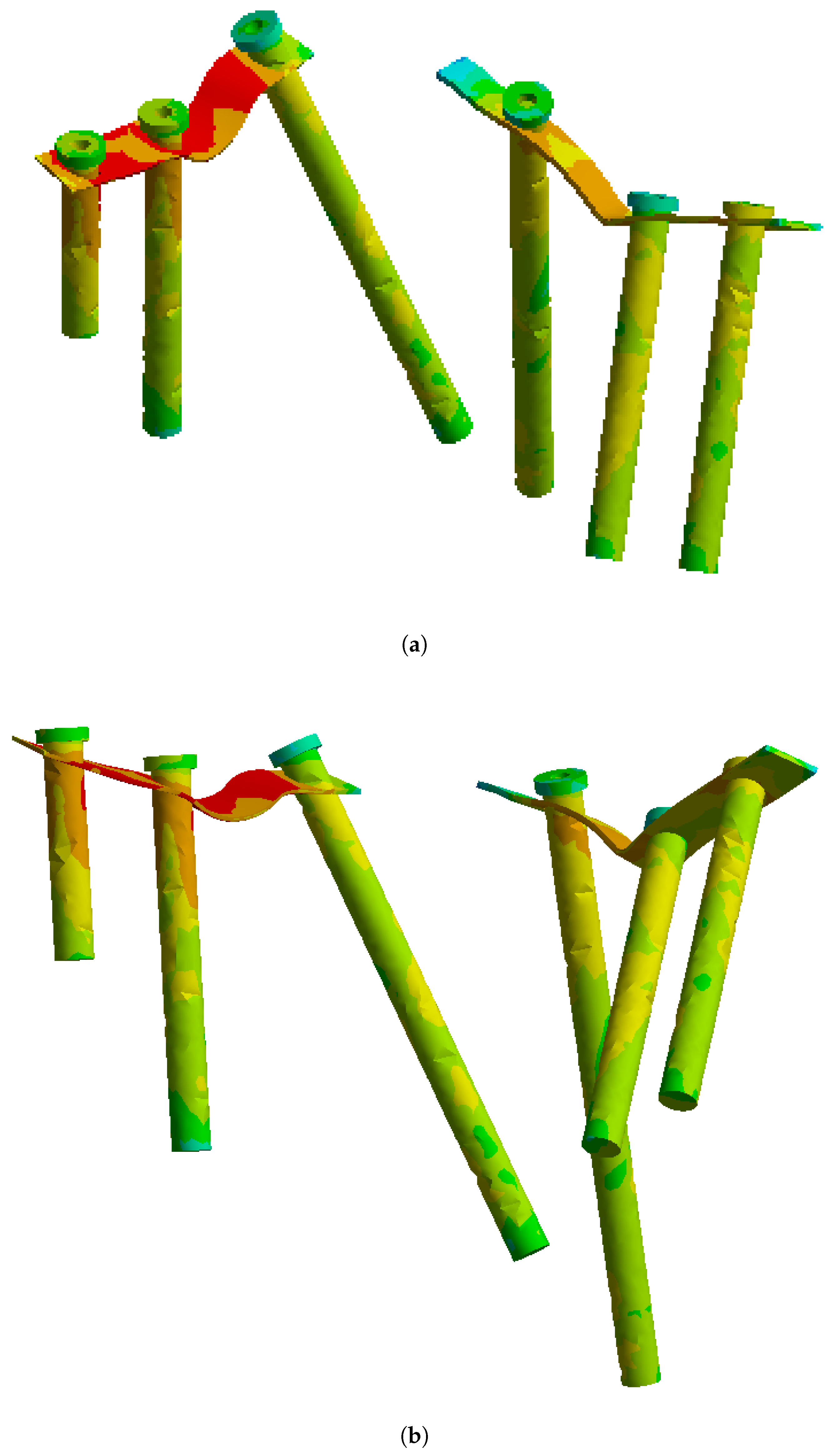
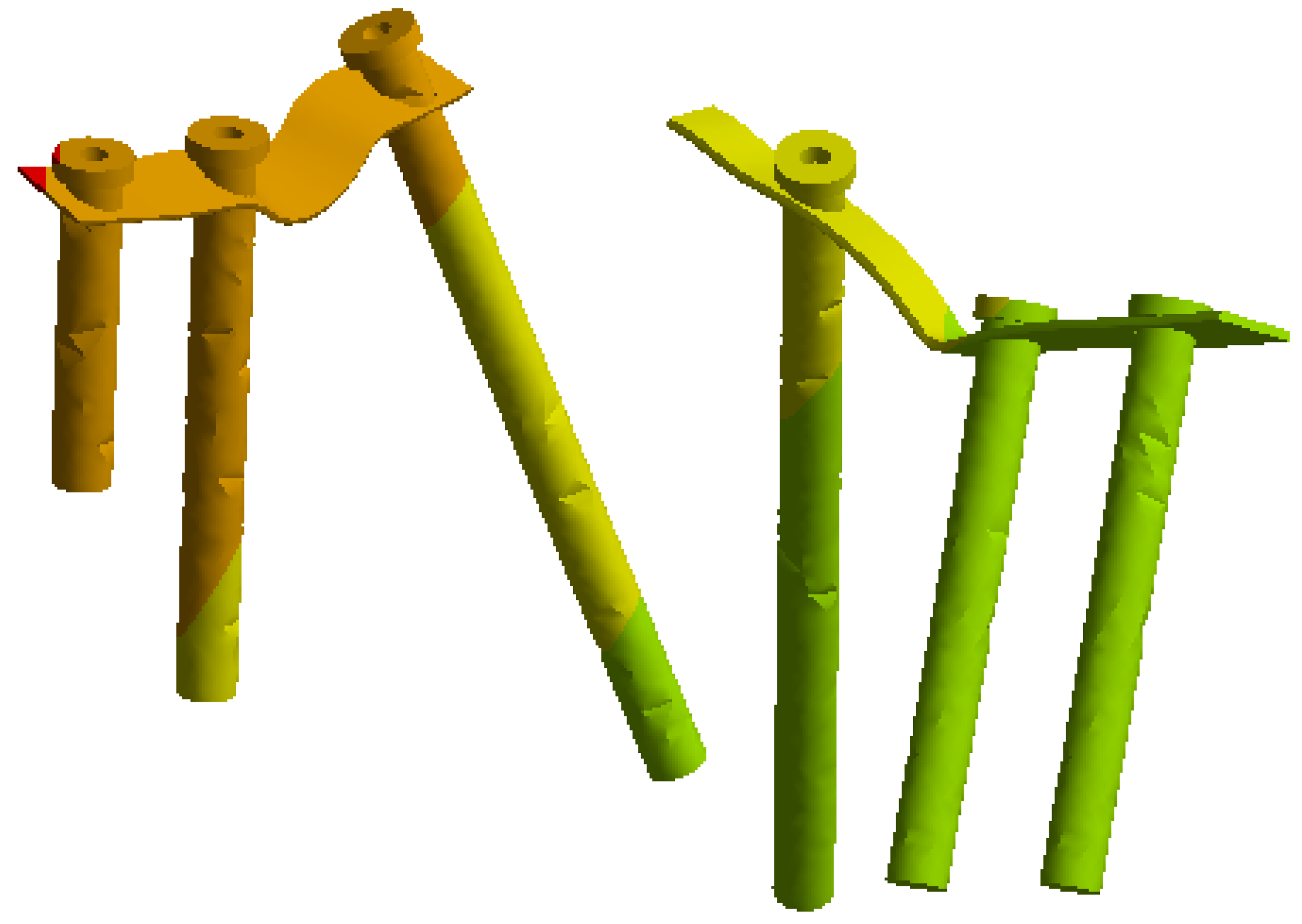
3.1. Stresses and Deformation on the Transiliac Plate Construct
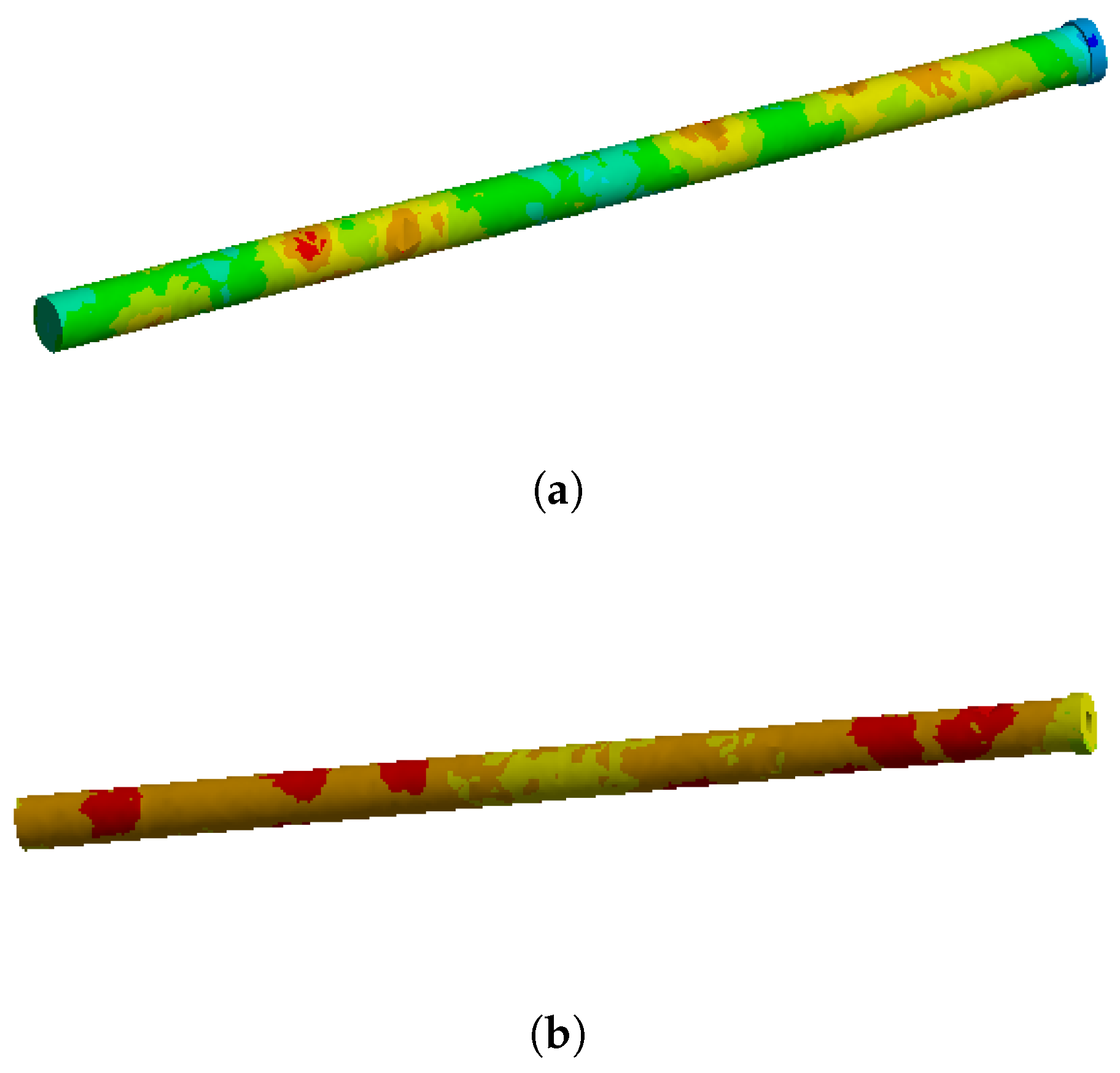
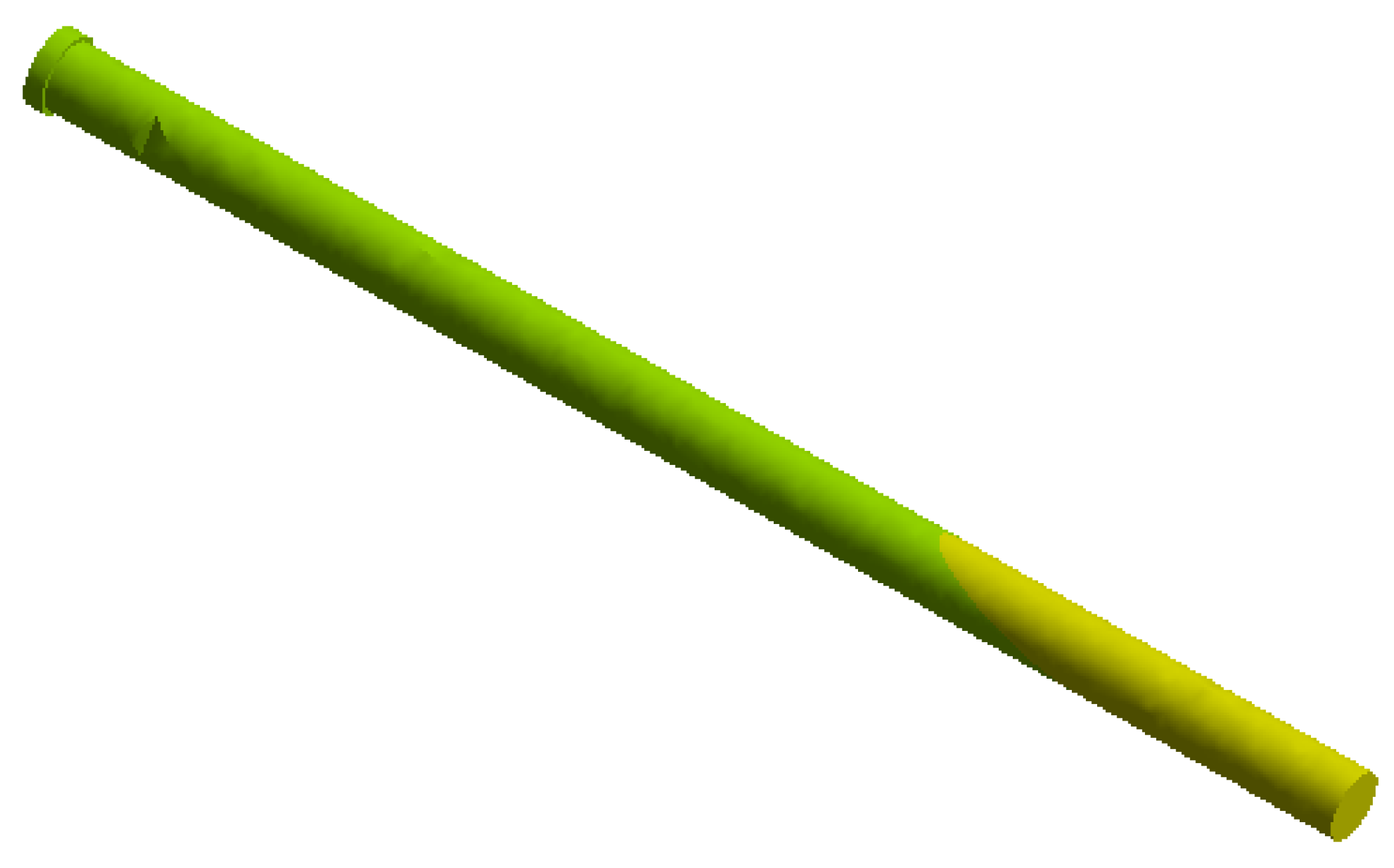
3.2. Stresses and Deformation on the Iliosacral Screw Construct
3.3. Stresses and Deformation on the Anterior Reconstruction Plates Construct
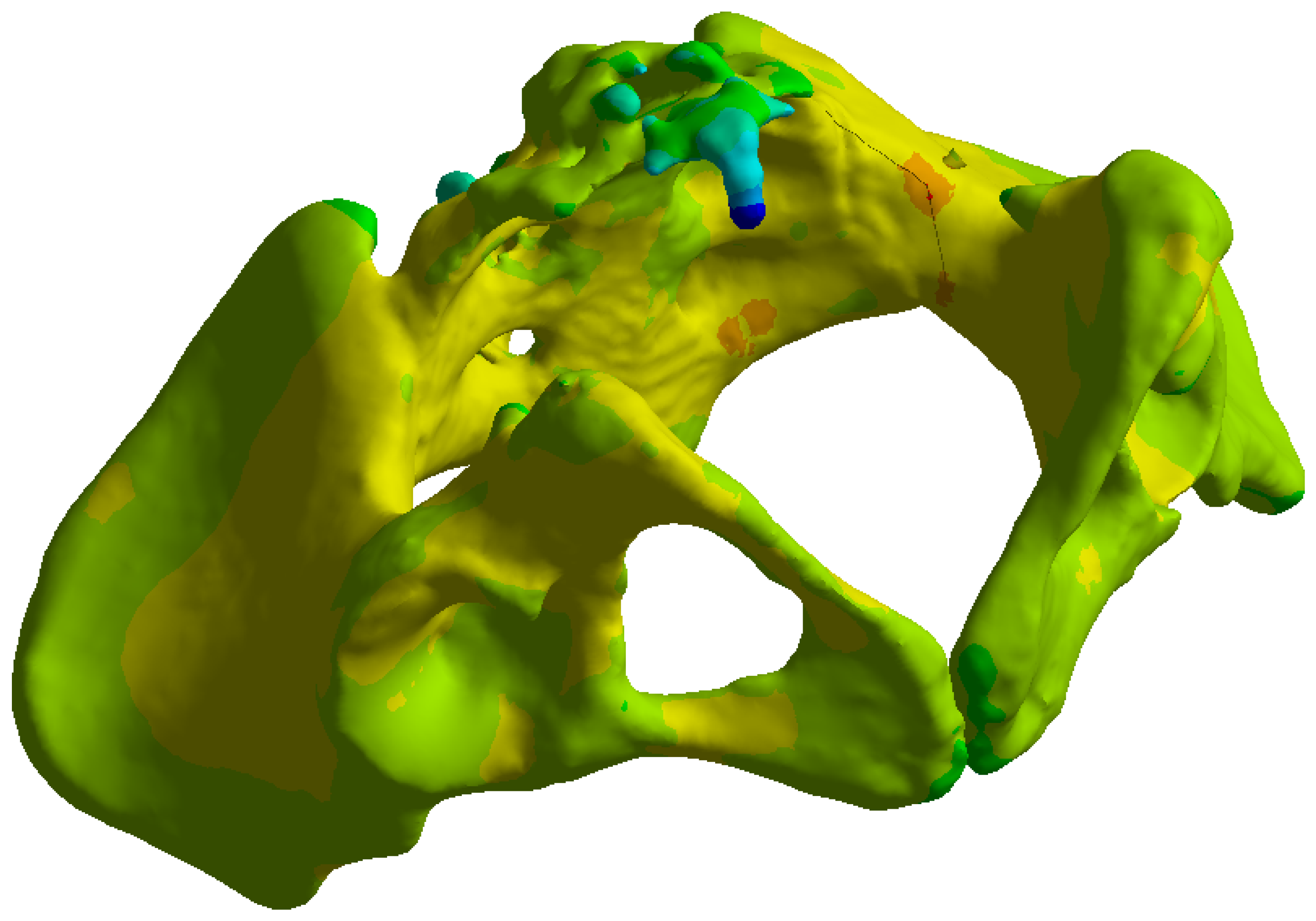
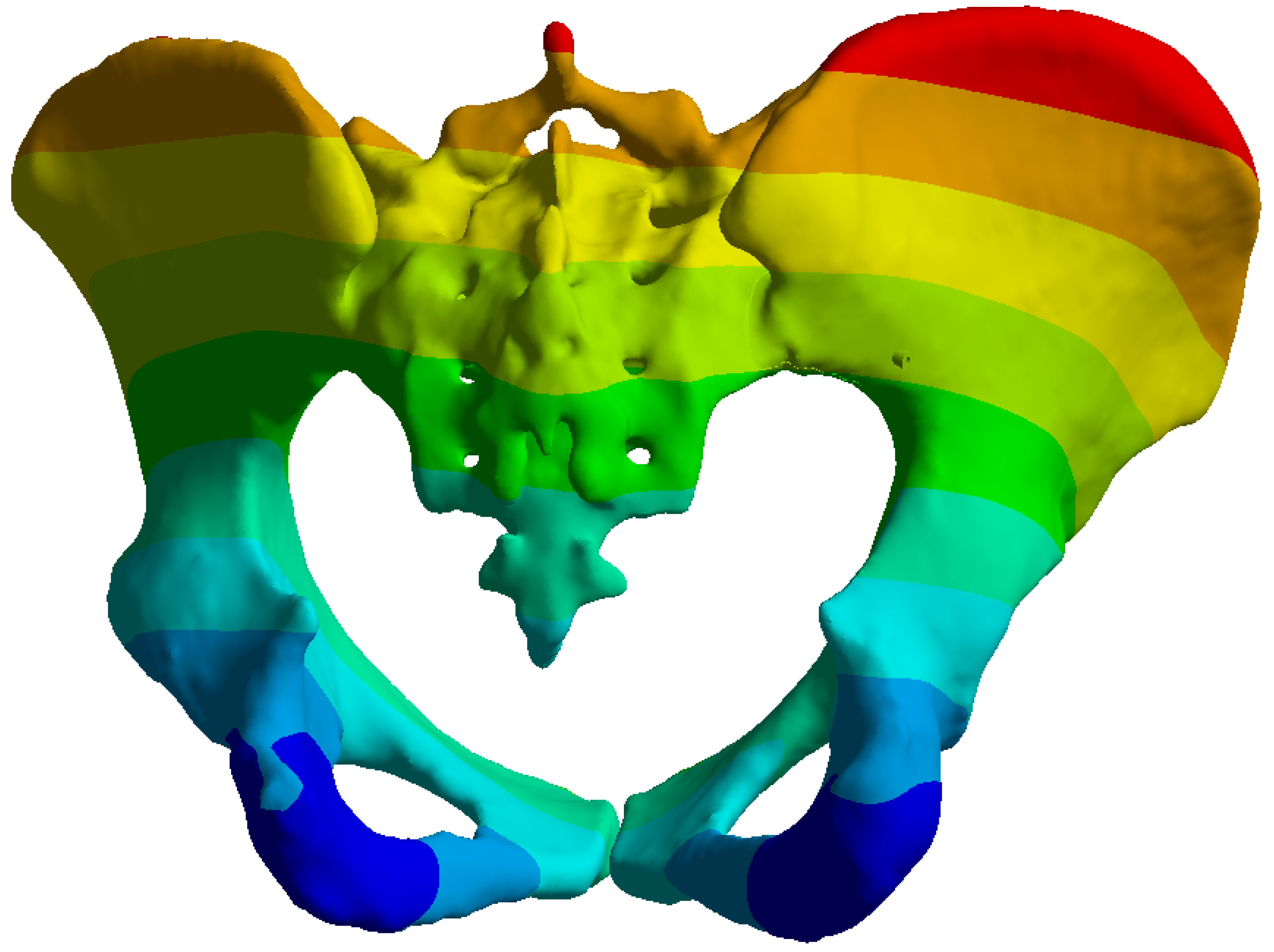
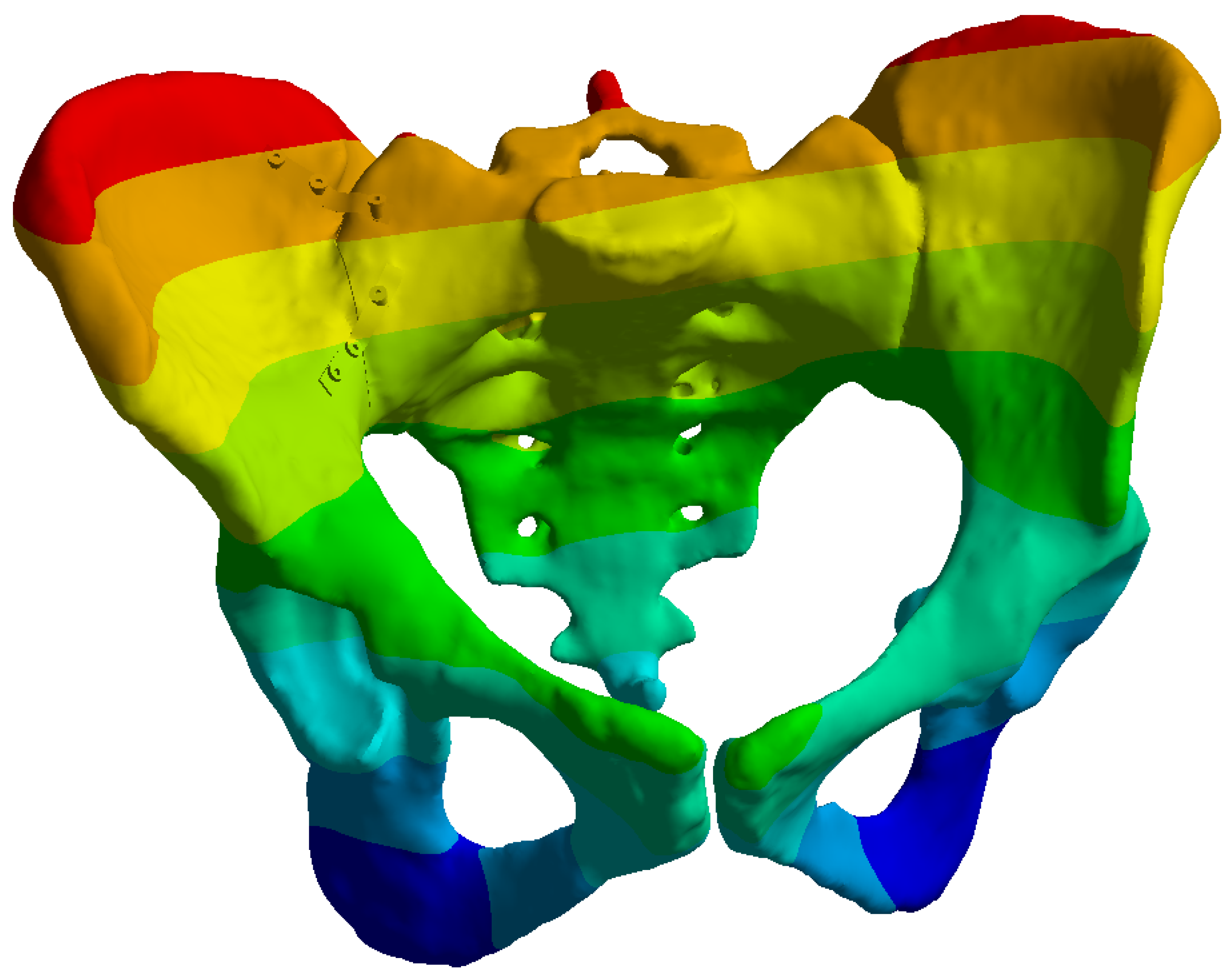
3.4. Stresses on Pelvic Bone
3.5. Displacement of Pelvic Bone
4. Discussion
5. Conclusions
Author Contributions
Funding
Institutional Review Board Statement
Informed Consent Statement
Data Availability Statement
Conflicts of Interest
References
- Pereira, G.; Damasceno, E.; Dinhane, D.; Bueno, F.; Leite, J.; Ancheschi, B. Epidemiology of pelvic ring fractures and injuries. Rev. Bras. Ortop. (Engl. Ed.) 2017, 52, 260–269. [Google Scholar] [CrossRef]
- Tile, M. Pelvic ring fractures: Should they be fixed? J. Bone Jt. Surg. Br. 1988, 70, 1–12. [Google Scholar] [CrossRef] [PubMed]
- Wan, F.; Amir, N.; Johari, J.; Ahmad, S.; Wan, Z. Anterior stabilization of sacroiliac joint for complex pelvic injuries. Malays. J. Med. Sci. 2009, 16, 47–51. [Google Scholar]
- Choy, W.-S.; Kim, K.J.; Lee, S.K.; Park, H.J. Anterior pelvic plating and sacroiliac joint fixation in unstable pelvic ring injuries. Yonsei Med. J. 2012, 53, 422–426. [Google Scholar] [CrossRef][Green Version]
- Hannout, Y.S.; Habib, M.E.; Morsi, E.S. Anterior stabilization of sacroiliac disruption through transiliac osteotomy. Egypt. Orthop. J. 2017, 52, 129–133. [Google Scholar] [CrossRef]
- Ayoub, M.A.; Gad, H.M.; Seleem, O.A. Standalone percutaneous transiliac plating of vertically unstable sacral fractures: Outcomes, complications, and recommendations. Eur. Spine J. 2016, 25, 1153–1162. [Google Scholar] [CrossRef] [PubMed]
- Routt, M.L., Jr.; Kregor, P.J.; Simonian, P.T.; Mayo, K.A. Early results of percutaneous iliosacral screws placed with the patient in the supine position. J. Orthop. Trauma 1995, 9, 207–214. [Google Scholar] [CrossRef] [PubMed]
- Routt, M.L., Jr.; Nork, S.E.; Mills, W.J. Percutaneous fixation of pelvic ring disruptions. Clin. Orthop. Relat. Res. 2000, 375, 15–29. [Google Scholar] [CrossRef] [PubMed]
- Ruatti, S.; Kerschbaumer, G.; Gay, E.; Milaire, M.; Merloz, P.; Tonetti, J. Technique for reduction and percutaneous fixation of U- and H-shaped sacral fractures. Orthop. Traumatol. Surg. Res. 2013, 99, 625–629. [Google Scholar] [CrossRef] [PubMed]
- Shuler, T.E.; Boone, D.C.; Gruen, G.S.; Peitzman, A.B. Percutaneous iliosacral screw fixation: Early treatment for unstable posterior pelvic ring disruptions. J. Trauma 1995, 38, 453–458. [Google Scholar] [CrossRef] [PubMed]
- Krappinger, D.; Larndorfer, R.; Struve, P.; Rosenberger, R.; Arora, R.; Blauth, M. Minimally invasive transiliac plate osteosynthesis for type C injuries of the pelvic ring: A clinical and radiological follow-up. J. Orthop. Trauma 2007, 21, 595–602. [Google Scholar] [CrossRef] [PubMed]
- Hu, P.; Wu, T.; Wang, H.Z.; Qi, X.Z.; Yao, J.; Cheng, X.D.; Chen, W.; Zhang, Y. Biomechanical Comparison of Three Internal Fixation Techniques for Stabilizing Posterior Pelvic Ring Disruption: A 3D Finite Element Analysis. Orthop. Surg. 2019, 11, 635–642. [Google Scholar] [CrossRef] [PubMed]
- Song, Y.; Shao, C.; Yang, X.; Lin, F. Biomechanical study of anterior and posterior pelvic rings using pedicle screws with various diameters and positions in Tile C pelvic fracture: Finite element analysis. PLoS ONE 2022, 17, e0273351. [Google Scholar] [CrossRef] [PubMed]
- Sztrinkai, G.; Bodzay, T.; Pajor, S.; Erdös, P.; Vendégh, Z.; Jónás, Z.; Váradi, K. Further development of our finite element pelvic model to compare fixation methods for pelvic fractures. Eklem Hastalik Cerrahisi 2014, 25, 8–14. [Google Scholar] [CrossRef] [PubMed]
- Lee, C.H.; Hsu, C.C.; Huang, P.Y. Biomechanical study of different fixation techniques for the treatment of sacroiliac joint injuries using finite element analyses and biomechanical tests. Comput. Biol. Med. 2017, 87, 250–257. [Google Scholar] [CrossRef] [PubMed]
- Anderson, A.E.; Peters, C.L.; Tuttle, B.D.; Weiss, J.A. Subject-specific finite element model of the pelvis: Development, validation and sensitivity studies. J. Biomech. Eng. 2005, 127, 364–373. [Google Scholar] [CrossRef] [PubMed]
- Dalstra, M.; Huiskes, R. Load transfer across the pelvic bone. J. Biomech. 1995, 28, 715–724. [Google Scholar] [CrossRef] [PubMed]
- Garcia, J.M.; Doblare, M.; Seral, B.; Seral, F.; Palanca, D.; Gracia, L. Three-dimensional finite element analysis of several internal and external pelvis fixations. J. Biomech. Eng. 2000, 122, 516–522. [Google Scholar] [CrossRef] [PubMed]
- Phillips, A.T.M.; Pankaj, P.; Howie, C.R.; Usmani, A.S.; Simpson, A.H.R.W. Finite element modelling of the pelvis: Inclusion of muscular and ligamentous boundary conditions. Med. Eng. Phys. 2007, 29, 739–748. [Google Scholar] [CrossRef] [PubMed]


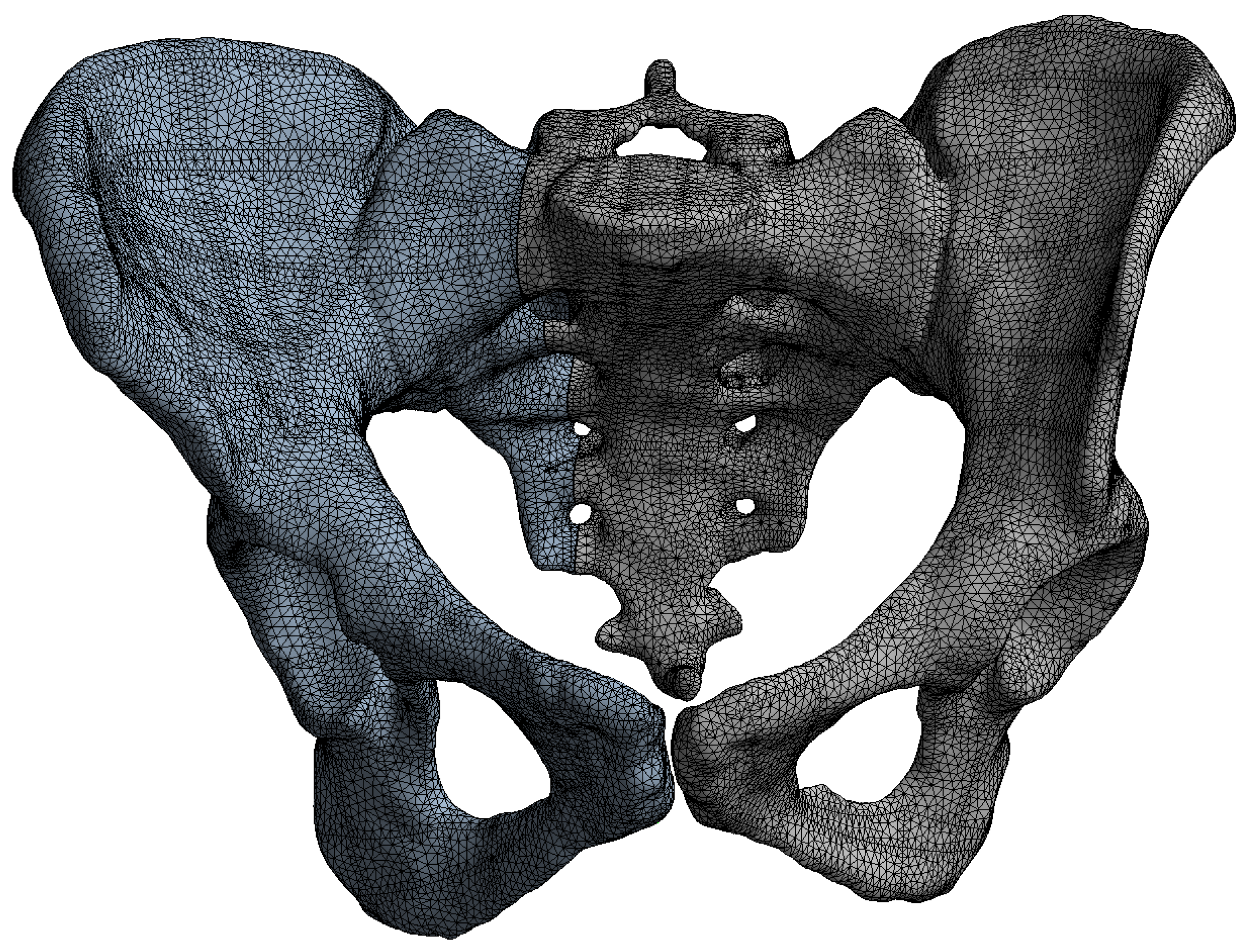





| Material | Young’s Modulus (MPa) 1 | Poisson’s Ratio 2 |
|---|---|---|
| Cortical bone | ||
| Structural steel 3 (implants) |
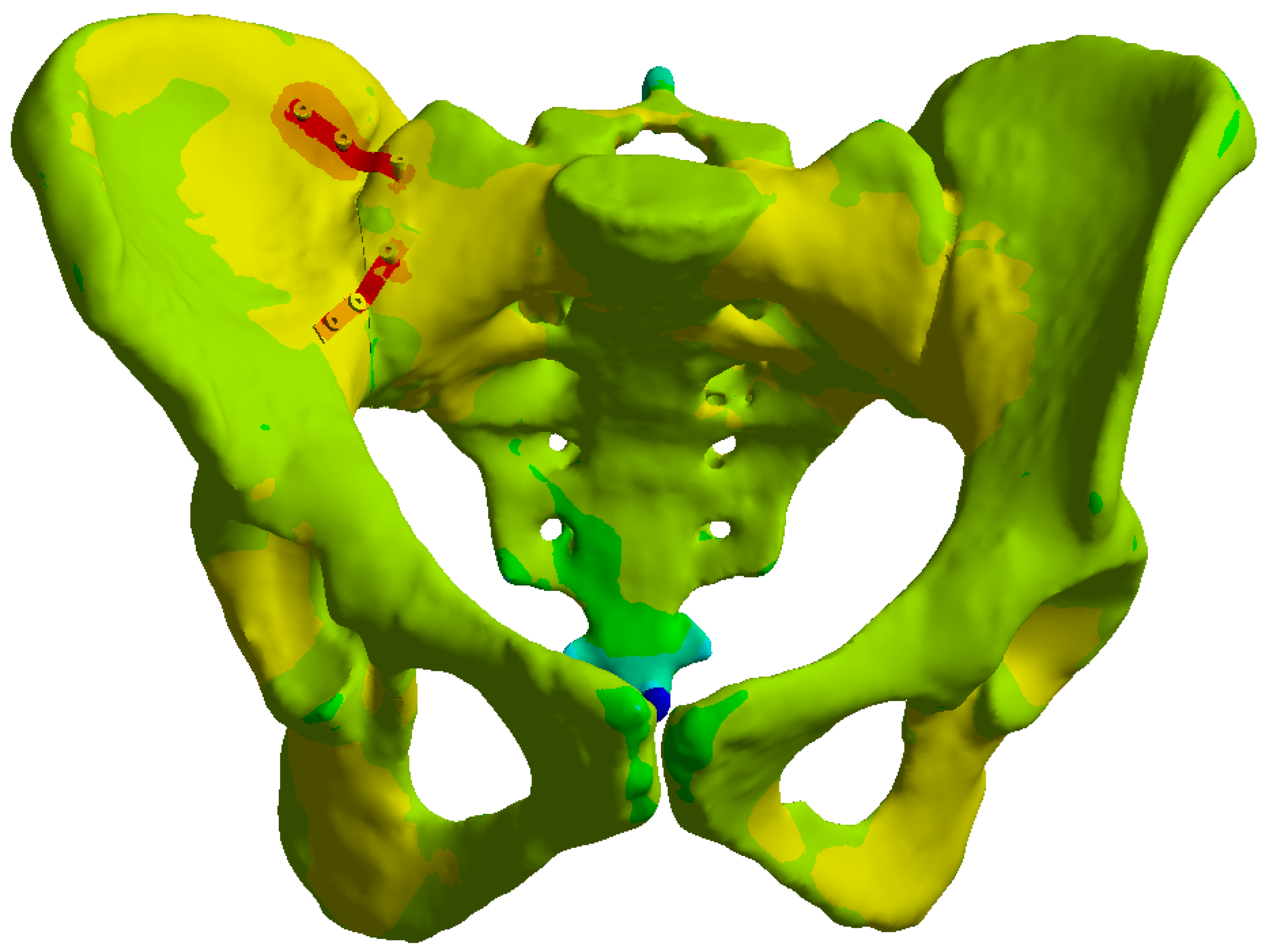
| Max Implant Stress (MPa) | Max Bone Stress (MPa) | Max Global Displacement (mm) | |
|---|---|---|---|
| Transiliac plate | |||
| Partial weight bearing (400 N) | 194 | 65 | 1.17 |
| Full weight bearing (800 N) | 207 | 70 | 1.38 |
| Iliosacral screw | |||
| Partial weight bearing (400 N) | 157 | 71 | 0.70 |
| Full weight bearing (800 N) | 212 | 95 | 1.15 |
| Anterior reconstruction plates | |||
| Partial weight bearing (400 N) | 195 | 55 | 1.04 |
| Full weight bearing (800 N) | 200 | 85 | 1.76 |
Disclaimer/Publisher’s Note: The statements, opinions and data contained in all publications are solely those of the individual author(s) and contributor(s) and not of MDPI and/or the editor(s). MDPI and/or the editor(s) disclaim responsibility for any injury to people or property resulting from any ideas, methods, instructions or products referred to in the content. |
© 2026 by the authors. Licensee MDPI, Basel, Switzerland. This article is an open access article distributed under the terms and conditions of the Creative Commons Attribution (CC BY) license.
Share and Cite
Carp, A.C.; Veliceasa, B.; Awad, D.; Filip, A.; Perțea, M.; Forna, N.; Puha, B.; Tîrnovanu, Ș.D.; Sîrbu, M.T.; Pavăl, S.D.; et al. Biomechanical Comparison of Three Fixation Constructs for Tile Type C1.2 Pelvic Ring Fractures: A Finite Element Analysis. Life 2026, 16, 336. https://doi.org/10.3390/life16020336
Carp AC, Veliceasa B, Awad D, Filip A, Perțea M, Forna N, Puha B, Tîrnovanu ȘD, Sîrbu MT, Pavăl SD, et al. Biomechanical Comparison of Three Fixation Constructs for Tile Type C1.2 Pelvic Ring Fractures: A Finite Element Analysis. Life. 2026; 16(2):336. https://doi.org/10.3390/life16020336
Chicago/Turabian StyleCarp, Adrian Claudiu, Bogdan Veliceasa, Dmour Awad, Alexandru Filip, Mihaela Perțea, Norin Forna, Bogdan Puha, Ștefan Dragoș Tîrnovanu, Mihnea Theodor Sîrbu, Silviu Dumitru Pavăl, and et al. 2026. "Biomechanical Comparison of Three Fixation Constructs for Tile Type C1.2 Pelvic Ring Fractures: A Finite Element Analysis" Life 16, no. 2: 336. https://doi.org/10.3390/life16020336
APA StyleCarp, A. C., Veliceasa, B., Awad, D., Filip, A., Perțea, M., Forna, N., Puha, B., Tîrnovanu, Ș. D., Sîrbu, M. T., Pavăl, S. D., & Sîrbu, P. D. (2026). Biomechanical Comparison of Three Fixation Constructs for Tile Type C1.2 Pelvic Ring Fractures: A Finite Element Analysis. Life, 16(2), 336. https://doi.org/10.3390/life16020336