
Article

ISSR-Based Genetic Diversity and Structure of Medicago sativa L. Populations from the Aras Basin, a Crossroad of Gene Centers


Department of Agricultural Biotechnology, Faculty of Agriculture, Iğdır University, Iğdir 76000, Türkiye
Life 2026, 16(1), 21; https://doi.org/10.3390/life16010021
Submission received: 28 October 2025 / Revised: 4 December 2025 / Accepted: 10 December 2025 / Published: 23 December 2025
(This article belongs to the Special Issue Evolutionary and Conservation Genetics: 3rd Edition)

Abstract

The Aras Basin, located at the intersection of three major gene centers, represents one of the most important transition zones for the evolution of forage legumes. This study evaluates the genetic diversity and population structure of 74 Medicago sativa genotypes, including wild populations and commercial cultivars, using ISSR markers. The analysis revealed a broad level of genetic variability, reflecting the adaptive potential of alfalfa in this ecologically heterogeneous region. Population structure analyses consistently separated the germplasm into three genetic clusters, demonstrating clear differentiation between wild accessions and registered varieties. Geographical patterns were also evident, with genotypes from western, central, and eastern subregions forming distinct groups. These results highlight the unique genomic composition of alfalfa in the Aras Basin and demonstrate the value of ISSR markers for characterizing multilayered genetic variation in ecological transition zones. The findings provide a complementary genomic perspective that expands existing knowledge of M. sativa diversity and offers useful guidance for breeding programs and genetic resource conservation.

1. Introduction

Alfalfa (Medicago sativa L.) is one of the world’s most widespread and economically important forage crops, with a cultivation area of approximately 35 million hectares [1,2]. Thanks to its high biomass production capacity, crude protein content ranging from 15–25%, and rich mineral and vitamin content, it is used as a primary feed source in animal nutrition for both dairy and meat production [3]. It also increases soil fertility and reduces chemical fertilizer use by fixing atmospheric nitrogen through Rhizobium species that live symbiotically in its root nodules. Due to these characteristics, alfalfa, often referred to as the “queen of forage plants,” is at the center of sustainable agricultural systems and production models that preserve ecological balance [4].
Alfalfa’s long evolutionary history and broad ecological adaptation ability have led to considerable genetic variation within the species. This variation constitutes an important genetic resource for modern breeding programs. The conservation and characterization of germplasm collections are fundamental steps in developing new varieties that are resistant to biotic and abiotic stresses such as drought, salinity, and diseases [5]. Therefore, local and wild genotypes, in particular, harbor unique alleles that can be transferred to modern varieties as a result of the adaptation mechanisms they have developed [6,7]. Despite the ecological and evolutionary importance of the Aras Basin, no comprehensive ISSR-based evaluation of its wild and cultivated M. sativa germplasm has yet been conducted. Previous studies in the region have focused on single marker systems or limited sample sets, leaving a gap in understanding how genomic variability is structured across ecological gradients and between wild and commercial materials [5]. Therefore, the genetic landscape of alfalfa in this biogeographically unique zone remains insufficiently resolved.
Turkey stands out as a strategic biodiversity area for alfalfa due to its location at the intersection of the Transcaucasus, Near East, and Mediterranean gene centers [8]. The Aras Basin is recognized as a major evolutionary transition zone connecting the Irano-Turanian, Mediterranean, and Caucasian gene centers [9,10]. According to Vavilov’s [9] gene center theory, the Aras Basin lies at the intersection of three major gene centers, placing the region in a critical position in terms of agricultural plant evolution. Natural selection processes that have continued for many years in this region have paved the way for the emergence of genotypes adapted to different ecological niches. The Aras Basin, located within the borders of Iğdır province, is at the center of gene flow due to its climatic diversity, microecological conditions, and geostrategic location; therefore, it constitutes a unique resource for researching both genetic diversity and population structure [11].
Taxonomically, alfalfa (M. sativa L.) and its cultivated forms belong to the M. sativa-falcata species complex, which includes numerous taxa naturally distributed across North Eurasia [12,13]. Due to its economic importance, the M. sativa-falcata species complex has long been the focus of botanical, genetic, and agricultural research [14]. Traditional classifications based on flower color, fruit morphology, and pollen characteristics often yield conflicting results due to intense natural hybridization and gene flow [15]. Advances in molecular biotechnology have enabled a reassessment of this species complex and led to the reclassification of many taxa at the subspecies level [16]. Today, the species are classified as six subspecies: M. sativa subsp. caerulea, M. sativa subsp. falcata, M. sativa subsp. ×hemicycla, M. sativa subsp. glutinosa, M. sativa subsp. sativa, M. sativa subsp. ×varia, and M. sativa subsp. Glomerata [17]. The M. sativa-falcata species complex contains diploid (2n = 2x = 16) and tetraploid (2n = 4x = 32) cytotypes, and there is no reproductive barrier between these cytotypes. M. sativa subsp. sativa, the tetraploid form with purple flowers, is the most widely cultivated form worldwide due to its high biomass production and broad agricultural adaptation [18,19]. However, the tetraploid genome structure (2n = 4x = 32) causes a certain level of complexity in classical breeding and molecular genetic analyses [20].
Local genotypes are an important source of variation, particularly in terms of environmental adaptation and stress tolerance [21]. Shaped by long-term natural selection processes and traditional farming practices, these genotypes may contain unique allele combinations that confer resistance to drought, salinity, pests, and diseases [22]. This genetic diversity holds great potential both for the conservation of genetic resources and for the development of new varieties adapted to climate change for use in modern breeding programs [18]. In this context, the molecular characterization of local genotypes is of great importance in understanding the structure of genetic variation and establishing a scientific basis for sustainable alfalfa breeding programs.
Among the methods used in germplasm characterization, molecular marker technologies offer significant advantages because they provide direct information at the DNA level, beyond morphological and agronomic traits. While morphological data can be strongly influenced by environmental factors, molecular markers enable reliable and reproducible results independent of environmental changes [23,24,25]. In this regard, different molecular marker systems such as RAPD, AFLP, SSR, SRAP, SNP, iPBS, and ISSR have been widely used to determine genetic diversity in alfalfa genotypes [4,19,21]. Among these systems, ISSR (Inter-Simple Sequence Repeat) markers stand out due to their high polymorphism rates, rapid applicability, and low costs; they are considered an effective tool for determining genetic diversity and elucidating population structure [11]. Additionally, ISSR markers facilitate the determination of suitable parent selection in breeding programs, enabling more effective use of genetic resources.
The objective of this study was to evaluate the genetic variability and population structure of wild and cultivated M. sativa genotypes from the Aras Basin using ISSR markers, and to determine how these patterns correspond to geographical and ecological variation [6,23]. In this study, a total of 74 M. sativa L. genotypes were evaluated, including 56 local (wild) alfalfa genotypes collected from the Aras Basin within the borders of Iğdır Province, Turkey, and 18 registered varieties [7]. Inter-Simple Sequence Repeat (ISSR) markers were used to determine genetic diversity and population structure, a method widely applied in alfalfa and related forage species due to its ability to detect multilocus genomic variation [1,3]. The main objective of the study was to reveal the genetic relationships between local germplasm and existing registered varieties, to determine the levels of variation within and between populations, and to evaluate the information obtained as a scientific basis that could be used in future breeding programs, parent selection strategies, and genetic resource conservation efforts [11]. By clarifying the genomic diversity of alfalfa in one of its key evolutionary hotspots, this study provides a needed foundation for future breeding and conservation strategies in the region [8]. Previous studies conducted in Eastern Anatolia have evaluated the genetic diversity of M. sativa using iPBS [4] and SCoT markers [5]. While these studies provided valuable insights, they focused on different marker systems and included more limited germplasm sets. The present ISSR-based analysis differs fundamentally from these works by targeting microsatellite-flanking regions, incorporating a broader representation of wild and commercial germplasm, and performing additional analyses such as primer–primer correlations, Jaccard heat maps, and geographical clustering. Therefore, this study offers an independent and complementary genomic perspective on the diversity of alfalfa in the Aras Basin.
Therefore, this study aims to provide the first comprehensive ISSR-based assessment of the genetic diversity and population structure of M. sativa in the Aras Basin, a major evolutionary transition zone where three global gene centers intersect. By analyzing both wild germplasm and registered cultivars, we seek to clarify how genetic variation is distributed across ecological subregions and to generate a genomic framework that will support future breeding, parent-selection strategies, and conservation programs.

2. Materials and Methods

All procedures followed standard molecular marker protocols and were performed in accordance with established guidelines [23,25,26].

2.1. Plant Material

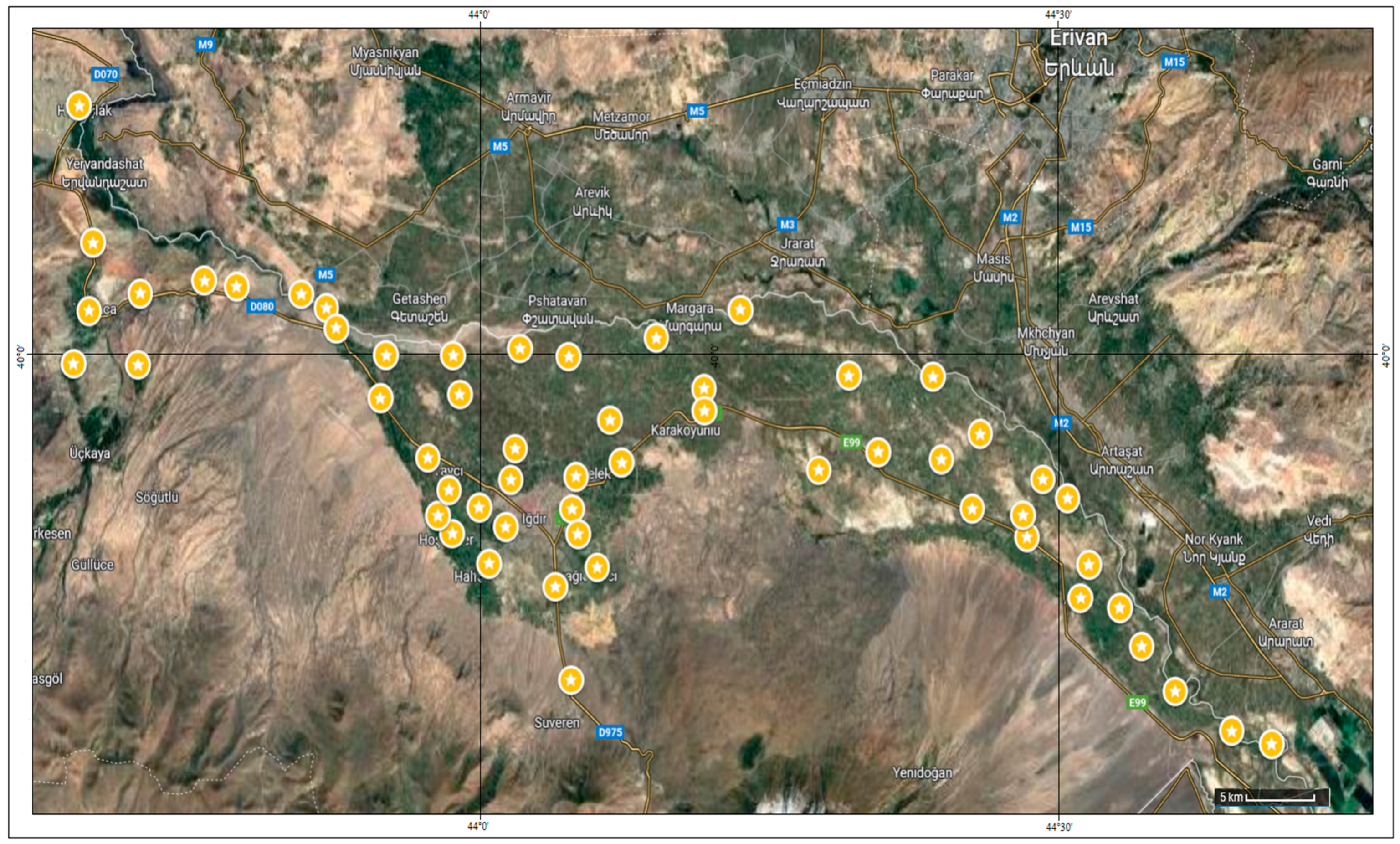
A total of 74 M. sativa genotypes were analyzed in this study. Wild materials (n = 56) were collected from natural populations across the Aras Basin (Iğdır Province, Türkiye) following institutional collection permits, and GPS coordinates for each sampling site were recorded (Table 1; Figure 1). Field collections were conducted with verbal authorization obtained from the Iğdır Provincial Directorate of Agriculture and Forestry, in accordance with local regulations. GPS coordinates of all sampling locations are provided in Table 1, and each genotype was assigned an accession code (G1–G74). The remaining 18 genotypes consisted of registered commercial varieties obtained from certified seed companies and agricultural research institutes in Türkiye. All accessions were assigned unique codes at the time of sampling and stored under controlled conditions until DNA extraction.

2.2. DNA Extraction and Quantification

Genomic DNA was extracted from young leaf tissues using a modified CTAB protocol [27]. DNA quality and concentration were evaluated by agarose gel visualization and spectrophotometric readings, and samples with clear high-molecular-weight bands and A260/280 ratios between 1.8–2.0 were accepted for downstream analyses. All DNA samples were diluted to a working concentration of 20–50 ng µL−1 and stored at −20 °C until ISSR amplification.

2.3. ISSR Analyses

A set of 16 ISSR primers previously reported to generate clear and reproducible polymorphisms in M. sativa was selected for marker amplification. PCR reactions were conducted in a total volume of 20 µL using standard reaction buffer, MgCl2, dNTPs, primer, Taq DNA polymerase, and approximately 20 ng of template DNA [4,11]. Amplifications followed a typical ISSR cycling profile consisting of an initial denaturation, 35 cycles of denaturation–annealing–extension, and a final extension step. Annealing temperatures were optimized individually for each primer. PCR products were separated on agarose gels and visualized under UV illumination. All amplifications were performed in duplicate, and only clear, consistently reproducible bands were scored. Faint or ambiguous bands were excluded from the dataset. Band presence was recorded as binary data (1 = band present; 0 = band absent), following a standard scoring threshold.
Figure 1. Geographic distribution of alfalfa (M. sativa L.) germplasm locations in the Aras basin.
Life 16 00021 g001

2.4. Data Analysis

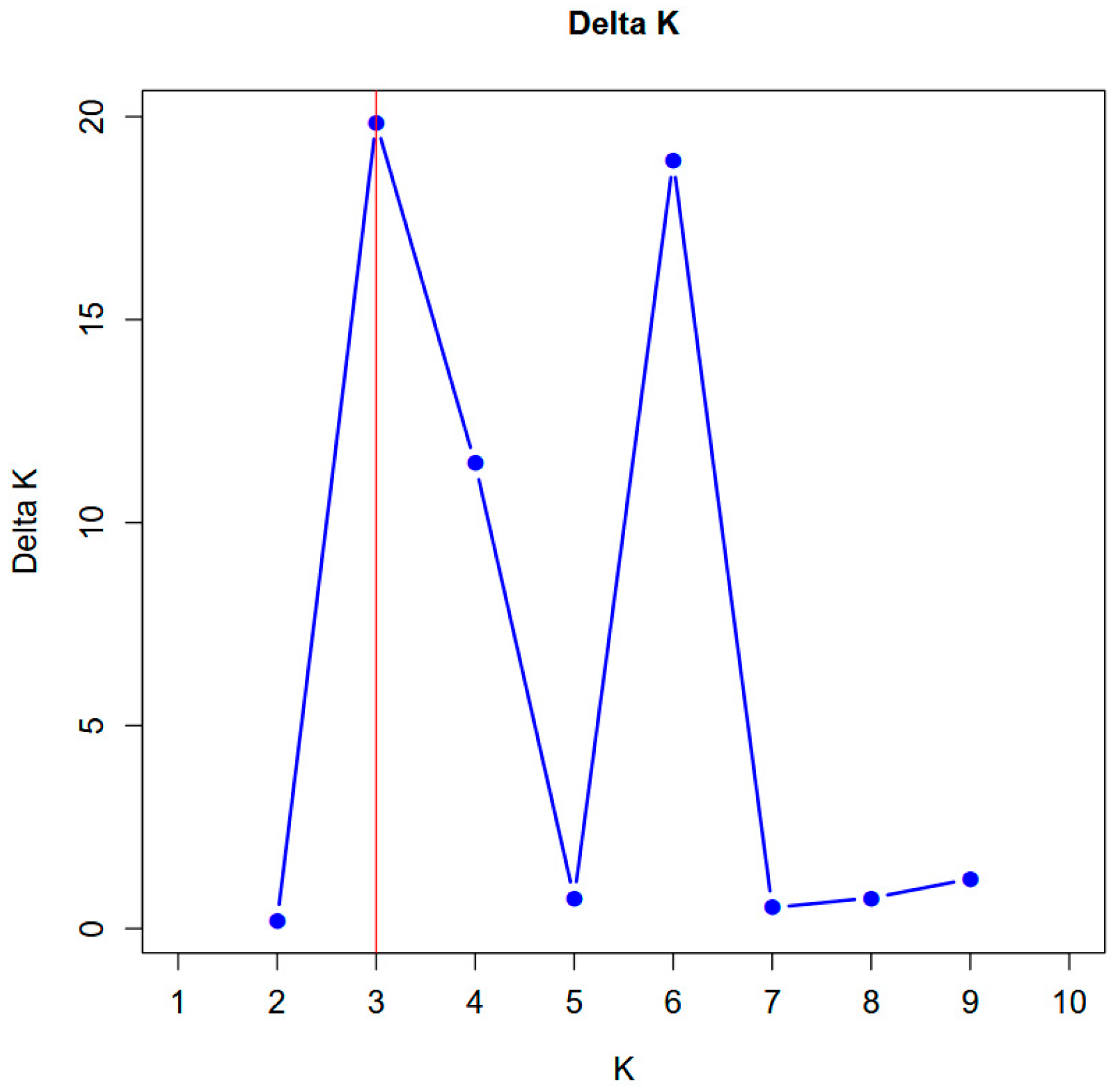
Bands were scored as binary data (1 = presence, 0 = absence), and only clear, reproducible bands consistently appearing in repeated amplifications were retained for analysis (Figure 2). For the quantitative assessment of genetic diversity, the polymorphism rate (P%), Shannon information index (I), observed and expected allele frequency (Na, Ne), Nei genetic diversity index (He), and polymorphic information content (PIC) were calculated [27,28]. Genetic similarity between genotypes was calculated using the Jaccard similarity coefficient; UPGMA (Unweighted Pair Group Method with Arithmetic Mean) clustering analysis was performed in NTSYSpc v.2.2 software based on the similarity matrix obtained [29]. PCoA (Principal Coordinate Analysis) was performed using the vegan and ggplot2 packages in R software version 4.3.2 (R Core Team, 2024 [30]) to determine the genetic variation and spatial distribution among genotypes. STRUCTURE v.2.3.4 software [31] was used to determine the population structure. STRUCTURE v2.3.4 was run under a mixture model with correlated allele frequencies and the ΔK method indicated a primary peak at K = 3 and a secondary peak at K = 6. The burn-in was set to 50,000 iterations, followed by 100,000 MCMC iterations. K was tested between 1 and 10, with 10 independent runs per K. The most likely K value was determined using the Evanno ΔK method implemented in the independent Structure Selector software (v1.1). Evaluation of the ΔK distribution revealed a major peak at K = 3 and a smaller secondary peak at K = 6, indicating that the primary population structure is best represented by three genetic clusters, while additional sub-structuring appears at higher K values. The analysis was performed under the admixture model and correlated allele frequencies assumption; the most likely number of subpopulations (K) was determined using the Structure Harvester v.0.6.94 tool according to the Evanno et al. [32] method. Since the online Structure Harvester service is no longer operational, ΔK values were computed using Structure Selector [33], which implements the Evanno method for determining the most likely number of clusters. Genetic relationships between ISSR primers and genotypes were also visualized using Pearson correlation matrices and heat maps.

3. Results

3.1. DNA Polymorphism and Genetic Diversity

ISSR markers produced a high level of polymorphism, revealing substantial genetic variability among the 74 alfalfa genotypes. Across all primers, band numbers and PIC values showed broad variation, demonstrating the strong discriminatory capacity of the marker system (Table 2). The Jaccard similarity coefficients, derived from the full pairwise similarity matrix (Supplementary Table S1), ranged from 0.0147 to 0.4762. Rather than relying on individual numerical values, these patterns collectively indicate that the Aras Basin germplasm harbors high genomic variability. This average value is provided only as a descriptive indicator of primer amplification efficiency; biological interpretation is based on the distribution and variability of band numbers across primers rather than the mean alone.

3.2. Genetic Similarity Heat Map Among Primers

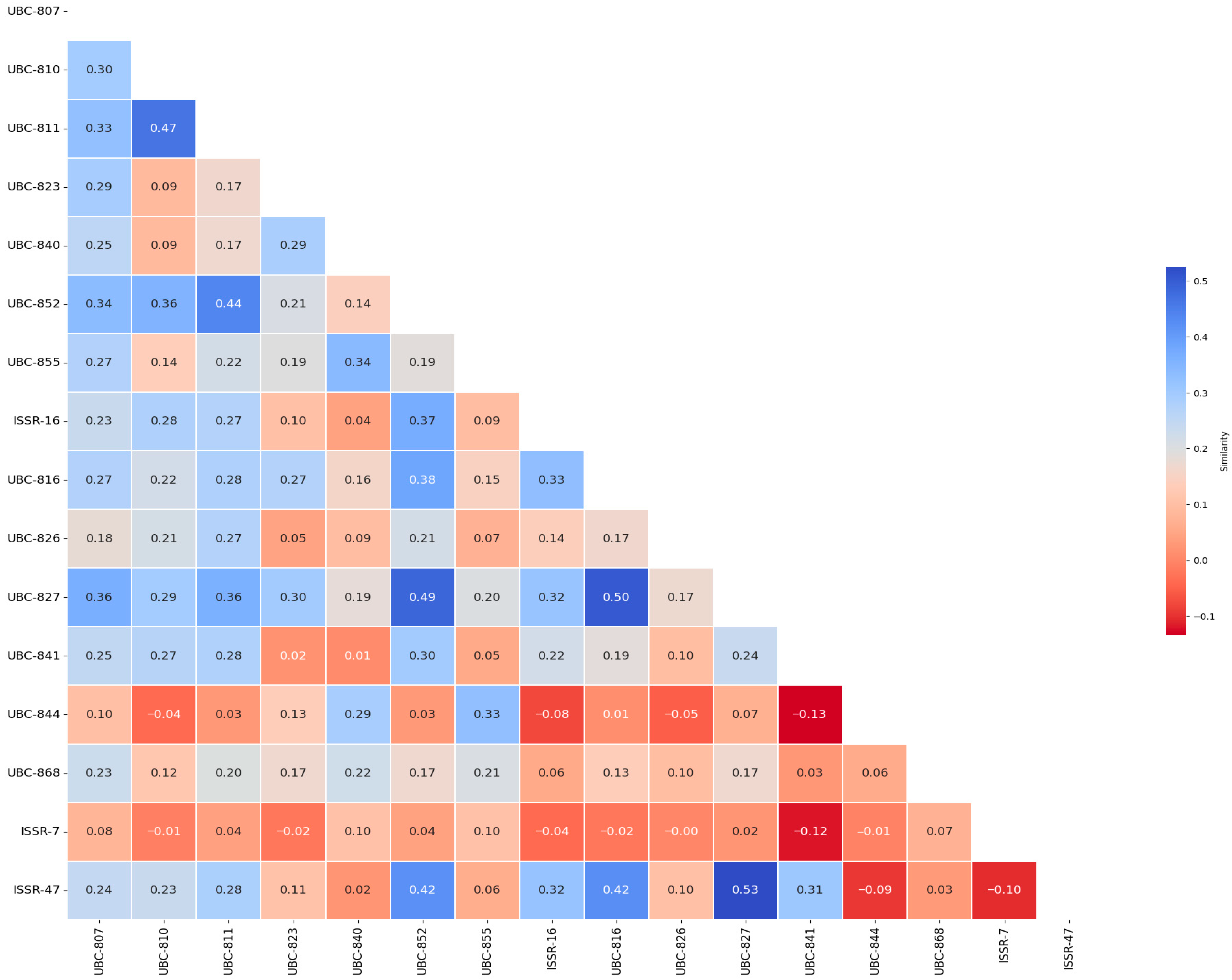
Pearson correlation analysis among ISSR markers revealed that relationships among primers were generally weak to moderate (Figure 3). The correlation coefficients ranged from −0.13 to 0.53, indicating a wide range of genetic independence among the markers. The highest positive correlation was found between UBC-827 and ISSR-47 (r = 0.53), while the strongest negative relationship occurred between UBC-844 and ISSR-7 (r = −0.13). These low to moderate correlation values demonstrate that the ISSR primers used target different regions of the genome, thereby providing high discriminatory power for genetic diversity assessment in M. sativa genotypes.

3.3. Cluster Analysis and Population Structure

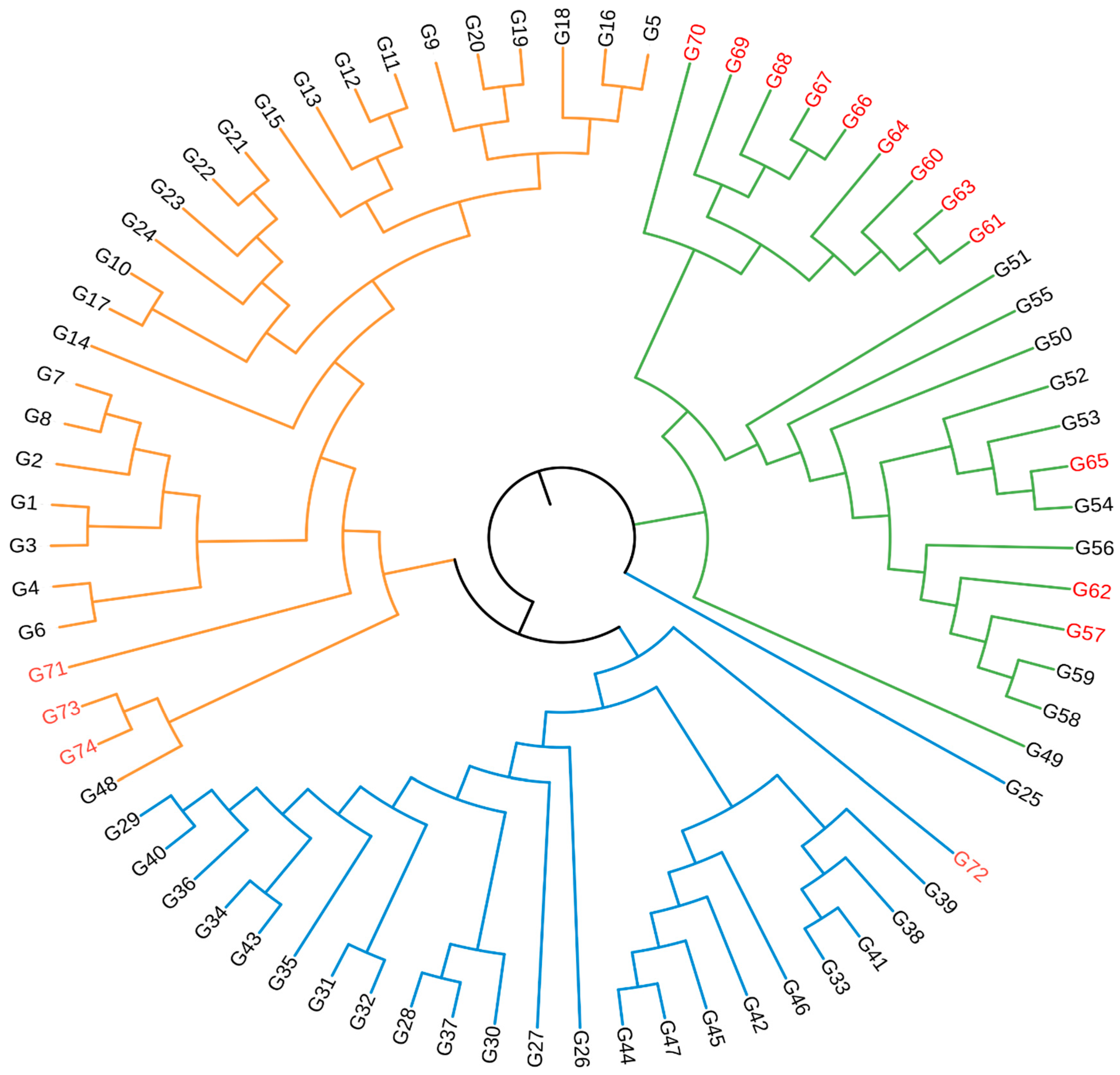
The UPGMA dendrogram obtained (Figure 4) showed a distinct genetic structure among genotypes, and the population was divided into three main clusters (Cluster I–Cluster III). The UPGMA dendrogram grouped the genotypes into three main clusters (Figure 4). Cluster I predominantly contained wild genotypes from the western part of the Aras Basin. Cluster II included a mixture of central-region wild genotypes together with several local varieties. Cluster III consisted mainly of commercial cultivars and a few wild accessions collected from the eastern zones. Clusters I–III represent three distinct genetic groupings identified by UPGMA analysis.

3.4. Jaccard Similarity Heat Map Among Genotypes

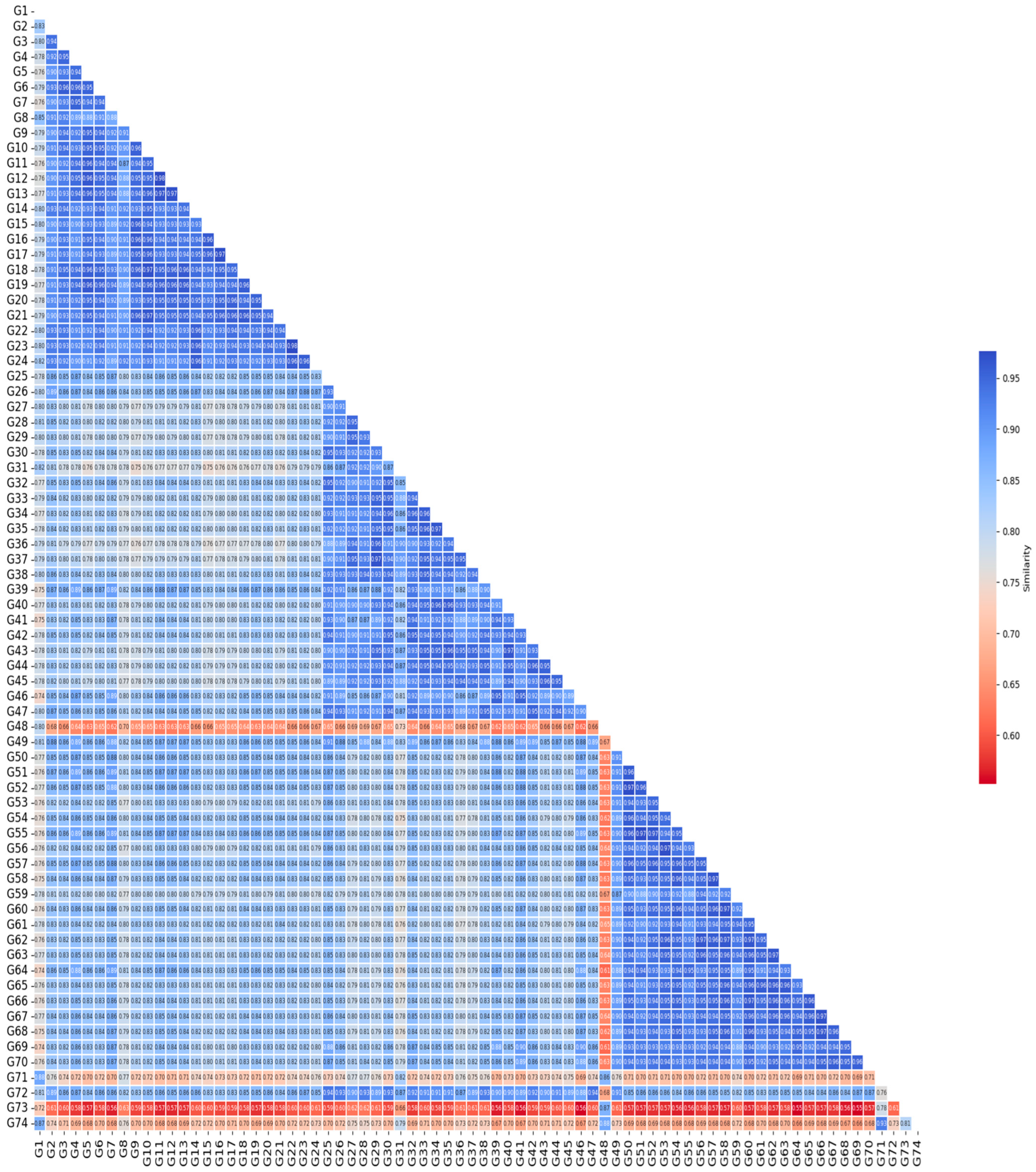
The heat map based on Jaccard similarity revealed wide genetic divergence, with most genotype pairs showing low similarity values (Figure 5). A small number of genotype pairs exhibited relatively higher similarity, but these were exceptions within a generally heterogeneous dataset. The overall distribution of similarity values—rather than specific pairwise extremes—demonstrates the highly diverse genetic background of the population. These low pairwise similarity values confirm high genetic variability within the studied germplasm. The mean Jaccard coefficient (0.1568) is presented as a descriptive summary; however, biological interpretations are based on the overall distribution and range of genetic similarities rather than the average value itself. This variability refers to differences among individual genotypes and should not be interpreted as population-level genetic differentiation.

3.5. Principal Component Analysis (PCoA)

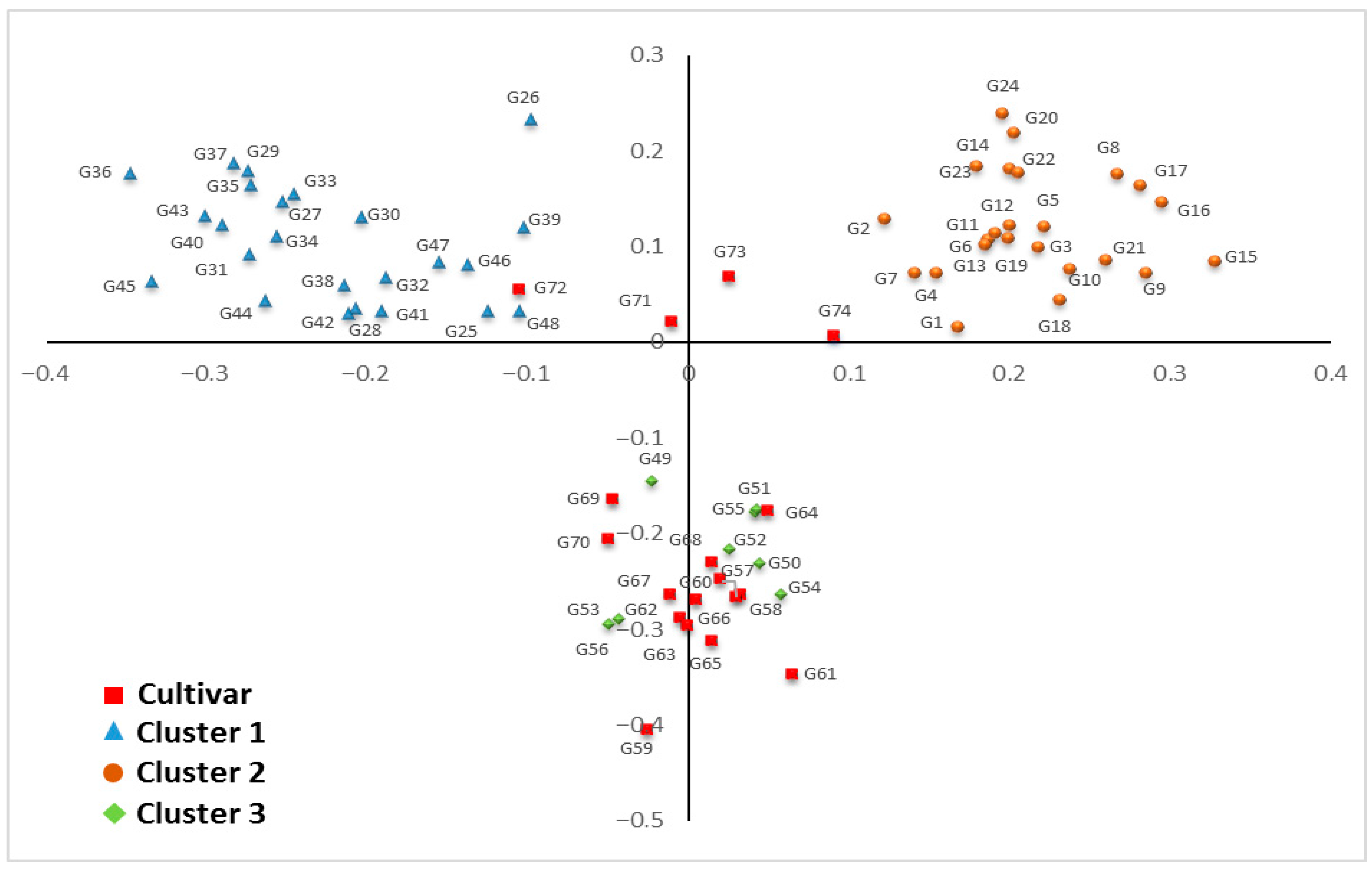
PCoA supported the UPGMA-based structure, separating the genotypes into three distinct groups along the first two coordinates, which together explained a meaningful portion of total molecular variance (Figure 6). The spatial distribution of points on the biplot further illustrates the genetic coherence within clusters and the divergence between them.

3.6. STRUCTURE Analysis

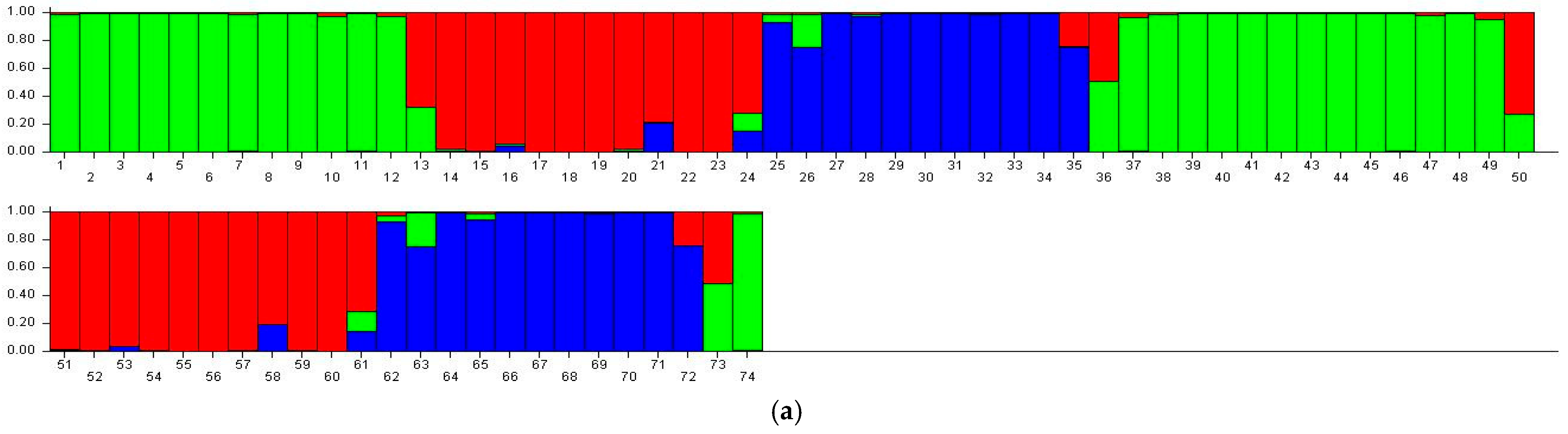
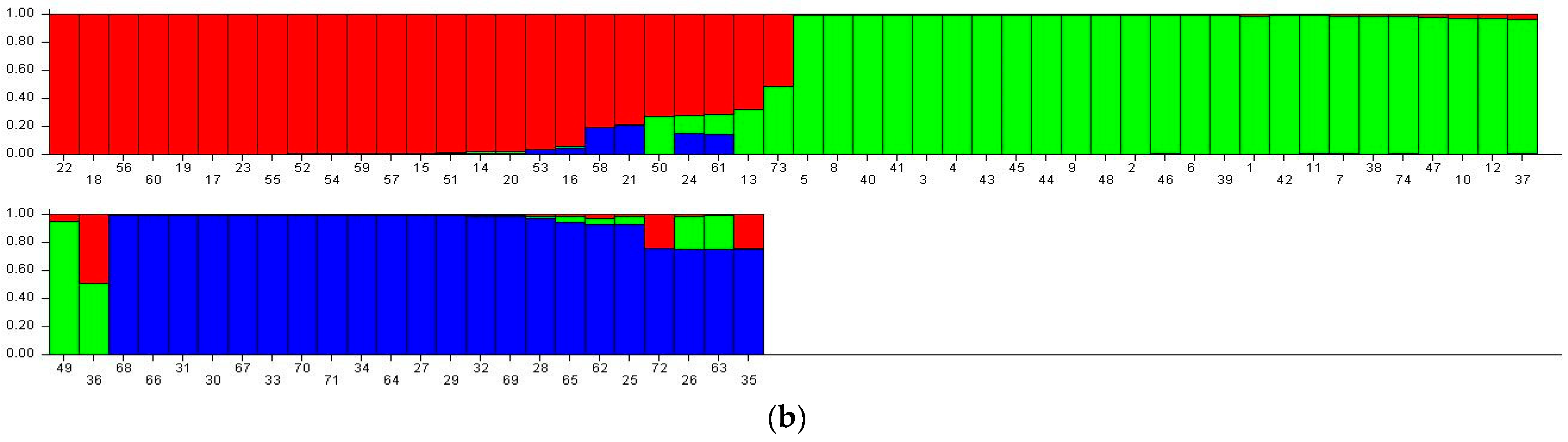
STRUCTURE analysis (admixture model, correlated allele frequencies) identified K = 3 as the most likely number of genetic groups based on Evanno’s ΔK criterion. Replicate runs produced consistent clustering patterns, which aligned well with both UPGMA and PCoA. Most individuals showed high membership coefficients, while several accessions displayed admixture profiles, suggesting ongoing gene flow within the region (Figure 7 and Figure 8).

3.7. Distribution of Genetic Diversity

Based on marker performance, cluster separation, and similarity distributions, Cluster II appeared to exhibit the highest internal genetic variability, likely due to its inclusion of both wild genotypes and local cultivars. In contrast, Cluster III—dominated by commercial varieties—showed the most genetic uniformity.

4. Discussion

The genetic diversity and population structure of M. sativa genotypes collected from the Aras Basin revealed extensive genomic variation based on ISSR markers, reflecting the high adaptive capacity and evolutionary potential of alfalfa populations in this ecogeographically heterogeneous region [6]. The wide range of polymorphisms and low similarity coefficients indicate a heterogeneous germplasm structure characterized by broad allelic variation and distinct genetic groupings, consistent with earlier ISSR-based studies on Turkish and Iranian alfalfa populations reporting strong intraspecific polymorphism [7,39].
The high diversity observed in the Aras Basin is biologically expected given the region’s unique biogeographic context [40,41,42]. Located at the intersection of the Irano-Turanian, Mediterranean, and Caucasian gene centers, the basin functions as a transition zone where contrasting climatic regimes, elevational gradients, and microecological niches converge. Geographic barriers such as fragmented valleys and foothill systems promote partial isolation among local Medicago populations, while long-term grazing pressure and land-use variability contribute to both differentiation and admixture [43]. These ecological factors help explain the mosaic genetic structure observed in the present dataset [40,41].
ISSR markers produced a high proportion of polymorphic bands, indicating substantial genomic variability among genotypes. Similar confirmations from Chinese and Iranian M. sativa populations show that ISSR markers effectively capture genomic responses to local environmental heterogeneity [44,45]. While ISSR-based similarity matrices reflect genetic variability among individual genotypes, the UPGMA, PCoA, and STRUCTURE analyses specifically demonstrate genetic differentiation at the population-group level. Together, these independent approaches converge on three major subgroupings, strengthening the reliability of the inferred population structure. Comparisons with previous SCoT, iPBS, ISSR, and SSR studies conducted in Turkey, Iran, and Central Asia indicate that the Aras Basin consistently emerges as a hotspot of alfalfa diversity [21,46,47]. Although earlier studies documented substantial intraspecific variability, the present ISSR-based results expand this perspective by revealing independent genomic dimensions and clearer subgroup formations unique to microsatellite-flanking regions. These findings support the view that Eastern Anatolian alfalfa germplasm possesses multilayered genetic complexity rather than a simple east–west gradient of variation.
STRUCTURE analysis further highlighted meaningful biological patterns. The K = 3 solution indicates the presence of western wild populations, central mixed populations, and a third cluster enriched with cultivated varieties and eastern genotypes. This partitioning correlates closely with ecological subdivisions and suggests region-specific evolutionary histories shaped by topography, gene-flow corridors, and historical land-use patterns. Similar findings were reported by Şakiroğlu, Doyle, and Brummer [21] using SSR markers, who also observed elevated gene flow in areas near river valleys—consistent with the low similarity rates and recombination signals identified in the present study. Although a secondary ΔK peak appeared at K = 6, such higher-order peaks are common in hierarchical population structures and typically represent sub-structuring rather than primary clusters [32]. Therefore, K = 3 was considered biologically meaningful and is consistent with geographical patterns in the Aras Basin.
The identified genetic clusters have important implications for breeding and conservation. Genotypes showing strong divergence from cultivated varieties may serve as valuable donors of adaptive alleles for improving traits such as drought tolerance, salinity tolerance, and biomass productivity [20,48,49]. Conversely, clusters with mixed ancestry highlight regions of active gene flow and ongoing evolutionary processes, which are essential for maintaining adaptive potential and sustaining genetic resources [21,50]. The differentiation among groups appears closely associated with topographic heterogeneity and microclimatic variation, a relationship supported by broader forage crop studies from Eastern Anatolia [51]. Accordingly, genotypes originating from the Aras Basin may hold strategic importance for future genome-assisted selection and marker-based breeding programs.
Unlike previous studies conducted in the region, the present research integrates a larger germplasm set (74 genotypes), includes a broader representation of commercial cultivars, and applies a more comprehensive analytical framework incorporating STRUCTURE, PCoA, primer–primer correlations, and genotype-level similarity heat maps [4,5]. These analyses reveal previously unreported genetic subgroupings, novel admixture patterns in cultivated varieties, and marker-specific genomic independence among ISSR loci [1,3]. Therefore, the findings provide a novel and expanded genomic perspective on M. sativa populations in the Aras Basin.
Nevertheless, the study has certain limitations. ISSR markers are dominant and cannot distinguish heterozygous from homozygous loci. Sampling was restricted to a specific geographic area, and no phenotypic or environmental variables were included. Broader sampling, co-dominant marker systems, and phenotypic characterization could enhance resolution in future research. Overall, the genetic patterns revealed here underscore the Aras Basin’s importance as a reservoir of alfalfa diversity. The convergence of evidence across multiple analytical approaches highlights the basin’s evolutionary significance and agronomic potential, providing a valuable foundation for breeding programs, conservation planning, and future genomic investigations.

5. Conclusions

This study provides a comprehensive genomic assessment of M. sativa populations from the Aras Basin, a region where three major gene centers intersect and generate exceptional evolutionary and ecological complexity. ISSR-based analyses revealed multilayered genetic variation across wild and cultivated genotypes, demonstrating that the basin hosts one of the most heterogeneous alfalfa gene pools in Eastern Anatolia. The convergence of STRUCTURE, UPGMA, and PCoA results indicates the presence of three major genetic groups shaped by geographic gradients, microecological heterogeneity, and ongoing gene flow. These patterns confirm that the Aras Basin functions not merely as a cultivation area but as a dynamic evolutionary corridor that maintains high allelic richness. The findings have practical implications for breeding and conservation. Genotypes exhibiting strong divergence from commercial cultivars represent valuable genetic resources for improving stress tolerance, biomass productivity, and environmental resilience. Conversely, admixed genotypes highlight regions where natural gene flow remains active, offering potential parent material for population improvement and genomic selection programs. Compared to earlier studies, this research expands the existing knowledge by incorporating a larger and more diverse germplasm set, applying a broader analytical framework, and revealing previously unreported subgroup formations and marker-specific genomic patterns. These contributions provide a more refined understanding of the evolutionary structure of alfalfa in a key geographic region.
Future research integrating morphological traits, adaptive phenotypes, and broader geographic sampling—including Western and Central Anatolia—will further strengthen our understanding of alfalfa diversity and enhance the applicability of these molecular insights.
Overall, our findings demonstrate that the Aras Basin represents a strategically important reservoir of alfalfa genetic diversity, making it a priority landscape for future genomic research, germplasm conservation, and cultivar development.

Supplementary Materials

The following supporting information can be downloaded at: https://www.mdpi.com/article/10.3390/life16010021/s1, Table S1: Pairwise Jaccard Coefficients Among Medicago sativa Genotypes (ISSR Markers).

Funding

This research received no external funding.

Institutional Review Board Statement

Not applicable.

Informed Consent Statement

Not applicable.

Data Availability Statement

The data presented in this study are available on request from the corresponding author. The data are not publicly available due to institutional data policy and privacy restrictions.

Acknowledgments

During the preparation of this article, the author used the DeepL Translate program for translation from Turkish to English. The author has reviewed and edited the content and assumes full responsibility for the final version of this publication. The author expresses sincere gratitude to Ekber Akış (Financial Services at the Iğdır Special Provincial Administration), for his valuable assistance in providing access to the local Iğdır ‘Gacer’ population used in this study.

Conflicts of Interest

The author declares no conflicts of interest.

Abbreviations

The following abbreviations are used in this manuscript:
ISSRInter-Simple Sequence Repeat
PCRPolymerase Chain Reaction
PCoAPrincipal Coordinate Analysis
UPGMAUnweighted Pair Group Method with Arithmetic Mean
PICPolymorphism Information Content
CTABCetyl Trimethylammonium Bromide
HeNei’s Genetic Diversity (Expected Heterozygosity)
NeEffective Number of Alleles
RpResolving Power
ΔKDelta K (Evanno method index for STRUCTURE analysis)

References

  1. Wang, J.; Wei, X.; Guo, C.; Xu, C.; Zhao, Y.; Pu, X.; Wang, W. Simple Sequence Repeat-Based Genetic Diversity Analysis of Alfalfa Varieties. Int. J. Mol. Sci. 2025, 26, 5246. [Google Scholar] [CrossRef] [PubMed]
  2. FAOSTAT. Agriculture Organization of the United Nations FAO Statistical Database; FAO: Faro, Portugal, 2023; Available online: https://www.fao.org/faostat/en/#data/QCL (accessed on 10 October 2025).
  3. He, Q.Y.; Li, Y.Y.; Liu, Y.L.; Li, Z.P.; Sun, S.S.; Zhan, Q.W. Genetic diversity in the worldwide alfalfa germplasm assessed through SSR markers. Int. J. Agric. Biol. 2019, 22, 1205–1210. [Google Scholar]
  4. Eren, B.; Keskin, B.; Demirel, F.; Demirel, S.; Türkoğlu, A.; Yilmaz, A.; Haliloğlu, K. Assessment of genetic diversity and population structure in local alfalfa genotypes using iPBS molecular markers. Genet. Resour. Crop Evol. 2023, 70, 617–628. [Google Scholar] [CrossRef]
  5. Işık, M.İ.; Türkoğlu, A.; Demirel, F.; Aydın, A.; Eren, B.; Koç, A.; Armağan, M.; Haliloğlu, K.; Yaman, M.; Bocianowski, J. Genetic diversity and genetic structure of alfalfa (M. sativa L.) genotypes as revealed by Start Codon Targeted (SCoT) markers. Genet. Resour. Crop Evol. 2025, 72, 10543–10558. [Google Scholar] [CrossRef]
  6. Petolescu, C.; Sarac, I.; Popescu, S.; Tenche-Constantinescu, A.M.; Petrescu, I.; Camen, D.; Onisan, E. Assessment of Genetic Diversity in Alfalfa Using DNA Polymorphism Analysis and Statistical Tools. Plants 2024, 13, 2853. [Google Scholar] [CrossRef]
  7. Yazıcılar, B.; Jannati, G.; Bezirganoglu, I. Genetic Variations in Turkey Cultivar and Ecotype M. sativa Species: Cytological, Total Protein Profile, and Molecular Characterization. J. Genet. Eng. Biotechnol. 2021, 19, 59. [Google Scholar] [CrossRef]
  8. Sakiroglu, M.; Charles Brummer, E. Presence of phylogeographic structure among wild diploid alfalfa accessions (M. sativa L. subsp. microcarpa Urb.) with evidence of the center of origin. Genet. Resour. Crop Evol. 2013, 60, 23–31. [Google Scholar] [CrossRef]
  9. Vavilov, N.I. The Origin, Variation, İmmunity and Breeding of Cultivated Plants; LWW: Philadelphia, PA, USA, 1951; Volume 72, p. 482. [Google Scholar]
  10. Noroozi, J.; Zare, G.; Sherafati, M.; Mahmoodi, M.; Moser, D.; Asgarpour, Z.; Schneeweiss, G.M. Patterns of endemism in Turkey, the meeting point of three global biodiversity hotspots, based on three diverse families of vascular plants. Front. Ecol. Evol. 2019, 7, 159. [Google Scholar] [CrossRef]
  11. Basbag, M.; Aydin, A.; Sakiroglu, M. Evaluating agronomic performance and investigating molecular structure of drought and heat tolerant wild alfalfa (M. sativa L.) collection from the Southeastern Turkey. Biochem. Genet. 2017, 55, 63–76. [Google Scholar] [CrossRef]
  12. Lesins, K.; Gillies, C.B. Taxonomy and cytogenetics of Medicago. Alfalfa Sci. Technol. 1972, 15, 53–86. [Google Scholar]
  13. Lesins, K.A.; Lesins, I. Genus Medicago (Leguminosae): A Taxogenetic Study; Springer Science & Business Media: Dordrecht, The Netherlands, 2012. [Google Scholar]
  14. Small, E. Alfalfa and Relatives: Evolution and Classification of Medicago; NRC Research Press: Ottawa, ON, Canada, 2011. [Google Scholar]
  15. Lesins, K.A.; Lesins, I. General key to Medicago species. In Genus Medicago (Leguminosae)—A Taxogenetic Study; Springer: Dordrecht, The Netherlands, 1979; pp. 62–215. [Google Scholar]
  16. Quiros, C.F.; Bauchan, G.R. The genus Medicago and the origin of the M. sativa complex. In Alfalfa and Alfalfa İmprovement; American Society of Agronomy, Inc.: Madison, WI, USA, 1988; Volume 29, pp. 93–124. [Google Scholar]
  17. Şakiroğlu, M.; İlhan, D.M. sativa species complex: Revisiting the century-old problem in the light of molecular tools. Crop Sci. 2021, 61, 827–838. [Google Scholar] [CrossRef]
  18. Sakiroglu, M.; Brummer, E.C. Identification of loci controlling forage yield and nutritive value in diploid alfalfa using GBS-GWAS. Theor. Appl. Genet. 2017, 130, 261–268. [Google Scholar] [CrossRef]
  19. İlhan, D.; Li, X.; Brummer, E.C.; Şakiroğlu, M. Genetic diversity and population structure of tetraploid accessions of the M. sativa –falcata Complex. Crop Sci. 2016, 56, 1146–1156. [Google Scholar] [CrossRef]
  20. Li, X.; Brummer, E.C. Applied genetics and genomics in alfalfa breeding. Agronomy 2012, 2, 40–61. [Google Scholar] [CrossRef]
  21. Sakiroglu, M.; Doyle, J.J.; Brummer, E.C. The population genetic structure of diploid M. sativa L. germplasm. In Sustainable Use of Genetic Diversity in Forage and Turf Breeding; Springer: Dordrecht, The Netherlands, 2010; pp. 143–148. [Google Scholar]
  22. Mnafgui, W.; Jabri, C.; Sakiroglu, M.; Ludidi, N.; Badri, M. Identification of genetic basis of agronomic traits in alfalfa (M. sativa subsp. sativa) using Genome Wide Association Studies. J. Oasis Agric. Sustain. Dev. 2023, 5, 7–17. [Google Scholar] [CrossRef]
  23. Amiteye, S. Basic concepts and methodologies of DNA marker systems in plant molecular breeding. Heliyon 2021, 7, e08093. [Google Scholar] [CrossRef]
  24. Song, L.; Wang, R.; Yang, X.; Zhang, A.; Liu, D. Molecular markers and their applications in marker-assisted selection (MAS) in bread wheat (Triticum aestivum L.). Agriculture 2023, 13, 642. [Google Scholar] [CrossRef]
  25. Kumar, R.; Das, S.P.; Choudhury, B.U.; Kumar, A.; Prakash, N.R.; Verma, R.; Chakraborti, M.; Devi, A.G.; Bhattacharjee, B.; Das, R.; et al. Advances in genomic tools for plant breeding: Harnessing DNA molecular markers, genomic selection, and genome editing. Biol. Res. 2024, 57, 80. [Google Scholar] [CrossRef] [PubMed]
  26. Doyle, J.J. Isolation of plant DNA from fresh tissue. Focus 1990, 12, 13–15. [Google Scholar]
  27. Nei, M. Analysis of gene diversity in subdivided populations. Proc. Natl. Acad. Sci. USA 1973, 70, 3321–3323. [Google Scholar] [CrossRef]
  28. Yeh, F.C. POPGENE (Version 1.3.1). Microsoft Windows-Based Freeware for Population Genetic Analysis; University of Alberta: Edmonton, AB, Canada, 1999. [Google Scholar]
  29. Rohlf, F.J. NTSYS-pc: Numerical Taxonomy and Multivariate Analysis System; Exeter Publishing: Exeter, UK, 1988. [Google Scholar]
  30. R Core Team. R: A Language and Environment for Statistical Computing, Version 4.3.2; R Foundation for Statistical Computing: Vienna, Austria, 2024. Available online: https://www.r-project.org/ (accessed on 10 October 2025).
  31. Pritchard, J.K.; Stephens, M.; Donnelly, P. Inference of population structure using multilocus genotype data. Genetics 2000, 155, 945–959. [Google Scholar] [CrossRef]
  32. Evanno, G.; Regnaut, S.; Goudet, J. Detecting the number of clusters of individuals using the software STRUCTURE: A simulation study. Mol. Ecol. 2005, 14, 2611–2620. [Google Scholar] [CrossRef] [PubMed]
  33. Li, Y.L.; Liu, J.X. StructureSelector: A Web-Based Software to Select and Visualize the Optimal Number of Clusters Using Multiple Methods. Mol. Ecol. Resour. 2018, 18, 176–177. [Google Scholar] [CrossRef] [PubMed]
  34. Lynch, M.; Milligan, B.G. Analysis of population genetic structure with RAPD markers. Mol. Ecol. 1994, 3, 91–99. [Google Scholar] [CrossRef]
  35. Botstein, D.; White, R.L.; Skolnick, M.; Davis, R.W. Construction of a Genetic Linkage Map in Man Using Restriction Fragment Length Polymorphisms. Am. J. Hum. Genet. 1980, 32, 314–331. [Google Scholar]
  36. Shannon, C.E. A mathematical theory of communication. Bell Syst. Tech. J. 1948, 27, 379–423. [Google Scholar] [CrossRef]
  37. Nei, M. Molecular Evolutionary Genetics; Columbia University Press: New York, NY, USA, 1987. [Google Scholar]
  38. Prevost, A.; Wilkinson, M.J. A New System of Comparing PCR Primers Applied to ISSR Fingerprinting of Potato Cultivars. Theor. Appl. Genet. 1999, 98, 107–112. [Google Scholar] [CrossRef]
  39. İlhan, D. Comparison of Tetraploid Alfalfa (M. sativa L.) Populations Collected from Turkey and Former Soviet Countries. J. Agric. 2022, 5, 50–56. [Google Scholar] [CrossRef]
  40. Ronfort, J.; Bataillon, T.; Santoni, S.; Delalande, M.; David, J.L.; Prosperi, J.M. Microsatellite diversity and broad-scale geographic structure in a model legume: Building a set of nested core collections for studying naturally occurring variation in Medicago truncatula. BMC Plant Biol. 2006, 6, 28. [Google Scholar] [CrossRef]
  41. Young, N.D.; Debellé, F.; Oldroyd, G.E.; Geurts, R.; Cannon, S.B.; Udvardi, M.K.; Benedito, V.A.; Mayer, K.F.X.; Gouzy, J.; Schoof, H.; et al. The Medicago genome provides insight into the evolution of rhizobial symbioses. Nature 2011, 480, 520–524. [Google Scholar] [CrossRef] [PubMed]
  42. Gecer, M.K.; Kan, T.; Gundogdu, M.; Ercisli, S.; Ilhan, G.; Sagbas, H.I. Physicochemical Characteristics of Wild and Cultivated Apricots (Prunus armeniaca L.) from Aras Valley in Turkey. Genet. Resour. Crop Evol. 2020, 67, 935–945. [Google Scholar] [CrossRef]
  43. Wang, H. Genetic Variation and Genome–Environment Association of Alfalfa (M. sativa L.) Populations Under Long-Term Grazing. Ph.D. Thesis, University of Saskatchewan, Saskatoon, SK, Canada, 2022. [Google Scholar]
  44. Farshadfar, M.; Rashidi, M.; Safari, H.; Shirvani, H. Study of genetic diversity among 17 populations of alfalfa (M. sativa ) using cytogenetic and ISSR molecular markers. Iran. J. Rangel. For. Plant Breed. Genet. Res. 2016, 24, 13–28. [Google Scholar]
  45. Mint Abdelaziz, S.; Medraoui, L.; Alami, M.; Pakhrou, O.; Makkaoui, M.; Ould Mohamed Salem Boukhary, A.; Filali-Maltouf, A. Inter simple sequence repeat markers to assess genetic diversity of the desert date (Balanites aegyptiaca Del.) for Sahelian ecosystem restoration. Sci. Rep. 2020, 10, 14948. [Google Scholar] [CrossRef]
  46. Serttaş, P.T.; Özcan, T. Intraspecific variations studied by ISSR and IRAP markers in mastic tree (Pistacia lentiscus L.) from Turkey. Trakya Univ. J. Nat. Sci. 2018, 19, 147–157. [Google Scholar] [CrossRef]
  47. Yilmaz, K.U.; Paydas-Kargi, S.; Dogan, Y.; Kafkas, S. Genetic diversity analysis based on ISSR, RAPD and SSR among Turkish apricot germplasms in Iran Caucasian eco-geographical group. Sci. Hortic. 2012, 138, 138–143. [Google Scholar] [CrossRef]
  48. Qiang, H.; Chen, Z.; Zhang, Z.; Wang, X.; Gao, H.; Wang, Z. Molecular diversity and population structure of a worldwide collection of cultivated tetraploid alfalfa (M. sativa subsp. sativa L.) germplasm as revealed by microsatellite markers. PLoS ONE 2015, 10, e0124592. [Google Scholar] [CrossRef]
  49. Alzahrani, O.R.; Alshehri, M.A.; Alasmari, A.; Ibrahim, S.D.; Oyouni, A.A.; Siddiqui, Z.H. Evaluation of genetic diversity among Saudi Arabian and Egyptian cultivars of alfalfa (M. sativa L.) using ISSR and SCoT markers. J. Taibah Univ. Sci. 2023, 17, 2194187. [Google Scholar] [CrossRef]
  50. Amanov, M. Microsatellite Marker-Based Genetic Diversity Analysis and Developing Synthetic Varieties in Alfalfa (M. sativa L.). Master’s Thesis, Swedish University of Agricultural Sciences, Uppsala, Sweden, 2013. [Google Scholar]
  51. Haliloglu, K.; Turkoglu, A.; Tan, M.; Poczai, P. SSR-based molecular identification and population structure analysis for forage pea (Pisum sativum var. arvense L.) landraces. Genes 2022, 13, 1086. [Google Scholar] [CrossRef]
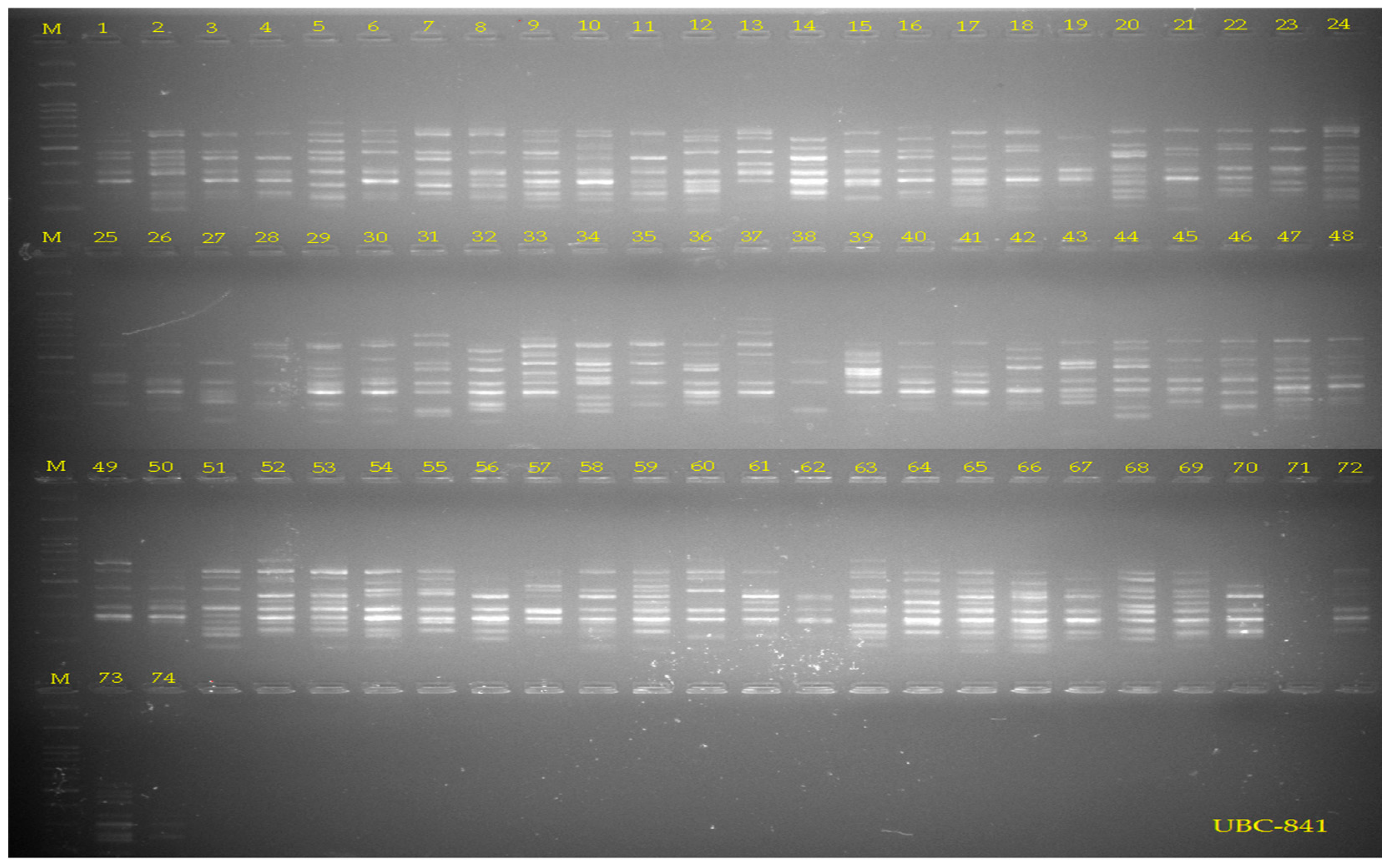
Figure 2. ISSR primer UBC-841 PCR amplification patterns showing polymorphic band profiles among 74 M. sativa genotypes on 2% agarose gel.
Life 16 00021 g002
Figure 3. Heat map of correlation similarity coefficients between ISSR primers used in alfalfa genotypes.
Life 16 00021 g003
Figure 4. UPGMA dendrogram of alfalfa genotypes. Branches colored in green, blue, and orange correspond to Cluster I, Cluster II, and Cluster III, respectively, as identified by UPGMA clustering. Genotype labels shown in red indicate cultivated varieties, while black labels represent wild genotypes.
Life 16 00021 g004
Figure 5. Heat map of Jaccard similarity coefficients between alfalfa (M. sativa L.) genotypes.
Life 16 00021 g005
Figure 6. Principal coordinate analysis (PCoA) showing genetic relationships among 74 alfalfa genotypes based on ISSR marker data.
Life 16 00021 g006
Figure 7. Genetic structure distribution of M. sativa genotypes according to STRUCTURE analysis. (a) Individual membership ratios arranged according to genotype order; (b) Subpopulation structure arranged according to clustering order. Red (Q1), blue (Q2), and green (Q3) colors represent the three main genetic populations.
Life 16 00021 g007aLife 16 00021 g007b
Figure 8. ΔK values used to identify the most likely number of genetic clusters (K) based on STRUCTURE analysis.
Life 16 00021 g008
Table 1. Characteristics of alfalfa genotypes and varieties used in the study.
No.LocationTraitNo.ProvinceTrait
G139°46′59.5″ N 44°40′54.1″ EWildG3840°00′20.5″ N 43°58′24.3″ EWild
G239°47′26.9″ N 44°38′50.2″ EWildG3939°56′49.5″ N 43°57′04.9″ EWild
G339°48′48.5″ N 44°35′53.5″ EWildG4039°54′13.7″ N 43°58′21.5″ EWild
G439°50′21.3″ N 44°34′09.1″ EWildG4139°55′43.3″ N 43°58′10.9″ EWild
G539°51′40.5″ N 44°33′02.0″ EWildG4239°54′50.5″ N 43°57′36.6″ EWild
G639°53′09.3″ N 44°31′25.0″ EWildG4339°58′59.9″ N 43°58′44.5″ EWild
G739°52′00.7″ N 44°30′58.9″ EWildG4440°00′34.7″ N 44°01′52.4″ EWild
G839°55′26.4″ N 44°30′18.3″ EWildG4539°57′08.9″ N 44°01′37.4″ EWild
G939°54′06.3″ N 44°28′11.7″ EWildG4639°53′11.6″ N 44°00′15.9″ EWild
G1039°56′05.5″ N 44°29′01.0″ EWildG4739°55′07.3″ N 43°59′45.4″ EWild
G1139°54′51.1″ N 44°27′59.6″ EWildG4839°52′24.2″ N 44°03′42.2″ EWild
G1239°57′38.7″ N 44°25′46.1″ EWildG4939°55′04.3″ N 44°04′34.3″ EWild
G1339°55′04.9″ N 44°25′21.9″ EWildG5039°49′11.5″ N 44°04′31.4″ EWild
G1439°56′46.3″ N 44°23′45.6″ EWildG5139°53′04.1″ N 44°05′53.1″ EWild
G1539°59′36.9″ N 44°23′19.1″ EWildG5239°56′11.0″ N 44°04′46.7″ EWild
G1639°57′01.5″ N 44°20′28.7″ EWildG5339°54′12.4″ N 44°04′53.6″ EWild
G1739°59′38.7″ N 44°18′57.2″ EWildG5439°56′04.1″ N 44°01′23.4″ EWild
G1839°56′24.2″ N 44°17′22.7″ EWildG5539°54′27.4″ N 44°01′07.6″ EWild
G1940°01′54.2″ N 44°13′18.9″ EWildG5639°56′39.7″ N 44°07′08.9″ EWild
G2039°59′12.2″ N 44°11′25.4″ EWildG57SunterMutlu Seed Industry and Trade Co., Ltd. Konya/Türkiye
G2139°58′26.5″ N 44°11′26.9″ EWildG58KayseriLocal genotype, Kayseri/Türkiye
G2240°00′56.6″ N 44°08′56.6″ EWildG59Magna-601Biotek Seed Agri. Prod. Ind. & Trade Inc. Konya/Türkiye
G2340°00′18.4″ N 44°04′24.1″ EWildG60La TorreMaro Agri. Constr. Trade & Ind. Inc. Ankara/Türkiye
G2439°58′07.2″ N 44°06′32.6″ EWildG61SavaşEast Anatolian Agricultural Research Inst. Erzurum/Türkiye
G2540°08′54.2″ N 43°38′58.1″ EWildG62Q. NeobiNEOBI Seed Inc. İzmir/Türkiye
G2640°04′12.6″ N 43°39′41.4″ EWildG63May İsideMay-Agro Seed Co. Bursa/Türkiye
G2740°01′52.3″ N 43°39′29.3″ EWildG64La BellaSamen-Unternehmung C. Böhrer Austrian
G2840°02′28.1″ N 43°42′08.1″ EWildG65MagnumBiotek Seed Agri. Prod. Ind. & Trade Konya/Türkiye
G2940°00′03.2″ N 43°38′40.6″ EWildG66ProsementiTasaco Agriculture Industry and Trade Inc. Antalya/Türkiye
G3040°00′01.5″ N 43°42′01.5″ EWildG67GeaMaro Agri. Constr. Trade & Ind. Inc. Ankara/Türkiye
G3140°02′54.6″ N 43°45′28.2″ EWildG68ElçiAnkara University Faculty of Agriculture, Ankara/Türkiye
G3240°02′42.2″ N 43°47′09.0″ EWildG69PlatoKazak Agri. Constr. & Transport Ind. & Trade Inc. Ankara/Türkiye
G3340°02′26.7″ N 43°50′30.6″ EWildG70GiuliaMutlu Seed Industry and Trade Co., Ltd. Konya/Türkiye
G3440°01′58.5″ N 43°51′49.2″ EWildG71EmilianaPalmiye Seed Agri. Ind. & Trade Co., Ltd. İzmir/ Türkiye
G3539°58′52.5″ N 43°54′37.4″ EWildG72EzzelinaAlfa Seed Agri-Food-Const-Live. Trade Ltd. Larissa/Greece
G3640°01′16.8″ N 43°52′20.0″ EWildG73Bilensoy-80Field Crops Central Research Institute, Ankara/Türkiye
G3740°00′21.1″ N 43°54′54.6″ EWildG74GacerIğdır local genotype, Iğdır/Türkiye
Table 2. Some polymorphism parameters of the 16 ISSR markers used in the characterization of 74 M. sativa genotypes.
No.MarkerPrimer Seq.ABPB%PPICINeRp
1UBC-807(AG)8 T14141000.2770.6301.4320.620
2UBC-810(CA)8 T10101000.3340.7271.5500.535
3UBC-811(GA)8 C881000.2060.5031.2870.750
4UBC-823(GA)8 C771000.1410.3741.1750.842
5UBC-840(GA)8 TT661000.2440.5491.3850.676
6UBC-852(TC)8 AA12121000.2370.5521.3580.691
7UBC-855(AC)8 YT881000.2180.5291.2980.740
8ISSR-16(GTGC)4881000.2000.4761.3190.720
9UBC-816(GA)8 T317171000.2300.5421.3370.711
10UBC-826(GA)8 C317171000.2600.6061.3870.661
11UBC-827(CA)8 G17171000.2360.5481.3610.688
12UBC-841(GA)8 YC23231000.2930.6511.4730.591
13UBC-844(CT)8 AC661000.2050.4831.3140.730
14UBC-868(GAA)612121000.2690.6091.4180.644
15ISSR-7(TC)8 C15151000.2220.5411.3020.735
16ISSR-47(AG)8 Y33331000.2850.6401.4570.609
 Mean 213213 0.2410.5601.3660.684
AB: Amplified Bands; PB: Polymorphic Bands; %P: Percentage of Polymorphism [34]; PIC: Polymorphic Information Content [35]; I: Shannon’s Information Index [36]; Ne: Effective number of alleles [37]; Rp: Resolving Power [38].
Disclaimer/Publisher’s Note: The statements, opinions and data contained in all publications are solely those of the individual author(s) and contributor(s) and not of MDPI and/or the editor(s). MDPI and/or the editor(s) disclaim responsibility for any injury to people or property resulting from any ideas, methods, instructions or products referred to in the content.