Article

Novel tRNA Gene Rearrangements in the Mitochondrial Genomes of Poneroid Ants and Phylogenetic Implication of Paraponerinae (Hymenoptera: Formicidae)


1
College of Life Sciences, University of Chinese Academy of Sciences, Beijing 100049, China
2
BGI Research, Wuhan 430074, China
3
Section for Ecology and Evolution, Department of Biology, University of Copenhagen, 2100 Copenhagen, Denmark
4
BGI Research, Shenzhen 518083, China
*
Author to whom correspondence should be addressed.
Life 2023, 13(10), 2068; https://doi.org/10.3390/life13102068
Submission received: 4 September 2023 / Revised: 4 October 2023 / Accepted: 9 October 2023 / Published: 16 October 2023
(This article belongs to the Section Genomics and Proteomics)

Abstract

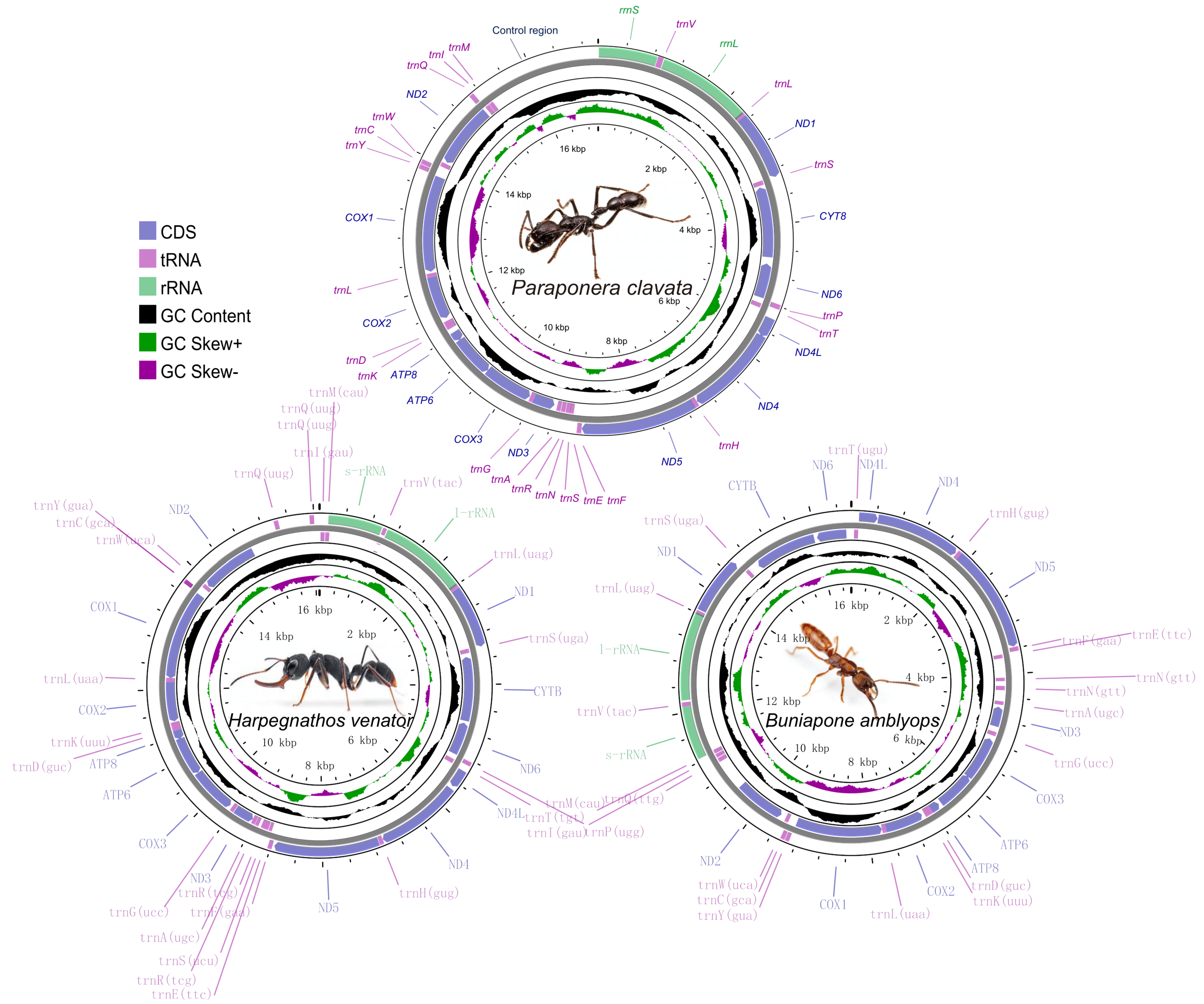
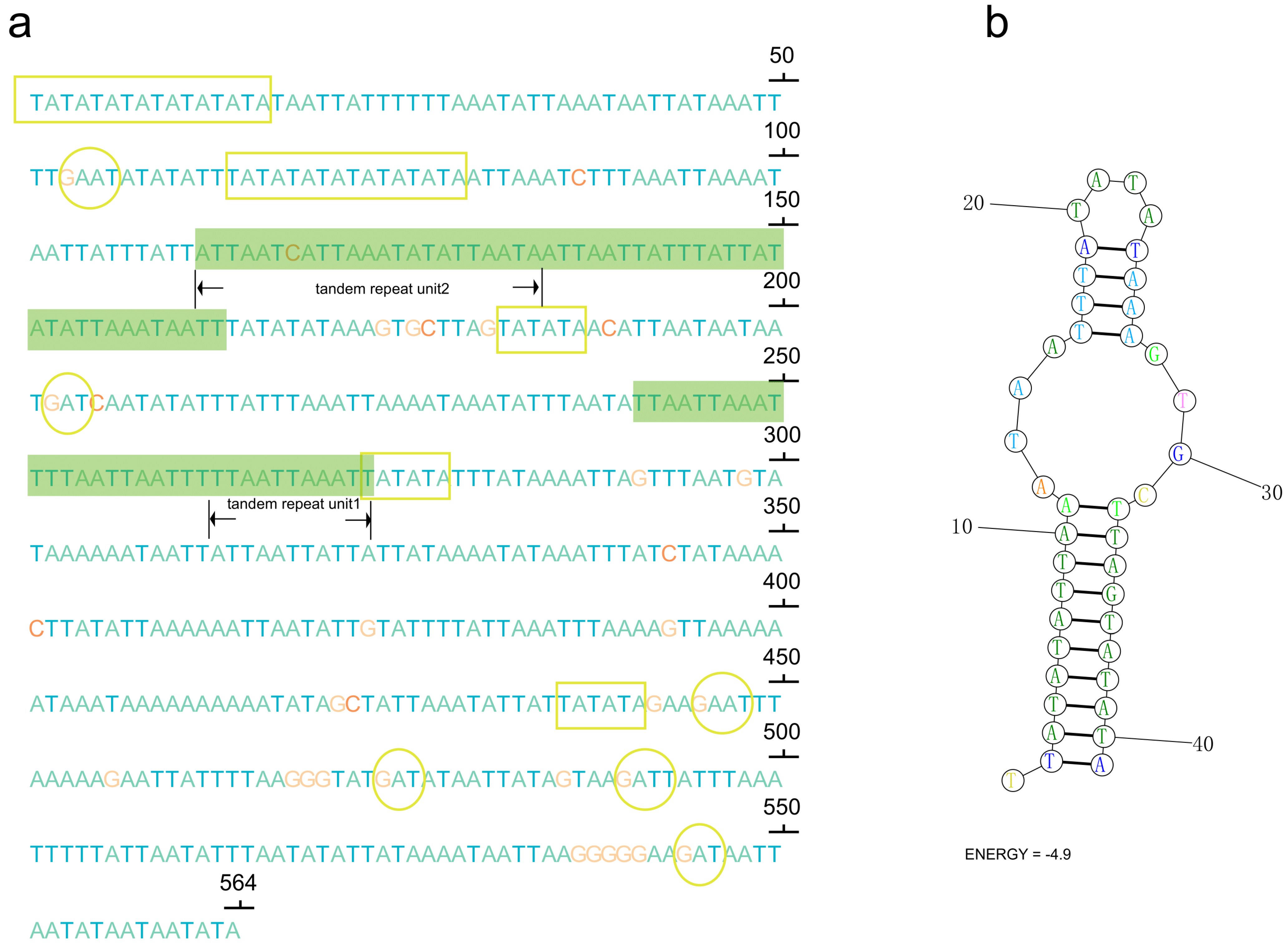
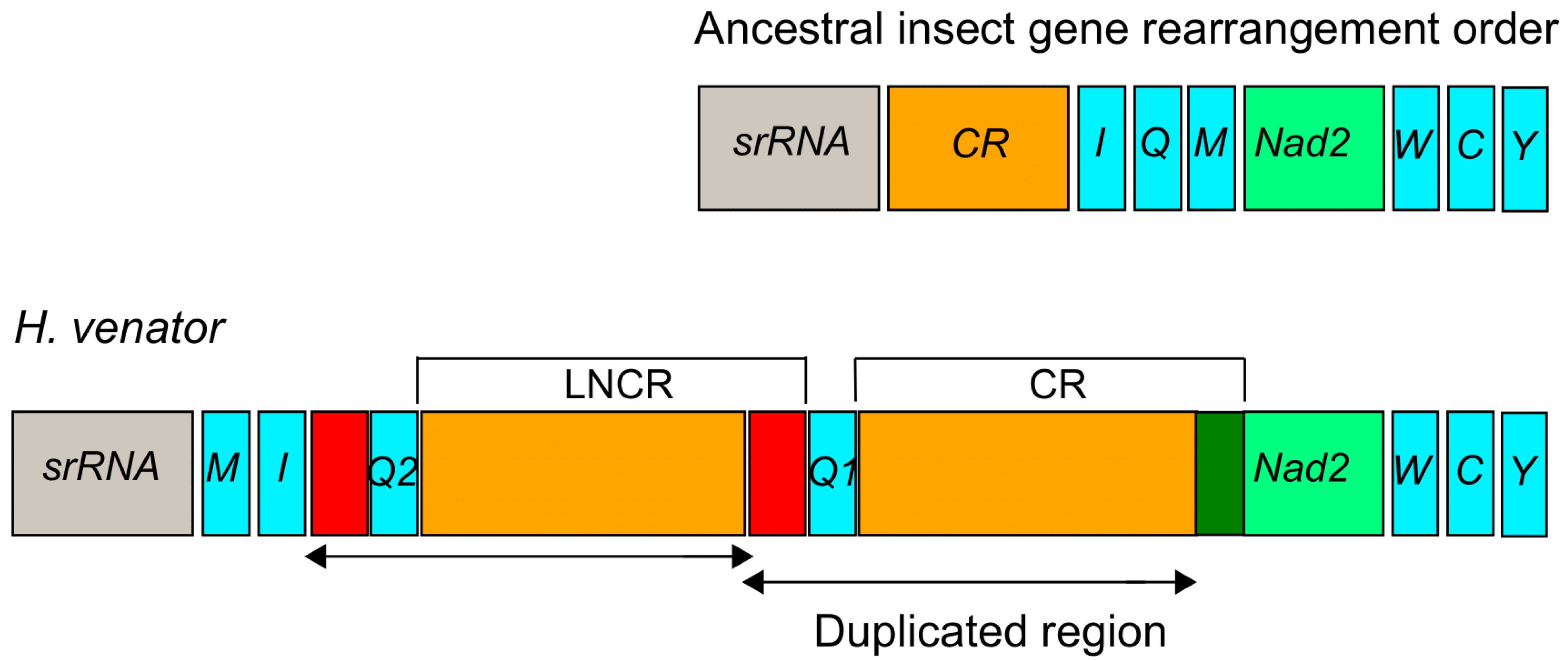
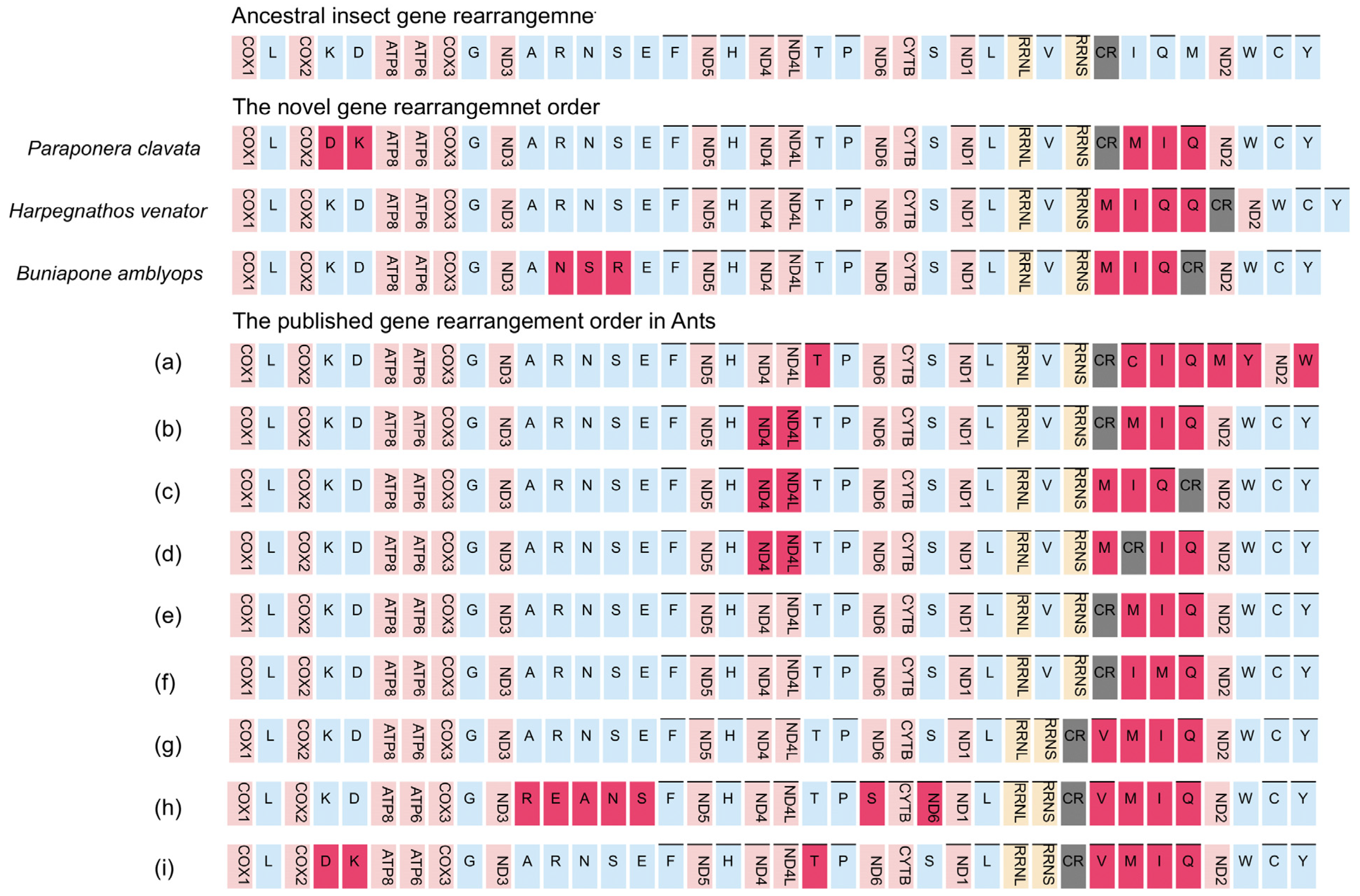
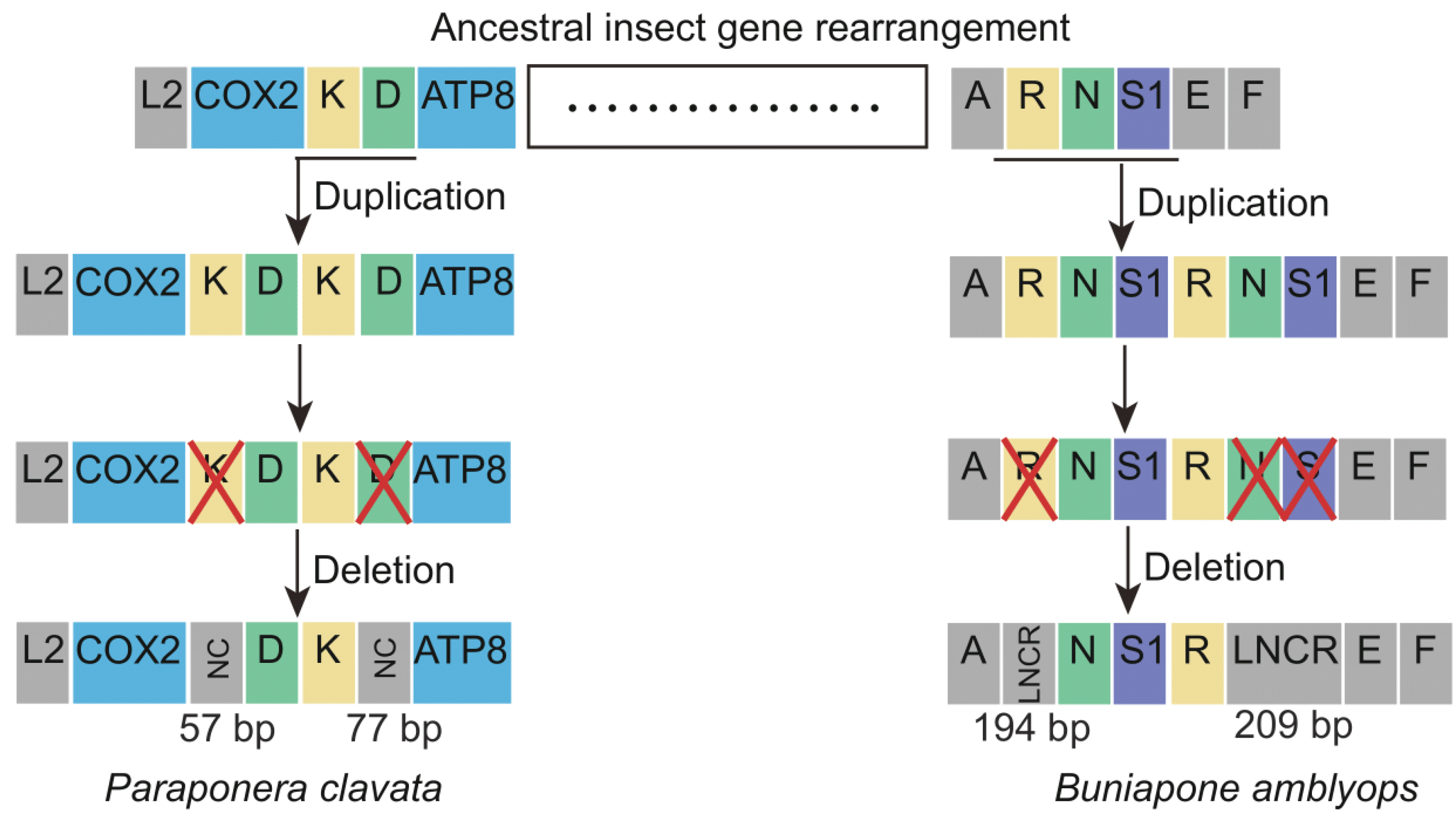
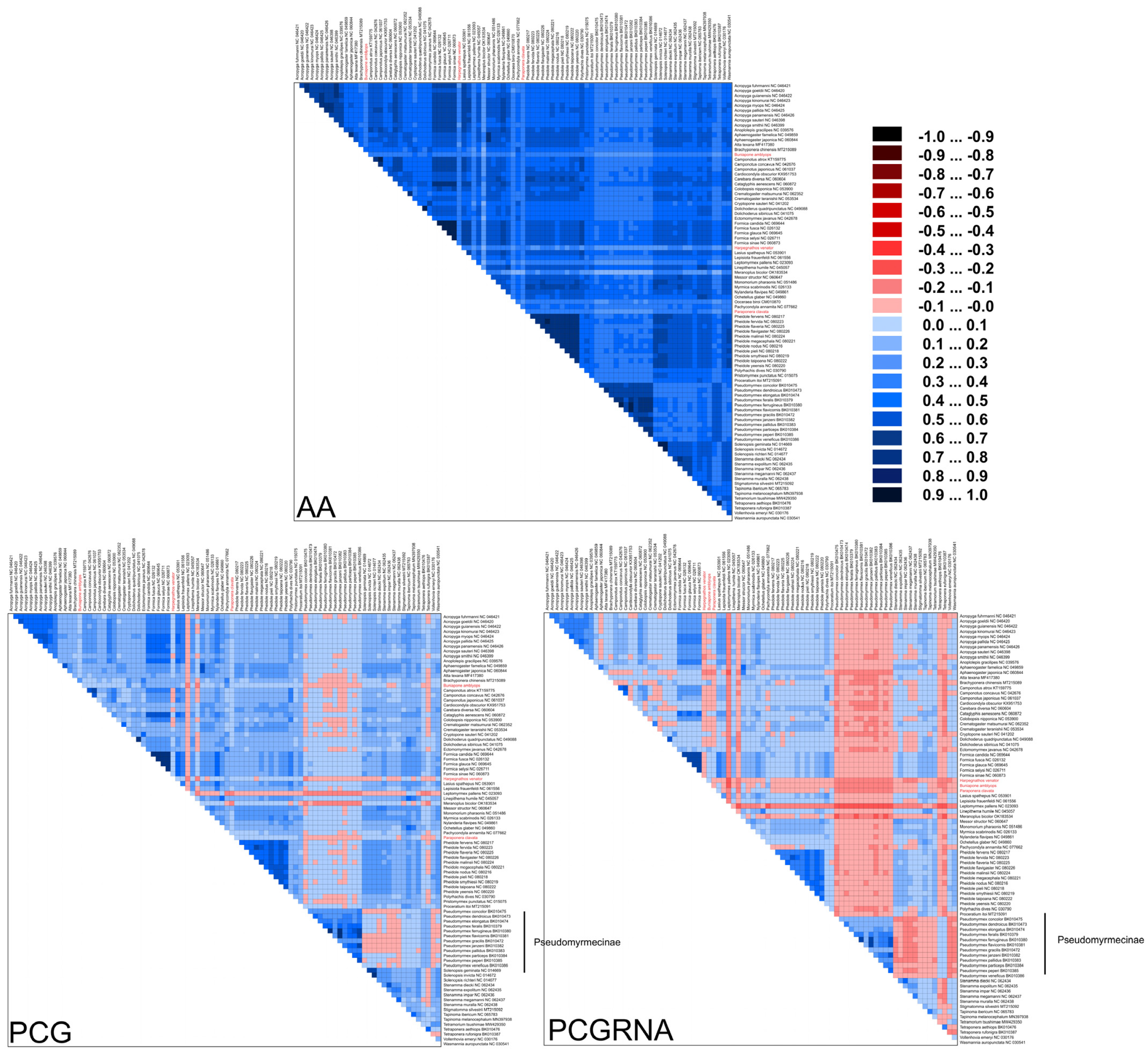
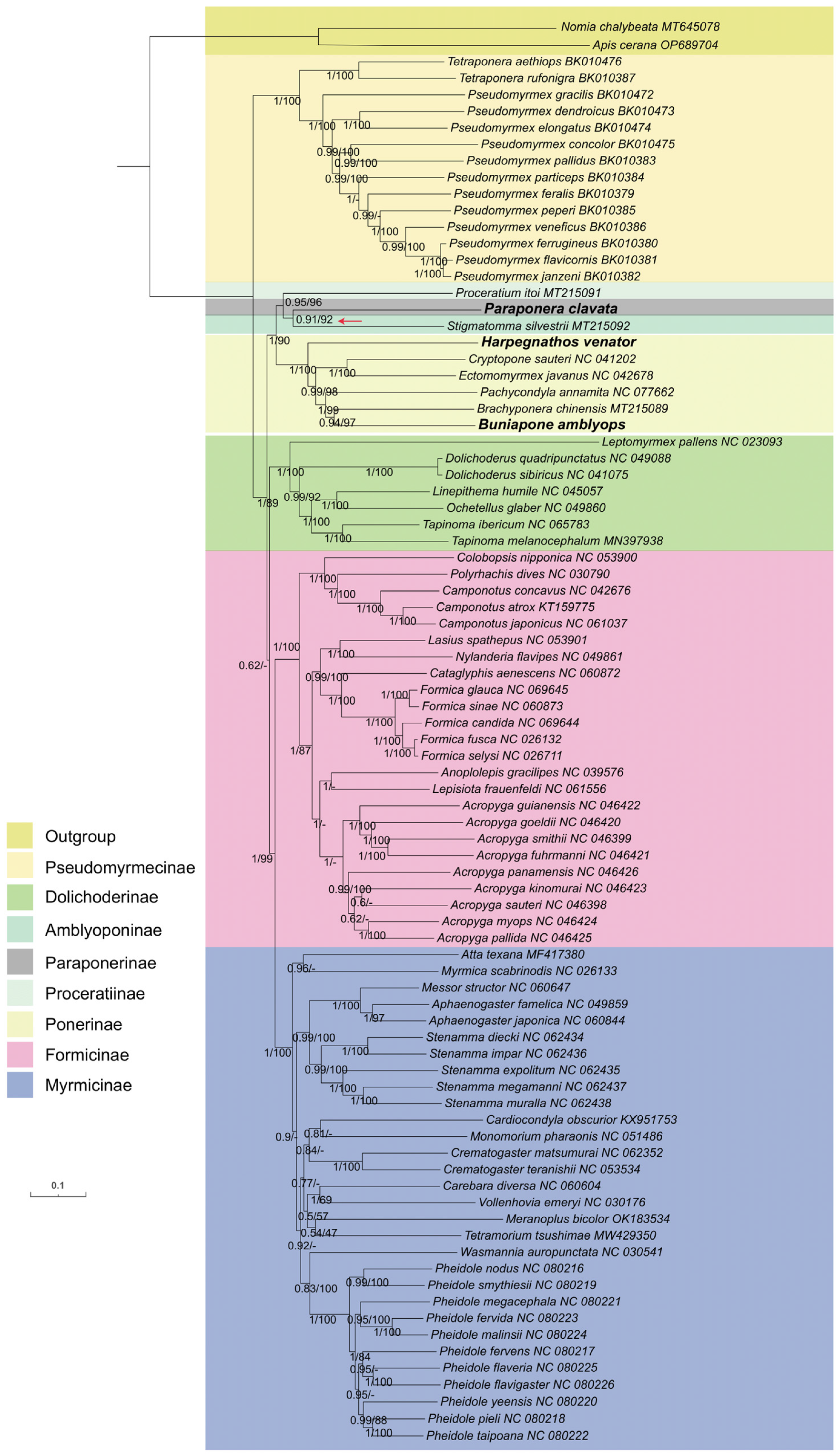
Ants (Formicidae) are the most diverse eusocial insects in Hymenoptera, distributed across 17 extant subfamilies grouped into 3 major clades, the Formicoid, Leptanilloid, and Poneroid. While the mitogenomes of Formicoid ants have been well studied, there is a lack of published data on the mitogenomes of Poneroid ants, which requires further characterization. In this study, we first present three complete mitogenomes of Poneroid ants: Paraponera clavata, the only extant species from the subfamily Paraponerinae, and two species (Harpegnathos venator and Buniapone amblyops) from the Ponerinae subfamily. Notable novel gene rearrangements were observed in the new mitogenomes, located in the gene blocks CR-trnM-trnI-trnQ-ND2, COX1-trnK-trnD-ATP8, and ND3-trnA-trnR-trnN-trnS1-trnE-trnF-ND5. We reported the duplication of tRNA genes for the first time in Formicidae. An extra trnQ gene was identified in H. venator. These gene rearrangements could be explained by the tandem duplication/random loss (TDRL) model and the slipped-strand mispairing model. Additionally, one large duplicated region containing tandem repeats was identified in the control region of P. clavata. Phylogenetic analyses based on protein-coding genes and rRNA genes via maximum likelihood and Bayes methods supported the monophyly of the Poneroid clade and the sister group relationship between the subfamilies Paraponerinae and Amblyoponinae. However, caution is advised in interpreting the positions of Paraponerinae due to the potential artifact of long-branch attraction.
Keywords: Paraponera clavata; Harpegnathos venator; Buniapone amblyops; mitochondrial genome; gene rearrangement; phylogeny Paraponera clavata; Harpegnathos venator; Buniapone amblyops; mitochondrial genome; gene rearrangement; phylogeny