Review

MR Imaging in Real Time Guiding of Therapies in Prostate Cancer
Department of Medical Imaging, Radboud University Medical Centre, Geert Grooteplein 10, 6525 GA Nijmegen, The Netherlands
*
Author to whom correspondence should be addressed.
Life 2022, 12(2), 302; https://doi.org/10.3390/life12020302
Submission received: 11 January 2022 / Revised: 31 January 2022 / Accepted: 11 February 2022 / Published: 17 February 2022
(This article belongs to the Special Issue MRI in Cancer: Ongoing Developments and Controversies)

Abstract

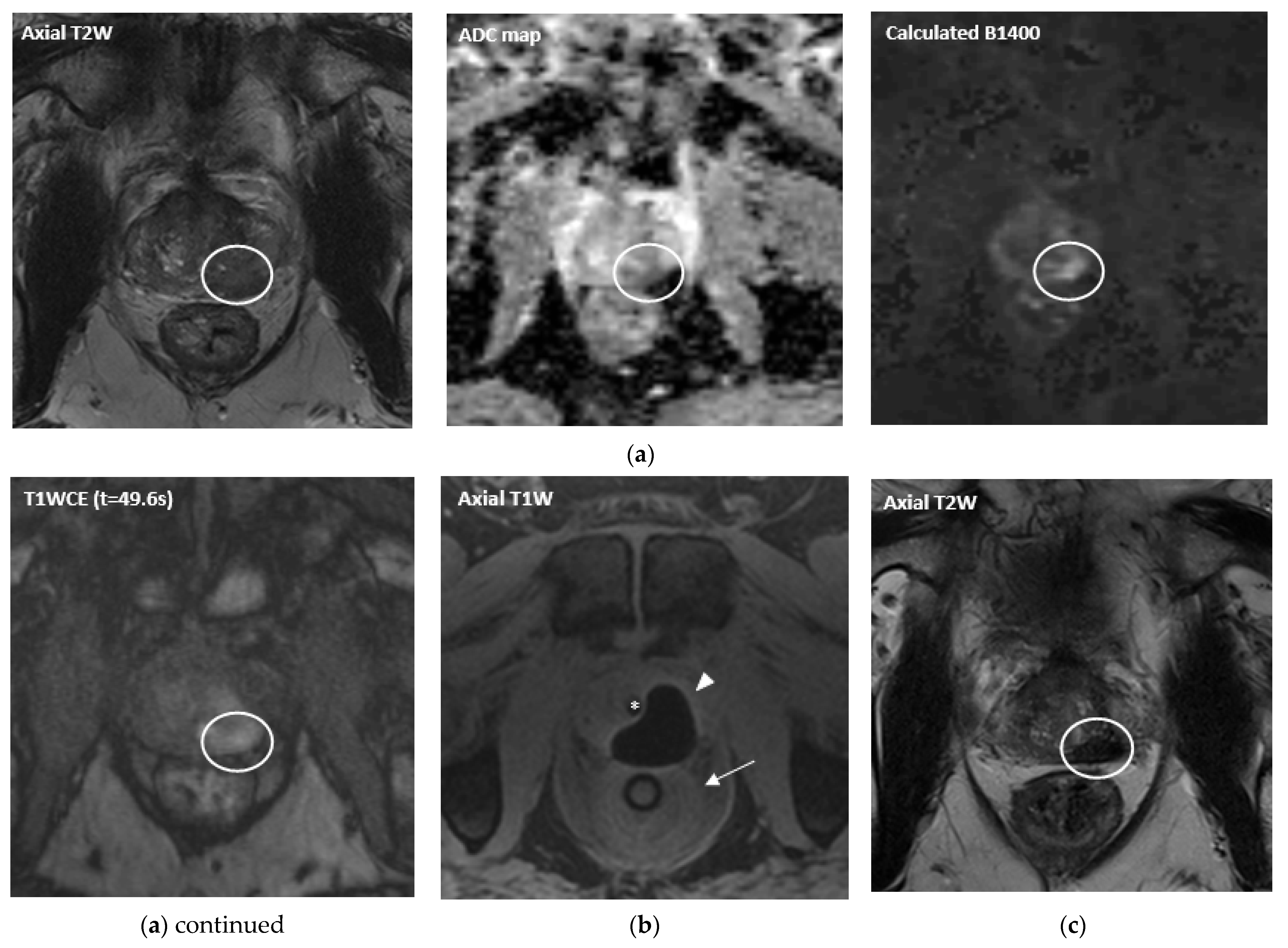
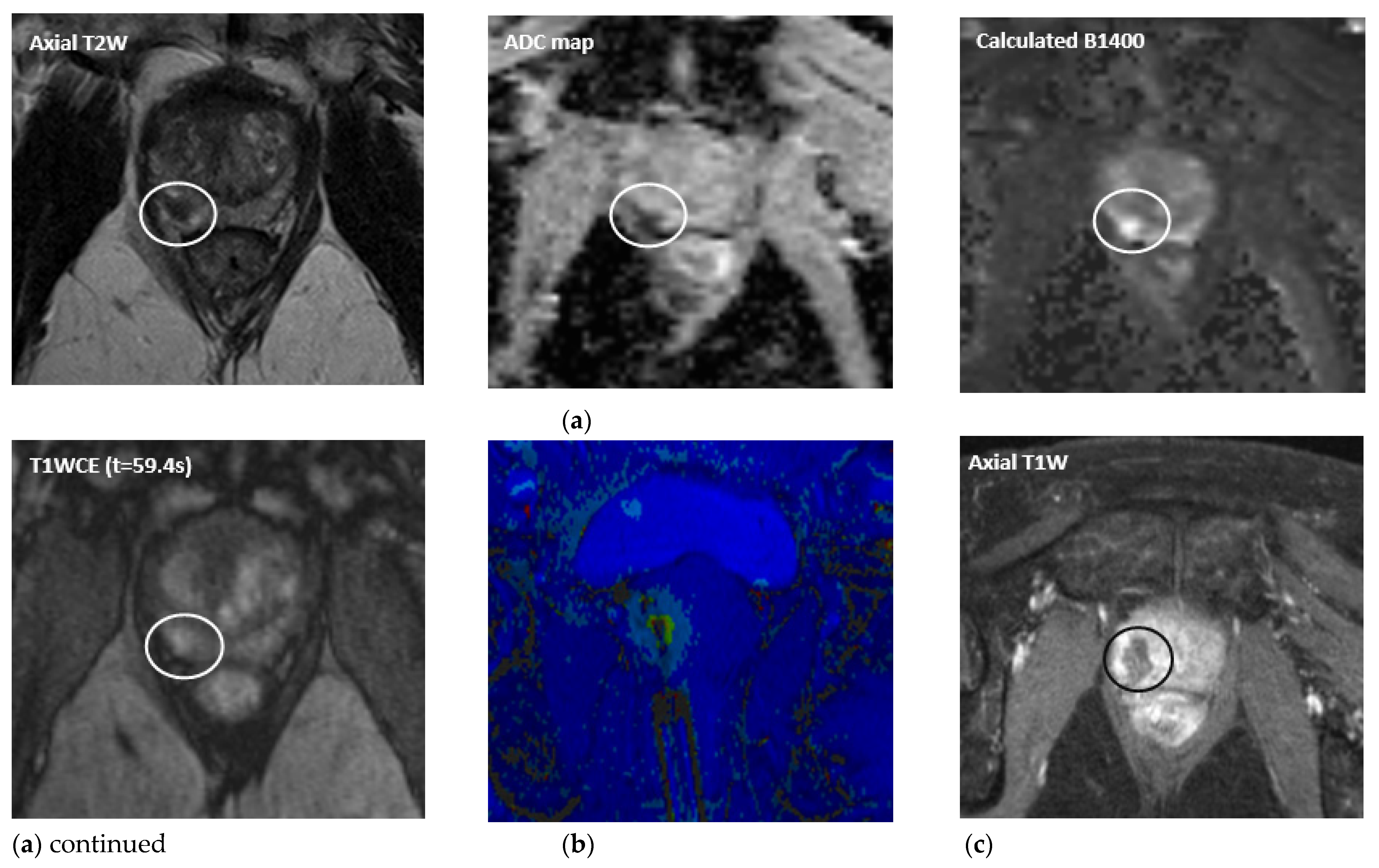
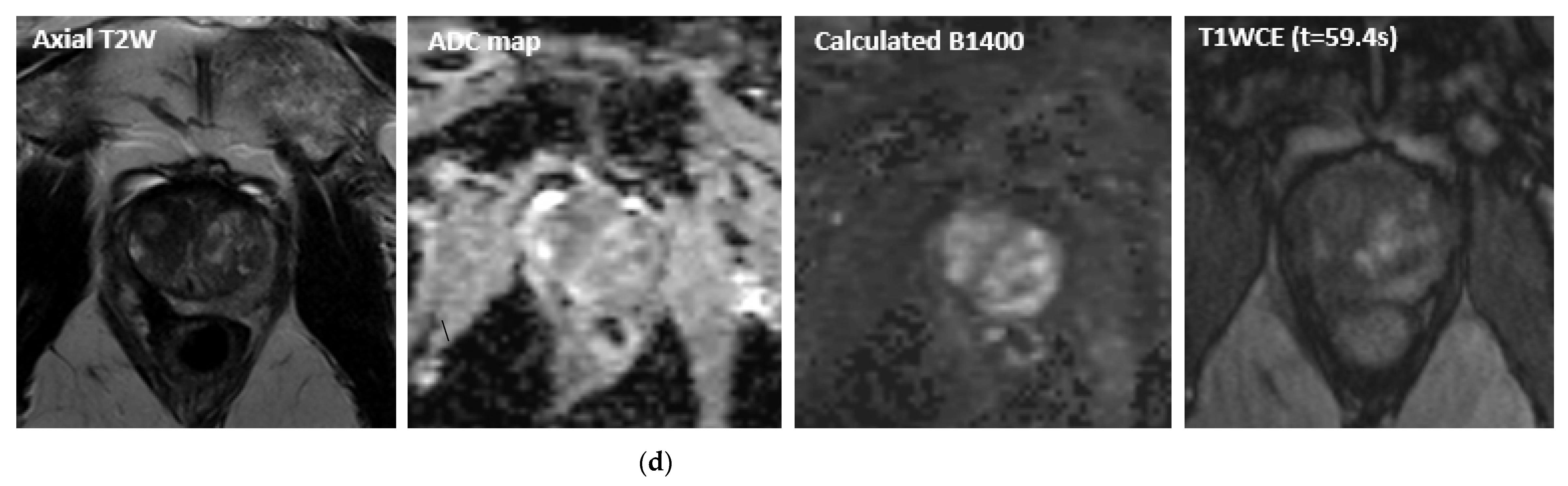
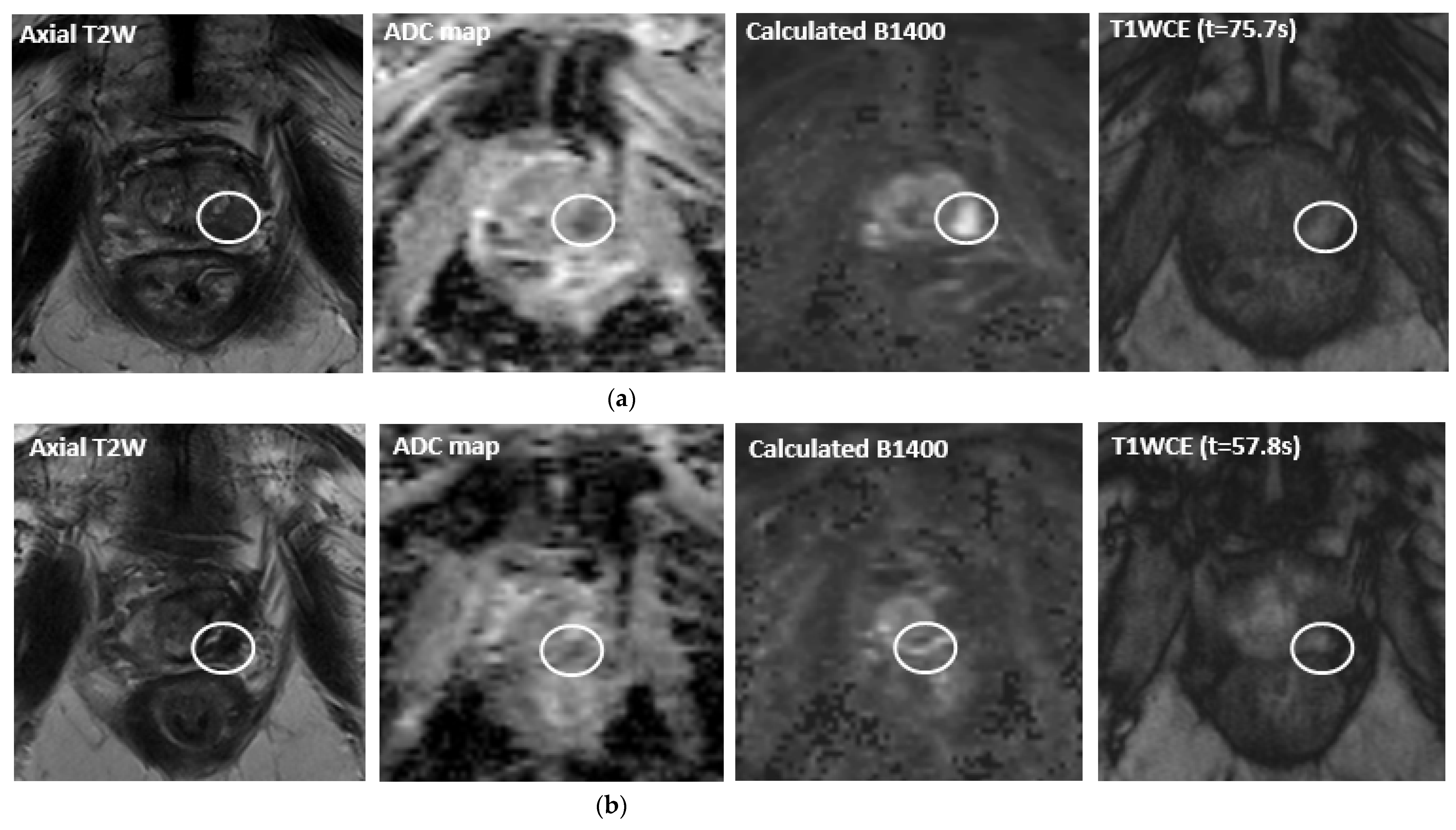
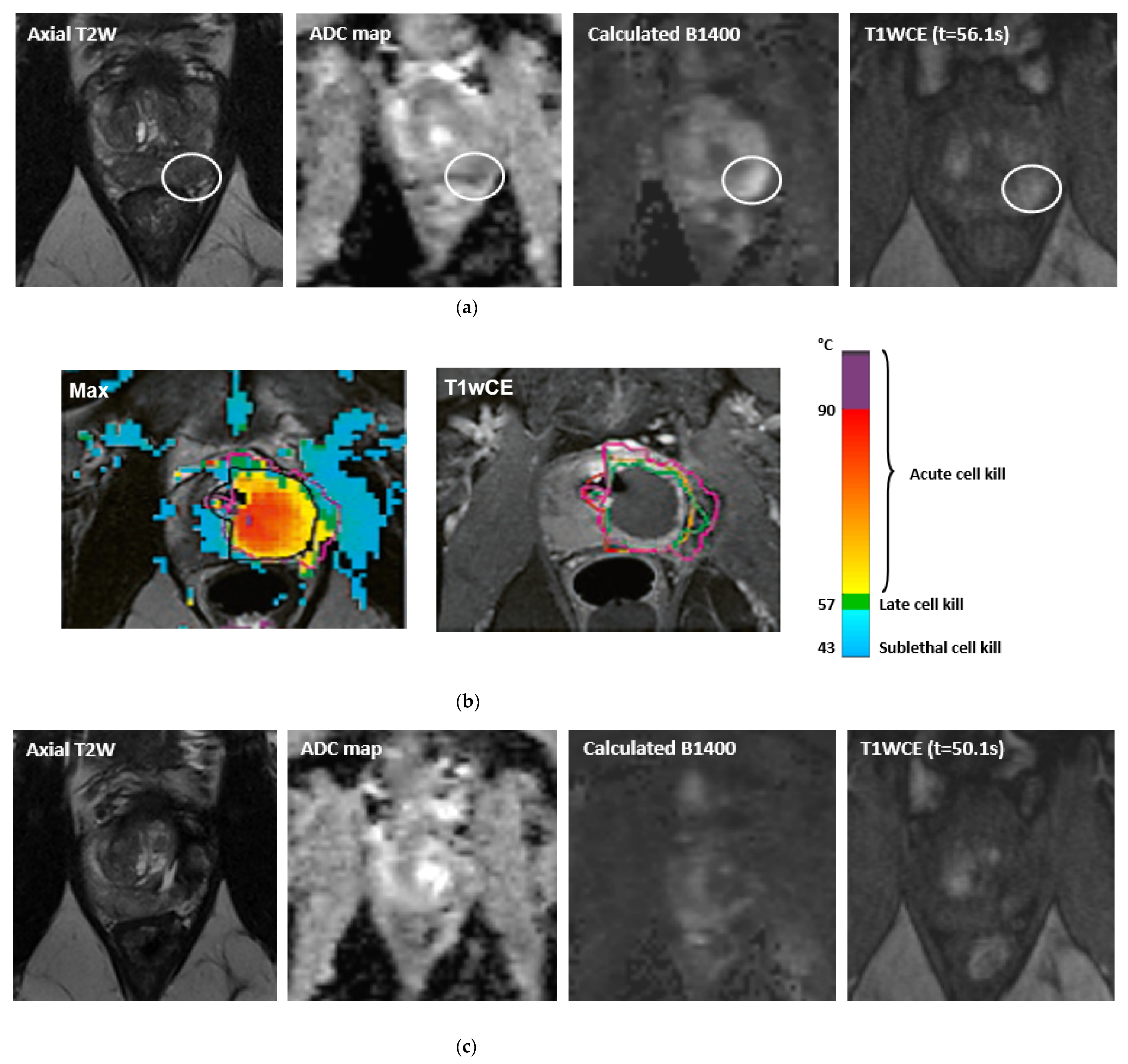
Magnetic resonance imaging (MRI)-guided therapy for prostate cancer (PCa) aims to reduce the treatment-associated comorbidity of existing radical treatment, including radical prostatectomy and radiotherapy. Although active surveillance has been used as a conservative method to reduce overtreatment, there is a growing demand for less morbidity and personalized (focal) treatment. The development of multiparametric MRI was of real importance in improving the detection, localization and staging of PCa. Moreover, MRI has been useful for lesion targeting within the prostate, as it is used in the guidance of prostate biopsies, by means of cognitive registration, MRI-ultrasound fusion guidance or direct in-bore MRI-guidance. With regard to PCa therapies, MRI is used for precise probe placement into the lesion and to accurately monitor the treatment in real-time. Moreover, advances in MR-compatible thermal ablation allow for noninvasive real-time temperature mapping during treatment. In this review, we present an overview of the current status of MRI-guided therapies in PCa, focusing on cryoablation, focal laser ablation, high intensity focused ultrasound and transurethral ultrasound ablation. We explain the important role of MRI in the evaluation of the completeness of the ablation and during follow-up. Finally, we will discuss the challenges and future development inherent to these new technologies.
Keywords: prostate cancer; focal therapy; minimal-invasive treatments; MRI-guided therapies; cryoablation; focal laser ablation; high intensity focused ultrasound; transurethral ultrasound ablation prostate cancer; focal therapy; minimal-invasive treatments; MRI-guided therapies; cryoablation; focal laser ablation; high intensity focused ultrasound; transurethral ultrasound ablation