Letter

Limited-Position Set Model-Reference Adaptive Observer for Control of DFIGs without Mechanical Sensors


by
Mohamed Abdelrahem
1,2,*,
Christoph M. Hackl
3 and
Ralph Kennel
1,*
1
Insitute for Electrical Drive Systems and Power Electronics (EAL), Technische Universität München (TUM), 80333 Munich, Germany
2
Electrical Engineering Department, Faculty of Engineering, Assiut University, Assiut 71516, Egypt
3
Department of Electrical Engineering and Information Technology, Munich University of Applied Sciences, 80335 Munich, Germany
*
Authors to whom correspondence should be addressed.
Machines 2020, 8(4), 72; https://doi.org/10.3390/machines8040072

Submission received: 5 October 2020 / Revised: 9 November 2020 / Accepted: 10 November 2020 / Published: 12 November 2020
(This article belongs to the Special Issue Design and Control of Rotating Electrical Machines)

Abstract

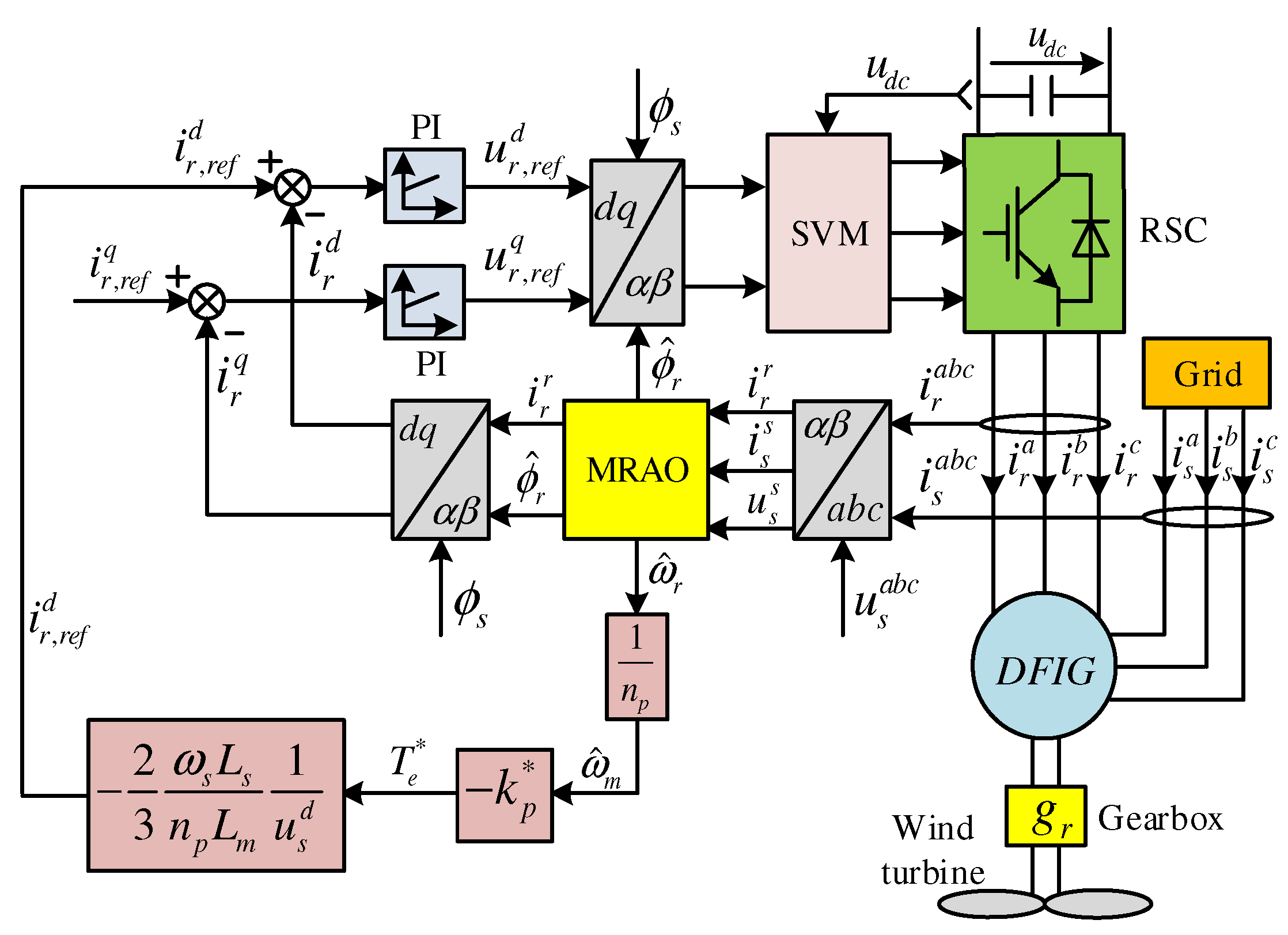
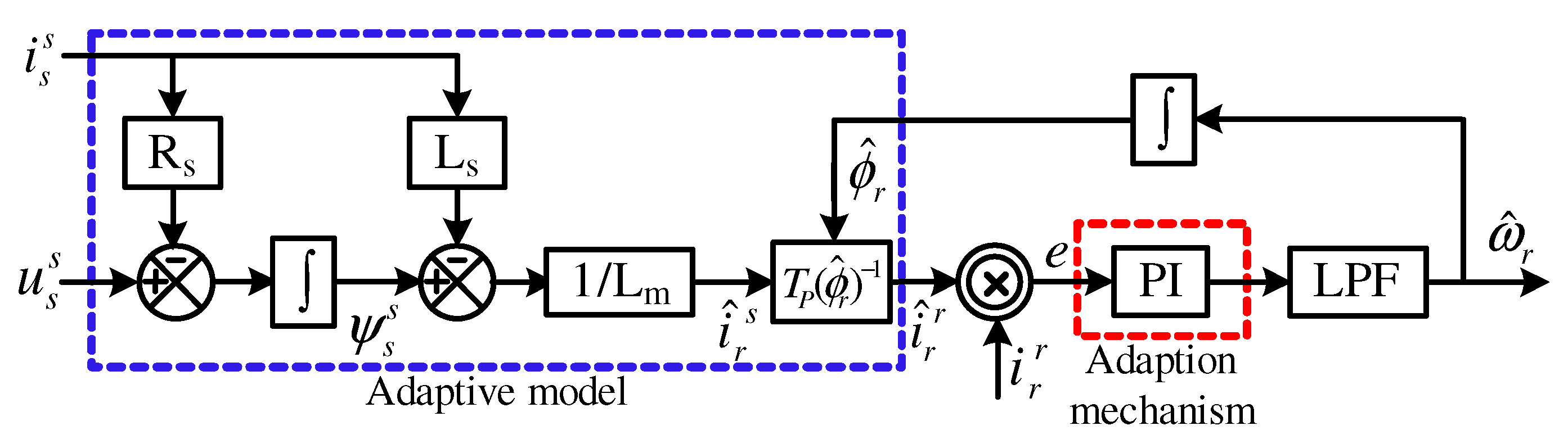
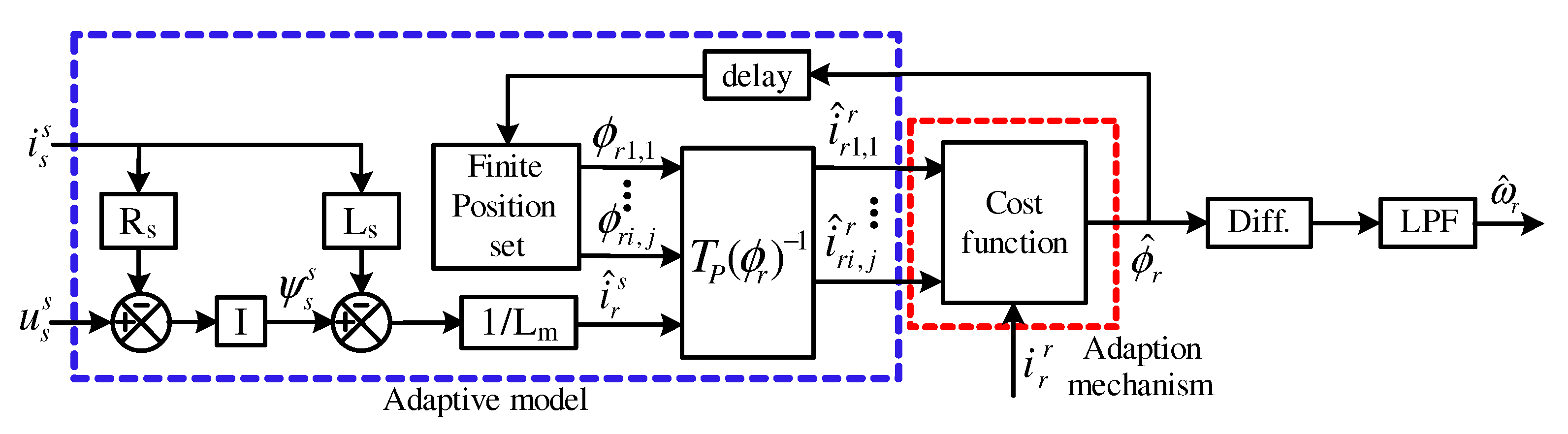
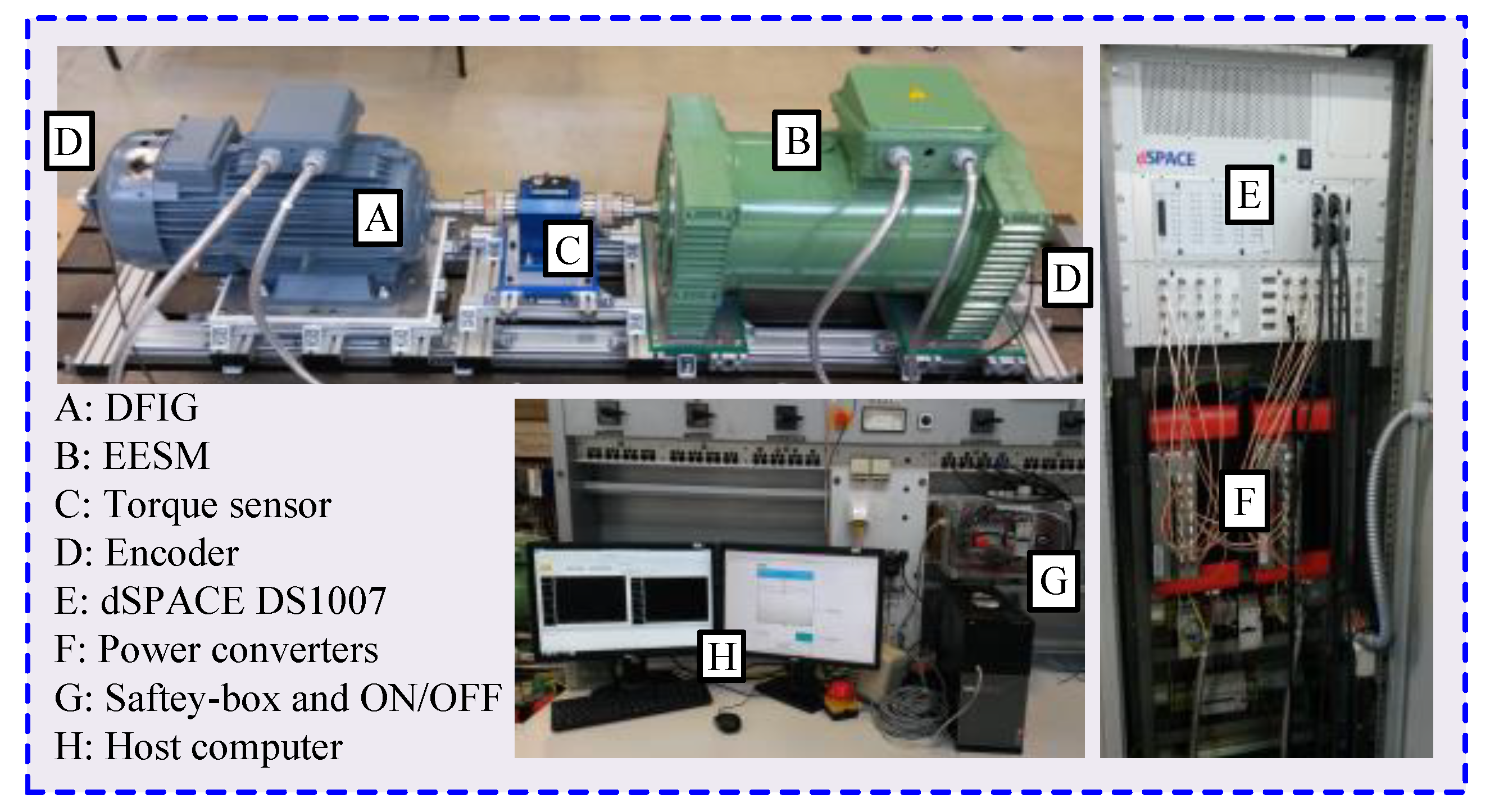
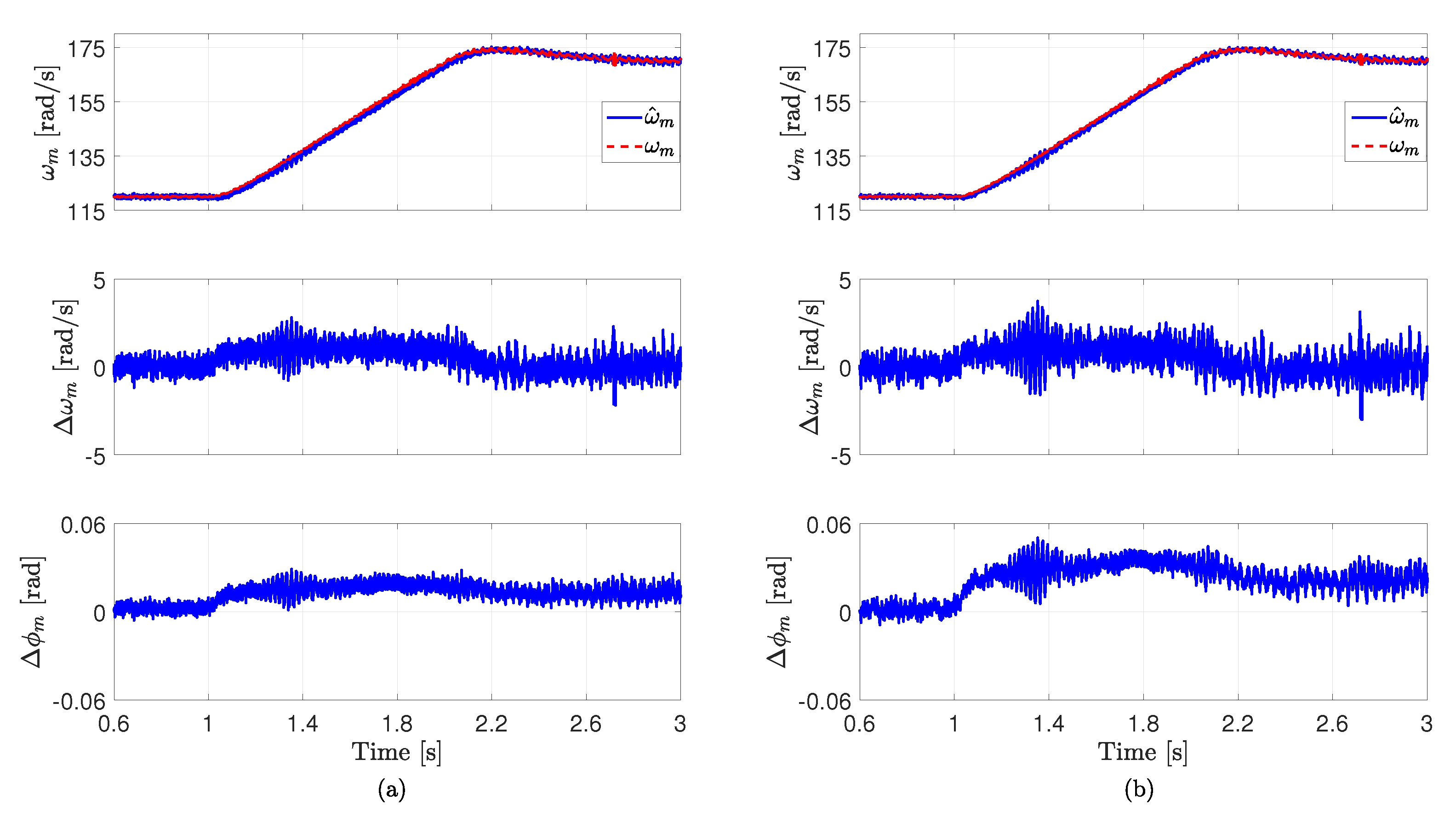
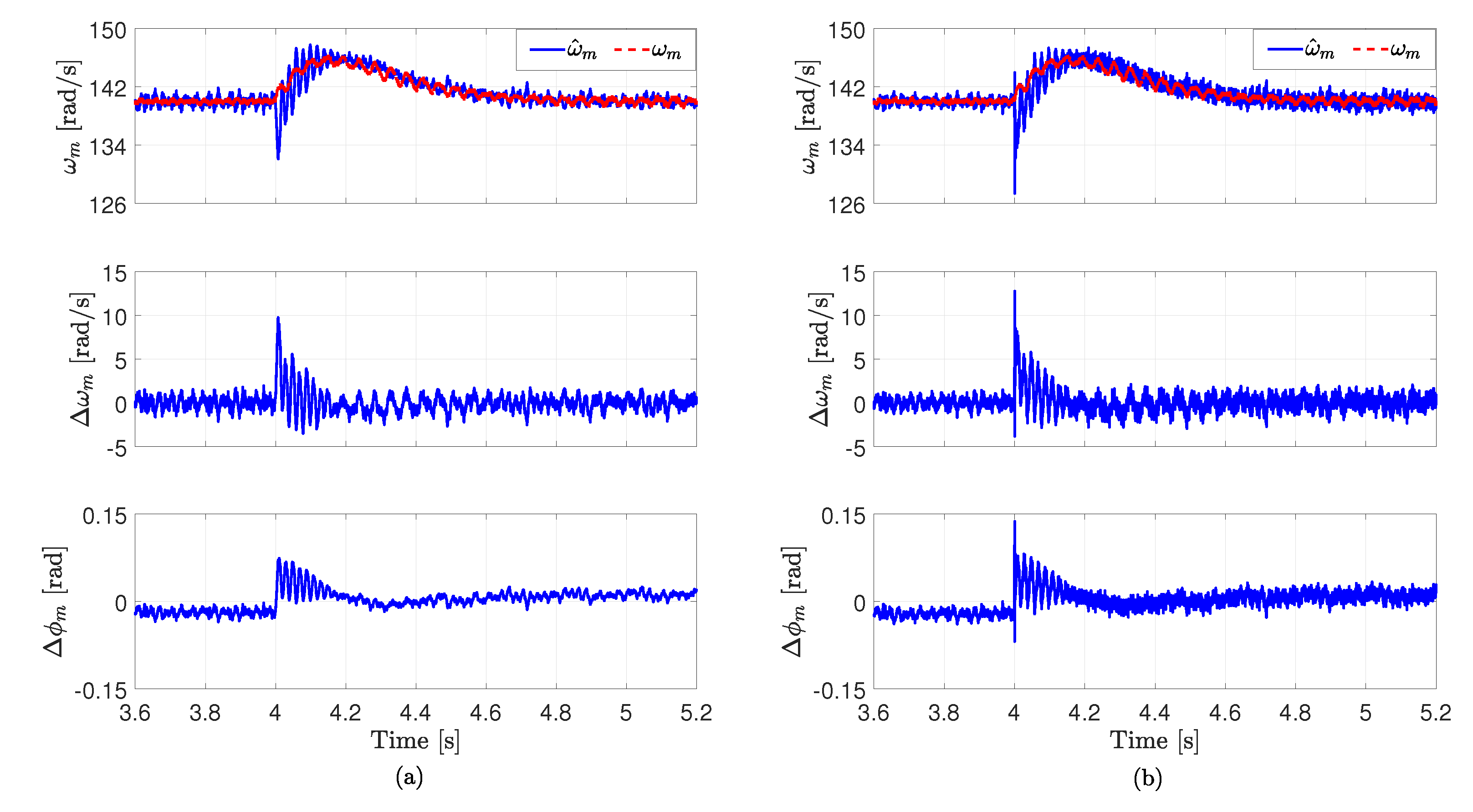
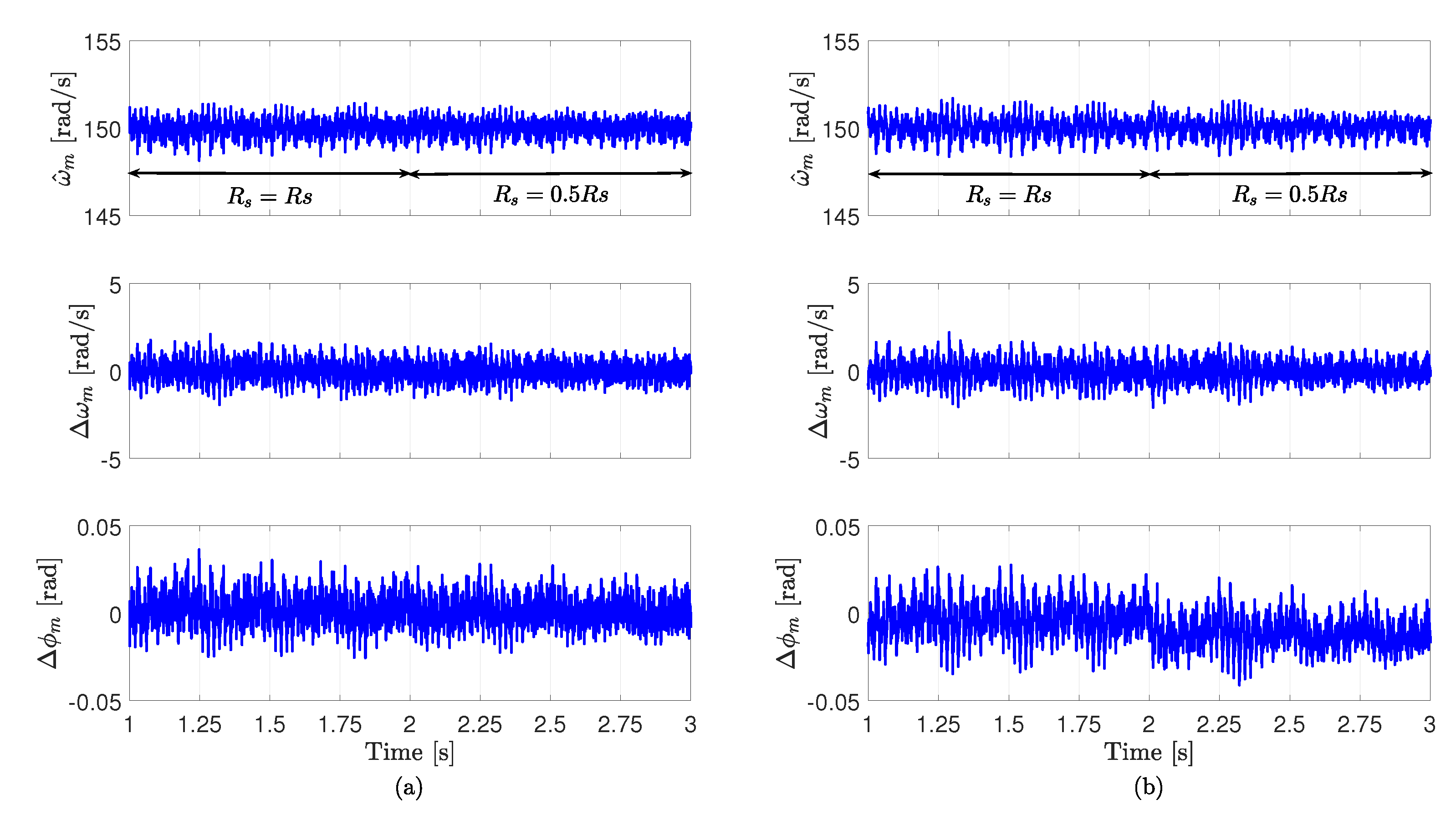
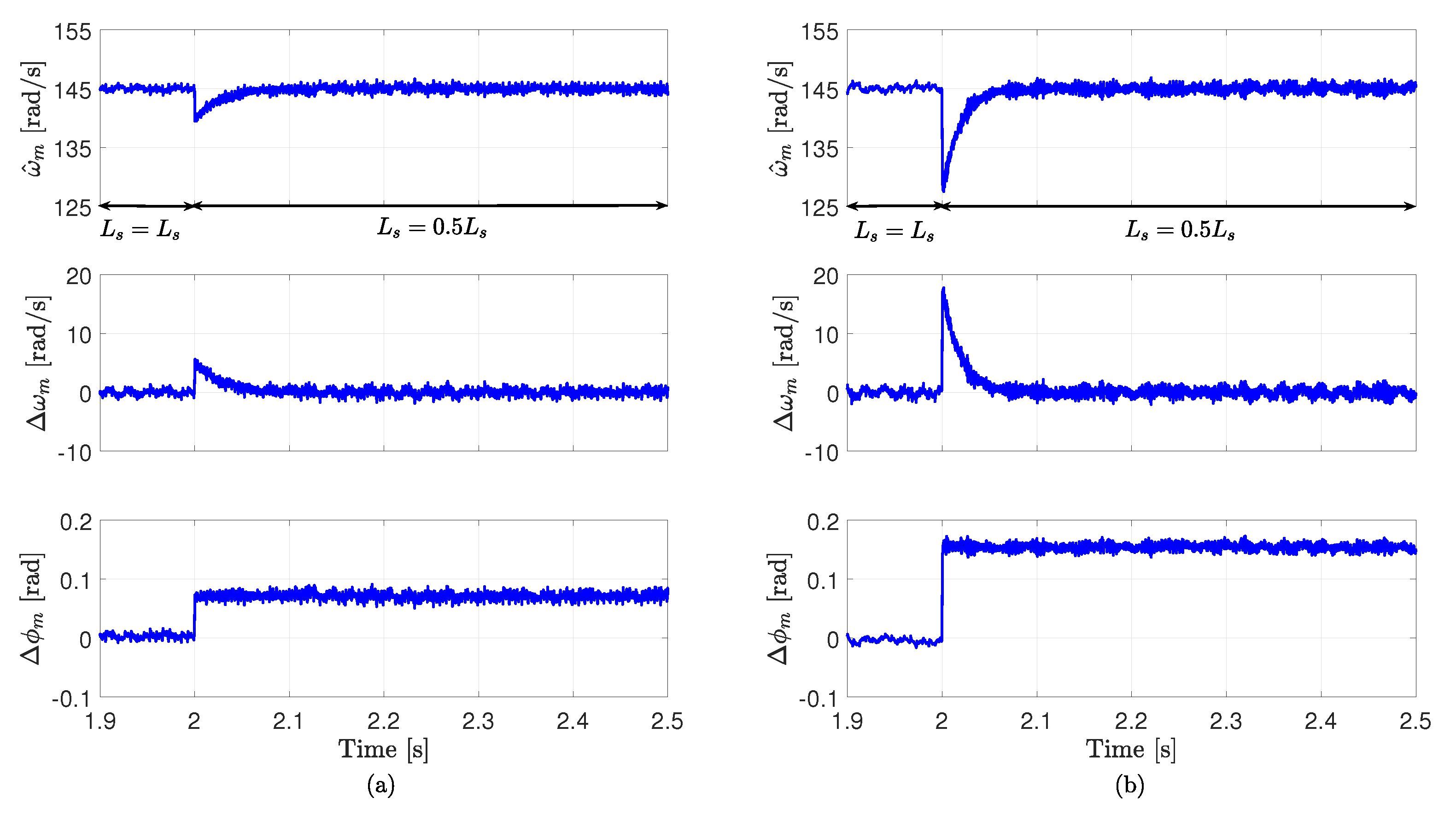
Operations of the doubly-fed induction generators (DFIGs) without mechanical sensors are highly desirable in order to enhance the reliability of the wind generation systems. This article proposes a limited-position set model-reference adaptive observer (LPS-MRAO) for control of DFIGs in wind turbine systems (WTSs) without mechanical sensors, i.e., without incremental encoders or speed transducers. The concept of of the developed LPS-MRAO is obtained from the finite-set model predictive control (FS-MPC). In the proposed LPS-MRAO, an algorithm is presented in order to give a constant number of angles for the rotor position of the DFIG. By using these angles, a certain number of rotor currents can be predicted. Then, a new quality function is defined to find the best angle of the rotor. In the proposed LPS-MRAO, there are not any gains to tune like the classical MRAO, where a proportional-integral is used and must be tuned. Finally, the proposed LPS-MRAO and classical one are experimentally implemented in the laboratory and compared at various operation scenarios and under mismatches in the parameters of the DFIG. The experimental results illustrated that the estimation performance and robustness of the proposed LPS-MRAO are better than those of the classical one.
Keywords: model-reference adaptive observer; doubly-fed induction generator; encoder-less control; predictive control model-reference adaptive observer; doubly-fed induction generator; encoder-less control; predictive control