
Article

An Adaptive Enhancement Method for Weak Fault Diagnosis of Locomotive Gearbox Bearings Under Wheel–Raisl Excitation

1
School of Mechanical Engineering, Lanzhou Jiaotong University, Lanzhou 730070, China
2
School of Locomotive Vehicle, Sichuan Railway College, Chengdu 611732, China
*
Author to whom correspondence should be addressed.
Machines 2026, 14(3), 353; https://doi.org/10.3390/machines14030353

Submission received: 14 February 2026 / Revised: 12 March 2026 / Accepted: 19 March 2026 / Published: 21 March 2026

Abstract

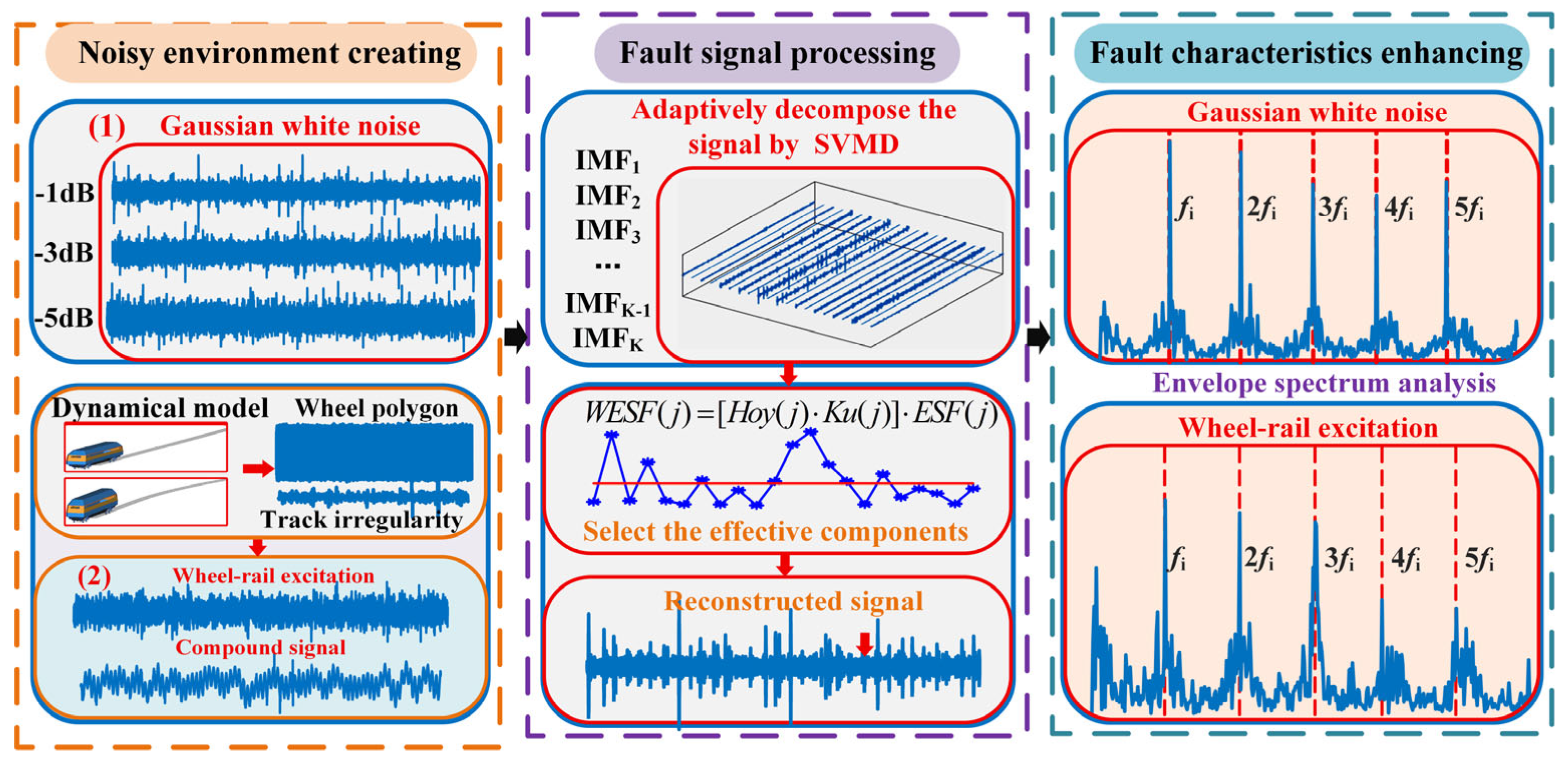
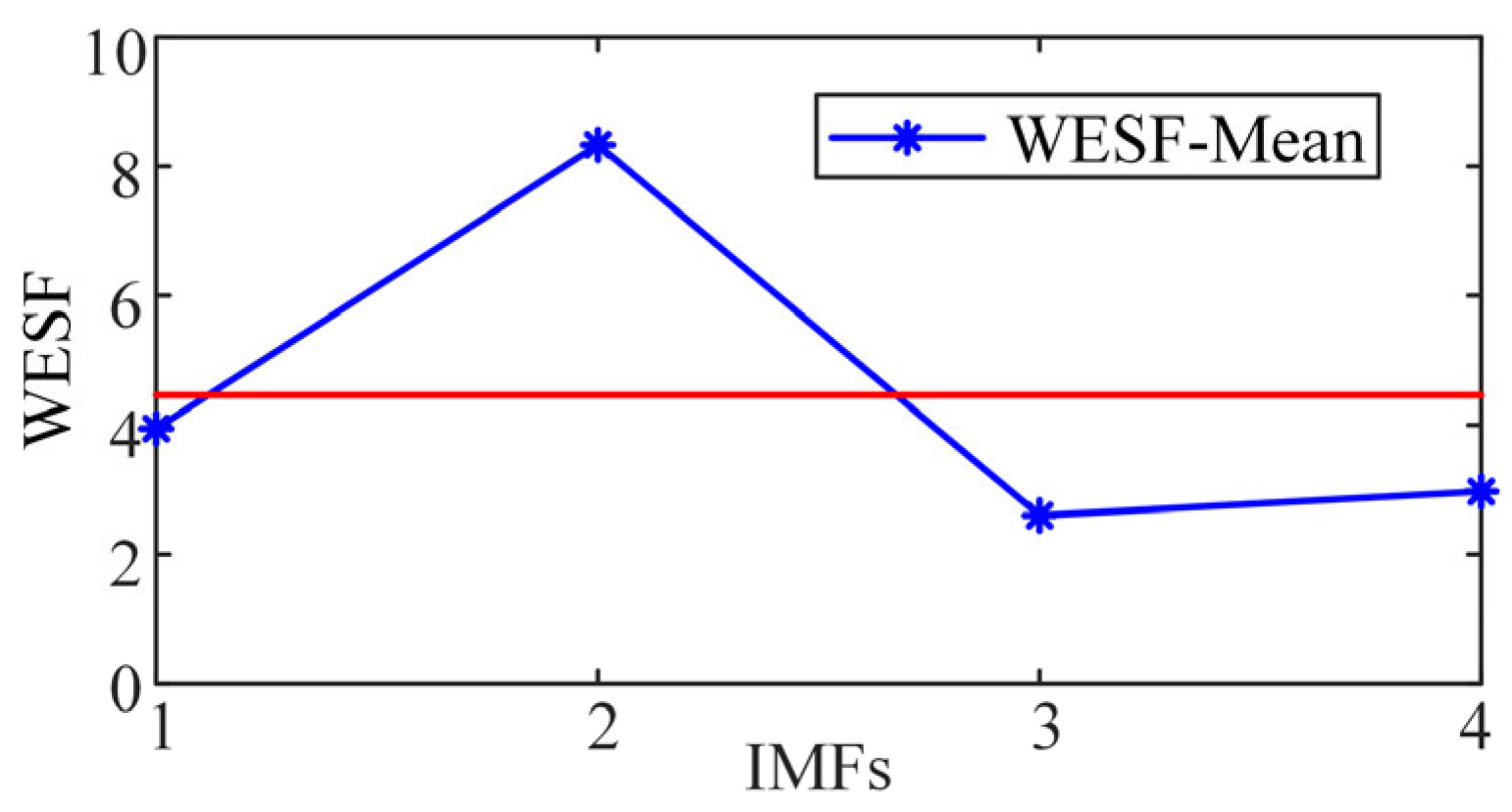
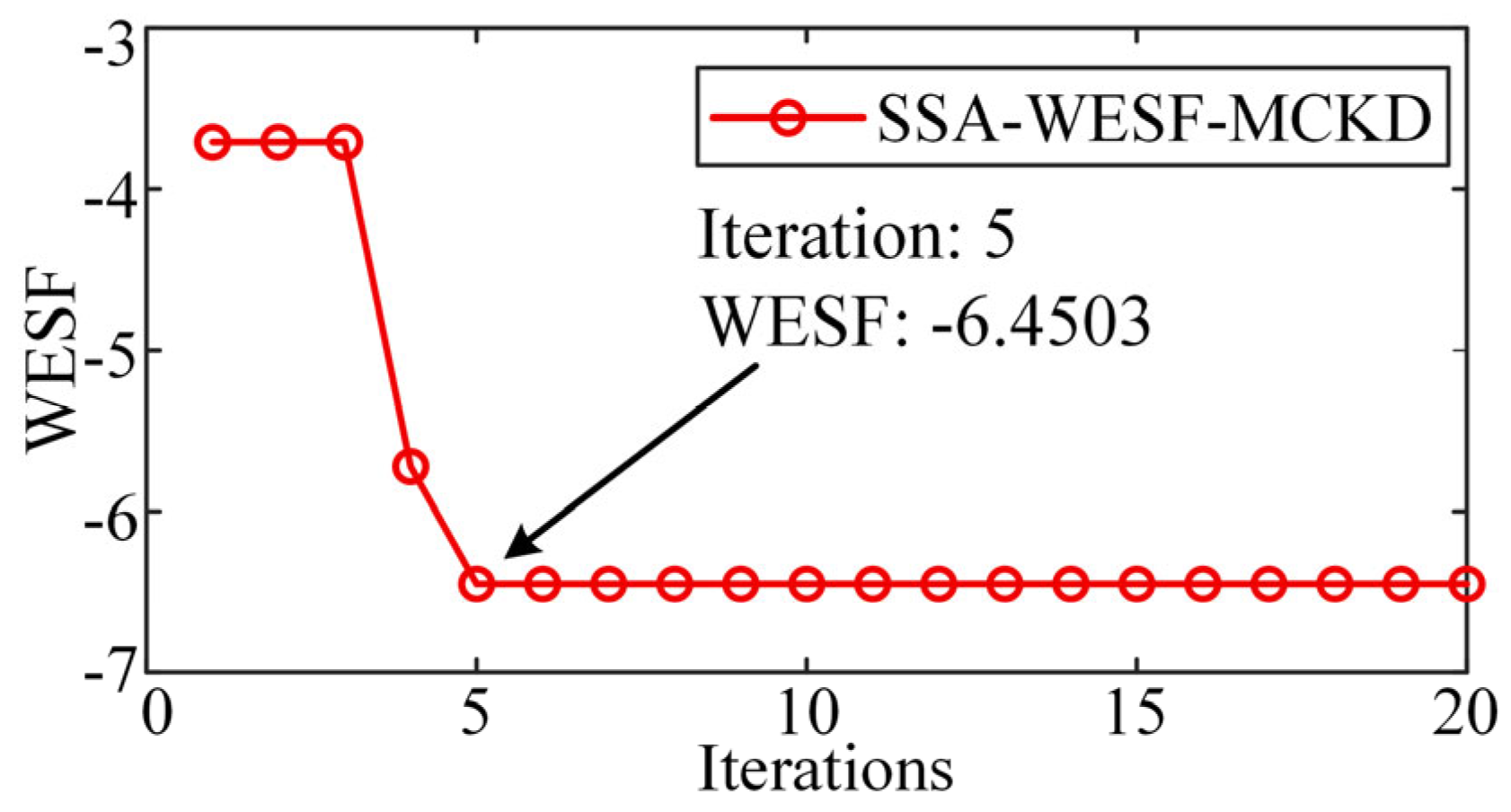
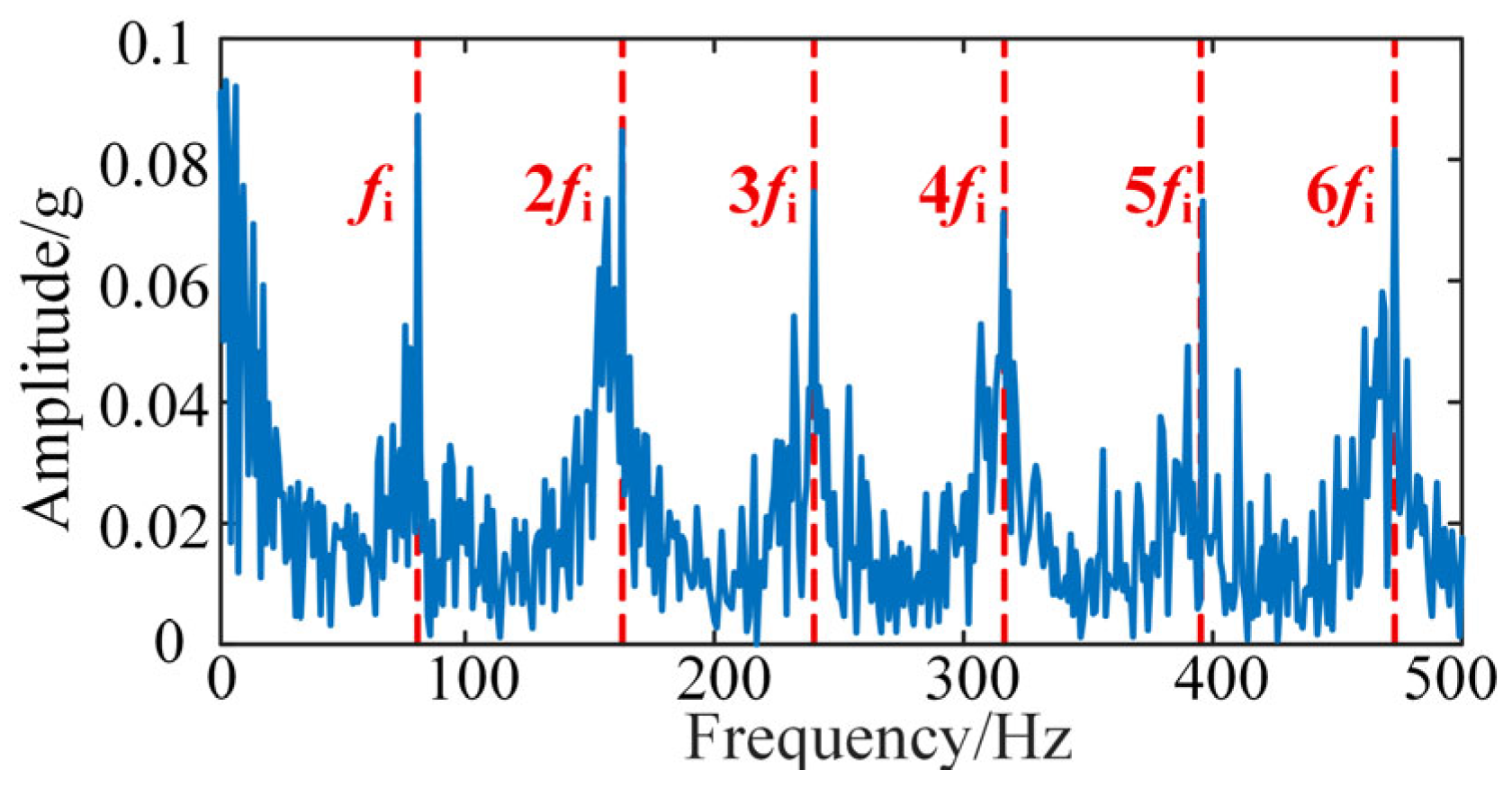
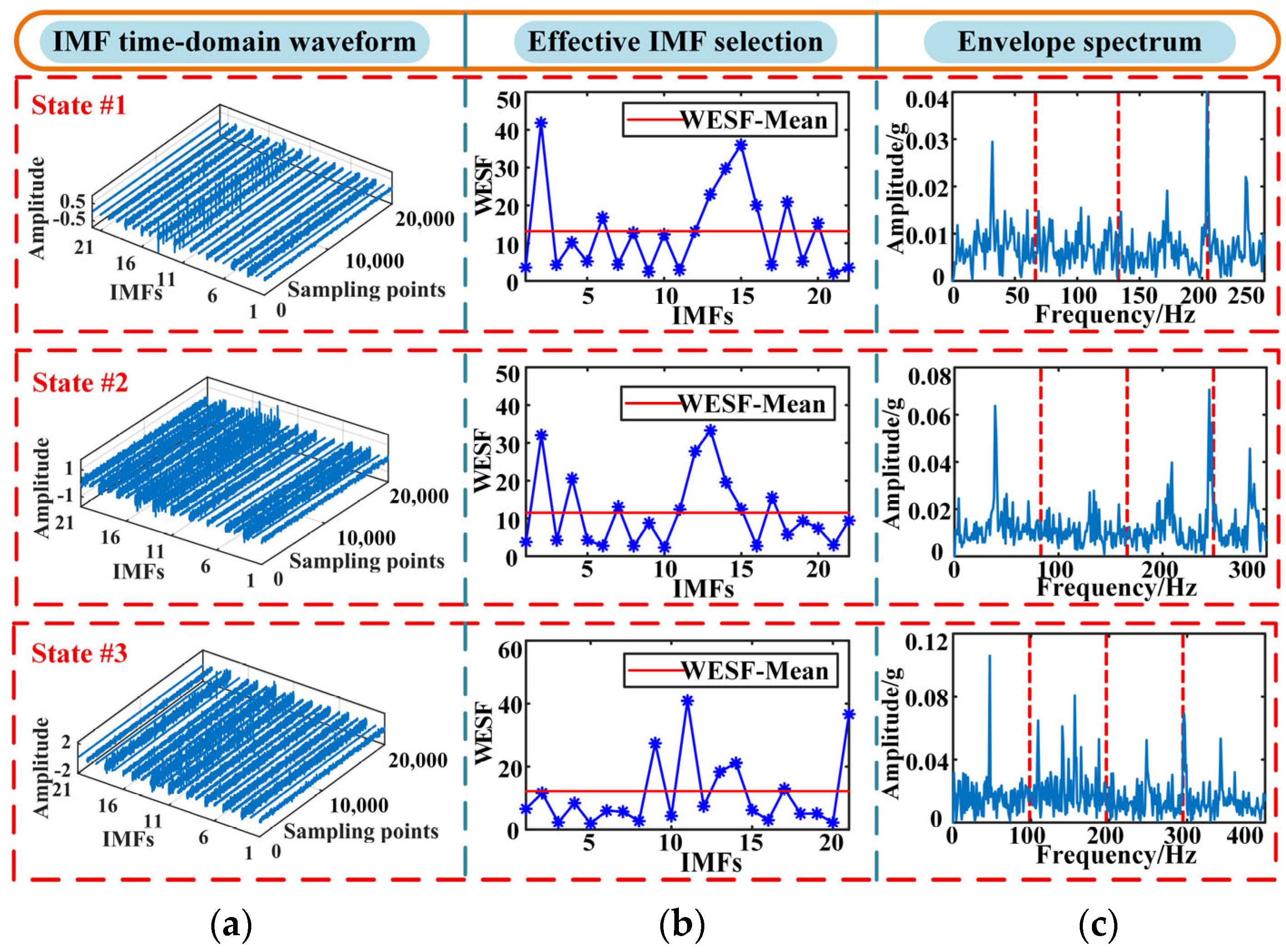
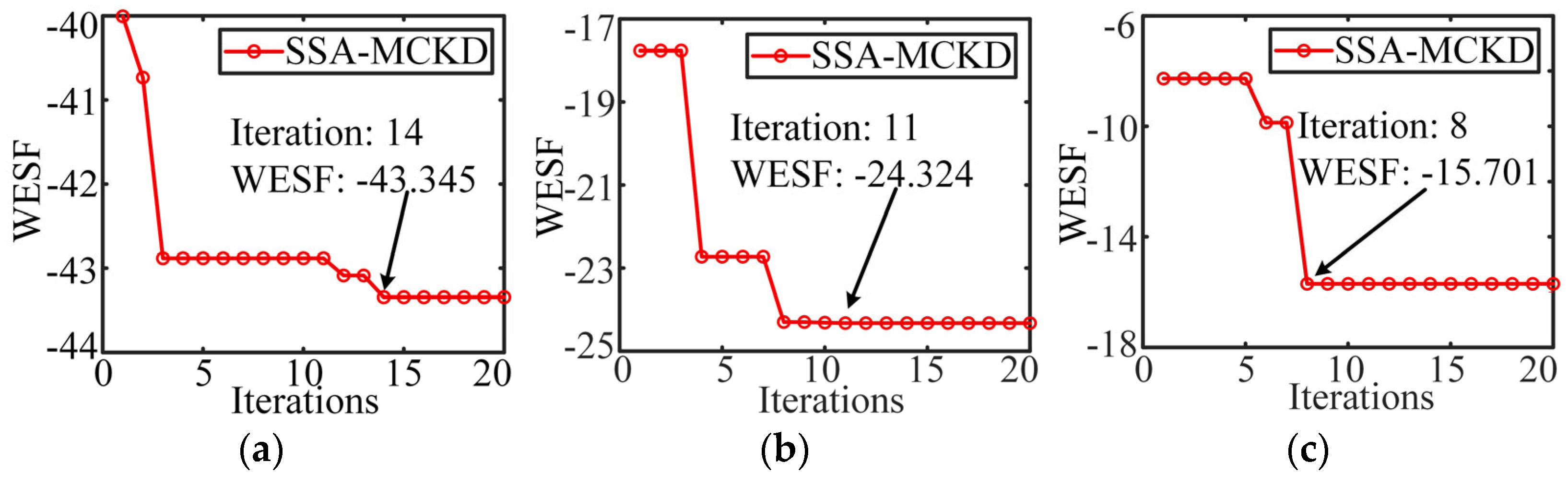
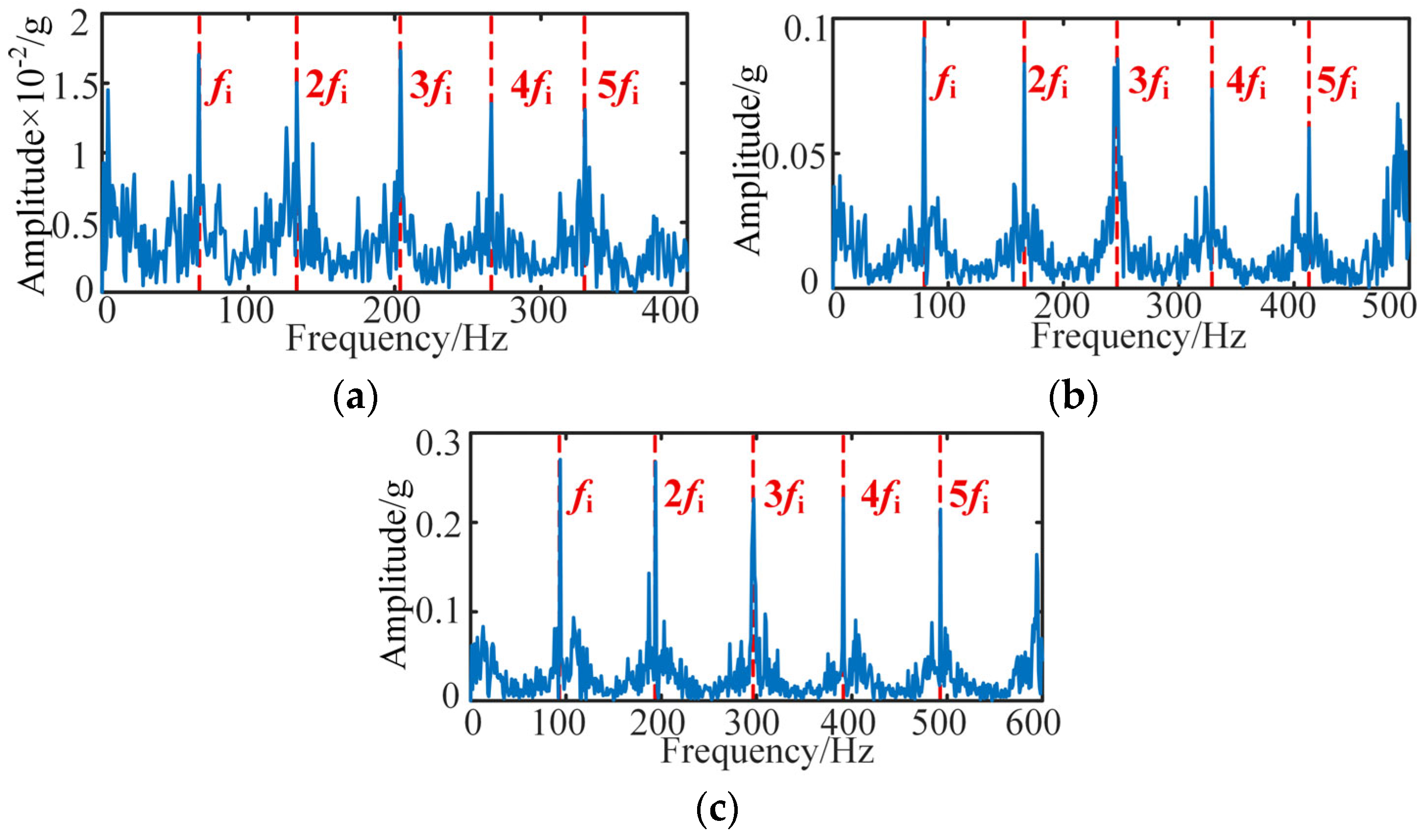
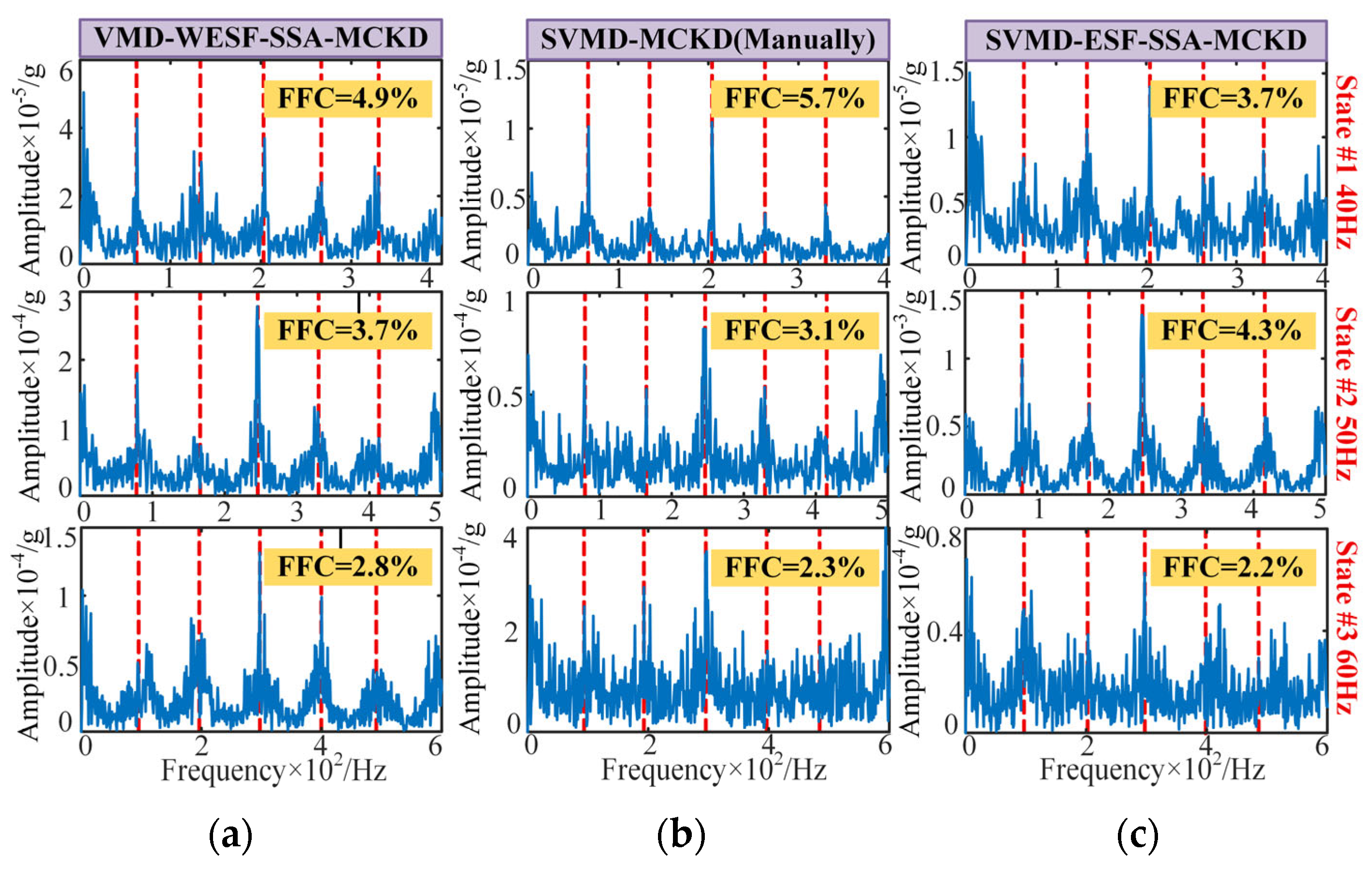
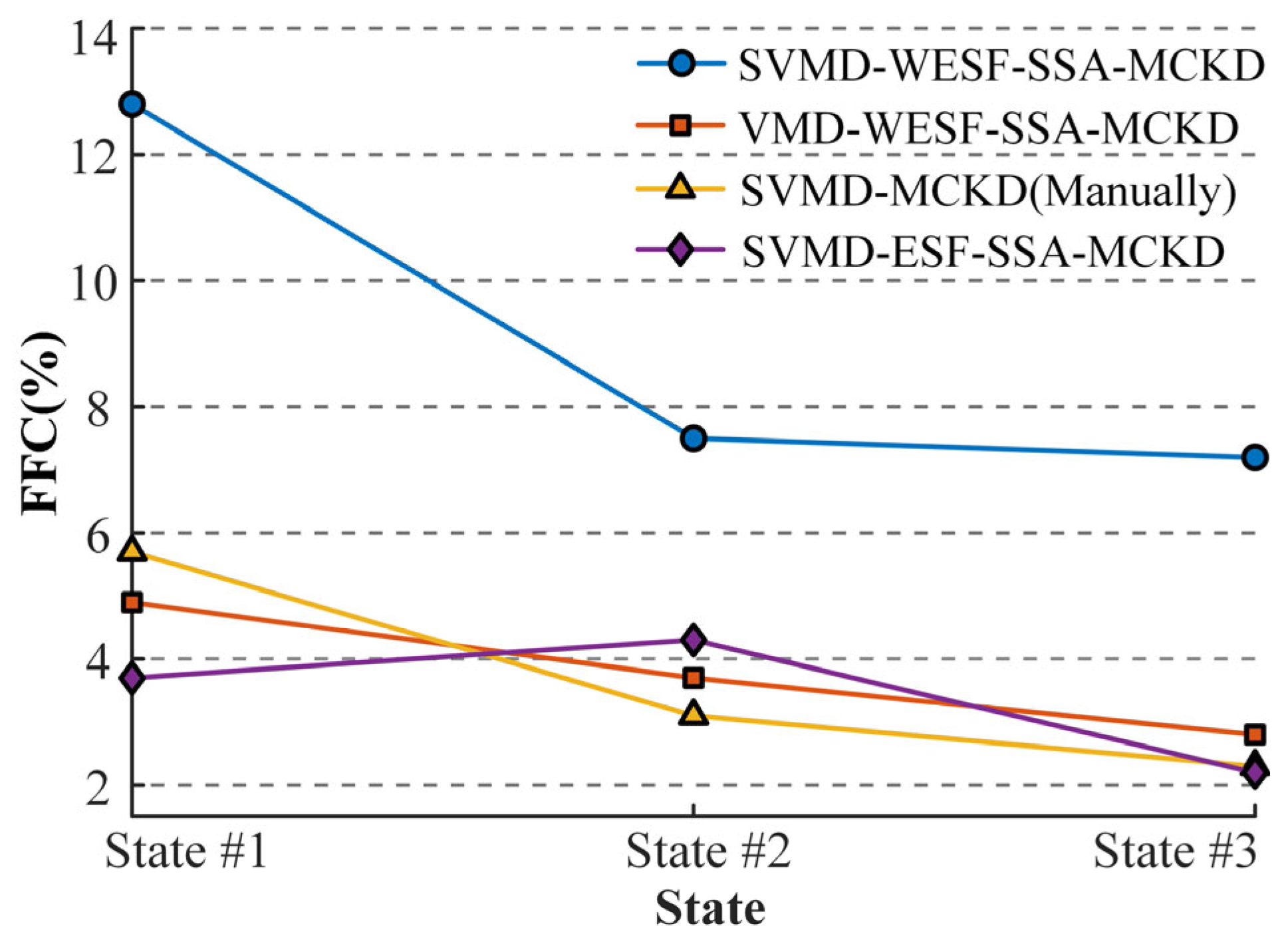
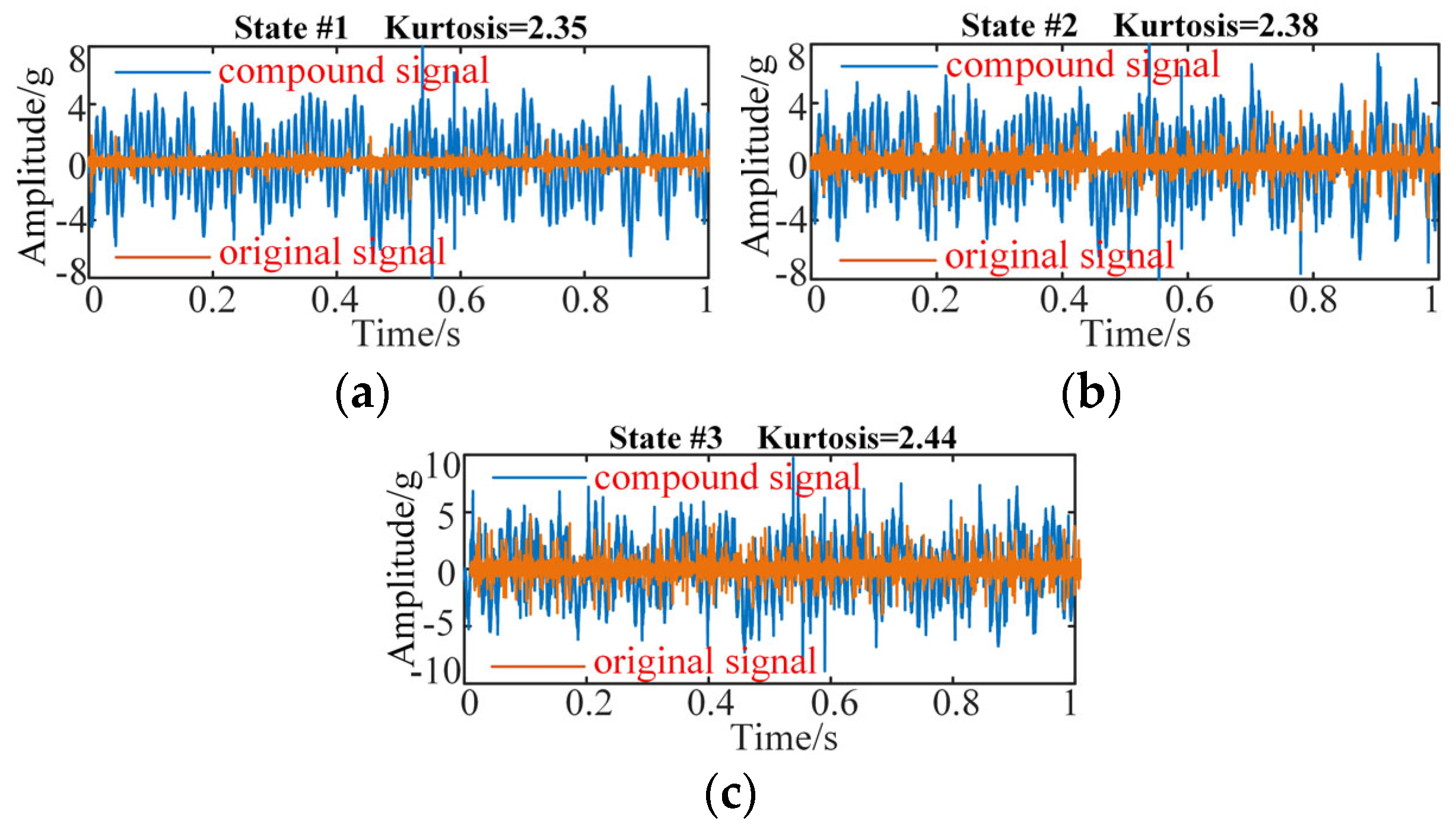
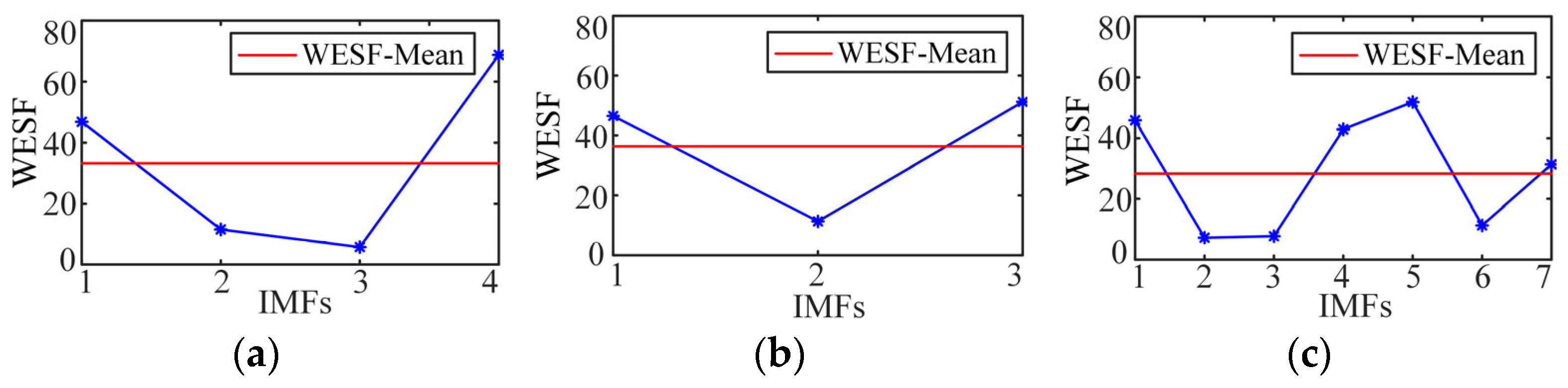
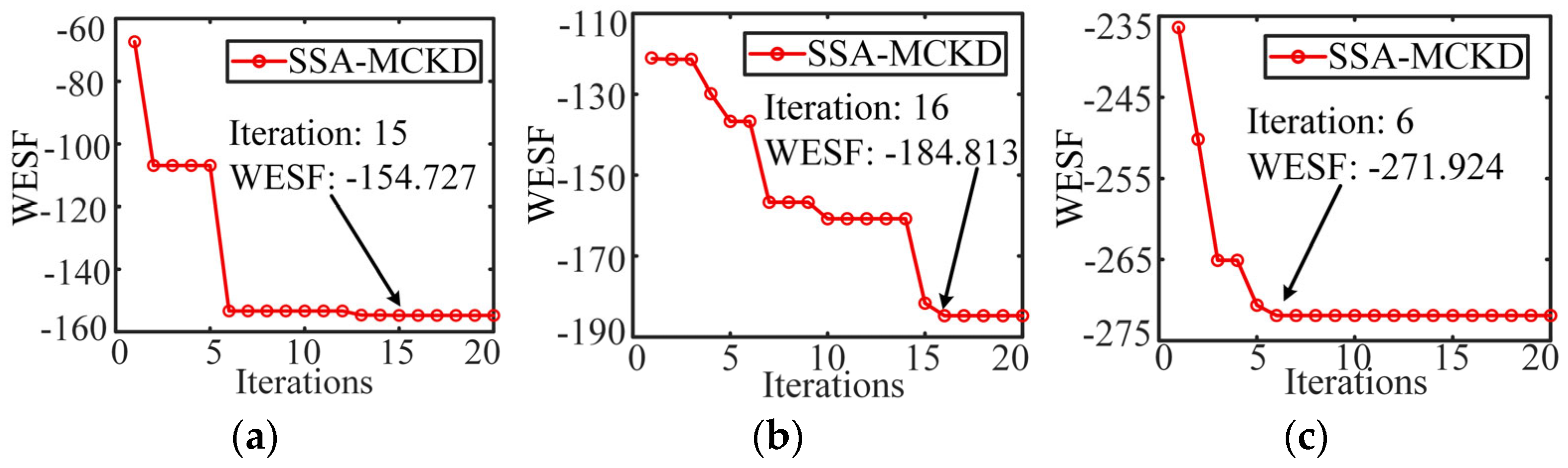
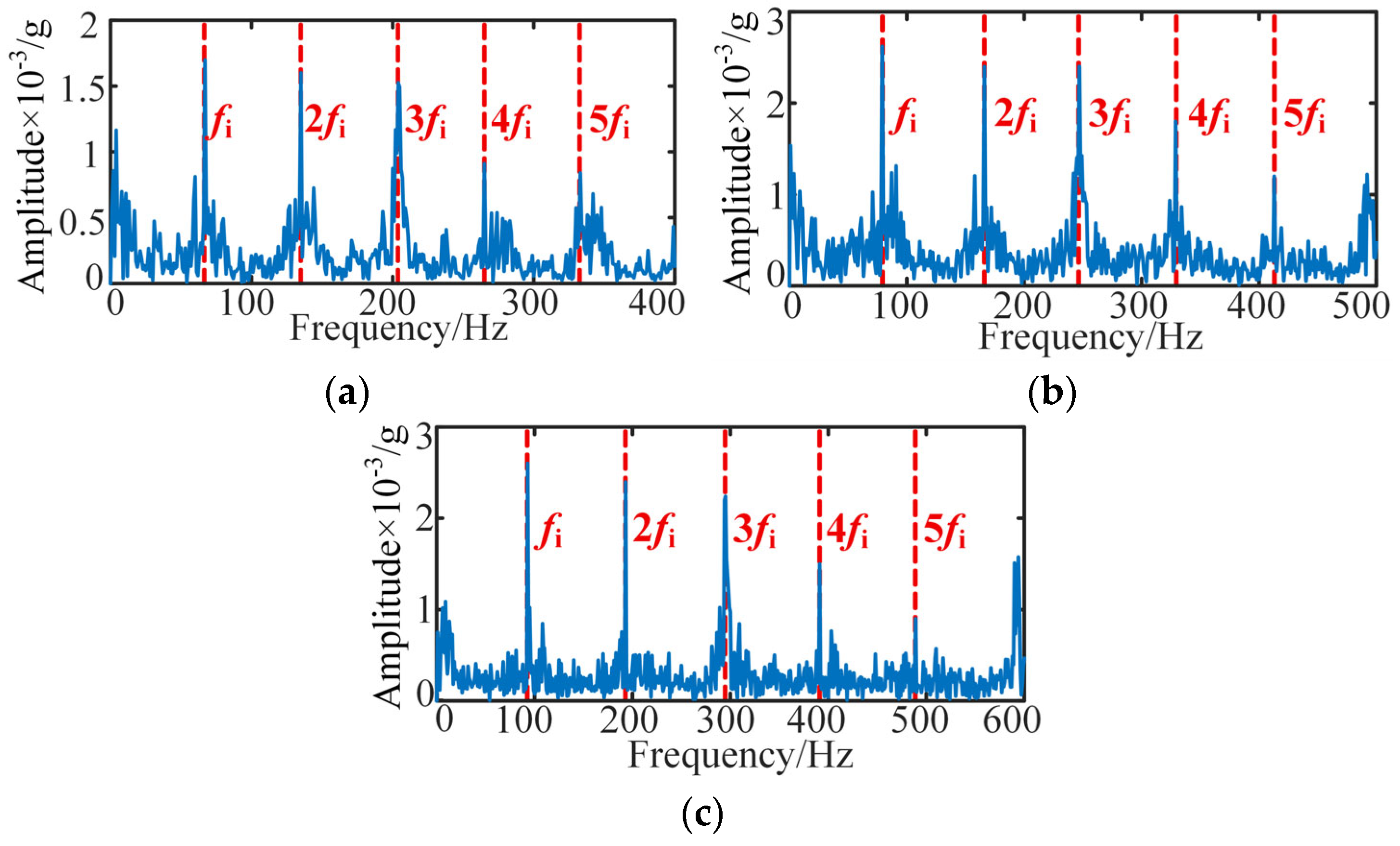
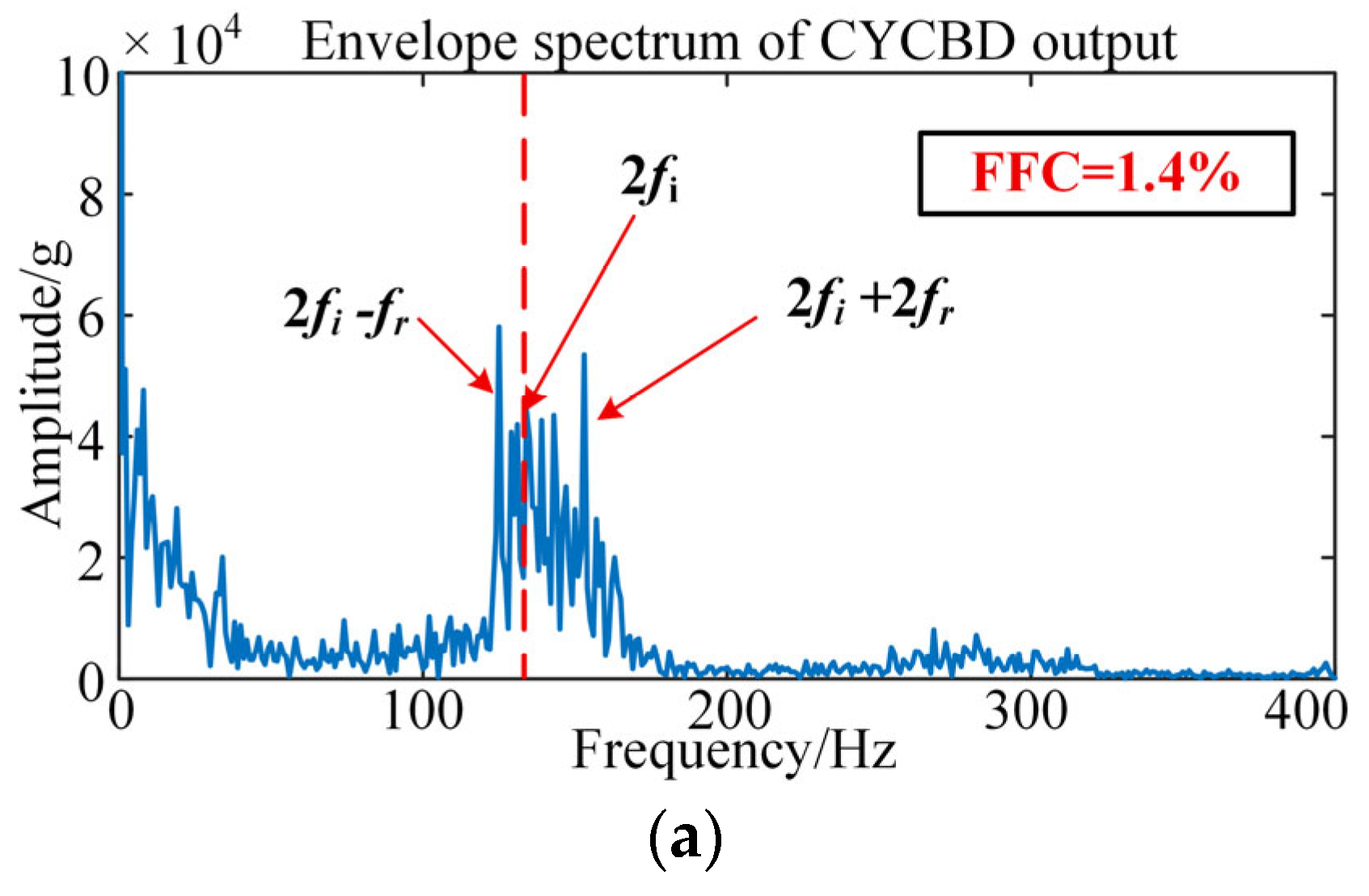
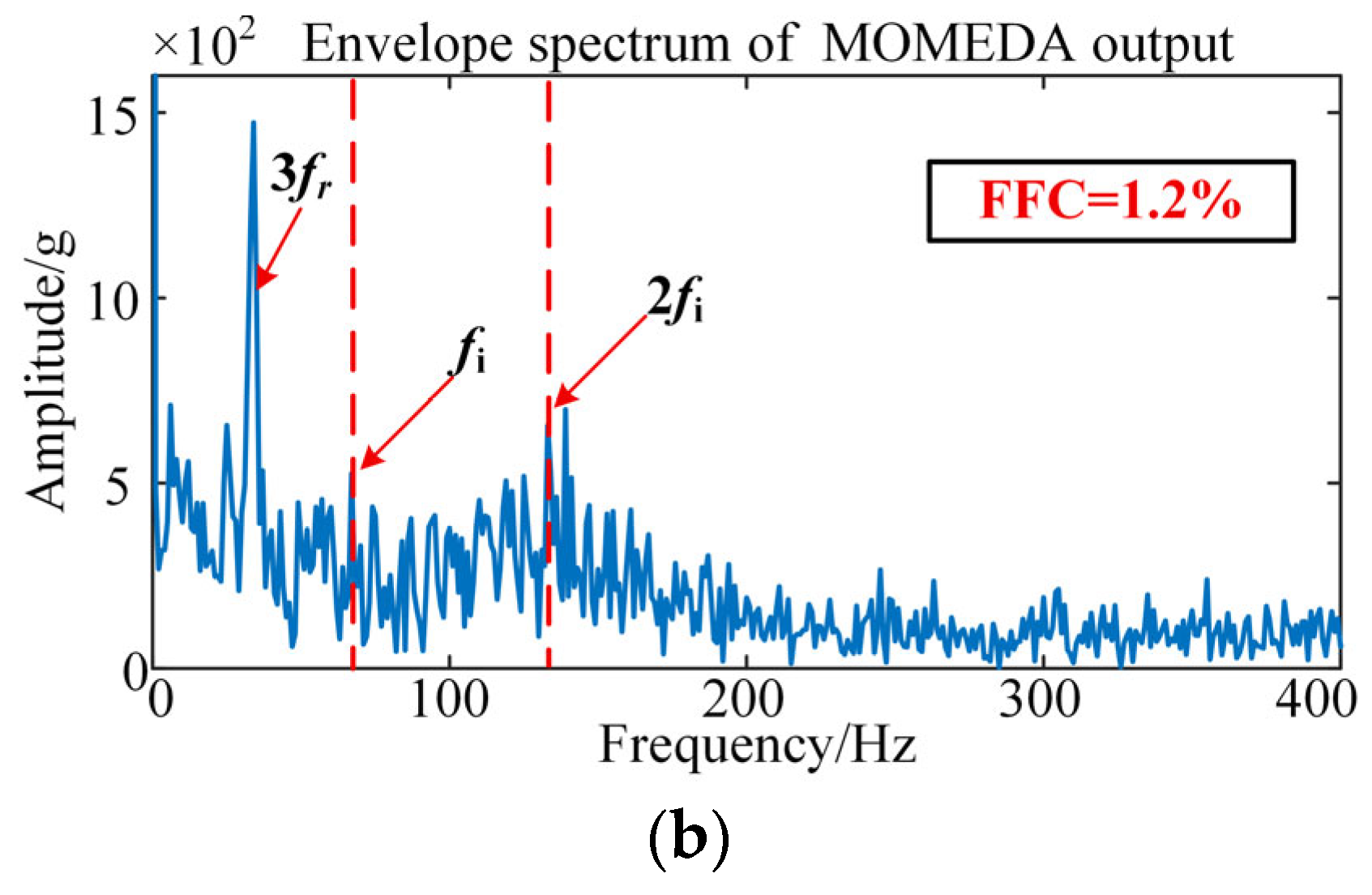
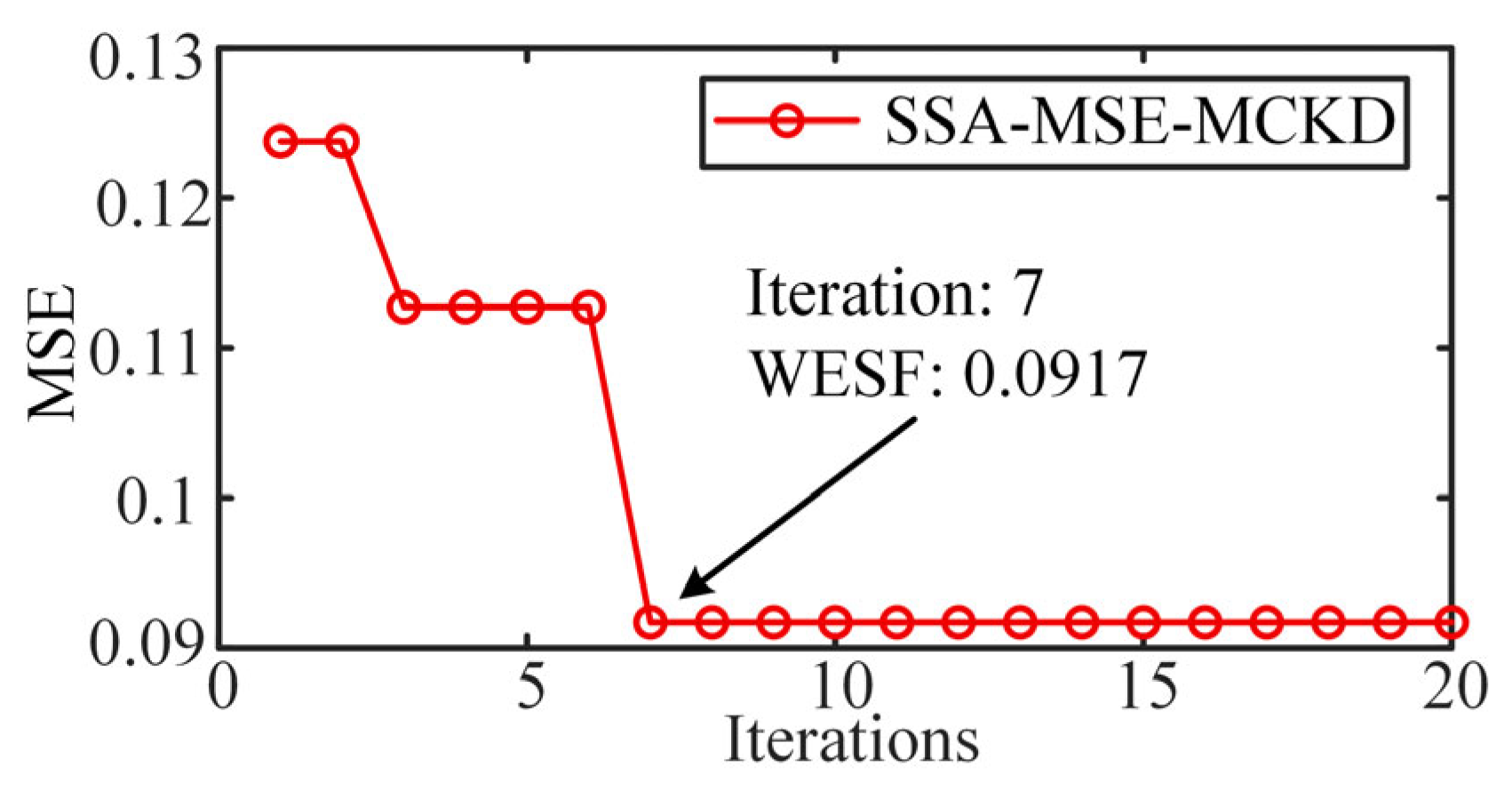
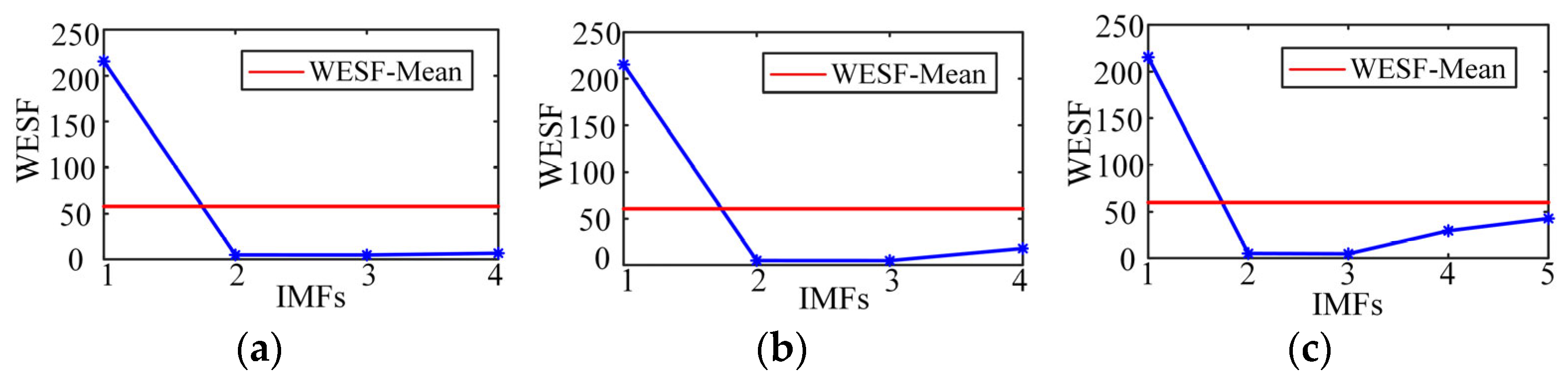
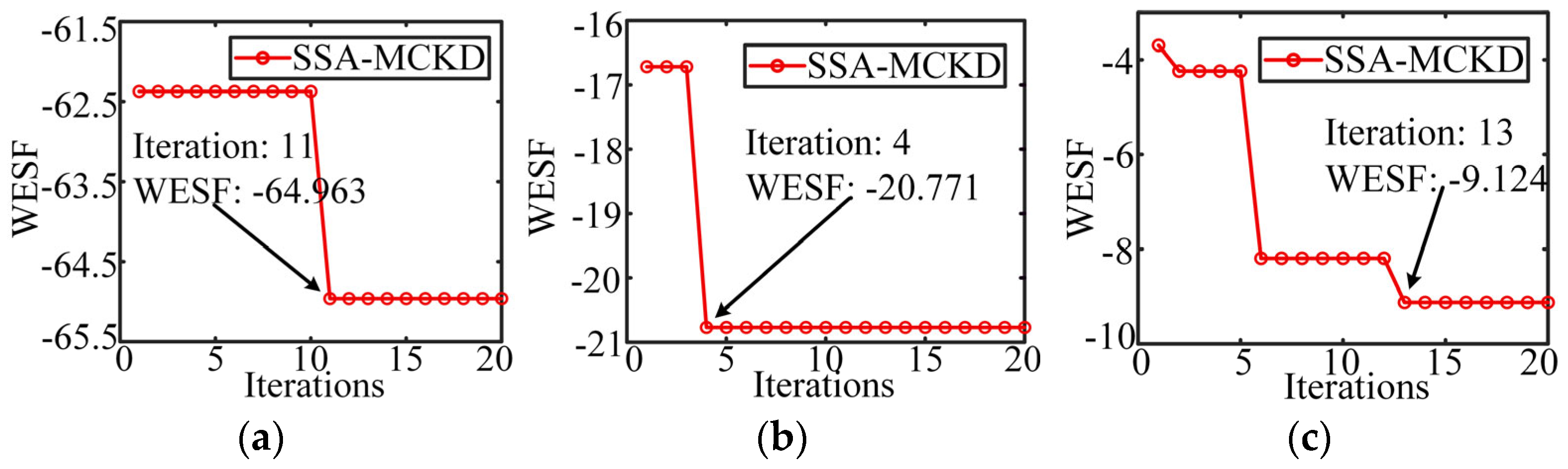
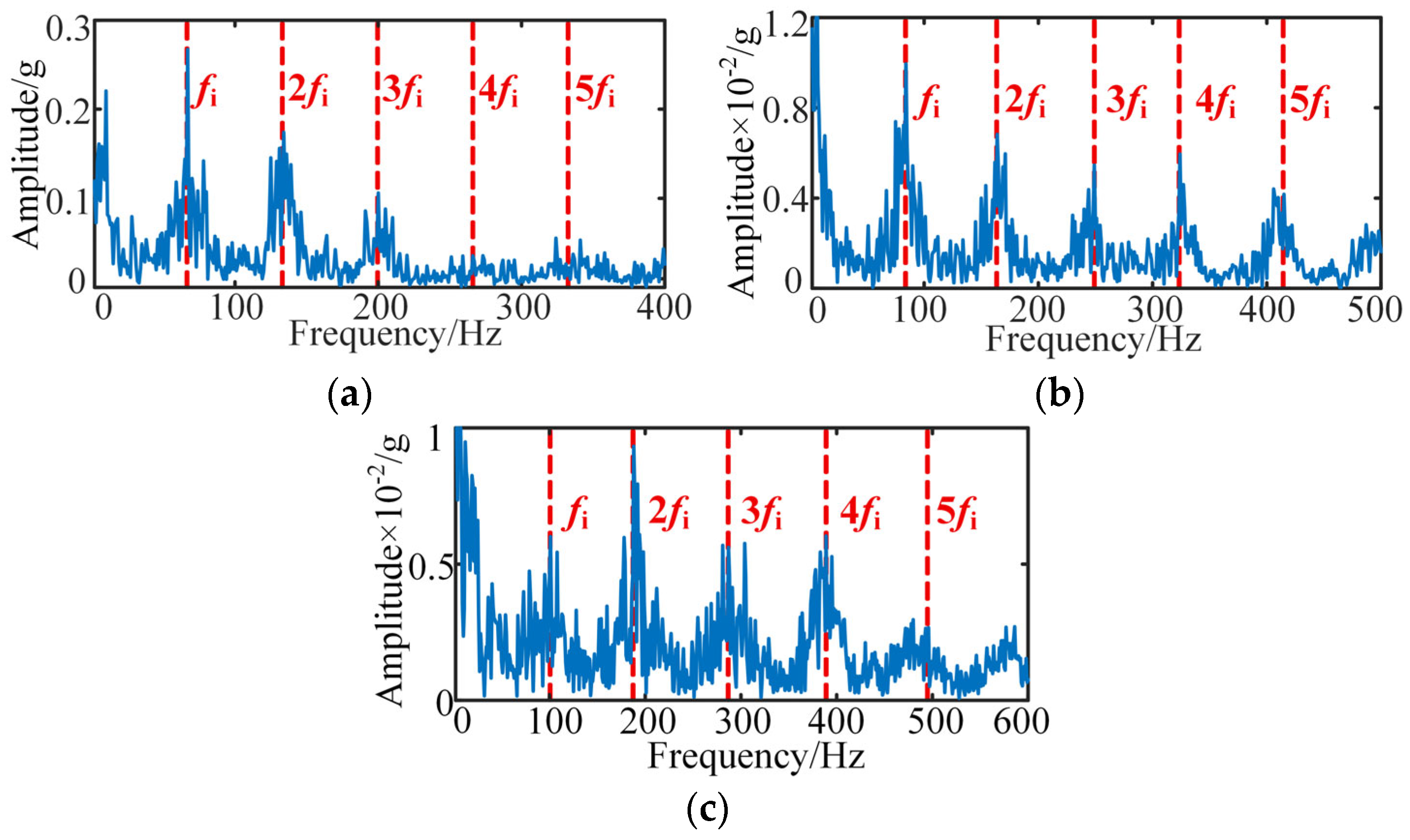
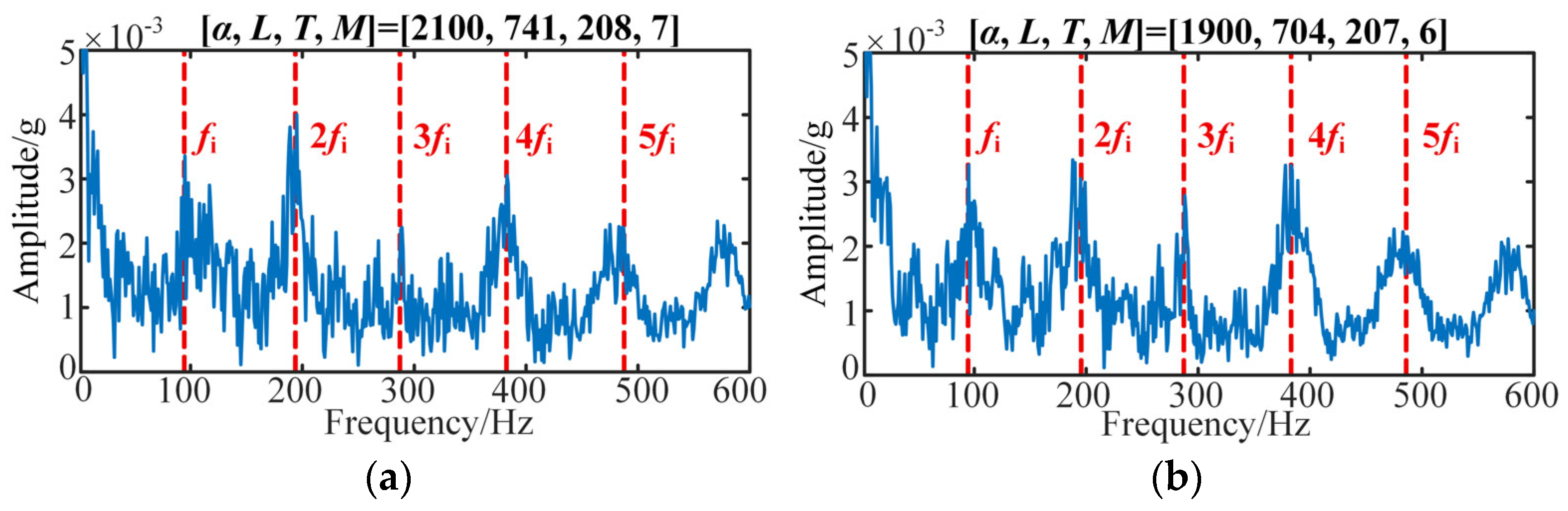
Wheel–rail coupled excitation introduces strong low-frequency modulation, random impact interference, and broadband background noise into the vibration system of locomotive gearboxes, causing early weak bearing fault features to become submerged and making traditional deconvolution methods insufficient for effective enhancement. To address this challenge, this study proposes an adaptive parameter optimization method for MCKD based on the weighted envelope spectrum factor (WESF). WESF integrates the Hoyer index, kurtosis, and envelope spectrum energy to jointly characterize sparsity, impulsiveness, and periodicity of signal components. By using WESF as the fitness function, the sparrow search algorithm (SSA) is employed to simultaneously optimize the key MCKD parameters L, T, and M, enabling optimal enhancement of weak periodic impacts. To further mitigate modal aliasing caused by wheel–rail excitation, the original signal is first adaptively decomposed using successive variational mode decomposition (SVMD), and modes with WESF values above the average are selected for signal reconstruction. The reconstructed signal is subsequently enhanced via SSA–MCKD, and fault characteristic frequencies are extracted using envelope spectrum analysis. Experimental validation using gearbox bearing data collected under 40, 50, and 60 Hz operating conditions shows that the proposed method achieves fault feature coefficient (FFC) values of 12.8%, 7.5%, and 7.2%, respectively—representing an average improvement of approximately 156% compared with traditional methods (average FFC of 3.6%). These results demonstrate that the proposed SVMD–WESF–SSA–MCKD approach can significantly enhance weak periodic impact features under strong background noise and wheel–rail excitation, exhibiting strong practical applicability for engineering implementation.
Keywords: locomotive gearbox bearings; fault diagnosis; weighted envelope spectrum; sparrow search algorithm; maximum correlation kurtosis deconvolution locomotive gearbox bearings; fault diagnosis; weighted envelope spectrum; sparrow search algorithm; maximum correlation kurtosis deconvolution