1. Introduction
The depletion of high-grade copper deposits has forced the mining industry to process lower-grade and more complex ores. Harder ores have increased energy consumption in comminution circuits, which account for up to 50% of a concentrator’s operating cost. Coarse particle flotation (CPF) has emerged as a disruptive technology to reduce overgrinding, reject gangue early, and recover valuable minerals at particle sizes above 150
m—beyond the effective range for conventional mechanical flotation cells. Fluidized-bed flotation devices such as the Eriez (Erie, PA, USA) HydroFloat
® have demonstrated successful recovery of particles up to 600
m, enabling significant improvements in throughput, energy efficiency, and, potentially, water recovery from the process. Industrial studies [
1,
2] have demonstrated that, by integrating HydroFloat
® cells into the processing circuit, it is possible to reduce overall energy consumption by approximately 20%–30% while maintaining—or even improving—overall copper recovery.
Regarding water recovery, the production of a coarser tailings stream enables an increase in thickener water recovery efficiency of approximately 10%–25%, thereby reducing freshwater demand and allowing higher levels of process water recirculation [
3].
As observed across all flotation technologies, the performance of HydroFloat
® cells is critically dependent on internal hydrodynamics, including air dispersion, bubble–particle interactions, and the mixing regime. Few studies have explored CPF hydrodynamics and surface chemistry, therefore it remains a lack of standardized methodologies to define optimal operating conditions. Similar challenges and the need for robust protocols have also been emphasized in recent fluidized-bed hydrodynamic studies [
4,
5].
The present work aims to fill this gap by conducting a characterization study on HydroFloat® performance using rougher tailings samples from an industrial copper mining operation. The objectives of this study were to characterize key hydrodynamic variables using a laboratory HydroFloat® flotation cell under different operating conditions; identify optimal operating conditions and provide insight into the mechanisms of coarse particle flotation in this kind of equipment.
2. Materials and Methods
2.1. Sample Characterization
Approximately 10 m
3 of slurry, corresponding to rougher tailings with 30% solids percentage from an industrial copper mining operation were homogenized and used as feed for coarse particle flotation testing. The sample was characterized in terms of chemical composition, particle size distribution, copper distribution by size, and mineralogy. Results are presented in
Table 1. As can be observed, the average copper grade of the tailings sample was 0.1% Cu, with copper primarily present as 53% chalcocite and 39% chalcopyrite. Additionally, 44% of the total copper mass was found in the +106
m coarse fraction.
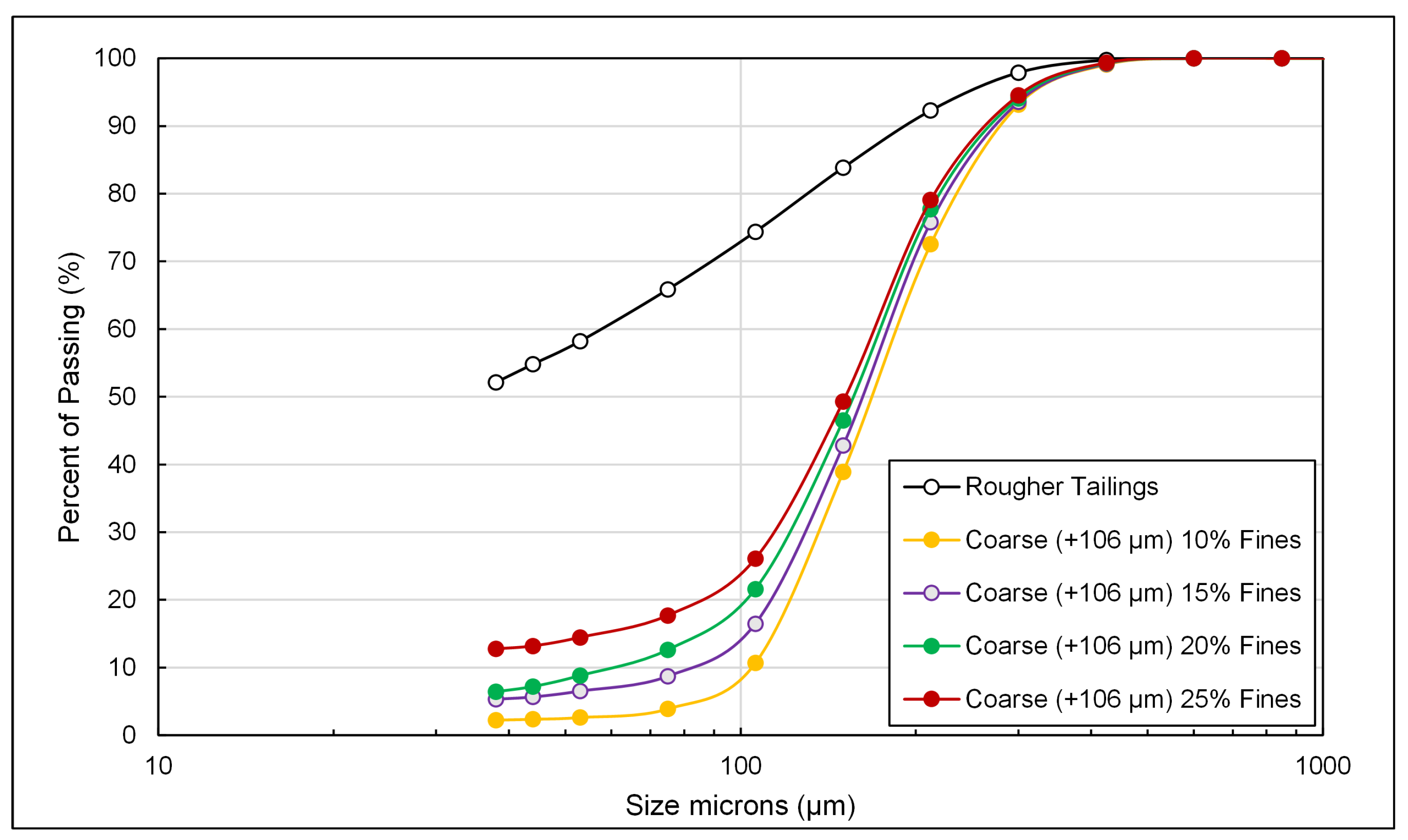
Given that the P80 observed in the particle size distribution of the rougher tailings sample was approximately 145 m, a cut size of 106 m was selected to separate the fine and coarse fractions in the feed to the HydroFloat® cell. Using 106 m as the cut size, it was observed that, for this sample, approximately 44% of the copper is contained within only about 25% of the total tailings mass.
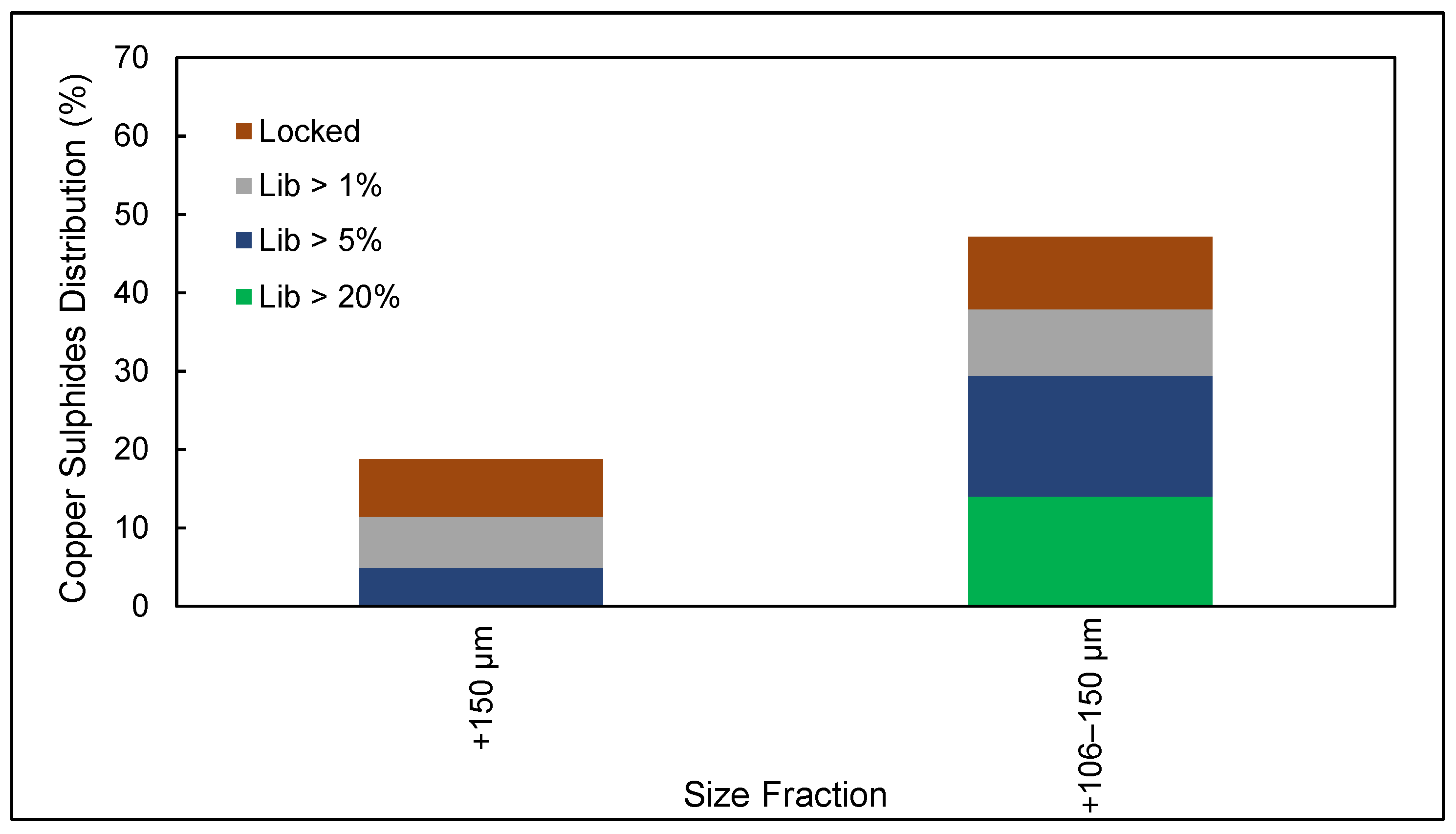
Regarding the liberation of copper sulfide particles in the rougher tailings sample, it was found that in the +106
m size fraction, the particles are approximately evenly distributed among the following categories: fully locked particles, and particles with liberation degrees in the ranges of 1%–5%, 5%–10%, and 20%–50%. This observation aligns with recent mineralogical characterizations for coarse flotation feed streams reported by Ozsoy et al. [
5].
Figure 1 presents the copper sulfide particles liberation by size fraction.
This observation is also consistent with the findings reported by Ding et al. [
6], whose work demonstrated that coarse particles exhibit lower surface exposure of the valuable mineral phases, thereby reducing the probability of particle–bubble attachment during the flotation process.
The sample was subjected to a rigorous homogenization process in an agitated tank and subsequently divided into equal portions to ensure identical feed conditions for each flotation test.
2.2. Coarse Particle Flotation Cell and Bubble Viewer
All tests were carried out in a HydroFloat
® cell (15 cm diameter, 37 cm height) equipped with a bubble viewer system for in situ measurement of hydrodynamic variables. The flotation cell and bubble viewer configuration were similar to those used in previous hydrodynamic explorations of fluidized flotation systems [
5,
7].
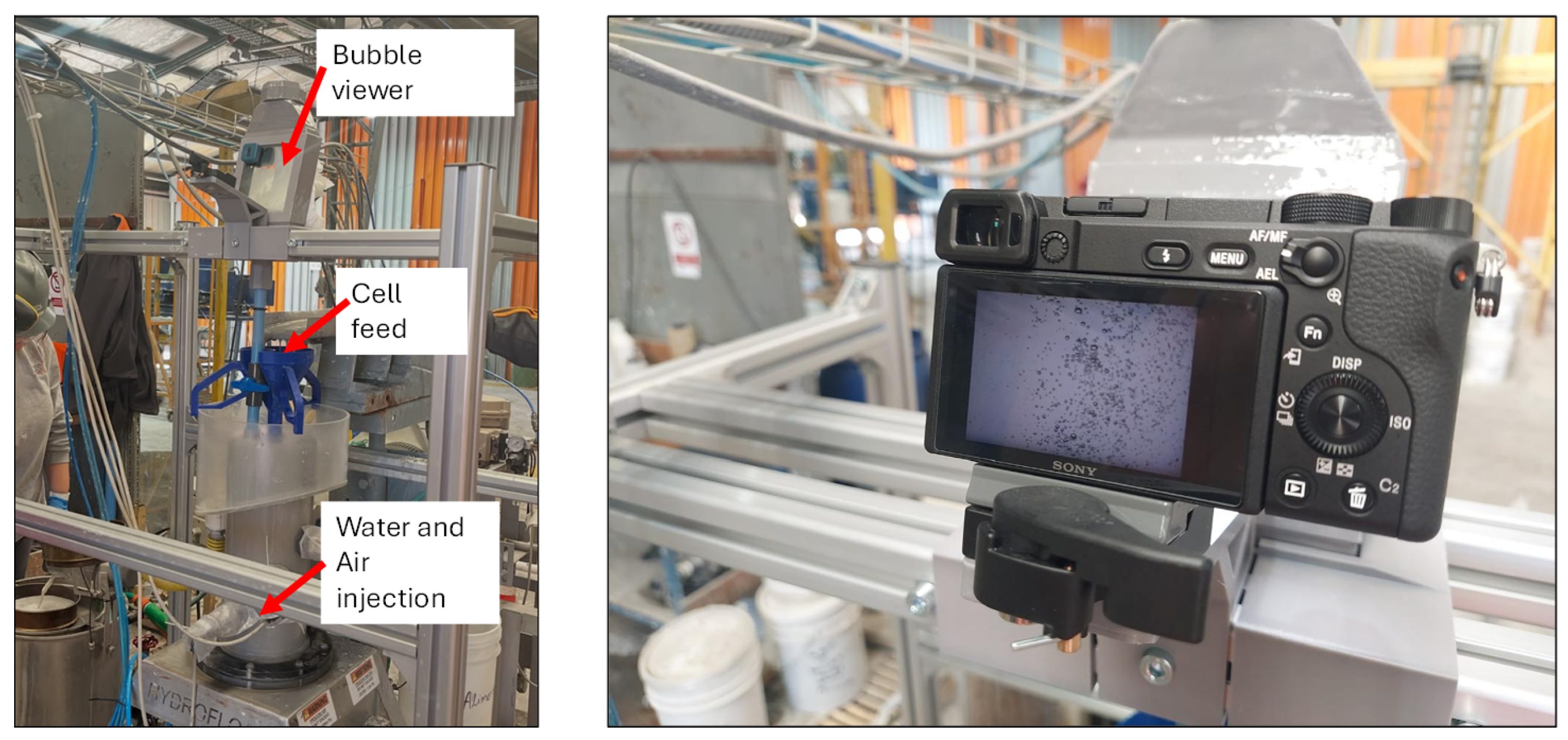
Figure 2 shows the flotation cell used in the experimental campaign and the Bubble Viewer System installed for measuring the aerohydrodynamic behavior of the HydroFloat
® flotation cell. The Bubble Viewer System was manufactured by FT Ingenieria, Santiago, Chile.
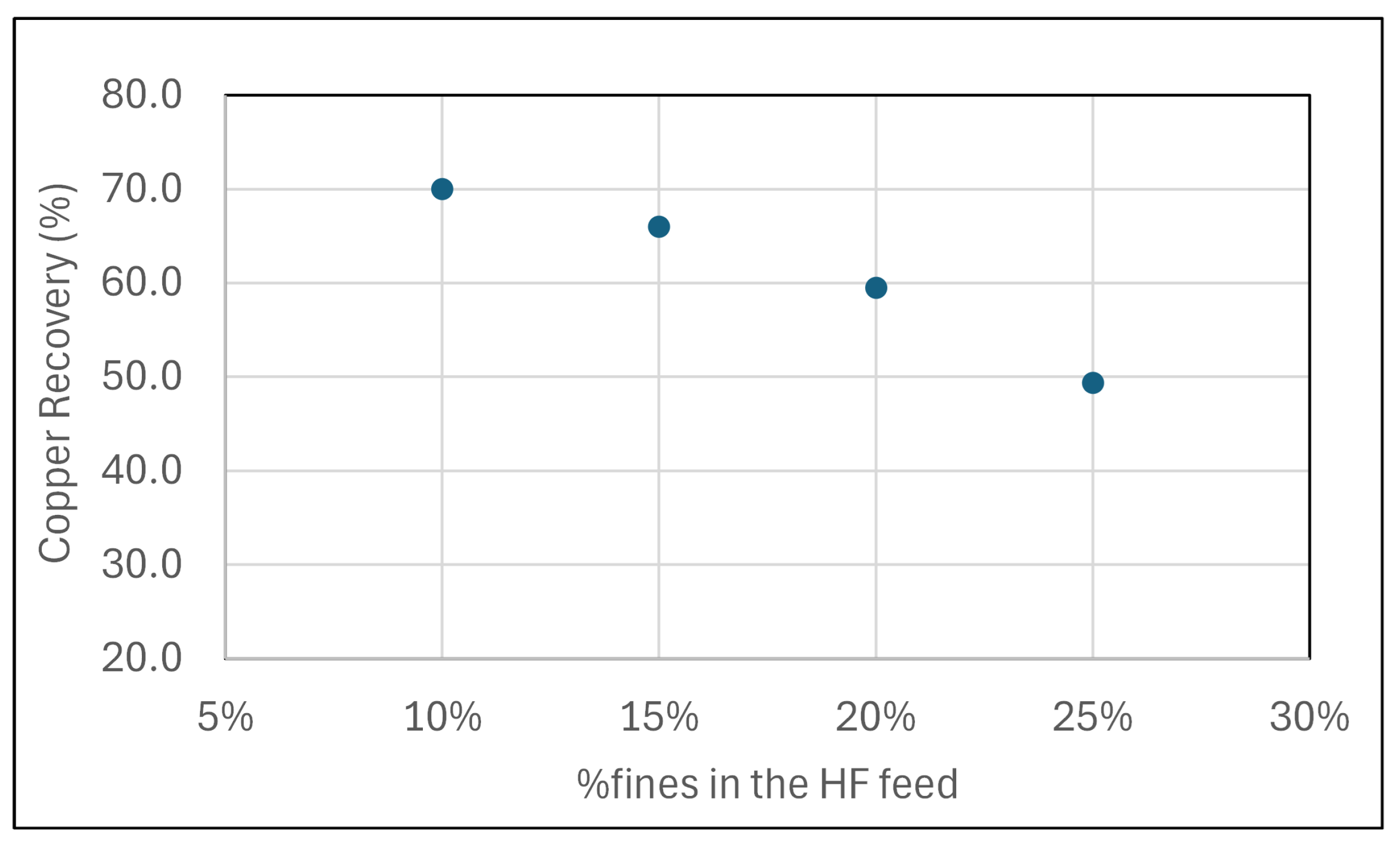
The HydroFloat® coarse particle flotation technology based its operation on a fluidized bed produced with the very same coarse particles being fed to the flotation cell. The fluidized bed is formed with the aid of a water flow. Air is injected into the water line, and both phases pass through the bubble generator as they enter the cell. To have proper performance, the fine fraction of the feed to the HydroFloat® is removed through a classification stage performed before the flotation tests. This is done to ensure low viscosity within the fluidized bed and to minimize hydraulic entrainment. Knowing that the presence of fine particles in the feed of the flotation cell may have an impact, such a variable was considered as part of this study.
The bubble viewer consists of a sampling tube through which bubbles ascend into a viewing chamber filled with process water. The water inside the bubble viewer has the same chemical conditions that are present in the cell, pH and frother concentration, to prevent any alteration in bubble size upon entering the viewer. The bubble images are then captured by an automated camera system. The images obtained are subsequently analyzed using ImageJ 1.54g to yield bubble size distribution and statistical diameters, such as d32. Superficial gas velocity (Jg) was estimated from the gas flow rate and cross-sectional area of the cell, which allowed, together with d32, for the calculation of bubble surface area flux (Sb).
2.3. Residence Time Distribution Measurement
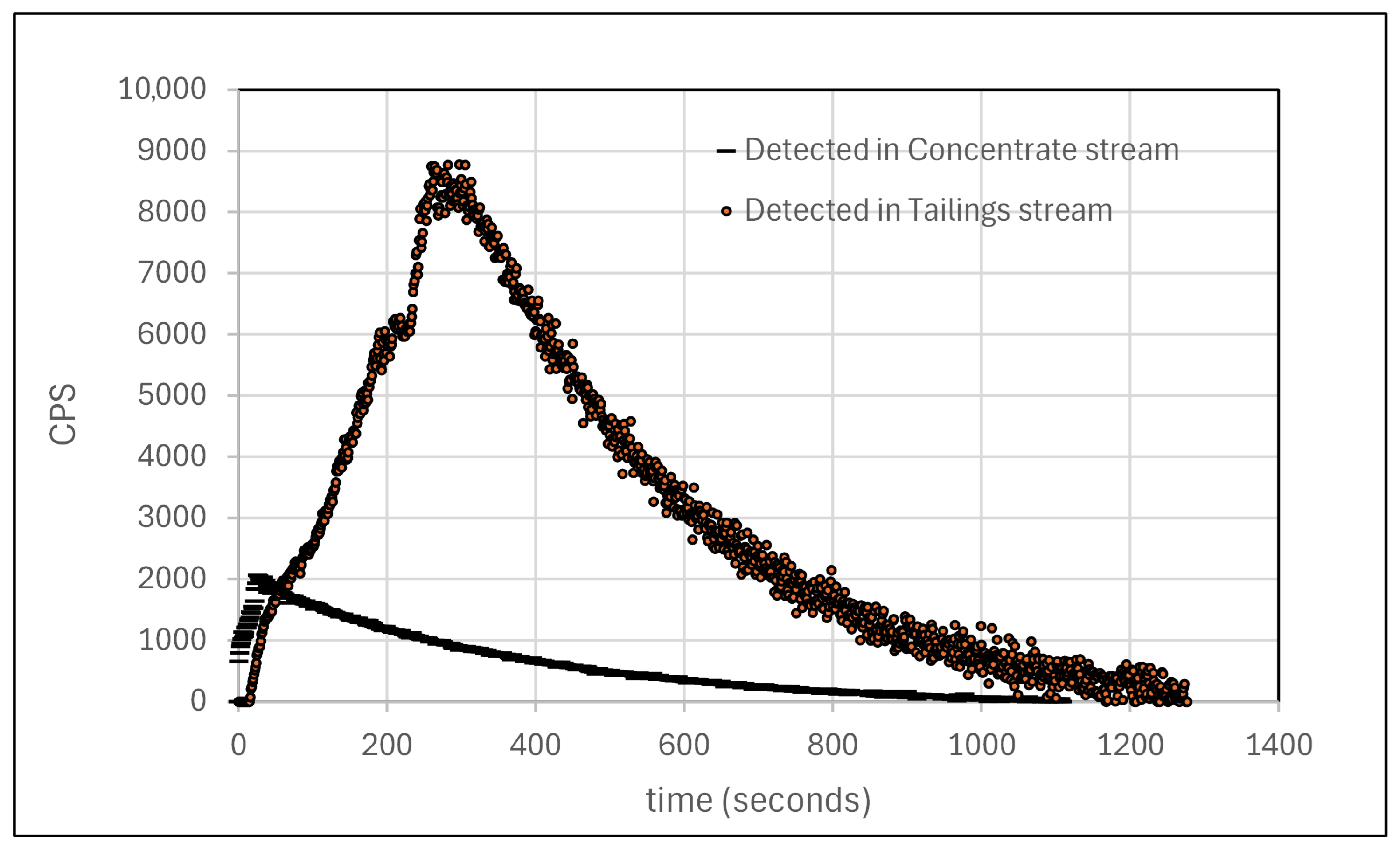
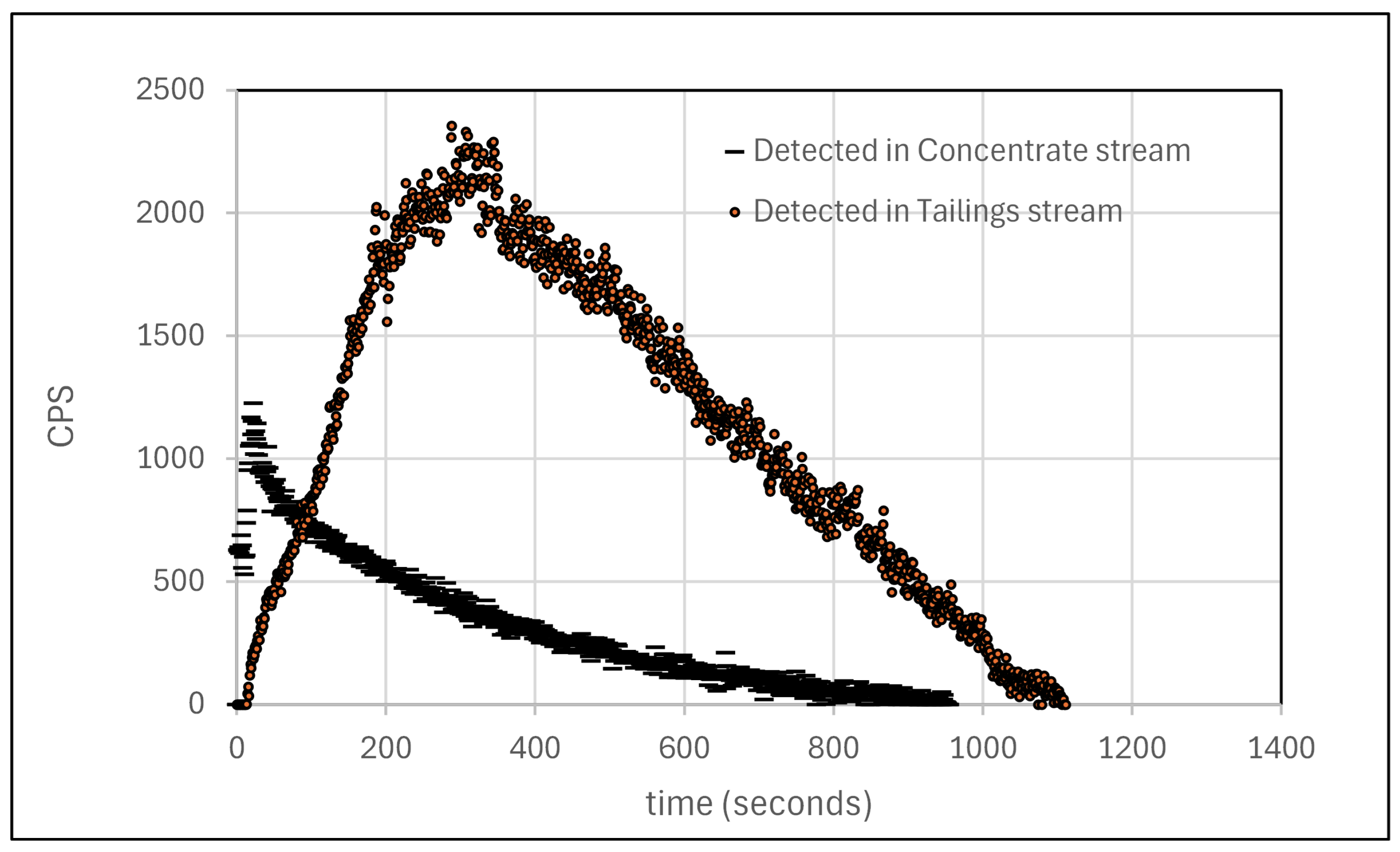
Radioactive tracer tests were conducted to measure the residence time distribution (RTD) and assess the internal mixing regime of the CPF cell. The RTD was measured under a single operating condition, which served as the baseline for evaluating the effect of other operating conditions. RTD for the tailings and concentrate streams were determined using tracer samples of tailings and concentrate, which were activated in a nuclear reactor and subsequently injected as a pulse into the feed stream of the HydroFloat
® cell. The temporal evolution of the detected radiation was recorded with NaI(Tl) detectors integrated with an ALTAIX data acquisition system. This methodology is consistent with tracer-based RTD analyses applied in fluidized-bed flotation systems by Liu et al. [
7].
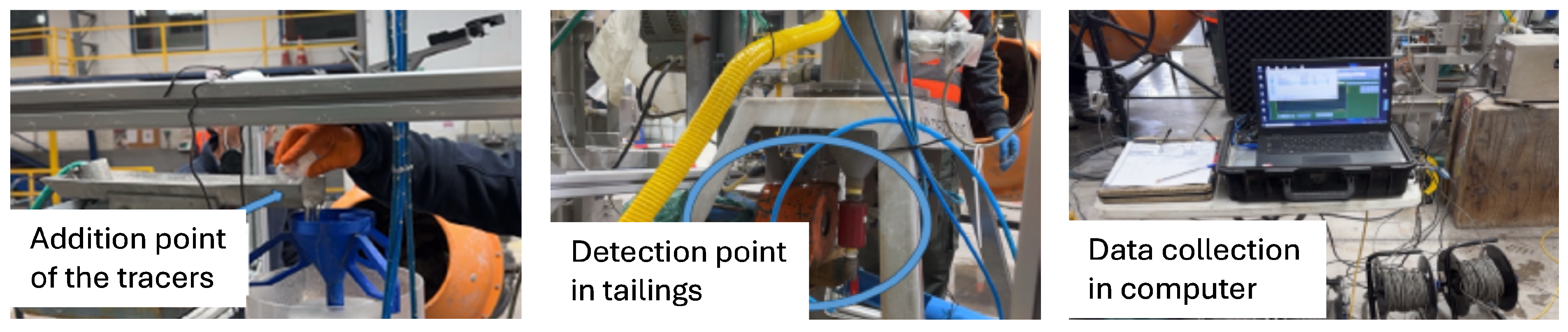
Figure 3 shows photographs of the RTD measurement campaign carried out during the experimental test program.
2.4. Operating Conditions Used in the Testing Campaign
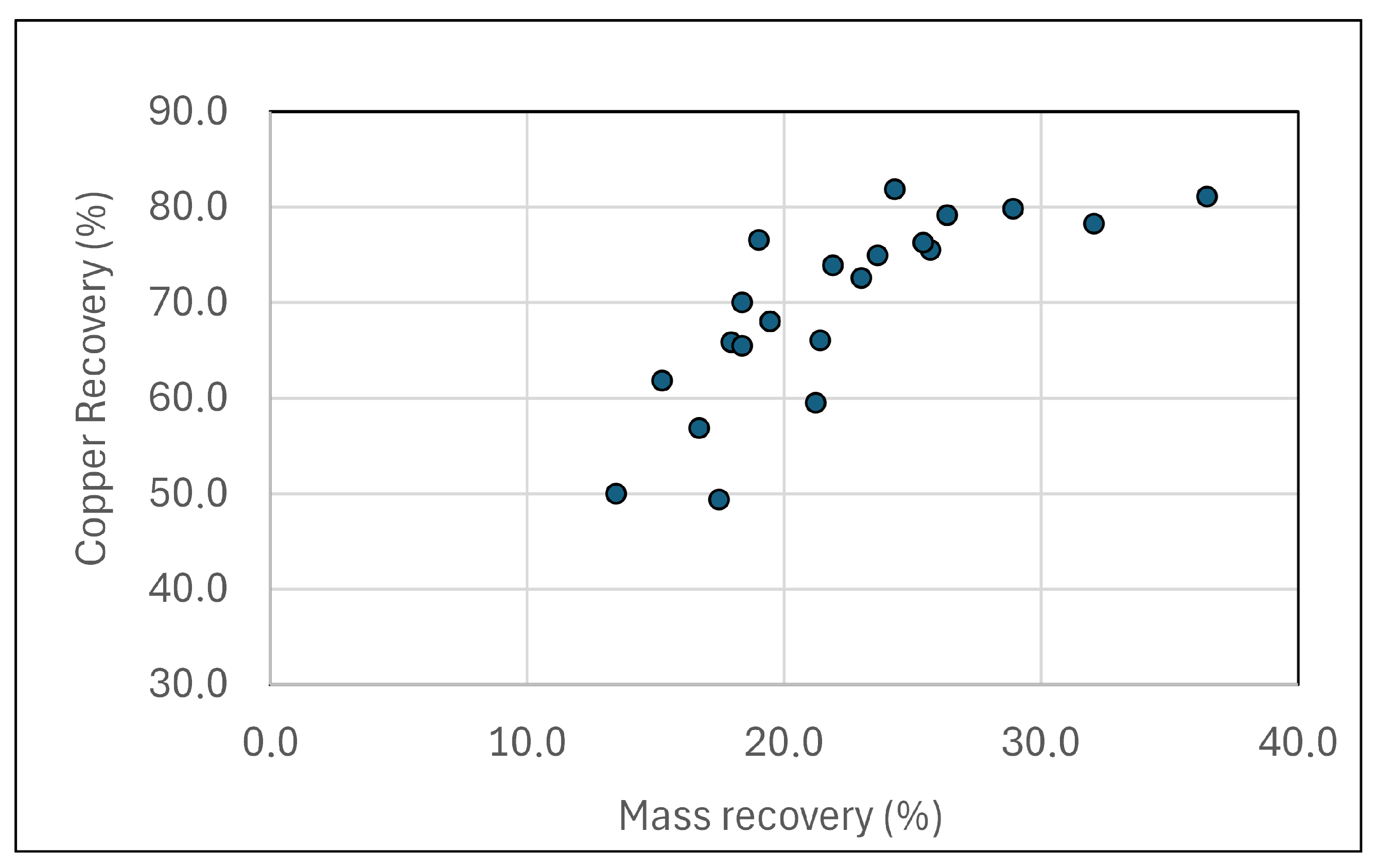
Different operating conditions were analyzed. Metallurgical recoveries and concentrate enrichment ratio were also obtained to establish the relationship between hydrodynamics and metallurgical performance. The selection of operating conditions followed a systematic framework similar to recent studies on HydroFloat
® hydrodynamics and performance evaluation [
4,
5].
Table 2 shows the operating conditions tested in the experimental campaign. The bed depth corresponds to the distance measured from the top of the cell (concentrate discharge lip) to the top interface of the fluidized bed within the cell.
It is important to note that all flotation tests were conducted at basic conditions (pH 8), which favors the adsorption of xanthate collectors on copper sulfide mineral surfaces. These results highlight that reagent dosage must be carefully balanced to avoid overdosing effects while ensuring sufficient hydrophobicity and aggregate stability under the prevailing hydrodynamic conditions.
Table 3 presents a description of the reagents used in this study.
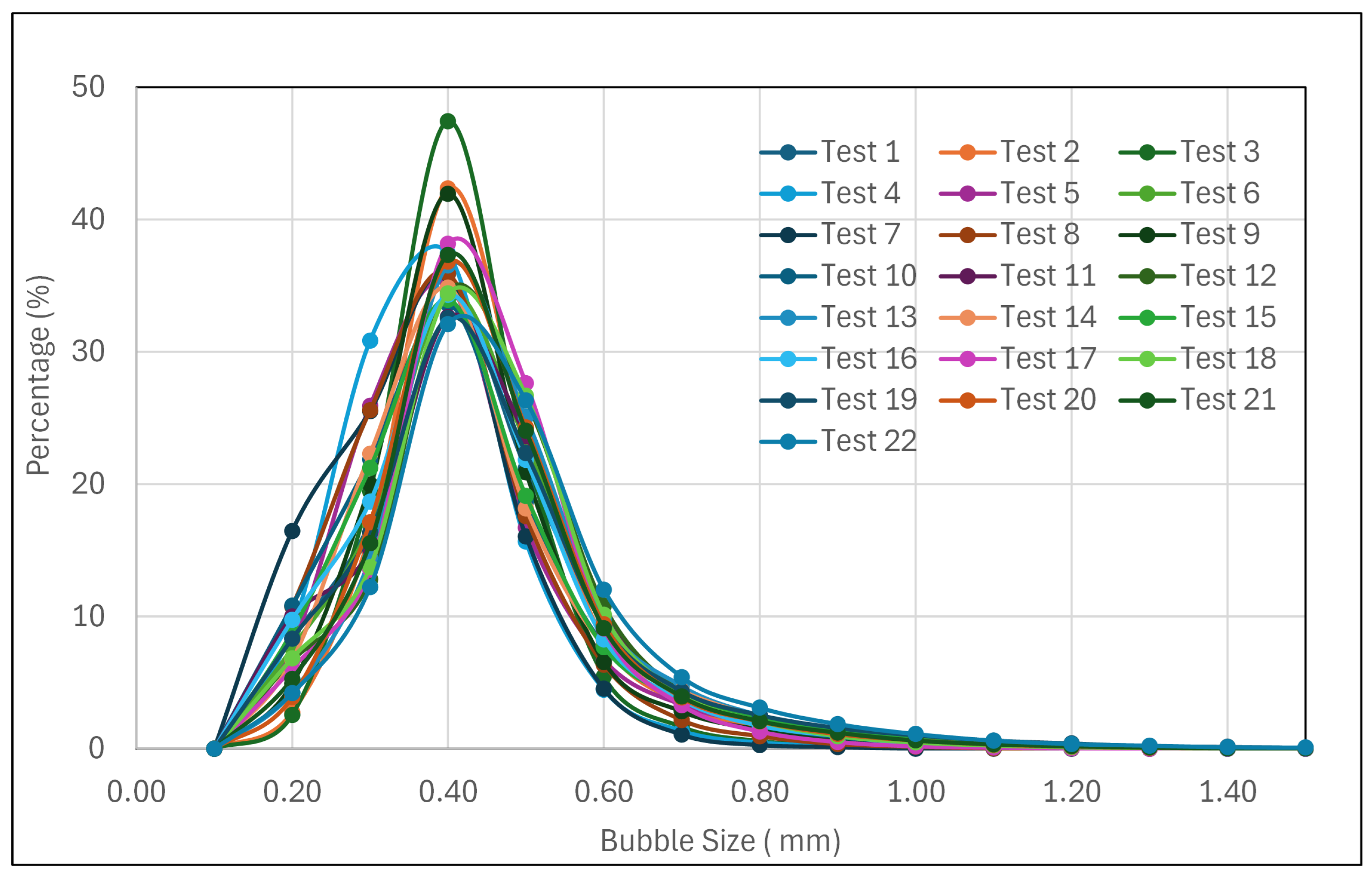
In addition to hydrodynamic considerations, the role of reagents is critical in governing the efficiency of bubble–particle interactions in the HydroFloat® system. The collector used in this study, potassium amyl xanthate (PAX), is a well-established sulfide collector that promotes hydrophobicity of copper mineral surfaces through chemisorption, thereby increasing the probability of particle–bubble attachment. Diesel, used as a secondary collector or promoter, enhances hydrophobicity, particularly for coarse particles, by improving surface coating and contributing to the formation and stability of bubble–particle aggregates within the fluidized bed. The frother employed, Aerofroth 65, is a glycol-based frother specifically designed to generate relatively small and stable bubbles while maintaining moderate froth persistence. This property is particularly relevant in HydroFloat® operation, as it contributes to the generation of fine bubbles (approximately 0.5 mm, as observed in this study) and supports the stability and transport of coarse particle aggregates. The combined action of these reagents is essential in coarse particle flotation systems, where attachment probability is inherently limited by reduced liberation and surface exposure. Therefore, reagent selection and dosage must be carefully optimized to balance hydrophobicity, aggregate stability, and froth transport, particularly under conditions where hydrodynamic forces may promote detachment of weakly attached particles.
4. Discussion
The hydrodynamic and metallurgical results obtained in this study confirm that the HydroFloat
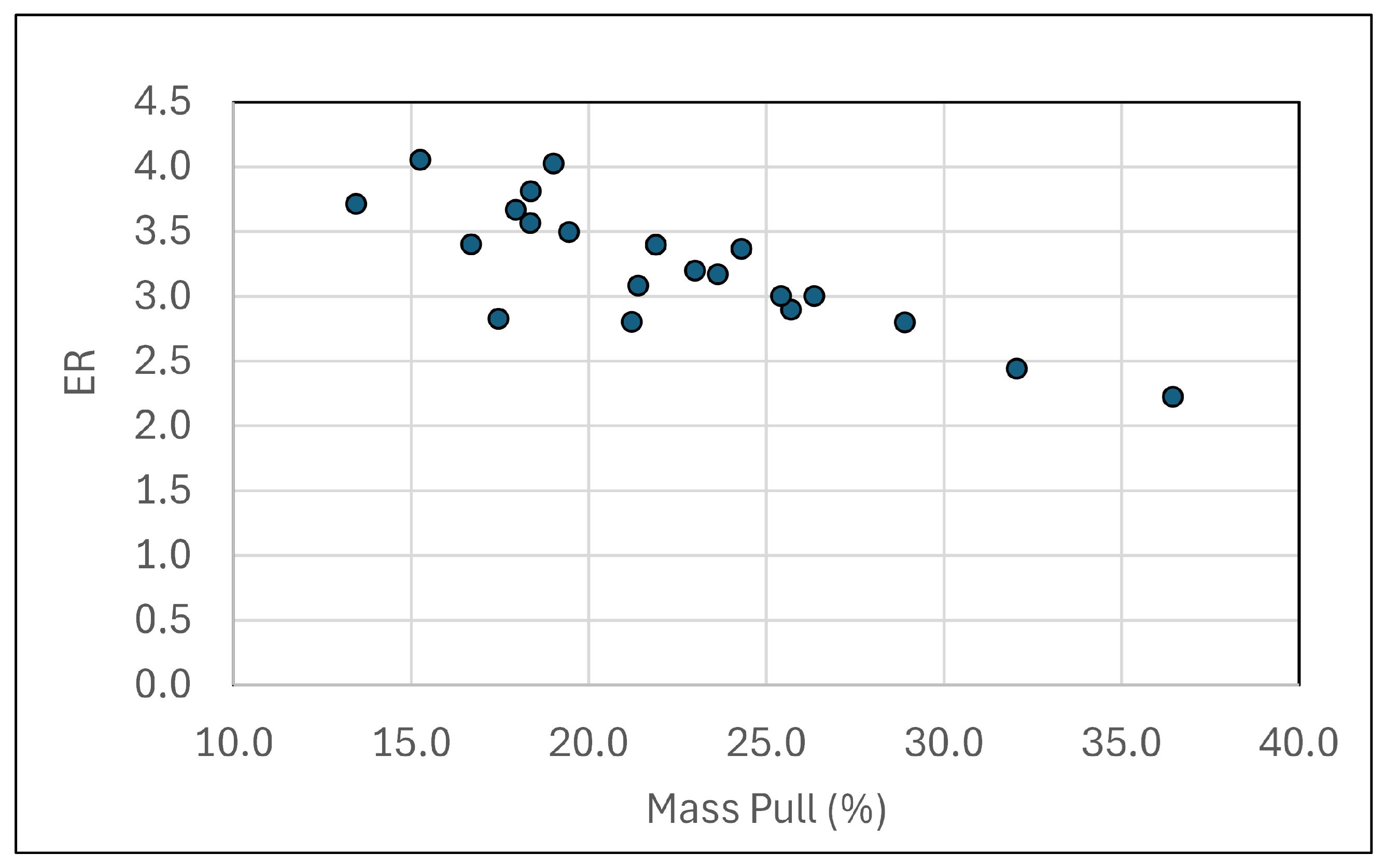
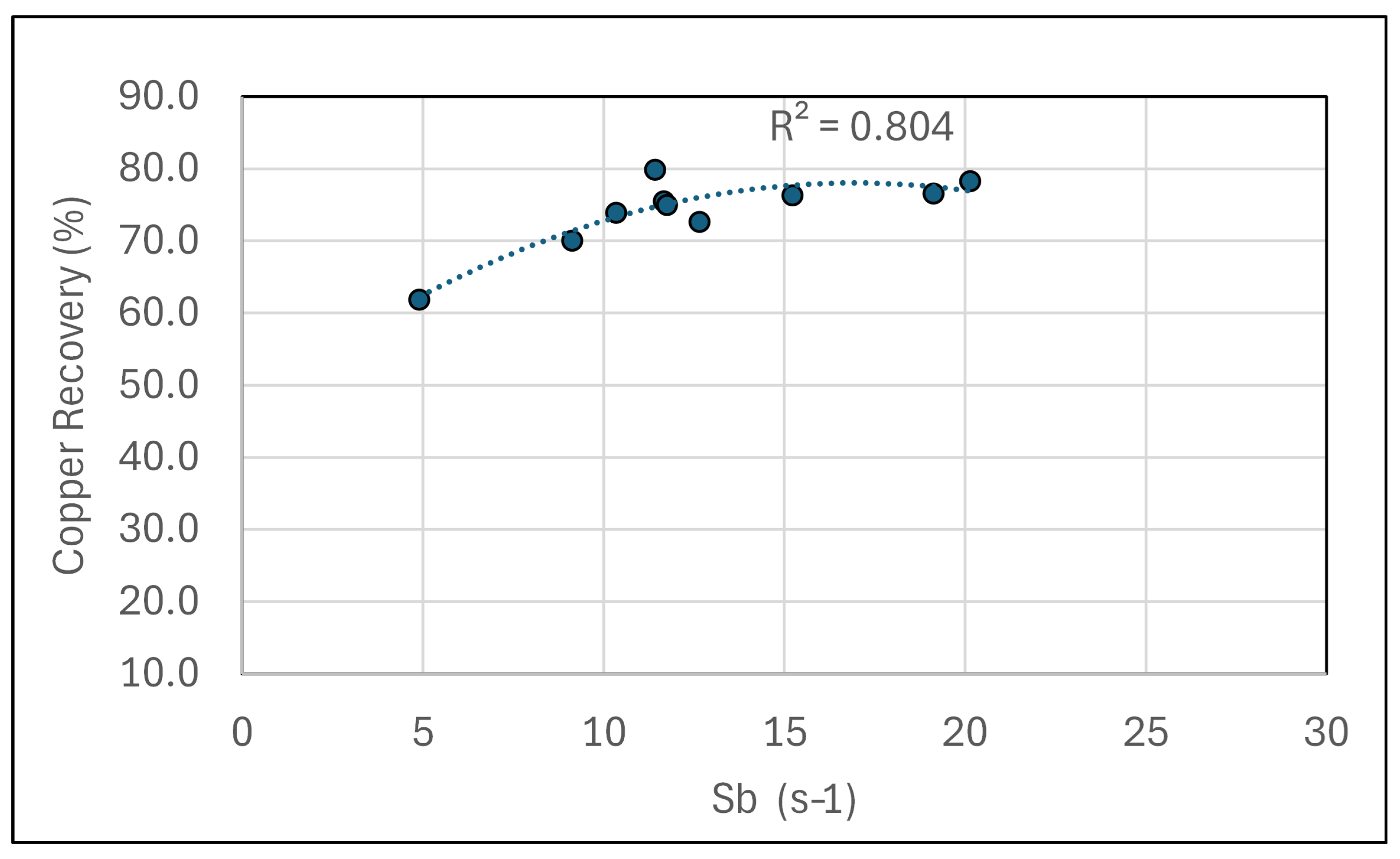
® cell performance is highly dependent on the water addition, and air rate injection. The identification of a superficial area flux (Sb ≈17 s
−1) above which metallurgical performance does not further improve might provide a practical guideline for industrial operation. Given that the bubble size remained essentially constant under the different operating conditions tested, the bubble surface area flux (Sb) was primarily governed by the injected air flow rate, or superficial gas velocity (J
g). An optimal or practical maximum Sb might ensure high copper recovery without excessive gangue entrainment, a finding consistent with previous observations in fluidized-bed flotation systems [
5,
7].
The results presented in this study demonstrate that each of the operational variables evaluated, namely superficial gas velocity (Jg), superficial liquid velocity (Jl), bubble surface area flux (Sb), fines content, reagent dosage, and bed level, exerts a distinct and measurable influence on the metallurgical performance of the HydroFloat® cell. Gas injection plays a primary role in controlling bubble surface area and collision frequency, thereby directly impacting recovery, particularly for coarse particles. Similarly, water injection regulates bed expansion and particle mobility within the fluidized bed, which can enhance transport but also promote entrainment at excessive levels. The bubble surface area flux (Sb) was identified as a key parameter integrating gas and bubble size effects, with an apparent upper limit beyond which performance gains are offset by non-selective recovery. Finally, bed level and conditioning time were shown to affect both residence time and the degree of particle hydrophobization. These results confirm that HydroFloat® performance is governed by a complex combination of hydrodynamic, physical, and chemical factors, rather than by any single variable in isolation.
More importantly, the results highlight that the performance of the HydroFloat® system is controlled by the interaction between hydrodynamic conditions and chemical environment, rather than by independent effects of individual variables. Hydrodynamics define the framework for particle transport, collision frequency, and residence time distribution, while reagent chemistry governs the probability of attachment and the stability of bubble–particle aggregates. For instance, increased gas and water flow rates may enhance dispersion and collision rates, but at the same time raise shear forces that can promote particle detachment, particularly for weakly hydrophobic particles. Similarly, the effectiveness of collectors and promoters such as PAX and diesel depends not only on their ability to generate hydrophobic surfaces, but also on the capacity of the hydrodynamic environment to preserve aggregate integrity during transport. The frother, in turn, links both domains by controlling bubble size and froth stability, directly influencing both attachment and transport phenomena. Therefore, optimal performance in coarse particle flotation cannot be achieved by maximizing individual variables, but rather by balancing hydrodynamic conditions and reagent chemistry to ensure efficient particle–bubble interaction while minimizing detachment and non-selective transport. This integrated perspective is essential for both process optimization and scale-up of HydroFloat® systems.
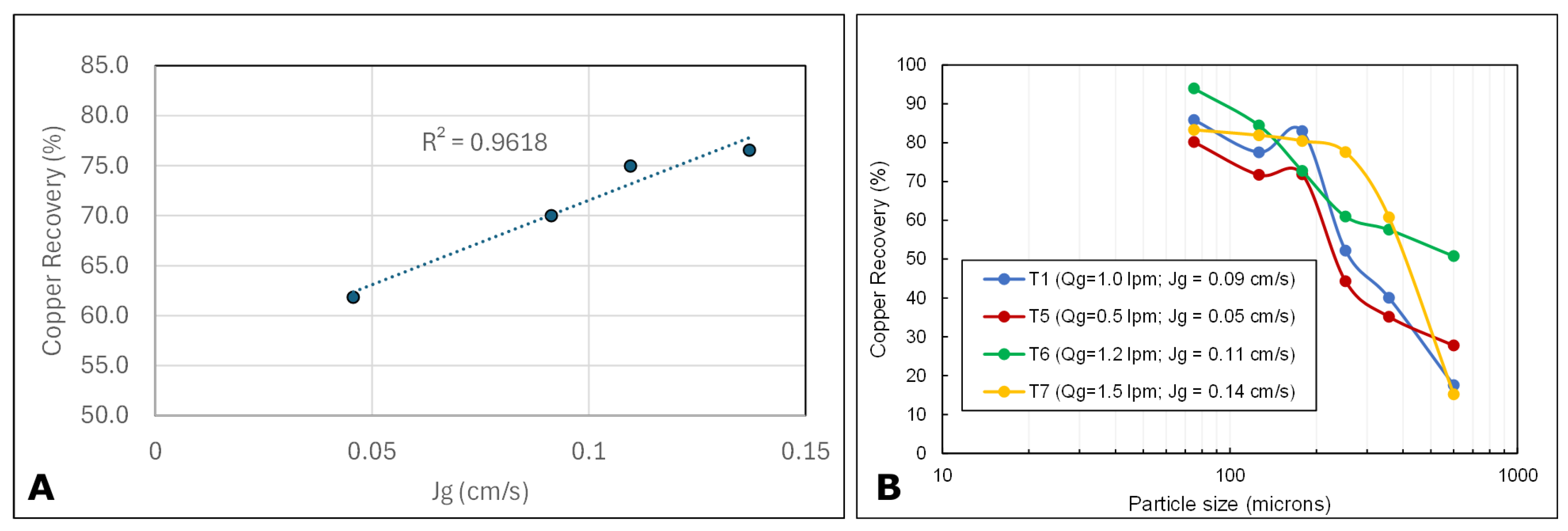
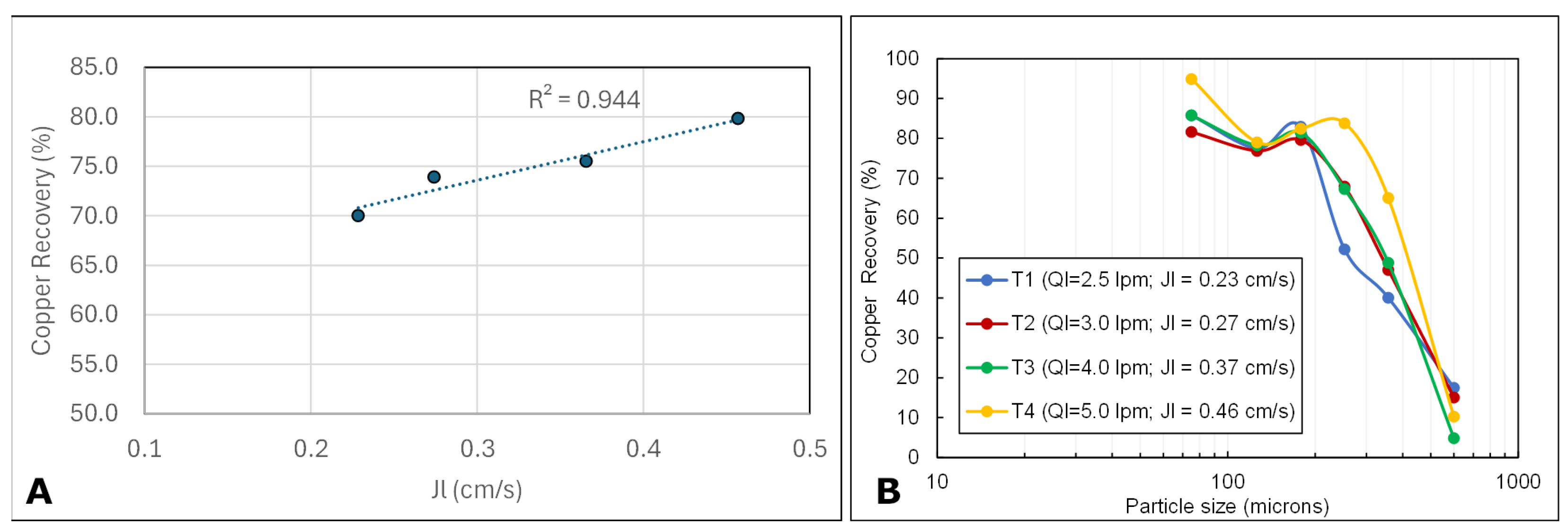
Although the HydroFloat
® technology is specifically designed for the recovery of coarse particles, the results shown in
Figure 6B and
Figure 7B indicate a clear decline in copper recovery for particle sizes above approximately 0.1 mm. This behavior suggests that, despite the enhanced coarse particle flotation capabilities of the system, there are still intrinsic limitations governing the recovery of larger particles. As discussed in
Section 2, coarse particles in the +106
m fraction exhibit relatively low degrees of liberation and reduced exposed surface area of valuable mineral phases, which decreases the probability of effective bubble–particle attachment. In addition, the hydrodynamic conditions within the fluidized bed may impose constraints on the stability and transport of bubble–particle aggregates, particularly as particle mass increases. Therefore, while the HydroFloat
® cell extends the recoverable size range compared to conventional flotation technologies, the observed recovery drop for coarser particles highlights the competing effects of particle size, liberation, and hydrodynamic transport mechanisms, indicating that optimal performance in CPF systems requires a balance between coarse particle recovery capability and the fundamental limitations associated with particle–bubble attachment and aggregate stability.
An additional aspect that deserves consideration when interpreting the metallurgical performance is the balance between inertial and surface forces acting on the bubbles and bubble–particle aggregates within the fluidized bed. Bubble sphericity is typically maintained when surface tension forces dominate over inertial effects; however, under conditions of increased shear stress—such as those induced by elevated water and air injection rates—bubble deformation may occur. The slight deformation observed in the bubbles shown in
Figure 9 suggests that local hydrodynamic shear is present within the fluidized bed. This has important implications for particle–bubble attachment stability, as increased shear forces can promote the detachment of particles from the bubble surface. This effect is expected to be particularly significant for particles with low contact angles, where attachment forces are inherently weaker. Therefore, while higher water and air flow rates may enhance particle suspension and collision frequency, they may simultaneously compromise aggregate stability by increasing detachment rates. This highlights the existence of a trade-off between improving hydrodynamic conditions for particle–bubble contact and preserving the integrity of the formed aggregates, which ultimately governs the recovery of coarse particles in HydroFloat
® systems.
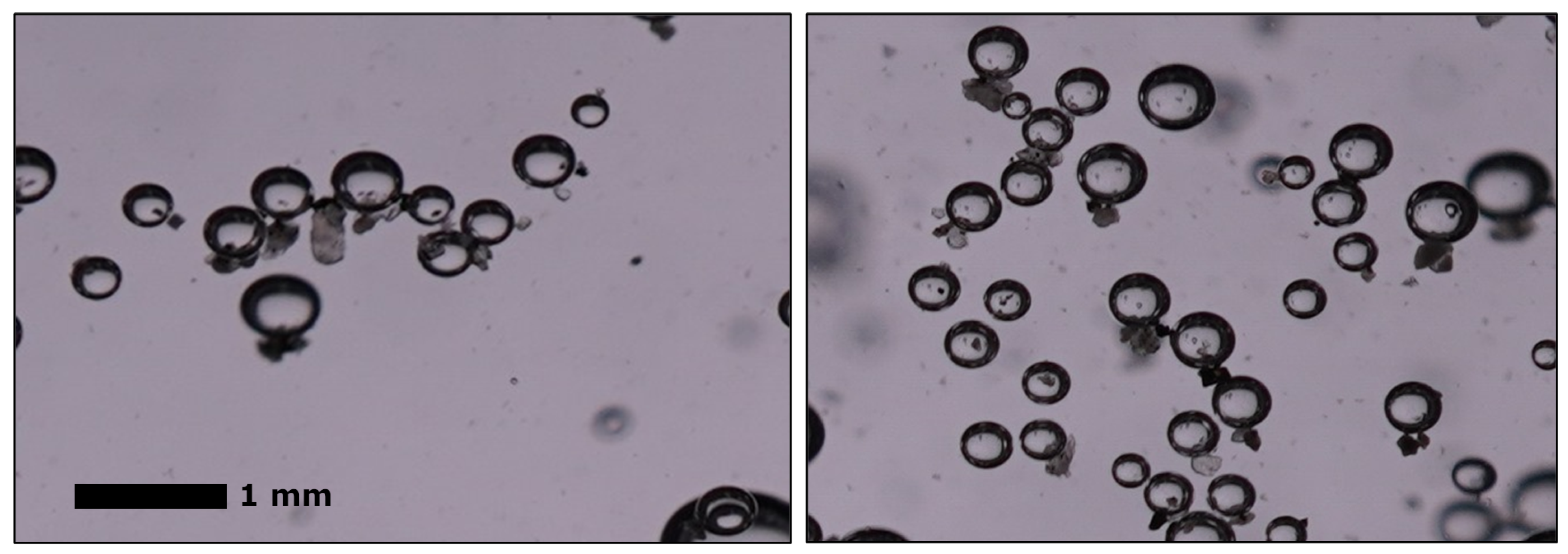
An important and somewhat counterintuitive observation in this study is that relatively small bubbles, with diameters of approximately 0.5 mm, are capable of recovering coarse particles. This behavior contrasts with the conventional expectation that coarse particle flotation requires larger bubbles to provide sufficient buoyancy force. A plausible explanation lies in the specific hydrodynamic and interfacial conditions established within the fluidized bed of the HydroFloat
® cell, which differ significantly from those of conventional mechanically agitated systems. In fluidized-bed flotation, the relatively low-turbulence environment reduces detachment rates and allows particle–bubble aggregates to persist during transport [
12]. In addition, visual observations presented in
Figure 9 suggest the formation of chain-like bubble–particle aggregates, in which multiple small bubbles interact with a single coarse particle or previously formed aggregates. This mechanism effectively increases the total buoyant force acting on the particle, compensating for the smaller size of individual bubbles and enabling the transport of coarse particles.
From a fundamental standpoint, the ability of small bubbles to float coarse particles can be interpreted as the result of a balance between attachment probability and detachment stability. While larger bubbles provide higher individual buoyancy, smaller bubbles offer higher specific surface area and increased collision frequency, which enhances attachment efficiency. However, for coarse particles, aggregate stability becomes the dominant limiting factor, as detachment probability increases significantly with particle size, particularly under turbulent conditions [
13]. In this context, the formation of multi-bubble aggregates and the relatively quiescent hydrodynamic conditions of the fluidized bed enable these aggregates to remain stable during transport. Therefore, the present results suggest that coarse particle recovery in this system is governed not solely by bubble size but by the combined effects of aggregate structure and hydrodynamic conditions, which together allow small bubbles to effectively transport coarse particles.
The residence time distribution (RTD) results highlight that residence time within the laboratory scale HydroFloat® cell is ca. 7 min for the tailings stream. This finding is useful information for projects design when estimating HydroFloat® units. The residence time distribution (RTD) curves indicate that the HydroFloat® cell does not conform to either ideal plug flow or perfectly mixed reactor behavior. The presence of delayed peaks together with extended tails towards longer residence times suggests the coexistence of multiple transport pathways within the fluidized bed, in other words, the presence of internal recirculation and/or stagnant zones within the bed.
Finally, results obtained suggest that reagent dosage and fines content underscores the importance of integrating hydrodynamic and surface chemistry considerations in the optimization of coarse particle flotation. Lower collector dosages were favorable due to residual reagents present in process water, while insufficient frother addition negatively impacted recovery. Similar trends regarding reagent–hydrodynamic interactions and their effect on attachment probability have been reported in surface chemistry studies [
9].