Article

Study on the Migration and Release of Sulfur during the Oxidizing Roasting of High-Sulfur Iron Ore

1
School of Environmental and Chemical Engineering, Shenyang Ligong University, Shenyang 110159, China
2
School of Resources & Civil Engineering, Northeastern University, Shenyang 110819, China
*
Author to whom correspondence should be addressed.
Minerals 2024, 14(3), 276; https://doi.org/10.3390/min14030276
Submission received: 20 January 2024 / Revised: 15 February 2024 / Accepted: 26 February 2024 / Published: 5 March 2024
(This article belongs to the Section Mineral Processing and Extractive Metallurgy)

Abstract

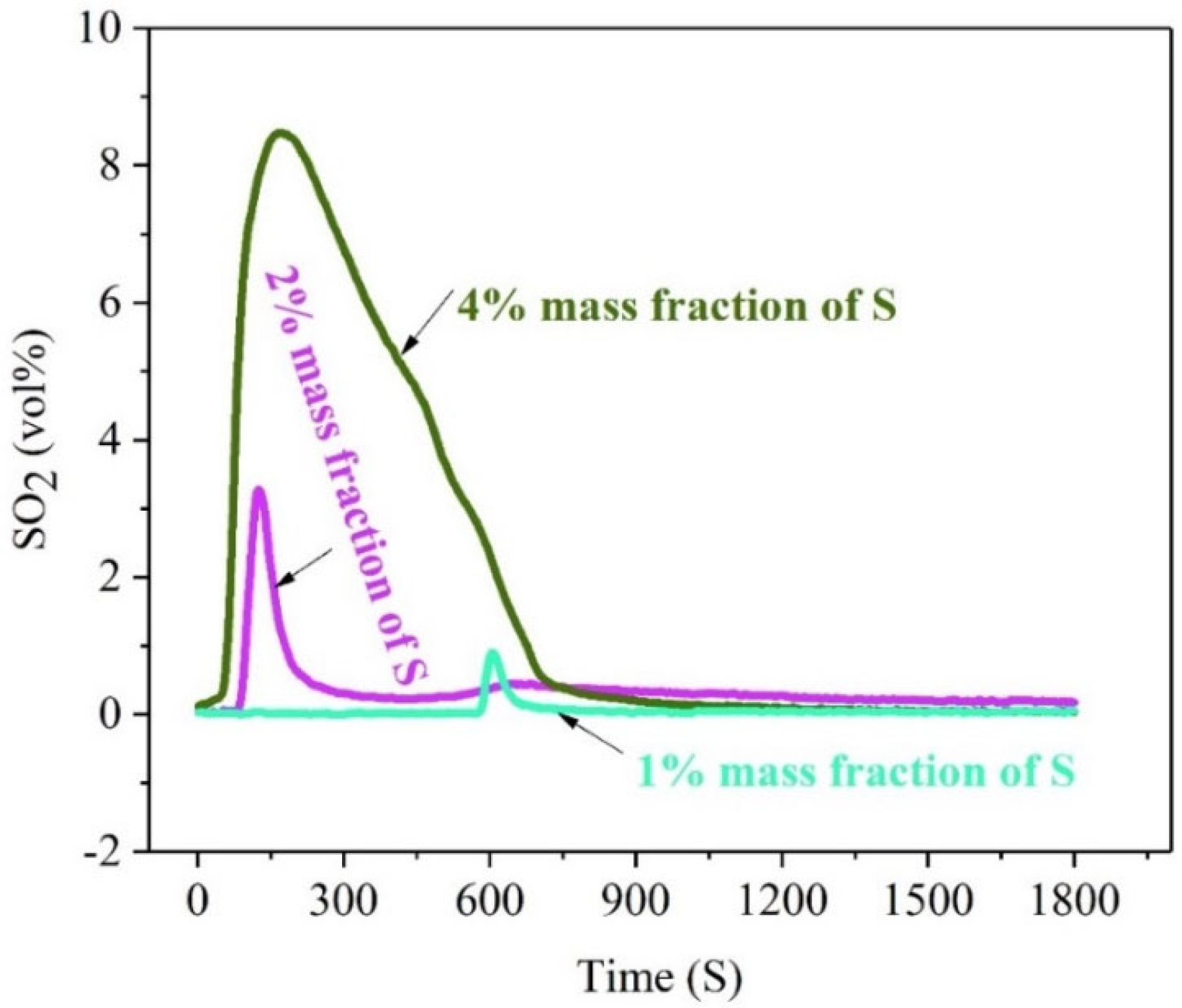
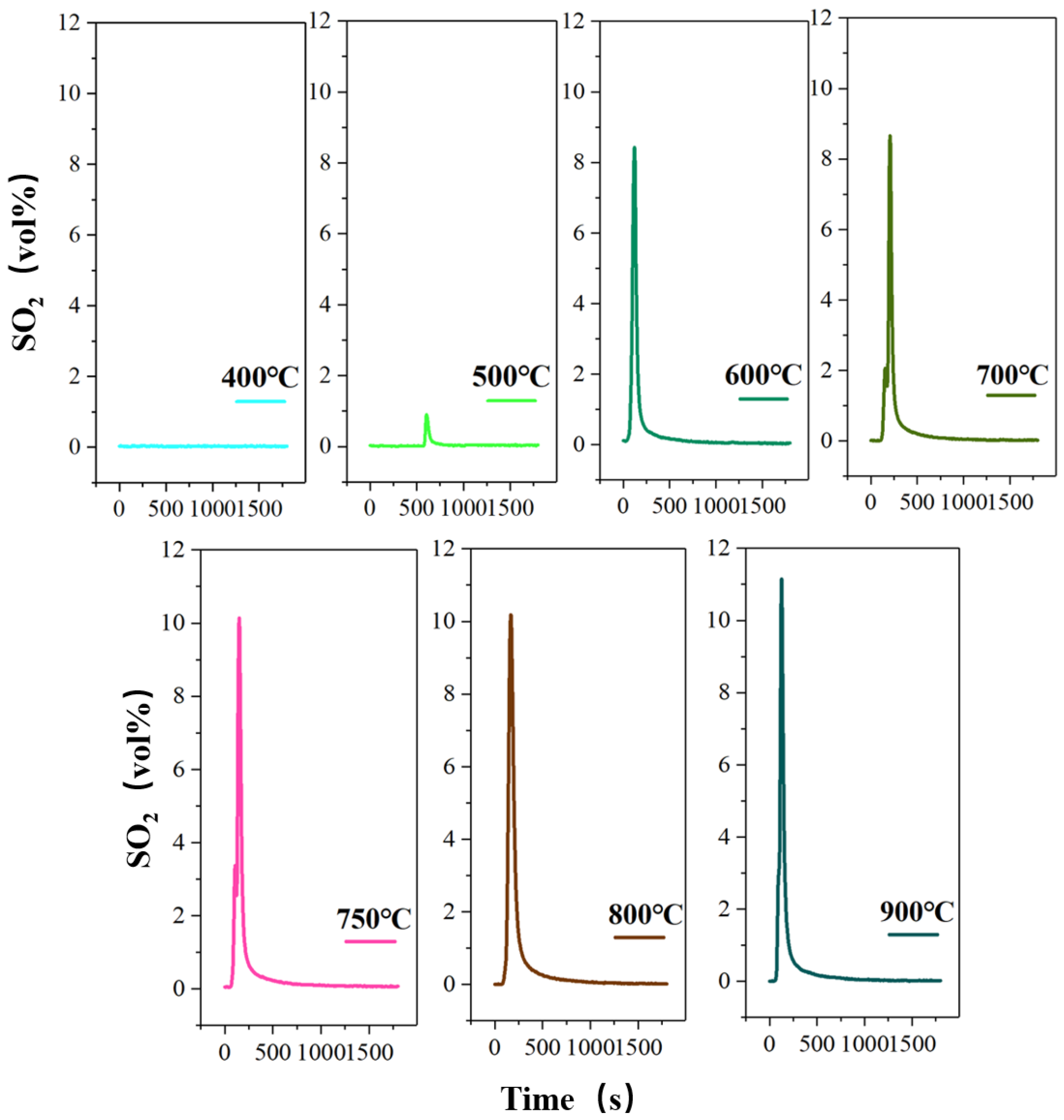
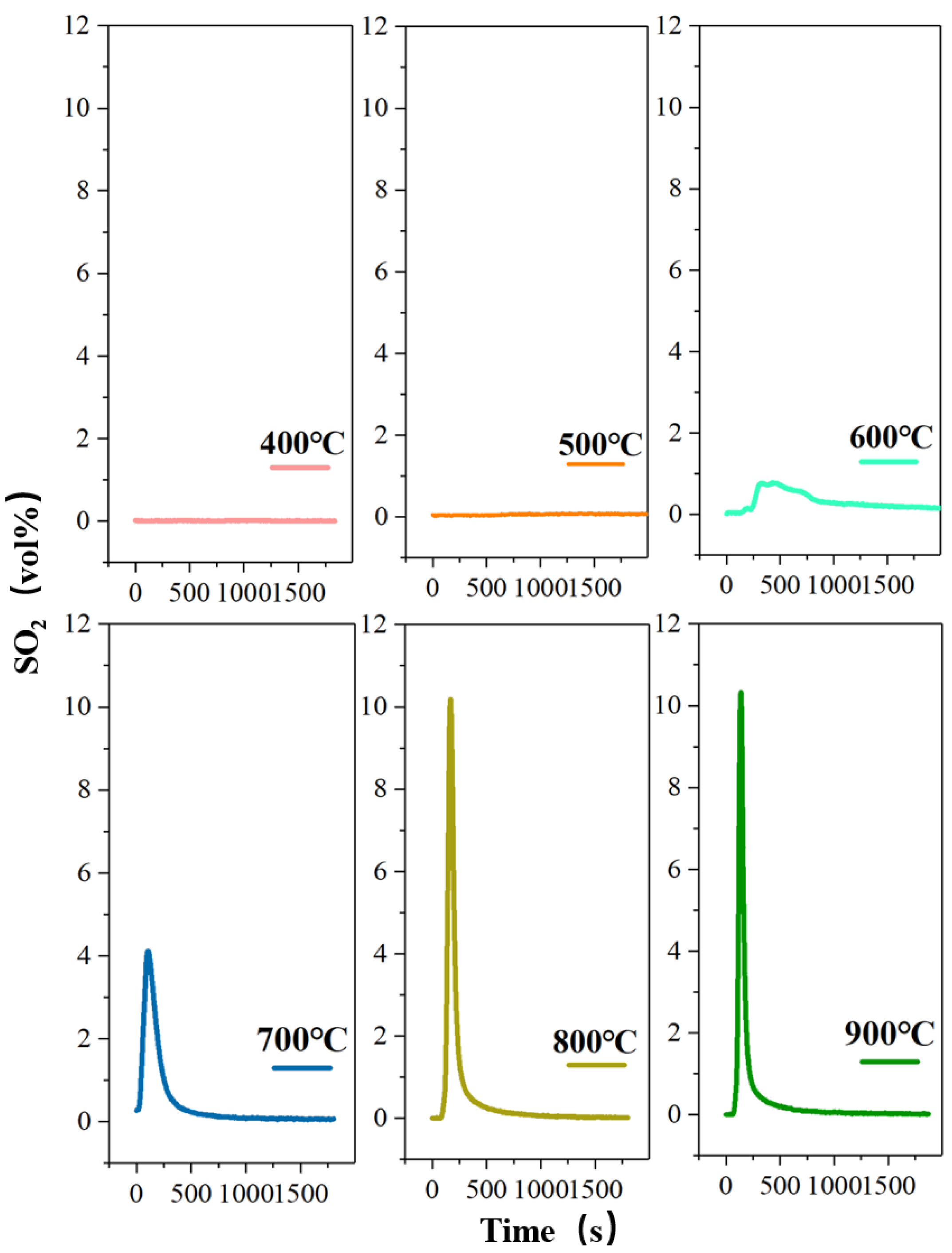
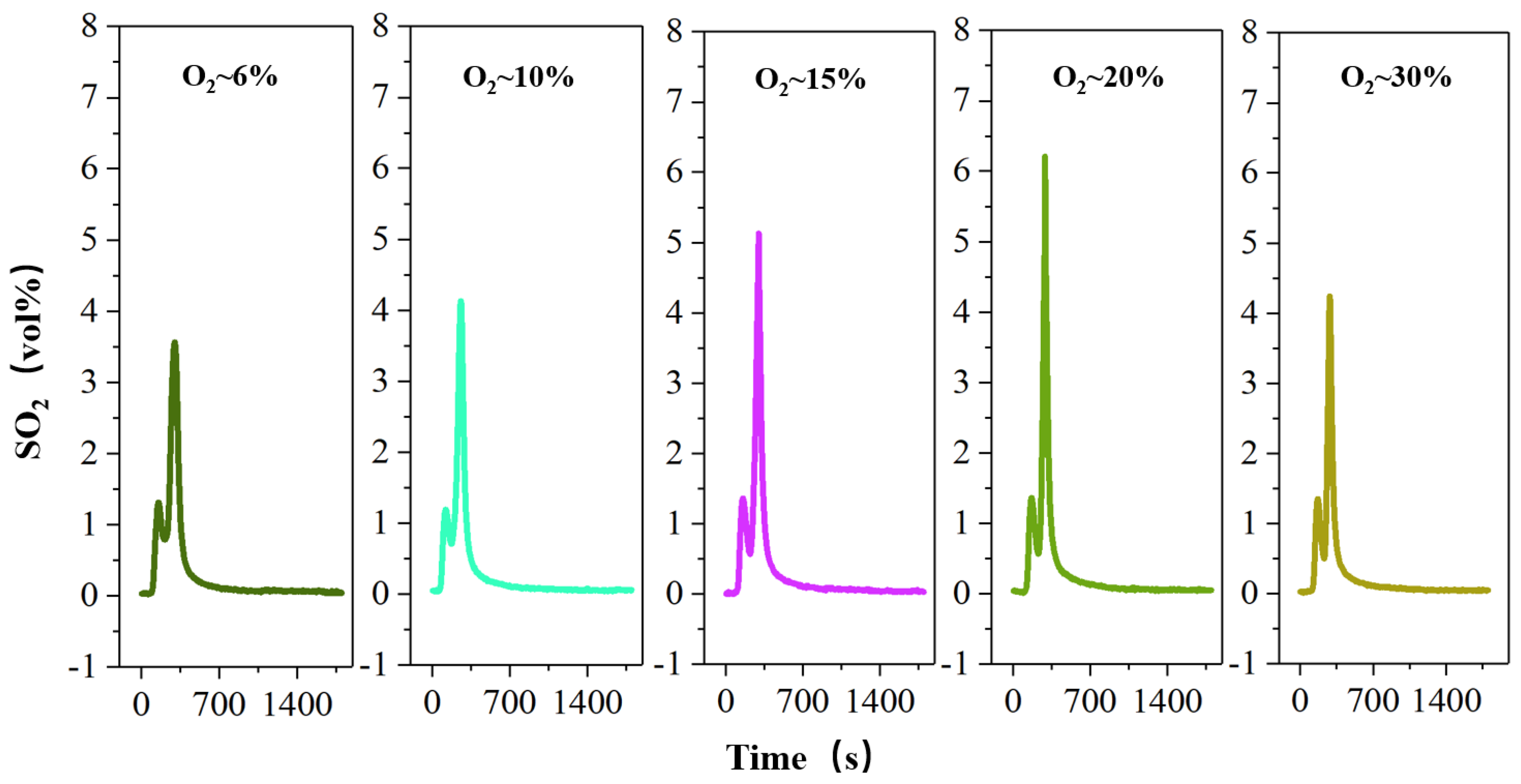
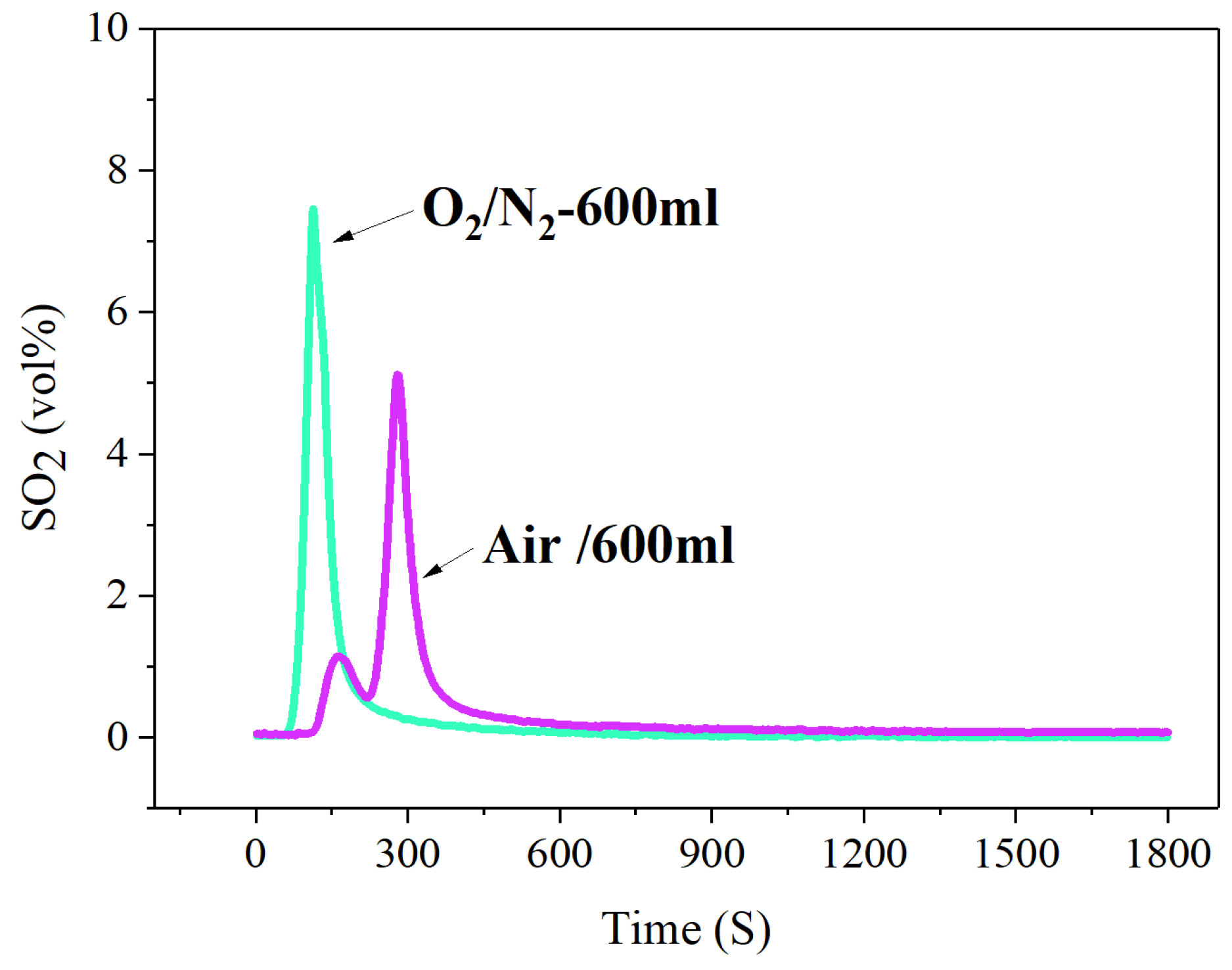
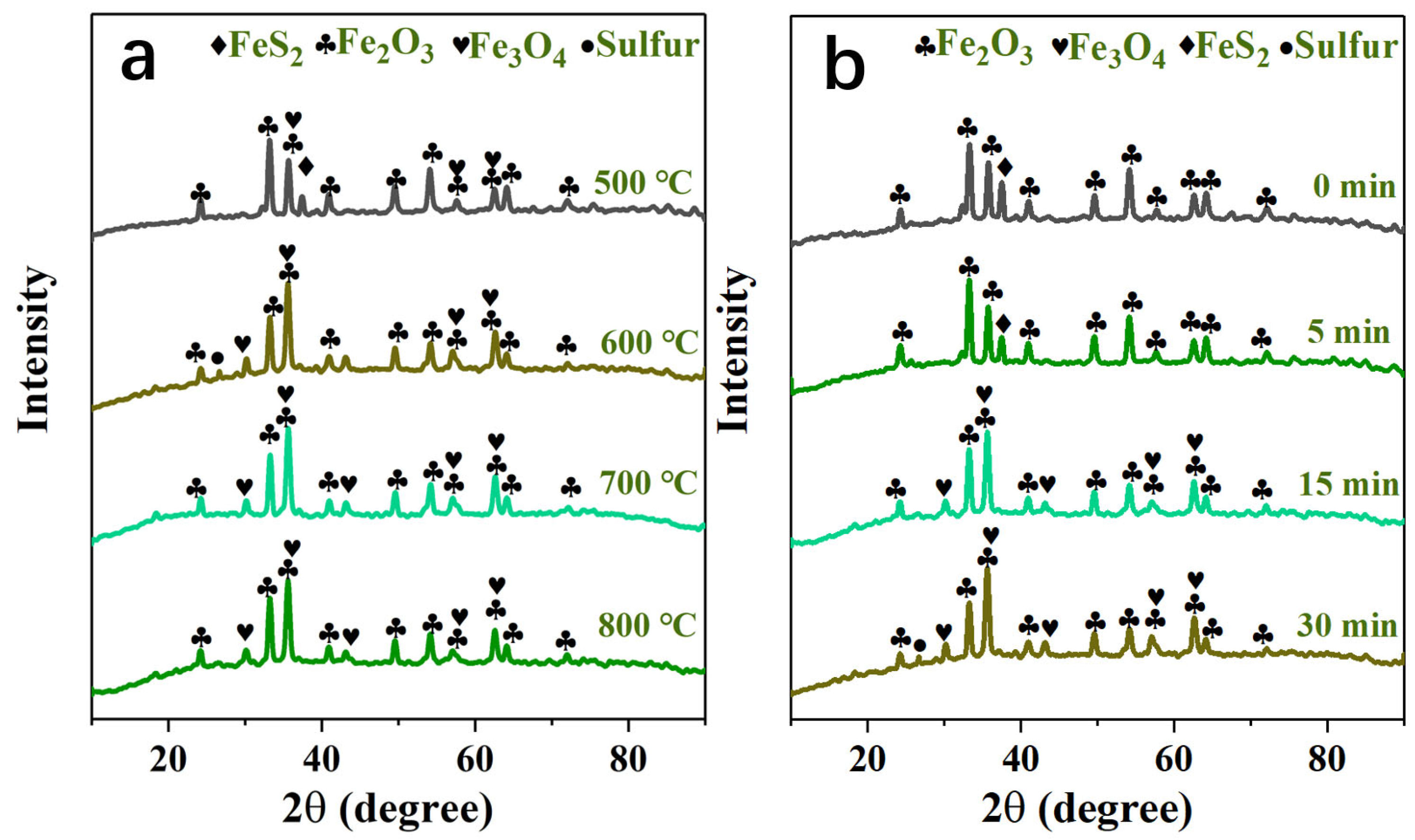
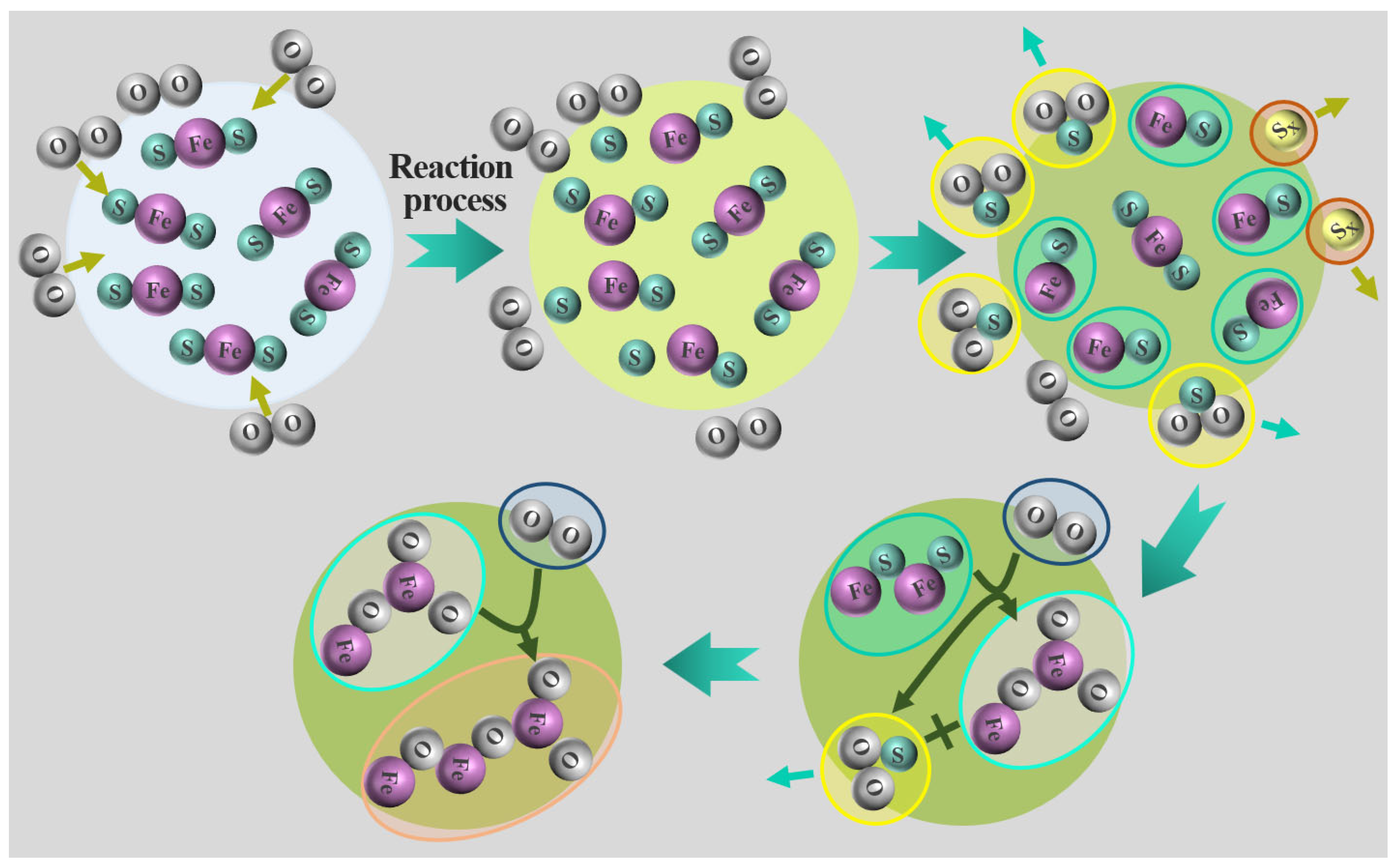
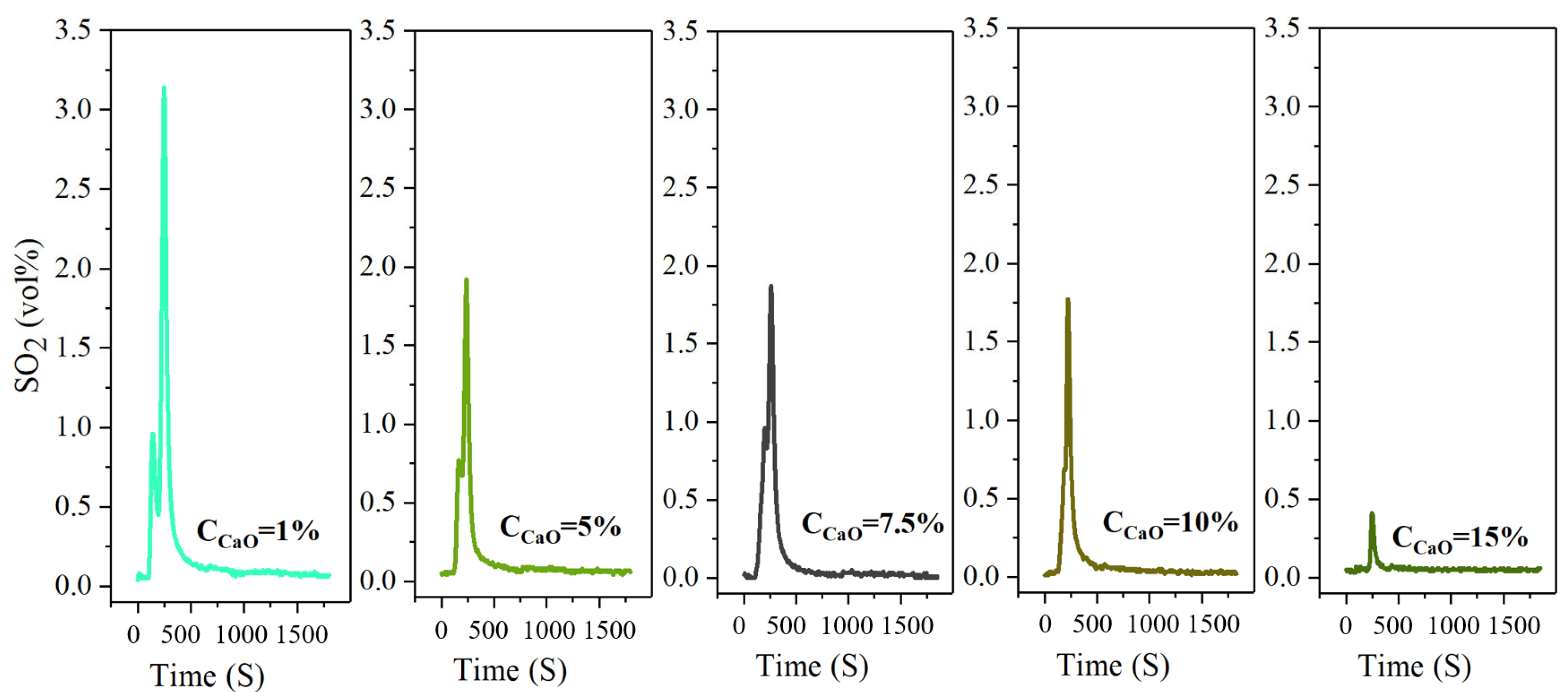
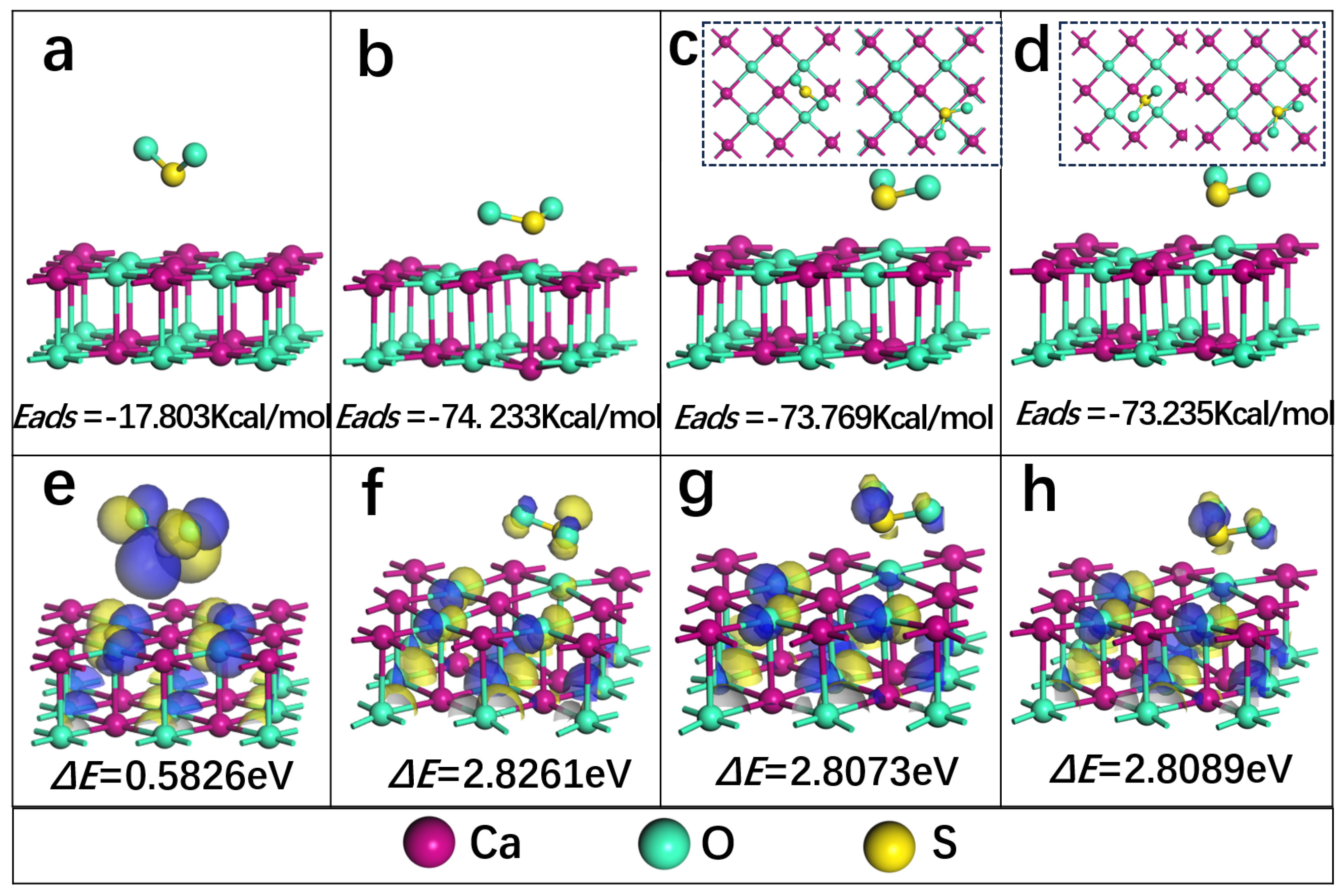
In China, most of the high-sulfur iron ores have not been fully developed and utilized due to the lack of breakthrough progress in the research on the sulfur migration and the desulfurization mechanism during the roasting process. This study will focus on revealing the release and fixation mechanisms of sulfur during the roasting process to achieve the transformation of desulfurization from terminal treatment to process control. Experimental results show that as the roasting temperature increases, the release rate of SO2 also increases, reaching the maximum release rate at 900 °C. Simultaneously, it is found that at the same roasting temperature, the release rate and amount of SO2 under the O2/N2 atmosphere is significantly greater than that under the pure N2 and air atmospheres. Meanwhile, X-ray diffraction (XRD) is utilized to explore the phase composition of the roasted product and the sulfur release mechanism. In addition, the adsorption energy, stability and electron transfer of SO2 on the CaO surface are calculated through density functional theory (DFT), and the optimal adsorption active site perpendicular to the O atom (O-top) is also determined. Finally, the sulfur fixing agent CaO is used to study the SO2 fixation mechanism. When the concentration reaches 10%, the sulfur fixation efficiency reaches more than 80%. Therefore, this work will present basic knowledge and systematic guidance for the sulfur migration and release of high-sulfur iron ore under the oxidizing roasting process.
Keywords: sulfur migration and release; SO2 release; high-sulfur iron ore; sulfur fixation reaction; oxidizing roasting sulfur migration and release; SO2 release; high-sulfur iron ore; sulfur fixation reaction; oxidizing roasting
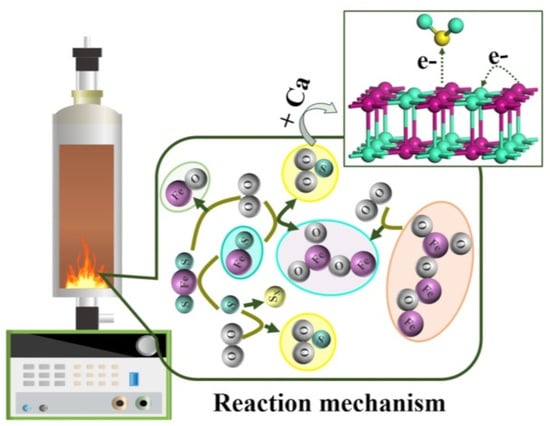
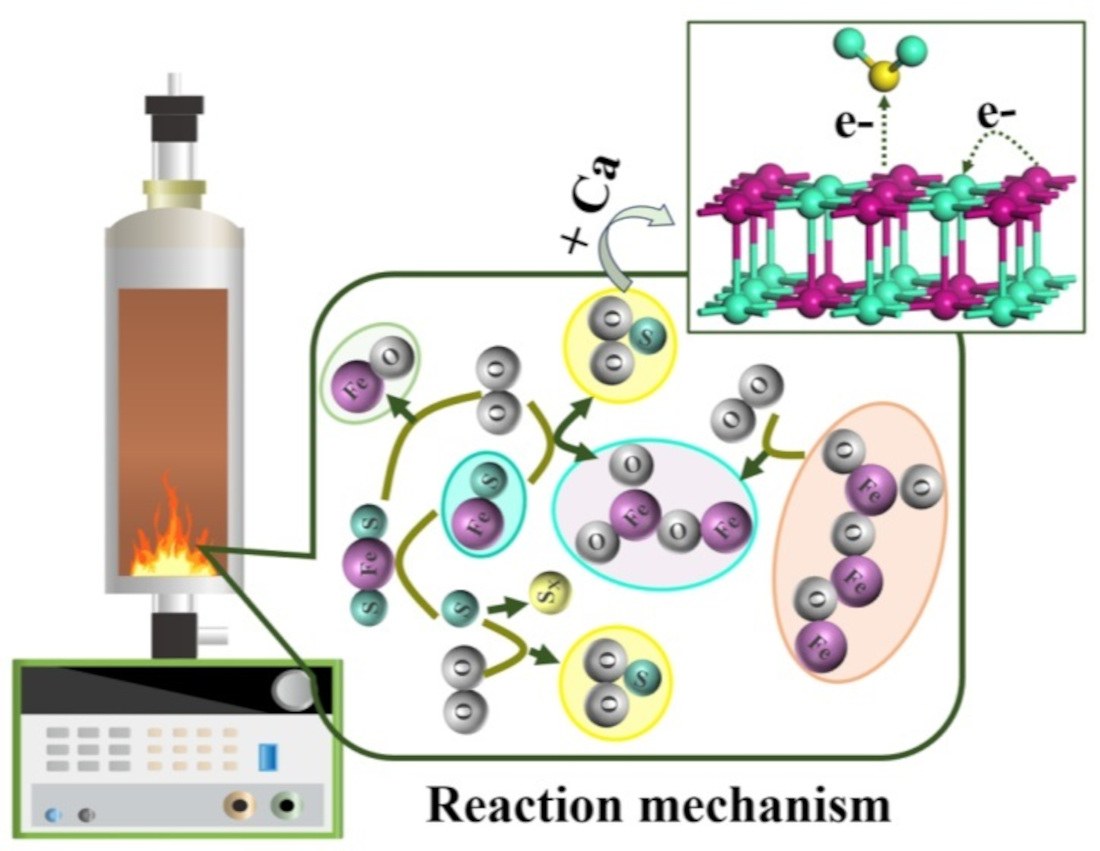
Graphical Abstract