Article

Genesis of the Supergiant Shuangjianzishan Ag–Pb–Zn Deposit in the Southern Great Xing’an Range, NE China: Constraints from Geochronology, Isotope Geochemistry, and Fluid Inclusion

1
MNR Key Laboratory of Metallogeny and Mineral Assessment, Institute of Mineral Resources, Chinese Academy of Geological Sciences, Beijing 100037, China
2
School of Earth and Space Sciences, Peking University, Beijing 100871, China
3
College of Earth Sciences, Hebei GEO University, Shijiazhuang 050031, China
4
Inner Mongolia Institute of Geological Survey, Hohhot 010020, China
5
The Provincial Key Laboratory of Mineral Resources, College of Zijin Mining, Fuzhou University, Fuzhou 350108, China
*
Author to whom correspondence should be addressed.
Minerals 2024, 14(1), 60; https://doi.org/10.3390/min14010060
Submission received: 21 October 2023 / Revised: 28 December 2023 / Accepted: 28 December 2023 / Published: 3 January 2024
(This article belongs to the Special Issue Genesis and Evolution of Pb-Zn-Ag Polymetallic Deposits)

Abstract

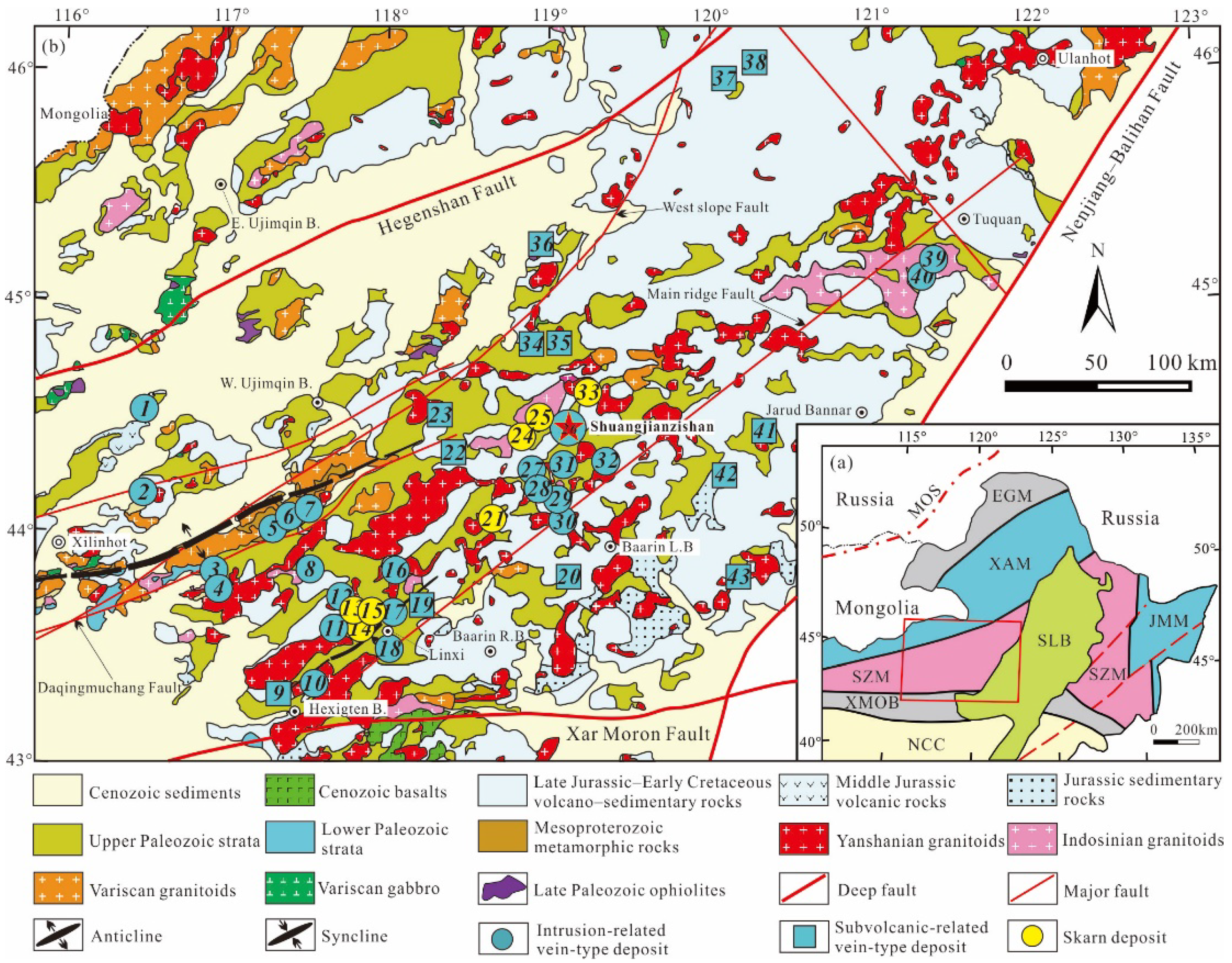
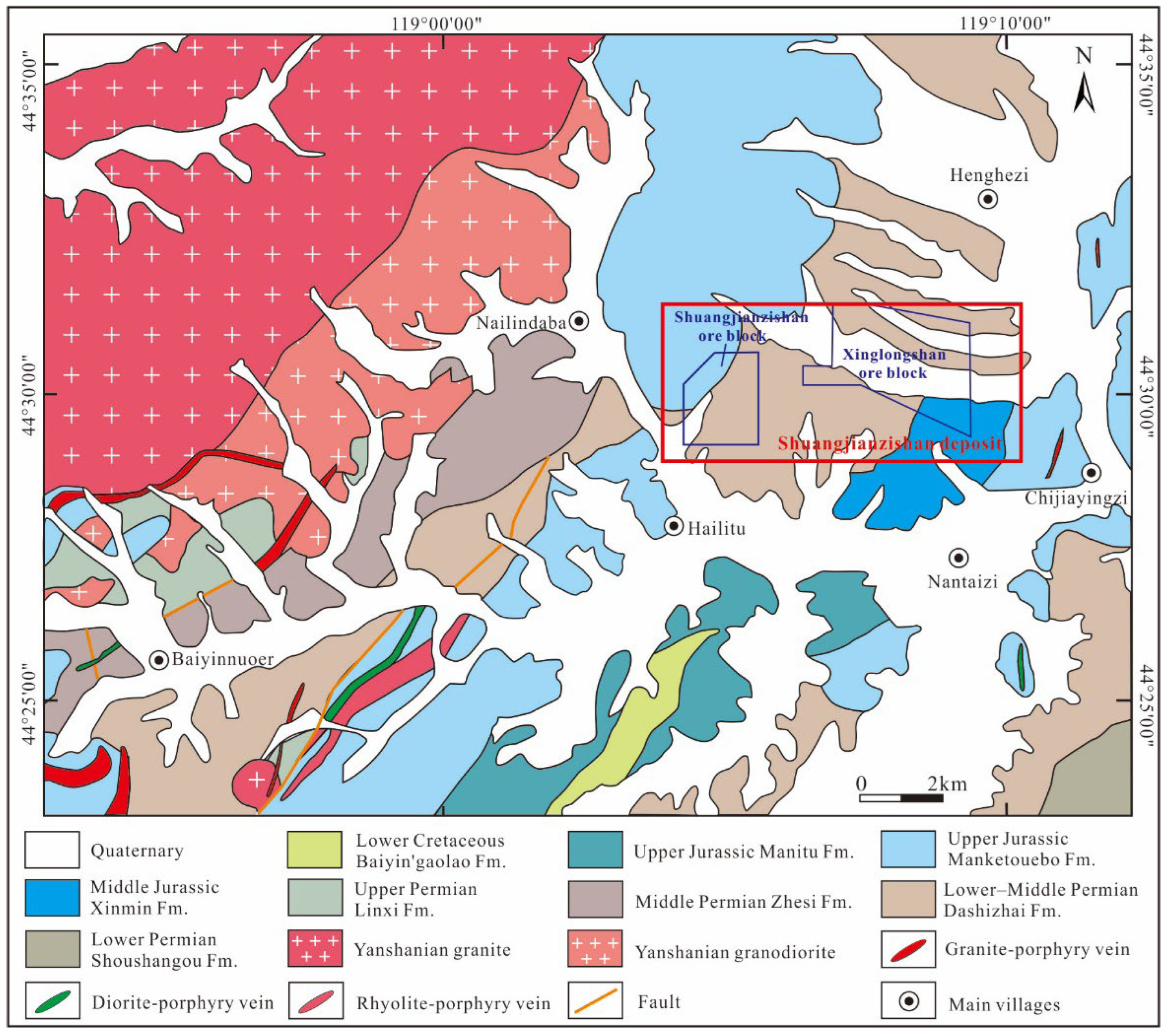
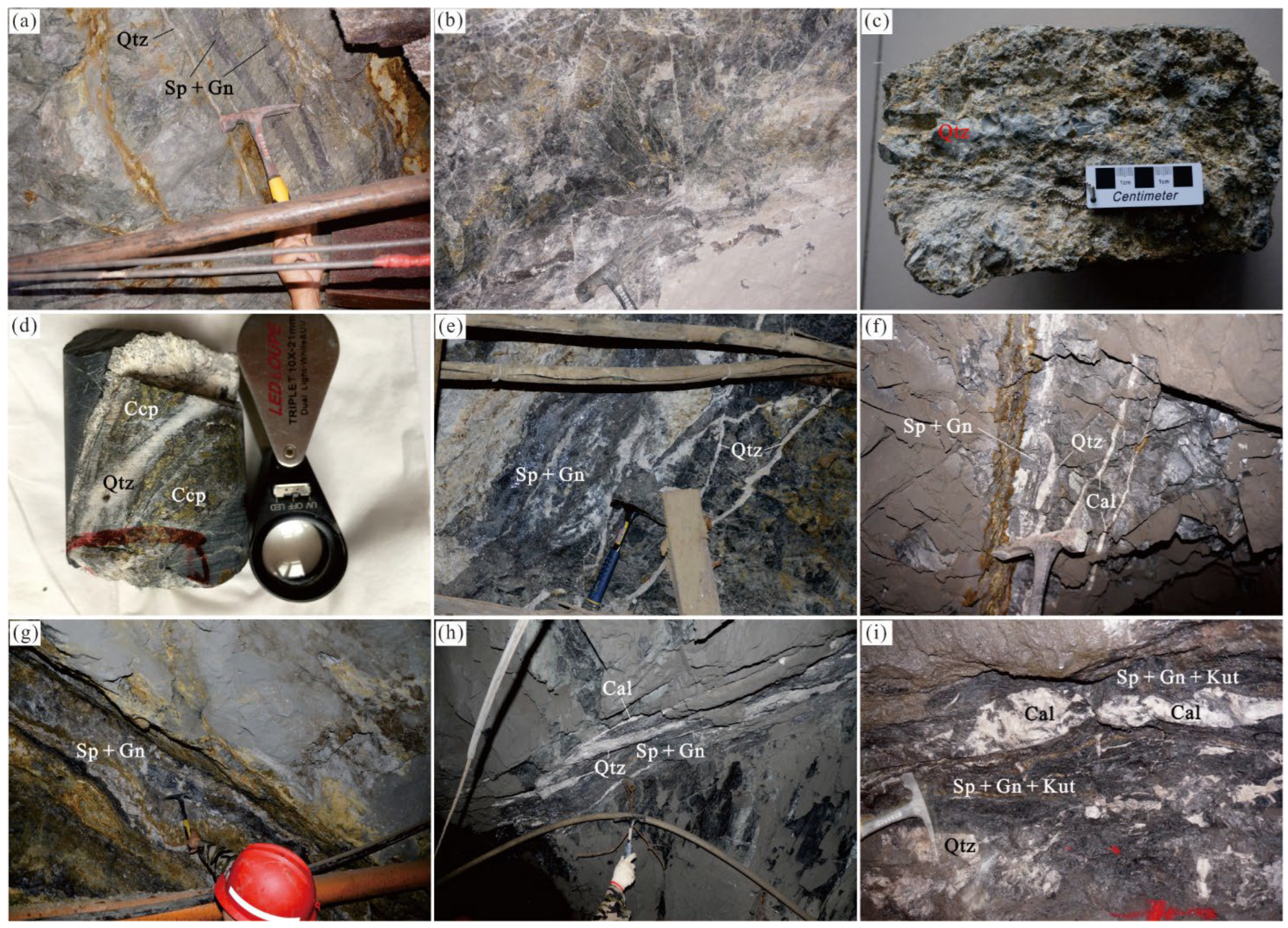
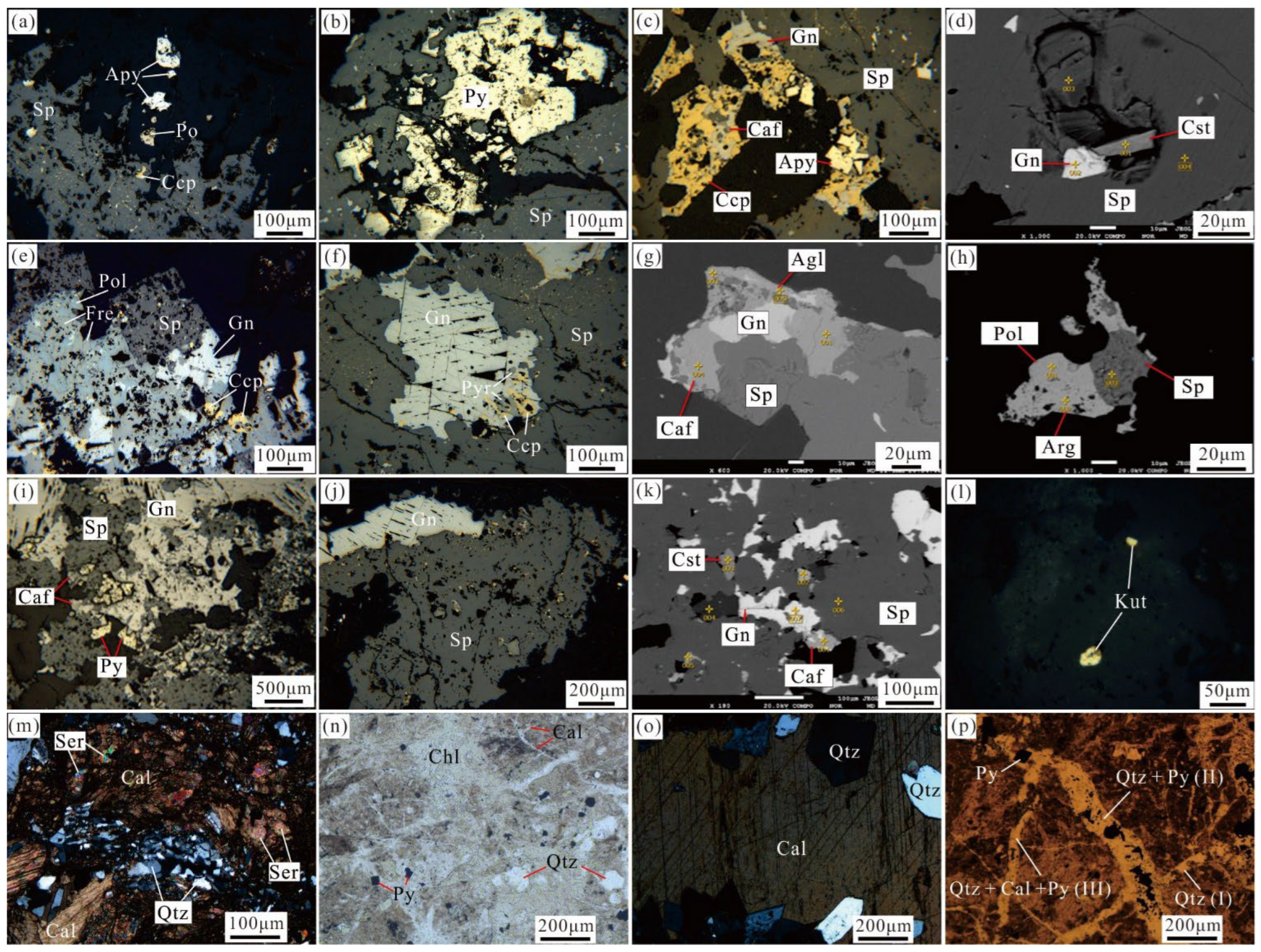
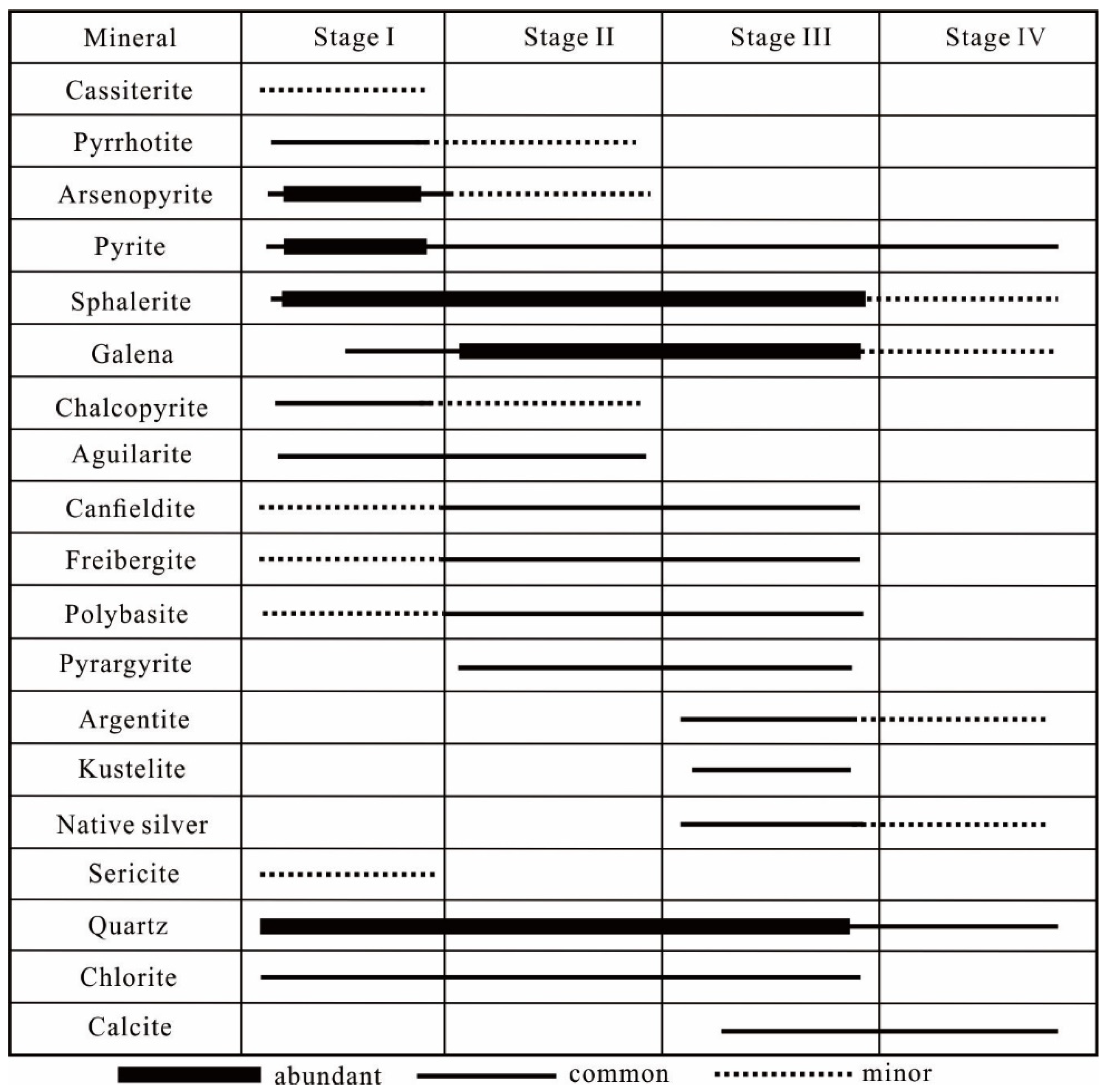
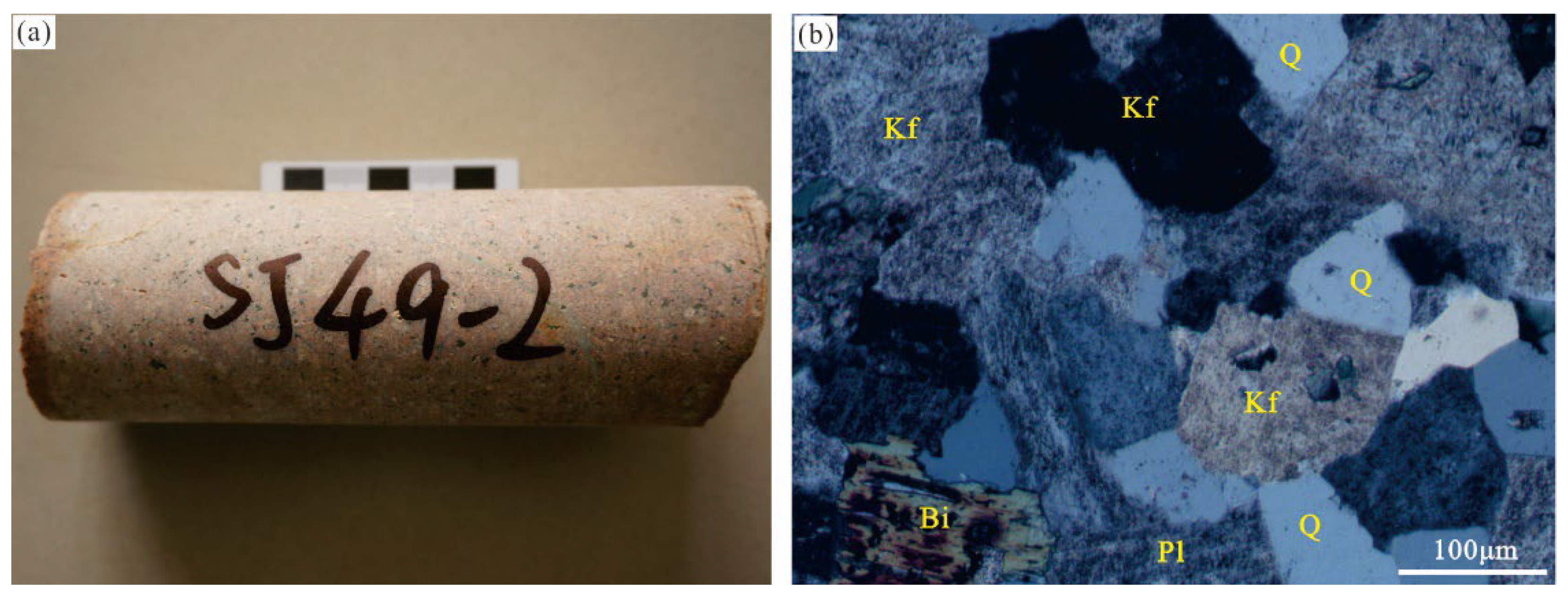
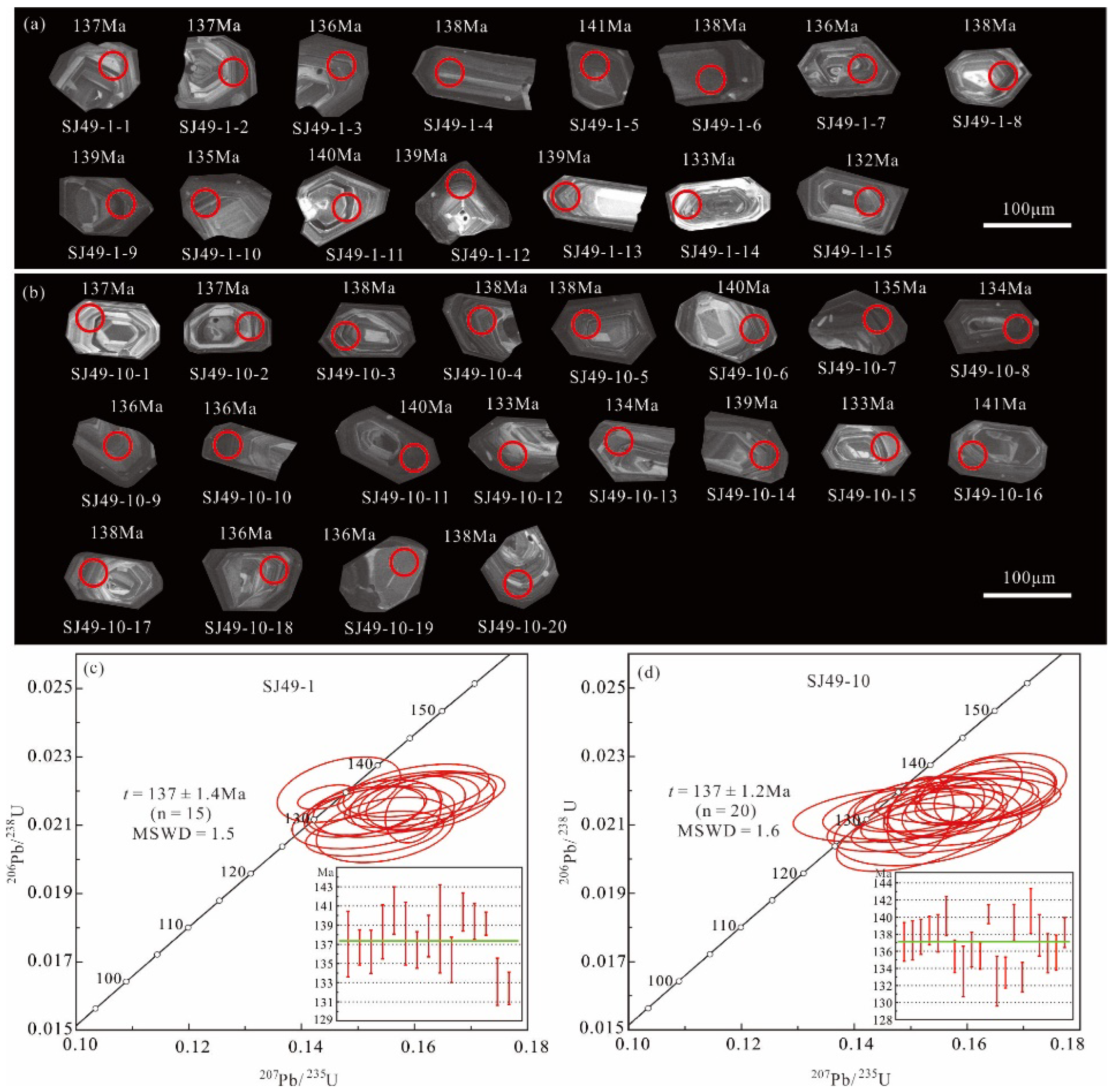
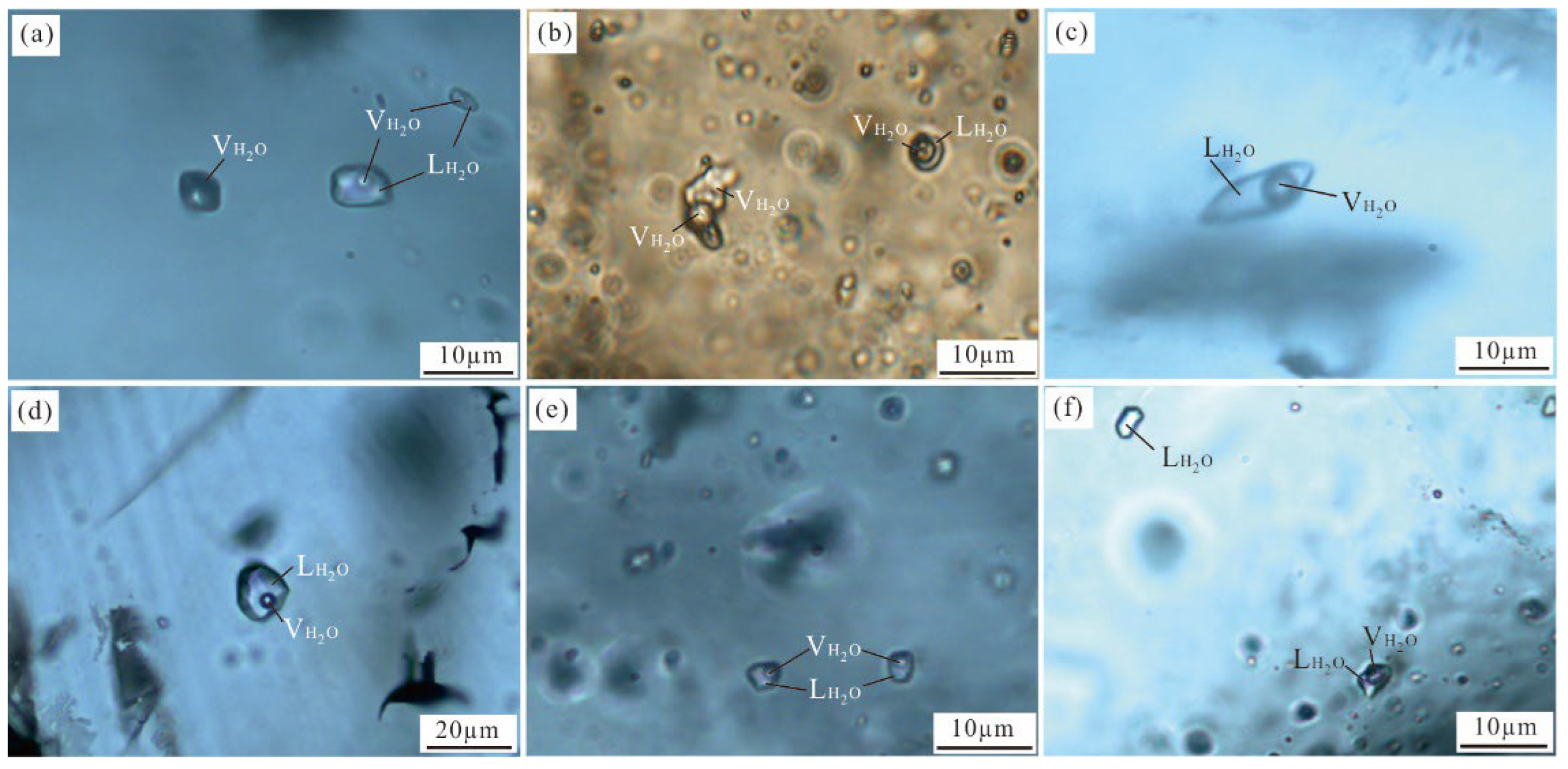
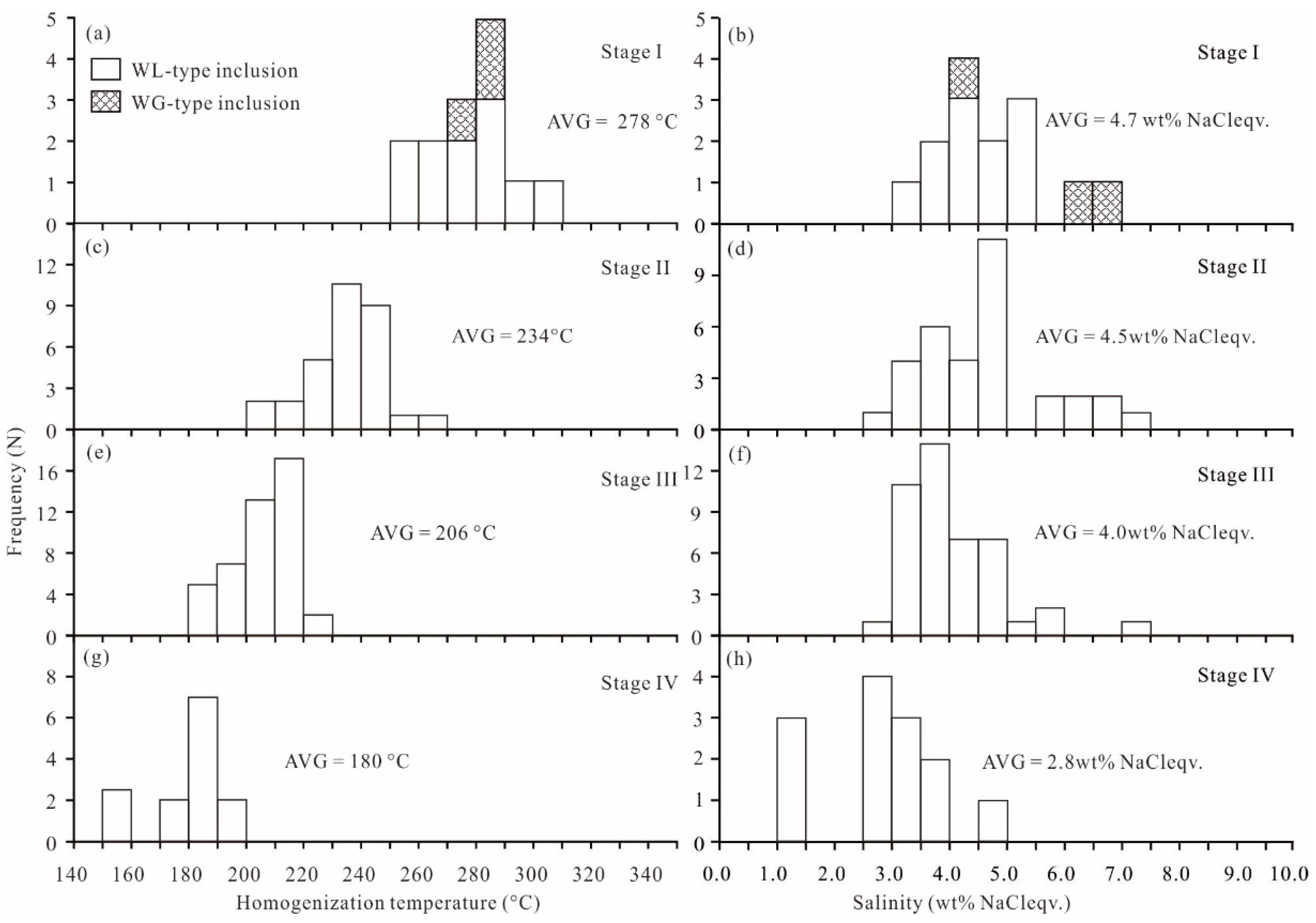
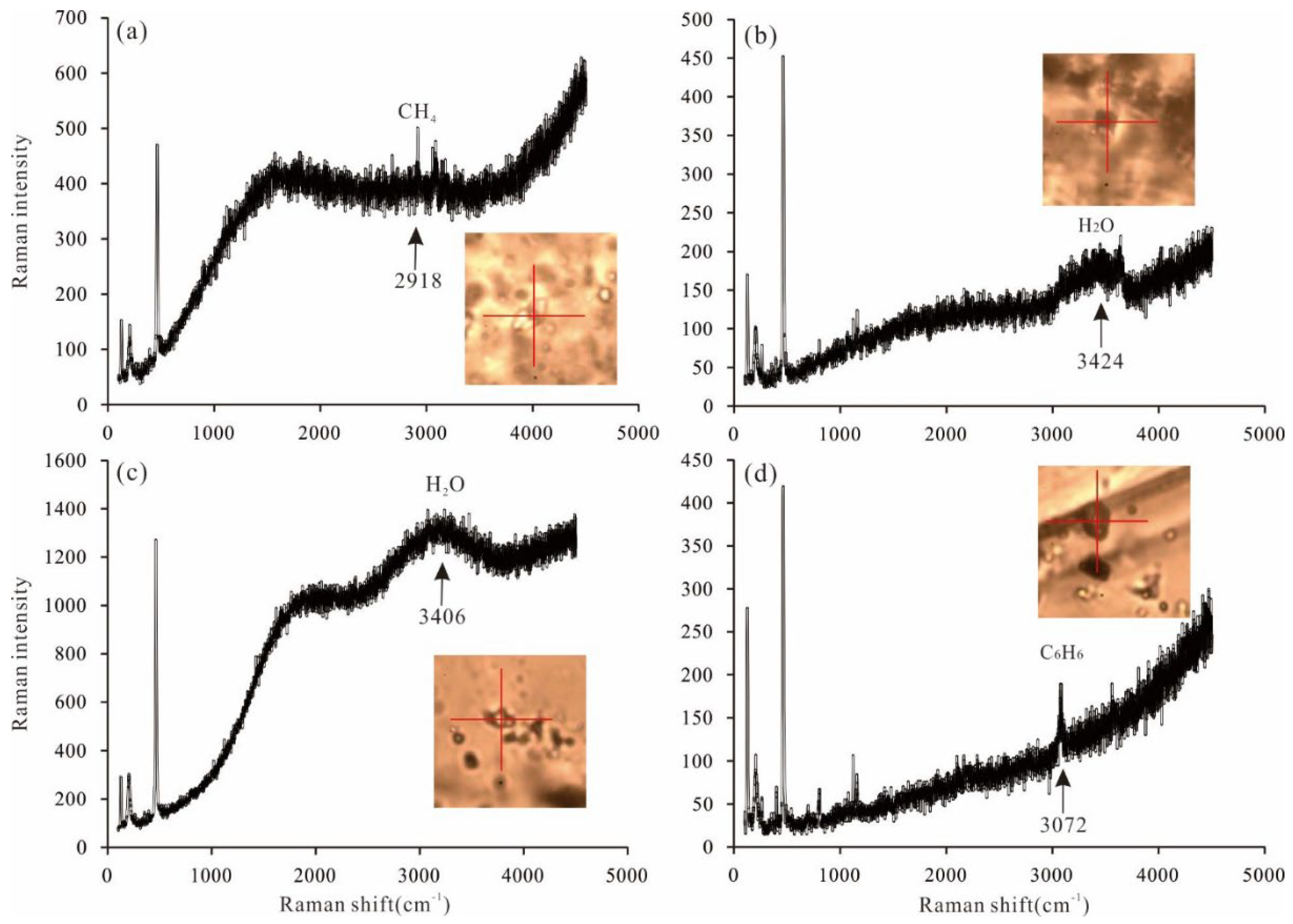
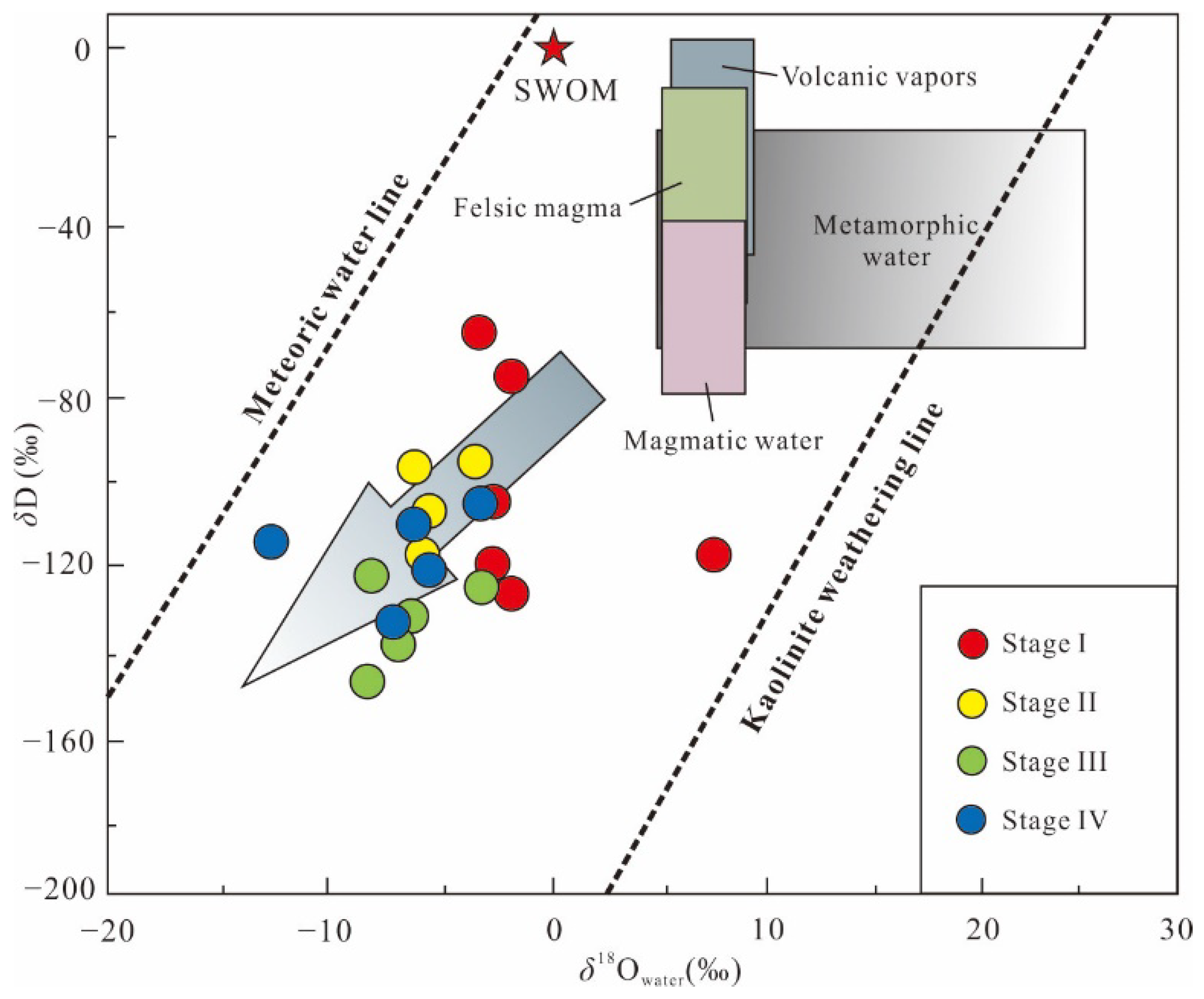
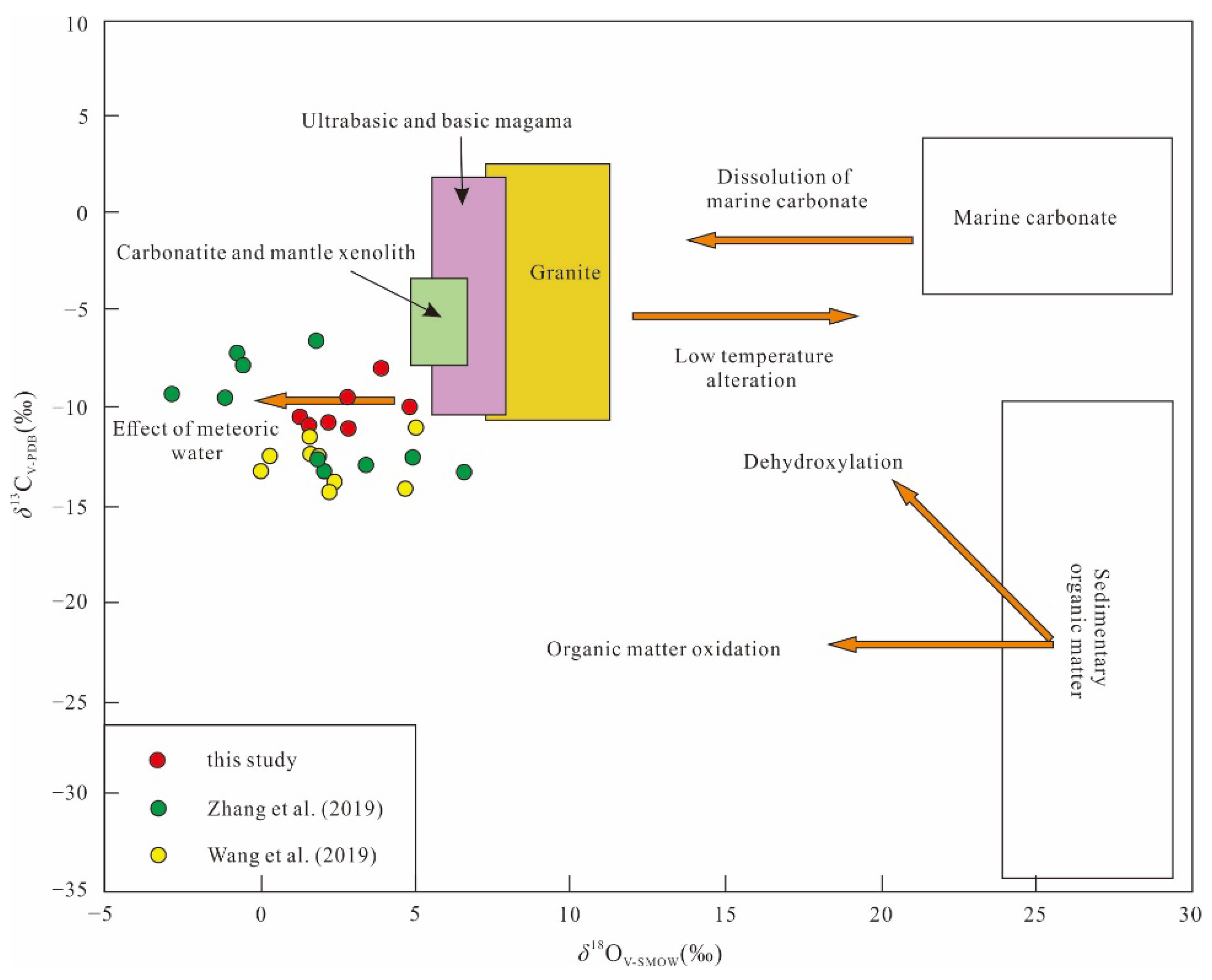
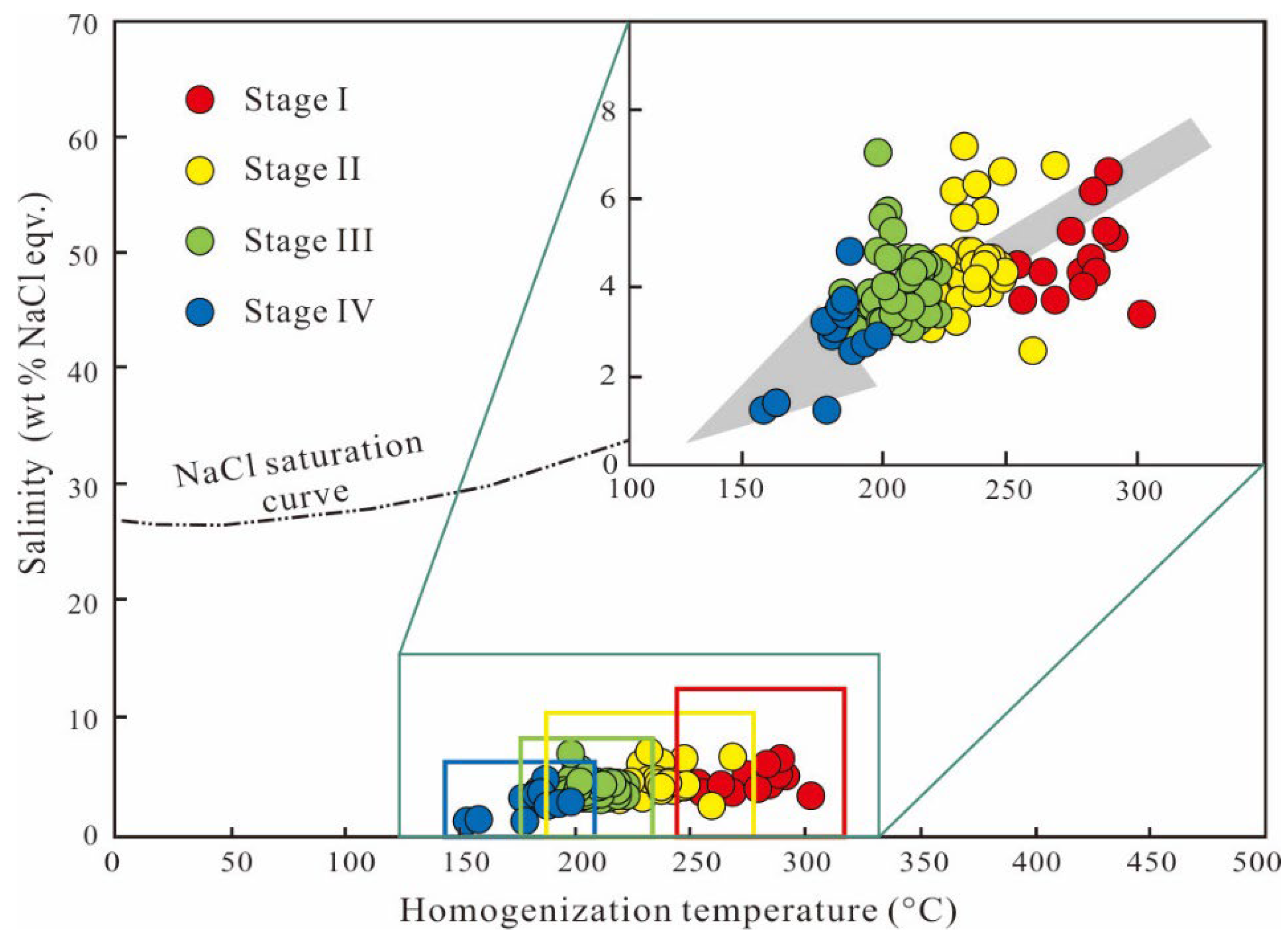
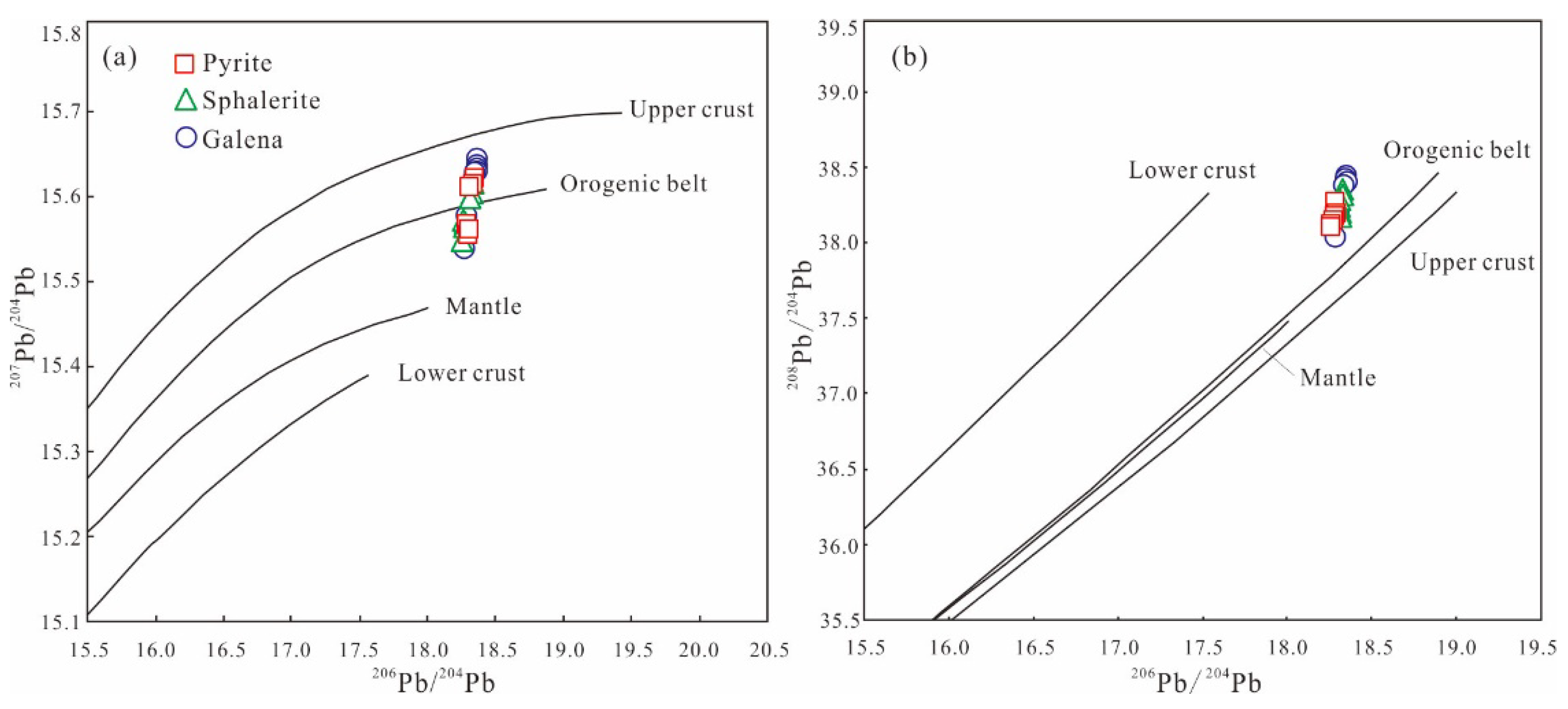
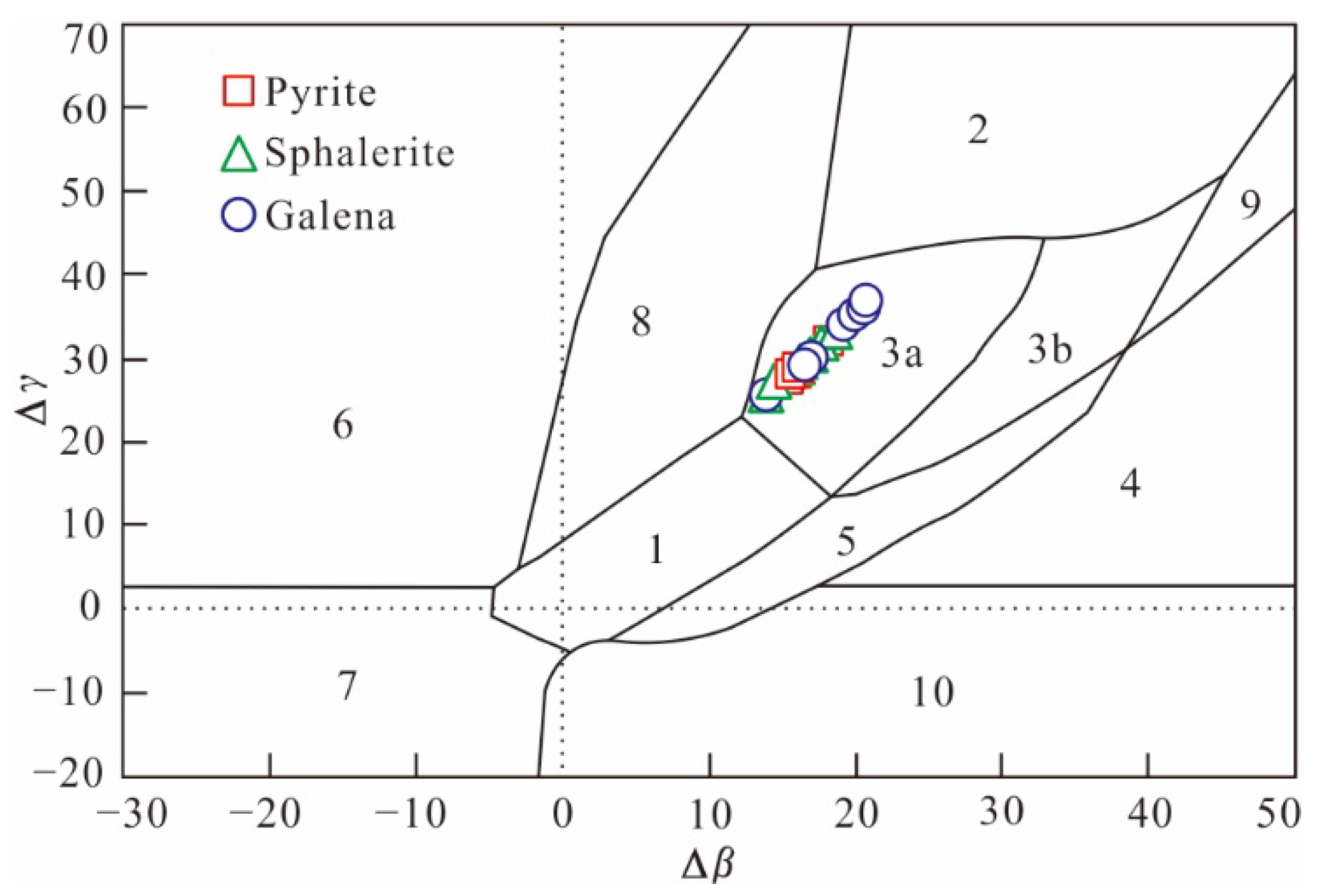
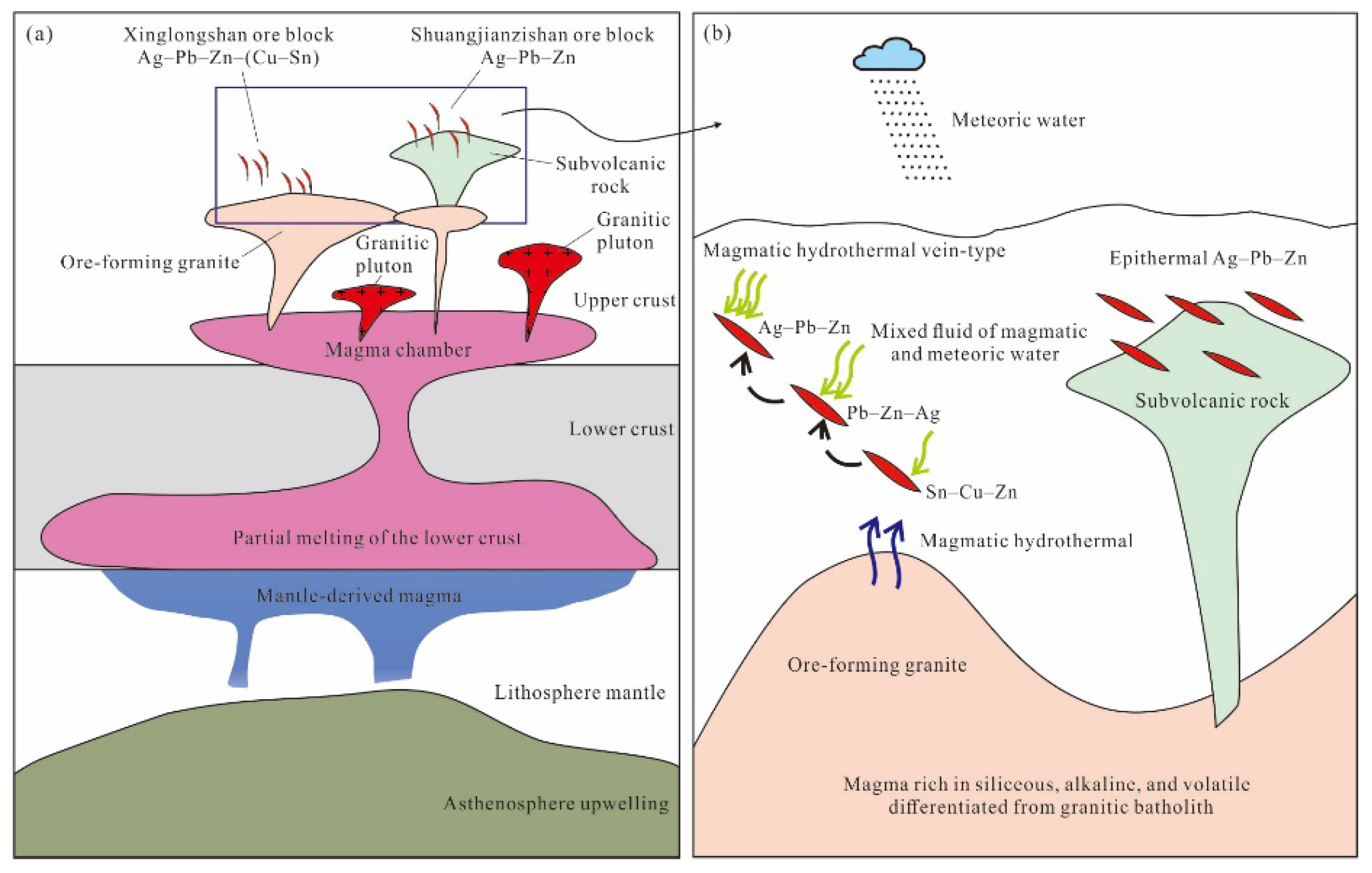
The supergiant Shuangjianzishan (SJS) Ag–Pb–Zn deposit, located in the southern Great Xing’an Range (SGXR), is the largest Ag deposit in China. The SJS deposit can be divided into two ore blocks: the Shuangjianzishan ore block and the Xinglongshan ore block. Given the importance of the Xinglongshan ore block in the SJS deposit, our work is focused on the Xinglongshan ore block. The vein orebodies in the Xionglongshan ore block mainly occur in the NW-, NNW-, and NNE-trending fault zones, and its mineralization is mainly related to a deep concealed syenogranite. Here, we present new geochronology, isotope geochemistry, and fluid inclusion data for the Xinglongshan ore block and provide additional insights into the metallogenic mechanism of the deposit. The dating results show that the syenogranite related to the mineralization formed at approximately 137 Ma, which is coherent with some previous age determinations in sulfides from the ore deposit. The mineralization of the Xinglongshan ore block can be divided into four stages: sphalerite–arsenopyrite–pyrite–chalcopyrite–quartz stage (stage I), sphalerite–galena–pyrite–silver-bearing mineral–quartz stage (stage II), sphalerite–galena–silver-bearing mineral–quartz–calcite stage (stage III), and weakly mineralized quartz–calcite stage (stage IV). Four types of fluid inclusions (FIs) have been identified within quartz and calcite veins: liquid-rich, gas-rich, pure-liquid, and pure-gas FIs. The homogenization temperatures in the four stages exhibit a gradual decrease, with stage I ranging from 253 to 302 °C, stage II from 203 to 268 °C, stage III from 184 to 222 °C, and stage IV from 153 to 198 °C, respectively. The salinity for stages I, II, III, and IV falls within the ranges of 3.4–6.6 wt% NaCl eqv., 2.6–7.2 wt% NaCl eqv., 2.9–7.0 wt% NaCl eqv., and 1.2–4.8 wt% NaCl eqv., respectively, indicative of a low-salinity ore-forming fluid. The δ18Owater and δD values of the ore-forming fluid span from −13.9‰ to 7.4‰ and −145‰ to −65‰, with δ13CV-PDB values between −11.0‰ and −7.9‰. These values suggest that the ore-forming fluid predominantly originated from a mixture of magmatic and meteoric water. The 206Pb/204Pb, 207Pb/204Pb, and 208Pb/204Pb ratios of sulfides range from 18.278 to 18.361, 15.530 to 15.634, and 38.107 to 38.448, respectively. These ratios imply that the ore-forming material was primarily derived from the Early Cretaceous granitic magma, which resulted from the mixing of depleted mantle- and crustal-derived magmas. The fluid mixing was the dominant mechanism for mineral precipitation. The Xinglongshan ore block belongs to a magmatic-hydrothermal vein-type deposit related to the Early Cretaceous syenogranite, and the Shuangjianzishan ore block belongs to an intermediate sulfidation epithermal deposit related to coeval subvolcanic rocks. The Ag–Pb–Zn mineralization at Shuangjianzishan is genetically related to the Early Cretaceous volcanic–intrusive complex.
Keywords: zircon U–Pb age; fluid inclusion; H–O–C–Pb isotopes; volcanic–intrusive complex; Shuangjianzishan Ag–Pb–Zn deposit; southern Great Xing’an Range zircon U–Pb age; fluid inclusion; H–O–C–Pb isotopes; volcanic–intrusive complex; Shuangjianzishan Ag–Pb–Zn deposit; southern Great Xing’an Range