
Article

EDEM and FLUENT Parameter Finding and Verification Study of Thickener Based on Genetic Neural Network

1
College of Mining Engineering, North China University of Science and Technology, Tangshan 063009, China
2
Hebei Province Mining Industry Develops with Safe Technology Priority Laboratory, Tangshan 063009, China
*
Author to whom correspondence should be addressed.
Minerals 2023, 13(7), 840; https://doi.org/10.3390/min13070840
Submission received: 8 May 2023 / Revised: 15 June 2023 / Accepted: 20 June 2023 / Published: 22 June 2023

Abstract

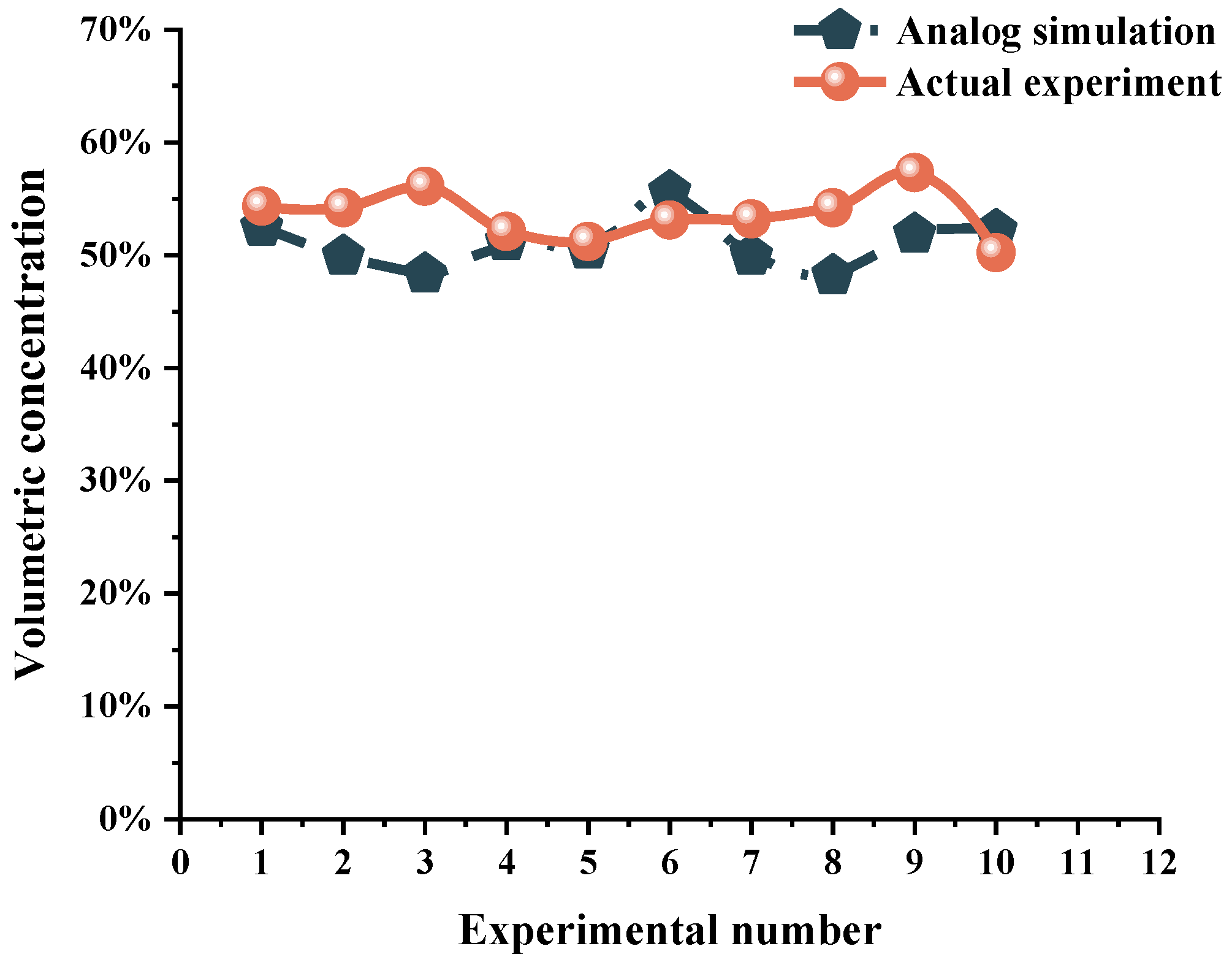
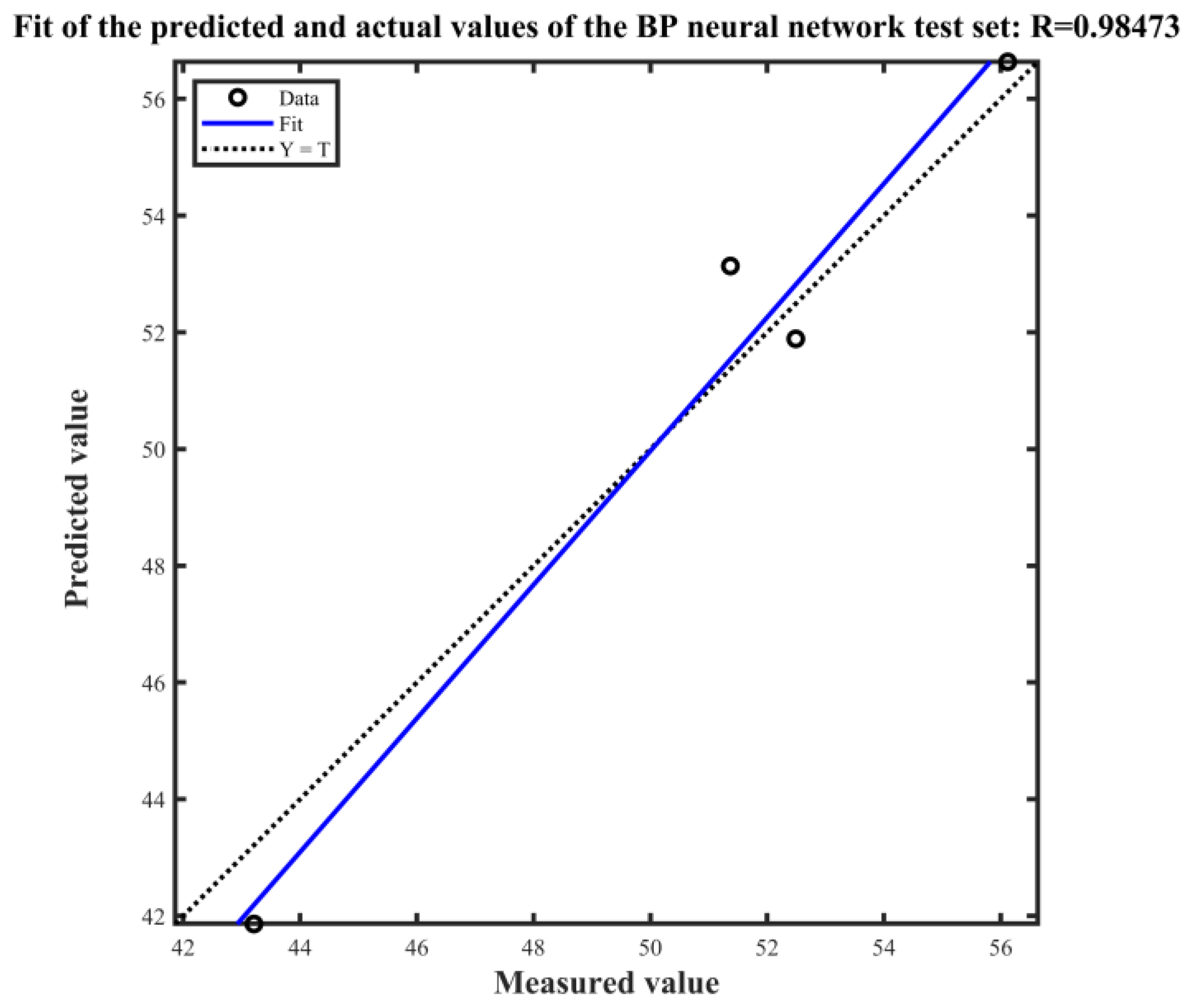
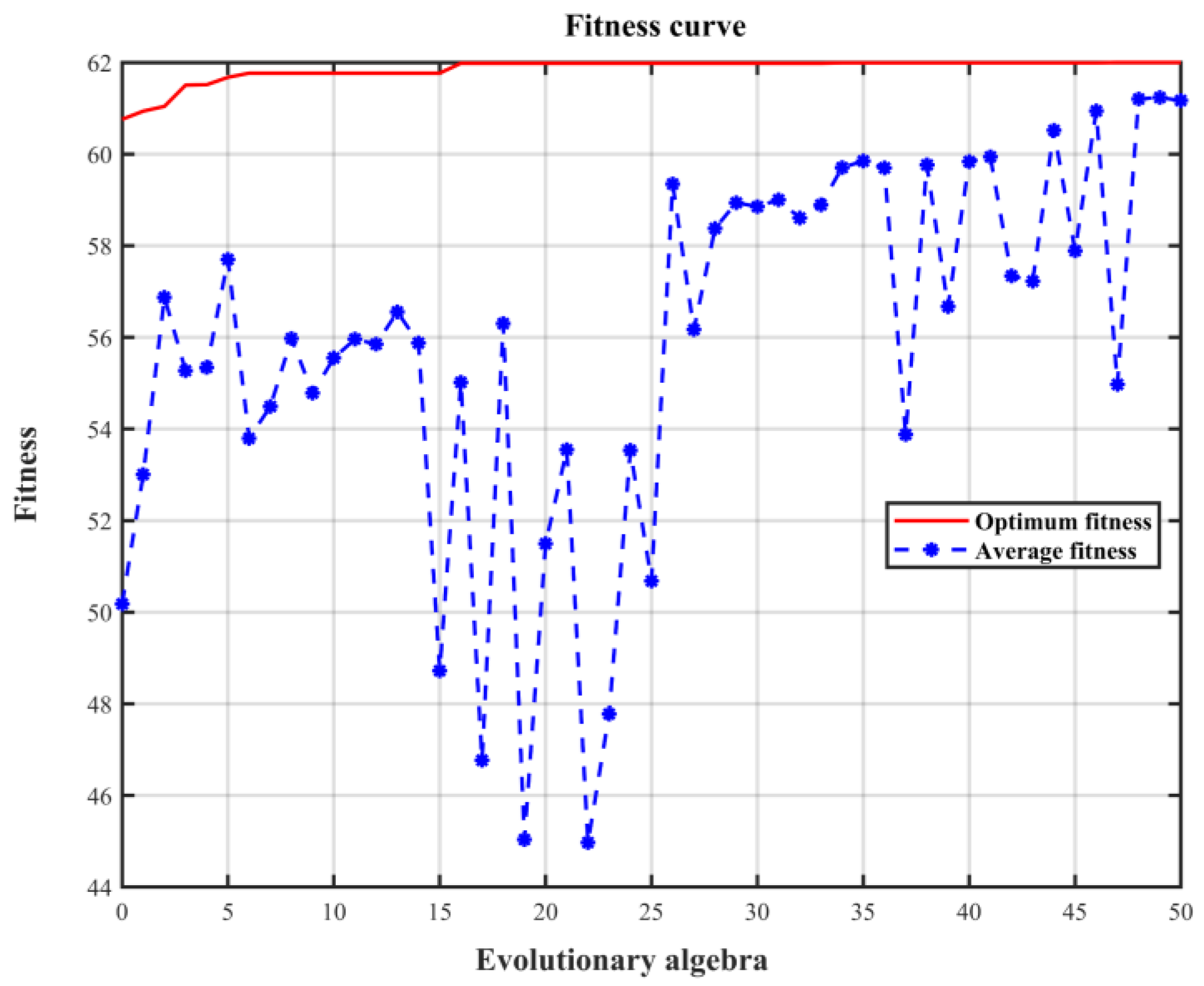
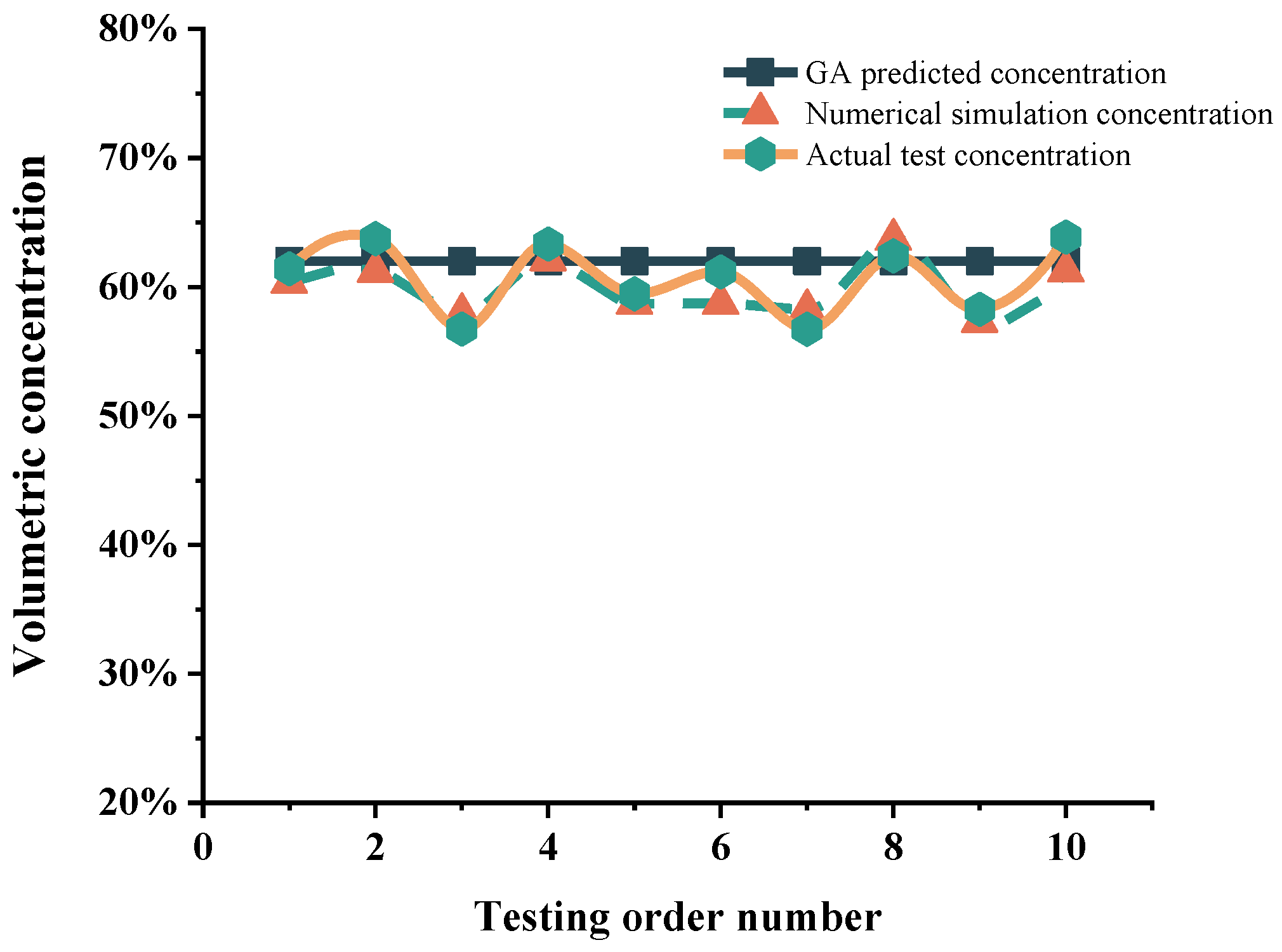
To improve the concentration performance of the concentrator in the iron ore beneficiation process for iron ore tailings, a coupled simulation analysis of the concentration process was conducted using the discrete element software EDEM (Engineering Discrete Element Method) and the finite element FLUENT software. The volume concentration at the bottom flow outlet of the concentrator was used as the evaluation index. The scraper rotation speed, feed rate, and feed concentration were considered as parameters. Response surface experiments were designed using the Box-Behnken module in Design Expert11 software, and numerical simulations were performed to obtain data. Based on the numerical simulation results, a prediction model was established using the backpropagation neural network (backpropagation neural network, BP-NN) and combined with the genetic algorithm (genetic algorithm, GA) for parameter optimization of the thickener’s concentration conditions. The results showed that with a scraper rotation speed of 9.7677 rpm, feed rate of 0.2037 m/s, and feed concentration of 6.5268%, the maximum outlet volume concentration reached approximately 62.00%. The predicted optimal working conditions were validated through physical tests and numerical simulations. The average outlet volume concentration in the physical tests was 60.712% (n = 10) (“n” is the number of experiments), with an error of only 2.077% compared to the predicted value. The middle outlet volume concentration in the numerical simulation experiments was 59.951% (n = 10), with an error of only 3.304% from the expected value. These results demonstrate the feasibility of using a genetic neural network for optimizing the EDEM–FLUENT simulation parameters of the thickener, providing valuable insights for the matching optimization of the thickener’s process parameters.
Keywords: concentrator; neural network; genetic algorithm concentrator; neural network; genetic algorithm