Article

Feasibility of Broken Ore Flow Simulation in Block Caving Mining Method Using Attribute Stochastic Medium Theory

1
School of Resources and Civil Engineering, Northeastern University, Shenyang 110819, China
2
State Key Laboratory of Safety and Health for Metal Mines, Maanshan 243004, China
3
School of Resource Environment and Safety Engineering, University of South China, Hengyang 421001, China
*
Author to whom correspondence should be addressed.
Minerals 2022, 12(5), 576; https://doi.org/10.3390/min12050576
Submission received: 28 February 2022 / Revised: 28 March 2022 / Accepted: 29 April 2022 / Published: 2 May 2022

Abstract

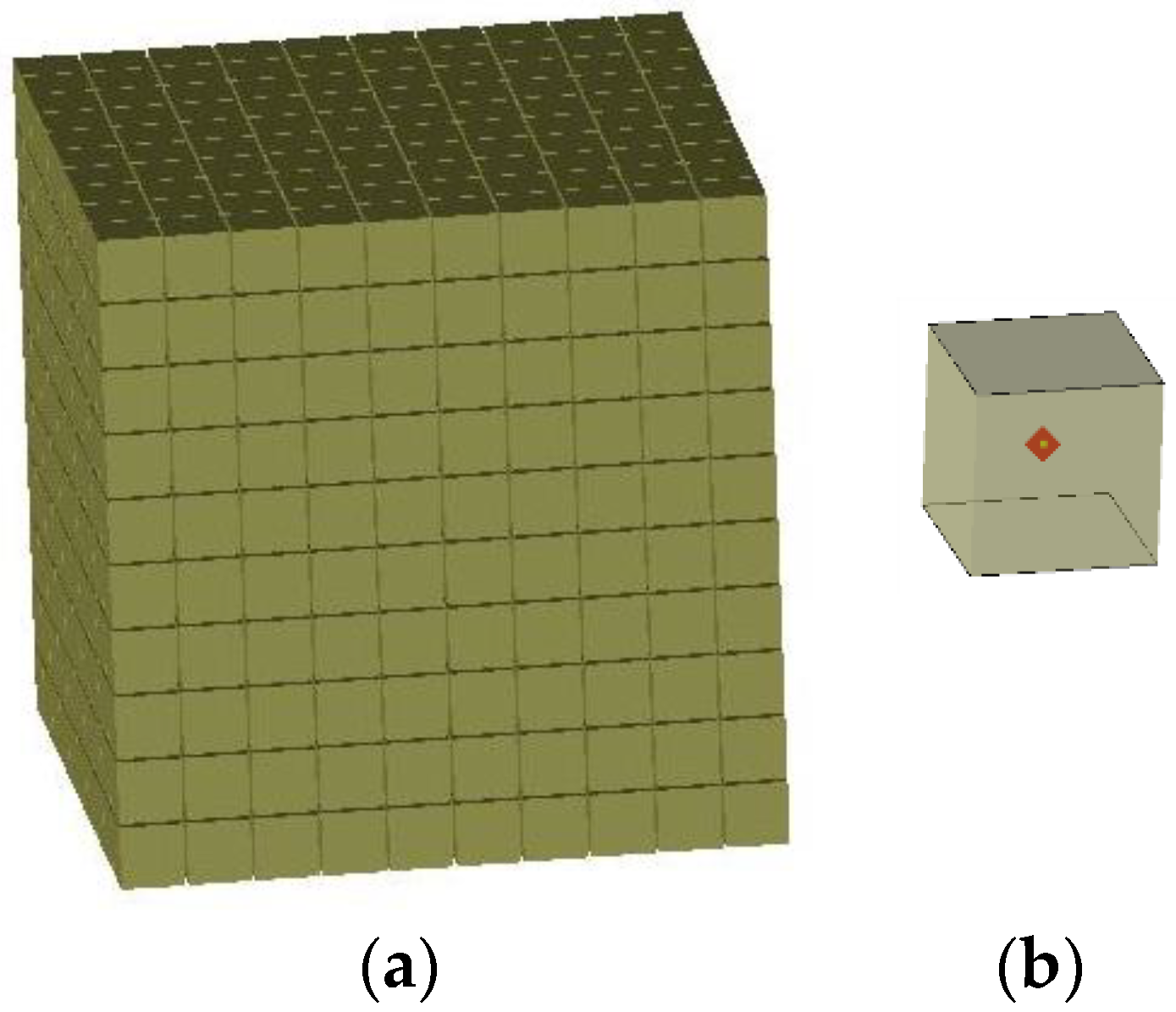
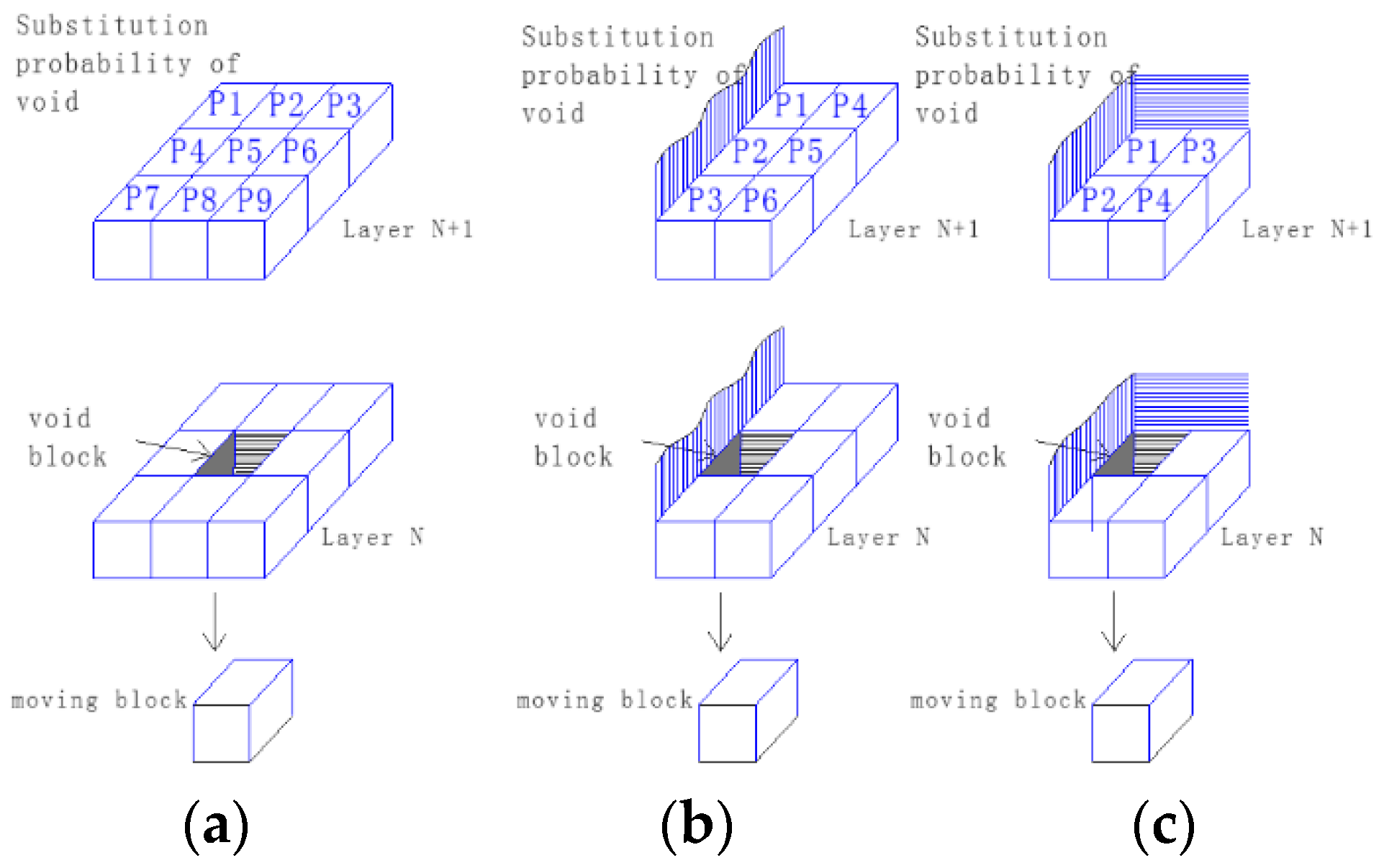
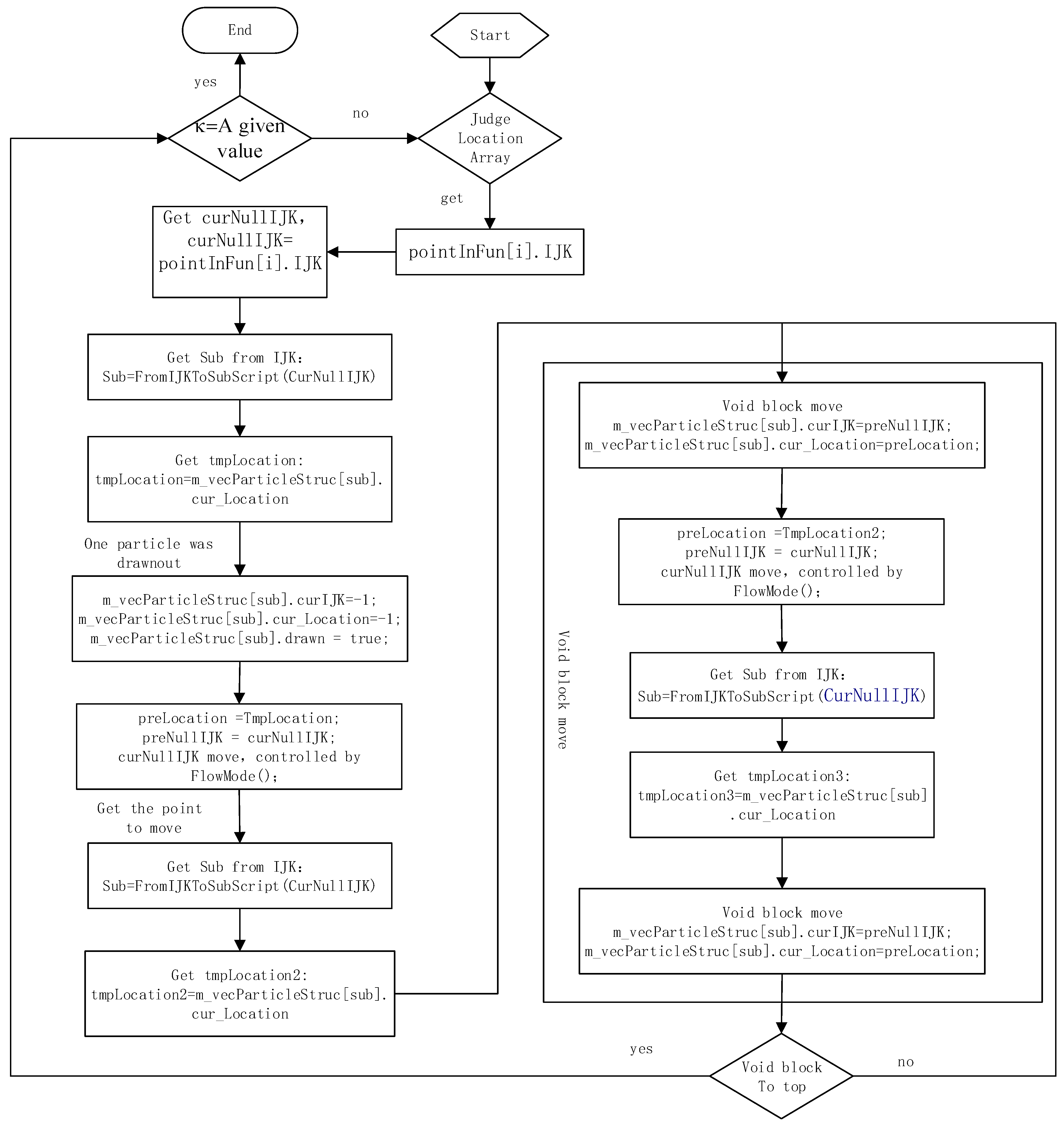
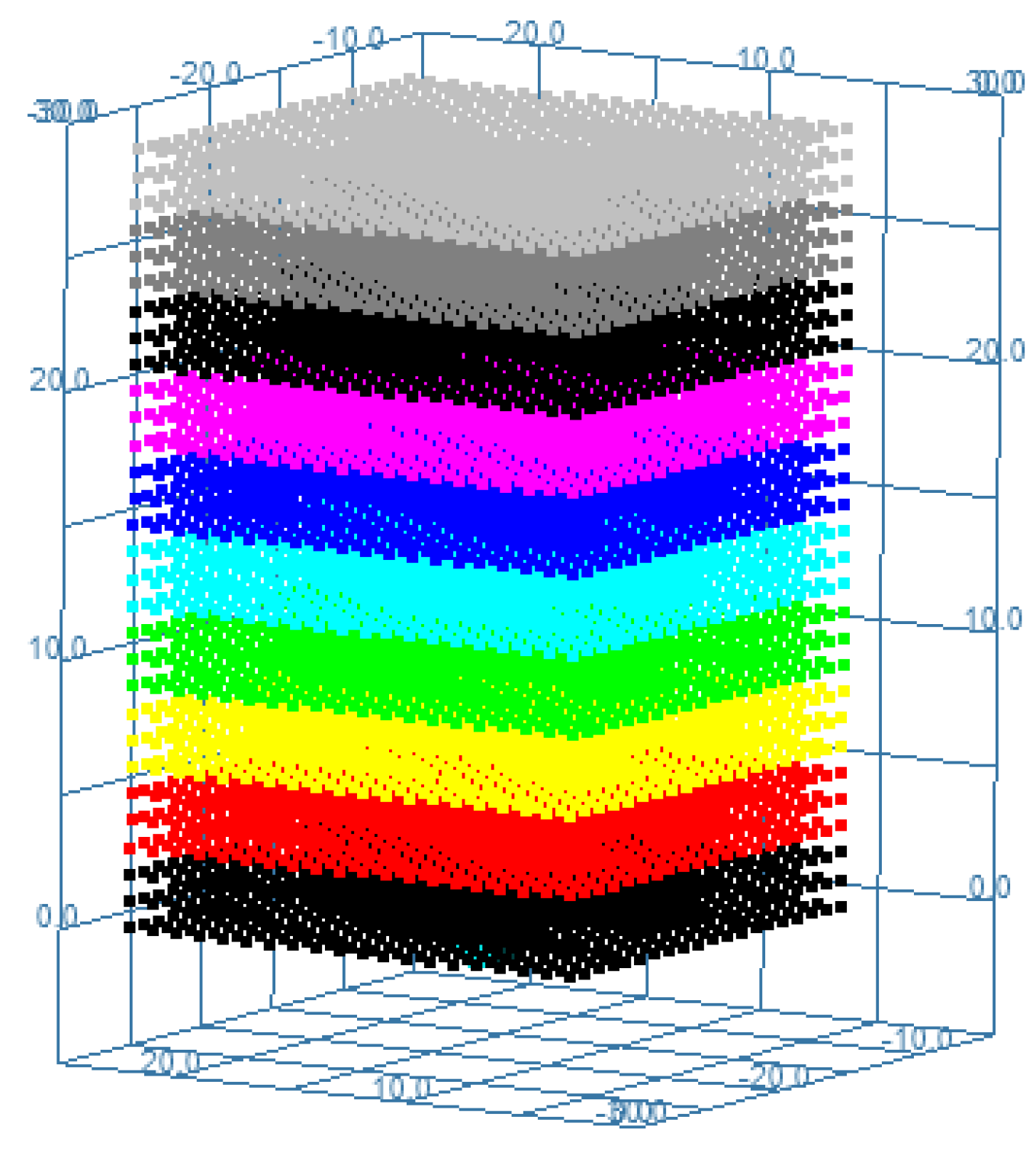
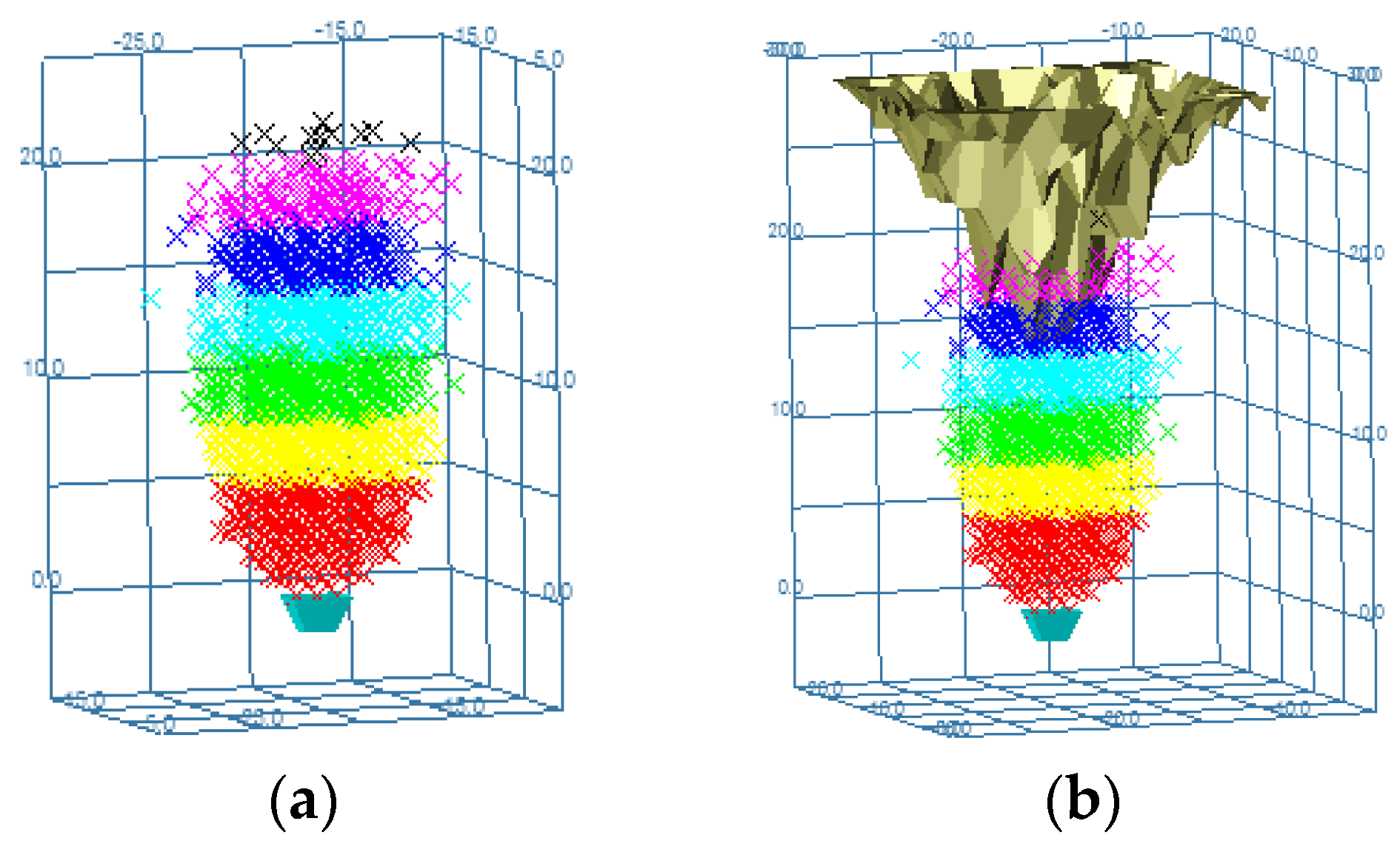
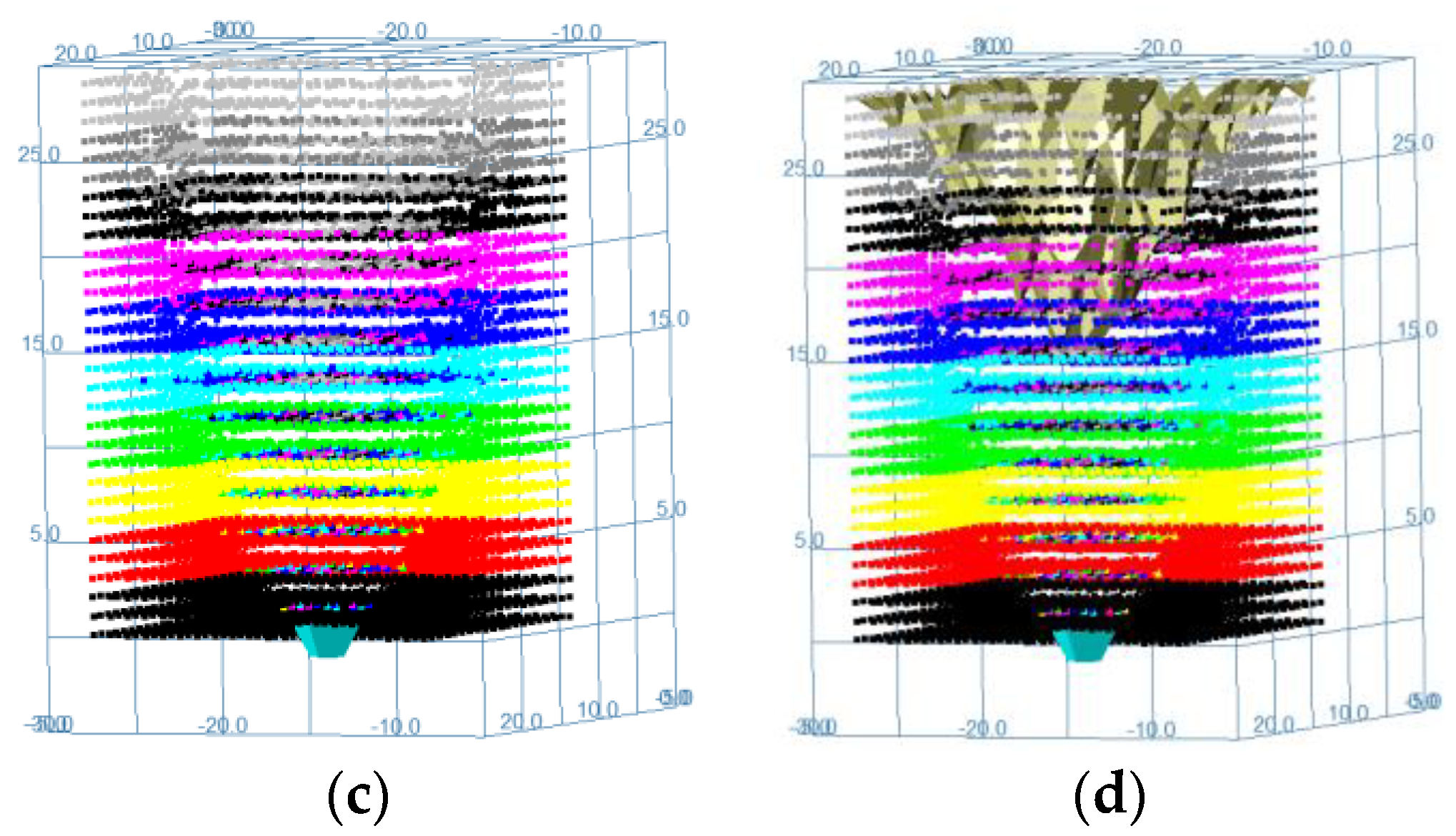
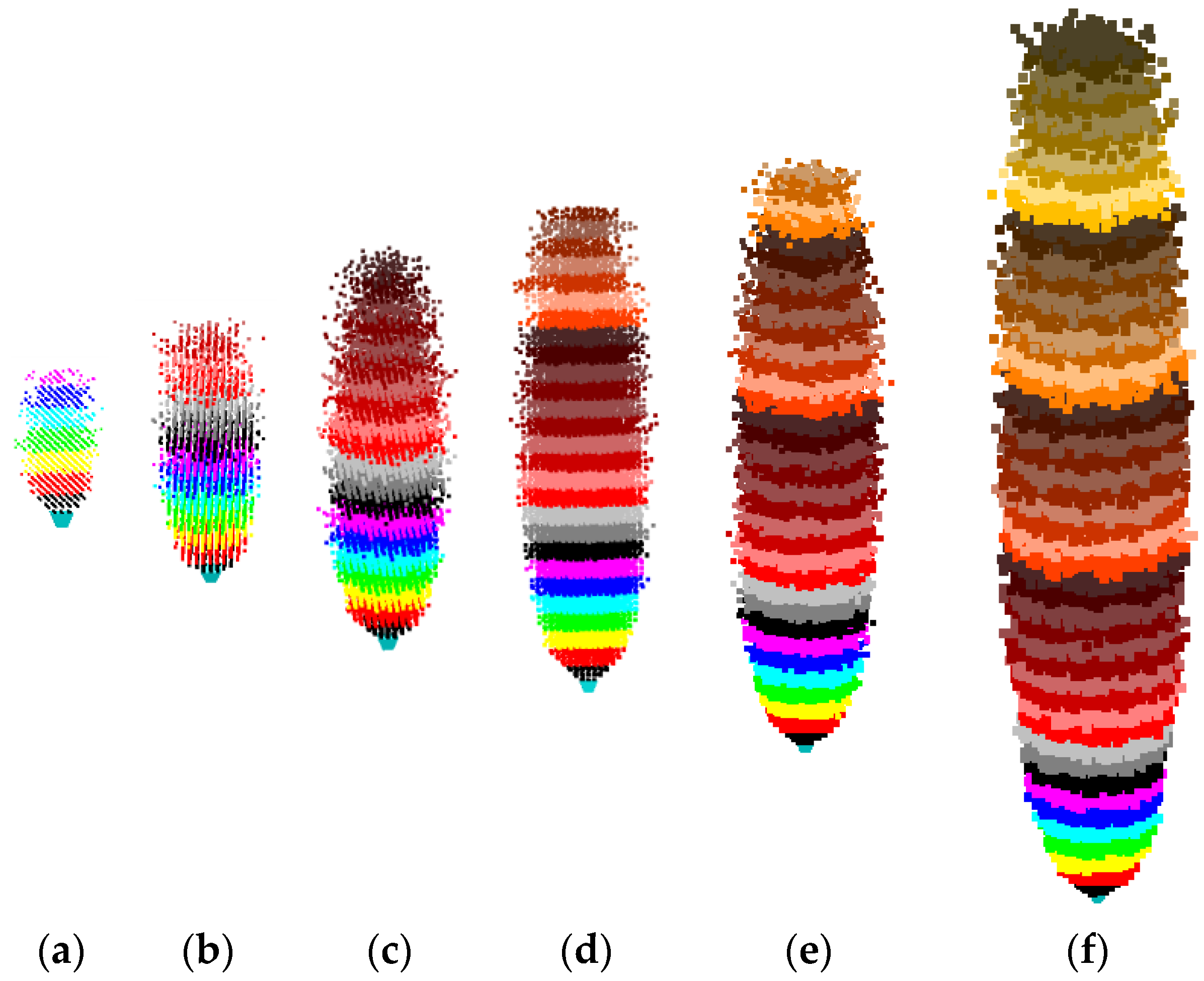
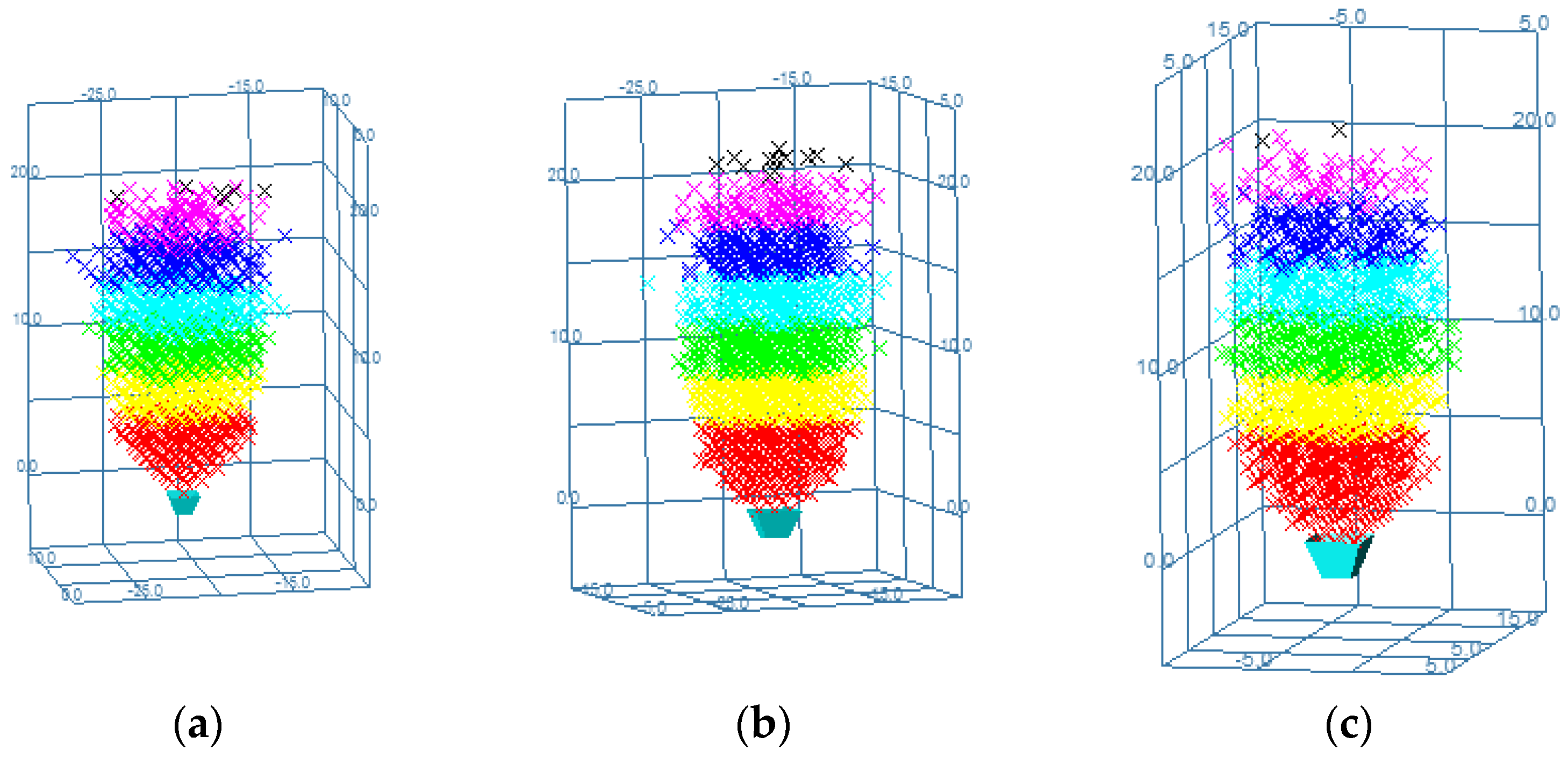
In this paper, to reveal the flow characteristics of broken mineral-rock of block caving, we present the Attribute Stochastic Medium Theory that combines an attribute block model with stochastic medium theory. An attribute block model was established to fit discrete target regions. A void transfer model and data structure were established based on stochastic medium theory. Our key contribution is that we propose Attribute Stochastic Medium Theory and present the concept of draw-out index and block fragmentation index. It can be used to analyze the flow characteristics of rock block under different drawing heights and different fragmentation conditions. We implement the flow algorithm and simulation with C++ programming. The results show that mineral elemental grade information of the ore-drawing body was obtained, and when the block fragmentation index remains unchanged, with the increase of the draw-out index, the ore-drawing ellipsoid develops gradually, the eccentricity increases gradually, and the average depth of the depression increases gradually. In the isolated extraction zone (IEZ), the length of the long half-axis of the IEZ increases linearly with the increase of the ore-drawing height. But the length of the short half-axis and the eccentricity of the IEZ increase nonlinearly with the increase of the ore-drawing height, showing a general power exponential relationship. Under the condition of constant draw-out index, with an increase of the block index, the eccentricity of the ellipsoid decreases. This method could obtain the properties and flow characteristics of caving ore and rock. Combined with in situ test of ore drawing. This method could provide guidance for the design of ore drawing bottom structure and ore drawing plan.
Keywords: Attribute Stochastic Medium; attribute block model; mineral-rock flow; particle flow; ore drawing Attribute Stochastic Medium; attribute block model; mineral-rock flow; particle flow; ore drawing