Article

Efficient Recovery of Vanadium from High-Chromium Vanadium Slag with Calcium-Roasting Acidic Leaching


1
Chongqing Key Laboratory of Inorganic Special Functional Materials, College of Chemistry and Chemical Engineering, Yangtze Normal University, Chongqing 408100, China
2
Chongqing Jiulongyuan High-Tech Industry Group Co., Ltd., Chongqing 400080, China
3
College of Chemistry and Chemical Engineering, Chongqing University, Chongqing 401133, China
*
Authors to whom correspondence should be addressed.
Minerals 2022, 12(2), 160; https://doi.org/10.3390/min12020160
Submission received: 10 January 2022 / Revised: 25 January 2022 / Accepted: 25 January 2022 / Published: 28 January 2022

Abstract

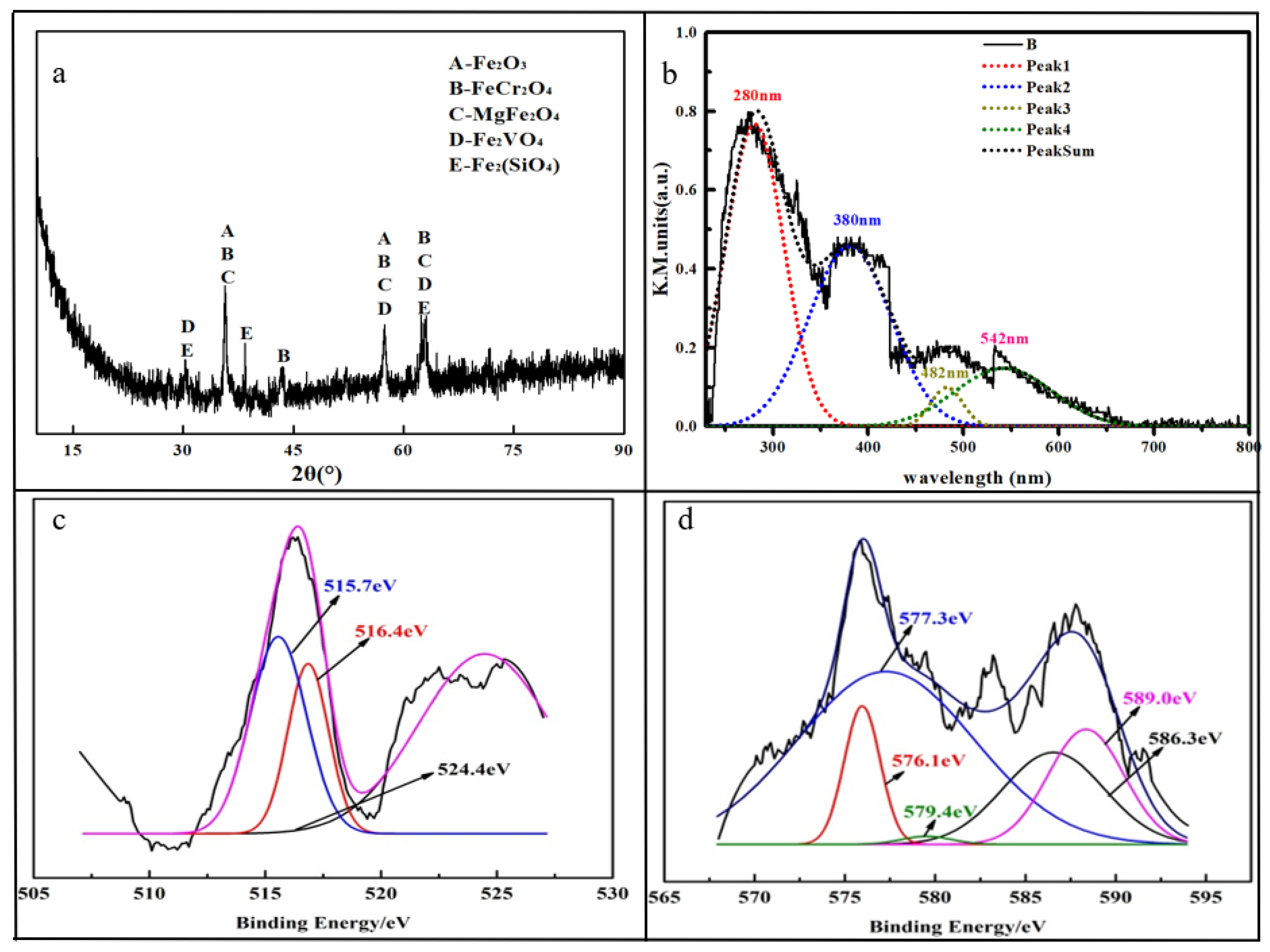
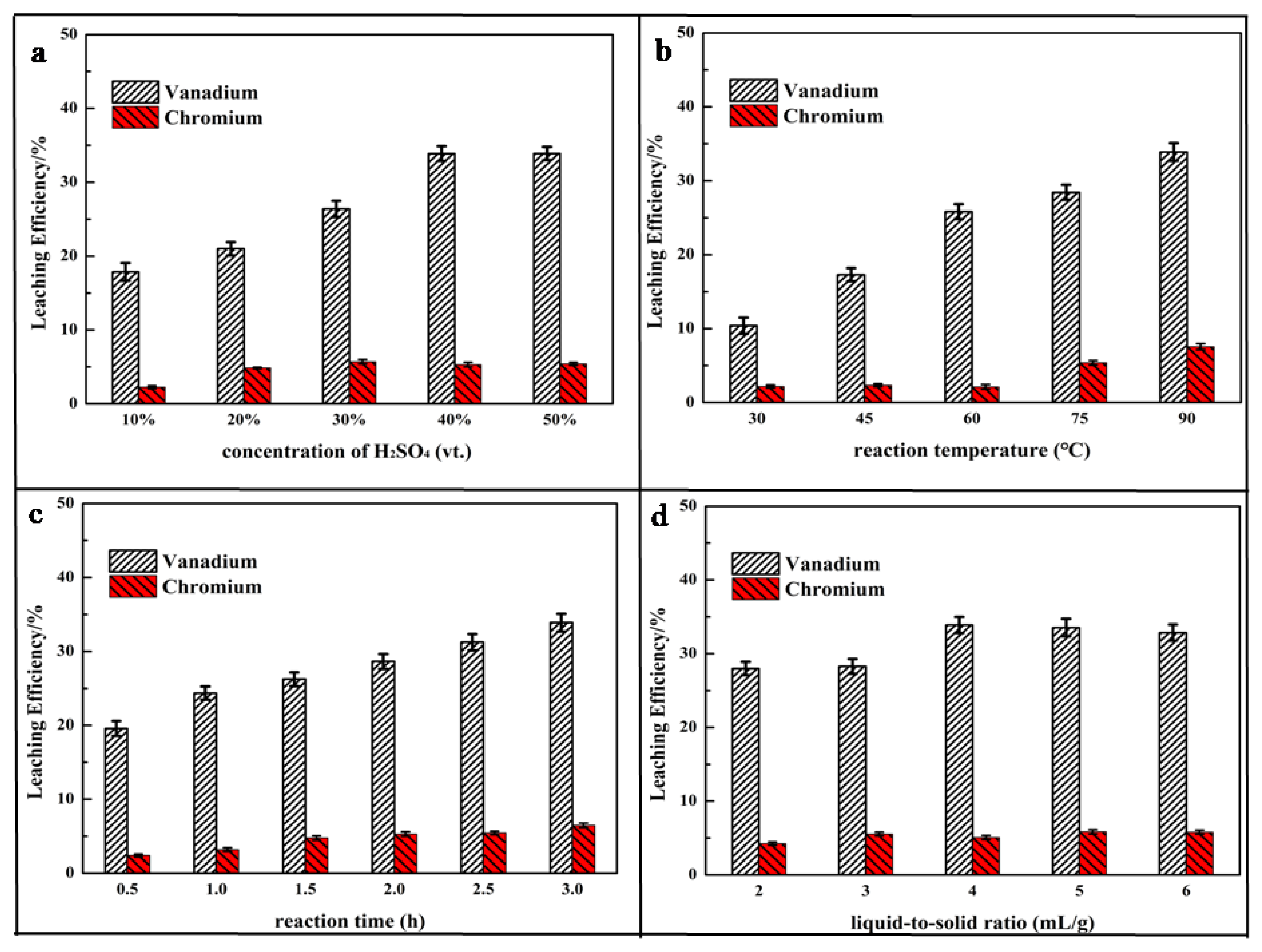
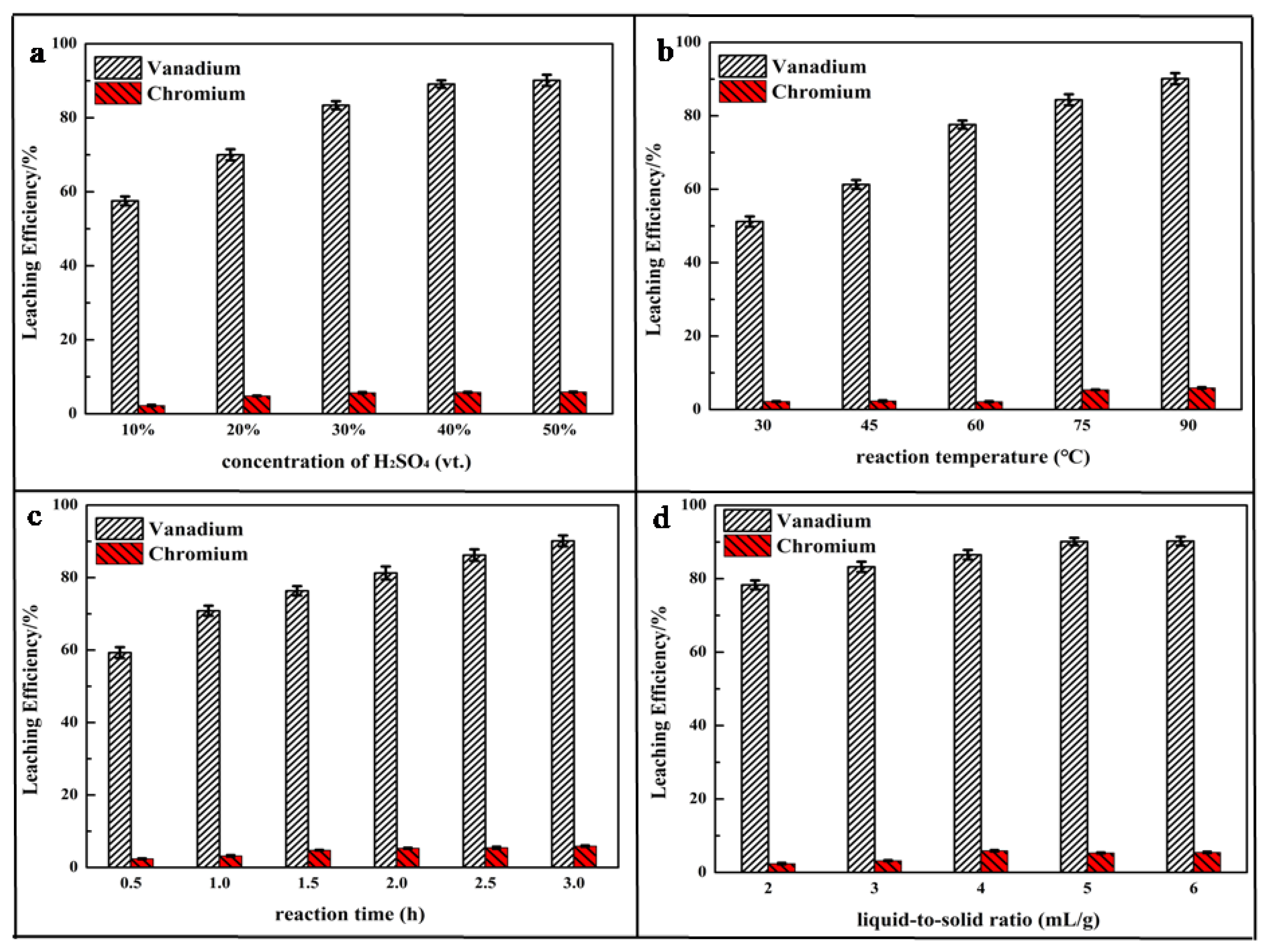
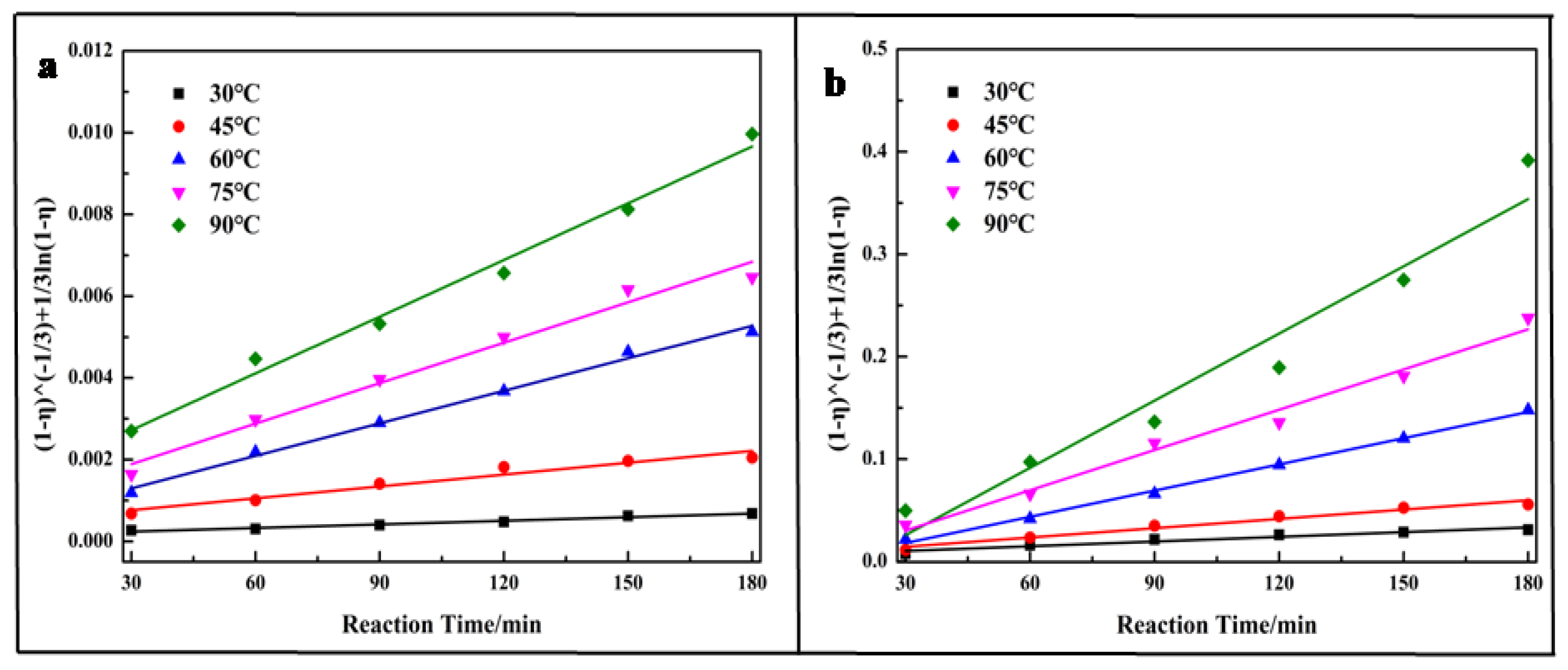
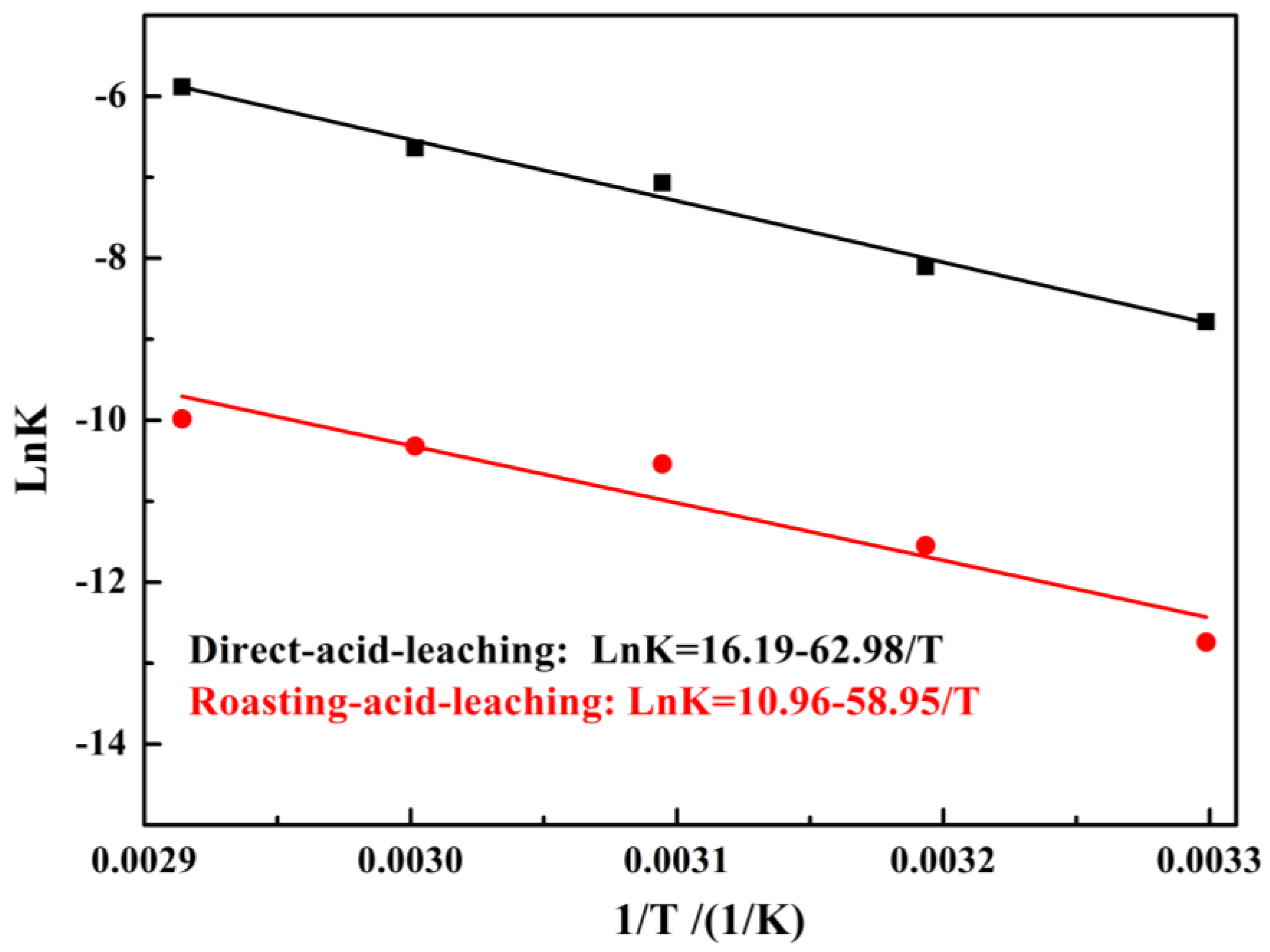
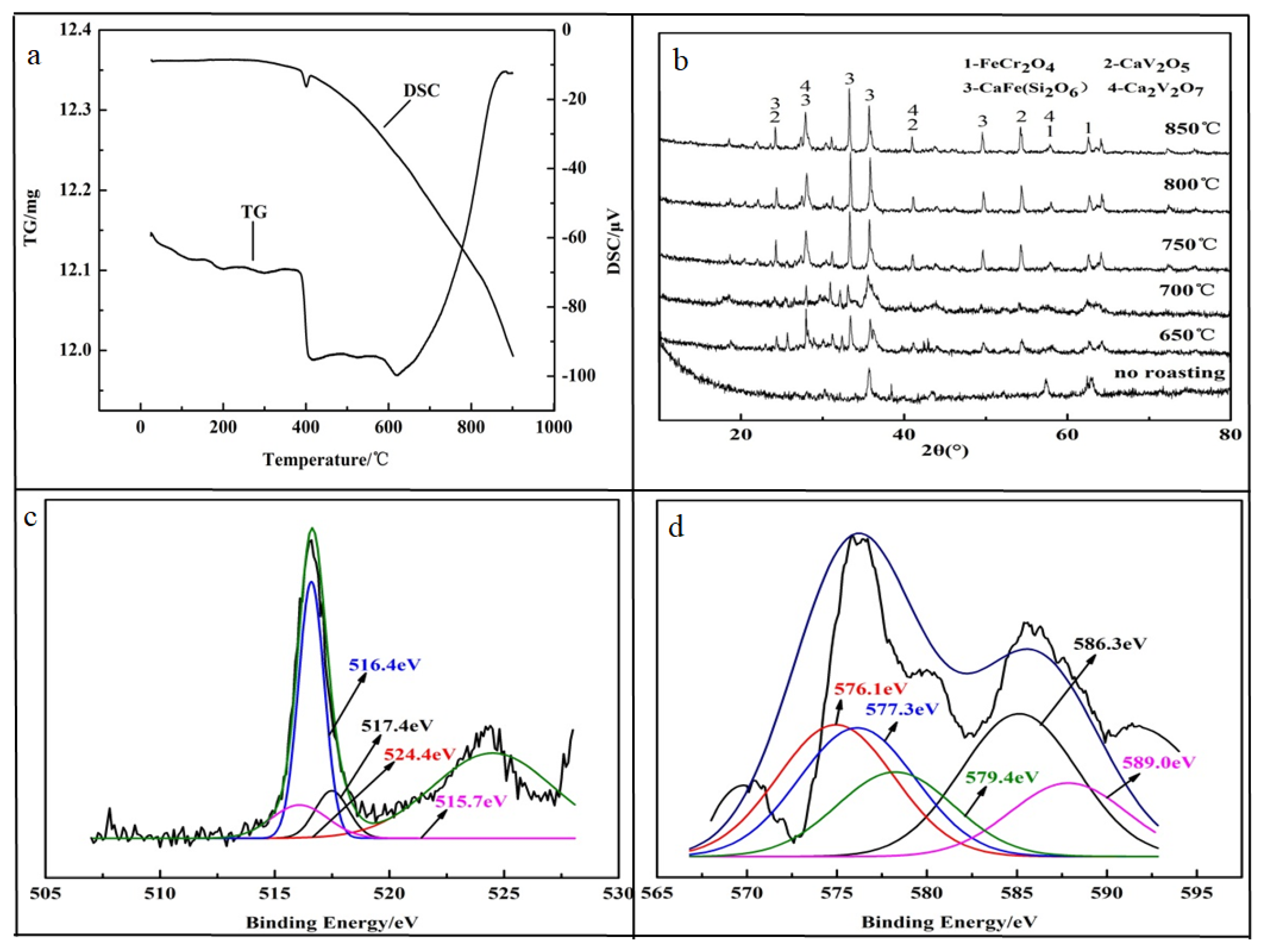
High-chromium vanadium slag (HCVS) is an important by-product generated during the smelting process of high-chromium-vanadium-titanium-magnetite. Direct acid leaching and calcium-roasting acid leaching technology were applied to recover vanadium and chromium from HCVS. The effects of experimental parameters on the leaching process, including concentration of H2SO4, reaction temperature, reaction time, and liquid-to-solid ratio, were investigated. The XRD and UV-Vis DRS results showed that vanadium and chromium existed in low valence with a spinel structure in the HCVS. The Cr-spinel was too stable to leach out; no more than 8% of the chromium could be leached out both in the direct acid leaching process and calcium-roasting acid-leaching process. Most low valence vanadium could be oxidized to high valence with calcium-roasting technology, and the leaching efficiency could be increased from 33.89% to 89.12% at the selected reaction conditions: concentration of H2SO4 at 40 vt.%, reaction temperature of 90 °C, reaction time of 3 h, liquid-to-solid ratio of 4:1 mL/g, and stirring rate of 500 rpm. The kinetics analysis indicated that the leaching behavior of vanadium followed the shrinking core model well, and the leaching process was controlled by the surface chemical reaction, with an Ea of 58.95 kJ/mol and 62.98 kJ/mol for direct acid leaching and roasting acid leaching, respectively.
Keywords: vanadium; calcium roasting; leaching efficiency vanadium; calcium roasting; leaching efficiency