1. Introduction
Diseases associated with impaired immune system function affect approximately 3–5% of the global population, significantly reducing patients’ quality of life. Despite advances in diagnostics and therapies, the underlying etiological mechanisms remain poorly understood [
1,
2]. To date, around 150 distinct autoimmune diseases have been identified. The diversity and rising incidence of these disorders present major challenges for clinicians, researchers, and healthcare systems, which must develop cost-effective strategies for diagnosis, treatment, and prevention [
3]. In Europe, total direct healthcare costs for autoimmune diseases are estimated at €57.2 billion, with drug expenditures accounting for €12.0 billion (21% of total costs), underscoring the substantial economic burden of these conditions [
4].
Cytokines, a diverse group of soluble proteins and glycoproteins, are produced by many immune cell types and play essential roles in regulating of cell proliferation, differentiation and their functionality. Inflammation, a complex immune response triggered by factors such as tissue damage or infection, is primarily regulated by pro-inflammatory cytokines and chemokines. Aberrant regulation of these signaling molecules contributes to the development of numerous immune-mediated diseases, including chronic inflammatory conditions, and cancer. Dysregulated cytokine expression is a hallmark of chronic inflammation, and plays a central role in disease pathogenesis, highlighting the therapeutic relevance of these molecules [
5]. Accordingly, monitoring and modulating cytokine levels is of critical importance. Monoclonal antibodies (mAbs) targeting specific interleukins have already led to significant advances in clinical practice, and cytokines remain promising targets for therapeutic intervention [
5].
Interleukin-6 (IL-6) is a 26 kDa pleiotropic cytokine with both pro- and anti-inflammatory functions. IL-6 exerts its biological effects through binding to the IL-6 receptor (IL-6R), followed by an association with the gp130 signaling subunit, activating JAK/STAT and Ras/MAPK pathways. This signaling pathway occurs via classical (cis-) or trans-signaling modes, involving membrane-bound or soluble IL-6R, respectively. IL-6 is secreted by various immune cells, including monocytes and macrophages, and is crucial in B and T cell activation, as well as for the differentiation of naïve CD4
+ T cells into Th17 cells [
6].
Chronic elevation in IL-6 levels has been linked to the pathogenesis of multiple inflammatory disorders. Consequently, therapeutic strategies targeting the IL-6/IL-6R axis have been developed. Tocilizumab, a humanized monoclonal antibody that blocks IL-6R, has been approved for conditions such as rheumatoid arthritis, Castleman’s disease, and COVID-19-related cytokine release syndrome [
6]. Other IL-6-targeted therapies include Siltuximab and Olokizumab, both of which neutralize IL-6 [
7,
8].
Another key player in inflammation is interleukin-17A (IL-17A), a 35 kDa cytokine that forms homodimers and heterodimers (particularly with IL-17F) and is secreted primarily by Th17 cells [
9]. IL-17A signals through a receptor complex composed of IL-17RA and IL-17RC, inducing multiple inflammatory and immune responses, including activation of key pathways such as NF-κB and MAPK, and promoting the expression of numerous target genes by modulating mRNA stability [
10,
11]. IL-17A is abundant in the synovial fluid and serum of patients with autoimmune diseases, such as psoriatic arthritis, and induces the production of pro-inflammatory cytokines (e.g., IL-6), chemokines (e.g., CXCL8), matrix metalloproteinases, and antimicrobial peptides [
12].
Therapies that neutralize IL-17A or its receptor (IL-17RA) have been successfully applied to treat autoimmune disorders such as psoriasis and ankylosing spondylitis. Notably, Secukinumab, an IgG1/kappa antibody against IL-17A, and Ixekizumab, an IgG4 anti-IL-17A antibody, prevent the cytokine’s interaction with its receptor, and are approved for clinical use [
13,
14].
Despite the clinical success of monospecific antibodies, complex diseases involving multiple cytokine-driven pathways may benefit from more comprehensive targeting strategies. Bispecific antibodies capable of simultaneously neutralizing IL-6 and IL-17A represent a promising therapeutic approach to overcome the limitations of monospecific treatments. Such dual-action biologics may provide enhanced efficacy by disrupting distinct yet complementary inflammatory pathways involved in chronic immune-mediated diseases [
5,
15]. Some patients with rheumatoid arthritis do not respond adequately to conventional DMARDs and/or TNF inhibitors [
16]. Similarly, in psoriasis, a proportion of patients fail to achieve sufficient clinical benefit from Secukinumab or Ixekizumab treatment [
17,
18]. The possible synergistic effect of bispecific antibody (BsAb) usage may justify the administration of lower Ab doses than those required for combinations of monospecific antibodies, which may result in potentially fewer and/or less intense side effects, which will be beneficial for patients [
5,
15,
19,
20].
In this study, we describe the development and evaluation of bispecific antibody candidates targeting IL-6 and IL-17A. We employed a phage display library encoding llama single-domain antibodies (VHHs) to isolate high-affinity binders. The binding properties of nanobodies and bispecific constructs were characterized using bio-layer interferometry (BLI). Functional activities were assessed in reporter cell assays, and biophysical properties were evaluated using the Uncle platform and LabChip capillary electrophoresis. These data support the potential of bispecific antibodies in modulating multifactorial cytokine signaling in immune-mediated pathologies.
2. Materials and Methods
2.1. Generation of the Immune Library
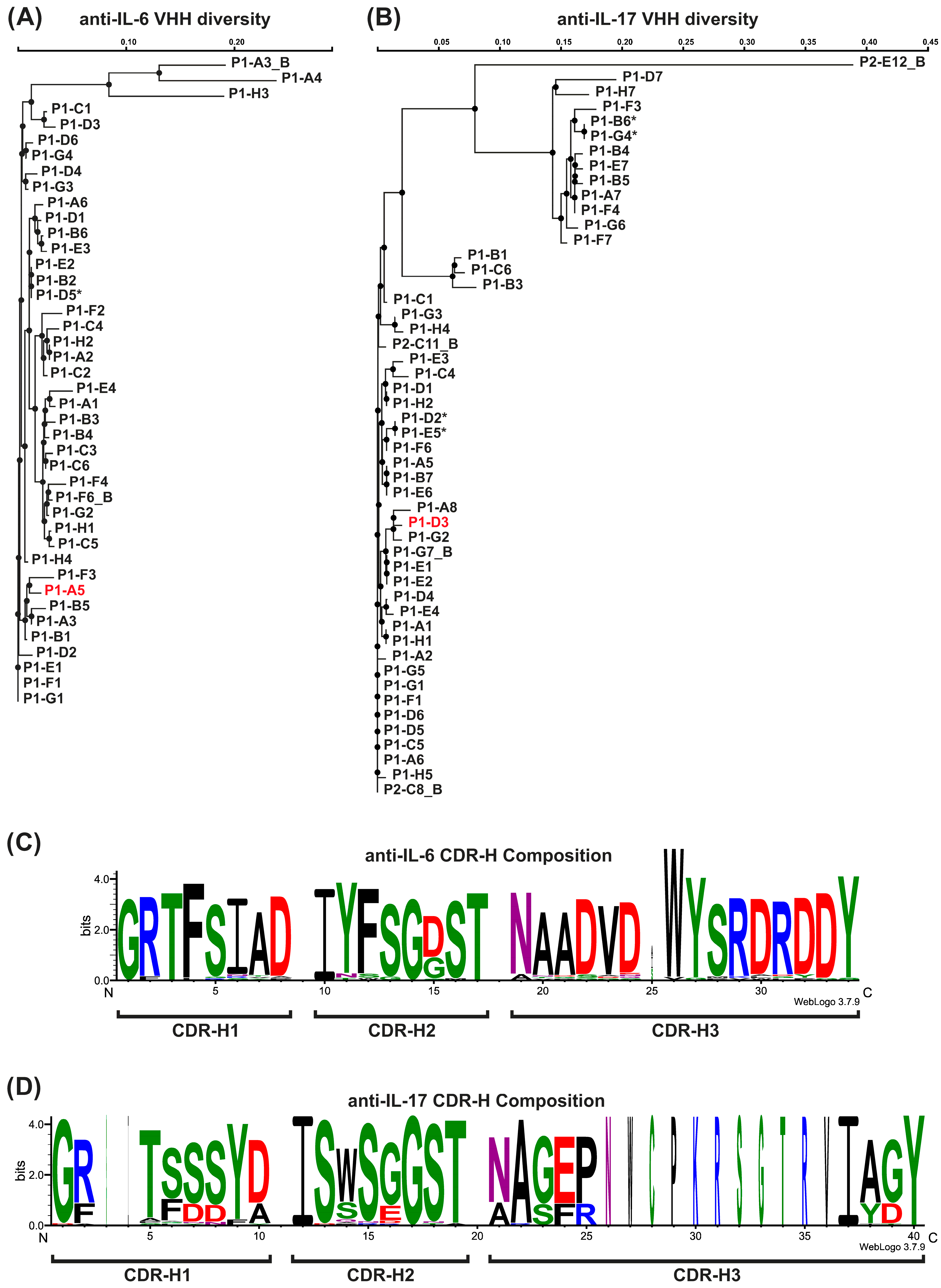
A single llama (Yumab GmbH, Braunschweig, Germany) was subcutaneously immunized with a cocktail of recombinant human antigens, IL-6 (30-212 aa) and IL-17A (24-155 aa) to generate a VHH (nanobody) library. Primary immunization was carried out on day 0 using complete Freund’s adjuvant (CFA; Sigma-Aldrich, Burlington, MA, USA). Booster immunizations containing 0.5 mg of each protein in incomplete Freund’s adjuvant (IFA; Sigma-Aldrich, Burlington, MA, USA) were administered on days 28, 42, and 56. On day 60, peripheral blood was collected for lymphocyte isolation and total RNA was extracted. First-strand cDNA was synthesized using reverse transcriptase and used as a template for amplification of the VHH-coding sequences by PCR. Amplified VHH fragments were cloned into a phagemid vector encoding a pelB signal sequence for periplasmic expression, c-Myc and 6×His·tag for protein detection and purification purposes, and pIII coat protein of M13 phage as a carrier protein. The resulting constructs were transformed into Escherichia coli (E. coli), and the library size was estimated based on the number of colony-forming units (cfu), reaching 1.7 × 10⁸ cfu. Insert presence and reading-frame accuracy were confirmed by PCR and sequence analysis. The presence of VHHs on phage particles was verified by immunoblotting using anti-Myc or anti-His·tag antibodies.
2.2. Selection of VHHs
Nanobodies binding to IL-6 or IL-17A were selected from the phage display library through three rounds of selection using antigens immobilized on a plate or soluble biotinylated antigens with magnetic beads (0.5–5 μg of antigen). Antigen biotinylation was conducted using the EZ-Link™ NHS-PEG4-Biotinylation Kit (Thermo Fisher Scientific Inc., Waltham, MA, USA) following the manufacturer’s instructions, and confirmed by Western blot with an anti-biotin-HRP antibody (Abcam Ltd., Cambridge, UK). After blocking with MPBST (2% milk in 1× PBST), the phage library was incubated with the antigens for 2 h at room temperature (RT), followed by washing with 1× PBST buffer (1× PBS, 0.05% Tween20). Bound phages were eluted using a trypsin solution (10 μg/mL) in PBS, and the eluted phages were used to infect E. coli TG1 strain (OD600 = 0.5) in fresh 2× YT medium, supplemented with glucose (100 mM) and ampicillin (100 µg/mL), at 37 °C for 1 h. Polyclonal phage populations were amplified by co-infecting bacteria with the M13KO7 helper phage (New England Biolabs (NEB), Ipswich, MA, USA) for 30 min at 37 °C without shaking, followed by 30 min at 37 °C with shaking, to generate recombinant phages displaying antibody fragments. After centrifugation at 4000× g for 30 min, the pellet was incubated overnight at 30 °C with shaking in fresh 2× YT medium containing ampicillin (100 µg/mL) and kanamycin (50 µg/mL). This antibiotic selection ensured the presence of M13KO7 during incubation, which increased the yield of phagemid ssDNA production. The supernatant was then used for the next round of panning. The final phage pool after the third round was measured by infecting TG1 bacteria with serial phage dilutions, followed by plating on solid 2× YT medium supplemented with glucose (100 mM) and ampicillin (100 μg/mL). Colonies were counted after overnight incubation at 37 °C.
2.3. Production of Soluble Antibody Fragments
Individual clones picked after the third round of selection were transferred to 2× YT medium supplemented with glucose (100 mM) and ampicillin (100 μg/mL) in a microtiter plate and incubated overnight at 37 °C. The overnight cultures were then diluted 20× in fresh 2× YT medium supplemented with glucose and ampicillin and incubated for 2 h at 37 °C with shaking. After centrifugation at 4000× g for 10 min, the supernatants were removed and the pellets were resuspended in 2× YT medium supplemented with potassium phosphate buffer (10%; v/v), sucrose (50 mM), ampicillin (100 μg/mL), and IPTG (50 μM) to induce protein production. Following overnight incubation at 30 °C, the bacteria were centrifuged, and the supernatants containing soluble proteins were retained for ELISA and BLI screening.
2.4. ELISA Screening of VHHs
Plates were coated with IL-6 or IL-17A (100 ng per well; homemade; no-Taq) by overnight incubation at 4 °C. After incubation, the plates were blocked with MPBST (5% milk powder in 1× PBST) for 1 h at room temperature to prevent non-specific binding, and then washed three times with 1× PBST (1× PBS, 0.05% Tween20). The plates were incubated for 1 h at room temperature with the culture medium containing phage-displayed VHHs after expression in TG1 bacteria, and then washed three times with 1× PBST to remove unbound phages. The plates were then incubated with an anti-c-myc antibody (1:5000 in MPBST) for 1 h at room temperature to detect c-myc-tagged VHH-containing fusion proteins, followed by three washes with 1× PBST. The signal was developed by adding TMB (Sigma, St. Louis, MO, USA), an HRP substrate, to each well and incubating for 10 min at room temperature. The reaction was stopped by adding 1 M HCl to each well, and absorbance was measured at 450 nm using a spectrophotometer (Multiskan; Thermo Fisher Scientific Inc.) to quantify the binding of VHHs to the antigens.
2.5. Off-Rate Screening of VHHs
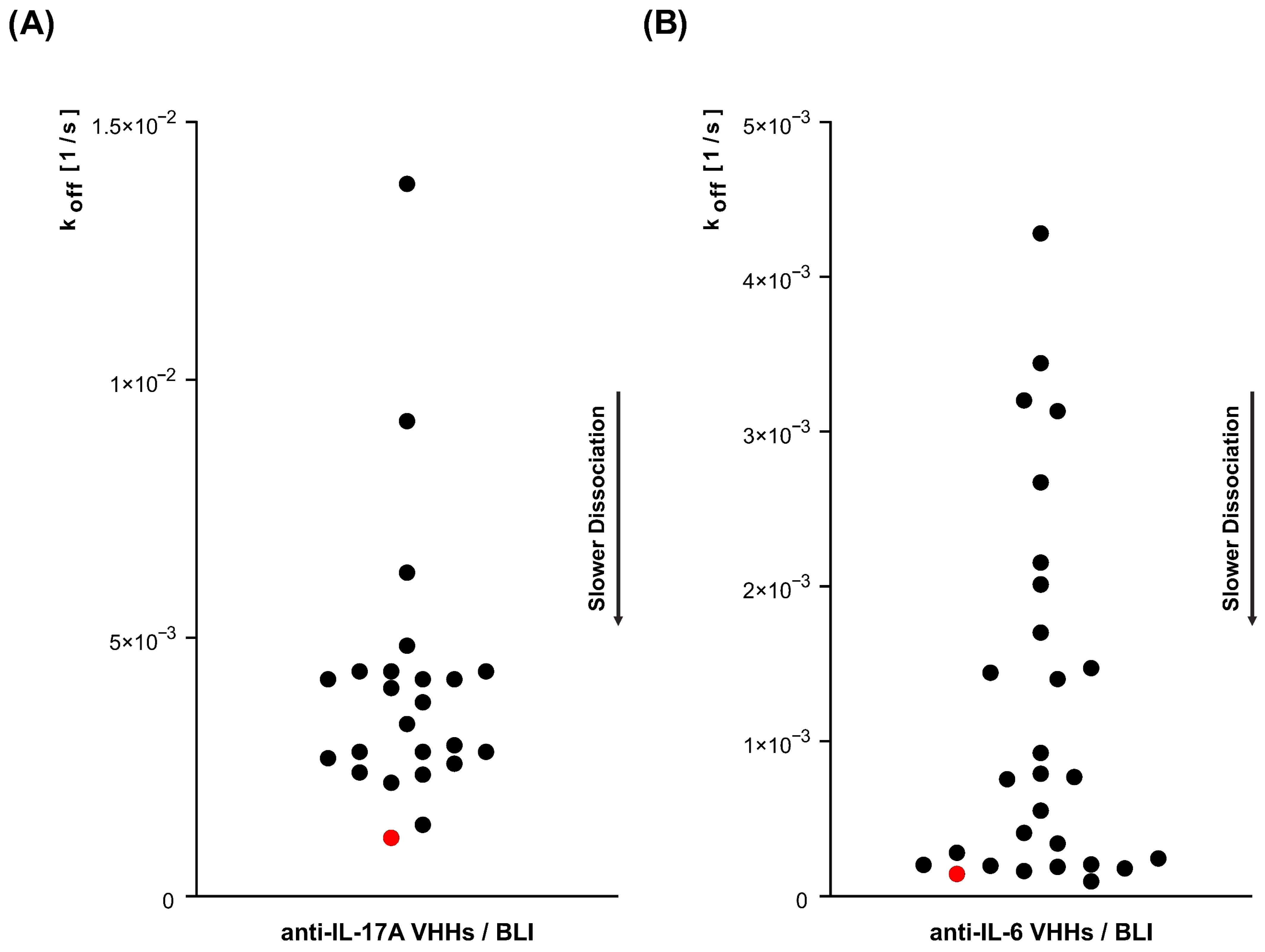
Off-rate screening of VHHs was performed directly in the culture medium in a 96-well black plate (GREINER via Sigma-Aldrich, Poznań, Poland) on an Octet RED96 instrument (Sartorius AG, Göttingen, Germany) at 25 °C with agitation at 1000 rpm. The medium fraction of the VHH anti-IL-17A and anti-IL-6 selected positive clones after primary screening (ELISA) were transferred to a new 96-well plate for secondary screening. Homemade Fc-tagged target proteins, IL-6 or IL-17A, at 10 µg/mL concentration in 1× Kinetic Buffer (Sartorius AG) were immobilized on anti-human IgG Fc capture biosensors (AHC; Sartorius AG) for 5 min. After loading, the sensors were washed with 1× Kinetic Buffer for 1 min, blocked for 5 min with E. coli (TG1 strain) mock medium containing no VHH protein, transferred to the wells containing the VHH protein for the association step (5 min), and transferred back to the mock medium for the dissociation step (5 min). Dissociation rate constants (koff) for each protein were calculated using a 1:1 interaction model (fitting local) with the ForteBio data analysis software HT 10.0.
2.6. VHHs Expression and Purification
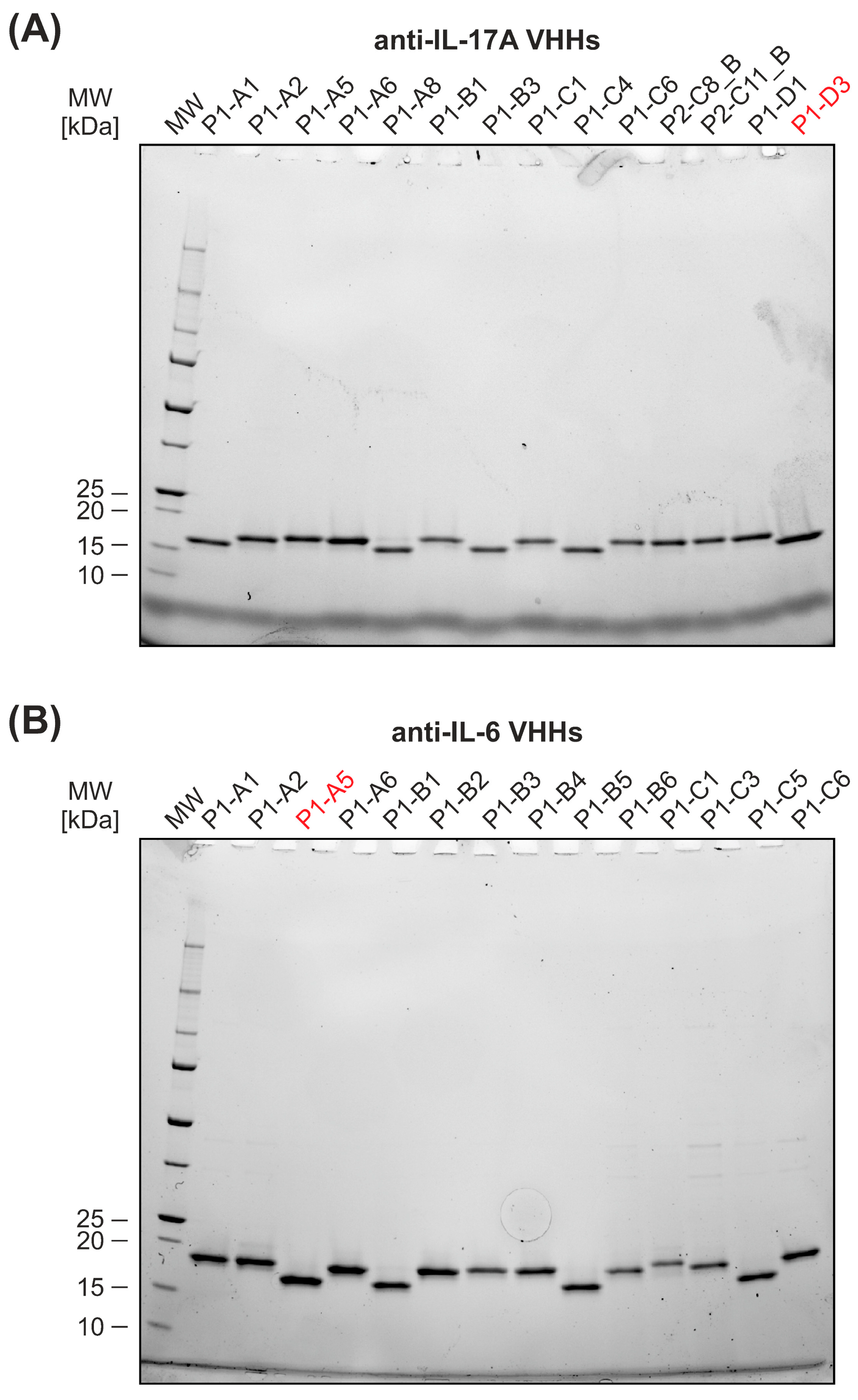
Phagemids encoding VHH with His·tag on the C terminus were isolated from the TG1 E. coli strain using MagMAX kit (Applied Biosystems, Thermo Fisher Scientific Inc., Waltham, MA, USA), following the manufacturer’s protocol. Each construct was transformed back into E. coli strain BL21(DE3) (NEB). Transformed bacteria were grown in LB broth at 37 °C until the OD600 reached 0.8, and then cooled to 30 °C. Expression of recombinant proteins was induced by adding 0.5 mM IPTG (BLIRT S.A., Gdańsk, Poland), and the bacterial cultures were incubated for 16 h at 30 °C. Cells were harvested by centrifugation (15 min, 12,000× g, 4 °C). Supernatant (culture medium) was collected, while the cell pellets were resuspended in 100 mM Tris pH 8.0, 20% sucrose, and 0.25 mM EDTA, and incubated for 20 min with gentle rocking at 4 °C to isolate periplasmic fractions. After 20 min of incubation, soluble fraction was clarified by centrifugation (15 min, 15,000× g, 4 °C); supernatant was saved for further steps, and the cell pellets were resuspended in a second buffer containing 5 mM MgSO4. The cells were incubated for 20 min with gentle rocking at 4 °C, sedimented by centrifugation (15 min, 15,000× g, 4 °C), and a second soluble fraction was collected. Both resulting periplasmic fractions were pooled with the medium fraction. Each sample (250 mL) was filtered through a 0.22 µm filter (MERCK, Darmstadt, Germany) and mixed with 1 mL (250 µL of settled beads) of Ni-NTA magnetic beads (Thermo Fisher Scientific Inc.) equilibrated with 50 mM phosphate buffer, pH 7.0, 300 mM NaCl, and 0.05% Tween20. All samples were incubated for 1 h with gentle rocking at 4 °C. The magnetic beads were collected using magnetic stands, diluted in 5 mL of equilibration buffer (50 mM phosphate buffer, pH 7.0, 300 mM NaCl, 0.05% Tween20) and used for the next step of automative purification. Briefly, the 5 mL deep 24-well plates were used for protein purification using the KingFisher Flex Purification Automate (Thermo Fisher Scientific Inc.), following the manufacturer’s protocol. For each purification, the following buffers were used: equilibration buffer (50 mM phosphate buffer, pH 7, 300 mM NaCl, 0.05% Tween20), wash buffer (50 mM phosphate buffer, pH 7, 300 mM NaCl, 0.05% Tween20, 15 mM imidazole), and elution buffer (50 mM phosphate buffer, pH 7, 300 mM NaCl, 300 mM imidazole). The collected fractions were concentrated and the buffer was replaced with 50 mM phosphate buffer, pH 7.0, 300 mM NaCl, 5% glycerol using AMICON filtration units (10 MWCO; MERCK). Concentrations of purified proteins were determined by absorbance measurements at 280 nm using a NanoDrop spectrophotometer (IMPLEN GmbH, Munich, Germany).
2.7. Protein Thermal Stability
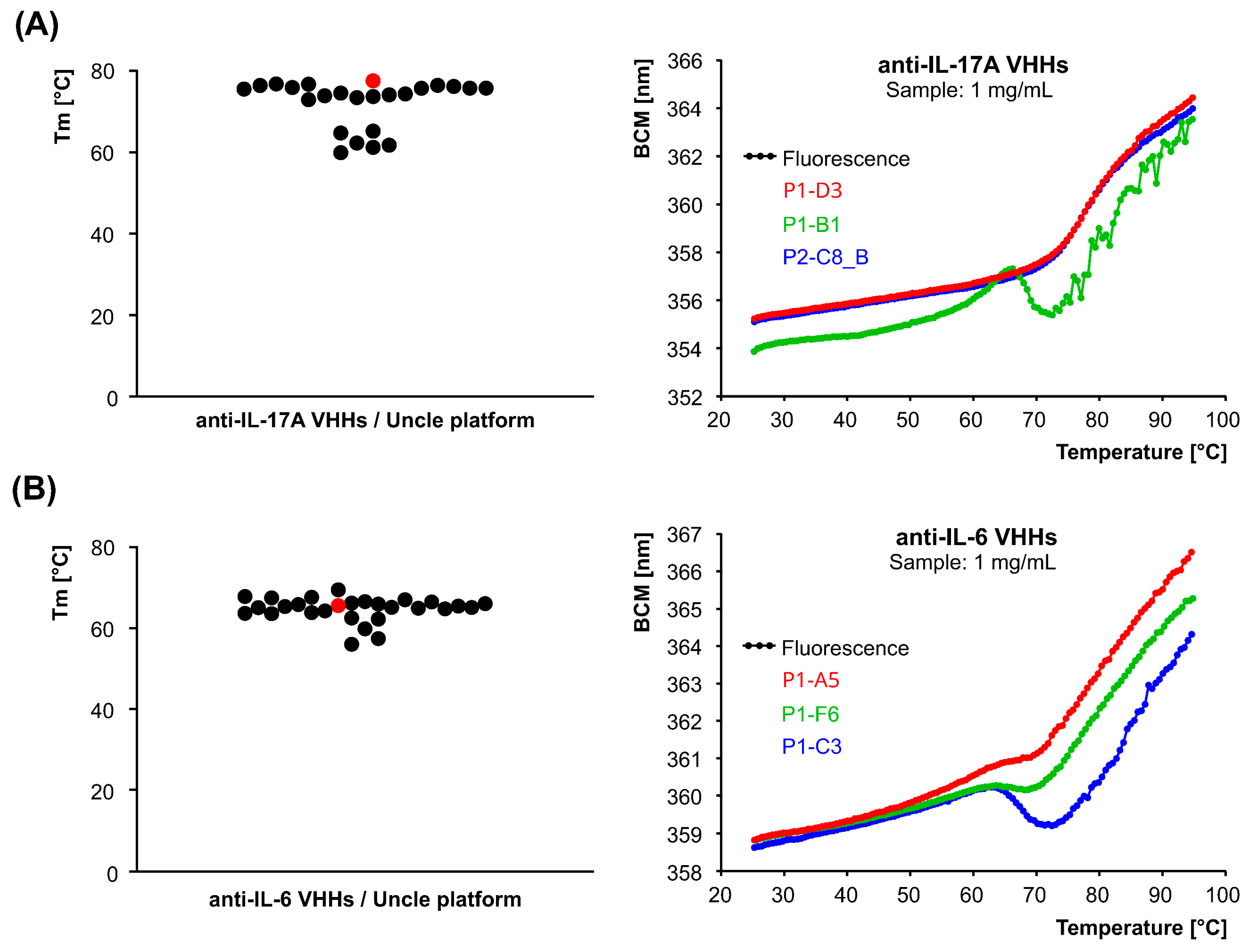
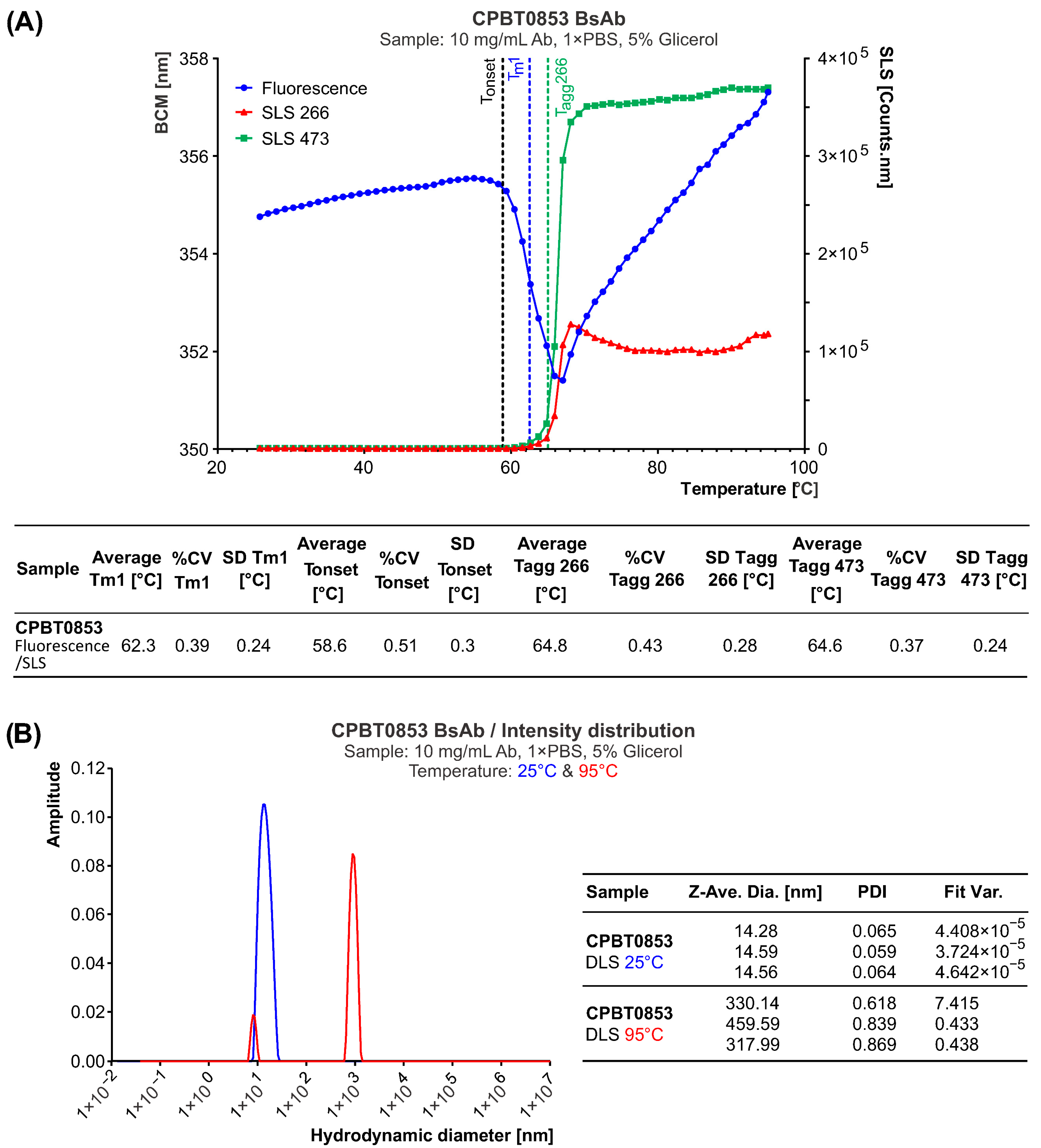
The thermal stability of nanobodies or a bispecific antibody was detected using Uncle, a multifunctional protein stability screening platform (Unchained Labs, Pleasanton, CA, USA) that integrates three distinct measurement modes—fluorescence, static light scattering (SLS), and dynamic light scattering (DLS). All samples were clarified by centrifugation at 10,000× g for 10 min and then immediately analyzed via Uncle at a concentration of 1 mg/mL (VHHs) and 10 mg/mL (bispecific antibody). Purified protein samples were heated from 25 °C to 95 °C at a rate of 0.5 °C/min, and the full spectrum fluorescence, SLS, and DLS data were recorded. The melting midpoint temperature (Tm) was calculated by the Uncle Analysis software (Unchained Labs; version 6.01) for all VHHs. In addition, for the bispecific antibody, thermal-induced aggregation onset, and the polydispersity index (PDI) were determined based on SLS and DLS profiles.
2.8. Purity Determination
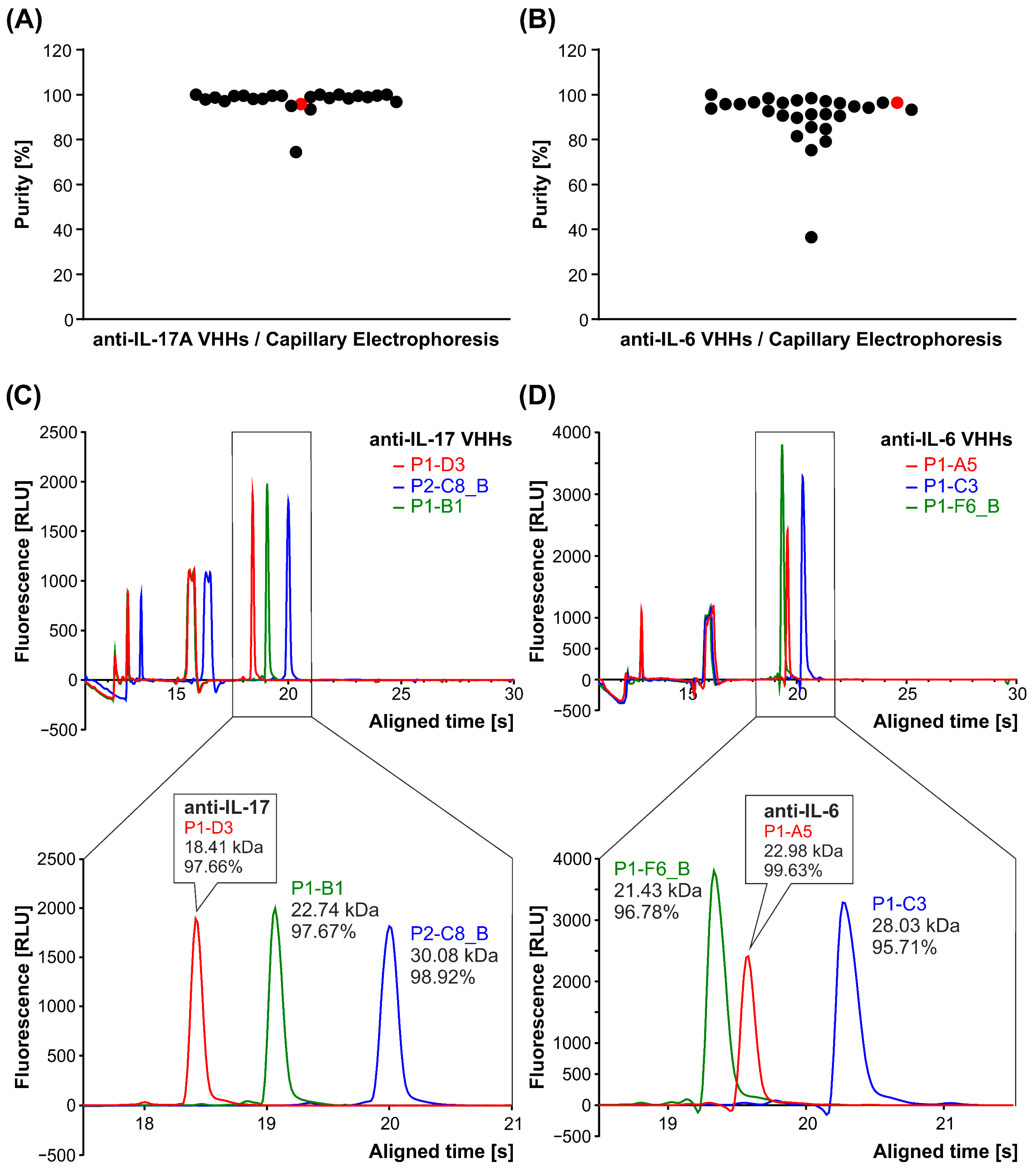
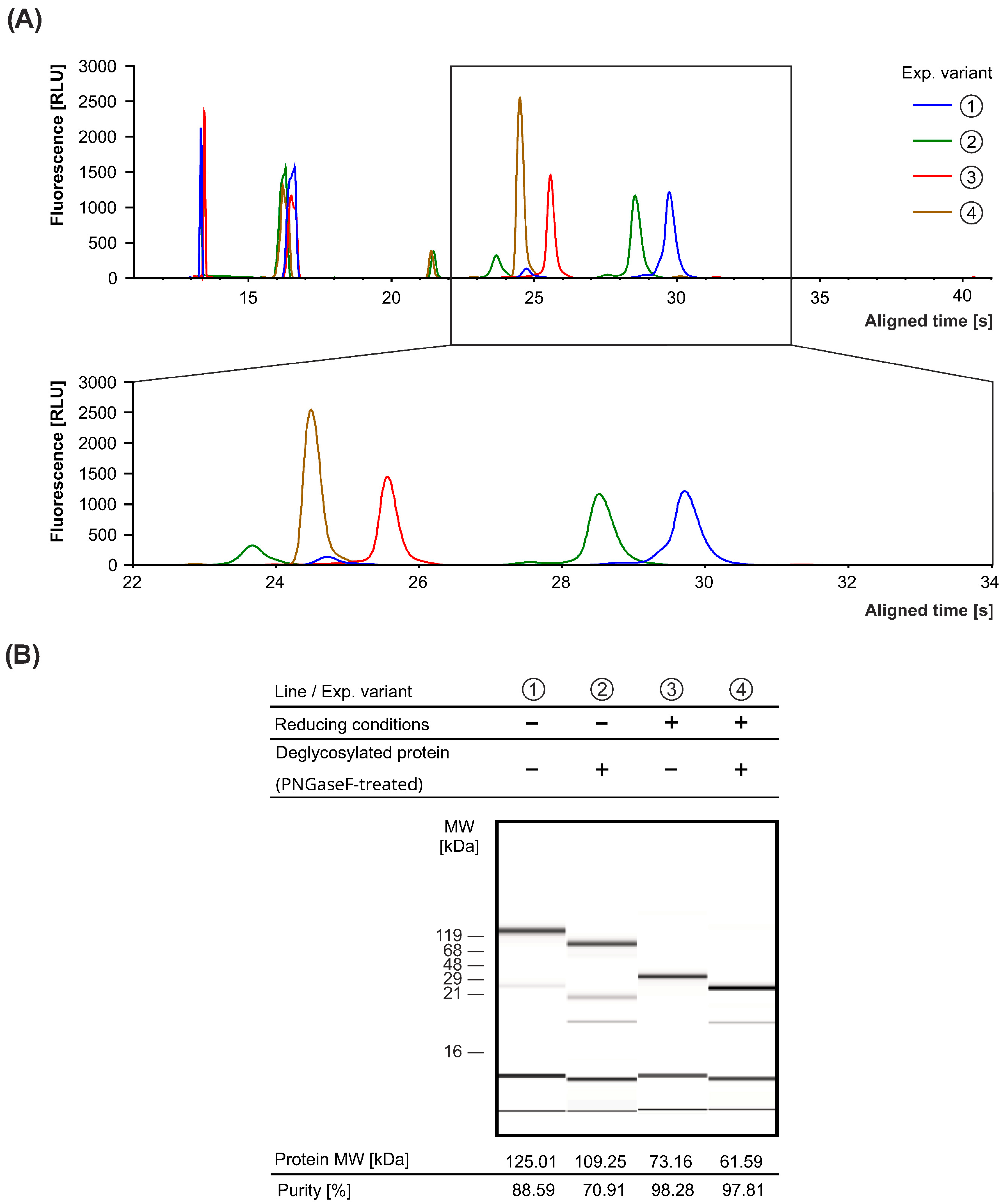
Purity analyses of VHHs or a bispecific antibody were performed by capillary electrophoresis on the LabChip GXII 24 Touch instrument (Revvity Inc., Waltham, MA, USA) using Protein Express Assay Reagent Kit and Protein Express Chip (Revvity Inc.). In addition, 1 µg of each VHH or 2.5 µg of bispecific antibody in 2 µL were mixed with 7 µL of sample buffer prepared by mixing 700 µL of HT Protein Express sample buffer with 24.5 µL of 2-mercaptoethanol (BME; for reducing condition assay). The samples were incubated at 95 °C for 5 min. The bispecific antibody was also prepared under non-reducing conditions (w/o BME). After cooling to room temperature, 35 µL of water was added to each sample before loading onto the instrument. The gel dye, ladder, and Protein Express Chip were prepared according to the manufacturer’s protocol (Revvity Inc.). In addition, the bispecific antibody was subjected to enzymatic deglycosylation using PNGase F enzyme according to the manufacturer’s protocol (NEB). Deglycosylation was performed under both reducing and non-reducing conditions, and the resulting samples were processed and analyzed as described above. Samples were analyzed using the HT Protein Express 100 script for VHHs and HT Protein Express 200 script for the bispecific antibody.
2.9. Affinity Determination of Purified VHHs
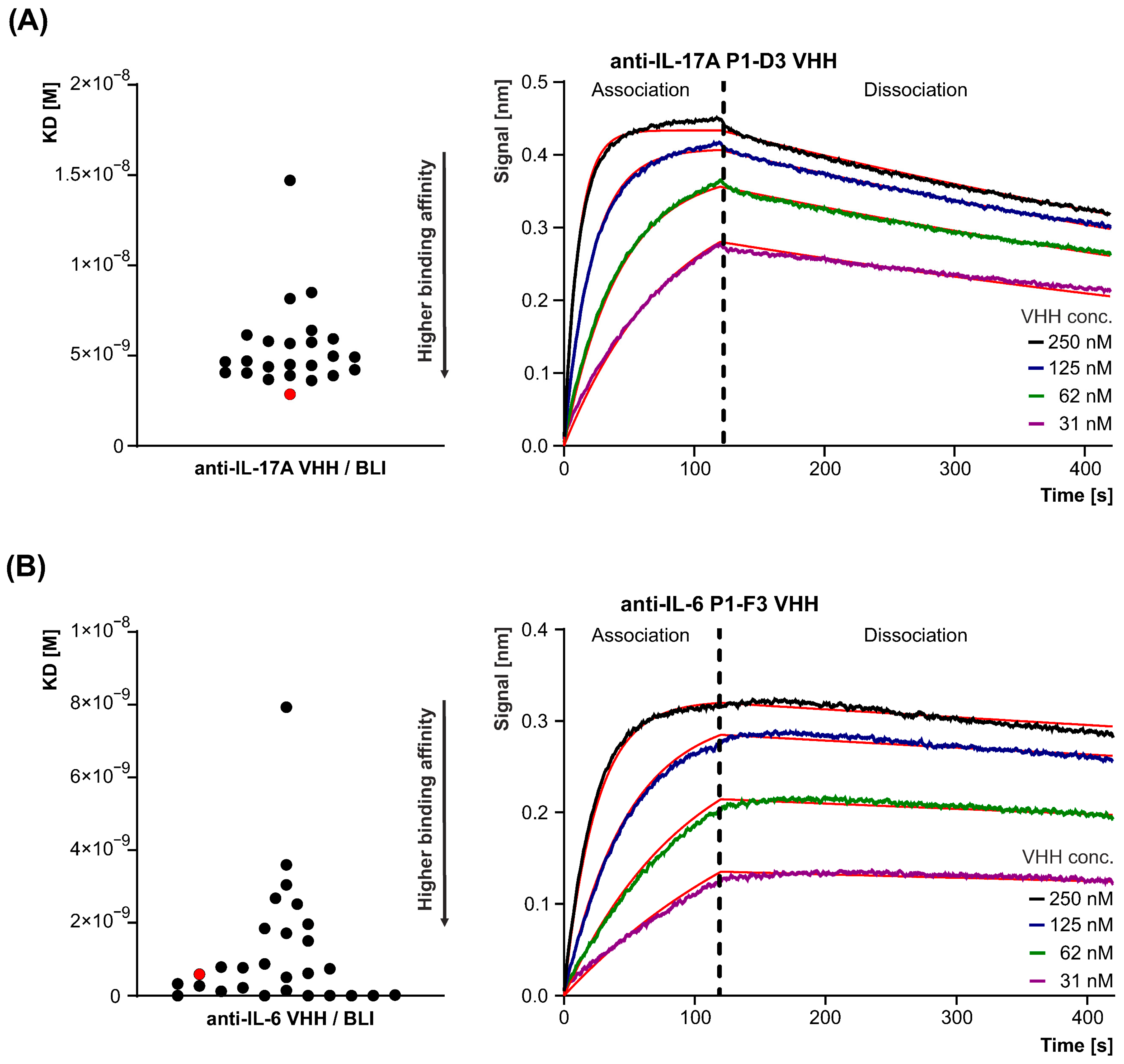
The binding affinities of selected VHHs to IL-6 and IL-17A were measured on an Octet RED96 instrument (Sartorius AG) at 25 °C, with agitation at 1000 rpm in a 96-well black plate (GREINER). IL-6 or IL-17A with FcTag (10 µg/mL; homemade) were immobilized on anti-human IgG Fc capture biosensors (AHC; Sartorius AG) for 2 min. Following a 1 min wash step in 1× Kinetic Buffer (Sartorius AG), the sensors were transferred to wells containing VHHs (31–500 nM) in Kinetic Buffer. After the association phase (2 min), the sensors were moved to wells containing only Kinetic Buffer (dissociation phase) for 2 min. The binding data were analyzed with the ForteBio data analysis software HT 10.0, and affinity constants (KD) were calculated using a 1:1 interaction model (fitting global).
2.10. Method of Assessment of VHHs’ Biological Activity Using HEK-Blue Reporter Cells
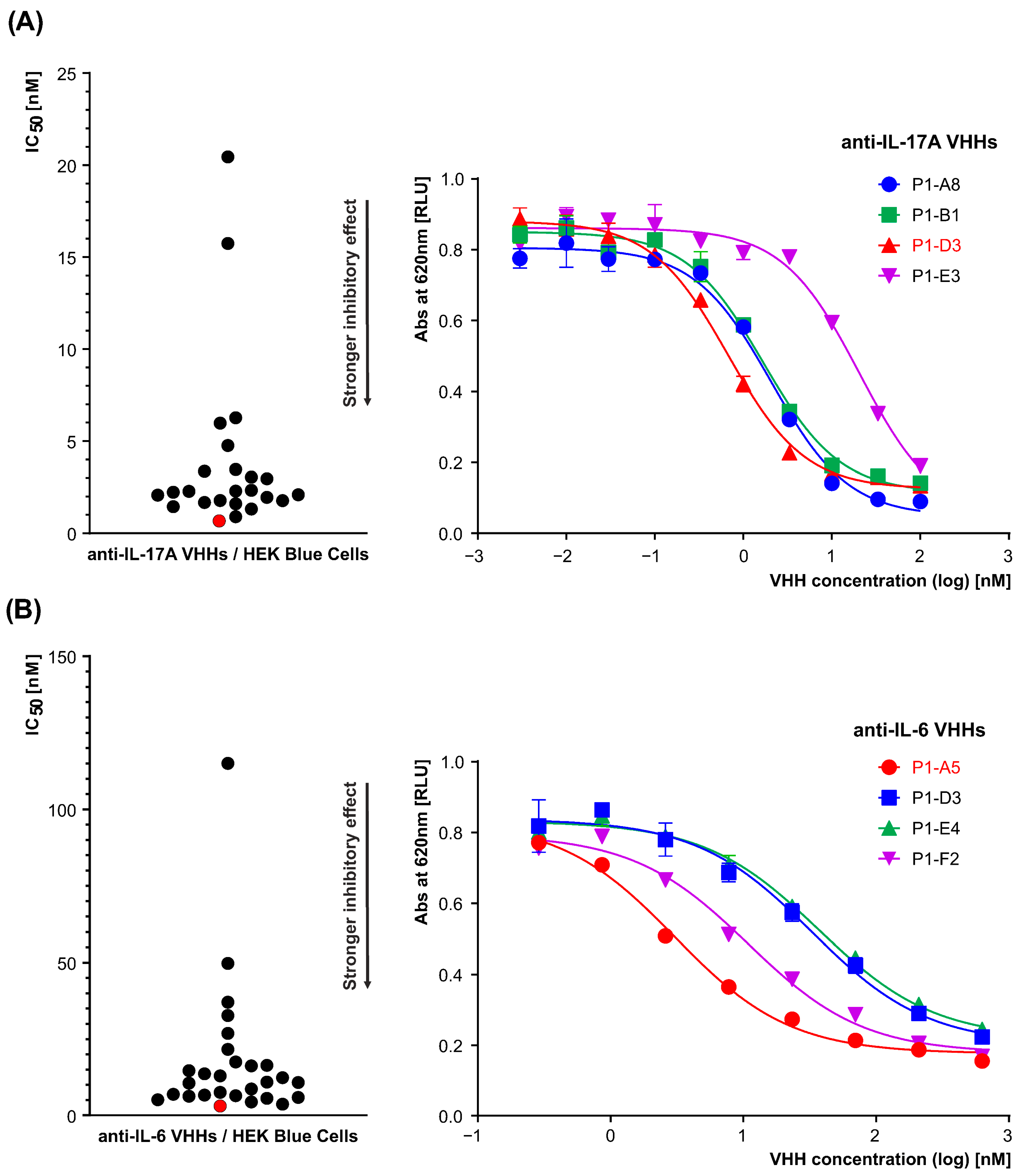
HEK-Blue IL-6 (#hkb-il6; InvivoGen, San Diego, CA, USA) or HEK-Blue IL-17 (#hkb-il17; InvivoGen) reporter cells were used to assess the biological activity of VHHs. Cells were stimulated with IL-6 (1 ng/mL; PeproTech Inc., Rocky Hill, NJ, USA) and IL-17A (10 ng/mL; ACROBiosystems, Newark, DE, USA) in the presence of various concentrations of each VHH, ranging from 0.3 nM to 600 nM for IL-6 and from 0.003 nM to 100 nM for IL-17A. The cytokines, IL-6 or IL-17A, were pre-incubated with each VHH for 15 min at 37 °C in a 5% CO2 atmosphere. Subsequently, 30,000–50,000 viable cells were added to each well and incubated for 24 h at 37 °C in a 5% CO2 atmosphere. IL-6 stimulation activated the STAT3-inducible SEAP-coding reporter gene, releasing SEAP into the medium. Similarly, IL-17A stimulation activated a signaling cascade involving NF-κB and AP-1, also inducing SEAP production. The resulting medium samples were then incubated with QUANTI-Blue solution (AP substrate; InvivoGen) for 30–60 min at 37 °C, and SEAP levels were measured using a spectrophotometer at 620 nm. All cell culture procedures were performed according to the manufacturer’s protocol. The IC50 values were determined using a three-parameter dose–response inhibition model (nonlinear fit) using GraphPad Prism ver. 10.
2.11. Design, Construction and Molecular Optimization of VHH-Based Bispecific Antibodies
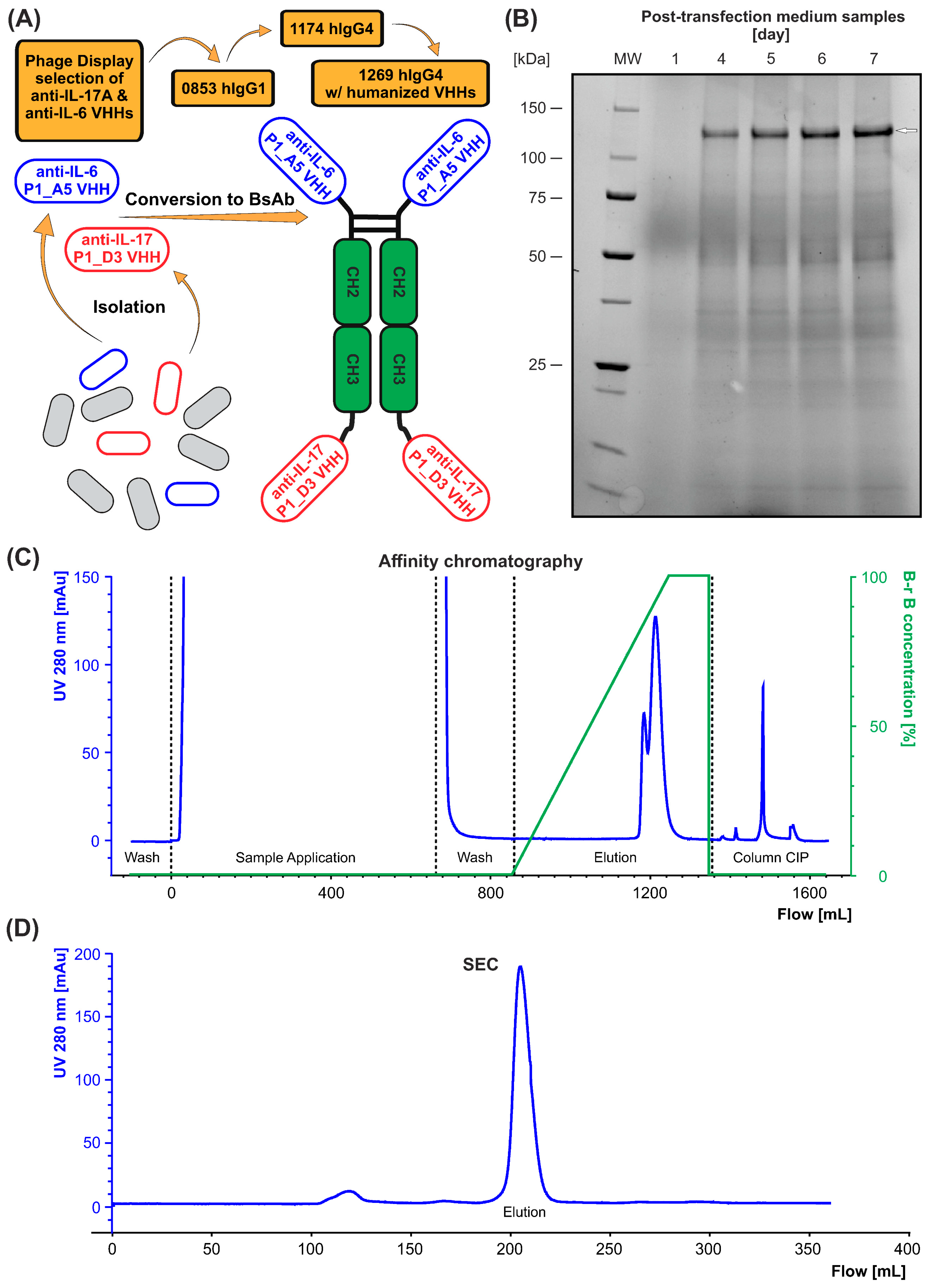
The gene encoding the single-chain bispecific antibody, composed of an anti-IL-6 VHH (A5), an anti-IL-17A VHH (D3), and the Fc region of human IgG1, was codon-optimized for mammalian expression (Geneious Prime ver. 2023.0.4; GraphPad Software LLC, Boston, MA, USA) and synthesized by GenScript Biotech (Nanjing, China). The construct was cloned into the pcDNA3.1 expression vector. The two VHH domains were genetically linked in a head-to-tail orientation via a flexible (G
4S)
3 linker and fused to the Fc fragment to enable dimerization and prolong serum half-life (designated CPBT0853). To modulate effector functions and reduce Fc-mediated immune activation, the IgG1 Fc region was replaced with the Fc domain of human IgG4. The resulting construct retained the same VHH configuration and linker architecture as the IgG1-based molecule and was designated CPBT1174. To further reduce potential immunogenicity, particular amino acid residues in the frameworks of the VHH domains A5 and D3 were selected using several web servers: IGBLAST [
https://www.ncbi.nlm.nih.gov/igblast/igblast.cgi] (accessed on 22 January 2026)—alignment to closest human germline sequences; ABYSIS [
http://www.abysis.org/abysis/sequence_input/key_annotation/key_annotation.cgi] (accessed on 22 January 2026)—identification of unusual residues in humans and their percentage; DDMut [
https://biosig.lab.uq.edu.au/ddmut/submit_prediction] (accessed on 22 January 2026)—determination of the effects of mutations on protein stability. Then, the framework residues were humanized, based on the results from the above web servers with human VH germline families, while preserving the complementarity-determining regions (CDRs) to maintain antigen specificity and binding affinity. This final humanized bispecific construct was designated CPBT1269. For experimental control purposes in the assay described in
Section 2.17, two monospecific antibodies targeting IL-6 (CPBT1777, based on the A5 VHH clone) or IL-17A (CPBT1776, based on the D3 VHH clone) were also generated. These constructs consisted of the respective VHH domains fused to the Fc region of human IgG1 and were produced using an analogous expression and purification strategy.
2.12. Expression and Purification of Bispecific Antibodies
All plasmids based on the pcDNA3.1 (+) vector backbone for transient expression were prepared using the Endotoxin-Free MaxiPrep kit (Macherey-Nagel GmbH & Co. KG, Düren, Germany), following the manufacturer’s instructions. A bispecific antibody was produced in transiently transfected ExpiCHO-S cells (Thermo Fisher Scientific Inc.) using the FectoCHO transfection kit (Polyplus-transfection SA, Illkirch, France) according to the manufacturer’s protocol. The culture medium was harvested 6 days post-transfection, or when the cell viability dropped below 70%, and clarified by centrifugation (30 min, 7000× g, RT). The medium was additionally filtered using a 0.22 μm Bottle Top Filter (Sarstedt AG & Co. KG, Nümbrecht, Germany) before the subsequent purification process. The antibodies were purified by affinity chromatography using MabCaptureC resin (Thermo Fisher Scientific Inc.). For column equilibration and washing steps, 1× PBS pH 7.4 was used, whereas elution was performed using PBS with a linearly increasing gradient of 50 mM glycine pH 3.0. A final polishing step of the bispecific antibody was carried out by preparative size exclusion chromatography (HiLoad 16/600 Superdex 200 pg; Cytiva, Washington, DC, USA), during which the protein solution was exchanged to 1× PBS pH 6.8, 5% glycerol. Antibodies were concentrated using Amicon filters (50K MWCO; Sigma), and protein concentrations were determined by UV-VIS spectroscopy at 280 nm (NanoDrop; IMPLEN GmbH). Antibody purity was analyzed by SDS-PAGE (4–20% Mini-Protean TGX Precast gel; Bio-Rad Laboratories Inc., Hercules, CA, USA) and the LabChip GXII 24 Touch instrument using the HT Antibody Express 200 script.
2.13. Affinity Determination of Purified Bispecific Antibody CPBT0853
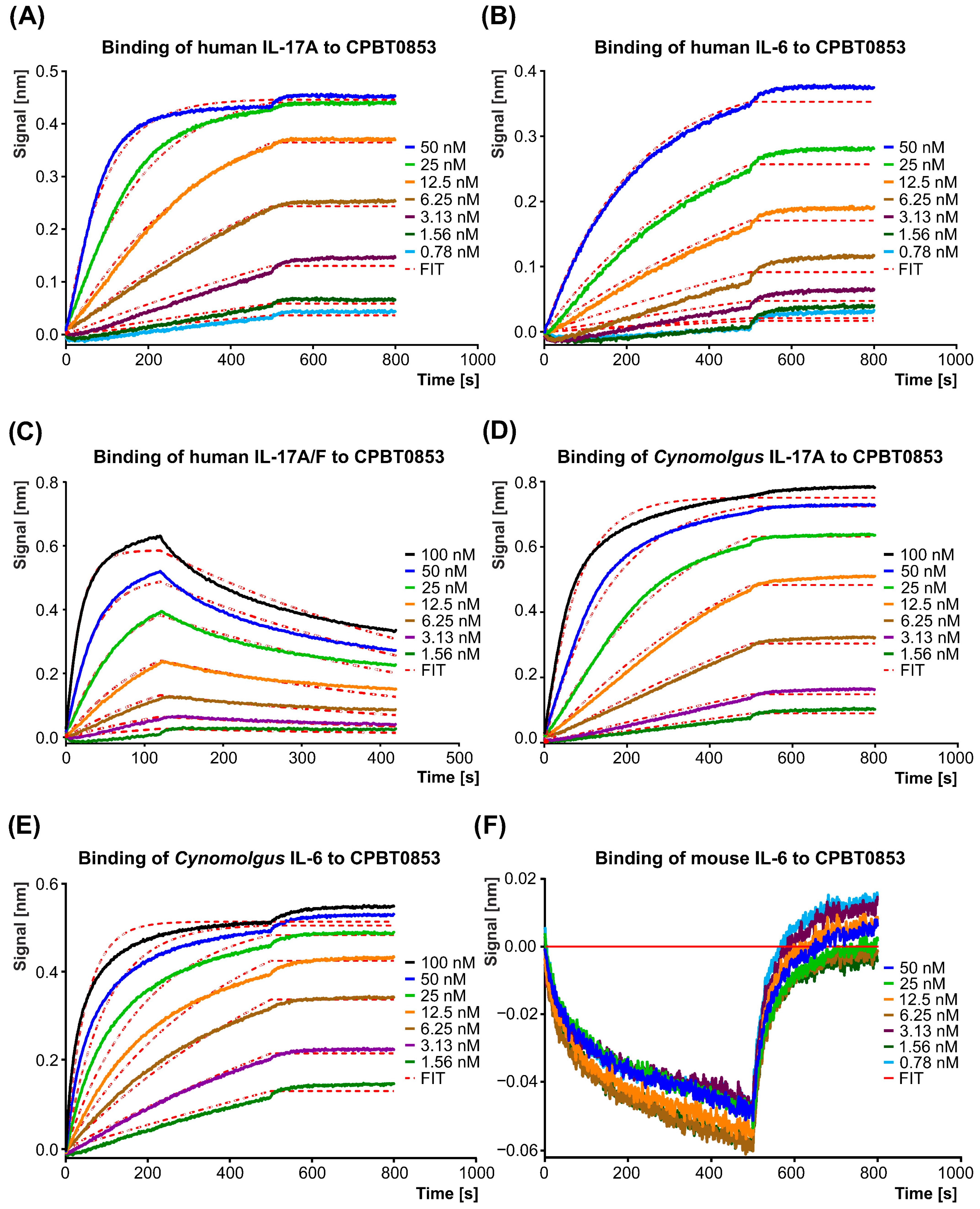
The binding of human, cynomolgus monkey (Macaca fascicularis), and mouse IL-6 and IL-17A (ACROBiosystems), human complex IL-17A/F (R&D System, Minneapolis, MN, USA) and human IL-17E and IL-17F (ACROBiosystems) to the anti-IL-6/anti-IL17A bispecific antibody CPBT0853 was analyzed using an Octet RED96 instrument (Sartorius AG). Dissociation constants (KD) were determined at seven concentrations for each cytokine, ranging from 0.78 nM to 100 nM, diluted in 1× Kinetic Buffer (Sartorius AG). All measurements were performed at 25 °C using a 96-well black plate (GREINER) agitated at 1000 rpm. The antibodies were immobilized on anti-human IgG Fc capture biosensors (AHC; Sartorius AG) at a concentration of 10 µg/mL for 2 min. After loading, the sensors were washed with 1× Kinetic Buffer for 1 min. The sensors were then transferred to wells containing IL-17A at varying concentrations for the association step (2 min) and subsequently transferred back to 1× Kinetic Buffer for the dissociation measurements (5 min). This process was followed by a 30 s wash in 1× Kinetic Buffer. The sensors were then transferred to wells containing IL-6 at different concentrations for the association step (2 min) and subsequently transferred back to 1× Kinetic Buffer for the dissociation measurements (5 min). For all other cytokines, including human IL-17E, IL-17F, and IL-17A/F complex, as well as murine and cynomolgus monkey IL-6 and IL-17A, binding to CPBT0853 was assessed using a standard single-analyte interaction format, where only one cytokine was associated per measurement, unlike the sequential dual-cytokine assay described above. All measurements were corrected for baseline drift by subtracting data from a control sensor exposed only to 1× Kinetic Buffer. Data were analyzed using a 1:1 interaction model (global fitting) with the ForteBio data analysis software HT 10.0. It should be noted that for very-high-affinity interactions (low picomolar range), kinetic parameters derived from BLI may represent apparent values due to avidity effects resulting from bivalent Fc-mediated immobilization and instrumental detection limits for very slow dissociation rates.
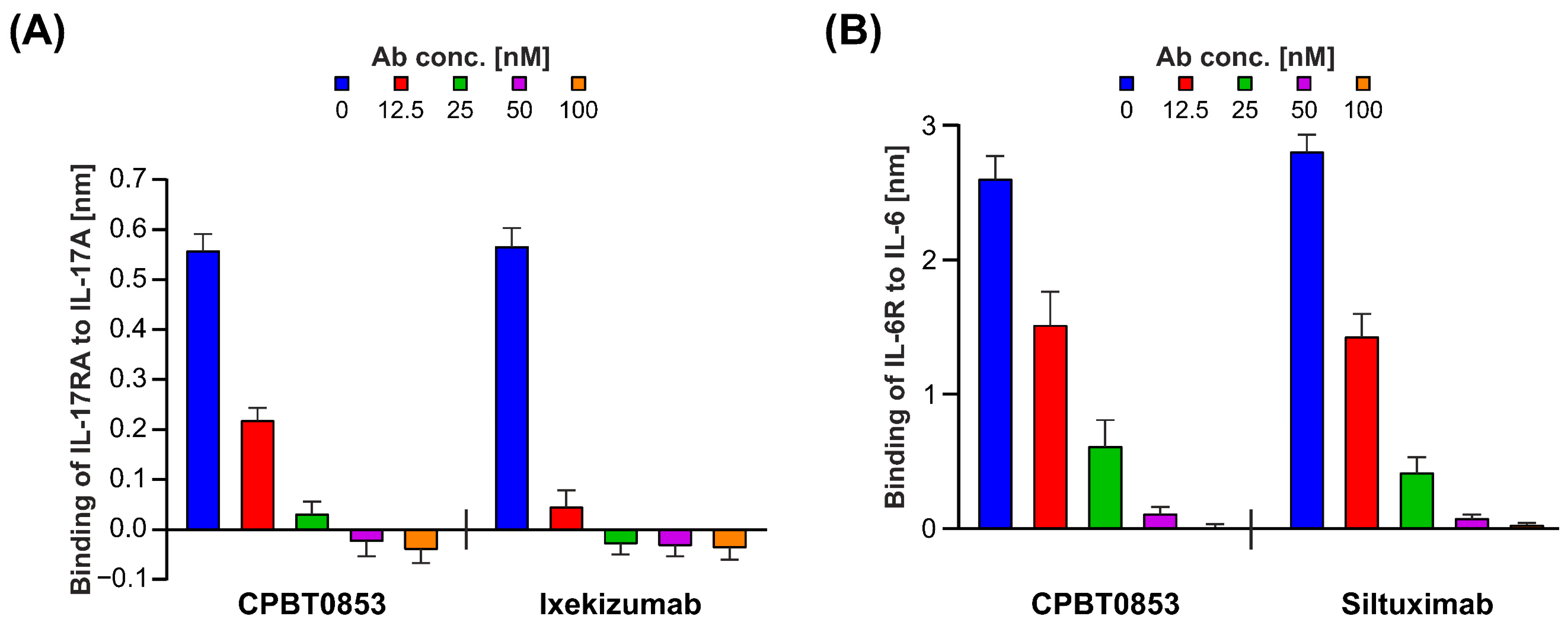
2.14. Measurement of the Potential of CPBT0853 to Inhibit IL-17A/IL-17RA and IL-6/IL-6R Interactions
To assess the ability of the bispecific antibody to inhibit the binding of cytokines to their receptors, the Octet RED96 instrument (Sartorius AG) was utilized. All measurements were performed at 25 °C using a 96-well black plate (GREINER) agitated at 1000 rpm. Biotinylated cytokines (ACROBiosystems) were immobilized on a streptavidin sensor (SA; Sartorius AG) at a concentration of 100 nM for 2 min. After loading, the sensors were washed with 1× Kinetic Buffer for 30 s. The sensors were then transferred to wells containing bispecific antibodies at varying concentrations (12.5–100 nM) for the association step (2 min) and subsequently transferred back to 1× Kinetic Buffer for the dissociation measurements (1 min). Next, the sensors were washed with 1× Kinetic Buffer for 30 s and transferred to wells containing IL-17AR or IL-6R at a concentration of 200 nM for 2 min, followed by transfer back to 1× Kinetic Buffer for the dissociation measurements (2 min). The thickness of the biological layer of the complex IL-17A with its receptor IL-17AR or IL-6 with its receptor IL-6R was analyzed using ForteBio data analysis software HT 10.0. All measurements were corrected for baseline drift by subtracting data from a control sensor exposed only to 1× Kinetic Buffer. The results were compared with those obtained using the monospecific antibody Ixekizumab (Taltz; Eli Lilly Nederland B.V., Utrecht, The Netherlands), an anti-IL-17A antibody used in the treatment of psoriasis; and Siltuximab (prepared in-house), an anti-IL-6 antibody used for treating Castleman disease.
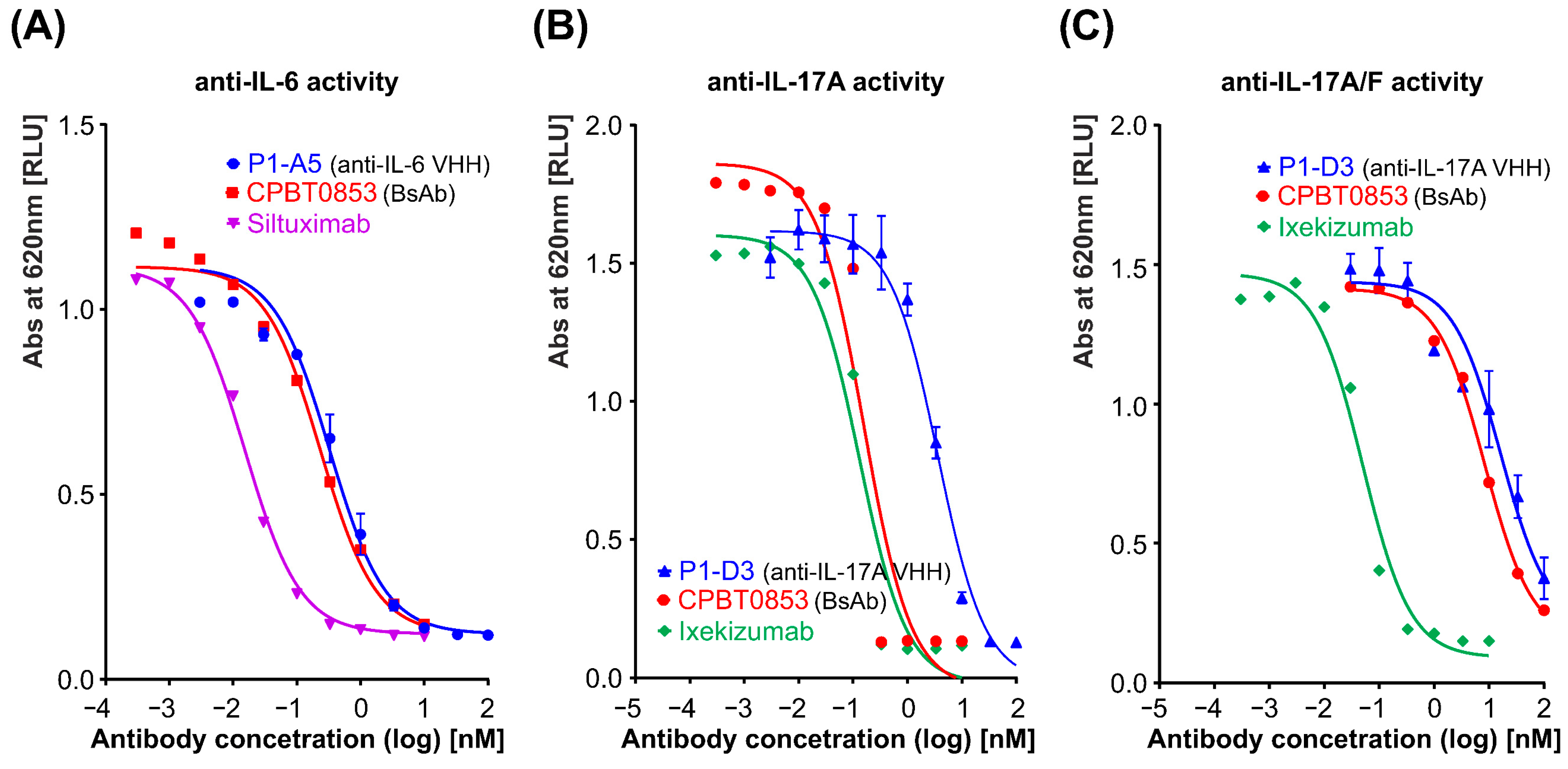
2.15. Assessment of Neutralizing Activity of Bispecific Antibody Using HEK-Blue Reporter Cells
HEK-Blue IL-6 reporter cells (#hkb-il6; InvivoGen) or HEK-Blue IL-17 reporter cells (#hkb-il17; InvivoGen) were used to assess the activity of the bispecific antibody CPBT0853, respectively. The cells were stimulated with IL-6 (1 ng/mL; ACROBiosystems) or IL-17A (10 ng/mL; ACROBiosystems) and human complex IL-17A/F (10 ng/mL; R&D System) in the presence of various concentrations of the bispecific antibody ranging from 0.0003 nM to 100 nM. Prior to stimulation, the cytokines IL-6 or IL-17A were pre-incubated with the bispecific antibody for 15 min at 37 °C in a 5% CO2 atmosphere. Subsequently, either 30,000 or 50,000 viable cells were added to each well and incubated for 24 h at 37 °C in a 5% CO2 atmosphere. The IL-6 stimulation activated the STAT3-inducible SEAP-coding reporter gene, resulting in the release of the SEAP protein into the medium. Similarly, IL-17A stimulation triggered a signaling cascade involving NF-κB and AP-1, also leading to SEAP secretion. After incubation, the medium was mixed with QUANTI-Blue solution (InvivoGen) and incubated for 30–60 min at 37 °C. SEAP levels were then measured using a spectrophotometer at 620 nm. All cell culture procedures were performed according to the manufacturer’s protocol (InvivoGen). The IC50 values were calculated using a three-parameter dose–response inhibition model in GraphPad Prism software ver. 10.
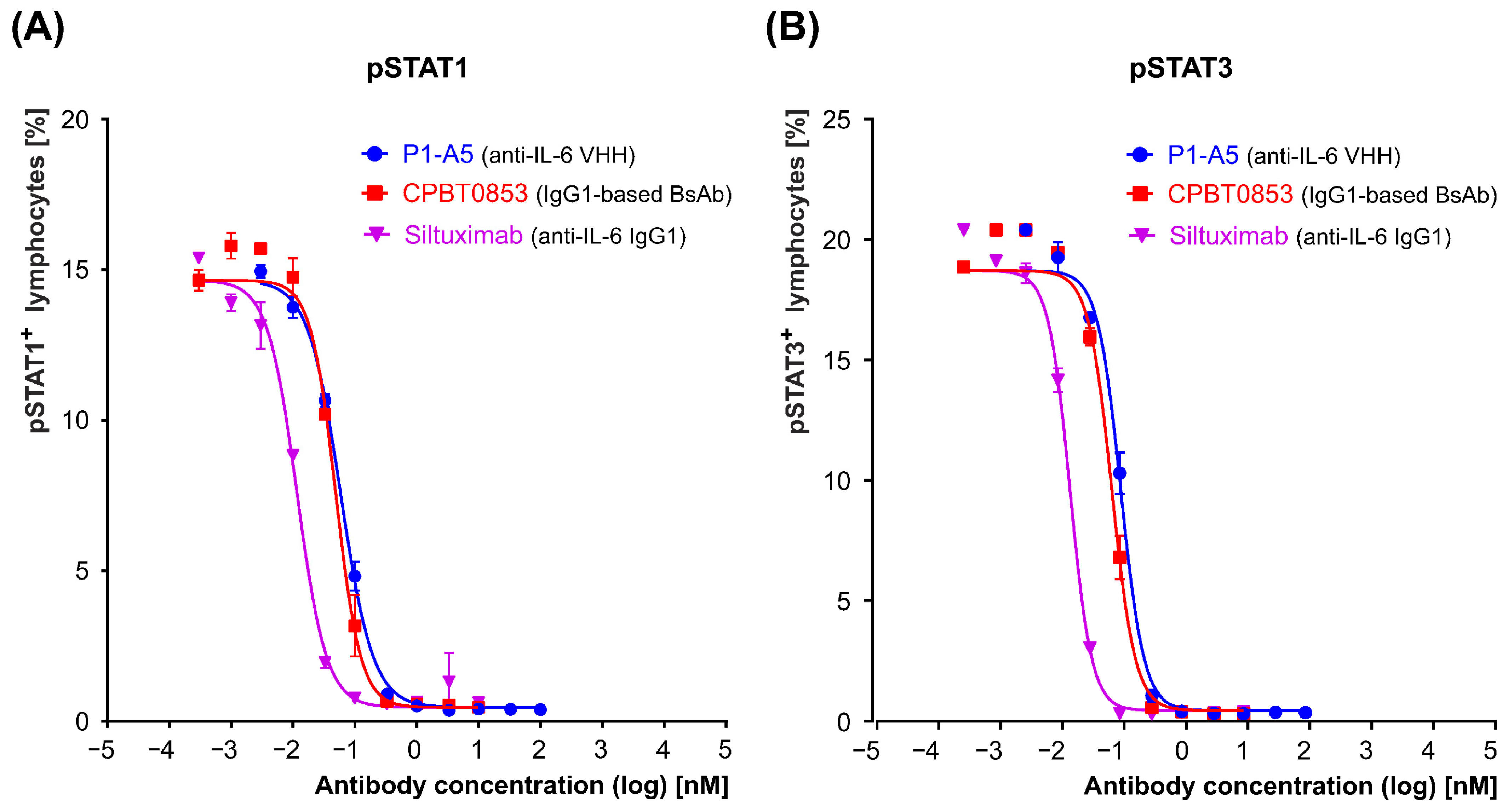
2.16. Method for Measuring Inhibition of the IL-6-Induced STAT Signaling by the Bispecific Antibody
Peripheral blood mononuclear cells (PBMCs) from three different healthy donors from the Regionalne Centrum Krwiodawstwa i Krwiolecznictwa w Warszawie (Regional Centre of Blood Donation and Blood Treatment in Warsaw, Poland) were used to evaluate the activity of a bispecific antibody targeting IL-6 and IL-17A. PBMCs were isolated following the protocol described at
https://www.reprocell.com/blog/biopta/pbmc-isolation-from-buffy-coat-samples (
Protocol for PBMC isolation from buffy coat samples, REPROCELL Europe; Accessed on 22 January 2026). Prior to the assay, AIM V medium (Thermo Fisher Scientific) was warmed to 37 °C in a water bath, and 9 mL of medium was added to a 15 mL conical tube. PBMCs were thawed in a water bath, transferred to the conical tube containing AIM V medium, and centrifuged at 450×
g for 5 min at room temperature. The supernatant was aspirated, and the cells were resuspended in 5 mL of fresh AIM V medium. Cells were seeded into 96-well plates (100 µL/well) in dilution 5 × 10
5 cells per well in AIM V medium and incubated for 30 min at 37 °C in a 5% CO
2 atmosphere before stimulation. For stimulation, PBMCs were incubated with IL-6 (1 ng/mL; ACROBiosystems) in the presence of various concentrations of the bispecific antibody CPBT0853, ranging from 0.003 nM to 100 nM. IL-6 was pre-incubated with the antibody for 20 min at room temperature. IL-6/antibody mixture was added to the well with PMBC and incubated for 30 min at 37 °C in a 5% CO
2 atmosphere. IL-6 stimulation led to the activation of STAT3 and STAT1 pathways via phosphorylation. Following incubation, the cells were fixed and stained with anti-pSTAT1 (AF647) and anti-pSTAT3 (AF488) antibodies (BD Biosciences, Franklin Lakes, NJ, USA) to quantify phosphorylated STAT1 and STAT3. Flow cytometric analysis was performed using a FACS Symphony A1 (BD Biosciences). The percentage of pSTAT-positive lymphocytes was determined, and IC
50 values were calculated using a three-parameter dose–response inhibition model (nonlinear fit) in GraphPad Prism software ver. 10.
2.17. Assessment of Biological Activity of Bispecific Antibodies in Human Fibroblast-like Synoviocytes (HFLS)
Human Fibroblast-Like Synoviocyte cells (HFLS; Cell Applications Inc. via Sigma, St. Louis, MO, USA) were used to assess the activity of a bispecific antibody targeting IL-6 and IL-17A. All cell culture procedures were conducted according to the supplier guidelines described at
https://www.sigmaaldrich.com/PL/pl/technical-documents/protocol/cell-culture-and-cell-culture-analysis/primary-cell-culture/human-fibroblast-like-synoviocytes (Sigma; accessed on 22 January 2026). Cells were seeded into 12-well plates at a density of 7 × 10
5 cells/mL (1 mL per well) and cultured overnight at 37 °C in a 5% CO
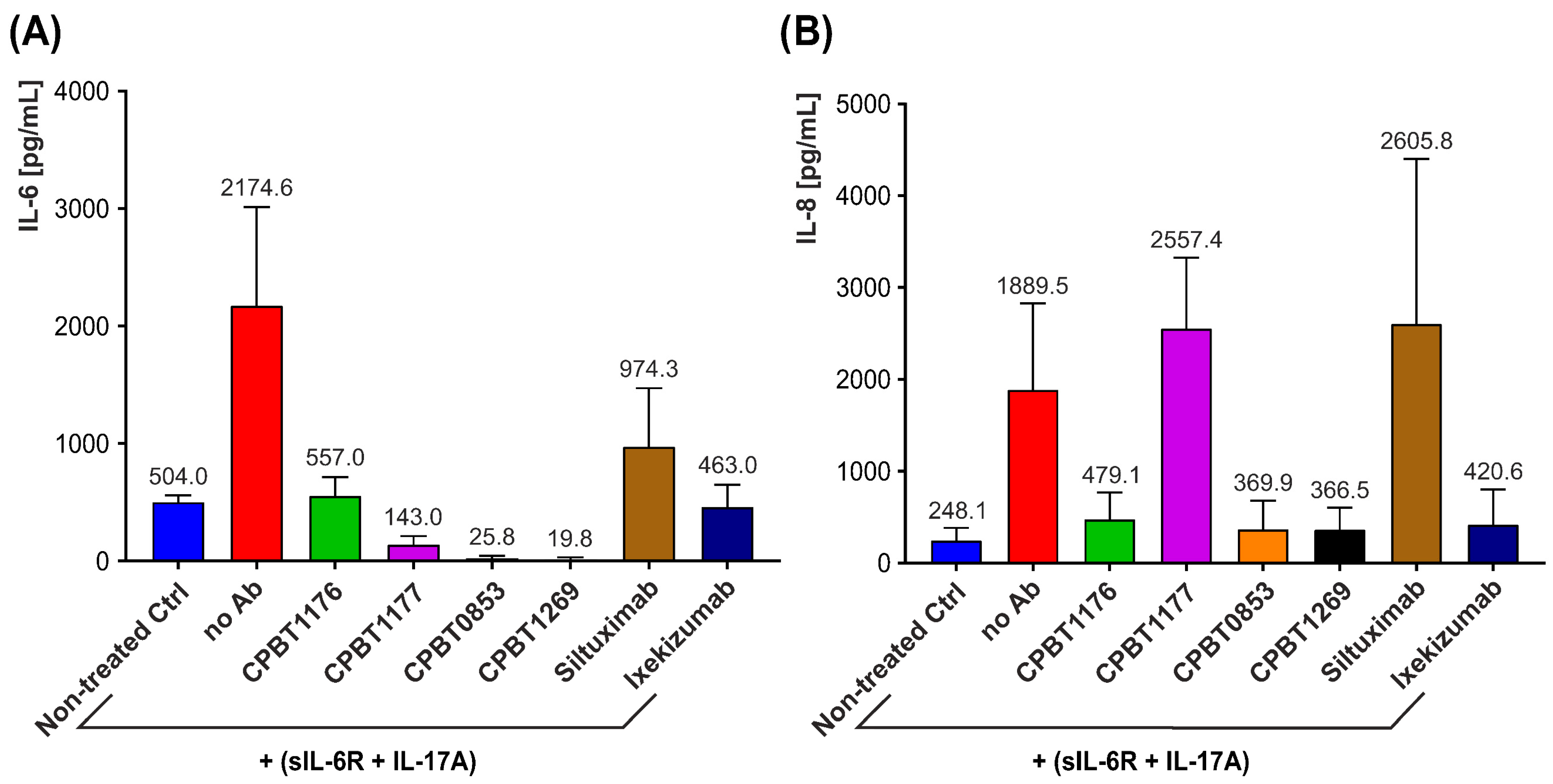
2 atmosphere. The next morning, the medium was removed, and the cells were treated with 1 mL of test protein solutions prepared in growth medium. HFLS were stimulated with soluble IL-6 receptor (sIL-6R; 100 ng/mL, PeproTech) and recombinant human IL-17A (100 ng/mL, ACROBiosystems). HFLS cells lack expression of the membrane-bound IL-6 receptor (mIL-6R) but express gp130. Therefore, the addition of soluble IL-6R (sIL-6R) enables IL-6 trans-signaling through formation of the IL-6/sIL-6R complex, which binds to gp130 and induces a pro-inflammatory response. Before stimulation, these cytokines were pre-incubated with the bispecific antibody (1 nM) for 20 min at room temperature. Following pre-incubation, the HFLS cells were treated with the cytokine–antibody mixture and incubated for 24 h at 37 °C in a 5% CO
2 atmosphere. After incubation, the supernatant was collected by centrifugation of culture medium at 10,000×
g for 5 min. Cytokine levels in the supernatant were measured using the LEGENDplex™ Human Anti-Virus Response Panel (BioLegend, San Diego, CA, USA), following the manufacturer’s protocol. The results were compared with those obtained using reference antibodies: the monospecific antibody Ixekizumab (Taltz), an anti-IL-17A antibody used in the treatment of psoriasis, and Siltuximab (prepared in-house), an anti-IL-6 antibody used for treating Castleman disease. Monospecific formats of the bispecific antibody, i.e., anti-IL-6 (CPBT1777) and anti-IL-17A (CPBT1776), were used separately as an additional control.
4. Discussion
Interleukins IL-17A and IL-6 are key cytokines driving inflammatory responses and maintaining disease pathology in various autoimmune conditions. IL-17A, produced mainly by T helper17 cells, has similarly been implicated in the pathogenesis of autoimmune diseases, including rheumatoid arthritis and psoriasis [
25,
26]. It synergizes with other pro-inflammatory mediators, enhancing the responses of synovial fibroblasts, chondrocytes, and osteoclasts [
19]. IL-6 plays a well-established role in diseases like rheumatoid arthritis by promoting the recruitment of neutrophils, stimulating B cells and T helper17 differentiation, and activating osteoclasts, contributing to joint degradation [
27]. Additionally, IL-6 supports angiogenesis and induces acute-phase proteins such as CRP [
28].
Conventional therapies based on monospecific antibodies, although effective in many cases, are associated with several drawbacks. These include suboptimal pharmacokinetics, systemic side effects, and insufficient control over complex and redundant inflammatory networks. Consequently, the development of multispecific antibodies has gained traction as a next-generation therapeutic strategy. These molecules offer the potential for enhanced clinical efficacy while reducing reliance on drug combinations and minimizing systemic toxicity [
5,
29].
The success of bispecific antibodies in oncology, e.g., Blinatumomab targeting CD20 and CD3, demonstrates their therapeutic promise in complex diseases [
30]. However, bispecific formats remain largely underutilized in autoimmune disorders. To date, Ozoralizumab, which targets TNF-α and human serum albumin (HSA), is the only bispecific antibody approved for autoimmune disease (in Japan) [
31]. The anti-albumin VHH primarily serves to enhance pharmacokinetic parameters, while VHHs modulate one signaling pathway. This example underscores the need for further development of a bispecific antibody modulating independent inflammatory pathways.
Experimental data suggest a strong rationale for dual targeting of IL-17A and IL-6. Ogura et al. demonstrated a feedback loop in which IL-17A amplifies inflammatory responses by inducing IL-6 expression, which, in turn, promotes further IL-17A production [
20]. Although therapies with anti-IL-17A antibody like Secukinumab and Ixekizumab have shown efficacy in psoriasis and psoriatic arthritis, their benefits in rheumatoid arthritis have been limited, with clinical trials reporting outcomes comparable to those of existing approved treatments [
32,
33,
34,
35]. These results emphasize the limitations of monospecific IL-17A blockade in complex autoimmune settings and support the rationale for a multispecific approach.
In this context, our study provides evidence that a bispecific antibody targeting both IL-17A and IL-6 offers superior efficacy compared to monospecific formats. In a cellular model relevant to rheumatoid arthritis, the bispecific construct more effectively inhibited IL-6 production. Given IL-6’s central role in joint destruction and systemic inflammation, such suppression is of high therapeutic relevance [
27].
Moreover, our bispecific antibody also reduced IL-8 secretion, another important chemokine regulated by IL-17A and involved in neutrophil recruitment in inflammatory diseases like rheumatoid arthritis and psoriasis [
36,
37]. These findings confirm that dual cytokine targeting can disrupt multiple inflammatory pathways simultaneously, offering broader disease control.
This is supported by data from Lyman et al., who reported that co-inhibition of IL-6R and IL-17A significantly reduced inflammatory cell infiltration and edema in a murine hypersensitivity model, compared to either cytokine being targeted alone [
15]. Our study builds on this foundation, highlighting the translational potential of bispecific antibodies in autoimmune disease management.
Despite our promising findings, several limitations must be addressed. The current results are derived from in vitro systems, and further validation in animal models is essential to confirm efficacy and safety. Pharmacokinetic profiling, immunogenicity assessment, and long-term outcome studies will be necessary to fully characterize the clinical potential. Additionally, mechanistic studies investigating receptor occupancy, downstream signaling interference, and cytokine network disruption may further elucidate the advantages of bispecific formats.
Future research should also explore other cytokine pairs relevant to specific autoimmune contexts and investigate the optimal design parameters for bispecific antibodies to maximize target engagement and minimize off-target effects.
This study demonstrates that bispecific antibodies targeting IL-17A and IL-6 represent a promising strategy for improving outcomes in autoimmune and inflammatory diseases. By addressing multiple inflammatory pathways simultaneously, they offer the potential to overcome the limitations of current therapies and set a foundation for next-generation immunomodulatory treatments.