1. Introduction
Since the World Heritage Convention (1972) [
1], cultural landscapes have been recognized and studied within historical and scientific contexts, especially through the lens of preservation and conservation, including concepts such as belonging, outstanding value, locality, universality, meaning, uniqueness, and singularity. From another perspective, the Landscape Convention (2000) [
2] emphasizes the importance of landscapes for individual and social well-being, highlighting their role in improving quality of life, reflecting cultural, scientific, aesthetic, and historical values, and shaping a place’s identity. Cultural landscapes are highly valuable but vulnerable, and their preservation is difficult amid natural threats and rapid global development [
3]. Cultural heritage, including historic buildings, monuments, archaeological sites, traditions, and landscapes, cannot be replaced once it is lost, destroyed, damaged, altered, or erased; it is gone forever. [
4]. Therefore, it is crucial to protect, maintain, and manage these assets so that future generations can experience, learn from, and benefit from them. Identifying risks to cultural heritage requires assessing factors such as historical context, topography, geology, land use, and urban development patterns. While considering geomorphological and geological processes can improve hazard assessments, most long-term vulnerability studies tend to overlook these variables.
The coastal zone between the Douro and Minho Rivers preserves an exceptional ensemble of fortifications built between the late sixteenth and eighteenth centuries, reflecting Portugal’s historical response to privateer incursions, territorial disputes, and the strategic control of river mouths. These fortresses embody a distinctive interaction between defensive architecture and coastal geomorphology, adapting military design to local environmental conditions. Today, some of these sites serve cultural, institutional, or tourism functions, while others are in advanced stages of deterioration due to environmental stressors, coastal erosion, and inadequate maintenance [
5,
6]. Their preservation and sustainable reuse are therefore essential to safeguard this unique testimony of Portugal’s maritime and military heritage, “engaging cultural heritage in climate change” as proposed by Downes (2019) [
3].
Since the adoption of the World Heritage Convention (1972) [
1] and the European Landscape Convention (2000) [
2], cultural landscapes have been recognized as integral expressions of identity, memory, and collective well-being. However, they remain increasingly vulnerable to both natural and anthropogenic pressures. Climate change, manifested through sea-level rise, intensified storms, coastal erosion, and ocean acidification, combined with urban expansion, tourism, and industrial activity, poses a growing threat to coastal heritage worldwide [
7]. Studies have shown that historic fortifications, monuments, and archaeological remains are particularly at risk from flooding, material degradation, and structural instability [
8]. In Portugal and beyond, the combined impact of urbanization, erosion, and rising sea levels exacerbates the fragility of tangible and intangible heritage, calling for urgent, integrated management approaches.
Safeguarding these irreplaceable assets requires integrating geomorphological, environmental, and social dimensions into hazard and vulnerability assessments and adaptation strategies. Long-term preservation depends on interdisciplinary collaboration, adaptive policy frameworks, and active community involvement, aligned with international climate resilience and sustainability objectives. In this article, we use the term ‘hazard’ for potentially damaging physical processes (sea-level rise, storm surge, coastal flooding, coastal erosion), and ‘risk’ for the likelihood and consequences of damage to heritage resulting from the interaction between hazard, exposure, and vulnerability. These differences have been documented in the literature on risk assessment [
9,
10].
Accordingly, this study addresses the question: How vulnerable are the coastal fortifications of northern Portugal to the combined effects of natural and anthropogenic pressures, particularly those intensified by climate change, and how can their preservation and adaptive management be improved?
To answer this, the study aims to:
- (a)
Identify and classify the main natural and anthropogenic risks affecting coastal fortifications along the northern Portuguese Atlantic coast.
- (b)
Develop and apply a standardized observational framework with measurable indicators to systematically assess conservation status and environmental exposure.
- (c)
Map and analyze the vulnerability of the fortifications to support evidence-based conservation and policy decisions.
- (d)
Provide recommendations and adaptation strategies to support policymakers, heritage managers, and local authorities in developing sustainable conservation plans aligned with climate adaptation goals.
2. History, Architecture and Contemporary Uses
The coastal strip between the Douro and the Minho preserves a remarkable set of coastal fortifications, whose construction spans from the end of the sixteenth century to the eighteenth, a period in which Portugal faced threats from privateers, territorial disputes, and the need to control the main river bars [
11]. These properties, classified mainly as Buildings of Public Interest and, in some cases, as National Monuments, constitute a material testament to the evolution of military engineering, influenced by Italian and French traditions and adapted to the geographical specificities of the Portuguese Atlantic coast [
12]. Strategically positioned along the northern Portuguese Atlantic coast, the forts and fortresses extend from the Porto metropolitan area to Caminha, near the Spanish border, reflecting a historical defensive system designed to control and protect the coastline [
12].
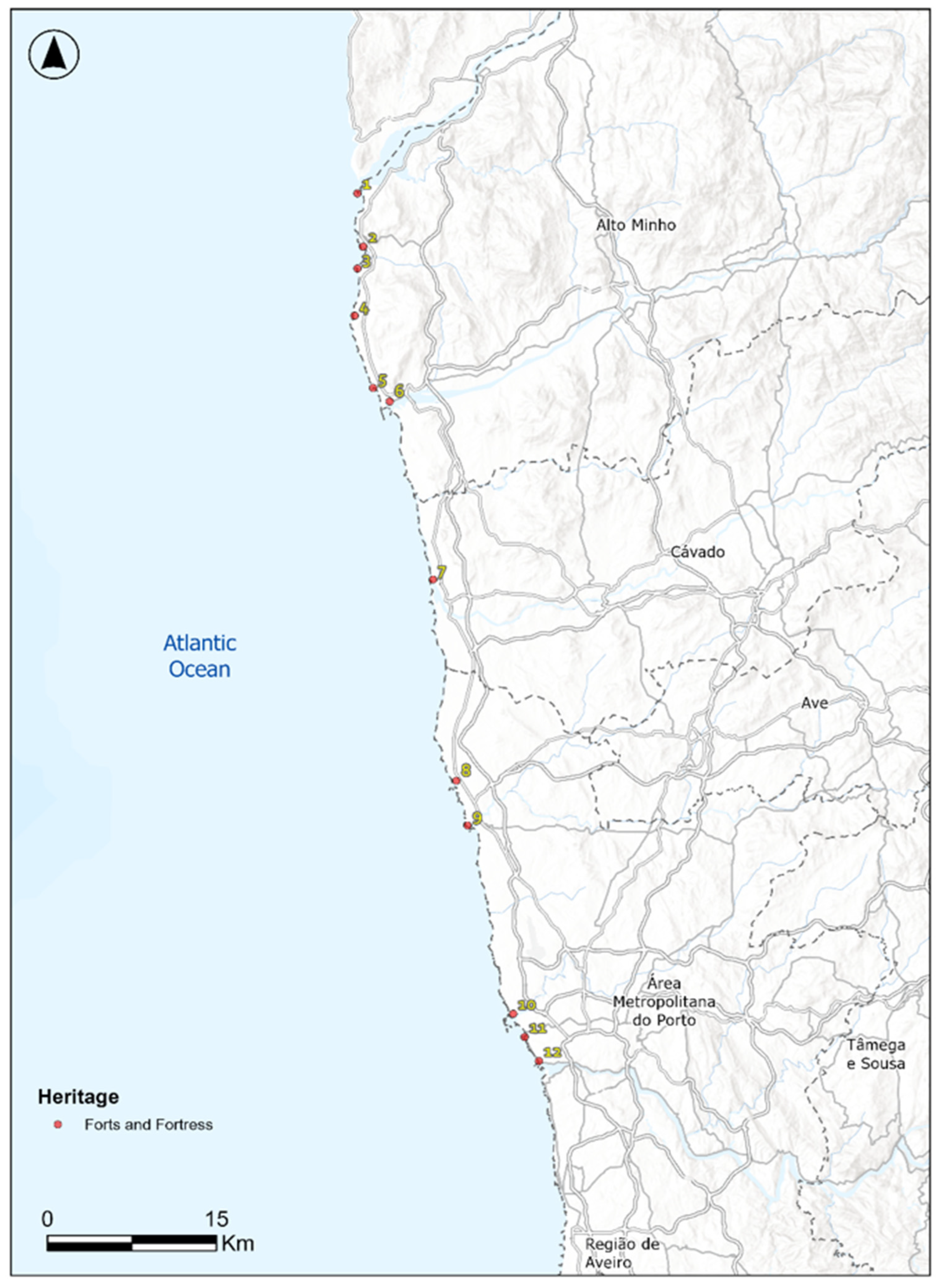
Twelve heritage sites are identified, representing key elements of the region’s historical coastal defensive network (
Figure 1). These structures, dating mainly from the 16th to 18th centuries, were tactically built near estuaries, harbors, and coastal promontories to protect maritime routes and settlements from naval attacks and piracy. The spatial distribution shows a clear concentration around major coastal urban centers such as Porto, Viana do Castelo, and Caminha, areas that historically held high military and commercial importance. Their proximity to the shoreline highlights their dependence on maritime visibility and control but also exposes them to contemporary threats such as sea-level rise, storm surges, and coastal erosion. The linear alignment of these fortifications along the Atlantic fringe demonstrates both the historic defensive logic and the modern environmental vulnerability of this coastal cultural heritage [
13].
In Porto, the fortifications of the Douro Atlantic Front stand out, such as the Fort of S. João Baptista da Foz or Castle of S. João da Foz, which began construction in 1570 with bastioned walls designed by Simão de Ruão. Between 1646 and 1653, under the direction of engineer Charles Lassart, it was expanded, sacrificing the original church and Benedictine residence. The fortress, with an irregular, rectangular plan, features three bastions and a half-bastion. It has a neoclassical portal from 1796, designed by Reinaldo Oudinot, which includes a drawbridge, a corridor with a casemate, and a guardhouse [
14]. Today, it houses the National Defense Institute, which is open for visits, events, and training.
Also in Porto, the Fort of São Francisco Xavier (or Castelo do Queijo) was first designed by Charles Lassart in 1561. However, construction was not completed until 1661, based on a plan by Miguel de L’École. The fort features a trapezoidal shape surrounded by a moat, with cannons, domed sentry boxes, and a portal displaying the royal coat of arms. After several management changes, it was handed over to the Commandos Association in 1978 and now serves as a cultural and museum space [
12].
In Matosinhos, the Fort of Nossa Senhora das Neves began construction in 1638 to bolster the defense of the Douro bar, along with the forts of Porto, and was completed in 1720. It features a star-shaped layout with sentry boxes connected by sloping curtain walls. In the nineteenth century, it served as the Porto Customs House, and in 1962, it was the subject of a landscaping project by Ilídio de Araújo. Today, it functions as the headquarters of the Port of Leixões Captaincy [
12,
14].
Continuing north, we encounter fortifications along the Ave River, including the Fort of S. João Baptista de Vila do Conde, designed by Filippo Terzi. Built from the late 1500s to the early 1600s under António de Vila Lobos’ leadership, it features a polygonal shape with five bastions and only three guardhouses. Inside are casemates, the governor’s house, the kitchen, and the chapel. Deactivated after 1834, it was used for vessel registration in the Ave bar area. In the 1990s, it was converted into a hotel, which has since been deactivated and now serves as an event space [
12,
14].
The Fortress of Nossa Senhora da Conceição in Póvoa de Varzim was constructed between 1701 and 1740 on the site of the old Fort of Torreão, by order of D. Pedro II. It features a polygonal shape with four bastions, a vaulted entrance topped with a royal shield, and a bell tower. The main square features several buildings, including a chapel. Recently renovated, it has been transformed into a space for recreation and dining [
14].
In Esposende, the Fort of S. João Baptista, built between 1699 and 1702 according to a project by the engineer Manuel Pinto Vila Lobos and under the direction of master Pedro da Rocha Vale, had a starry plan with bastions at each angle. In 1866, it was modified with the installation of a metallic lighthouse—a rare structure in Portugal—and an annex building for the lighthouse keeper [
15].
Regarding the defensive system of the Minho Litoral in the Viana do Castelo region, the Fort of Santiago da Barra is notable for being the successor to structures initiated in 1552. Designed by Filippo Terzi, it was constructed between 1589 and 1596, remodeled between 1652 and 1654, and a moat was added in 1700. The fort’s polygonal layout includes trapezoidal walls, triangular bastions, and circular guardhouses [
16]. Inside, key structures include the Chapel of Santiago and the Roqueta Tower; today, it functions as the headquarters of Turismo do Porto e Norte de Portugal [
17,
18].
Complementing the coastal defenses, smaller structures that are no longer in use include the Fort of Areosa (1640–1668), which features a star-shaped layout with four bastions, possibly designed by the same architect as the forts of Montedor and Cão; the Fort of Montedor, also from the mid-17th century, showcases four uneven bastions and several tourism development plans that never materialized [
19]; and the Forte do Cão (1640–1668), with four bastions—two facing the sea and connected by a curved face, and two larger ones facing inland [
14].
In Vila Praia de Âncora, the Lagarteira Fortress features a star-shaped plan with four bastions, faceted guardhouses, a portal topped by a royal shield, as in many other fortresses, and three barracks buildings. Maintains the local Maritime Delegation integrated in the Captaincy of the Port of Caminha [
19].
Lastly, the unique Fort of Ínsua in Moledo, a National Monument, combines the Franciscan Convent of the Observance, completed in 1392, with the fortress, finished in 1653. Currently, it sits on a small island due to siltation caused by sediment from the Minho River entering the Atlantic Ocean, among other factors, as access is only by boat. Its irregular star-shaped layout features five bastions and ravelins, three of which serve as breakwaters. Notably, the presence of a freshwater well in the middle of the islet is one of only three known worldwide [
20]. This was included in a requalification project by architect Fernando Távora as part of the government’s Revive program to enhance cultural heritage [
14]. However, the project was not executed.
These fortifications demonstrate the spread of bastioned military architecture in Portugal, marked by Italian (Filippo Terzi) and French (Charles Lassart) influences. Its chronology coincides with periods of conflict—the Iberian Union and the Restoration Wars—and with the need to control strategic river bars. They also reveal the diffusion of military architecture of Renaissance and Baroque origin, as well as the ability to adapt to the topographical characteristics and defensive needs of the Portuguese Atlantic coast [
11,
21]. Currently, there is a diversity of uses, ranging from residual military and museum functions to cultural, tourist, or unaffected spaces.
These fortresses on the Douro and Minho coasts are therefore unique testimonies of Portuguese military and maritime history, reflecting technical developments and defensive strategies over three centuries.
The preservation and adaptation of these properties reinforce cultural identity and offer potential for the development of heritage tourism and historical education activities, which are essential for the transmission of this heritage to future generations.
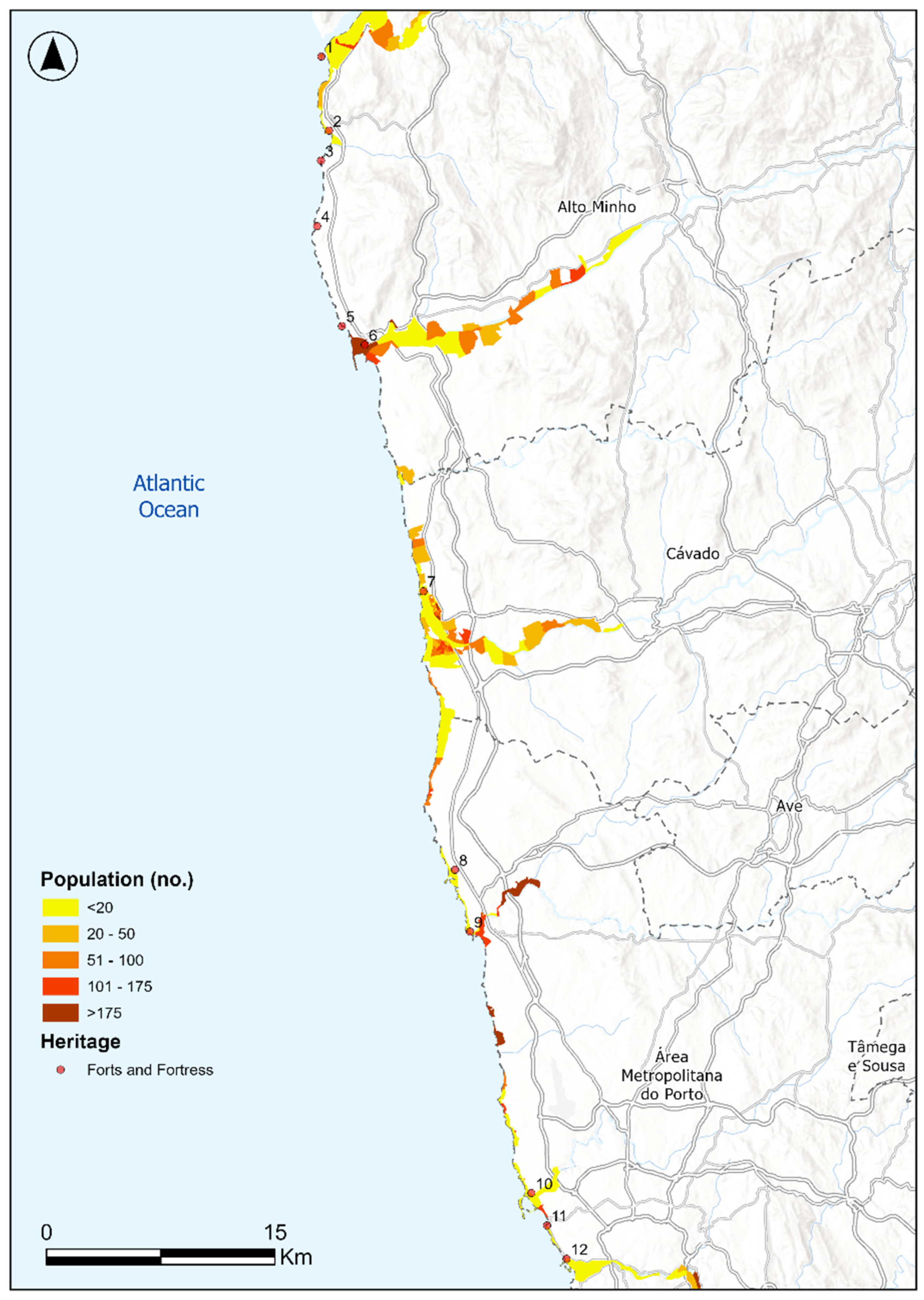
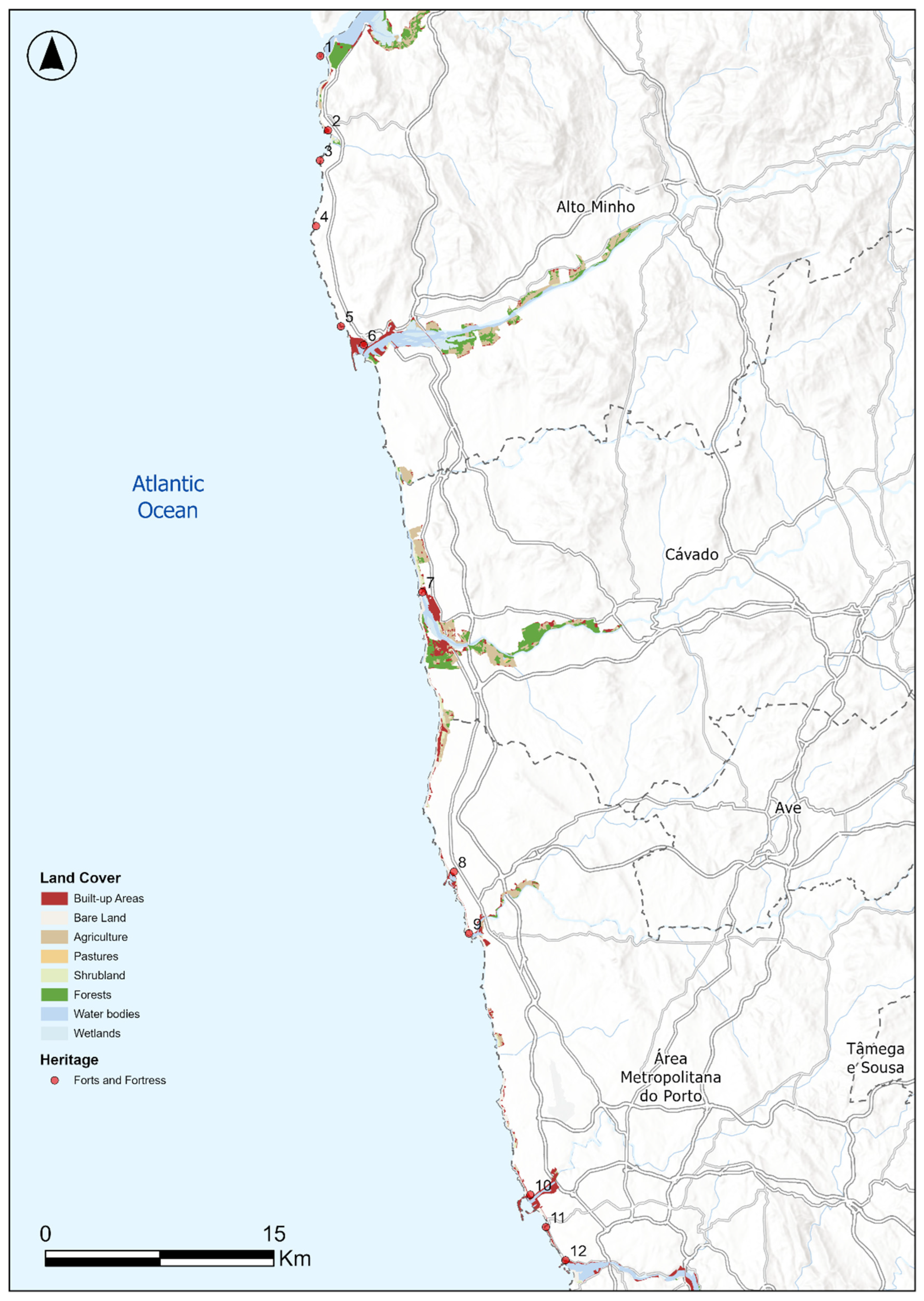
In the context of preservation and adaptation, it is imperative to undertake a comprehensive analysis of the subject’s integration over the past decades, with particular emphasis on population growth and land use (
Figure 2 and
Figure 3). The analysis of coastal population and land-cover maps reveals a markedly heterogeneous, yet clearly anthropized, narrow strip along the northwestern Portuguese coast. The population is concentrated in areas surrounding the primary coastal towns and estuaries. The highest population density is observed in areas with continuous built-up areas, transportation infrastructure, and adjacent agricultural or pastureland. Conversely, less populated sectors are distinguished by a more fragmented mosaic of forests, shrubland, and, in some cases, wetlands and water bodies, suggesting the presence of areas where natural or semi-natural cover still predominates. Forts and fortresses are distributed along nearly the entire coastline. However, many of these cultural heritage assets are in or immediately adjacent to the most urbanized and densely populated segments. This observation highlights the cumulative exposure of these heritage assets to both intensive human pressure and coastal hazards.
3. Coastal Cultural Heritage Under Climate and Human Pressure
Coastal vulnerability depends on both physical characteristics, such as geomorphology, slope, shoreline changes, tides, wave height, and sea-level rise, and human activities, including population density, tourism, infrastructure, land use, and ecosystem sensitivity. In fact, socioeconomic factors can change more rapidly than physical hazards and significantly affect coastal vulnerability, underscoring the need to incorporate cultural, economic, and environmental values into assessments [
23]. Alexopoulou, Karathanassi, and Kremezi (2024) [
24] emphasize that coastal archeological sites and monuments are increasingly threatened by shoreline retreat, accelerated erosion, and human activity.
Research conducted in recent years has confirmed the existence of real risks posed by climate-driven natural threats, particularly to the preservation of cultural coastal heritage. Factors driven by climate change, such as sea-level rise, ocean acidification, stronger storms, rising temperatures, and coastal erosion, threaten the stability and preservation of coastal cultural heritage. Although coastal heritage is crucial for understanding past cultures and history, long-term monitoring data on the environmental conditions affecting these sites remain limited [
25].
It is widely recognized that climate change threatens cultural heritage sites worldwide. This emerging threat highlights the urgent need to develop targeted policies to protect historical sites, particularly those vulnerable not only to sea-level rise—one of the most significant natural hazards in coastal areas [
26,
27]—but also to other climate-related risks.
Extreme weather, sea-level rise, acidification, and temperature fluctuations damage structures through flooding, erosion, material deformation, and cracking, with coastal buildings being especially vulnerable [
28]. The study by Arns, A. et al. (2017) [
29] shows that sea-level rise interacts with tides, waves, and storm surges, thereby amplifying their combined impacts, particularly in shallow coastal regions. Natural defenses like continental shelves and wetlands currently reduce these impacts, but if they are lost or fail to adapt, coastlines will face much harsher ocean conditions.
This means that relying only on sea-level rise projections can underestimate future threats, and more advanced approaches are needed to design reliable coastal defenses. Water significantly accelerates the deterioration of cultural heritage through flooding, heavy rainfall, and sea-level rise. In particular, saltwater intrusion adds threats such as salt crystallization, placing many coastal monuments, UNESCO sites, and archeological areas at serious risk of damage [
30].
Recent studies provide numerous examples of the climate change-related threats to historical fortifications along the coast. This is not only a concern on the Portuguese coast but also observed internationally, where many such examples can be found. Reimann, L. et al. (2018) [
31] studied 49 cultural World Heritage Sites (WHS) located in low-lying coastal areas of the Mediterranean. They found that 37 of these sites are currently vulnerable to a 100-year flood (a flood so severe it occurs once every 100 years) and 42 are threatened by coastal erosion. Looking ahead to 2100, they predict that the risk of flooding could increase by 50% and the risk of erosion by 13% across the region. Some individual sites could face much higher increases in risk than these regional averages. In the Atlantic, Sánchez, Sánchez, and Ribalaygua (2020) [
32] emphasize coastal fortifications as significant cultural heritage in the Canary Islands, highlighting that the castles of San Juan Bautista in Tenerife and San Cristóbal in Gran Canaria are especially vulnerable to the impacts of sea-level rise in the coming years. Given that heritage is a non-renewable resource, it is essential to take proactive measures to safeguard and preserve these assets from the impacts of climate change. Pretel and Carvajal Díaz (2025) [
33] note that since the late 20th century, Cartagena de Indias has used groynes, barriers, mangrove restoration, and coastal management projects to curb erosion and protect Manzanillo Fort. However, the study reveals that climate change, sea-level rise, and human activity are increasing risks, underscoring the need for stronger protection of heritage and archeological sites. Further research is needed to assess vulnerable sites in line with the UN Sustainable Development Goal on Climate Action.
In Portugal, the expansion of urban areas along the coast, combined with climate change, has heightened coastal populations’ vulnerability to hazards such as sea-level rise and coastal erosion, with erosion rates exceeding 8 m per year in some locations [
34]. As highlighted by Zanchettin et al. (2021) [
35], heritage risks are not solely caused by natural factors but are often driven by human activities such as urbanization, groundwater extraction, and construction, among others, underscoring the need for effective management and regulation to control and mitigate anthropogenic factors. Population growth in coastal zones is driving rapid development, intensifying or modifying both short- and long-term natural sedimentary processes. Trakadas and Karra (2022) [
36] highlight that the most immediate threat to the area’s cultural and natural heritage comes from human activities, particularly urban development and construction, which intensify pressure on the coast and risk damaging habitats and historical sites.
In parallel with the impact of urbanization, Ferreira et al. (2023) [
37] argue that tourism is viewed as a double-edged sword, stimulating economic growth and revitalizing heritage, while also creating social, environmental, and cultural pressures, with impacts varying by destination maturity, and placing intangible heritage at risk of dilution and misrepresentation.
In summary, the combined effects of climate change and human activity pose a pressing challenge to the preservation of coastal cultural heritage. Rising seas, intensifying storms, and environmental degradation converge with urbanization and tourism pressures, threatening both tangible and intangible heritage in ways that are often underestimated. Safeguarding these irreplaceable assets and landscapes requires moving beyond traditional preservationist approaches toward integrated strategies that combine climate adaptation, sustainable development, and community engagement. Only through proactive management, informed by interdisciplinary research and aligned with global frameworks such as the UN Sustainable Development Goals, can coastal cultural heritage be protected for future generations.
4. Materials and Methods
This study employed an initial qualitative research approach that integrated documentary analysis, a literature review, and systematic field observation. Historical and typological data on the coastal fortifications were consolidated from bibliographic sources and existing inventories, particularly those of the Directorate-General for Cultural Heritage, to establish a historical and contextual foundation for subsequent field analysis. In this study, we also used the data available in SIPA (the Sistema de Informação para o Património Arquitectónico) [
14] as the primary national source of cultural-heritage information. Portugal also maintains official lists of sites classified as “Buildings of Public Interest” and “National Monuments”, which we incorporated. These registries provide descriptive, historical, and legal-status information, but they vary in completeness, offer inconsistent or missing geospatial attributes, and focus mainly on architectural heritage. As a result, many landscape-scale or locally recognized heritage elements relevant to our analysis are not included. To address these gaps, we added standardized spatial data, harmonized metadata, landscape-level attributes, and additional heritage elements obtained from regional and local inventories. This enriched dataset serves as the basis for the analysis presented in the paper.
Based on the literature review, the principal drivers of risks affecting coastal heritage were identified by collecting and analyzing indicators most frequently reported by authors. These risks were categorized into anthropogenic pressures, including urbanization, groundwater extraction, construction works, tourism pressure, and population growth, and natural pressures, such as sea-level rise, ocean acidification, intensified storms, temperature increase, coastal erosion, meteorological variability, saline intrusion, salt crystallization, flooding, and heavy rainfall.
A structured observation matrix was then developed, comprising the two main categories of pressures—anthropogenic and natural—derived from the literature (
Table 1). For each pressure, specific observable indicators were defined to ensure consistency and reproducibility across all surveyed sites (
Table 2 and
Table 3). For each fortification, the observable indicators listed in
Table 2 and
Table 3 were recorded in a simple binary way (0 = not observed; 1 = observed). This binary coding allowed us to systematically compare the presence or absence of each risk manifestation across sites.
For example, urbanization and coastal development were assessed through proximity to modern buildings or infrastructure. At the same time, natural hazards such as erosion or salt crystallization were evaluated by observing material degradation, structural instability, or alterations in the surrounding landscape. This standardized framework enabled a systematic and comparative assessment of both human-induced and environmental factors affecting the fortifications.
Table 1 presents the key authors whose research informed the development of
Table 1,
Table 2 and
Table 3. Their studies provided the theoretical and empirical foundation for identifying and selecting the risk factors and for constructing the indicators used to assess the vulnerability of coastal fortifications in this study.
Fieldwork involved direct observation and site surveys of coastal fortifications located between Porto and Caminha, encompassing both open-ocean fronts and estuarine environments influenced by the Douro, Leça, Ave, Cávado, Lima, and Minho Rivers. Each site was analyzed using the standardized observational framework, systematically documenting its physical condition, environmental exposure, and the presence of anthropogenic and natural pressures identified during field inspection. Based on this set of indicators, a comprehensive inventory of 16th–18th century coastal and estuarine fortifications was compiled, prioritizing officially listed heritage assets. For each site, data were recorded on chronology, typology, conservation status, current function, and observable evidence of human-induced (e.g., tourism, urbanization, coastal development) and natural stressors (e.g., marine humidity, erosion, storm impact).
In the second phase, all architectural structures were georeferenced using GPS, enabling the creation of a spatially and visually accessible database integrating geographic and observational data. Google Earth imagery was employed to complement field observations, with aerial images collected in 2020 and 2025 to detect and illustrate macroscale environmental and morphological changes over time. In a second phase, this study assessed the vulnerability of coastal fortifications to coastal flooding and coastline retreat resulting from sea-level rise. The methodology combined scientific data on climate change projections with the geographic location and constructive typology of each fortification, following a semi-quantitative approach inspired by previous frameworks such as the risk assessment in the fortifications of the Canary Islands [
27] and Historic Environment Scotland (HES) scorecard and the Forino et al. [
28] model for archeological heritage in Australia. The study then presents a quantitative analysis of the Sea Level Rise Hazard Index (SLRHI) and the Coastal Vulnerability Index (CVI).
4.1. Sea Level Rise Hazard Index (SLRHI)
The Sea Level Rise Hazard Index (SLRHI) Scenarios were calculated based on the Mean Sea Level Rise projection under the Intermediate Hazard Scenario, in accordance with Directive 2007/60/EC on flood risk assessment and management.
Sea level rise hazard and coastal floods occur because of the interaction between three main processes:
Abnormally high-tide events, which take place during new or complete moon phases when the Moon is at its closest point to Earth, generating what are known as spring tides.
Storm surges occur when the sea level rises temporarily due to low atmospheric pressure and strong onshore winds associated with storms.
Persistent winds and waves, which produce repeated wave action and wind-driven water accumulation along the coast.
When combined, these processes generate extreme scenarios that significantly intensify the impacts on populations, infrastructure, and heritage sites located near the shoreline.
SLHRI represents extreme coastal forcing conditions. This index includes five confidence levels, corresponding to conditional probabilities of flooding, each separated by 20% probability intervals relative to the central estimate of sea level rise projection.
The values were then mapped along the study coastline using the five classes defined in
Table 4, producing a Sea Level Rise Hazard map on which the locations of the forts and fortresses were overlaid (see
Figure 2 in
Section 5.2). This analysis provides the spatial framework for interpreting each site’s exposure before comparing it with the field-based indicators listed for each fortification.
4.2. Coastal Vulnerability Index
In parallel, coastline retreat—defined as the inland movement of the coastline due to erosion and rising sea levels—was analyzed to assess its potential effects on the stability of fortifications near the coast. The Coastal Vulnerability Index (CVI) was used to represent each site’s physical susceptibility to flooding and shoreline retreat.
The CVI is a composite index with values ranging from 1 (Very Low) to 5 (Extreme). For each fortification, six criteria were considered: (1) flooded area under the extreme sea-level rise scenario; (2) distance to the coastline; (3) coastal typology (rocky, sandy/dune or estuarine shore); (4) geology; (5) land use; and (6) hydrographic network (proximity to and density of drainage channels).
Data for these criteria were derived from standard national spatial datasets. The flooded area was mapped by intersecting the extreme sea-level rise scenarios defined by Directive 2007/60/EC with the national digital elevation model in a GIS environment. Distance to the coastline and the hydrographic network were calculated from the official Portuguese topographic mapping at a 1:25,000 scale. Coastal typology was defined by geomorphological interpretation of national orthophotos and the regional coastal management plan. Geological information was extracted from the national geological map, and land-use patterns were obtained from the official national land-use/land-cover map (COS 2018, available in DGT—Directorate General of Territory [
45]).
Each criterion was classified on a five-point ordinal scale from 1 (very low contribution to vulnerability) to 5 (very high contribution), and the criteria were combined using predefined weights (wᵢ) based on expert judgement and previous CVI applications. The CVI for site j was computed as a weighted sum of the scores of all criteria (Equation (1))
where sᵢⱼ is the score assigned to criterion i at site j. The resulting CVI values were finally reclassified into five vulnerability levels (Very Low, Low, Medium, High and Very High).
Informed by reference studies and standard Analytic Hierarchy Process (AHP) practices applied to coastal vulnerability assessment [
46,
47,
48,
49], and by expert judgement on the specific geomorphological and management context of the northern Portuguese coast, we proposed the hierarchy of importance shown in
Table 5, which reflects the relative weight of each parameter in determining coastal flooding susceptibility and shoreline retreat. These studies are not site-specific for our area, but they provide widely used examples of AHP-based CVI applications.
This multi-parameter assessment enabled the classification of each fortification according to its degree of exposure and vulnerability to the combined effects of coastal flooding and coastline retreat, thereby supporting the definition of priority levels for adaptation and conservation measures.
5. Results
5.1. Field Work Analysis: Observation Based on the Set of Indicators
The analysis was based on a direct comparison between the list of risks and indicators in the bibliography (
Table 1,
Table 2 and
Table 3) and the risks recorded for each fortification in the provided set of sites (
Table 6). Recurrent patterns, local factors such as the presence of rivers like the Douro, Leça, Ave, Cávado, Lima, or Minho, and management factors including maintenance, vandalism, and incomplete rehabilitation were considered. For better understanding, we compiled a table listing the georeferenced locations of each fort, along with the aerial images collected in 2020 and 2025, using Google Earth.
The fieldwork and observations presented in
Table 6 demonstrate strong alignment between the real coastal hazards affecting the northern Portuguese fortifications and those identified in the literature.
Almost all sites show exposure to sea-level rise, coastal erosion, stronger storms, meteorological and temperature fluctuations, saltwater intrusion, and excessive maritime humidity associated with the Atlantic influence, as well as, where relevant, fluvial dynamics from the Douro, Leça, Ave, Cávado, Lima, and Minho Rivers. The frequent occurrence of flooding, heavy rainfall, and salt crystallization across nearly all forts confirms the significance of these degradation drivers in marine and estuarine environments, as highlighted in previous studies.
Similarly, the anthropogenic risks identified in the literature—namely, urbanization and coastal development, tourism pressure, and population growth in coastal zones—are consistently reflected in the observed sites. These pressures are particularly pronounced in urban settings such as Porto, Matosinhos, and Póvoa de Varzim, where fortifications are encircled by dense infrastructure and tourism activity. Poor maintenance and neglect, observed in several cases, further amplify vulnerability, reinforcing the notion of management deficits as risk multipliers. At specific sites, such as Areosa, Montedor, Forte do Cão/Gelfa, and Ínsua, issues such as vandalism, uncontrolled vegetation growth, and inadequate maintenance emerge as active degradation factors. These problems, though indirectly referenced in the literature under broader categories like tourism pressure or neglect, appear locally as more critical threats, revealing deficiencies in protection, monitoring, and cultural governance. Uncontrolled vegetation, for example, facilitates water infiltration and structural fracturing, complicating conservation efforts. While often overlooked in broader theoretical discussions, this factor is a tangible and recurrent issue in several of the studied forts.
Hydrographic conditions also accentuate the vulnerability profile. The interaction of marine and riverine forces, especially in the Douro, Leça, Ave, Cávado, Lima, and Minho River systems, creates hybrid risks (tidal surge combined with river flooding) that intensify moisture infiltration and capillary humidity, producing site-specific degradation patterns that exceed generalized bibliographic predictions.
Additionally, incomplete or inadequate rehabilitation efforts, such as at Forte do Ínsua (Moledo), pose operational risks that compromise structural integrity and accelerate decay—an issue that is less emphasized in theoretical frameworks, which tend to focus on external environmental factors.
Overall, the results reveal consistent vulnerability patterns across the coastline. The dominant anthropogenic pressures, such as urban expansion, tourism, and maintenance neglect, combine with persistent natural hazards, such as salt crystallization, temperature variation, and flooding, to accelerate deterioration. In contrast, forts located in less urbanized or more isolated settings face greater environmental exposure but fewer direct human alterations. At the same time, those forts integrated into urban contexts degrade more rapidly, linked to anthropogenic intensity.
We began investigating the Forts of the Northern Coastline, which follow the maritime border, in 2020; therefore, we collected aerial imagery on Google Maps at that time. Since we decided to publish part of the study in 2025, we revisited this collection. We concluded that in some forts, the aerial photographs did not show any significant visible changes at the macro level. In the Forts or Small Forts of Areosa and Montedor/Paçô, it was observed that the vegetation cover has advanced considerably, showing less impact on the Forts of Cão/Gelfa and Ínsua. These are the monuments where the lack of maintenance is most evident. The comparative analysis of 2020 and 2025 imagery also shows ongoing deterioration, including the vegetation encroachment referred to, moisture staining, and visible terrain loss, especially at northern sites exposed to stronger marine conditions. Collectively, these findings underscore that the interaction between neglect, urban encroachment, and intensified marine dynamics severely compromises the long-term preservation of these coastal fortifications.
This highlights the urgent need for integrated coastal management, periodic monitoring, and adaptive conservation strategies that address both climatic and socio-economic factors to enhance the resilience of Portugal’s maritime and military heritage.
5.2. Future Scenarios and Mapping of Hazard and Vulnerability Patterns
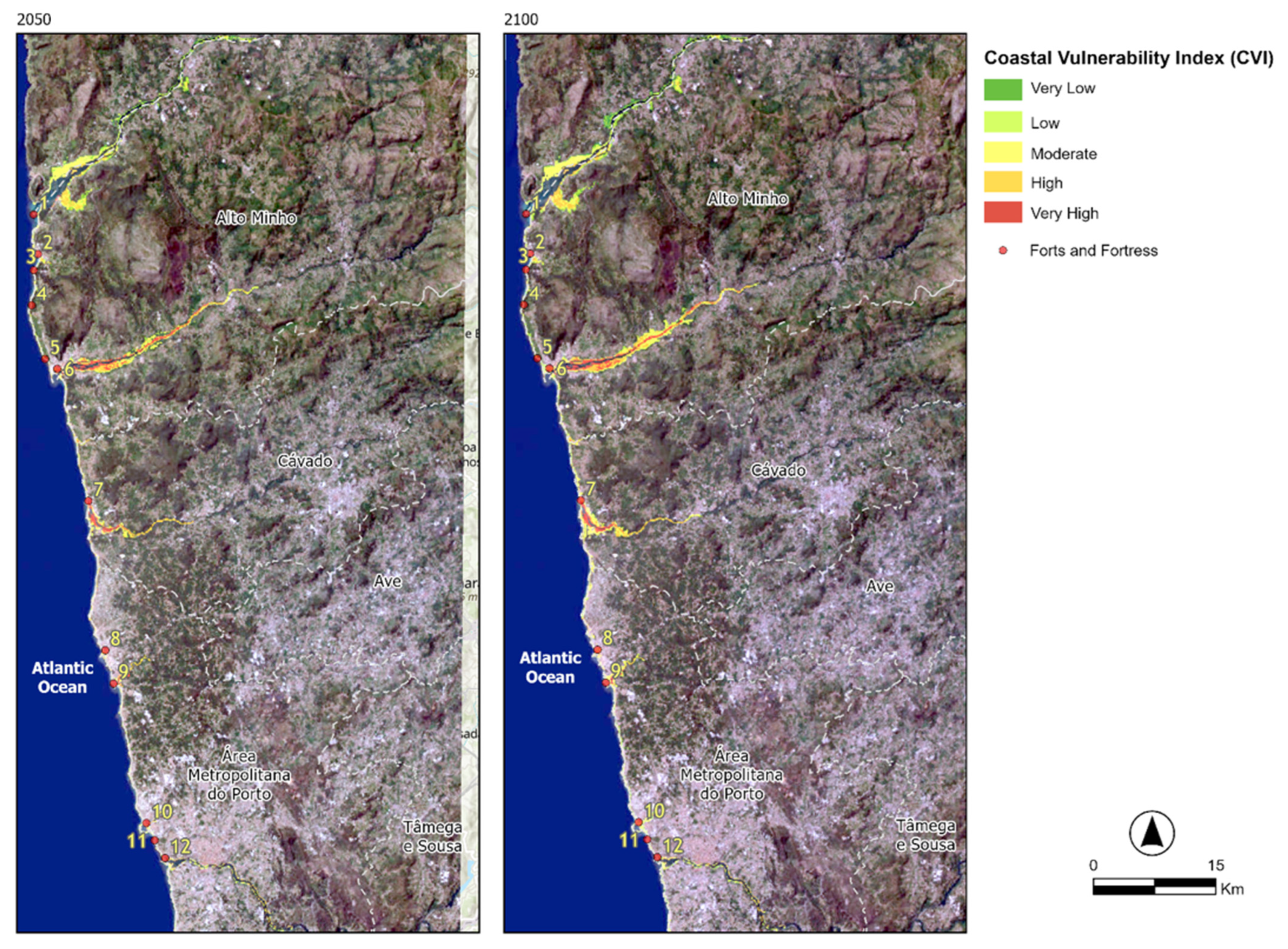
The spatial distribution of the Sea Level Rise Hazard Index (SLRHI) and the Coastal Vulnerability Index (CVI) (
Figure 2 and
Figure 3) highlights two main exposure contexts along the northern Portuguese coast. The first corresponds to open-ocean sectors on rocky or sandy/dune shore, such as Castelo do Queijo, Areosa, Montedor, Cão/Gelfa, and Ínsu, where direct wave action and persistent swell generate very high to extreme hazard levels (SLRHI 4–5) (
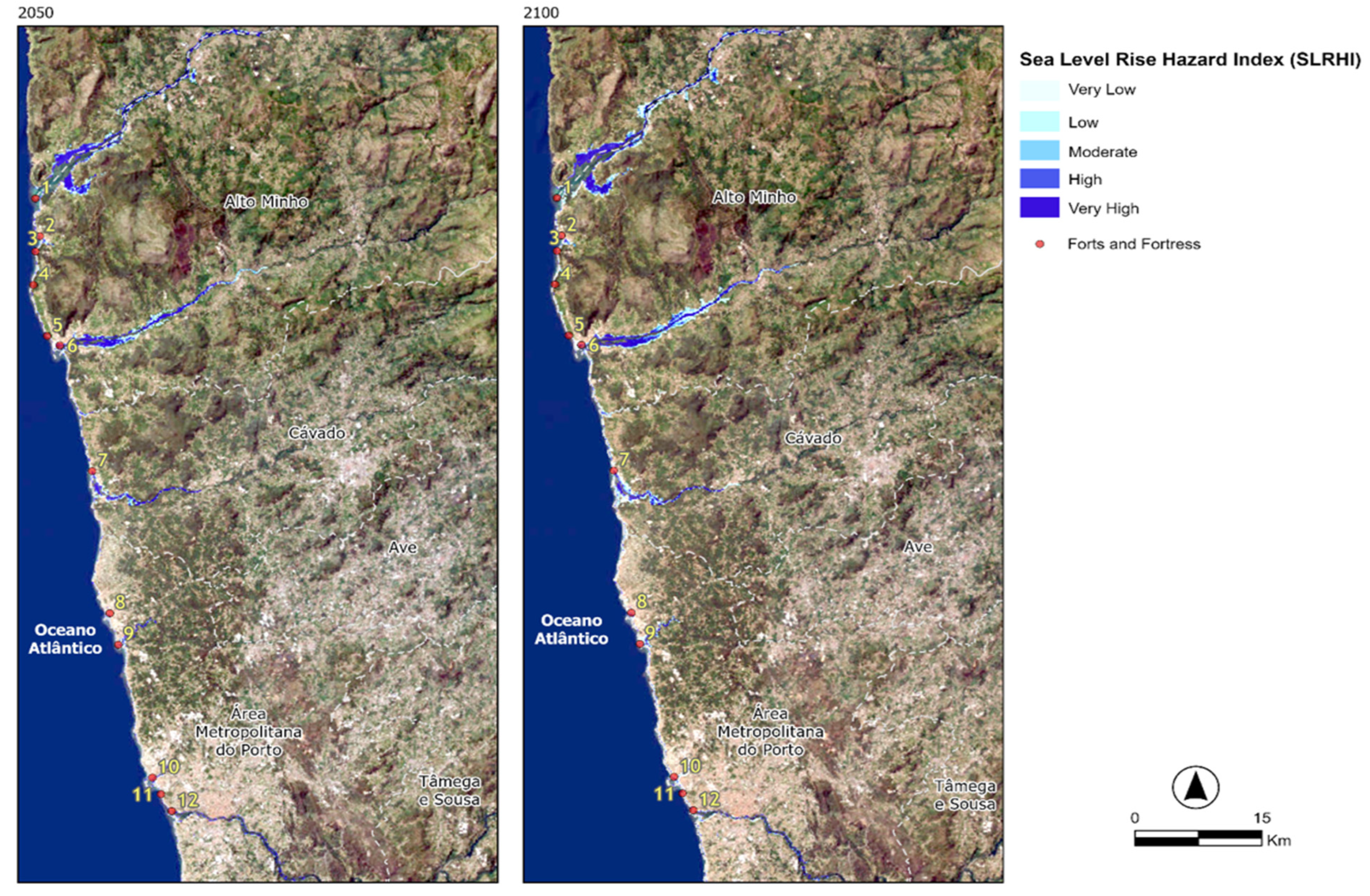
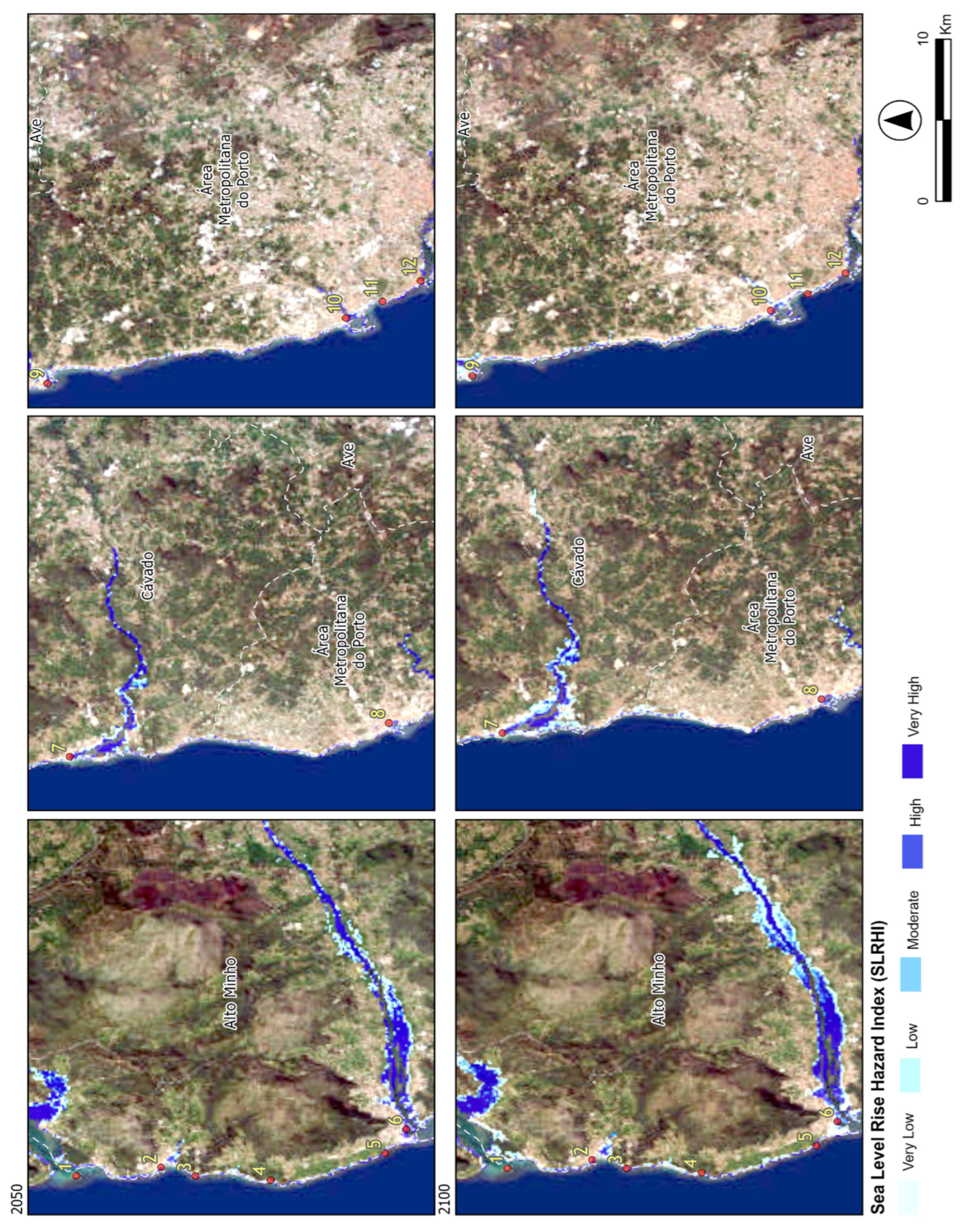
Figure 4). The second encompasses estuarine areas, including Foz do Douro, Leça da Palmeira, Vila do Conde, Esposende, Santiago da Barra, and Lagarteira, which register high hazard levels (SLRHI 4).
The mapping indicates that very high sea-level rise (class 5) is concentrated in low-lying or isolated coastal features, such as Forte da Ínsua and the Areosa–Montedor–Cão/Gelfa coastal arc. In contrast, high level (class 4) dominates in the estuarine lowlands of the Douro, Leça, Ave, Cávado, Lima, and Âncora Rivers.
Figure 5 shows in detail the SLRHI levels for 2050 and 2100, considering the characteristics of the various locations.
The CVI results are, as expected, consistent with the SLRHI pattern, since sea-level-rise-driven flooding is one of the main drivers of site vulnerability (
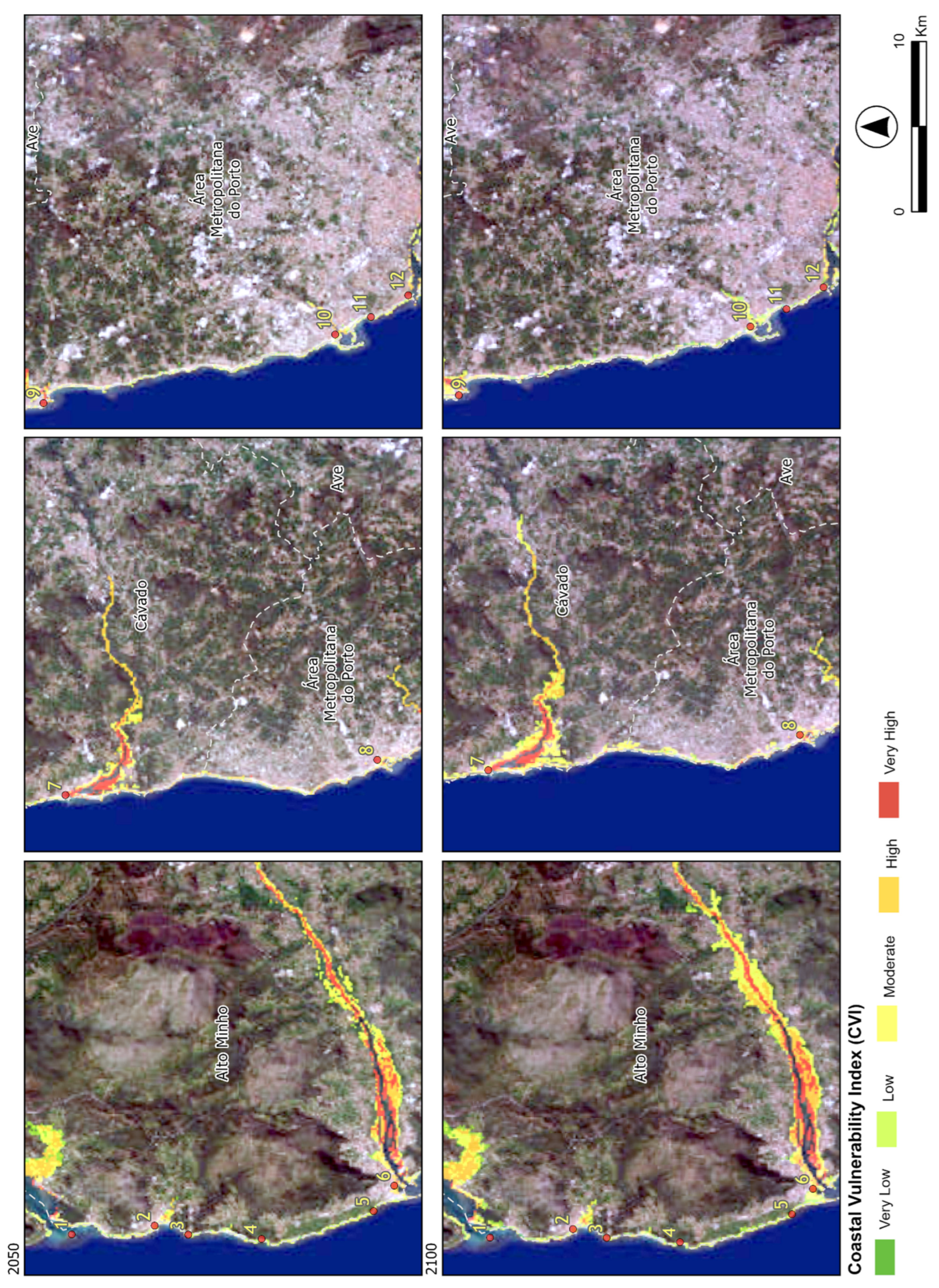
Figure 6). The highest vulnerability (CVI High and Very High) corresponds to segments with limited natural buffering capacity, whereas medium to high vulnerability occurs mainly in stretches with low topography and intense fluvial–marine interaction.
Compared with the previous fieldwork analysis, these mapped results reveal a spatially coherent pattern. The same coastal stretches identified as subject to flooding, humidity, and saltwater influence are also among the most sensitive to sea-level rise and shoreline retreat. Thus, the mapping reinforces the notion that northern open-ocean sectors and estuarine transitions are the primary zones of future inundation and morphological change under projected sea-level rise scenarios.
Figure 7 provides a comprehensive analysis of the CVI levels across 2050 and 2100 for three distinct regions of the northwest, with a focus on the characteristics inherent to each location.
6. Discussion and Conclusions
The comparison between the risks identified in the literature and those observed in the field at the coastal fortifications of northern Portugal (between Porto and Caminha) reveals a significant similarity between natural factors and a wider range of local anthropogenic risks, primarily related to maintenance and management.
The natural hazards described in the bibliography, such as sea-level rise, coastal erosion, marine humidity and flooding, were confirmed in practically all the structures analyzed (presence/absence of indicators as listed in
Table 2 and
Table 3), although our field notes documented clear variations in their intensity, from incipient and localized manifestations to extensive, visibly damaging effects, particularly in low-lying or estuarine settings and in sites located near major river mouths (Douro, Leça, Ave, Cávado, Lima, and Minho).
Anthropogenic risks, also identified in the literature, are exacerbated by tourist pressure, urbanization, and, in particular, by the lack of or poor maintenance, often linked to vandalism and uncontrolled vegetation growth.
The results, therefore, demonstrate strong alignment between the risks identified in the literature and the empirical evidence, confirming the importance of coastal processes and climate change in the degradation of historical site structures. However, specific local factors emerge that intensify vulnerability. These local factors are related to the lack of maintenance and abandonment of several fortifications (Areosa, Montedor, Cão, Ínsua), which accelerates the impact of natural agents; vandalism and misappropriation, often associated with a lack of vigilance and the absence of active cultural use; the uncontrolled growth of vegetation, which aggravates infiltrations and cracking; incomplete or inadequate interventions, which leave structures partially exposed and fluvial influence combined with tides, which amplifies humidity and salinization processes in estuarine fortifications.
Overall, the combined influence of natural and anthropogenic pressures accelerates deterioration, with urban forts showing faster decay due to human-induced stress, and remote oceanfront forts exposed to more severe environmental forces.
Across the study coast, the conjunction of sea-level rise (SLR), storminess, and shoreline change implies a structural shift in the hazard baseline for heritage by 2100. In practical terms, what used to be exceptionally high-water events will occur more frequently, compressing return periods and expanding the geographic footprint of flooding. Within our SLHI/CVI screening, this translates into upward pressure on hazard classes (flood probability bands) at exposed oceanfront sites (e.g., Castelo do Queijo, Areosa–Montedor–Cão/Gelfa, Ínsua) and into more frequent compound flooding in estuaries (Foz/Douro, Leça, Ave, Cávado, Lima, Minho), where tidal set-up, storm surge and river discharge interact. Even without site-specific hydrodynamic modeling, the mapped patterns and the literature converge on more frequent overtopping and spray, longer wetting cycles, and broader areas of transient inundation as credible futures that erode safety margins built into historical siting and construction.
The integrated SLRHI–CVI reading supports a phased prioritization:
- (i)
Urgent safeguarding and continuous monitoring for Ínsua and the Areosa–Montedor–Cão/Gelfa arc (maximum exposure/vulnerability; access constraints);
- (ii)
Estuarine management plans combining salt-barrier measures, drainage, vegetation management, and preventive maintenance for Foz/Leça/Vila do Conde/Esposende/Santiago da Barra/Lagarteira;
- (iii)
Cross-cutting reinforcement of governance and routine maintenance, mitigating vandalism and incompatible uses, and integrating nature-based solutions (dune restoration, halophyte vegetation) wherever spatially feasible.
Hybrid marine–fluvial risk deserves special emphasis until 2100. The estuarine forts display a dual sensitivity: modest SLR increments expand storm-episode water coverage, while higher antecedent base levels reduce freeboard against river discharges. The mapped corridors of preferential inundation and persistent humidity around Foz, Leça, Ave, Cávado, Lima and Âncora are consistent with this mechanism. This hybridization challenges traditional single-hazard measures (e.g., local crest raising) and favors integrated drainage/salinity management at the site scale and along the connected waterfront.
These analyses highlight that vulnerability is not only a function of natural forces but also results from the interaction between environmental processes and factors of human management and use.
The overall vulnerability of coastal fortifications in northern Portugal is high and requires a future, systemic, interdisciplinary approach. From a prioritization standpoint, the SLRHI–CVI synthesis already points to three near-term trajectories aligned with 2100 conditions: (1) Oceanfront critical—Ínsua and the Areosa–Montedor–Cão/Gelfa arc—require urgent safeguarding and continuous condition monitoring, because exposure and vulnerability will rise fastest here with limited scope for nature-based dissipation on small headlands or islets; (2) Estuarine compounds—Foz/Leça/Vila do Conde/Esposende/Santiago da Barra/Lagarteira—call for drainage, salinity control and vegetation management combined with conservative fabric care to slow moisture-driven decay; (3) Governance fixes—regularized maintenance, access control, and deterring vandalism—are cross-cutting accelerators of resilience under the same physical forcing.
The results emphasize the urgent need for integrated coastal management, adaptive conservation, and systematic monitoring that account for both climatic threats and socio-economic pressures to ensure the long-term resilience of northern Portugal’s maritime military heritage. In this way, the Programa da Orla Costeira (POC) Caminha–Espinho identifies this coastal stretch as one of the most vulnerable in northern Portugal due to its strong erosive dynamics, high exposure to overtopping and flooding, and the concentration of human occupation in at-risk zones. Anticipated climate change impacts—such as sea-level rise, altered wave regimes, and more frequent and intense storms—are expected to intensify these hazards. In response, the POC proposes a comprehensive adaptation framework that combines protection, accommodation, and planned retreat, grounded in the precautionary principle and integrated territorial planning. Key measures include prioritizing coastal defense in urbanized areas, restoring degraded ecosystems, controlling human activities that destabilize the coastline, and identifying high-risk zones to safeguard populations, natural systems, and cultural heritage. The POC also establishes conditions for the phased relocation of vulnerable infrastructure, the progressive adaptation of built environments, and the incorporation of coastal risk mitigation into the management of classified areas. Importantly, territorial plans must align with the Critical Areas for Protection, Accommodation, and Planned Retreat defined in the POC’s Territorial Model, ensuring that site-specific strategies address both current and future coastal risks through proactive, long-term planning.
The ENAAC 2030 strategy highlights the vulnerability of Portugal’s coastline, which is among the country’s most exposed areas to climate hazards. Climate change is expected to amplify these risks through sea-level rise, altered wave regimes, more frequent and intense storms, and ongoing sediment deficits. Dense coastal occupation further increases the potential socio-economic impacts, with approximately 14% of the population living along the coast, underscoring the urgency of coordinated adaptation measures.
Priority measures should include the implementation of continuous environmental monitoring systems, reinforcement of preventive maintenance and vegetation control, integrated management plans that consider the interplay between culture, environment, and tourism, heritage education, and community surveillance in abandoned structures, as well as the incorporation of these fortifications into local climate change adaptation plans. Additional measures can enhance the resilience of northern Portugal’s coastal fortifications by using structural reinforcement with minimally invasive, compatible materials that strengthen walls and foundations without compromising historical authenticity. Similarly, targeted desalination treatments or poultices can address salt crystallization in masonry, mitigating one of the most common degradation processes identified in field observations. Early warning systems and predictive modeling tools could provide anticipatory measures for extreme events, improving preparedness and timely intervention. Simultaneously, digital preservation techniques, including 3D scanning, BIM modeling, and virtual reality documentation, can create permanent records of structural conditions and inform intervention planning without physically impacting the sites.
Controlling visitor access through designated pathways and guided tours is essential to minimize physical wear and erosion caused by tourism. Moreover, integrating cultural and ecological functions—such as research, educational activities, and eco-tourism programs—can sustain a positive human presence that discourages vandalism while enhancing public awareness and engagement in heritage preservation.
The adequate protection of the coastal fortified heritage depends, therefore, on a management model that combines technical knowledge, permanent monitoring, and active participation of local communities, transforming these structures not only into historical testimonies but also into living and resilient elements of the Portuguese Atlantic landscape.
Coastal adaptation strategies have advanced, but most remain small-scale and fragmented. Effective long-term adaptation to sea-level rise requires integrated planning, strong monitoring systems, and actionable knowledge. Placing communities at the center, engaging stakeholders, incorporating local knowledge, and co-developing context-specific solutions are essential. However, current efforts remain small and fragmented, underscoring the need for more inclusive participation and long-term strategies to achieve equitable and sustainable outcomes [
32]. Engaging communities, raising awareness of cultural landscapes, and integrating nature-based and traditional solutions, along with regenerative thinking that considers carrying capacity and risk, are essential for promoting sustainable, harmonious, and long-term preservation.
Adapting cultural heritage to climate change is complex, as measures such as shelters or relocation can threaten both physical and intangible values, including authenticity, memory, and a sense of place, underscoring the need for more substantial research, collaboration, and international knowledge exchange [
50]. Effective adaptation, therefore, requires the involvement of both decision-makers and local communities, fostering an awareness of heritage values and ensuring that responses respect cultural significance. Turiashvili (2024) [
28] emphasizes that assessing the impacts of climate change on cultural heritage requires a holistic, interdisciplinary approach. This involves integrating climate modeling, historical data analysis, site monitoring, risk and vulnerability assessments, hydrological and geological studies, cultural landscape research, and archeological documentation. Experts in an interdisciplinary effort can more precisely determine the threats confronting heritage sites.
Strengthening policies and embracing hybrid and transformative approaches are key to meeting future challenges. Better monitoring helps assess how adaptation strategies reduce damage and vulnerability across ecosystems, economies, and communities.
Despite improvements, climate change risk assessments for cultural heritage still face conceptual and operational gaps, underscoring the need for robust, socially informed risk evaluation to support effective adaptation and resilience [
51].
Recognizing cultural heritage assets at risk from sea-level rise or broader climate-related hazards, such as air pollution, extreme temperature shifts, strong winds, and heavy rainfall, is a vital first step toward discussing adaptation and mitigation options that can strengthen the resilience of these monuments. To enhance resilience against climate change, specific measures can be applied to heritage structures in a way that harmonizes with the surrounding landscape [
30]. These interventions aim to safeguard coastal fortifications from sea-level rise and erosion while preserving the site’s visual character and historical significance.
Assessing and identifying possible adaptation strategies is a crucial initial task for policymakers. These strategies lay the groundwork for robust regulations and action plans to protect coastal cultural heritage from the impacts of climate change.
Building on these foundations, the assessment and design of potential adaptation strategies offer policymakers an initial framework for safeguarding coastal heritage, particularly historical fortifications near the sea, which were the focus of this study, and face increasing threats from sea-level rise. Proposed adaptation measures focus on protecting communities and ecosystems from sea-level rise, emphasizing the need for proactive planning and management to mitigate climate-related impacts [
30].
Possible solutions include adopting a long-term approach to spatial planning, relocating vulnerable infrastructure to reduce exposure, establishing preventive measures such as designating high-risk zones for future urban development, and adapting urban areas to sea-level rise through a combination of infrastructure modifications and nature-based strategies [
34].
Future Directions
Methodologically, the index approach used here is appropriate for screening and prioritization under uncertainty through 2100, and it is consistent with international heritage-risk practice referenced in the manuscript. However, the next step toward investment-grade adaptation is to couple these indices with site-scale hydrodynamic and groundwater modeling (for compound flood pathways), material-specific deterioration models (for salt/thermal cycling), and monitoring (Unmanned Aerial System—UAS) photogrammetry, ground-based imaging, moisture/salinity sensing to quantify trend slopes and test measures. This layered approach (screening, targeted modeling, pilot measures, iterative monitoring) fits both the diverse sitting contexts and the management realities documented in the results.











 2025
2025


 2025
2025 2020
2020