Article

The Multifaceted Botanical Impact of the Invasive Common Milkweed (Asclepias syriaca L.) in a Protected Sandy Grassland in Central Europe


1
Doctoral School of Environmental Sciences, Hungarian University of Agriculture and Life Sciences, Páter Károly Street 1, H-2100 Godollo, Hungary
2
Department of Nature Conservation and Landscape Management, Institute for Wildlife Management and Nature Conservation, Hungarian University of Agriculture and Life Sciences, Páter Károly Street 1, H-2100 Godollo, Hungary
3
Kiskunság National Park Directorate, Liszt Ferenc Street 19, H-6000 Kecskemet, Hungary
4
Institute of Animal Sciences and Wildlife Management, Faculty of Agriculture, University of Szeged, Andrássy Street 15, H-6800 Hodmezovasarhely, Hungary
5
Institute of Plant Sciences and Environmental Protection, Faculty of Agriculture, University of Szeged, Andrássy Street 15, H-6800 Hodmezovasarhely, Hungary
*
Author to whom correspondence should be addressed.
Land 2024, 13(10), 1594; https://doi.org/10.3390/land13101594
Submission received: 15 August 2024 / Revised: 25 September 2024 / Accepted: 26 September 2024 / Published: 30 September 2024

Abstract

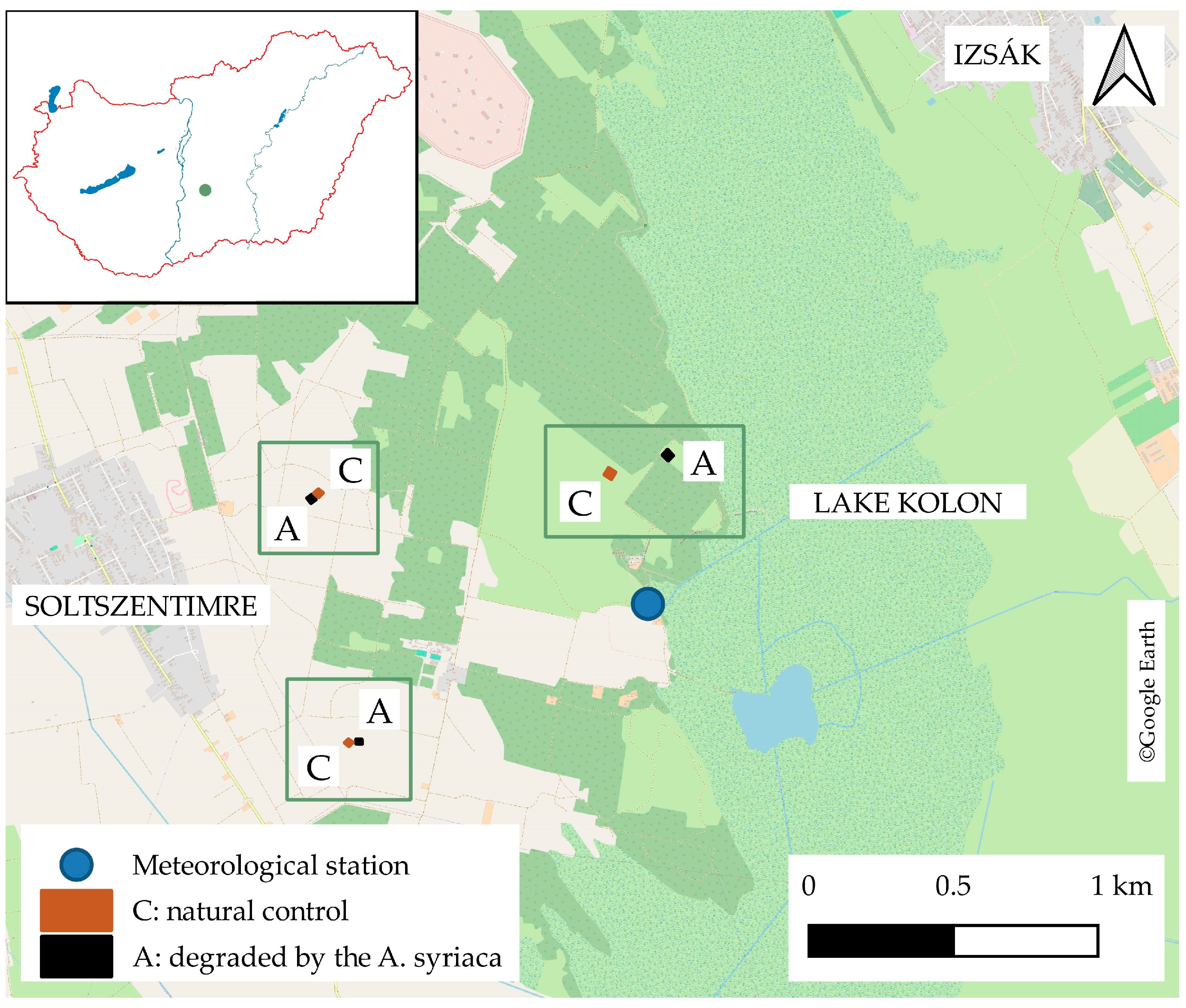
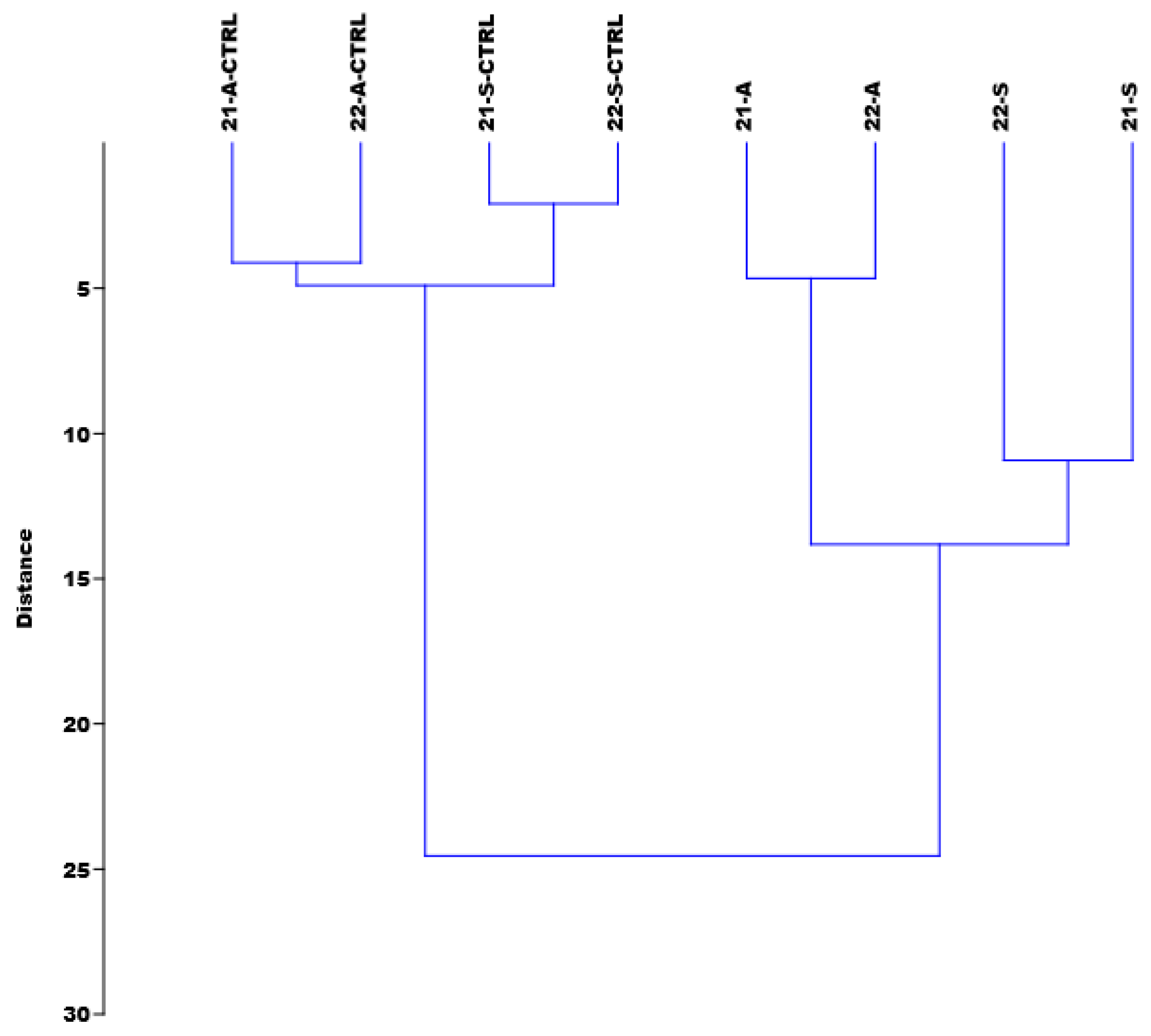
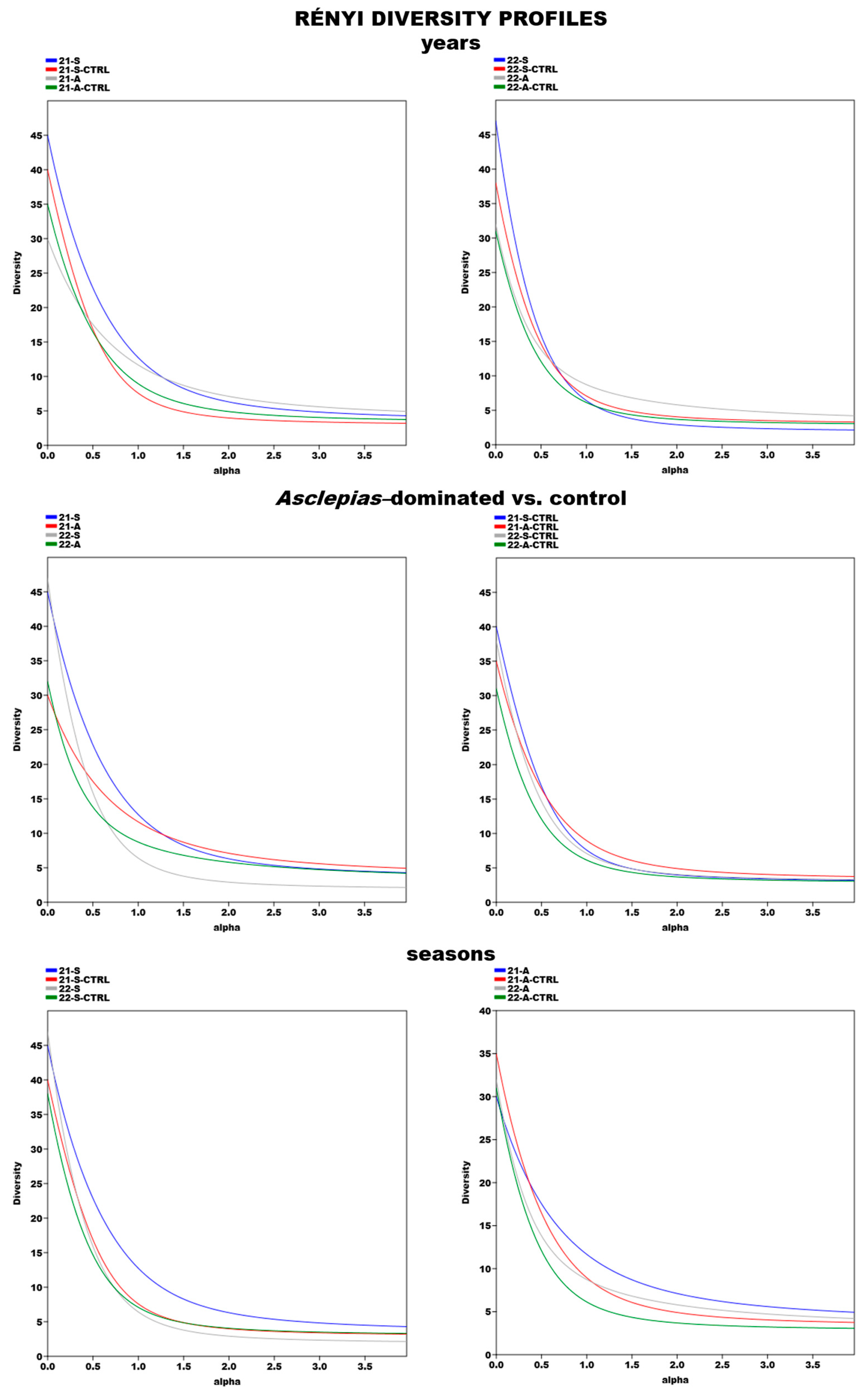
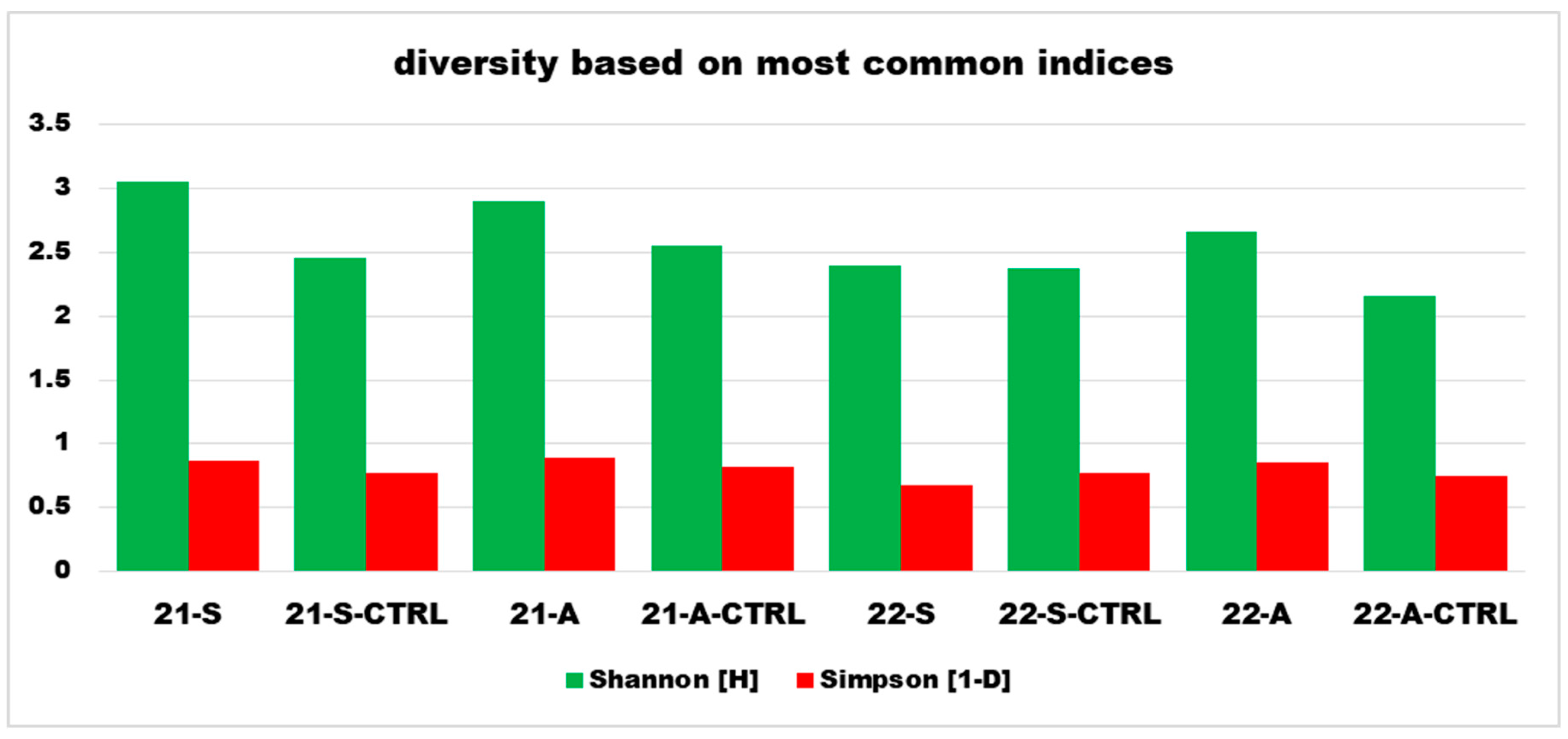
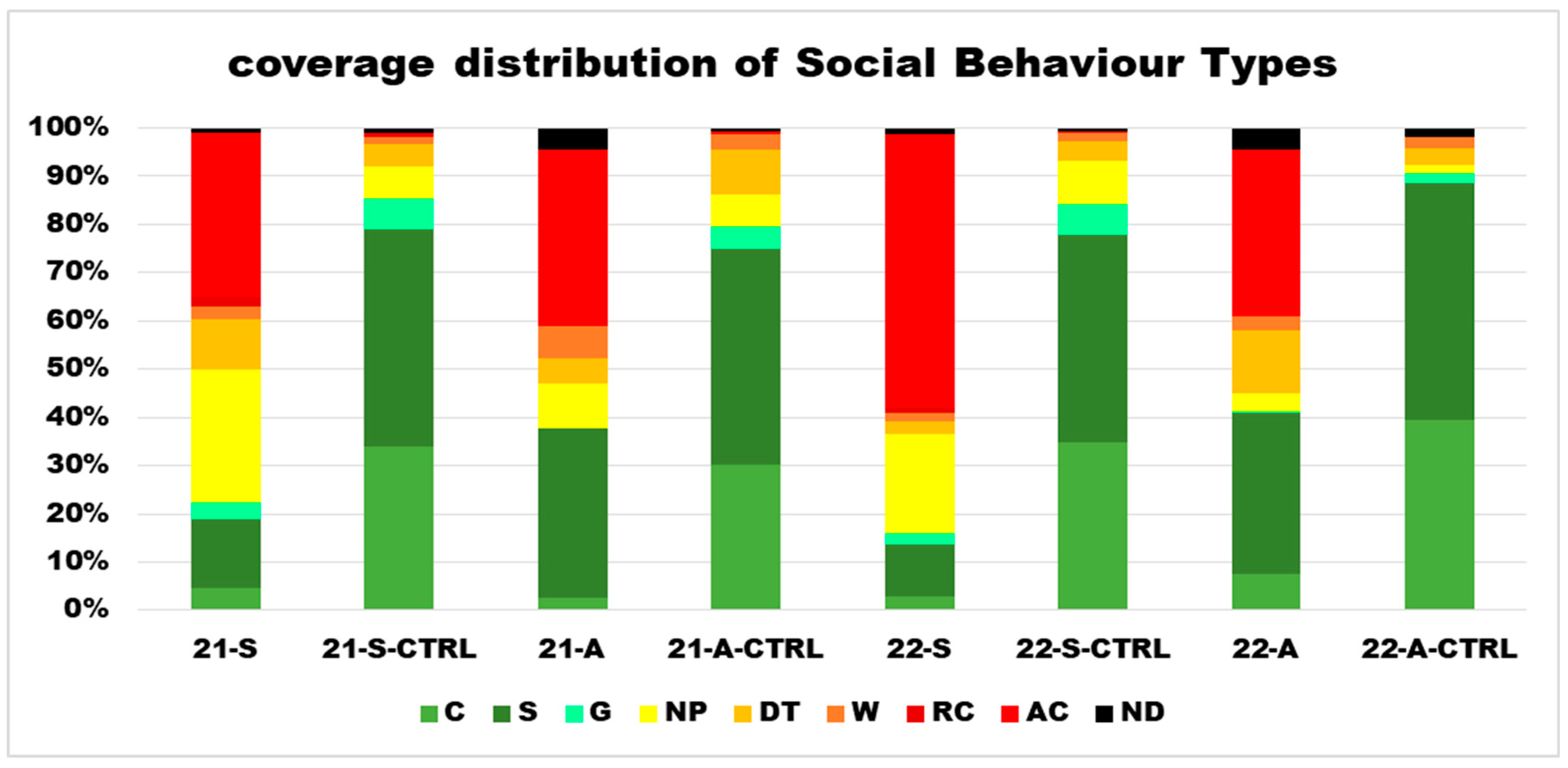
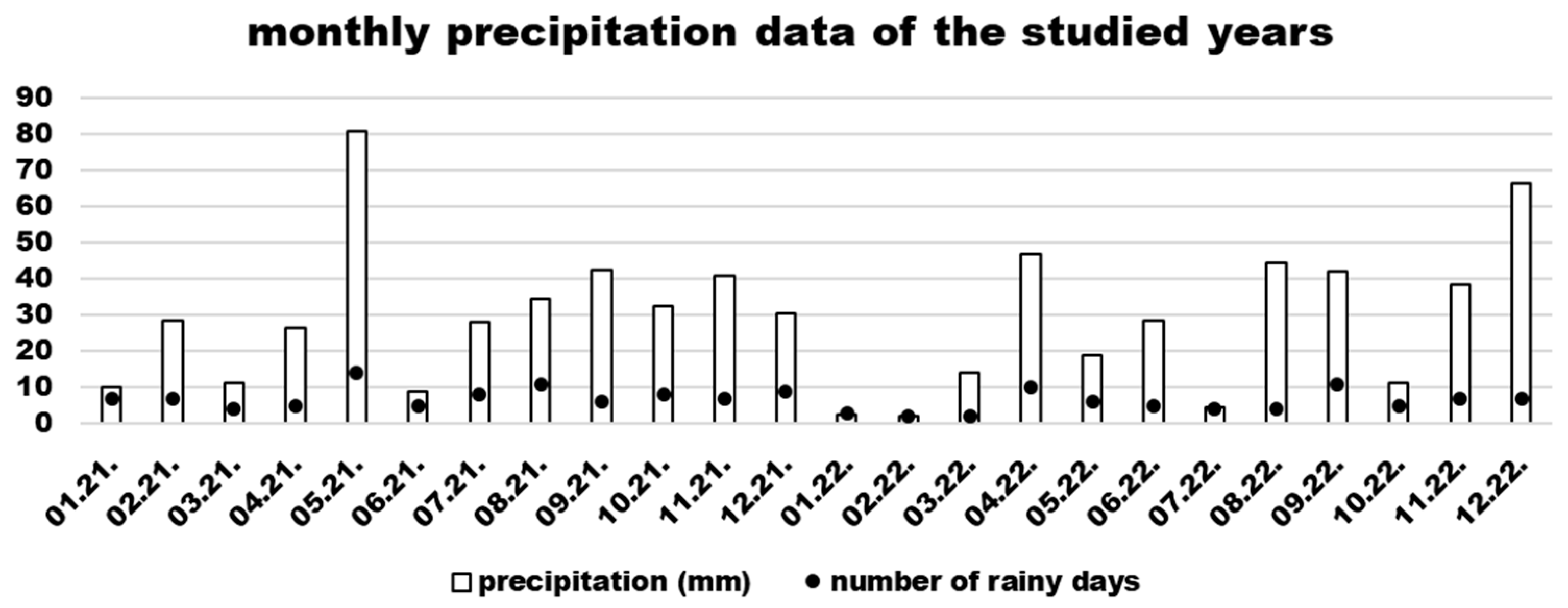
Asclepias syriaca L.is a perennial broad-leaved species native to North America. It has become established in many regions of Europe, and has spread with increasing rapidity in recent decades. Its reproductive behaviour allows this species to proliferate rapidly. The selected grasslands are located in the Carpathian Basin in Hungary, in the area of Kiskunság National Park, near Lake Kolon. In the framework of the research, in two consecutive years (2021 and 2022), and in two different seasons (spring and autumn), we examined the percentage cover of vascular plant species in the stands degraded by A. syriaca and the natural control (without A. syriaca), and their seasonal and interannual dynamics. Between the A. syriaca-degraded and natural control stands, there was no significant difference in the number of species in the spring and autumn of any of the examined years. Surprisingly, in the spring, the degraded stands were somewhat richer in vascular plant species. In autumn, the control stands had more vascular plant species, but to a lesser extent. The Shannon diversity was higher in the A. syriaca-dominated stands than in the control in all recording periods. Simpson diversity showed a similar pattern to Shannon diversity, with one exception in spring 2022. In the case of the social behaviour type, it can be clearly seen that the alien competitor (AC) species dominated in spring and autumn in both years in the stand dominated by A. syriaca. In the natural control stand, specialists (S) and competitors (C) dominated in both years and in both seasons. The negative effect of the invasive species on the number and diversity of species was presumably significantly reduced by the significant drying of the study area experienced in recent years.
Keywords: invasive plant; common milkweed; diversity indices; sandy grassland; Hungary invasive plant; common milkweed; diversity indices; sandy grassland; Hungary