Article

Impact of Regional Differences in Risk Attitude on the Power Law at the Urban Scale

School of Landscape Architecture, Zhejiang Agriculture and Forestry University, Hangzhou 311000, China
*
Author to whom correspondence should be addressed.
Land 2022, 11(10), 1791; https://doi.org/10.3390/land11101791
Submission received: 13 September 2022 / Revised: 3 October 2022 / Accepted: 11 October 2022 / Published: 14 October 2022
(This article belongs to the Special Issue Territory Spatial Planning toward High-Quality Development in China)

Abstract

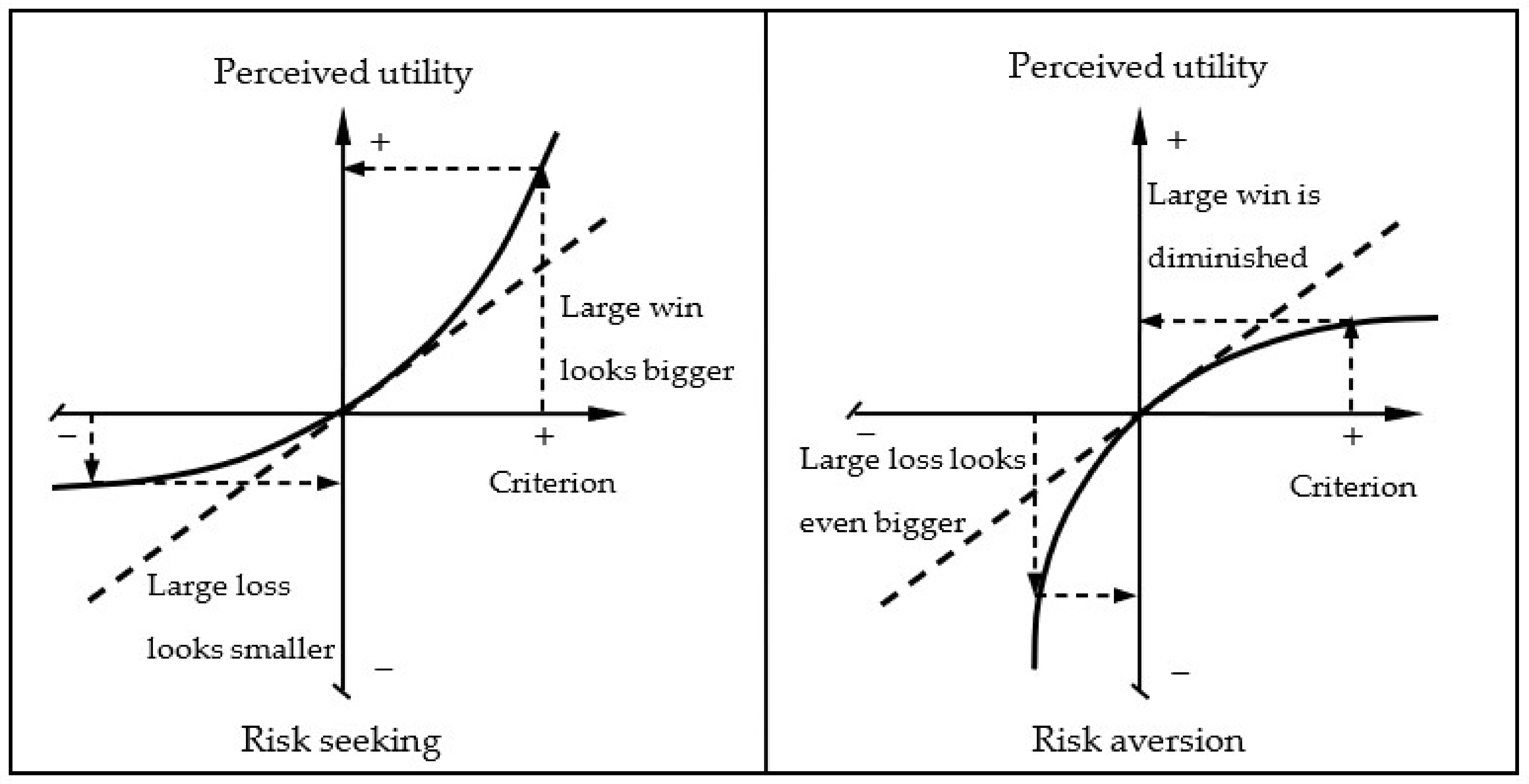
Internal mechanisms and laws exist in the evolution of cities, and the power law is widely applied in multiple areas in the real world. It is crucial to optimize the urban-scale systems through explanation studies of the urban-scale distribution pattern from the perspective of regional differences in risk attitudes. Based on computer simulation technologies, this study explores the influence of regional differences in risk attitudes of micro decision-makers on the power law through setting scenarios of same attitudes with quantitative differences and mixed multi-attitudes. In this case, we selected six provinces in China to verify the scale characteristic of the real world. The results show that the settlement scale is heavily influenced by risk attitudes with a larger slope, which are more pronounced in the mixed multi-attitudes scenario. The increase in the mixed-scale benefits less affects the utility of risk attitudes, where the slope value of the aversion attitudes has smaller variation. The averse model has a larger primary ratio than the others. However, the primary ratio does not reveal a significant bias towards large and small in the mixed multi-attitude scenario. In the six provinces, the advantageous areas with higher economic and cultural levels show larger-scale agglomeration characteristics similar to the impact of seeking attitudes. The primacy ratio increases with the variation degree in urban scales, especially in economically disadvantaged areas.
Keywords: risk attitudes; power law; regional differences; urban scale; simulation risk attitudes; power law; regional differences; urban scale; simulation