


Abstract
Land readjustment (LR) constitutes the foundation of orderly and sustainable urbanization, serving as the primary implementation tool for development plans. LR implementations are generally addressed within the framework of development implementation models—namely area-based, value-based, and hybrid models—based on the principle of redistribution. The present study aims to implement an equivalence-based LR model in the Davultepe Neighborhood of Mezitli, Mersin. In addition, it compares an equivalence-based LR implementation with an area-based LR implementation. The area-based LR implementation was conducted according to Article 18 of Law No. 3194 within the scope of Turkish Zoning Legislation. The equivalence-based implementation was performed using the hybridized multi-criteria decision analysis methods—specifically, SWARA and WASPAS. Cadastral and zoning criteria were determined separately. For data related to spatial criteria, walking distances were calculated using network analysis in Geographic Information Systems software. The weighting of the criteria was performed using the SWARA method. Cadastral and zoning parcels were treated as alternatives, and the WASPAS weight for each parcel was determined. The results indicate that, although allocated zoning parcel areas were generally smaller than the original cadastral parcel areas, in some cases, they exceeded the cadastral parcel areas due to the allocation of zoning parcels designated for agricultural use.
1. Introduction
Land readjustment (LR) is a fundamental land development tool designed to convert lands on urban peripheries into building plots in a planned manner, aligned with population movements and urban growth dynamics. In LR implementations, safeguarding landowners’ property rights, considering public benefit, and ensuring planned urbanization are established as fundamental principles. Within this framework, the ultimate objective of a fair, equitable, and transparent LR implementation is to equalize the rights of a cadastral parcel prior to readjustment with the rights of the allocated zoning parcel following readjustment. However, LR implementations are executed under different models globally and in Türkiye, and the search for more innovative, participatory, and cost-effective methods continues. The need for fair, equitable, and sustainable LR approaches is frequently emphasized in the literature [1,2,3,4,5,6]. The starting point of the present study is to address the distribution process, one of the most problematic stages in LR implementations, within the framework of justice and equity principles. However, despite comprehensive literature on area-based, value-based LR, as well as equivalence-based LR, the number of empirical studies that operationalize the equivalence principle through multi-criteria decision analysis and directly compare it with the legally implemented area-based LR model remains limited [7,8,9]. The present study focuses on the equivalence-based LR implementation model, which ensures the equal distribution of all rights by considering multi-dimensional criteria. This model does not integrate real estate market value into the allocation process by providing convenience in a swiftly urbanizing environment; however, value-based LR models do account for property values in distribution.
Urbanization is a multidimensional process that emerges in parallel with industrialization and economic development, resulting from increases in urban population and the intensification of housing, infrastructure, and service demands. The process is shaped by the interplay of economic, technological, political, and socio-psychological factors [10]. The rapid increase in urbanization, both in Türkiye [11] and around the world [12,13], particularly in large metropolitan areas, has intensified pressures on land management and urban planning systems. In this context, accelerating population growth and urban densification render LR an increasingly necessary aspect of contemporary urban development strategies. By enabling the balanced pursuit of economic, social, and environmental objectives, LR functions as a strategic instrument for controlling unplanned urban growth and supporting the development of sustainable and resilient cities [14,15,16,17].
Sustainable and inclusive urbanization is only achievable through the fair and timely implementation of development plans prepared with consideration for the topographic, geological, and demographic characteristics of cities [18]. Rapid industrialization and rural-to-urban migration have led to unplanned urban expansion and the proliferation of informal settlements, as exemplified by the experience of Türkiye, particularly during the 1950s and 1960s [19,20,21,22,23].
Informal urbanization prevents real estate values from being fully realized within formal market mechanisms, as the lack of official property records constrains investment and economic integration. For developing countries, the incorporation of informal property into formal systems is therefore a prerequisite for sustainable economic development [24]. In parallel, unplanned urban growth reduces green spaces and increases impervious surfaces, thereby intensifying environmental problems [25]. These conditions underscore the importance of completing replotting processes prior to unplanned development, selecting appropriate development areas, and ensuring the planned provision of social and technical infrastructure [26]. Although housing constitutes a fundamental human need, its increasing treatment as an investment asset further complicates the provision of adequate living conditions for large segments of the global population [27,28,29]. In this context, a solution depends on long-term planning, appropriate financing arrangements, public–private partnership (PPP) models, and the systematic implementation of land-readjustment-based plot reconfiguration [30,31,32].
In the international literature, land readjustment (LR) practices are known to develop under different models depending on countries’ institutional frameworks, property regimes, and valuation infrastructures. In developed countries such as Germany [33,34,35], Japan [36,37], South Korea [38,39], and Taiwan [40,41], LR implementation generally considers land parcels’ market values, value increments, development rights, locational characteristics, and planning decisions in an integrated manner. The presence of robust real estate valuation systems, reliable market data, and strong institutional capacity in these countries enables the adoption and effective operation of value-oriented LR models. By contrast, in developing countries such as India [42,43,44], Indonesia [45,46], Nepal [47,48], Serbia [49,50], and Türkiye [51,52,53], LR practices are predominantly implemented through area-based models. Nevertheless, development benefits arising from infrastructure investments and planning interventions are indirectly incorporated into the process. In African countries [54] such as Angola [55,56], Ethiopia [57], and Rwanda [58,59], the focus is on implementing the plan under public leadership.
In Türkiye, where the current LR follows an area-based LR implementation model, making distributions based solely on area equality among parcels with differing development conditions leads to significant practical problems [60,61,62,63,64]. In total, 80,267 cases related to zoning implementations filed in administrative courts were decided by the Court of Cassation between 2023 and 2025 [65] and 4088 cases were decided by the Council of State between 1993 and 2025 [66]. This reveals the seriousness of the legal risks in area-based LR implementations. In particular, issues related to property rights, equality of distribution, and the sharing of value increase from the basis of judicial disputes in the context of post-implementation appeal processes and distributive justice discussions [67,68,69]. As a solution to these problems, a transition to value-based LR implementation is proposed in the literature. However, the primary obstacle to value-based LR is the lack of a reliable and institutionalized valuation infrastructure [70,71,72]. An ‘institutionalized valuation infrastructure’ refers to an integrated system in which verified real estate transaction prices, together with property attributes, are systematically collected in a centralized database, analyzed using accepted statistical valuation methods, monitored through performance indicators, and used for the production of value maps and other decision-support outputs. In countries where the valuation infrastructure remains particularly incomplete, equivalence-based LR implementation appears more suitable.
In the present study, an equivalence-based LR implementation was conducted within the approved Implementary Development Plan area of the Davultepe Neighborhood in the Mezitli district of Mersin province, Türkiye, utilizing multi-criteria decision analysis (MCDA) methods. Furthermore, a comparative evaluation was performed with the area-based LR implementation prescribed by Article 18 of the current Zoning Law No. 3194. It is posited that a transparent, fair, and equitable implementation of LR will enhance urban welfare and quality of life, and that the systematic and equitable implementation of LR as a fundamental tool for guiding urban development is crucial. The present study contributes to the literature by operationalizing an equivalence-based LR model through integrated MCDA methods and providing a comparative evaluation with the area-based LR model currently implemented under Turkish zoning legislation. By integrating real estate appraisal theory, land policy, and practical application, this study provides empirical evidence that supports ongoing international debates concerning equitable land development and equivalence-based LR reforms.
2. Materials and Methods
In the present study, LR was conducted according to the equivalence principle using a hybridized multi-criteria decision analysis. A literature review was conducted to identify implementation models for LR based on area and equivalence principles. The primary materials of the present study are the cadastral map, land registry records, and the implementary development plan. Considering the technical procedural steps executed in the LR implementation of the present study, a flowchart was created (Figure 1).
Figure 1.
The flowchart of the present study.
Implementary Development Plans are approved, finalized, and put into effect for areas within municipal and adjacent boundaries. The municipality includes these plans in the zoning program to ensure their orderly implementation according to priority. Within the zoning program, the readjustment area is determined by the written request of the Municipal Mayor and the decision of the Municipal Council. The LR implementation commences with the assignment of municipal staff or its delegation to private surveying engineering offices [73,74].
2.1. The Study Area
Mersin province is located between 36° and 37° north latitudes and 33° and 35° east longitudes in the Mediterranean Region of Türkiye. It comprises four central districts: Akdeniz, Mezitli, Toroslar, and Yenişehir. Mersin has a typical Mediterranean climate, characterized by hot and dry summers and warm, rainy winters [75]. The province of Mersin has a 321 km coastline along the Mediterranean Sea and is an important trade hub due to its comprehensive land–sea–air logistics system. It possesses a significant agricultural sector that cultivates and exports fresh fruits and vegetables. The urban periphery is predominantly surrounded by citrus groves, resulting in an intermingling of urban and agricultural lands [76]. Population is one of the most critical factors affecting urbanization; the population of Mersin province in 2024 is approximately 2 million, and, while it has fluctuated between 2013 and 2024, it demonstrates an overall increase of about 13% [11]. Despite the continuous population increase, this growth has not been directly proportional to the net migration rate (Figure 2).
Figure 2.
Mersin population and net migration rate. Data source: TUIK [11].
Mezitli, one of the central districts of Mersin province, has a total area of 417.51 km2 and an elevation of 5 m. The district is located 11 km from Mersin city center and is a coastal city due to its geopolitical location. Its 2024 population is 225,824, and it receives significant migration from within and outside the country. It encompasses a total of 40 neighborhoods [77]. The Mezitli, Davultepe, was selected as the present study area because it is a district newly opened for settlement and has recent development plan implementations in its vicinity [78]. In Türkiye, under the Personal Data Protection Law [79], cadastral block/parcel numbers do not accurately reflect reality; therefore, an equivalence-based LR implementation model is proposed as an alternative to an area-based LR model.
The present study area (Figure 3) is located in the Davultepe Neighborhood, and its boundary corresponds to the boundary of the land readjustment area in the development project. This boundary is crucial for determining the cadastral parcels and areas entering the LR implementation. Consequently, it is delineated with greater care and diligence than other study area boundaries, in accordance with legislative principles [73] (Articles 10 and 13).
Figure 3.
The study area.
2.2. Data
2.2.1. Implementation Data
The basic unit on the cadastral map is the parcel, which is recorded as an area in a geometric shape: Cadastral parcel, determined as “spatial unit” [80] “should be considered as a single area of Earth surface (land and/or water), under homogeneous real property rights and unique ownership, which means that the ownership is held by one or several joint owners for the whole parcel, real property rights and ownership being defined by national law [81]. In other words, a cadastral parcel is a land parcel with registered ownership that, at the time of the cadastral survey, is located within a cadastral block” [74].
In the present study, the notation Block/Parcel is used to represent cadastral parcel identifiers. Each parcel is denoted in the format Block/Parcel (e.g., 84/35), corresponding to block number 84 and parcel number 35 (Figure 3).
The total area of the portions of 74 cadastral parcels falling inside the readjustment boundary is 506,956.21 m2. Seven cadastral parcels are shared among 84 owners. The smallest area is 228.13 m2, while the largest parcel is 114,308.16 m2. Of this large parcel, 18,418.09 m2 falls inside the readjustment boundary, while 95,890.17 m2 remains outside the boundary. The area remaining outside the boundary is not included in the LR implementation. The cadastral parcels are irregular in geometric shape. In the cadastral situation, road widths vary, with some roads narrowing or widening in certain areas. Not all cadastral parcels have road frontage. Generally, the type of real estate is land, with characteristics such as olive groves, citrus, gardens, and fields, where agricultural activities are conducted. Additionally, a water channel passes through the study area. A portion of the readjustment boundary is adjacent to the neighborhood center, featuring one floor minimal construction, as well as places of worship and cemetery areas (Figure 3).
In Mezitli, approximately 30% of the relevant area was planned as a residential development area with a Floor Area Coefficient (FAC) of 0.60 in the 1/5000 scale Master Development Plans and 1/1000 scale Implementary Development Plans in 2002. In 2005, the preparation process for the 1/25,000 scale Master Development Plans was restarted by the Mersin Metropolitan Municipality. Since Mersin province contains first- and second-class absolute agricultural lands, it is an agricultural city, and areas opened for zoning are kept limited, with agricultural lands protected under sustainable land management [82]. Therefore, within the readjustment boundary, there is also a total of 36,325.28 m2 of agricultural area across two zoning parcels (Figure 3). For this research, a study area with diverse characteristics in terms of data was selected, and the LR implementation processes were carried out using ArcGIS 10.5 [83], LiCAD 2.4 [84], and Spyder IDE 5.5.1 [85] software environments.
“The zoning parcel is a homogeneous area/space with an assigned function or purpose that represents the potential land use development according to the spatial planning authorities at the highest detail (largest scale)” [86]. In other words, “a zoning parcel is a land parcel resulting from the reconfiguration of cadastral parcels within zoning blocks, carried out in accordance with the Zoning Law, the approved development plan, and related zoning regulations” [74].
2.2.2. The Criteria and Data Pre-Processing
The data that could be accessed inside and around the LR implementation boundary were handled separately for criteria related to cadastral and zoning parcels. The foundation of the equivalence principle lies in the weights these criteria assume. Furthermore, cadastral and zoning parcels differ in their characteristics. The cadastral parcel consists of rights-based registration units, whereas the zoning parcel comprises plan-decision units [86]. Furthermore, cadastral parcels reflect their existing use before the LR implementation and consist of irregular parcels. Development parcels, on the other hand, are formed after the LR implementation and consist of planned and regular parcels. Therefore, the objective is to calculate a parcel weight that can be considered equivalent within the scope of these criteria. The number of cadastral criteria is naturally fewer than zoning criteria, both due to the lack of built-up characteristics and public facility deficiency. In both cases, the criteria located in the immediate vicinity of the readjustment boundary were utilized equally. The 16 cadastral criteria used in the present study are illustrated in Figure 4.
Figure 4.
Cadastral criteria.
The criteria within the implementary development plan are established concurrently with the city’s urbanization. However, during the LR implementation process, the precise locations of facilities must be determined. Zoning criteria encompass features related to the building to be constructed on the zoning parcel, such as building layout, FAC, and number of floors. According to the implementary development plan, public facilities increase in parallel with construction. The 30 zoning criteria used in the present study are illustrated in Figure 5.
Figure 5.
Zoning criteria.
Detailed information is furnished regarding how slope, bicycle path, minibus line, Energy Transmission Line, and other spatial criteria are incorporated into the calculation. First, slope exhibits distinct characteristics for each cadastral and zoning parcel; in both instances, the average slope of the parcels was calculated and integrated into the analysis (Figure 6). According to the Food and Agriculture Organization (FAO) [87], slope classification comprises 10 categories. Slope is a critical factor for construction and must be considered in areas designated for urban development through planning. To prevent erosion, soil loss, the degradation of surface water and excessive stormwater runoff, construction should not be permitted on excessively sloped terrain [88]. Areas unsuitable for settlement due to natural disaster hazards, such as earthquakes, flooding/inundation, mass movement, tsunamis, and similar risks, must also be researched and analyzed [89] (Article 19-2i). The municipalities generally categorize slopes above 15–20% as “restricted” and those above 25–30% as “unsuitable” in the explanatory reports of the plan [90].
Figure 6.
(a) Digital elevation model (DEM), (b) slope.
In terms of geographic representation, bicycle paths, minibus lines, and energy transmission lines possess linear characteristics. Therefore, the shortest distances were calculated considering parcel frontages and road intersections. The channel was evaluated and scored as an unrehabilitated irrigation channel for cadastral parcels and as a rehabilitated landscape element for zoning parcels.
Some of the criteria have limitations. Areas with direct or indirect harmful effects on human health and safety, such as energy transmission lines, flood risk areas, and zones subject to disaster hazards, are defined as unsuitable for construction or as requiring special measures [91,92,93,94]. Within the scope of building setback distances and protection zones, energy transmission lines generally traverse areas, such as roads, parks, and recreation spaces. For this reason, in the present study, as the distance to the energy transmission line increases, the assigned score value correspondingly increases.
For the LR implementation, walking distances from parcels to public facilities were measured for real estate appraisal purposes. The shortest distances from each parcel to public facility areas were calculated using the Closest Facility method within network analysis (Figure 7). This analysis requires an uninterrupted road line network, with entry points for each parcel and the entrances to the facility areas [95] (Article 4) marked as point features. Consequently, the centerlines of both cadastral and zoning roads were digitized, a road network was created in separate layers, and the analysis was performed.
Figure 7.
Network analysis of the cultural center.
2.3. Area-Based LR Implementation Model
The area-based LR model in Türkiye is founded on the principle of taking the area required for public infrastructure from all parcels at a fixed contribution rate and redistributing the new zoning parcels entirely according to area size [96,97,98]. The model implementation is regulated under Article 18 of Zoning Law No. 3194 (1985). “LR authorizes municipalities to combine buildings or vacant plots and lands within zoning boundaries, either with each other, with road excesses, or with areas owned by public institutions or municipalities, without seeking the consent of the owners or other right holders. This is undertaken to redivide them into blocks or parcels suitable for the new development plan, to distribute them to right holders according to independent, shared, or condominium principles, and to carry out the registration proceedings ex officio” [74] (Article 18).
This mechanism provides land for public facilities, such as roads, waterways, squares, parks, parking lots, playgrounds, green areas, places of worship, police stations, educational facilities affiliated with the Ministry of National Education, and public nursery areas, without direct expropriation costs, and in order of priority. As a compulsory and self-financing tool, the area-based model reflects a distinctive approach to LR that balances private property rights with the public interest [73] (Article 14)-[74] (Article 18).
“In areas with zoning plans, it is essential to prepare the replotting plan primarily in accordance with the implementary development plan” [74] (Article 15). The replotting plan is an integral component of the implementation file containing the documents for registration, in which zoning parcels are created in accordance with the implementary development plan [73]. It is essential for the municipality or governorship to prepare and approve replotting plans within five years from the finalization date of the implementary development plans [74] (Article 18-9).
The Land Contribution Rate (LCR) is the ratio of the total Land Contribution Share (LCS) amount in a readjustment area to the total area of cadastral or zoning parcels entering the readjustment within this area (Equation (1)). For all cadastral parcels entering the readjustment, the total LCS (Σ LCS) deduction is made based on the LCR value, taking into account their areas (Equation (2)). The total cadastral parcel areas refer to the sum of parcels owned by private individuals and legal entities, excluding those for public common use. The total zoning parcel areas refer to the parcels within the building plots allocated for residential and commercial use. However, since the plan of this study area includes agricultural areas, these areas were also incorporated. This total zoning parcel area also represents the area to be distributed:
The total LCS deduction provides land for public facilities, such as roads, waterways, squares, parks, parking lots, playgrounds, green areas, places of worship, police stations, educational facilities affiliated with the Ministry of National Education, and public nursery areas, without direct expropriation costs, and in order of priority. The LCR varies according to the number of public facilities required in the readjustment area. If the LCR in the readjustment area is <0.45, no expropriation occurs, and the area remaining after the LCS deduction for each cadastral parcel constitutes the zoning allocation area. However, if the LCR is >0.45, the insufficient area remaining after applying the land contribution share is covered free of charge from areas not subject to registration within the readjustment site, from areas owned by the municipality, or, provided consent is obtained, from real estate owned by the public or the Treasury. If these areas are insufficient, the remaining amount [73] (Article 15-1) is exchanged for real estate owned by the Treasury or relevant authorities, or purchased, and then expropriated by the relevant public institution or organization and transferred to public ownership [73] (Article 5-2b).
If LCR > 0.45, expropriation occurs. Since this is an equivalence-based study, the cadastral value determines the number of zoning parcels to be distributed, so the expropriation process has not been taken into account.
A cadastral parcel’s allocation for development account (Equations (3) and (4)) (LCR < 0.45):
The zoning allocation calculation for a cadastral parcel A, when LCR < 0.45, is as follows: the area of cadastral parcel A is multiplied by the LCR to determine the amount for that parcel. Subtracting the share from the area of cadastral parcel A yields the zoning allocation area (Equation (4)). Distribution to zoning parcels is then undertaken for that determined area. While performing this operation, it is necessary to follow the principles of allocating parcels as close as possible to their original location and ensuring full, undivided ownership [73] (Articles 17 and 19).
2.4. Equivalence-Based LR Implementation Model
The equivalence-based LR implementation model pertains to the redistribution of cadastral parcels among landowners within development plan borders, adhering to the equivalent principle and considering specified criteria and parcel weights. The proposed model operationalizes this principle through a criteria-based redistribution framework governed by predefined and transparent rules. Within this framework, equivalency is measured by weighted parcel features utilizing multi-criteria methodologies that represent the proportional allocation of costs and benefits across landowners.
The equivalence-based LR implementation model was first conceptualized in Türkiye by [23], who emphasized that the primary objective of plot readjustment is to allocate new parcels to each owner that provide equivalent economic benefit within the framework of the “no profit, no loss” principle. This approach was later systematized through the comprehensive models of [99]. The model developed by [100] applied land readjustment by explicitly considering the equivalence principle through the identification and weighting of relevant criteria. Similarly, in the study conducted by [101], qualitative variables were weighted with an AHP-based value index to derive an objective “equivalence coefficient” among parcels, demonstrating that redistribution could be performed equitably using these coefficients.
The process of the equivalence-based land readjustment (LR) implementation model consists of eight steps:
- Conceptual framework of the equivalence-based LR implementation model;
- Data collection prior to LR implementation;
- Identification of criteria;
- Calculation of criterion weights (SWARA);
- Arrangement of data related to criteria;
- Determination of the cadastral and zoning parcel weights (WASPAS);
- Conversion of cadastral and zoning parcel weights into zoning allocation areas;
- Distribution of the allocation areas to cadastral parcel landowners.
The conceptual framework of the equivalence principle is first introduced to establish the theoretical basis of the model. Subsequently, data collection prior to LR implementation, the identification of criteria, and the arrangement of data according to these criteria are described in Section 2.2. The calculation of criterion weights using the SWARA method, as well as the determination of cadastral and zoning parcel weights and their conversion into zoning allocation areas through the WASPAS method, are explained in detail in Section 2.4. Finally, the distribution of the calculated allocation areas to cadastral parcel landowners is presented as the concluding step of the implementation process. To ensure a fair distribution, priority is given to allocating each landowner, as far as possible, a full ownership zoning parcel located in close proximity to the pre-readjustment parcel. Since the present study proposes a new land readjustment model, the allocation process was carried out in accordance with the distribution rules applied in area-based LR implementation models.
2.4.1. Stepwise Weight Assessment Ratio Analysis (SWARA)
Stepwise Weight Assessment Ratio Analysis (SWARA) is a multi-criteria decision analysis method presented by [102]. It is a method that enables decision makers to determine criterion weights using expert judgments in a stepwise manner. The authors demonstrated that attribute weights based on the SWARA method can be determined and that the initial decision matrix, normalized by applying linear normalization, can be used. The main feature of the SWARA method is the ability to estimate experts’ or interest groups’ opinions about the significance ratio of the attributes in the process of determining their weight [102]. It has the capacity to assess the accuracy of experts’ opinions concerning the weight of criteria [103].
One of the significant limitations of the SWARA method is its reliance on subjective expert opinions, which can introduce bias, inconsistency, and variability into the weighting process. Although it is based on weighting criteria affecting value, experts can interpret the criteria differently. To mitigate this, in one study [104], the SWARA method was applied based on survey results administered to experts. The results of a 2017 survey of 505 experts in total, divided into eight groups [105], were used to rank the criteria according to relative relevance. The experts included a member of the Valuation Commission, an academician, a real estate appraisal expert, a public institution official, a holder of an expropriation expert certificate, a contractor, a local real estate broker, and other experts (including professionals, such as architects, urban planners, civil, geomatics, and agricultural engineers). Therefore, in the present study, to generalize expert judgments and incorporate as many expert opinions as possible, the weights of the criteria were calculated by considering the frequency analysis results from the mentioned survey study, which indicate the order of importance.
Criterion weights are determined using the SWARA method in the following five steps [102]:
- Step S1: The primary disadvantage of SWARA is the subjective determination of importance degrees. To mitigate this, based on the survey study, criteria were ranked according to the importance degrees assigned by the eight expert groups of decision makers. The criteria were ranked in descending order of importance according to the frequency analysis of the survey responses obtained from each expert opinion group. For example, based on the survey opinions of real estate appraisal experts, the cadastral criteria were ranked according to their relative importance as follows: Property type (C2) is in first place, and kind of land (C3) is in second place.
- Step S2: Starting from the second criterion, the decision maker determines the relative importance levels for each criterion. To this end, the -th criterion is compared with the previous criterion (), and values are determined.
It is necessary to determine how much more important the most significant criterion affecting real estate value is compared to the following criterion. For example, the question “How much more important is the property type criterion than the kind of land criterion?” is answered by considering the impact ratio on value. That is, values such as 0.01, 0.10, 0.20, 0.25, 0.30, 0.40, 0.50, and intermediate values such as 0.05 and 0.15 were assigned to determine the percentage importance. In the example, the criterion in the second rank, : kind of land (C3), is compared with the criterion in the () rank, property type (C2), yielding an value of 0.20, which implies that C2 is considered 0.20 more important than C3. Thus, the s values, which constitute the most challenging part of SWARA in Step S2, were determined. The subsequent steps were considerably more straightforward and rapid.
- Step S3: The coefficients () are determined using Equation (5). In the example, the first two criteria for the expert are 1.20 and 1.00. The values are obtained by adding 1 to the values obtained from the entire comparison:
The final SWARA weights, representing the relative importance levels of the criteria, consist of the average of all experts’ weights. These final SWARA weights were used in the WASPAS phase for the next plot weights [106,107]. Similarly, the process steps were compared separately, taking into account the relative importance order of the expert groups’ survey opinions for the zoning criteria, and the final SWARA weights were determined accordingly.
2.4.2. The Weighted Aggregated Sum Product Assessment (WASPAS)
The Weighted Aggregated Sum Product Assessment (WASPAS) was introduced by [108]. The WASPAS method was derived by performing a higher-accuracy analysis from the combination of the weighted sum method (WSM) and the weighted product method (WPM). This new approach, combining the strengths of the WSM and WPM methods, is stated to yield both more balanced and more reliable results in evaluating decision alternatives [108]. The WASPAS method is recognized as an effective tool offering more accurate results in decision-making processes, owing to its mathematical simplicity and capacity to combine the strengths of WSM and WPM. Furthermore, analyses of the method demonstrate that WASPAS has a very robust and reliable structure, paving the way for its widespread use in multi-criteria decision analysis applications [109].
In the WASPAS method, the criterion weights used were taken as the values calculated using SWARA. The weights of the cadastral and zoning parcels considered alternatives were determined using WASPAS, and the application steps are as follows [108,110]:
- Step W1: Formation of the decision matrix (Equation (8)):
- Step W2: Normalization of the decision matrix using the minimum cost (Equation (9)) and maximum benefit (Equation (10)):
Calculation of the total relative importance of the alternative according to the weighted sum method (WSM) results in (Equation (11)):
Step W4: Calculation of .
Calculation of the total relative importance of the alternative according to the weighted product method (WPM) results in (Equation (12)):
Step W5: Finding the weights.
The results and found using WSM and WPM are calculated according to the values of (0.00, 0.25, 0.50, 0.75, and 1.00) (Equation (13)):
When the values (0.00, 0.25, 0.50, 0.75, and 1.00) are substituted into Equation (13), they are derived as follows:
Step W6: Normalization of WASPAS weights.
The equivalent index is found for use in the distribution phase of the LR implementation. Since the values to be used for the distribution of cadastral and zoning parcels will be converted to area, they are normalized using Equation (14):
3. Results
3.1. Replotting Plan
This replotting plan constitutes a critical stage of the LR implementation, as it serves as a technical and legal instrument that redefines property boundaries and renders plan decisions implementable. Replotting plans vary according to factors such as building layout, Basement Area Coefficient (BAC), FAC, and garden setbacks. The replotting process can be conducted in two distinct ways: according to zoning allocations [111] or according to a standard parcel size [112,113]. “In the replotting plan, parcels below the minimum parcel sizes specified in the zoning legislation cannot be created, unless a contrary provision exists in the development plan” [73] (Article 17b).
The standard parcel dimensions were calculated according to the Planned Areas Zoning Regulation [95,114]: a minimum of 500 m2 and a maximum of five stories in the plan notes [78], as well as a base minimum of 1000 m2, were adopted in the present study. The replotting process was then performed according to the block area size. Within these constraints, and since agricultural areas were not subdivided, parcels with a minimum area of 1005.15 m2 and a maximum area of 2047.58 m2 were obtained by excluding them from the zoning process. As a result, a total of 227 zoning parcels were created (Figure 8).
Figure 8.
The map of zoning parcels.
3.2. Redistribution in Area-Based LR
According to the area-based LR implementation model, the areas of cadastral parcels falling within the LR implementation boundary were included in the process proportionally to the shares of the owners. The areas of zoning, building and agricultural parcels were determined. Based on this information, the LCR was calculated as approximately 0.40% using Equations (1)–(5). According to the Zoning Law [74], there is no expropriation because LCR ≤ 0.45 (Table 1).
Table 1.
Calculation of LCR.
The foundation of the area-based model rests on the zoning allocation calculation. The areas of cadastral parcels within the readjustment boundary were multiplied by the LCR to apply the LCS deduction. The LCS represents the deduction to be used for common public purposes, such as roads, squares, parks, and parking lots. The remaining area constitutes the zoning allocation amount, calculated as the plot area on which construction is permissible. That is, considering the areas of the replotted zoning parcels, the distribution of allocation areas was carried out according to the status of full ownership or shared ownership. For example, calculations were performed for cadastral parcel 87 in Block 3, which has a total area of 5352.48 m2, resulting in an of 2165.32 m2 and a zoning allocation of 3187.16 m2 (Table 2).
Table 2.
Zoning allocation area calculation for cadastral parcel 87 in Block 3.
For cadastral parcel 87/3, parcel-based distribution was executed in accordance with the distribution principles outlined in the relevant regulation [73] (Article 17), considering the building plot and parcels in their original locations. For instance, in building plot 136, parcel number 2 with an area of 1295.32 m2 and parcel number 3 with an area of 1295.33 m2 were allocated as full ownership, while the remaining area of 596.51 m2 was shared in parcel 128 within block 1. An effort was made to allocate full-ownership zoning parcels to cadastral parcels with larger areas. For cadastral parcels that could not be assigned a full zoning parcel, they were shared as much as possible, within a single zoning parcel [73] (Article 17-e).
Two zoning parcels designated as agricultural areas are 128/1 and 138/1. Since the area-based model also adheres to the principle of allocation from the original location first, and to prevent a loss of rights, they were allocated to the existing cadastral parcels in their precise locations. The remaining areas were also shared from other parcels to facilitate the creation of a city garden [115,116,117,118].
3.3. Redistribution in Equivalence-Based LR
In LR implementation models, the distribution stage is a critical process where parcels are reallocated based on equivalence according to their new locational and functional characteristics following zoning. Real estate appraisal constitutes a significant procedural step for the equivalence-based LR implementation. The present study aims not to determine the monetary economic equivalent in Turkish Lira (₺) or US Dollars ($) as a real estate appraisal operation for cadastral and zoning parcels. On the contrary, the objective is to ascertain the equivalent values of the criteria weights and the data taken by the alternatives along the path to obtaining this value. In other words, it represents the step immediately preceding the determination of real estate value. For this purpose, the process was structured as follows: identification of criteria and collection/arrangement of data corresponding to each cadastral and zoning parcel (materials), weighting of criteria using SWARA, calculation of the equivalence of cadastral and zoning parcels using WASPAS, and subsequent distribution operations.
3.3.1. SWARA Application
To ascertain the importance of criteria in the distribution stage of the LR implementation, the weights of the criteria were determined using the Stepwise Weight Assessment Ratio Analysis (SWARA) method. SWARA was applied by systematically incorporating expert opinions into the model. The procedural steps of SWARA were applied to determine the weights of the cadastral and zoning criteria.
To calculate the weights more efficiently according to all expert opinions, the operations were automated using Python 3.12 coding. As an example of the SWARA procedural steps for cadastral criteria, the process for real estate appraisal experts is provided (Table 3). According to real estate appraisal experts () and the average SWARA weights of all experts (), the most important criterion was “property type” (0.134, 0.135), and the least important criterion was “slope of the parcel” (0.015, 0.019).
Table 3.
SWARA process steps and final weights of cadastral criteria for real estate appraisal experts (SWARA-).
As an example of the SWARA procedural steps for zoning criteria, the process for real estate appraisal experts is provided (Table 4). According to real estate appraisal experts () and the average SWARA weights of all experts (), the most important criterion was determined to be “property type” (0.144, 0.137), and the least important criterion was “slope of the parcel” (0.002, 0.003).
Table 4.
SWARA process steps and final weights of zoning criteria for real estate appraisal experts (SWARA-).
3.3.2. WASPAS Application
Based on the criterion weights obtained with SWARA, the relative importance levels of the cadastral and zoning parcels within the readjustment boundary were calculated using the WASPAS (Weighted Aggregated Sum Product Assessment) method. WASPAS combines the weighted sum (WSM) and weighted product (WPM) models within a single structure, producing a composite index that considers both the linear contributions and multiplicative interactions of the criteria. In the study, data related to the criteria for each cadastral and zoning parcel were normalized, and the WSM and WPM components were calculated separately using the SWARA weights. A single score was then obtained through the selected parameter. These scores were used as the primary input to reflect the relative importance and “equivalence” levels of the zoning parcels in the LR distribution, thereby enabling the numerical and comparable translation of qualitative differences at the parcel level into distribution decisions.
The alternatives are cadastral and zoning parcels, evaluated separately. The criteria considered in the SWARA method are those within and near the study area that could influence value. The WASPAS procedural steps applied to determine the importance levels according to cadastral and zoning parcel data are presented as follows:
- Step W1: Cadastral criteria are listed in columns, while cadastral parcels are listed in rows, and the data corresponding to the parcels were standardized. According to the considered standards, the verbal data were converted into a numerical form, and a decision matrix was created. Table 5 presents examples of the first 10 cadastral records with block/parcel numbers 84/35, 84/40, … and 84/50.Table 5. Digitization of cadastral parcels.
The rows in the table show the cadastral parcels, while the columns display their data, such as the land registry area that is inside the LR implementation boundary (C1), property type (C2) and kind of land (C3), location on the block (C4), geometric shape (C5), number of corner-broken points of the parcel (C6), number of the frontage (C7), length of the frontage (C8), road width (C9), and slope (C10) of cadastral parcels.
The comparison matrix consists of numerical or textual data for the parcels (alternatives) according to the specified criteria. While numerical data were subjected directly to the WASPAS operation, textual expressions were converted into numerical form according to a 1–5 evaluation scale.
- Step W2: The benefit/cost distinction of the criteria was made during the relevant normalization process, based on their value-increasing or value-decreasing direction. For example, as the distance to developed areas, cultural facilities, forests, and parks decreases, the value increases; therefore, “minimum cost” normalization was applied (Equation (9)). Conversely, as the distance from negatively impacting elements, such as energy transmission lines and cemetery areas, increases, “maximum benefit” normalization (Equation (10)) was performed (Table 6). Similar operations were applied and normalized for the data of zoning parcels.Table 6. Normalization of data related to cadastral parcels.
- Step W3: For the weighted sum method, each normalized value was multiplied by the relevant criterion’s weight, and their sums were calculated using Equation (11).
- Step W4: For the weighted product method, the criterion’s weight was used as the exponent for each normalized value, and their products were obtained using Equation (12).
- Step W5: By applying the operations in Step W3 for each cadastral and zoning parcel, the separate and weights of the parcels were obtained. Determining the final WASPAS weights of zoning and cadastral parcels depends on the value assigned to . Considering the and weights of zoning and cadastral parcels, the weights of the parcels were calculated using Equation (13) according to values (0.00, 0.25, 0.50, 0.75, and 1.00). To decide on a value, three different procedures were performed in the form of maps (Figure 9 and Figure 10), a graph (Figure 11), and a correlation analysis (Figure 12). Upon examining the maps, it was observed that (0.00) (Figure 9a and Figure 10a) and (0.25) (Figure 9b and Figure 10b) resulted in relatively low WASPAS weights. For (0.75) (Figure 9d and Figure 10d) and (1.00) (Figure 9e and Figure 10e), zoning parcels exhibited especially high WASPAS weights. Consequently, (0.50) (Figure 9c and Figure 10c) was selected, as it yielded more reasonable value ranges in the maps.Figure 9. WASPAS weights of cadastral parcels (a) ; (b) ; (c) ; (d) ; (e) .Figure 10. WASPAS weights of zoning parcels (a) ; (b) ; (c) ; (d) ; (e) .Figure 11. WASPAS weights according to the value cadastral (a) and zoning (b) parcels.Figure 12. Correlation of WASPAS weights based on values of cadastral (a) and zoning (b) parcels.
The graphical representation of the WASPAS weights for zoning and cadastral parcels according to values (0.00, 0.25, 0.50, 0.75, and 1.00) was examined. It was observed that parcel weights decreased and increased in parallel according to the values (Figure 11a,b).
The correlation relationship between the WASPAS weights of zoning and cadastral parcels according to values (0.00, 0.25, 0.50, 0.75, and 1.00) was examined (Figure 12), revealing that all values were highly correlated with each other. This demonstrates that the relative importance among parcels does not change significantly across different values.
In the literature, is generally preferred. For example, in the study by [108], intervals between 0 and 10 were tested, and it was concluded that the optimal value with a high confidence interval was 0.49. It has been determined that the ranking is performed according to different values [119] and remains unchanged [120]. In the present study, after evaluating the maps, graphs, and correlation results together, 0 was deemed more reasonable. Therefore, in light of this evidence, the value was set to 0.50 and the process continued with the next stage of the implementation.
- Step W6: Normalization of WASPAS weights belonging to cadastral and zoning parcels for distribution.
The separate weights of each cadastral and zoning parcel were calculated. Since area is required for the distribution operation, these weights were converted into area- dependent normalized equivalence indices using Equation (14). These indices were then normalized among themselves to derive the equivalence indices for distribution. Initially, the larger parcels were allocated full-ownership zoning. Parcels for which a full-ownership zoning parcel was not feasible were shared.
3.4. Differences Between Distribution Rates of Area and Equivalent-Based LR Models
Following both area-based and equivalence-based LR, zoning allocation areas have been calculated for each parcel. The differences between these allocations, the original cadastral areas, and the percentage changes among them have been examined graphically. The percentage ratios of cadastral areas to both the area-based zoning allocation (LCR) and the equivalence-based zoning allocation, as well as the percentage ratio between the area-based and equivalence-based allocations, are presented graphically (Figure 13). While the LCR values remain constant due to the equal-rate deduction applied to each parcel under the area-based contribution mechanism, significant differences are observed in the other comparisons.
Figure 13.
Comparison of distribution ratios in area-based and equivalence-based LR.
The horizontal reference line represents perfect equivalence between pre- and post-readjustment conditions; deviations above or below this line indicate relative gains and losses in terms of area or value. These deviations become more pronounced, particularly among parcels with locational and functional advantages. In the percentage change between cadastral area and equivalence-based zoning allocation, it was observed that cadastral parcels numbered 87/8, 87/9, 88/8, 84/53, and 84/57 were allocated a greater zoning parcel area for distribution than their original areas. A detailed examination determined that this outcome was due to parcels designated for agricultural use without construction rights, or because the cadastral characteristics were rated higher than the zoning characteristics. In the percentage change between area-based and equivalence-based allocation, differences ranging from 1% to 73% were observed. Consequently, the zoning allocation area resulting from the value-based distribution is larger than the zoning allocation area from the area-based distribution.
The distribution differences observed in the present study are associated with the integration of parcel weights into the allocation process. Within the proposed equivalence-based framework, parcel weights are incorporated as decision-support parameters during replotting, allowing allocation outcomes to reflect multi-dimensional property characteristics rather than parcel area alone. Consequently, allocation differences become more evident for parcels with varying development potential, locational advantages, or functional characteristics. These results indicate that the integration of parcel weights contributes to more balanced and fair distribution outcomes compared to area-based allocation.
4. Discussion
In Türkiye, only area-based zoning implementation has been conducted since 1928 [121]. Furthermore, the LCR varies for each readjustment area, leading to potentially different LCS deductions. Under this system, the existing characteristics of cadastral parcels and the characteristics of the zoning parcels to be distributed are disregarded. In other words, the value-determining qualities of cadastral parcels, such as location, zoning rights, topography, and accessibility, are not considered. This situation limits distributional justice. The uniform deduction in the area-based LR implementation disadvantages relatively low-value parcels, while high-value parcels obtain an inequitable value increase. Because the area-based method overlooks the actual value increment that arises following the readjustment, it weakens financial sustainability, undermines the applicability of plan decisions by tying public space production entirely to the deduction rate, and can lead to disproportionate outcomes regarding property rights. Therefore, the area-based approach compromises both horizontal and vertical equity within a heterogeneous urban fabric and increasingly diverges from an analytical foundation capable of addressing contemporary land management needs [122,123,124,125,126].
In value-based LR implementation, the market value of real estate, that is, its monetary equivalent, is calculated. Determining the value for a value-based LR implementation requires a separate process. Answers must be found for numerous questions, such as which valuation standard will be used, who or which entity will perform the valuation, what the valuation method will be and how the value will be converted into an allocation area [127]. For value-based LR, it is necessary to maintain current land value data and conduct land assessment procedures systematically [128]. A zoning parcel of value as equivalent as possible to the market value of the real estate at the date of the LR decision should be allocated. The success of the value-based LR implementation model largely depends on the quality of real estate appraisal. A time period exists between the date of the municipal council’s zoning implementation decision and the approval date of the replotting plans. Consequently, the time value of money emerges. The change in monetary value against inflation during the interval between the start and completion of an LR project must be considered [129]. Due to temporal differences between pre-LR and post-LR values, they must be adjusted to the same point in time using indices such as the Consumer Price Index (CPI), the Producer Price Index (PPI), or other relevant commodity indices; alternatively, they can be converted to an investment value by projecting them to a future reference date [130], namely the monetary value at the replotting plan approval date. There are also studies where value-based application has been conducted using a GIS-based approach with scoring and the nominal valuation method [113,131]. The differences between the present study and these studies stem from the application of a two-stage MCDA analysis and the implementation of network analysis within GIS software.
In Japan, land readjustment practices involve parcel valuation based on scoring methods that rely on parcel characteristics rather than market prices, which strengthens objectivity in the distribution process and, in this respect, shows conceptual similarity to the multi-criteria equivalence approach proposed in the present study [8,36,132]. Although similar to the model developed by [101] in terms of the equivalence-based LR approach used in this study, there are significant differences in the use of hybrid multi-criteria decision analysis. The first difference lies in the determination of criteria, where not only facilities within the readjustment boundary but also features in its immediate surroundings have been considered. While that study determined parcel values using an AHP-based single-layer index, the present study integrates SWARA into the criterion weighting process and WASPAS into determining parcel importance levels, creating a more flexible and multi-stage decision-making structure. Furthermore, value equalization relies not only on relative scores but also on a more comprehensive reallocation mechanism that considers the spatial consistency of distribution and intra-parcel qualitative differences.
The present study aims to execute a distribution for equivalence-based zoning implementation using a different, modern valuation method. Since the parcels are standardized, a parcel-based evaluation process has been adopted. When value is incorporated into the LR implementation, time also becomes a critical factor. To eliminate these complexities and reduce the loss of rights by minimizing value discrepancies, the application was designed to be based on the principle of equivalence. That is, since a value-based LR implementation was not performed in this study, there is also no need for additional monetary adjustment procedures. Consequently, determining value relative to time is seen as more difficult and laborious. In employing the equivalence-based model, value and time are circumvented, and the process is carried out using weights/indices according to the characteristics of cadastral and zoning parcels and the status of surrounding facilities.
The present study has certain limitations. Firstly, the analyses are confined to the spatial data of the selected application area, and the generalizability of the findings is therefore restricted. Consequently, the model does not encompass all socioeconomic criteria that determine parcel values. The distribution model has been tested only within a specific building plot structure; its applicability may differ in complex geometries or multi-layered urban fabrics. Since the current legislation in Türkiye is structured according to the area-based model, institutional and legal constraints exist that limit the practical applicability of the proposed equivalence-based approach. International comparisons cannot be entirely one-to-one due to differences in national property regimes and institutional structures; the behavioral and socio-political impacts of the model have not been assessed within the scope of this study.
5. Conclusions
The rapidly increasing urban population, the diversification of housing needs, and growing spatial pressures in urban areas demonstrate that development plans require fairer, more transparent, and sustainable mechanisms not only at the design level but also at the implementation level. Fragmented ownership structures, value differences arising in urban transformation areas, and the infrastructure investments necessary for creating healthy living environments make a holistic plot readjustment approach—beyond classical replotting methods—imperative. In this context, land and plot readjustment has become a critical tool, directly affecting the direction, speed, and quality of urban development, and a fundamental policy component for both protecting the right to housing and equitably sharing urban rent. Therefore, an LR model based on the equivalence principle, value-focused, and institutionally strengthened stands out as an indispensable element of sustainable urbanization in the face of pressures brought by population growth.
In the present study, the equivalence principle in land readjustment is systematically operationalized through a transparent and reproducible multi-criteria decision-making framework. By integrating criterion selection and weighting via SWARA with allocation calculations using WASPAS, the proposed model enables parcel distribution decisions to account for multi-dimensional property characteristics beyond parcel area alone. The results indicate that this model enhances fairness, transparency, and accountability in allocation outcomes, reduces disproportionate gains and losses, and provides decision makers with a robust and adaptable decision-support tool that can inform policy design and implementation, particularly in contexts where valuation infrastructures are limited or uneven.
The equivalence-based LR model proposed in this study requires reliable cadastral data and consistent planning parameters; therefore, its applicability may be limited in contexts where institutional capacity, data quality, or technical infrastructure is insufficient. In such cases, supporting policy measures, including improvements in cadastral data quality, development of real estate databases, and institutional capacity building, are necessary to ensure effective and sustainable implementation.
Finally, this study presents various policy and institutional recommendations for the future of LR implementations in Türkiye. First, a gradual transition from the currently applied area-based model to an equivalence-based LR model is important for both justice and economic efficiency. For the success of this transition, producing transparent and accessible value maps, strengthening valuation systems, increasing institutional capacity, and clearly defining value capture mechanisms are necessary. Second, we propose a shift from a “land to plot” approach to a “land to built-up parcel” approach in the land management process. Producing built parcels will reduce speculation risks, prevent delays spread over years, and enable urban development to progress in a healthier, more integrated, and planned manner. These holistic recommendations suggest that, by strengthening both the technical and institutional infrastructure of LR, it will become one of the most effective tools for sustainable and equitable urban development in Türkiye.
Funding
This research received no external funding.
Data Availability Statement
The data presented in the present study are not publicly available due to legal and ethical restrictions related to property ownership and privacy.
Acknowledgments
I would like to express my sincere gratitude to the institutions which assisted me in obtaining the data.
Conflicts of Interest
The author declares no conflict of interest.
Abbreviations
The following abbreviations are used in this manuscript:
| AHP | Analytical Hierarchy Process |
| BAC | Basement Area Coefficient |
| CPI | Consumer Price Index |
| FAC | Floor Area Coefficient |
| FAO | Food and Agriculture Organization |
| GIS | Geographical Information Systems |
| LR | Land Readjustment |
| LCR | Land Contribution Rate |
| LCS | Land Contribution Share |
| MBB | Mersin Büyükşehir Belediyesi (Mersin Metropolitan Municipality) |
| MCDA | Multi Criteria Decision Analysis |
| PPI | Producer Price Index |
| PPP | Public-Private Partnership |
| SWARA | Stepwise Weight Assessment Ratio Analysis |
| WASPAS | The Weighted Aggregated Sum Product Assessment |
| WPM | Weighted Product Method |
| WSM | Weighted Sum Method |
References
- Başer, V.; Dizdar, Y.S. Tarım Arazisinden İmar Parseline Geçişte Değerleme İşlemlerinin Coğrafi Bilgi Sistemi (CBS) Tabanlı Nominal Değerleme Yöntemi Kullanılarak İrdelenmesi. Kahramanmaraş Sütçü İmam Üniversitesi Tarım Ve Doğa Derg. 2023, 26, 664–672. [Google Scholar]
- Lai, L.W.C.; Davies, S.N.G.; Chau, K.W.; Choy, L.H.T.; Chua, M.H.; Lam, T.K.W. A Centennial Literature Review (1919–2019) of Research Publications on Land Readjustment from a Neo-Institutional Economic Perspective. Land Use Policy 2022, 120, 106236. [Google Scholar] [CrossRef] [Scilit]
- Türk, Ş.Ş. Arazi ve arsa düzenlemesi yöntemi ve uluslar arası çerçevede etkin uygulanabilirliği. İTÜdergisi/a Mimar. Plan. Tasarım 2009, 8, 117–126. [Google Scholar]
- UN-Habitat. Participatory and Inclusive Land Readjustment; UN-Habitat, Global Land Tool Network or the Urban Legal Network: Nairobi, Kenya, 2012. [Google Scholar]
- Uzun, B.; Atasoy, B.A.; Celik Simsek, N. Unmanned Aerial Vehicle (UAV) Support for Subdivision Phase of Land Readjustment: A Case Study from Turkey. Land Use Policy 2022, 120, 106301. [Google Scholar] [CrossRef] [Scilit]
- Yılmaz, M. İmar Kanunu’nun 18. Maddesi Çerçevesinde Düzenleme Ortaklık Payı Kavramı ve Uygulamaları. Marmara Ü Hukuk F Hukuk Araştırma Degisi 2010, 16, 37–83. [Google Scholar]
- Bagchi, N.; Ramshiri, M.; Nair, R. (Eds.) ASCI Special Issue on Land Pooling/Readjustment for Development Projects. ASCI J. Manag. 2020, 49, 87–177. [Google Scholar]
- Souza, F.F.D.; Ochi, T.; Hosono, A. Land Readjustment: Solving Urban Problems Through Innovative Approach; JICA Research Institute (Japan International Cooperation Agency Research Institute): Tokyo, Japan, 2018. [Google Scholar]
- UN-Habitat. Global Experiences in Land Readjustment; Urban Legal Case Studies; United Nations Human Settlements Programme (UN-Habitat): Nairobi, Kenya, 2018; Volume 7. [Google Scholar]
- Keleş, R. Kentleşme Politikası, 16th ed.; İmge Kitabevi Yayınları: Ankara, Turkey, 2018. [Google Scholar]
- TUIK Türkiye İstatistik Kurumu (TUIK). Merkezi Dağıtım Sistemi. Available online: https://biruni.tuik.gov.tr/medas/?locale=tr (accessed on 13 April 2025).
- WCR. World Cities Report 2024: Cities and Climate Action; United Nations Human Settlements Programme (UN-Habitat): Nairobi, Kenya, 2024. [Google Scholar]
- WUP. World Urbanization Prospects 2025: Summary of Results; Department of Economic and Social Affairs Population Division, United Nations: New York, NY, USA, 2025. [Google Scholar]
- Bibri, S.E.; Krogstie, J.; Kärrholm, M. Compact City Planning and Development: Emerging Practices and Strategies for Achieving the Goals of Sustainability. Dev. Built Environ. 2020, 4, 100021. [Google Scholar] [CrossRef] [Scilit]
- Hassan, A.M.; Lee, H. Toward the Sustainable Development of Urban Areas: An Overview of Global Trends in Trials and Policies. Land Use Policy 2015, 48, 199–212. [Google Scholar] [CrossRef] [Scilit]
- Sorensen, A. Land Readjustment, Urban Planning and Urban Sprawl in the Tokyo Metropolitan Area. Urban Stud. 1999, 36, 2333–2360. [Google Scholar] [CrossRef] [Scilit]
- Zhao, S.X.; Guo, N.S.; Li, C.L.K.; Smith, C. Megacities, the World’s Largest Cities Unleashed: Major Trends and Dynamics in Contemporary Global Urban Development. World Dev. 2017, 98, 257–289. [Google Scholar] [CrossRef] [Scilit]
- United Nations. NUA New Urban Agenda; UN-Habitat: Quito, Ecuador, 2017. [Google Scholar]
- Cohen, B. Urban Growth in Developing Countries: A Review of Current Trends and a Caution Regarding Existing Forecasts. World Dev. 2004, 32, 23–51. [Google Scholar] [CrossRef] [Scilit]
- Selod, H.; Shilpi, F. Rural-Urban Migration in Developing Countries; World Bank Group, Development Economics Development Research Group: Washington, DC, USA, 2021. [Google Scholar]
- Trask, B.S. Migration, Urbanization, and the Family Dimension; UN Department of Economic and Social Affairs (UNDESA) Division for Inclusive Social Development (DISD): New York, NY, USA, 2022. [Google Scholar]
- Yıldız, F. İmar Bilgisi: Planlama-Uygulama-Mevzuat; Nobel Yayın: Ankara, Türkiye, 2016. [Google Scholar]
- Yıldız, N. Arsa ve Arazi Düzenlemelerinde Eşdeğerlik ve Eşitlik İlkelerinin Karşılaştırılması; Türk Mühendis ve Mimar Odaları Birliği (TMMOB), Harita ve Kadastro Mühendileri Odası (HKMO): Ankara, Türkiye, 1987. [Google Scholar]
- Soto, H.D. The Mystery of Capital: Why Capitalism Triumphs in the West and Fails Everywhere Else; Basic Books: New York, NY, USA, 2003. [Google Scholar]
- Kusak, L.; Kucukali, U.F. Investigating the Relationship between COVID-19 Shutdown and Land Surface Temperature on the Anatolian Side of Istanbul Using Large Architectural Impermeable Surfaces. Environ. Dev. Sustain. 2023, 26, 18439–18476. [Google Scholar] [CrossRef] [Scilit]
- UN-Habitat. International Guidelines on Urban and Territorial Planning; United Nations Human Settlements Programme (UN-Habitat): Nairobi, Kenya, 2015. [Google Scholar]
- Rajagopal, B. Report of the Special Rapporteur on Adequate Housing as a Component of the Right to an Adequate Standard of Living, and on the Right to Non-Discrimination in This Context; General Assembly, United Nations, A/78/192; United Nations: New York, NY, USA, 2023. [Google Scholar]
- United Nations. UN Affordable Housing, Inclusive Economic Policies Key to Ending Homelessness, Speakers Say as Social Development Commission Begins Annual Session; United Nation (UN) Meetings Coverage and Press Releases; United Nations: New York, NY, USA, 2020. [Google Scholar]
- WCR. World Cities Report 2020: The Value of Sustainable Urbanization; United Nations Human Settlements Programme (UN-Habitat): Nairobi, Kenya, 2020. [Google Scholar]
- Bracken, K.; Chandan, S. Why We Must Reimagine Real Estate for a Better Future. Available online: https://www.weforum.org (accessed on 19 December 2025).
- Iban, M.C. An Explainable Model for the Mass Appraisal of Residences: The Application of Tree-Based Machine Learning Algorithms and Interpretation of Value Determinants. Habitat Int. 2022, 128, 102660. [Google Scholar] [CrossRef] [Scilit]
- Purton, M. Urban Transformation, 4 Practical Solutions to the World’s Spiraling Housing Crisis. Available online: https://www.weforum.org/stories/2024/06/global-housing-crisis-practical-solutions/ (accessed on 6 October 2025).
- Çağdaş, V.; Linke, H.J. Almanya’da arazi düzenlemesi. J. Geod. Geoinf. 2019, 6, 96–114. [Google Scholar] [CrossRef] [Scilit]
- Linke, H.J.; Yıldız, N. Almanya’da İmar Uygulama ve Eşdeğerlik Sistemi. In Proceedings of the Arazi Yönetimi Günleri, Istanbul, Turkey, 17 November 2012. [Google Scholar]
- Muñoz Gielen, D.; Mualam, N. A Framework for Analyzing the Effectiveness and Efficiency of Land Readjustment Regulations: Comparison of Germany, Spain and Israel. Land Use Policy 2019, 87, 104077. [Google Scholar] [CrossRef] [Scilit]
- Matsui, M. Case Study: Land Readjustment in Japan; The Tokyo Development Learning Center (TDLC); The World Bank: Tokyo, Japan, 2019. [Google Scholar]
- Sorensen, A. Conflict, Consensus or Consent: Implications of Japanese Land Readjustment Practice for Developing Countries. Habitat Int. 2000, 24, 51–73. [Google Scholar] [CrossRef] [Scilit]
- Seong, E.Y.; Kim, H.M.; Kang, J.; Choi, C.G. Developing Pedestrian Cities: The Contribution of Land Readjustment Projects to Street Vitality in Seoul, South Korea. Land Use Policy 2023, 131, 106735. [Google Scholar] [CrossRef] [Scilit]
- UN-Habitat. Land Readjustment in the Republıc of Korea: A Case Study for Learning Lessons; United Nations Human Settlements Programme (UN-Habitat): Nairobi, Kenya, 2019. [Google Scholar]
- Lin, S.-W.; Su, H.-J.; Li, H.-R. The Relationship of Land Assembly and Prices of Cost Equivalent Land in the Equalization of Land Rights Act: The Case Study of Taiwan. IRSPSD Int. 2023, 11, 222–239. [Google Scholar] [CrossRef] [Scilit]
- Lin, T.-C. Land Assembly in a Fragmented Land Market through Land Readjustment. Land Use Policy 2005, 22, 95–102. [Google Scholar] [CrossRef] [Scilit]
- Jain, V. Examining the Town Planning Scheme of India and Lessons from Land Readjustment in Japan; ADBI Working Paper Series, No. 1037; Asian Development Bank Institute (ADBI): Tokyo, Japan, 2019. [Google Scholar]
- Jindal, S.; Devadas, V. Urban Land Development Policies in India: A Comparative Analysis. J. ITPI 2023, 20, 49–60. [Google Scholar]
- Mathur, S. Self-Financing Urbanization: Insights from the Use of Town Planning Schemes in Ahmadabad, India. Cities 2013, 31, 308–316. [Google Scholar] [CrossRef] [Scilit]
- Souza, F.F.D.; Koizumi, H. Land Readjustment in Denpasar, Indonesia: Effects on Land Management, the Spatial Distribution of Land Prices, and the Sustainable Development Goals; ADBI Working Paper 1148; Asian Development Bank Institute: Tokyo, Japan, 2020. [Google Scholar]
- Supriatna, A.; Van Der Molen, P. Land Readjustment for Upgrading Indonesian Kampung: A Proposal. South East Asia Res. 2014, 22, 379–397. [Google Scholar] [CrossRef] [Scilit]
- Faust, A.; Castro-Wooldridge, V.; Chitrakar, B.; Pradhan, M. Land Pooling In Nepal_From Planned Urban “Islands” to City Transformation; No. 72; Asian Development Bank (ADB): Mandaluyong City, Philippines, 2020. [Google Scholar]
- Oli, P.P. Land Pooling: The Public Private Participatory Urban Development in Nepal. In Proceedings of the 2nd FIG Regional Conference, TS22.3, Marrakech, Morocco, 2–5 December 2003. [Google Scholar]
- Mihajlović, R.; Šoškić, M.; Višnjevac, N. Implementation of Land Readjustment in Serbia–Based on Experiences in the City of Bor. In Proceedings of the International Conference on Urban Planning (ICUP), Barcelona, Spain, 27–29 June 2022. [Google Scholar]
- Šoškić, M.; Višnjevac, N.; Mihajlović, R.; Mihajlović, D.; Marošan, S. The Development of Land Readjustment Models in Serbia and South-East Europe. Land 2022, 11, 834. [Google Scholar] [CrossRef] [Scilit]
- Turk, S.S. An Analysis on the Efficient Applicability of the Land Readjustment (LR) Method in Turkey. Habitat Int. 2007, 31, 53–64. [Google Scholar] [CrossRef] [Scilit]
- Uzun, B. Using Land Readjustment Method as an Effective Urban Land Development Tool in Turkey. Surv. Rev. 2009, 41, 57–70. [Google Scholar] [CrossRef] [Scilit]
- Yomralıoğlu, T.; Tudeş, T.; Uzun, B.; Eren, E. Land Readjustment Implementations in Turkey. In Proceedings of the XXIVth International Housing Congress, Ankara, Turkey, 27–31 May 1996; Middle East Technical University (METU): Ankara, Turkey, 1996; pp. 150–161. [Google Scholar]
- WEO. Country Composition of WEO Groups, International Monetary Fund (IMF), World Economic Outlook Database. Available online: https://www.imf.org/en/publications/weo/weo-database/2023/april/groups-and-aggregates (accessed on 31 January 2026).
- Cain, A. African Urban Fantasies: Past Lessons and Emerging Realities. Environ. Urban 2014, 26, 561–567. [Google Scholar] [CrossRef] [Scilit]
- Cain, A.; Weber, B.; Festo, M. Participatory Inclusive Land Readjustment in Huambo, Angola. In Proceedings of the Annual World Bank Conference on Land and Poverty; The World Bank: Washington, DC, USA, 2013. [Google Scholar]
- Adam, A.G. Thinking Outside the Box and Introducing Land Readjustment against the Conventional Urban Land Acquisition and Delivery Method in Ethiopia. Land Use Policy 2019, 81, 624–631. [Google Scholar] [CrossRef] [Scilit]
- Mugisha, J.; Uwayezu, E.; Babere, N.J.; Kombe, W.J. Fostering Neighbourhood Social–Ecological Resilience Through Land Readjustment in Rapidly Urbanising Cities in Sub-Saharan Africa: The Case of Nunga in Kigali, Rwanda. Urban Sci. 2025, 9, 171. [Google Scholar] [CrossRef] [Scilit]
- Nikuze, A.; Sliuzas, R.; Flacke, J. From Closed to Claimed Spaces for Participation: Contestation in Urban Redevelopment Induced-Displacements and Resettlement in Kigali, Rwanda. Land 2020, 9, 212. [Google Scholar] [CrossRef] [Scilit]
- Akyol, N. İmar Uygulamalarında Karşılaşılan Sorunlar. İmar Kadastro. In Kentsel Alan Düzenlemelerinde İmar Planı Uygulama Teknikleri; Yomralıoğlu, T., Ed.; JEFOD Yayın No:1: Trabzon, Turkey, 1997. [Google Scholar]
- Büyükaslan, S.; Avşar, E.Ö. İmar Uygulamalarında Karşılaşılan Sorunlar ve Çözüm Önerileri. In Proceedings of the TMMOB 6. Coğrafi Bilgi Sistemleri Kongresi, Ankara, Türkiye, 23–25 October 2019. [Google Scholar]
- Nikes, Ş. 3194 Sayılı İmar Kanununun 18′inci Maddesi Uyarınca Yapılan Arsa ve Arazi Düzenlemelerinde Karşılaşılan Sorunlar. GÜ Fen Bilim. Derg. 2003, 16, 759–767. [Google Scholar]
- Uisso, A.M.; Tanrıvermiş, H. Impediments to Urban Land Development and Transformation in Tanzania: Evaluating Conventional Approaches and Proposing Innovative Solutions. Surv. Rev. 2025, 57, 85–96. [Google Scholar] [CrossRef] [Scilit]
- Uzun, B.; Yıldırım, V.; Çoruhlu, Y.E.; Yıldız, O.; Terzi, F.; Atasoy, B.A. Enhancing Turkish Land Readjustment via a Combination of IPA-Based on SWOT and Workshops. Land Use Policy 2024, 144, 107245. [Google Scholar] [CrossRef] [Scilit]
- Court of Cassation Türkiye Yargıtay Karar Arama. Available online: https://karararama.yargitay.gov.tr/ (accessed on 31 January 2026).
- Council of State of Türkiye Danıştay. Başkanlığı Karar Arama. Available online: https://karararama.danistay.gov.tr/ (accessed on 31 January 2026).
- Çepni, M.S. İmar Yasası’nın 18. Maddesindeki Değişiklikler ve İdare Hukuku Açısından Olası Sorunlar: Eşdeğer Tahsis ve Hisse Çözümleme. İzmir Barosu Derg. 2021, 86, 53–72. [Google Scholar]
- Hacıosmanoğlu, S.; Demir, H. Arazi ve arsa düzenlemelerinin geri dönüşüm işlemlerinde yargı kararlarına dayalı öneriler. J. Geod. Geoinf. 2020, 7, 47–69. [Google Scholar] [CrossRef] [Scilit]
- Salalı, V.; İnam, Ş.; Topçu, M. Why Is There a Need for a Value-Based Zoning Application Method in Urban Areas in Turkey. ICONARP Int. J. Archit. Plan. 2022, 10, 640–659. [Google Scholar] [CrossRef] [Scilit]
- Çağdaş, V.; Linke, H.J. An Institutional Analysis of Land Readjustment in Turkey. Surv. Rev. 2021, 53, 252–262. [Google Scholar] [CrossRef] [Scilit]
- Güngör, R.; İnam, Ş. İmar Uygulamalarında Farklı Dağıtım Metotlarının Karşılaştırılması. Geomatik 2019, 4, 254–263. [Google Scholar] [CrossRef] [Scilit]
- Yılmaz, A.; Demir, H. Değer Esaslı İmar Uygulaması Üzerine Soru ve Cevaplar; TMMOB Harita ve Kadastro Mühendisleri Odası, 16; Türkiye Harita Bilimsel ve Teknik Kurultayı: Ankara, Turkey, 2017. [Google Scholar]
- Republic of Türkiye. Arazi ve Arsa Düzenlemeleri Hakkında Yönetmelik; Resmî Gazete Tarihi: 22.02.2020 Sayısı: 31047; Resmî Gazete: Ankara, Türkiye, 2020. [Google Scholar]
- Republic of Türkiye. İmar Kanunu (Zoning Law); No. 3194; Resmî Gazete Tarihi: 09.05.1985, Resmî Gazete Sayısı: 18749; Resmî Gazete: Ankara, Türkiye, 1985. [Google Scholar]
- MGM. Meteoroloji Genel Müdürlüğü (MGM), Mersin için Hava Durumu. Available online: https://mgm.gov.tr/?il=Mersin (accessed on 28 June 2025).
- T.C. Mersin Valiliği. Mersin Kent Özeti. Available online: https://www.mersin.gov.tr/ (accessed on 20 May 2025).
- Stratejik Plan Mezitli Belediyesi 2025–2029 Stratejik Plan, Mersin, Türkiye. Available online: https://mezitli.bel.tr/stratejik-plan/ (accessed on 23 June 2025).
- Mezitli Plan Notları. Mezitli II. emap (Mezitli Planlama Bölgesi) 1/1000 ölçekli ilave ve revizyon uygulama imar planı; plan hükümleri değişikliği ve ilavesi; Mezitli Belediyesi: Mezitli, Türkiye, 2023. [Google Scholar]
- Republic of Türkiye. Kişisel Verilerin Korunması Kanunu (KVKK) (Personal Data Protection Law); No: 6698, Yayımlandığı Resmî Gazete: Tarih: 7/4/2016 Sayı: 29677, Yayımlandığı Düstur: Tertip: 5 Cilt: 57; Resmî Gazete: Ankara, Türkiye, 2016. [Google Scholar]
- FIG. The Land Administration Domain Model an Overview; FIG Publication No 84; International Federation of Surveyors (FIG): Copenhagen, Denmark, 2025. [Google Scholar]
- INSPIRE. D2.8.I.6 Data Specification on Cadastral Parcels—Technical Guidelines 2024; Publications Office of the EU: Luxembourg, 2024. [Google Scholar]
- TMMOB. Mersin İli Mezitli İlçesi Davultepe Mahallesi Organize Tarım Bölgeleri ve Küçük Sanayi Sitesi Değerlendirme Raporu; Türk Mühendis ve Mimar Odaları Birliği (TMMOB), Mersin İl Koordinasyon Kurulu; MERSİN İKK: Mersin, Türkiye, 2021. [Google Scholar]
- Esri. ArcGIS New Release Transforms Enterprise GIS: ArcGIS 10.5; Esri: Redlands, CA, USA, 2016. [Google Scholar]
- Lider CAD & GIS Yazılım—Licad GIS, version 2.4.1.0; Lider Mühendislik ve Bilişim Teknolojileri Ltd. Şti.: Ankara, Türkiye, 2023.
- Spyder |The Python IDE That Scientists and Data Analysts Deserve: Spyder IDE 5.5.1 Python 3.12The Scientific Python Development Environment, Anaconda Inc. Available online: https://www.spyder-ide.org/ (accessed on 2 February 2025).
- ISO 19152-5:2025; ISO Geographic Information—Land Administration Domain Model (LADM). ISO: Geneva, Switzerland, 2025.
- FAO. Guidelines for Soil Description, Food and Agriculture Organization of the United Nations; Food and Agriculture Organization of the United Nations: Rome, Italy, 2006. [Google Scholar]
- New York State Department of Environmental Conservation. New York State Stormwater Management Design Manual, Center for Watershed Protection; New York State Department of Environmental Conservation: Albany, NY, USA, 2015. [Google Scholar]
- Republic of Türkiye. Mekânsal Planlar Yapım Yönetmeliği; Resmî Gazete Tarihi: 14.06.2014 Sayısı: 29030; Resmî Gazete: Ankara, Türkiye, 2014. [Google Scholar]
- Mezitli Belediyesi. Mezitli Açıklama Raporu Mezitli I. Etap (Davultepe Planlama Bölgesi) 1/1000 Ölçekli Revizyon ve İlave Uygulama İmar Planı, Plan Hükümleri Değişikliği ve İlavesi; Mezitli Belediyesi: Mezitli, Türkiye, 2022. [Google Scholar]
- ADB. Reducing Disaster Risk by Managing Urban Land Use: Guidance Notes for Planners; Asian Development Bank: Manila, Philippines, 2016. [Google Scholar]
- Republic of Türkiye. Afet Bölgelerinde Yapılacak Yapılar Hakkında Yönetmelik; Resmî Gazete Tarihi: 14.07.2007, Sayısı: 26582; Resmî Gazete: Ankara, Türkiye, 2007. [Google Scholar]
- OECD. Disaster Risk Financing: A Global Survey of Practices and Challenges; OECD Publishing: Paris, France, 2015. [Google Scholar]
- UNDRR. Sendai Framework for Disaster Risk Reduction 2015–2030; United Nations Disaster Risk Reduction: Geneva, Switzerland, 2015. [Google Scholar]
- Republic of Türkiye. Planlı Alanlar İmar Yönetmeliği; Resmî Gazete Tarihi: 03.07.2017, Sayısı: 30113; Resmî Gazete: Ankara, Türkiye, 2017. [Google Scholar]
- Turk, S.S. An Examination for Efficient Applicability of the Land Readjustment Method at the International Context. J. Plan. Lit. 2008, 22, 229–242. [Google Scholar] [CrossRef] [Scilit]
- Turk, S.S. Value Capture Capacity of Area-Based Land Readjustment (LR) in Turkey; Fédération Internationale de Gymnastique (FIG): Istanbul, Turkey, 2018. [Google Scholar]
- Turk, S.S. Land Readjustment Experience from Turkey’s Perspective. ASCI J. Manag. 2020, 49, 122–132. [Google Scholar]
- Köktürk, E. Yeni Bir İmar Tüzesinin ve En Önemli Öğesi Olarak Arsa Düzenlemelerinde Eşdeğerlik İlkesinin Oluşturulması. In Proceedings of the 10. Türkiye Harita Bilimsel ve Teknik Kurultayı; TMMOB Harita ve Kadastro Mühendisleri Odası: Ankara, Turkiye, 2005; Volume 1, pp. 491–517. [Google Scholar]
- Yomralioglu, T. A Nominal Asset Value-Based Approach for Land Readjustment and Its Implementation Using Geographical Information Systems. Ph.D. Thesis, University of Newcastle upon Tyne, Newcastle upon Tyne, UK, 1993. [Google Scholar]
- Yalpır, Ş.; Ekiz, M. Eşdeğerlilik Esaslı Arazi ve Arsa Düzenlemesinde Analitik Hiyerarşi Prosesinin Kullanımı. Ömer Halisdemir Üniversitesi Mühendislik Bilim. Derg. 2017, 6, 59–75. [Google Scholar] [CrossRef] [Scilit]
- Keršulienė, V.; Zavadskas, E.K.; Turskis, Z. Selection of Rational Dispute Resolution Method by Applying New Step-Wise Weight Assessment Ratio Analysis (SWARA). J. Bus. Econ. Manag. 2010, 11, 243–258. [Google Scholar] [CrossRef] [Scilit]
- Almutairi, K. Determining the Appropriate Location for Renewable Hydrogen Development Using Multi-criteria Decision-making Approaches. Int. J. Energy Res. 2021, 46, 5876–5895. [Google Scholar] [CrossRef] [Scilit]
- Unel, F.B.; Yalpir, S. Reduction of Mass Appraisal Criteria with Principal Component Analysis and Integration to GIS. Int. J. Eng. Geosci. 2019, 4, 94–105. [Google Scholar] [CrossRef] [Scilit]
- Ünel, F.B. Taşınmaz Değerleme Kriterlerine Yönelik Coğrafi Veri Modelinin Geliştirilmesi. Ph.D. Thesis, Selçuk Üniversitesi, Konya, Türkiye, 2017. [Google Scholar]
- Andjelković, D.; Stojić, G.; Nikolić, N.; Das, D.K.; Subotić, M.; Stević, Ž. A Novel Data-Envelopment Analysis Interval-Valued Fuzzy-Rough-Number Multi-Criteria Decision-Making (DEA-IFRN MCDM) Model for Determining the Efficiency of Road Sections Based on Headway Analysis. Mathematics 2024, 12, 976. [Google Scholar] [CrossRef] [Scilit]
- Anjum, M.; Min, H.; Sharma, G.; Ahmed, Z. Advancing Sustainable Urban Development: Navigating Complexity with Spherical Fuzzy Decision Making. Symmetry 2024, 16, 670. [Google Scholar] [CrossRef] [Scilit]
- Zavadskas, E.K.; Turskis, Z.; Antucheviciene, J.; Zakarevicius, A. Optimization of Weighted Aggregated Sum Product Assessment. Elektron. Elektrotech. 2012, 122, 3–6. [Google Scholar] [CrossRef] [Scilit]
- Chakraborty, S.; Zavadskas, E.K.; Antucheviciene, J. Applications of WASPAS Method as a Multi-Criteria Decision-Making Tool. Econ. Comput. Econ. Cybern. Stud. Res. 2015, 49, 5–22. [Google Scholar]
- Görçün, Ö.F.; Pamucar, D.; Küçükönder, H. Selection of Tramcars for Sustainable Urban Transportation by Using the Modified WASPAS Approach Based on Heronian Operators. Appl. Soft Comput. 2024, 151, 111127. [Google Scholar] [CrossRef] [Scilit]
- Akçin, H.; Aksoy, S. Developing a new execution strategy for the production of zoning parcels according to the parcel plan. Afyon Kocatepe Univ. J. Sci. Eng. 2022, 22, 1061–1074. [Google Scholar] [CrossRef] [Scilit]
- Kucukmehmetoglu, M.; Geymen, A. An Optimization Model for Urban Readjustment and Subdivision Regulations in Turkey; European Regional Science Association (ERSA): Petersburg, Russia, 2014. [Google Scholar]
- Yomralioglu, T.; Nisanci, R.; Yildirim, V. An Implementation of Nominal Asset Based Land Readjustment. In Proceedings of the FIG Working Week 2007, Hong Kong SAR, China, 13–17 May 2007. [Google Scholar]
- Yakar, M.; Ünel, F.B.; Çinar, S. İmar Bilgisi ve Projesi; Atlas Akademi: Konya, Türkiye, 2022. [Google Scholar]
- Huq, F.F.; Deacon, L. A Systematic Review of Community Gardens and Their Role in Urban Food Security and Resilience. Discov. Sustain. 2025, 6, 696. [Google Scholar] [CrossRef] [Scilit]
- Jahrl, I.; Ejderyan, O.; Salomon Cavin, J. Community Gardens as a Response to the Contradictions of Sustainable Urban Policy: Insights from the Swiss Cities of Zurich and Lausanne. Front. Sustain. Food Syst. 2022, 6, 902684. [Google Scholar] [CrossRef] [Scilit]
- Jansma, J.E.; Wertheim-Heck, S.C.O. Feeding the City: A Social Practice Perspective on Planning for Agriculture in Peri-Urban Oosterwold, Almere, the Netherlands. Land Use Policy 2022, 117, 106104. [Google Scholar] [CrossRef] [Scilit]
- Senthamizh, R.; Anbarasan, P. Urban Agriculture in a Changing World: A Thematic Review of Global Trends, Innovations, Governance, and Pathways to Sustainability. Front. Sustain. Food Syst. 2025, 9, 1624426. [Google Scholar] [CrossRef] [Scilit]
- Rani, P.; Mishra, A.R.; Pardasani, K.R. A Novel WASPAS Approach for Multi-Criteria Physician Selection Problem with Intuitionistic Fuzzy Type-2 Sets. Soft Comput. 2020, 24, 2355–2367. [Google Scholar] [CrossRef] [Scilit]
- Ghorbani, S.; Bour, K.; Javdan, R. Applying the PROMETHEE II, WASPAS, and CoCoSo Models for Assessment of Geotechnical Hazards in TBM Tunneling. Sci. Rep. 2025, 15, 491. [Google Scholar] [CrossRef] [Scilit]
- Republic of Türkiye. Mülga 1351 Ankara Şehir İmar Müdüriyeti Teşkilatı ve Vazaifine Dair Kanun; Republic of Türkiye: Ankara, Türkiye, 1928; Volume 902. [Google Scholar]
- Alterman, R. Land-Use Regulations and Property Values: The “Windfalls Capture” Idea Revisited. In The Oxford Handbook of Urban Economics and Planning; Brooks, N., Donaghy, K., Knaap, G., Eds.; Oxford University Press: Oxford, UK, 2012; pp. 755–786. [Google Scholar]
- Erdem, R.; Meshur, M.C. Problems of Land Readjustment Process in Turkey. Sci. Res. Essay 2009, 4, 720–727. [Google Scholar]
- Karki, T.K. Implementation Experiences of Land Pooling Projects in Kathmandu Valley. Habitat Int. 2004, 28, 67–88. [Google Scholar] [CrossRef] [Scilit]
- Simsek, N.C.; Atasoy, B.A.; Uzun, S. A Hybrid Model for Land Value Capture in Sustainable Urban Land Management: The Case of Türkiye. Land 2025, 14, 1570. [Google Scholar] [CrossRef] [Scilit]
- Turk, S.S. Land Readjustment: An Examination of Its Application in Turkey. Cities 2005, 22, 29–42. [Google Scholar] [CrossRef] [Scilit]
- Bilim, N.S.; Yılmaz, A. Ülkemizde arazi ve arsa düzenlemesi için önerilen modellerin analizi. J. Geod. Geoinf. 2025, 12, 90–111. [Google Scholar] [CrossRef] [Scilit]
- Müller-Jökel, R. Land Evaluation in Urban Development Process in Germany. In Proceedings of the FIG XXII International Congress, Land Readjustment and Consolidation of Land, Washington, DC, USA, 19–26 April 2002. [Google Scholar]
- Uzun, B.; Yıldırım, V.; Çoruhlu, Y.E.; Yıldız, O.; Terzi, F.; Atasoy, B.A. The Process of Transition to a Value-Based Distribution Model in the Turkish Land Readjustment System. Land Use Policy 2024, 147, 107360. [Google Scholar] [CrossRef] [Scilit]
- Elvestad, H.E.; Holsen, T. Valuation Practices in Urban Land Readjustment Cases in Norway. Land Use Policy 2024, 145, 107242. [Google Scholar] [CrossRef] [Scilit]
- Yomralioglu, T.; Parker, D. A GIS-Based Land Readjustment System for Urban Development. In Proceedings of the EGIS’93 Conference Proceedings, Fourth European Conference on Geographical Information Systems in Genoa; A.A. Balkema: Utrecht/Amsterdam, The Netherlands, 1993; Volume I, pp. 372–379. [Google Scholar]
- Nankoku. Nankoku Land Readjustment Project Newsletter; (No. 4), Municipal Technical Document 2015; Nankoku City Government: Nankoku, Japan, 2015. [Google Scholar]
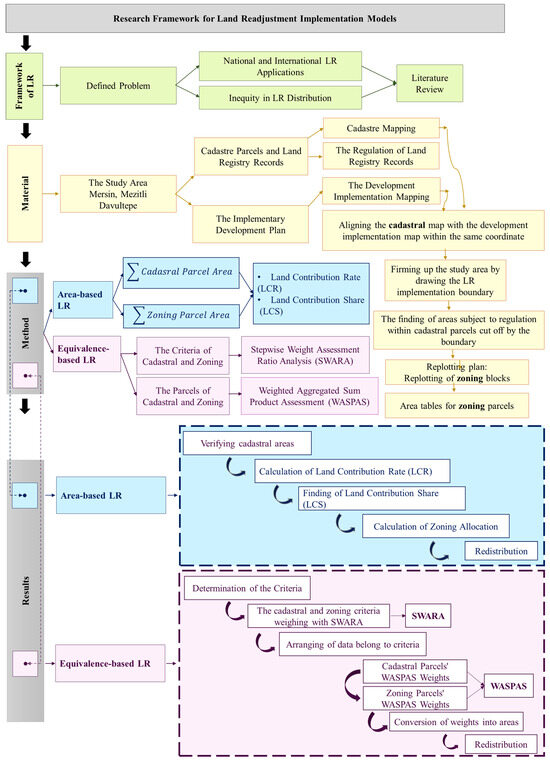
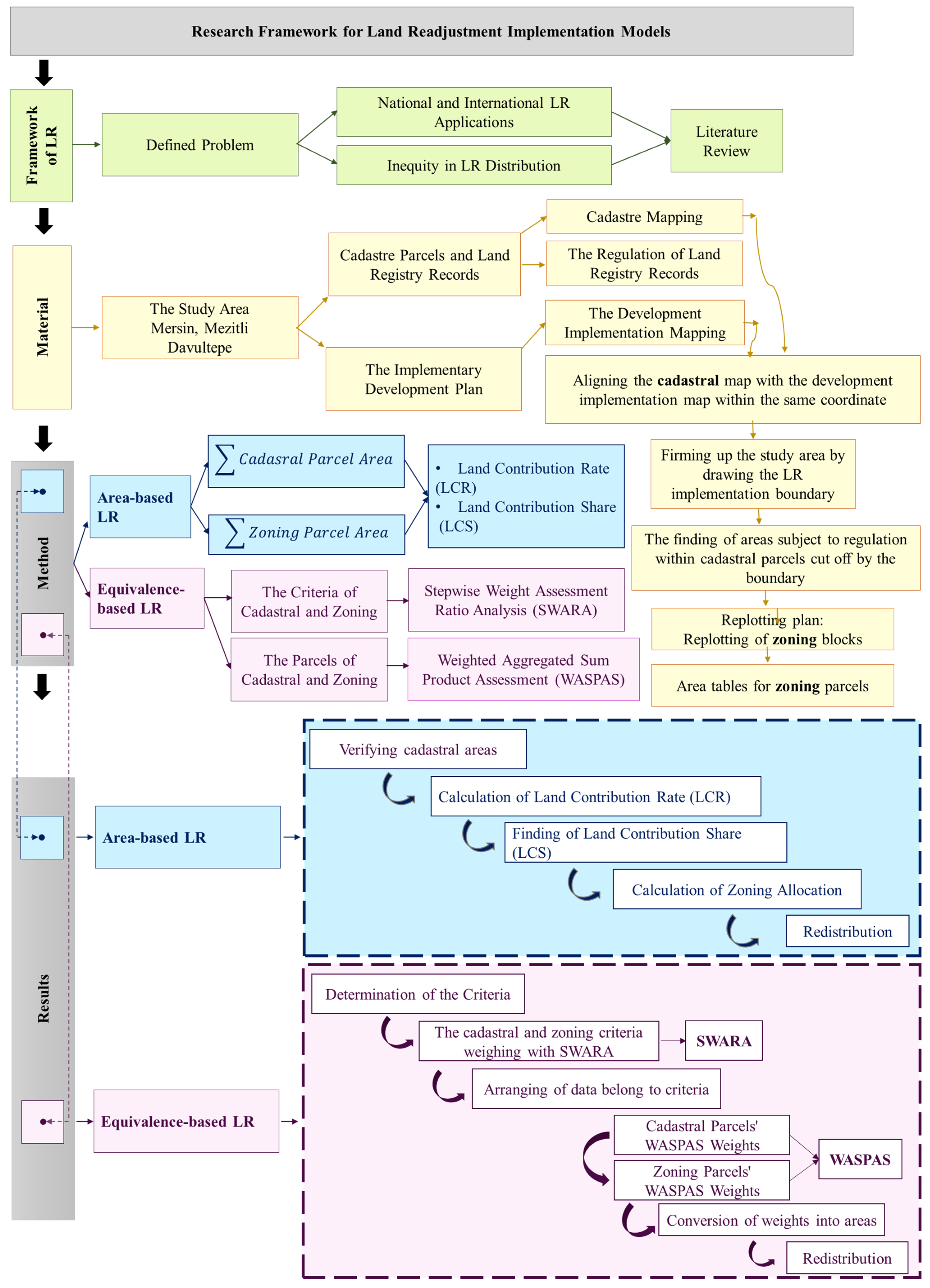
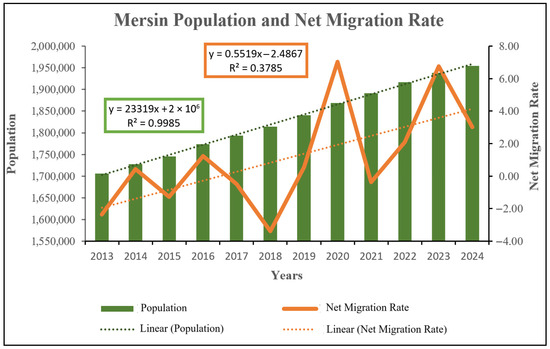
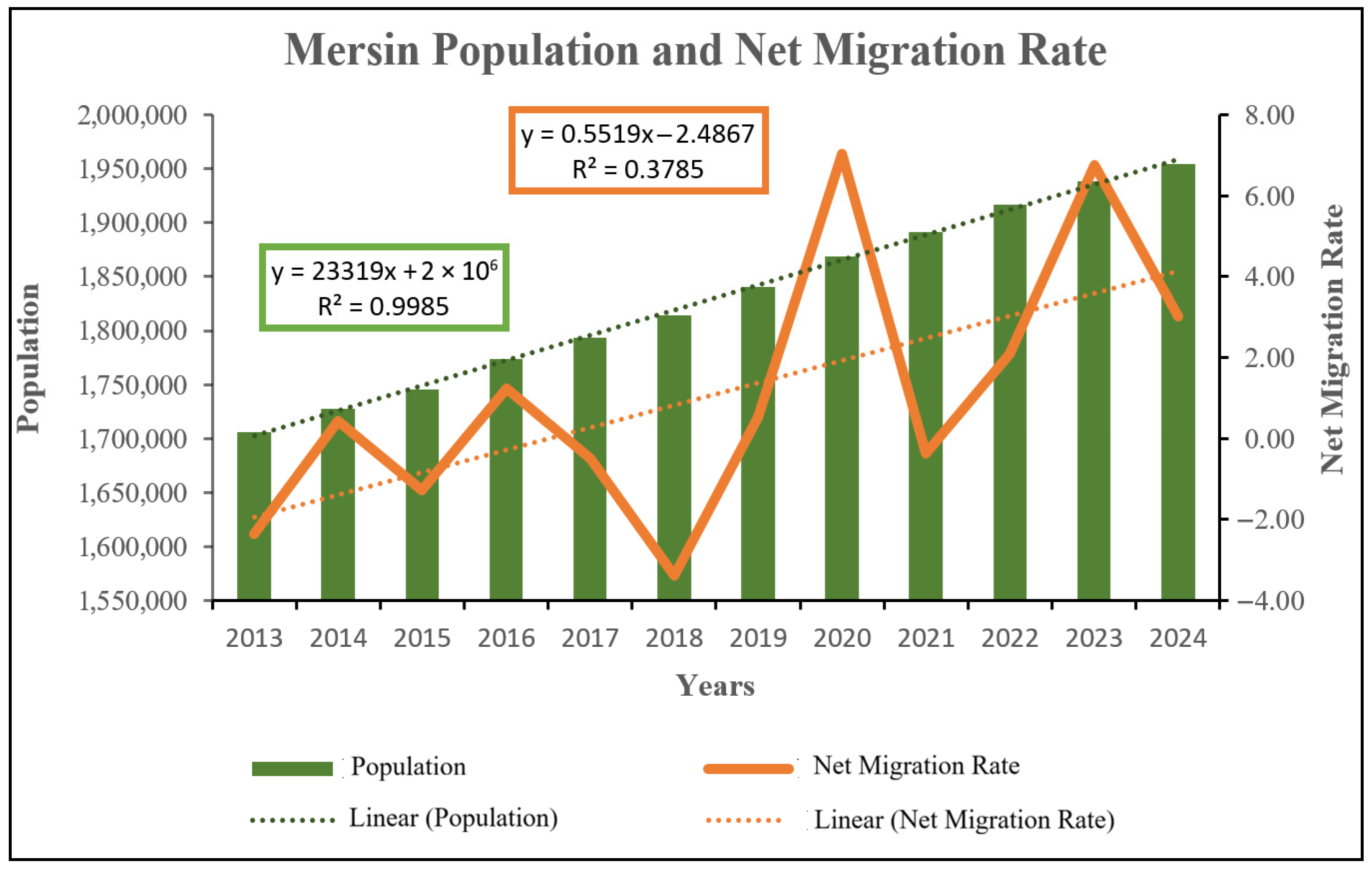
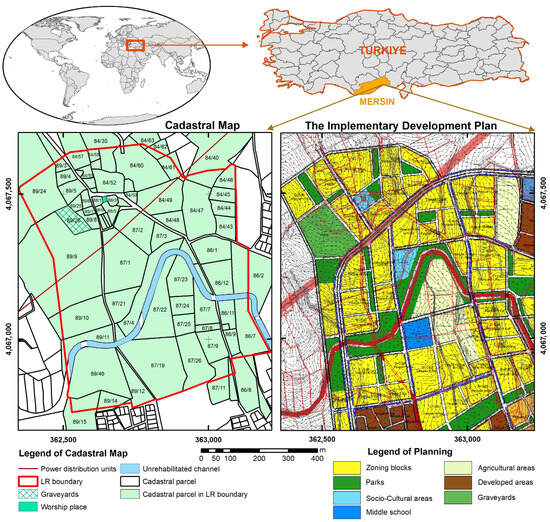
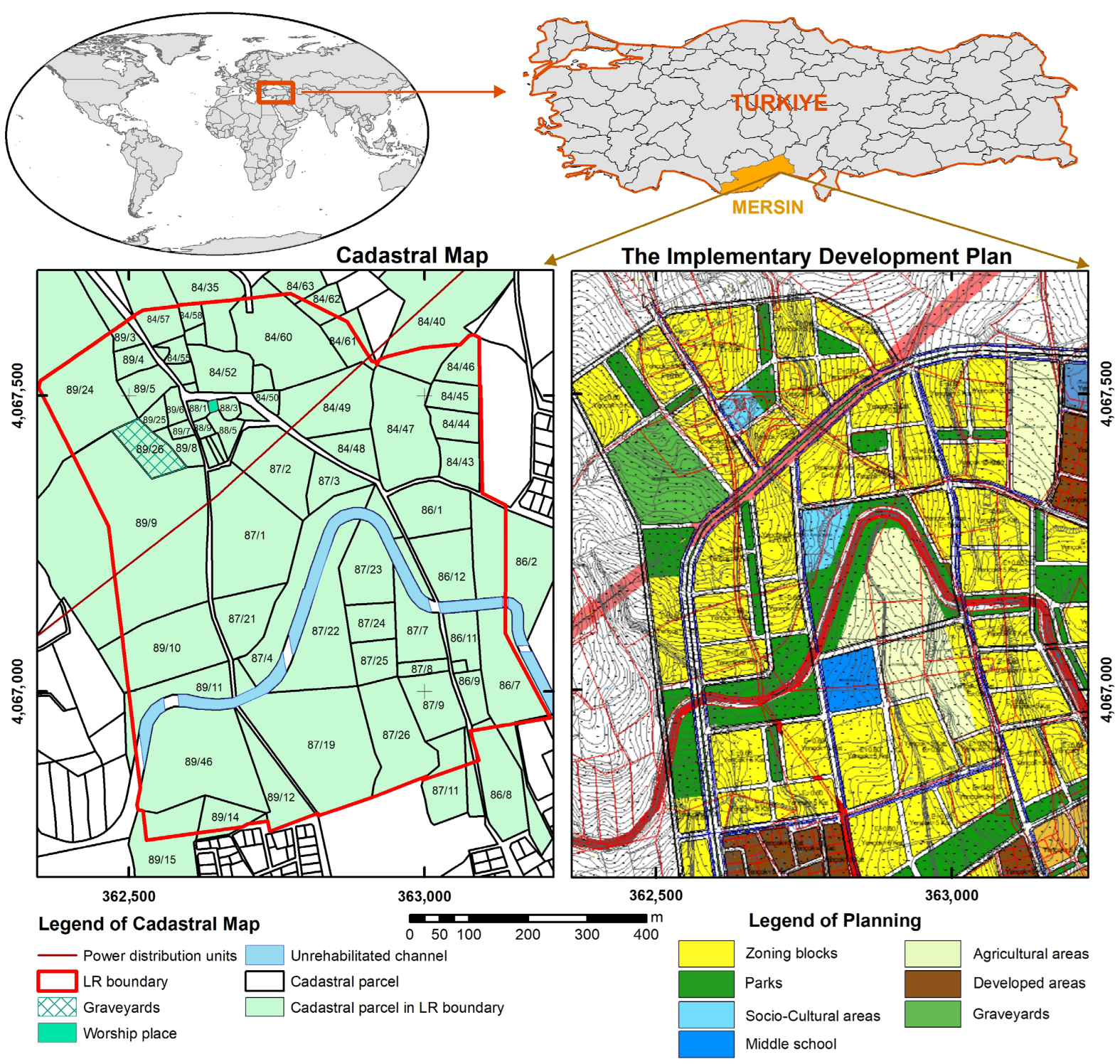
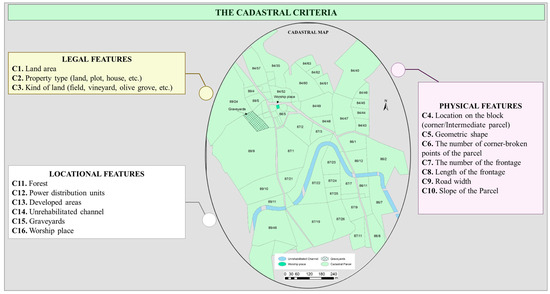
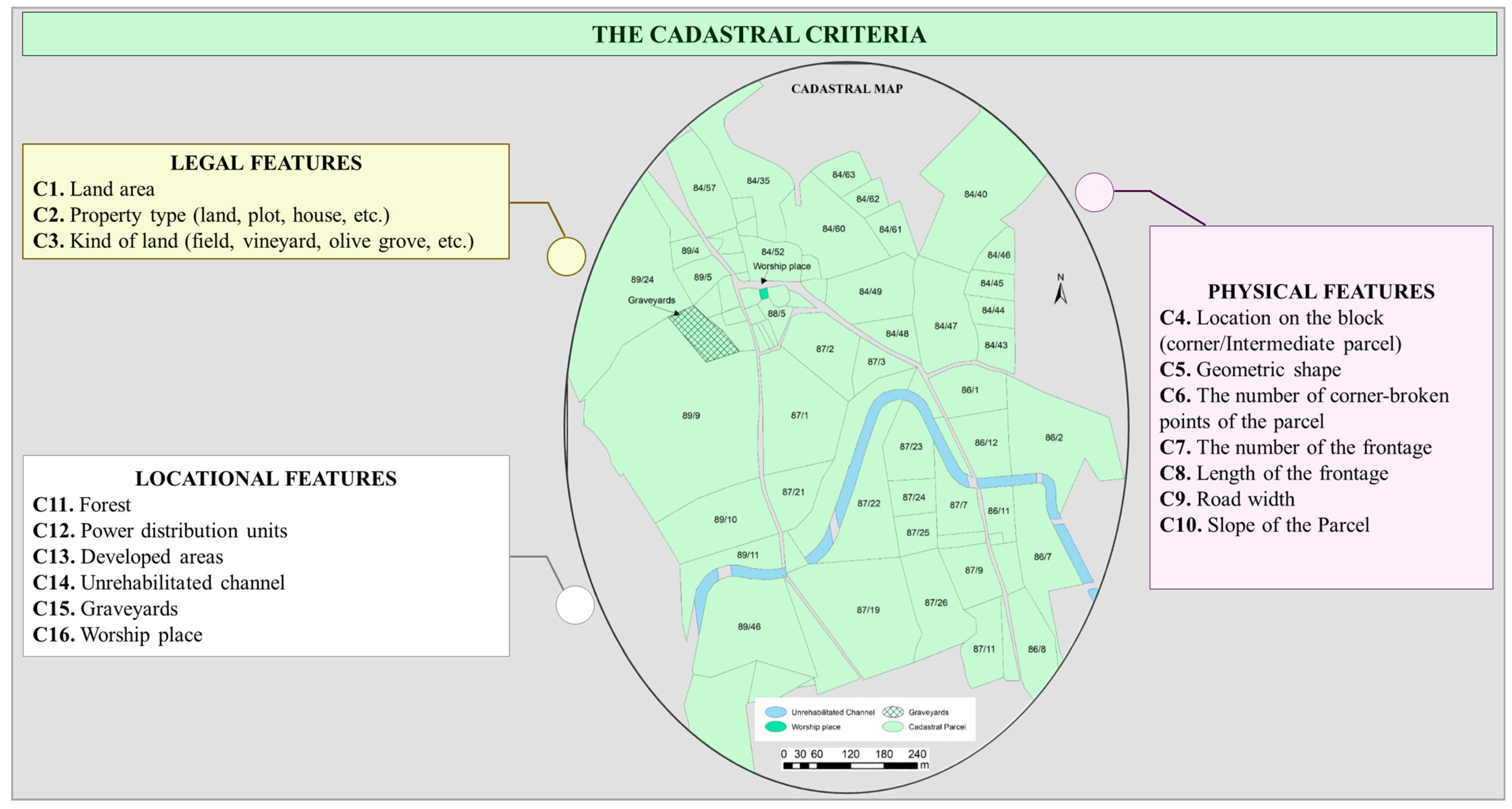
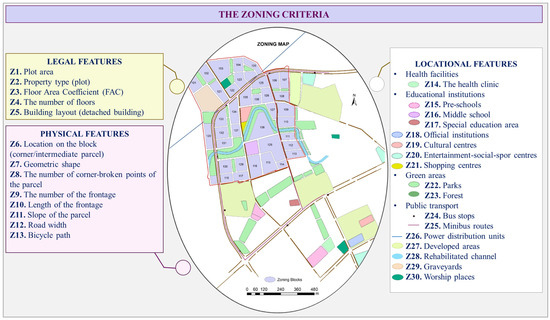
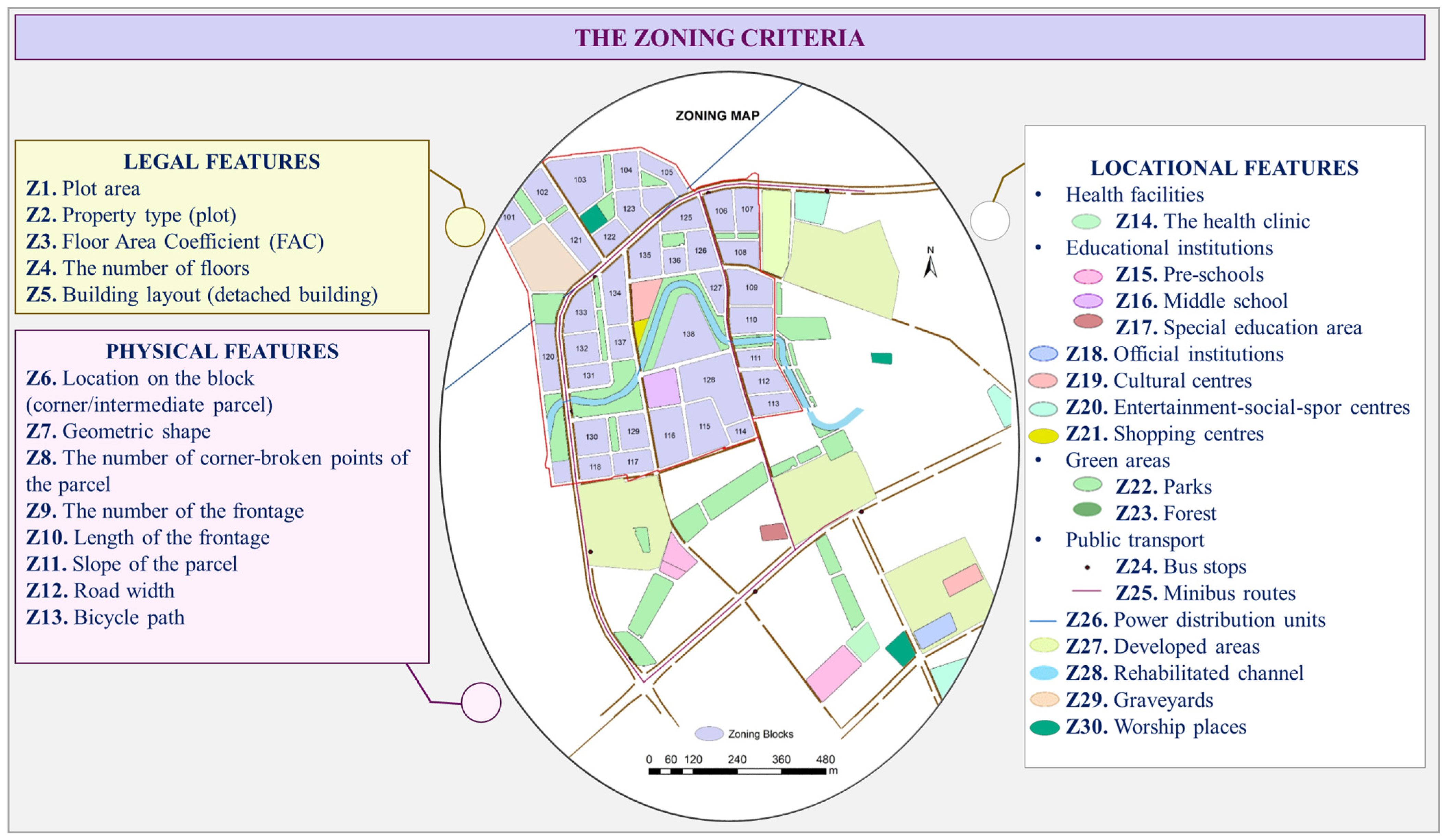
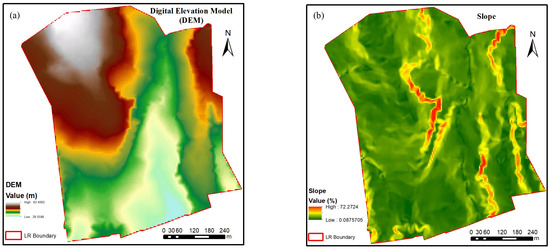
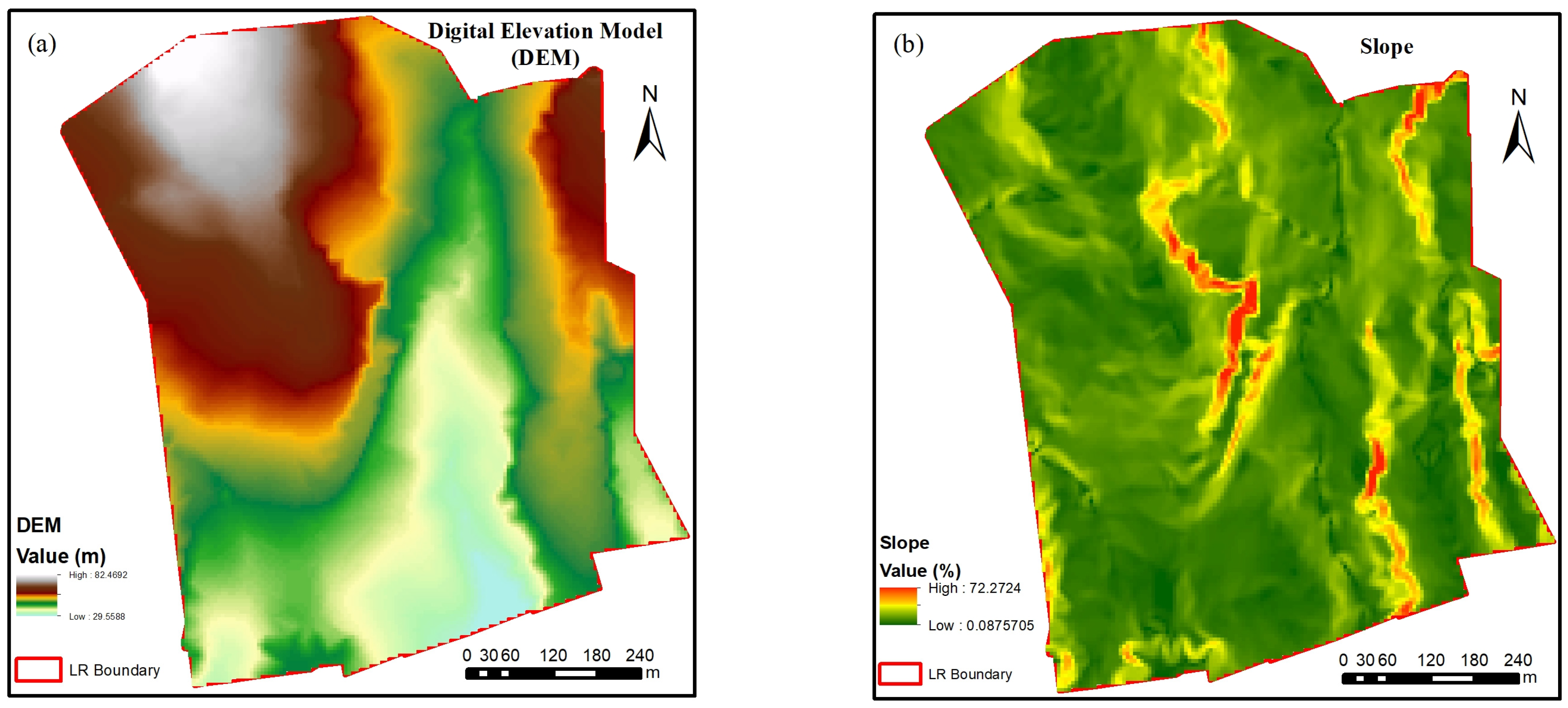
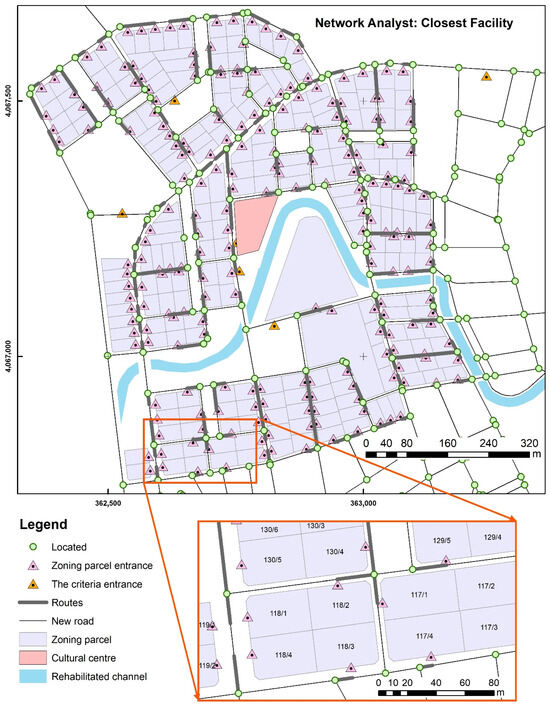
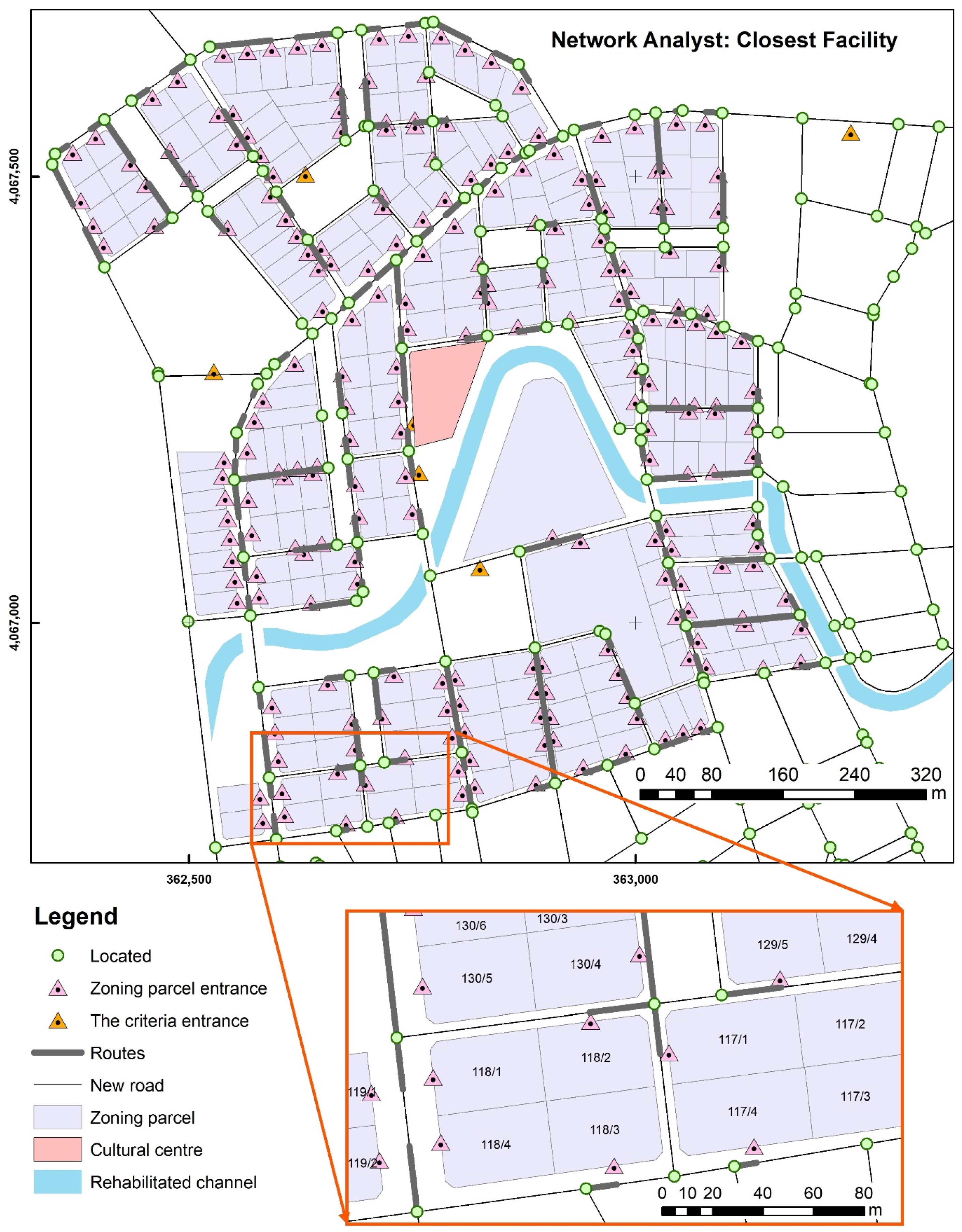
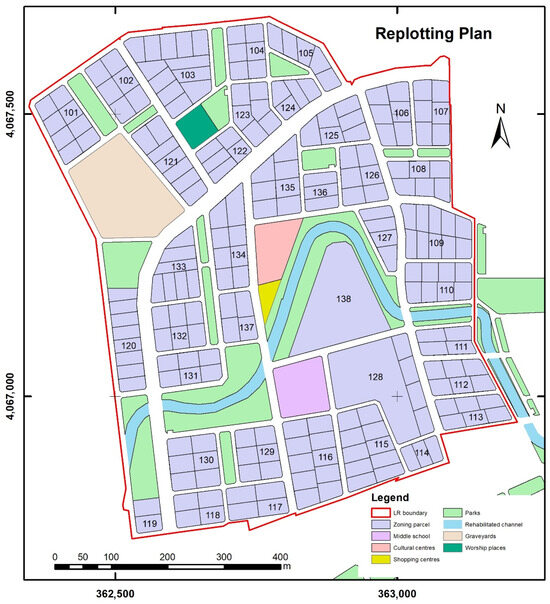
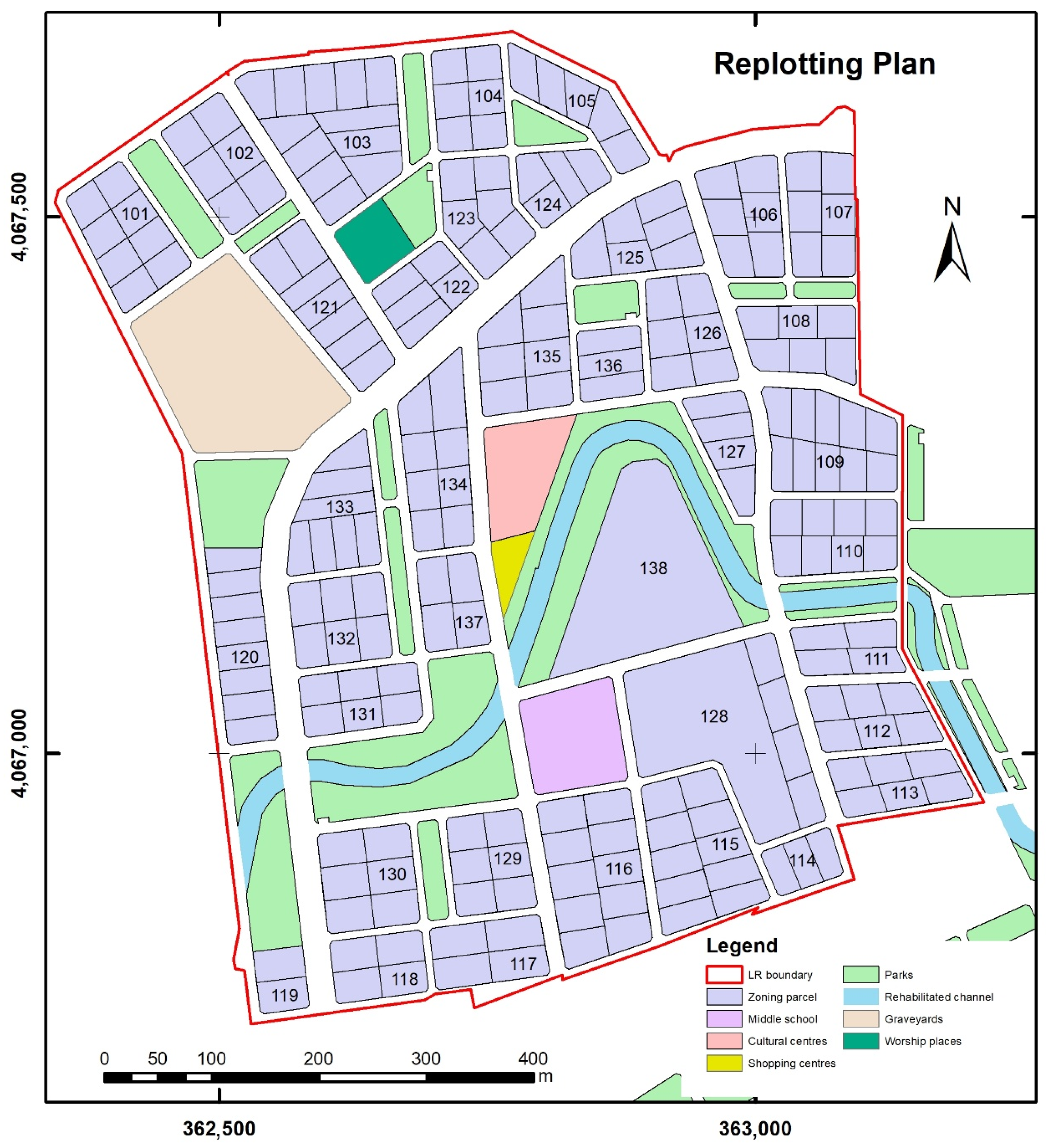
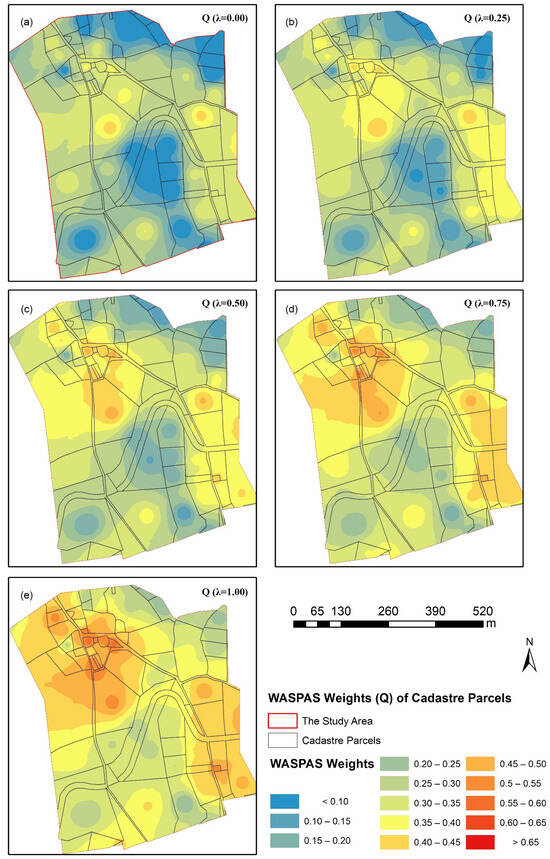
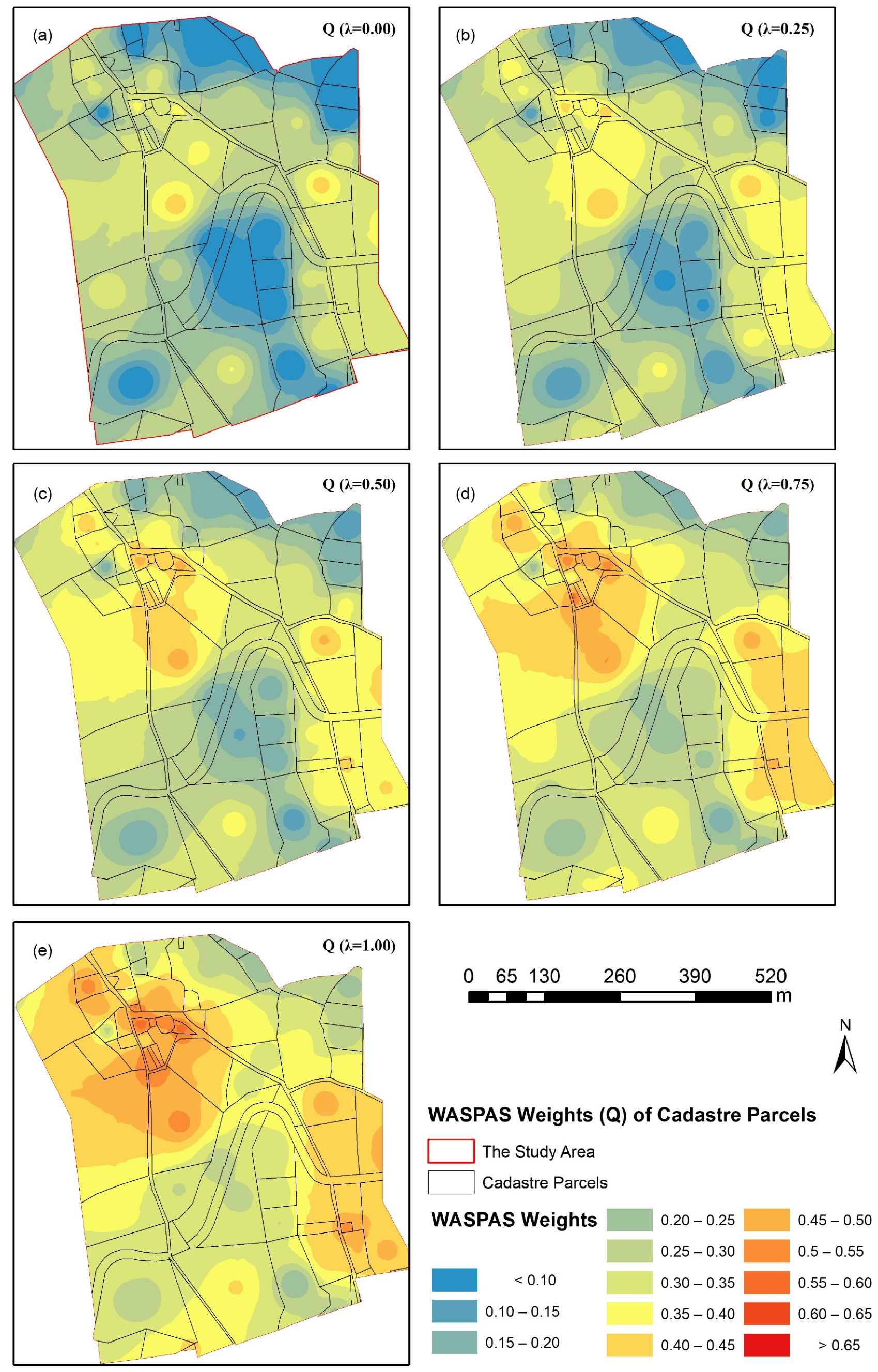
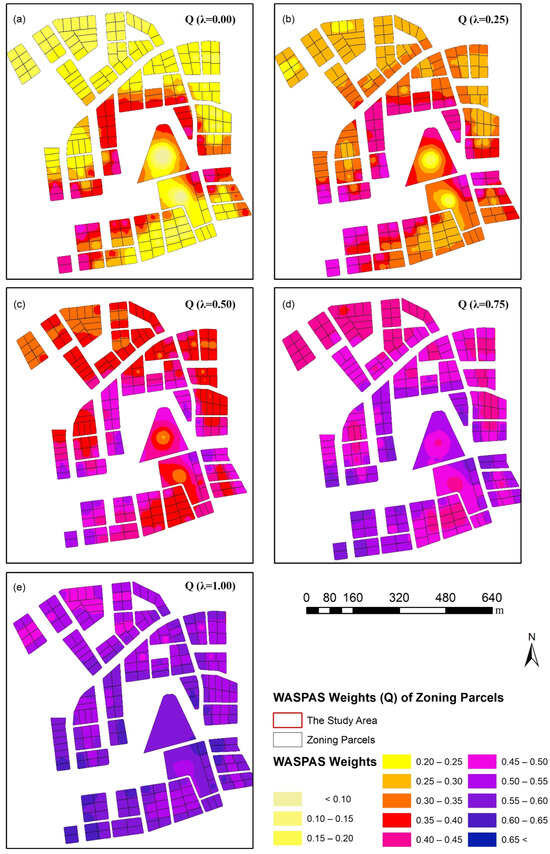
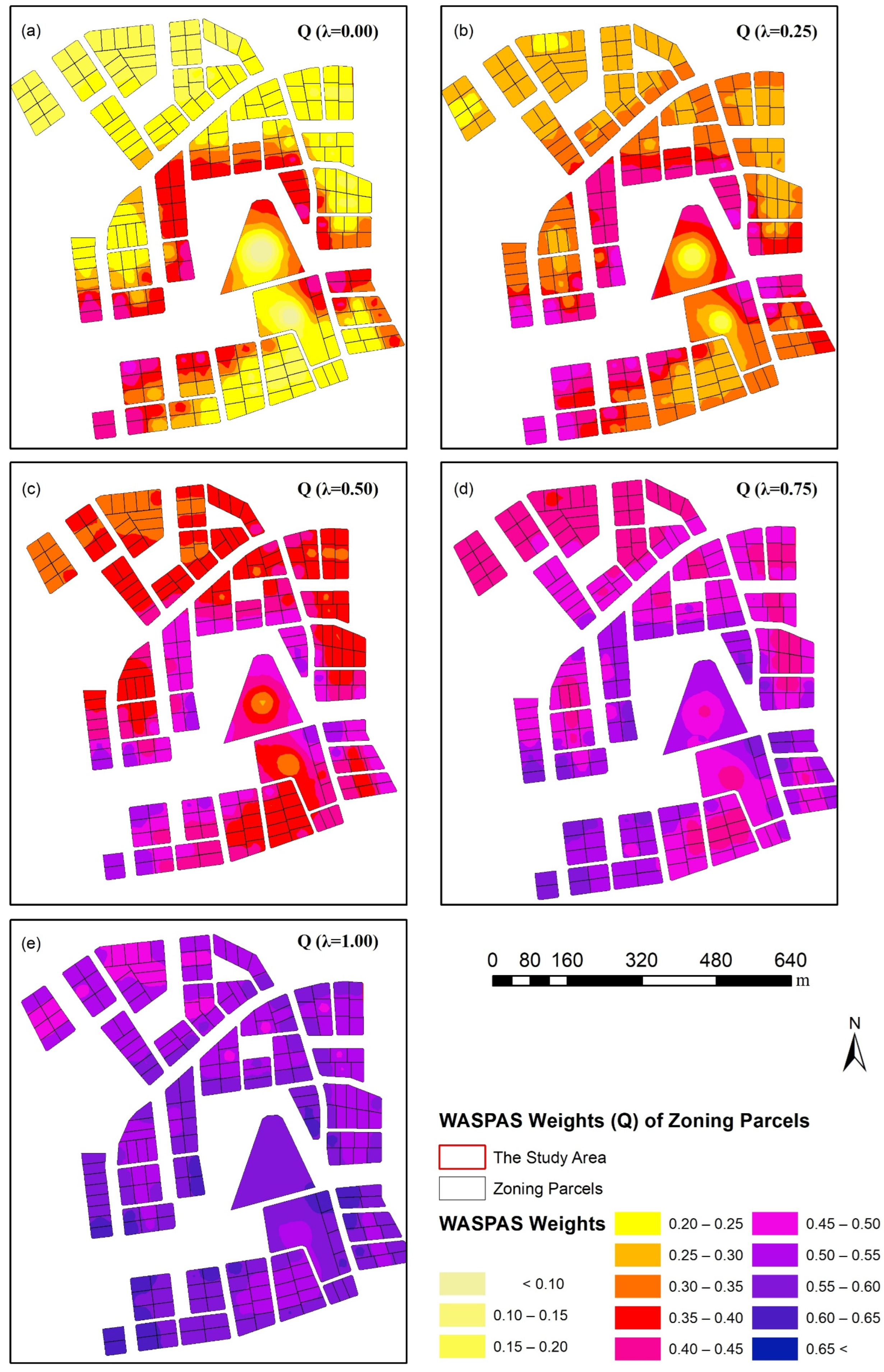
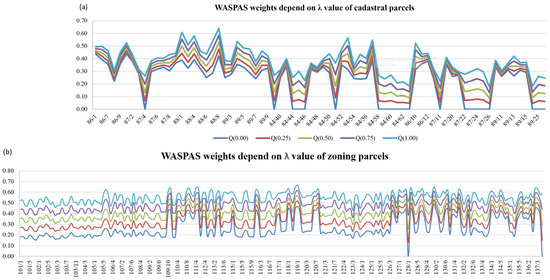
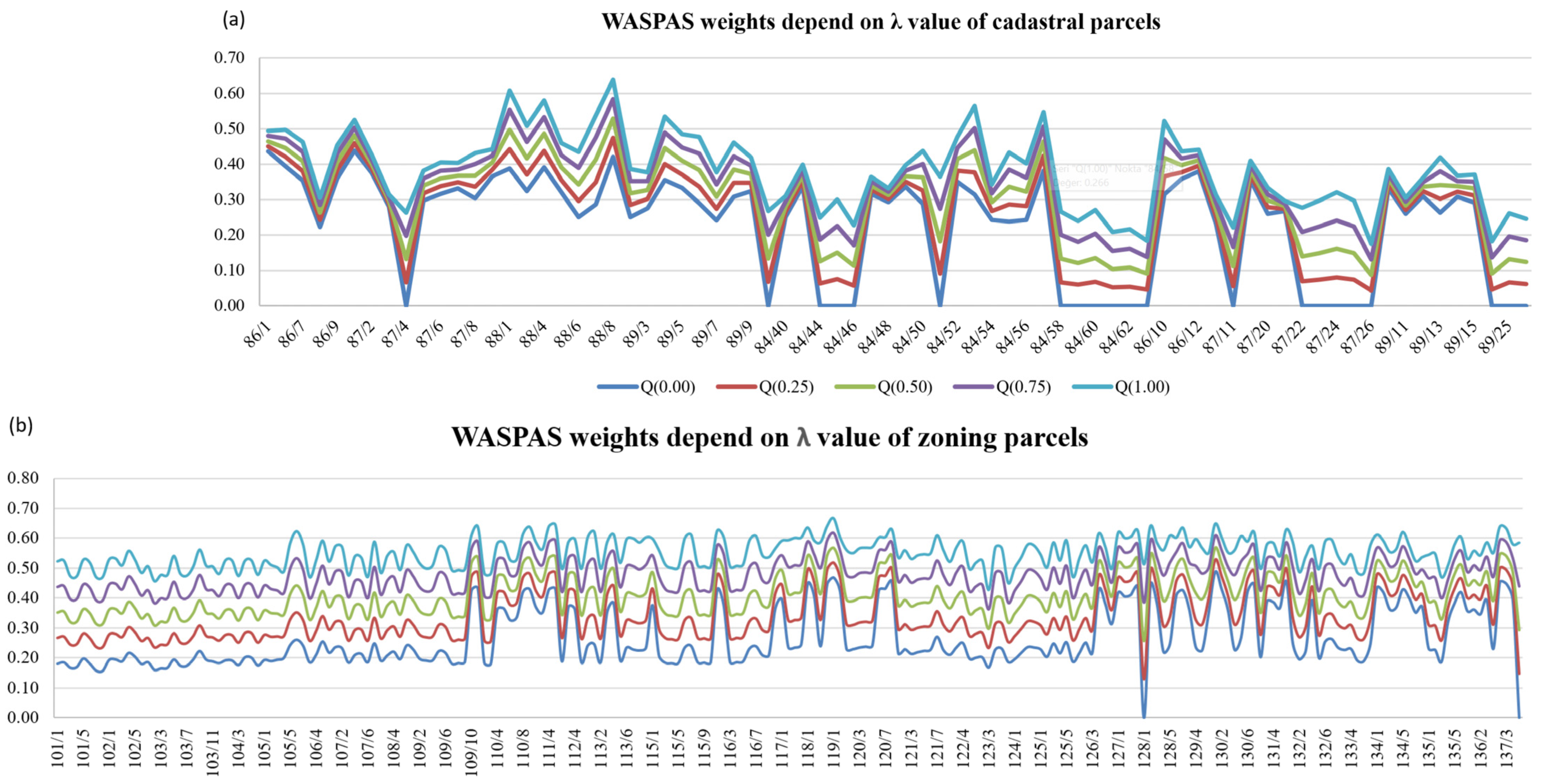
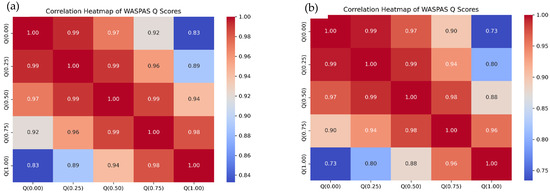
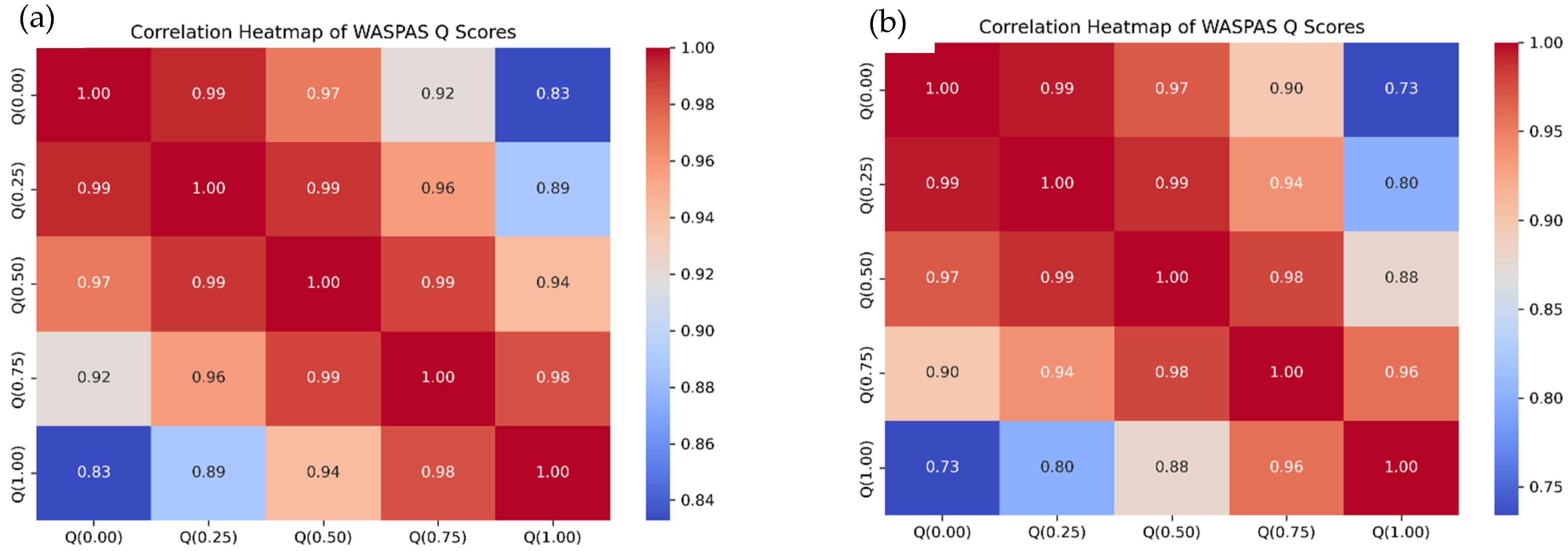
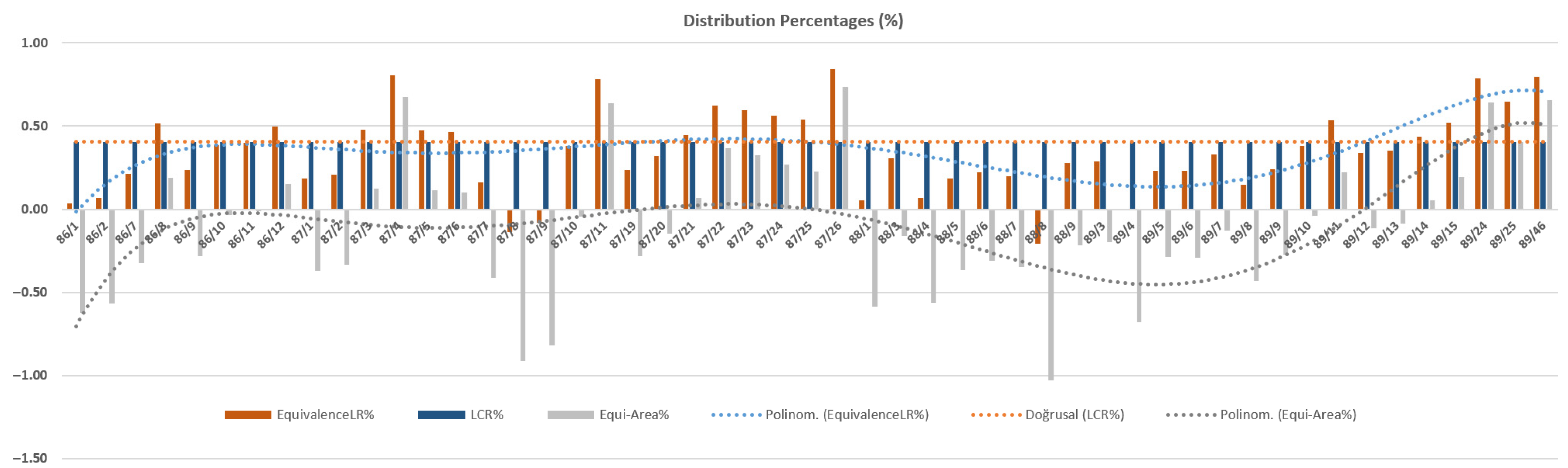

Disclaimer/Publisher’s Note: The statements, opinions and data contained in all publications are solely those of the individual author(s) and contributor(s) and not of MDPI and/or the editor(s). MDPI and/or the editor(s) disclaim responsibility for any injury to people or property resulting from any ideas, methods, instructions or products referred to in the content. |
© 2026 by the author. Licensee MDPI, Basel, Switzerland. This article is an open access article distributed under the terms and conditions of the Creative Commons Attribution (CC BY) license.