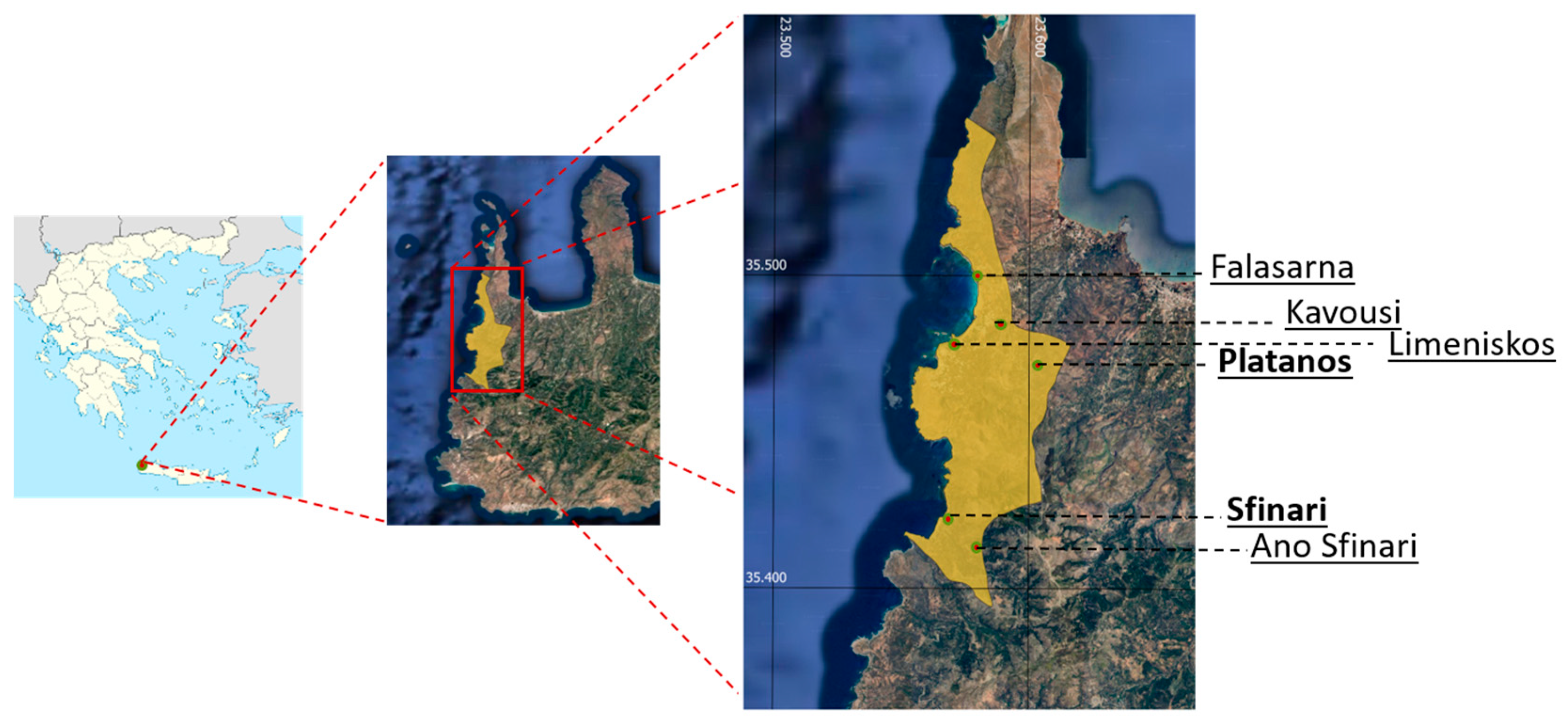
2.2.1. Desktop-Based Landscape Characterization According to Landform and Landcover
In essence, the landscape characterization process is a desk-based process that defines Land Description Units (LDUs) by creating and analyzing simplified map overlays. In order to create a number of map overlays which incorporate the essential elements that contribute to landscape character, each step in the LDU mapping process entails a methodical process of data collecting, processing, and interpretation.
In our study, the natural dimension of the landscape is mapped first, not only to offer a framework for analyzing landscape’s historical evolution but also because the fundamental characteristics used to map the natural dimension have actual borders that are easily retrieved from already published maps. The attribute used at the first mapping level of the landscape characterization process is landform. Landform is a manifestation of the structure and the form of the land surface, shaped by the underlying geology as well as the impact of later geomorphological processes. Within the framework of LCA, landform is therefore treated as integrated morphological expression that summarize the cumulative effects of dominant geomorphological processes (e.g., slope, fluvial incision, coastal shaping), rather than as process-specific geomorphological or lithological unit. The attribute of landform is used to define the relative relief and topography of each LDU.
Contrarily, cultural attributes typically lack such well-defined boundaries. However, due to the constraints that have historically been imposed on land utilization by drainage, slope, and soil fertility, it is frequently feasible to map cultural patterns at the landscape scale using the LDU framework. The attribute being used for the second mapping level of the landscape characterization process is landcover. Landcover is the physical substance that covers the earth’s surface [
37]. Since it encompasses both areas with primarily natural vegetation and areas that have largely or completely modified by human activities, it is an attribute that connects the landscape’s natural and cultural dimensions. In the context of the current study area, where all land has diachronically been shaped and transformed by human interventions on the natural environment, landcover is more relevant to the cultural dimension. The attribute of landcover at this mapping level is used to describe the general type of vegetation (natural or man-made) covering the surface of each LDU.
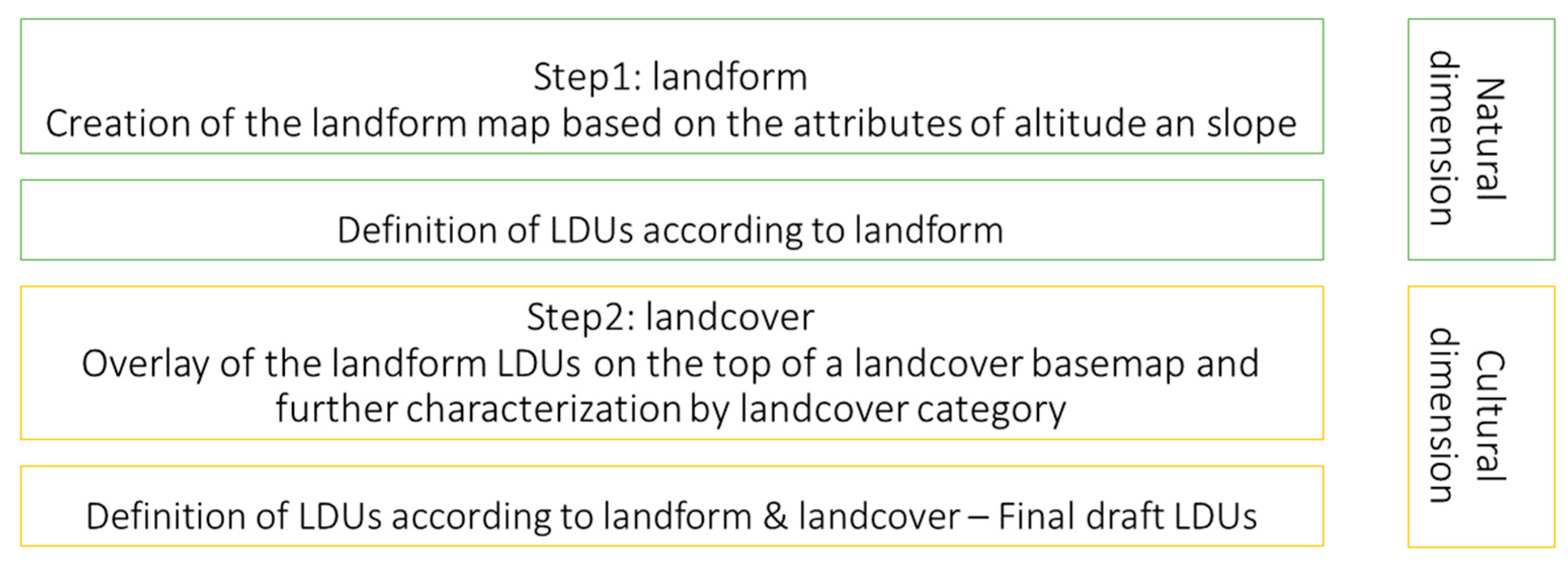
The mapping procedure is carried out in these two distinct steps/levels. The second step builds on the outcomes of the first one, in order to define and refine the LDUs. The LDUs based on the landform are further divided and refined based on landcover (
Figure 2).
Landform and landcover were selected as baseline attributes for the desk-based mapping, while other natural (e.g., soil, vegetation characteristics) and cultural attributes (e.g., field patterns, settlement form, archaeological elements) were intentionally addressed during the field survey phase, where site-specific observation allows for more reliable interpretation.
The spatial delineation of LDUs is conducted manually by digitizing polygons on screen. This approach requires a subjective interpretation of the underlying data for the delineation of the LDUs. While this process can be time consuming, especially when working with large datasets, it allows the user full control over the mapping and characterization process. Automated methods and clustering techniques were avoided since they frequently produce generic outputs that do not correspond to the real-world landscape patterns [
38].
Prior to the mapping process, all relevant available information for the study area, including Digital Elevation Model (DEM), topographic contour and slope maps, CORINE Landcover data and high-resolution satellite imagery, is either collected or generated, and compiled as series of spatial layers stored within a geodatabase. For the natural dimension, and specifically the landform attribute, a 5 m resolution DEM was used to generate both topographic contours at 50 m intervals and a slope map, supporting landscape-scale interpretation consistent with the objectives of LCA. For the cultural dimension, the CORINE Landcover map, with minimum mapping unit (MMU) 25 ha, was used to delineate landscape patches characterized by human land use patterns. Many CORINE Landcover classes (e.g., agricultural land, urban fabric, managed coastland) directly reflect anthropogenic influences, making the dataset a suitable basis for mapping the cultural landscape structure. Throughout the process, Google Earth satellite imagery served as a supplementary visual reference. Potential inconsistencies arising from data generalization or scale differences were addressed through visual cross-checking with high-resolution imagery and subsequent field survey verification, rather than statistical removal of values.
In terms of mapping parameters, an MMU of 10 km2 was adopted, and digitization was conducted at a scale of 1: 20,000. This choice reflects the landscape-scale focus of the study and is consistent with the objectives of LCA, which aims to identify coherent landscape units rather than fine-grained land parcels. Although a smaller MMU could theoretically be achieved at this mapping scale, the selected threshold was intentionally used to avoid over-fragmentation of LDUs in a highly heterogeneous Mediterranean landscape and to ensure interpretability and consistency across the study area.
The mapping process started by defining the landform classes used. Firstly, by using the DEM, the mapped territory was classified into eight (8) distinct categories according to elevation (
Table 1), then, creating the slope map of the area, the territory was classified into six (6) classes based on the average slope percentages (
Table 2). The step values for elevation and slope were defined so as to reflect the natural breaks in terrain across the study area, while at the same time ensuring that the resulting categories remain interpretable and practical for LCA.
The definition of landform types is based on the above categorization, and it is a mix of basic geographical and descriptive terms [
38], following the exact classes below (
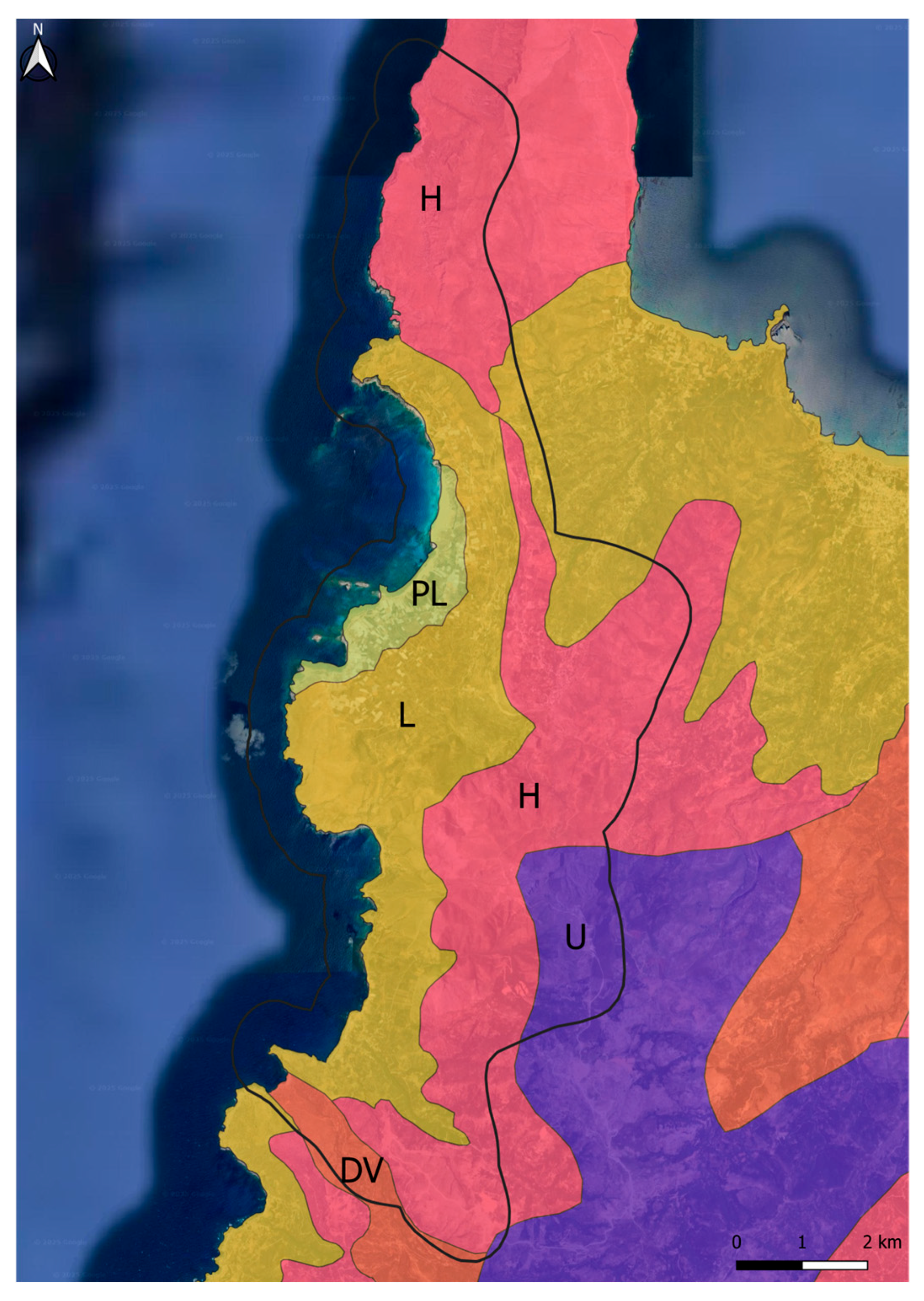
Table 3), resulting on the creating map in
Figure 3.
The mapping process proceeded by identifying the principal landcover patterns within each LDU, based on a broad classification scheme. The CORINE Landcover dataset of 2018 was used as the primary source for this stage, as it offers a consistent and reliable reference for landscape classification across Europe, while its vector format and thematic classes allow for efficient incorporation into the GIS framework [
39].
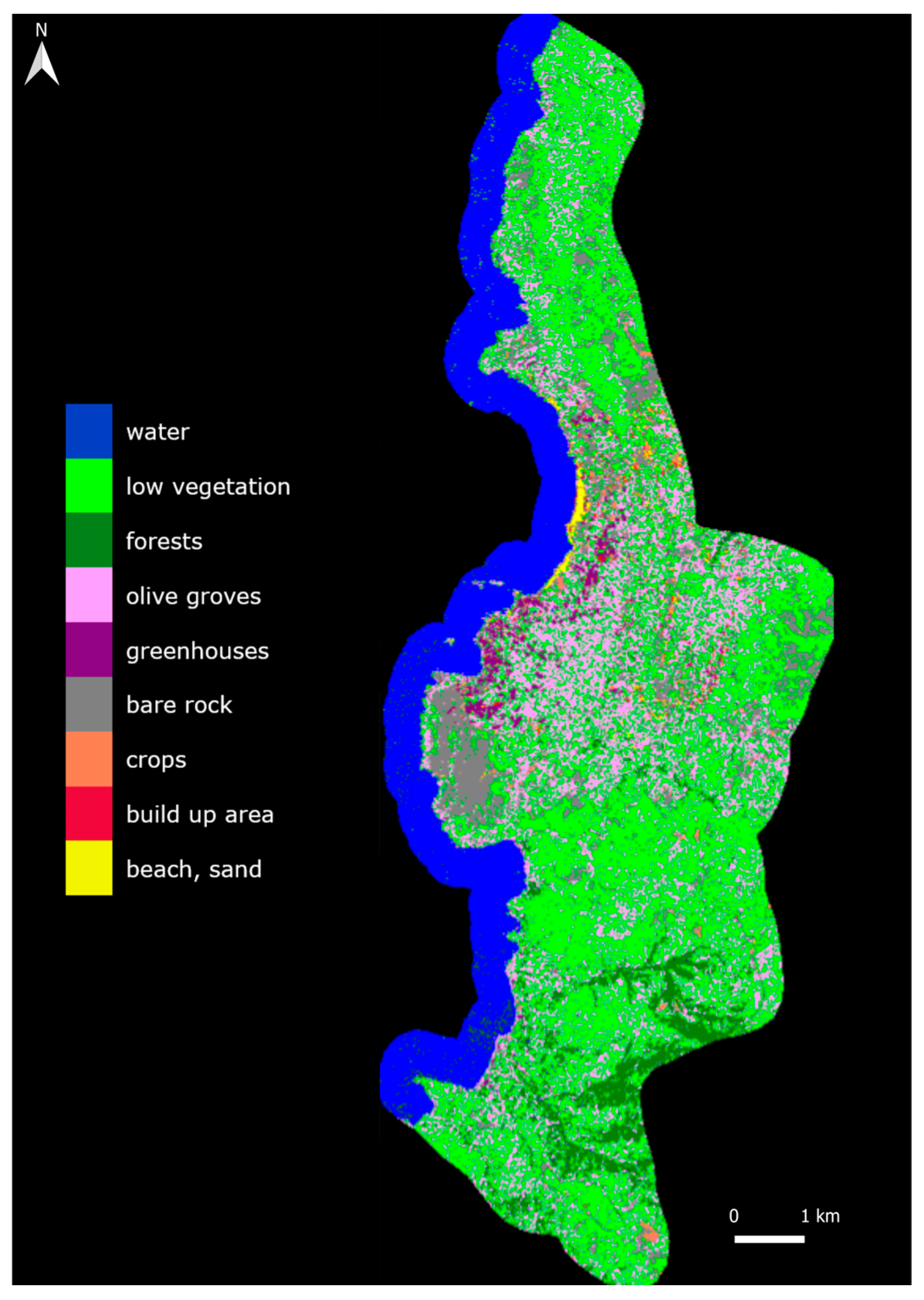
However, CORINE’s resolution and generalization can constrain the detection of finer scale patterns, especially in regions of heterogeneous land use. To address this, and to support a more spatially comprehensive classification, high-resolution satellite imagery from the Pléiades constellation was also utilized. This imagery, with a spatial resolution of 50 cm, allowed for a more detailed examination of landcover features. A supervised object-based classification was carried out, using the Random Forest algorithm, to produce a high-detail classification map of the study area (
Figure 4).
While the CORINE classification served as the baseline for defining broad landcover categories, the classification from Pléiades constellation [
40] contributed a complementary dataset that reinforced the mapping accuracy at a local level. In particular, it supported the refinement of LDU boundaries in complex or transitional zones, validated uncertain classifications, and assisted in recognizing mixed landcover types that would otherwise be generalized. This dual source approach facilitated a more robust representation of the cultural dimension of the landscape.
At this point, mapping landcover is the primary step for describing the physical coverage of the Earth’s surface. Spatially refined classification is developed during the second phase, the field survey, where the focus shifts to land use categorization.
Table 4 below presents a landcover classification suitable for this initial mapping stage, aligned with relevant CORINE landcover classes. It should be noted that the classification categories listed in
Table 1 may be combined (i.e., mixed landcover characterizations) when a single dominant landcover type cannot sufficiently describe an LDU.
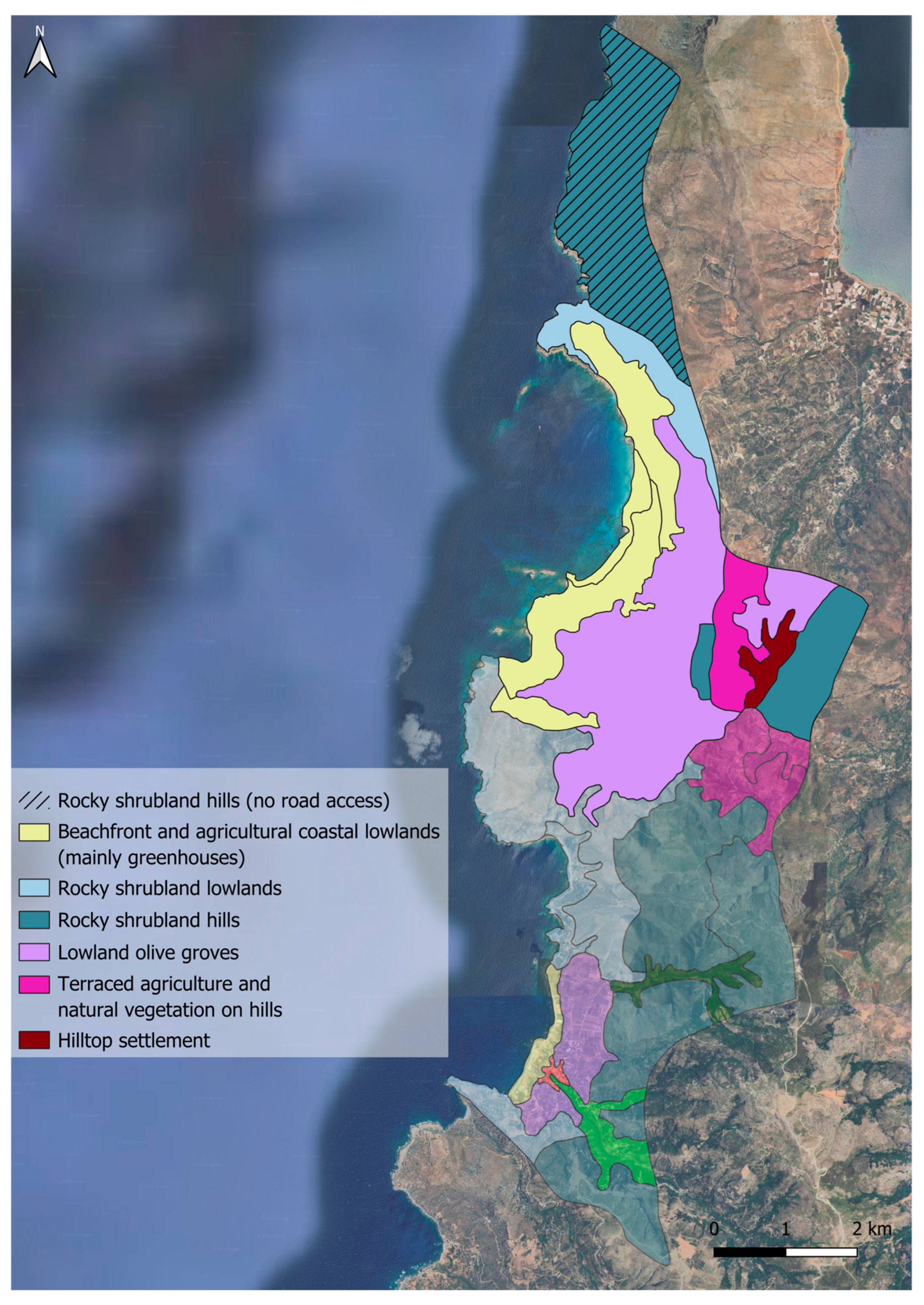
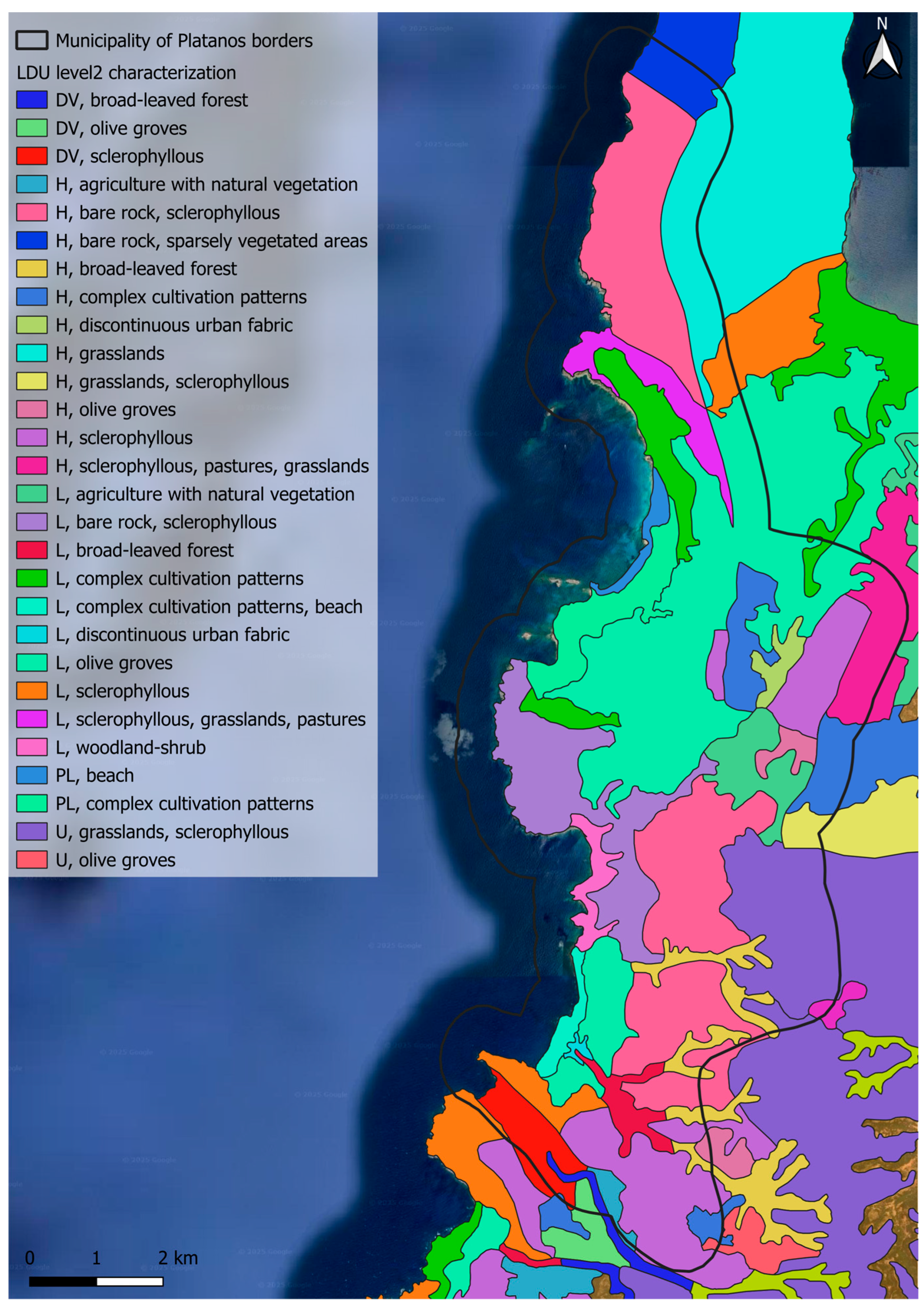
The cartographic combination of the landcover categories with the identified landform classes produced the final mapping output of this stage, resulting in the delineation of the LDUs shown in
Figure 5, with each LDU named according to its dominant landform–landcover combination.
2.2.2. Field Survey Refinement and Assessment
The field survey constitutes a fundamental phase in LCA, providing an essential supplement to the desk-based mapping and analysis. The fieldwork in the current study proved to be an indispensable component in capturing the landscape’s complexity. Engaging directly with the terrain allowed us to experience the landscape at eye level, revealing features that are frequently hidden by satellite images or GIS-based interpretation alone, such as fine-grained elements including understory vegetation patterns and small patches of shrub with minor field boundaries that cannot be reliably detected through remote sensing [
41,
42]. This on-site perspective enabled the identification of components, characteristics, and perceptual attributes that were not apparent during the desk study and gave insight into how people actually see, use, and feel the landscape, i.e., the landscape perception.
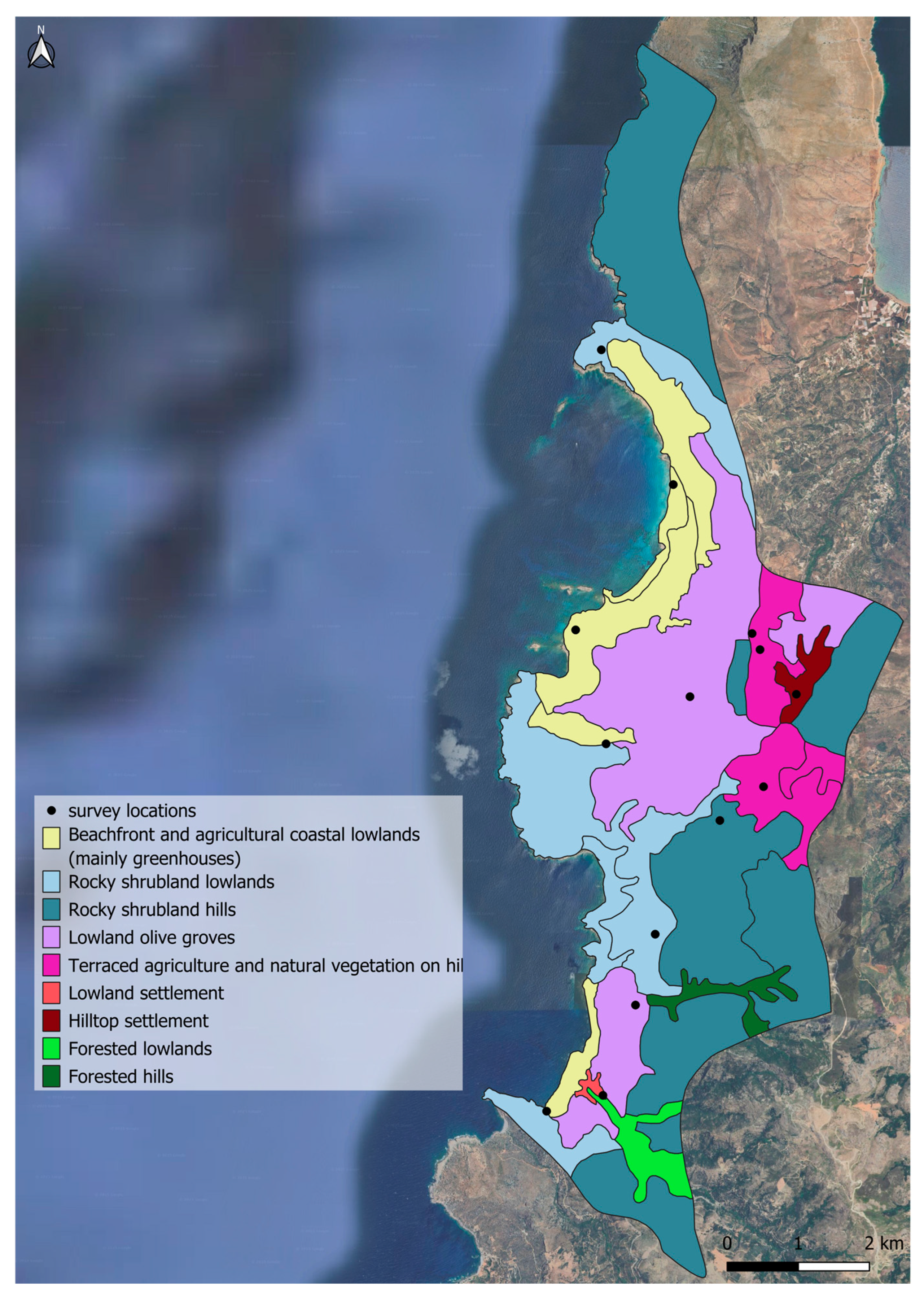
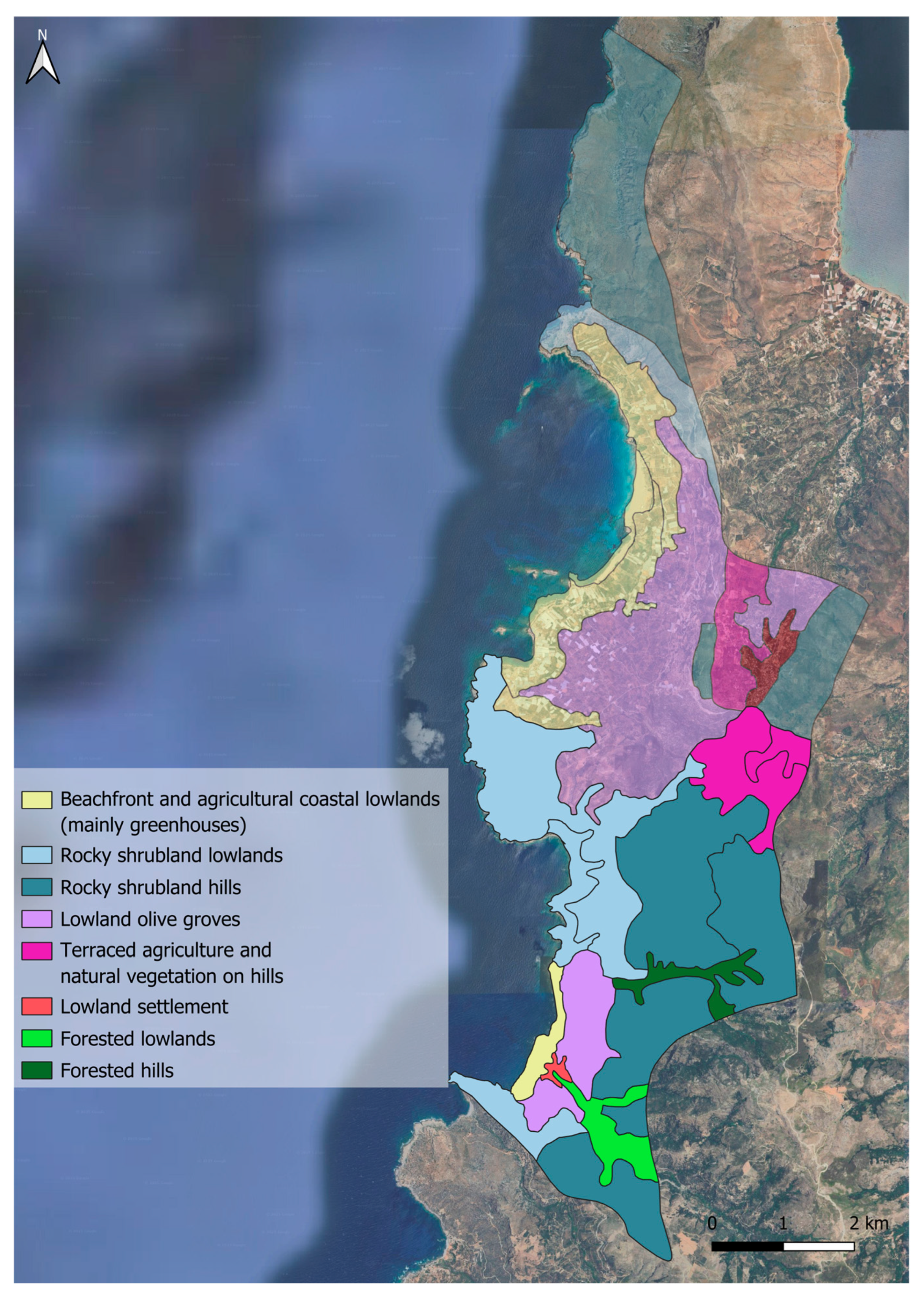
The survey was structured within the spatial framework of LDUs, which had been delineated during the prior mapping phase. Field observations were conducted through a total of 14 field stops distributed within the study area, played a critical role in validating and refining these units. Boundaries were cross-checked and, where necessary, adjusted to reflect physical or visual discontinuities not evident in the spatial data acquired during the first phase of the analysis (2.2.1). In several cases, this led to the merging of LDUs to better reflect the observed landscape character. As a result, descriptive categories that group LDUs sharing similar character, the LCTs, were created and presented in the map of
Figure 6.
In parallel with its role in refining spatial boundaries and character units, the field survey also provided a robust framework for assessment of landscape qualities and values. A total of 28 field survey sheets were completed, covering the different categories of LDUs present within the study area. The structured format of the field survey sheets (
Supplementary Tables S1–S3) enabled the recording of both quantitative and qualitative observations, facilitating a multi-dimensional understanding of each LDU. These forms captured physical attributes such as geology, land use, settlement presence, topography, vegetation patterns, field structure, and visual exposure, offering insight into the condition and management intensity of the landscape.
Beyond the physical inventory, the assessment included socio-cultural value-based dimensions. Four surveyors, all of whom were experienced practitioners in landscape studies and assessment, rated attributes such as aesthetic quality, cultural significance, tourism and recreational value, ecological richness, and historical associations on a scale from 0 to 100%, allowing for differentiation between areas. The 0–100% scale represents a continuous rating scale, where 0% corresponds to very low presence or importance of an attribute and 100% to very high presence or importance. Intermediate values reflect proportional judgments by the surveyors based on their field observations, allowing flexible but consistent differentiation between landscape units. The selection of these attributes in the field survey was guided by the need to reflect key material (ecological and visual) and non-material (cultural, historical, and experiential) dimensions of landscape character, in line with established approaches to LCA and international best practices in landscape evaluation and planning [
43,
44,
45]. The third form further incorporated landscape perceptual descriptors such as serene, wild, ancient, or fierce, which reflect experiential and emotional responses to the landscape. These descriptors helped capture the intangible and symbolic dimensions of landscape character, reinforcing the human-centered perspective of the assessment. This viewpoint posits that landscapes are not only interpreted as biophysical phenomena, but also as social constructions that are shaped by human agency, cultural values, and individual experiences. An awareness of these interactions is essential for successful landscape characterization and management [
46].
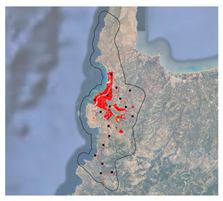
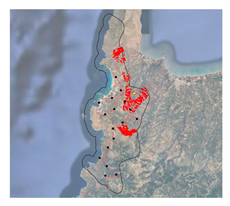
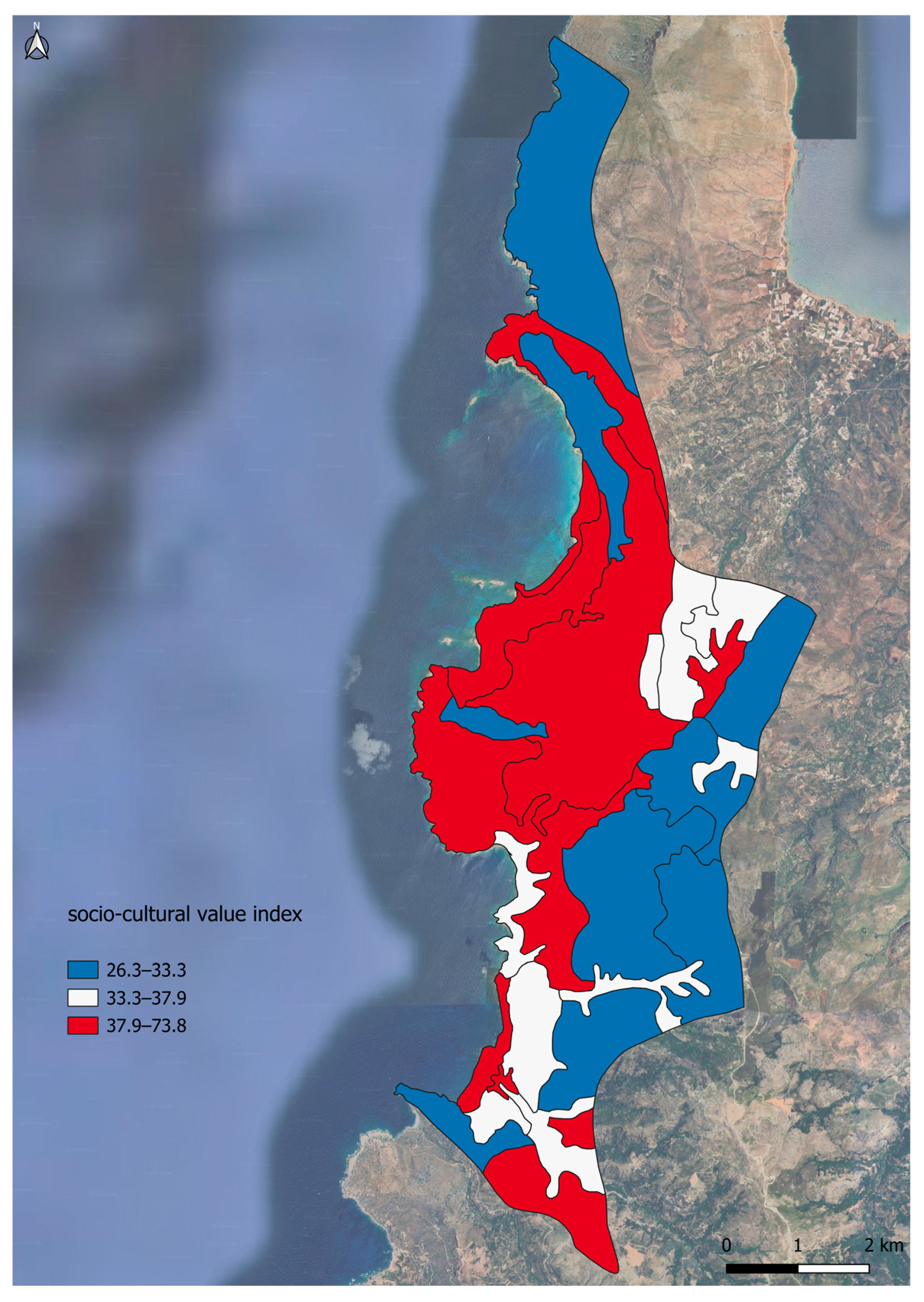
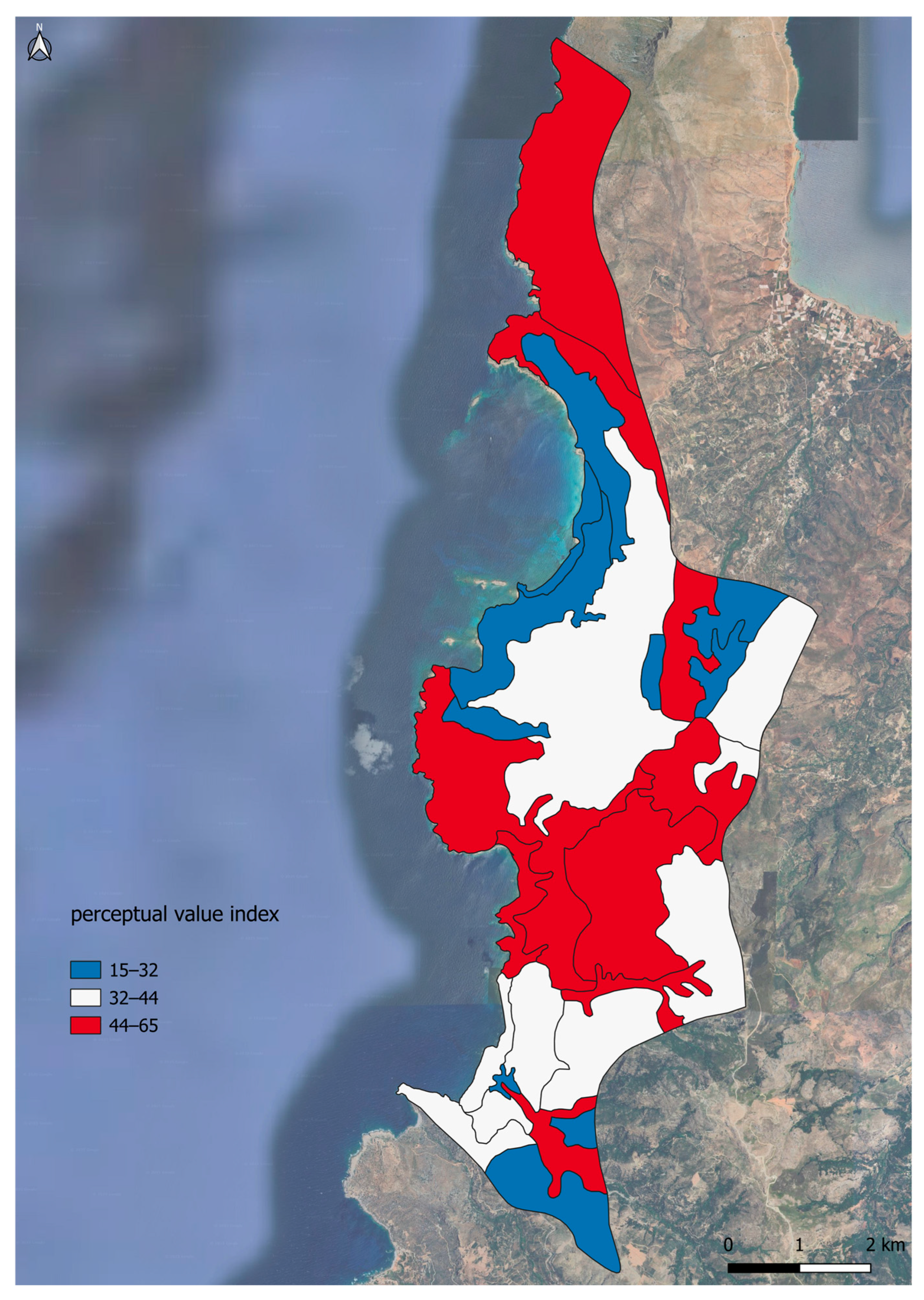
This approach enabled a consistent, comparable assessment across all LDUs and enriched the overall characterization by integrating subjective perceptions and cultural values with objective field observations. In this way, the field survey also complements the desk-based mapping by incorporating finer-scale natural and cultural attributes that cannot be consistently represented through desk-based spatial data alone. Specifically, Sheet 1 (objective field observations) supported the refinement of LDU boundaries, leading to the delineation of LCTs, while Sheets 2 and 3 (subjective perceptions and cultural values) contributed to the description of each LCT. To quantify the results of Sheets 2 and 3, an average score was calculated for each LCT based on the surveyors’ ratings of the sheet elements, by summing the values recorded for the individual LDU categories included within each LCT and computing their mean, producing socio-cultural value and perception value indices. The outcomes were subsequently mapped (
Figure 7 and
Figure 8), and the interpretation of these mapped indices further informed and enriched the descriptive profiles of the LCTs. The outcomes of this assessment phase thus contributed first to the delineation of the LCTs and subsequently to the development of draft landscape character descriptions (
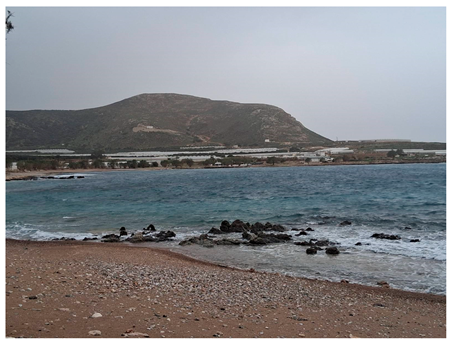
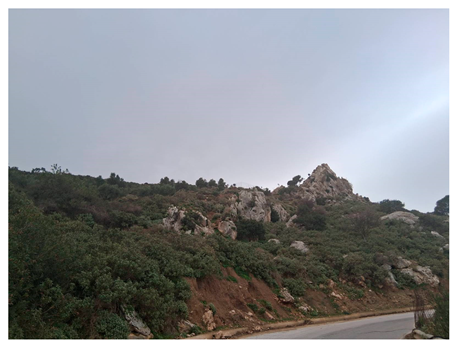
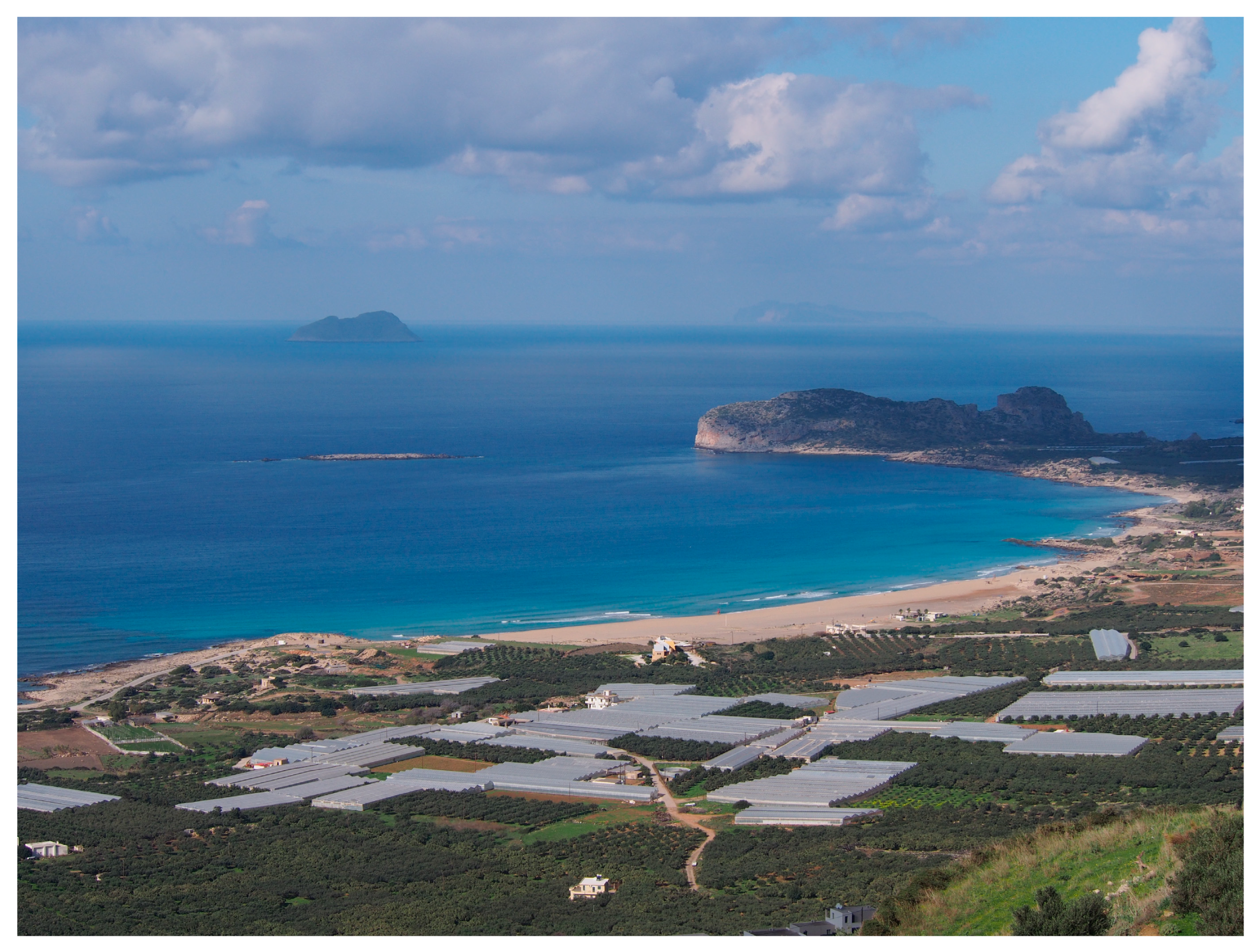
Table 5) which are supported by representative landscape photographs presented in
Table 6.
2.2.3. Local Road Network Dependent Visibility Analysis Through Map-Based Indicators
The indicators in landscape analysis denote the extent to which physical landscape attributes are quantified, assessed, or scaled to facilitate comparisons between diverse landscapes or to detect changes within the same environment over time [
26,
47].
Building on the conceptual understanding of landscape indicators and their role in linking landscape structure with visual qualities, as outlined in the Introduction, the literature was examined to investigate the prevailing terms employed to describe landscape visual quality. The levels of abstraction range from the conceptual level, which is abstract, to the tangible measures of physical landscape descriptors. Concepts, dimensions, attributes, and indicators (high to low abstraction) are the four levels of a hierarchical structure that Tveit et al. [
15] established in relation to the levels of abstraction. These fall into two main groups: the abstract conceptual level, which includes concepts and dimensions, and the physical landscape level, which includes attributes and indicators. Concurrently, concepts may be seen as an overarching term, with dimensions delineating various facets, attributes defining the dimensions, and visual indicators serving as descriptors. In order to compare different landscapes or to detect changes in the same landscape over time, the indicators show the degree to which the physical landscape qualities are tallied, measured, or scaled. Their visual concepts can be broken down into a triplet of structure, function, and value, according to Parris [
48] and his explanation of the evolution of landscape-related indicators.
The current study places primary emphasis on landscape structure, as this provides a reproducible foundation for GIS-based analysis. Although perceptual and socio-cultural dimensions (linked to function and value) were recorded in the field survey, they were used mainly as descriptive supplements rather than the core analytical focus. This ensures the framework remains consistent and spatially explicit, while recognizing that function and value require participatory evaluative approaches. By focusing on structural attributes, the research establishes a clear baseline for articulating landscape visual character, which can later be expanded to include functional and value-based perspectives.
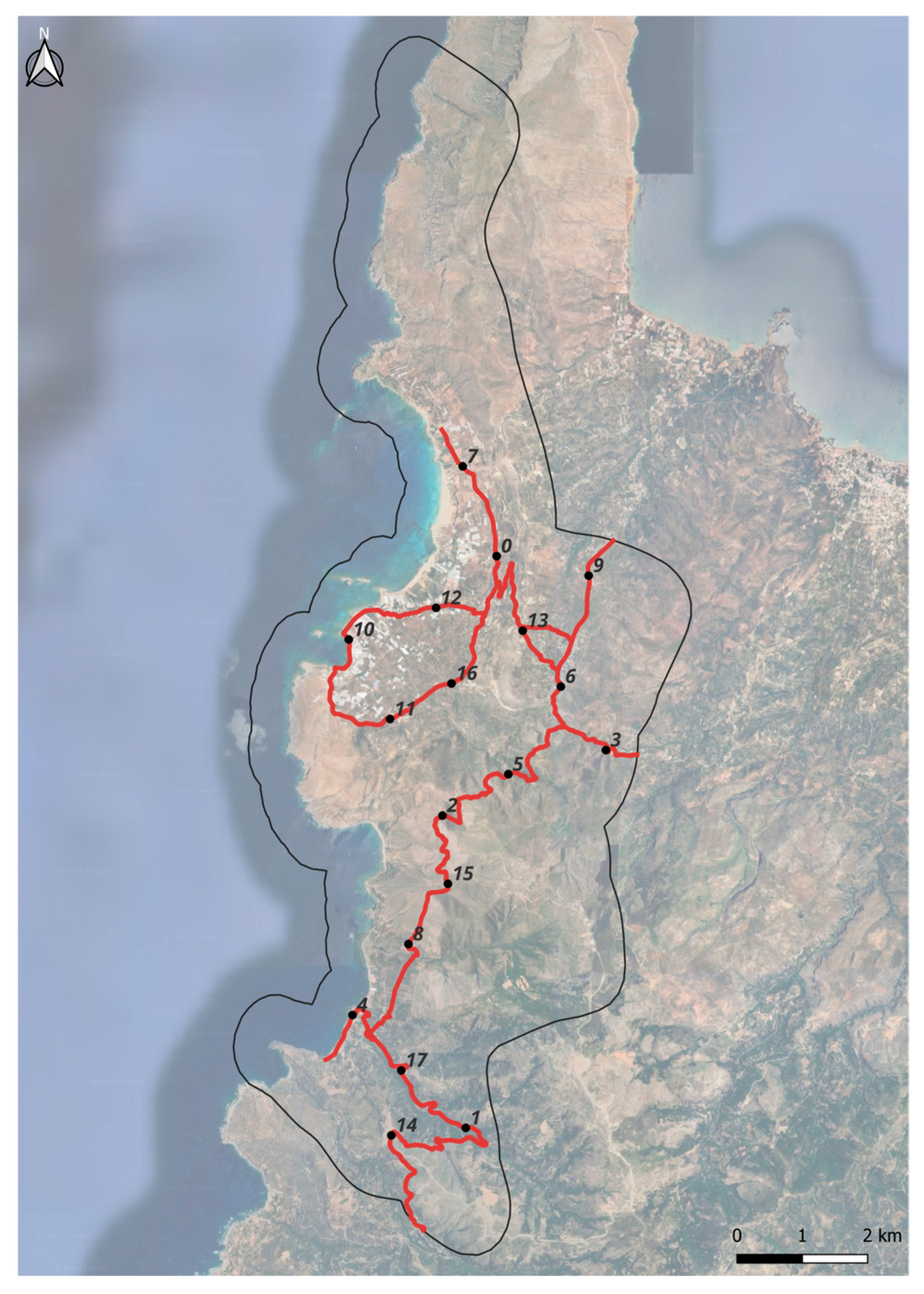
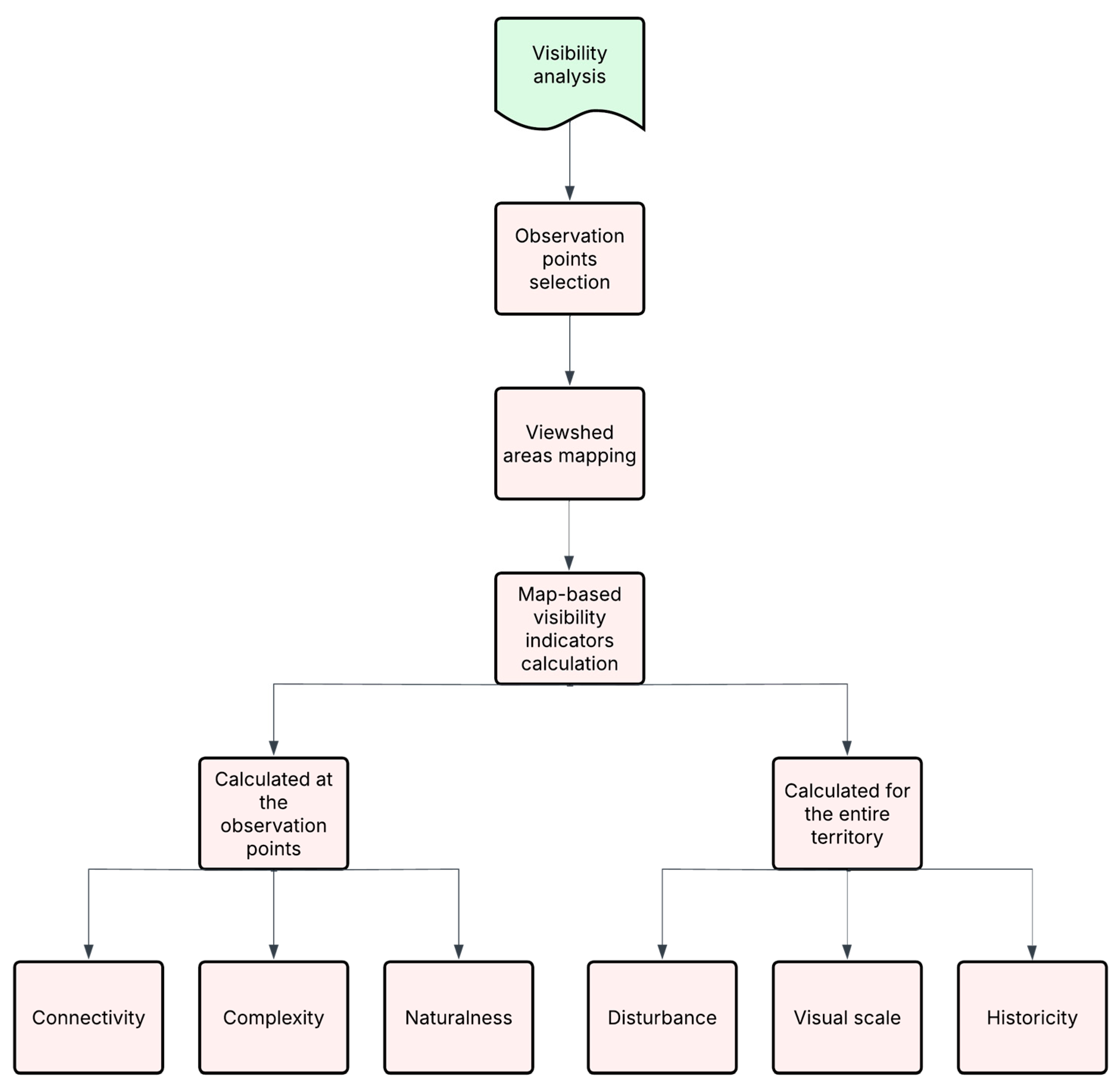
Martin et al. [
49], following the previously discussed methodology, investigated landscape character based on visual perception from motorways. Their approach categorized the variables used to identify various related concepts into two main groups: those calculated for the entire territory and those calculated specifically at observation points from which the landscape is viewed. In the present study, we adopt a similar framework, selecting points on the main road network (
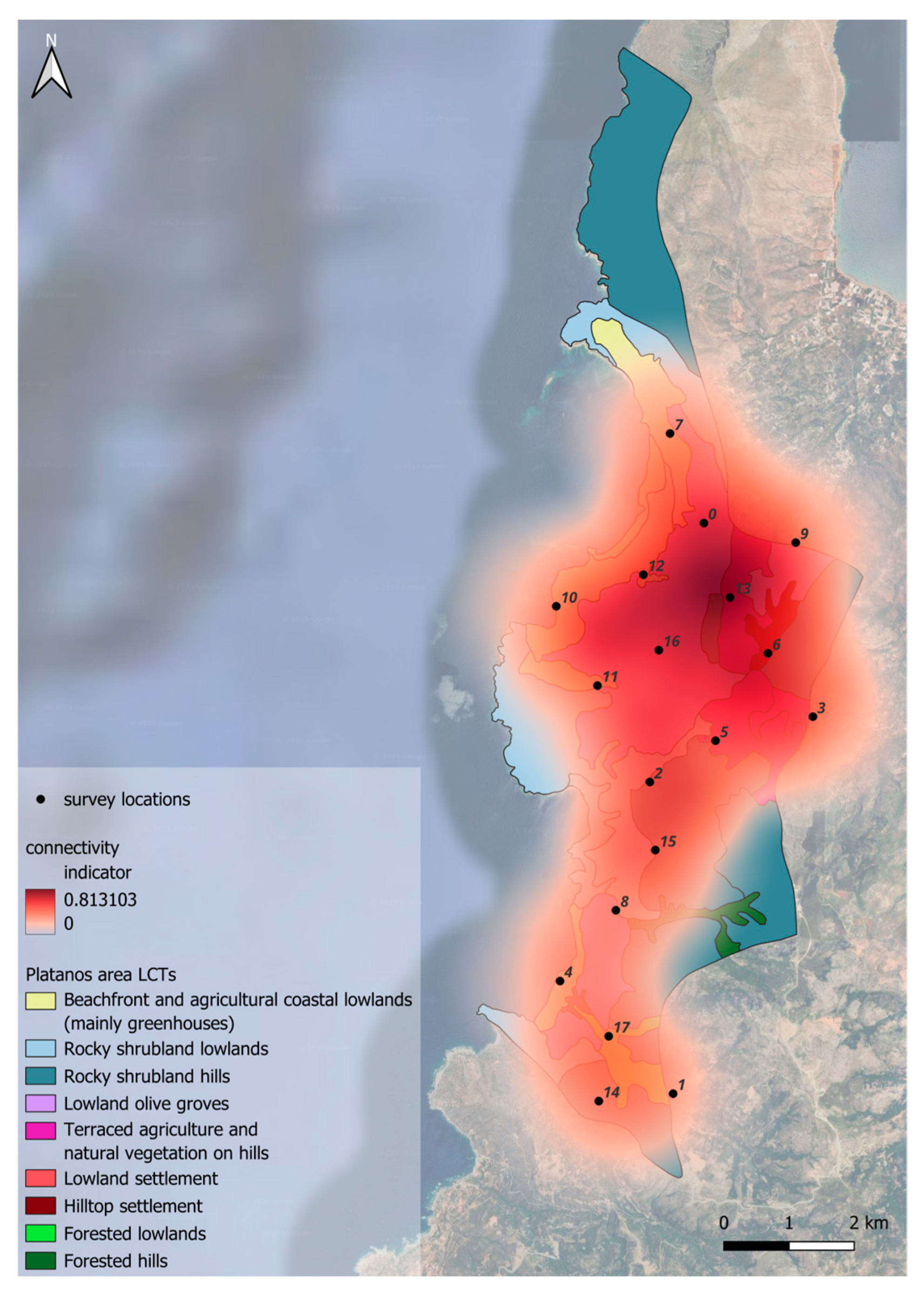
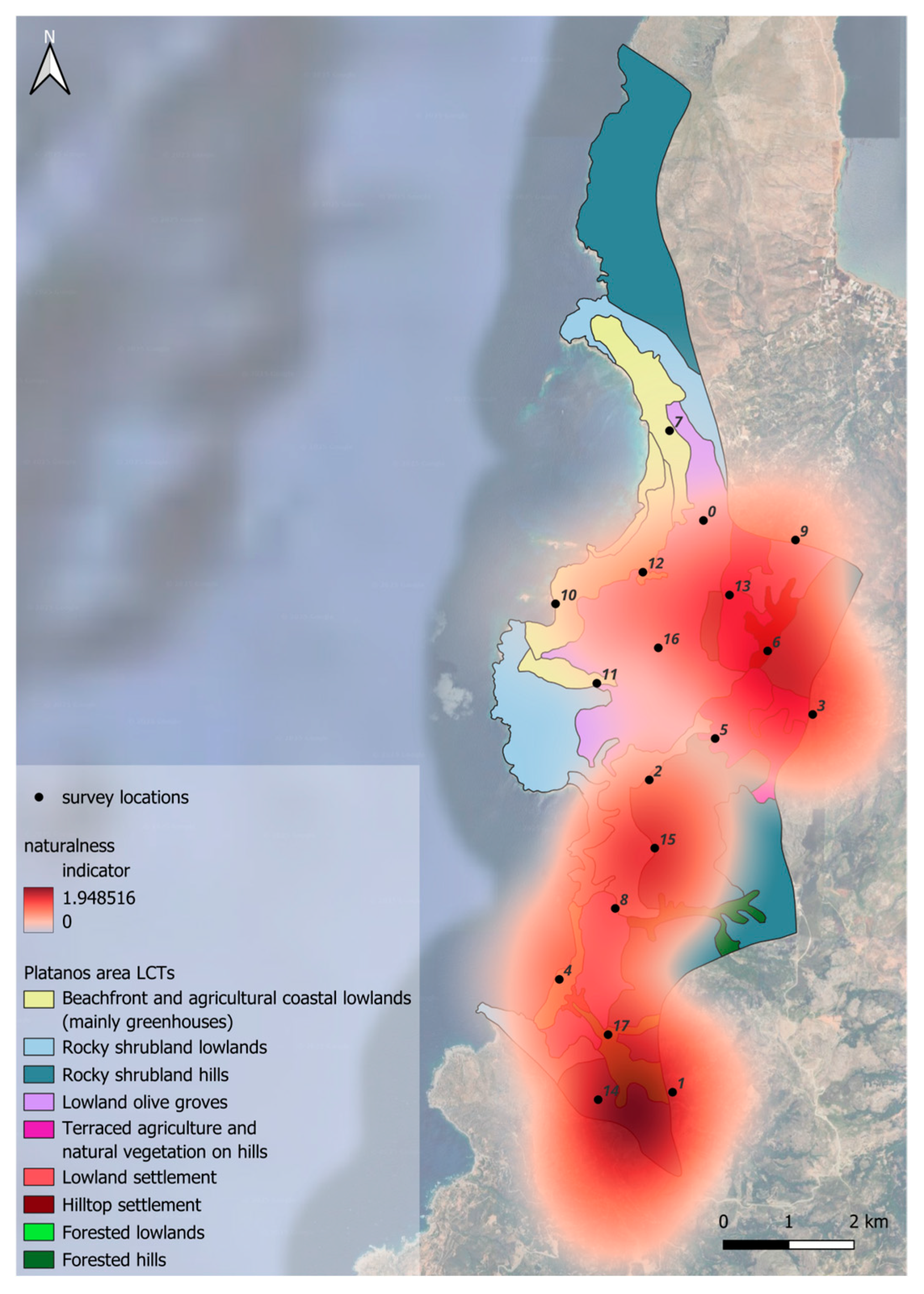
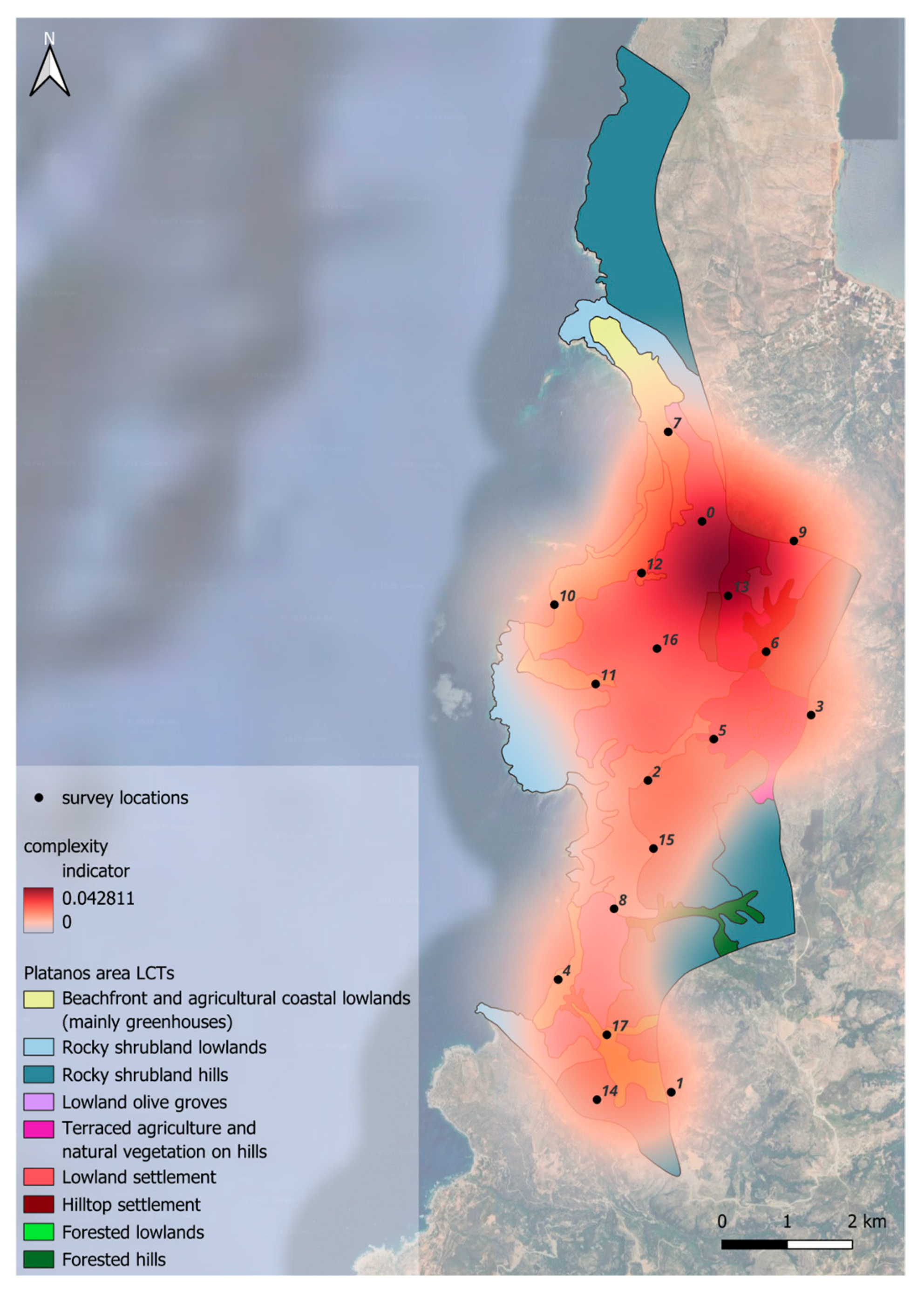
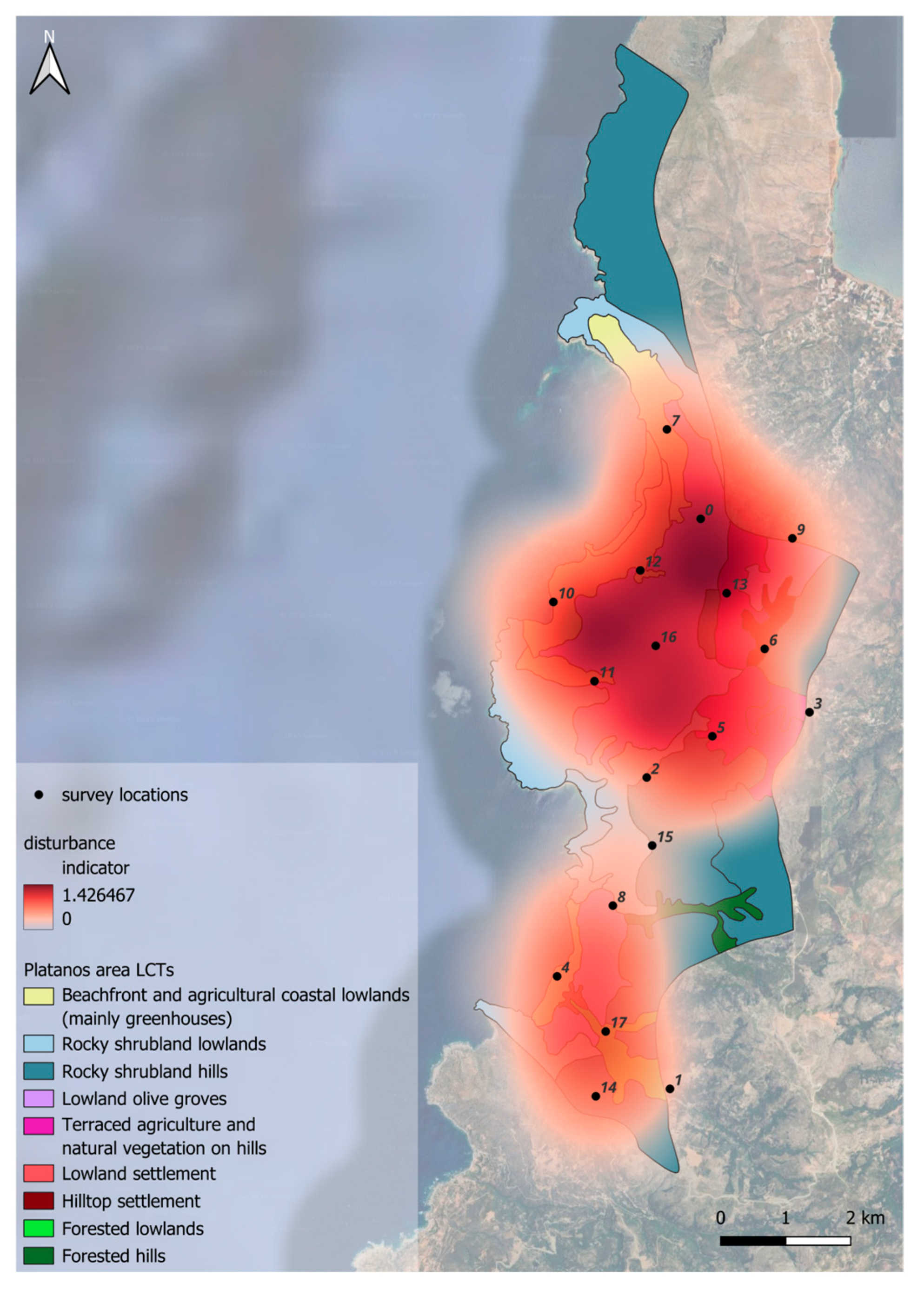
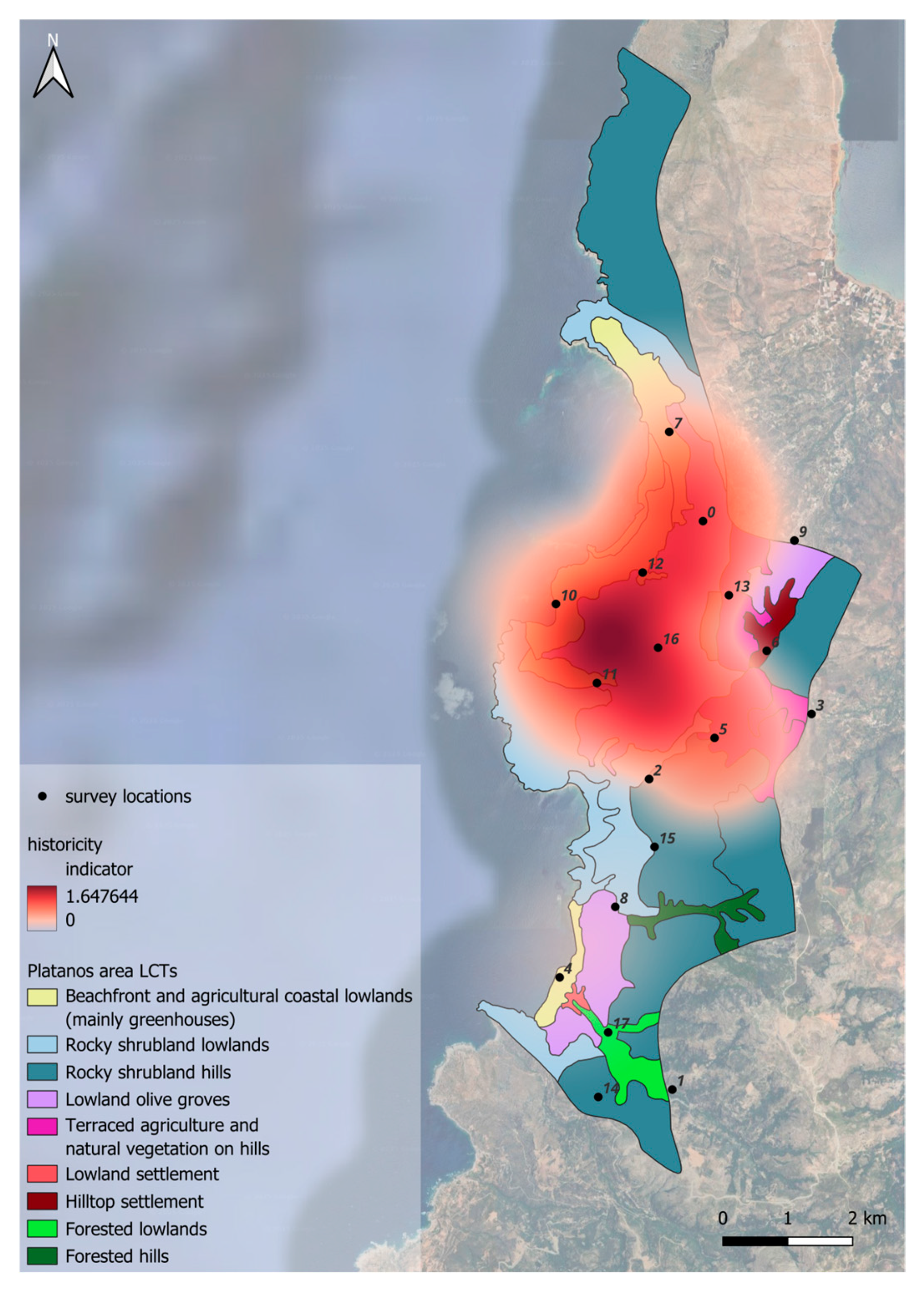
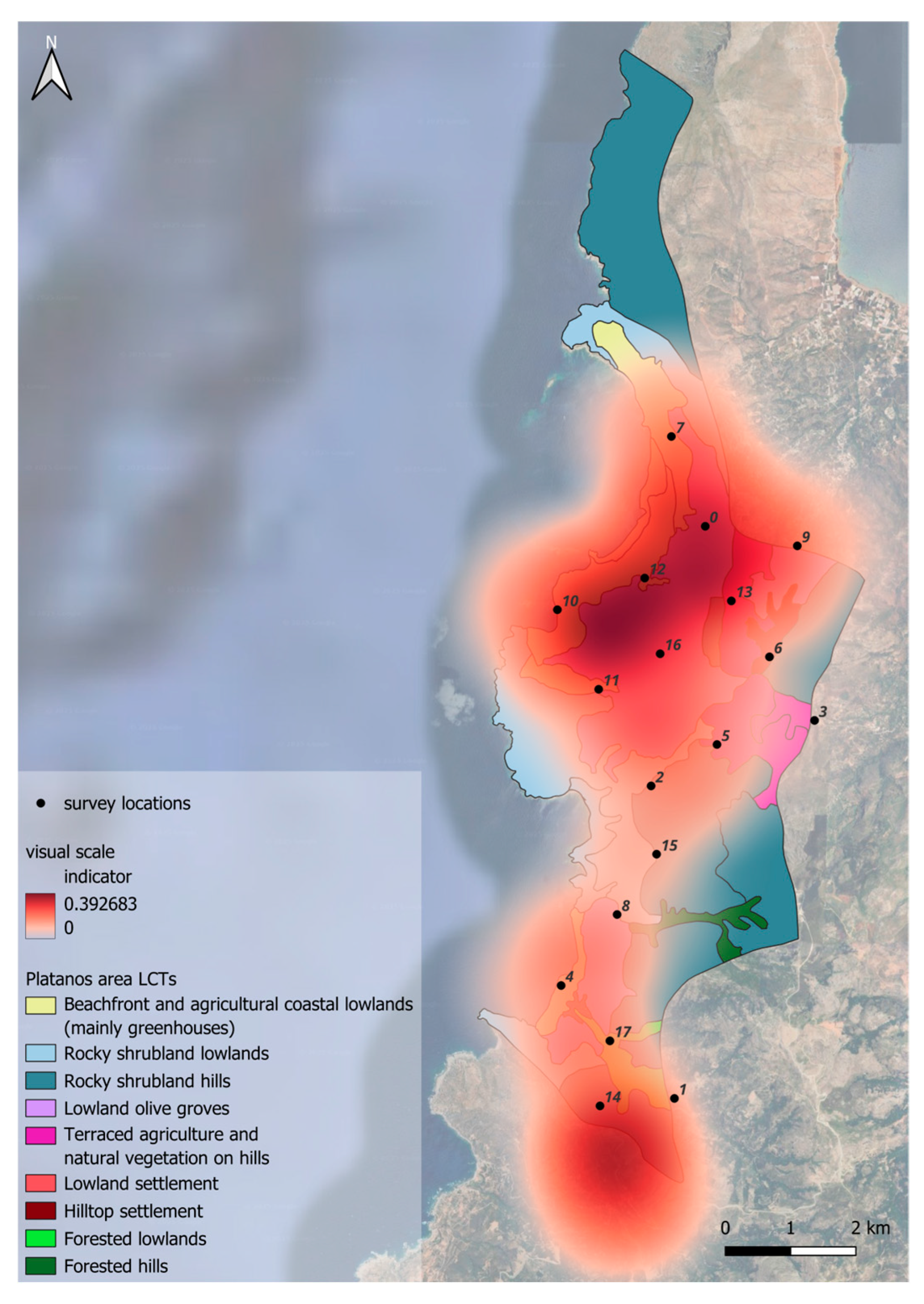
Figure 9), to assess landscape character, employing the following variables: connectivity, complexity, and naturalness, which are calculated for the entire study area, with the mean value within the viewshed assigned to each observation point, and disturbance, historicity, and visual scale, which are derived directly from the viewshed at the observation points (
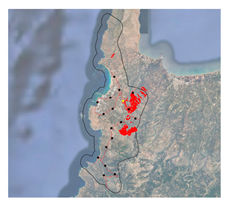
Figure 10). A total of eighteen observation points were distributed along the road network, with each point located at least one kilometer from the next, to ensure spatial coverage.
The selection of these indicators was guided by their ability to capture complementary aspects of landscape structure and visual experience within an LCA framework. Connectivity, complexity, and naturalness were selected to describe the spatial configuration, coherence, and degree of human influence at the territorial scale, reflecting how landform and landcover patterns structure the landscape as a whole. Disturbance, historicity, and visual scale were included to capture perception-related properties that emerge from specific viewpoints and viewshed conditions, allowing the interpretation of how landscape structure is experienced visually. This combination of territory-based and viewshed-based indicators enables an integrated assessment of landscape character and visual quality while maintaining a primary emphasis on reproducible, map-based measures.
Before proceeding with the calculation of the map-based indicators and their visual representation on a raster surface using Kernel Density Estimation, the appropriate mapping background was created by calculating and illustrating the viewshed areas for each observation point (
Table 7), which constitute the viewshed analysis underpinning the visibility assessment, and serve as a methodological illustration of the visibility conditions used for indicator calculation, while their comparative interpretation is addressed through the aggregated indicator results presented in
Section 3.1. The observers’ height was set at 1.70 m, and the viewshed radius was calculated as 5 km, representing a realistic upper bound of human visual range in open Mediterranean landscapes, appropriate for the scale of the study area. This was estimated using the following formula [
50,
51]:
where
h is the observer’s height in meters, and 3.57 is the coefficient in the standard geometric approximation used to estimate the theoretical horizontal distance (
d) to the horizon in kilometers.
Individual viewshed maps are not interpreted separately, as their analytical role is to provide a standardized spatial input for the derivation of visibility-related indicators, ensuring consistent and comparable assessment within the LCA framework.
Connectivity
The aim of this variable is to measure the degree of consistency among the land uses found in the landscape, specifically evaluating whether the land use in a given area aligns with that of the surrounding territory. To this end, the Connectivity Indicator (CI) utilized in Mancebo et al. [
52] is employed. Conceptually based on Hanski’s metapopulation model [
53], which has been applied in landscape ecology to evaluate habitat connectivity, the CI is also applicable for characterizing landscape coherence. When applied to land use patterns, it provides a valuable measure of the spatial unity or coherence of the scene.
It is given by the following equation:
where
CI is the value of the connectivity indicator for origin
i,
Ci,j is the effective distance between origin
I and destination
j,
Aj is the area of each one of the
n destinations
j belonging to the same origin class
i (in this case, by class it means the land use),
Cmax is the maximum value of the numerator.
The indicator calculates the total number of cells with land uses that are the same as the origin, minus the effective distance between each destination and the origin (which weights the distance between two points according to the characteristics of the area between them). The indicator’s value is consistently in the range of 0 and 1. As a result, values near 0 signify low coherence, whereas values near 1 suggest stronger unity.
Complexity
Landscape complexity is typically assessed using indicators that capture the spatial configuration of its constituent patches [
15]. Among these, the perimeter-area ratio is widely proposed method for quantifying patch complexity [
54], and it is employed in the present study. Although the perimeter–area ratio is formally a shape metric, it is widely used as a proxy for structural complexity because irregular patch boundaries produce disproportionately large perimeters relative to area. Riitters et al. [
55] showed that perimeter–area metrics load on a distinct factor associated with patch shape irregularity and spatial pattern complexity, supporting their use as indicators of structural intricacy. In this way, the perimeter–area ratio provides a quantitative approximation of patch-level complexity, contributing to the interpretation of landscape heterogeneity.
The function is defined as follows:
where
Pi is the perimeter of the patch corresponding to land use
i,
Ai is the area of patch
i.
Naturalness
The magnitude of the patches covered by natural land use types (low-intensity, minimally modified covers such as forests and shrublands [
39]) is the basis for the naturalness metric. This strategy considers the region’s ecological significance in promoting the resilience and survival of natural habitats. Ecologically, the number and presence of various species are strongly linked to the size of these patches [
54].
As a result, the indicator is defined as follows:
Disturbance
Disturbance is often linked in academic literature to visible human interventions, such as construction and alterations to the landscape. More specific, visual disturbance arises from artificial elements that conflict with their surroundings due to disproportionate scale, stylistic inconsistency, or inadequate contextual integration [
56,
57]. The related indicator calculates the disturbance as it is visually perceived from the observation points.
And it is defined as follows:
Historicity
Historicity and the presence of historical elements have been recognized as significant factors influencing landscape perception and preference [
58,
59]. Rather than existing in isolation, such elements usually constitute broader systems or interconnected networks, commonly referred to as historical settings or historic landscapes [
60]. The indicator of historicity calculates the density of cultural heritage elements present in the viewshed of specific observation points.
And it is defined as follows:
The significance of these cultural heritage elements transcends aesthetics, as they provide tangible links to the past and significantly influence modern landscape interpretations [
61,
62]. In the present case study, the relevant data were provided by the Archaeological Cadaster of Greece [
63].
Visual scale
A key component of theoretical frameworks pertaining to landscape preference and visual quality is the concept of visual scale. It concerns how people interpret the dimensions, shapes, and variations in spatial units of a landscape, often referred to landscape rooms or perceptual landscape units [
15]. Visual scale is directly related to the texture or degree of openness of the landscape and is affected by line-of-sight and the size of the viewshed area [
64,
65,
66]. Studies have also demonstrated a strong relationship between landscape openness and landscape preference, highlighting the perceptual relevance of visual scale in landscape quality assessment [
63,
64].
In the current research visual scale is defined as follows: