1. Introduction
Linear transportation infrastructure, such as highways and railways, is one of the main human drivers of global biodiversity loss and landscape fragmentation [
1,
2,
3,
4]. Its impact mechanism is complex, not only directly causing habitat loss, but also leading to habitat fragmentation, population isolation, and significant “wildlife–vehicle collisions” effects by forming insurmountable barriers, seriously threatening regional seriously undermining ecosystem functioning and threatening species survival [
5]. In biodiversity hotspots, such impacts are particularly severe. The Changbai Mountain region, as an important ecological barrier and species gene pool in northeastern China, has a unique forest ecosystem and abundant wildlife and plant resources [
6,
7,
8]. The G331 tourist highway, which runs through it, not only undertakes regional socio-economic functions, but also poses a potential and sustained threat to the landscape integrity and biodiversity of this ecologically sensitive area [
9,
10]. Therefore, scientifically evaluating the ecological impact of the G331 tourism highway is of urgent significance for coordinating biodiversity conservation and economic development and formulating adaptive management strategies.
Currently, the methods used to evaluate the impact of highway construction on the ecological environment are becoming increasingly diverse. For example, species distribution models (such as MaxENT) can effectively predict the potential habitats of species [
11,
12], ecosystem service assessment models (such as InVEST) can quantify the degree of habitat quality degradation [
13], and landscape connectivity models (such as Linkage Mapper, Circuitscape) focus on simulating the movement paths and barriers of species in fragmented landscapes [
14,
15]. Although these models have been widely applied, the existing research mostly focuses on a single perspective: either only assessing habitat loss [
16] or only simulating landscape connectivity [
17]. The systematic and mechanistic coupling of “habitat suitability”, “ecosystem quality” and “landscape connectivity” is still insufficient in research. More importantly, most evaluations focus on a single or a few indicator species [
18], lacking comparative analysis of differential responses of different functional groups (such as mammals, birds, and amphibians). However, different taxa may have vastly different response mechanisms and vulnerabilities to the same linear disturbance, due to their significant differences in dispersal ability, niche requirements, and physiological characteristics. Ignoring these differences will result in a significant reduction in the targeting and effectiveness of protection strategies.
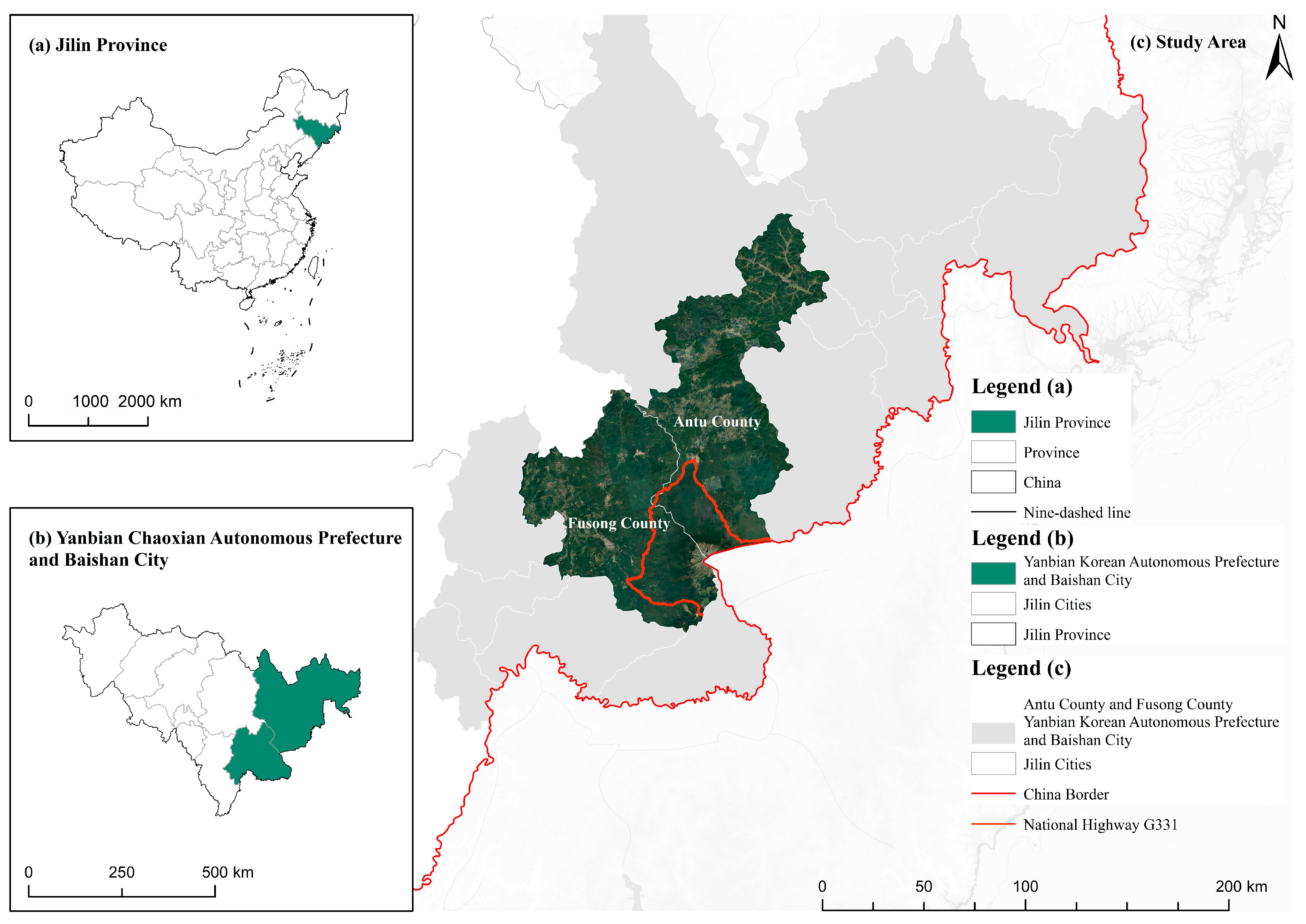
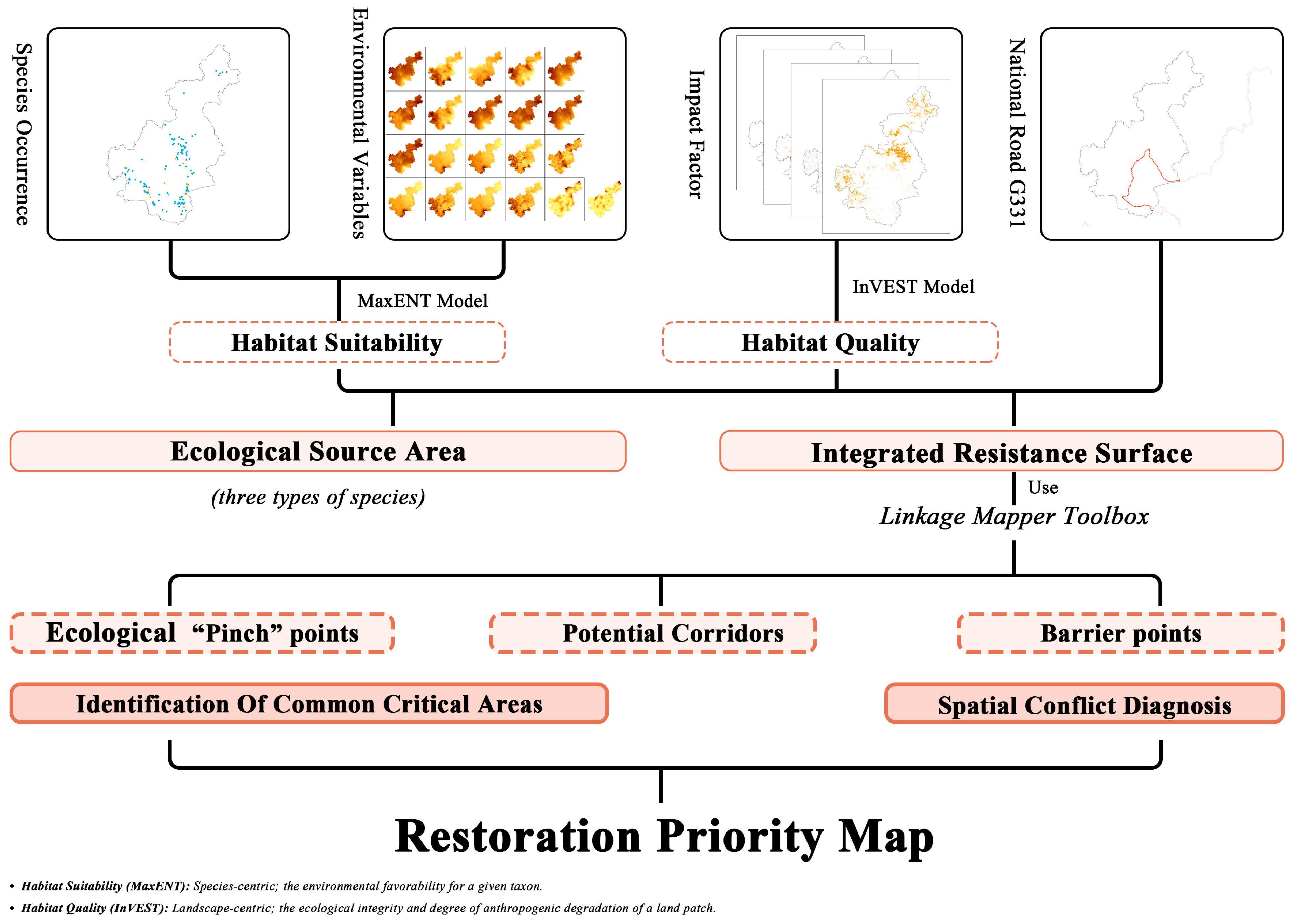
To fill the research gap mentioned above, this study takes the Changbai Mountain section of the G331 tourism highway as a case study, aiming to construct a comprehensive evaluation framework that integrates multiple models and covers multiple groups. Specifically, this study aims to achieve the following three goals: (1) integrate MaxENT and InVEST models to identify “ecological source areas” that have both high habitat suitability and high ecosystem quality, and construct a “comprehensive ecological resistance surface” that integrates multi-source information to enhance the authenticity of ecological mechanisms in connectivity simulations; (2) use the Linkage Mapper toolbox to identify potential ecological corridors, key ecological checkpoints, and restoration obstacles of three types of wildlife groups—mammals, birds, and amphibians—and quantitatively evaluates their spatial conflict patterns with the G331 tourism highway; and (3) by comparing and analyzing multiple functional groups, the differential spatial responses of different functional groups to road interference are revealed, and based on this, an “ecological protection and restoration priority map” is generated, providing direct scientific basis for developing differentiated and actionable mitigation measures.
By comparing and analyzing multiple functional groups, the differential spatial responses of different functional groups to road interference are revealed—that is, how the modeled habitat networks (sources, corridors, pinch points) of mammals, birds, and amphibians are distinctly fragmented by the G331 highway in space. Based on this comparative analysis, an “ecological protection and restoration priority map” is generated. This map, by highlighting taxon-specific conflict zones and shared priority areas, provides the direct scientific basis for developing differentiated and actionable mitigation measures (e.g., it can guide where to install large-scale wildlife overpasses for forest mammals). This study aims not only to reveal the ecological impact mechanism of the G331 tourism highway, but also to provide a replicable and scalable methodological paradigm and decision support tool for ecological impact assessment of transportation infrastructure and biodiversity conservation planning in similar regions.
3. Results
3.1. Habitat Suitability and Habitat Quality
3.1.1. Habitat Quality Index
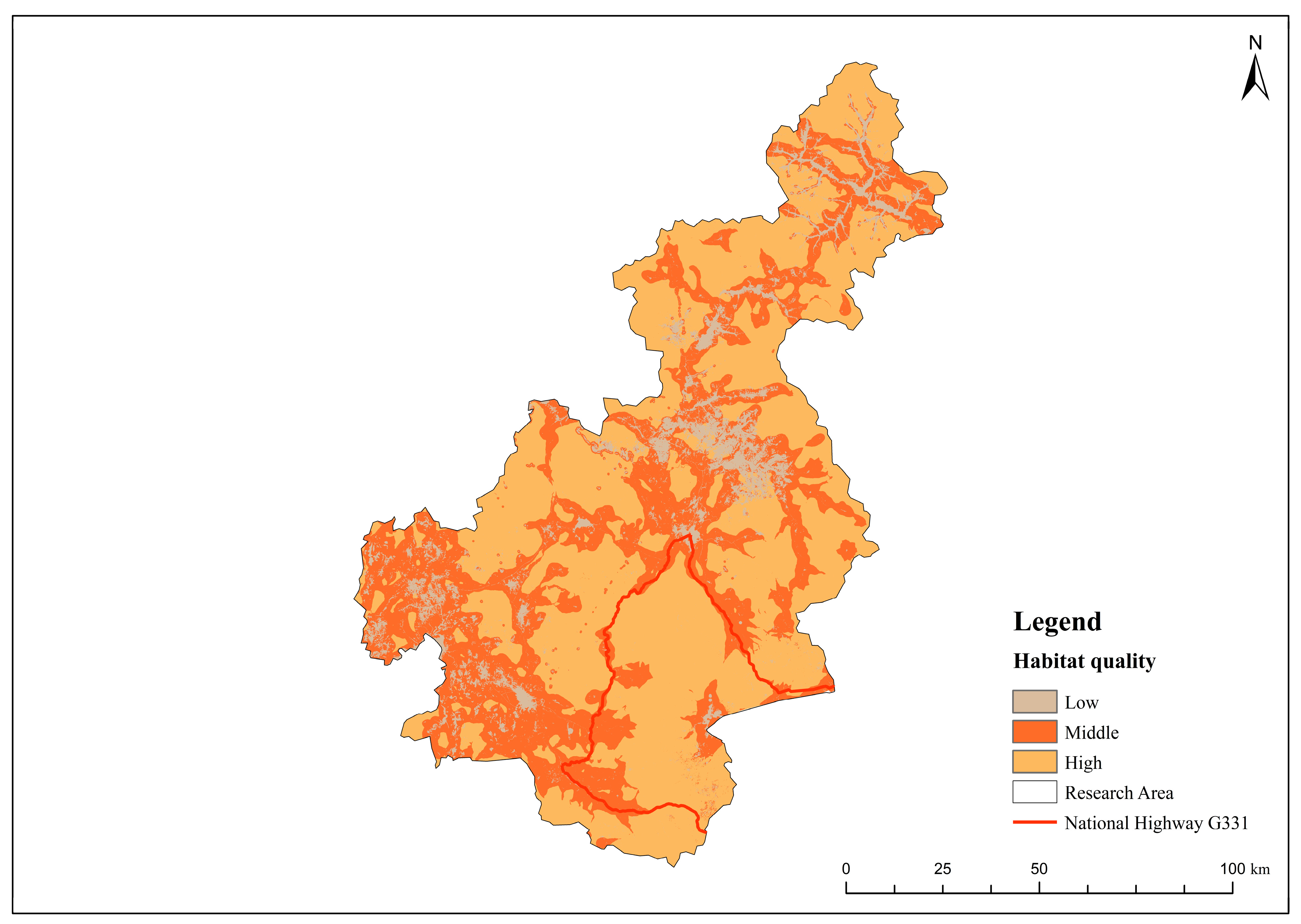
The calculation results of the InVEST 3.14.1 model show that the average habitat quality index is 0.76. The natural discontinuity method of ArcGIS software was used to divide the habitat quality into three levels: low, medium, and high (
Table 5).
According to
Figure 4, the spatial distribution of the habitat quality index in the study area shows significant heterogeneity, and the overall pattern is closely related to the terrain, land use, and human disturbance intensity. The area with high habitat quality (0.77–1.00) accounts for the largest proportion, which is mainly concentrated in the continuous primitive forest belt around the main peak of Changbai Mountain and the core area of protected nature reserves. These areas have high vegetation coverage, are far from major roads and residential areas, are least threatened by human activities, and therefore exhibit the highest levels of ecosystem integrity and stability—conditions that are directly captured by the high habitat quality scores and are fundamental for providing secure, high-quality habitats for wildlife.
The intermediate habitat quality area (0.46–0.77) is patchy or strip-shaped, mainly corresponding to secondary forests, natural shrubs, and some grasslands with low management intensity. These areas are affected by moderate human activities (such as edge logging and low-intensity grazing) or adjacent threat sources (such as national highways, farmland), resulting in a certain degree of habitat degradation, but still maintaining basic ecological functions.
Low habitat quality areas (0–0.46) are clearly clustered along the G331 tourist highway, construction land, and large agricultural cultivation areas. These areas are heavily affected by human activities and suffer from severe loss or fragmentation of natural habitats, making them the main threat sources and habitat degradation zones in the ecosystem.
3.1.2. Habitat Degradation Index
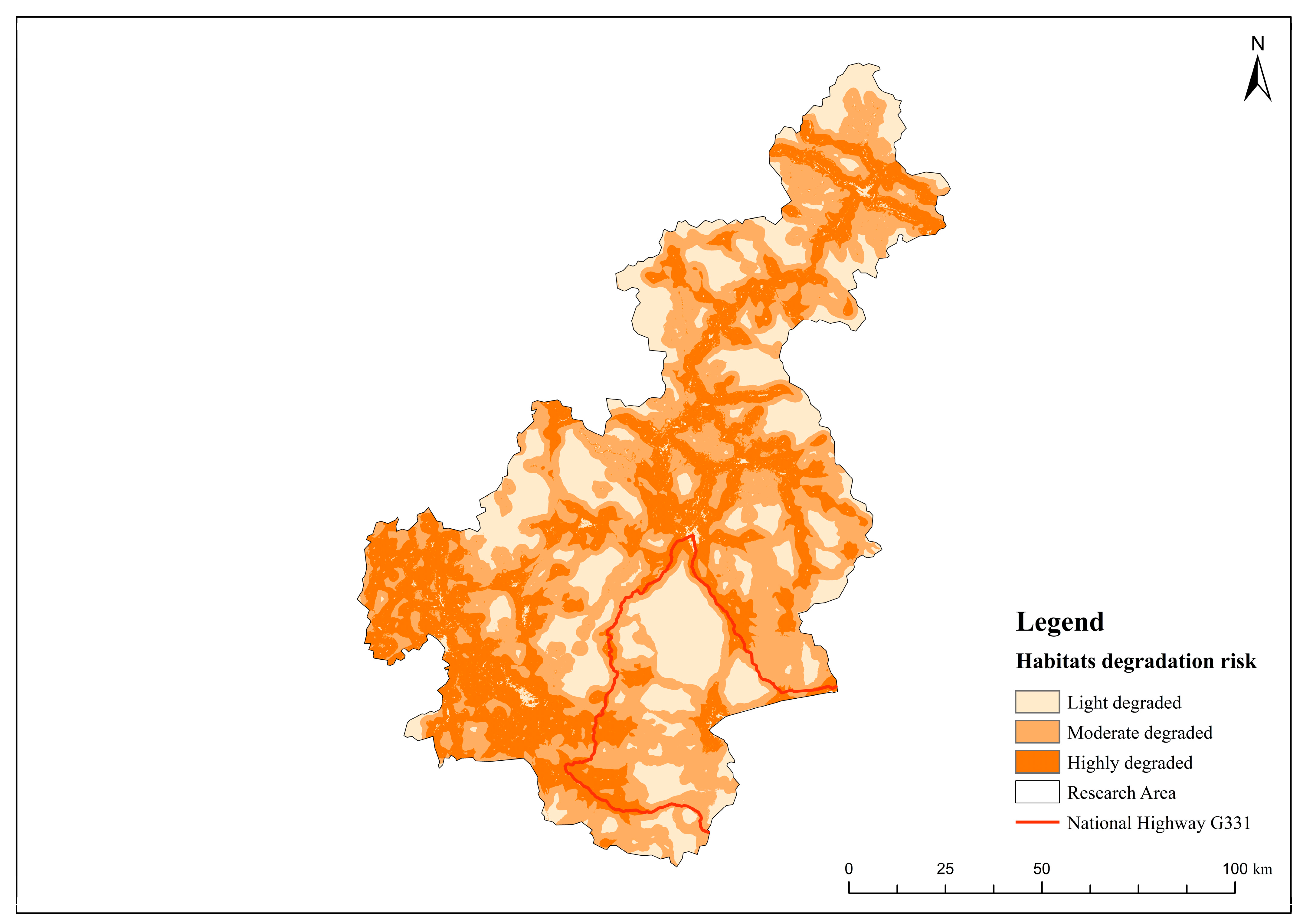
The average value of the habitat degradation risk index in the research area is 0.27. According to the natural discontinuity method, ArcGIS 10.8 was used to classify the habitat degradation index into three levels: mild degradation, moderate degradation, and high degradation, and the area and proportion of habitat degradation levels were calculated (
Table 6).
The degree of habitat degradation in the research area covers 4445.78 km
2, accounting for 32.7% of the total area. From
Figure 5, it can be seen that the high-value areas of habitat degradation risk are distributed on both sides of the transportation line, and the threat to the habitats of the three types of wild animal groups is more concentrated due to the high vehicle-passing rate.
3.2. The Spatial Distribution Characteristics of Three Types of Wild Animal Groups
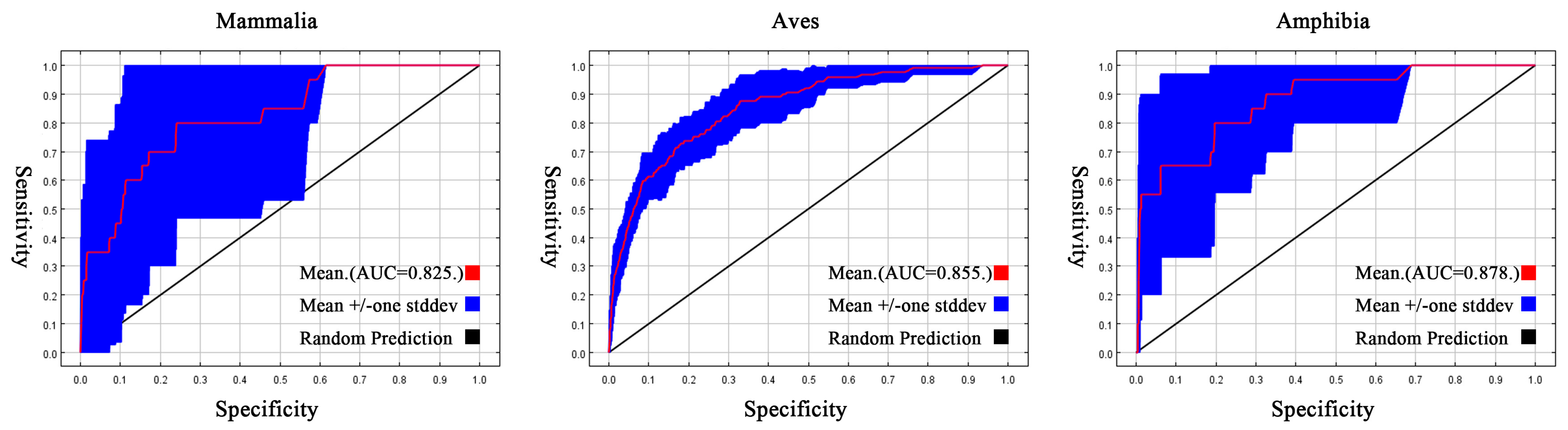
The MaxEnt v3.4.4 model results showed that the AUC values of the three wild animal groups in the study area were 0.825, 0.855, and 0.878, respectively. The AUCs of the habitat prediction model test set were all higher than 0.8, and the simulation results showed that the habitat suitability evaluation of the three types of wild animal groups was relatively accurate (
Figure 6).
The contribution analysis of environmental variables shows that the habitat selection of the three types of wild animal groups is driven by different dominant environmental factors (
Table 7). For mammals, climate conditions are a key driving factor, with the combined contribution of annual average temperature and annual precipitation approaching 50%. For birds, spatial barriers dominate, with distance from roads and water bodies being the main limiting factors, contributing over 50%. For amphibians, their distribution shows an extreme dependence on distance from the water body, with a single factor contribution rate of up to 47.4%.
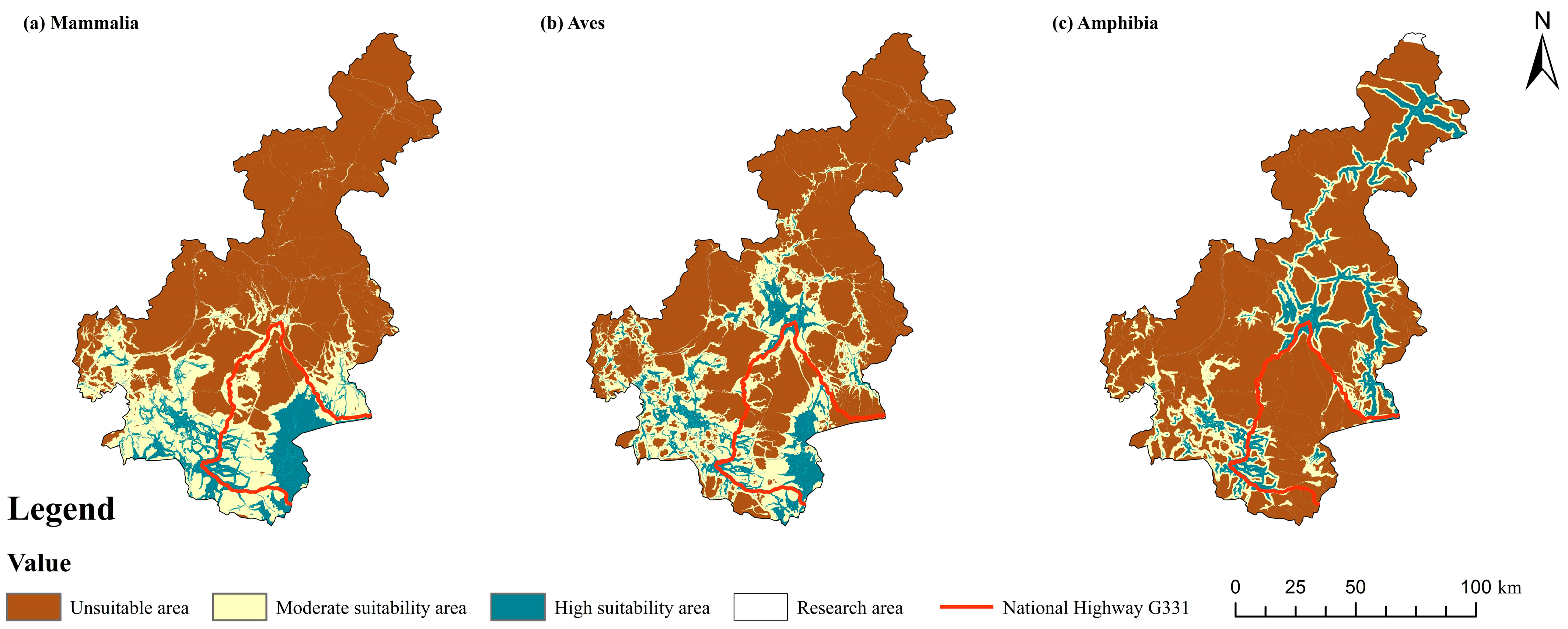
The MaxEnt v3.4.4 model simulation results show that the potential habitat suitability of mammals, birds, and amphibians in the study area presents a spatial distribution pattern that is both interrelated and distinctive (
Figure 7), clearly reflecting the specific needs of different groups for ecological environmental factors and their differences in the impact from G331 tourism road construction.
The highly suitable habitats for mammals are concentrated and widely distributed, mainly located in the continuous forest coverage areas along the G331 tourist road in the eastern and southwestern parts of the study area (
Figure 7a). These areas have complex terrain and minimal human interference, providing hiding conditions and sufficient food resources for large and medium-sized mammals. The habitat suitability along the national highway and the densely populated areas in the southwest is generally low, forming obvious distribution barriers.
Birds have the widest distribution of suitable habitats, exhibiting the characteristics of “large dispersion and small aggregation” (
Figure 7b). High suitability areas not only appear in core forest areas, but are also widely distributed in forest edges, shrubs, river valley wetlands, and some intersecting farmland zones. This indicates that birds have stronger adaptability to the environment and the ability to utilize diverse habitats. However, the construction of the G331 tourist road still has a cutting effect on suitable habitats that rely on forest internal habitats or are sensitive to the disturbance of birds.
The suitable habitat for amphibians exhibits strong linear attachment characteristics (
Figure 7c). The highly suitable areas are strictly distributed in a strip along the main rivers, marshes, and wetlands, and are highly correlated with the distance from the water source. The linear engineering of the G331 tourist road intersects with multiple hydrological networks, directly cutting off or severely fragmenting these critical strip habitats, making amphibians the most directly and severely threatened group among the three groups by road cutting.
It is noteworthy that the G331 highway (marked by the red line) runs through all moderately to highly suitable areas for various taxa, intersecting particularly with the critical linear habitats of amphibians. The significantly different distribution patterns of these three animal groups provide a direct spatial basis for identifying specific ecological source areas and corridors, as well as evaluating the differentiated impact of the G331 tourism highway in the future.
3.3. Spatial Distribution of Ecological Source Areas
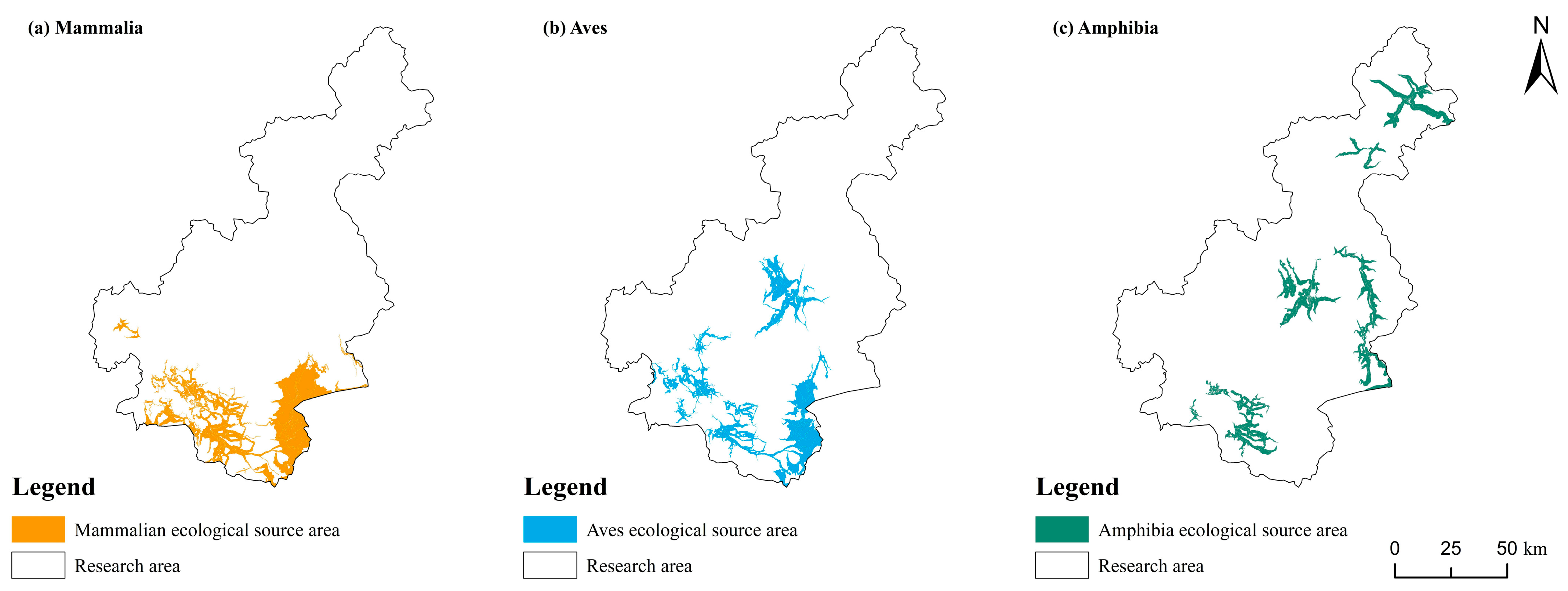
Based on the overlay analysis of habitat suitability and habitat quality, this study identified the ecological source areas of three types of wild animal groups: mammals, birds, and amphibians (
Figure 8). The spatial distribution showed significant differences, reflecting the unique ecological needs and constraints of each group.
The number of ecological source areas for mammals is relatively small, but the area of individual source areas is relatively large, showing a concentrated and contiguous distribution. These source areas are mainly located in the continuous forest core area at a higher altitude in the southern part of the study area, far away from the G331 tourist road (
Figure 8a). The distribution pattern is consistent with the analysis results of dominant environmental factors, indicating that primitive forests with suitable temperature conditions and extremely low human interference are the core areas for maintaining the survival of mammalian populations. However, the source area is isolated by roads and human activity zones, forming several relatively isolated “ecological islands”.
The ecological sources of birds are widely distributed and scattered (
Figure 8b). The source area not only appears within forests, but also extensively exists at the edges of forests, river valleys, and the intersection of farmland and forests. It is worth noting that although birds are relatively insensitive to road disturbances, a considerable portion of their source areas are distributed near national highways, suggesting that their populations may face potential risks of road fatalities and habitat quality degradation.
The ecological source areas of amphibians exhibit strong spatial constraints and linear distribution characteristics (
Figure 8c). All source areas are strictly attached to major rivers, creeks, and wetlands, distributed in narrow patches or bead-like patterns. This fully confirms the absolute dominant role of the “distance from water body” factor in environmental variable analysis. The G331 tourist road intersects with multiple water systems, directly causing multiple potential source patches to be cut or isolated, making it the most vulnerable group in terms of connectivity.
From the perspective of area statistics, the total area of mammalian ecological sources was the largest (1231.01 km
2), although the average patch area was relatively small. Aves had the second largest total source area (980.92 km
2), while amphibians had the smallest total source area (914.49 km
2) and exhibited the highest degree of fragmentation. To evaluate the ecological relevance of these model-derived source areas, a spatial concordance analysis was performed by overlaying the original species occurrence points (used for model training) with the final ecological source area maps. The results demonstrated a strong spatial correspondence: 71.43% of mammal occurrence points, 68.00% of bird points, and 67.42% of amphibian points were located within their respective ecological source areas. This high degree of overlap confirms that the identified source areas align well with landscapes of known species’ presence, thereby supporting their ecological validity. The detailed results of the concordance analysis are presented in
Table 8.
3.4. Identification of Potential Corridors, Ecological “Pinch” Points, and Barrier Points
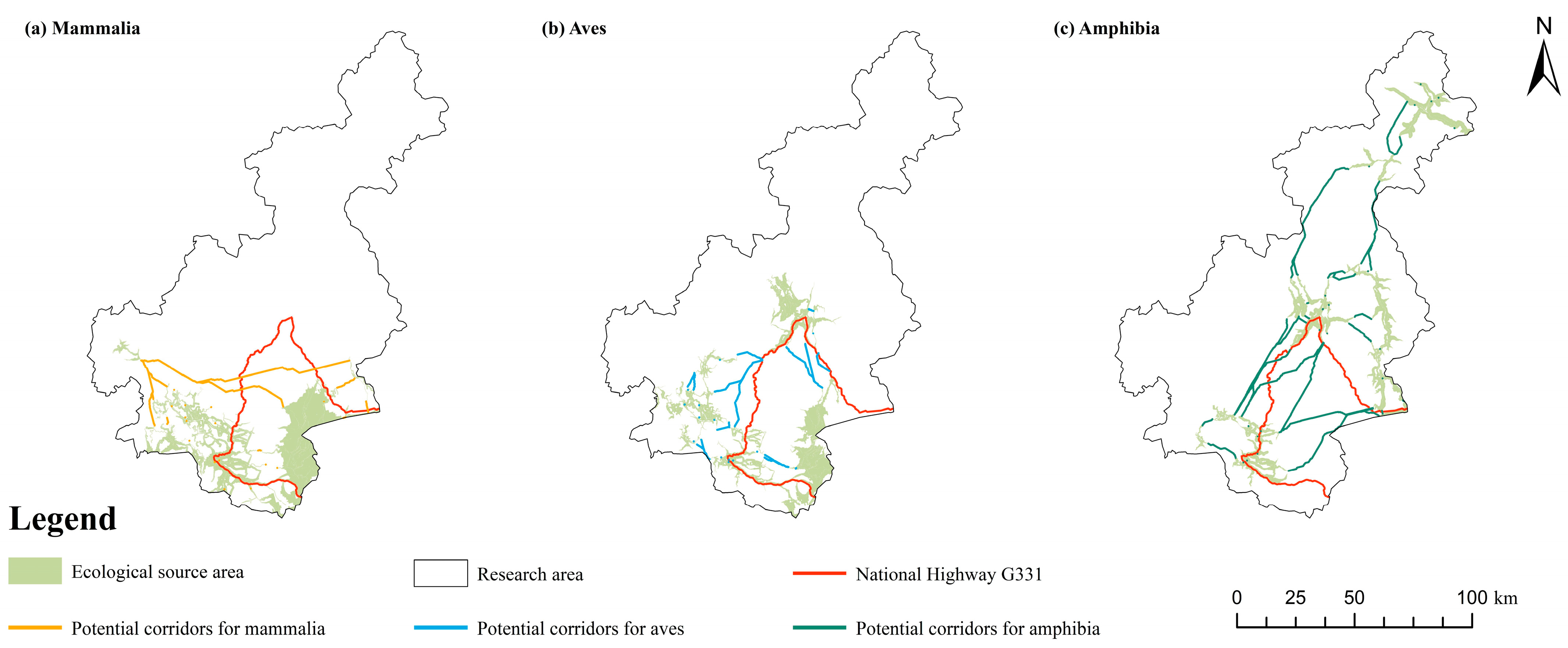
Based on the comprehensive ecological resistance surface and ecological source areas, the potential ecological corridors, key ecological checkpoints, and restoration obstacles of three types of wildlife groups were simulated using the Linkage Mapper tool.
3.4.1. Potential Ecological Corridor
Based on the overlay analysis of habitat suitability and habitat quality, this study identified the ecological potential ecological corridor network of three wild animal groups: mammals, birds, and amphibians, which intuitively reflects the possible pathways of species diffusion and gene exchange between source areas (
Figure 9a–c). The corridor network of mammals is relatively sparse but has clear paths, mainly connecting large forest source areas in the southwest and southeast. The corridors often extend along mountain ridges or continuous forest belts, and the path twists and turns are low. The corridor network of birds is extremely dense and complex, forming a network that covers the entire area, especially in the intertwining of farmland and forests and river valleys, forming high-density connections. This is consistent with their ability to utilize diverse habitats, but also means that their connectivity may be more susceptible to wide area interference. The corridors of amphibians exhibit unique linearity and attachment, which are almost entirely distributed along the river system, connecting to bead-like water sources. The corridors are narrow and the paths are strictly restricted, making them the most fragile link in the connectivity pattern. Critically, the G331 highway (red line) intersects multiple corridors for each group, creating potential barriers to movement.
3.4.2. Ecological “Pinch” Points and Barrier Points
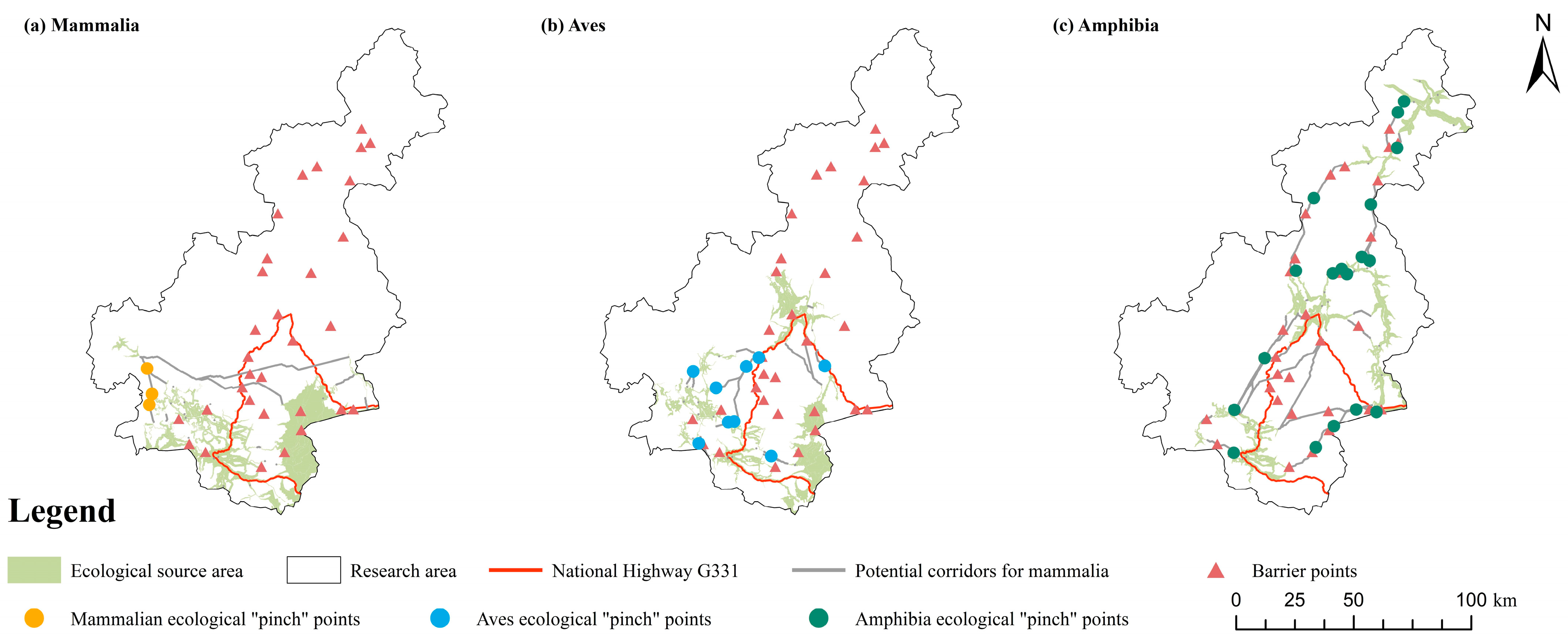
This study identified two key areas for maintaining and enhancing landscape connectivity: ecological “pinch” points that represent current connectivity bottlenecks and ecological obstacle points that indicate optimal restoration opportunities (
Figure 10a–c).
An ecological “pinch” point is a current density convergence zone that is identified based on circuit theory, which is crucial for maintaining the existing ecological flow. Its distribution exhibits significant group specificity: the ecological “pinch” points of mammals are mainly located in narrow ecological corridors or habitats connecting large forest source areas. The “pinch” points of birds are relatively scattered, but they are more concentrated in the main valleys and habitat types. The “pinch” point of amphibians is highly concentrated at the intersection of rivers and roads, especially the G331 tourist road, which is the bottleneck of life and death that they cannot bypass when spreading along the water system. These checkpoints are generally extremely sensitive to interference, and once obstructed, they will cause damage to regional connectivity.
Ecological barrier points are different from ecological “pinch” points in that their value lies in their potential for restoration and cost-effectiveness. Analysis found that for all groups, areas along the G331 tourist highway, especially those intersecting with high importance corridors or intersections, are generally identified as efficient barrier points, which directly indicates the necessity of constructing ecological crossing facilities (such as bridges and culverts) in such locations. For all groups, both types of points are frequently clustered along segments of the G331 highway, directly identifying priority locations for mitigation infrastructure.
3.5. Spatial Conflict Between Potential Ecological Corridor and G331 Tourist Highway
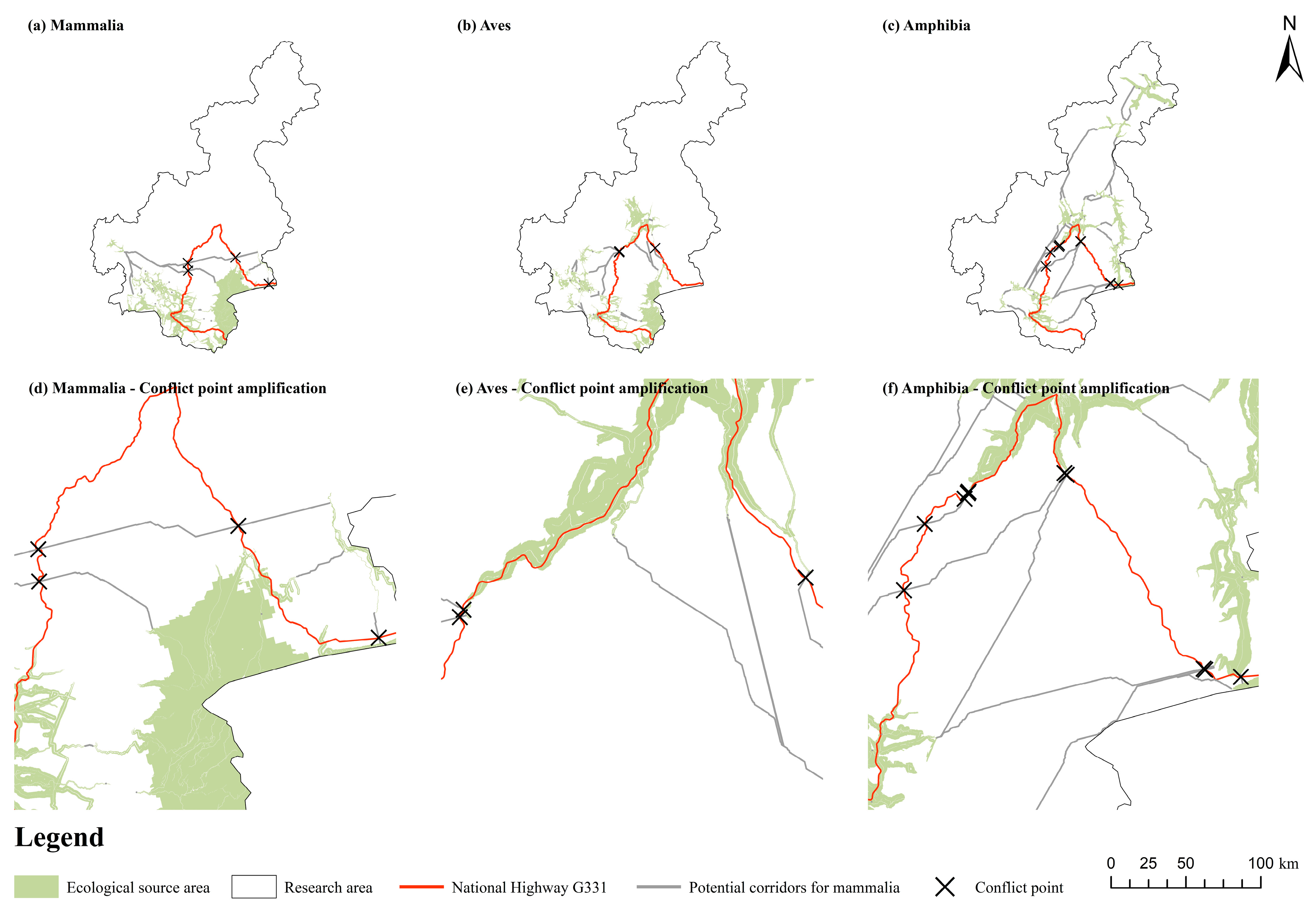
The simulation results of landscape connectivity indicate that the G331 tourism highway, as a significant linear infrastructure, has extensively cut through the potential ecological corridor network in the study area, forming multiple clear “ecological conflict points”. The spatial overlay analysis was used to estimate the conflict pattern between highways and key ecological corridors of three types of wildlife groups.
The analysis results show that there are 16 clear spatial intersections between the G331 tourism highway and all key ecological corridors in the study area. Significant differences between taxa (
Table 9): Mammals and birds have an equal number of corridors and road intersections (4), which are mostly located on key pathways connecting the ecological source areas in the central region. The number of intersections with roads is higher, indicating that they face extensive potential interference. Amphibians have the highest number of corridor intersections (8), but due to their strict distribution along water systems and lack of alternative pathways, each intersection means a complete cut-off of their linear habitat, thus facing the highest risk of extinction.
From the spatial distribution characteristics (
Figure 11), conflict points exhibit clustering; the map visually validates the quantitative conflict analysis presented in
Table 8. The conflict points between mammals and birds are concentrated in the central part of the study area. The conflict points of amphibians strictly correspond to the intersections of highways with major rivers and streams.
3.6. Comparison of Ecological Source Spatial Patterns and Identification of Key Areas for Three Animal Groups
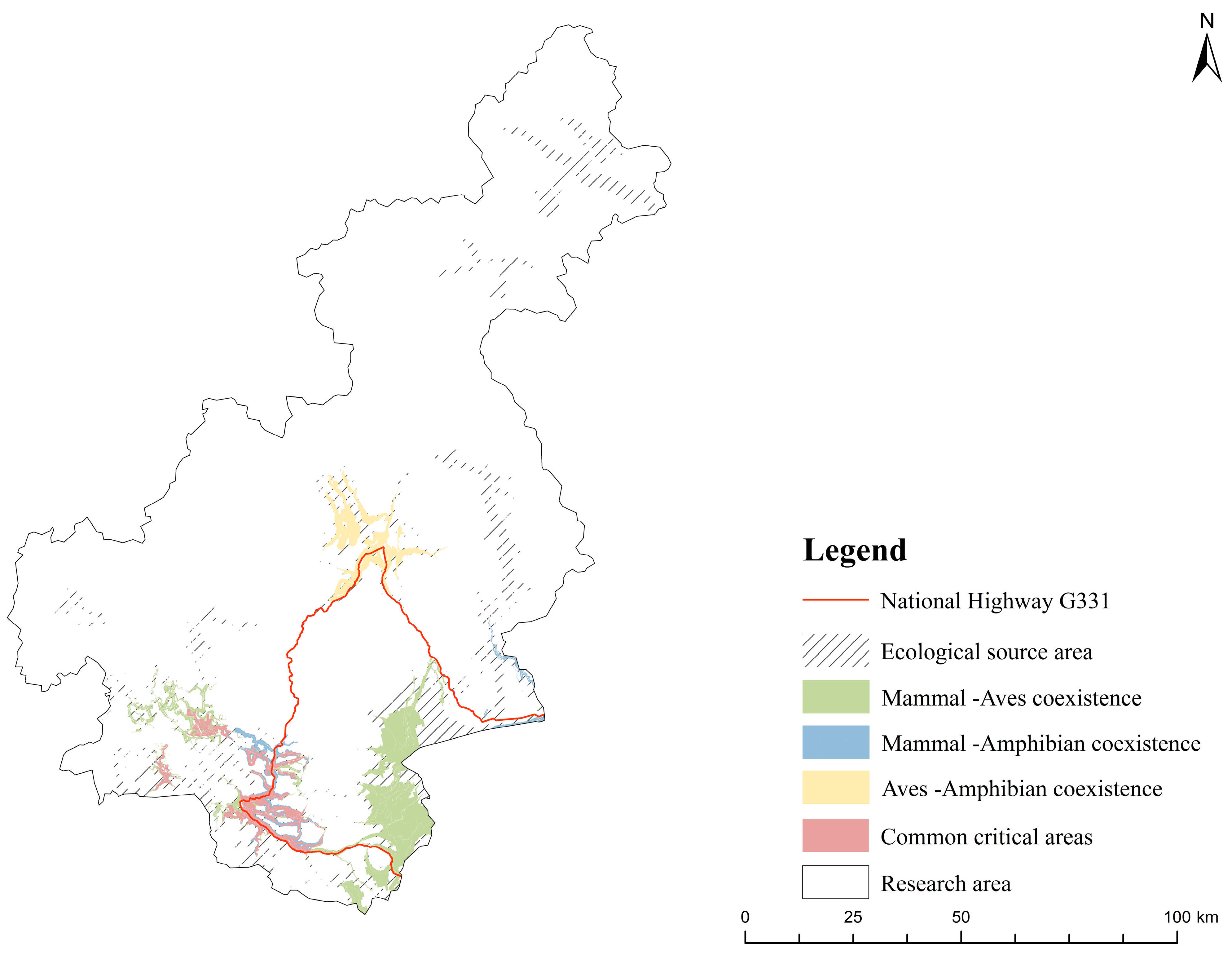
To reveal the synergistic and balancing relationship of spatial demands among different groups, this study conducted spatial overlay analysis on the ecological source areas of three types of wild animal groups, and systematically identified the “common key areas” and “pairwise common key areas” shared by multiple groups (
Figure 12,
Table 10). This composite map reveals the overarching spatial relationships driving conservation priorities. The G331 highway forms the central barrier. Corridors, pinch points, and conflict points are shown for each group. Crucially, shaded areas highlight zones of high conservation leverage: areas where key habitats overlap for two groups and, most importantly, the ‘common key areas’ that are vital for all three groups.
The analysis results indicate that the “common key area” (i.e., the area where the key areas of the three wildlife groups completely overlap) with the highest effectiveness in biodiversity conservation covers an area of 161.75 km2, accounting for 1.2% of the total area. These areas are mainly distributed in the continuous primitive forest belt and core protected area on the northern slope of Changbai Mountain in the southern part of the study area. Their habitats are intact and have little disturbance, making them the absolute core and primary protection goal for maintaining regional ecological integrity.
The shared key areas between two groups further reveal the ecological relationships between them. The shared key area between mammals and birds is the largest (637.27 km2), and is widely distributed within continuous forests and forest edges, reflecting their mutual dependence on the forest main body. The overlapping areas between amphibians and other groups are strictly limited to forests or shrublands near rivers and swamps, highlighting the specificity of their ecological needs and the crucial role of water bodies in connecting the habitats of different groups.
It is worth noting that this study did not identify any significant “unique key areas” that are unique to a single group in terms of area. This result indicates that at the scale of the study area, the core survival and diffusion needs of the three target species have a high degree of synergy in space, with their highest priority areas basically overlapping. Concentrating the protection of “common key areas” and “pairwise shared key areas” can simultaneously benefit the vast majority of species. The crossing of such overlapping key areas by the G331 tourist highway means that its impact has a high degree of complexity, and comprehensive mitigation measures are urgently needed.
4. Discussion
4.1. The Scientific Validity and Practical Verification of the Multi-Model Coupling Evaluation Framework
This study demonstrates the value of an integrated multi-model framework over single-approach assessments. By coupling habitat suitability, quality, and connectivity analyses, we provided a more mechanistic and spatially explicit diagnosis of highway impacts. More importantly, the comparative multi-taxa perspective uncovered both shared and unique vulnerabilities, culminating in a hierarchical priority map that transforms ecological complexity into actionable guidance for targeted mitigation. Its core innovation and ecological mechanism lie in the explicit coupling of species’ niche preferences (modeled as habitat suitability by MaxENT) and ecosystem health (quantified as habitat quality by InVEST). This dynamic integration is operationalized in two critical steps:
- (1)
Jointly defining ecological source areas as the spatial overlap of zones with both high habitat suitability and high habitat quality, thereby identifying core habitats that are not only environmentally suitable but also functionally intact.
- (2)
Constructing a comprehensive ecological resistance surface that incorporates these coupled outputs (e.g., habitat quality and degradation layers) alongside other cost factors, creating a more biologically realistic representation of landscape permeability for moving animals.
Compared to traditional single-model or static approaches, this framework significantly enhances the mechanistic authenticity and spatial accuracy of ecological process simulations. The empirical results confirm this advancement: identified corridors concentrate in areas of high suitability–quality overlap, and pinch points emerge in narrow segments of these high-value habitats. These patterns demonstrate that our integrated approach—by jointly filtering landscapes through the lenses of species-specific needs and ecosystem condition—more accurately reflects the actual dispersal costs and path selection.
Consequently, this framework provides a more refined tool for assessing linear infrastructure impacts. For the Changbai Mountain region, it represents a methodological step forward from foundational pattern studies [
6] and post-construction monitoring [
8], offering a proactive, predictive tool to identify ecological conflicts and conservation priorities before they manifest as severe population declines or roadkill hotspots.
It is important to note that the identified corridors represent potential landscape linkages that are optimized for the modeled resistance surface of each functional group, rather than the precise movement paths of any single species. The pronounced differences in corridor patterns among mammals, aves, and amphibians validate that our group-level approach successfully captures the dominant landscape determinants of connectivity for these ecologically distinct taxa. This provides a credible, first-order spatial template for conservation planning.
4.2. Ecological Impact Mechanism of G331 Tourist Highway Construction
Firstly, the ecological impact of tourism road construction is not evenly distributed, but is strongly modulated by local landscape structures. In areas with wide ecological corridors and high connectivity, their impact is relatively limited. However, in the narrow area connecting the ecological source (i.e., habitat patches that sustain source populations and provide emigrants to the landscape), the intersection of tourist roads and potential ecological corridors has caused an inevitable “ecological fracture” (i.e., a severe barrier that disrupts the movement of individuals and the flow of genes between populations). These “ecological conflict points” are not only physical barriers, but their generated noise, light, and human activities fundamentally block the ecological flow (i.e., the movement of individuals, genes, and ecological processes across the landscape) [
40]. Significantly, the spatial distribution of these modeled conflict points shows strong convergence with the empirically observed vertebrate roadkill hotspots along the similar Ring Changbai Mountain Scenic Road, reported by Yang et al. (2023) [
9]. Our study extends these empirical findings by revealing the underlying mechanism: these high-risk locations are where the highway intersects with key ecological corridors and ‘pinch points’ that funnel animal movement. Thus, we confirm the severity of road impacts highlighted by local monitoring and supplement it with a causal, spatial-explicit explanation rooted in landscape connectivity theory.
Secondly, different species groups exhibit distinct response mechanisms to the same disturbance, due to differences in their ecological needs and mobility. Mammals, especially large species, are subjected to dual pressures of direct physical barriers and habitat fragmentation [
41], and the disruption of their fixed long-distance migration paths may result in high ecological costs for the population. This is particularly critical for medium-to-large forest-dwelling mammals in Changbai Mountain, such as Siberian roe deer (Capreolus pygargus) and wild boar (Sus scrofa), which require extensive, contiguous home ranges for foraging and reproduction. The G331 highway, by fragmenting these continuous forest cores, can disrupt their natural movement patterns, increase edge effects, and ultimately lead to population subdivision and genetic isolation. Although birds can fly over physical barriers, they are extremely sensitive to noise and interference, and highways are prone to forming “fear landscapes” on both sides [
42], which can lead to behavior avoidance and effective isolation far beyond the width of the road. This ‘fear landscape’ effect disproportionately impacts understory-dwelling and ground-nesting bird species (e.g., some pheasants and warblers common to the region), for which traffic noise masks critical acoustic cues for mate attraction, predator detection, and parental care. The resulting behavioral avoidance can render an otherwise suitable habitat on both sides of the road functionally unavailable, creating an ‘ecological vacuum’ wider than the road itself. Amphibians are the most vulnerable, and their life cycle strictly relies on hydrological networks [
43]. The intersection of roads and streams often becomes an unavoidable “fatal bottleneck” in their breeding and migration, directly threatening the survival of local populations. This vulnerability stems from their obligate life-history traits. Amphibians like the Siberian salamander (Salamandrella keyserlingii) must migrate en masse between overwintering forest habitats and spring breeding ponds. The G331 highway, acting as a hard barrier across these migration routes, not only causes direct roadkill mortality during these sensitive periods but also disrupts metapopulation dynamics by isolating breeding cohorts, threatening local population persistence.
The group-specific vulnerabilities we quantified—particularly the extreme sensitivity of amphibians to hydrological network fragmentation—provide a nuanced, multi-taxa perspective that complements previous studies in Changbai Mountain, which have often focused on vertebrates as a whole [
9] or on charismatic large mammals.
Finally, the spatial pattern comparison of multi group animal ecological source areas deepens the above understanding. The “common key areas” identified in this study (shared by three types of wildlife groups) have the highest conservation value, and their conflict with the G331 tourist road needs to be prioritized for mitigation. However, the unique “key areas” of each group (such as exclusive stream corridors for amphibians) indicate that a single conservation strategy cannot meet the needs of all species [
44]. Therefore, management measures must be highly targeted: constructing large-scale ecological corridors in common key areas and implementing noise and speed management on bird-sensitive road sections. For amphibians, dedicated underground migration channels must be provided. This mechanism-based differentiation strategy is the scientific basis for achieving coordination between infrastructure and biodiversity conservation.
4.3. Priority and Management Implications for Ecological Protection and Restoration Along G331 Tourist Highway
This study transforms the results of complex ecological network analysis into spatial decision-making tools that can directly guide conservation practices. The core lies in establishing a multi-criteria-based evaluation framework for “ecological protection and restoration priority”. Our proposed “priority zoning map” and differentiated mitigation strategies (e.g., ecological bridges for common key areas, culvert enhancements for amphibians) are designed to operationalize and spatially refine the general need for wildlife passage structures in Changbai Mountain, as evidenced by monitoring studies [
8]. By pinpointing where and for whom different types of crossing structures would be most effective, our findings directly inform and enhance the cost-effectiveness of future mitigation efforts along the G331 corridor, translating ecological research into actionable planning guidance.
The division of priorities is mainly based on three progressive criteria: (1) ecological importance, that is, whether the target area is a “common key area” shared by multiple groups; (2) the urgency of the threat, which depends on whether it is directly cut by the G331 tourist road, forming an ecological break point; and (3) the feasibility of repair, referring to the efficiency of obstacle point analysis and identification for repair. We divide key areas into three priority levels: high, medium, and low.
- (1)
For high-priority areas (e.g., common critical areas intersected by highways): Priority should be given to planning and constructing multi-functional wildlife passages. These should not be generic structures but should be designed based on the taxa present. For example, overpasses (“ecological bridges”) in forested areas should be wide (>50 m), covered with native soil and vegetation, and incorporate log piles or boulders to provide cover for mammals and ground-foraging birds. This design mimics the natural habitat and encourages use by a range of species [
45].
- (2)
For medium-priority areas (such as key areas unique to taxa), a combination of “management optimization” and “habitat restoration” strategies can be adopted.
For bird-sensitive road sections (where corridors overlap and fear effects are high), we suggest implementing seasonal speed reductions, install anti-collision mirrors or warning signs for drivers, and establish vegetated buffers to screen traffic noise and movement.
For identified amphibian bottleneck points at stream crossings, the priority is to retrofit existing culverts or install new amphibian-specific passage structures. These should be small-diameter, smooth-bottomed culverts that maintain a damp substrate and are positioned to align with natural migration paths.
For general connectivity restoration, targeted habitat restoration (e.g., replanting native vegetation in degraded riparian zones) should be implemented at identified efficient barrier points.
- (3)
For areas with low priority but potential connectivity value, “preventive protection” should be the main approach, including incorporating them within ecological protection red lines and strictly controlling new development.
Finally, we emphasize that the spatial priorities and taxon-specific guidance provided here serve as the critical scientific basis for subsequent detailed engineering design, environmental impact assessment, and cost–benefit analysis. Our map directs where and for what purpose mitigation resources should be concentrated, thereby enabling truly differentiated and actionable conservation planning.
4.4. Limitations and Prospects of Research
There are still several limitations to this study, and further in-depth research is needed in the future. First, our methodological framework has inherent trade-offs. The 1 km spatial thinning of occurrence points, while necessary to reduce sampling bias, may smooth over fine-scale species aggregations. Thus, our models identify broader habitat zones and landscape corridors, rather than micro-scale movement paths. Second, the ecological source areas are derived from the modeled habitat suitability and quality overlays. Although they show strong concordance with species occurrence records (
Table 8), they represent high-potential core habitats, not empirically validated population sources. True validation would require independent data on population demographics. Consequently, our results should be viewed as a robust spatial hypothesis for conservation prioritization, to be confirmed by future ground-truthing and monitoring. Third, a fundamental methodological consideration pertains to the construction of the integrated ecological resistance surface. The weighting of resistance factors was informed by the ecological literature and expert judgment, a common approach in multi-species, landscape-scale connectivity studies. While this provides a biologically reasoned baseline, we acknowledge that it introduces a degree of subjectivity and that a formal sensitivity analysis of these weights was not conducted. It is critical to emphasize, however, that the core spatial findings of this study—the identification of conflict points where the G331 highway intersects with key ecological corridors, and the concentration of amphibian bottlenecks at road-stream crossings—are driven by the unequivocal, dominant influence of the highway itself and major hydrological networks. These landscape features constitute absolute barriers or critical pathways whose ecological resistance values are not subject to debate. Therefore, while the precise spatial delineation of some corridors may vary with different weighting schemes, the locations of the primary ecological conflicts and the hierarchical conservation priorities derived from them are ecologically robust. Future research aimed at designing specific mitigation structures (e.g., wildlife crossings) at the locations identified here would benefit from incorporating species-specific movement data to perform sensitivity analyses and refine local resistance parameters. In addition, this study mainly focused on the spatial static connectivity, and did not include the important variable of the temporal dynamics of traffic flow (such as day, night, and seasonal variations). Incorporating real-time traffic flow data into the model will be a highly promising direction for future research, which can further dynamically quantify the ecological impact of G331 tourism highway construction.
5. Conclusions
This study employs a diagnostic modeling framework to map and assess the spatial conflicts between linear infrastructure and ecological networks. In complex conservation planning scenarios, such exploratory, diagnostic research is a critical first step. It systematically identifies where problems are most likely to occur and for whom, converting generalized concerns into specific, testable spatial priorities. The integrated models serve as tools for this systematic diagnosis, and the resulting maps provide the foundational hypotheses upon which future monitoring, experimental testing, and targeted management actions can be built. The core findings and conclusions of this study are as follows:
① By dynamically coupling the suitability of species habitats with the quality of ecosystem habitats, the “ecological source area” defined in this study and the “comprehensive ecological resistance surface” constructed have overcome the limitations of traditional static assessment methods and significantly improved the authenticity and spatial accuracy of ecological process simulation mechanisms.
② The ecological impact of G331 tourism highway construction shows significant spatial heterogeneity and group specificity. The study not only identified ecological conflict points that led to the complete disruption of key ecological flows, but also revealed the differential response mechanisms of three types of wildlife groups: mammals are mainly affected by physical barriers and habitat fragmentation; birds are susceptible to behavioral inhibition, forming a ‘fear landscape’; and amphibians face a fatal threat of habitat disruption. The comparative analysis of “common key areas” and “unique key areas” further clarifies the synergistic effects and unique needs for protection from a spatial perspective.
③ The final outcome of this study is transformed into an “Ecological Protection and Restoration Priority Map” that can directly guide conservation actions. This map is based on the criteria of ecological importance, urgency of threats, and feasibility of restoration, and divides high-, medium-, and low-priority areas. Corresponding differentiated strategy systems such as “management optimization” and “preventive protection” are proposed.