


Abstract
This study investigates the influence of scattered (irregular) and grid (regular) settlement layouts on local climate and thermal comfort versus rural open areas. Research in Erzurum, Türkiye, utilized 2022 year-round on-site measurements, satellite imagery, and statistical analysis of climatic parameters and the Physiologically Equivalent Temperature (PET) thermal comfort index. Findings reveal distinct climatic responses: scattered urban forms consistently created cooler conditions year-round, exhibiting a winter cold island effect (−1.8 °C in December) and lower summer air temperatures (−3.4 °C in July). According to land surface temperature (LST) results, the grid urban form (−12.1 °C) is 0.9 °C colder than the scattered urban form (−11.2 °C) in winter. The scattered urban form (27.9 °C) is 1.5 °C warmer than the grid urban form (26.4 °C) in summer. The grid urban form exhibits a wind velocity range from 0.2 m/s to 1.2 m/s, and the scattered urban form’s wind velocity ranges from 0.0 m/s to 0.5 m/s. On the other hand, PET analysis indicated scattered forms offered more favorable thermal comfort. Average PET for scattered forms was 16.6 °C in summer and −3.3 °C in winter, compared to grid forms’ 15.1 °C and −4.7 °C, respectively. Wind velocity was a primary determinant, with lower speeds reducing heat loss and improving comfort in cold regions. This highlights urban planning’s critical role in optimizing thermal comfort across climates.
1. Introduction
According to the “World Urbanization Prospects” report from the United Nations, there is a constant rise in the urban population, projecting that by 2030, there will be six billion people living in cities. According to United Nations data, the world’s population surpassed 8 billion in 2024. Today, more than 4.3 billion people, or 55% of the global population, live in urban environments. Additionally, by 2050, two-thirds (66%) of the world’s population is expected to live in megacities [1]. This expansion necessitates additional housing construction, decreases in open green spaces, and increases in impervious surfaces. Consequently, these urban modifications are intensifying the urban heat island (UHI) effect, which, in turn, contributes to environmental issues that affect the quality of life [2,3,4,5]. Although cities make up only 3% of the earth’s surface, they are responsible for three-quarters of global greenhouse gas emissions [6]. As global environmental concerns grow, thermal comfort studies have gained momentum [7,8,9,10], aiming to reduce the UHI effect through livable and sustainable urban design. It has been stated that practical applications for restoring the global ecosystem, which has been disrupted by errors in urban practices, are currently challenging; however, it is expected that such efforts will improve as the number of related studies increases [11]. In Potchter et al.’s [12] review study, they noted that studies seeking ways to improve thermal comfort in the built environment have been increasing recently.
Software developed based on the physical activities and individual characteristics of people in their living environment can determine thermal comfort values [13,14,15,16]. In designs made by considering the natural features of urban space, the thermal comfort of the environment can be improved [17,18,19,20]. This consideration is particularly important in scattered forms and transferring design criteria to zoning plans, and paying attention to these factors in designs can positively affect thermal comfort values in urban spaces [21,22,23].
Thermal comfort analyses and the study of their effect on microclimate are conducted based on land use characteristics (LUC) in urban spaces [24,25]. Research in this area includes the effects of tree species in green areas [26,27,28] of street orientation [29,30,31,32], of water surfaces (such as lakes, rivers, ponds, ornamental pools, etc.) [33,34,35], of street canyon characteristics [36,37,38], and of building height and density [39].
In academic studies analyzing the effects of urban built environments, LST analyses are conducted using satellite images [40,41]. These analyses determine different land uses within urban spaces and their surface temperatures [23,42,43,44]. Satellite image analyses include temperature distribution analyses of areas covered by vegetation [45,46,47,48,49], water surfaces [6,50,51], nonstructural land areas outside settlements [52], and residential settlement features [30,53,54].
The increase in urbanization, the reduction in green and open spaces, the increase in impervious surfaces, and dense settlement areas contribute to worsening thermal comfort conditions. Therefore, the assessment of microclimate quality has become one of the key factors in improving outdoor thermal comfort in cities. Studies examining the effects of residential areas on microclimate have become increasingly prominent in the last few decades [12]. Academic studies have investigated these factors and their influence on thermal comfort. Vermeulen et al. [55] identified that the design of residential structures, whether in a grid pattern or with an irregular street structure, can significantly affect the microclimate in urban spaces. A study conducted in Nanjing, China, confirmed the effects of building geometry and plot layout on local microclimate. The results of the study found that scattered urban form has the potential to produce a better outdoor thermal environment [56]. In areas with scattered building forms and consistent street canyon dimensions, an increase in wind speed has been observed as the number of floors in multistory structures increases, with a slight decrease in PET values [57]. According to Yang et al.’s [58] study, the order of importance in the arrangement affecting thermal comfort in high-rise residential areas during summer months is shown as building, vegetation, and pavement. The optimal arrangement is a combination of scatter-form buildings, grid-form pavement, and southern vegetation, leading to a maximum reduction in PET by 6.3% during the day. The effect of street geometry on outdoor thermal comfort was investigated in a study conducted in three different urban forms in the severe cold region of China. As a result of the study, the maximum PET difference due to urban morphology was 7.6 °C, and the minimum value was 4.4 °C in the severe cold region [59]. The effects of different space forms on outdoor thermal comfort in residential areas in very cold regions of China were investigated using PET. The results show that the thermal environment of all outdoor space forms was relatively comfortable in the transition season but was uncomfortable in summer and winter [60]. A study in Wuhan confirmed that an isolated greening layout is more effective in mitigating heat stress than a concentrated layout [61]. Dwellers in formally planned blocks experience greater outdoor comfort, whereas compact neighborhoods exhibit cooler temperatures but poor airflows and daylighting [62]. A study, which examined predominantly scattered traditional Linpan settlements, consisting mostly of buildings and trees, indicated an improvement in thermal comfort through simulation analyses. Zhang et al. [63] indicated that increasing the number of buildings provides improved thermal comfort during winter, but increasing building complexity results in reduced wind speed. The reason for this difference is attributed to the complex building form, providing plenty of shaded areas, thereby lowering ground temperatures. However, the scattered settlement is not favorable in enhancing the effect of the wind. Liu et al. [64] assessed the effect of building layouts on the thermal environment in residential areas and demonstrated that temperature significantly varies in different building layouts. Liu et al. [45] performed an analysis in a complex and linearly structured area receiving no sunlight during the winter months. Due to long-wave radiation, the temperature in the complex block was found to be higher than that in the linear block. Wind speed in areas with linear or linear-like structures is higher than in complexly structured areas [64,65]. A study conducted in 683 European cities examined the effect of urban form on surface temperature. It was determined that a significant part of the LST differences in European cities stems from the diversity of urban forms [66]. In fact, according to a study conducted, UHI, LST, and Land Use Land Cover (LULC) changes are critical environmental issues that need ongoing monitoring and evaluation, particularly in cities with arid and semiarid (ASA) climates [67]. It was determined that there is a significant relationship between the contribution of different urban form indicators to seasonal LST. Indeed, it is determined that the landscape pattern has less influence on LST than the building morphology. They found that high-rise dense construction improves thermal comfort by providing shade. However, this method is not correct for urban sustainability, and attention is drawn to landscape arrangements, green areas, and water use [48,68]. A relatively pleasant habitat should have high-rise, low-density buildings and plenty of greenery and water bodies [54]. An experimental study was conducted to investigate the effect of urban morphology on UHI intensity and thermal comfort in a newly developed area of Tianjin City, China [69]. Determining or seeking ways to reduce the UHI effect is typical in hot climate regions. However, the present study focuses on a cold climate region. It seeks to elucidate how to design energy-efficient environments that can improve thermal comfort. Therefore, the research aims to study how different urban patterns respond to the climate in cold regions. Specifically, it will compare the scatter-dispersed form, common in old settlement areas, with the regular-grid form prevalent in new developments. The research seeks to determine which pattern is more effective in cold climates. While the impact of urban patterns on hot, humid, and arid regions has been extensively studied, their influence on cold regions remains relatively unexplored. In cold climates, the number of days with thermal comfort is crucial, as people’s outdoor activities are significantly influenced by weather conditions. Enhancing outdoor thermal comfort can extend the time people spend outdoors.
To address these issues, the study will answer the following research questions: How do different urban pattern layouts affect urban climate, UHI, and outdoor thermal comfort? Do these patterns have the potential to provide thermally comfortable environments in this region? Can thermal comfort be increased through settlement layout planning in cold climate regions? Additionally, the study will examine the consistency between satellite-derived and ground-collected microclimate data. The following objectives were designed to achieve the study’s aims and answer the research questions:
- Investigate the climate conditions of scattered and grid urban forms at the study site through field measurements of air temperature, relative humidity, wind velocity, and cloud cover.
- Assess the urban heat and cold island effects between scatter, grid, and rural open areas.
- Evaluate outdoor thermal comfort levels throughout the year in both scattered and grid urban forms by PET.
- Evaluate LST during the coldest and hottest months of summer and winter in both scattered and grid urban forms using remote sensing data.
- Statistically analyze the actual impact of urban climate variables on both scattered and grid urban patterns.
2. Materials and Methods
2.1. Case Study
The research was conducted in Erzurum city in a cold climate region according to the Köppen–Geiger [70] criteria, which experiences extremely harsh winter conditions [71]. Erzurum City is located in the northeast of the Eastern Anatolia Region, between the geographical coordinates of 40°15′ and 42°35′ east longitude and 40°57′ and 39°10′ north latitude, covering an area of approximately 25,066 km2, Table 1. The study was carried out in a city located in a cold-climate region at approximately 2000 m above sea level. The city is surrounded by high mountains, and it has a basin-like shape. On the basis of the observations spanning approximately 60 years, the coldest monthly average in the city is −8.6 °C, the hottest monthly average is 19.6 °C, the lowest temperature recorded in January is −36 °C, and the highest temperature recorded in July is 35 °C. The annual precipitation in the city is 453 mm, the number of days with snowfall is 50, and the duration of snow cover on the ground is determined to be 114 days. The average wind speed in the city is reported as 2.7 m/s [72].
Table 1.
Erzurum city, case study, and general physical characteristics of the study areas.
The study focused on two distinct settlement areas having different urban forms and building layouts. The first comprises urban center settlements with winding roads, varying floor heights, and building orientations. The second encompasses areas with newly designed, straight streets and a more uniform settlement plan with floor heights closer to equality. Rural open area data were also assessed for control purposes.
2.2. Descriptions of the Case Study and Measurement Stations
Within the scope of this work, microclimate data and LST variations measured in situ were analyzed to distinguish between grid and scattered urban forms and to quantify their differences. The characteristics of these areas are presented below:
Regular development settlement ‘grid urban form’ (Şükrüpaşa—Station A): Developed after the 2010s. This planned, rapidly developing area is located at 39°55′29.26″ N latitude and 41°16′2.65″ E longitude, with an altitude of 1830 m, within Haydar Aliyev Park on Azerbaijan Boulevard. In areas with new development, there is generally a regular street structure with a grid pattern of buildings oriented in north–south and east–west directions. The measurement station is surrounded by 5–7-story buildings and lies approximately 2.8 km from the city center. The streets are generally regular and in a grid form. The main street, which has two-way traffic, features walkways, landscaping elements, benches, and other amenities. This grid urban form represents the regular development and settlement planning in the city. Hereafter, this study will employ the term ‘Grid Urban Form’ to denote this specific type of settlement planning.
When calculating the canyon ratio of the streets, the building height (H) was divided by the street width (W). In grid-form areas, building heights and street widths are more regular and uniform, whereas in irregularly formed areas, the canyon structures are more uneven. For example, in scattered urban settlements, there are streets that show narrow canyon characteristics (H/W > 1.0), while such narrow canyons are not found in grid-patterned areas. Wide canyon characteristics (H/W < 0.5), on the other hand, are more common in grid-form settlements, whereas only a few streets in irregular areas have this feature.
Irregular development settlement ‘scattered urban form’ (Alipaşa—Station B): This area constitutes the historical core structure of the city. The area that forms the city center contains historical artifacts believed to be built in the late 13th century. These structures are still in use today and hold international significance. This settlement area has deep historical roots, with historical houses located within it. The streets and avenues are characterized by wide canyons, narrow canyons, and roads extending in all directions. The measurement station is established in the courtyard of the Güneş College building on Ali Ravi Street at 39°54′18.00″ N latitude and 41°16′23.63″ E longitude, with an altitude of 1917 m. The station records measurements such as relative humidity, wind speed, and air temperature 24 h a day. The four historical structures near the station are the Yakutiye Municipality Service Building, the Administrative Judiciary Court, the İbrahim Pasha Mosque, and the Military Supply Depot. Generally, two- to five-story-high buildings surround this station. The original layout of the core area, dating back to the 13th century, features narrow, winding streets with a scattered and irregular structure. Despite recent adjustments to the external facades of buildings, the streets remain narrow and scattered. However, this scattered urban form represents the irregular development of settlement planning in the city; therefore, this study will employ the term ‘scattered urban form’ to denote this type of settlement planning.
Rural open area (Government Meteorology Station C): The Automatic Meteorological Observation Station affiliated with the Erzurum Regional Directorate is in Erzurum Plain. The station is located at 39°57′10.4″ N latitude and 41°11′22.9″ E, with an altitude of 1759 m. This station was established in 1988 and is operated by the Turkish State Meteorological Service.
2.3. Collecting Data
The study material includes meteorological data obtained from scattered and gridded urban form settlements, such as air temperature, air relative humidity, wind velocity, and cloud cover, ensuring that the selected areas align geographically.
Ground Level-On-Site Measurement Data: In the study areas, meteorological instruments of the same type, “Vantage Pro2 Weather Station, EU version, with receiver unit,” were installed. The selection of measurement locations began with a literature review, followed by consultations with experts in the field. The primary goal was to ensure the chosen sites were representative of the dominant urban typologies (i.e., grid and scattered urban forms) within the study area. To achieve this, each station was strategically placed within a specific Local Climate Zone (LCZ) that best characterizes the surrounding environment of that urban form. This required an assessment of key urban morphological parameters, such as building density, street canyon aspect ratio (H/W), and sky view factor (SVF), which are integral to the LCZ classification. As detailed in Table 1, the morphological parameters of the final selected sites are highly representative of the broader characteristics of their respective urban forms. This careful selection process, combined with the need to secure a safe location for year-long data collection, led to additional practical and comparative criteria. Care was taken to ensure that the elevation differences between the stations were not significant, they faced the same direction, and they were placed within a 5 × 5 km area for comparison purposes, arranged in a grid system. General considerations for site selection included ensuring the stations covered all different textures within the settled area of Erzurum city, the ability to connect data recording devices to electricity, the presence of a nearby location with a closed space and an electrical outlet, the surroundings being fenced and protected, meeting the desired land use criteria for the study, ease of transition from station to station, and accessibility during both summer and winter for data collection (Figure 1).
Figure 1.
(a) The installation of the measurement stations, and the protective cage around them, (b) grid urban form, (c) scattered urban form.
The Davis Vantage Pro 2 device, used to record meteorological data, was secured, protected, and connected to mains electricity indoors. This device was calibrated by an authorized company, and data was regularly transferred to a computer. Hourly data recordings were collected throughout the year (January to December 2022) and used for thermal comfort, urban climate, and urban heat island analyses. The recorded parameters included air temperature (°C), relative humidity, wind speed (m/s), and cloud cover (octas). For the specific land surface temperature (LST) analysis, only the data recorded on the hottest day (24 August) and the coldest day (28 January) were extracted to represent the summer and winter conditions, respectively.
The station functions as an automatic meteorological observation station. It collects and reports meteorological data automatically, including essential meteorological variables, such as temperature, relative humidity, wind speed, direction, and cloud cover. Situated approximately 14 km from the city center of Erzurum, this station represents a rural open area. No residential areas are present in its immediate vicinity, and it is entirely characterized by open space.
2.4. Land Surface Temperature Data—Satellite Images
The Landsat 9 OLI and TIR bands, launched into orbit on 27 September 2021, were utilized to analyze land surface temperature. The thermal bands of Landsat satellite images were employed to illustrate the distribution of surface temperature. According to Streutker [73], surface temperature depends on various variables, such as surface energy balance, atmospheric conditions, surface thermal properties, and physical factors. Through these developed modules, surface temperature maps for summer and winter were generated using Landsat images. In the satellite image analysis, data for January 2022, the coldest month, and August 2022, the hottest month, were examined based on the temperature values from the General Directorate of Meteorology in Erzurum for many years.
Thermal band analyses are among the most widely used remote sensing studies in urban climate studies [74,75,76,77]. Landsat 9 satellite images were used in this study. Landsat 9 satellite images downloaded from the USGS website (https://earthexplorer.usgs.gov/) were used to calculate LST values. ArcGIS 10.7.1 software was utilized to prepare and evaluate the LST maps (Table 2).
Table 2.
Landsat satellite images.
To derive land surface temperature (LST) from Landsat imagery, a multi-step conversion process was applied following standard radiometric and thermal calibration procedures. First, Digital Number (DN) values were converted to Top of Atmosphere (TOA) radiance (Equation (1)), which was then transformed into TOA brightness temperature (Equation (2)). Vegetation contribution was quantified using the Normalized Difference Vegetation Index (NDVI) (Equation (3)), allowing the estimation of land surface emissivity (Equations (4) and (5)). Finally, LST was calculated by correcting the brightness temperature for surface emissivity and spectral response using the Planck function (Equation (6)). Band 4 (red), Band 5 (near-infrared), and Band 10 (Thermal-1) are used to calculate the LST. The steps of this method are given below:
- Conversion to Top of Atmosphere (TOA) Radiance
Lλ = ML ∗ Qcal + AL − Oi
- Lλ = TOA spectral radiance (Watts/(m2 ∗ srad ∗ μm)).
- ML = Band-specific multiplicative rescaling factor from the metadata.
- AL = Band-specific additive rescaling factor from the metadata.
- Qcal = Quantized and calibrated standard product pixel values (DN).
- Oi: Correction value for band 10.
- Conversion to Top of Atmosphere (TOA) Brightness Temperature (BT)
- BT = Top of atmosphere brightness temperature (◦C).
- Lλ = TOA spectral radiance (Watts/(m2 ∗ srad ∗ μm)).
- K1–K1 Constant band (No.).
- K2–K2 Constant band (No.).
- Normalized Difference Vegetation Index (NDVI)
- NIR = DN values from the near-infrared band.
- R = DN values from the RED band.
- Land surface emissivity (LSE)
- Pv = Proportion of vegetation.
- NDVI = Dn values from the NDVI image.
- NDVImin: Minimum Dn values from the NDVI image.
- NDVImax: Maximum Dn values from the NDVI image.
ε = 0.004 ∗ Pv + 0.976
- ε = Land surface emissivity.
- Pv = Proportion of vegetation.
- The value of 0.976 corresponds to a correction value of the equation.
- Land Surface Temperature (LST)
- BT = Top of atmosphere brightness temperature (°C).
- λ = Wavelength of emitted radiance.
- c2 = h*c/s = 1.4388 ∗ 10−2 mK.
- h = Planck’s constant = 6.626 ∗ 10−34 Js.
- s = Boltzmann constant = 1.38 ∗ 10−23 J/K.
- c = Velocity of light = 2.998 ∗ 108 m/s.
2.5. Extracting Physiological Equivalent Temperature (PET) Data
For thermal comfort analysis, the PET calculation was performed using the RayMan Pro 2.1 model. PET is based on the Munich Energy Model for Individuals, which is specifically developed for outdoor environments [2,7]. Methods for calculating thermal comfort conditions are performed using computer programs, with RayMan [7,27] being one of the leading programs [12]. In this calculation model, meteorological variables and human characteristics are inputted as coefficients to obtain results. Particularly, the temperature of the human body is considered as the temperature of clothed and unclothed areas. For example, human characteristics are expressed with fixed coefficients, assuming a European male, 35 years old, 1.75 m tall, weighing 80 kg, and sitting in a suit. However, in this study, the clothing effect was adjusted according to a coat, and the activity was adjusted for standing [27,78].
PET also considers the thermal resistance of clothing and metabolic heat production. The environmental characteristics for an imaginary indoor space where comfort values are calculated as follows: temperature: Ta = Tmrt = °C; wind speed: v = 0.1 m/s; relative humidity: RH = %; solar radiation: W/m2; vapor pressure: VP = 12.0 hPa; and cloudiness: N = octas [79]. Detailed formulas on this subject can be found in Höppe [7] and ASHRAE Standard [80].
Sky view factor (SVF) influences the amount of solar radiation (direct and diffuse) received during the day and affects the level of heat storage and emission at a given point, depending on urban geometry and the orientation of surfaces relative to the sun’s path. Thermal comfort of streets, lanes, living spaces, and areas with trees was analyzed using this method [37,81,82]. Images were obtained by attaching a fisheye lens compatible with a camera. The fisheye lens used for this purpose features a RayPro 52 mm 0.25X ProHD FishEye + 12.5 Diopter Macro Lens. The captured images were analyzed using the RayMan Pro 2.1 model. Measurements were taken from the middle of the streets to symbolize two study areas with different characteristics. During the survey of the streets in the study area, attention was paid to taking measurements according to different canyon features. At least one measurement was attempted from each street. In the SVF analysis, values ranged between 0 and 1. As the SVF approaches zero, sky visibility decreases, indicating a more enclosed urban geometry, whereas as it approaches one, sky visibility increases, reflecting a more open spatial configuration.
3. Analysis and Results
3.1. On-Site Meteorological Data
Figure 2 presents microclimate data, including air temperature, relative humidity, wind velocity, and cloud cover, for the three study areas throughout the year 2022. The data are displayed using box-and-whisker plots. In these plots, the box represents the interquartile range of the data, and the center line represents the median value for each variable. The whiskers extend to the maximum (upper side) and minimum (lower side) data points. Individual dot points indicate outliers. The figures reveal significant differences in all variables across the three areas, with a highly significant difference particularly observable in the range (boxplot), median (center line), maximum, and minimum wind velocities. Specifically, the rural open area is significantly windier compared to both the scattered and grid urban forms. The wind velocity in the rural open area ranges from 1.0 m/s to 5.0 m/s, with the maximum reaching 10.0 m/s and occasionally, on very rare days, up to 14.0 m/s. In contrast, the grid urban form exhibits a wind velocity range from 0.2 m/s to 1.2 m/s, with a maximum of 2.2 m/s and rare instances reaching 6.2 m/s. The scattered urban form’s wind velocity ranges from 0.0 m/s to 0.5 m/s, with a maximum of 2.1 m/s and rare instances reaching 5.0 m/s. The higher wind velocity in the open area is expected due to the absence of obstacles hindering wind flow. Furthermore, the wind velocity in the grid urban form is higher compared to the scattered form. This is likely because the linear planning of streets in the grid urban form facilitates wind flow, effectively acting as wind corridors within the urban area.
Figure 2.
Range, Median, minimum, and maximum data for (a) air temperature, (b) wind velocity, (c) relative humidity, and (d) cloud cover in the scattered urban form, grid urban forms, and rural open area.
However, the range of air temperature in the grid urban form is slightly higher compared to that in the scattered and rural open areas, ranging from 0.0 °C to 19.0 °C, with a maximum of 33.0 °C and a minimum of −20.0 °C. In contrast, the air temperature in both the scattered and rural open areas ranges from 0.0 °C to 18.0 °C. However, the rural open area exhibits more extreme temperatures, with a maximum of 35.0 °C and a minimum of −26.0 °C, compared to the scattered urban form’s maximum of 32.0 °C and minimum of −15.0 °C. There is approximately a 1.0 °C difference in range values between the grid urban form and the scattered urban form, and similarly between the grid urban form and the rural open area. Significant differences in air temperature across the three areas are particularly noticeable in the maximum and minimum values. This indicates that during the cold winter season, there is a noticeable variation in the air temperature decline between the two urban forms, whereas in the summer season, both urban forms have a similar effect on air temperature despite their distinct designs. In this region, the urban form significantly influences the air temperature behavior of the urban environment during winter, while it has only a small effect on air temperature during summer. Therefore, it can be concluded that the morphology of the urban form in cold regions has a more impactful effect on the air temperature conditions in its environment, primarily in winter rather than in summer. Furthermore, the air temperature range data for the grid urban form shows that it is warmer than the scattered urban form, although its minimum air temperature during winter is 5 °C lower than that of the scattered urban form.
Simultaneously, the range data for cloud cover and maximum relative humidity are lower in the grid urban form, measuring approximately 0.0 to 6.0 octas (with a maximum of 11 octas) and a relative humidity range between 42% and 79% (with a maximum of 95%). This is compared to the scattered and rural open areas, where cloud cover reaches up to 7.5 octas and maximum relative humidity is 100% (see Figure 2c,d). This indicates that a low amount of cloud cover in the sky, as shown in Figure 2d, contributes to increasing the urban air temperature at the ground level (see Figure 2a), which in turn reduces the urban relative humidity, as shown in Figure 2c and vice versa. There is a relationship between the amount of cloud cover in the sky and the increase or decrease in air temperature and relative humidity in the urban areas. For example, when the cloud cover increases by spreading across the sky, the air temperature at ground level decreases because it prevents solar radiation from penetrating the land. This condition leads to an increase in the relative humidity level because of the decrease in temperature and the shading effect of the clouds on the ground. The amount of cloud cover, either fully or partially, plays an essential role in the microclimate conditions of the urban environment and contributes to an increase or decrease in air temperature and relative humidity values, which should be considered in urban climate studies. The values of these factors are reflected in the PET outdoor thermal comfort level. There is a difference in PET values among the three areas, as can be seen in the next section.
3.2. Physiological Equivalent Temperature (PET °C) Analysis
Because PET is a significant factor in assessing the thermal comfort of urban areas, this section presents the PET frequency monthly to clarify its impact across the three studied areas. The monthly frequency of PET data distribution in percentage % for the three areas is presented below (Figure 3a–c). The graphs indicate that all areas experienced 80% to 100% very cold conditions from November to March, with 0 to 20% experiencing cold to cool temperatures. During April, 50% of the time was cold, and 50% was between cool and slightly cool. May and October experienced 50% cold and cool conditions, and 50% slightly cool and slightly warm conditions in all areas.
Figure 3.
Monthly frequency distribution of PET data for: (a) grid urban form, (b) scattered urban form, and (c) rural open area.
From June to September, 30% of the time was cool, while 30% ranged from slightly cool to slightly warm and comfortable, with slightly warm to warm conditions. Additionally, around 40% experienced slightly warm to hot conditions in the scattered urban form, slightly warm to warm in the grid urban form, and comfortable to slightly warm in the rural open area. In July, 60% of the time was slightly cool to comfortable, 20% was cool, and another 20% was warm to hot in the grid urban form. The scattered urban form experienced 25% warm to hot conditions, 25% slightly cool to comfortable, 30% cool to cold, and 20% very cold. The rural open area experienced 90% slightly cool to comfortable and slightly warm conditions in July.
August is a critical month as very hot conditions begin to occur, with 20% to 10% warm days in the scattered urban form, while 70% ranged from slightly cool to comfortable. The grid system experienced only 10% hot days and 20% warm days, with 70% ranging from slightly cool to comfortable. The rural open area experienced 95% slightly cool to comfortable conditions and 5% cool conditions in August.
Figure 4 presents a comparative hourly analysis of PET data, specifically focusing on scattered versus grid urban forms. The data reveal that the scattered form significantly mitigates “Very Cold” stress (PET < −13 °C) during both winter days and nights. This is a critical advantage in cold regions like Erzurum, as it directly limits inhabitants’ exposure to life-threatening conditions during the most dangerous times of the day. During winter daytime, the scattered layout records only 67 h in the “Very Cold” category, compared to 118 h in the grid form. This benefit is even more pronounced at night, where the scattered form experiences 280 h of extreme cold compared to the grid’s 412 h. Cumulatively, the scattered form results in 183 fewer hours of cold stress throughout the winter, which is a vital factor for public health and safety.
Figure 4.
PET hourly data for scattered urban form and grid urban form during the day and nighttime summer and winter seasons.
In contrast, the summer period (April–October) presents more nuanced differences. Although the scattered form records more hours in the “Hot” range (305 vs. 104 h), both urban forms provide acceptable thermal comfort and substantial relief, with the majority of summer nighttime hours falling within the “Cool” (0–13 °C) and “Slightly Cool” (13–18 °C) ranges. Given that severe winter cold is the primary climatic challenge in Erzurum, the scattered form’s ability to reduce the duration and intensity of cold exposure makes it the superior model for enhancing year-round urban livability. Figure 5 confirms this aggregate improvement: the scattered form maintains an average winter PET of −3.30 °C, which is significantly warmer (by 1.40 °C) than the grid form’s average of −4.70 °C. In the summer, while the scattered form remains warmer with an average PET of 16.62 °C (versus the grid’s 15.14 °C), the minor difference of 1.48 °C indicates that both designs perform acceptably.
Figure 5.
The average PET for the scattered urban form and the grid urban form during the winter and summer seasons.
In conclusion, the city endures a long period of cold and very cold conditions from November to March, affecting comfort in both the scattered and grid urban forms. The scattered urban form was also approximately 35% warmer from June to September compared to the grid urban form, which was 25% warmer during the same period. Prioritizing solutions for the harsh cold climate to improve comfort is more beneficial than addressing hot climate issues. While both urban forms experience comfort limitations due to cold conditions, the scattered urban form is ultimately recommended over the grid urban form because its pronounced ability to lessen the duration and intensity of severe winter cold exposure addresses the primary climatic challenge of the city. The combination of slightly cool and comfortable conditions increases with the occurrence of hot conditions, as clearly observed in the scattered urban form. The comfort level appears when hot conditions and times are present, but it never occurs during cold times. This suggests that hot times are not detrimental; rather, they contribute to creating a comfortable environment in the area. The comfort level is achieved when there is a balance between hot, warm, cool, and slightly cool times, as illustrated in August; see Figure 3a. The PET value, which represents thermal comfort conditions, is directly related to the ambient temperature. Previous academic studies have also shown that when heat stress occurs, a decrease in thermal comfort levels is observed [83,84,85].
Figure 6a presents the distribution of PET values among the three areas, revealing distinct patterns during winter and summer. PET values are generally higher in the scattered urban form during summer and the late winter months (January, February, and March), but lower in early winter (November and December). The rural open area exhibits lower PET values from January (winter) to June (summer), with higher values in early winter (November and December). In contrast, the grid urban form experiences moderate PET values throughout the year, in both winter and summer. These observations are further corroborated by the average PET values for winter and summer months shown in Figure 6b.
Figure 6.
(a) Distribution of the PET in three urban areas during winter and summer, and (b) the average PET values during the winter and summer months.
The scattered urban form records the highest PET index in summer, reaching 16.6 °C, while experiencing the lowest in winter, at −3.3 °C. The grid urban form shows moderate PET values compared to both scattered and rural areas, with 15.1 °C in summer and −4.7 °C in winter. The rural open area consistently experiences lower PET values, reaching 13.4 °C in summer and its lowest at −5.0 °C in winter. It can be concluded that all three areas experience thermal perception as “very cold” conditions (below 4 °C) in winter, though within different ranges. In summer, they experience “slightly cool” conditions, also at varying levels (between 13 and 18 °C). However, the scattered urban form appears to perform better than the grid urban form in both winter and summer. Its thermal perception level approaches thermal comfort conditions in summer, reaching 16.6 °C, and exhibits more favorable values in winter, reaching −3.3 °C. In contrast, the average PET in the grid urban form was recorded as 15.1 °C in summer and −4.7 °C in winter, values that are somewhat further from the ideal thermal comfort level in both seasons. A correlation analysis was implemented in Section 3.3 to clarify the relationship between PET and climate variables. Furthermore, the statistically significant influence of these variables on the urban climate of scattered and grid urban forms was evaluated using one-way ANOVA in Section 3.4.
3.3. Correlation Between PET and Climate Variables
The correlation analysis between the mean data of PET and the climate variables—air temperature, relative humidity, wind velocity, and cloud cover—is presented in Figure 7. There is a strong positive correlation between PET and air temperature in all areas. R2 values of 0.99 were recorded for both scattered and grid areas, and 0.93 for the rural open area, indicating that PET increases as temperature rises. Relative humidity exhibits a strong negative correlation with PET, with R2 values of 0.87 in scattered, 0.93 in grid, and 0.73 in rural open area. This shows that as relative humidity increases, PET decreases. Notably, a strong negative correlation is also observed between cloud cover and PET across scattered (R2 = 0.62), grid (R2 = 0.84), and rural open areas (R2 = 0.80). When cloud cover reaches 7 octas, PET decreases significantly. Wind velocity does not show a significant positive or negative correlation with PET in scattered or rural open areas. Conversely, a positive correlation with PET (R2 = 0.49) is observed in the grid urban form. It is important to note that while the climate variables mentioned above show positive or negative associations with PET, this does not necessarily imply direct causation. For instance, an increase in air temperature does not always lead to a corresponding increase in PET, unless other factors are assumed to remain constant or their influence is negligible; this principle applies to the rest of the climate factors as well. These variables do, however, indicate some influence on PET. PET itself is a comprehensive, complex thermal index, taking into consideration various ambient factors such as trees, buildings, shade, solar radiation, and mean radiant temperature for its calculation. Therefore, while air temperature is a primary driver, its impact on PET is always moderated by these other environmental elements [85].
Figure 7.
Correlation analysis between PET and climate variables of air temperature, relative humidity, wind velocity, and cloud cover.
3.4. One-Way ANOVA Statistical Analysis of Climate Variables and PET
To assess the actual impact of air temperature, relative humidity, wind velocity, cloud cover, and PET on the two urban forms (scattered and grid) and rural open areas, 8760 annual row datasets were statistically analyzed using one-way ANOVA, as shown in Table 3. One-way ANOVA (analysis of variance) is a statistical test used to determine whether there are statistically significant differences between three or more independent groups. In this study, the independent groups are the scattered urban form, the grid urban form, and the rural open area. This analysis is a powerful tool for comparing the effect of a single categorical independent variable (the land use form) on one or more continuous dependent variables, which include air temperature, relative humidity, wind velocity, cloud cover, and PET.
Table 3.
One-way ANOVA results: independent groups (scattered form, grid form, and rural open area) and dependent variables (air temperature, air relative humidity, wind velocity, cloud cover, and PET).
The ANOVA analysis revealed that the p-values for the dependent variables air temperature, relative humidity, cloud cover, and PET were all 0.0. Since these p-values are all lower than the significance level of 0.05, the results indicate statistically significant differences in air temperature, relative humidity, cloud cover, and PET among the scattered, grid, and rural open areas. Therefore, statistically significant differences exist in these four environmental factors across the three tested groups.
Subsequent Tukey’s post hoc analysis confirmed the statistically significant differences for all variables, as presented in Table 4 and Table 5. Specifically, the Tukey test indicates that the observed variations in air temperature, relative humidity, cloud cover, and Physiological Equivalent Temperature (PET) across the three urban forms are statistically significant, aligning with the preceding ANOVA results. However, this significance is modest when directly compared to the substantial magnitude of the statistical difference exhibited by wind velocity. The analysis further revealed very high statistically significant differences in wind velocity for all pairwise comparisons: between the grid urban form and the scattered urban form, between the rural open area and the scattered urban form, and between the rural open area and the grid urban form. The Tukey test analysis was calculated using the following equation on the entire dataset for all variables across the three areas:
where:
Table 4.
Tukey test analysis (HSD) based on the one-way ANOVA result.
Table 5.
Numerical data of the air temperature differences between scattered urban form, grid urban form, and rural open area.
- HSD is (honestly significant difference).
- Mi − Mj is the difference between the group pair of means, Mi should be greater than Mj.
- MSw is the Mean Square Within, and (n) is the number in the group.
The Tukey test, also known as the HSD (“honestly significant difference”) test, is a statistical measure utilized to determine if there are statistically significant differences between two or more groups in a dataset [57]. It is a post hoc test used after an ANOVA analysis to see which specific pairs of groups are significantly different from each other. This result indicates that wind velocity is the essential variable influencing the urban climate and thermal comfort of cold regions like Erzurum and is responsible for the hottest or coldest conditions in the urban environment. Therefore, wind velocity should be taken into consideration when planning the urban form of the city to control the climate, either to mitigate heat in the summer and provide cool conditions or to trap it in the winter and provide warm conditions for enhancing thermal comfort sensation.
In contrast, other climate variables might have a similar impact on the urban environment regardless of the urban form planning (e.g., grid or scattered), as the difference in their effects is modestly statistically significant (or low in statistical significance) when compared to wind velocity, which exhibits a high statistical difference. Table 4. Tukey Test analysis for all climate-dependent variables (air temperature, air relative humidity, wind velocity, cloud cover, PET).
3.5. Urban Heat and Cold Islands Analysis
The urban heat and cold islands were analyzed for scattered and grid urban forms compared to a rural open area (see numerical data in Table 5 and data visualization in Figure 8a–c).
Figure 8.
Monthly air temperature differences. (a) Scattered urban form versus rural open area. (b) Grid urban form versus rural open areas. (c) Seasonal average air temperature differences (summer and winter) illustrate the urban heat and cold island effect.
Figure 8a shows the air temperature differences throughout the year. It indicates that a cold island effect is present in the scattered urban form during the two winter months of November (−1.2 °C) and December (−1.8 °C). During July in summer, the air temperature difference in the scattered form reached −3.4 °C compared to the rural open area. Conversely, a heat island effect was observed in the remaining months of the year. The maximum heat island in winter for the scattered form was 2.8 °C in January, and in summer, a maximum heat island of 1.4 °C occurred in September.
In contrast, the grid urban form exhibited a heat island effect throughout the year compared to the rural open area. The maximum heat island occurred in May during summertime, reaching 5.0 °C. Concurrently, the maximum heat island in winter occurred in January, reaching 1.8 °C. No cold island effect was observed in the grid urban form. No temperature difference was observed between the grid urban form and the rural open area during this month.
3.6. Land Surface Temperature Analysis (LST)
The LST for scattered and grid urban forms was analyzed and compared to an open rural area during the summer month of July and the winter month of January (see Table 6 and Figure 9). In January, LST for all areas was cold and below zero, with the rural open area experiencing the coldest temperature at −19.4 °C. There was little mean difference between the scattered and grid urban forms. In winter, the grid urban form −12.1 °C is 0.9 °C colder than the scattered urban form −11.2 °C. However, during the winter period, a significant temperature difference emerged between these two areas and the rural open area. There is a difference of 7.7 °C, 7.0 °Cand 7.3 °C in the maximum, minimum, and mean LST values between the grid urban form and the rural open area, respectively. In the same way, there is a difference of 8.5 °C, 7.8 °Cand 8.2 °C in the maximum, minimum, and mean LST values between the scattered urban form and the rural open area, respectively. Extreme temperature drops were detected in the rural open area compared to the grid and scattered urban forms due to the effect of winter winds.
Table 6.
Land surface temperature values between scattered urban form, grid urban form, and rural open area.
Figure 9.
LST of scattered urban form, grid urban form, and rural open area in January (wintertime) and August (summertime).
In contrast, during July, LST was slightly warmer across all areas, with mean values of 26.4 °C for the grid urban form, 27.9 °C for the scattered urban form, and 28.2 °C for the rural open area. Again, the difference between scattered and grid urban forms was minimal, with LST differences of 1.1 °C in maximum, 2.4 °C in minimum, and 1.5 °C in mean temperature. In summer, the scattered urban form 27.9 °C is 1.5 °C warmer than the grid urban form 26.4 °C. The maximum and minimum LST differences are higher in summer than in winter. The maximum and minimum LST differences are 5.9 °C, 4.6 °C, and 3.3 °C in rural open area, grid urban form, and scattered urban form, respectively. It can be concluded that LST differences between scattered and grid urban forms are very low. This is likely due to the wind speed difference, lower sky view factor, and narrower building spacing in the scattered urban form compared to the grid urban form. In the grid urban form, due to the grid street structure, wind speeds reach up to 1.2 m/s. Therefore, the mean LST value during the summer season is 1.5 °C lower than in the grid form. In the scattered urban form, because the street structure is scattered, wind speeds reach a maximum of 0.5 m/s. This value is lower than in the grid urban form, resulting in higher LST.
4. Discussion
The climate parameters of air temperature, air relative humidity, wind velocity, cloud cover, and urban heat and cool islands, as well as the PET thermal comfort index, were investigated in two distinct urban forms in Erzurum city, Türkiye: the scattered urban form, characterized by irregular settlement planning, and the grid urban form, characterized by regular settlement planning. The results were compared against a rural open area used as a reference.
The analysis of urban heat and cool islands, derived from air temperature differences between scattered urban forms, grid urban forms, and rural open areas, reveals distinct microclimatic impacts with varying planning implications. Scattered urban forms consistently demonstrate a propensity for inducing a cold island effect during winter (e.g., reaching −1.8 °C in December) and maintaining cooler conditions in summer (e.g., −3.4 °C in July). While they can exhibit a summer heat island effect averaging 0.8 °C, their winter temperatures are generally comparable to rural environments. This characteristic makes scattered forms less suitable for cold regions but an ideal strategy for mitigating heat in warmer climates. In contrast, grid urban forms consistently generate a more pronounced urban heat island effect throughout the year, with averages of 1.3 °C in summer and 1.1 °C in winter, and peak values up to 5.0 °C in May.
In terms of thermal comfort, the analysis of PET across the same three distinct areas—scattered urban, grid urban, and rural open—reveals significant differences in thermal perception during winter and summer. The scattered urban form generally exhibits higher PET values in summer and late winter (January, February, March) but lower values in early winter (November, December). Conversely, the rural open area shows lower PET values from January to June, with higher values in early winter. These observations are further supported by average PET values: (1) scattered urban form: highest PET in summer (16.6 °C), lowest in winter (−3.3 °C). (2) grid urban form: moderate PET, with 15.1 °C in summer and −4.7 °C in winter. (3) Rural open area: consistently lower PET, reaching 13.4 °C in summer and its lowest at −5.0 °C in winter. Indeed, in the urban and rural thermal comfort study, the rural area was found to be 6.0 °C cooler than the urban area. It was determined that this difference increased particularly during the winter months, with the city center exhibiting higher temperatures [86].
Ultimately, all three areas experience “very cold” conditions (below 4 °C) in winter and “slightly cool” conditions (between 13 °C and 18 °C) in summer, albeit with varying degrees of intensity. The scattered urban form summer PET value of 16.6 °C approaches thermal comfort conditions, and its winter value of −3.3 °C is also more desirable. In the winter season, the lowest PET value in the scattered form was recorded as −3.3 °C, while in the grid system it was −4.7 °C. During the summer period, due to the influence of wind, the PET values of the grid form were lower than those of the scattered form, indicating that the scattered form is more disadvantageous in summer. In contrast, during the winter period, the wind caused a greater decrease in temperature in the grid form; therefore, the scattered form is more advantageous in winter.
However, it is crucial to note that air temperature alone does not dictate human thermal comfort. According to the above PET analysis, which incorporates factors beyond air temperature to be calculated, such as mean radiant temperature, relative humidity, and wind speed, the scattered urban form appears to perform better in providing a thermal comfort level than the grid urban form in both winter and summer. This divergence from the air temperature analysis suggests that while the scattered form may have lower ambient air temperatures, other environmental factors within its configuration (e.g., increased shading, better wind protection, narrow street and sky view factor, or reduced radiant heat gain/loss depending on the season) contribute to a more favorable perceived thermal comfort. Its thermal perception levels approached the PET thermal comfort ranges for both seasons, whereas the grid urban form’s PET levels consistently lie outside these defined thermal comfort thresholds. Additional planning, design, and landscaping strategies for the scattered urban form will further enhance the PET thermal index, leading to improved environmental thermal conditions that fall within the established PET thermal comfort ranges. While the grid urban form requires specific planning, design, and landscaping measures to provide a better PET-based thermal comfort level in this region, primarily to mitigate the adverse effects of higher radiant temperatures or reduced wind ventilation that may counteract its elevated air temperatures.
The PET findings align with global research, showing urban morphology significantly impacts thermal comfort. Similar to studies in cold regions of China [59], the PET differences due to urban form fall within comparable ranges (4.4 °C to 7.6 °C). The scattered urban form consistently outperformed the grid urban form in our study, providing more favorable thermal conditions across both summer and winter. This aligns with findings from Nanjing, China, where mixed urban forms, offering shading from high-rises and comfort from trees in lower areas, yielded optimal results [56]. Similarly, a study in Tabriz highlighted dispersed residential patterns as best for thermal comfort in cold climates [87]. The advantages of the scattered urban form likely stem from complex wind dynamics influenced by building arrangements, with higher structures potentially increasing wind speeds and thus lowering temperature and increasing relative humidity [41,88]. Furthermore, the presence of open and green spaces within scattered layouts contributes significantly to thermal comfort and overall health benefits, as evidenced in studies like that in Barcelona [89].
The grid urban form consistently shows the lowest annual relative humidity, primarily due to reduced cloud cover (around 6 octas) compared to scattered urban forms and rural areas (up to 7.5 octas). This lower cloud cover in grid layouts leads to higher ground-level air temperatures and, consequently, decreased urban relative humidity. Conversely, increased cloud cover in other areas blocks solar radiation, lowering air temperatures and raising relative humidity. Therefore, cloud cover significantly dictates the urban microclimate, influencing both air temperature and relative humidity, which in turn impacts outdoor thermal comfort. Similar inverse relationships between relative humidity and temperature have been confirmed by various studies [68,88,90]. Additionally, scattered building groups can impede airflow, leading to persistently higher relative humidity in narrow, dense areas compared to more open spaces [89].
While differences in LST between scattered and grid urban forms are generally minimal (up to 1.0 °C), scattered layouts tend to have lower LSTs due to a lower sky view factor and narrower building spacing. The lower LST of this urban form directly correlates with lower air temperatures in both summer and winter, generating a cold island. This contrasts with grid urban forms, which exhibited higher surface and air temperatures, thus creating a heat island. However, LST does not fully capture seasonal and spatial variability in urban thermal environments [91]. Conversely, the diversity of urban forms significantly influences LST differences in European cities [66], and controlling urban building morphology can improve thermal environments [48]. Satellite imagery and spatial data consistently show similar surface temperature results to meteorological instruments [92].
The analysis of the wind velocity revealed significant differences across urban forms. Rural open areas exhibited the highest wind speeds (e.g., 4 m/s in July, 3 m/s yearly average), followed by grid systems (0.9 m/s yearly average), and then scattered-form settlements (0.4 m/s yearly average). Grid layouts, with their straight streets, generally promote better wind flow (0.2–1 m/s average), creating “wind corridors” [3,23,93]. In contrast, scattered forms, due to their irregular layouts, have lower wind speeds (0–0.5 m/s) and can contribute to heat buildup in late summer. This aligns with studies showing higher wind speeds in grid urban forms and open green areas [45,93,94]. While high wind speeds in grid-form settlements are beneficial for thermal comfort in hot climates [56,95], the implications differ for cold regions. In cold climates, lower wind speeds are preferred, as they enhance thermal comfort by reducing heat loss, making features like narrow canyons, winding roads, and trees advantageous.
The one-way ANOVA analysis revealed a statistically significant difference in all climate variables—air temperature, relative humidity, cloud cover, wind velocity, and PET—among the urban forms, with their p-values all being 0.0 (lower than the significance level α = 0.05). This result was further confirmed by the subsequent Tukey’s post hoc analysis. Although the ANOVA showed overall differences, Tukey’s analysis suggested that most variables (air temperature, relative humidity, cloud cover, and PET) may have similar impacts regardless of urban planning (e.g., grid or scattered systems) when compared to the variations in wind velocity. However, Tukey’s post hoc analysis showed a very high statistically significant difference for wind velocity, indicating that it is a primary factor influencing the urban climate in cold regions like Erzurum compared to other climate variables. These results highlight the crucial role of wind velocity in determining thermal comfort in cold urban environments. Therefore, wind velocity must be carefully considered in urban planning to either mitigate heat in summer or aid in retaining it in winter.
The results of this study have shown that wind affects thermal comfort. Especially, in hot climate regions, different wind directions and speeds are preferred to enhance the cooling effect [65]. Indeed, in the study conducted to determine the thermal comfort range for cold climate regions, individuals also stated that they were significantly affected by the wind [85]. In cold climates, the goal is to improve thermal comfort and raise temperatures in outdoor spaces to encourage their use. This highlights the need for more research to explore different scenarios. However, such studies face several limitations. While we took measurements within the study area, more extensive microclimate data from diverse locations are crucial. We addressed this by analyzing surface temperatures, as collecting long-term, comprehensive data from many urban sites can be difficult, time-consuming, or even impossible. Therefore, simulation studies offer a valuable solution to bridge this data gap.
This study has certain limitations that should be acknowledged, primarily concerning the spatial and temporal representation of microclimatic conditions. Due to the limited number of weather stations available, we could not measure the climate at numerous local climate points within the urban areas for a full year to perfectly represent the actual climate of the entire grid urban form and the scattered urban form. However, we attempted to measure the area that best represents the climate of these forms based on the selective criteria outlined in the methodology section on data collection. Although the selected measurement points reflect the representative morphological and functional characteristics of their respective districts, they might not fully capture the complete climate variability that exists throughout the areas. Furthermore, using meteorological data from only the hottest single day represents a temporal limitation, as it does not fully capture the temporal variability in microclimatic conditions. For future research, a wider network of measurement locations should be incorporated to improve spatial coverage and strengthen the robustness of the outcomes. This study is limited to the analysis of monthly data and does not include a detailed day–night time analysis of the measured climate variables within the scattered and grid urban forms. However, this limitation suggests avenues for future work. Specifically, further studies need to be conducted to investigate the effects of key urban climate factors—such as air temperature, relative humidity, wind velocity, and cloud cover—on these two spatial urban forms throughout the year, differentiating between day and night during the summer and winter seasons. Additionally, the analysis should be expanded to include a broader range of urban morphological parameters—such as aspect ratio, street network density, sky-view factor (SVF), and variations in building height—to enhance the generalizability of the results and enable a more detailed assessment of microclimatic interactions within different local climatic types. Finally, future work should incorporate measurements from multiple representative days (e.g., typical summer day, heatwave sequence, transitional season) to broaden the temporal scope of the analysis.
5. Conclusions
This research in Erzurum, Türkiye, clearly demonstrates that urban planning significantly impacts microclimate and human thermal comfort, especially in cold regions. The study investigated two distinct urban forms—scattered (irregular settlement planning) and grid (regular settlement planning)—against a rural open area, focusing on key climate parameters and the PET thermal comfort index.
The findings reveal that scattered urban forms generally create cooler conditions year-round, exhibiting a cold island effect during winter (e.g., reaching −1.8 °C in December) and maintaining cooler conditions in summer (e.g., −3.4 °C in July). While they can exhibit a summer heat island effect averaging 0.8 °C, their winter temperatures are generally comparable to rural environments. This makes them a less suitable strategy for cold climates but an ideal approach for heat mitigation in warmer regions. Conversely, grid urban forms consistently generate a more pronounced urban heat island effect, with averages of 1.3 °C in summer and 1.1 °C in winter, and peak values up to 5.0 °C in May.
Crucially, the PET analysis highlights that scattered urban forms generally offer more favorable thermal comfort levels in both winter and summer compared to grid urban forms, even when air temperatures alone might suggest otherwise. The average PET values were
- Scattered urban form: highest PET in summer (16.6 °C), lowest in winter (−3.3 °C).
- Grid urban form: moderate PET, with 15.1 °C in summer and −4.7 °C in winter.
- Rural open area: consistently lower PET, reaching 13.4 °C in summer and its lowest at −5.0 °C in winter.
This divergence underscores those factors beyond air temperature, such as shading, wind protection, and sky view factors, that contribute significantly to perceived thermal comfort. The scattered form’s PET values (e.g., 16.6 °C in summer and −3.3 °C in winter) more closely approached the “slightly cool” (between 13 °C and 18 °C) and “very cold” (below 4 °C) thermal comfort ranges, respectively, while the grid form’s values consistently fell further from these thresholds. A key finding supported by statistical analysis (One-Way ANOVA) followed by a Tukey post hoc test is the statistically significant influence of wind velocity on the urban climate in cold regions like Erzurum. This indicates that wind velocity is a primary factor influencing the urban climate in cold regions. While air temperature, air relative humidity, cloud cover, and PET showed no statistically significant differences between urban forms, wind velocity proved to be a primary factor in determining thermal comfort. Rural open areas exhibited the highest wind speeds (e.g., 4 m/s in July, 3 m/s yearly average), followed by grid systems (0.9 m/s yearly average), and then scattered-form settlements (0.4 m/s yearly average). In cold climates, lower wind speeds are preferred to enhance thermal comfort by reducing heat loss, making features that impede airflow, such as those often found in scattered layouts, advantageous.
In essence, while grid urban forms promote overall warmth, scattered urban forms appear to offer a more desirable perceived thermal comfort in cold regions due to their microclimatic characteristics that influence factors like wind (e.g., lower average speeds of 0.4 m/s), shading, and radiant heat. These findings emphasize the critical role of urban design and planning in shaping local climates and highlight the necessity of considering wind velocity in urban planning to optimize thermal comfort in varying climatic conditions.
Remarks and Implication Strategies for Urban Planning in Cold Climate Cities
This research offers insights into designing urban environments in cold climates, emphasizing the nuanced relationship between urban form, microclimate, and thermal comfort. Here are some remarks that can help urban planners in cold regions:
- Urban planning in cold regions should prioritize Perceived Thermal Comfort (PET) over air temperature alone. While grid urban forms generally contribute to warmer ambient air temperatures, scattered forms often provide more favorable perceived thermal comfort due to a complex interplay of microclimatic factors. This highlights that factor like reduced wind, increased shading, and managed radiant heat are equally, if not more, critical for thermal comfort.
- The study’s statistically significant finding is that wind velocity is a primary factor influencing urban climate in cold regions. Lower wind speeds are generally preferred in cold climates to reduce heat loss from the body.
- The irregular layouts of the scattered urban form create sheltered pockets that reduce airflow, forming “wind traps.” This helps maintain human body heat and increases thermal comfort in winter, especially around public spaces and pedestrian zones.
- For existing or new grid layouts, design strategies to break up continuous wind corridors are needed. Incorporating different building heights alongside streets, planting dense trees, and creating narrow streets among building rows will act as windbreaks, reducing the average wind speed in pedestrian areas to enhance comfort.
- There are complex and sometimes conflicting strategies needed for winter and summer in both urban forms. A strategic design should allow for maximum solar penetration in winter (e.g., through deciduous trees or retractable awnings) or optimize building height and orientation to provide sufficient sunny areas during the winter, while also providing sufficient shading during the summer. In a cold climate, prioritizing strategies to enhance thermal comfort in winter is more crucial than those for summer, as summer temperatures are often moderate and reach acceptable levels.
- Hybrid urban layout strategy, combining elements of both scattered and grid forms, is the most effective approach. This mixed methodology allows for the strategic creation of warmer zones (using grid planning) and cooler zones (using scattered planning) as needed, ensuring year-round thermal comfort in the urban environment.
- Materials should be carefully selected with appropriate albedo (reflectivity) for streets, pedestrian areas, and building facades in both urban forms. Optimizing surface materials can further fine-tune radiant heat absorption and emission. Lighter surfaces reflect more solar radiation, which can be beneficial in summer but potentially less so in winter if solar gain is desired.
By adopting these strategies, cities in cold climates can create more comfortable, resilient, and livable environments, making outdoor spaces more inviting and functional year-round. This research provides a robust foundation for more climate-sensitive urban planning. This study paves the way for further research avenues in urban microclimate studies, offering valuable insights for decision-makers during initial planning phases. This is crucial as microclimate characteristics and thermal comfort approaches vary significantly across different climate regions and structural urban forms. Considering these findings, future research is advised to numerically simulate the influence of different integration patterns of grid and scattered urban forms on microclimate and thermal comfort throughout summer, winter, and the entire year, particularly in cold regions.
Author Contributions
Conceptualization, S.Y., Y.M. and A.Q.; methodology, S.Y., Y.M. and A.Q.; software, Y.M. and A.Q.; formal analysis, S.Y., Y.M. and A.Q.; investigation S.Y., Y.M. and A.Q.; resources S.Y. and Y.M.; data curation S.Y. and Y.M.; writing—original draft preparation S.Y., Y.M., A.Q., E.J. and S.N.A.; writing—review and re-editing, S.Y., Y.M., A.Q., E.J. and S.N.A.; supervision S.Y. and Y.M. All authors have read and agreed to the published version of the manuscript.
Funding
This research work was partially financed by the Kingdom University, Bahrain, from the research grant number KU-2025/2026.
Data Availability Statement
The original contributions presented in the study are included in the article, further inquiries can be directed to the corresponding author.
Acknowledgments
This research was supported by the Research Universities Support Program (ADEP-YOK), Project No: FBA-2024-13536 and Regional Universities Research, Development, and Collaboration Project No: ATABAP-BOGEP-16624, Ataturk University of Türkiye. The authors present their special thanks to “The Scientific and Technological Research Council of Türkiye, TUBITAK, under Project No:119O479” and the Turkish State Meteorological Service (MGM) for sharing their data free of charge. The authors gratefully acknowledge the financial support provided by this project.
Conflicts of Interest
The authors declare no conflicts of interest.
References
- Valavanidis, A. Half of the Global Population Lives in MegaCities; National and Kapodistrian University of Athens: Athens, Greece, 2024. [Google Scholar]
- Fanger, O. Thermal Comfort; McGraw-Hill Book Company: New York, NY, USA, 1972. [Google Scholar]
- Oke, T.R. City size and the urban heat island. Atmos. Environ. 1973, 7, 769–779. [Google Scholar] [CrossRef] [Scilit]
- He, B.J.; Wang, J.; Liu, H.; Ulpiani, G. Localized synergies between heat waves and urban heat islands: Implications on human thermal comfort and urban heat management. Environ. Res. 2021, 193, 110584. [Google Scholar] [CrossRef] [Scilit] [PubMed]
- Cetin, M.; Ozenen Kavlak, M.; Senyel Kurkcuoglu, M.A.; Bilge Ozturk, G.; Cabuk, S.N.; Cabuk, A. Determination of land surface temperature and urban heat island effects with remote sensing capabilities: The case of Kayseri, Türkiye. Nat. Hazards 2024, 120, 5509–5536. [Google Scholar] [CrossRef] [Scilit]
- Xue, Z.; Hou, G.; Zhang, Z.; Lyu, X.; Jiang, M.; Zou, Y.; Shen, X.; Wang, J.; Liu, X. Quantifying the cooling-effects of urban and peri-urban wetlands using remote sensing data: Case study of cities of Northeast China. Landsc. Urban Plan. 2019, 182, 92–100. [Google Scholar] [CrossRef] [Scilit]
- Höppe, P. The physiological equivalent temperature–a universal index for the biometeorological assessment of the thermal environment. Int. J. Biometeorol. 1999, 43, 71–75. [Google Scholar] [CrossRef] [Scilit]
- Nikolopoulou, M. Thermal Comfort in Urban Spaces. In Urban Microclimate Modelling for Comfort and Energy Studies; Springer: Berlin/Heidelberg, Germany, 2021; pp. 55–77. [Google Scholar]
- Mi, J.; Hong, B.; Zhang, T.; Huang, B.; Niu, J. Outdoor thermal benchmarks and their application to climate–responsive designs of residential open spaces in a cscatter form region of China. Build. Environ. 2020, 169, 106592. [Google Scholar] [CrossRef] [Scilit]
- Menteş, Y.; Yilmaz, S.; Qaid, A. The cooling effect of different scales of urban parks on land surface temperatures in cold regions. Energy Build. 2024, 308, 113954. [Google Scholar] [CrossRef] [Scilit]
- Ya, Y.; Dongdong, L.; Lin, Y. Staging effects of biological soil crust-driven coupled soil–water-vegetation mechanisms in vegetation-limited areas. Catena 2025, 260, 109430. [Google Scholar] [CrossRef] [Scilit]
- Potchter, O.; Cohen, P.; Lin, T.P.; Matzarakis, A. A systematic review advocating a framework and benchmarks for assessing outdoor human thermal perception. Sci. Total Environ. 2022, 833, 155128. [Google Scholar] [CrossRef] [Scilit]
- Mayer, H.; Höppe, P. Thermal comfort of man in different urban environments. Theor. Appl. Climatol. 1987, 38, 43–49. [Google Scholar] [CrossRef] [Scilit]
- Matzarakis, A.; Mayer, H.; Iziomon, M.G. Applications of a universal thermal index: Physiological equivalent temperature. Int. J. Biometeorol. 1999, 43, 76–84. [Google Scholar] [CrossRef] [Scilit]
- Epstein, Y.; Moran, D.S. Thermal comfort and the heat stress indices. Ind. Health 2006, 44, 388–398. [Google Scholar] [CrossRef] [Scilit]
- Blazejczyk, K.; Epstein, Y.; Jendritzky, G.; Staiger, H.; Tinz, B. Comparison of UTCI to selected thermal indices. Int. J. Biometeorol. 2012, 56, 515–535. [Google Scholar] [CrossRef] [Scilit]
- Yilmaz, S.; Irmak, M.A.; Matzarakis, A. The importance of thermal comfort in different elevation for city planning. Glob. Nest J. 2013, 15, 408–420. [Google Scholar]
- Salata, F.; Golasi, I.; de Lieto Vollaro, E.; Bisegna, F.; Nardecchia, F.; Coppi, M.; Gugliermetti, F.; de Lieto Vollaro, A. Evaluation of different urban microclimate mitigation strategies through a PMV analysis. Sustainability 2015, 7, 9012–9030. [Google Scholar] [CrossRef] [Scilit]
- Yilmaz, S.; Menteş, Y.; Jamei, E. Investigating the Effect of Blue–Green Infrastructure on Thermal Condition—Case Study: Elazığ, Turkey. Land 2025, 14, 891. [Google Scholar] [CrossRef] [Scilit]
- Tomasi, M.; Nikolopoulou, M.; Giridharan, R.; Löve, M.; Ratti, C. Dynamic Analysis of a Pedestrian Network: The Impact of Solar Radiation Exposure on Diverse User Experiences. Sustain. Cities Soc. 2024, 112, 105631. [Google Scholar] [CrossRef] [Scilit]
- Taleghani, M.; Kleerekoper, L.; Tenpierik, M.; van den Dobbelsteen, A. Outdoor thermal comfort within five different urban forms in the Netherlands. Build. Environ. 2015, 83, 65–78. [Google Scholar] [CrossRef] [Scilit]
- Qaid, A.; Bin Lamit, H.; Ossen, D.R.; Shahminan, R.N.R. Urban heat island and thermal comfort conditions at micro-climate scale in a tropical planned city. Energy Build. 2016, 133, 577–595. [Google Scholar] [CrossRef] [Scilit]
- Yilmaz, S.; Irmak, M.A.; Qaid, A. Assessing the effects of different urban landscapes and built environment patterns on thermal comfort and air pollution in Erzurum city, Turkiye. Build. Environ. 2022, 219, 109210. [Google Scholar] [CrossRef] [Scilit]
- Hofierka, J.; Gallay, M.; Onačillová, K.; Hofierka, J., Jr. Physically-based land surface temperature modeling in urban areas using a 3-D city model and multispectral satellite data. Urban Clim. 2020, 31, 100566. [Google Scholar] [CrossRef] [Scilit]
- Yilmaz, S.; Vural, H.; Yilmaz, H. Effects of botanical gardens on student environmental perception. Ecol. Inform. 2023, 73, 101942. [Google Scholar] [CrossRef] [Scilit]
- Morakinyo, T.E.; Kong, L.; Lau, K.K.-L.; Yuan, C.; Ng, E. A study on the impact of shadow-cast and tree species on in-canyon and neighborhood’s thermal comfort. Build. Environ. 2017, 115, 1–17. [Google Scholar] [CrossRef] [Scilit]
- Maziarz, M.; Broughton, R.K.; Wesołowski, T. Microclimate in tree cavities and nest-boxes: Implications for hole-nesting birds. For. Ecol. Manag. 2017, 389, 306–313. [Google Scholar] [CrossRef] [Scilit]
- Irmak, M.A.; Yilmaz, S.; Yilmaz, H.; Ozer, S.; Toy, S. Evaluation of different thermal conditions based on THI under different kind of tree types-as a specific case in Ata botanic garden in eastern Turkiye. Glob. Nest J. 2013, 15, 131–139. [Google Scholar]
- Ali-Toudert, F.; Mayer, H. Numerical study on the effects of aspect ratio and orientation of an urban street canyon on outdoor thermal comfort in hot and dry climate. Build. Environ. 2006, 41, 94–108. [Google Scholar] [CrossRef] [Scilit]
- Stewart, I.D.; Oke, T.R.; Krayenhoff, E.S. Evaluation of the ‘local climate zone’ scheme using temperature observations and model simulations. Int. J. Climatol. 2014, 34, 1062–1080. [Google Scholar] [CrossRef] [Scilit]
- Qaid, A.; Ossen, D.R. Effect of asymmetrical street aspect ratios on microclimates in hot, humid regions. Int. J. Biometeorol. 2015, 59, 657–677. [Google Scholar] [CrossRef] [Scilit]
- Li, N.; Guo, Z.; Geng, W.; Li, L.; Li, Z. Design strategies for renovation of public space in Beijing’s traditional communities based on measured microclimate and thermal comfort. Sustain. Cities Soc. 2023, 99, 104927. [Google Scholar] [CrossRef] [Scilit]
- González-Sampériz, P.; Aranbarri, J.; Pérez-Sanz, A.; Gil-Romera, G.; Moreno, A.; Leunda, M.; Sevilla-Callejo, M.; Corella, J.P.; Morellón, M.; Oliva, B.; et al. Environmental and climate change in the southern Central Pyrenees since the Last Glacial Maximum: A view from the lake records. Catena 2017, 149, 668–688. [Google Scholar] [CrossRef] [Scilit]
- Jacobs, C.; Klok, L.; Bruse, M.; Cortesão, J.; Lenzholzer, S.; Kluck, J. Are urban water bodies really cooling? Urban Climate 2020, 32, 100607. [Google Scholar] [CrossRef] [Scilit]
- Ma, X.; Tian, Y.; Du, M.; Hong, B.; Lin, B. How to design comfortable open spaces for the elderly? Implications of their thermal perceptions in an urban park. Sci. Total Environ. 2021, 768, 144985. [Google Scholar] [CrossRef] [Scilit]
- Jamei, E.; Rajagopalan, P. Effect of street design on pedestrian thermal comfort. Archit. Sci. Rev. 2019, 62, 92–111. [Google Scholar] [CrossRef] [Scilit]
- Yilmaz, S.; Külekçi, E.A.; Mutlu, B.E.; Sezen, I. Analysis of winter thermal comfort conditions: Street scenarios using ENVI-met model. Environ. Sci. Pollut. Res. 2021, 28, 63837–63859. [Google Scholar] [CrossRef] [Scilit] [PubMed]
- Yilmaz, S.; Mutlu, B.E.; Aksu, A.; Mutlu, E.; Qaid, A. Street design scenarios using vegetation for sustainable thermal comfort in Erzurum, Turkiye. Environ. Sci. Pollut. Res. 2021, 28, 3672–3693. [Google Scholar] [CrossRef] [Scilit]
- Aboelata, A. Assessment of green roof benefits on buildings’ energy-saving by cooling outdoor spaces in different urban densities in arid cities. Energy 2021, 219, 119514. [Google Scholar] [CrossRef] [Scilit]
- Peng, J.; Dan, Y.; Qiao, R.; Liu, Y.; Dong, J.; Wu, J. How to quantify the cooling effect of urban parks? Linking maximum and accumulation perspectives. Remote Sens. Environ. 2021, 252, 112135. [Google Scholar] [CrossRef] [Scilit]
- Menteş, Y.; Yilmaz, S.; Qaid, A.; Yilmaz, H. Assessment of the impact of the different settlement patterns on the summer land surface temperature: Elazığ. Environ. Sci. Pollut. Res. 2023, 30, 30793–30818. [Google Scholar] [CrossRef] [Scilit] [PubMed]
- Peng, S.; Piao, S.; Ciais, P.; Friedlingstein, P.; Ottle, C.; Bréon, F.-M.; Nan, H.; Zhou, L.; Myneni, R.B. Surface urban heat island across 419 global big cities. Environ. Sci. Technol. 2012, 46, 696–703. [Google Scholar] [CrossRef] [Scilit]
- Ma, T.; Zhou, Y.; Zhou, C.; Haynie, S.; Pei, T.; Xu, T. Night-time light derived estimation of spatio-temporal characteristics of urbanization dynamics using DMSP/OLS satellite data. Remote Sens. Environ. 2015, 158, 453–464. [Google Scholar] [CrossRef] [Scilit]
- Gage, E.A.; Cooper, D.J. Urban forest structure and land cover composition effects on land surface temperature in a semi-arid suburban area. Urban For. Urban Green. 2017, 28, 28–35. [Google Scholar] [CrossRef] [Scilit]
- Liu, M.; Zhang, D.; Pietzarka, U.; Roloff, A. Assessing the adaptability of urban tree species to climate change impacts: A case study in Shanghai. Urban For. Urban Green. 2021, 62, 127186. [Google Scholar] [CrossRef] [Scilit]
- Yang, J.; Luo, X.; Jin, C.; Xiao, X.; Xia, J.C. Spatiotemporal patterns of vegetation phenology along the urban–rural gradient in Coastal Dalian, China. Urban For. Urban Green. 2020, 54, 126784. [Google Scholar] [CrossRef] [Scilit]
- Yao, L.; Li, T.; Xu, M.; Xu, Y. How the landscape features of urban green space impact seasonal land surface temperatures at a city-block-scale: An urban heat island study in Beijing, China. Urban For. Urban Green. 2020, 52, 126704. [Google Scholar] [CrossRef] [Scilit]
- Chen, Y.; Yang, J.; Yu, W.; Ren, J.; Xiao, X.; Xia, J.C. Relationship between urban spatial form and seasonal land surface temperature under different grid scales. Sustain. Cities Soc. 2023, 89, 104374. [Google Scholar] [CrossRef] [Scilit]
- Yilmaz, S.; Menteş, Y.; Angin, S.N.; Qaid, A. Impact of the COVID-19 outbreak on urban air, Land surface temperature and air pollution in cold climate zones. Environ. Res. 2023, 237, 116887. [Google Scholar] [CrossRef] [Scilit]
- Shi, D.; Song, J.; Huang, J.; Zhuang, C.; Guo, R.; Gao, Y. Synergistic cooling effects (SCEs) of urban green-blue spaces on local thermal environment: A case study in Chongqing, China. Sustain. Cities Soc. 2020, 55, 102065. [Google Scholar] [CrossRef] [Scilit]
- Liao, W.; Guldmann, J.-M.; Hu, L.; Cao, Q.; Gan, D.; Li, X. Linking urban park cool island effects to the landscape patterns inside and outside the park: A simultaneous equation modeling approach. Landsc. Urban Plan. 2023, 232, 104681. [Google Scholar] [CrossRef] [Scilit]
- Yang, J.; Guo, A.; Li, Y.; Zhang, Y.; Li, X. Simulation of landscape spatial layout evolution in rural-urban fringe areas: A case study of Ganjingzi District. GISci. Remote Sens. 2019, 56, 388–405. [Google Scholar] [CrossRef] [Scilit]
- Feng, Z.; Wang, S.; Jin, S.; Yang, J. Effects of urban morphology and wind conditions on land surface temperature in Changchun. Acta Geogr. Sin. 2019, 74, 902–911. [Google Scholar]
- Ren, J.; Yang, J.; Zhang, Y.; Xiao, X.; Xia, J.C.; Li, X.; Wang, S. Exploring thermal comfort of urban buildings based on local climate zones. J. Clean. Prod. 2022, 340, 130744. [Google Scholar] [CrossRef] [Scilit]
- Vermeulen, T.; Merino, L.; Knopf-Lenoir, C.; Villon, P.; Beckers, B. Periodic urban models for optimization of passive solar irradiation. Sol. Energy 2018, 162, 67–77. [Google Scholar] [CrossRef] [Scilit]
- Deng, J.-Y.; He, Y.; Dai, M. Evaluation of the outdoor thermal environment for three typical urban forms in Nanjing, China. Build. Environ. 2023, 238, 110358. [Google Scholar] [CrossRef] [Scilit]
- Mangan, S.D.; Oral, G.K.; Sozen, I.; Kocagil, I.E. Evaluation of settlement textures in terms of building energy, economic performance, and outdoor thermal comfort. Sustain. Cities Soc. 2020, 56, 102110. [Google Scholar] [CrossRef] [Scilit]
- Yang, S.; Zhou, D.; Wang, Y.; Li, P. Comparing impact of multi-factor planning layouts in residential areas on summer thermal comfort based on orthogonal design of experiments (ODOE). Build. Environ. 2020, 182, 107145. [Google Scholar] [CrossRef] [Scilit]
- Sun, C.; Lian, W.; Liu, L.; Dong, Q.; Han, Y. The impact of street geometry on outdoor thermal comfort within three different urban forms in severe cold region of China. Build. Environ. 2022, 222, 109342. [Google Scholar] [CrossRef] [Scilit]
- Liu, Z.; Jin, Y.; Jin, H. The effects of different space forms in residential areas on outdoor thermal comfort in severe scatter form regions of China. Int. J. Environ. Res. Public Health 2019, 16, 3960. [Google Scholar] [CrossRef] [Scilit]
- Zhang, L.; Zhan, Q.; Lan, Y. Effects of the tree distribution and species on outdoor environment conditions in a hot summer and cscatter form winter zone: A case study in Wuhan residential quarters. Build. Environ. 2018, 130, 27–39. [Google Scholar] [CrossRef] [Scilit]
- Dang, H.T.; Pitts, A. Variations of Micro-climatic Conditions in Residential Neighbourhoods in Ho Chi Minh City. In Passive and Low Energy Architecture: Smart and Healthy Within the 2-Degree Limit; 2018; pp. 206–211. Available online: https://www.researchgate.net/publication/332345315_Variations_of_Microclimatic_Conditions_in_Residential_Neighbourhoods_in_Ho_Chi_Minh_City (accessed on 1 December 2025).
- Zhang, L.; Liu, H.; Wei, D.; Liu, F.; Li, Y.; Li, H.; Dong, Z.; Cheng, J.; Tian, L.; Zhang, G.; et al. Impacts of spatial components on outdoor thermal comfort in traditional Linpan settlements. Int. J. Environ. Res. Public Health 2022, 19, 6421. [Google Scholar] [CrossRef] [Scilit]
- Shishegar, N. Street design and urban microclimate: Analyzing the effects of street geometry and orientation on airflow and solar access in urban canyons. J. Clean Energy Technol. 2013, 1, 52–56. [Google Scholar] [CrossRef] [Scilit]
- Jin, H.; Liu, Z.; Jin, Y.; Kang, J.; Liu, J. The effects of residential area building layout on outdoor wind environment at the pedestrian level in severe cscatter form regions of China. Sustainability 2017, 9, 2310. [Google Scholar] [CrossRef] [Scilit]
- Mashhoodi, B.; Unceta, P.M. Urban form and surface temperature inequality in 683 European cities. Sustain. Cities Soc. 2024, 113, 105690. [Google Scholar] [CrossRef] [Scilit]
- Dadashpoor, H.; Khaleghinia, A.; Shabrang, A. Explaining the role of land use changes on land surface temperature in an arid and semi-arid metropolitan area with multi-scale spatial regression analysis. Environ. Monit. Assess. 2024, 196, 124. [Google Scholar] [CrossRef] [Scilit] [PubMed]
- Irmak, M.A.; Yilmaz, S.; Mutlu, E.; Yilmaz, H. Analysis of different urban spaces on thermal comfort in cold regions: A case from Erzurum. Theor. Appl. Climatol. 2020, 141, 1593–1609. [Google Scholar] [CrossRef] [Scilit]
- Tong, S.; Wong, N.H.; Tan, C.L.; Jusuf, S.K.; Ignatius, M.; Tan, E. Impact of urban morphology on microclimate and thermal comfort in northern China. Solar Energy 2017, 155, 212–223. [Google Scholar] [CrossRef] [Scilit]
- Köppen, W.; Geiger, R. Klima der Erde (Climate of the Earth); Wall Map 1:16 Mill; Klett-Perthes: Gotha, Germany, 1954. [Google Scholar]
- Kottek, M.; Grieser, J.; Beck, C.; Rudolf, B.; Rubel, F. World map of the Köppen-Geiger climate classification updated. Meteorol. Z 2006, 15, 259–263. [Google Scholar] [CrossRef] [Scilit]
- MGM. Turkish State Meteorological Service (MGM). 2024. Available online: https://www.mgm.gov.tr/ (accessed on 13 January 2024).
- Streutker, D.R. Satellite-measured growth of the urban heat island of Houston, Texas. Remote Sens. Environ. 2003, 85, 282–289. [Google Scholar] [CrossRef] [Scilit]
- Tran, H.; Uchihama, D.; Ochi, S.; Yasuoka, Y. Assessment with satellite data of the urban heat island effects in Asian mega cities. Int. J. Appl. Earth Obs. Geoinf. 2006, 8, 34–48. [Google Scholar] [CrossRef] [Scilit]
- Anees, S.A.; Mehmood, K.; Raza, S.I.H.; Pfautsch, S.; Shah, M.; Jamjareegulgarn, P.; Shahzad, F.; Alarfaj, A.A.; Alharbi, S.A.; Khan, W.R.; et al. Spatiotemporal analysis of surface Urban Heat Island intensity and the role of vegetation in six major Pakistani cities. Ecol. Inform. 2025, 85, 102986. [Google Scholar] [CrossRef] [Scilit]
- Lopes, H.S.; Vidal, D.G.; Cherif, N.; Silva, L.; Remoaldo, P.C. Green infrastructure and its influence on urban heat island, heat risk, and air pollution: A case study of Porto (Portugal). J. Environ. Manag. 2025, 376, 124446. [Google Scholar] [CrossRef] [Scilit]
- Duan, X.; Haseeb, M.; Tahir, Z.; Mahmood, S.A.; Tariq, A.; Jamil, A.; Ullah, S.; Abdullah-Al-Wadud, M. A geospatial and statistical analysis of land surface temperature in response to land use land cover changes and urban heat island dynamics. Sci. Rep. 2025, 15, 4943. [Google Scholar] [CrossRef] [Scilit]
- Matzarakis, A.; Rutz, F.; Mayer, H. Modelling radiation fluxes in simple and complex environments—Application of the RayMan model. Int. J. Biometeorol. 2007, 51, 323–334. [Google Scholar] [CrossRef] [Scilit]
- Gulyás, Á.; Matzarakis, A. Seasonal and spatial distribution of physiologically equivalent temperature (PET) index in Hungary. Q. J. Hung. Meteorol. Serv. 2009, 113, 221–231. [Google Scholar]
- ASHRAE Standard 55; Thermal Environmental Conditions for Human Occupancy. ANSI/ASHRAE Standard: Atlanta, GA, USA, 2004.
- Rodríguez Algeciras, J.A.; Gómez Consuegra, L.; Matzarakis, A. Spatial-temporal study on the effects of urban street configurations on human thermal comfort in the world heritage city of Camagüey-Cuba. Build. Environ. 2016, 101, 85–101. [Google Scholar] [CrossRef] [Scilit]
- Coccolo, S.; Pearlmutter, D.; Kaempf, J.; Scartezzini, J.-L. Thermal Comfort Maps to estimate the impact of urban greening on the outdoor human comfort. Urban For. Urban Green. 2018, 35, 91–105. [Google Scholar] [CrossRef] [Scilit]
- Santos Nouri, A.; Costa, J.P.; Santamouris, M.; Matzarakis, A. Approaches to outdoor thermal comfort thresholds through public space design: A review. Atmosphere 2018, 9, 108. [Google Scholar] [CrossRef] [Scilit]
- Rodríguez-Algeciras, J.; Tablada, A.; Nouri, A.S.; Matzarakis, A. Assessing the influence of street configurations on human thermal conditions in open balconies in the Mediterranean climate. Urban Clim. 2021, 40, 100975. [Google Scholar] [CrossRef] [Scilit]
- Yilmaz, S.; Canan, F. Establishing the thresholds for outdoor thermal comfort in cold climate urban areas. Energy Build. 2025, 342, 115861. [Google Scholar] [CrossRef] [Scilit]
- Yilmaz, S.; Toy, S.; Yildiz, N.D.; Yilmaz, H. Human population growth and temperature increase along with the increase in urbanisation, motor vehicle numbers and green area amount in the sample of Erzurum city, Turkiye. Environ. Monit. Assess. 2009, 148, 205–213. [Google Scholar] [CrossRef] [Scilit] [PubMed]
- Pouri, S.; Saadatjoo, P.; Rahimi, L. Exploring the effect of building form and arrangement on outdoor thermal comfort in residential complexes (case study: Tabriz city). In Environment, Development and Sustainability; Springer: Berlin/Heidelberg, Germany, 2024; pp. 1–26. [Google Scholar]
- Wang, Y.; Zhou, D.; Wang, Y.; Fang, Y.; Yuan, Y.; Lv, L. Comparative study of urban residential design and microclimate characteristics based on ENVI-met simulation. Indoor Built Environ. 2019, 28, 1200–1216. [Google Scholar] [CrossRef] [Scilit]
- Xiong, Y.; Zhang, J.; Yan, Y.; Sun, S.; Xu, X.; Higueras, E. Effect of the spatial form of Jiangnan traditional villages on microclimate and human comfort. Sustain. Cities Soc. 2022, 87, 104136. [Google Scholar] [CrossRef] [Scilit]
- Toy, S.; Yilmaz, S. Evaluation of urban-rural bioclimatic comfort differences over a ten-year period in the sample of Erzincan city reconstructed after a heavy earthquake. Atmósfera 2010, 23, 387–402. [Google Scholar]
- Naserikia, M.; Hart, M.A.; Nazarian, N.; Bechtel, B.; Lipson, M.; Nice, K.A. Land surface and air temperature dynamics: The role of urban form and seasonality. Sci. Total Environ. 2023, 905, 167306. [Google Scholar] [CrossRef] [Scilit]
- Cureau, R.J.; Balocco, C.; Pigliautile, I.; Piselli, C.; Fabiani, C.; Cotana, F.; Carletti, C.; Sciurpi, F.; Pisello, A.L. On urban microclimate spatial-temporal dynamics: Evidence from the integration of fixed and wearable sensing and mapping techniques. Environ. Res. 2024, 262, 119795. [Google Scholar] [CrossRef] [Scilit] [PubMed]
- Gülten, A.; Öztop, H.F. Analysis of the natural ventilation performance of residential areas considering different urban configurations in Elazığ, Turkiye. Urban Clim. 2020, 34, 100709. [Google Scholar] [CrossRef] [Scilit]
- Lau, T.-K.; Tsai, P.-C.; Ou, H.-Y.; Lin, T.-P. Efficient and cost-effective method for identifying urban ventilation corridors using a heuristic search algorithm. Sustain. Cities Soc. 2024, 101, 105144. [Google Scholar] [CrossRef] [Scilit]
- Fahmy, M.; Sharples, S. On the development of an urban passive thermal comfort system in Cairo, Egypt. Build. Environ. 2009, 44, 1907–1916. [Google Scholar] [CrossRef] [Scilit]
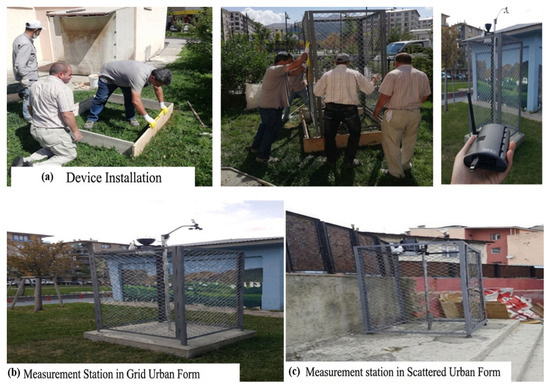
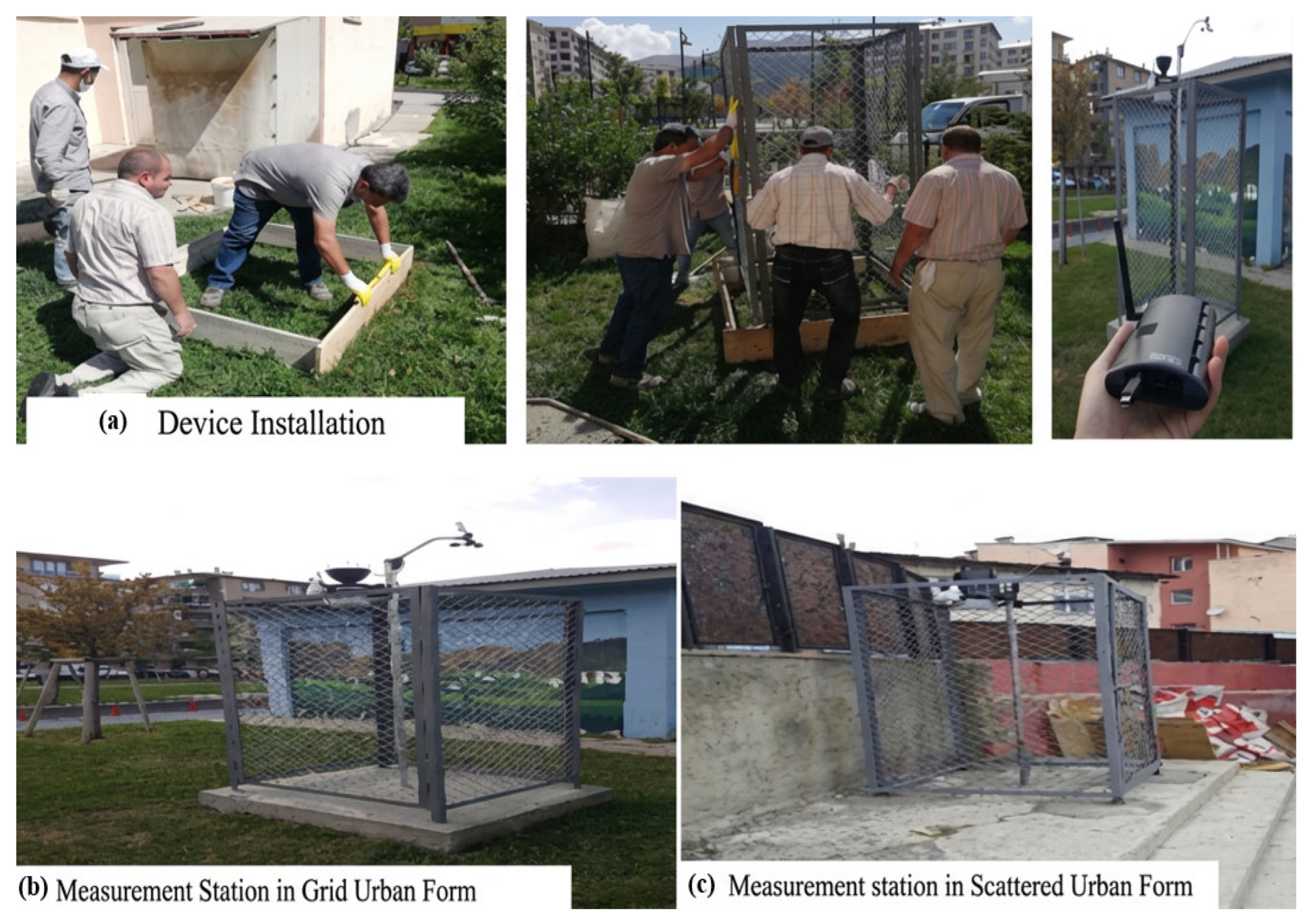
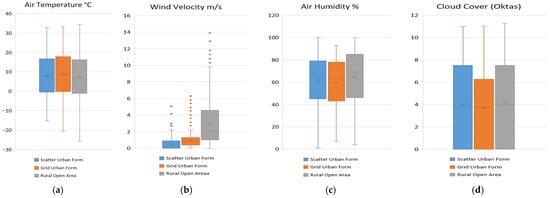
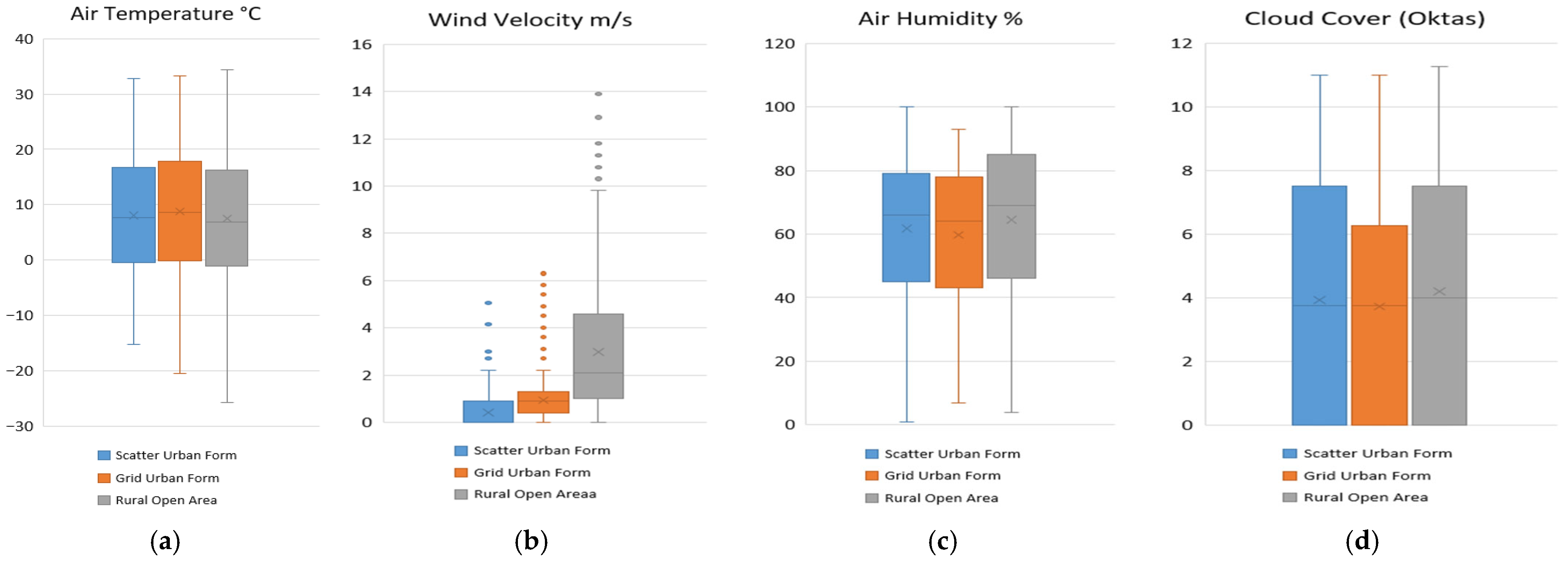
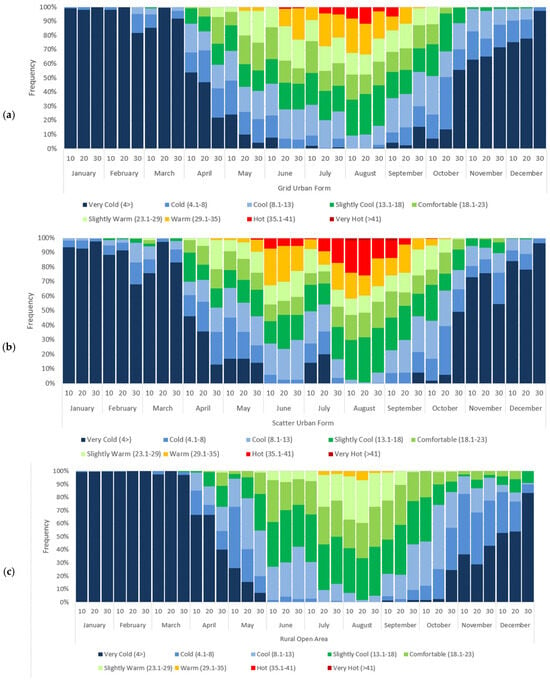
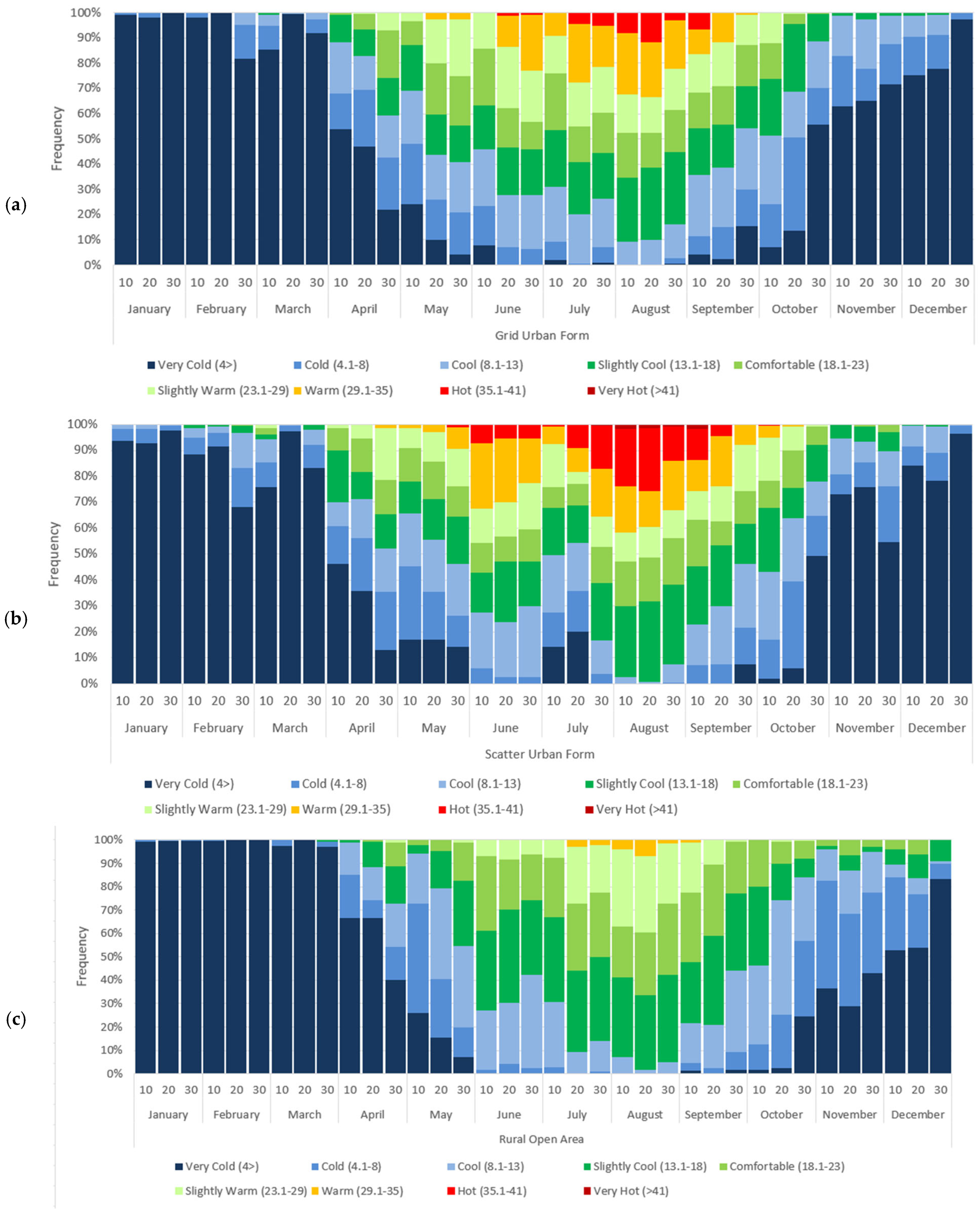
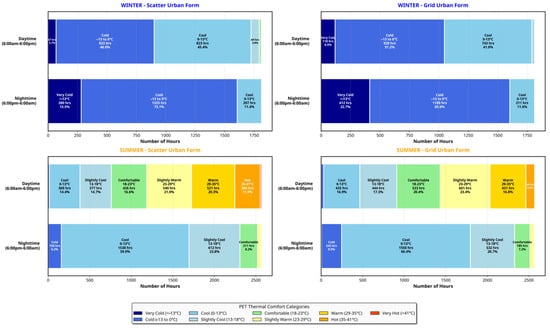
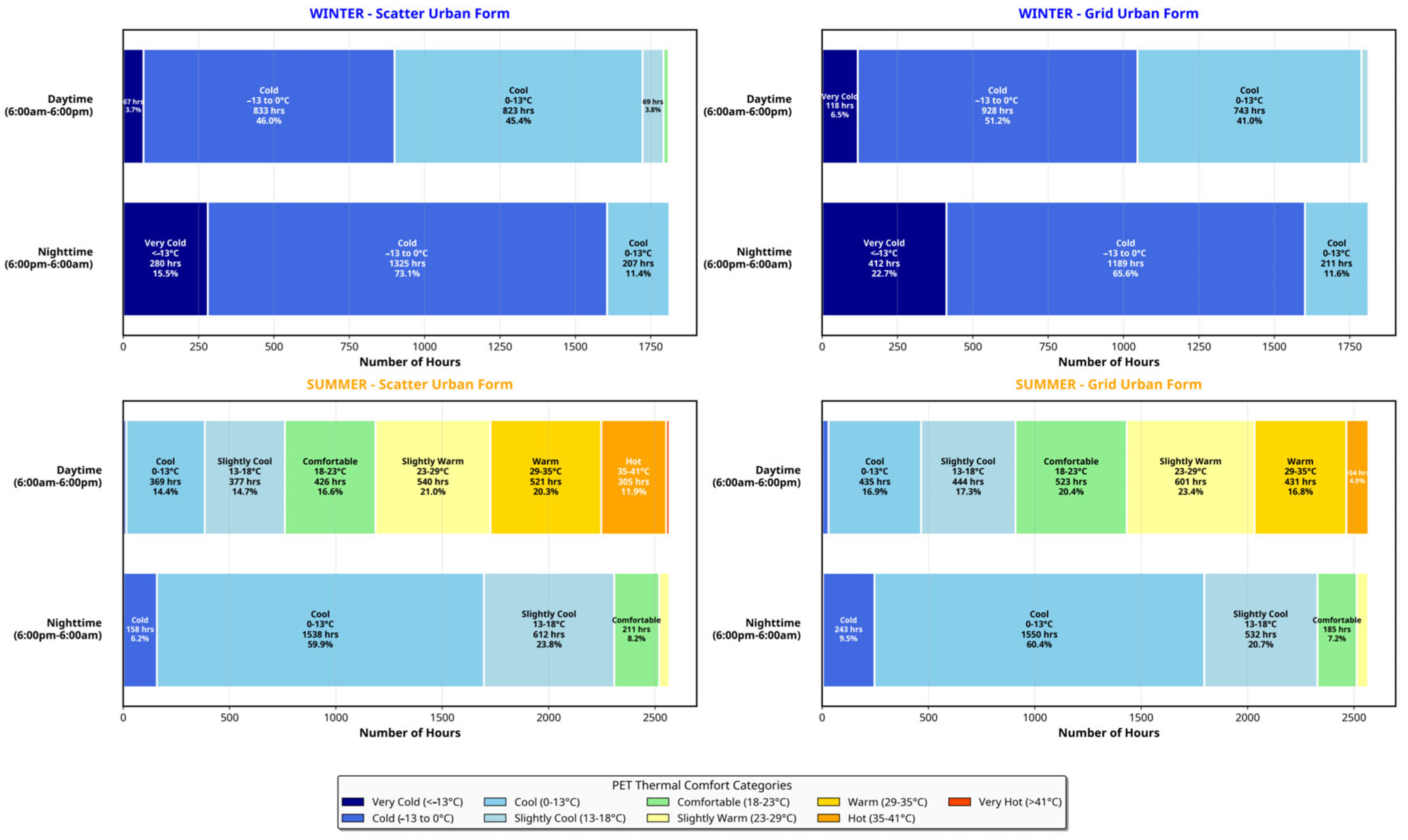
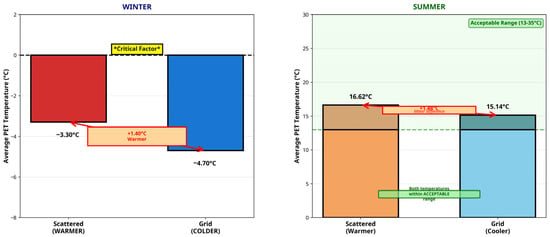
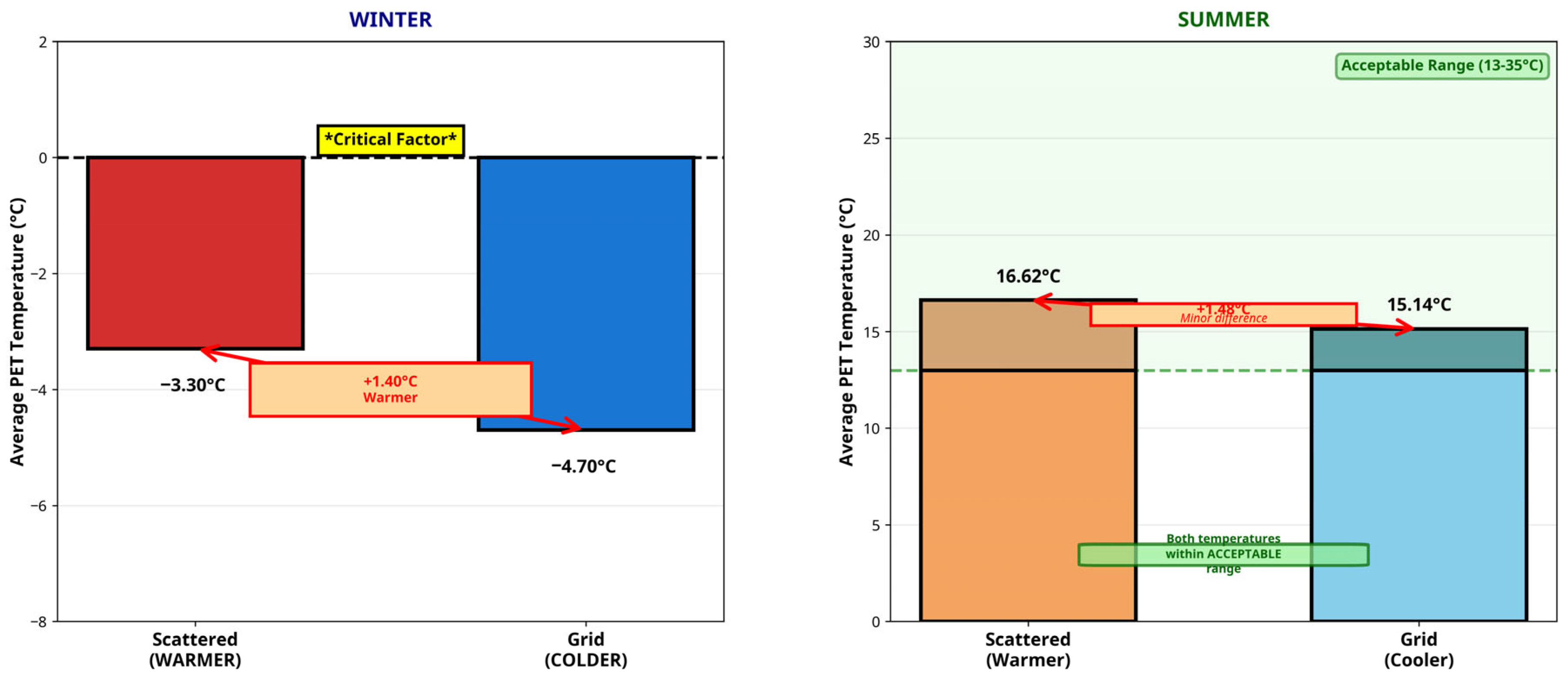
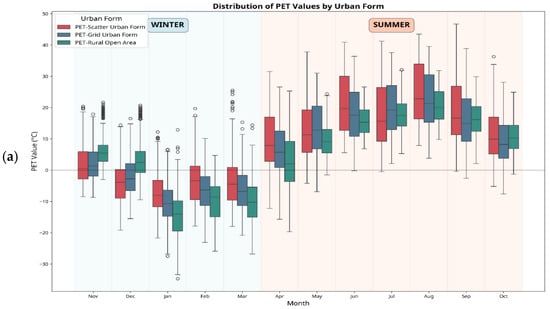
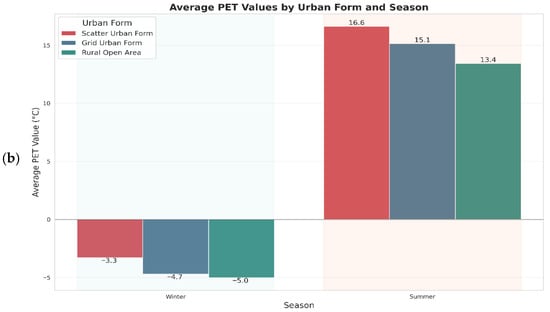
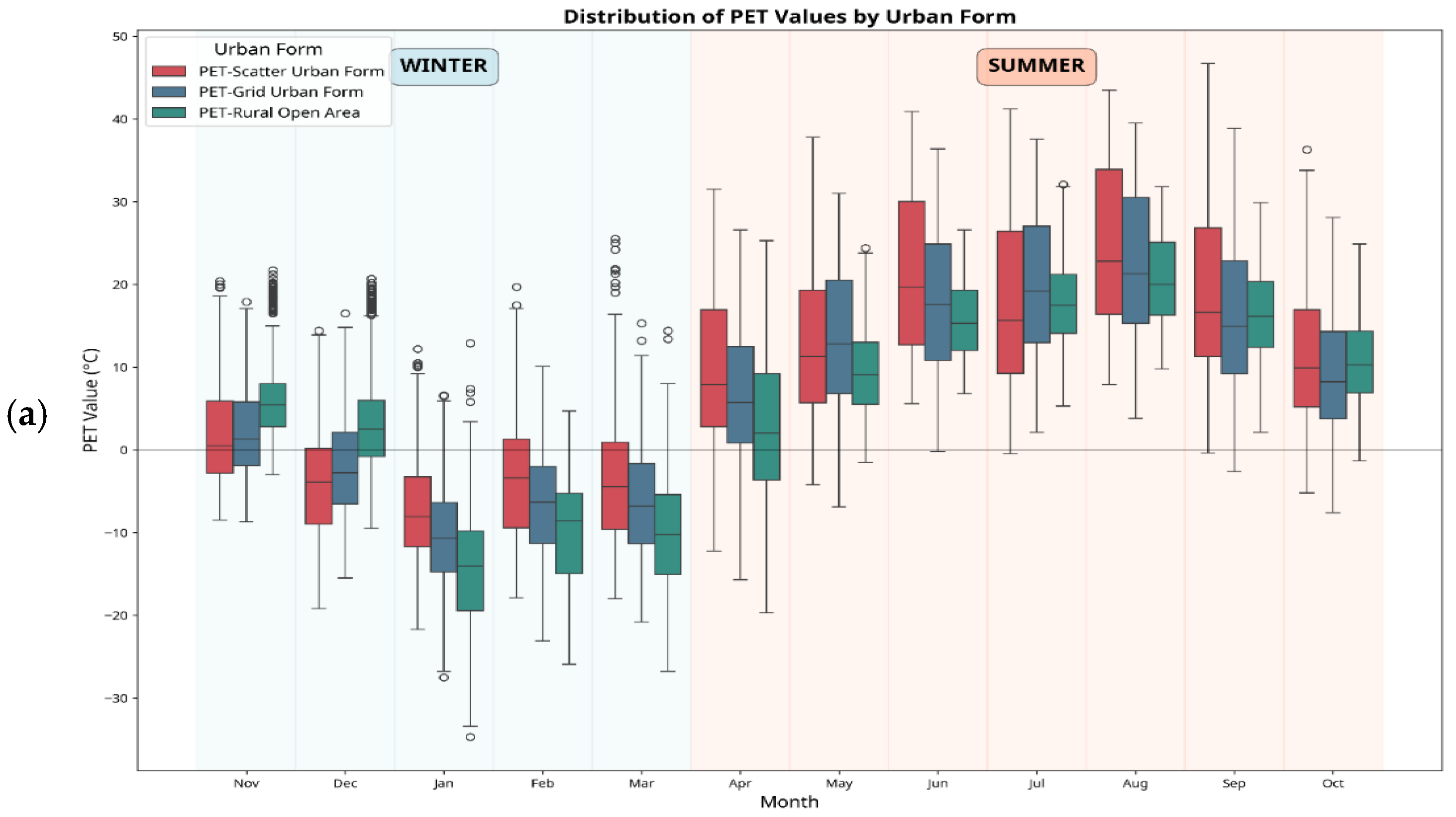
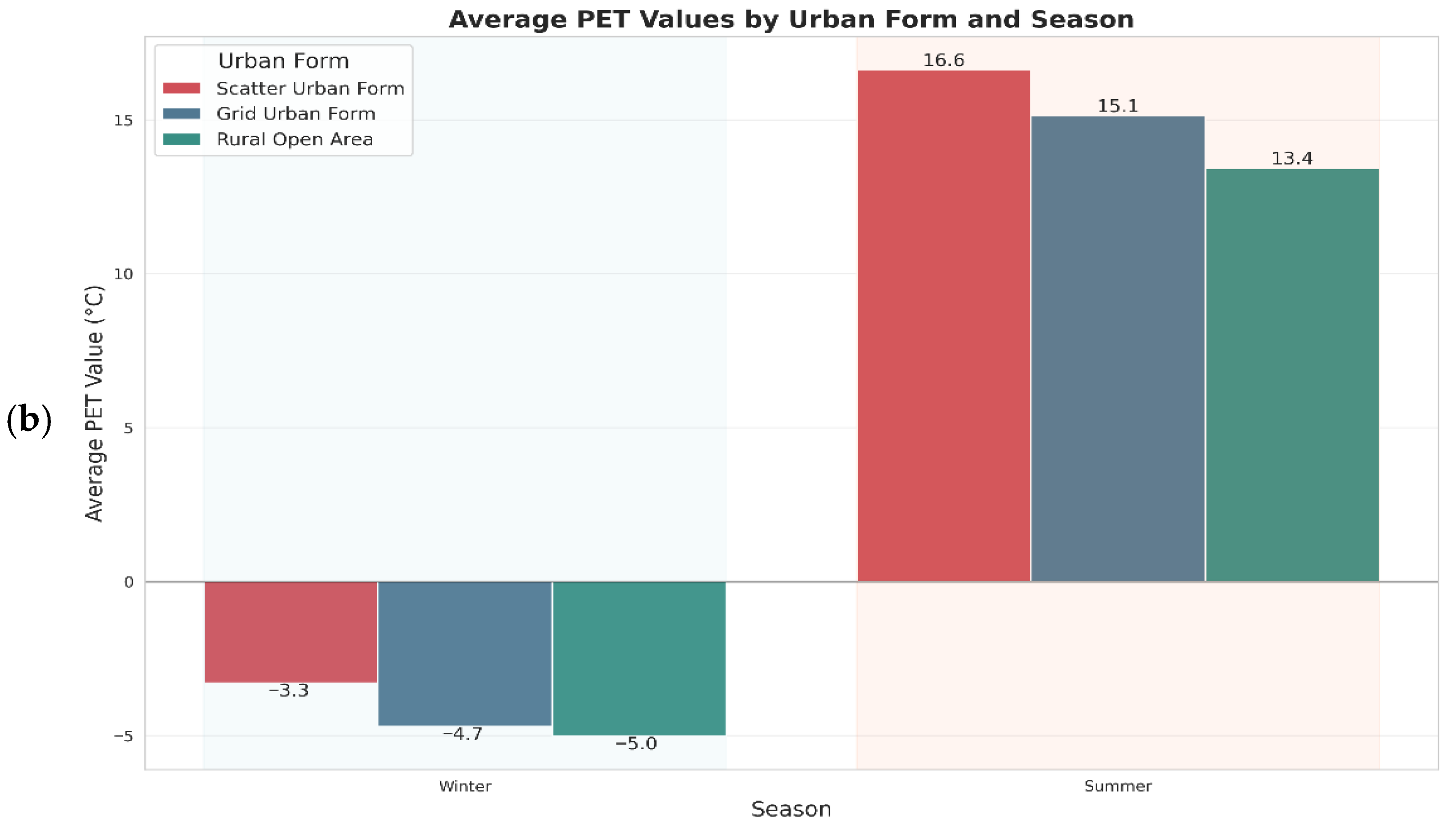
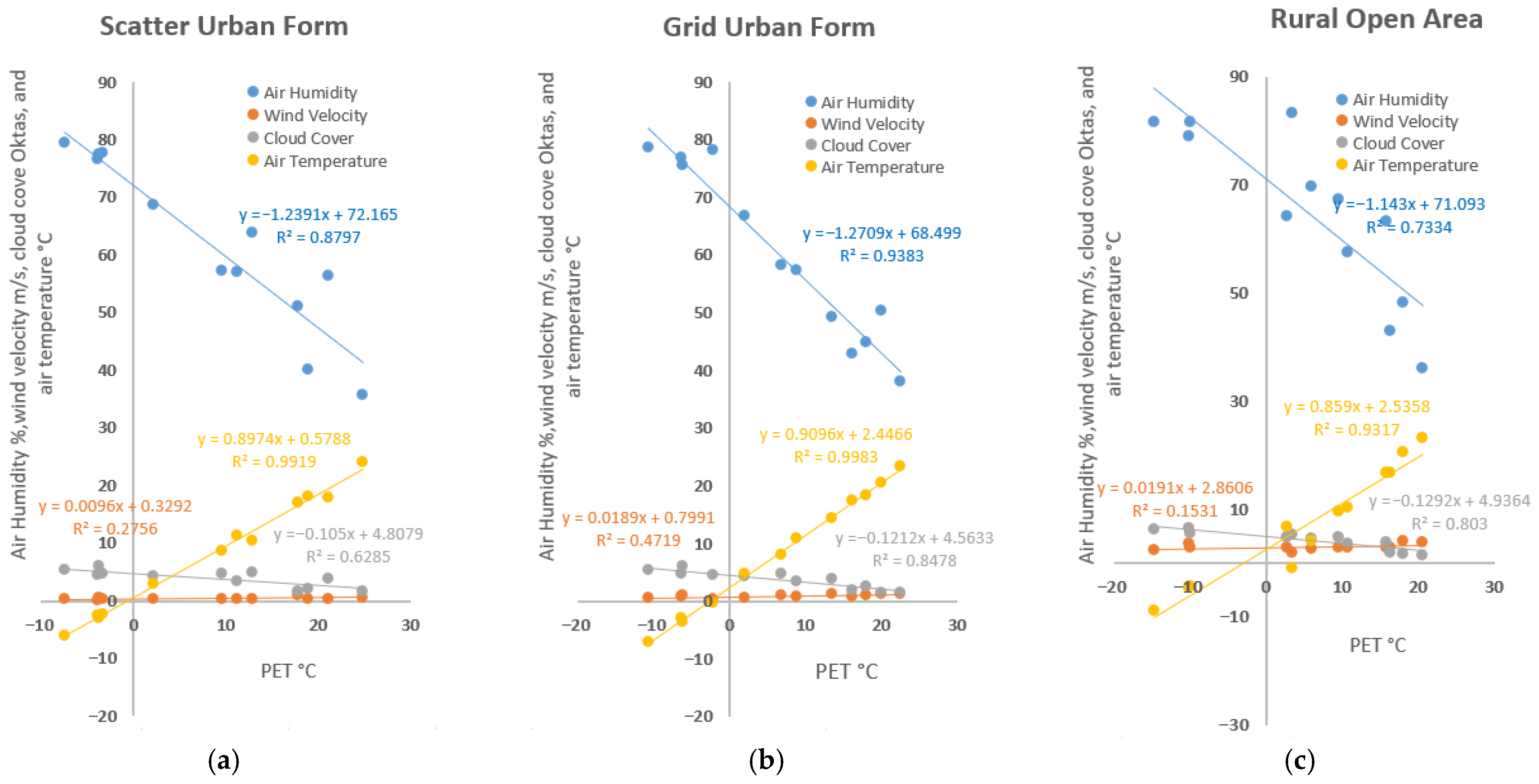
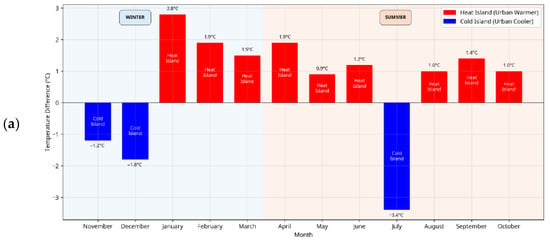
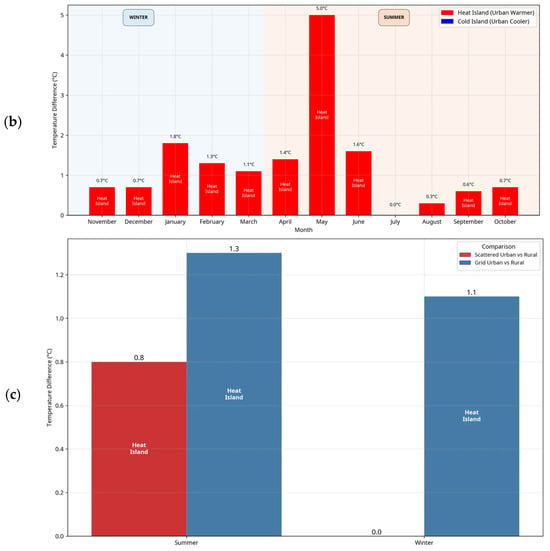
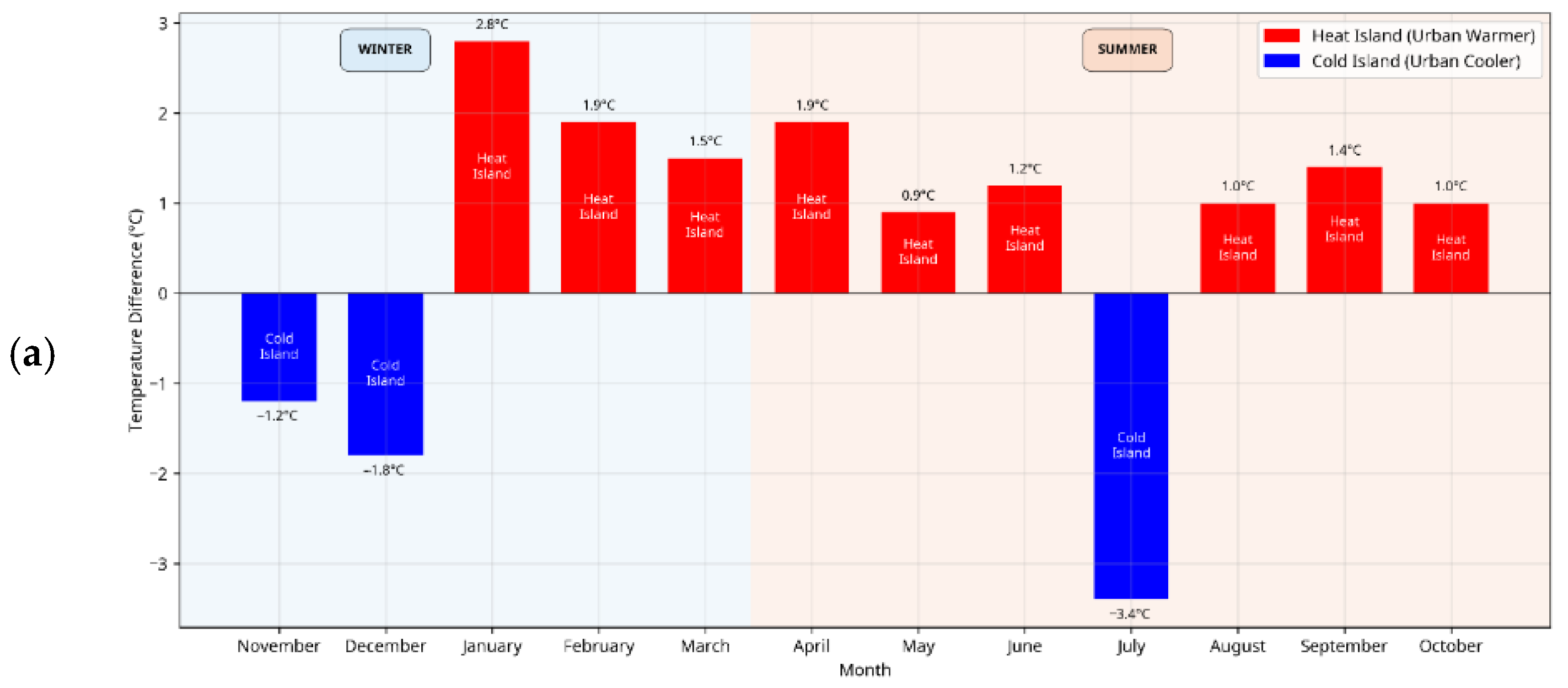
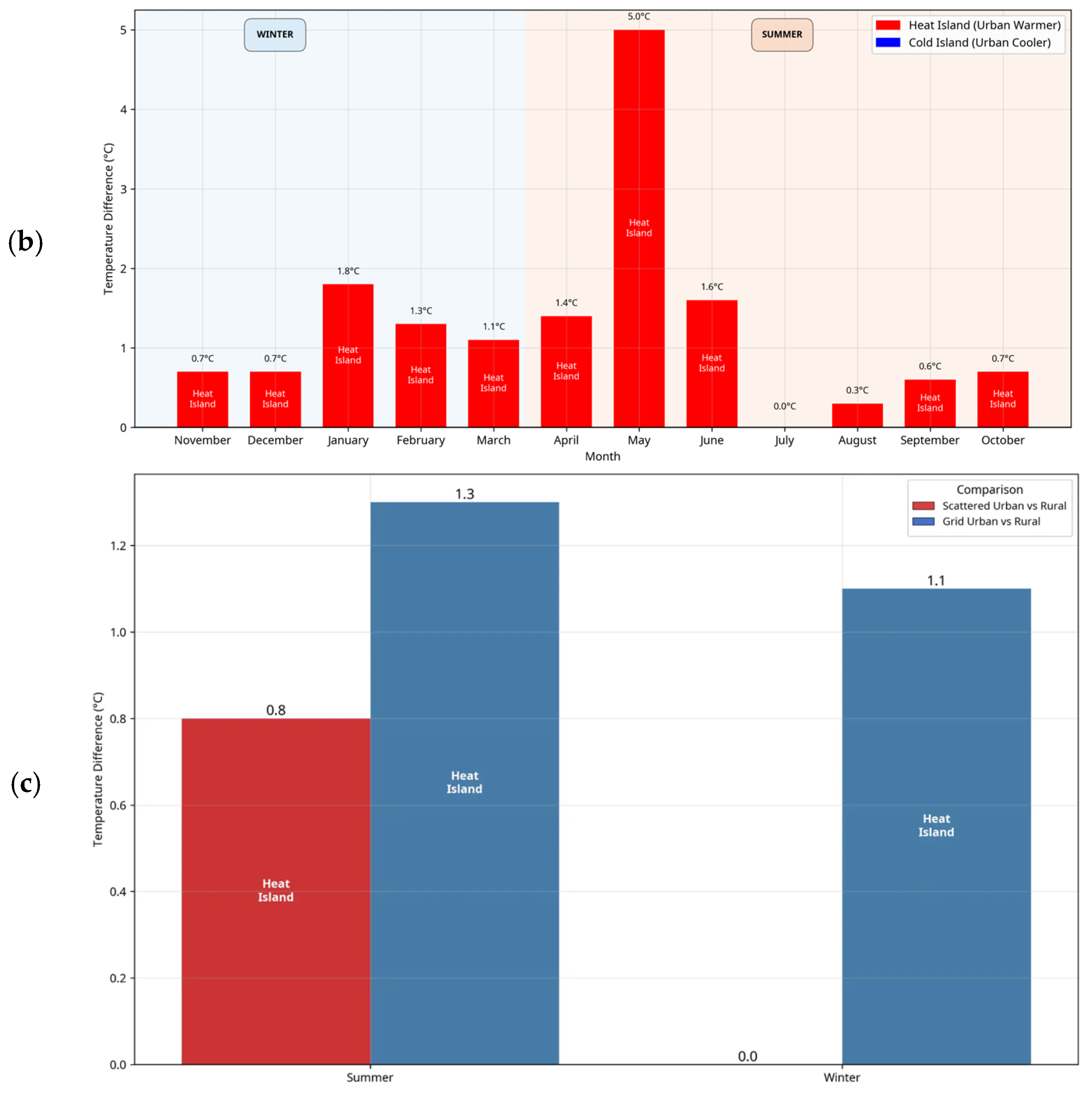
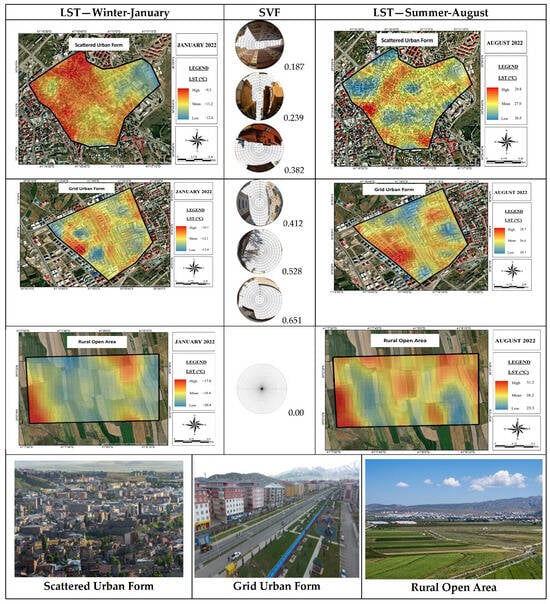
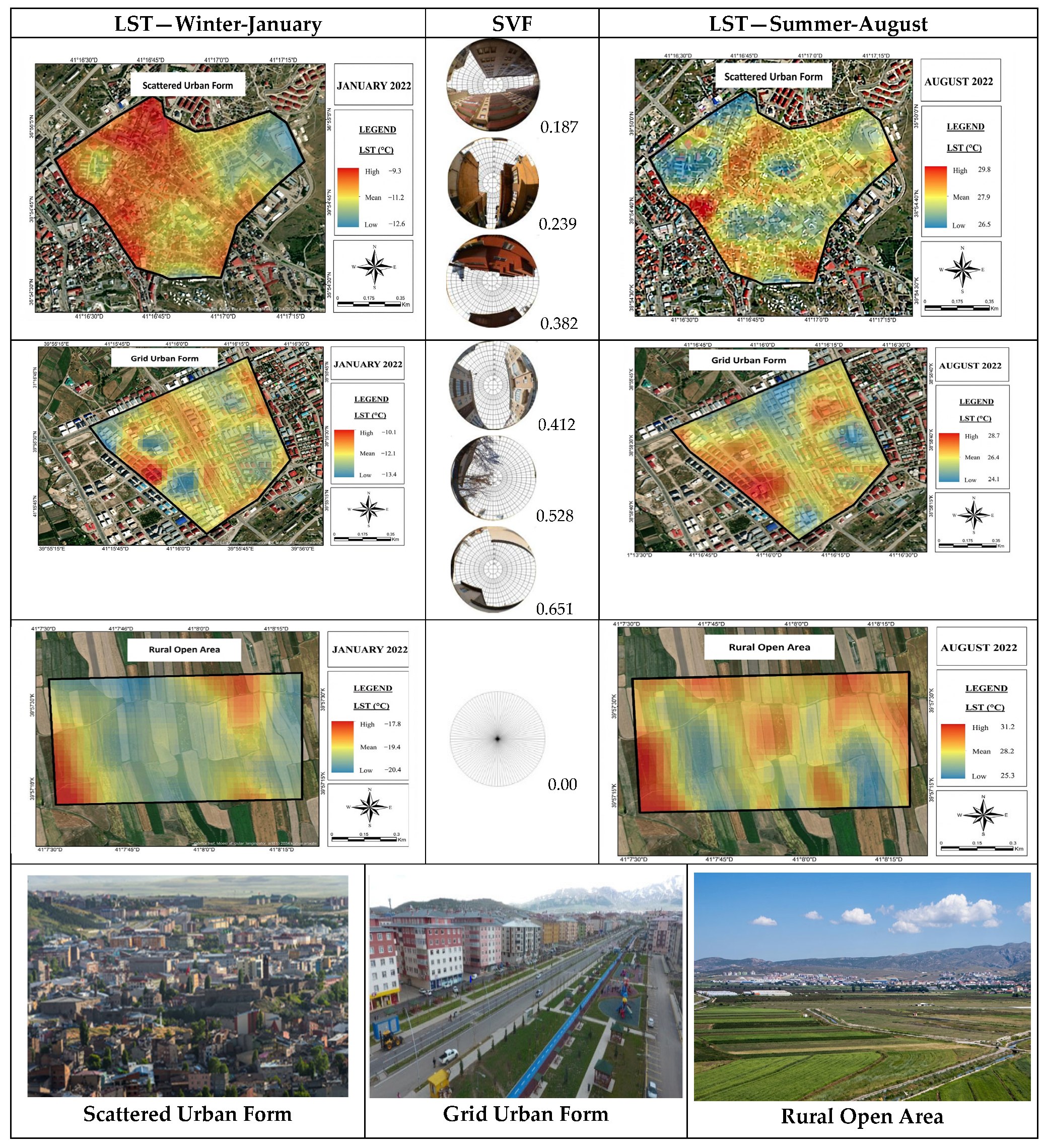

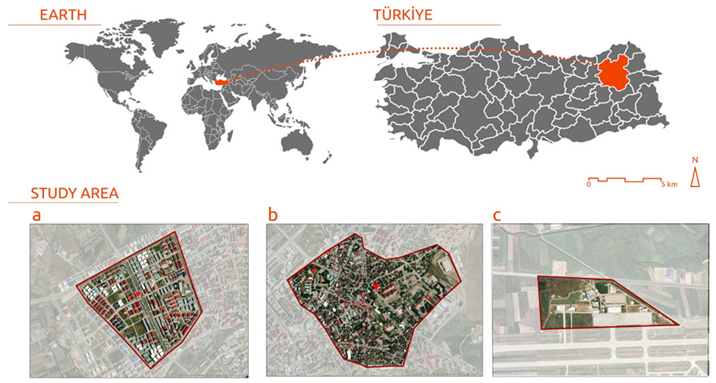
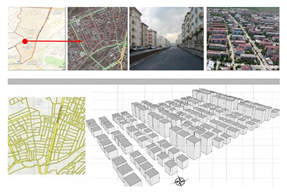
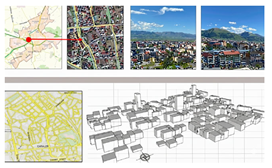
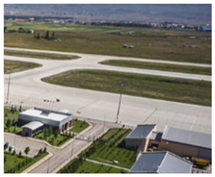
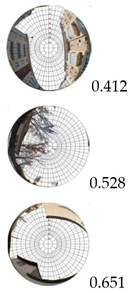
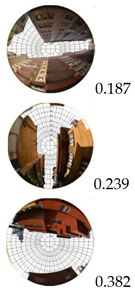
Disclaimer/Publisher’s Note: The statements, opinions and data contained in all publications are solely those of the individual author(s) and contributor(s) and not of MDPI and/or the editor(s). MDPI and/or the editor(s) disclaim responsibility for any injury to people or property resulting from any ideas, methods, instructions or products referred to in the content. |
© 2025 by the authors. Licensee MDPI, Basel, Switzerland. This article is an open access article distributed under the terms and conditions of the Creative Commons Attribution (CC BY) license.