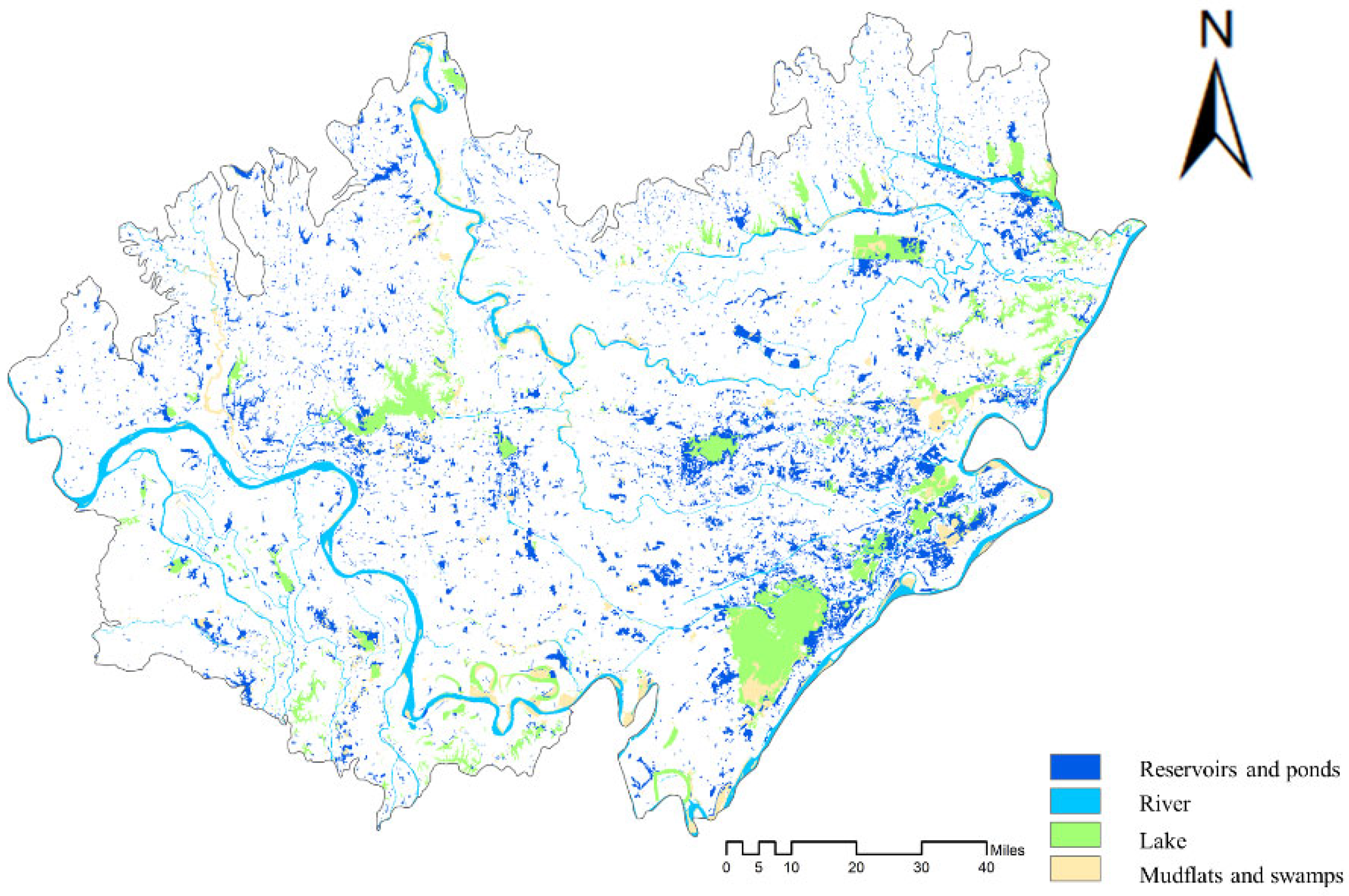
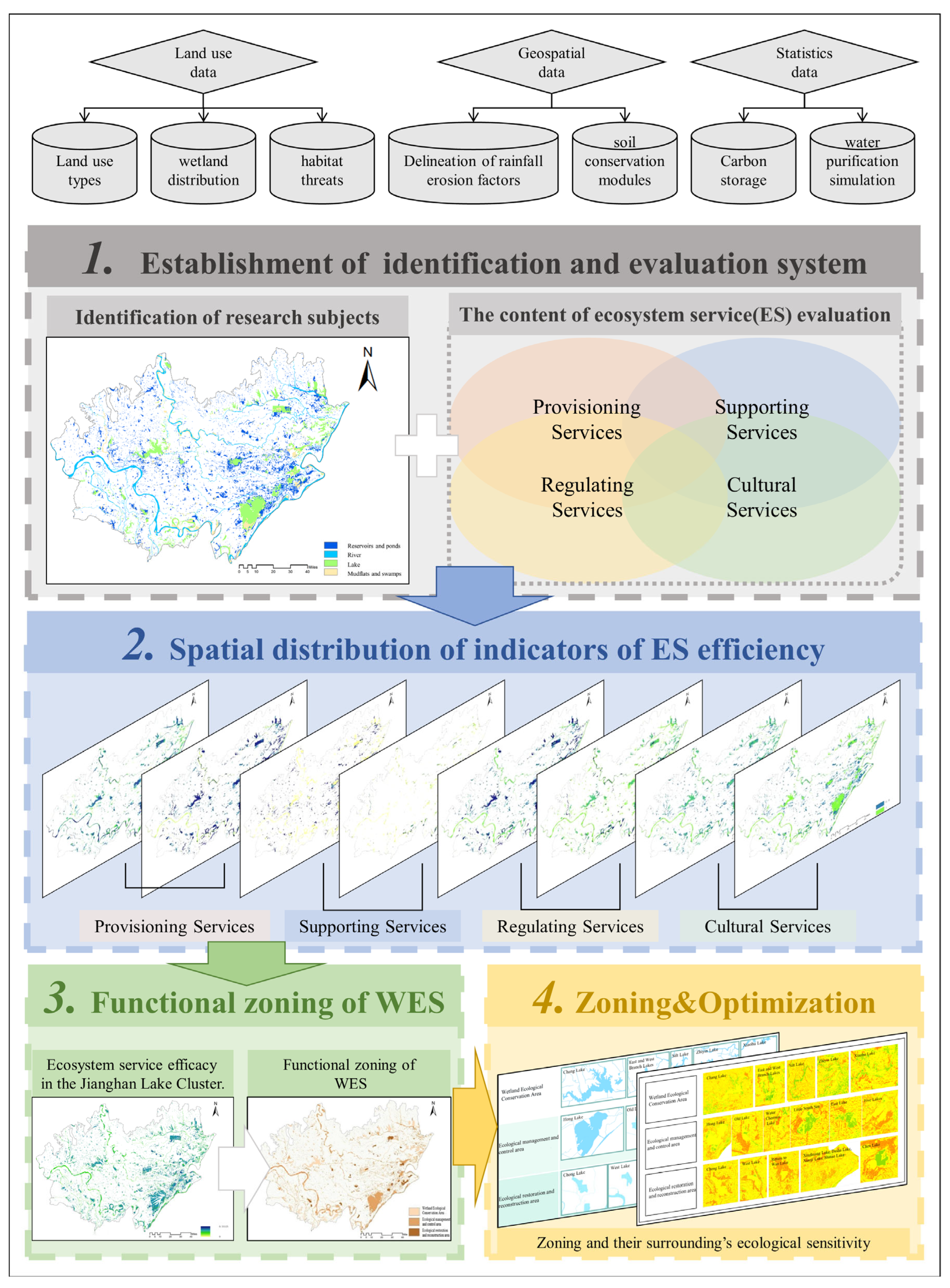
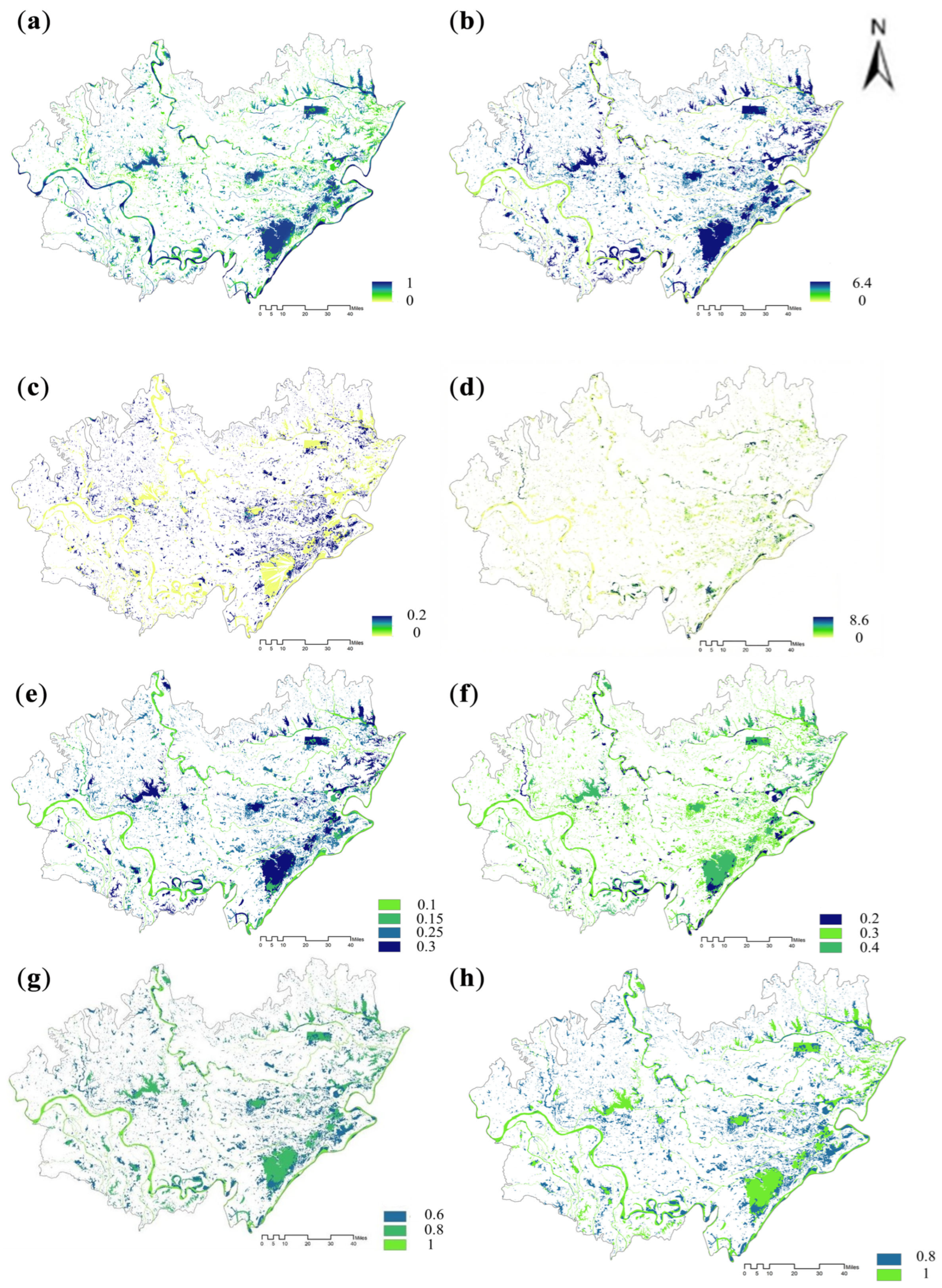
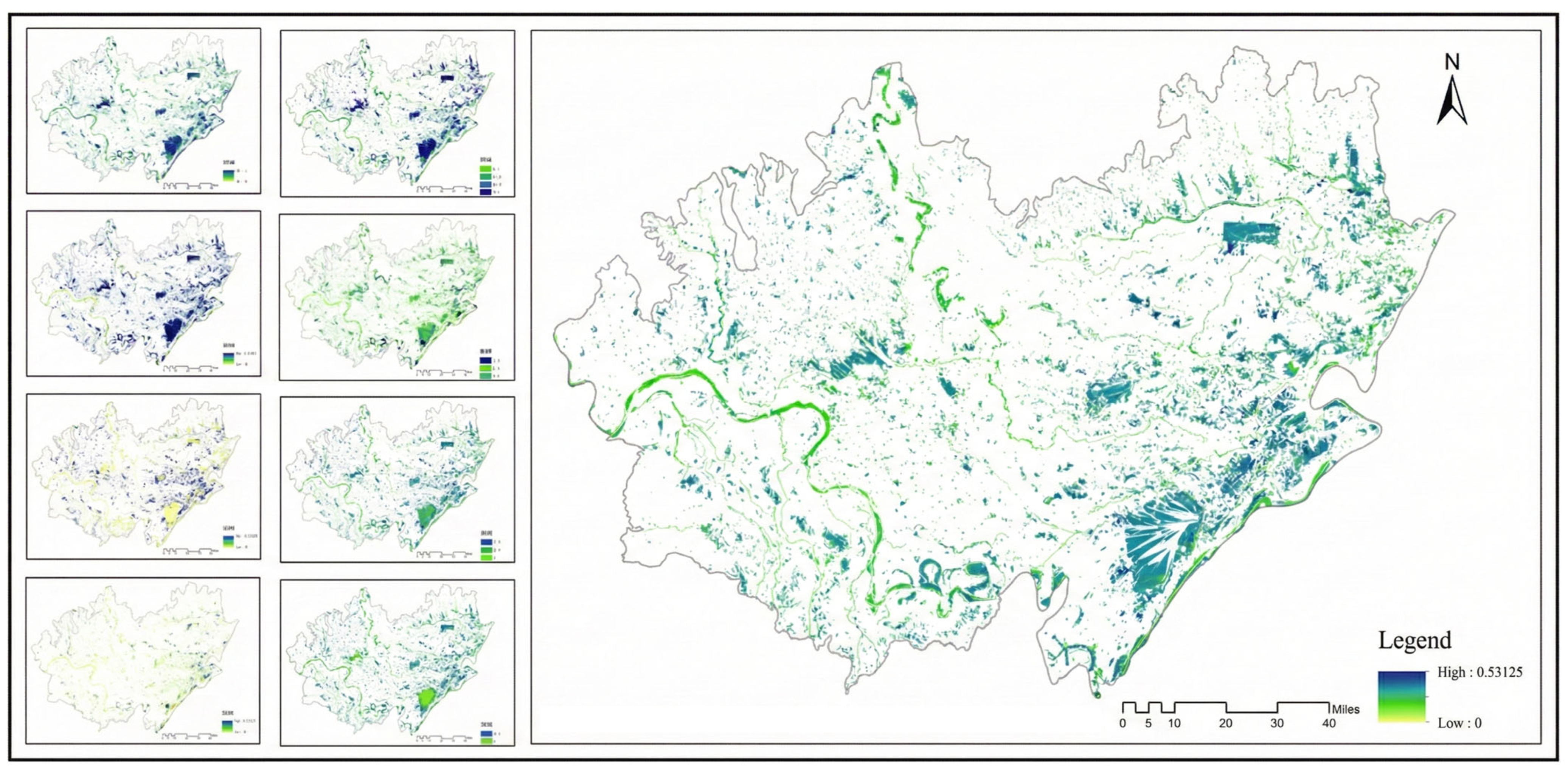
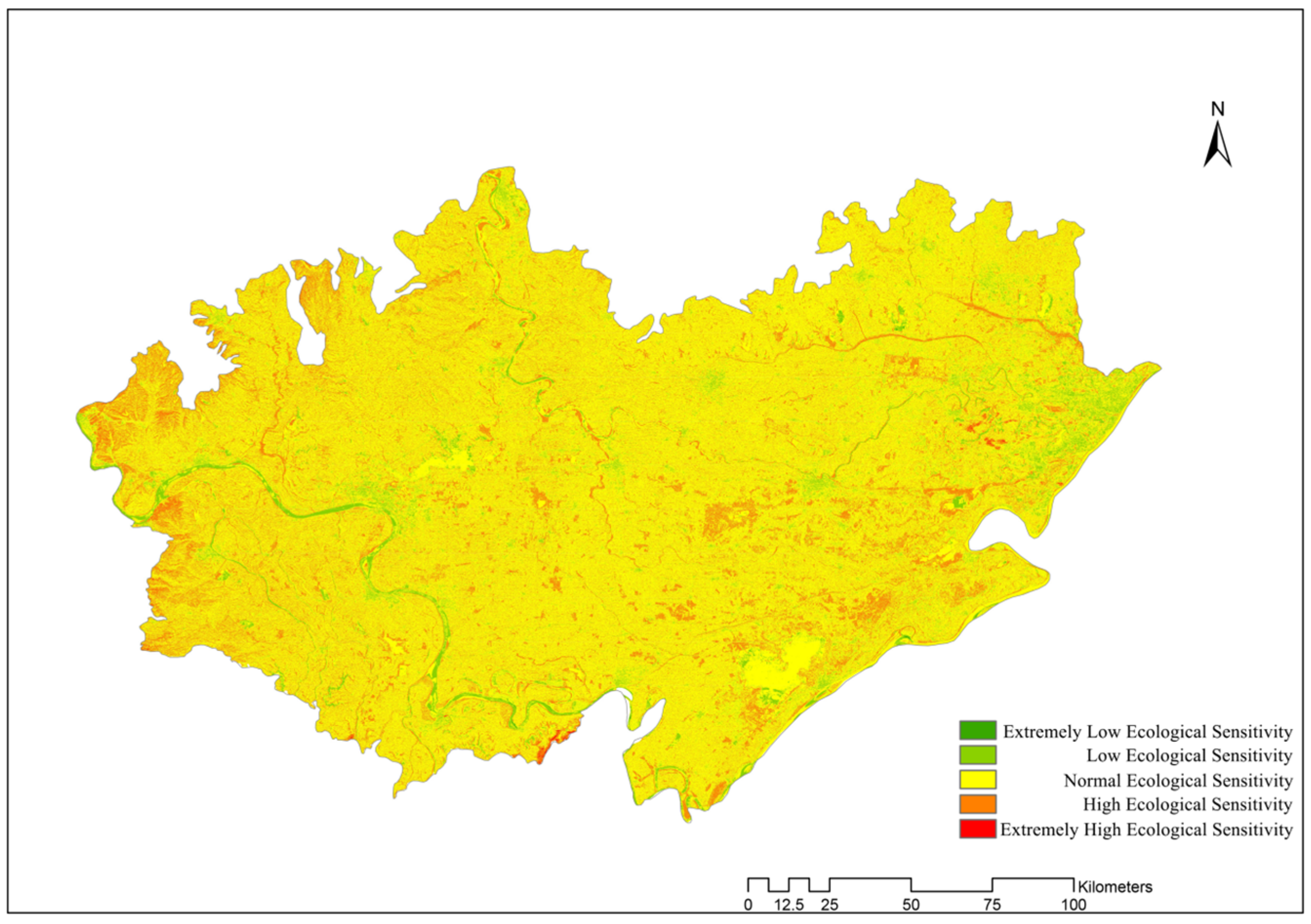
Wetlands are classified into four functional types (riverine, lacustrine, reservoir, and pond) to maintain modeling consistency and ensure computational feasibility within the integrated assessment framework. Although this classification simplifies finer variations in wetland size and management history, it remains appropriate because it captures the major hydrological and morphological contrasts. These contrasts drive change in ecosystem service capacity across the study area. This approach preserves the key morphological heterogeneity (natural vs. enclosed) required for the subsequent coupling analysis. The workflow for evaluating and optimizing wetland IESC in the Jianghan Lake Cluster is shown in
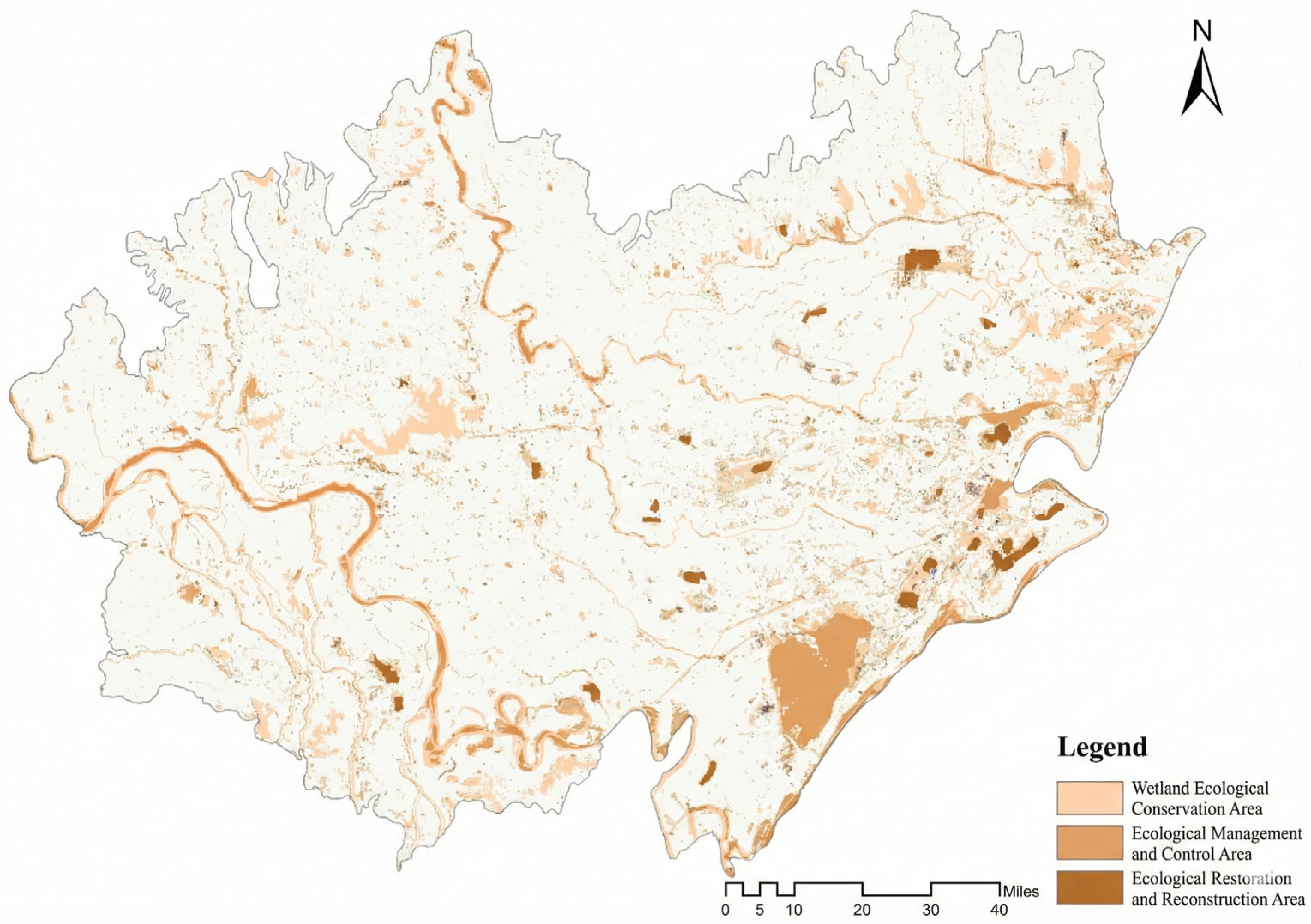
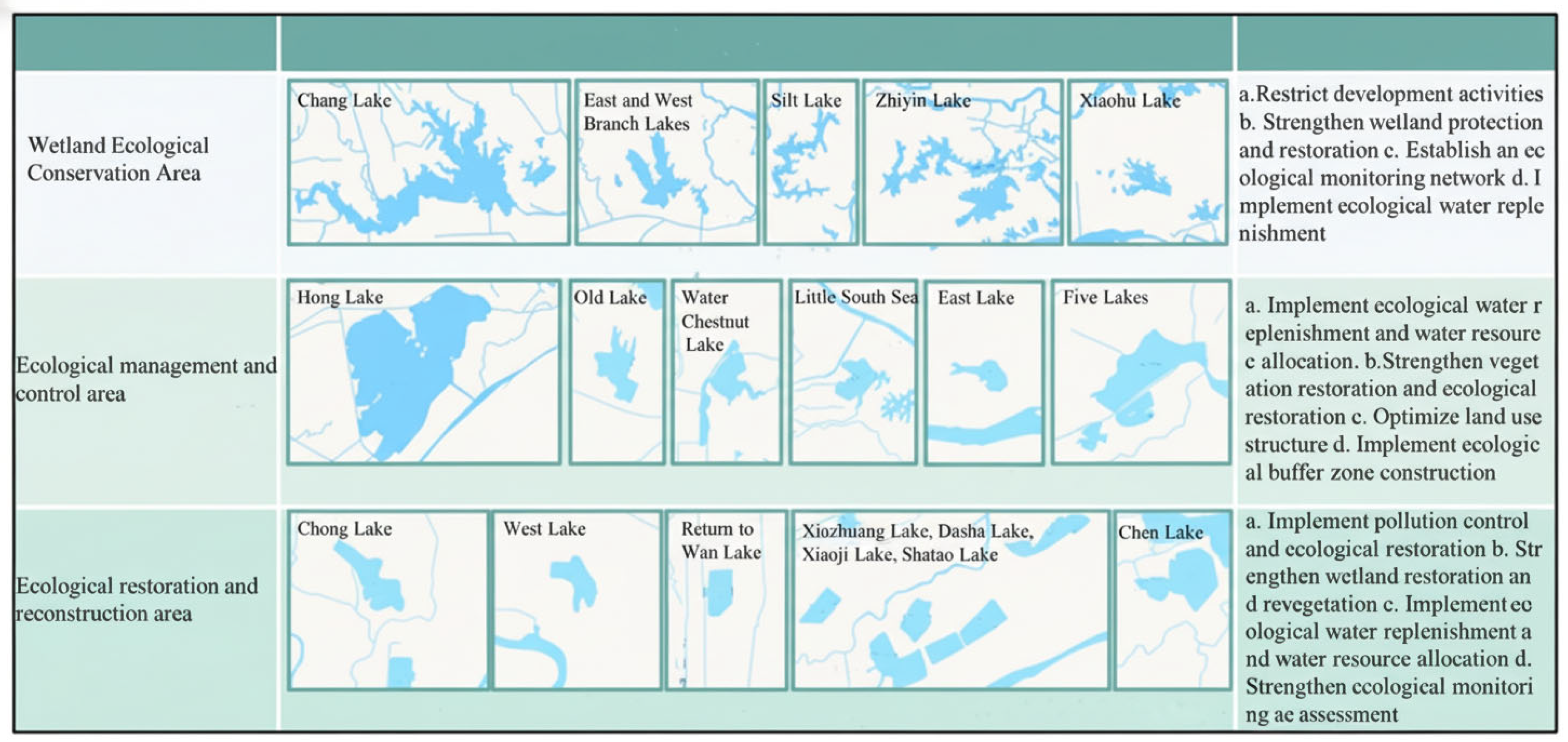
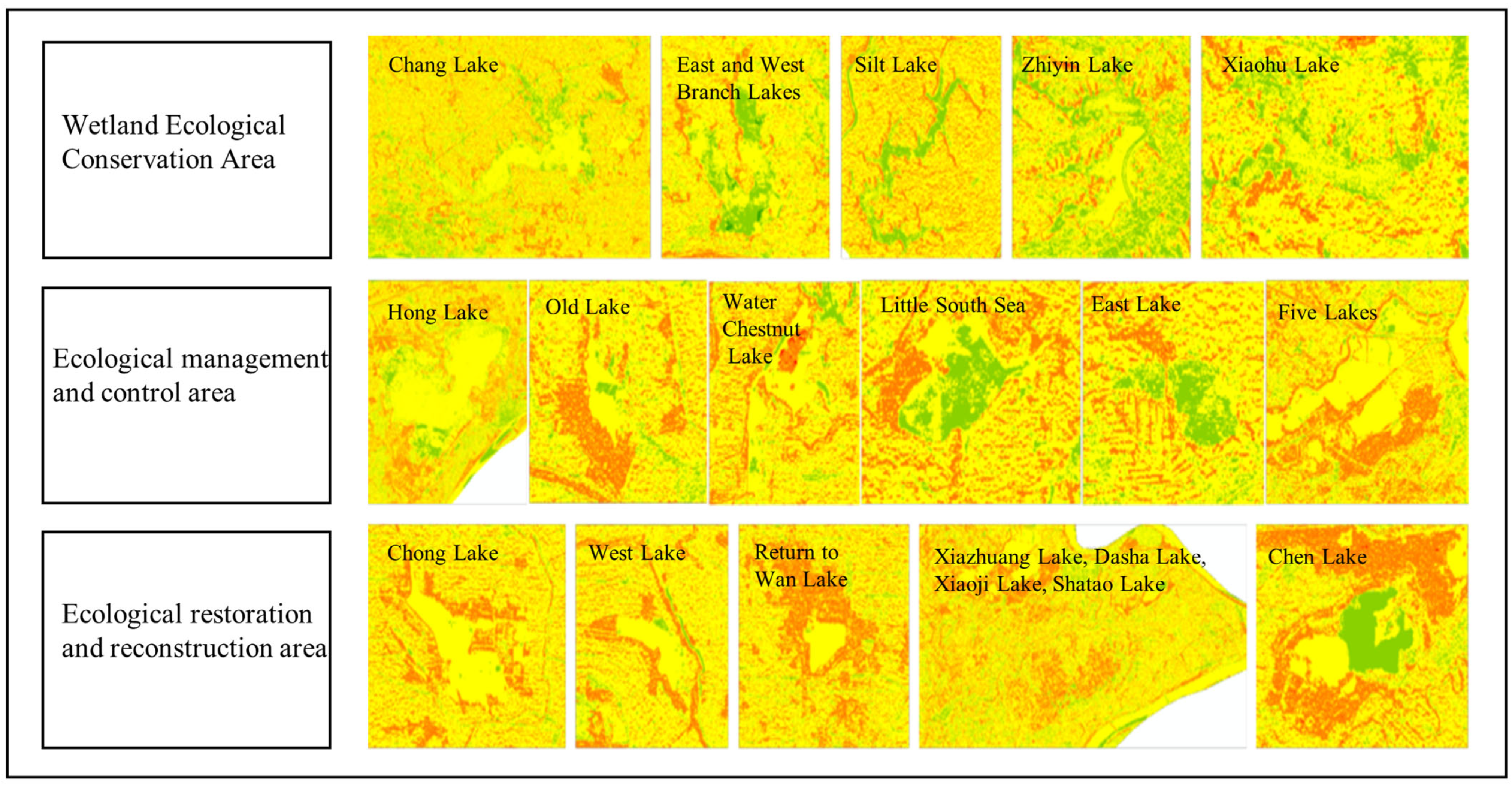
Figure 2. According to the established evaluation framework and the ecological characteristics of the study area, a multidimensional assessment system was developed. The system incorporates eight core indicators, including habitat quality, carbon storage, and water purification. The InVEST model was used to quantitatively evaluate key ecosystem services, including habitat quality, water purification, and carbon storage. Additional indicators were assessed using value-based methods and integrated with the InVEST outputs to map the spatial distribution of overall IESC. The spatial patterns of wetland morphology were coupled with IESC to identify functional zones within the Jianghan Lake Cluster. The area was classified into ecological conservation, ecological regulation, and ecological restoration zones. Moreover, corresponding optimization strategies were developed. Conservation zones should prioritize limiting urban development, protecting and restoring wetlands, establishing ecological monitoring networks, and ensuring ecological water replenishment. Overall, this methodological framework provides a systematic approach for quantifying IESC and supporting spatially differentiated wetland restoration and management.
2.3.1. Principles of the InVEST Model
The InVEST model, developed by the Natural Capital Project, is a spatially explicit tool designed to quantify ecosystem service supply and spatial distribution at the pixel scale. The model mainly uses land use and land cover (LULC) data as input. The model integrates topographic, climatic, soil, and ecological parameters to evaluate multiple ecosystem services, including carbon storage, habitat quality, water purification, and soil retention [
15,
16,
17].
In this study, four core submodules of InVEST were used:
(1) Carbon-Storage Module: This module estimates carbon stock for each land-use type using carbon-density parameters, enabling spatial analysis of regional carbon-sequestration patterns.
(2) Habitat Quality Module: This module quantifies habitat degradation through the integration of data on threat sources, habitat sensitivity, and distance-decay functions. The module generates a habitat-quality index, thereby identifying degradation hotspots and conservation-priority zones.
(3) NDR Module: This module simulates the export and retention of nutrients such as nitrogen and phosphorus across different land-use types. The module quantifies the ability of wetlands to mitigate non-point source pollution.
(4) SDR Module: This module assesses soil erosion and retention across land-use types based on the Revised Universal Soil Loss Equation (RUSLE).
Model parameters were mainly obtained from the official InVEST User Guide [
18] and relevant domestic and international studies [
19,
20,
21]. These parameters were localized to reflect the geographical characteristics of the Jianghan Lake Cluster [
22]. Detailed theoretical formulations and computational algorithms of InVEST are provided by Wen Li et al. [
23].
2.3.2. Data Processing
All spatial datasets—including CNLUCC land-use data, ASTER GDEM, and annual precipitation—were first quality-checked in ArcGIS 10.8. The datasets were re-projected to a unified coordinate system, resampled to a 30 m × 30 m resolution, clipped to the study-area boundary, and aligned at the pixel level. DEM was processed using depression-filling. Subsequently, slope, flow direction, and flow-accumulation layers were generated to delineate sub-basins and extract the river-network base maps.
The CNLUCC dataset was reclassified into the LULC categories required by the InVEST model. Major wetland types, such as rivers, lakes, reservoirs/ponds, and tidal flats/marshes, were extracted to create a wetland mask. A key–value mapping table linking each LULC class to its corresponding model parameters was developed according to the InVEST guidelines.
Annual precipitation data were resampled and spatially aligned with the DEM and LULC layers. The rainfall-erosivity factor (R) was calculated according to the InVEST model documentation for use in both the NDR and SDR modules. Additionally, comprehensive consistency and completeness checks were performed, including verification of coordinate systems, resolution, pixel alignment, code uniqueness, and parameter coverage. The standardized LULC, DEM, and precipitation raster datasets, along with the parameter tables, were exported as the formal inputs for each InVEST submodule.
2.3.4. Determination of Evaluation Indicator Weights
The eight ecosystem service indicators were calculated as follows:
(1) Carbon Storage
Carbon storage in ecosystems involves the accumulation of carbon in vegetation, organic matter, and soil. Through the sequestration of atmospheric CO2, ecosystems capture greenhouse gases and convert them into ecological value through carbon-storage services. Particularly, wetland ecosystems are highly effective in carbon accumulation and serve as natural carbon sinks.
In this study, the Carbon-Storage module of the InVEST model was used to quantify carbon stocks across different wetland types in the Jianghan Lake Cluster. The calculation involved several steps:
First, the carbon content of four key pools—soil carbon, litter organic carbon, aboveground biomass, and belowground biomass—was determined for each wetland type. Subsequently, a spatial overlay analysis was conducted to integrate these pools and estimate the total carbon storage of the wetland ecosystems.
The carbon-pool parameters for the various wetland types were obtained from datasets on carbon-sequestration ecosystem services in the Yangtze River Economic Belt [
25,
26]. These parameters were adjusted to reflect the biophysical properties of the Jianghan Lake Cluster. The biomass values (t·hm
−2) for each wetland type are summarized in
Table 3.
(2) Habitat Quality
Habitat quality was assessed using the Habitat Quality module of the InVEST model. This module evaluates ecosystem stability based on the spatial intensity of ecological threats (such as agricultural and construction land) and their interactions with habitat sensitivity. According to these inputs, the model simulates the spatial distribution of habitat quality and degradation across the Jianghan Lake Cluster (
Table 4 and
Table 5).
The simulation results indicate a strong spatial correlation between areas of high habitat quality and biodiversity hotspots. In contrast, areas with low-habitat quality correspond to regions with higher ecological vulnerability and reduced resilience. Detailed descriptions of the model parameters and computational algorithms are provided in the relevant literature [
27,
28].
(3) Water Purification Simulation
Wetland systems remove nitrogen and phosphorus pollutants through a synergistic combination of physical, chemical, and biological processes. Mechanisms such as adsorption and interception, plant uptake, substrate filtration, and microbial degradation create a multi-stage cascade that enables efficient nutrient removal. In this study, the NDR module of the InVEST model was used to quantify the water-purification service of the Jianghan Lake wetlands through simulation of the spatial distribution of total nitrogen (TN) export. The model assesses the influence of landscape characteristics on nutrient transport and retention and estimates the effectiveness of wetlands in mitigating non-point source pollution.
The simulation results revealed a strong negative correlation between TN export and purification efficiency. This confirms that TN export is a key indicator of wetland water-purification function. The model parameters for the Jianghan Lake Cluster are summarized in
Table 6. Detailed algorithmic procedures are provided in the cited references [
29,
30,
31].
(4) Soil Retention Simulation
Soil erosion in the Jianghan Lake Cluster wetlands was analyzed using the SDR module of the InVEST model. This module integrates global hydrological datasets with empirical soil-erosion models to simulate soil particle movement. The module assesses the effects of hydrological conditions on erosion intensity and the dynamics of sediment transport and export [
32]. The model inputs included soil parameters specific to the Jianghan Plain (
Table 7) and precipitation and topographic data representing regional soil types, hydrological regimes, and terrain features. These inputs enabled the spatial quantification of soil erosion and retention, providing the basis for assessing the soil-conservation function of the wetland ecosystem.
During the simulation, the InVEST SDR module was used to model soil-erosion dynamics under varying hydrological conditions. The simulation incorporated three key processes:
(a) Infiltration: Rainfall infiltrates the soil surface. The combined effects of gravity and hydraulic forces mobilize soil particles and promote surface runoff erosion.
(b) Ecological Weathering: Vegetation mitigates erosion through raindrop interception and soil aggregate stabilization. Soil structural properties determine erosion resistance.
(c) Sediment Export: Detached soil particles are transported by wind and water, contributing to sediment yield at the watershed outlet.
The annual soil erosion volume of the Jianghan Lake Cluster wetlands was quantitatively simulated using the InVEST SDR module. The annual soil-erosion values were inversely normalized (i.e., higher erosion corresponds to lower soil-retention efficiency) to map soil-retention efficiency across the Jianghan Plain.
(5) Regulating Services
According to existing literature and field investigations, this study systematically developed a classification and valuation framework for regulating services. The framework focuses on two main components: climate regulation and hydrological regulation. Indicator weights were adjusted to reflect functional differences among wetland types. For example, small and medium-sized shallow lakes were assigned higher weights for flood-regulation capacity. In contrast, marsh wetlands were prioritized for their superior carbon-sequestration potential.
Climate-regulation services were further classified into two categories: local and global climate regulation. Each category was assessed according to the functional characteristics and biophysical attributes of the wetlands [
2,
33].
Local climate regulation was evaluated using indicators such as evapotranspiration capacity, air-humidity regulation efficiency, and local temperature-buffering potential. These indicators were quantified using remote-sensing data (e.g., land surface temperature and vegetation coverage) and ground-based meteorological observations (e.g., humidity and temperature records) to assess the influence of wetlands on surrounding microclimates.
Global climate regulation capacity was assessed based on carbon-sequestration ability (e.g., total carbon fixation and CO2 uptake rate) and the balance of greenhouse-gas emissions (e.g., methane fluxes). Wetland carbon-sequestration potential was estimated through integration of vegetation composition (such as reed and marsh species) and soil organic matter content with a carbon-density model. In the Jianghan Lake Cluster, small and medium-sized lake wetlands exhibited high carbon-fixation efficiency owing to their diverse plant communities.
Hydrological regulation services were classified into flood control and groundwater recharge and evaluated using both hydrological and socio-economic data. Flood-regulation capacity was assessed using indicators such as storage volume (wetland area and average depth), peak-flow attenuation rate, and flood-retention duration. These indicators were quantified through the analysis of historical flood records and the comparison of flood-retention performance across wetland types. Groundwater-recharge capacity was evaluated using indicators such as recharge rate, groundwater-level variations, and water-purification efficiency. A water-balance model combined with groundwater-monitoring data was used to quantify the contribution of wetlands to infiltration-driven groundwater recharge.
(6) Cultural Services
To assess cultural services in the Jianghan Lake Cluster wetlands, these services were categorized into two main dimensions: intrinsic biodiversity value and recreational and aesthetic value. Four wetland types—rivers, lakes, reservoirs/ponds, and tidal flats/marshes—were evaluated, with value assignments differentiated based on their ecological, aesthetic, and experiential characteristics. Intrinsic biodiversity value reflects the cultural and ethical significance of conserving species and habitats. This highlights the non-material contributions of wetlands to human perceptions of nature and ecological conservation. Recreational and aesthetic value captures benefits from landscape valuation, ecotourism, and educational experiences provided by wetland ecosystems. The assigned effectiveness values for cultural services across different wetland types in the Jianghan Lake Cluster are presented in
Table 8.
Intrinsic biodiversity value was evaluated using three core indicators. These included species richness (e.g., number of wetland-endemic species), endangered-species protection level (e.g., proportion of species listed in the IUCN Red List), and ecosystem integrity (e.g., food-web complexity and stability of keystone species). These indicators were derived from field biodiversity surveys, including avian and fish census data across the Jianghan Lake Cluster. The indicators were further supported by vegetation-cover analysis from remote-sensing data and documented wetland restoration outcomes from the Comprehensive Lake Protection Plan of Jianghan District. Indicator weights were adjusted according to wetland type. For example, lacustrine wetlands (such as shallow lakes in the Jianghan region) exhibited high habitat connectivity and were assigned greater biodiversity weights. This weighting was based on successful conservation cases, such as the habitat restoration of the endangered Aythya baeri (Baer’s Pochard) in Liangzi Lake. Conversely, tidal-flat wetlands support unique intertidal species but face higher anthropogenic disturbances, necessitating sensitivity-based adjustments in their assigned values.
The recreational and aesthetic value was assessed using two categories of indicators: functional and perceptual. Functional indicators included landscape uniqueness (e.g., seasonal waterbird spectacles), tourism attractiveness (e.g., visitor numbers and tourism revenue), and cultural–educational functions (e.g., number of wetland education and outreach centers). Perceptual indicators were quantified using social-media analytics, including the popularity of photos and the frequency of aesthetic-related keywords in online comments. Differentiated value assignments were applied across wetland types. Reservoir and pond wetlands, dominated by artificial landscapes, exhibited higher recreational functionality but lower aesthetic value. Consequently, weight adjustments consistent with the functional orientation of these wetlands were applied. In riverine wetlands, the combination of linear waterfront landscapes and recreational activities was evaluated using the “riverside leisure belt” valuation model developed for the Pearl River Delta [
34].
This multi-indicator framework enables rigorous quantification of cultural ecosystem service values and facilitates the integration of cultural dimensions into the overall IESC assessment of the Jianghan Lake Cluster wetlands.
2.3.5. Calculation of Wetland IESC in the Jianghan Lake Cluster
(1) Carbon Storage
According to land-use conditions and corresponding carbon-density data, the Carbon Storage and Sequestration module of the InVEST model was used to quantitatively evaluate the total ecosystem carbon stock of the Jianghan Lake Cluster. The carbon-storage value for each pixel was calculated as the sum of four main carbon pools—aboveground biomass, belowground biomass, dead organic matter, and soil organic carbon—using the following formula:
where
represents the total carbon storage (t·hm
−2);
,
,
, and
denote the carbon densities (t·hm
−2) of aboveground biomass, belowground biomass, dead organic matter, and soil organic carbon, respectively.
(2) Habitat Quality
To calculate the Habitat Quality Index, habitat degradation (
) is first estimated using the Habitat Quality module. This measure reflects the cumulative impact of multiple threat sources on each habitat type. Habitat degradation is calculated using a sensitivity-weighted summation. Habitat types with higher sensitivity to specific threats exhibit greater degradation. Habitat degradation is calculated as follows:
Here,
represents a given threat factor;
denotes the total number of threat factors;
signifies the number of threat-source grid cells;
denotes the weighting coefficient of threat factor (0 ≤ ≤ 1);
quantifies the intensity of threat y;
describes the spatial influence of threat at distance ;
represents the legal accessibility level = 1;
reflects the sensitivity of habitat type j to threat ;
denotes the distance between grid cells x and y.
The maximum effective distance of threat is defined as .
Once degradation intensity (
) is calculated, the Habitat Quality Index (
) is derived using a half-saturation function:
where
represents the habitat-quality score of cell x;
denotes the habitat-suitability score of land-cover type j;
indicates the degradation intensity of cell x;
indicates a model constant (set internally);
K denotes the half-saturation constant (default K = 0.5).
(3) Water Purification
The InVEST NDR model was used to simulate the water-purification service of the Jianghan Lake Cluster wetlands. This model quantifies the transport and retention of surface nutrients—nitrogen (N) and phosphorus (P)—to evaluate the water-purification capacity of the ecosystem. The model further estimates the contribution of the Jianghan Lake Cluster to regional water-quality improvement.
(4) Soil Retention
The Soil Retention module of the InVEST model was used to assess soil-conservation efficiency in the target watershed based on an improved RUSLE framework. The soil-retention function includes two core dimensions:
(a) Reduction in soil erosion by surface vegetation: This is quantified as the difference between potential and actual soil loss.
(b) Sediment retention: The capacity of wetlands to trap and retain upstream sediments is calculated as the product of incoming sediment load and sediment-retention efficiency.
These indicators reflect the ability of wetland ecosystems to reduce erosion and maintain soil productivity across the Jianghan Plain.
(5) Regulating Services
The classification and valuation framework for regulating services was developed based on an integrated review of existing literature and field observations. The evaluation focused on two key functions: climate regulation and hydrological regulation. Indicator weights were adjusted according to functional differences among wetland types [
35].
For example, small and medium-sized shallow lakes were assigned higher weights for flood-regulation capacity. In contrast, marsh wetlands were prioritized for their superior carbon-sequestration potential. This weighting scheme ensures that regulating-service assessments reflect the ecological differences among wetland types.
(6) Cultural Services
Cultural ecosystem services were classified into two main dimensions: intrinsic biodiversity value and recreational–aesthetic value.
Intrinsic biodiversity value was assessed using three core indicators: species richness, endangered-species protection level, and ecosystem integrity. Lacustrine wetlands (e.g., shallow lakes in Jianghan District) exhibit high habitat connectivity and were assigned higher biodiversity weights. In contrast, tidal-flat wetlands, which support unique intertidal species, are more vulnerable to anthropogenic disturbances. Therefore, the value scores of these wetlands were adjusted to reflect their ecological sensitivity.
For recreational and aesthetic values, key indicators included landscape uniqueness, tourism attractiveness, and cultural–educational significance. These were complemented by perception metrics derived from public engagement and social-media data to capture public aesthetic preferences for wetland landscapes [
36].